Thursday, April 9, 2026
Home Blog Page 34

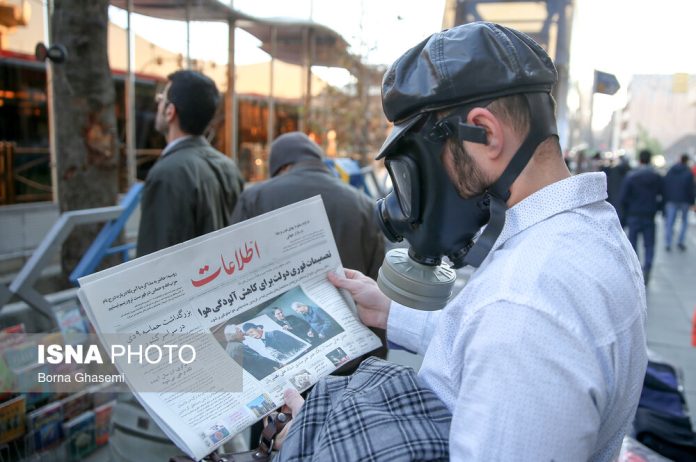
Tehran ranked most polluted city in world

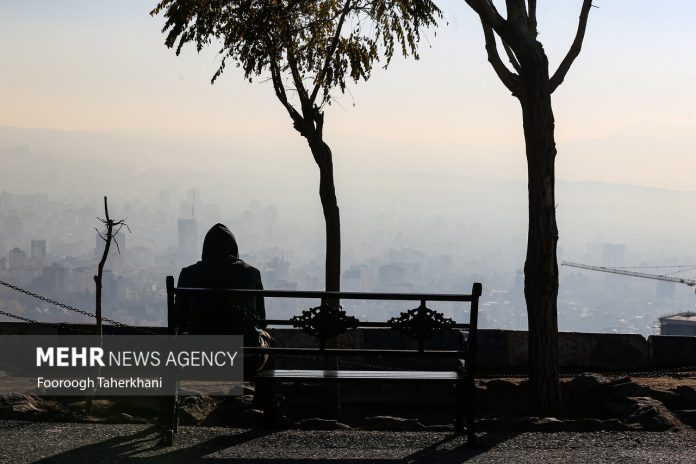
The city’s Air Quality Index (AQI) reached approximately 233, placing it in the “Very Unhealthy” category and making it the most polluted urban center in the world at the time of measurement.

Authorities and health experts report that the dangerous spike is primarily driven by elevated concentrations of PM2.5, ultrafine particulate matter small enough to penetrate deep into the lungs and enter the bloodstream.

Prolonged or repeated exposure to such particles is linked to increased risks of heart attacks, strokes, aggravated asthma, reduced lung function, and other serious health complications.

With pollution levels exceeding the threshold considered hazardous for the general population, officials are urging residents to limit outdoor activities.

People who must leave their homes are advised to wear well-fitted N95 or FFP2 masks to reduce inhalation of fine particles.
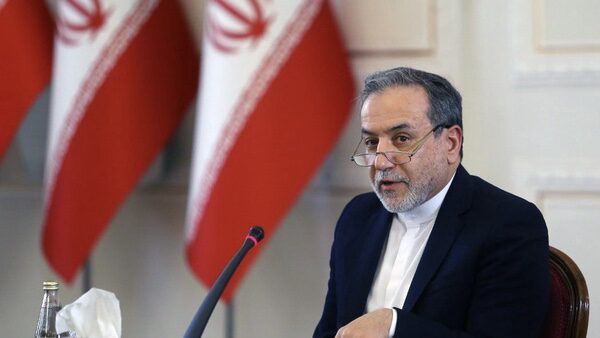
Iranian FM: Recent attacks on nuclear and chemical sites pose cross-border contamination risks

He was speaking on the sidelines of the annual Conference of State Parties to the Chemical Weapons Convention in The Hague.

Araghchi said such strikes threaten human life and the environment and cannot be contained within national boundaries once contaminants are released.

He also criticized several Western countries for their historical role in supplying chemical agents and equipment to Saddam Hussein during the Iran-Iraq War, saying they must be held accountable.

Araghchi noted that some Western states still claim to be “investigating” their companies’ involvement, but Iran has not received any concrete results. Tehran, he said, continues to pursue compensation for chemical-weapon victims in both Iran and Iraq and insists that responsible individuals and entities must face legal consequences.

The foreign minister also condemned US unilateral sanctions, saying the bans have deprived Iranian chemical-attack survivors of essential medicines.

He urged the Organisation for the Prohibition of Chemical Weapons to address this issue.

Iran leader’s advisor: Hezbollah “more vital than daily bread” for Lebanon

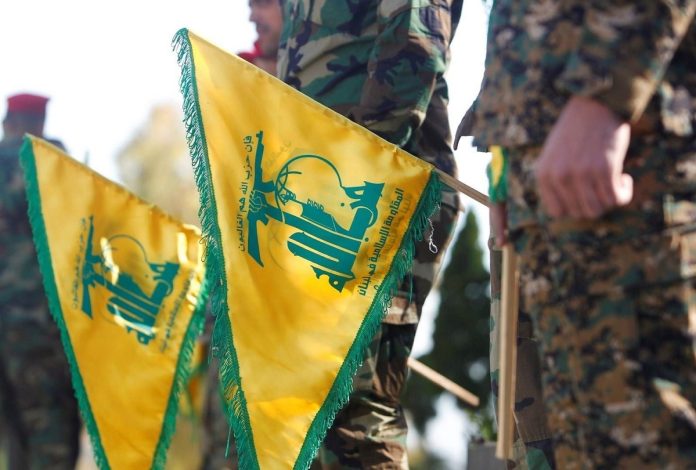
Hezbollah

Velayati said the group’s presence is “more vital than daily bread” for the Lebanese people.

Velayati strongly condemned the “continuous crimes and aggressions” committed by the Israeli regime against Lebanon.

He argued that, under such conditions, Hezbollah remains the primary defensive shield capable of countering Israeli military pressure and safeguarding Lebanon’s territorial integrity.

He then reiterated Iran’s long-standing policy, saying the Islamic Republic has consistently supported Hezbollah and the wider “axis of resistance,” and will continue to do so. According to him, the ongoing regional tensions highlight the strategic role of resistance movements in confronting Israeli operations and deterring further escalation.

The senior advisor to Iran’s leader stressed that the actions of Hezbollah are not only militarily significant but also politically vital for maintaining balance in Lebanon’s complex internal landscape.

He added that weakening or removing Hezbollah would leave Lebanon vulnerable to foreign intervention and instability.

Velayati noted that Iran views the strengthening of the resistance front as central to ensuring long-term stability and security across the region.

Syrian president meets US congressional delegation to discuss bilateral relations

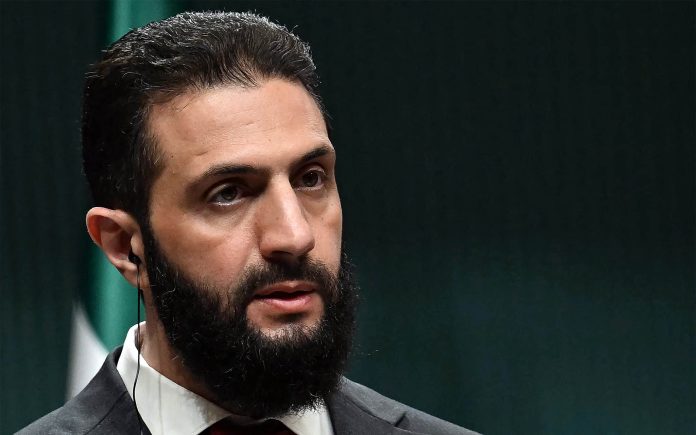
Ahmed al-Sharaa

Talks between Sharaa and the US delegation, headed by Congressman Darin LaHood, addressed the importance of continuing constructive communication between the two sides in a way that serves mutual interests and contributes to supporting regional stability, the presidency said in a statement.

The two sides also exchanged views on a number of international issues of common interest, the statement added.

The reception of the US delegation in Damascus follows a series of recent high-level meetings between the Syrian president and American officials, including his meeting with US President Donald Trump at the White House on Nov. 10.


Russia confirms upcoming visit by US negotiators

Ushakov, who advises President Vladimir Putin on foreign affairs, mentioned the trip in remarks on a Bloomberg report, which quoted what it claimed were leaked phone calls Ushakov held with Witkoff and senior Russian negotiator Kirill Dmitriev.

The Russian official told journalist Pavel Zarubin he does not comment on confidential communications, declining to either confirm or deny the authenticity of the transcripts. Whoever leaked them apparently aims to harm Russian-US relations, Ushakov added, noting: “Somebody tapped, somebody leaked, but not us.”

Bloomberg claimed the purported discussion between Ushakov and Witkoff was the “genesis” of the 28-point US proposal on ending the Ukraine conflict, which was discussed with representatives from Kiev in Geneva last weekend. Supporters of Ukraine interpreted the transcripts as evidence that the plan was “Russian” and not American.

US President Donald Trump brushed off the allegations, saying Witkoff was engaged in “standard” mediation seeking to “sell” some sort of a compromise to both sides of the hostilities.

Dmitriev dismissed the publication as “fake,” and stated that “warmongers are sad that their sad trick does not work” after Trump’s reaction.

Ukrainian officials claim that they have convinced the US to alter its proposal in a way that respects Kiev’s red lines. A member of President Volodymyr Zelensky’s administration even asserted following the talks in Geneva that the initial plan, which was also leaked to the press, “no longer exists” in its original form.

Russian Foreign Minister Sergey Lavrov has described the “media hype” regarding the discussions as an attempt to derail Trump’s efforts and “distort the plan.” He added that Moscow refused to engage in “megaphone diplomacy” and sought calm discussions of the issue behind closed doors.


Iran’s top security official lays into US, Israel in meeting with Pakistani think tanks

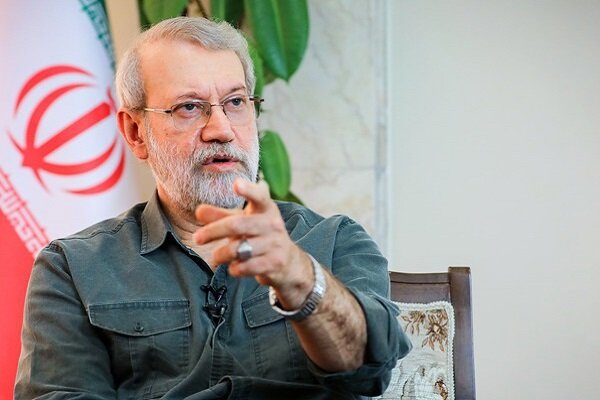
Speaking at an event hosted by the Iranian Embassy in Islamabad, he said the confrontation instead demonstrated Iran’s national resolve, while stating that Israel now faces internal turmoil and a crisis of legitimacy.

Larijani met with senior Pakistani scholars, former diplomats and security analysts.

Conveying greetings from Iran’s Leader, he thanked the Pakistani public, government, parliament and armed forces for their supportive stance during the aggression in June.

Larijani highlighted cultural and political affinities between Iran and Pakistan, saying they form a strong foundation for expanding bilateral cooperation.

He added that Iran sees “no limitations” to broadening economic and political ties with Pakistan.

Addressing Iran-US nuclear diplomacy, Larijani said Tehran supports “genuine” negotiations but rejects superficial talks.

Larijani also commented on regional issues, expressing concern over tensions between Pakistan and Afghanistan and urging unity within the Muslim world.
On the Israel-Palestine conflict, he said Palestinians continue to face injustice and criticized US policy in the region.

Pakistani participants praised Iran’s response during the recent conflict and discussed prospects for enhanced cooperation between the two neighbors.

Iran records higher-than-global average air pollution deaths, expert warns

Iran Air Pollution

Abbas Shahsavani cited national disease-burden data showing more than 54,000 pollution-linked deaths in one year.

He noted that globally, one death occurs every 13 minutes due to air pollution, and 86 percent of deaths from non-communicable diseases are associated with poor air quality.

The World Bank has estimated the worldwide economic cost of air pollution at $8.1 trillion.

According to Shahsavani, Zabol, Iranshahr and Bushehr are among Iran’s most polluted cities in terms of particulate concentration, largely due to natural dust storms.

Among major urban centers, Tehran, Arak, Isfahan, Mashhad and Tabriz record the highest levels of particulate pollution, mainly from human-generated mobile and stationary sources.

He urged vulnerable groups, including children, the elderly, pregnant women, heart and respiratory patients, and people with obesity, to avoid outdoor exposure during pollution episodes and to use medical-grade masks if they must go outside.

Shahsavani also advised against outdoor exercise, recommended keeping windows closed, and stressed the importance of using only standard air purifiers with certified HEPA and activated-carbon filters.

Iran sounds alarm over Israeli presence in Latin America, urges action on atrocities

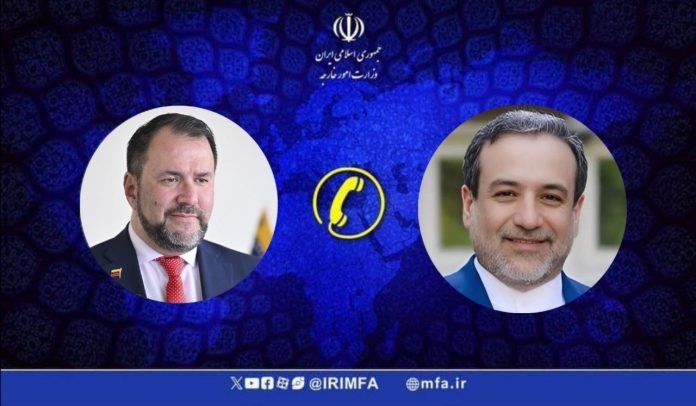
During a Tuesday night phone call with Venezuela’s Foreign Minister, Yván Gil Pinto, Araqchi said that all states have a legal and moral obligation to pursue and punish Israeli officials for commiting genocide and other major crimes.

He also denounced the United States for exerting pressure on Venezuela and other sovereign developing countries in the Western Hemisphere, arguing that Washington’s threats and use of coercion blatantly contradict the UN Charter and international legal norms.

Araqchi emphasized that the global community must defend the core values and objectives of the United Nations in the face of America’s unilateral and aggressive behavior.

Both ministers stressed the need to broaden collaboration at bilateral and multilateral levels, including within South–South cooperation platforms.

Gil Pinto, expressing gratitude for Iran’s consistent stance, reaffirmed Venezuela’s commitment to strengthening its strategic ties with Tehran and vowed that the Venezuelan government and people will continue resisting unlawful US interference and pressure.

Iran raises gasoline prices

Petrol Station

A cabinet notice issued Tuesday, outlining decisions from its November 5 session, announced the free-market gasoline price will rise by 20,000 rials to 50,000 rials per liter (USD 0.044) starting December 6.

That comes as most motorists will continue to access fuel under a two-tier system, paying 15,000 rials per liter for the first 60 liters each month and 30,000 rials per liter for the next 100 liters, the notice said.

Any consumption above these quotas will be charged at the new 50,000-rial rate, it added.

The government also noted vehicles owned by state institutions, imported cars, and newly registered vehicles will no longer qualify for subsidized gasoline.

The price adjustment comes amid Iran’s efforts to curb fuel smuggling, a problem that has forced the government to spend billions of dollars on gasoline imports each year to prevent domestic shortages.

Estimates indicate more than 30 million liters of gasoline and diesel are smuggled out of the country daily.

Local media reports last week revealed that a convicted fuel smuggler had been ordered to pay a fine of 110 trillion rials (about $100 million) to compensate for losses inflicted on the government.

According to the cabinet directive, the above-quota price may be revised every three months in line with refinery pricing, which forms the basis for the new rate. The 50,000-rial price represents 10% of what the government pays refineries to purchase gasoline.

Russia claims Britain planning smear campaign against Trump

According to the agency, London views the continuation of hostilities as vital to securing multi-billion-dollar weapons contracts that could help revive the struggling British economy. Undermining Trump, who is pushing to end the conflict, would dissuade Washington and protect the UK’s “blood money” profits, the SVR alleged.

“Plans have been concocted to revive former British intelligence officer [Christopher] Steele’s fake ‘dossier’, accusing the head of the White House and his family of having links to Soviet and Russian intelligence services,” the statement claimed.

That document, penned by Steele, a former MI6 officer, in 2016 and reportedly paid for by Hillary Clinton’s presidential campaign, relied on unverified rumors alleging that Trump and members of his family had compromising ties with Moscow.

Although widely used to fuel the ‘Russiagate’ narrative early in Trump’s first presidency, the dossier has since been debunked. The SVR suggested that British operatives may craft a new iteration inspired by the original template rather than attempt to reuse it directly.

Trump’s administration has drafted a proposal for ending the Ukraine conflict. However, Kiev and several European governments strongly oppose it due to its reportedly demanding major concessions from Ukraine. President Volodymyr Zelensky claimed this week that US diplomats had already removed some of the 28 provisions at his government’s request.

Moscow has kept its distance from the American initiative. President Vladimir Putin reiterated that Russia’s military position continues to strengthen and that Moscow intends to achieve its security objectives regardless of whether Kiev accepts Washington’s mediation.