Saturday, December 27, 2025
Home Blog Page 3390

Iran Denies Link to Arms Seized in Central Afghanistan

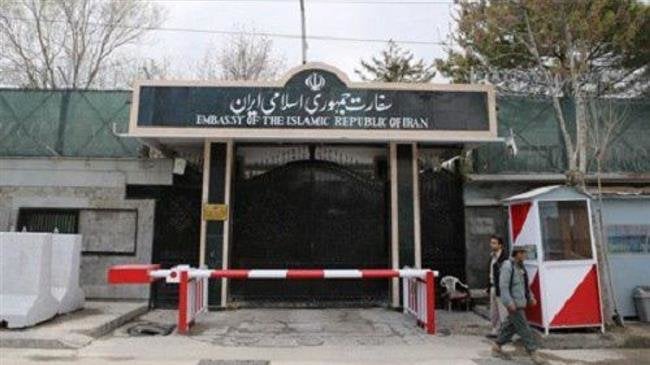
The Iranian Embassy in Kabul was reacting to claims on Sunday by local officials in Ghazni Province that they had found “Iran-made” weaponry from a Taliban hideout in Ghazni City, the provincial capital.

They claimed the arms included nine Kalashnikovs, five pistols, a hand grenade and a large number of bullets.

“Currently, the Islamic Republic of Iran and Afghanistan enjoy great economic and cultural relations and [no party] should be allowed to hamper the growing ties between the two friendly governments,” Iran’s mission in Afghanistan said in a statement on Tuesday.

The embassy has conveyed Iran’s dissatisfaction with the matter to Afghan authorities, and seeks “clear documentation” on the claims.

Afghan people face insecurity 16 years after the United States and its allies invaded the country as part of Washington’s so-called war on terror.

Although the Taliban militant group was removed from power as a result of the invasion, the country remains occupied and many areas are still threatened by insecurity.

Iran has repeatedly rejected allegations that it aids the Taliban, saying such claims are instigated by the US in an attempt to divert public opinion from the real cause of violence in Afghanistan.

Face Yoga: A Unique Way to Keep Skin Young

Doing face yoga and massaging the face increases blood circulation and helps discharge toxic agents from the body. It will remove wrinkles and smooth jaw lines.

British dermatologists Danielle Collins and Julia Anastasiou are regarded as the first instructors of face yoga. Face Yoga has numerous benefits: it strengthens the lower muscles, speeds up blood circulation, increases the amount of oxygen absorbed from the surrounding environment, makes the skin shiny and bright, triggers the production of collagen and creates an elastic property in the face. By doing face yoga 20 minutes a day six days a week, you will see a considerable difference in your skin after just one month.

Face Yoga: A Unique Way to Keep Skin Young

  1. Sit up straight on a chair and put your hands on your thighs. Take a deep breath through the nose and hold your breath before exhaling the air through the mouth. Remove the air in your mouth between your left and right cheeks repeatedly for eight to 10 times before breathing it out. Then repeat the move again. This will prevent the creation of laugh lines and drooping, and boosts facial muscles.
  2. Look as if you are so much surprised. Keep your eyes wide open and pull your lips horizontally as much as you can. While doing this, you may keep repeating the English sound “o”. Do this ten times. This exercise will smooth the forehead and removes wrinkles.
  3. make a “V” shape using your middle and point fingers, putting them under your both eyes aligned with the two corners of eyebrows. Press your face with your fingers and at the same time try to close your eyes and move your eyebrows downward.
  4. Smile with your mouth closed and pull your lips alongside your face. Then immediately press your lips together in the opposite direction to become as small in size as possible.
  5. Put your point finger and thumb between the corner of your eyes an under the cheeks and press them. Do it eight times, every time for five seconds. The advantage of this exercise is that it strengthens check muscles and prevents the face from drooping.


By simply doing these exercises, which does not take much time, you will be able to have a healthy and young skin even when you are a middle-aged or old person. Among the benefits of the exercises is that they even remove wrinkles on old people’s faces.

[vc_hoverbox image=”124682″ primary_title=”” hover_title=”“Science and Technology in Iran: A Brief Review“”]For a brief review of Iran’s achievements in various fields of science and technology, check the book “Science and Technology in Iran: A Brief Review”[/vc_hoverbox]

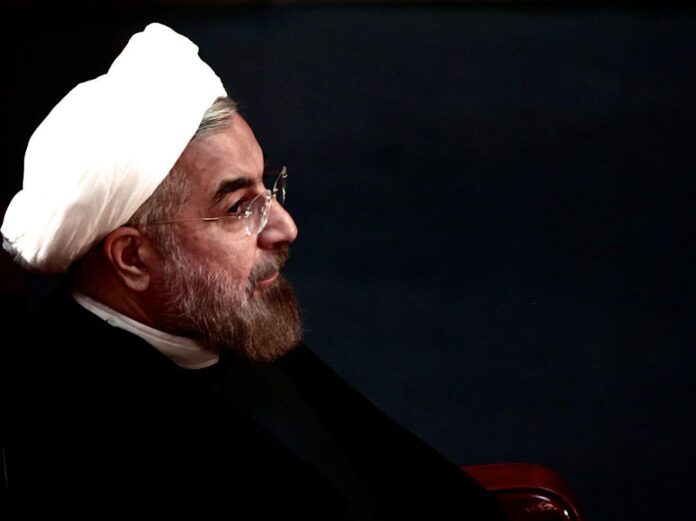
President Rouhani under Fire for FATF Remarks

In a report, Tasnim News Agency lashed out at Rouhani’s Monday comments saying that his statements are reminiscent of the days when he and his cabinet were struggling to lead the country towards signing the Iran nuclear deal, known as the Joint Comprehensive Plan of Action (JCPOA).

“President Rouhani spoke of the importance of the JCPOA in a way that he was linking the simplest details of people’s everyday life to the nuclear deal,” the report said.

“From the very beginning of his term in office, Rouhani believed the key to solving the problems of the country is in holding negotiations with the United States and the West. He believed that with the nuclear deal people can live a normal life.”

“The insistence of Rouhani and his cabinet on signing the deal eventual forced Iran to give many concessions and, of course, shut down its centrifuges. However, over time, it was proved that the President was too optimistic about the nuclear agreement,” the report added.

“According to the Governor of Iran’s Central Banks at that time, the result of this accord was ‘almost nothing’ for the president and the people of Iran,” it said, referring to remarks by former chief banker Valiollah Seif.

“Today, after several years, the United States has simply violated this deal and imposed sanctions on Iran under various pretexts. Despite this bitter experience, apparently, the president still pins hope on the help of Western countries, and he does not want to solve the country’s problems by reforming domestic policies and recovering economy.”

“Rouhani this time used the FATF to give people a signal that, if FATF is not approved, we should see more inflation!” Tasnim said.

“This comes as Foreign Minister Mohammad Javad Zarif, earlier said that ‘neither I, nor the President can guarantee that our problems will be solved by joining the CFT’,” it went on to say, referring to the Combating the Financing of Terrorism (CFT) convention, which Rouhani’s government is trying to have the country join it as part of efforts to take Iran out of the blacklist of the global anti-money laundering body, the Financial Action Task Force (FATF).

“Rouhani’s Monday remarks show that he is to place the country in a dilemma. He wants to send this false signal that Iranians either accept the FATF and have an inexpensive life, or get more expensive services by rejecting the bill!”

“Instead of resolving the problems by relying on domestic power, Rouhani once again has placed the people in a dilemma over FATF, and he is struggling to reach his goals by changing the mental atmosphere of the society,” the report added.

“The government must know that the first and last one to be blamed for the current inflation is the government itself. As President Rouhani once again tied the problems of the country to the FATF, he should answer this question: Can he guarantee that the country’s economic problems will be resolved, and Iran will certainly be linked to foreign banks after joining the FATF?”

Of course, FM Zarif already answered this question saying that “neither I, nor the President can guarantee that the problems of the country will be resolved with the CFT.”

Therefore, Tasnim said, based on the experience of the member states, we can say that with the FATF, the cost of exchanging with foreign banks will be increased.

“Another question Rouhani must answer is that: Can he guarantee that by joining the FATF, the financial and psychological costs of the country will not increase with the commitments we make?”

“However, the experience shows even if he guarantees, he cannot be trusted as he had already said that all the problems would be solved by the JCPOA, but it did not happen!”

“The JCPOA was supposed to reduce the living costs, but the question that all people ask him these days is that why the prices soar as we have signed the nuclear deal. Mr Rouhani! Do you guarantee that we will not see prices soar after joining the FAFT? Do you guarantee that unemployment will be cut? Do you guarantee that people will not live in poverty anymore?” the report asked.

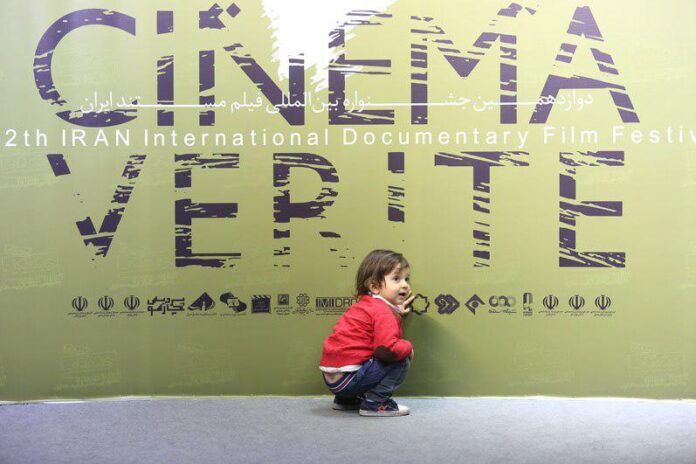
Tehran Hosting “Cinema Verite” Documentary Festival

Kicked off on December 9, the seven-day event is organized by the Iran Documentary and Experimental Film Centre affiliated with the Iranian Ministry of Culture.

The festival has three sections – National, International and Avini Award – in which the competing films are categorized in qualitative and thematic terms.

This year, 634 films were presented to the Secretariat of the festival out of which the committee in charge of selecting the films picked up 71 films for the national section, including 27 short-length, 20 mid-length, and 24 full-length documentaries.

The committee selected 29 other films to compete in the Avini Award section, which is dedicated to films made about resistance, the Islamic Revolution, and the Sacred Defence (Iran-Iraq war).

In the international section, about 4,000 documentaries from 100 countries were sent to the secretariat out of which 27 documentaries from 20 countries were picked up.

Meanwhile, in the non-competition section, most of the documentaries which have made their way into the screening program enjoy two main features: they are produced by veteran documentary makers including Mohammad Reza Aslani, Manouchehr Tayyab, Farshad Fadaeian and Farhad Varharam. On the other hand, their themes are attractive for the audiences.

Among the main guests attending the festival one can refer to the French director Nicolas Philibert; Caspar Sonnen, the director of the Netherlands’ IDFA DocLab Festival; Irina Shatalova, manager of Moscow Documentary Film Festival; Vitaly Mansky, director of Putin’s Witnesses; and Raghu Rai, known as the father of India’s photography.

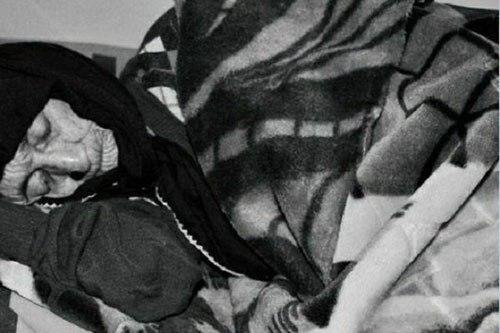
Oldest Iranian Woman Dies at 140

Goli Papi, an Iranian woman from a tribe in Lorestan, was estimated to be 142 when she died on December 10, 2018.

Hailing from the western Lorestan province, she died on Monday in a retirement home in the city of Khorramabad.

“The late woman was from a tribe called Papi residing in Silakhor Plain in Dorud County,” said Morad Hossein Papi, known as the father of genealogy in Iran.

Based on her identity card, Ms Papi was 126 years old but it is estimated that she was about 140 years old before dying and belonged to at least five generations ago.

According to Morad Hossein Papi, the late woman didn’t bear any child after marriage and lived for a long time with her close family members before being taken to the retirement home in Khorramabad in 2014.

Oldest Iranian Woman Dies at 140
The identity card of Goli Papi, an Iranian woman from a tribe in Lorestan, shows she had been born on April 5, 1893; however, local geneologists say she was estimated to be 142 when she died on December 10, 2018.

Iranian Author Donates Cash Prize to Training of Sunni Teachers

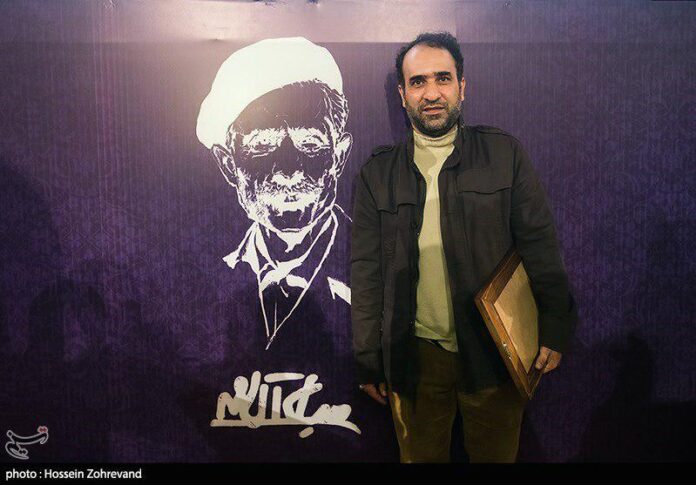
Iranian author Reza Amirkhani poses for a photo in front of a picture of renowned Iranian novelist Jalal Al-e Ahmad. Amirkhani managed to receive the IRR 1-billion cash prize of Jalal Al-e Ahmad Literary Awards, but donated it to the training of Sunni teachers in south-eastern Iran. / Photo by Tasnim

Reza Amirkhani received the literary prize for a novel he had written. The cash prize is worth one billion rials (roughly $10,000). He donated the prize to the Danayar Research Institute which is tasked with training Sunni elementary school teachers in Sistan and Baluchestan.

“Based on the indicators of sustainable development, training, especially at the pre-elementary and elementary levels, is definitely the bedrock of growth in every country,” says the writer.

“That is why Danayar institute decided to start its work from the Sib and Suran region in Sistan and Baluchestan to train and hone the skills of teachers at elementary and pre-elementary levels,” Amirkhani added.

“Accordingly, the necessary arrangements were made with the provincial education department. In this phase, all of the teachers trained at Danayar institute are local Sunnis,” he added.

Sistan and Baluchestan is the second largest province in Iran with an area of 180,726 km² and a population of 2.5 million.

The population comprises the Sunni Balochs who form a majority in the province, followed by the relatively large minority, the Sistani Persians.

The province today is the most underdeveloped, desolate, and poorest of Iran’s provinces. The Iranian government has long been trying to reverse this situation by implementing new plans such as creating the Chabahar Free Trade-Industrial Zone.

Armenia Elections Part of Trend towards Democratic Changes: Iran

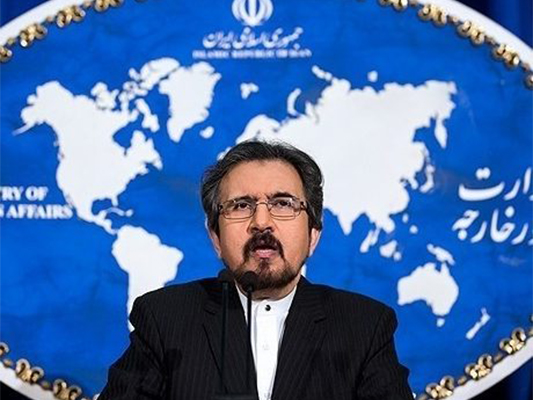
In a Tuesday statement, Qassemi referred to the elections as a significant stage in the domestic developments of Armenia.

He also expressed the hope that Iran and Armenia could increasingly strengthen their mutual relations following the public participation of the Armenians in their country’s general elections and the subsequent formation of the new government there.

Establishing ties with all neighbouring states has a very significant and decisive position in Iran’s foreign policy and for peace, stability, prosperity and security of all regional states, he added.

“Geographical proximity has created deep cultural and historical bonds between Iran and all its neighbours,” Qassemi said, adding that Tehran highly values these common roots and bonds.

The alliance of Armenia’s acting Prime Minister Nikol Pashinyan achieved a landslide victory in the snap parliamentary elections held on Sunday.

The victory enabled Pashinyan to consolidate his authority months after he took office on the back of anti-government protests in the ex-Soviet state.

Nine political parties and two electoral blocs were running in the vote to secure seats at the 101-seat parliament. Each party needs at least 5 percent of the vote to enter the legislative chamber, while blocs need 7 percent or more.

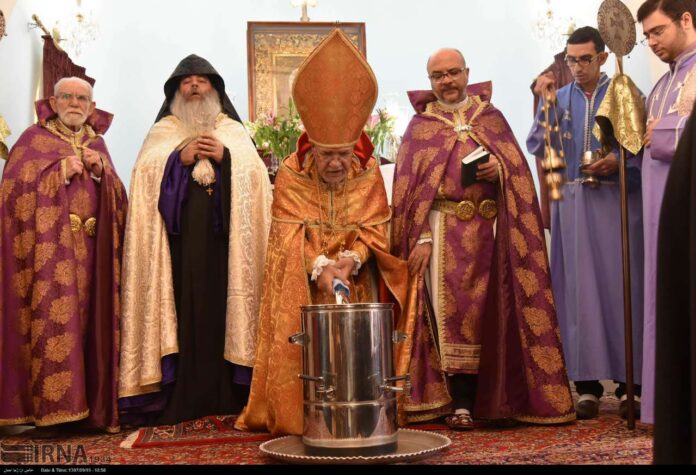
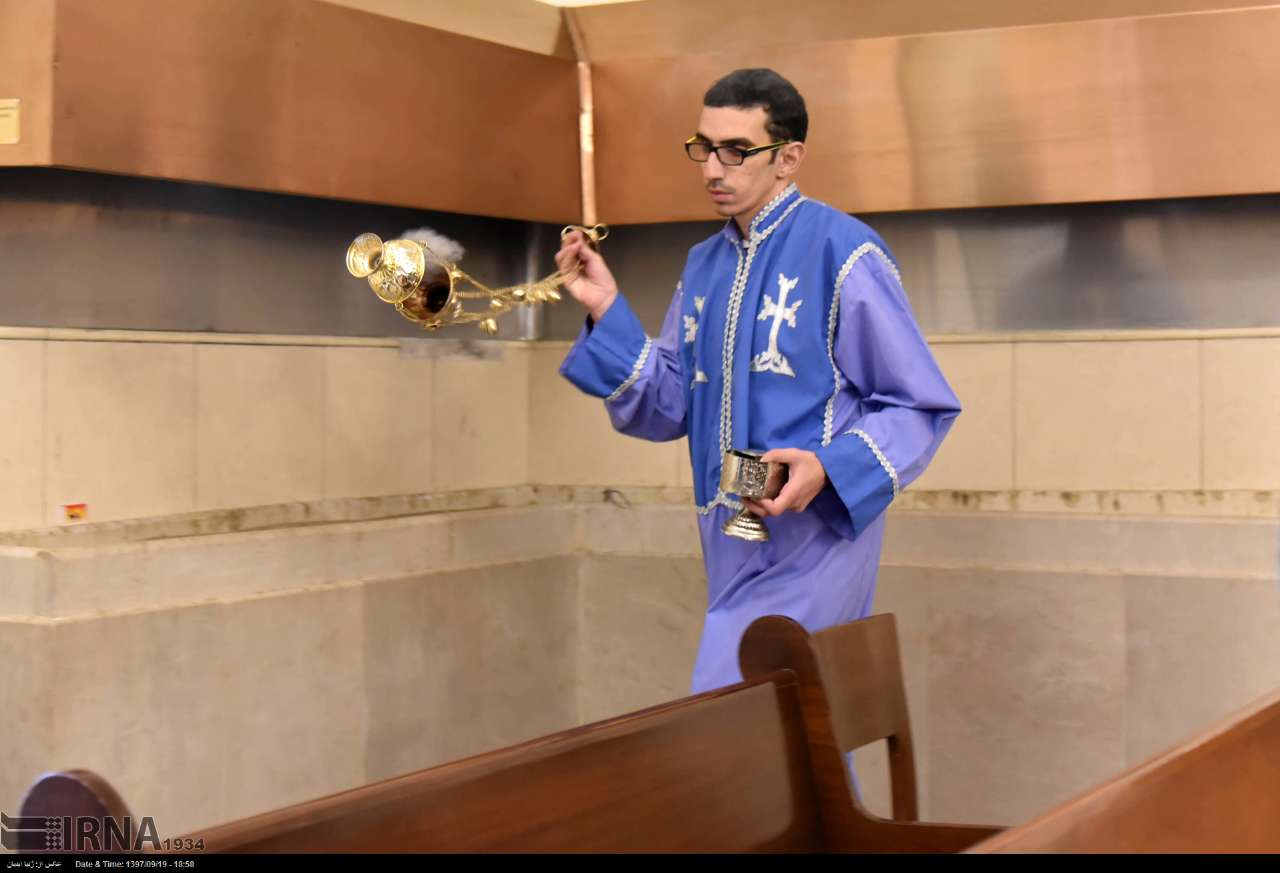
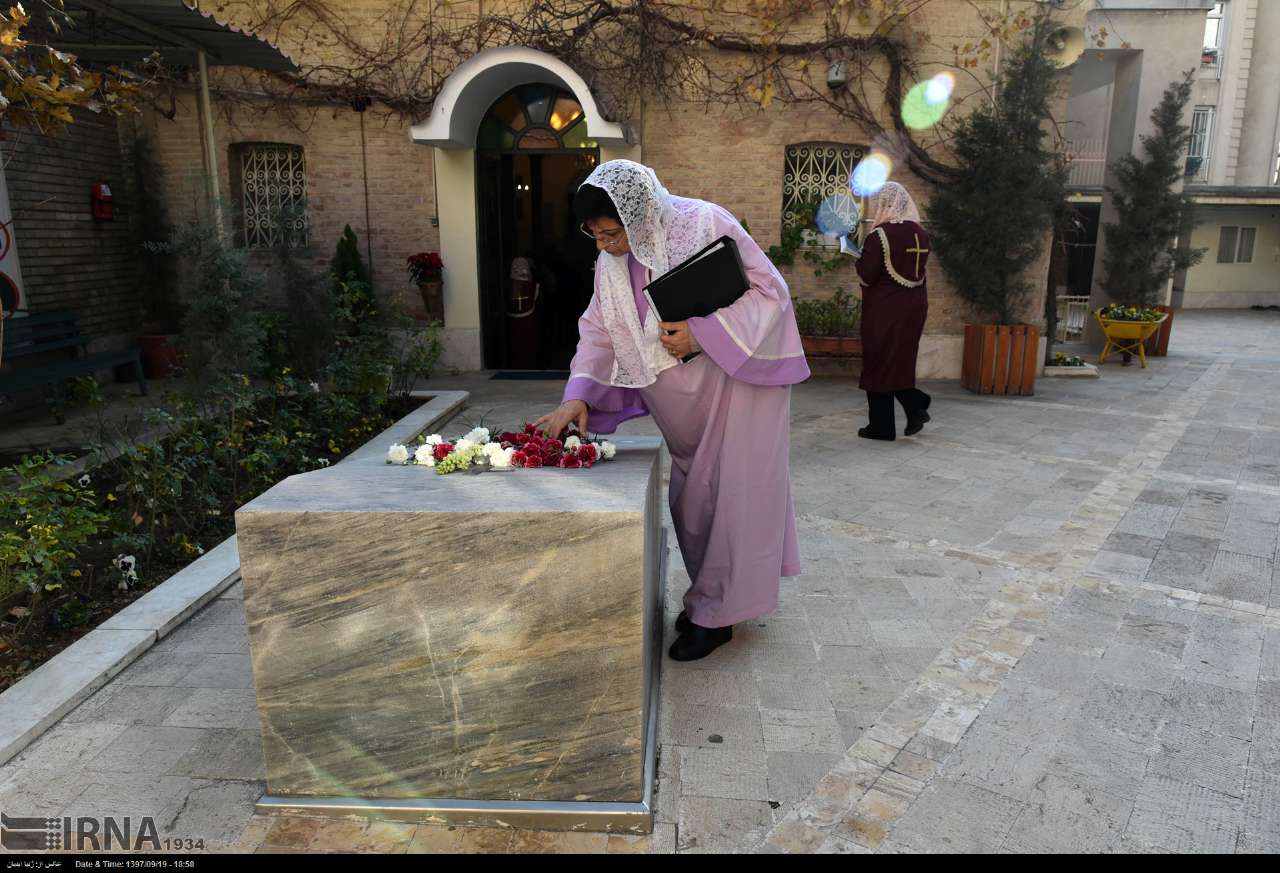
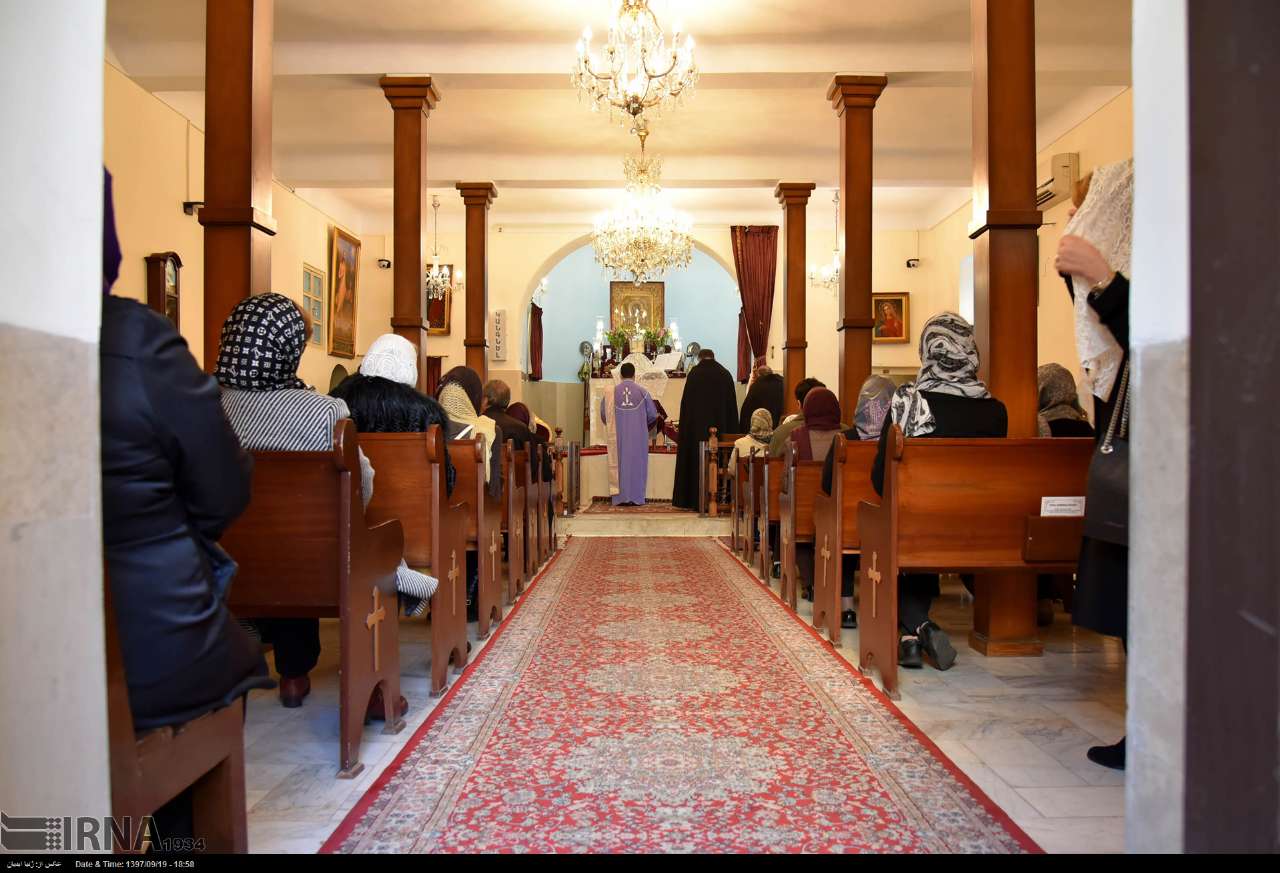
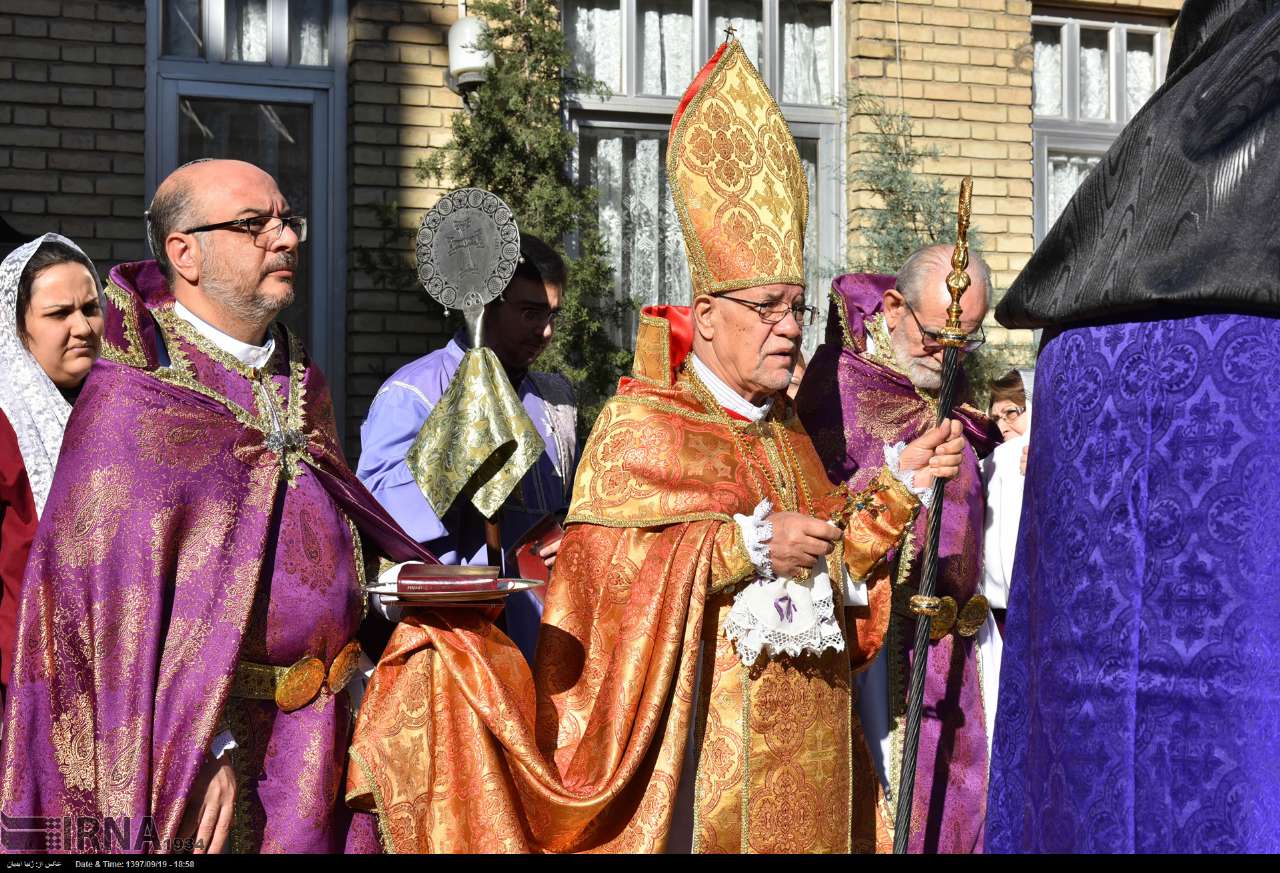
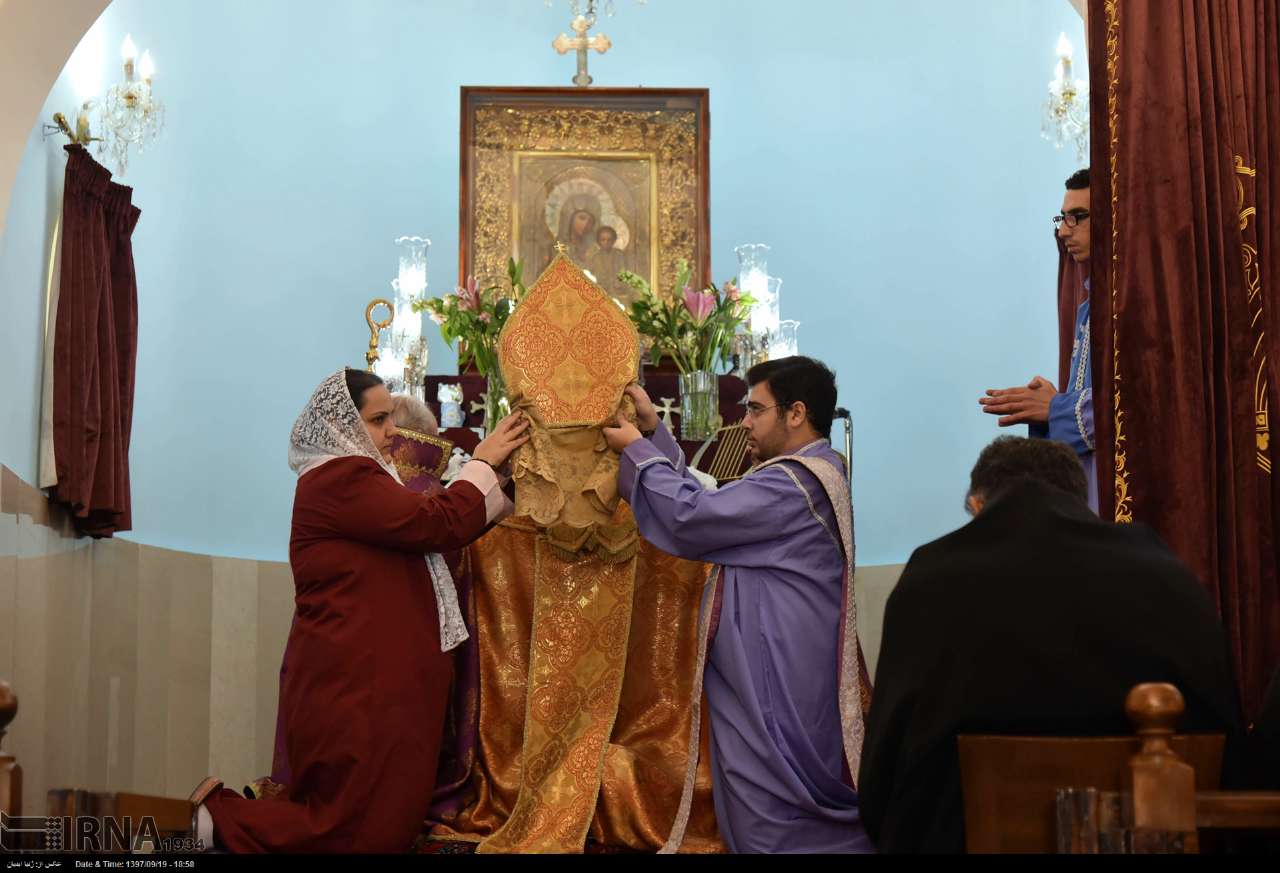
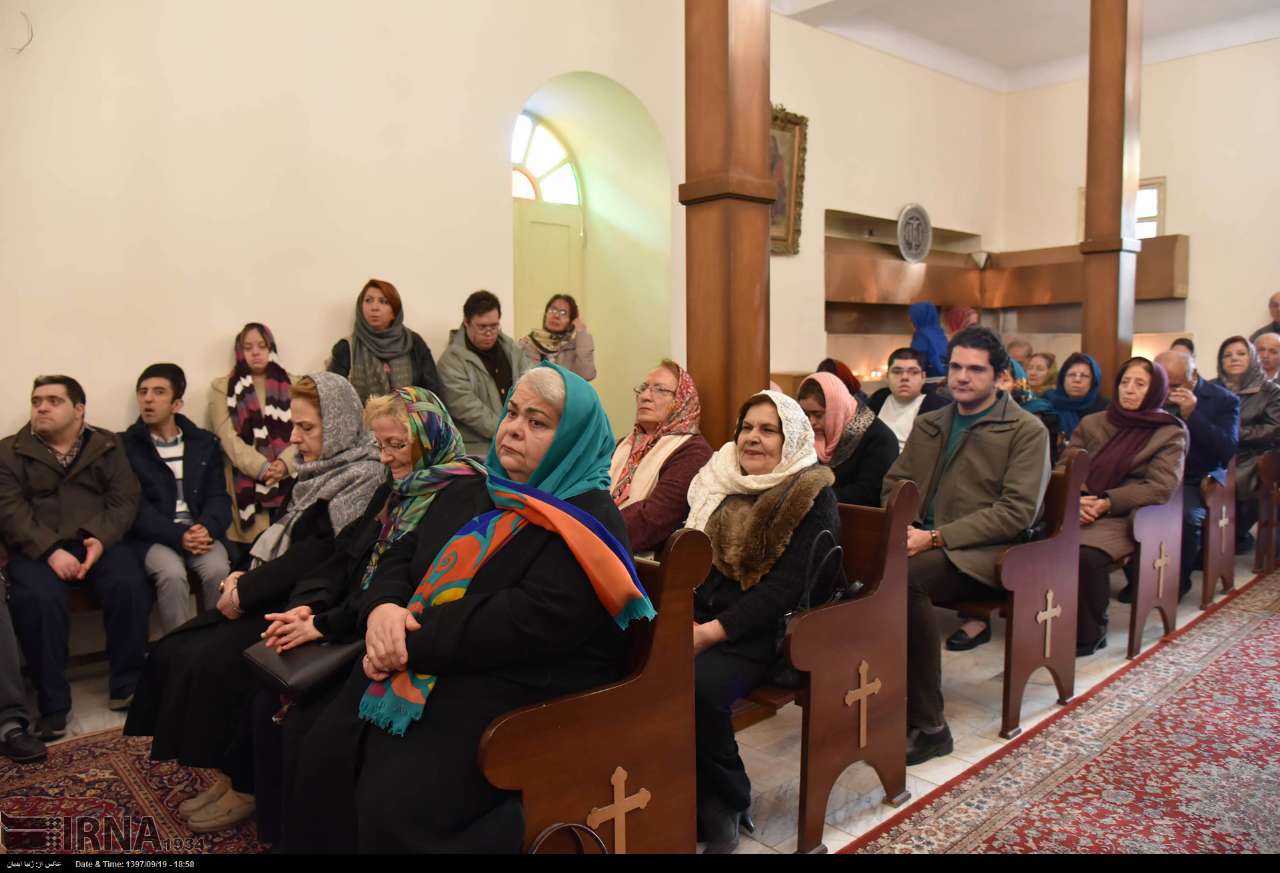
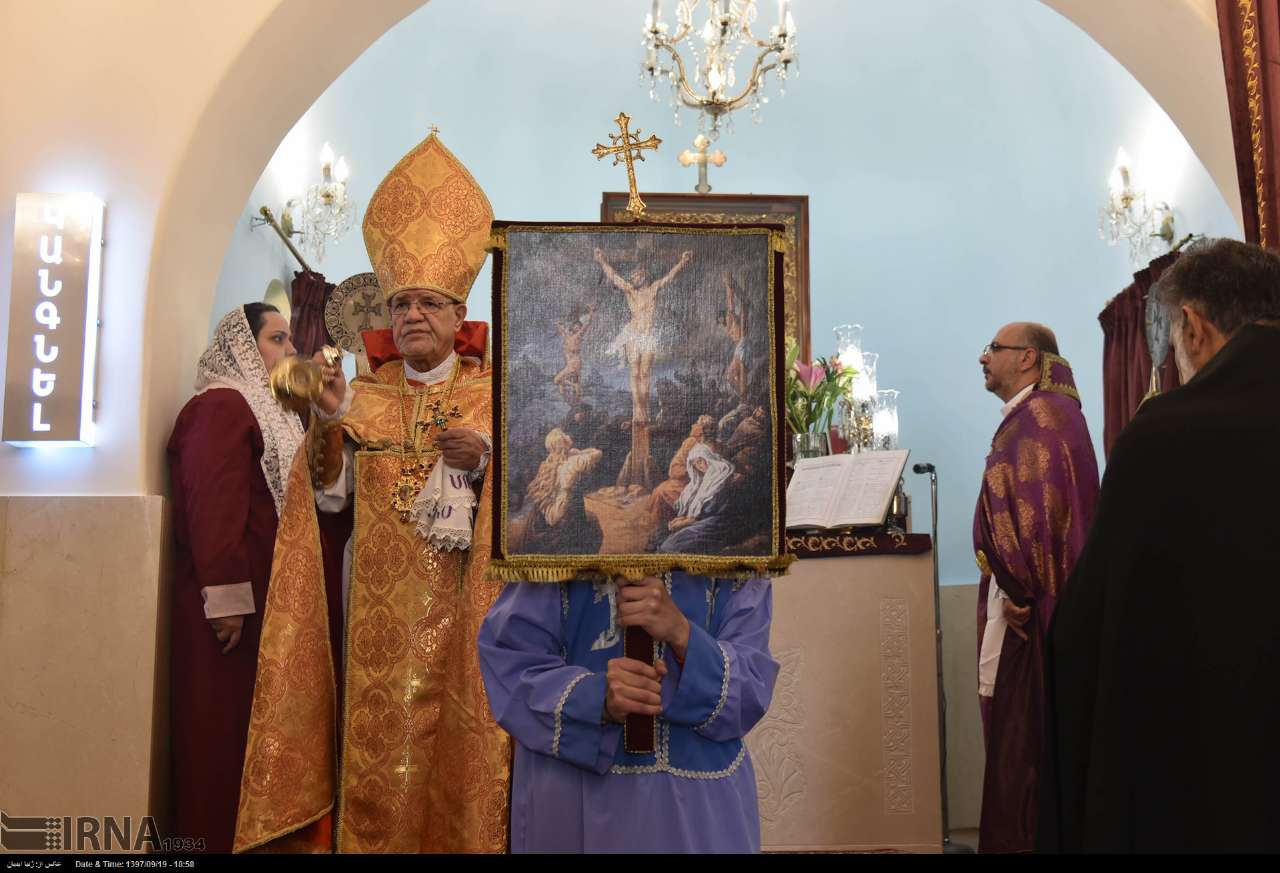
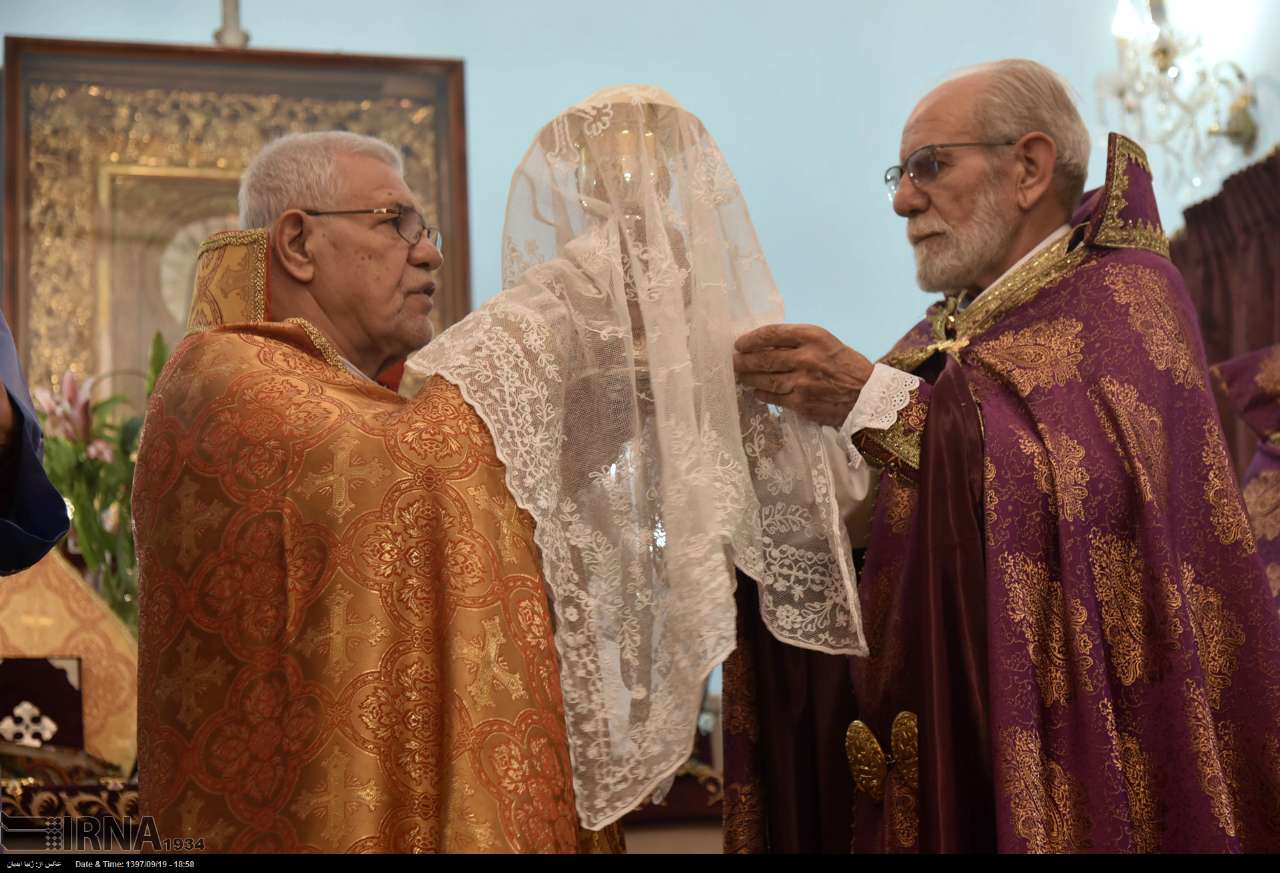
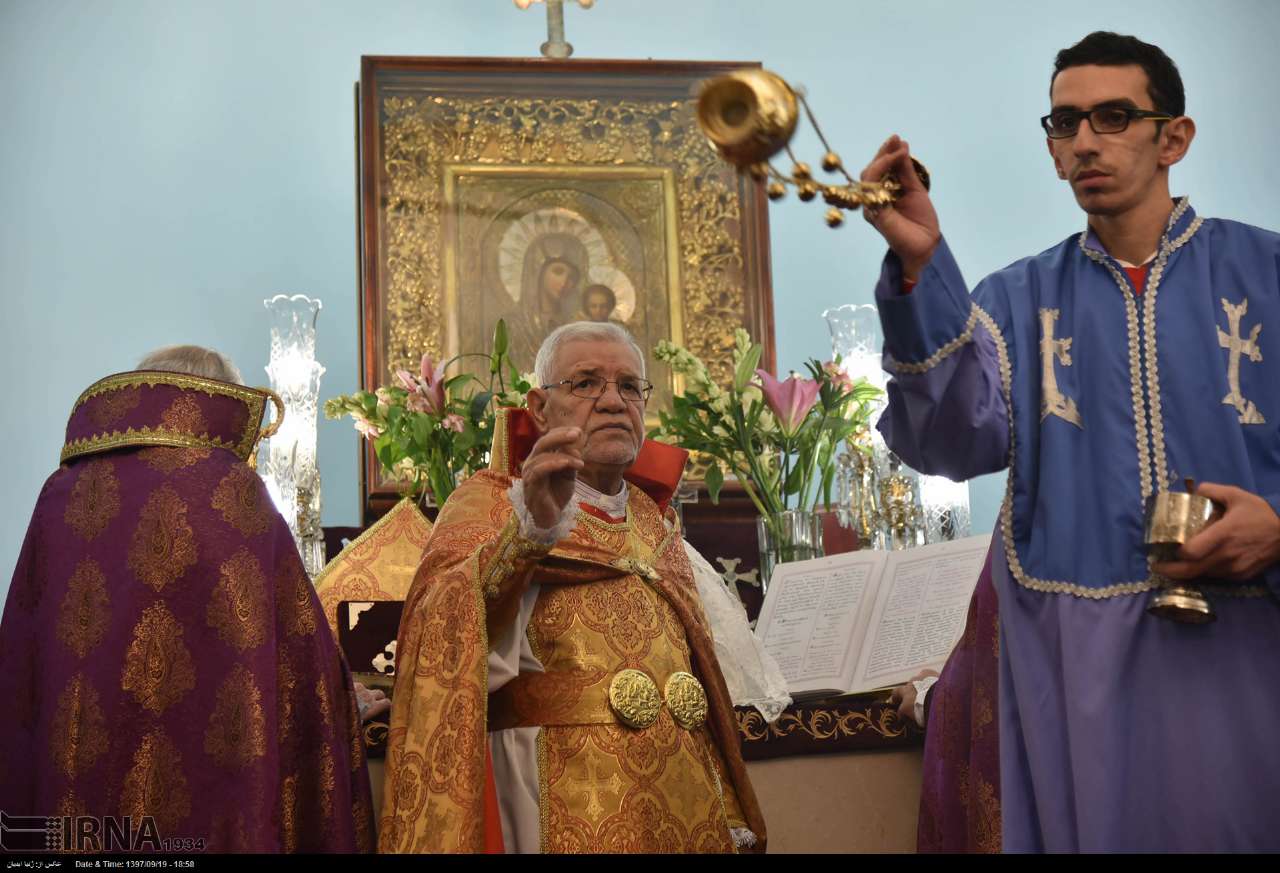
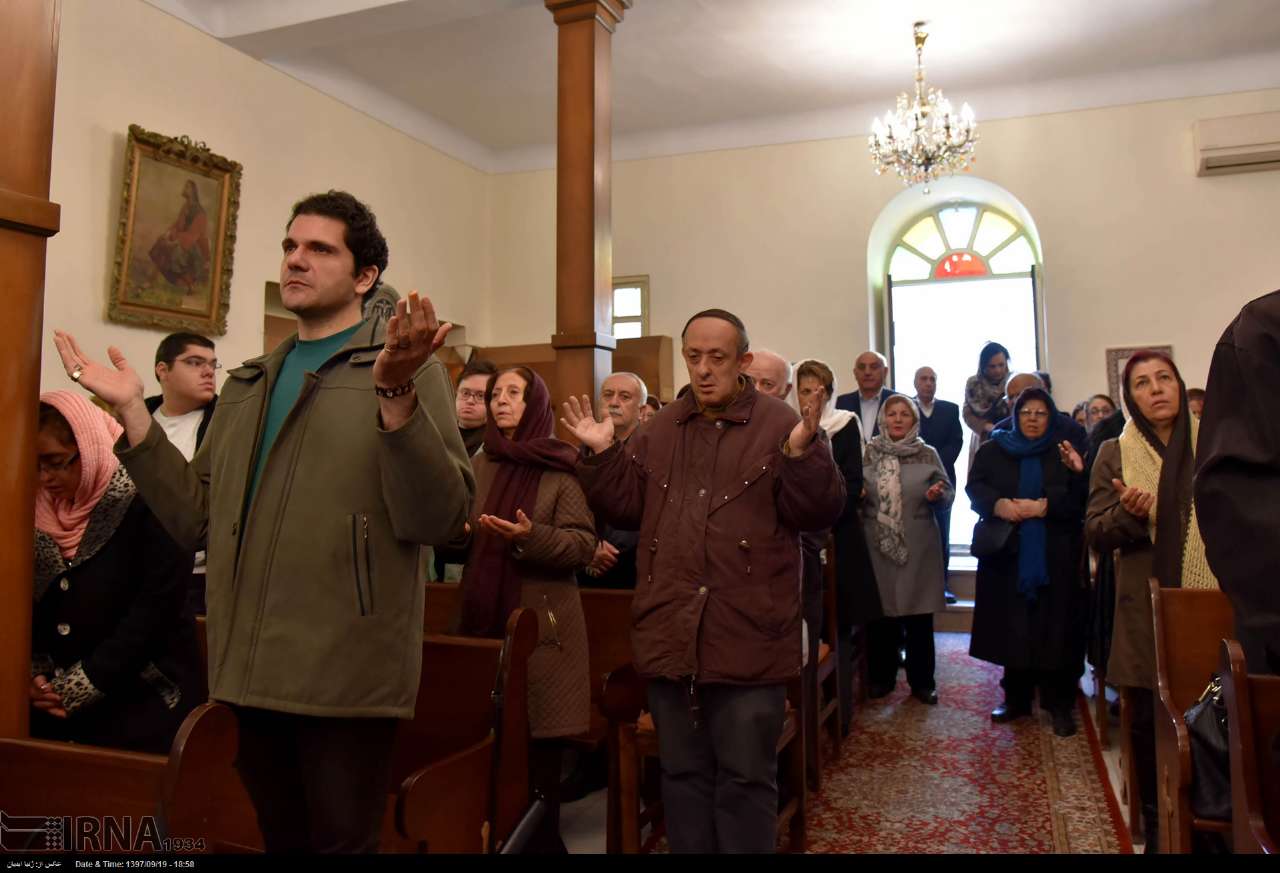
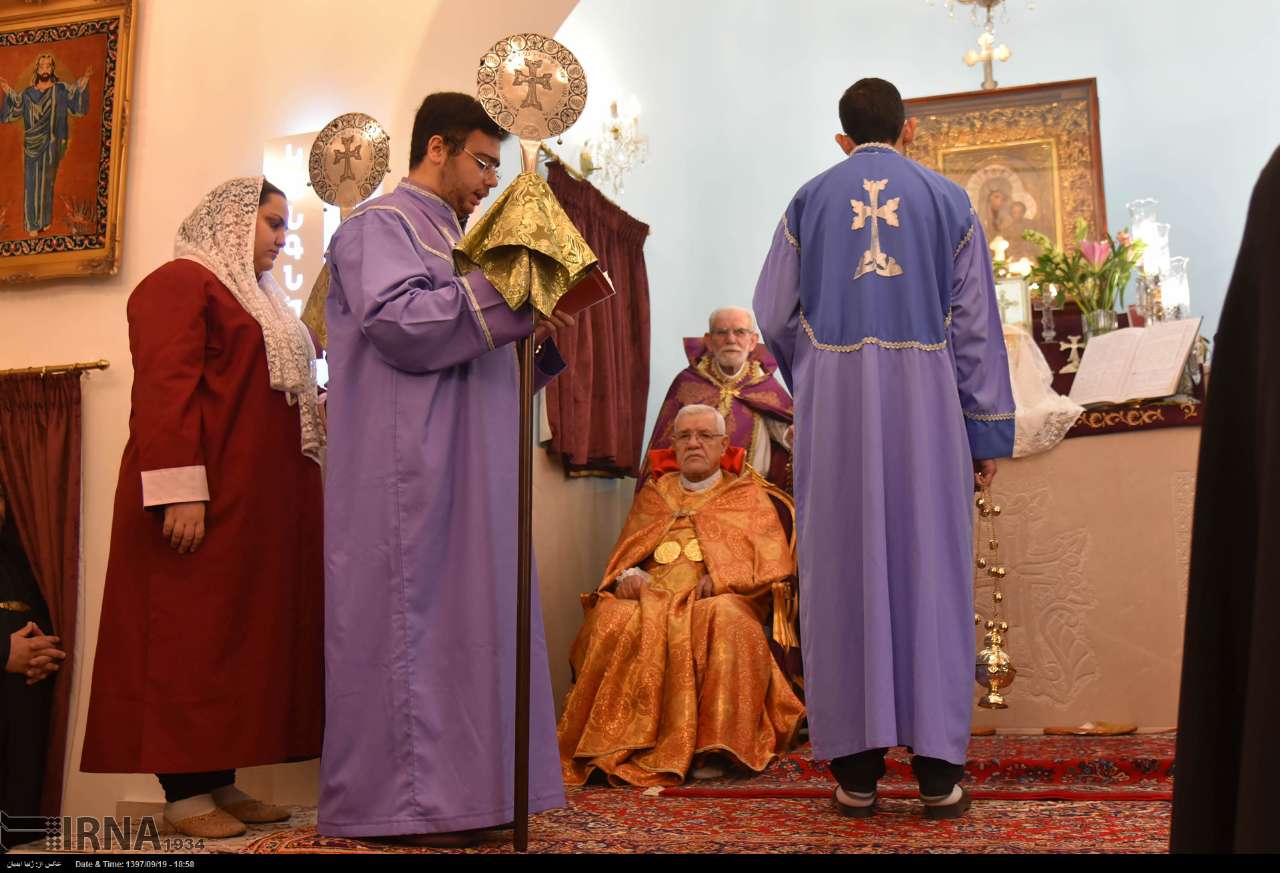
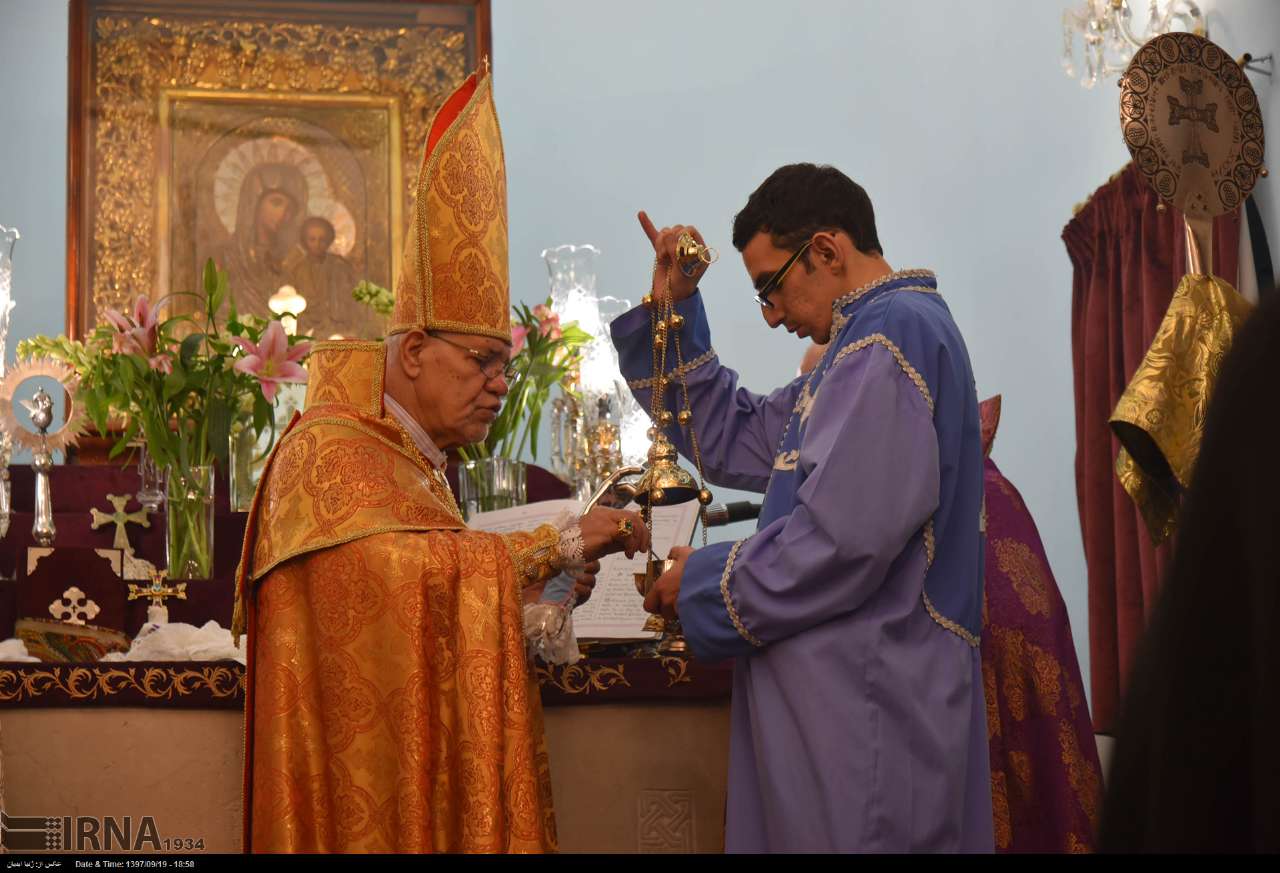
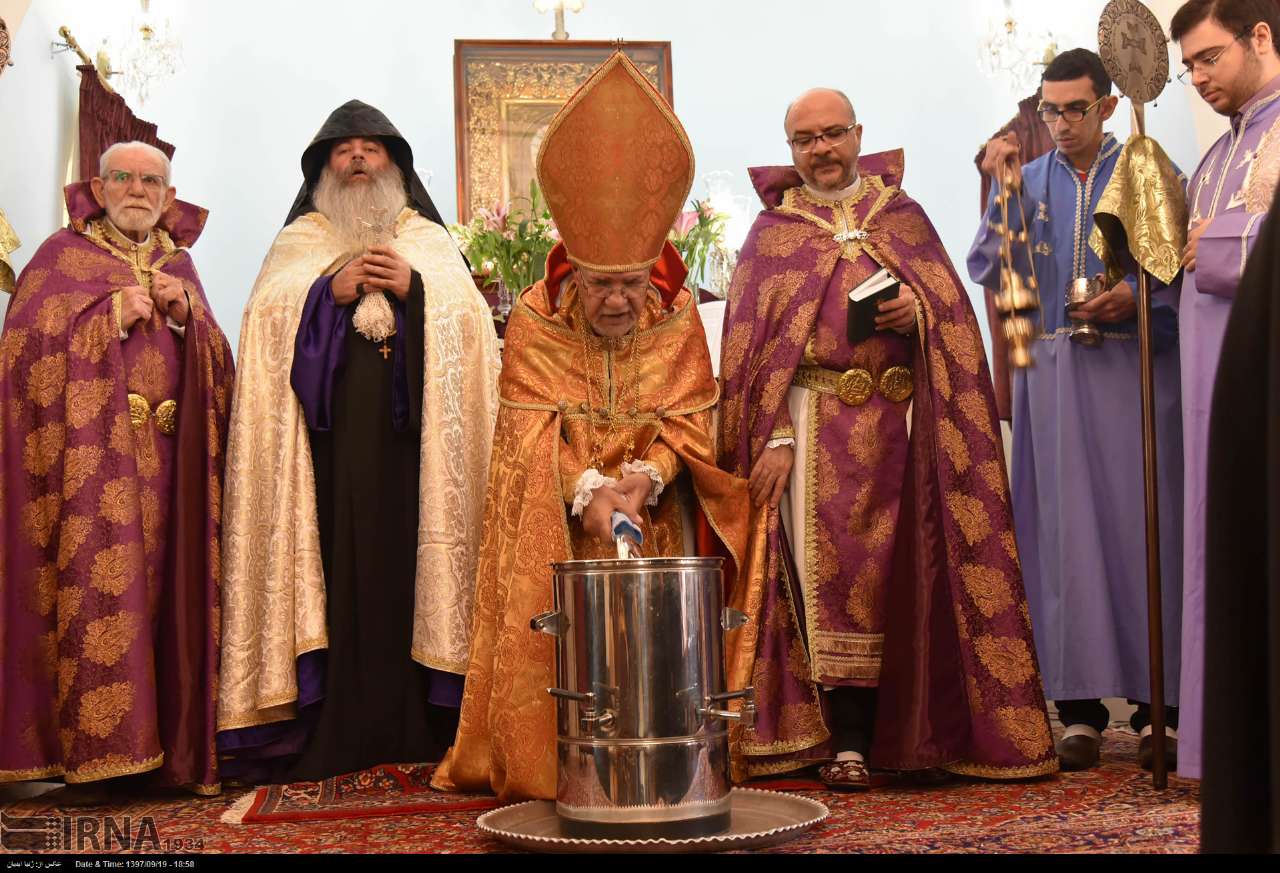
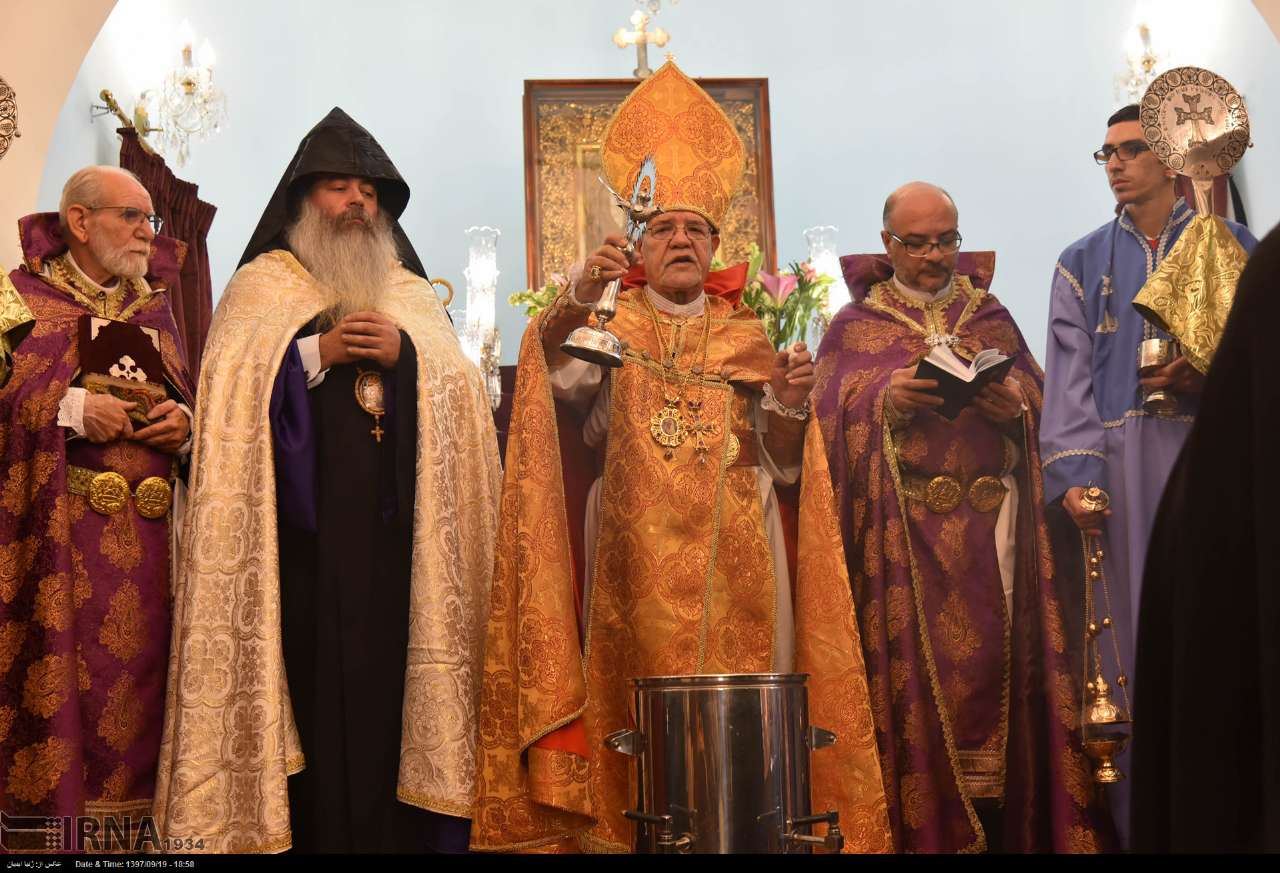
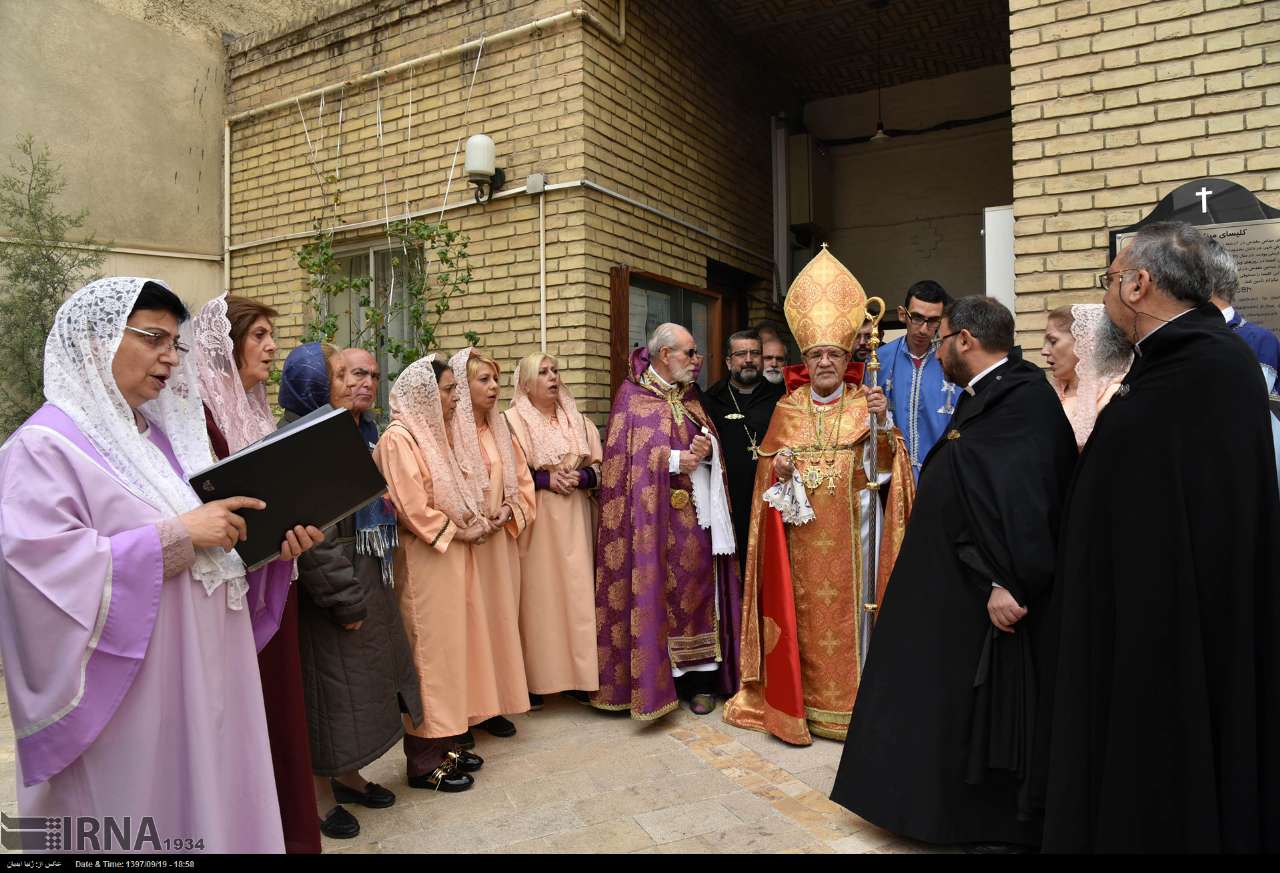
Armenians in Iran Mark Surp Minas Day

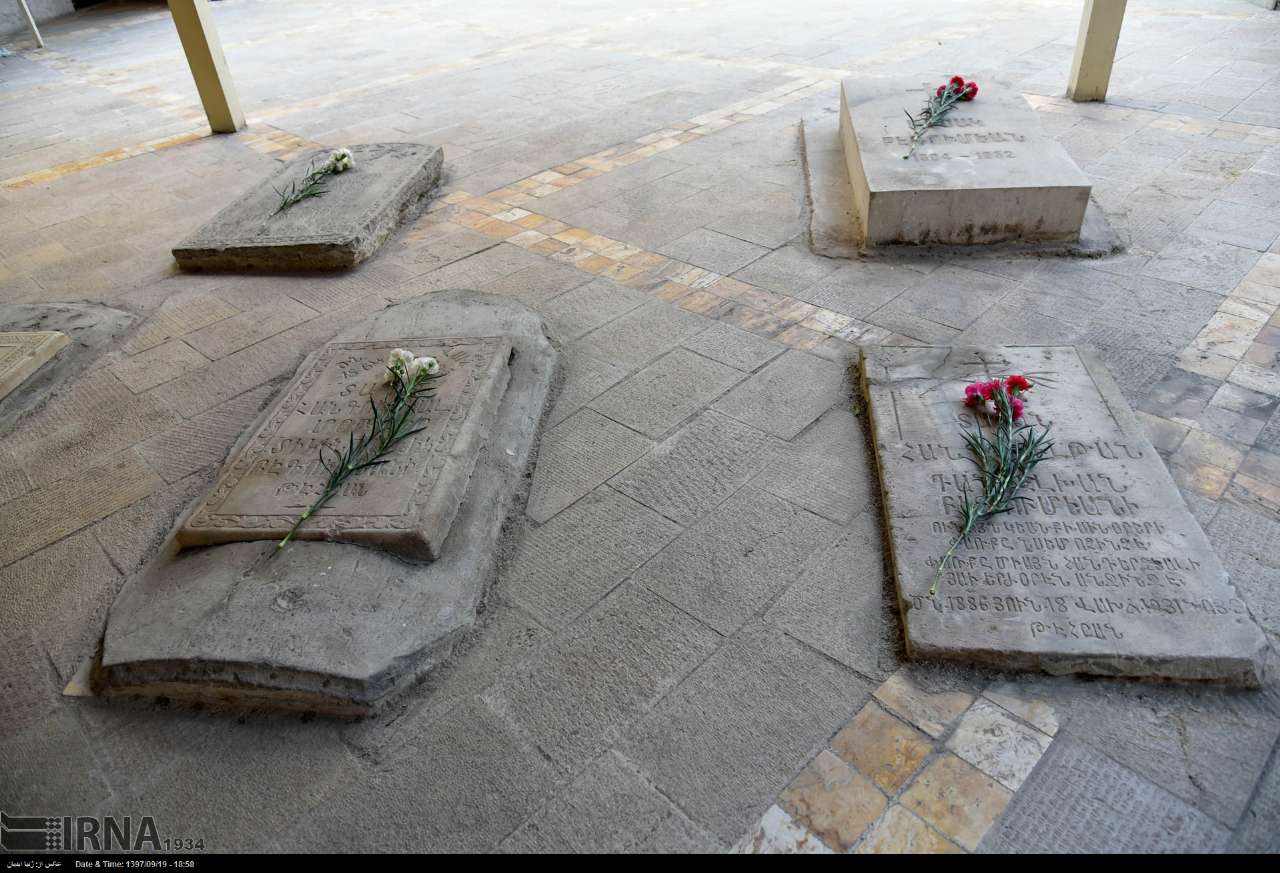
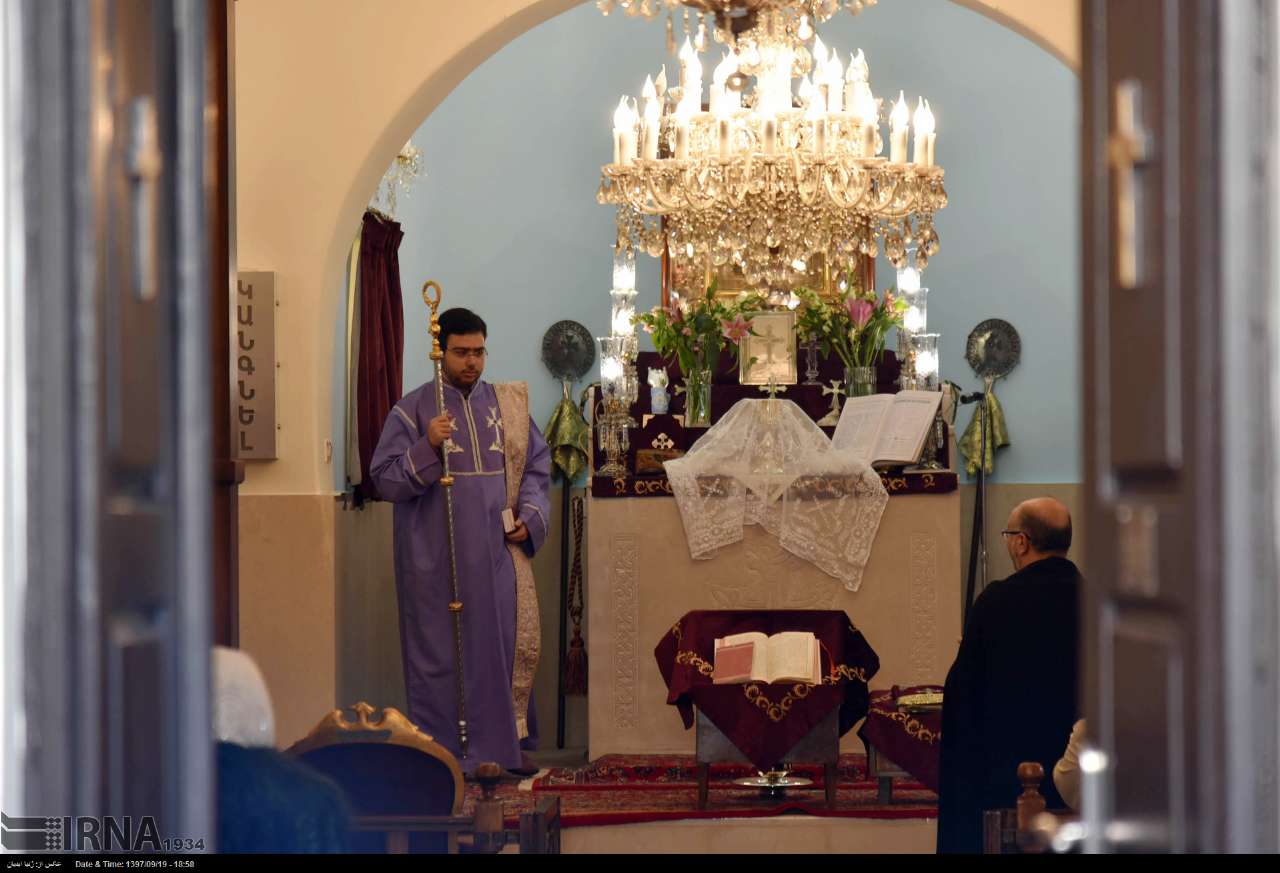
Dating back to the Qajar era (nineteenth century), the church has been designated as one of the national heritage sites of Iran.

Built by Hassan Mostofi al-Mamalek in 1856, the church has long served as a place of worship for Armenians who had come from Charmahal and Bakhtiari to Tehran.

According to historic document, Minas was a smart and wise person who was sent to Egypt by the Roman Caesar to end the battle in Alexandria. She accomplished his mission perfectly but after a while, he changed his religion and became Christian. Therefore, the Caesar ordered to cut his head. Christians deem him as sacred.

What follows are IRNA’s photos of the Monday ceremony held by Armenians in Tehran to mark the Minas Day:

Stem Cells Used to Make Skin Young Again

Stem Cells Used to Make Skin Young Again

Finding a proper treatment for wrinkles and scars left behind as a result of acne and skin problems has always been an issue of interest to dermatologists and plastic surgeons.

The human skin is a major source for the extraction of stem cells. Stem cells are the best option for cellular therapy as they have high capability for proliferation and distinction.

Surveys show that all body tissues contain stem cells which can turn into cells making up that very tissue, and can multiply whenever it is needed.

Accordingly, the newest technique is to use the stem cells of the person’s skin as a filling material capable of reproduction as well as producing collagen, which is the key substance needed to keep skin young. First, fibroblast cells, whose main function is to produce collagen, is extracted from a small part of the patient’s skin and is cultured in a special environment. Then the reproduced cells are reproduced again and re-injected into the areas where the skin is damaged such as wrinkles or scars left behind due to wounds or acne or skin damage.

At the place of the injection, the fibroblast begins to produce collagen and fill the damaged part, something which has been confirmed by electron microscopes.

This technique is used in only a few countries, and has been successfully applied by an Iranian knowledge-based company named Celltech Pharmed.

Stem Cells Used to Make Skin Young AgainIn this method, cells produce collagen gradually; so, the result can be observed in the long run. This method is, in fact, a self-adaptive cellular method, the cells belong to person himself/herself and, as a result, the individual’s immune system is not provoked. The odds of having a successful treatment in this method are between 70% and 90%. This treatment method is used as the last resort in cases patients show resistance to treatment.

In cellular therapy, first a small piece of the patient’s skin is removed. Then, melanocyte cells are extracted after certain reactions and cultured in a special environment. The melanocytes are cultured on a special plate, and then the layer of cultured melanocyte cells are placed onto the location of the skin damage

For a brief review of Iran’s achievements in various fields of science and technology, check the book “Science and Technology in Iran: A Brief Review

Another application of cellular therapy is to culture keratinocytes cells at the location of wounds caused by different diseases. Given that keratinocytes are multiplied during the process of repairing the wound and covers the skin, using cultured keratinocytes can prevent infections, keep the wound wet and expedite the trend of healing the wound.

The devising of such methods is a sign of a brighter future for patients suffering from skin diseases as well as those who would like to make their skin young again as this method could be an effective and lasting treatment.

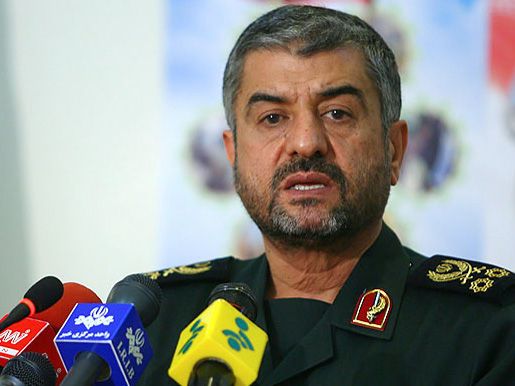
Enemy’s Dream of Changing Iran’s Behaviour to Die on Vine: IRGC

general jafari

Addressing a ceremony in South Khorasan province, Major General Mohammad Ali Jafari said the more the enemies try to tire out the people and force the Islamic Republic to surrender, the more they fail.

He also reiterated that the enemy is trying to portray Iran’s establishment as ineffective by exerting economic pressures and plotting to create insecurity in the country.

The Iranian nation is not afraid of anyone, and nothing can disturb them, he added in his Tuesday remarks.

The top commander said many other countries are following the footsteps of Iran in terms of resistance and fight against hegemony and global arrogance.

Jafari noted that enemies are confessing to the progress and achievements of the Islamic Republic, and are disappointed with their struggles and threats against Iran.

“Since the victory of the Islamic Revolution, we have always witnessed the defeat of US and the enemies of the revolution,” underlined Jafari.

The resistance of the people of Gaza, Palestine, Iraq and Yemen against the crimes and warmongering of global arrogance derives from the culture of resistance of the Iranian people, said the IRGC chief.