Tuesday, December 30, 2025
Home Blog Page 3338

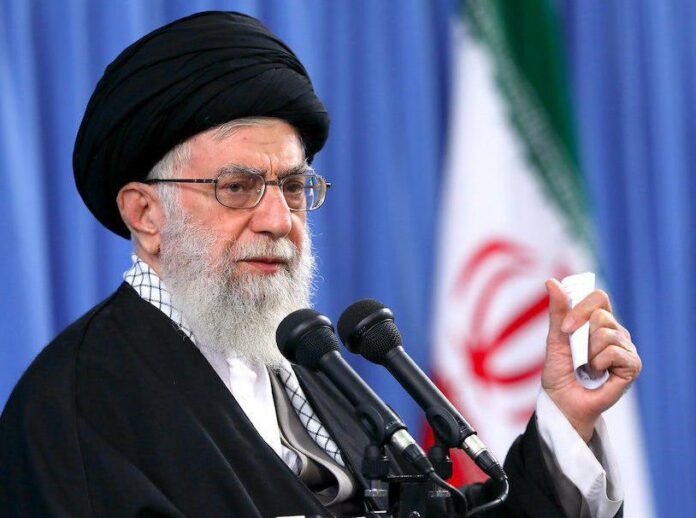
Attack on IRGC Forces Linked to Regional Spy Services: Leader

Ayatollah Seyyed Ali Khamenei

In his Thursday message, Ayatollah Khamenei said the “hands of the mercenary criminals were once again stained with the blood of decent and young servants of the country.”

“A group of our human assets, who had dedicated themselves to protecting our borders and safeguarding the people’s security, were martyred in the attack of evil and stonehearted terrorists,” the Leader said.

“The perpetrators of the crime are definitely linked to the spy services of certain regional and ultra-regional states, and the country’s officials must focus on that, and seriously pursue it,” he added.

“The Islamic Revolution Guards Corps (IRGC) is duty-bound to pursue any possible fault that caused the incident,” he said.

The Leader offered condolences to the families of the innocent martyrs as well as the great family of the IRGC. He wished patience for them and speedy recovery for the wounded.

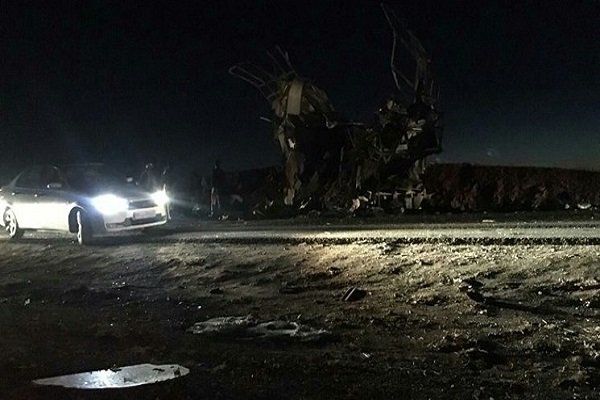
A suicide attack by Pakistan-based Takfiri elements on a bus carrying Iranian border guards in Iran’s Sistan and Baluchestan province has killed and wounded dozens of IRGC forces.

The attack, claimed by the so-called Jaish ul-Adl terrorist group, targeted the bus carrying IRGC border guards travelling between the cities of Zahedan and Khash in south-eastern Iran.

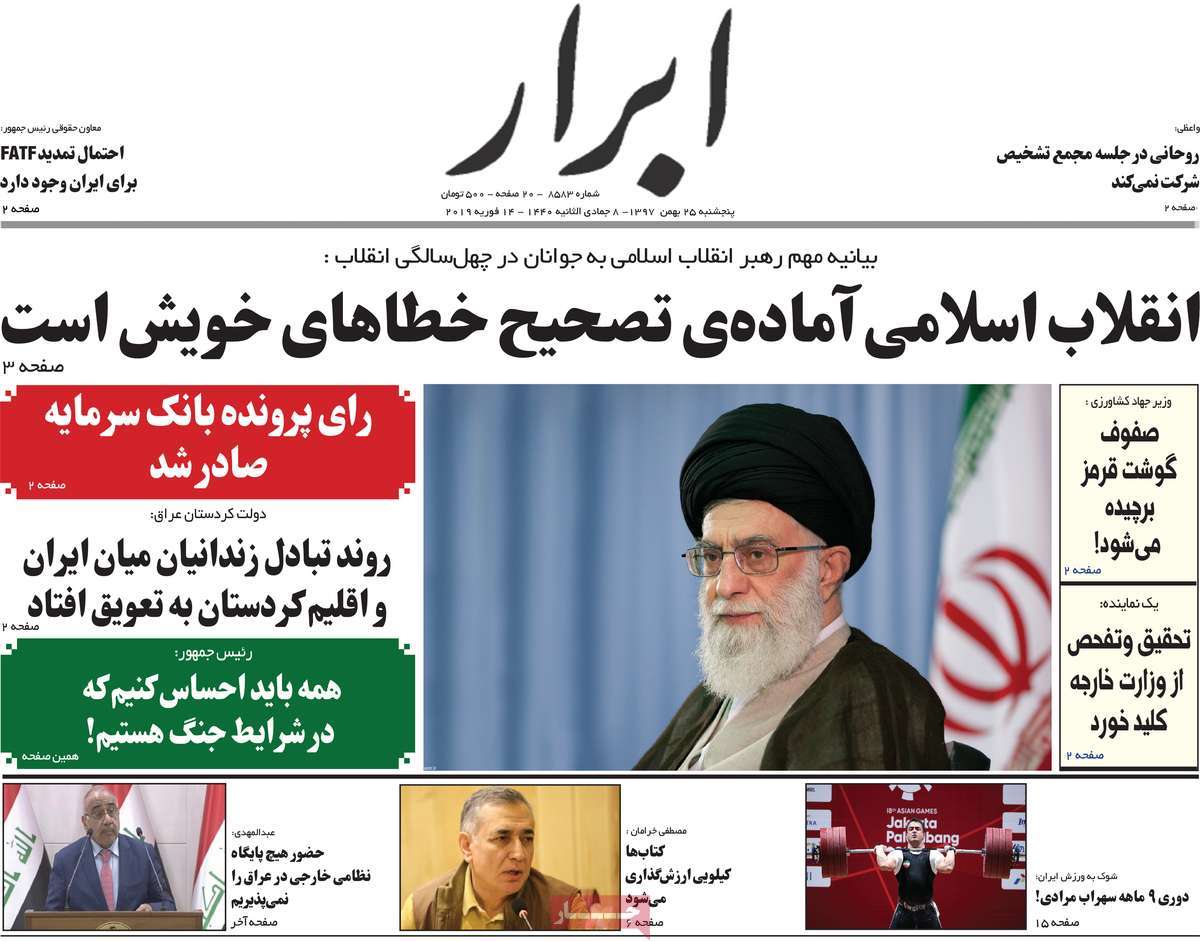
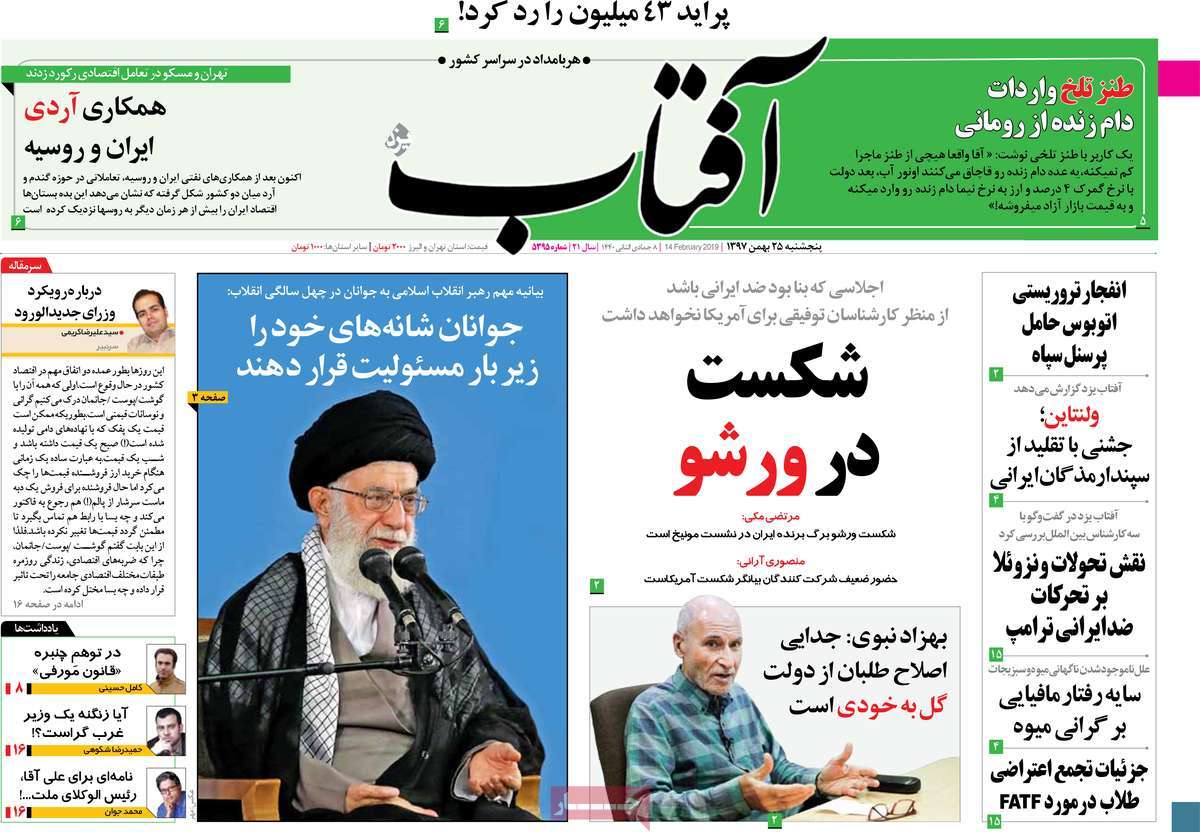
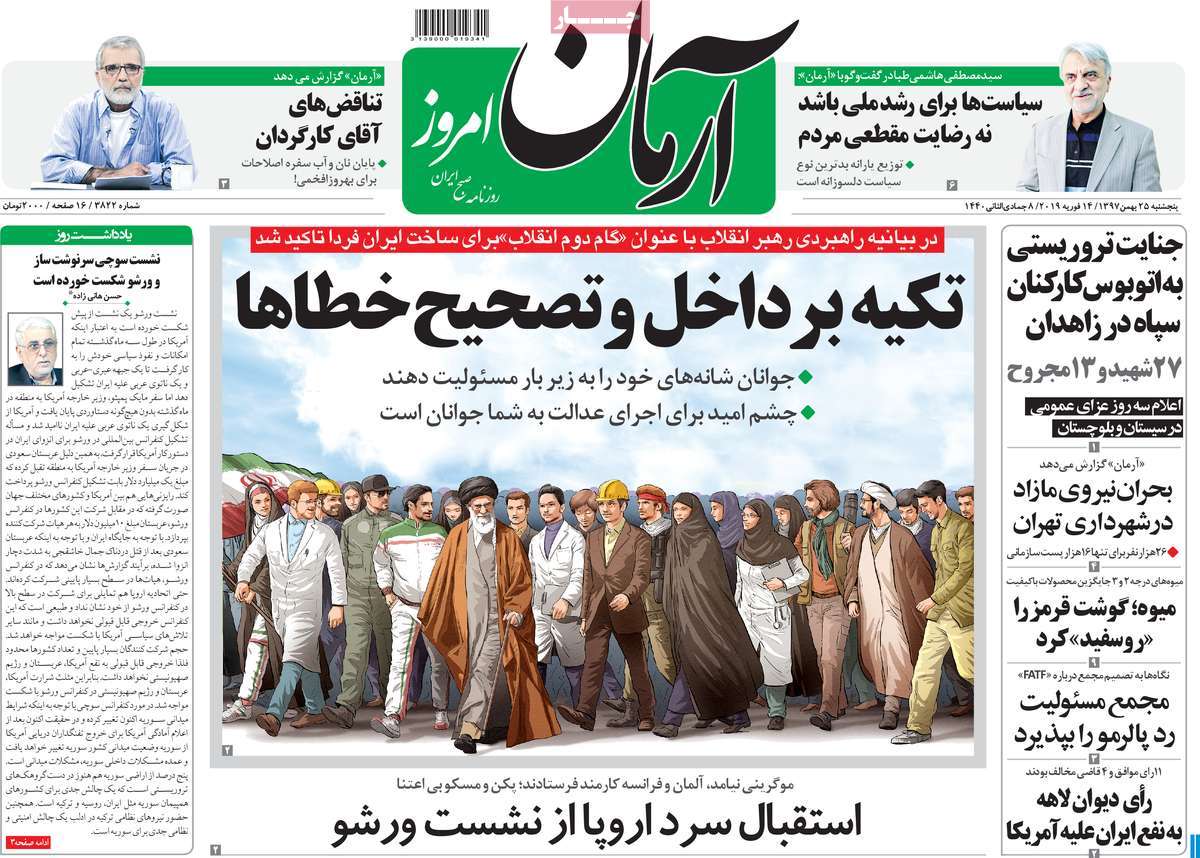
A Look at Iranian Newspaper Front Pages on February 14

A Look at Iranian Newspaper Front Pages on November 19

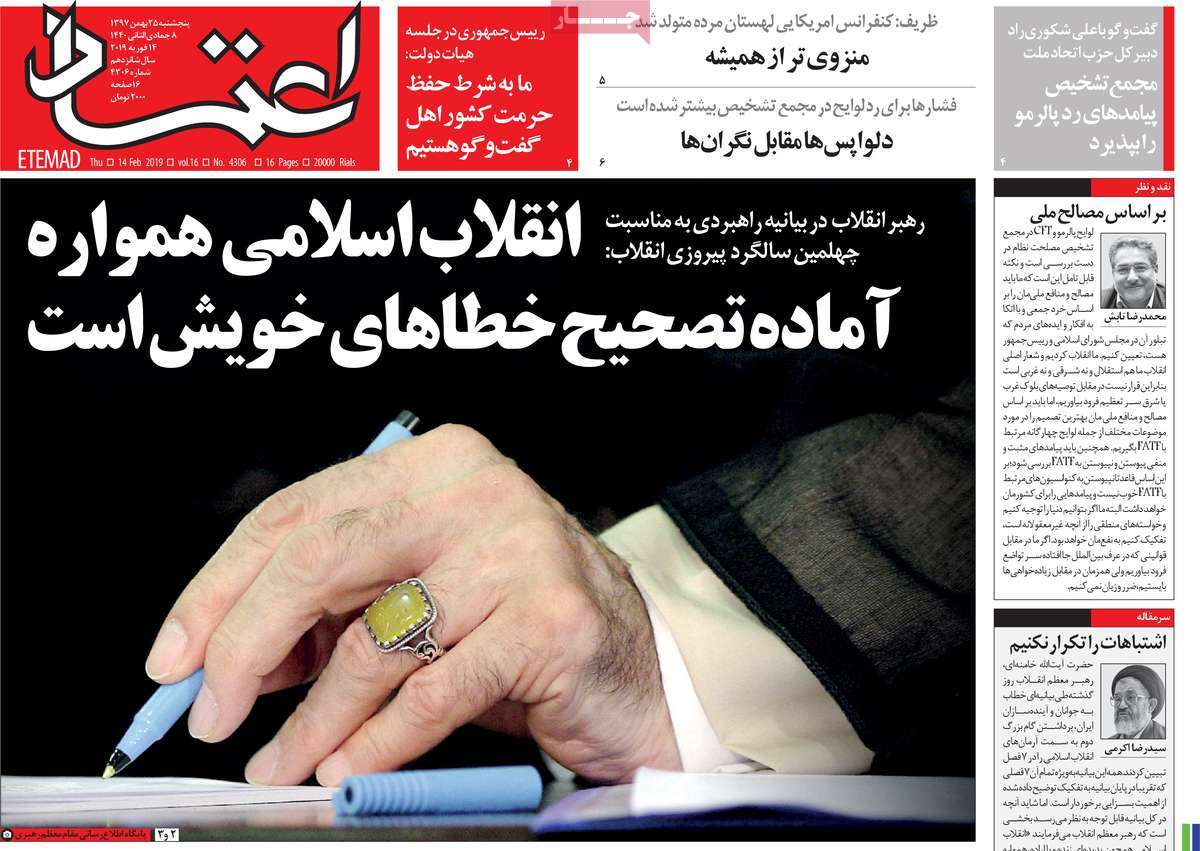
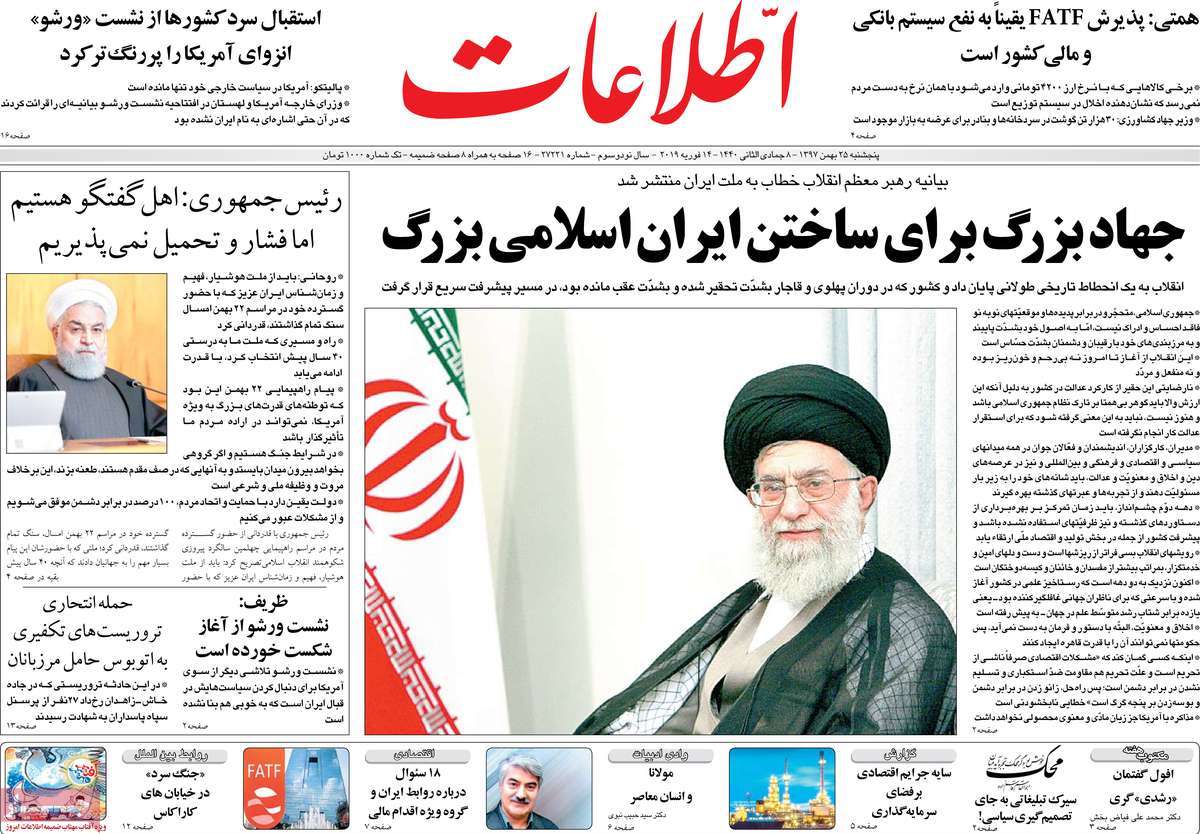
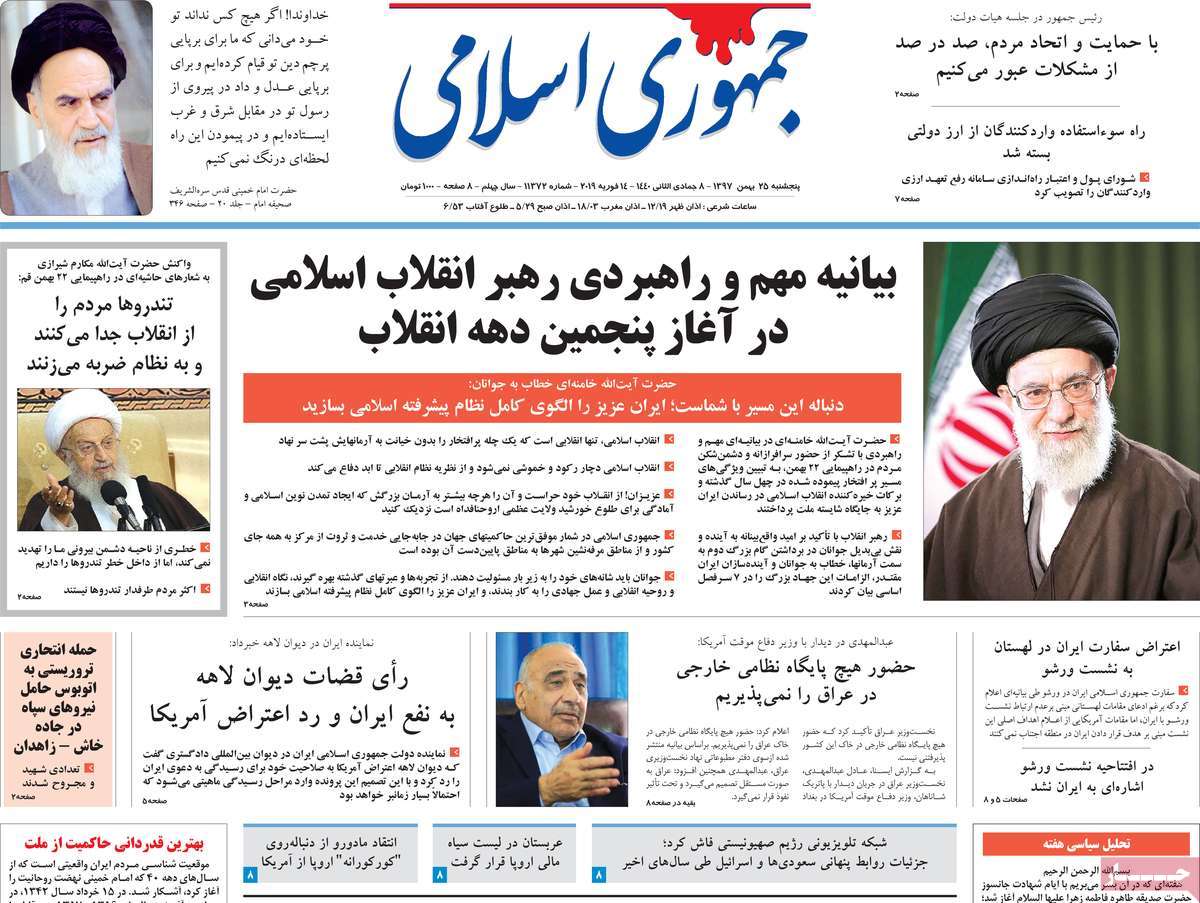
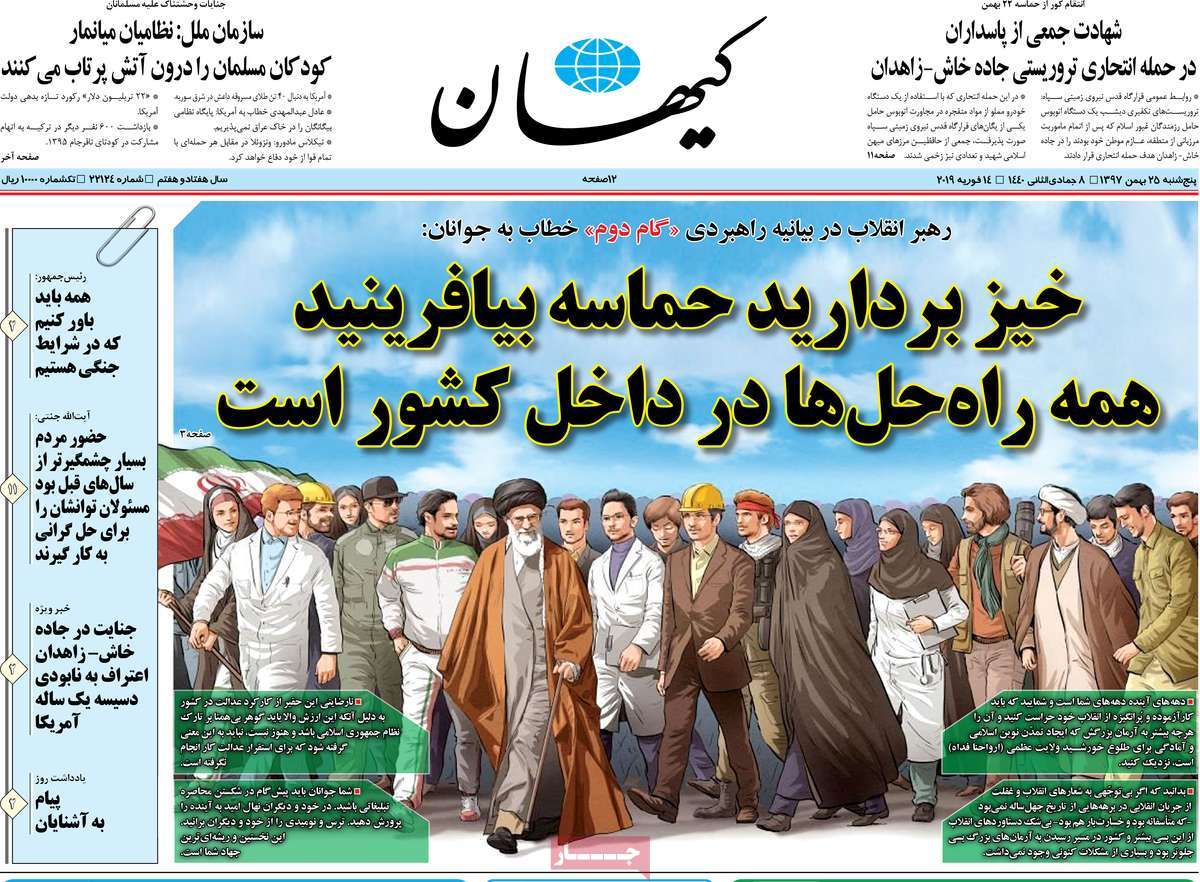
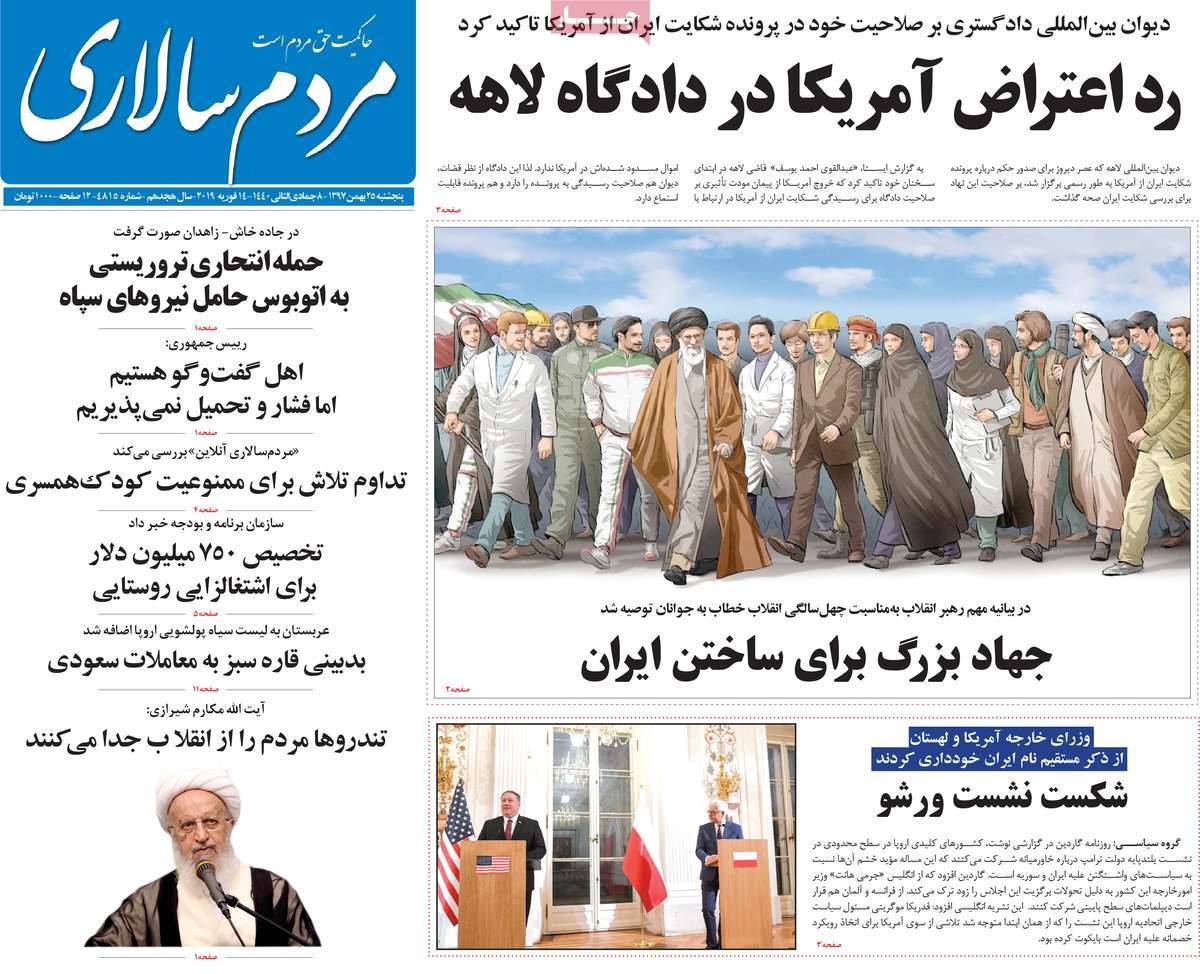
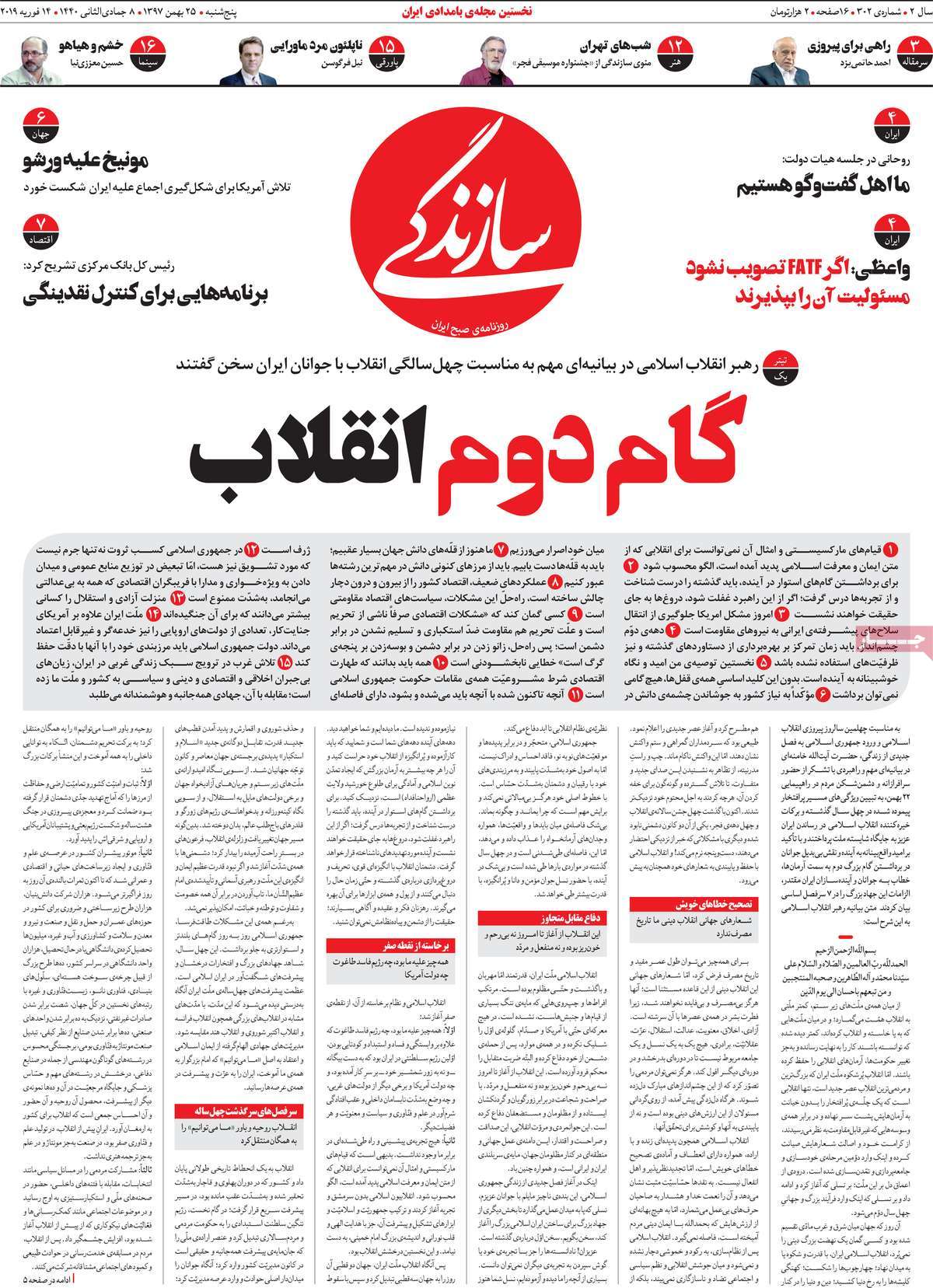
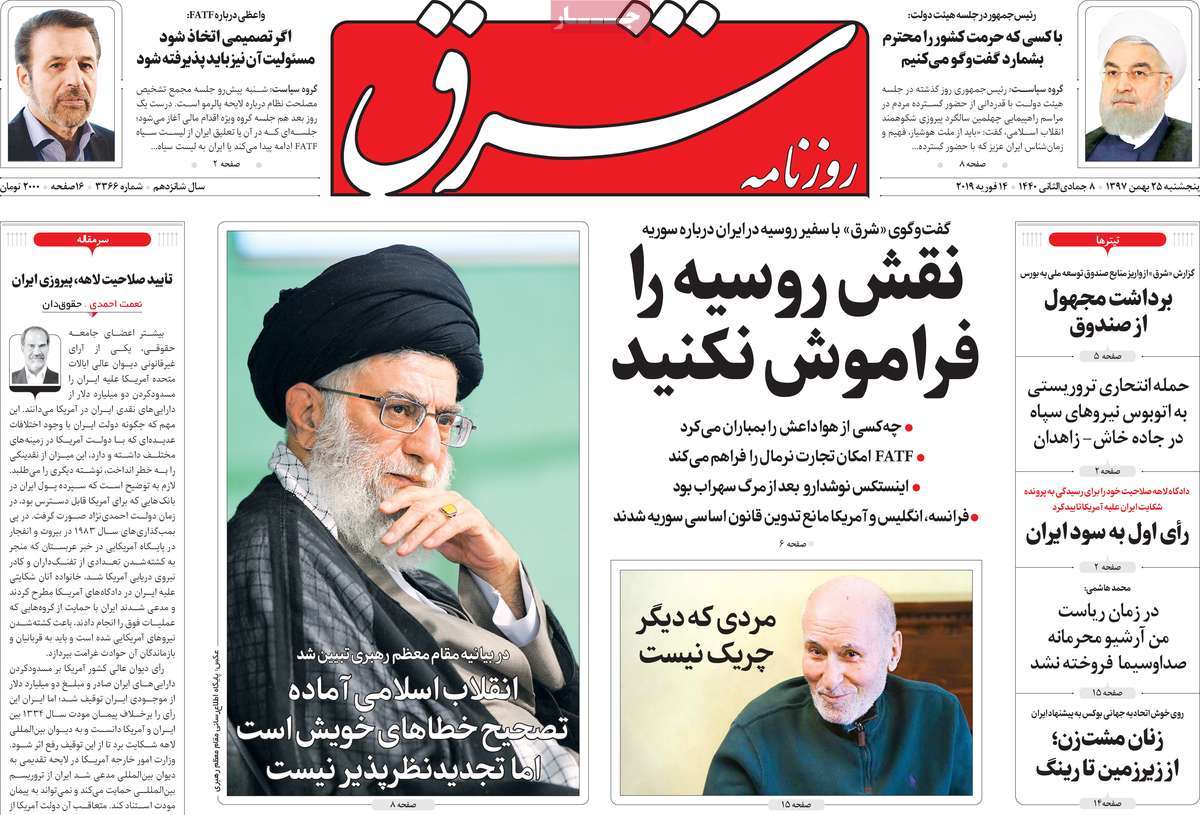
All papers today covered the “strategic and important” statement released by Leader of Iran’s Islamic Revolution Ayatollah Seyyed Ali Khamenei, entitled “Second Phase of the Islamic Revolution”.

The top story in today’s newspapers was an attack by Takiri terrorists on a bus carrying a group of Iranian border guards, which killed 27 and wounded 13 IRGC personnel.

The anti-Iran Warsaw Conference being held by the US in the Polish capital also remained a top story, with many papers highlighting its failure to create a consensus against Iran.

The above issues, as well as many more, are highlighted in the following headlines and top stories:

Abrar:
1- Rouhani’s VP for Legal Affairs: FATF Deadline Might Be Extended for Iran
2- Iraqi Kurdistan Government: Iran-KRG Prison Swap Postponed
A Look at Iranian Newspaper Front Pages on February 14


Aftab-e Yazd:
1- Flour Cooperation between Iran, Russia
• After Oil Cooperation, Now They’ll Work on Wheat, Flour
• Iran’s Economy Closer than Ever to Russians
2- Iran Leader’s Important Message to Youths at 40th Revolution Anniv.
3- Failure in Warsaw: Conference Supposed to Be Anti-Iran Not to Bear Any Fruit for US
4- Terrorist Explosion Hits Bus Carrying IRGC Personnel
A Look at Iranian Newspaper Front Pages on February 14


Arman-e Emrooz:
1- Terrorist Attack Hits Bus Carrying IRGC Staff in Zahedan: 27 Killed, 13 Wounded
2- The Hague Votes in Favour of Iran, against US
3- Europe Gives Cold Shoulder to Warsaw Summit
• Mogherini Didn’t Attend; Germany, France Sent Low-Ranking Representatives
A Look at Iranian Newspaper Front Pages on February 14


Etemad:
1- More Isolated than Ever: Zarif Says US Conference in Poland Born Dead
2- Rouhani: We’re Ready for Dialogue If Iran’s Dignity Preserved
3- Iran Leader: Islamic Revolution Always Ready to Correct Its Mistakes
A Look at Iranian Newspaper Front Pages on February 14


Ettela’at:
1- Iran Leader Calls for Great Jihad to Create Great Islamic Iran
2- Rouhani: We’re Interested in Dialogue, but We Don’t Accept Pressure, Imposition
A Look at Iranian Newspaper Front Pages on February 14


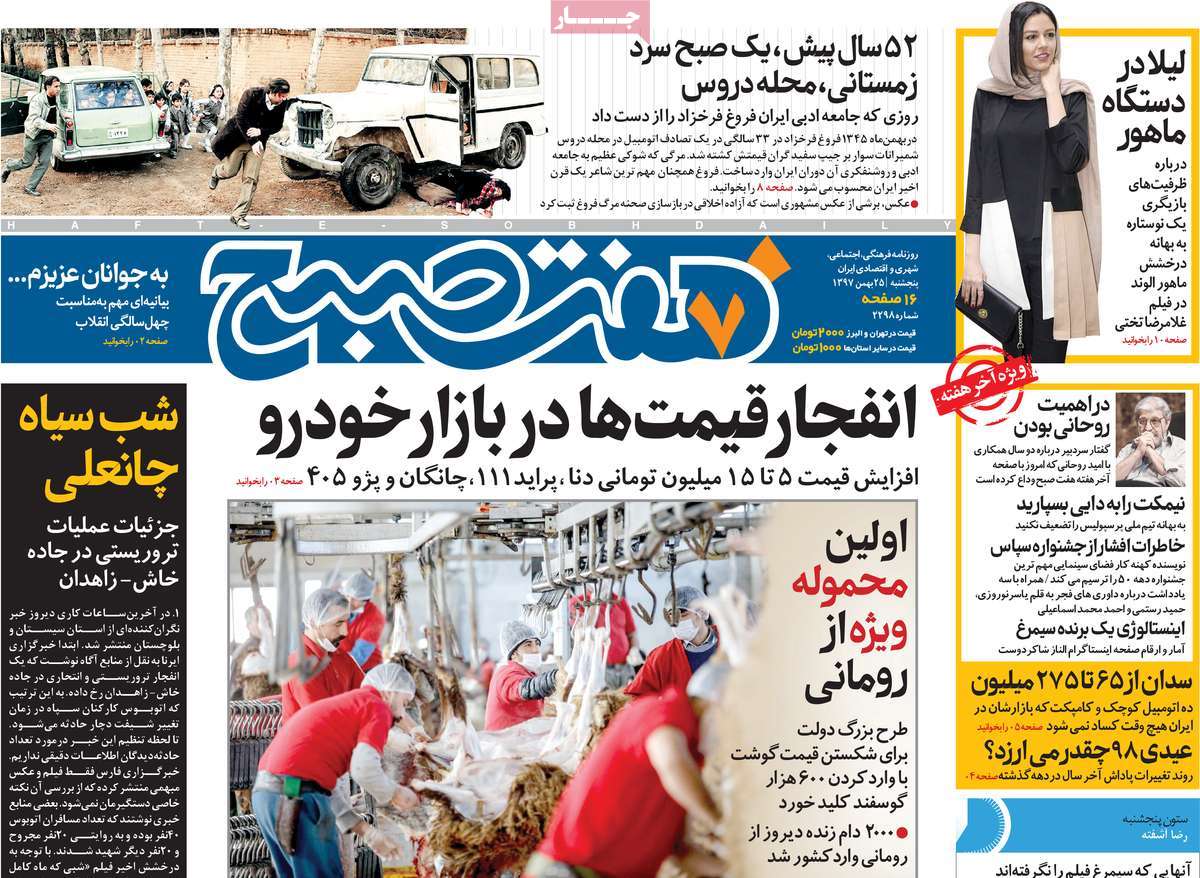
Haft-e Sobh:
1- Gov’t Trying to Decrease Meat Price by Importing 600,000 Sheep
• First Cargo, Including 2,000 Sheep, Arrives from Romania
A Look at Iranian Newspaper Front Pages on February 14


Jomhouri Eslami:
1- We Don’t Accept Presence of Any Foreign Base in Iraq: PM
2- No Mention of Iran in Opening of Warsaw Conference
3- Saudi Arabia Blacklisted by Europe
A Look at Iranian Newspaper Front Pages on February 14


Kayhan:
1- All Solution Inside the Country: Iran Leader
2- Rouhani: We Should All Believe We’re in War Conditions
3- Crime in Zahedan-Khash Road
A Look at Iranian Newspaper Front Pages on February 14


Mardom Salari:
1- US’ Appeal Rejected at The Hague
2- Europe Skeptic of Saudi Deals: Riyadh Added to Europe’s Black List of Money Laundering
A Look at Iranian Newspaper Front Pages on February 14


Sazandegi:
1- We Seek Dialogue: Rouhani
2- Munich against Warsaw: US’ Effort to Create Anti-Iran Consensus Fails
3- Second Phase of Revolution: Iran Leader Talks to Youths in Major Statement
A Look at Iranian Newspaper Front Pages on February 14


Shargh:
1- Rouhani: We’ll Hold Talks with Those Who Maintain Our Dignity
2- Don’t Forget Russia’s Role; Russian Ambassador Talks of Syria
3- First Verdict in Favour of Iran: ICJ Rejects US’ Appeal on Iran Case
4- Islamic Revolution Ready to Correct Its Mistakes: Leader
A Look at Iranian Newspaper Front Pages on February 14

Iran to Avenge Terrorist Attack on IRGC Forces

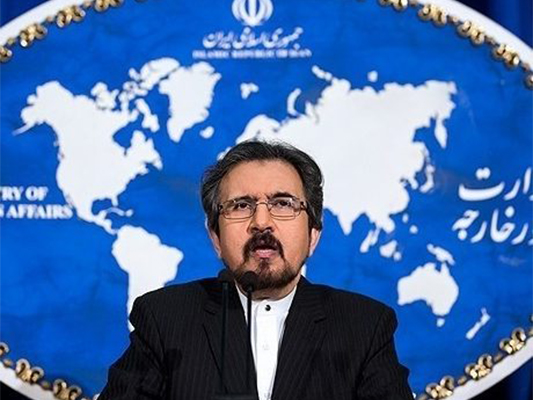
In a Wednesday statement, Qassemi offered sympathy to the families of the victims and those injured in the tragic incident.

He condemned the inhumane attack by the terrorist group that claimed responsibility for it, and said the group receives military, financial, and intellectual support from certain regional states.

Such inhumane attacks will just make the Iranian nation and government more determined to continue its fight against terrorism in the region, he noted.

Qassemi also vowed that Iranian intelligence and military forces will definitely take revenge for the blood of the incident’s martyrs.

A suicide attack by Pakistan-based Takfiri elements on a bus carrying Iranian border guards in Iran’s Sistan and Baluchestan province has killed and wounded dozens of IRGC forces.

The attack, claimed by the so-called Jaish ul-Adl terrorist group, targeted the bus carrying IRGC border guards travelling between the cities of Zahedan and Khash in south-eastern Iran.

At least 27 have been killed and 13 other wounded in the blast.

The IRGC’s Quds Headquarters said in a statement that an explosive-laden car rammed into the bus, which was taking the personnel back to their homes.

Following the deadly attack, the governor-general of Sistan and Baluchestan declared three days of mourning.

Foreign Ministry Explains Why Iran Not Invited to FATF Meeting

Iran Appoints Female Ambassador to Denmark

“The Islamic Republic of Iran is not a member of the FATF council or an official member of the regional groups affiliated to it,” Qassemi told ISNA on Wednesday.

“That’s why the country has never been invited to attend the body’s regular official meetings,” he added.

He referred to the reports of Iranian delegations’ participation in the FATF’s previous meetings, and said expert delegations from Iran previously attended the body’s unofficial expert meetings and panels, which are usually held one month earlier, in order to technically review the situation of Iran’s accession within the framework of the FATF’s agenda.

“In the absence of the technical agenda, such a meeting has not been held,” Qassemi added.

27 Killed in Terrorist Attack on Iranian Border Guards’ Bus

The attack, claimed by the so-called Jaish ul-Adl terrorist group, targeted the bus carrying IRGC border guards travelling between the cities of Zahedan and Khash in south-eastern Iran.

At least 27 have been killed and 13 other wounded in the blast.

The IRGC’s Quds Headquarters said in a statement that an explosive-laden car rammed into the bus, which was taking the personnel back to their homes.

Following the deadly attack, the governor-general of Sistan and Baluchestan declared three days of mourning.

Iran Signs MoU with Russia, Kazakhstan for Free Trade

The document was signed in Moscow Tuesday, bringing the countries closer to the free trade zone between Iran and the Eurasian Economic Union, which Russia has established with its neighbors.

“The memorandum is an integral part of the free trade zone agreement signed between the Eurasian Economic Union member states and Iran last year,” Kazakhstan’s Deputy Minister of Agriculture Gulmira Issayeva said.

Under the deal, Iran will import wheat for its private millers who will produce flour for export, her Iranian counterpart Ali-Akbar Mehrfard said.

Iran, he said, has enough wheat harvested inside the country to cover its needs but it can export Russian and Kazakh grain to other countries. Iranian private millers are not allowed to use domestic wheat for flour exports.

“In Iran, there is suitable infrastructure in the flour industry, which is twice as much as domestic demand. In addition, Iran’s wheat silage is at a good level, and we now have 5 million tonnes of flour trade,” Mehrfard said.

Kazakhstan has welcomed using Iran’s transit and logistics network to deliver its agricultural goods to customers, he said, adding the two countries are also working on wheat swap arrangements.

No volume has yet been set, with Mehrfard saying the issue is up to the private sectors to decide. He also said the memorandum does not specify the currency to be used but the countries can trade in their national money.

Last year, an Iranian official said the country was negotiating importing around 100,000 tonnes of Russian wheat per month to increase flour exports to neighboring Iraq.

“We have a little financial problem to resolve but after it we will be able to go through with the deal,” secretary general of the Iran Federation of Food Industry Associations Kaveh Zargaran said.

A Russian official said at the time that the talks were part of broader negotiations about a free trade zone between Iran and Russia.

Iran is in advanced talks about creating a free trade zone with the union, known as the EAEU.

Iran’s Ambassador to Moscow Mehdi Sanaei said on Friday he expected the Iranian parliament to ratify the free trade agreement with the EAEU “in the near future.”

“The agreement is very important for Iran because it opens the gates to a big market for our country, and also opens the Iranian market to Russia and northern countries,” Mehr news agency quoted him as saying.

The union aims to ensure the free movement of goods, services, capital and workers between the member states.

The EAEU was established in 2015 by Russia, Kazakhstan and Belarus and later joined by Armenia and Kyrgyzstan. In 2016, Vietnam officially became the first non-regional country to join the bloc.

Russia’s First Deputy Minister of Industry Sergei Tsyb said last week that the EAEU would sign free trade agreements with Singapore, India and Egypt “in the near future.”

The bloc has also held negotiations with South Korea. According to Russia’s RT television, more than 40 countries and international organizations, including several South American states, have expressed interest in joining the EAEU.

Most world countries are currently a member of World Trade Organization (WTO) which is dominated by the United States.

Tsyb said WTO member states are currently using over 7,500 non-tariff measures such as quotas, licenses, restrictions and embargoes with respect to industrial goods.

Russia is coming under growing pressure from the West, including economic sanctions. Iran is also the target of the toughest sanctions announced by US President Donald Trump in May.

‘Jews Living in Peace, Harmony with Other Iranians’

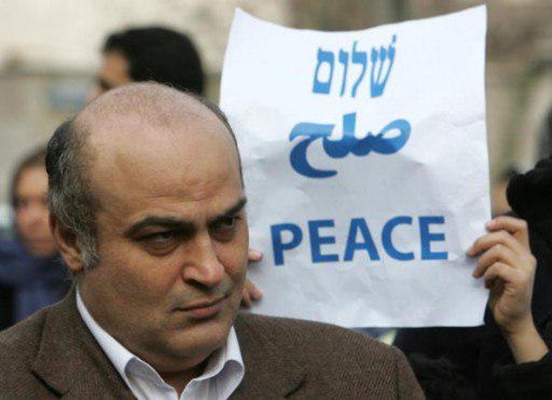
Undated photo of Siamak Morreh-Sedgh, the representative of the Jewish community at the Iranian Parliament, attending an anti-war demonstration of Iranian Jewish community.

Morreh-Sedgh was born in the city of Shiraz in 1955. He graduated in medicine, and worked in Kurdistan province from 1995 to 2001. Afterwards, he worked as a technical expert at a pharmacy. He is now serving for a third term as the representative of the Jewish community in the parliament.

The following are excerpts of his interview with ISNA where he has weighed in on the situation of the Jews in Iran, his memories of the days of the 1979 Islamic Revolution of Iran as well as the role of Jews in the revolution and in defending the country during the 8-year Iraqi imposed war on Iran in the 1980s.

In the interview, he has also touched upon the difference between Zionism and Judaism, the origins of the Jews’ culture in Iran and their concerns and positions on the enemies’ acts of sabotage.

Are there any differences between Jews in Iran and in other countries?

As far as Judaism is concerned, there are not many religious differences between Jews in different parts of the world. However, all Jews across the globe cannot be categorized into one group, as Muslims cannot either. This applies to all divine faiths.

Religiously speaking, Jews in Iran are followers of Judaism, and from a strategic perspective, they are Iranian citizens. Therefore, we fully abide by the laws and regulations of our country when it comes to politics and international relations. During the 8-year Iraqi imposed war on Iran in the 1980s, all Iranian people, including Jews, Muslims, and Zoroastrians, joined hands to defend our national values as well as Iran’s territory. It makes no difference to us whether our enemy is Saddam Hussein, Trump or Netanyahu. Whoever poses a threat to Iran’s national interests and values is an enemy of Jews, too.

How do you evaluate the coexistence between Iranian people and Jews?

Jews have been living alongside other Iranians for around 3,000 years now. In fact, Iran is one of the places where Jews have always had ease of mind as their homeland and have been able to have peaceful coexistence with Iranian people. Jewish Iranians have had an undeniable role in medicine and pharmacy as well as cultural issues such as music plus philosophy. Furthermore, several other things such as their costumes, eating habits and even ceremonies held on Jewish occasions have been inspired by the Iranian culture.

Iran is one of the places where Jews have always had ease of mind as their homeland and have been able to have peaceful coexistence with Iranian people.

What are the most important concerns of the Jewish community in Iran?

They share the same problems that other Iranians have. At the moment, the most important issue and concern of the Jewish community in Iran, especially the youth, is unemployment, which is a problem that all Iranians have.

How do you compare the situation of the Jewish community in Iran before and after the revolution?

Emigration is a natural phenomenon that takes place after every revolution. In Iran, too, many people, including Jews, emigrated after the revolution. Interestingly enough, Iranian Jews’ abidance by Judaism has become much stronger after the revolution because a more religious atmosphere has prevailed across the country following the revolution. This impacts all communities and ethnic groups. Moreover, the emergence of some social issues has influenced the Jewish community. For example, divorce was considered a taboo in the Jewish community until 20 years ago. However, the rising divorce rate in the country nowadays has had an impact on the Jewish community as well.

What is the Jewish community’s position on the current US economic war against Iran?

The Jewish community is not separate from other Iranians. Iranian Jews who have stayed in Iran have no intention of emigrating to other countries and have always defended Iran as their one and only homeland and have shown their loyalty. We have experienced economic problems more severe than what we are facing today. I don’t think the intensity of the current problems, even the initial sanctions, are comparable to the events that took place during the Iraqi imposed war on Iran.

How do you see the propaganda campaign launched by Western media against the rights of minorities, especially Jews, in Iran?

We have always emphasized that the general situation of religious minorities in Iran is improving. Of course, there are some problems, too. But the Islamic establishment seeks to settle those issues, and they have cooperated with us in this regard as much as possible. This reality should be promoted across the globe. If that happens, then no one outside Iran will speak for us. I have had interviews with foreign media several times. Once, I sat down with Ahmed Shaheed

in Geneva, and he finally confessed that the human rights situation in Iran is better than that in other Middle East countries, even by Western standards.

Minorities have spontaneously held different ceremonies all the time to safeguard the ideals of the revolution, but unfortunately, such events have not been properly covered.

When Leader of the Islamic Revolution Ayatollah Seyyed Ali Khamenei underwent surgery, prayers were held in all synagogues across Iran for the Leader’s health, but no report was filed in that regard. Another case in point is the Sepir hospital, which is the Middle East’s only charity hospital for Jews. It is also the only Jewish hospital in the world which admits all patients, Jewish and non-Jewish alike, based on charity regulations. More than 90 percent of its staff members and patients are Muslims. One of the Old Testament’s key statements is written on top of the gate of the hospital. It reads: “Love those of your kind the same way you love yourself.” It does not say “those of your religion” or “your brother.” Rather, it uses the phrase “your kind.” That means it would be enough to be a human. Well, has this been covered more frequently in Iranian or foreign media?

The world’s safest synagogues are located in Iran. Even in Europe, synagogues are protected by security guards.

Iran is the only country to have practically defended Christians in Iraq and Syria during the time when the ISIS terrorist group was at the peak of its activities. But where was this reported? At that time, I brought up the issue at the European Parliament. It is an honour for Iran that Christians in Iraq and Syria regard General Qassem Soleimani as a saviour. Asia’s oldest synagogue in Syria was targeted by ISIS, and Africa’s oldest synagogue in one of Tunisia’s islands was struck by the Taliban. This comes as the world’s safest synagogues are located in Iran. Even in Europe, synagogues are protected by security guards, including one from Mossad, who safeguards the building along with local security personnel and police. However, there is no need for the presence of police at synagogues in Iran. We only use police when we want to establish internal order at our synagogues. Where in the world can we see such security, and where have we covered this story?

It would be naive to think the US secretary of state would tell the truth about minorities in Iran. I have said time and again that it would be pointless to respond to such individuals because their words are so repetitive that they are not worth being responded to. The only solution is that we ourselves should have an integrated system to promote realities.

‘US Coup Attempt in Venezuela Aimed at Dominating Oil Resources’

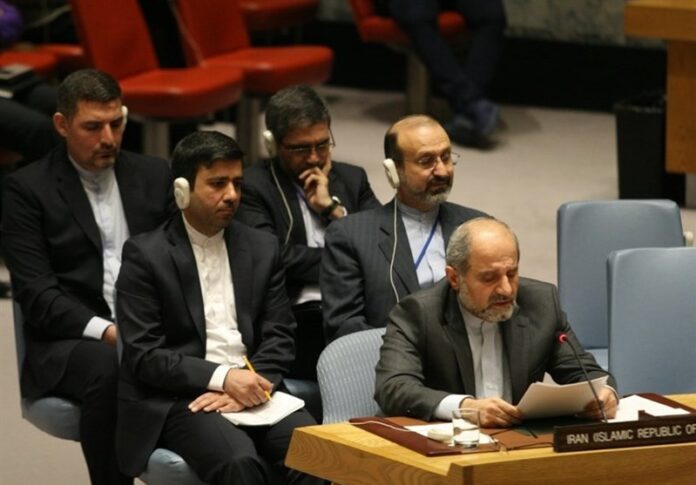
Addressing a Tuesday meeting of the Non-Aligned Movement (NAM) about Venezuela, held at the United Nations Trusteeship Council, Eshaq Al-e-Habib called for an end to the US’ hostile, illegal and provocative policies.

The Iranian envoy described the current developments in Venezuela as a domestic issue that does not threaten regional or international peace and security, MNA reported.

Al-e-Habib further emphasized that no foreign action can be taken without the explicit consent of the government and no one can instruct Venezuelans what to do or not do, which system to choose or what policies to adopt.

“Most importantly, no country or organization has the right to determine which of the national institutions of another country is democratic or legal. According to the Universal Declaration of Human Rights and the International Covenant on Civil and Political Rights, only the ‘will of the people’ will be the basis of legitimacy of the state,” he stated.

“It is an inherent right that shouldn’t be subject to a condition such as the recognition of a foreign country or organization and should be strongly respected by every UN member state,” the Iranian envoy said, adding, “Hence, all the hostile policies of the United States and its illegal and provocative actions must be stopped.”

On January 23, Venezuelan opposition leader Juan Guido announced himself as interim president with the support of the US and its allies. This act has been referred to as ‘the coup against the elected president, Nicholas Maduro.’

Many countries, including Iran, Russia, China, Cuba, Turkey, South Africa, and Uruguay, have condemned the US position, stressing the need to respect Venezuela’s sovereignty and territorial integrity.

‘Iranians Should Feel They’re at Economic, Psychological War’

rouhani

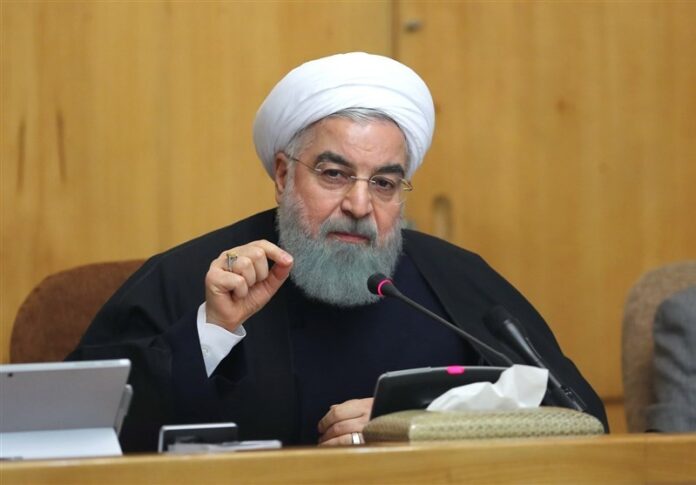
“We should all feel that we are in a war situation,” he said, expressing hope for greater unity among people and political groups.

Speaking in a cabinet session on Wednesday, Rouhani said the government is on the frontline of the battle and needs popular support to win the war.

Rouhani hailed people’s strong presence in celebrations on the 40th anniversary of the victory of the Islamic Revolution on Monday, saying it was a sign the nation is determined to foil adversaries’ plots.

“This nation will once again stand for its dignity, independence and prestige and it’s not ready to surrender itself to the enemy, as surrendering to the enemy has no end,” he said.

“If the Iranian nation gives in to the US … we should give up our dignity, independence and identity as well,” he said.

No; Islamic Republic Not Months Away from Collapse

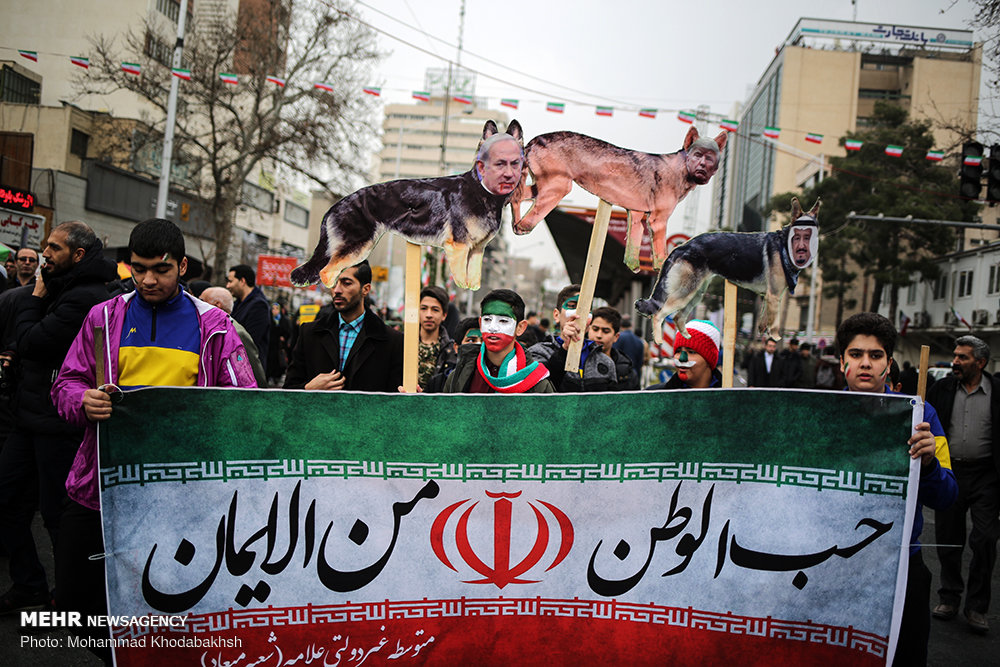
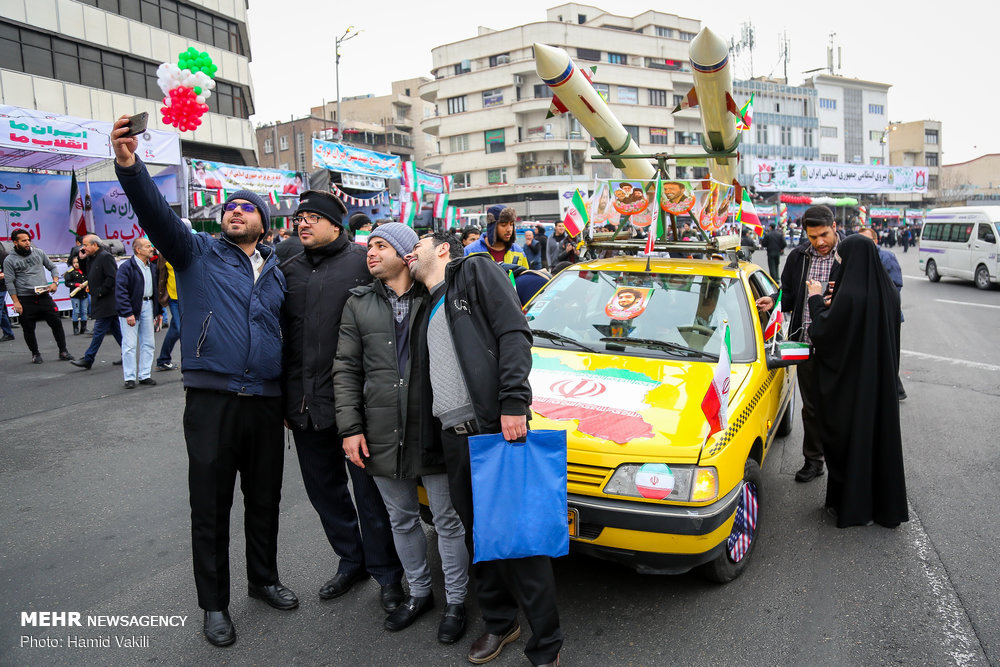
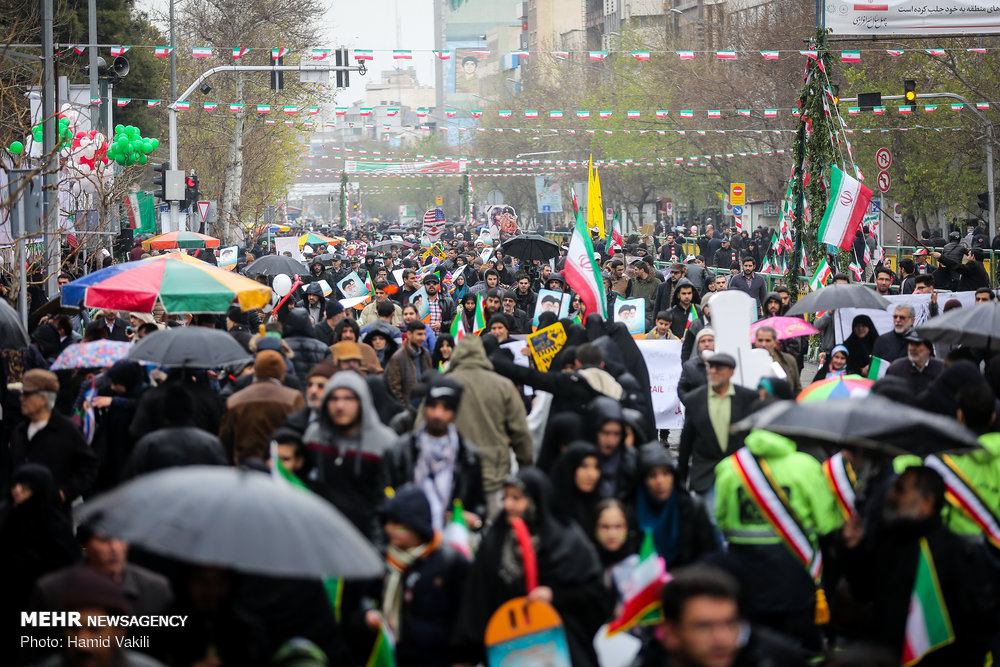
Packed crowds of Iranians were on the streets in Iranian cities to commemorate the sweeping away of the US-backed rule of Shah Mohammad Reza Pahlavi, defying a prediction that few in Iran are in celebration mood considering rising unemployment and inflation exacerbated by US sanctions.

But this was not the only prediction proven false. The celebrations left unfulfilled the latest prophecy of the hawkish US national security advisor John Bolton, who hoped last year “the Ayatollah Khomeini’s 1979 revolution will not last until its fortieth birthday.”

In his speech to a conference of the Mujahedin-e Khalq Organization (MKO), the notorious group behind biggest terror attacks in Iran, Bolton also said they would hold celebrations in Tehran before 2019.

Even at that time, the statement appeared more like a case of wishful thinking.


It’s All Illusion

In fact, the US politicians have long been talking of the Islamic Republic’s imminent demise.

The US pressure campaign against Tehran was launched just months into the revolution, after US officials were convinced the Islamic Republic was not something they could stand.

Western governments could live without Iran’s petrodollars and its highly profitable economic opportunities, but they couldn’t afford to see Mideast people ruled by similar dictatorships to follow in Iranians’ footsteps and copy this model in the region’s oil kingdoms.

Throughout the years since the 1979 revolution, US officials and their propaganda mouthpieces have periodically asserted the Islamic Republic is merely months away from collapse.

In fact, Bolton’s friends at MKO are a big victim of such mentality, losing thousands of forces in a plainly ridiculous operation to take Tehran and other Iranian cities in 1988.

Before them, the former Iraqi dictator Saddam Hussein had tried to bring an end to the Islamic Republic in weeks, taking advantage of Iran’s post-revolutionary chaos in the 1980s.

However, despite generous financial and arms support provided by wealthy Arab governments and the west, the Iraqi war machine failed to achieve tangible achievements after eight years of relentless war.
 No; Islamic Republic Not Months Away from Collapse

Manufactured Revolution

The last time we were told the end is near for the Islamic Republic was 2009, when allegations of widespread fraud in the presidential elections that year ignited street protests in Tehran and other cities.

Such claims could hardly be credible, as the victor, Mahmoud Ahmadinejad, had won by an 11-million lead over his nearest rival and it was impossible for him to collude with hundreds of thousands of election organisers to steal so many votes.

But facts were no important to western media and politicians, who portrayed a nation tired of the revolution which had stood up to finish off a decaying regime.

For a few months, the uprising was heroically advancing, and the so-called Green Movement was to take over the country soon.

However, despite the hopes of overexcited commentators in the western press, things didn’t go as their audience would have expected.

With the predictions of the western dreamers proven untrue, then US president Barack Obama appeared to start admitting the reality about Iran, beginning with the recognition of Iran’s right to peaceful atomic energy.

The Obama administration concluded the nuclear deal with Iran and exchanged prisoners with the country, believing that the experience of decades of US hostility towards Tehran provided the Iran problem is not just another nail to be tapped by the strong US hammer.


Illusions Make Comeback

Then Donald Trump came to power and pulled out of the nuclear deal, alleging that his predecessors had not been tough enough with Tehran, mocking Obama for being too soft on Iran.

People inside the new US administration claimed there are many parallels between Iran and the former Soviet Union, believing the current president could play a part similar to former president Ronald Reagan by taking an uncompromising position towards Iran.

Soon, western governments’ propaganda mouthpieces took up the Soviet analogy as their watchword and started repeating a nearly forgotten mantra: Iranians want change.

The narrative was set up skilfully: Iran’s youth, particularly the army of the unemployed, have been hit hard by the economic downturn and other challenges and are fed up with a regime full of mischief.

The western mainstream media’s audience were endlessly told that Iranians have grown wary of the regime’s corruption and are yearning from within for transformation.

According to this narrative, the US and other western governments have a humanitarian duty to intervene and help Iranians realize their hope.
No; Islamic Republic Not Months Away from CollapseSoviet Analogy in Action

Before the 40th anniversary of the revolution, western media were publishing mountains of commentary and strident headlines raising the familiar theme of Iran’s need for change.

Reuters ran the story of a former judge who is frustrated with the revolution; the Daily Telegraph remembered “horrors” of the post-revolution Iran; and Bloomberg asserted Iranians have endured 40 years of “terror, deprivation and cruelty” under the Islamic Republic.

Moreover, the Wall Street Journal said the Revolution has failed to fulfil promises; The Washington Post believed the “decaying” Islamic Republic is “showing its age” and the Christian Science Monitor claimed the country has reached a turning point.

Likewise, Financial Times reported many of those born since the 1979 Revolution want reform, France 24 quoted an expert saying the Iranian state represses its people and deprives them of the country’s wealth, and Deutsche Welle predicted the Islamic Republic is likely to be toppled in the near future.

But the noisy celebrations on Monday showed once again that the stories by narrated the dreamers in the western press and fantasies woven by hawks in the US government have little to do with reality.

The case was too big to ignore, and the western agencies had no choice but to cover the celebrations, although they sought to play down the annual event.

The celebrations were frequently referred to as “state-organized” marches that saw tens of thousands or at best hundreds of thousands of people in Iran’s 31 provinces in attendance.
No; Islamic Republic Not Months Away from CollapsePipe Dreams

The reaction of the US government was even more interesting.

Presumably, the size of crowds in the February 11 celebrations could be the first indicator of the success of the so-called “maximum pressure” campaign, designed to bring Iran to its knees.

Trump and Bolton were so annoyed by the popular celebrations that they issued separate messages hours later, with the advisor denouncing the “Iranian regime” which “has failed to fulfil its promises.”

They seem to be convinced that the Iranian government is vulnerable to collapse and tough US sanctions could hasten its demise.

But Iran has been under sanctions for over forty years. Why should we believe the new round of US sanctions will bring a collapse of the Islamic Republic now?

The reason why the Islamic Republic survives such undue pressure is a story for another day, but it seems safe to conclude that the current US pressure campaign is doomed.

There is no doubt that the Iranian government faces a series of unnerving domestic and foreign challenges. But the 40-year-old Islamic Republic is different from the one that emerged in 1979.

Iran has now secured itself, boosted its regional influence and established a buffer zone between its borders and hostile powers.

It has grown domestically, too, trying to keep up with a dynamic society.

More importantly, many Iranians are now convinced they have to stand on their feet and bear US pressures, having experienced first-hand that the US is a hopeless case.