Sunday, December 21, 2025
Home Blog Page 3322

Iran Arrests 4 Suspects In Connection with Chabahar Attack

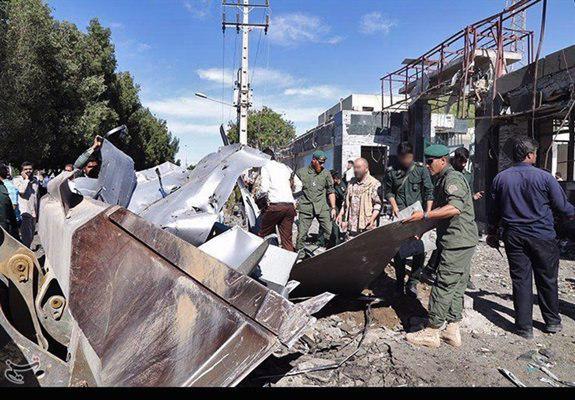
Photo of the site where a suicide attacker exploded his car in front of the Police headquarters of Iran's Chabahar on Dec. 6, 2018. The terrorist attack was claimed by Ansar al-Furqan terror grouo / Photo by Tasnim

The Public Prosecutor of Zahedan Ali Movahedi Rad said the suspects were arrested in various towns of the province.

“The case is now being investigated in the Special Security Crimes Complex in the centre of Sistan and Baluchestan province,” he added.

He also noted that probe into the case will continue until all perpetrators are put on trial.

Iran Arrests 4 Suspects In Connection with Chabahar Attack
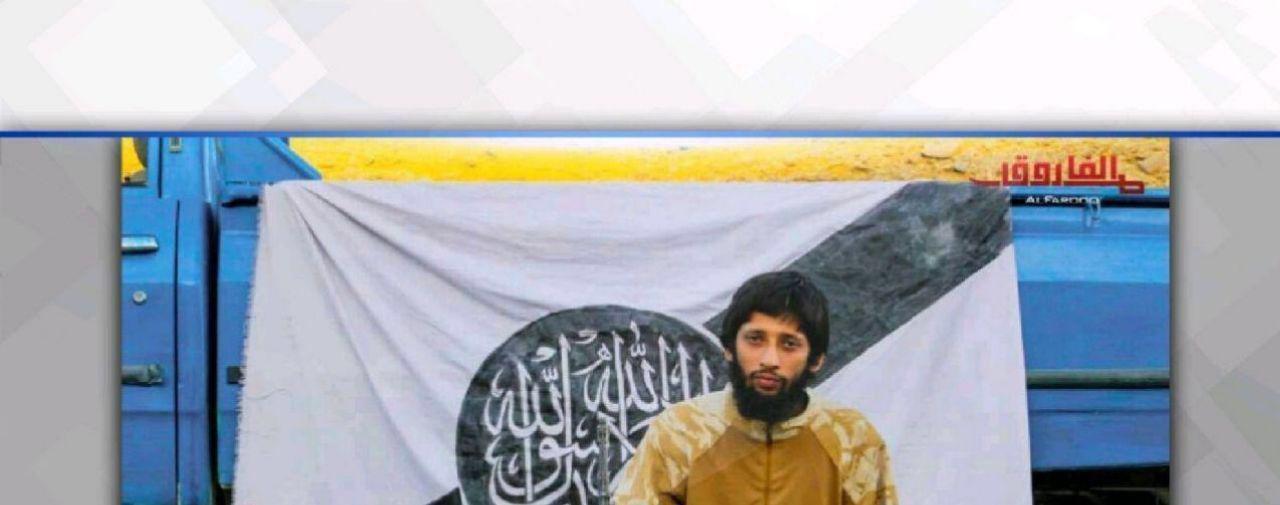
Photo of Abdullah Azizi, the suicide attacker who exploded his car in a terrorist attack in front of the Police headquarters of Iran’s Chabahar / Photo released by Ansar al-Furqan terrorist group

A suicide car bomb explosion on Thursday in front of the police headquarters in the city killed a conscript and an officer. It also wounded over 40 others including eight women and five children.

The suicide attacker, identified as Abdullah Azizi, was seeking to drive his car into the police headquarters but faced the resistance of the Law Enforcement forces and desperately exploded his car outside the building leaving a number of ordinary people dead and wounded.

The Ansar al-Furqan terrorist group has officially claimed responsibility for the attack.

Rouhani’s Gov’t Unveils Next Fiscal Year’s Budget Bill

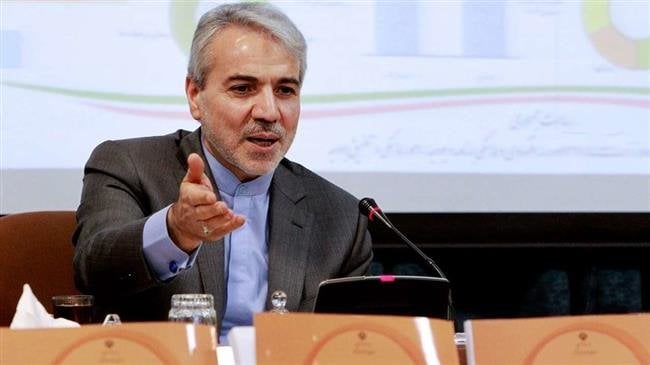
In a press conference to unveil the budget bill to reporters, Mohammad Baqer Nobakht said the government had put a huge amount of energy into developing a “just and transparent bill.”

According to Nobakht, the next year’s budget is 12% more than the budget for the current Iranian year (21 March 2018-2019), adding that it would envisage a total spending of around 433 quadrillion rials ($103 billion) from various sources including taxes, divesting state-run shares and selling oil.

Meanwhile, the budget bill expects 27 percent dependence on oil revenues and forecasts 1.5 million barrels of oil sales per day at the price of $54 per barrel. It also requires the government to allocate $14 billion (at the exchange rate of 42,000 rials) to supply of basic goods to back Iranians’ livelihood amid the US unilateral sanctions. To this end, it also mandates the allocation of 1.42 quadrillion rials for paying subsidies whether in cash or in form of basic goods to qualified Iranians.

Deputy of Iran’s Budget and Planning Organization Hamid Poormohammadi who accompanied Nobakht in the conference said for his part that the bill was mainly focused on Iranian’s livelihood, domestic production, and supporting environment and improvement of science in the country, as well.

Back on Monday, Nobakht said the developers of the bill had in mind some major points including reducing the pressure posed by US sanctions on Iranians’ lives, supplying basic goods, and paying a specific attention to domestic production and job creation.

Iran Urges Pakistan to Step Up Efforts to Release Iranian Border Guards

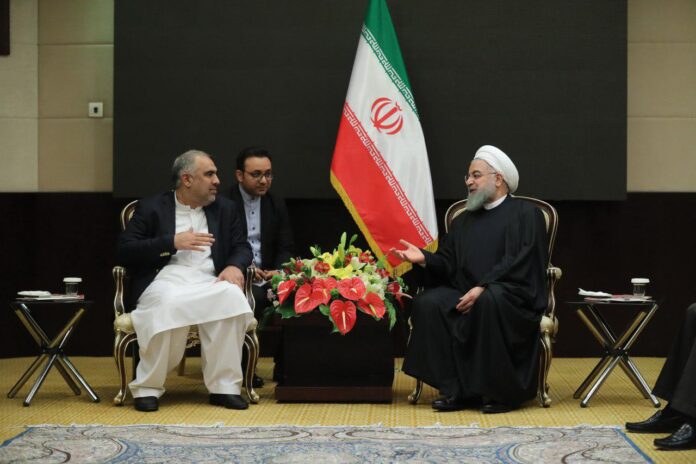
Iranian President Hassan Rouhani meets Pakistan's Parliament Speaker Assad Qaiser in Tehran on Dec. 8, 2018 / Photo by President.ir

“We hope our seven border guards still held captive by terrorist groups in Pakistan could be released and come back home immediately through serious operations by Pakistan’s army,” Rouhani said.

Rouhani made the comments in a Saturday meeting with Pakistan parliament’s speaker, Assad Qaiser, on the sidelines of the second gathering of Parliament speakers from Afghanistan, Iran, Pakistan, Turkey, China and Russia in Tehran.

He expressed hope that the security cooperation between the two sides’ armies could expand to secure protect joint borders between Iran and Pakistan.

He then called for all-out expansion of bilateral ties between Iran and Pakistan in fight against terrorism and added the fight is highly significant.

“Those who have created the terrorist groups over the past decades have betrayed the regional nations,” he said.

President Rouhani underlined that unfortunately some groups are taking advantage of the insecurity along the borders, adding the two sides should step up mutual security ties in fight against terrorism.

He then said that the Islamic Republic is prepared for expansion of economic, cultural and scientific relations with Pakistan.

Touching on Iran’s Chabahar and Pakistan’s Gwadar ports’ geographical situation, Rouhani said they can be used as platform to expand the two sides’ relations.

“Having access to China through Gwadar port and reaching Russia, Central Asia, Caucasus and Europe through Chabahar have made them complementary,” he noted.

For his part, Pakistan parliament’s speaker expressed his deep regret over the fatal terrorist attack in Chabahar on Thursday and said today the government and nation of Pakistan are united in fight against terror.

He expressed his country’s interest in expansion of regional security and fight against terrorism and said Pakistan hopes the two sides could remove the current problems hampering their trade and economic relations.

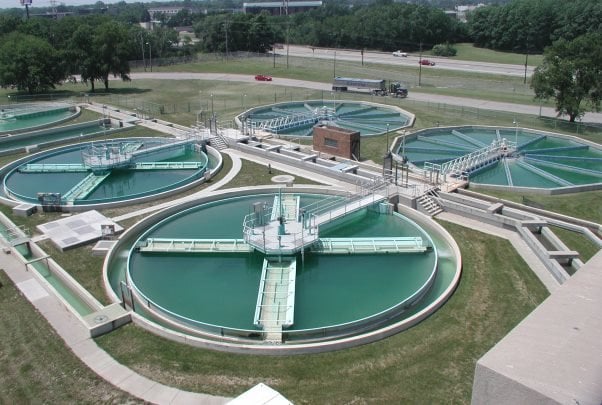
Iran Devises Method to Purify Water Naturally

The project is called “Removing Nitrate from Potable Water and Sewage,” project manager Maryam Hosseini says.

“Due to excessive use of chemical fertilizers in the agriculture sector and the discharge of untreated sewage or nitrate-contaminated waste into the environment, nitrate will get into subterranean as well as surface water resources,” she said.

She said nitrate affects the purity of drinking water and causes the methaemoglobinaemia disease in infants and quadruped animals.

“Nitrate could also result in miscarriage and cancer of the digestive system. Therefore, the above-mentioned water resources need to be denitrated if they are to be used,” the researcher added.

“We used two reactors in order to remove nitrate from potable water biologically. In these reactors, the active microorganisms at sewage treatment plants were used as initial feed,” she added.

In the two reactors, she said, denitrifying bacteria using carbon as the source turned nitrate into the nitrogen gas and began to grow in the system.

The researcher noted that denitrifying bacteria were cultured as a granular mass in the first reactor, and on a fixed surface in the second.

“with different steering functions compared to conventional biological systems, these two reactors are able to create a high concentration of denitrifying bacteria inside the system and, hence, are able to remove huge quantities of nitrate,” she noted.

According to her, the efficiency of the two reactors was examined as well.

“The results showed that both reactors are able to remove up to 800 milligrams of nitrate from water using the granular mass as well as the fixed surface,” she said.

For a brief review of Iran’s achievements in various fields of science and technology, check the book “Science and Technology in Iran: A Brief Review

“The reactors can reduce nitrate levels to 45 miligrammes per litre and below, which measures up to Iranian and international standards,” she said.

According to her, the findings of the study showed the method was very suitable for denitrating potable water as well as sewage, and could turn nitrate into nitrogen, which is a harmless gas.

She said the method has not been implemented on a pilot or industrial scale in Iran, but it seems that the method is very efficient and simple.

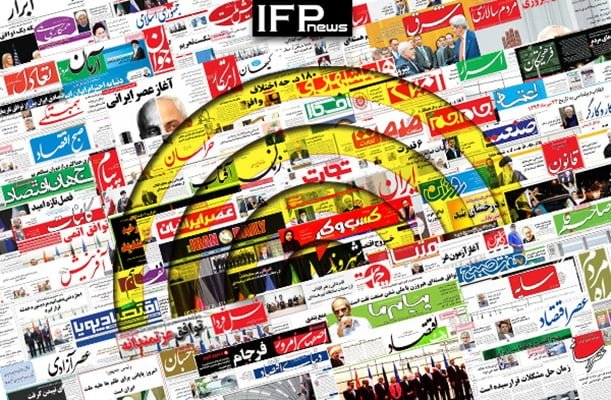
A Look at Iranian Newspaper Front Pages on December 8

A Look at Iranian Newspaper Front Pages on November 19

All newspapers today covered the Thursday terrorist attack on the south-eastern Iranian city of Chabahar, which killed two police forces and wounded over 40 others, including several women and children.

Also a top story was the 175th meeting of member states of the Organization of the Petroleum Exporting Countries (OPEC) in Vienna, which ended with a deal on output cut. Thanks to efforts made by Iranian Oil Minister Bijan Zanganeh, the OPEC agreed to exempt Iran from the output reduction because of the US sanctions.

Several papers also highlighted the Yellow Vest protests in France, where protesters were going to resume the rallies on Saturday, and the police vowed to deploy 89,000 forces, including those of the Army, to control the situation.

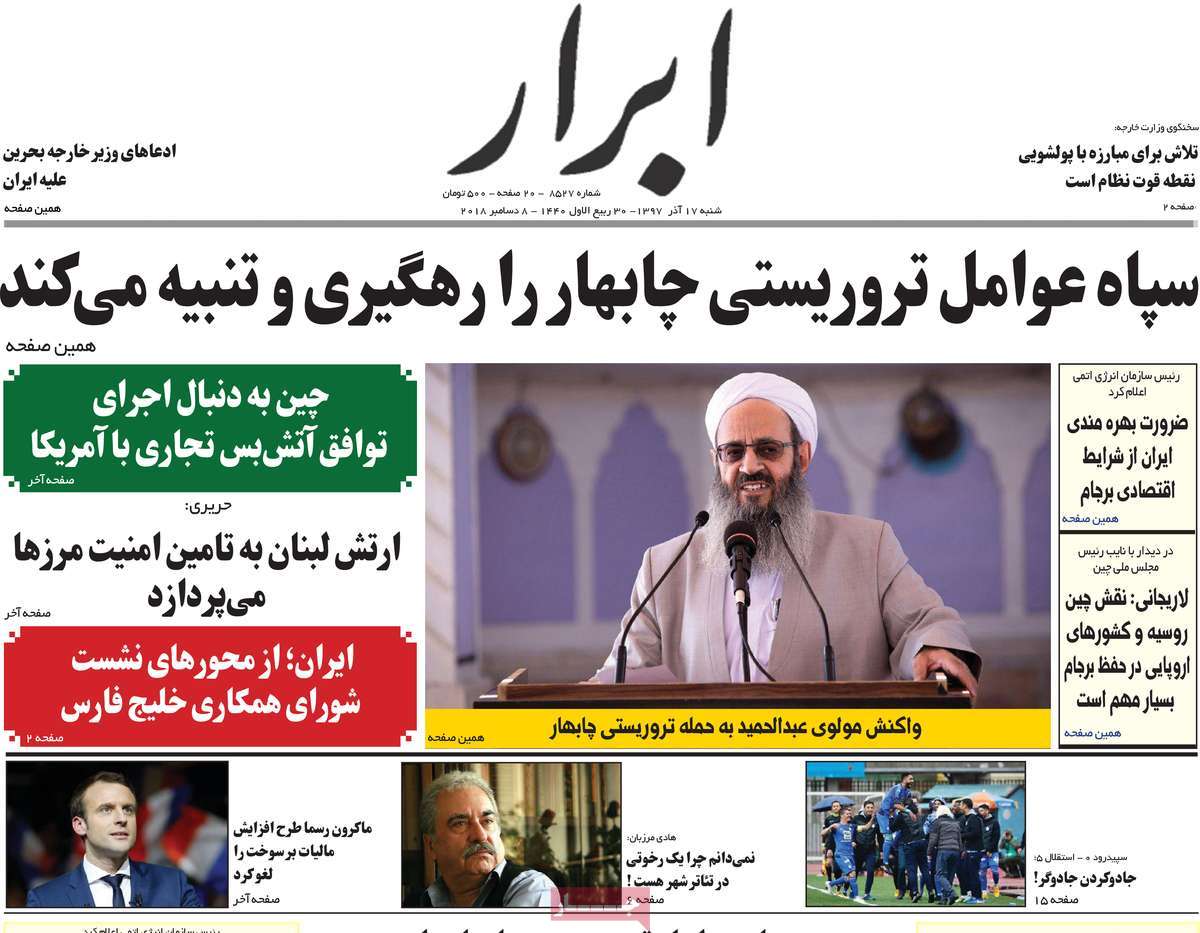
The above issues, as well as many more, are highlighted in the following headlines and top stories:


Abrar:

1- Bahrain FM Makes New Anti-Iran Claims

2- IRGC to Track, Punish Those behind Chabahar Terrorist Attack

3- Iran Key Focus of Talks among Members of Persian Gulf Cooperation Council

4- Larijani Praises Roles of China, Russia, Europeans in Preserving JCPOA

5- Macron Officially Cancels Plan to Raise Fuel Taxes
A Look at Iranian Newspaper Front Pages on December 8


Aftab-e Yazd:

1- Iran’s Resistance Works

  • Marathon Talks in Vienna Leads to OPEC Output Cut Deal, Iran’s Exemption

2- Decreased Opposition to CFT at Parliament
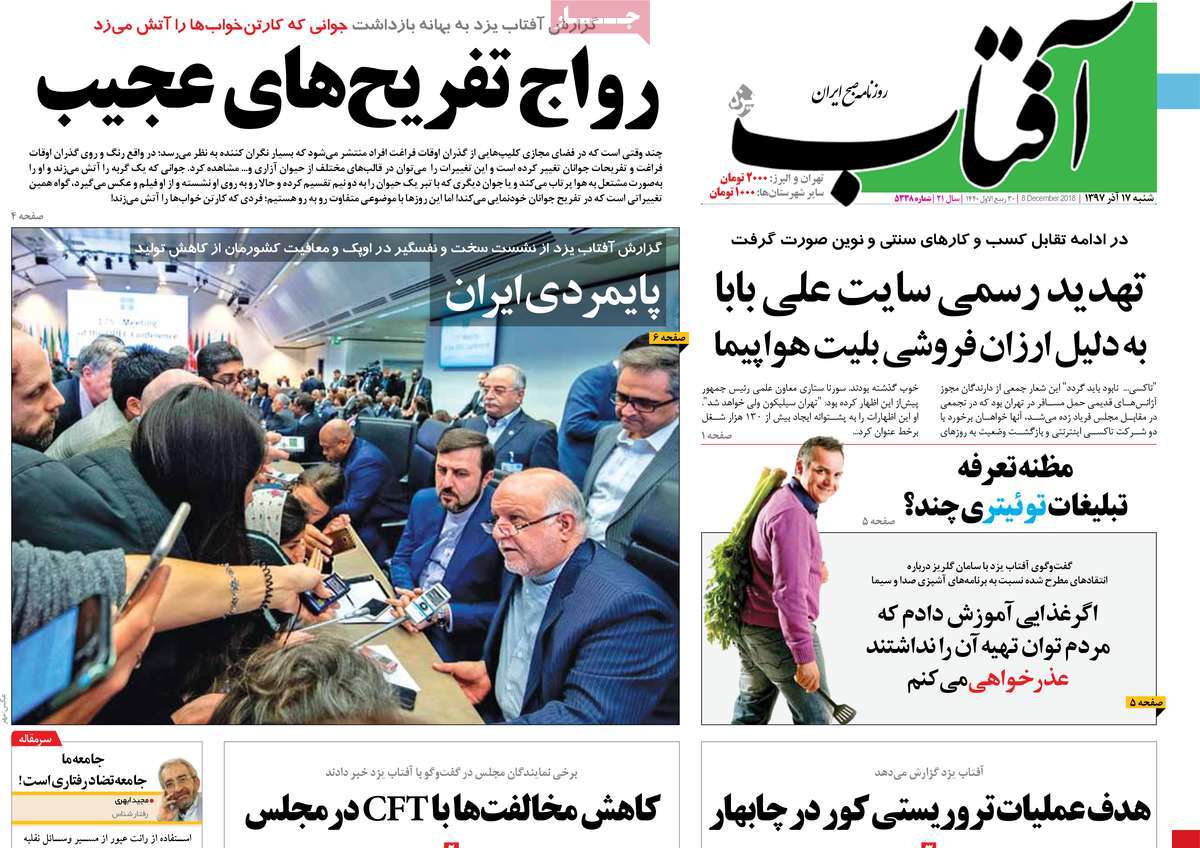
A Look at Iranian Newspaper Front Pages on December 8


Arman-e Emrooz:

1- Oil Price Decreases to Stop
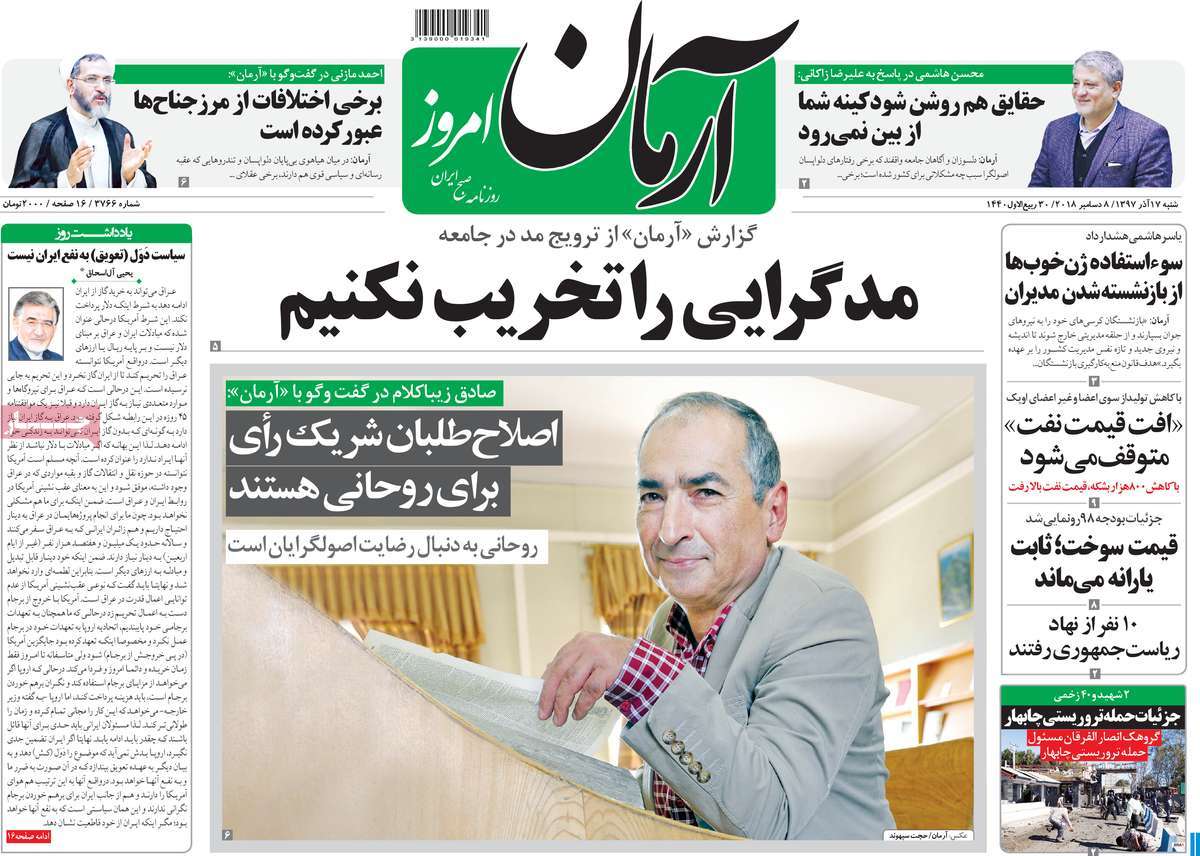
A Look at Iranian Newspaper Front Pages on December 8


Ebtekar:

1- Rouhani’s First VP: Countries Must Stand against US Unilateralism
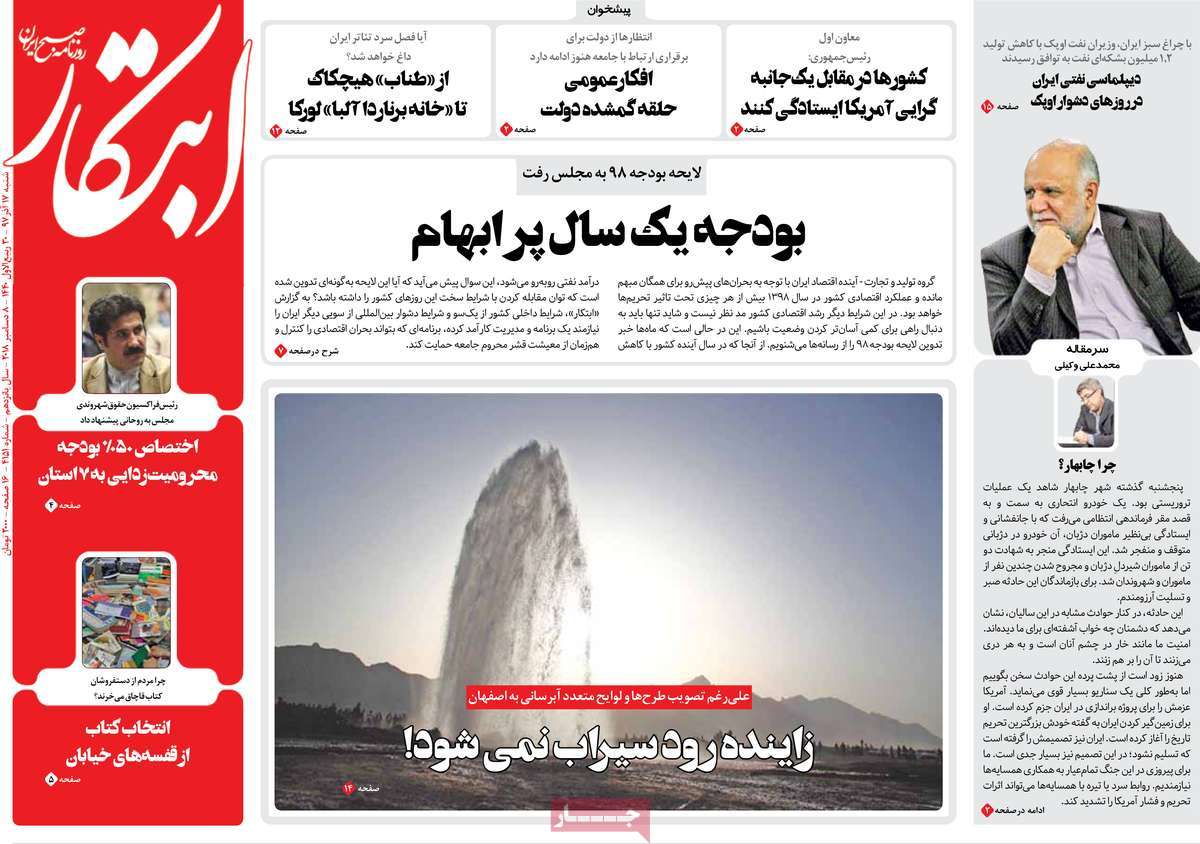
A Look at Iranian Newspaper Front Pages on December 8


Etemad:

1- Iran Final Winner of OPEC [Editorial]

2- Ansar al-Furqan’s Terrorist Attack on Chabahar: 2 Killed, 48 Wounded
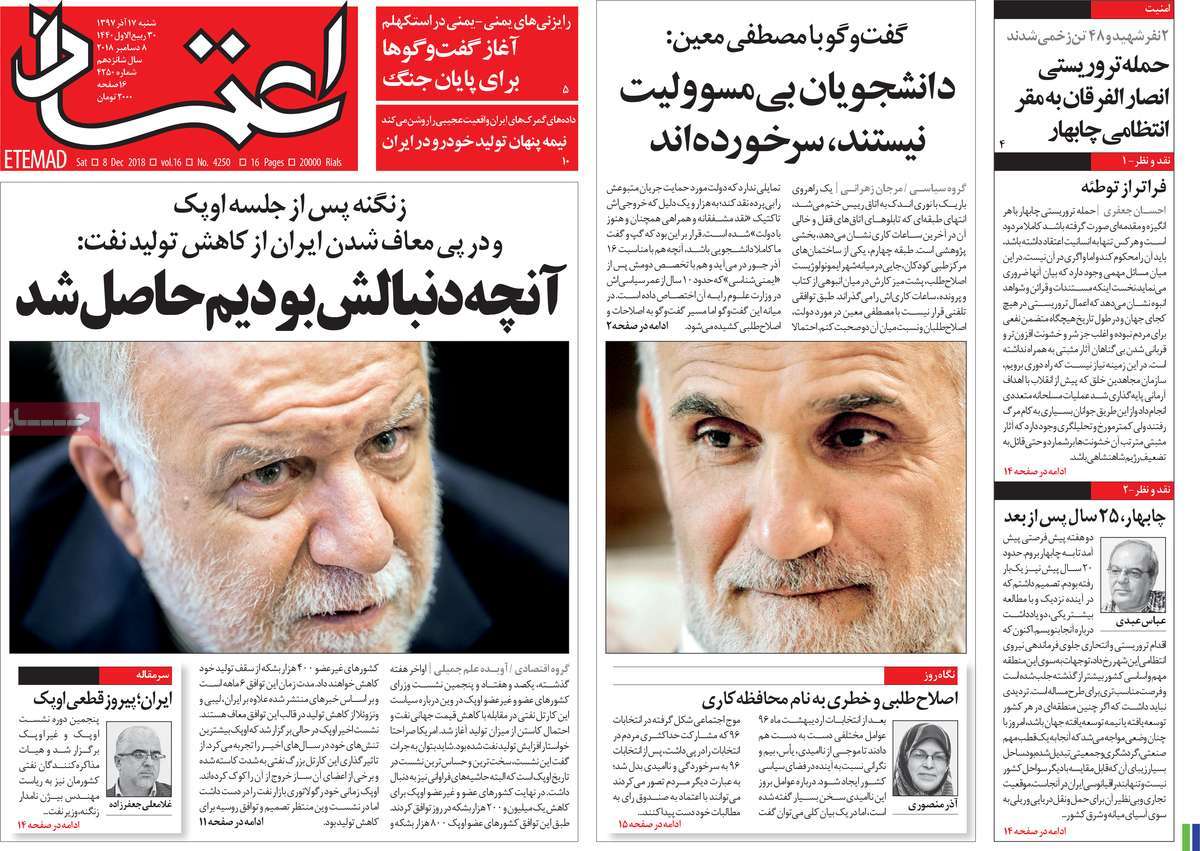
A Look at Iranian Newspaper Front Pages on December 8


Ettela’at:

1- Eurasia Endorses Deal for Establishing Free Trade Zone with Iran

2- Putin: We’ll Provide Arms, Financial Support for Venezuela

3- Europe’s Special Financial Channel for Iran to Be Launched by Year-End

4- World Condemns Chabahar Terrorist Attack
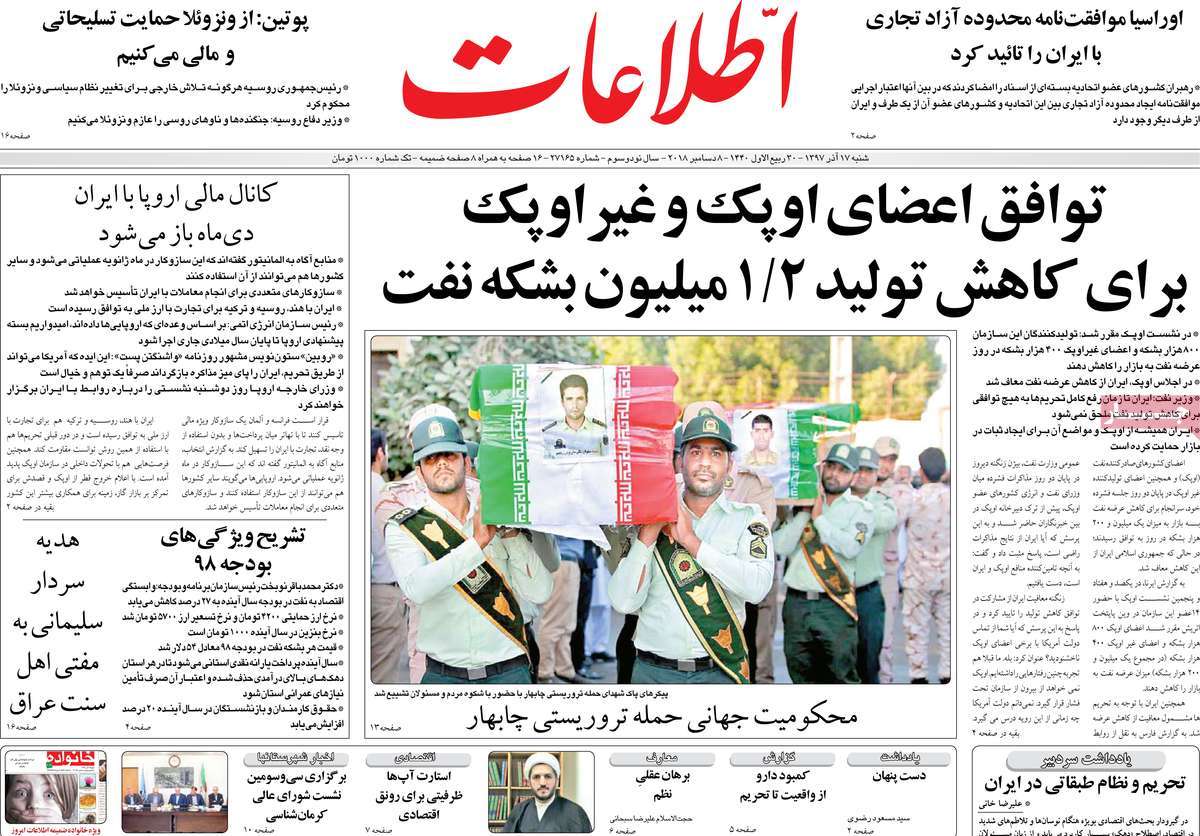
A Look at Iranian Newspaper Front Pages on December 8


Haft-e Sobh:

1- Battle of Giants in Vienna: Iranian Minister’s Fierce Fight against Russia, Saudi

2- Hollywood Still Feeling Guilty: A Review of Golden Globe Nominees

3- Which Country, Service Was behind Chabahar Terror Attack?
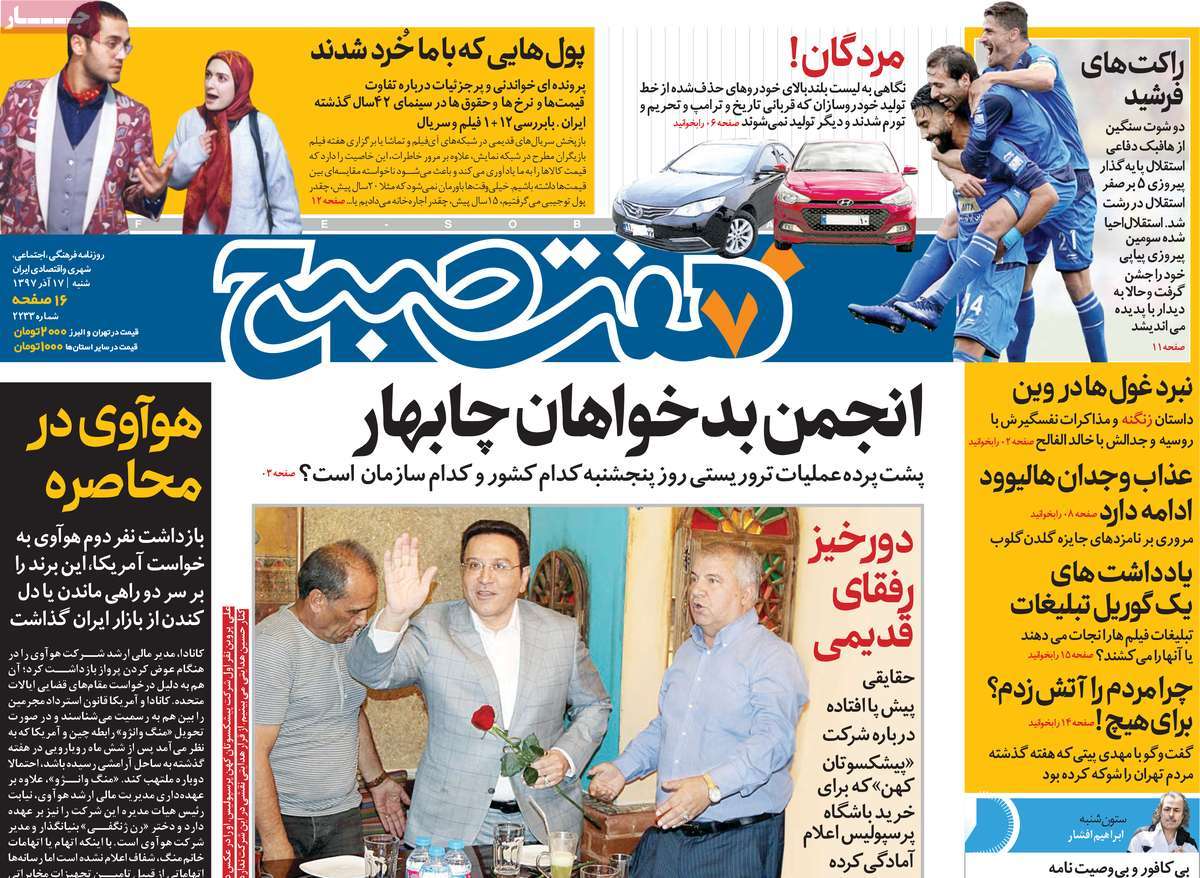
A Look at Iranian Newspaper Front Pages on December 8


Iran:

1- Iran Exempted from Oil Output Cut

2- Everything Calm in Chabahar
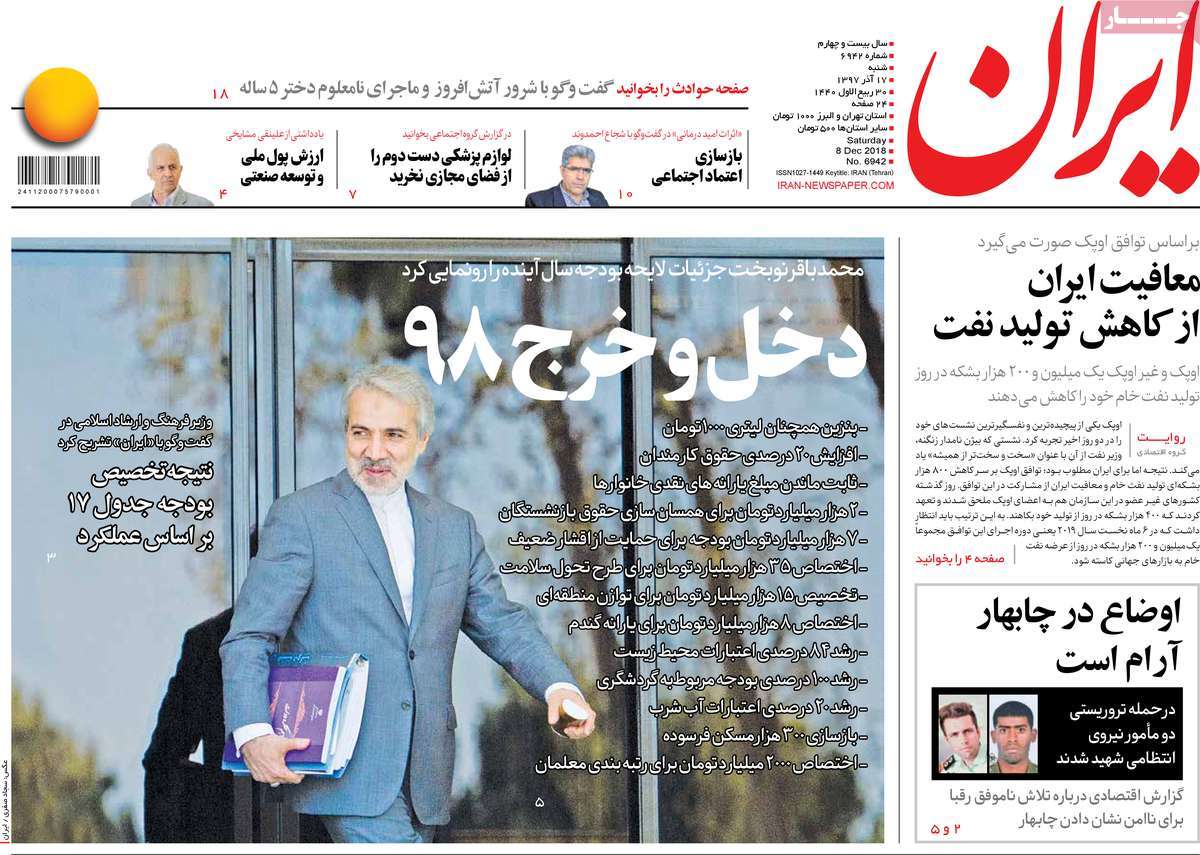
A Look at Iranian Newspaper Front Pages on December 8


Jame Jam:

1- Details of Chabahar Explosion

2- Message of Chaos in Paris

  • Analyst Discusses Root Causes of Recent Protests in France

3- Celebrity with 66m Followers Resigns from Hosting Oscar 2019 over Pressures of LGBT Supporters
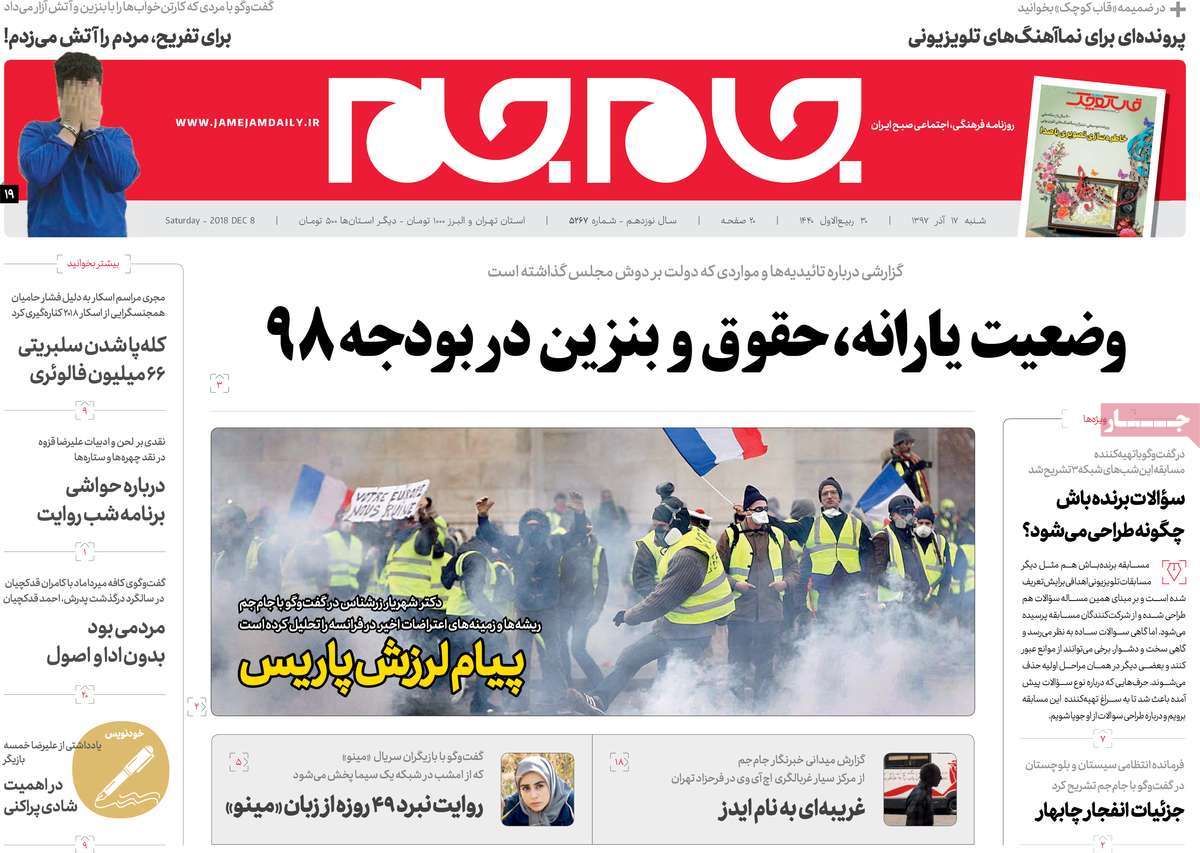
A Look at Iranian Newspaper Front Pages on December 8


Jomhouri Eslami:

1- US Heavily Defeated by Palestinian Resistance at UN

2- US Senate Says Bin Salman Accomplice in Khashoggi Murder

3- US General: Pentagon to Establish Army of 40,000 Forces in Syria
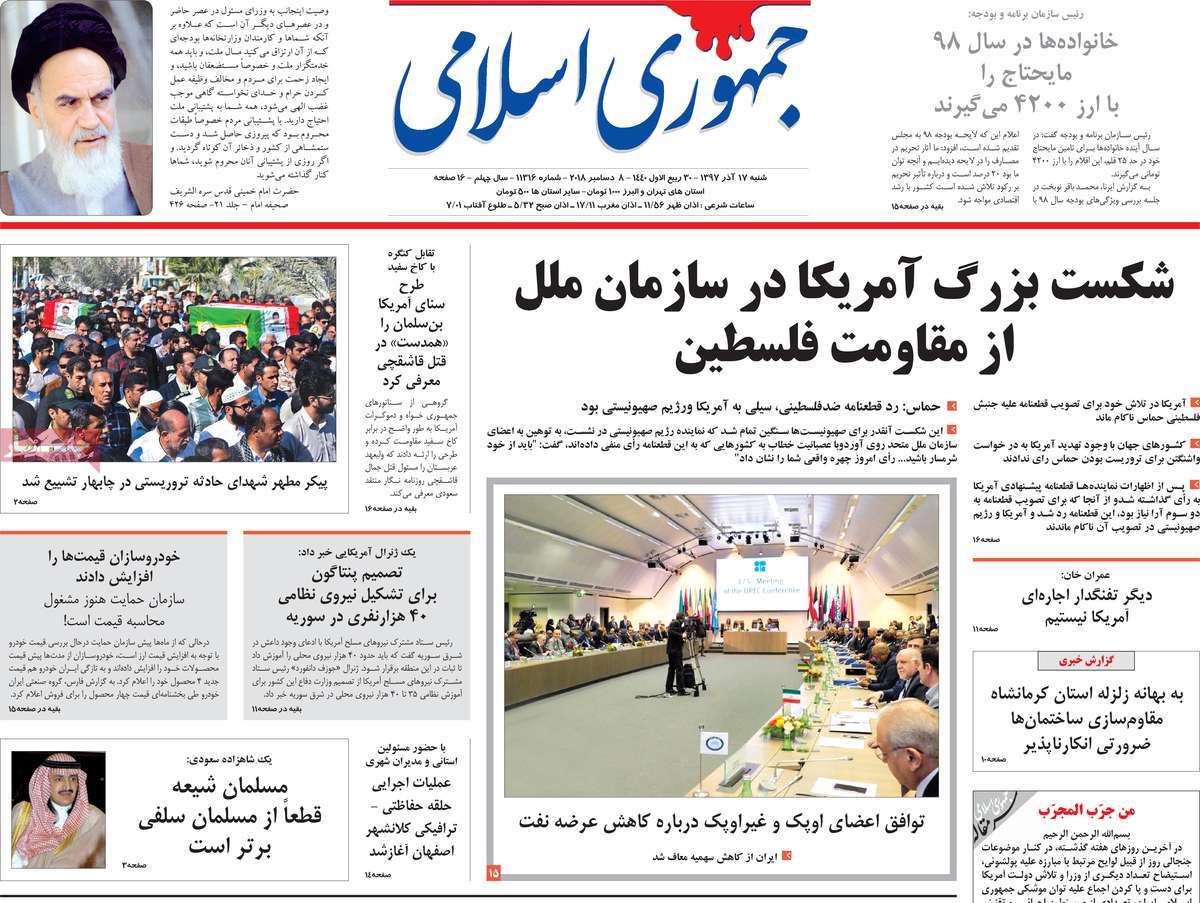
A Look at Iranian Newspaper Front Pages on December 8


Kayhan:

1- Chabahar Terror Attack Foiled Thanks to Vigilance, Sacrifice of Two Police Forces

2- France, Calm before Storm: 89,000 Police Forces against Protesters

  • Yellow Vest Protesters to Get Back to Streets Today

3- Iran First VP: We Don’t Ask for Anyone’s Permission for Setting Range of Our Missiles

4- How Can Rouhani Defeat Trump? [Editorial]

5- A Report on Latest Situation of Yemen War, Stockholm Talks
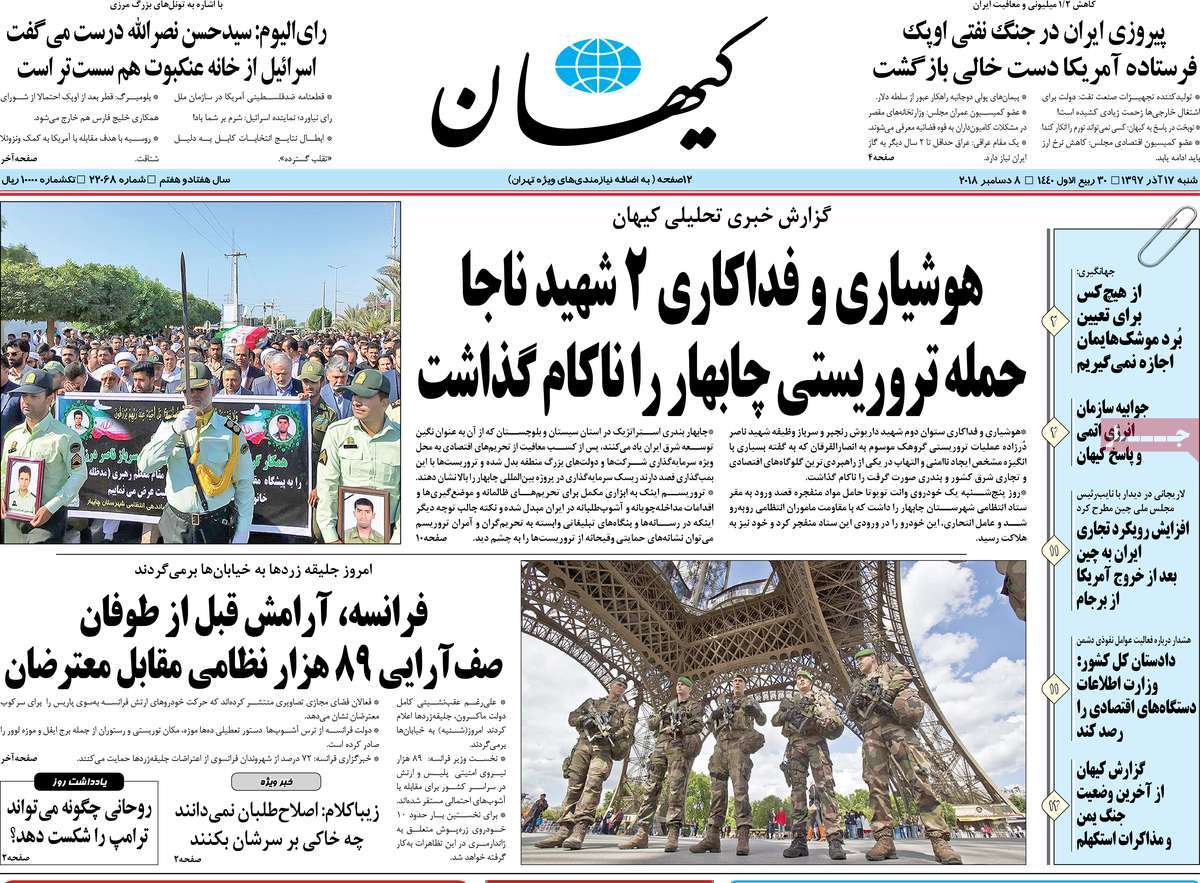
A Look at Iranian Newspaper Front Pages on December 8


Sazandegi:

1- Attack on Gate of Iran’s Trade

  • Chabahar Attack Shows Some Trying to Intimidate Investors

2- Chinese Hostage: Huawei CFO Arrested in Canada for Bypassing US Sanctions
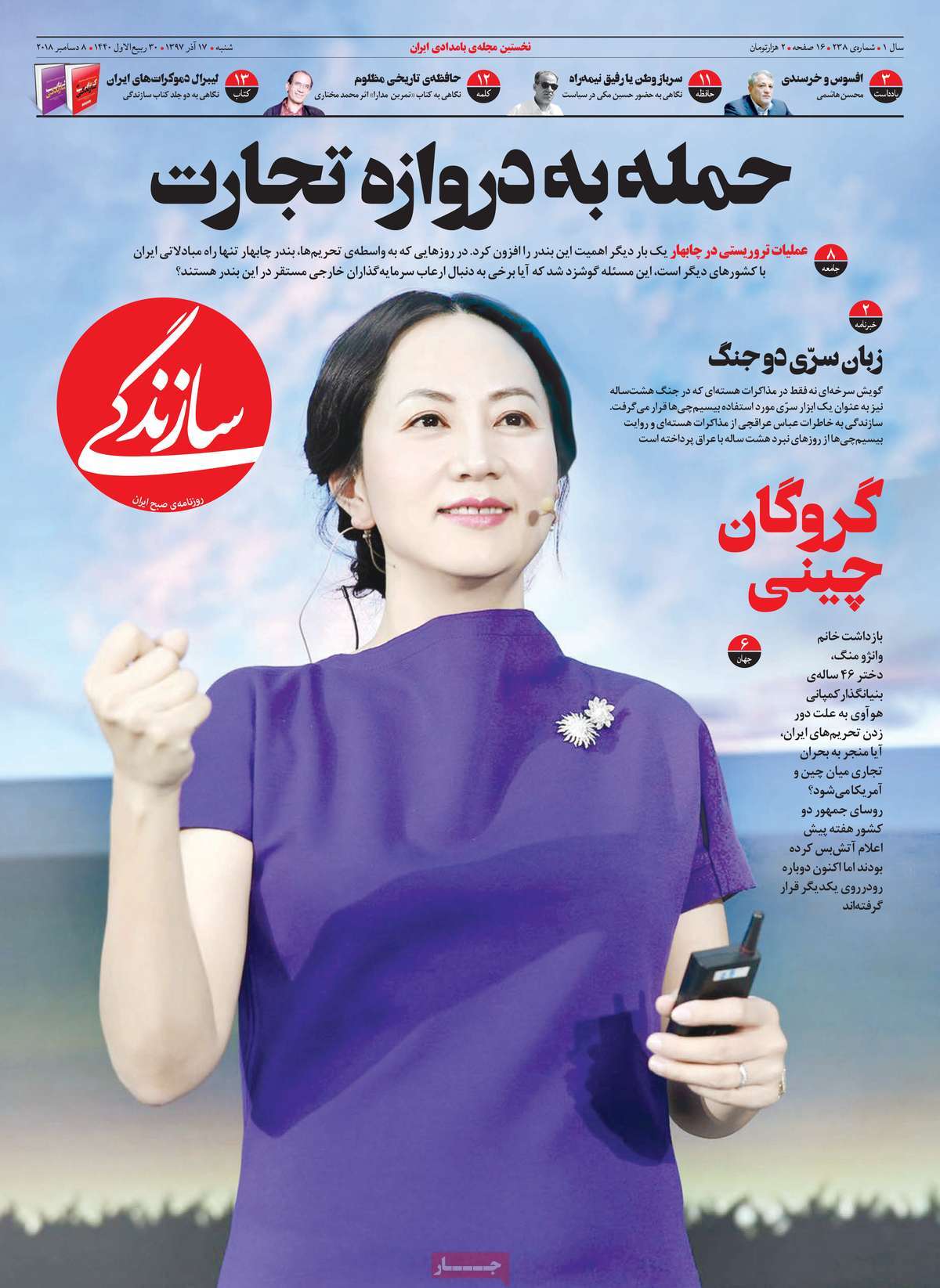
A Look at Iranian Newspaper Front Pages on December 8


Shargh:

1- Iran Exempted: 175th OPEC Meeting Ends with Deal on Oil Output Cut
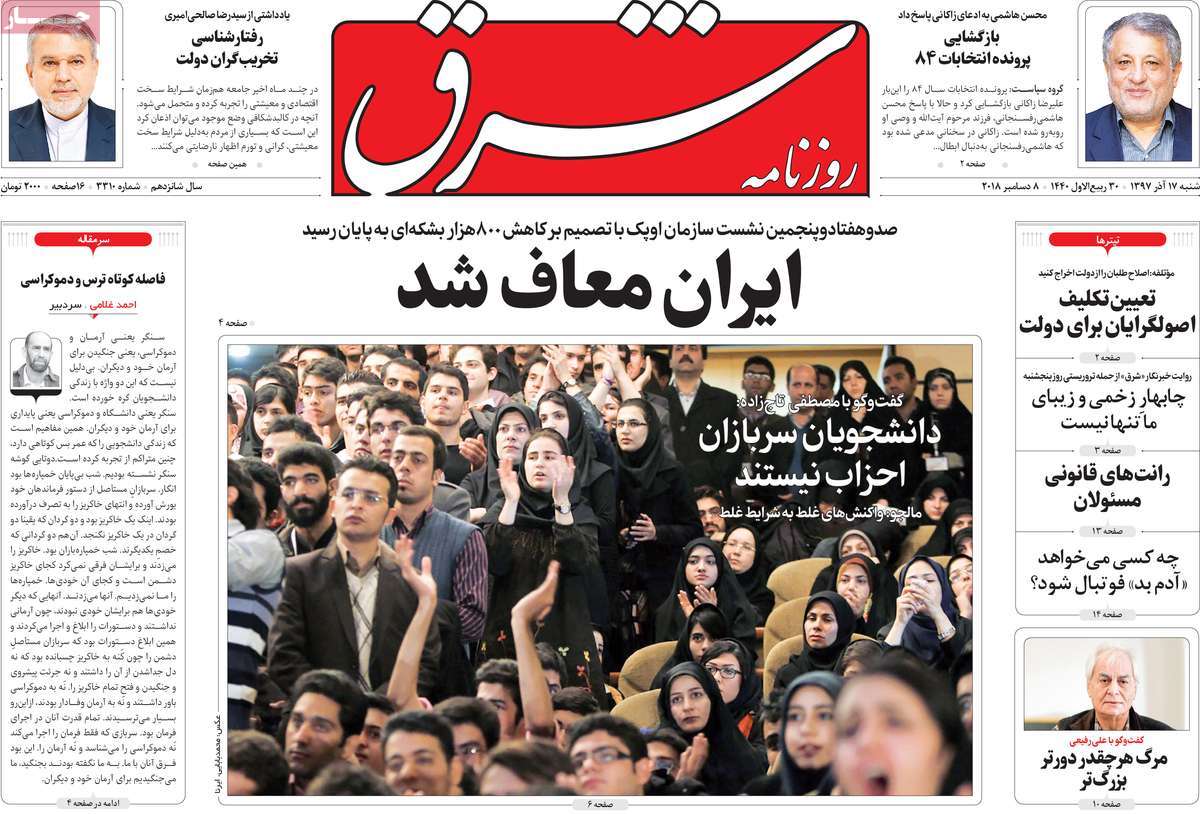
A Look at Iranian Newspaper Front Pages on December 8


Sobh-e Now:

1- UN Says No to Anti-Iran Resolution

2- Chabahar, Expressway of Iran’s Economy

  • Terrorist Attack on a Region Exempted from Sanctions
  • Chabahar Attack Took Place Days after Iran Provided Evidence on Saudi Sabotage
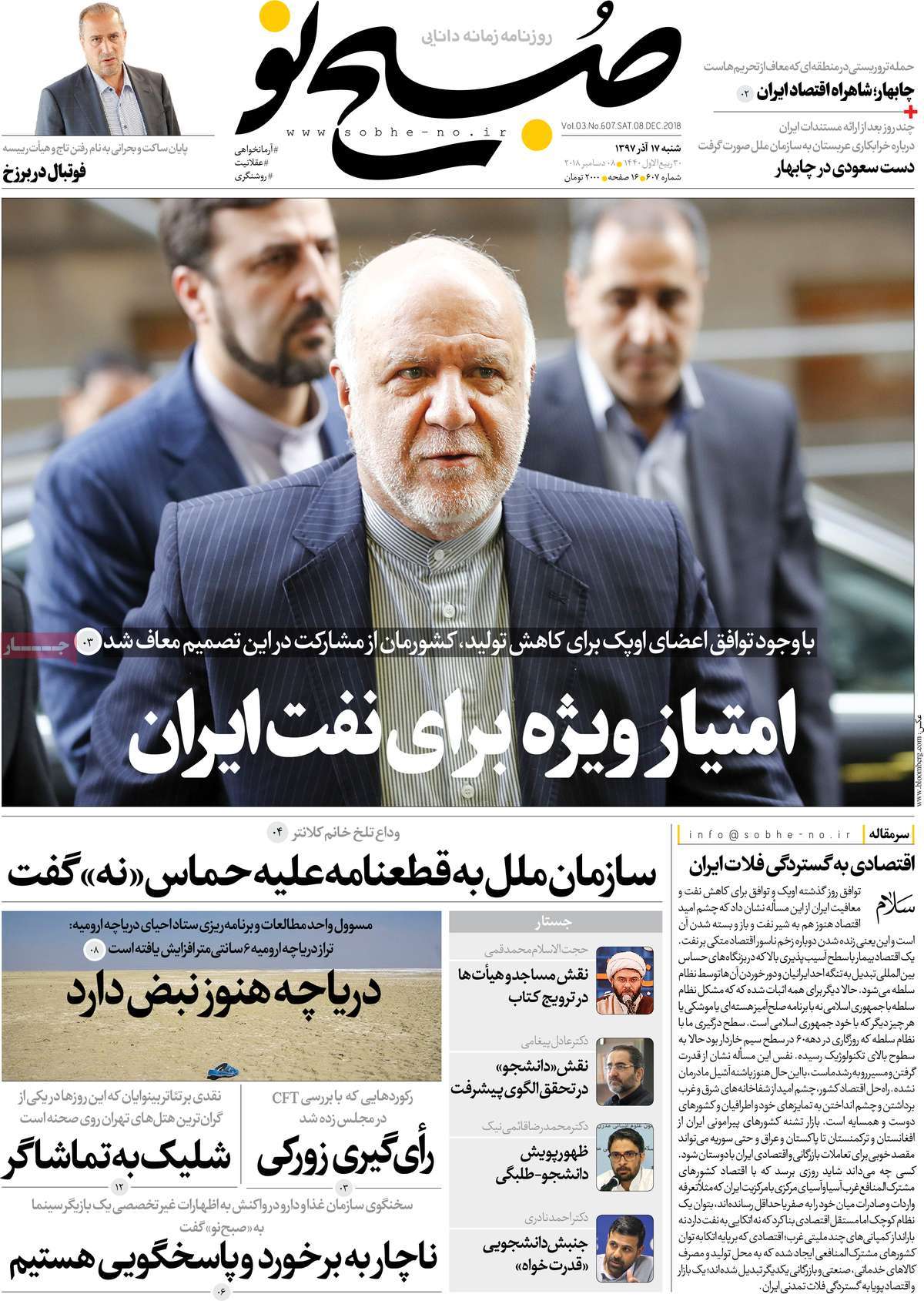
A Look at Iranian Newspaper Front Pages on December 8


Vatan-e Emrooz:

1- French Army Deployed

  • All Tourist Sites in Paris, Including Eifel Tower, Louvre Museum, Shut Down
  • 700 French High School Students Arrested by Police
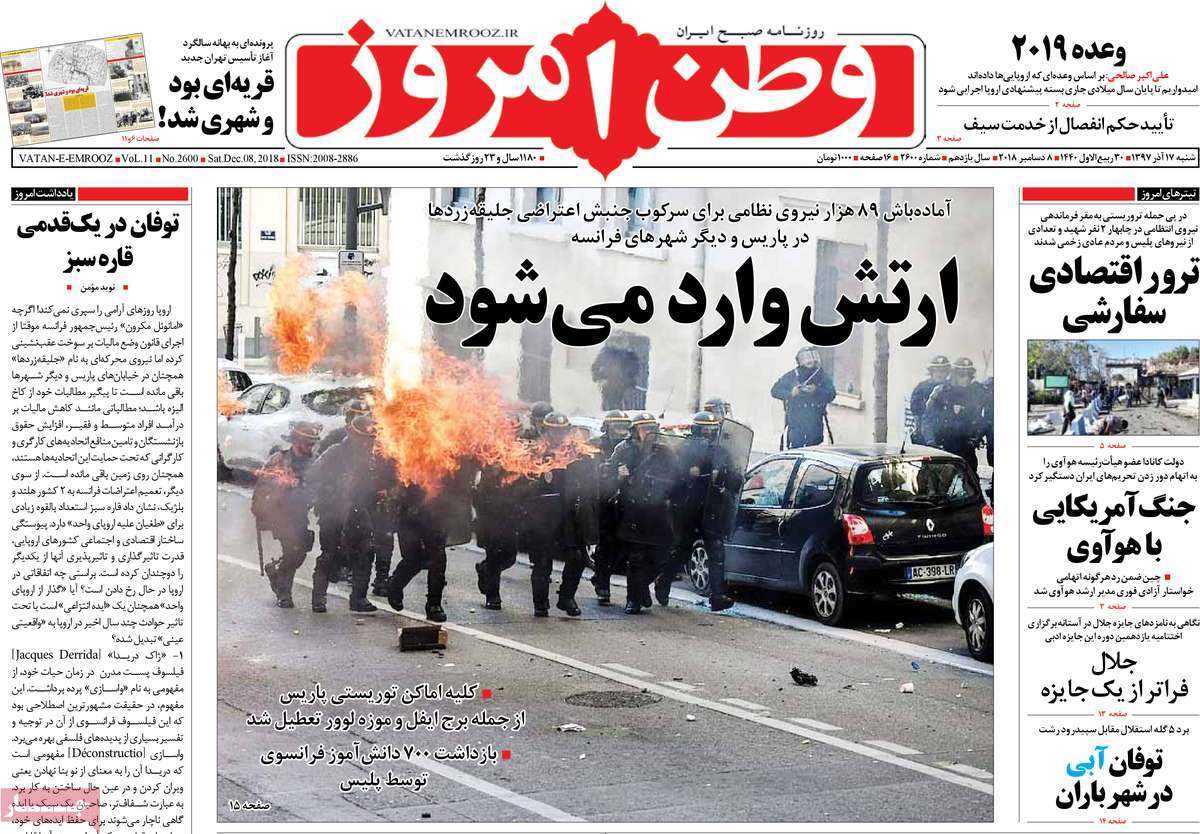
A Look at Iranian Newspaper Front Pages on December 8

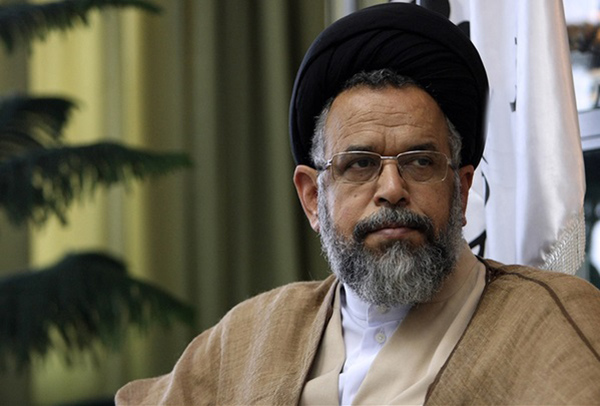
Regional Intelligence Services behind Recent Terror Attacks: Iran

alavi

He made the remarks on Saturday on the sidelines of the second edition of an international gathering of Parliament speakers from Afghanistan, Iran, Pakistan, Turkey, China and Russia on fight against terrorism and expansion of inter-regional ties in Tehran.

Referring to the recent deadly attacks on the cities of Ahvaz and Chabahar in southern Iran, he said, “It goes without saying that regional intelligence services as well as the Zionist regime of Israel and the US policies and strategies supporting the terrorist groups play a role in the attacks.”

“Regional authorities should impose their domination on the region through intelligence coverage, so that terrorism could not have any chance to emerge,” he added.

The intelligence chief also lashed out for the US and Israeli support for terrorists, saying that they don’t designate as terrorist any group moving in line with their interests and goals in the region.

In the latest terrorist attack on Iran back on Thursday, a suicide car bomb explosion in front of a police headquarters in the southern city of Chabahar in Sistan and Baluchestan province killed a conscript and an officer, and wounded over 40 others including eight women and five children.

In reaction to the attack, Iranian Foreign Minister Mohammad Javad Zarif condemned it as a foreign-backed terror attack, vowing that the Islamic Republic will bring the perpetrators and “their masters” to justice.

Also in September, at least 25 people were killed and many others injured after a group of terrorists attacked a military parade in Iran’s southern city of Ahvaz.

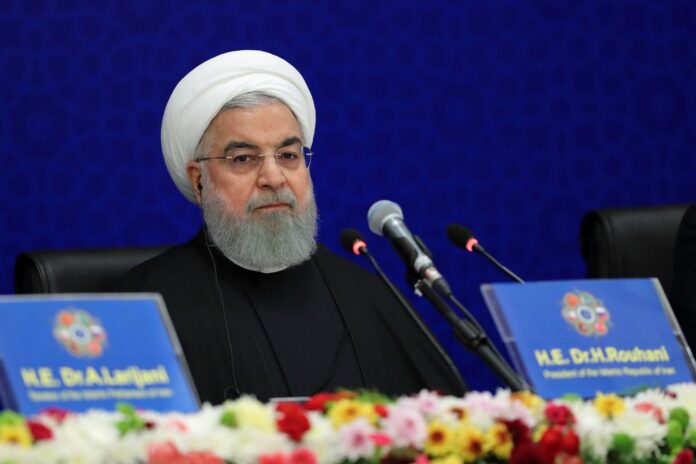
Iran Victimized by Terrorists Sheltered in US, West: Rouhani

Rouhani made the comments in a Saturday address to the second edition of an international gathering of Parliament speakers from Afghanistan, Iran, Pakistan, Turkey, China and Russia on fight against terrorism and expansion of inter-regional ties.

President Rouhani said Tehran has always served as a solid block against the violence and misery mongers in the world.

“We have paid a heavy price for our resistance against them. We are spending $800 million in fight against drug trafficking to guarantee the growing health of nations from the Eastern Europe to Western America and from Northern African to Western Asia.”

He stressed that terrorist attacks have never undermined the resolute will of the Iranian nation and government in their relentless fight against all forms of terrorism.

The Iranian president then underlined that the Islamic Republic doesn’t expect the irresponsible players in the world to shoulder new responsibilities in creating a peaceful world.

“We can’t expect those players which destroy civilizations to prepare the ground for establishing the bases of a common civilization. However, we will never allow the US to go unpunished wherever it causes damages.”

He also said war on terror is a continuous campaign which should be taken seriously by all regional states.

“As we have announced, the Islamic Republic is prepared to take an active role in creating a strong region and make it free from foreign powers. To this end, we should rely on the regional nations’ strength. We should prepare the ground for a post-American world in which the US is not anymore capable of imposing its hegemony on others.”

Rouhani cited poverty, corruption and injustice as the main sources of terrorist violence in the region and urged the countries participating in the conference to shoulder their responsibility to eradicate the roots of terrorism through relentless efforts and cooperation.

He warned enemies against hatching plots to create divisions among the regional states and said the states should stay united in their efforts to stand against those players that spend billions of petrodollars on creating injustice.

“The country which has launched a trade war with China, taunted Pakistan about war on terror, cumulated Afghanistan, punished Turkey and threatened Russia and sanctioned Iran is the prime suspect in the case of the current regional crises. But we have come together here to say that we are no longer going to put up with the US arrogance and will resist against it.”

On sanctions imposed on the Islamic Republic, Rouhani said undermining Iran through sanctions will put in trouble many other states, adding, “We recommend those who don’t believe our words take a look at the region’s geography.”

“The US’ brutal and illegal economic sanctions on the respectful nation of Iran amount to a terrorist measure. Economic terrorism means creating chaos in a country’s economy and dissuading others from holding trade ties with it. The US withdrawal from the Iran nuclear deal and re-imposition of sanctions on the Islamic Republic is a prime example of economic terrorism,” he added.

He also called for the expansion of ties between Iran and its neighbours saying the regional states should put the focus of the diplomacy on multilateralism.

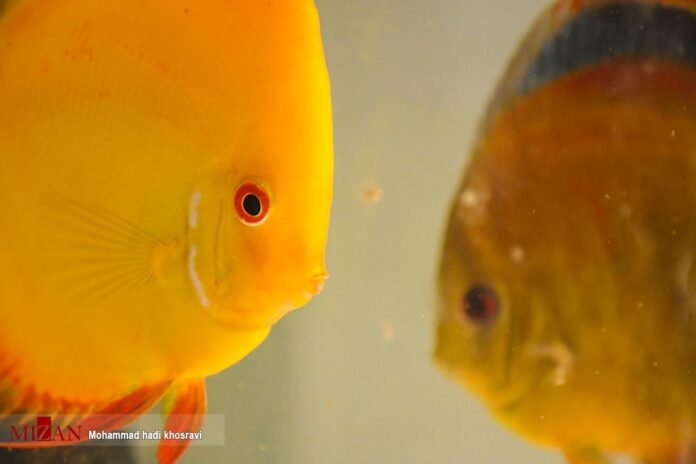
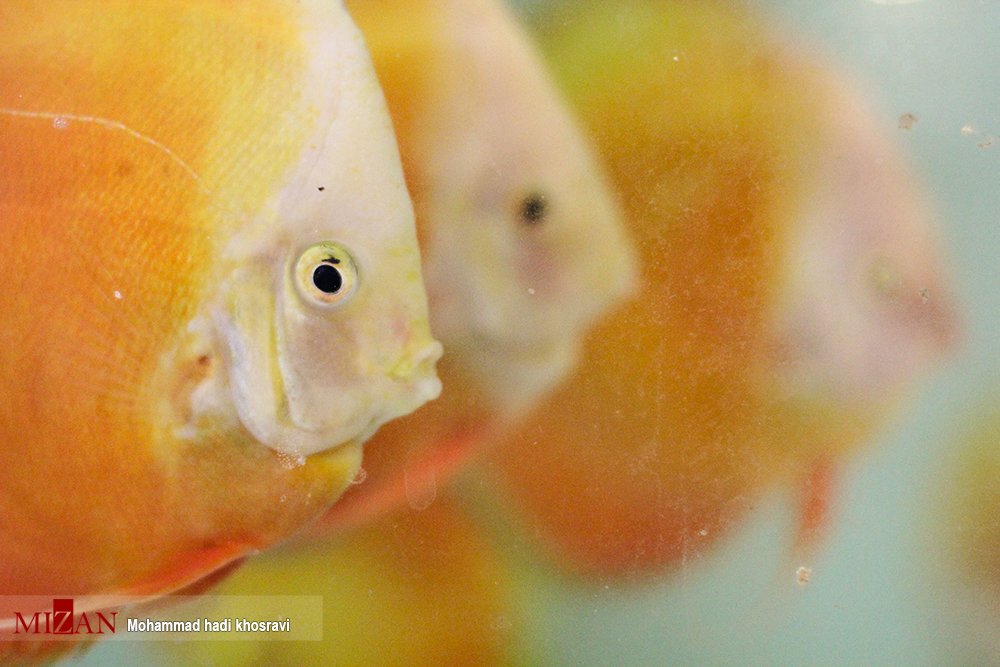
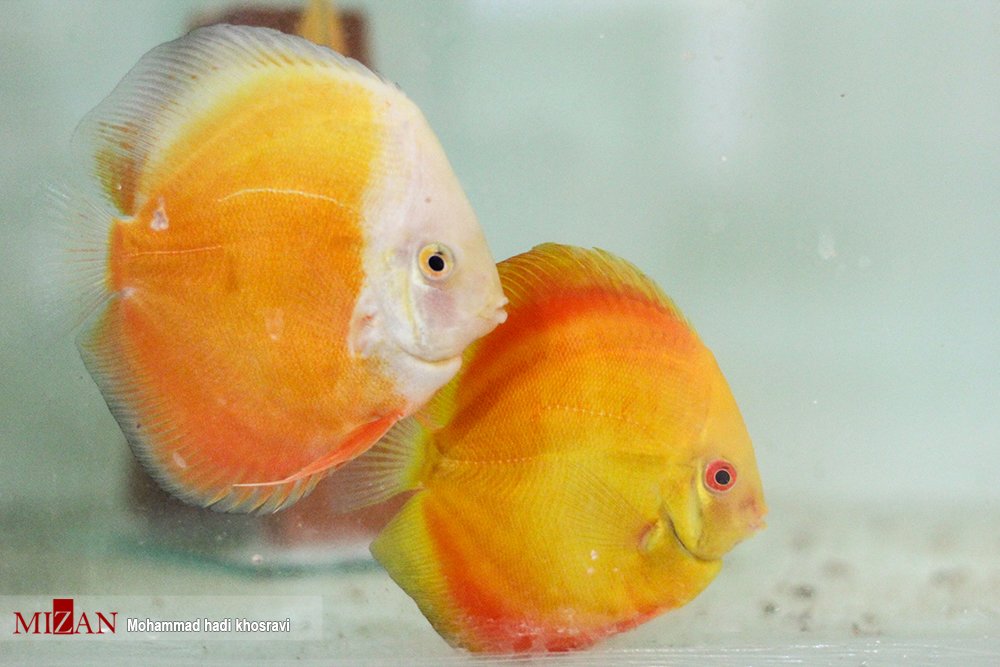
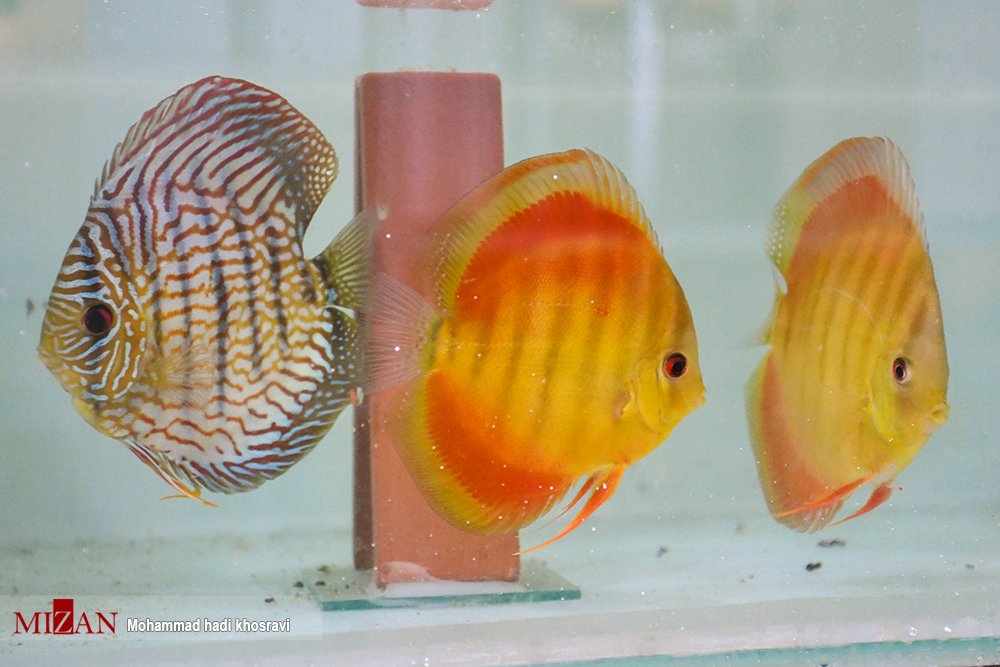
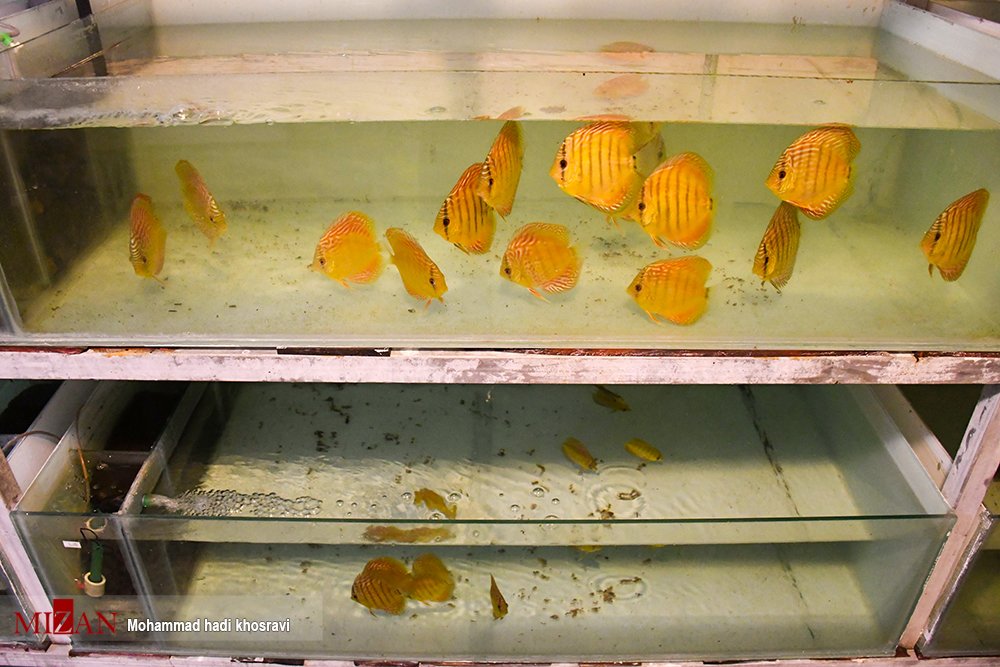
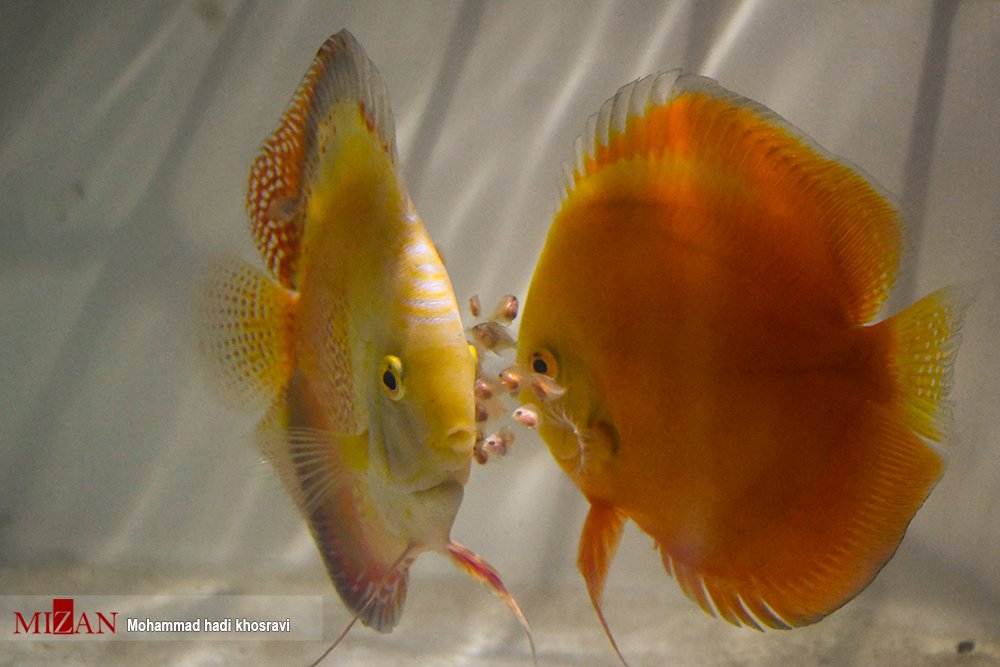
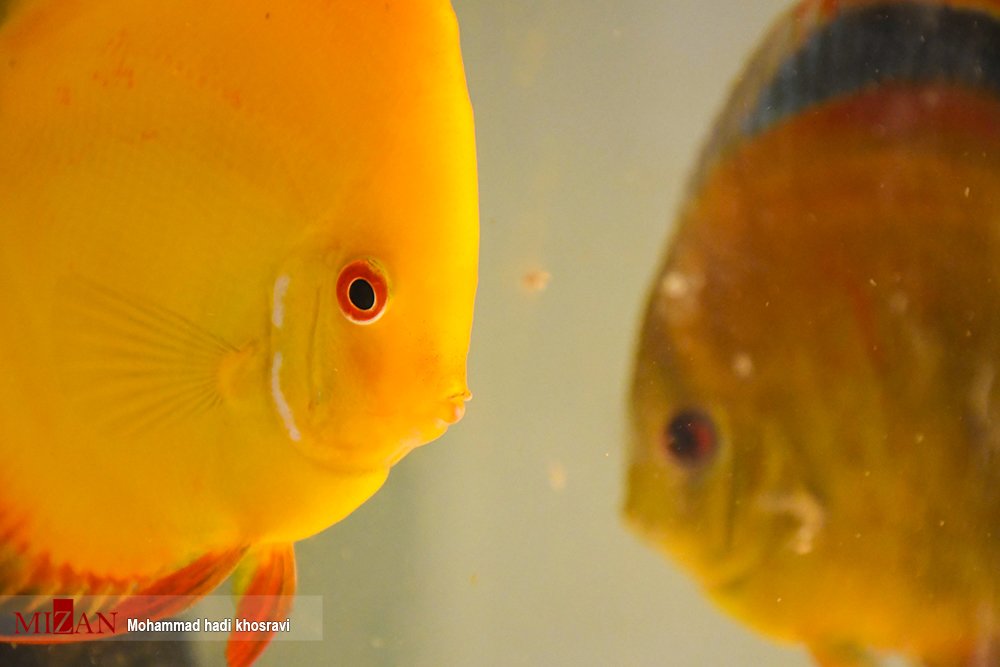
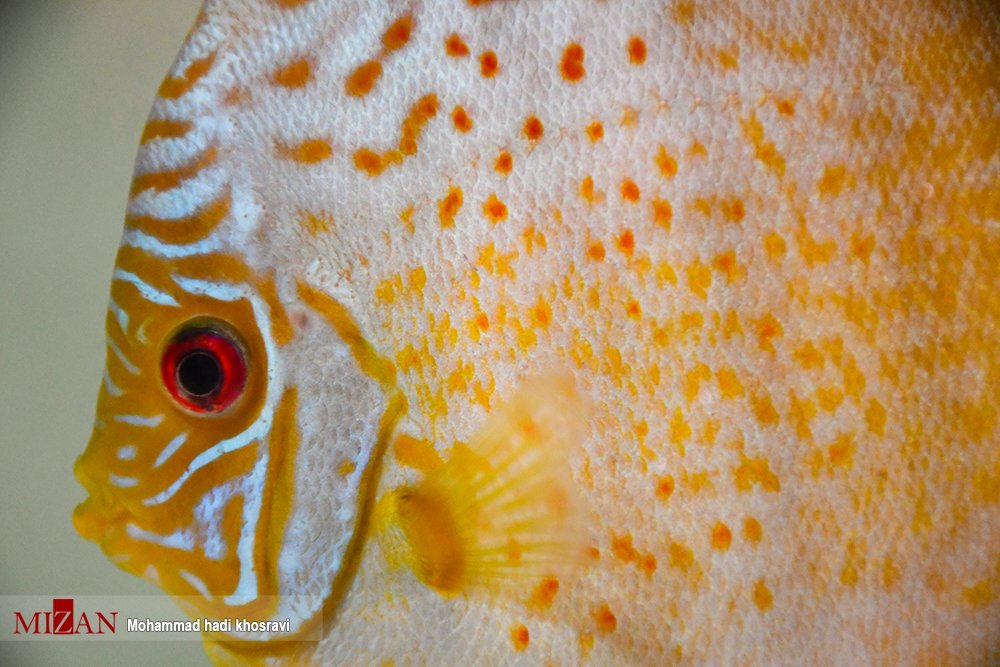
Rare Ornamental Fish Bred in Iran’s Shiraz

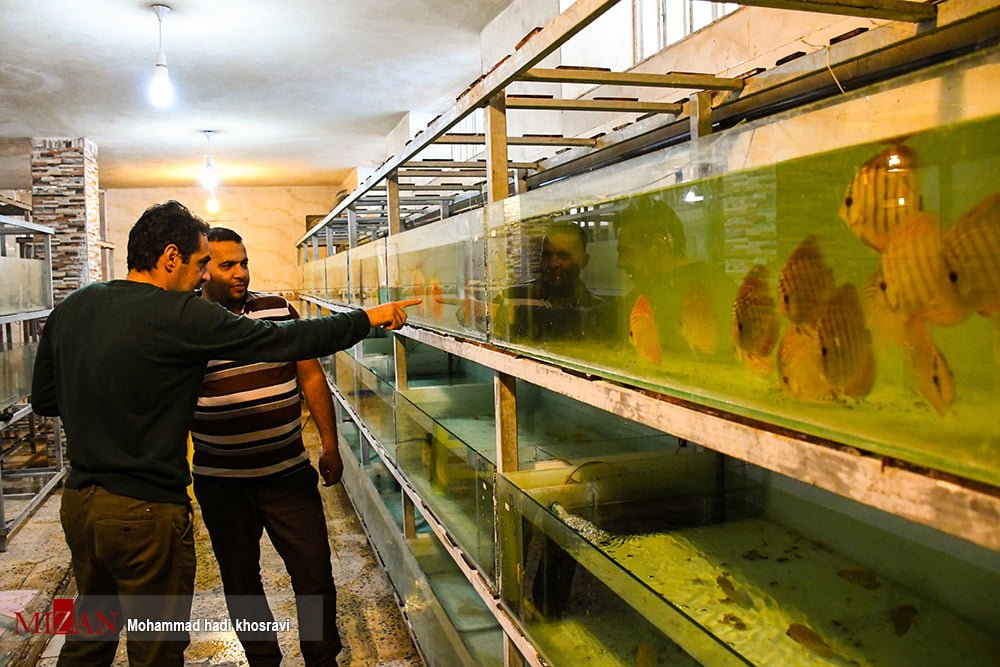
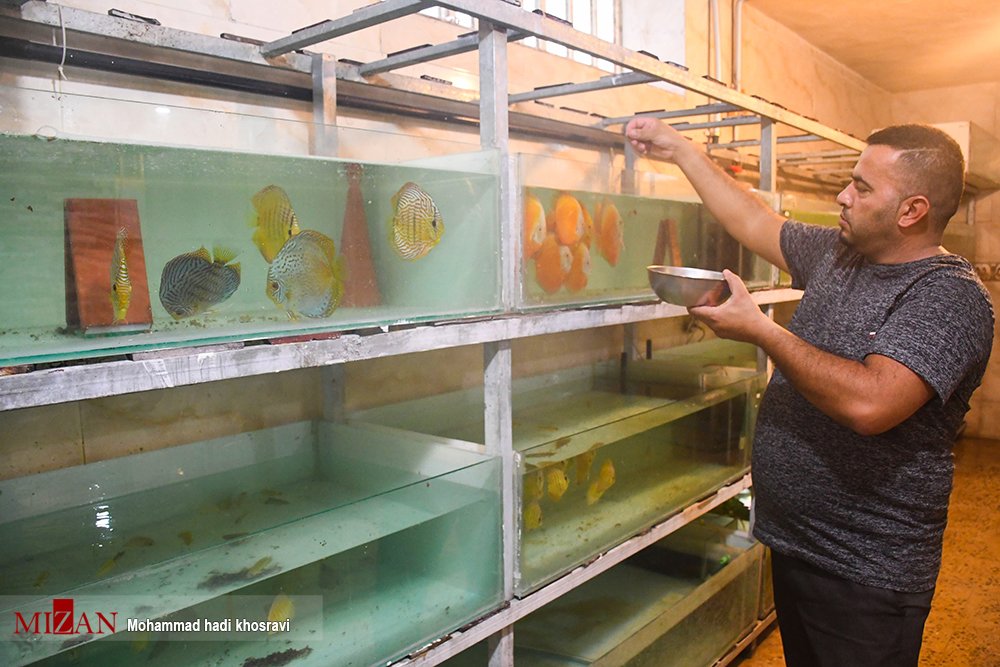
Mohammad-Saeed Assadi started his job in a village near Shiraz five years ago. He says love for aquaculture along with his 22 years of experience played a very important role in his success.

With an initial investment of about 12,000 USD he has been able to recruit 13 people from the village.

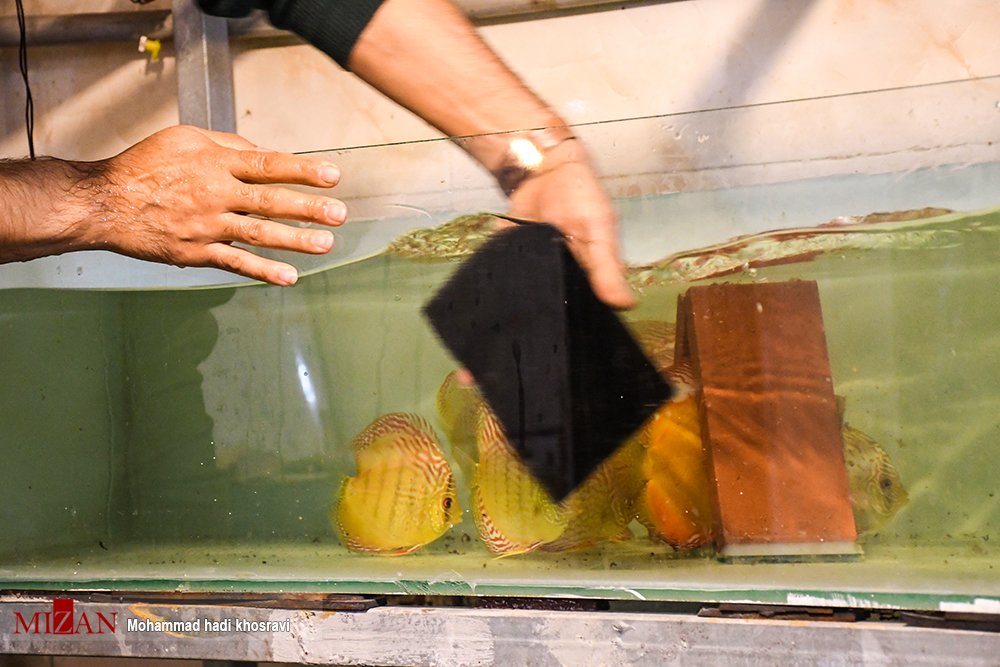
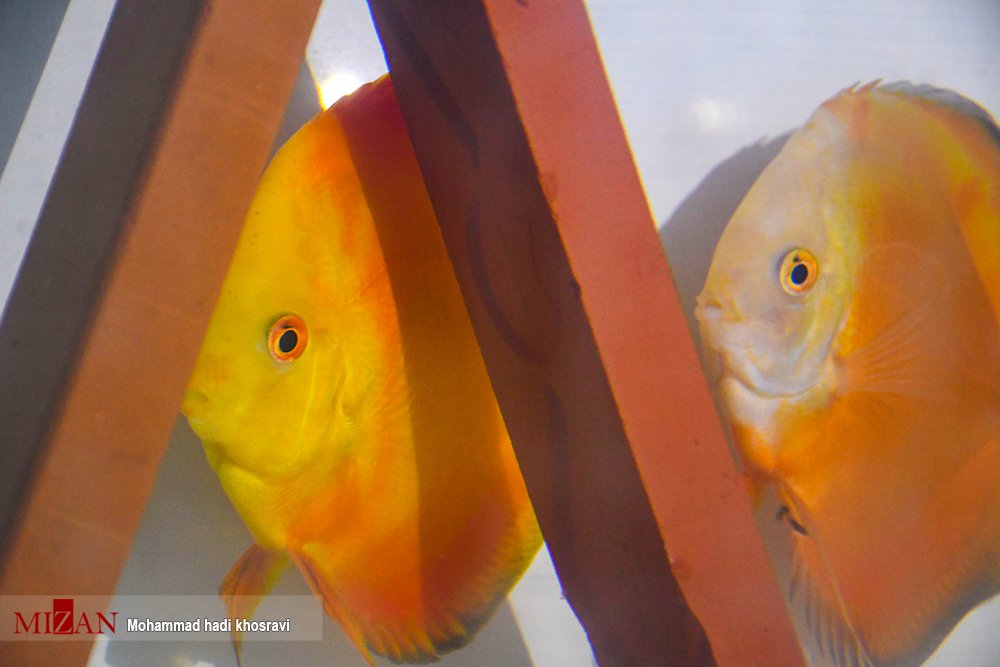
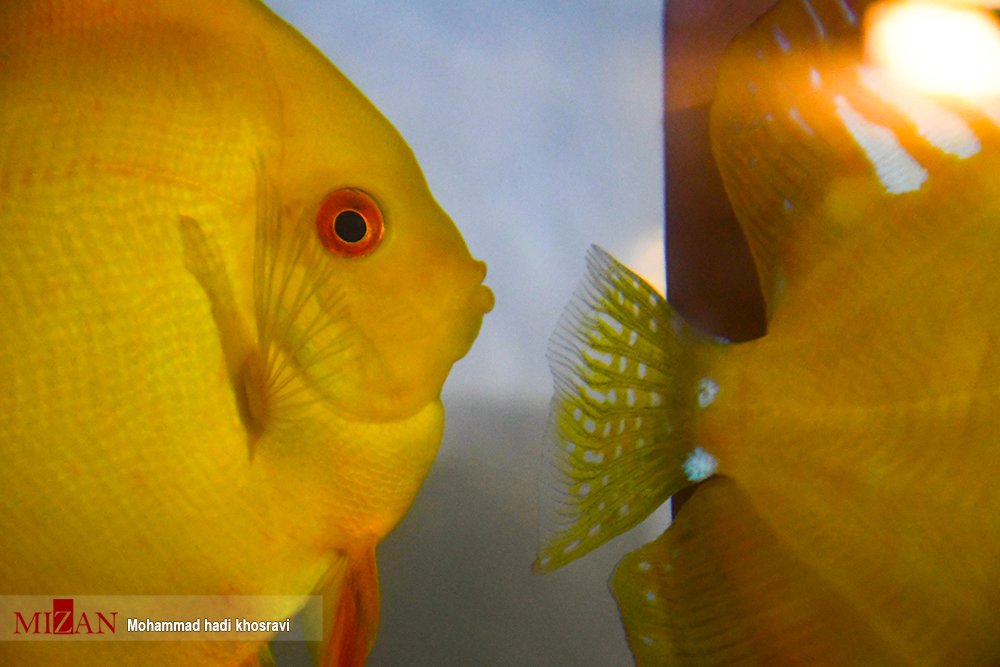
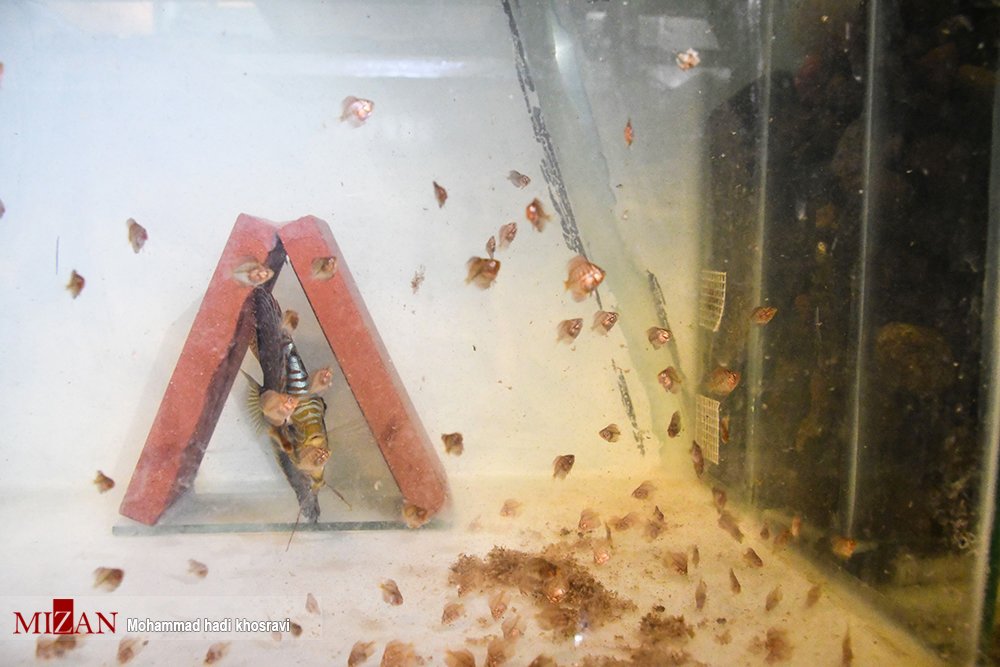
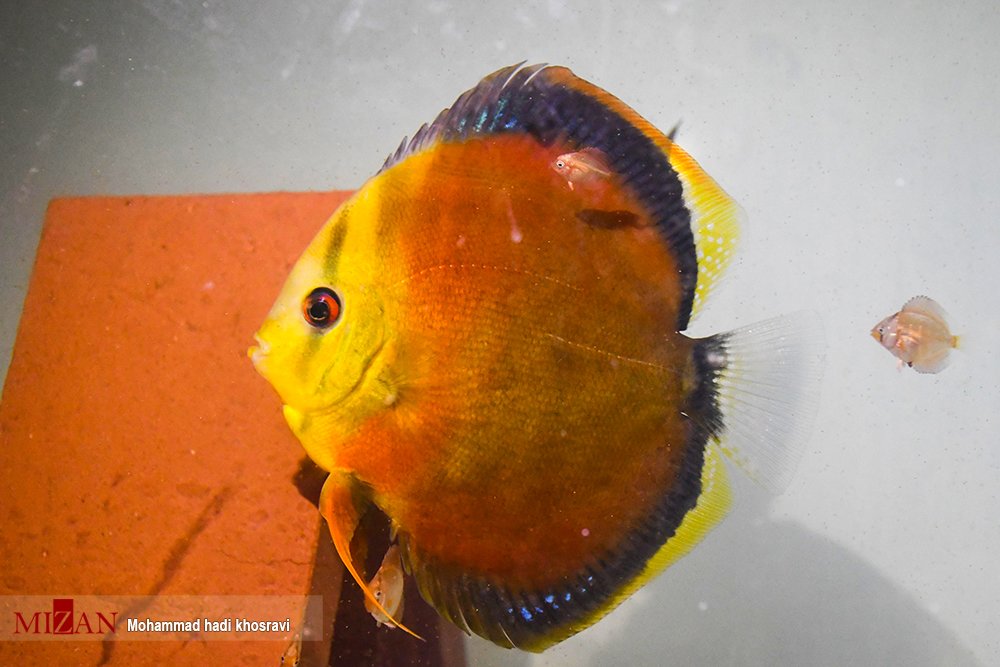
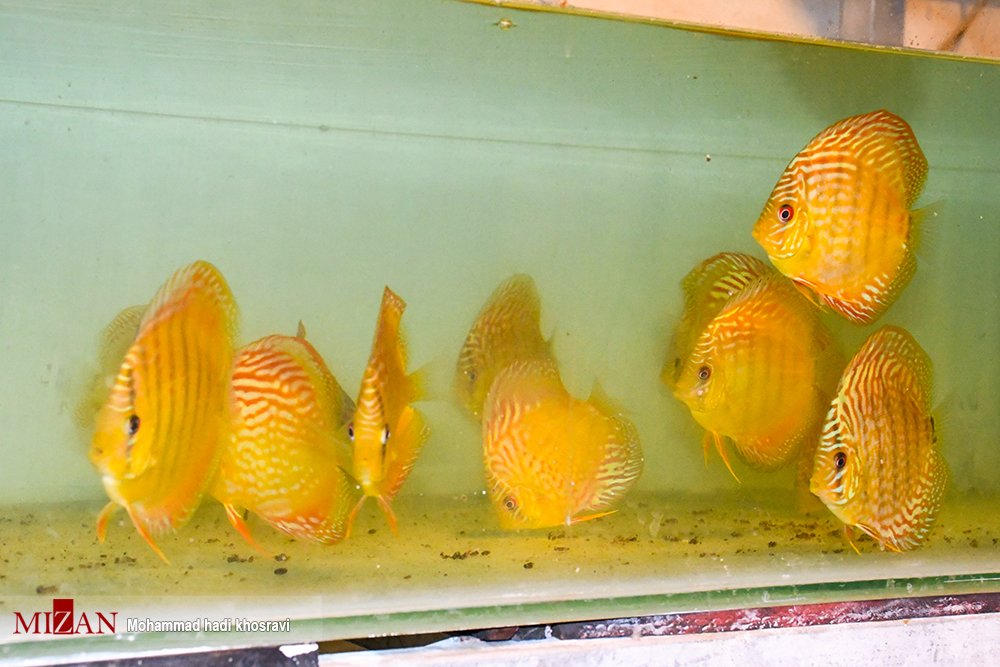
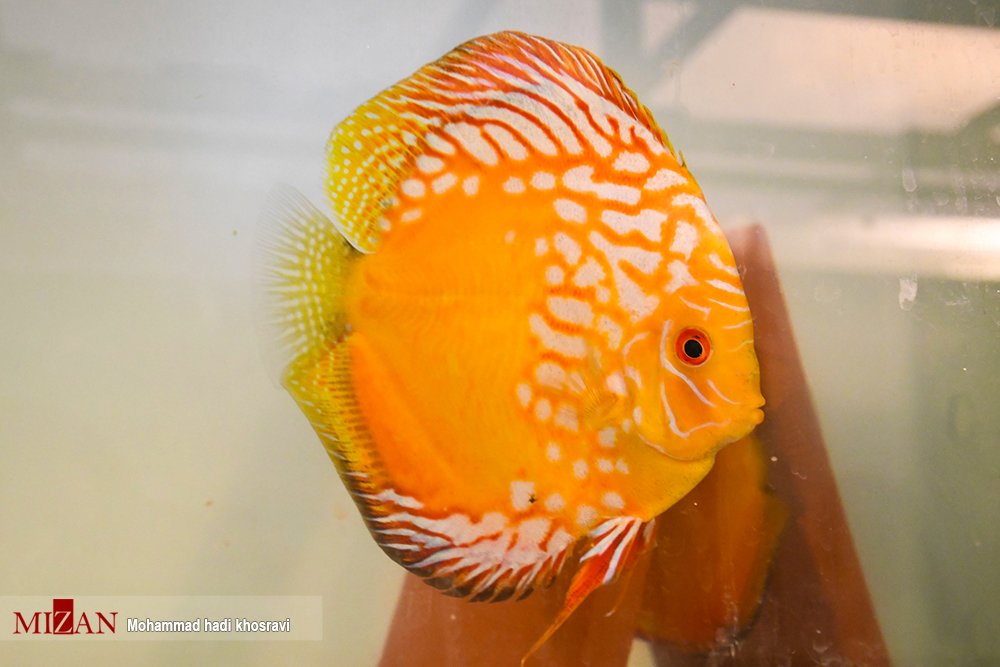
Currently, at his workshop, more than 8,000 discus fish are annually bred, each of which has an export value equal to two barrels of oil.

The fish bred at this centre decorate the aquariums inside the country and are expected to be exported to Turkey, Kuwait and the Persian Gulf countries soon.

At the moment, there are 34 ornamental fish breeding centres in Fars province, and 10 million pieces of aquarium fish are produced annually.

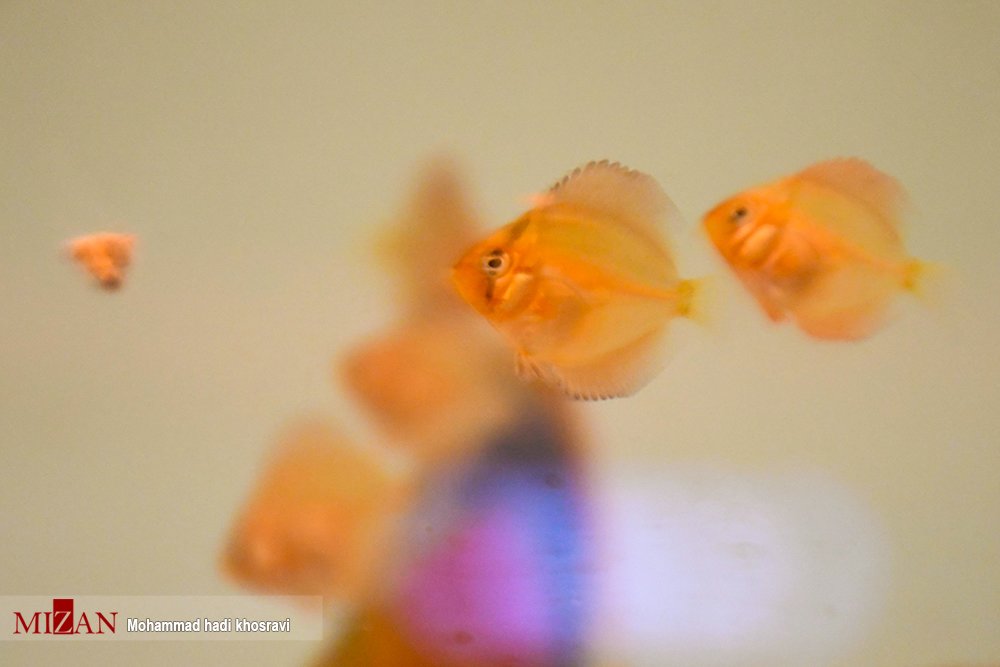
Here are photos of one of these centres retrieved from Mizan Online:

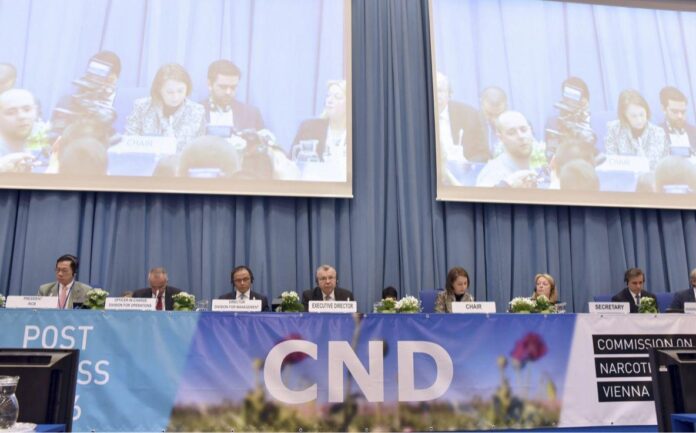
Iran’s Top Envoy Named as First Vice Chair of UNCND

Kazem Gharibabadi was appointed to the top job and was also named as head of the UNCND’s General Committee at a meeting of the commission.

The UNCND has 53 members and was founded in 1964. It is the main international body with regards to policy making in the domain of illicit drugs. The commission analyzes the situation of narcotics in the world and presents to the UN’s Economic and Social Council (ECOSOC) its recommendations concerning all issues related to the scourge of narcotics, psychedelic drugs and drug precursors. The UNCND also helps ECOSOC to exercise high-level supervision over the implementation of the three conventions on narcotics as well all international contracts pertinent to illicit drugs.

Based on recommendations by the World Health Organization (WHO), the UNCND annually adds to, or removes from the list annexed to the three main conventions on drugs the names of some materials as narcotics, psychedelic drugs or drug precursors. The three main international drug control conventions include the Single Convention on Narcotic Drugs of 1961 as amended by the 1972 Protocol, the Convention on Psychotropic Substances of 1971 and the United Nations Convention against Illicit Traffic in Narcotic Drugs and Psychotropic Substances of 1988.

Iran’s Top Envoy Named as First Vice Chair of UN’s CND

Kazem Gharibabadi was appointed to the top job and was also named as head of the CND’s General Committee at a meeting of the commission.

The CND has 53 members and was founded in 1964. It is the main international body with regards to policy making in the domain of illicit drugs. The commission analyzes the situation of narcotics in the world and presents to the UN’s Economic and Social Council (ECOSOC) its recommendations concerning all issues related to the scourge of narcotics, psychedelic drugs and drug precursors. The CND also helps ECOSOC to exercise high-level supervision over the implementation of the three conventions on narcotics as well all international contracts pertinent to illicit drugs.

Based on recommendations by the World Health Organization (WHO), the CND annually adds to, or removes from the list annexed to the three main conventions on drugs the names of some materials as narcotics, psychedelic drugs or drug precursors. The three main international drug control conventions include the Single Convention on Narcotic Drugs of 1961 as amended by the 1972 Protocol, the Convention on Psychotropic Substances of 1971 and the United Nations Convention against Illicit Traffic in Narcotic Drugs and Psychotropic Substances of 1988.