Sunday, December 21, 2025
Home Blog Page 3323

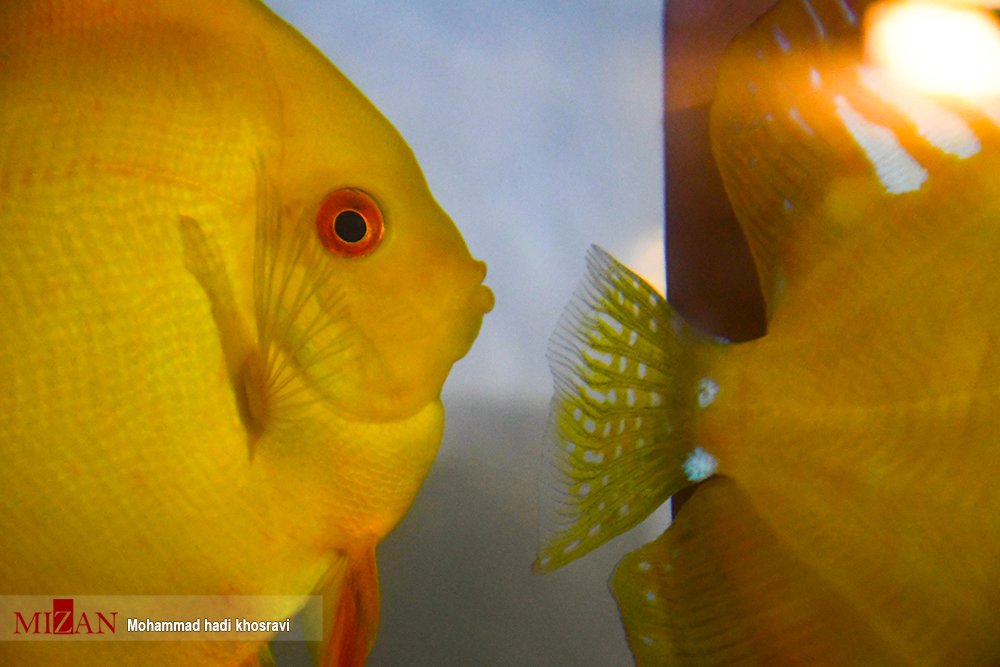
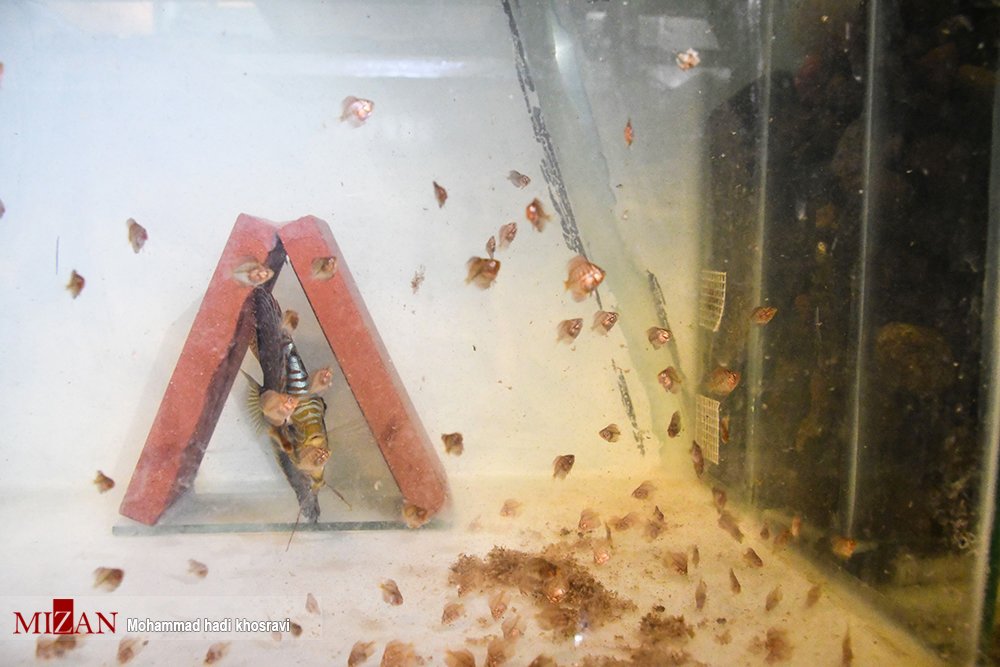
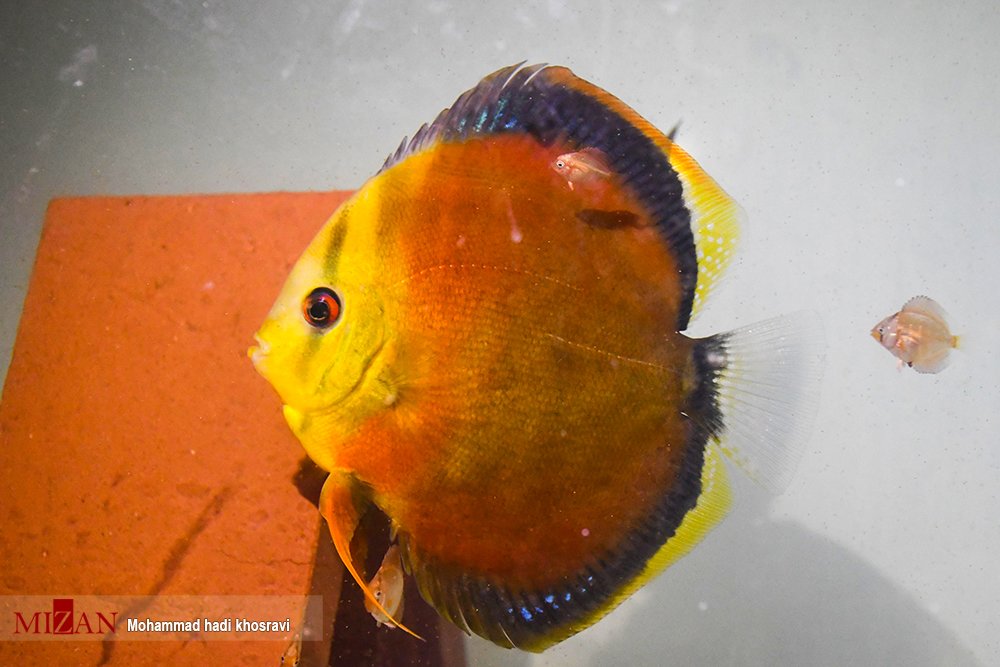
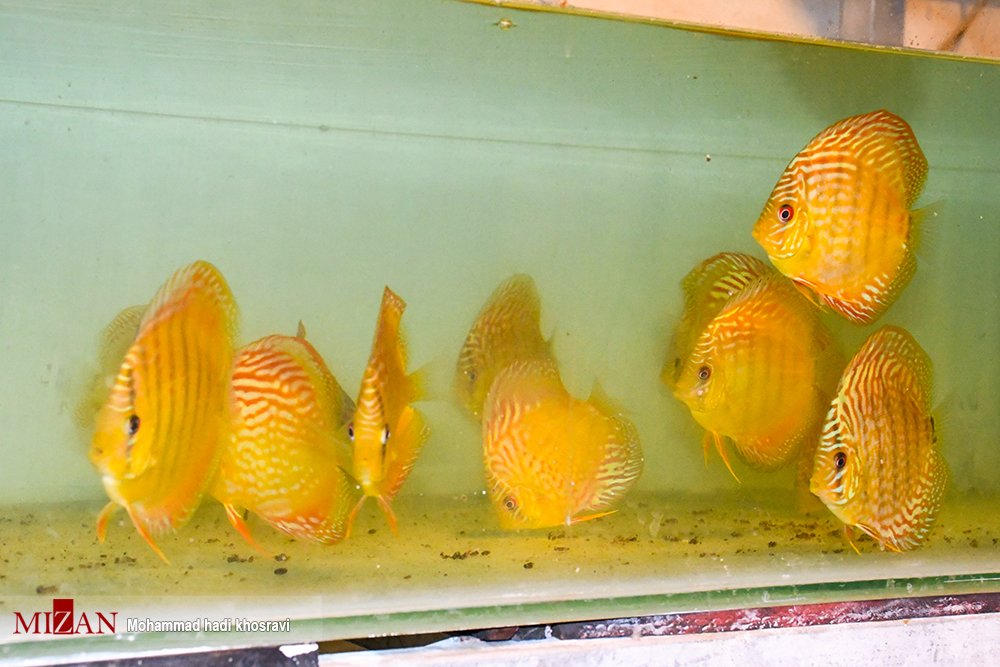
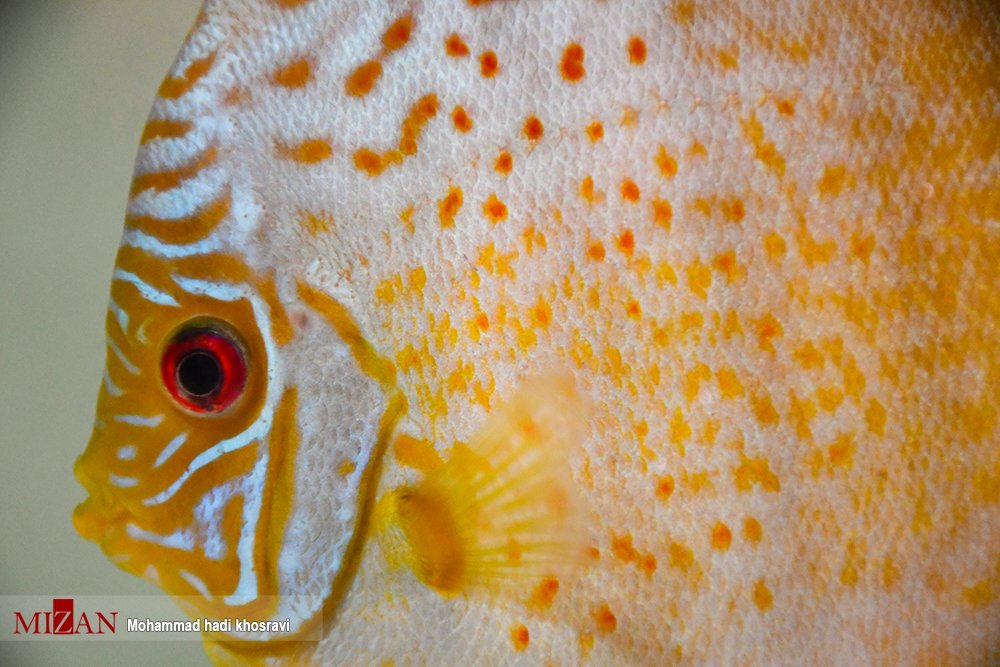
Rare Ornamental Fish Bred in Iran’s Shiraz

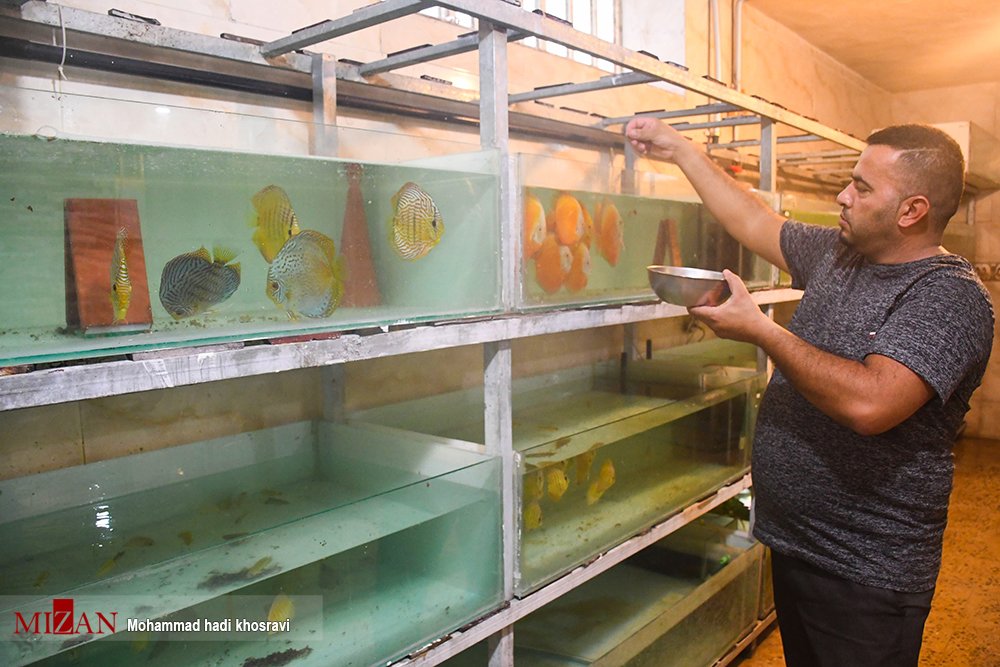
Mohammad-Saeed Assadi started his job in a village near Shiraz five years ago. He says love for aquaculture along with his 22 years of experience played a very important role in his success.

With an initial investment of about 12,000 USD he has been able to recruit 13 people from the village.

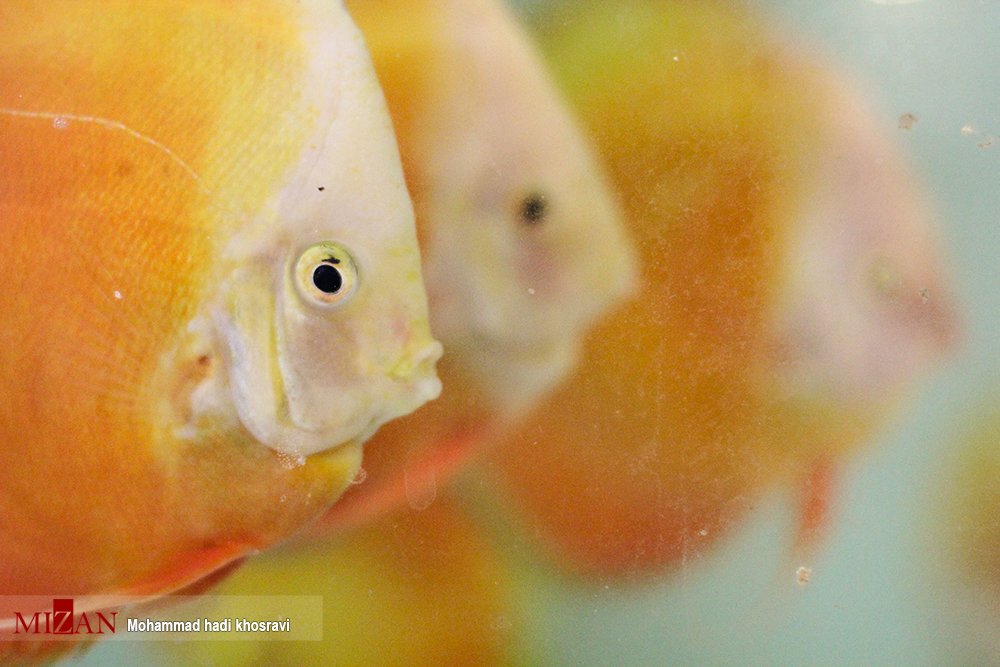
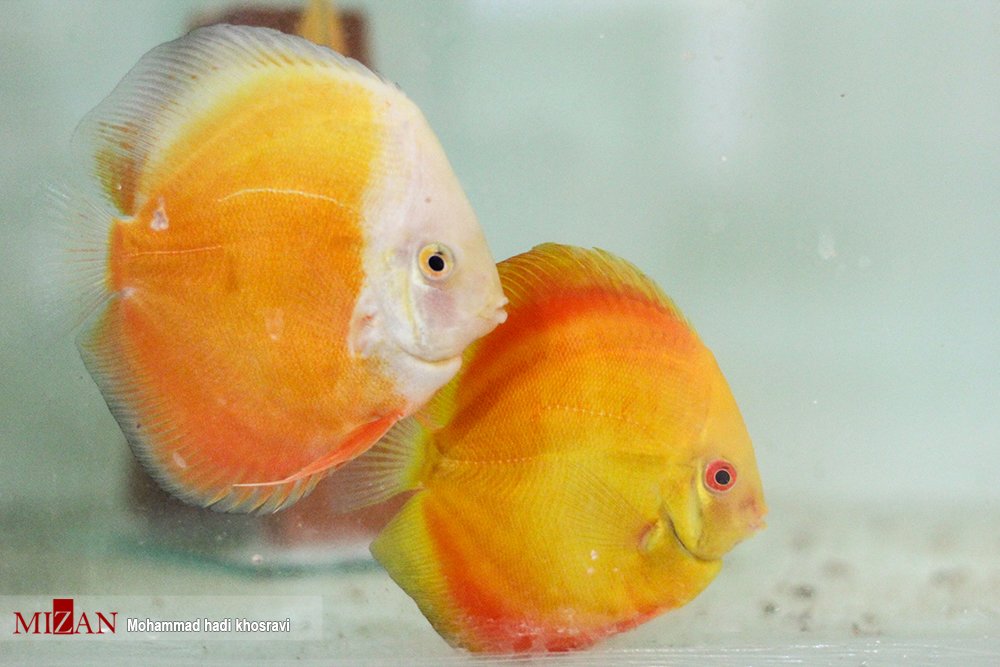
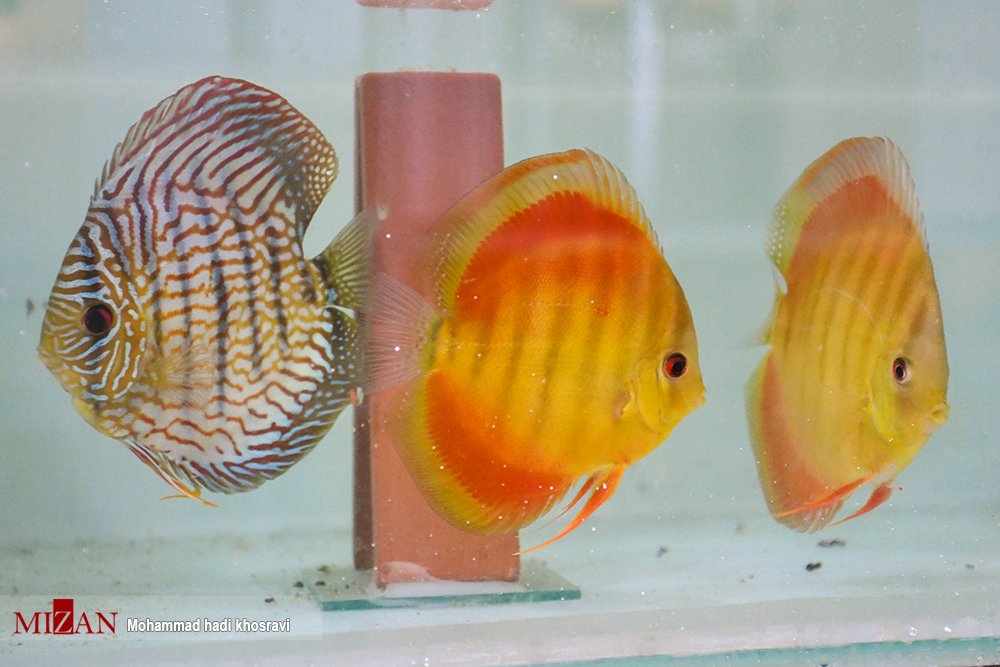
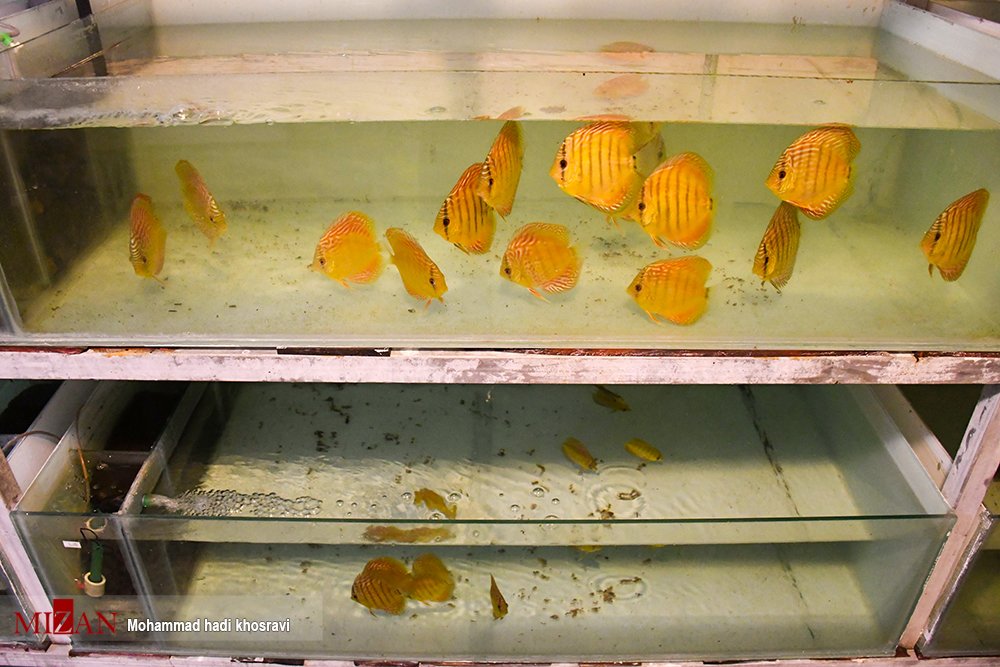
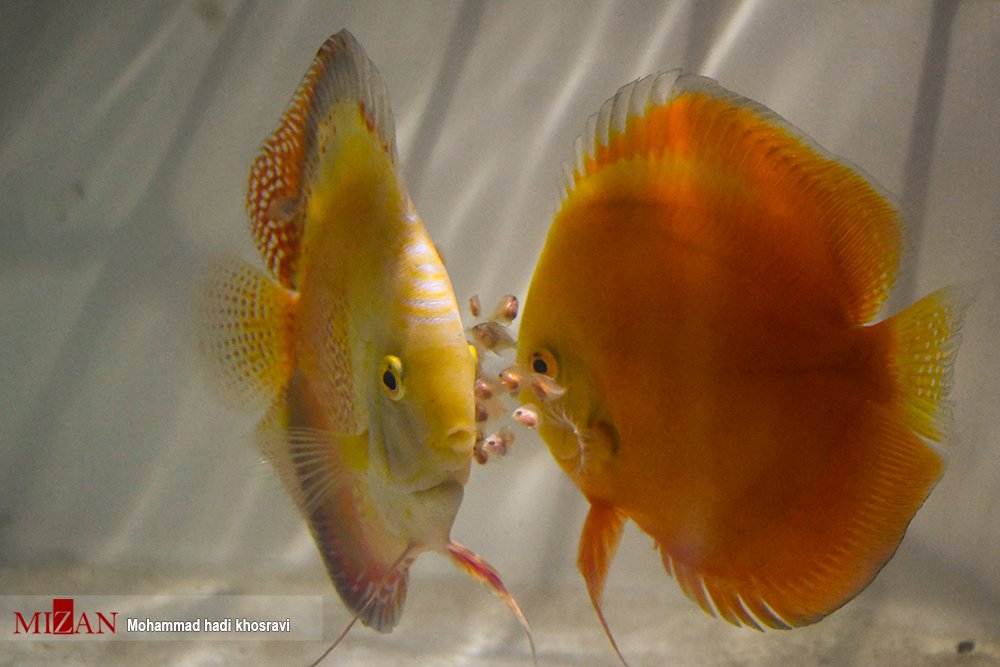
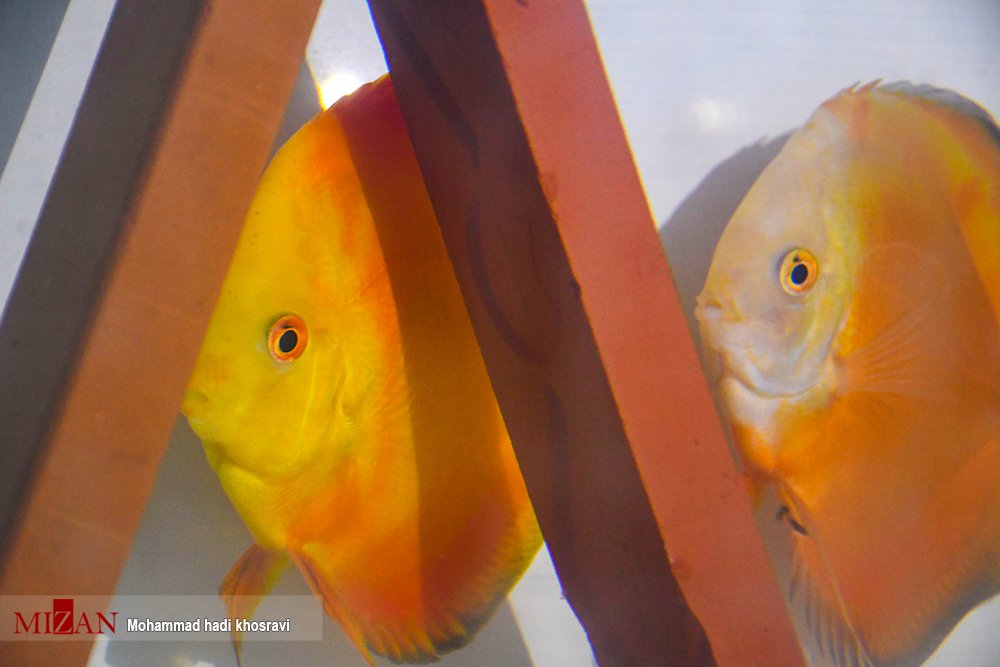
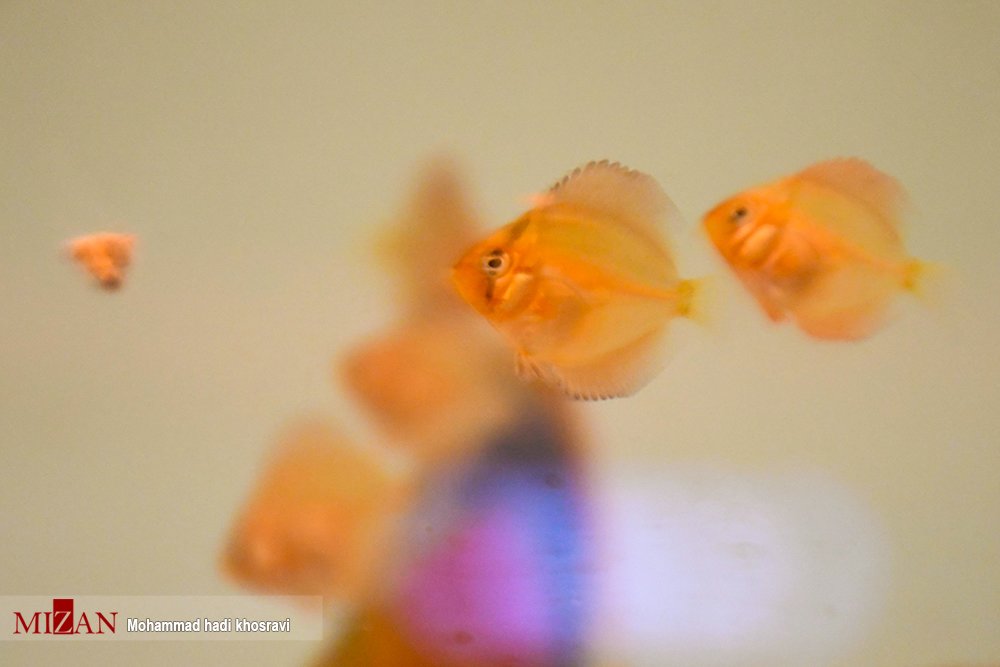
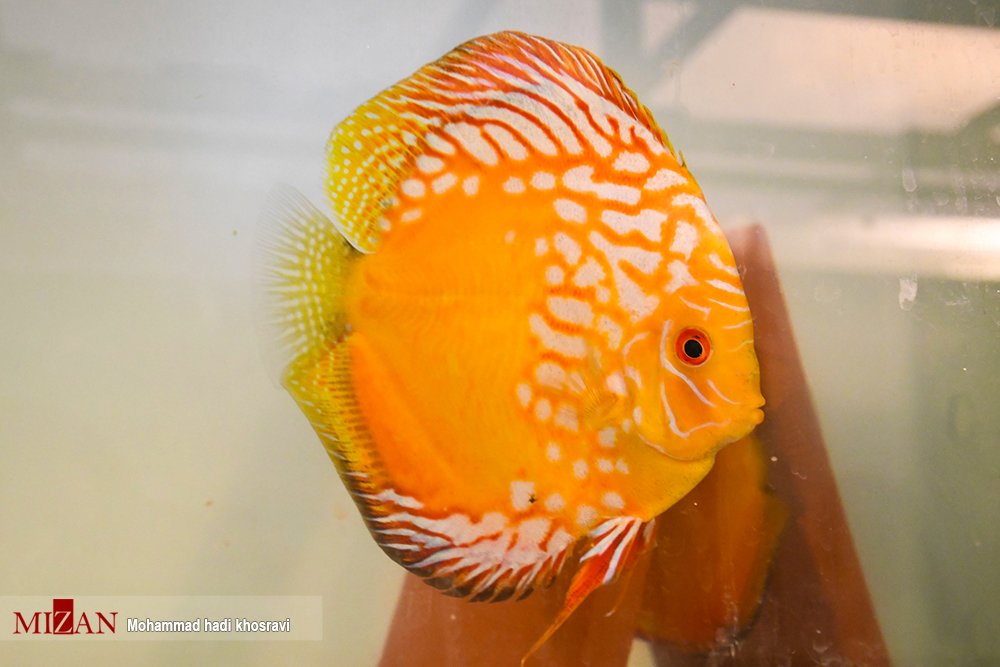
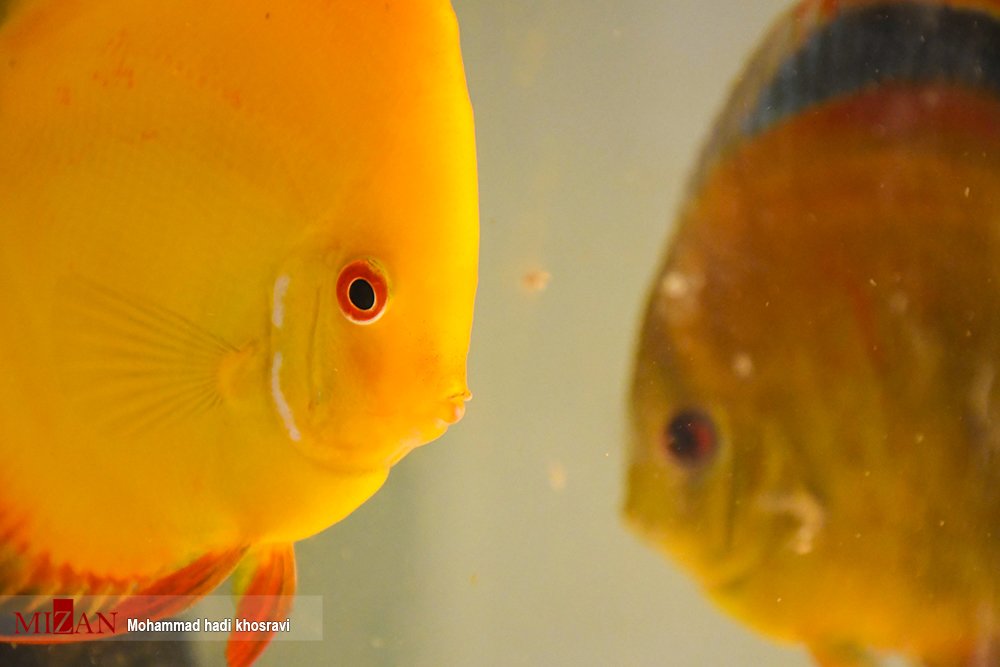
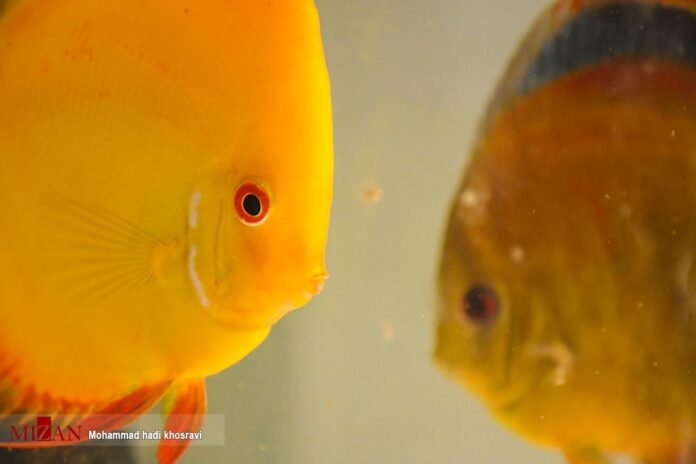
Currently, at his workshop, more than 8,000 discus fish are annually bred, each of which has an export value equal to two barrels of oil.

The fish bred at this centre decorate the aquariums inside the country and are expected to be exported to Turkey, Kuwait and the Persian Gulf countries soon.

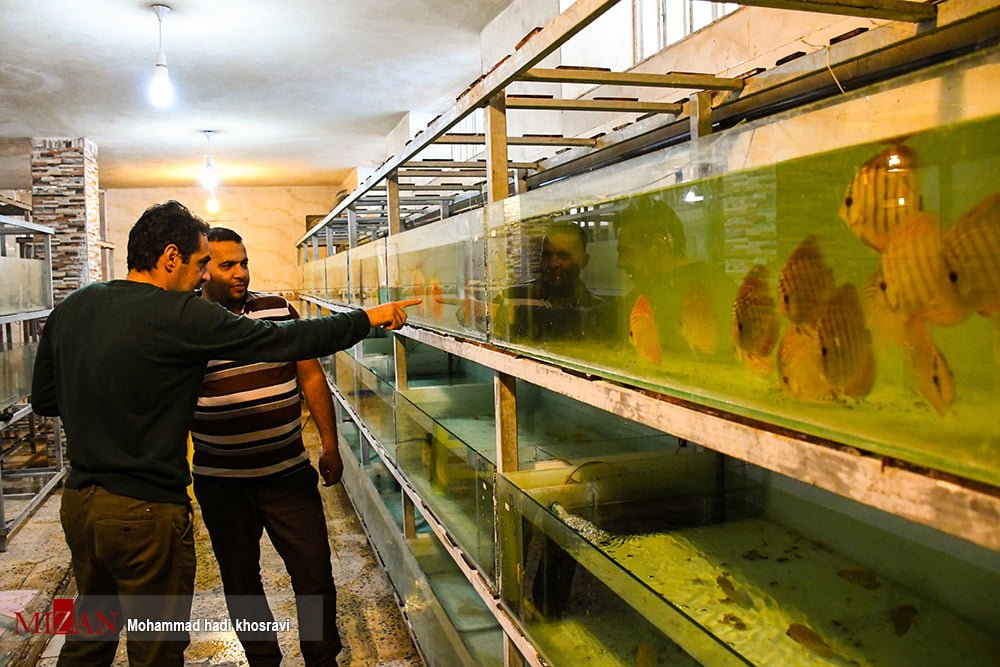
At the moment, there are 34 ornamental fish breeding centres in Fars province, and 10 million pieces of aquarium fish are produced annually.

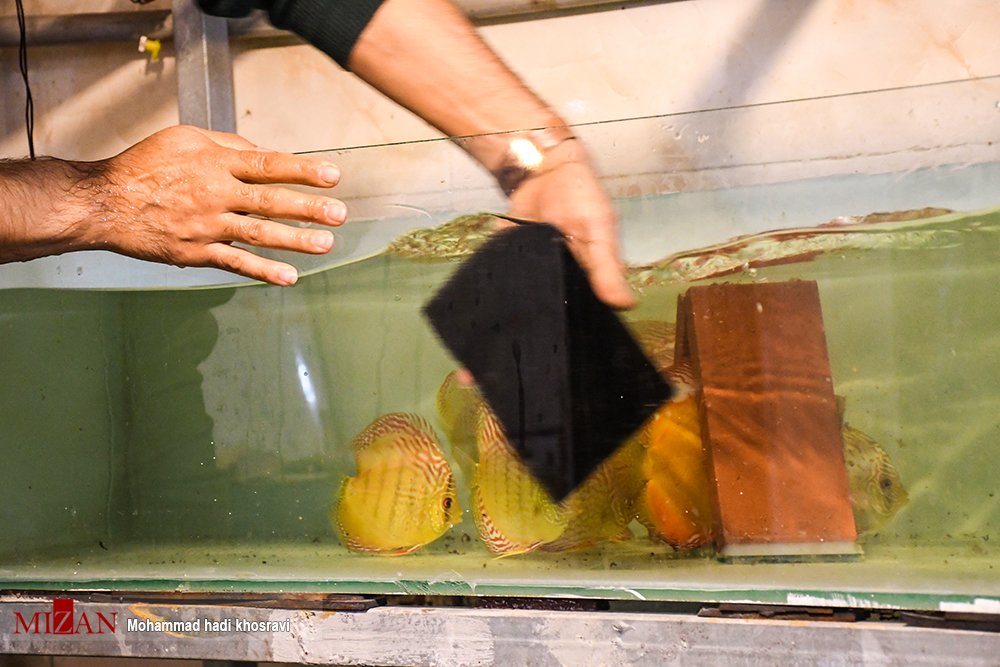
Here are photos of one of these centres retrieved from Mizan Online:

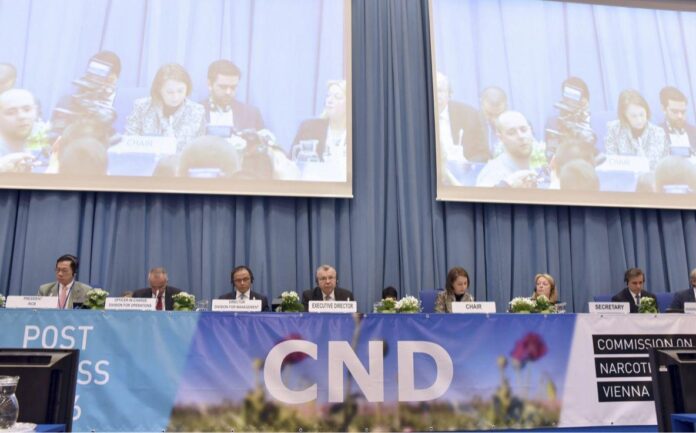
Iran’s Top Envoy Named as First Vice Chair of UNCND

Kazem Gharibabadi was appointed to the top job and was also named as head of the UNCND’s General Committee at a meeting of the commission.

The UNCND has 53 members and was founded in 1964. It is the main international body with regards to policy making in the domain of illicit drugs. The commission analyzes the situation of narcotics in the world and presents to the UN’s Economic and Social Council (ECOSOC) its recommendations concerning all issues related to the scourge of narcotics, psychedelic drugs and drug precursors. The UNCND also helps ECOSOC to exercise high-level supervision over the implementation of the three conventions on narcotics as well all international contracts pertinent to illicit drugs.

Based on recommendations by the World Health Organization (WHO), the UNCND annually adds to, or removes from the list annexed to the three main conventions on drugs the names of some materials as narcotics, psychedelic drugs or drug precursors. The three main international drug control conventions include the Single Convention on Narcotic Drugs of 1961 as amended by the 1972 Protocol, the Convention on Psychotropic Substances of 1971 and the United Nations Convention against Illicit Traffic in Narcotic Drugs and Psychotropic Substances of 1988.

Iran’s Top Envoy Named as First Vice Chair of UN’s CND

Kazem Gharibabadi was appointed to the top job and was also named as head of the CND’s General Committee at a meeting of the commission.

The CND has 53 members and was founded in 1964. It is the main international body with regards to policy making in the domain of illicit drugs. The commission analyzes the situation of narcotics in the world and presents to the UN’s Economic and Social Council (ECOSOC) its recommendations concerning all issues related to the scourge of narcotics, psychedelic drugs and drug precursors. The CND also helps ECOSOC to exercise high-level supervision over the implementation of the three conventions on narcotics as well all international contracts pertinent to illicit drugs.

Based on recommendations by the World Health Organization (WHO), the CND annually adds to, or removes from the list annexed to the three main conventions on drugs the names of some materials as narcotics, psychedelic drugs or drug precursors. The three main international drug control conventions include the Single Convention on Narcotic Drugs of 1961 as amended by the 1972 Protocol, the Convention on Psychotropic Substances of 1971 and the United Nations Convention against Illicit Traffic in Narcotic Drugs and Psychotropic Substances of 1988.

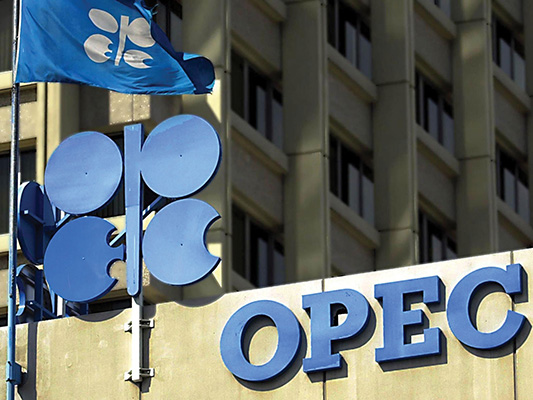
OPEC Agrees on Output Cut, Exempts Iran

OPEC Fund Earmarks $500,000 to Help Iran Fight COVID-19

Kazem Gharibabadi, the Iranian ambassador to the UN office at Vienna, told reporters the diplomatic victory was achieved thanks to the resistance of the Iranian delegation attending the OPEC talks in Vienna.

Elaborating on the details of the deal, he said the OPEC members are supposed to cut their output by 800,000 barrels and non-OPEC members by 400,000 barrels.

The output cut will take effect as of January 2019, he added.

Big Defeat for US: UN Refuses to Pass Anti-Hamas Resolution

The 193-member UNGA voted 87-57 in favor of the resolution Thursday while 33 members chose to abstain, leaving Washington with a plurality vote that fell short of the two-thirds requirement to adopt the resolution.

The US had originally called for a simple majority vote, but the world body opted for a two-third majority instead after a narrow 75-72 vote, with 26 abstentions.

The resolution attempted to condemn Hamas for carrying out rocket attacks against Israel and using “airborne incendiary devices” against Israelis living in occupied Palestinian lands.

The resolution came weeks after Hamas and other Palestinian resistance groups fired over 400 rockets into Israel during a two-day flare-up of violence following a botched Israeli attack against a Hamas commander.

US Ambassador Nikki Haley said before the vote that the assembly could make history condemning Hamas, which she referred to as “one of the most obvious and grotesque cases of terrorism in the world.”

“For the sake of peace, and for the sake of this organization, I respectfully urge my colleagues to support this resolution,” she said.

“The General Assembly has passed over 700 resolutions condemning Israel. And not one single resolution condemning Hamas. That, more than anything else, is a condemnation of the United Nations itself,” she added.

China and Russia were among those voting the measure down. India abstained despite having recently forged warmer ties with the Tel Aviv regime. The measure was welcomed in Europe and the Americas.

After the US draft’s failure, the UNGA voted 156-6 to adopt an Irish resolution that called for “the achievement, without delay, of a comprehensive and lasting peace in the Middle East” on the basis of UN resolutions, specially the December 2016 measure.

The resolution also reaffirmed “unwavering support” for a two-state solution along “the pre-1967 borders.”

Tel Aviv tried to undermine the defeat, with Israel’s UN envoy Danny Danon saying that a majority vote was within reach had the vote “not been hijacked by a political move of procedure.”

Israeli Prime Minister Benjamin Netanyahu also hailed the 87 countries for taking “a principled stand against Hamas.”

Hamas hails ‘slap’ to Trump

Following the vote, Hamas hailed the failure of the resolution as a “slap” to US President Donald Trump’s administration.

“The failure of the American venture at the United Nations represents a slap to the US administration and confirmation of the legitimacy of the resistance,” the group’s spokesman Sami Abu Zahri wrote on Twitter.

Palestinian Authority President Mahmoud Abbas also commended the outcome.

“The presidency thanked all the states that voted against the American draft resolution, affirming that it will not allow for the condemnation of the Palestinian national struggle,” the PA’s office said in a statement.

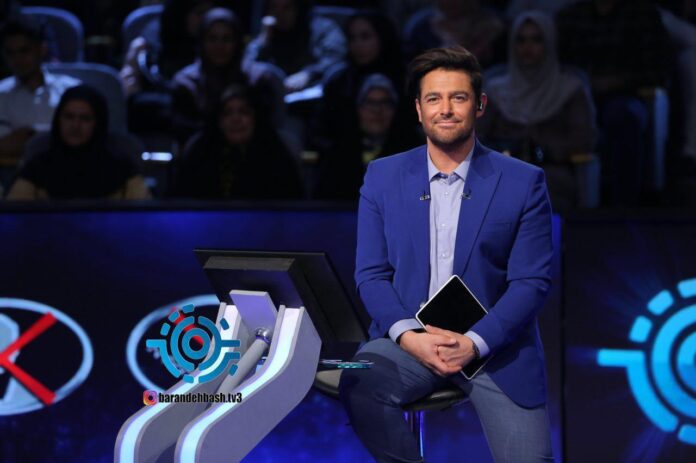
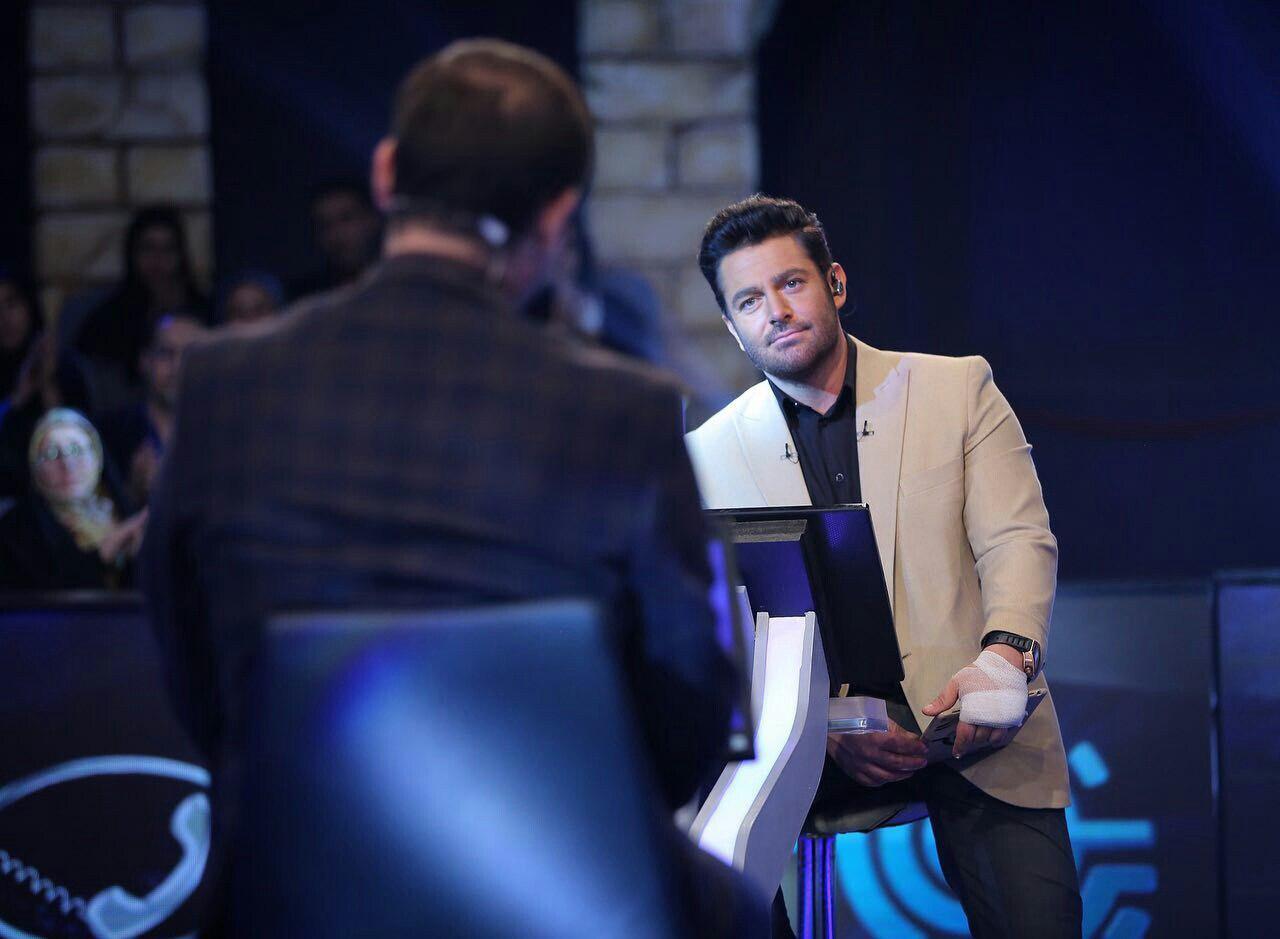
Superstar Hosting Iranian Version of ‘Millionaire’ Game Show

Golzar is one of those stars whose appearance in a film may guarantee the movie’s success in the box office, as he is one of the highest-grossing artists in the Iranian cinema.

He started his artistic career in 1999 by playing guitar, keyboard instrument, and percussion as a member of Aryan music band. During those years, he along with Aryan band gained an unexpected fame and managed for the first time to attract the attentions of most Iranian youths and teenagers.

The fame opened his way into the Iranian cinema, where he began his new career in the industry by performing in “Sam and Narges” movie. Over the next two decades, he performed as the main actor in about 30 Iranian films. He also appeared in Salaam Mumbai, a 2016 joint cinematic project between Iran and India.

His handsome appearance also led him to modelling and advertisement industries in Iran. A brief tour of Tehran or any other city in Iran will make you familiar with his face on the billboards promoting various types of goods from juices to toothpastes and from leather to men’s clothing.

Superstar Hosting Iranian Version of ‘Millionaire’ Game ShowHe has also sung over 20 songs and held tens of concerts as a singer in various cities of Iran over the past years.

Now, two decades after beginning his artistic career, Golzar is one of the most popular figures in Iran particularly among the youths and teenagers who follow him in movies, concerts, advertisements and social media.

These days, Golzar is hosting “Be the Winner” game show in his first-ever presence in the state TV.

Faced with growing criticisms over hosting the show over the past weeks, the Iranian superstar has said he deems the critical comments as highly constructive for the future of his show, and that they have contributed to his show day by day.

In reply to a question on how many hours he studies to host the show each week, he said “as a host I’ve already doubled the time of my studying. In the new series, I also have a role in framing the questions of the show. Meanwhile, I’m going to introduce new books to our audiences in the new editions.”

Be the Winner is a TV show which revolves around the general knowledge of the competitors. They can win a hefty amount of money by correctly answering the questions asked by the host.

Superstar Hosting Iranian Version of ‘Millionaire’ Game Show

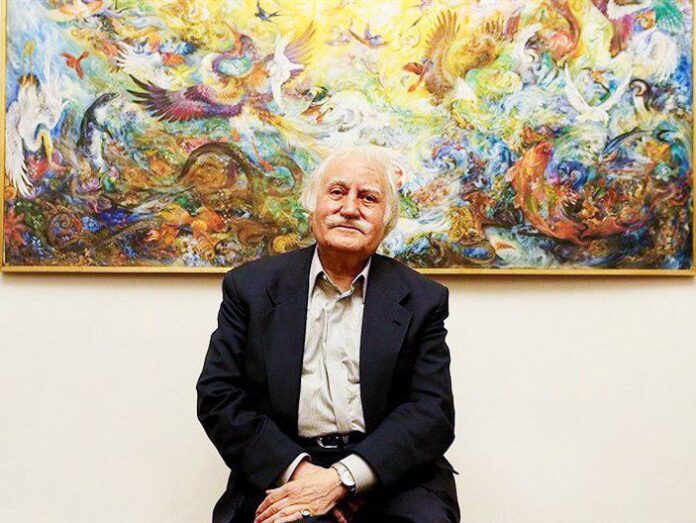
Farshchian University Opened to Protect, Globalize Islamic-Iranian Arts

Ten years ago, concerns about the future of Islamic and Iranian arts and the aesthetic identities of national arts in Iran prompted Farshchian – as one of the leading artists in Iran with high sensitivity to the survival of Iranian arts – to raise the idea of establishing the university to protect the country’s artistic heritage.

He believed the university needed to be established in order to compensate for inefficient academic centres which have pushed the original Iranian arts to extinction.

“Unlike other universities, the new academic centre is set to establish a new record by relying mainly on traditional and post-traditional methods,” said Bahman Namvar Motlaq, the dean of Farshchian University, who has been picked up by Farshchian as his representative to follow up the arrangements to launch the new university.

He went on to say that the university is aimed at training original, indigenous and wise artists like Farshchian. “We want to train new masters to protect our aesthetic identities against distinction.”

According to Namvar, the project to establish the university had been halted for 20 years due to bloated bureaucracy. “But fortunately, with the help of Azad University, we did it and the dream of Master Farshchian finally came true.”

He also said the new centre, which is expected to preserve Iran’s traditional arts, will admit students at the PhD level in the near future.

In the first years, the university will admit students only in three majors of miniature, calligraphy and pottery, he noted.

“Meanwhile, we are going to outsource some related majors to other provinces because most of our prominent art masters live in other cities like Isfahan, Shiraz, Tabriz, Yazd, Mashhad and many others.”

Namvar regretted that over the past years, large Iranian universities have failed to bring up leading artists in traditional arts and said to remove the problems the founders of Farshchian University have decided to establish the new centre based on student apprenticeship system.
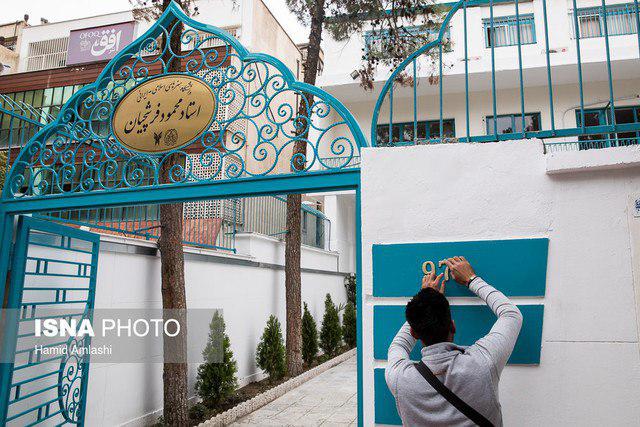
Farshchian University Opened to Protect, Globalize Islamic-Iranian ArtsIn his first interview after the inauguration of the university, Farshchian told IRNA the centre is aimed at training young masters.

“For example, there was a Caravanserai in Isfahan which an Iranian engineer turned it into the Abbasi Hotel with his creative management. The hotel is unique in the world. Our centre is expected to train new generations of art masters with innovative and creative minds who mainly work instead of theorizing.”

Elaborating on the idea of globalizing the Iranian arts, he said the arts have the capacity to turn into globalized ones. “I’m one hundred percent sure that the centre can attract the world’s attention to find the original Iranian arts.”

Farshchian also said anybody admitted by the university should know what the nature of art is. “Art is a kind of worship. It is not only a means for making ends meet. Students should enter here with love and leave it with love. It should turn into a symbol otherwise it would be deemed as a failure.”

Farshchian University of Iranian-Islamic Arts was inaugurated on October 22 in a ceremony attended by the Minister of Culture and Islamic Guidance, Minister of Science, Research and Technology, Head of the Board of Trustees of Azad Islamic University as well as a number of artists, academics and cultural figures.

The university will begin to admit students as of next academic year.

Born in 1930, Farshchian is an Iranian contemporary painter who has had a leading role in the development of traditional Iranian arts.

Some of his masterpieces have been presented by Iranian foreign ministers as gifts to the heads of states from across the world.

‘Europeans to Launch Iran Payment Channel by Year-End’

It’s been a while that Europeans have made themselves committed to fill in the gap created in the Iran nuclear deal by the US withdrawal to provide the Islamic Republic with a chance to reap its economic fruits from the nuclear accord, Ali Akbar Salehi told reporters on Thursday.

Speaking to reporters, he said one of the mechanisms that the Europeans are working on is the SPV, which as they say will be finalized soon.

“It’s not easy to build a consensus among 27 members of the European Union on the mechanism but they said all-out efforts are underway to achieve the goal soon,” he added.

Salehi also said based on the promises given by the Europeans, the Islamic Republic hopes that their proposed package to salvage the Iran nuclear deal could be implemented by the end of the current year.

In response to a question on Tehran’s decision in case the Europeans fail to meets Iran’s expectations, he said Europeans’ proposed package is set to be drafted in cooperation with the Islamic Republic.

Iran and the remaining signatories of the JCPOA are involved in efforts to salvage the nuclear deal following the US unilateral withdrawal back in May. The US also re-imposed sanctions on the Islamic Republic vowing to reduce to zero Iran’s oil exports.

Elsewhere in his remarks, he referred to the European Union’s decision to ditch the US dollar in all its oil transactions.

“Based on the latest report that I received and as a European commissioner underlined, the European Union has decided to use euro in its oil trade with other countries which amounts to 300 billion euros. This means they are going to ditch the US dollar in their trade,” he said.

The Iranian official underlined that the European Union used the dollar to pay for 85 percent of the oil they bought, but with the new mechanism, it is going to use only euro.

Salehi also said if the mechanism is implemented, the dollar would be isolated further in the world and the US will no longer be able to do whatever it likes in economic fields.

‘Chabahar Attack Aimed at Hampering Foreign Investment’

Mansour Haqiqatpour, a national security advisor to Iranian parliament speaker, says the Thursday terrorist attack was part of the enemy’s plot to disrupt the security of Chabahar, which is strategically important for all-out development of Iran, Afghanistan, Turkmenistan and other Central Asian states.

The enemies seek to turn the regional balance into their own favour but the intelligent units of the Islamic Republic will foil their plots, he added.

The region can serve as a bridge linking particularly the Central Asian states with no access to free waters to Oman Sea, he said.

“Given the clear-cut strategic approach of the Leader of the Islamic Revolution towards the development of Makran coasts in south-eastern Iran, we are going to witness the sustainable development of the region in the next years.”

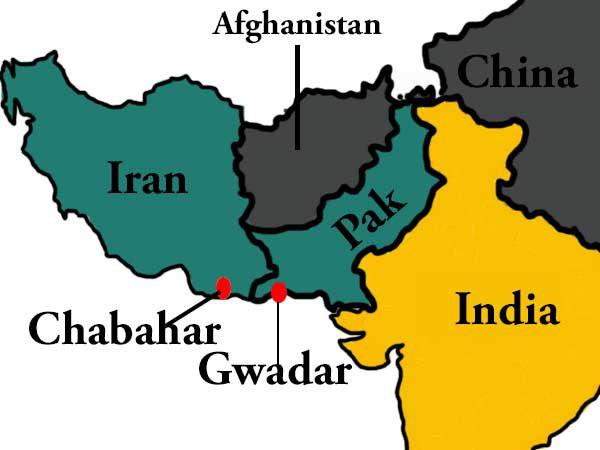
He went on to say that today China and Pakistan are seeking to expand Gwadar port in Pakistan to turn it into a leading hub. “On the other side, in a geopolitical rivalry, Iran along with its friendly states like Russia, India and Afghanistan are after expanding Chabahar port.”

“It goes without saying that Iran is tapping into the port city’s extraordinary and strategic capacities to achieve its desired goals. That’s why we are witnessing some mischievous acts made by our regional rivals in the form of terrorist attacks.”

However, he said, the Islamic Republic’s officials enjoy security and political maturity to press ahead with the development of Makran in terms of security along with its economic, political and social development.

He said the attack failed to shatter the unity of Chabahar’s local people, adding such attacks will end up in increased friendly, brotherly and affectionate relations between various political and religious ethnic groups of the region.

Haqiqatpour underlined that in Makran, the Shiites and Sunnis are working hand in hand to develop the region and their cooperation symbolizes the Islamic unity in the region.

“But the enemies can’t tolerate the unity. So, they resort to mischievous acts to mislead public opinion from what is happening in Western Asia, particularly in Saudi Arabia.”

He called on the security forces to provide the region with appropriate security coverage to pave the way for further foreign investments and international cooperation between Chabahar region and the outside world.

“One of the main goals of such attacks could be creating insecurity to ward off foreign investors. But they have never managed to achieve their goals,” he added.

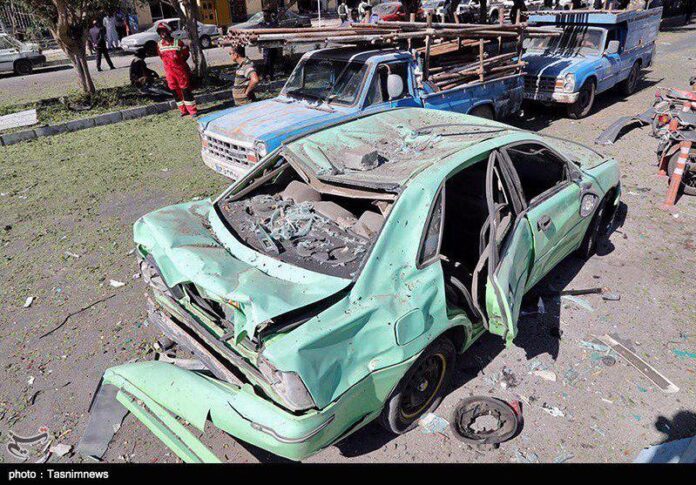
A suicide car bomb explosion on Thursday in front of a police headquarters in the city killed a conscript and an officer, and wounded several others including a woman and a child.

The suicide attacker driving a Nissan car was seeking to enter Chabahar police headquarters but faced a counterattack by the law enforcement forces and desperately exploded his car outside the building leaving a number of ordinary people dead and wounded.

The governor of Chabahar elaborated on the motives behind the terrorist attacks in Chabahar and said as the only pacific port of the Islamic Republic, Chabahar port city is highly significant for Iran and can play a leading role as an energy hub connecting regional and Central Asian states together through Oman Sea in the future.

The Ansar al-Furqan terrorist group has officially claimed responsibility for Thursday attack in Chabahar.  Iran, in cooperation with India, has in recent years been developing the port city of Chabahar in order to turn it into a regional hub of trade.

Foreign-Backed Chabahar Attack Not to Go Unpunished: Iran FM

In a tweet, Zarif said the terrorists who killed and wounded innocent people in Chabahar were “foreign-backed”.

“As we’ve made clear in the past, such crimes won’t go unpunished: In 2010, our security services intercepted & captured extremists en route from UAE,” he warned.

“Mark my words: Iran WILL bring terrorists & their masters to justice,” he added.

A car bomb explosion in front of a police headquarters in the port city of Chabahar in Sistan and Baluchestan province killed a conscript and an officer, and wounded several others this morning.

The suicide attack, which took place near one of the police headquarters of Chabahar, has so far killed police officer Dariush Ranjbar and conscript Nasser Darzadeh, a deputy governor-general of Sistan and Baluchestan province said.

At least 40 others including eight women and five child have also been wounded as a result of what IRGC Ground Force Commander Brigadier General Mohammad Pakpour describes as a “blind” terrorist attack.

One of those wounded in the incident is in critical conditions, according to local officials.

The suicide attacker has been killed in the car bomb, officials said.

The Ansar al-Furqan terrorist group has officially claimed responsibility for the attack.

Iran, in cooperation with India, has in recent years been developing the port city of Chabahar in order to turn it into a regional hub of trade. The city is particularly important for facilitating trade between India and Afghanistan.