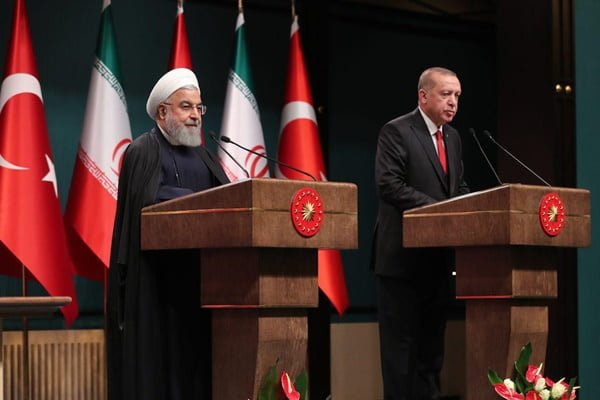
Iranian President Hassan Rouhani and his Turkish counterpart Recep Tayyip Erdogan speak to reporters in a press conference in Ankara on Dec. 20, 2018 / Photo by president.ir
“No person, power or country is capable of creating obstacles to brotherly relations between Tehran and Ankara,” Rouhani said, following a meeting of the fifth meeting of the high council of Iran-Turkey strategic relations.
Rouhani said the two presidents discussed grounds for stronger economic collaboration between Iran and Turkey, notably banking, industrial, customs, transport, tourism and cultural cooperation.
The Iranian president said the two sides also discussed the Syrian conflict, and reached agreement to strengthen cooperation to bring an end to the seven-year conflict.
“We believe the destiny of Syria should be decided by the Syrian people and the territorial integrity of Syria must be respected. We are on the same page on these things and are determined to boost cooperation in this field,” he said.
Rouhani thanked Turkey for its positions against the unilateral anti-Iran sanctions imposed by the US, saying it shows Turkey is committed to law, shared interests and morality.
Erdogan, in turn, said his government is bent on broadening ties with Iran and will take measures to boost bilateral collaboration.
The Turkish president censured the withdrawal of the US from the 2015 nuclear deal, saying the pact benefits global peace and security and all the parties should keep up fulfilling their commitments.
Erdogan said Turkey will stand by its neighbour in hard times, working with the Iranian government to lessen the impact of the unfair US sanctions.
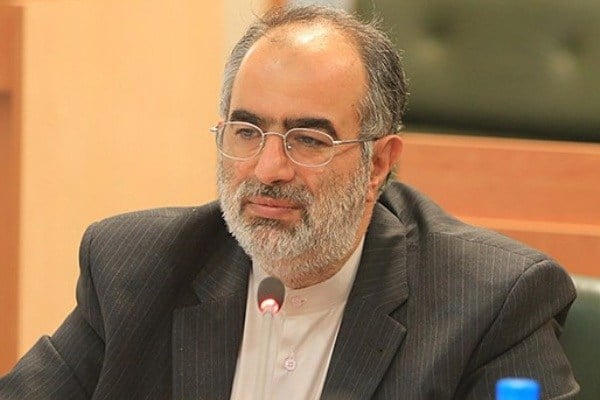
Hessamoddin Ashna said it is impossible to impose sanctions on all states which are willing to establish cooperation with Iran.
According to Ashna, the US failed to get the world on board in its efforts to exert massive pressure on the Islamic Republic.
“Therefore, many states which had willingly imposed sanctions on Iran in the previous round of sanctions are unwilling today to impose new round of sanctions. This has challenged the US economic hegemony in the world,” he added.
“Our last national attempt to break the sanctions was the talks we held to achieve the Iran nuclear deal. The talks led to the international treaty, Ashna said, highlighting the significance of the multilateral deal for Iran’s ties with the world.
“After the deal, Iran was no longer subject to the Chapter VII of the Charter of the United Nations as a global threat. Our peaceful nuclear program was also recognized internationally and we were provided with a chance to establish international cooperation to garner support for our peaceful nuclear technologies,” he said, according to a report by the Iranian government’s official website dolat.ir.
Since the early days of the nuclear deal, the US began to violate its commitments under the deal, he said. “The Obama administration didn’t give Iran the chance to reap its benefits under the deal and the Trump administration pulled out of the deal and re-imposed the sanctions on the Islamic Republic.”
The US announced re-imposition of the “toughest” sanctions ever against Iran in November in an attempt to curtail the Islamic Republic’s oil exports and put extra pressure on the country’s economy.
The new US sanctions also target Iran’s nuclear activities, which the US insists are in breach of the 2015 nuclear deal between Iran and six world powers.
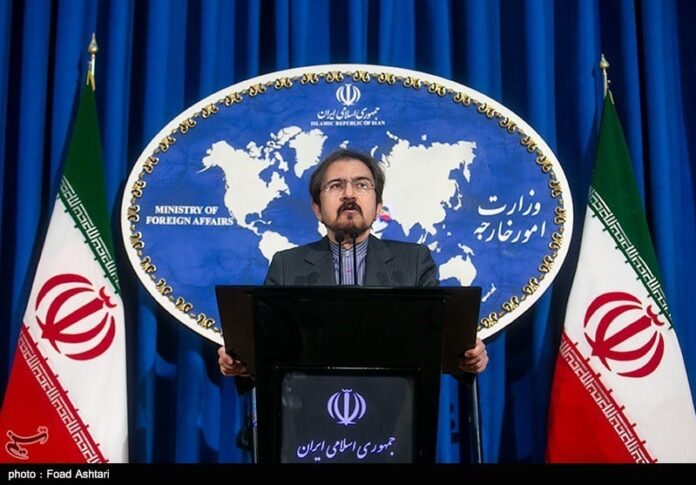
In a Thursday statement, Qassemi said Albania’s decision was made under the United States’ sway.
“This move and scenario came about under the pressure of the US government and the Zionist regime [of Israel]’s security apparatus in cooperation with some anti-Iran terrorist groups on the basis of unfounded allegations,” said Qassemi.
“This behaviour by the Albanian government, which is unjustifiable and lacks any logical basis, was completely based on false and fabricated information provided by some security services,” the spokesman noted, describing the move as an unacceptable and condemned one.
“It is regrettable that those who piece together scenarios against Iran have, this time, directed their evil schemes at Albania, which has always enjoyed good relations with Iran,” he said.
Qassemi further noted that the move was part of the anti-Iran campaign, and was aimed at disrupting and affecting Iran-Europe ties.
“We regard this injudicious move, which has been imposed on this country (Albania), as part of a policy of disrupting and straining Iran’s foreign relations, especially with Europe, and [regard it as a move] aimed at bothering Iran and promoting Iranophobia, which has always been pursued by the Americans and Zionists,” he said.
“The childish and naïve delight of some American officials, especially the US secretary of state, and their rush to take a position and their expression of foolish joy over this move bears testimony to the efforts made, in recent years, by unprofessional individuals who are in the pay of terror groups,” the spokesman noted.
“We have witnessed in recent months that as Iran and Europe have got engaged in more serious cooperation to render the United States’ unilateral and illegal sanctions ineffective, more scenarios have been engineered in order to harm Iran-Europe ties; of course, those scenarios will fail due to both sides’ vigilance, prudence and shrewdness,” Qassemi added.
His comments came after Albania said it had expelled two Iranian diplomats for what it called security reasons. Albania claimed the diplomats were suspected of “involvement in activities that harm the country’s security.” It said the decision was taken in consultation with other countries.
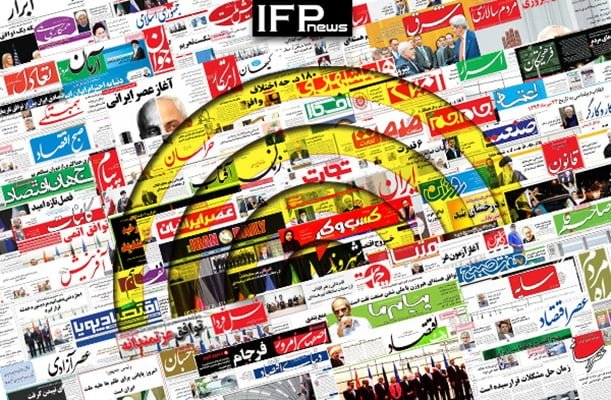
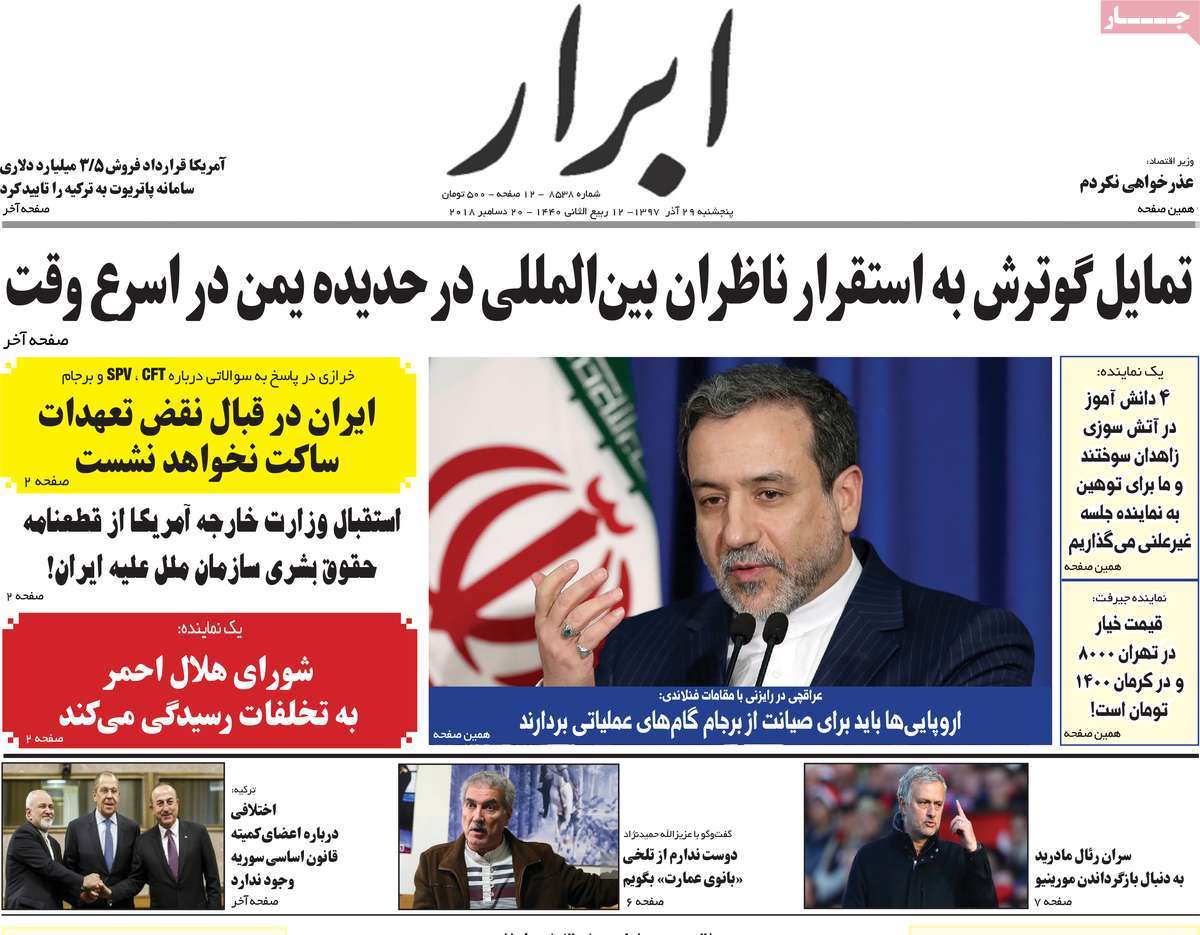
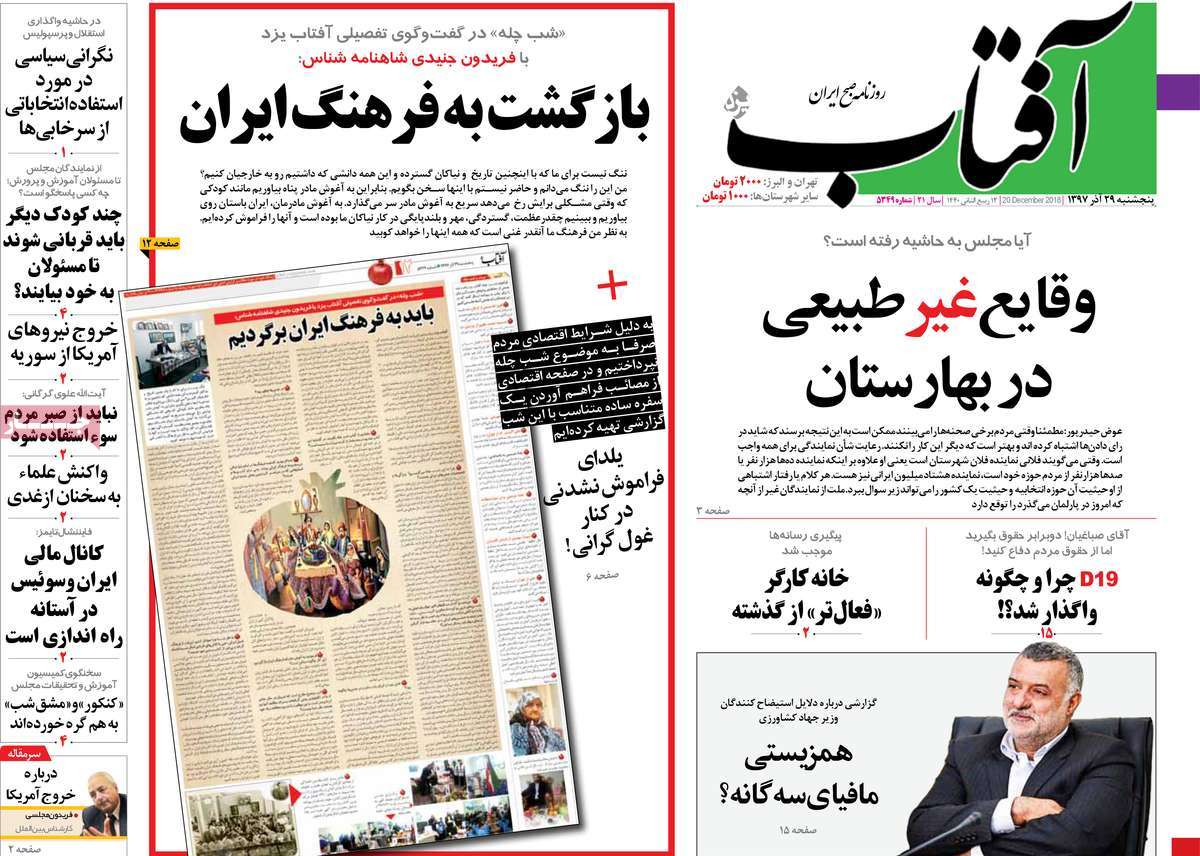
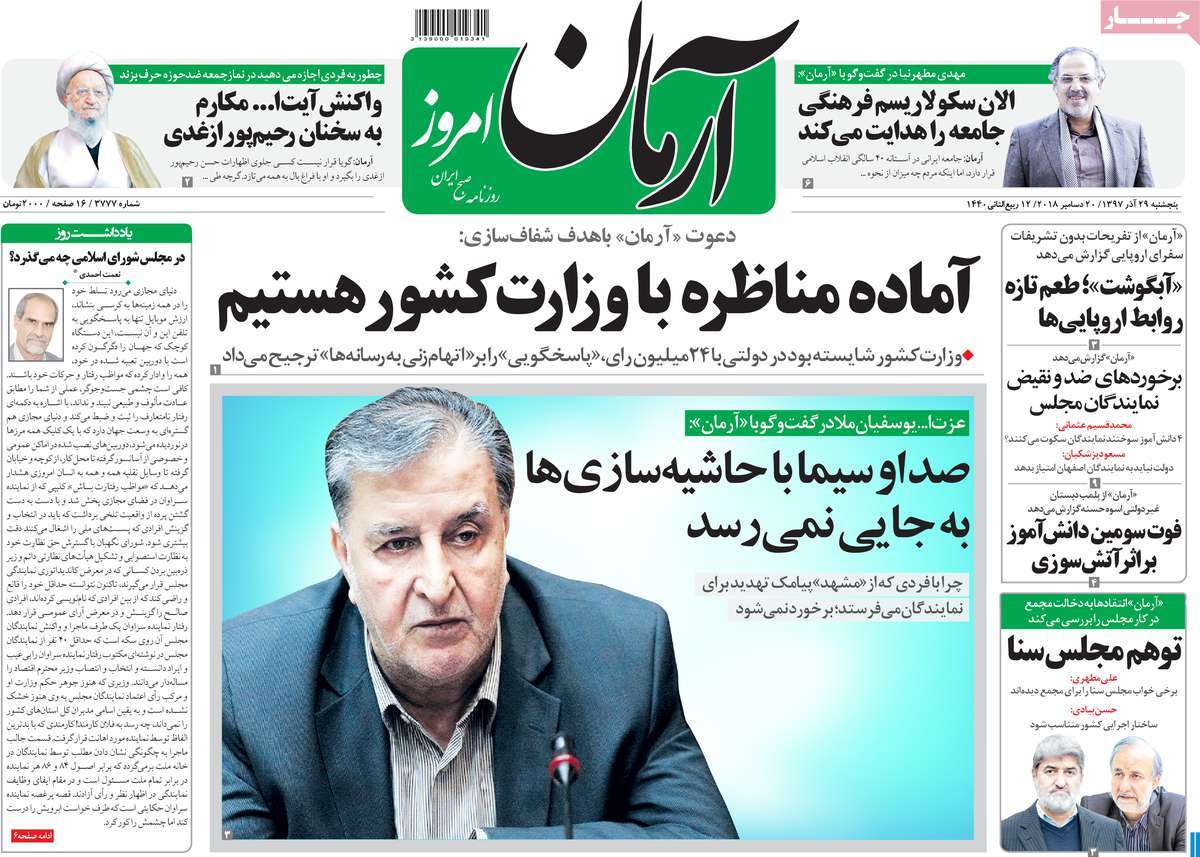
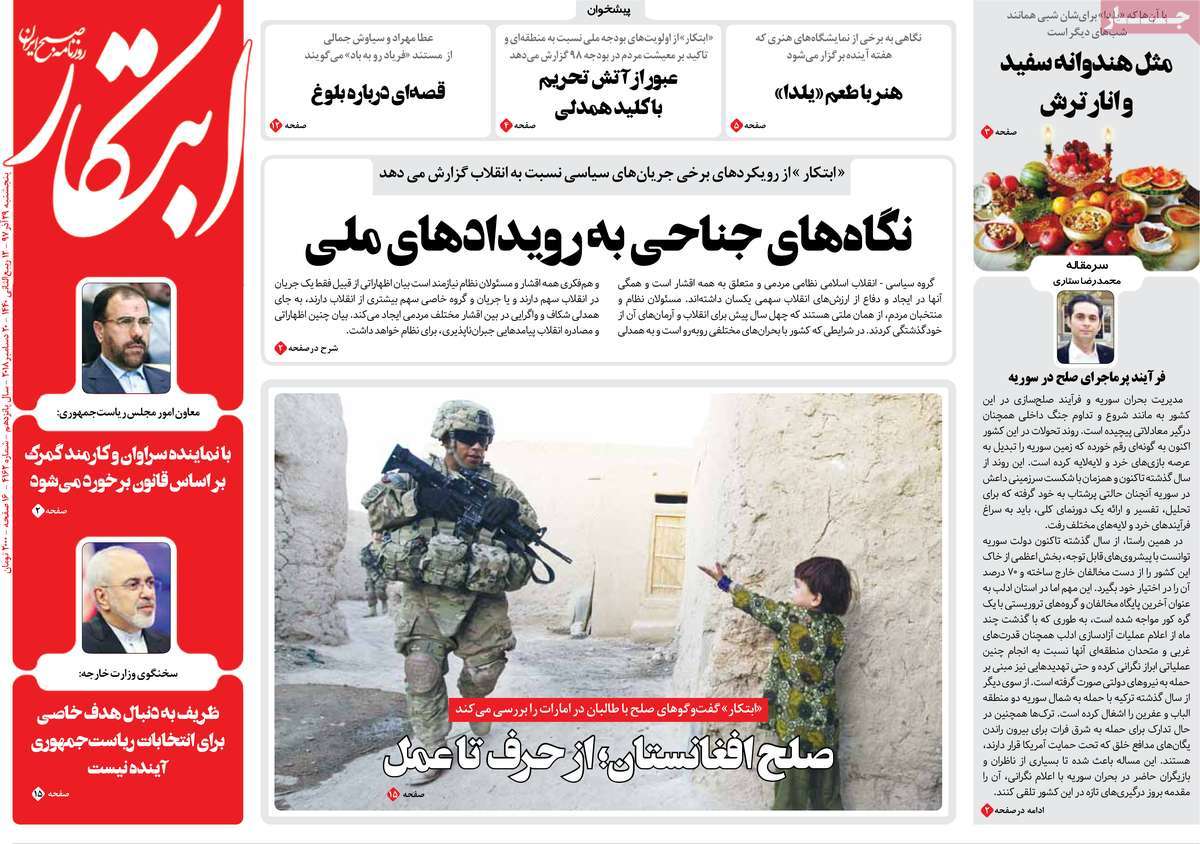
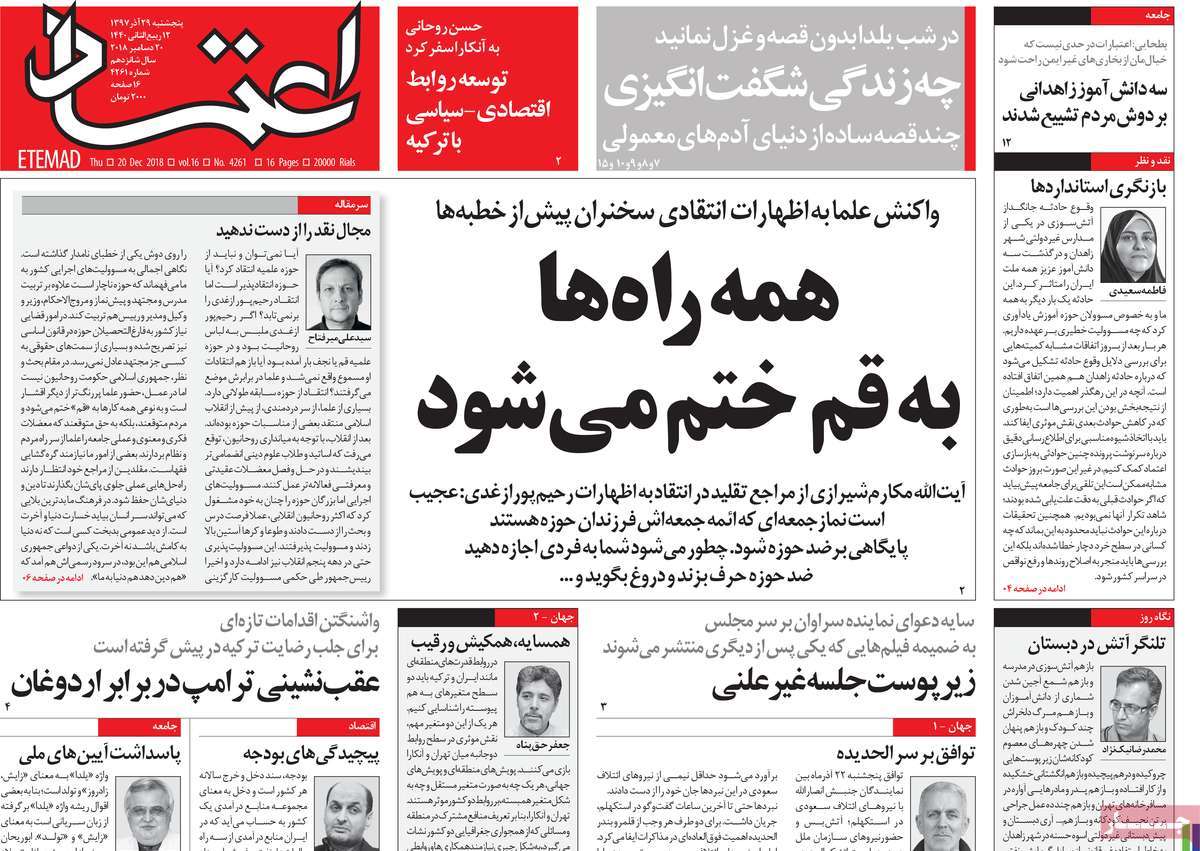
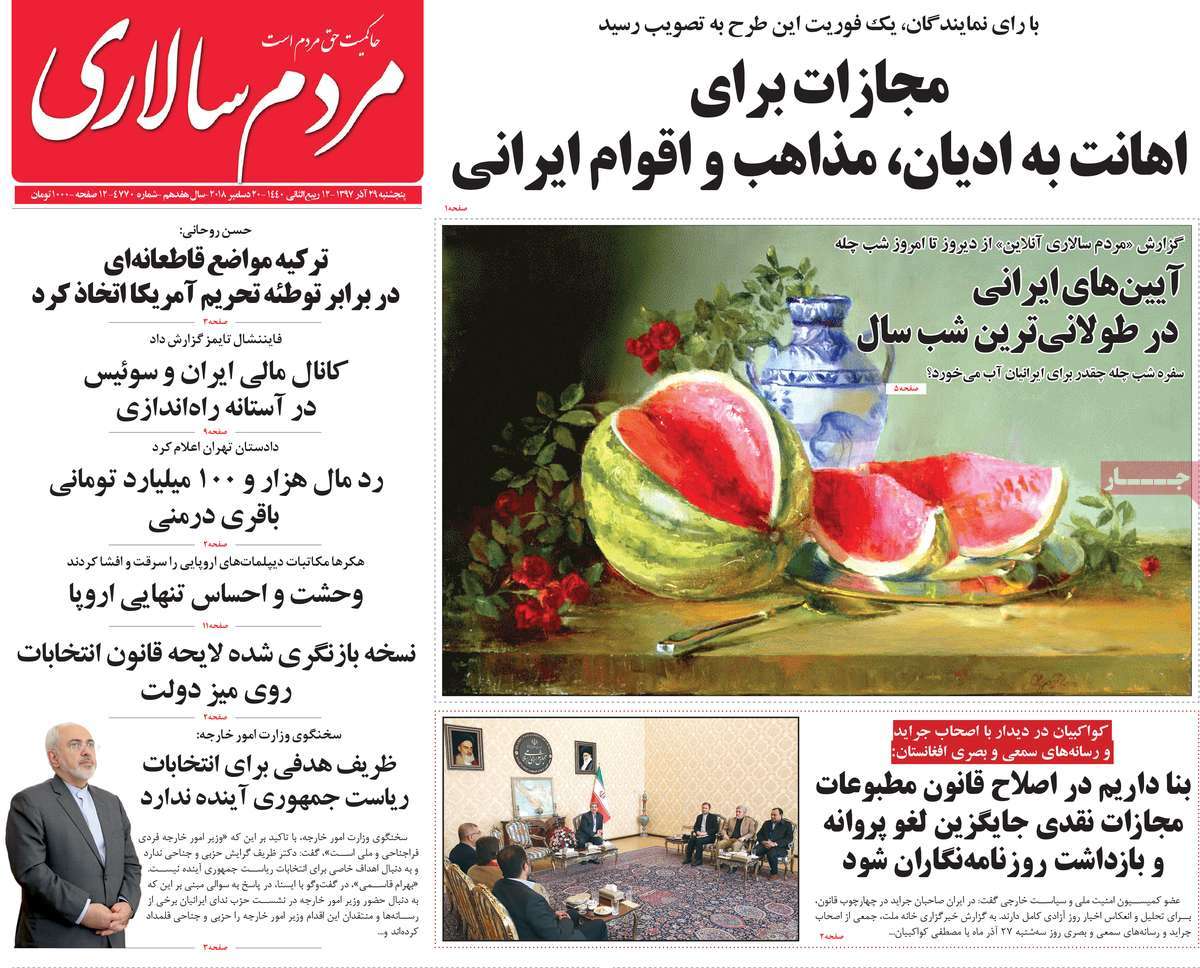
Several papers today covered the visit of President Hassan Rouhani to Ankara, and his praiseof his Turkish counterpart Recep Tayyip Erdogan for his positions against the US sanctions.
Also a top story was the ongoing UN-brokered ceasefire in the Yemeni port city of Hudaydah, and the UN’s efforts to monitor and safeguard the truce.
An anti-Iran human rights resolution passed by the UN General Assembly also received great coverage.
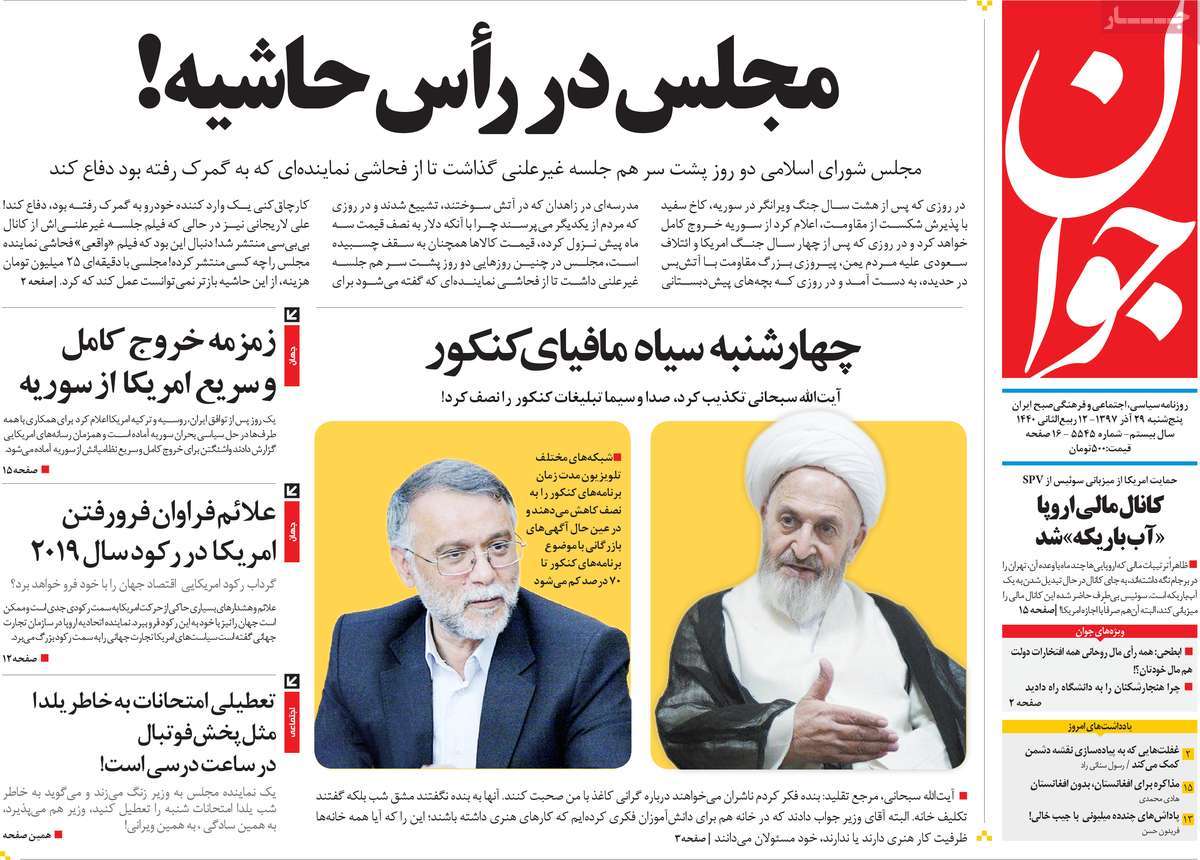
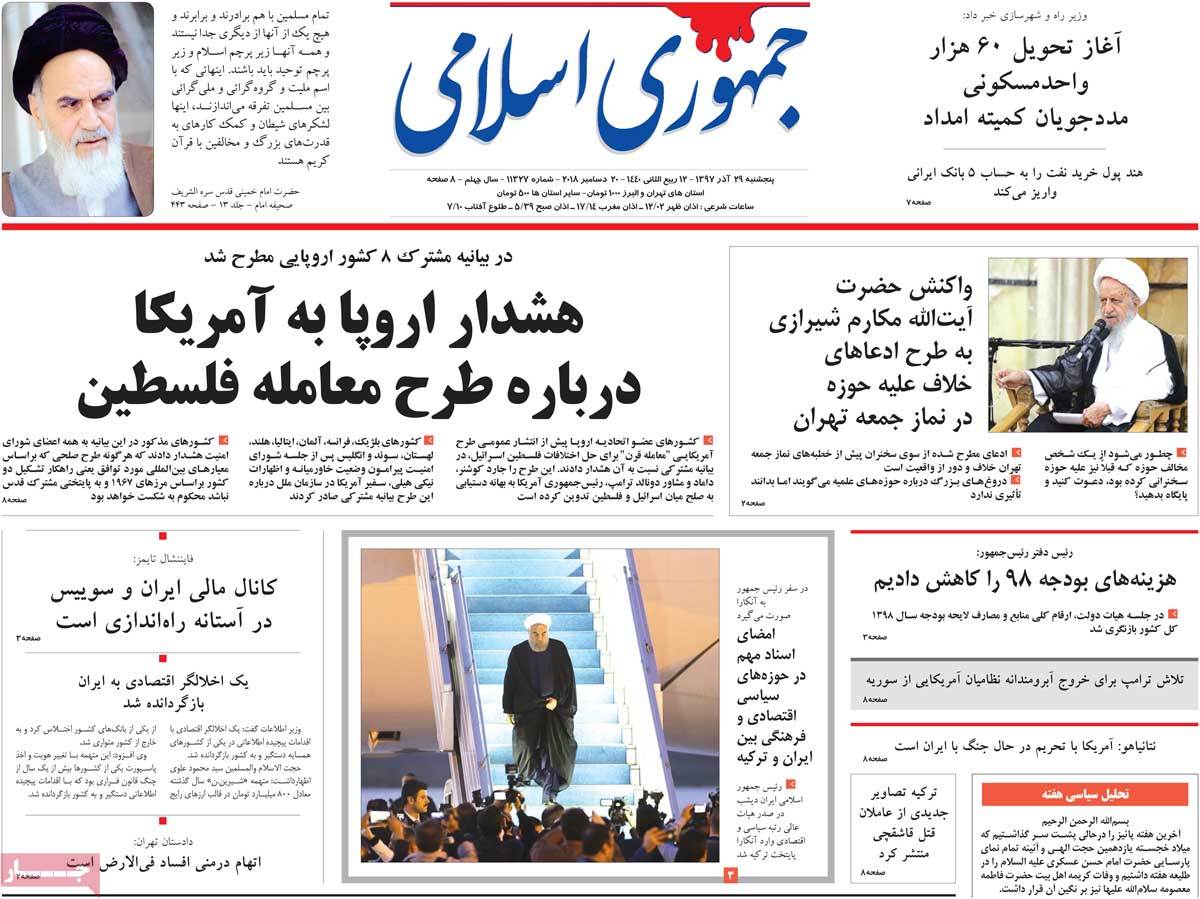
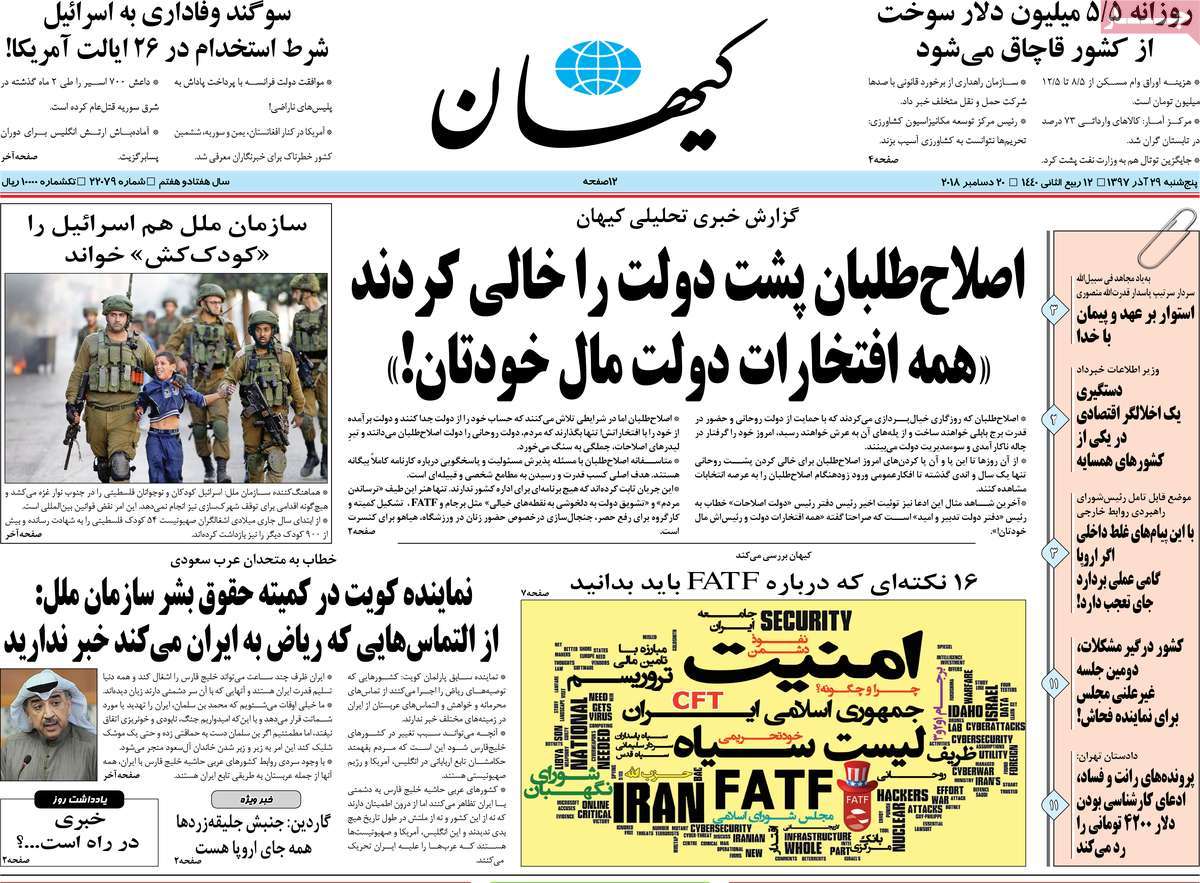
The above issues, as well as many more, are highlighted in the following headlines and top stories:
Abrar:
1- US Endorses $3.5-Billion Missile Deal with Turkey
2- Iran Not to Remain Silent towards Violation of Commitments
3- US State Department Welcomes UN’s Anti-Iran Human Rights Resolution
4- Araqchi: Europeans Must Take Operational Steps to Safeguard JCPOA
5- Guterres Calls for Deployment of Int’l Observers to Monitor Hudaydah Truce
Aftab-e Yazd:
1- US Troops to Withdraw from Syria
2- Iran, Switzerland to Launch Payment Channel
Arman-e Emrooz:
1- European Ambassadors Growing Interest in Iranian Foods, Hobbies
2- Illusion of Senate
Top MP Says Some Dream of Turning Expediency Council into Senate
Ebtekar:
1- Zarif Not after Any Particular Objective in 2021 Presidential Elections
2- Afghanistan Peace, from Words to Deeds
A Review of Peace Talks with Taliban in UAE
3- Long Peace Process in Syria
Etemad:
1- Rouhani in Ankara to Develop Political, Economic Ties with Turkey
2- Trump Backs Off against Erdogan
US Taking New Measures to Appease Turkey
Ettela’at:
1- Rouhani: US Can’t Dictate Its Policies to Middle East from Far Away
2- ICT Minister: Cycle of Space Technology in Iran Completed
3- Saudi Royal Palace and Hatred of Public Opinion
Javan:
1- Europe’s Financial Channel Turns into Narrow Passage
US Supports Switzerland Hosting SPV
2- US Very Likely to Be Gripped by Economic Downturn in 2019
Jomhouri Eslami:
1- Europe Warns US over Deal with Palestine
2- Economic Criminal Returned to Iran
3- Netanyahu: US in War against Iran through Sanctions
4- Turkey Releases New Photos of Those behind Khashoggi’s Murder
Kayhan:
1- Kuwait Envoy to UNHRC: You Don’t Know How Riyadh Begging Iran
2- The Guardian: Yellow Vest Movement Is Everywhere in Europe
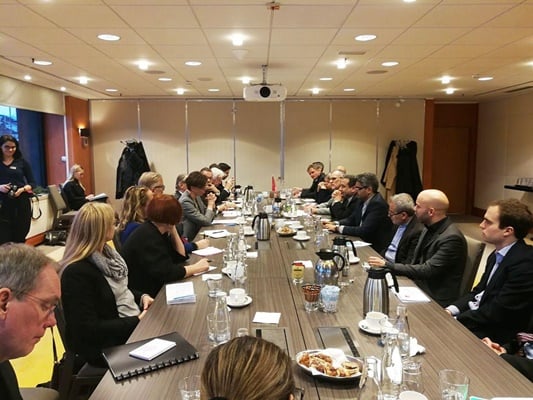
Araqchi, who is in the Swedish capital to attend the fourth round of Iran-Sweden political consultations, met with Swedish Foreign Minister Margot Wallström, his opposite number Annika Soder, and Chairman of the Foreign Policy Committee of Sweden’s Parliament Hans Wallmark.
In the meeting, Wallström underlined her country’s political determination to sustain and promote consultations, cooperation and interaction between Tehran and Stockholm on different fronts, including bilateral, regional and international issues.
She said the Iran nuclear deal (known as the Joint Comprehensive Plan of Action or the JCPOA) is an international agreement based on multilateralism, and that its implementation has benefited all countries. Therefore, she added, European countries, including Sweden, are set to implement the JCPOA despite the United States’ withdrawal from the agreement, and seek to make arrangements to maintain and enhance economic and trade activities with Iran.
The Swedish diplomacy chief thanked Iran for showing goodwill and backing intra-Yemeni talks held recently in Sweden, and highlighted the necessity of Tehran’s continued support and cooperation.
Araqchi, in turn, expressed gratitude for Sweden’s positive and constructive stances in a bid to further promote partnership and interactions with Iran and its active support for the JCPOA. He stressed the need for European countries to show further practical support for the Iran nuclear deal.
Araqchi touched upon the outcome of intra-Yemeni negotiations, saying the Islamic Republic of Iran’s regional policy has always been based on engagement aimed at boosting stability, security, development and political trends. He said Iran will continue to play a constructive role to help make intra-Yemeni talks bear fruit.
In five hours of political consultations, Araqchi and Soder also exchanged views on the latest developments in reciprocal ties, the JCPOA and regional issues. They underscored the need for interaction and dialogue in a bid to reach common understanding.
The Iranian official also had a meeting with Wallmark where the two sides stressed the need for the promotion of mutual cooperation in various areas, especially the parliamentary domain.
Araqchi also attended a meeting of the Stockholm International Peace Research Institute (SIPRI) where elaborated on Tehran’s position on the JCPOA. He also answered the questions raised by the participants.
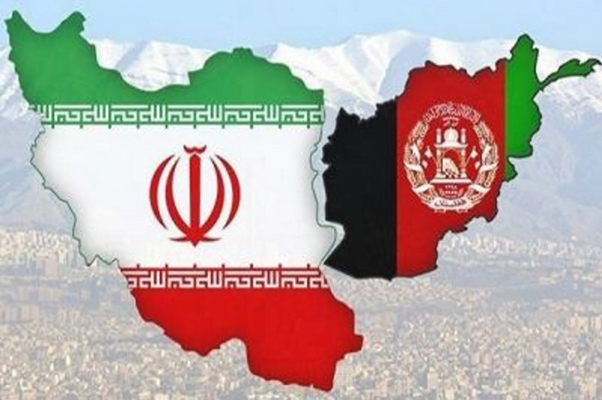
During the Tuesday meeting, the spokesman underlined the need for expansion of media exchanges between Iran and Afghanistan.
The two sides also exchanged views on various issues of cooperation in radio and print media and called for developing new plans to establish continuous cooperation between the two sides’ media.
The Afghan media delegation, including media professionals and representatives of civil institutions active in the field of media, visited Iran to get more familiar with the latest developments in the country, to increase the two sides’ media cooperation, and to create appropriate grounds for signing new MoUs and agreements between the two sides in this field.
In addition to holding talks with some Iranian media officials and centres, the delegation also visited a number of cultural and historical sites in Iran.
“The positions of Turkey and Mr Erdogan in recent months on the US plots against the Islamic Republic have been firm and excellent,” he said.
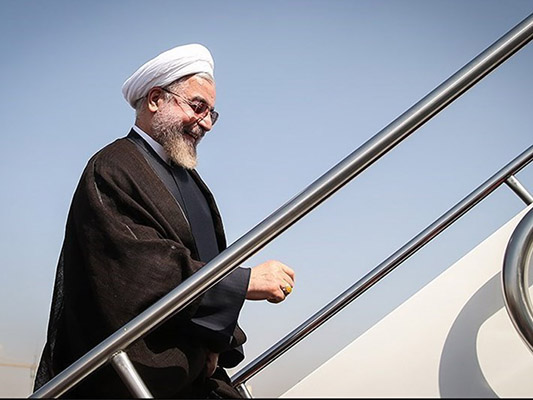
Rouhani was speaking in Tehran on Wednesday, before departing for Ankara to attend the fifth high-level meeting of Iran-Turkey strategic cooperation council.
“[He] told Americans in a frank language that the time the US was dictating policies to others is over and this country can no more issue instructions for regional countries from the other side of the world,” he said.
Rouhani was referring to frequent announcements by Turkish officials protesting the return of US sanctions that had been suspended under the 2015 nuclear deal.
Last month, Turkish Foreign Minister Mevlut Cavusoglu warned Washington against its new sanctions on Iran, saying “meaningful dialogue is much more useful” than sanctions.
Turkey has also objected to the Trump administration’s demand that it slash imports of Iranian petroleum products in six months, arguing that the time frame is too tight given his country’s demand for cheap energy supplies.
Rouhani said the two sides will discuss broadening cooperation in the banking, energy, transit and environment sector.
During the trip to Turkey, an economic meeting involving the two sides’ private sector companies will be held, he said.
They will also discuss the Syria conflict and the fight against terrorism, he said.
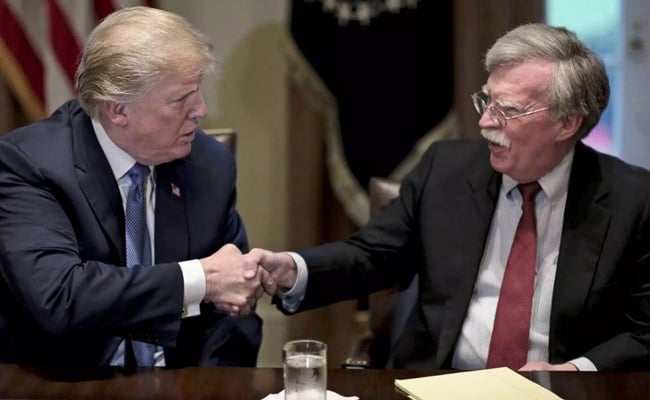
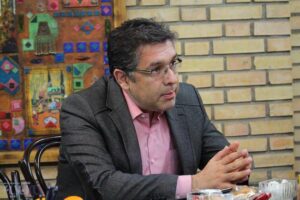
Amir-Ali Abolfath, in an interview with Khabar Online, said he believes the administration of Donald Trump hopes his policy of exerting maximum pressure on Iran would work, sooner or later.
What follows are excerpts, selected by IFP, from the lengthy interview, which addresses challenges facing the Trump administration and Iran-US relations:
How serious are speculations concerning Trump’s impeachment? Trump is under scrutiny for his connections with Russia and paying hush money to women. Moreover, US lawmakers are apparently at loggerheads with Trump over Saudi Arabia. Can such controversies push Trump out of the White House?
Amir-Ali Abolfath, an Iranian expert on the US politics
In the US, impeachment is in the first place a legal process, not a political one. So impeachment is impossible unless allegations are raised and lawsuits are created against the sitting president. Up to now, no evidence proving Trump has violated federal law has been publicized. However, last week we had two revelations about Trump from Michael Cohen, his former lawyer. Firstly, he confessed that Trump had ordered gifting a luxurious apartment worth up to $50 million in Moscow to Vladimir Putin in exchange for Russia’s support during the election time. Secondly, according to Cohen, Trump had ordered paying hush money to women with whom he had sexual relationship. If these allegations lead to a lawsuit and Trump is found guilty of breaching the federal law, its report will be given to the Congress and the political process will be started. But there is no sufficient proof against Trump as we speak.
Trump has problems with key people in his government, including Nikki Haley. Many people in his team have opted out in the past two years. Can these frequent replacements undermine his administration?
Haley was quite a neophyte when he started his job at the UN. She has said she knew nothing about the UN when she was offered the seat of the US representative at the organization. Before acquiring the post, Haley was just the governor of a US state. Trump’s management style leads powerful politicians to become unwilling to work with him. Trump wants people in his team to fully obey him. Trump said he dismissed Tillerson since he was not obedient. This is while a top diplomat is tasked with informing the president of realities of the diplomatic world. If the president do not listen to experts and insist on his words, there will be problems. The visible chaos in the US foreign policy and frequent disturbances in the US policy towards Iran, North Korea, China and even US allies shows Trump does not pay any heed to words of his advisors. That’s why many people don’t like to work with Trump.
What about bin Salman’s case? Following the CIA report blaming the Saudi regime for Khashoggi’s death, many senators adopted harsh positions against Saudi Arabia. Can Khashoggi’s case unite the Congress against Trump?
The negative attitude towards Saudi Arabia has existed in the US since many years ago. This is not about bin Salman or Khashoggi. The US elites fear Saudis have grown too powerful or at least like to show themselves too powerful. Americans do not like governments in the Middle East to gain much power, whether they are led by the former Shah of Iran, Ayatollah Khamenei, Erdogan or bin Salman. The US defines missions for governments. But they might move to hit them if they grow too powerful. This is not just the policy of Trump, but it was the policy of Obama and other US presidents. Americans are wary that Saudi Arabia is pursuing dangerous goals. So they are using Khashoggi’s death as a pretext to place pressure on Saudi Arabia. This is the only logical explanation for the wave of US attacks against Saudi Arabia over the murder of a journalist.
So what about the US strategy for the Middle East? Is the US using Saudi Arabia to counter Iran?
It’s true that Saudi Arabia plays a key role in the US strategy to contain Iran. The US has a role to play in the region, whether voluntarily or involuntarily. It is costly to run an empire in the region, but the US is not capable of paying that cost so they need to delegate their tasks to regional powers. This power vacuum enables the rise of regional powers. In West Asia, three governments are capable of becoming a regional power: Iran, Saudi Arabia and Turkey. Iran has been at loggerheads with the US for over 40 years, while the oil kingdom depends on the US for its security and Turkey is a NATO member. However, the US has found problems with its main allies in the region. For example, the US recently imposed sanctions on Turkish ministers over the detention of an American pastor. But was an American pastor that important? The US is worry Turkey could go out of control. The US is wary about the behavior of its allies, from Germany and France and Britain to Saudi Arabia.
The standoff between Iran and the US has become too complicated in recent years. Trump is increasingly hostile towards Iran, unlike the previous administration who adopted a softer line. Why the Obama administration signed the nuclear pact to settle problems with Iran but Trump withdrew from that agreement?
There are many factors at play. The Islamic Republic wants neither war nor peace in its relations with the US. Previous US administrations were okay with this attitude, willingly or unwillingly. It seems the current government does not prefer a continuation of such circumstances. It says we should either engage in war with Iran or make peace with that country. That’s why the US issues dire threats against Iran and withdraws the nuclear accord and attacks the Iranian government, while at the same time it says I’m ready for talks with Iranians. Americans want this conflict to end soon. But Iran seeks to keep the status quo. The Iranian Leader said there will be neither war nor negotiation. However, in Trump administration, nationalistic figures believes this is dangerous and the US needs to settle its Iran problem. They have frequently announced Iran should choose between being a normal state or a revolutionary one. If Iran becomes what they say is normal, many of their problems in the region will be settled.
Iran has been dealing with sanctions for over 40 years. The path Trump has taken on Iran has been tested before. Does Trump really think sanctions will work?
If you put yourself in their shoes, you may reach this conclusion. They believe sanctions prompted Iran to come to the negotiating table in 2013. We don’t accept this, but they think that way. Sanctions work sooner or later. Moreover, they have pressuring Iran with full force. They believe the liberal attitude in the former White House didn’t allow for maximum pressure on Iran. They say the Obama administration was concerned about its anti-Iran coalition and whether the interests of China, Europe and others are respected. They believe Obama had limits in Iran policy but Trump has no limits and this will force Iran to budge. The US administration is watching Iran. They believe Iran has changed tack in Syria in the past few months. US intelligence agencies believe Iran is not close to Israel’s border in Syria anymore. They believe their pressure caused this, even if Iran does not admit that. This pressure works in Syria, Iraq and Yemen. So Trump thinks pressure will certainly works. They even believe they can bully China, which is much stronger than Iran.
But Iranians believe there are no logical justifications for talks. Are there any guarantees the outcome of the new talks will be respected?
Americans are not after dialogue, they demand obedience. They don’t answer to Iran, Russia or the UN. You might remember that during the nuclear talks in 2015, a group of US senators sent a letter to the Iranian government saying the next US administration won’t abide by the nuclear pact. This is happening to Russia and China too. Trump easily walks out of the deals. How can we trust assurances from him? Who can stop the US from violating the deals?
Could Trump choose the military option regarding Iran?
I believe the age of 20th-century wars is over. Those wars started by the US-Spain war in 1898 and ended with the Iraq war in 2003. This wars were associated with heavy artillery fire, massive deployments and high casualties. Since 2003, the US has started a new era of war, the 21st-century wars. These wars include economic sanctions, cyber-attacks, proxy wars and indirect pressure on governments. The US is trying all of them regarding Iran. The US won’t engage in 20th-century wars with Iran, Syria or even Libya. The US is seeking to deal heavy blows to adversaries without shooting a single bullet. So Iran is in the middle of a full-scale war with the US. The only difference is the weapons used in this battle.
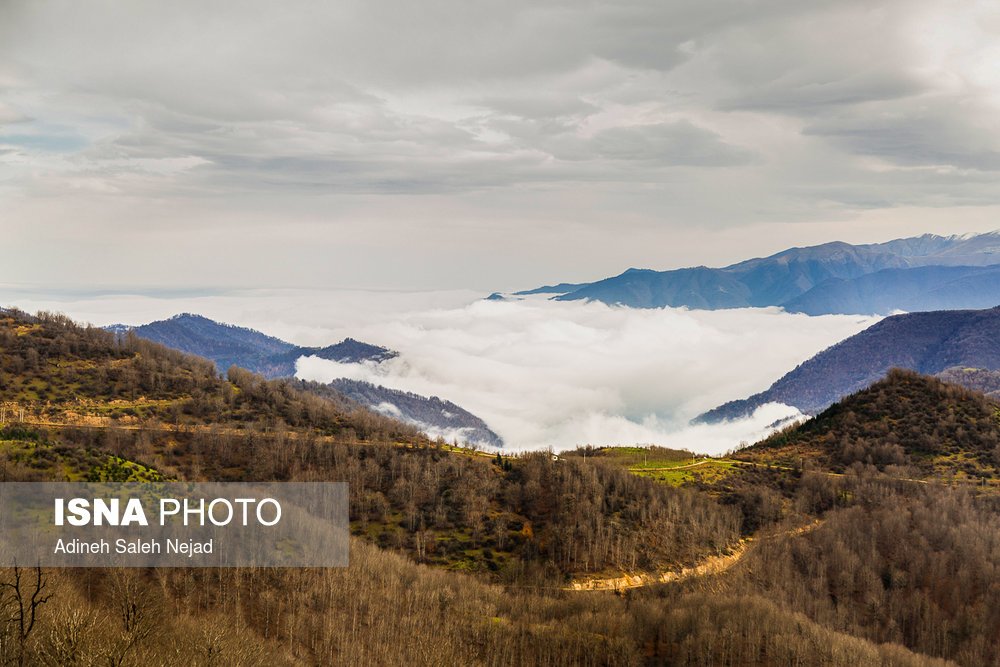
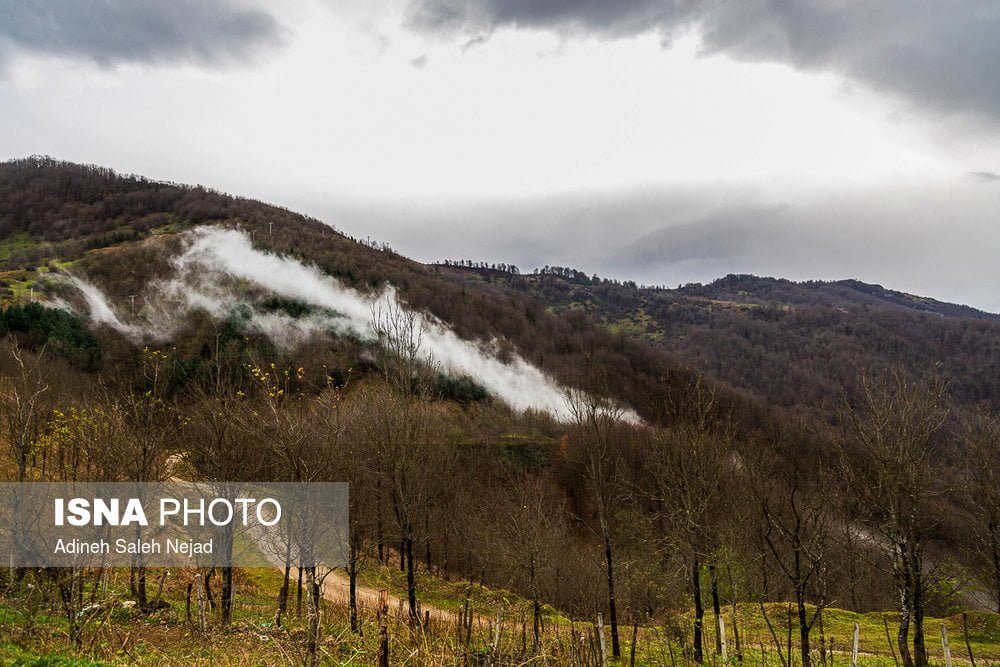
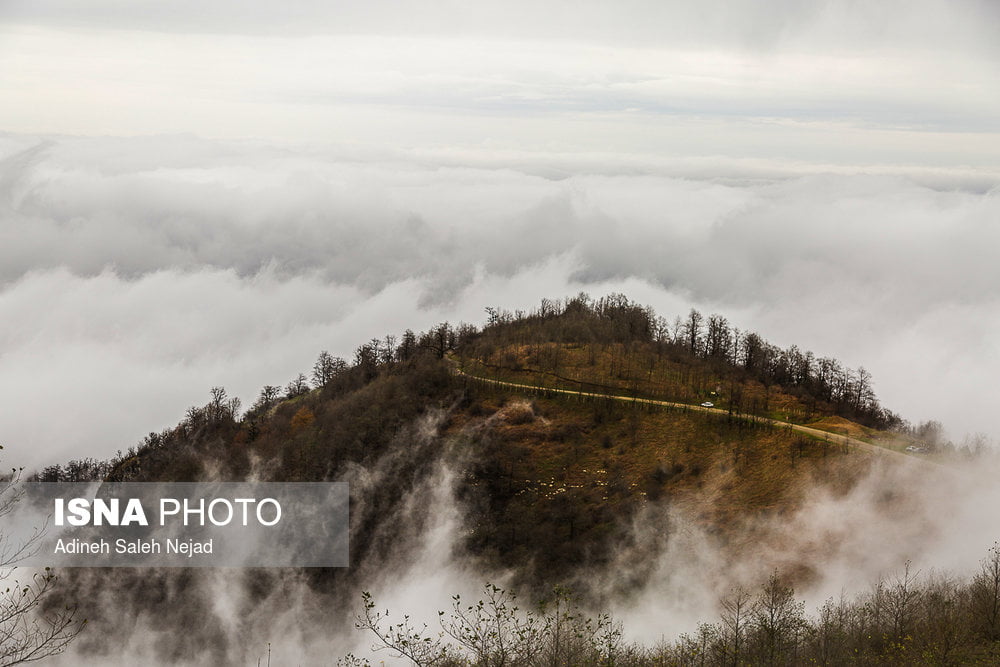
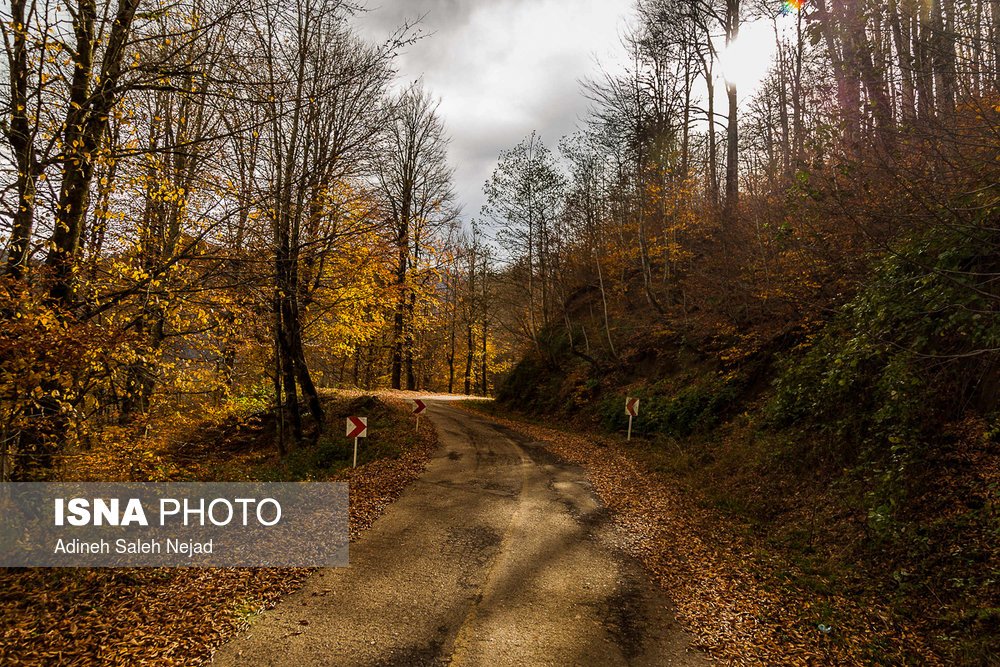
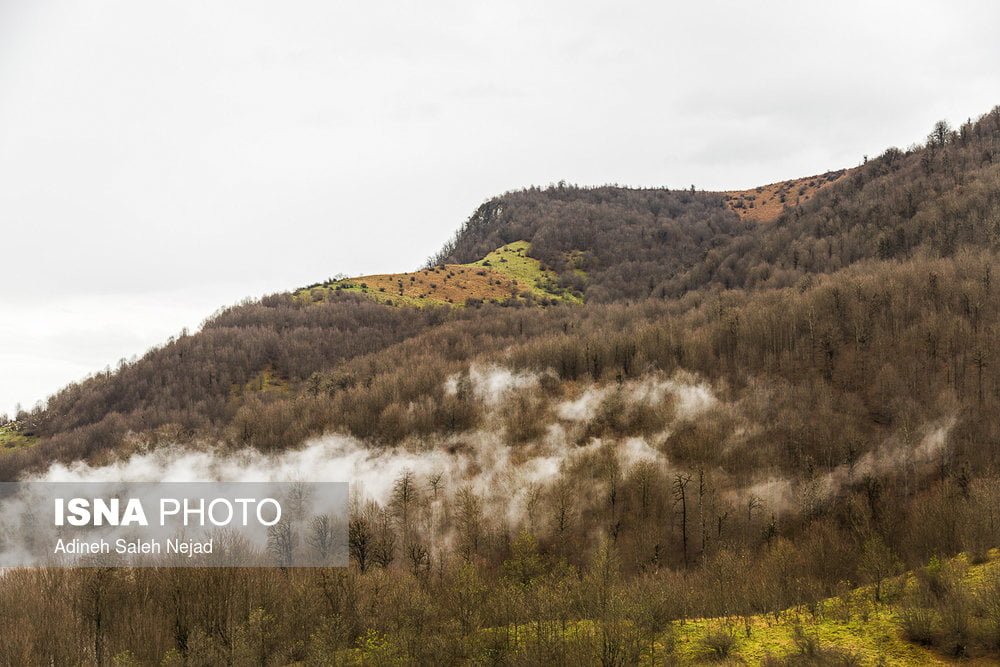
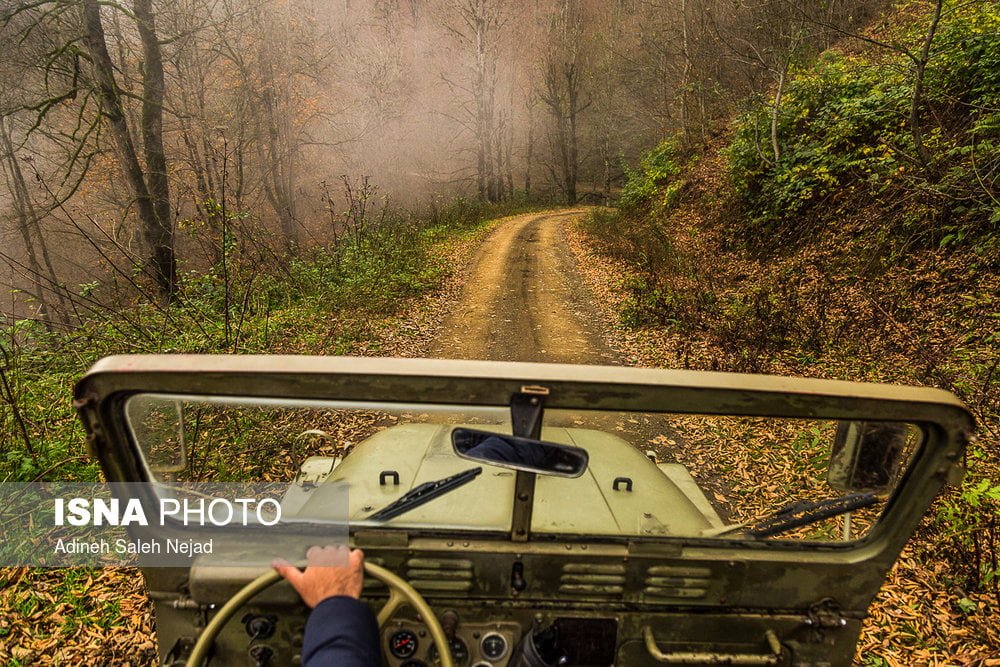
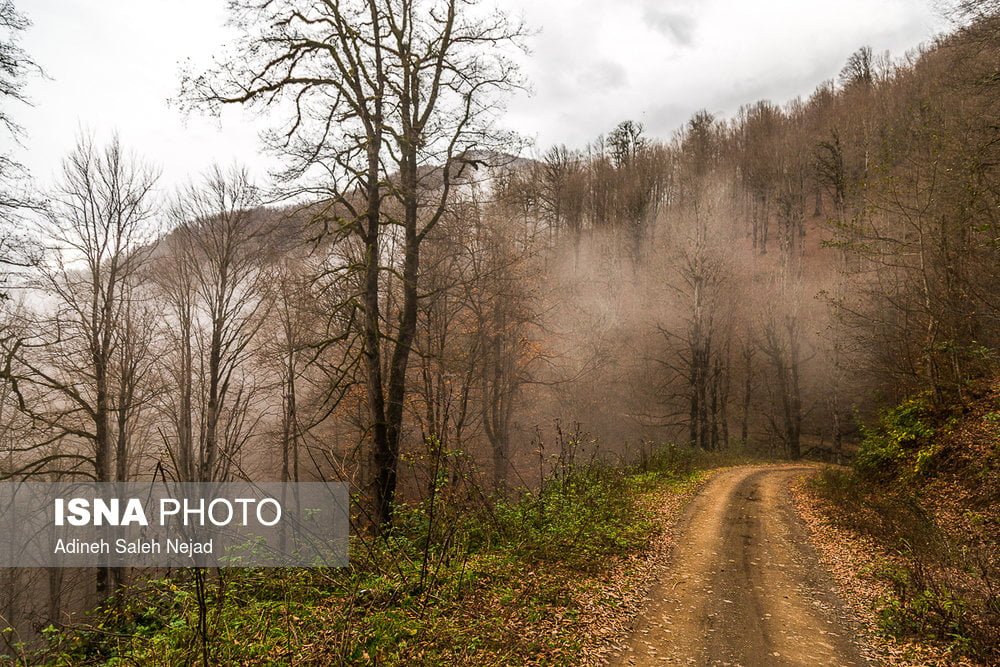
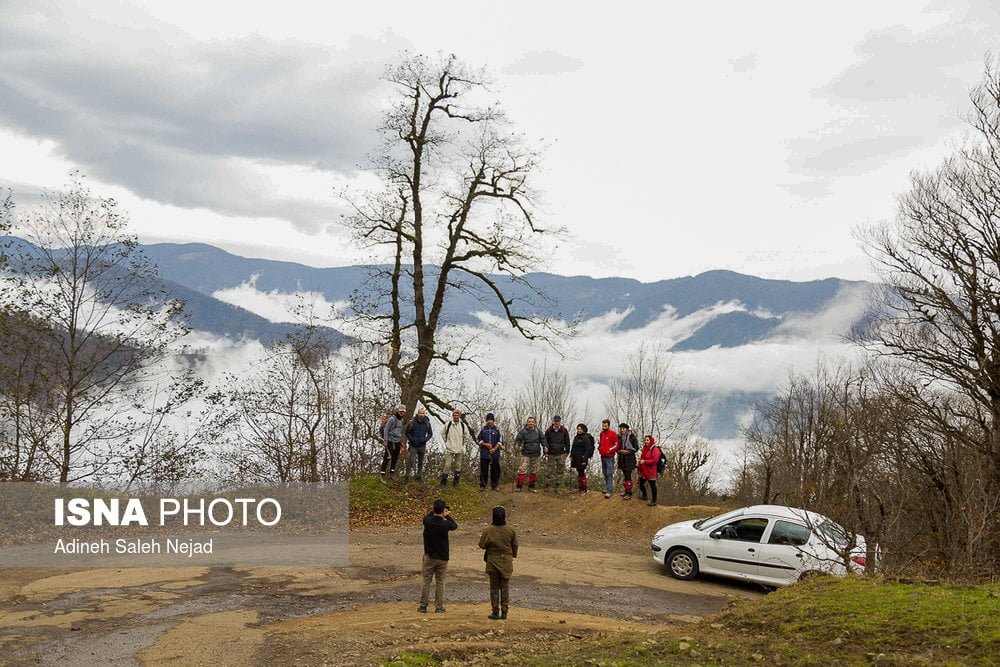
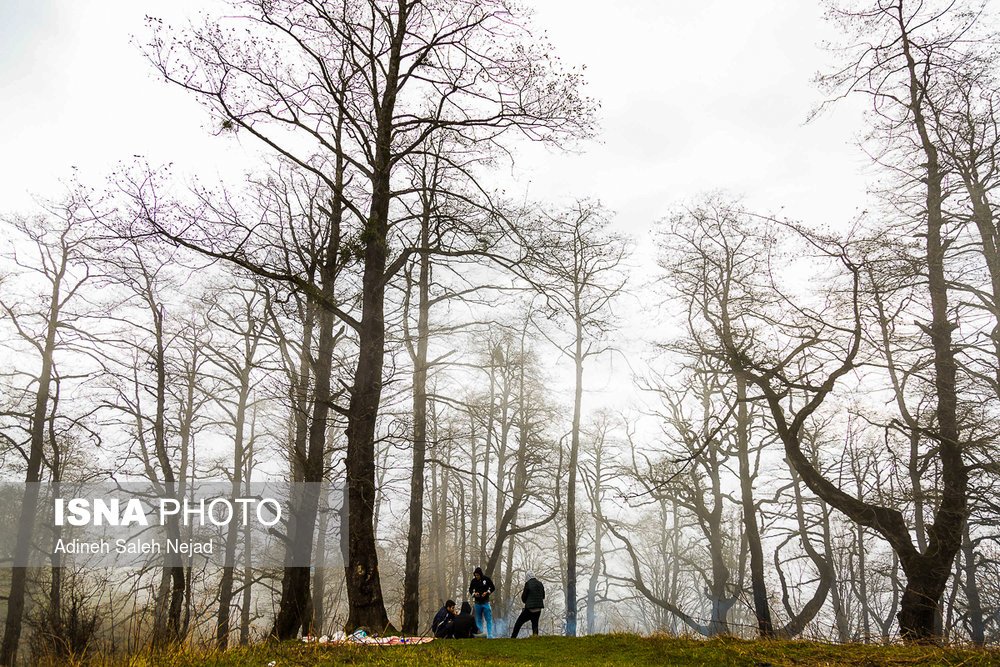
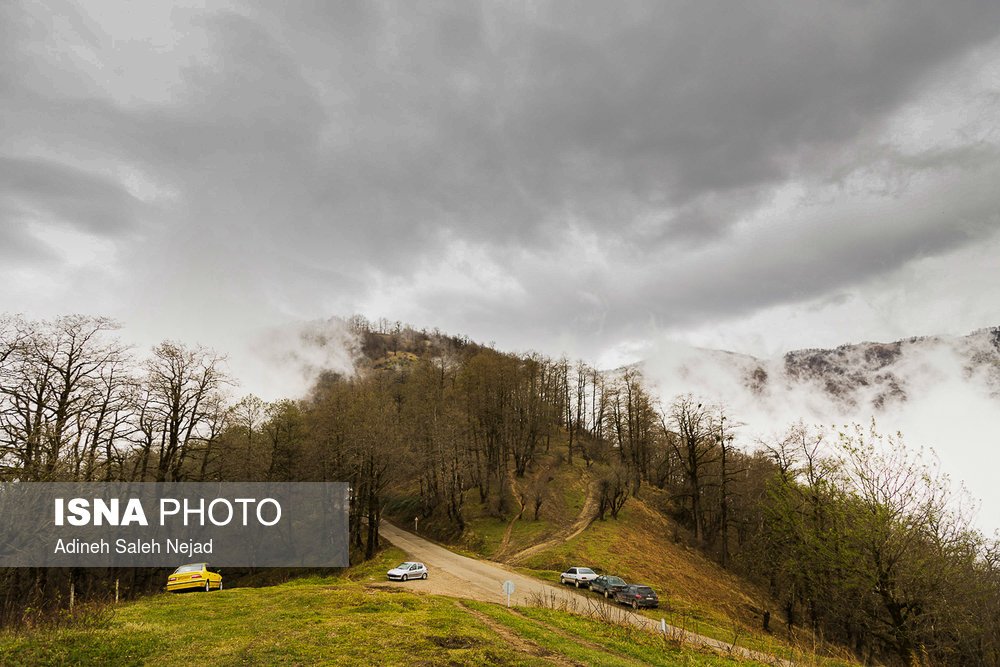
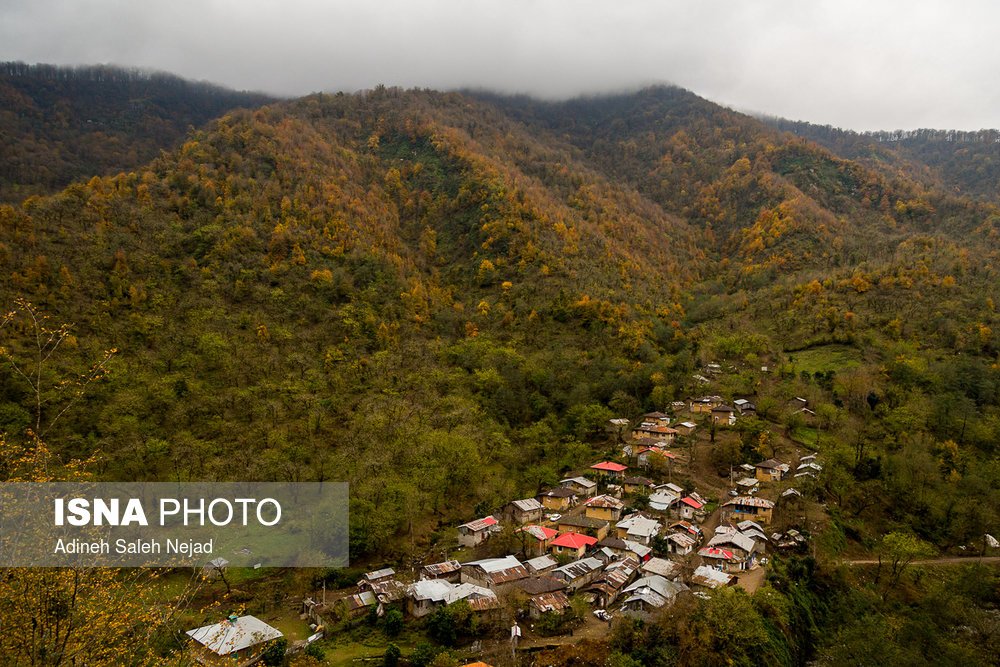
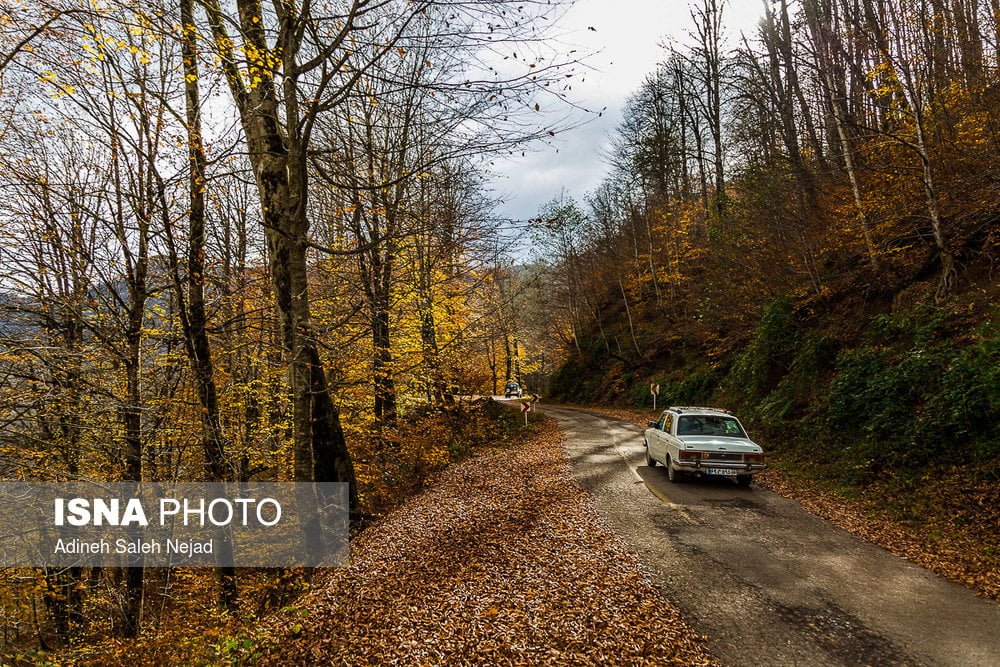
The rustling sound of the fallen leaves on the one hand and the songs of the birds on the other hand along with the diverse colours of red, yellow, green and orange during Iran’s autumn unveils the greatness of the nature’s creator.
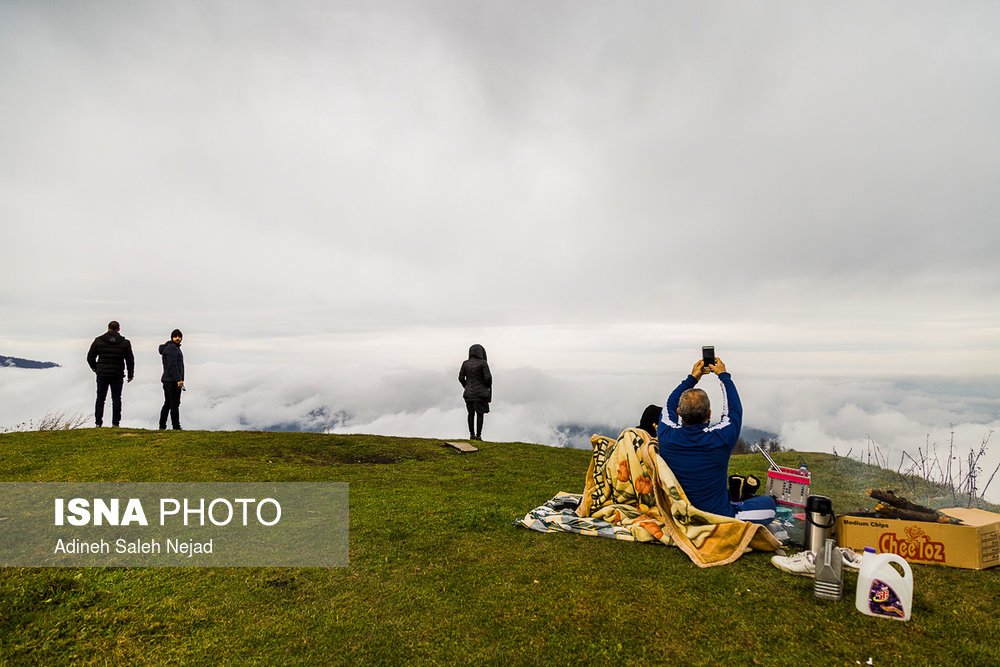
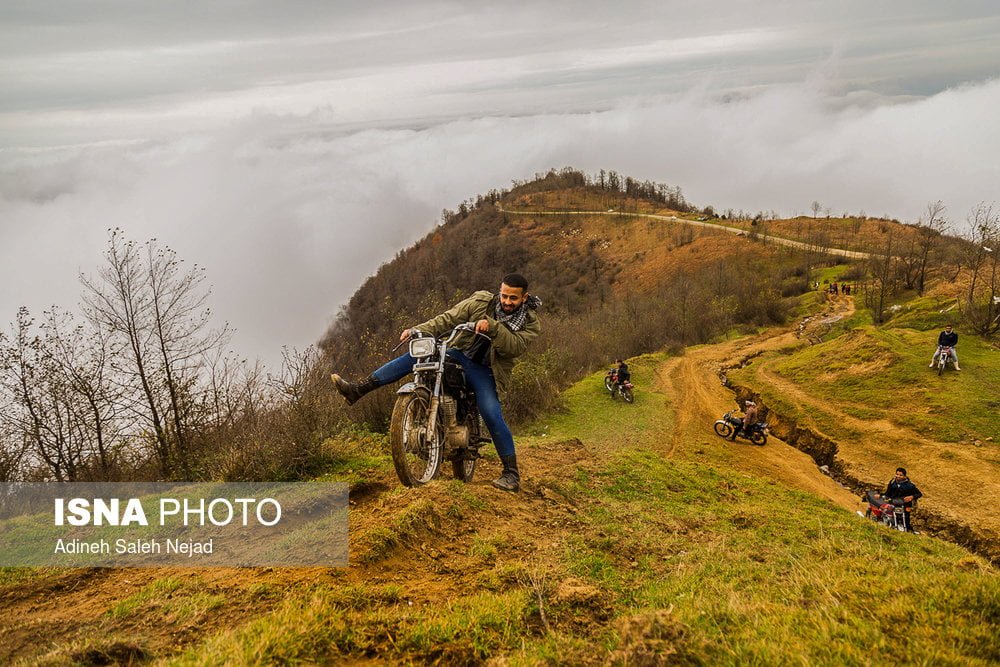
Halidasht is located in Lat Leyl rural district of Amlash County, Gilanprovince. The region has wonderful natural sights in autumn. According to the country divisions, it is located in Langerud County, north of Iran. Local officials, however, cite Halidasht as a forest park, 30 kilometres away from the centre of Amlash town.
What follows are ISNA’s photos of Iran’s autumn in the region:
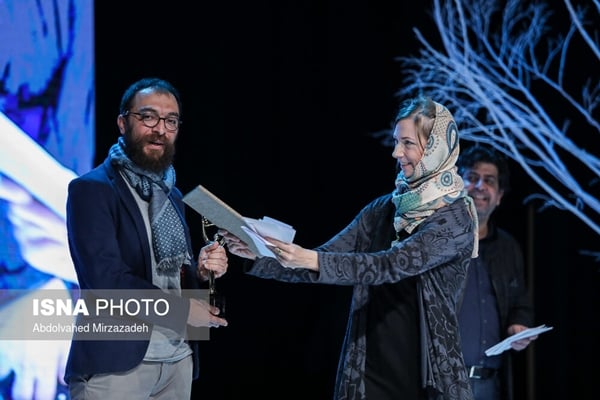
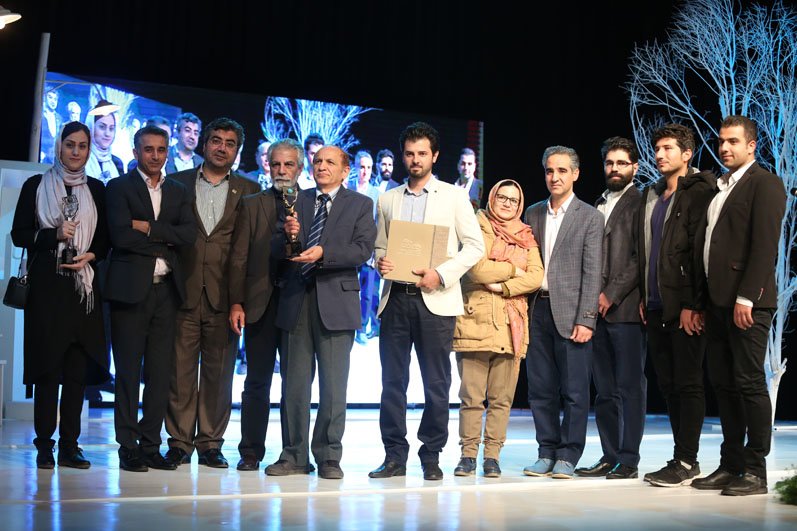
During the ceremony, “A Home for You” (mid-length) was given six awards including the best picture. The film “Alicia” also won the jury’s special award in the international section.
The jury’s special award for short and medium length documentaries including the festival’s trophy, an honorary diploma and some $2,000 cash were given to the Tanzanian director Asimwe John Bibagamba.
The jury awarded an honorary diploma to “The Nine-Month War” (medium-length) by a Hungarian director.
An Iranian movie “Shouting at the Wind” won the best medium-length documentary award directed by a duo.
In the feature-length section, Bahman Kiarostami’s film “Exodus” won the best picture receiving an honorary diploma and $5,000 worth of cash.
This year, 56 documentaries from 33 countries made their way into the screening program of the festival.
With an impressive lineup and more than 14 workshops held on the sidelines that brought together hundreds of enthusiasts in the capital Tehran, Cinema Vérité came to an end while organizers are already planning for next year’s event.