Sunday, April 12, 2026
Home Blog Page 3264

Reduction of Iran’s Commitments Meant to Save Nuclear Deal

Jcpoa

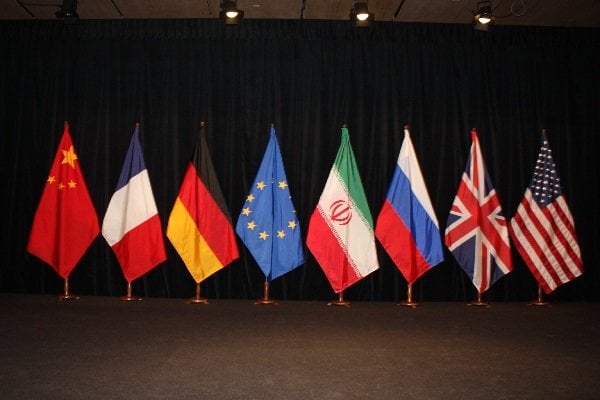
On May 8, 2019, the anniversary of the US withdrawal from the Joint Comprehensive Plan of Action (JCPOA), Iran announced that it is no longer committed to parts of the nuclear deal with world powers. The Iranian government acted under tremendous domestic pressure because its compliance neither removed economic sanctions nor the security threats Iran faces.

Iran’s action, however, is a last-ditch effort to save the deal. It is meant to put pressure on the remaining parties of the JCPOA — Europe, Russia and China — to find workable financial and trading mechanisms for easing sanctions constraints. It is also a diplomatic warning to the United States that its “maximum pressure” policy will not alter Iran’s strategic decision to “resist” White House provocations and that Iran has measures in hand to confront US policies.

The Iranian actions were more modest than some of the options previewed in New York last month by Iranian Foreign Minister Mohammad Javad Zarif. Zarif aimed his remarks at both foreign and domestic audiences, thus preparing the ground for announcing Iran’s decision.

His media appearances, which included interviews with outlets as disparate as Fox News and Al Jazeera, were intended to warn Americans and Iran’s adversaries in the Middle East that the Trump administration’s coercive policies would inevitably produce a negative reaction. Among the potential results: increased instability, including sectarian conflict and a rising tide of refugees, and diminished international energy security.

Zarif was also addressing a domestic audience, seeking to build unity among different political trends and policy-making institutions inside Iran. His message was that it is necessary to resist US terms for a “better” deal, which aim to change Iran’s regional and missile policy, thus weakening its deterrent strength.

In Washington, Iran is vastly outspent by lobbyists for Israel and Persian Gulf Arab governments. However, efforts by Trump advisers to sound the alarm at purported Iranian threats are meeting with considerable skepticism among foreign policy elites. In Europe, meanwhile, governments oppose the Trump administration’s unilateral withdrawal from the JCPOA and efforts to reduce Iranian oil exports to zero. Russia, China, Turkey and India have also criticized US policies as undermining multilateral non-proliferation efforts and seeking to coerce the international community.

In his interview with Fox, Zarif sought to appeal over the heads of President Trump’s advisers and warned the US leader not to be dragged into an unwanted war with Iran. Speaking to Al Jazeera, Zarif tailored his message to a regional audience. He said that the fate of Iran and the region is intertwined and Iran seeks peace and dialogue with all regional countries. He described US sanctions as illegal and a form of “economic terrorism” that does not serve regional interests but only those of Israel and its partners among a “Team B” that includes the crown princes of Saudi Arabia and the United Arab Emirates. Recognizing regional sensitivity to the notion of closing off the Strait of Hormuz, Zarif said Iran would not threaten the security of that chokepoint but would respond to any US aggression.

Although sanctioning Iran has a long history and some proponents in the US power structure, US critics of the Trump administration believe that current policies will neither cause Iran to “surrender” nor collapse its regime. From an Iranian perspective, the use of the term “maximum pressure” has echoes of George W. Bush’s “Axis of Evil,” which failed to engender change in Iran’s security policies or political structure.

By connecting the issue of sanctions to national security and fears of disorder and state collapse, the Iranian government has been able to strengthen the logic of resistance against Trump’s policy. The US has hurt its case further by allying with Israel and the authoritarian regimes of Saudi Arabia and the UAE.

In announcing May 8 that it would no longer observe several limitations on its nuclear program, Iranian officials have decided to confront the “maximum pressure” campaign initially by beginning a “soft” diplomatic step based on articles 26 and 36 of the JCPOA. Iran’s hope is that the remaining members of the deal, especially the European countries, take the matter seriously and find a viable means of trading with Iran. If this doesn’t happen, Iran will take the second step including enriching uranium beyond 3.6 percent and redesigning the Arak heavy water nuclear plant, which can produce plutonium, another potential fuel for nuclear weapons.

If these measures bring no positive results for Iran, a “hard” reaction could entail outright withdrawal from the JCPOA, seeking to reduce Saudi oil exports by closing Saudi access to the Red Sea or stopping and inspecting Saudi and Emirati oil tankers in the Persian Gulf. This would lead to much higher oil prices, something the Trump administration has sought to avoid.

Benefiting from regional leverage has always been considered a means to deter threats to Iran. Yet, the moderate government of Iran is still seeking diplomatic solutions to regional tensions if the opportunity presents itself. So far, the European countries have presented no actual measures to relieve the sanctions constraints. Also, the Trump administration has shown no inclination to equally engage with Iran. With Iran’s new measures, circumstances could change.
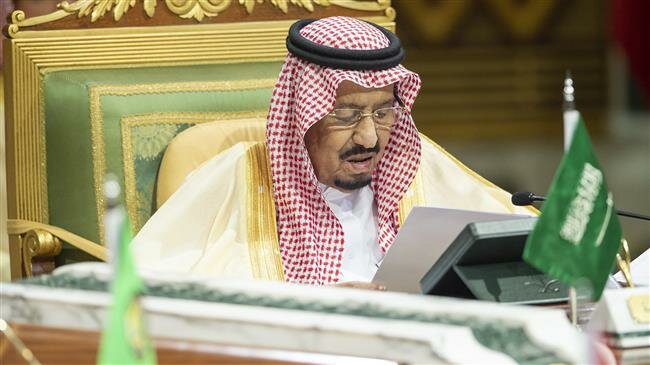
Saudi King Urges Meeting of Arab Leaders on Fujairah Incidents

The official Saudi Press Agency (SPA) reported on Saturday that Salman had invited Arab leaders to convene urgent summits in the city of Mecca on May 30 to discuss ways to “enhance the security and stability in the region.”

An official source at the Saudi Foreign Ministry said that the Saudi monarch had called the meetings due to “grave concerns” about recent attacks on commercial vessels off the coast of the United Arab Emirates and drone strikes on oil pumping stations in Saudi Arabia as well as the effects of those incidents on supply routes and oil markets.

The summits are meant “to discuss these aggressions [sic] and their consequences on the region,” the source said.

The Emirates’ Ministry of Foreign Affairs and International Cooperation has welcomed the Saudi call for the emergency meetings.

“The current critical circumstances entail a unified Arab and [Persian] Gulf stance toward the besetting challenges and risks,” the ministry said in a statement.

On May 12, four oil tankers, including two Saudi ones, were purportedly targeted near the port of Fujairah, in what the Emirates described as “sabotage” attacks. While Riyadh and Abu Dhabi failed to produce evidence of the attacks on their vessels, pictures emerged of a Norwegian-flagged tanker at the port having sustained some damage.

Two days later, drone strikes were launched on two oil pumping stations in Saudi Arabia. These attacks were believed to have been carried out by Yemen’s Houthi fighters in retaliation for the prolonged Saudi war against Yemen.

The attacks led Saudi Arabia to halt its main cross-country oil pipeline temporarily.

Saudi and Emirati officials have not said who carried out the attacks on the tankers and the pumping stations, but some political and media figures within the United States have claimed that Iran is responsible.

A day after the reported attacks on the oil tankers, Tehran called them “worrying,” and Iranian Foreign Minister Mohammad Javad Zarif later called them “suspicious.”

Yemen’s Houthis also noted that the retaliatory drone strikes on the Saudi oil pipeline were an act of self defense and had nothing to do with Iran.

Pompeo calls bin Salman

On Saturday night, Saudi Crown Prince Mohammed bin Salman held a phone conversation with US Secretary of State Mike Pompeo.

The SPA reported that the two sides exchanged views on the “developments in the region and efforts to enhance security and stability.”

Jubeir claims Riyadh doesn’t seek war

In a separate development on Sunday, Saudi Minister of State for Foreign Affairs Adel al-Jubeir claimed that his country did not want a war with Iran.

“The kingdom of Saudi Arabia does not want a war in the region nor does it seek that,” he told a press conference in Riyadh.

“It will do what it can to prevent this war and at the same time it reaffirms that in the event the other side chooses war, the kingdom will respond with all force and determination, and it will defend itself and its interests,” he added.

‘Putin’s Remarks Show Iran Shouldn’t Count on Russia’

‘Putin’s Remarks Show Iran Shouldn’t Count on Russia’

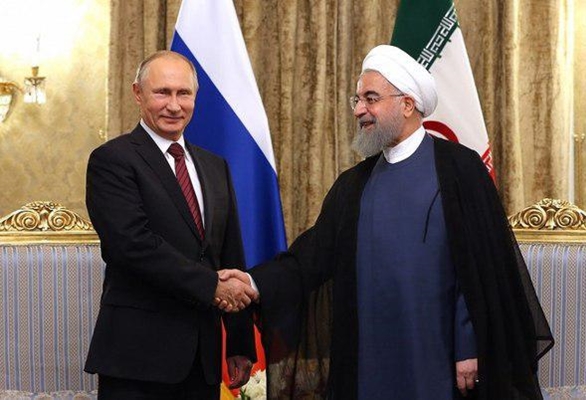
In an interview with Entekhab news website, former Iranian foreign ministry official Qassem Mohebali said Putin has explicitly said that if Iran quits the JCPOA, the finger of blame will be directed at Iran instead of the US.

“Russia has shown that as in the case of Syria, it will seek its own interests regardless of its agreements and commitments,” he said.

According to the former diplomat, Putin’s message is ambiguous. “This is because his full message has not been released yet. Anyhow, I think the message was mainly directed at the European Union not to wait for Russia to step into the fray and salvage anything. He means that this is the Europeans themselves who should do something and the US should be held accountable for withdrawing from the nuclear deal.”

“The message may also be directed at Iran, saying that the country should not wait for Russia and it’s not in Iran’s interest to pull out of the JCPOA,” he added.

“Like its previous votes in the UN, Russia may once again vote in favour of Iran’s sanctions if the Islamic Republic decides to quit the JCPOA,” he said.

The former diplomat underlined that Putin’s message could be interpreted from various viewpoints. “It goes without saying that Russia has its own strategies. When talks over the JCPOA were on their final stage, Russia seemed not much interested in finalizing them. And today, its seems they are not either interested in the prolongation of the current condition when it comes to the JCPOA.”

According to Mohebali, Russia benefits from the continuation of the sanctions on Iran and is not interested in the resolution or deterioration of the crisis.

In response to a question on how far Russia may stand behind Iran, he said it depends on the country’s national interests as well as the political and economic exchanges it has with others.

“It seems Russia has more significant strategies including ties with the EU and the US. The ties are more important for Russia compared to its ties with Iran. So, expecting Russia to pay a price for its ties with Iran sounds illogical,” he said.

Mohebali then highlighted Russia’s unexpected policy shift in Syria when the US decided to wage a war on the Arab country, and also its passive stance towards Israel’s airstrikes on Iranian targets in Syria.

“And now, the same scenario may unfold when it comes to the JCPOA. I mean, if the crisis deteriorates, the Russians will stick to their national interest, neglecting their allies,” he concluded.

A Look at Iranian Newspaper Front Pages on May 19

A Look at Iranian Newspaper Front Pages on November 19

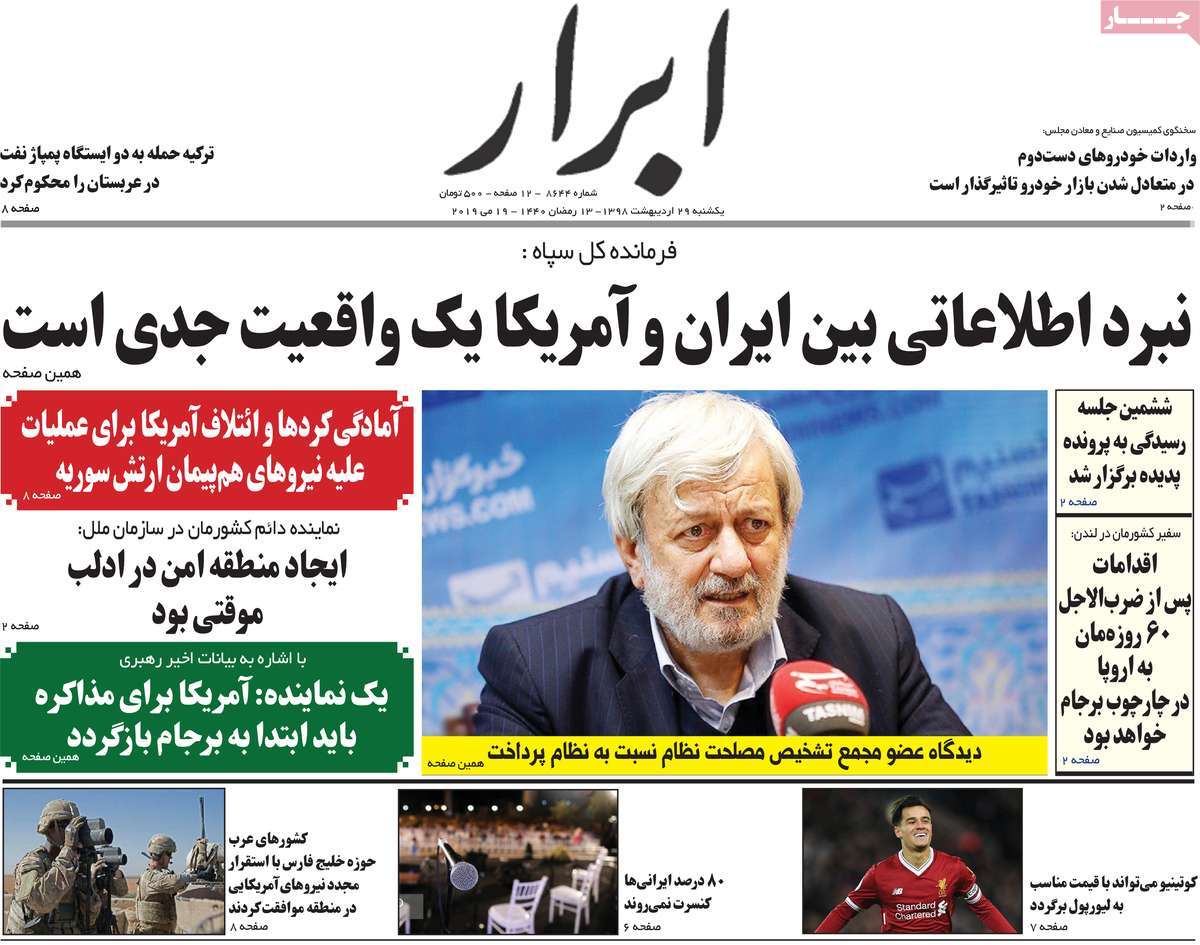
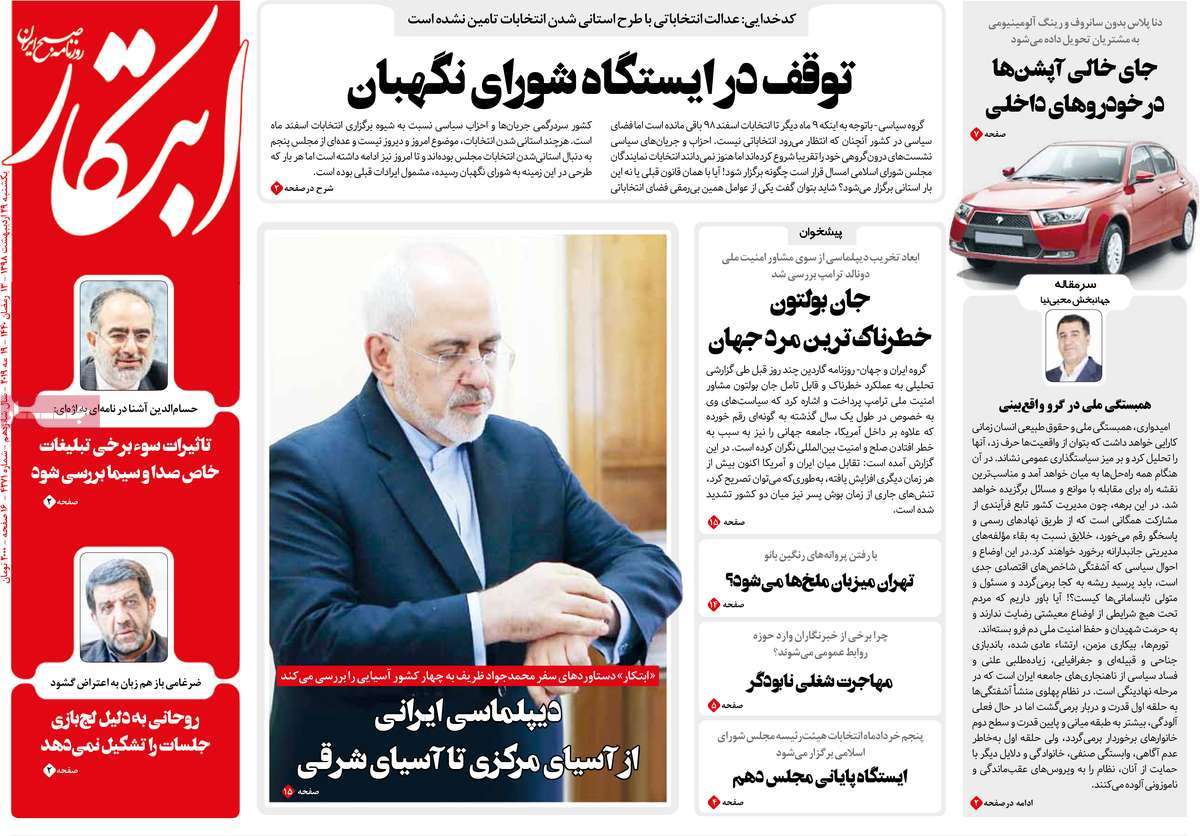
Abrar:

1- IRGC Chief: Iran-US Intelligence War a Serious Reality

2- MP: For Talks, US Must First Return to Iran Nuclear Deal

A Look at Iranian Newspaper Front Pages on May 19


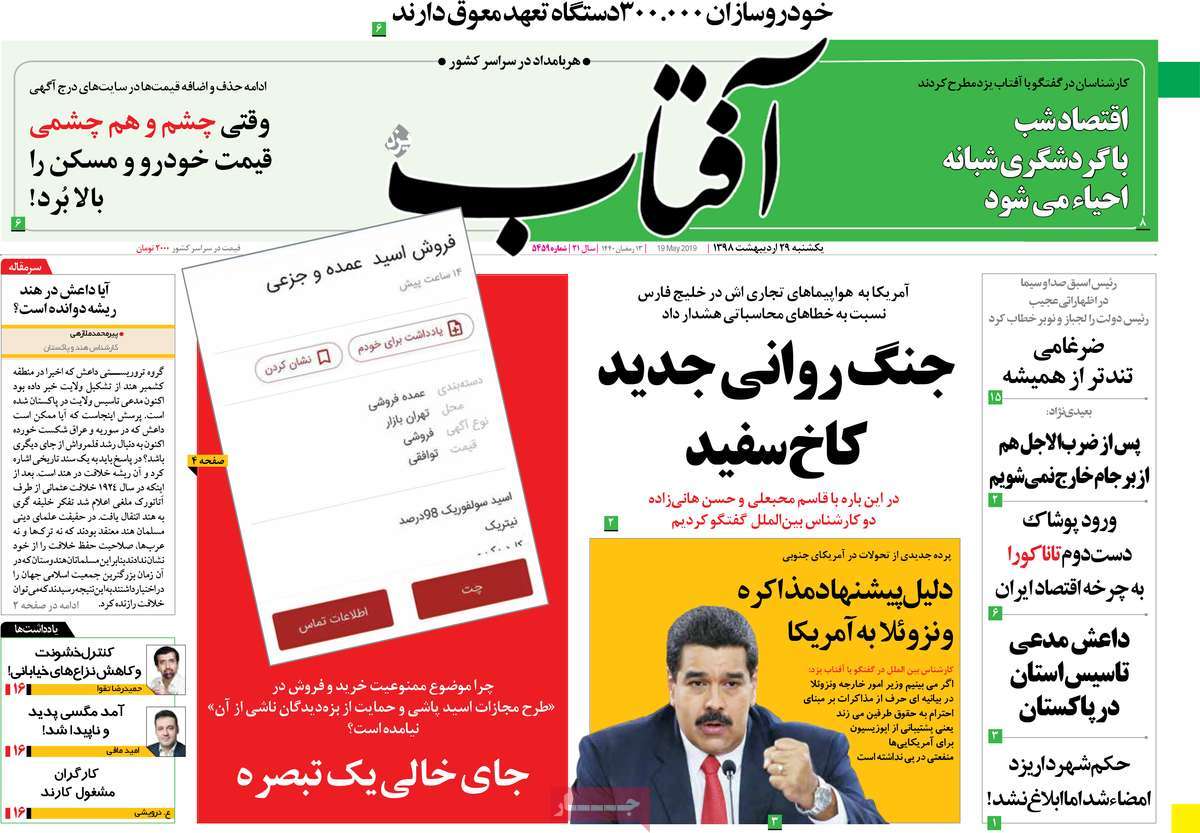
Aftab-e Yazd:

1- White House’s New Psy-War

* US Warns Its Commercial Aircraft Flying over Persian Gulf

2- Iran Envoy to UK: We Won’t Leave JCPOA Even after Deadline

3- ISIS Claims It Establishes Governorate in Pakistan

A Look at Iranian Newspaper Front Pages on May 19


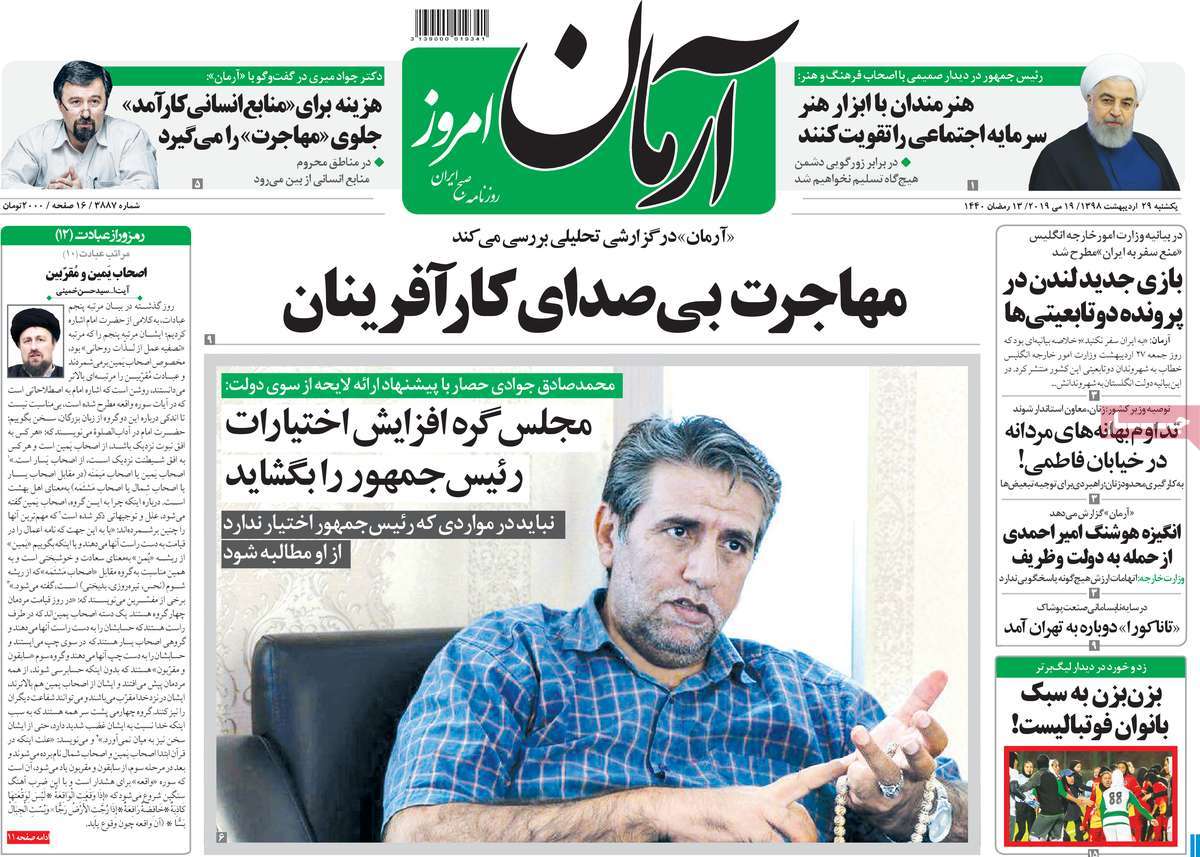
Arman-e Emrooz:

1- London’s New Game with Dual Nationals

* UK Warns Iranian-British Citizens over Travelling to Iran

A Look at Iranian Newspaper Front Pages on May 19


Ebtekar:

1- John Bolton Most Dangerous Man in World

2- Iranian Diplomacy from Central Asia to East Asia

* Achievements of Zarif’s Visits to Four Asian States

A Look at Iranian Newspaper Front Pages on May 19


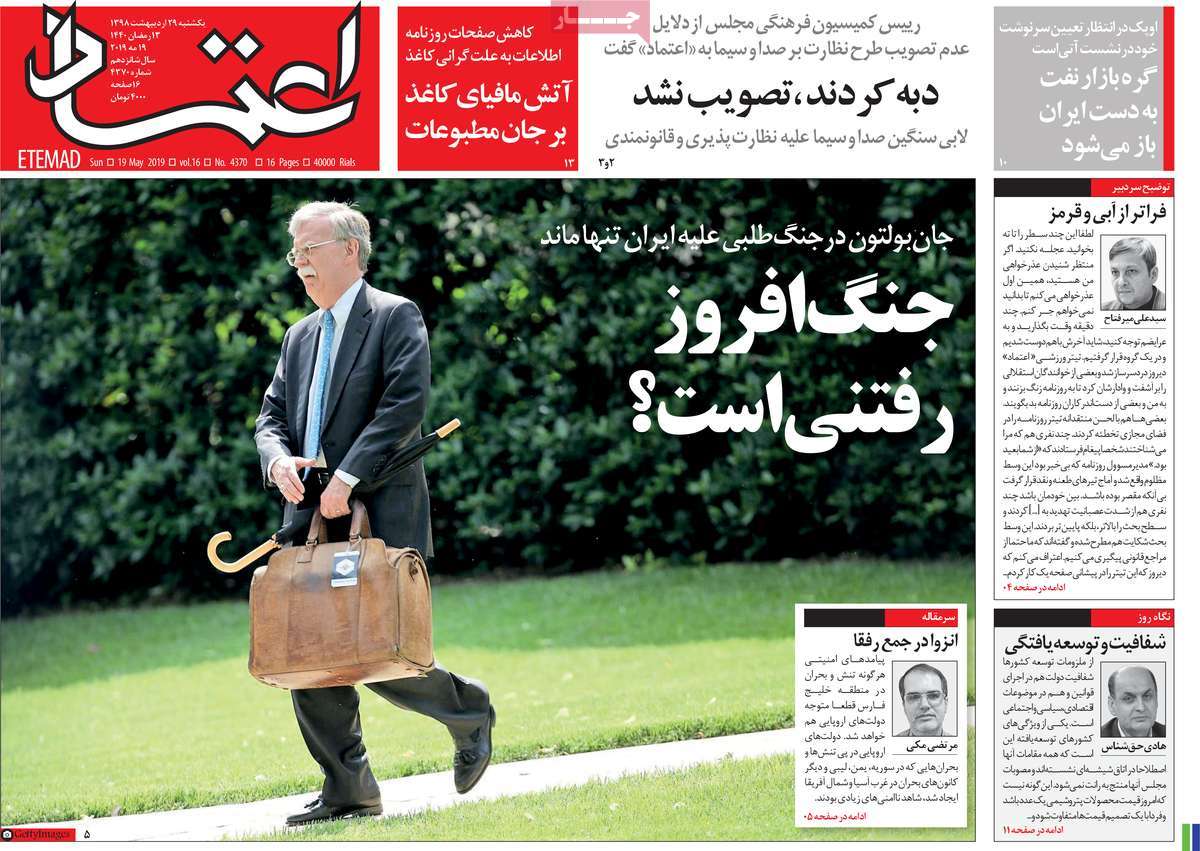
Etemad:

1- Will the Hawk Be Sacked?

* Bolton Isolated in Warmongering against Iran

2- Iran Key to Ending Deadlock in Oil Market

* OPEC Waiting for Its Fate in Upcoming Meeting

A Look at Iranian Newspaper Front Pages on May 19


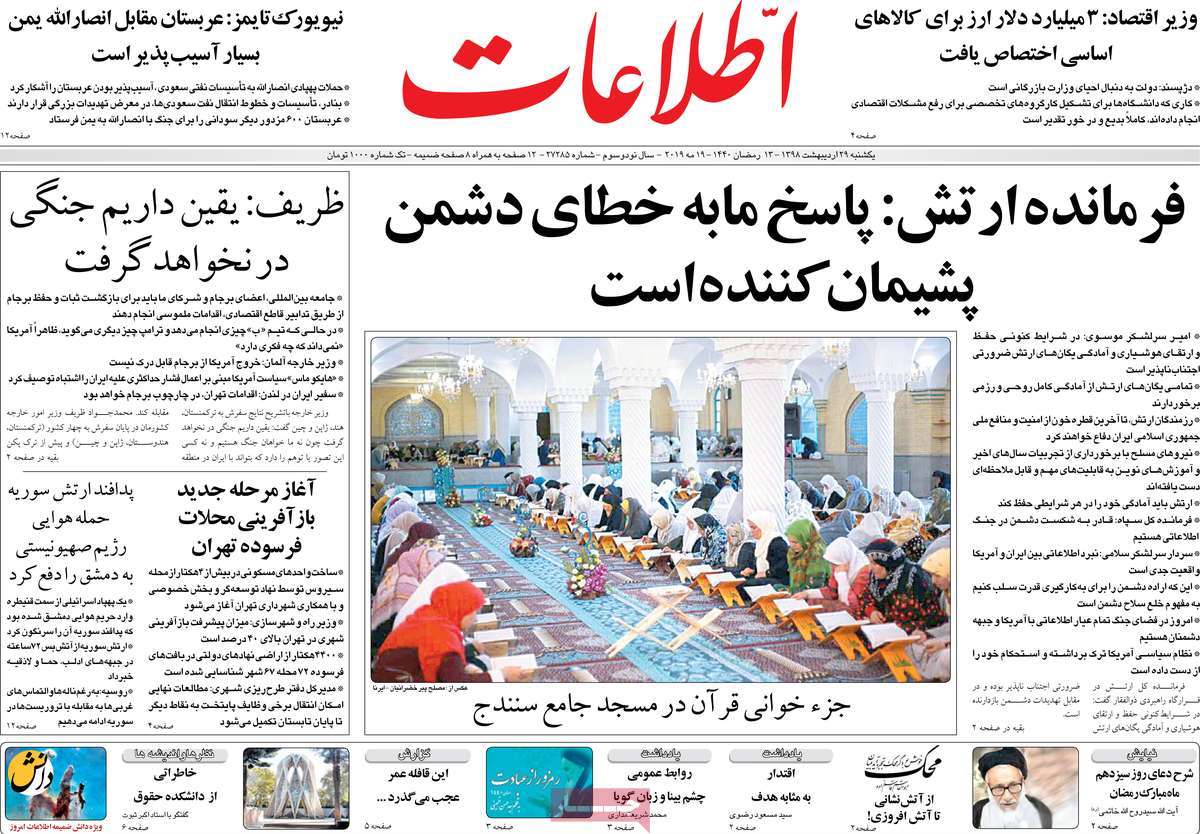
Ettela’at:

1- Army Chief: Our Response to Enemy’s Mistake to Be Crushing

2- Zarif: We’re Sure There’ll Be No War

A Look at Iranian Newspaper Front Pages on May 19


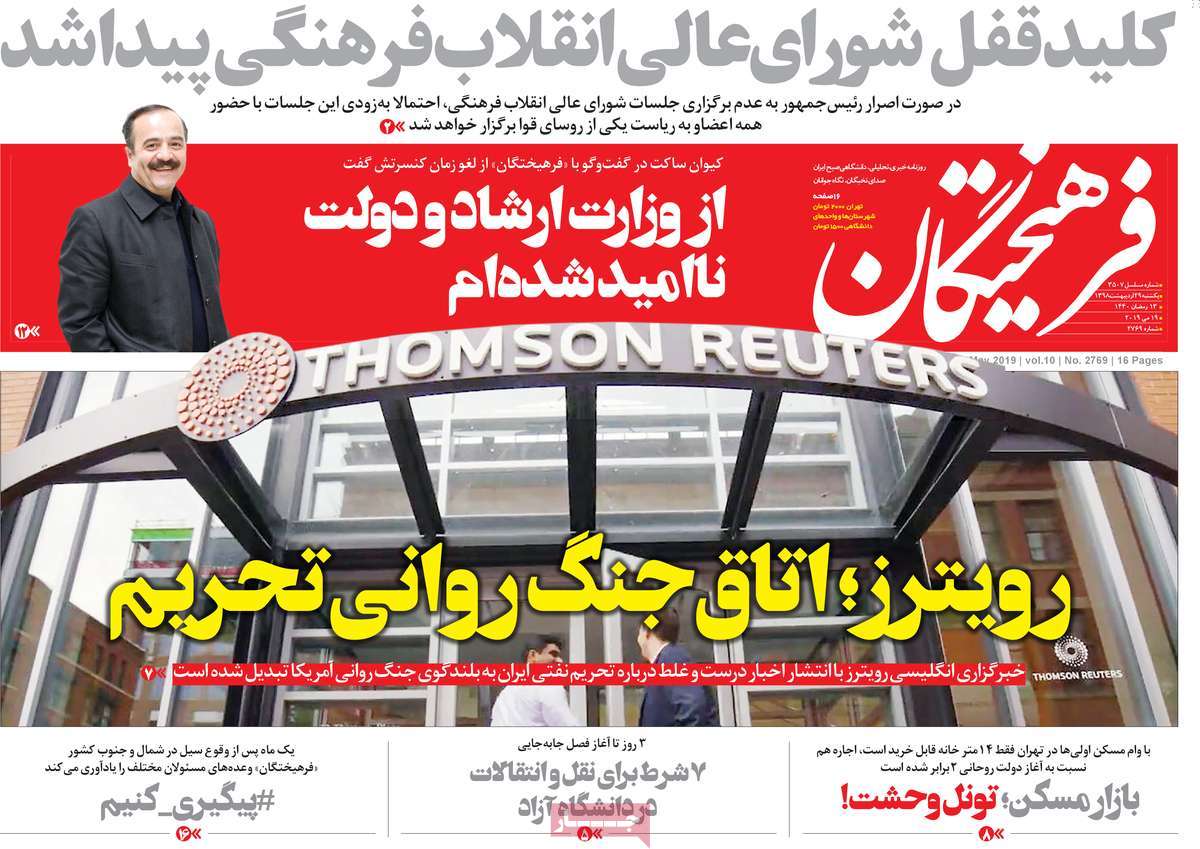
Farhikhtegan:

1- Reuters: Psy-War Chamber of Sanctions

* Reuters Turned into Mouthpiece for US’ Psy-War against Iran

A Look at Iranian Newspaper Front Pages on May 19


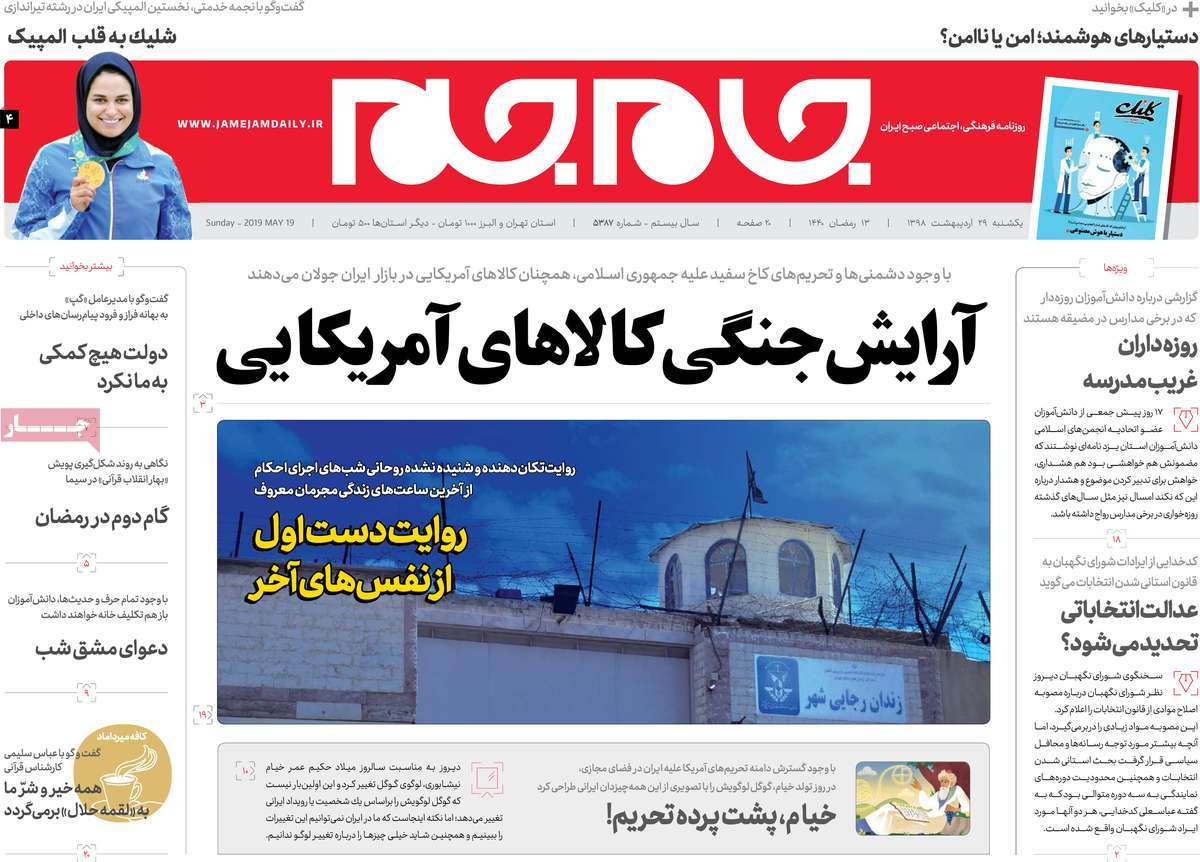
Jame Jam:

1- American Products Still in Iranian Markets despite US Sanctions

2- Khayyam behind the Sanctions

* Google’s Doodle Commemorates Iranian Polymath

A Look at Iranian Newspaper Front Pages on May 19


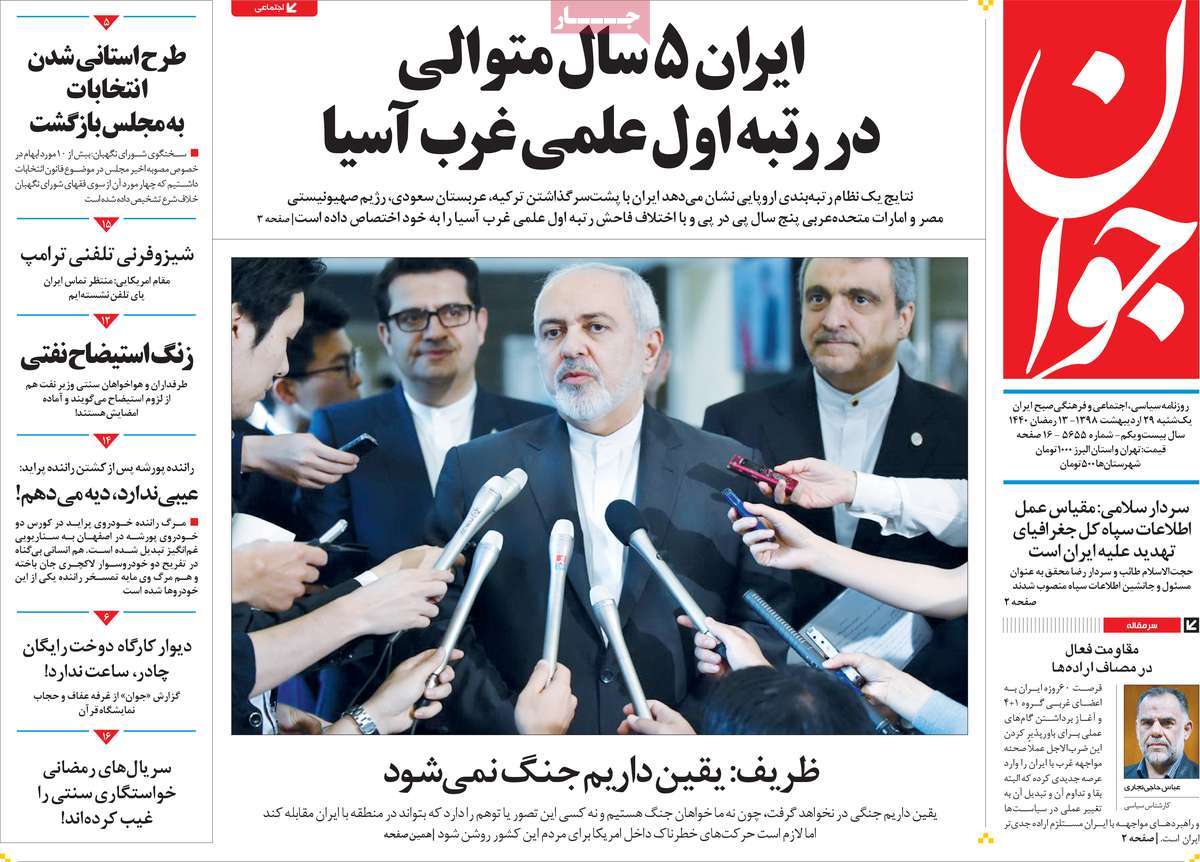
Javan:

1- Iran Ranks First in West Asia’s Science for Fifth Consecutive Year

2- Commander: IRGC’s Intelligence Unit Covers All Anti-Iran Threats

A Look at Iranian Newspaper Front Pages on May 19


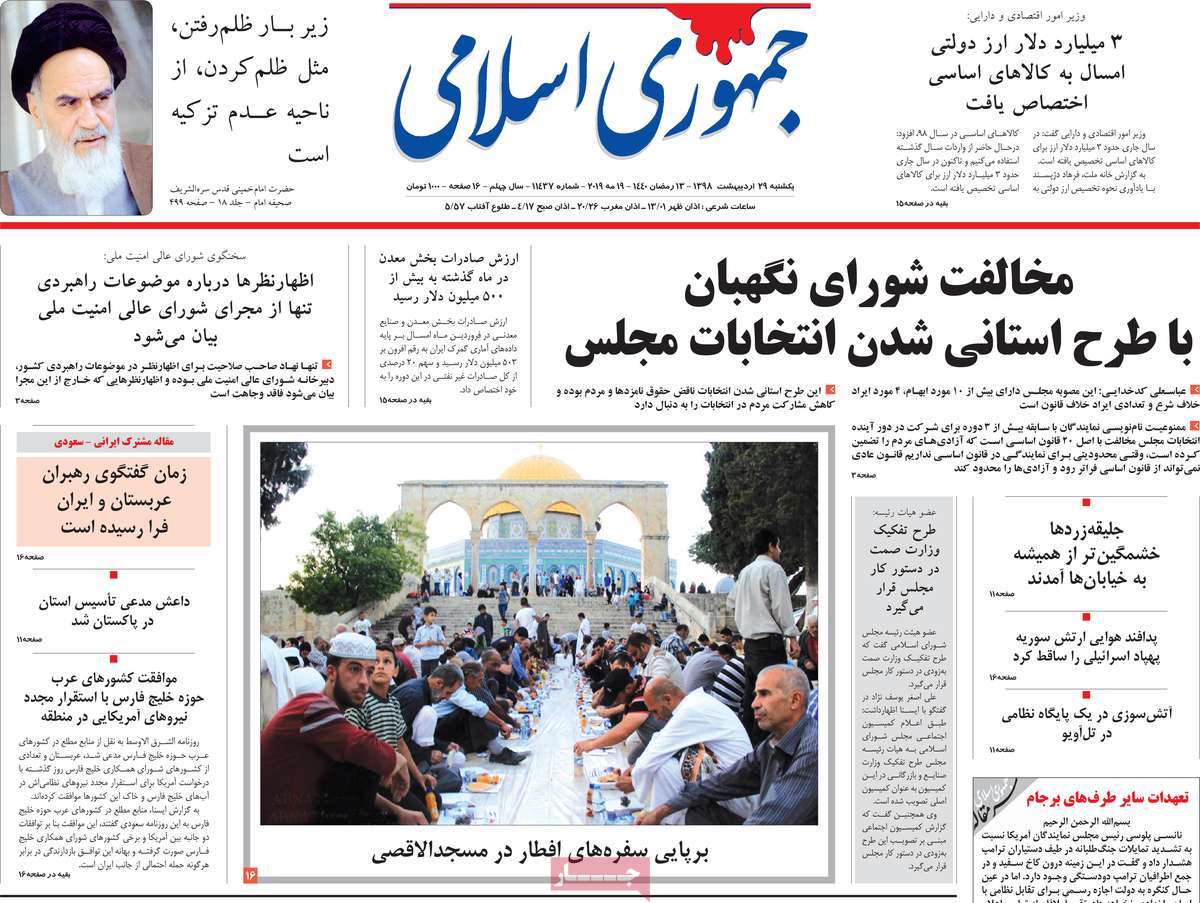
Jomhouri Eslami:

1- Guardian Council Opposed to Provincial Parliamentary Elections

2- It’s Time for Leaders of Iran, Saudi Arabia to Sit for Talks: Joint Iranian-Saudi Article

3- Arab States of Persian Gulf OK Re-Deployment of US Forces

A Look at Iranian Newspaper Front Pages on May 19


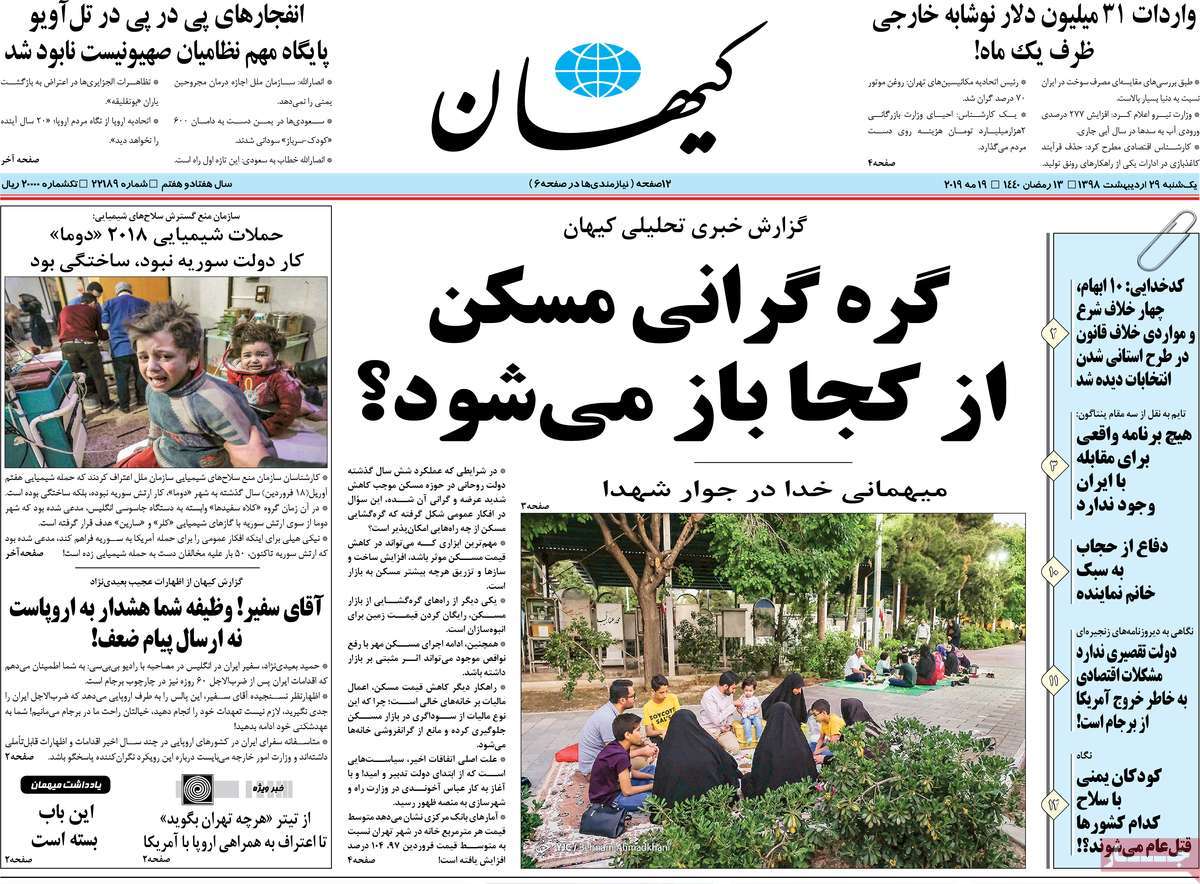
Kayhan:

1- Iran Imports $31 Million Worth of Foreign Drinks in One Month

2- Back-to-Back Explosions in Tel Aviv

* Major Zionist Base Destroyed

3- Time Quoting 3 Pentagon Officials: No Real Plan to Counter Iran

A Look at Iranian Newspaper Front Pages on May 19


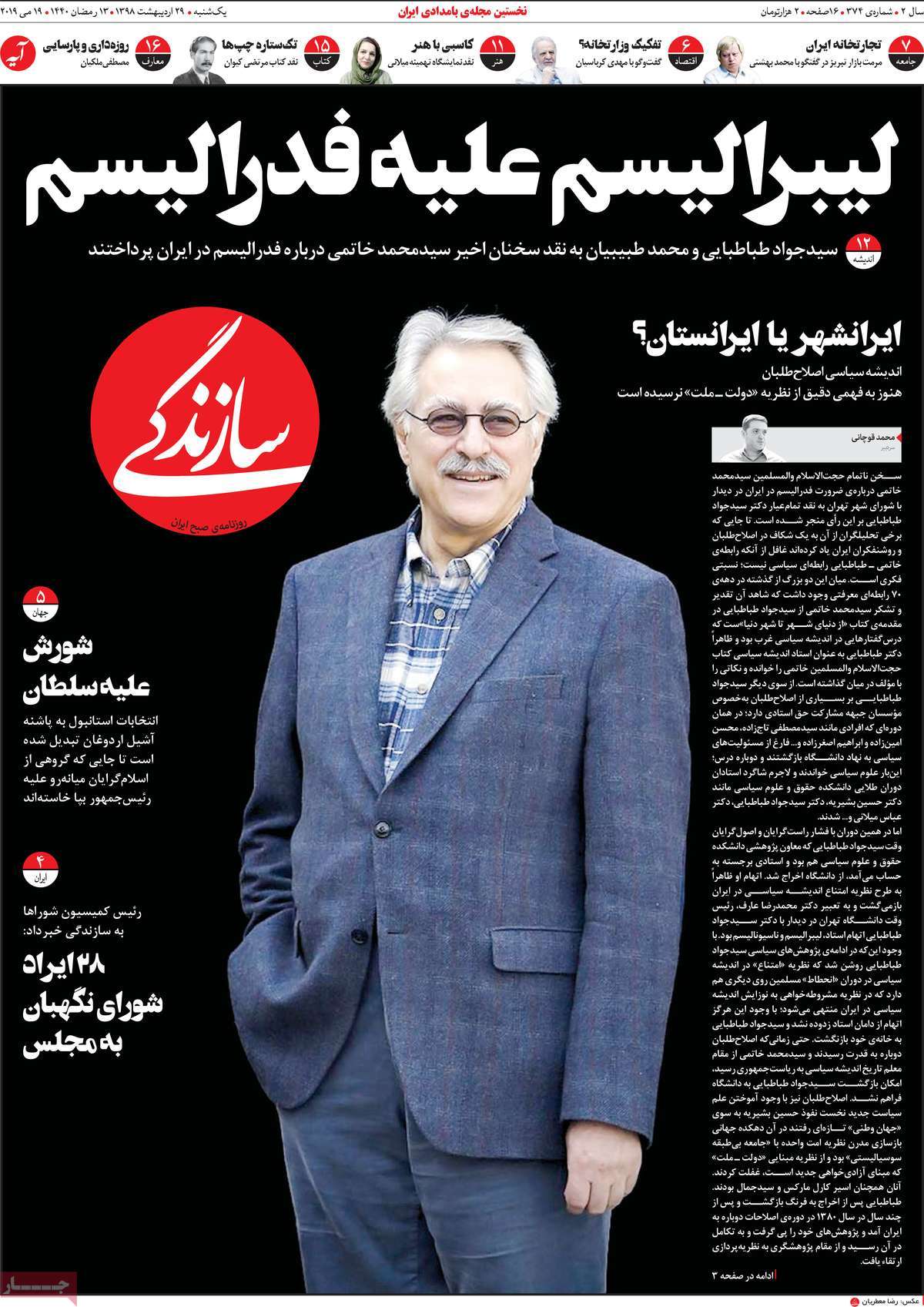
Sazandegi:

1- Riot against Sultan

* Istanbul Mayoral Elections Turned into Erdogan’s Achilles’ Heel

A Look at Iranian Newspaper Front Pages on May 19


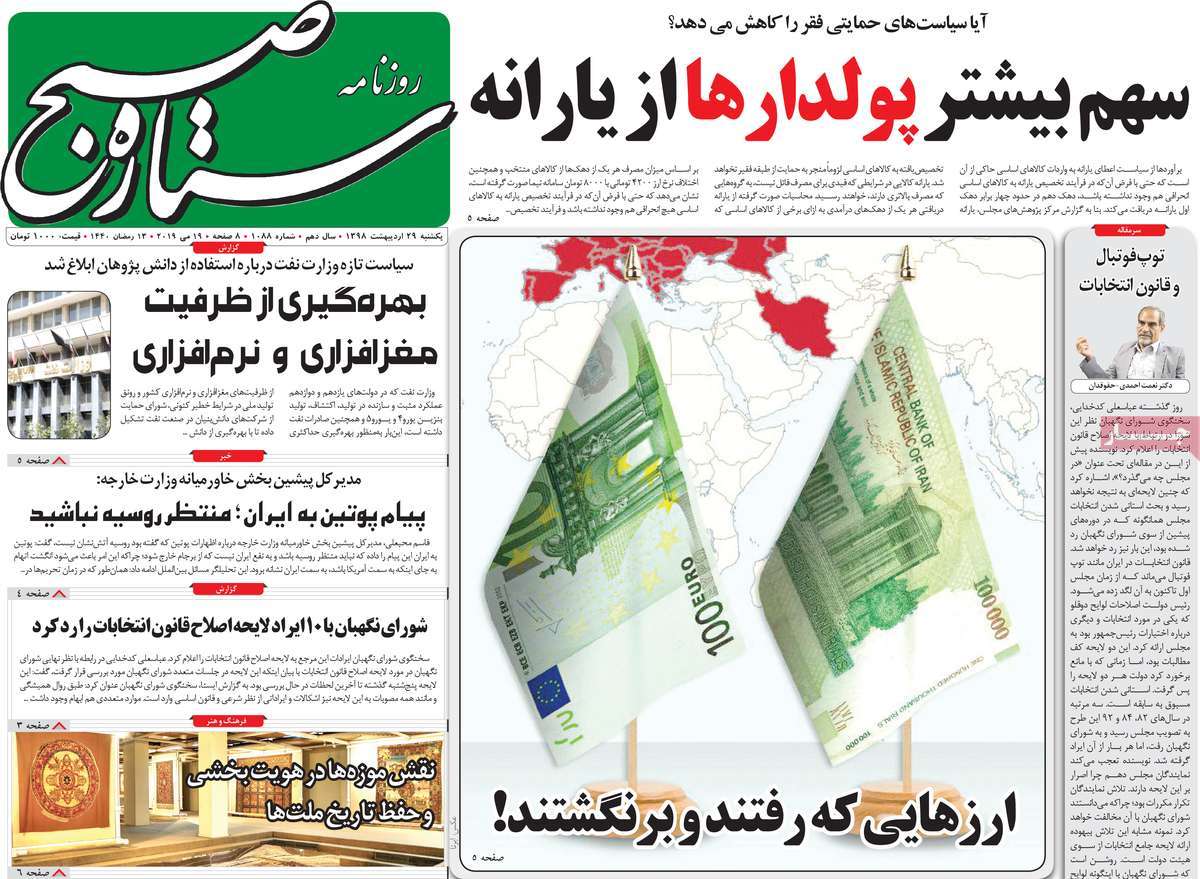
Setareh Sobh:

1- Putin’s Message to Iran: Don’t Wait for Russia

A Look at Iranian Newspaper Front Pages on May 19


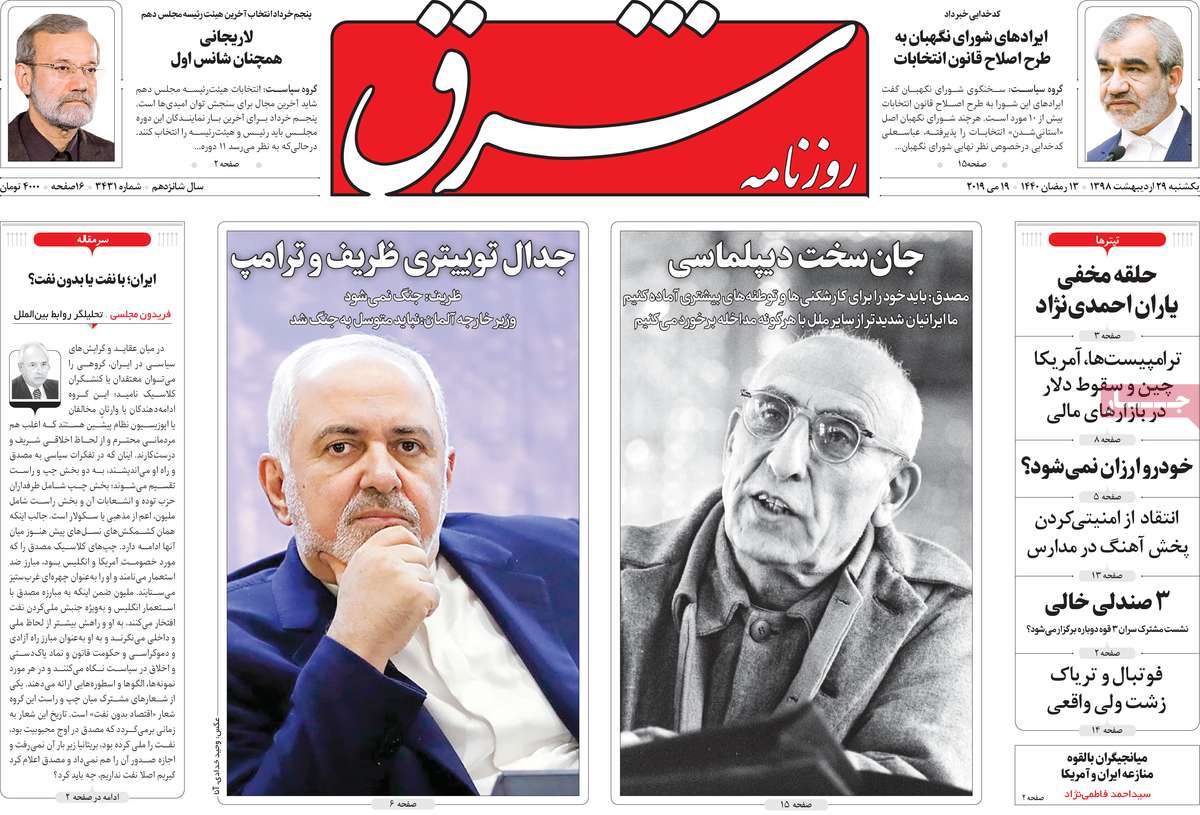
Shargh:

1- Zarif-Trump War of Words in Twitter

2- Iran FM: There’ll Be No War

3- German FM: We Shouldn’t Resort to War

4- Iran: With Oil or Without Oil? [Editorial]

A Look at Iranian Newspaper Front Pages on May 19


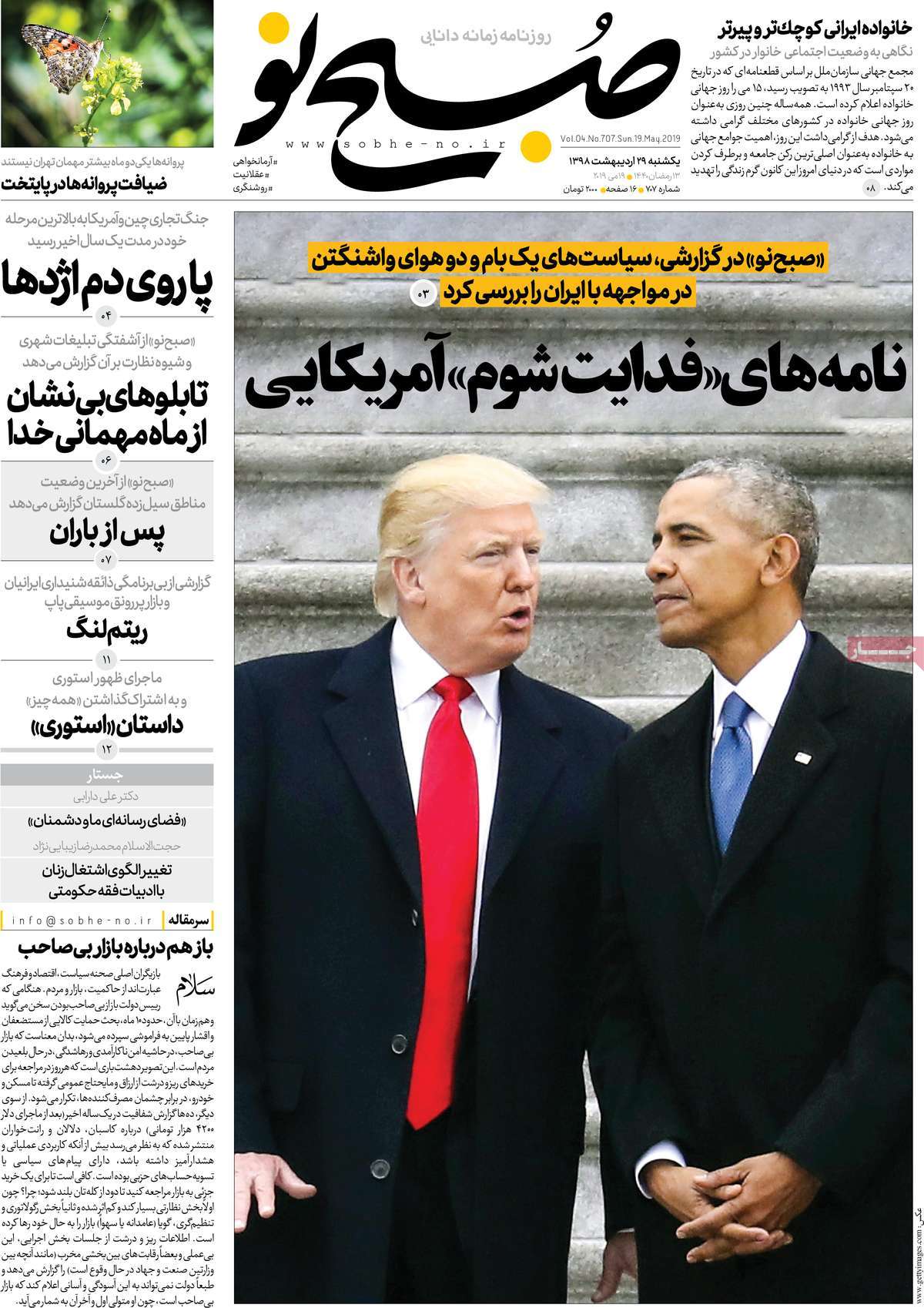
Sobh-e Now:

1- Americans’ Love Letter to Iran

* A Review of Washington’s Double-Standard Policies towards Iran

2- Carnival of Butterflies in Tehran

A Look at Iranian Newspaper Front Pages on May 19

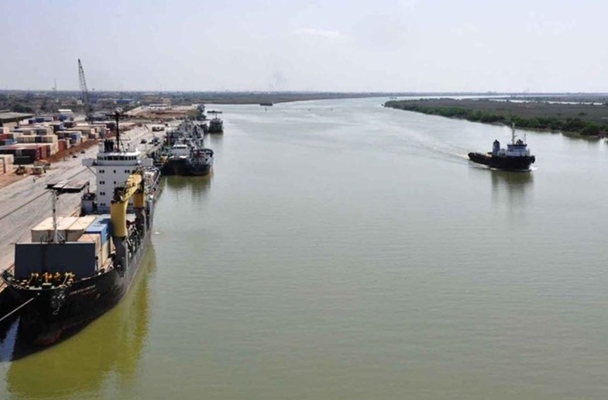
Iran, Iraq Discuss Details of Dredging Arvand Rud

The meeting is underway in the port city of Khorramshahr in south-west of Iran with delegates from the two sides’ relevant bodies in attendance.

The talks are held within the framework of agreements reached between high-ranking Iranian and Iraqi officials to resolve disputes over Arvand Rud based on the 1975 accord on border issues and good neighbourliness and its attached protocols and supplementary agreements.

The meeting is also aimed at implementing the Baghdad statement finalized between the two sides during the Iranian president’s visit to Baghdad on March 12, 2019, and comes following bilateral negotiations between Iranian and Iraqi foreign ministers.

The Iranian Foreign Ministry’s Director General for Legal and International Affairs and a senior advisor to the Iraqi foreign minister are heading the Iranian and Iraqi delegations, respectively.

The 1975 Algiers Agreement (commonly known as the Algiers Accord, sometimes as the Algiers Declaration) was an agreement between Iran and Iraq to settle their border disputes and conflicts (such as the Shatt al-Arab, known as Arvand Rud in Iran), and it served as basis for the bilateral treaties signed on June 13, 1975.

Iranian Woman Receives Badge of Pahlevani

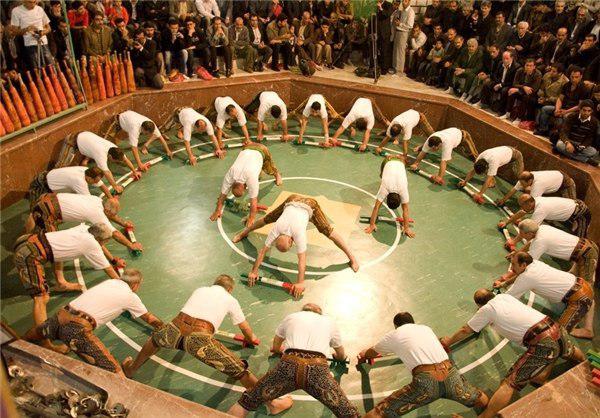
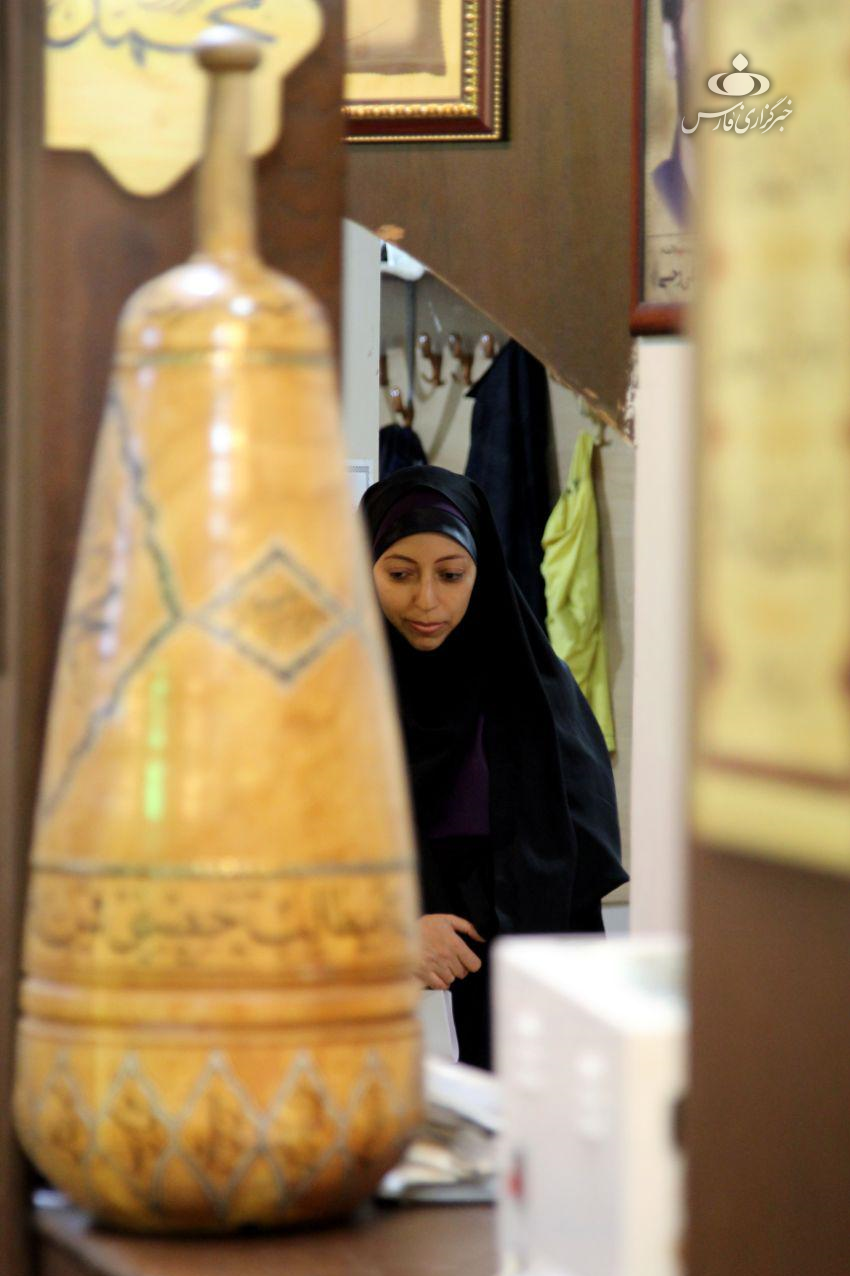
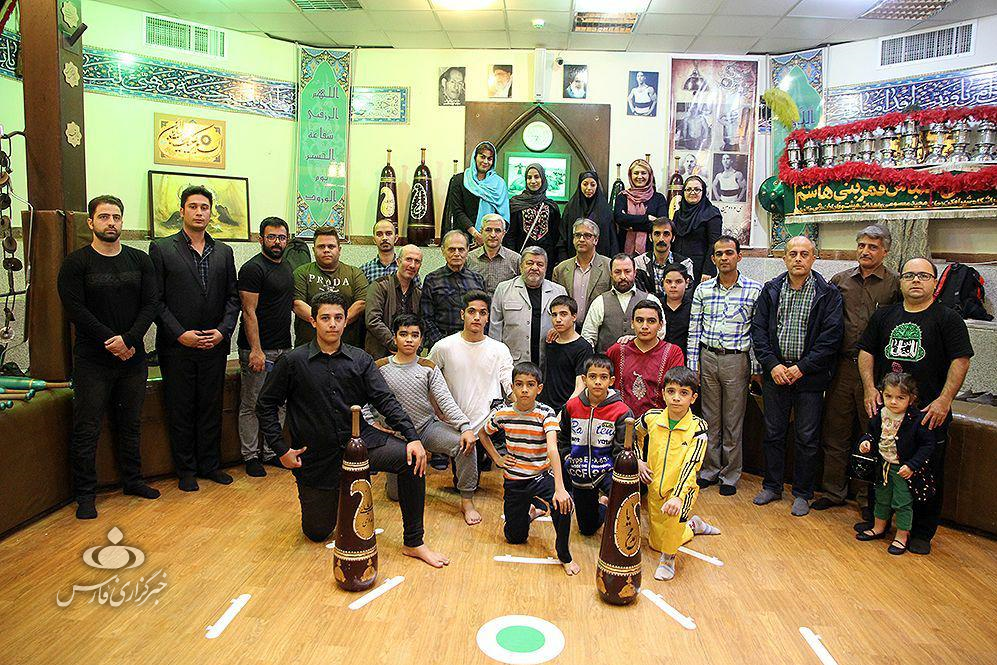
Samira Kazemi Fard is the first woman to receive such an honour in the history of Iran’s Pahlevani and Zoorkhaneh Sports.

Samira, born in 1982, has received the third degree badge of Pahlavani although she’s never been into Zoorkhaneh for sports because she believes Pahlevani has its own rituals and rules.

Although Kazemi Fard received the badge from the most famous Pahlevans of the country, she is against the activity of women in wrestling and Zoorkhaneh rituals.

Iranian Woman Receives Badge of PahlevaniWhat made Samira worthy of becoming a Pahlevan is the extensive research she has done in the field of wrestling and Zoorkhaneh sports. She has talked to veteran wrestlers in order to collect the oral history of the contemporary wrestling. She even took it upon herself to find athletes who have long retired.

That is why when she enters Zoorkhaneh, all of the athletes stop what they are doing in her honour.

Samira is a real fan of legendary Iranian wrestler, late Pahlevan Gholam-Reza Takhti.

During her 20 years of research, Samira has gotten to know all Pahlevans and all the details of their lives, and this is what distinguishes her from other researchers.

In 2014, after the end of the annual ceremony to commemorate Takhti, she was invited to go to a Zoorkhaneh in Shahr-e Rey, in the capital Tehran.

When she was leaving Zoorkhaneh, renowned Pahlevan Mohammad Mahmoudi stopped exercising in her honour.

“I was very glad to be acclaimed for all my years of efforts. It was a gift that was given to me…. I knew in the history of Zoorkhaneh sports, no woman could win such a badge,” noted Samira in an interview with Fars news agency.

“When Pahlevani and Zoorkhaneh rituals were inscribed by UNESCO, all countries started to perform it without understanding the philosophy of this sport. Zoorkhaneh sports are part of the Muslim rituals and are not known without the name of Imam Ali (AS).”

“Some people do not even know what the Islamic traditions are for entering Zoorkhaneh. Although I am a woman, with the research I have carried out and interviews with athletes I understood this sport is not suitable for women because wrestling and Zoorkhaneh activities will harm them,” she said.

Iranian Woman Receives Badge of PahlevaniSamira has been studying the history of the Iranian Pahlevani for about 21 years. She believes this ritual can be studied in three periods of 7,000, 5,000 and 2,500-year periods.

There are some inscriptions from the 7,000-year period, and there are documents available from the 5,000-year period. But from the 2,500-year period, there are some good documents, says Kazemi Fard adding that an encyclopedia is published on the subject in 2,100 pages.

Samira knows all the styles of wrestling and Zoorkhaneh sports and their philosophy. She has also collected most of this information based on interviews with professors, coaches and wrestlers.

“I have composed five books that are waiting to be published, but for the time being I want to publish a book on Pahlevani rituals,” she concluded.

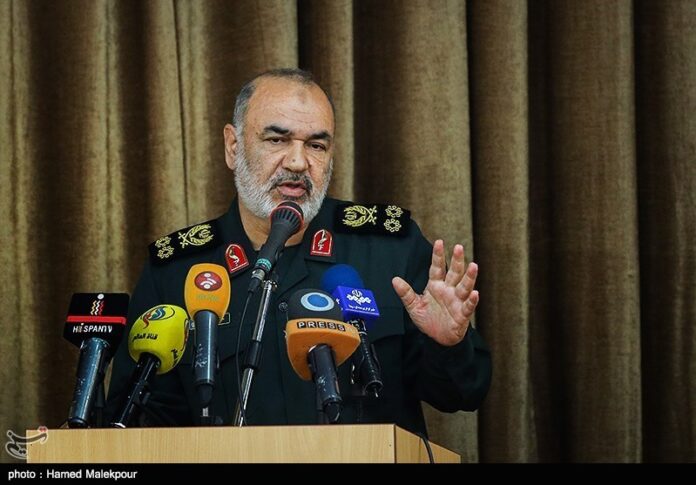
Iran Not After War, But Not Afraid of It: IRGC Chief

General Hossein Salami

Major General Hossein Salami further said the enemy is scared of war.

“The difference between us and them is that they are scared of war, and don’t have the willpower [to engage in it],” said the top commander.

He further noted the Middle East has turned into a “potential field of fire” for the United States.

The top general said Washington’s political philosophy is to plunder the wealth of nations, create an atmosphere for modern slavery and secure unilateral domination over humans’ destiny.

“This philosophy leads to wars and tyrannical interventions, and never results in power; rather, it creates enemies and, as the Americans themselves put it, creates risks across the world,” the top general said.

He said the US is afraid of resistance groups in the world because their Islamic territories have been under the US domination for years.

“This concern has caused the region to turn into a potential field of fire for the Americans,” he added.

He described the United States as an “ostensibly powerful enemy” who is on the decline. The top general underlined the foundations of the United States will soon collapse because the Americans are “tired and desperate.”

“Having a major enemy would be an opportunity to increase one’s power, and now that the enemy has got closer to us, this opportunity has been created for the IRGC, and the IRGC’s forces are on the move in terms of strategy, operation and tactics,” he said.

General Salami’s remarks come as the United States deployed an aircraft carrier and a number of its B-52 bombers in the Persian Gulf days ago, further fueling tension in the region.

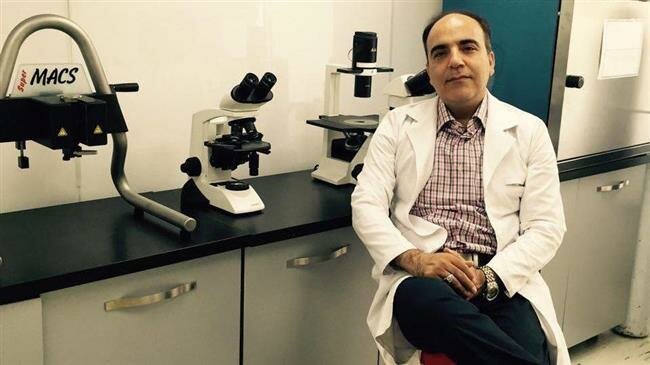
Iranian Stem Cell Scientist in US Jails for 7 Months without Trial

Back in October last year, Soleimani, a professor and biomedical researcher at the Tarbiat Modares University (TMU) in Tehran, was arrested by the US Federal Bureau of Investigation (FBI) upon his arrival in the US.

According to his Atlanta attorney, Leonard Franco, he has since been held behind bars in a jail in Atlanta without bond.

Soleimani had been invited by the Mayo Clinic in Minnesota for leading a research program there, but he was secretly indicted by the FBI, which also canceled his research visa. Neither the FBI nor the US prosecutors have so far officially commented on his detention.

BJay Pak, the US attorney in Atlanta, secured Soleimani’s indictment on June 12, 2018, just a month after President Donald Trump withdrew the US from the Iran nuclear deal, and Soleimani had been fully unaware of such an indictment when he flew to the US.

Franco and Page Pate, another Atlanta lawyer, said that they had been puzzled by the federal government’s decision to prosecute a renowned Iranian professor and two of his former students – Mahboobe Ghaedi and Maryam Jazayeri – for purported trade sanction violations over eight vials of human growth hormone.

Franco said that Soleimani’s treatment by federal authorities, the revocation of his visa and the decision to detain him without bond doesn’t square with Soleimani’s international reputation as a scholar, professor, and doctor widely known in the field of stem cell research and regenerative medicine. Soleimani has no criminal history anywhere in the world, he added.

The hormone, which is a form of synthetic protein, was seized from Jazayeri in 2016 by customs authorities in Atlanta when she was heading to Iran to give it to professor Soleimani for research purposes. Jazayeri had received the hormone from Ghaedi.

The seizure occurred at a time when Washington was still a signatory to the 2015 nuclear deal, officially known as the Joint Comprehensive Plan of Action (JCPOA), and anti-Iran sanctions had not been re-imposed yet.

The growth hormone is not banned in the US or Iran and was being used “exclusively for medical research”, which is still considered largely exempt from US sanctions, Franco said.

However, Ghaedi and Jazayeri faced similar federal charges for attempting to supply Soleimani with the growth hormone.

Ghaedi is a permanent American resident and an assistant professor at Yale University’s School of Medicine. She is free on a $250,000 bond. Jazayeri is a naturalized US citizen and Kentucky resident and has conducted medical research at the University of Louisville. She is currently free on a $200,000 bond.

“I truly don’t understand it,” Franco said of the government’s decision to prosecute, adding that it appeared to be “some type of policy argument.”Pate, who represents Jazayeri, said his client was “completely confused by all this.”

Motions to dismiss the charges are pending in federal court in Atlanta in front of US District Judge Eleanor Ross. However, Federal prosecutors in Atlanta have not yet responded to the motions.

According to TMU authorities, hearing this case has been adjourned for at least three times since October and his family and the TMU have so far paid $70,000 to his lawyers to prove his innocence, but all to no avail.

Almost 50 Iranian nationals are currently imprisoned in the United States under various pretexts, mainly bypassing the US sanctions.

Iranian Firm Develops Herbal Antibiotics for Humans, Livestock

Having made great strides in producing ointment, cream, topical solution and spray for humans and livestock, the leading pharmaceutical company now focuses on producing edible solutions.

The company already produces cattle antibiotics, as well as edible products for poultry.

Some 85 percent of the company’s products are herbal-based and 15 percent are chemical. The herbal medications are all products of years of research and experiments by the company.

For a brief review of Iran’s achievements in various fields of science and technology, check the book “Science and Technology in Iran: A Brief Review

The company operates under the supervision of Iran’s Food and Drug Administration and Qom University of Medical Sciences. The products are regularly exported to a host of countries.

In addition to its unrivaled herbal products, the company’s chemical products match their foreign counterparts in terms of quality for a fraction of the price.

For example, the company’s antibiotic spray costs about 85 to 95 cents, while the Chinese type, which is of inferior quality, is priced at $5.2.

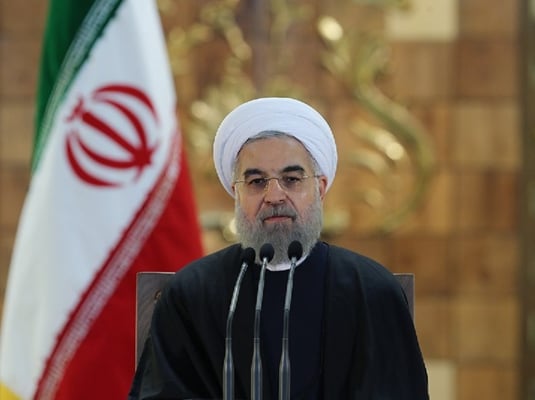
Iran Will Never Sit for Talks with Bullies: Rouhani

Rouhani referred to the US bid to coerce Iran into sitting for talks, and said Tegran is not willing to hold such talks even if all the world powers call for it.

Addressing a group of artists and cultural activists in Tehran on Saturday evening, Rouhani stressed the Iranian nation is logical and ready to negotiate, and it has the strength and ability to do this.

“The whole world has acquiesced that the Islamic Republic is so capable that it can negotiate and reach agreement with the six major powers of the world,” he noted.

“In the course of the [nuclear] negotiations, we were able to annul seven UN resolutions [against us] at the UN Security Council on a single day. This was an honour for Iran and the Iranian diplomacy. So we believe in logic, negotiation and dialogue, but we are not afraid of anyone, and we will never surrender to anyone who wants to bully [us].”

Rouhani also pointed out that today, apart from three to four countries and the Israeli regime, no country in the world approves of the US’s stance.

“The issue was raised at the Security Council last year under the chairmanship of Donald Trump and all 14 members opposed Trump and supported Iran. This is something unprecedented in the history of the United Nations,” added the Iranian president.

Rouhani’s comments come against the backdrop of US President Donald Trump’s claims that its “maximum pressure” strategy would finally bring Tehran to the negotiating table.

Despite his hype against Tehran during the past weeks, the US president has softened his war rhetoric against Tehran.

Trump told his acting defense secretary this week he does not want to go to war against Iran. His comments on Wednesday at the White House appeared to put the brakes on rising tensions with Tehran. Trump spoke up after a warning from the Pentagon that another military conflict in the Middle East would carry a heavy price.

Many believe that Trump’s hostile impulses towards the Islamic Republic were beefed up by advisers who urged the president to withdraw from the nuclear agreement forged by the previous administration.