Sunday, April 12, 2026
Home Blog Page 3263

US Says Its Arab Allies Start Patrols in Persian Gulf

US Says Its Arab Allies Start Patrols in Persian Gulf

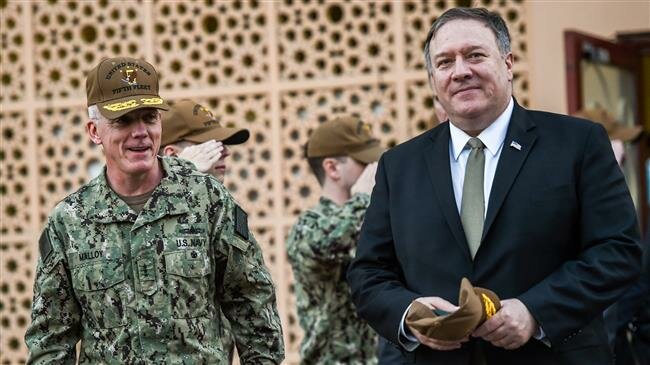
The “enhanced security patrols” began on Saturday, said the Bahrain-based 5th fleet of the US naval forces central command in a statement on Facebook Sunday.

It added that the operations were aimed at “specifically increasing communication and coordination with each other in support of regional naval cooperation and maritime security operations.”

“As agreed to last week in a meeting at US 5th Fleet headquarters in Manama, Bahrain, ships of the GCC – both navies and coast guards – are working in tight coordination with each other and the United States Navy.”

Trump and his hawkish foreign policy advisers such as John Bolton and Secretary of State Mike Pompeo have been stepping up pressure against Iranians in the wake of Trump’s withdrawal from the Iran nuclear deal.

Trump has also tightened economic sanctions against Tehran and blacklisted the Islamic Revolution Guards Corps (IRGC).

In a post earlier in the day, the 5th fleet released the latest updates on the US military presence in the Persian Gulf in the wake of US President Donald Trump’s anti-Iran policies.

“The USS Abraham Lincoln (CVN 72) Carrier Strike Group and the Kearsarge Amphibious Ready Group, with the embarked 22nd Marine Expeditionary Unit, conducted joint operations May 17-18,” read the statement. “The operations highlight the ability of the US Navy to quickly mobilize assets and aggregate different platforms with a variety of operational capabilities.”

Iran has time and again asserted that it is not seeking war but is ready to defend its interests in the region.

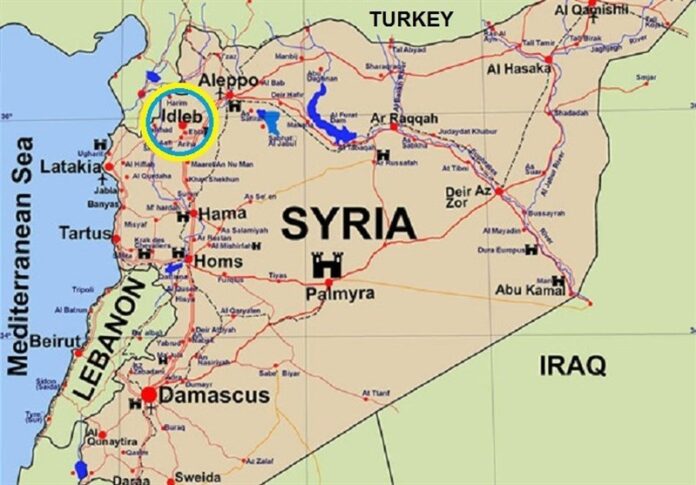
Damascus Announces Unilateral Truce in Idlib: Russia

In a brief statement on Sunday, the Russian Defense Ministry’s Center for Reconciliation of the Warring Sides in Syria said Syrian forces had ceased firing as of midnight, Al Jazeera reported.

It described the move as unilateral but did not give any further details.

Fighting erupted in northwestern Syria last month and shattered a truce negotiated by Russia and Turkey late last year.

Syrian forces intensified their attacks on Idlib late in April after the terrorists operating in the northern city violated the agreement hundreds of times by attempting to target Syrian military posts there.

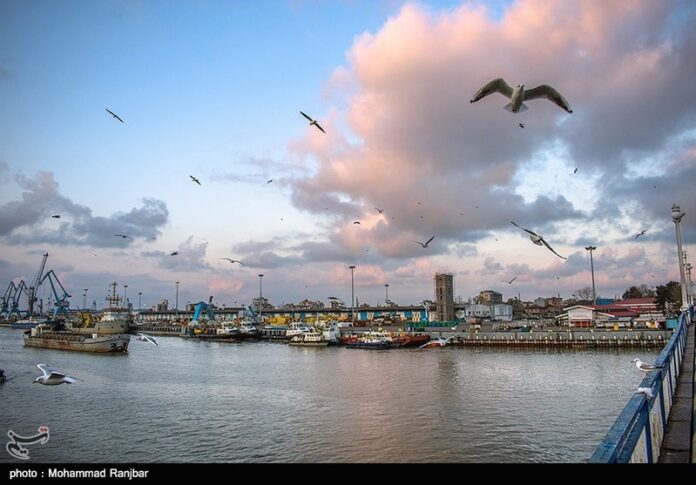
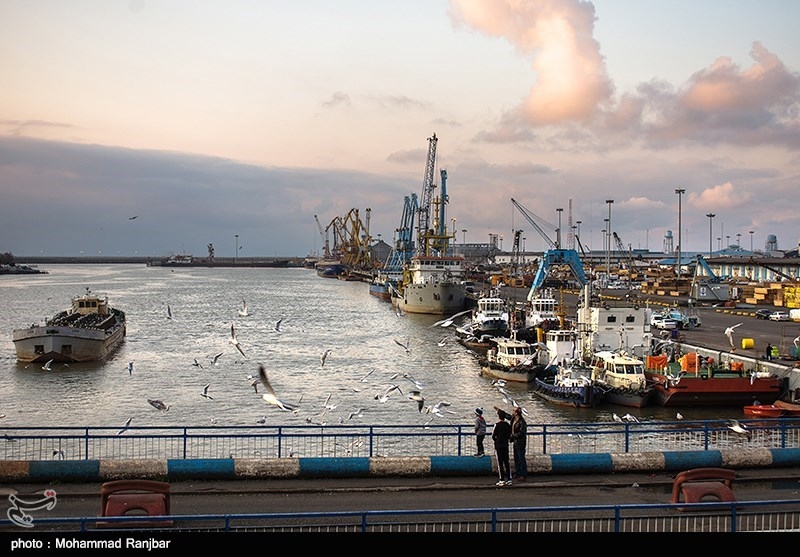
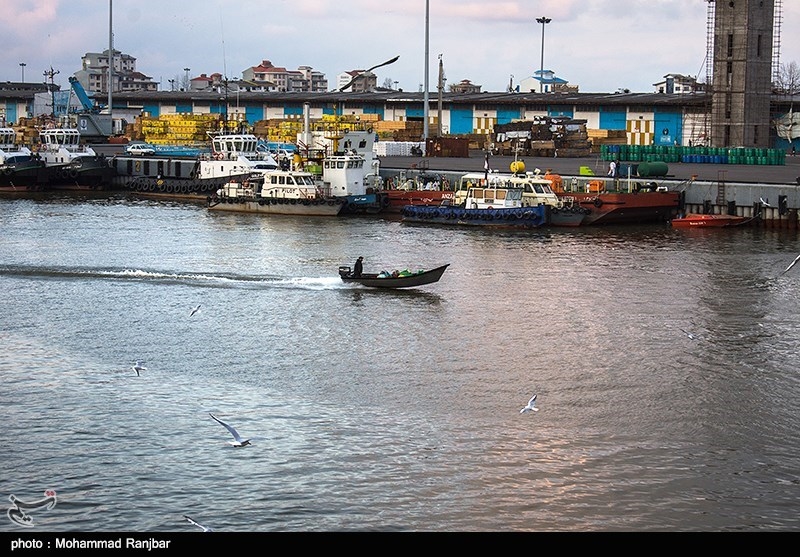
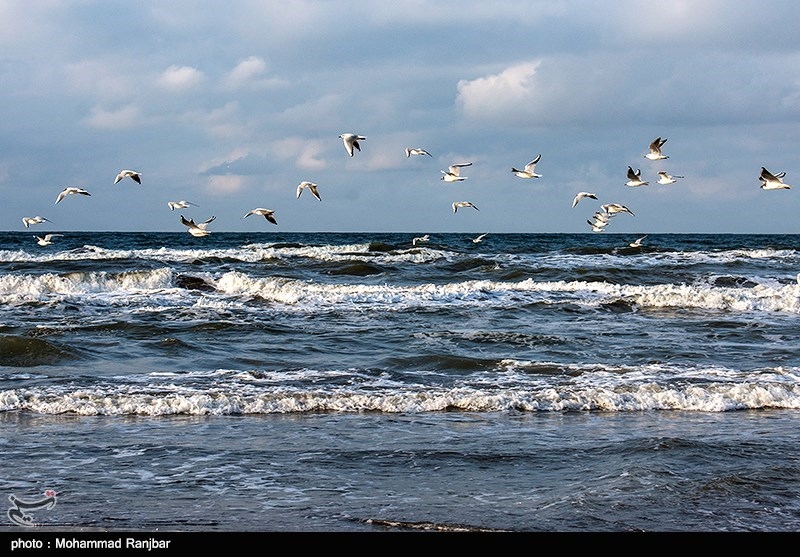
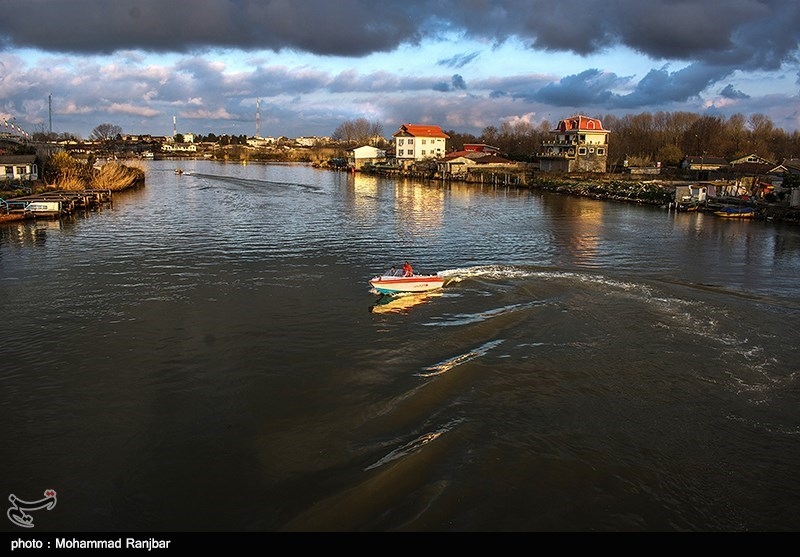
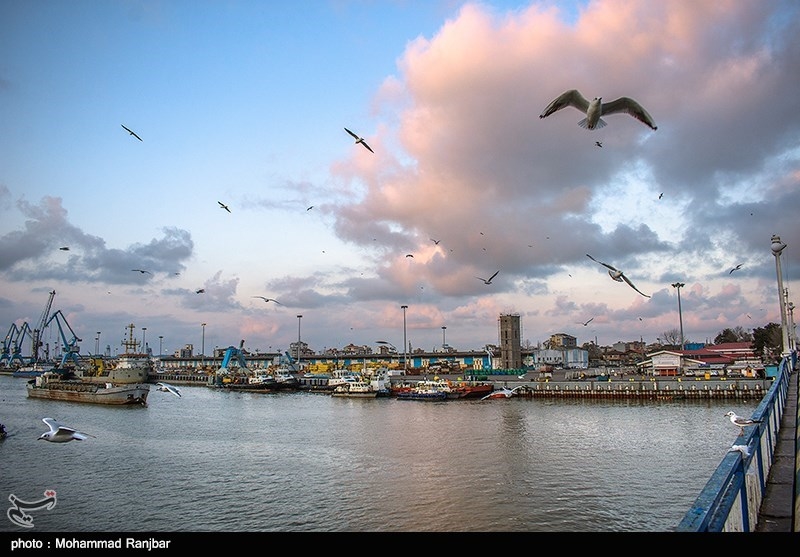
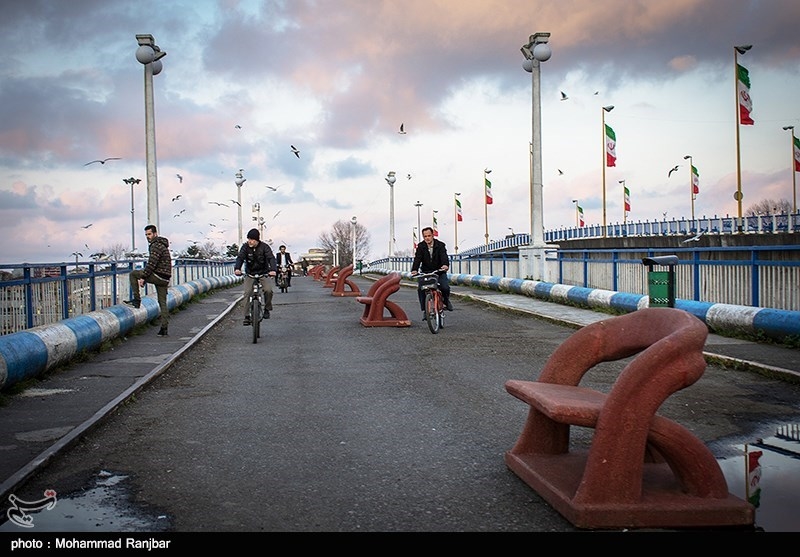
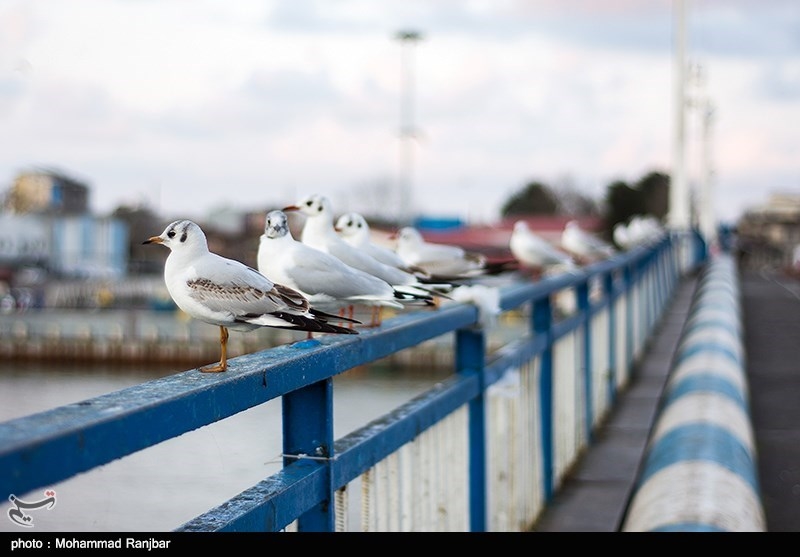
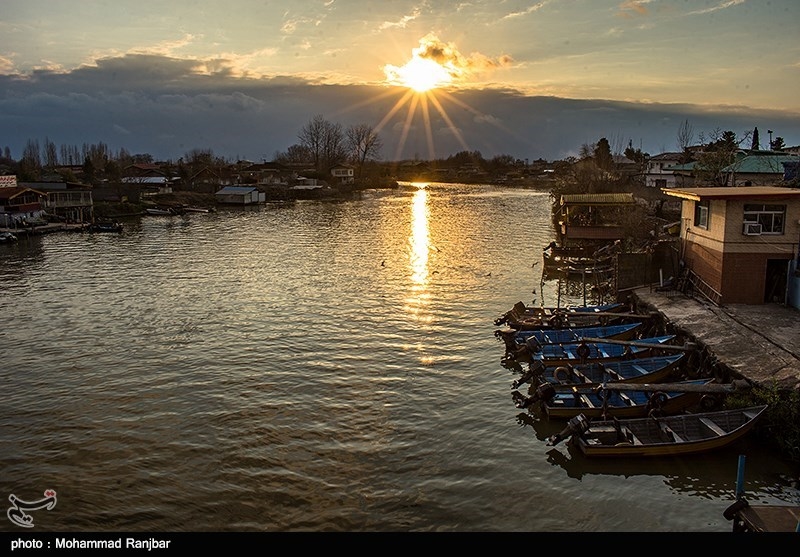
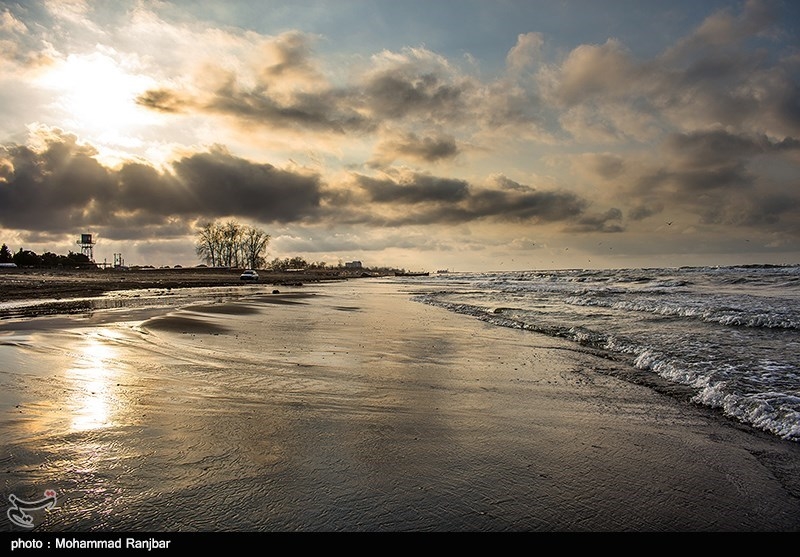
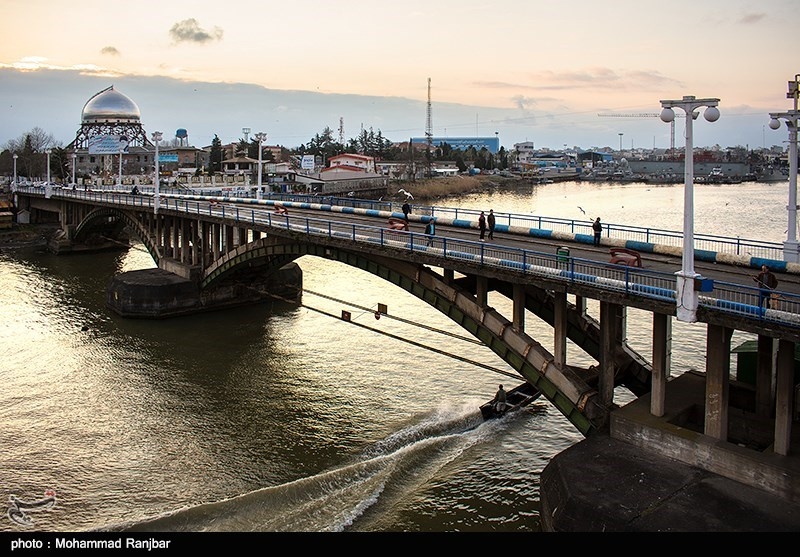
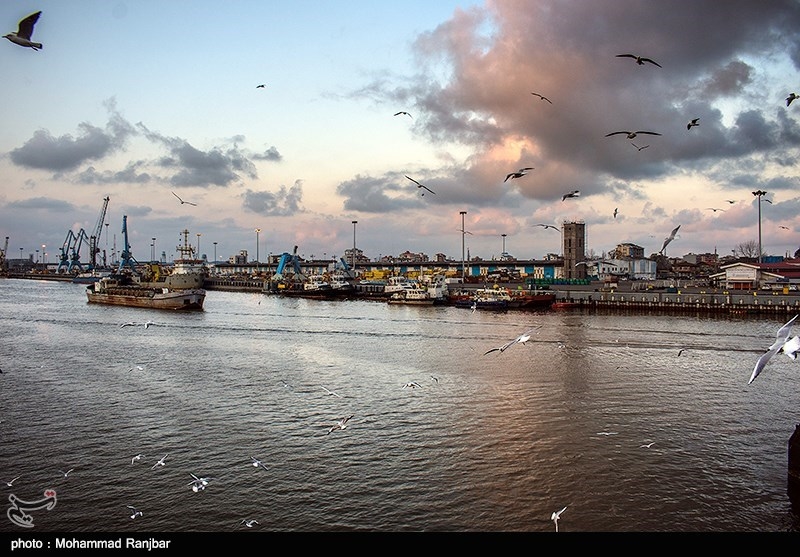
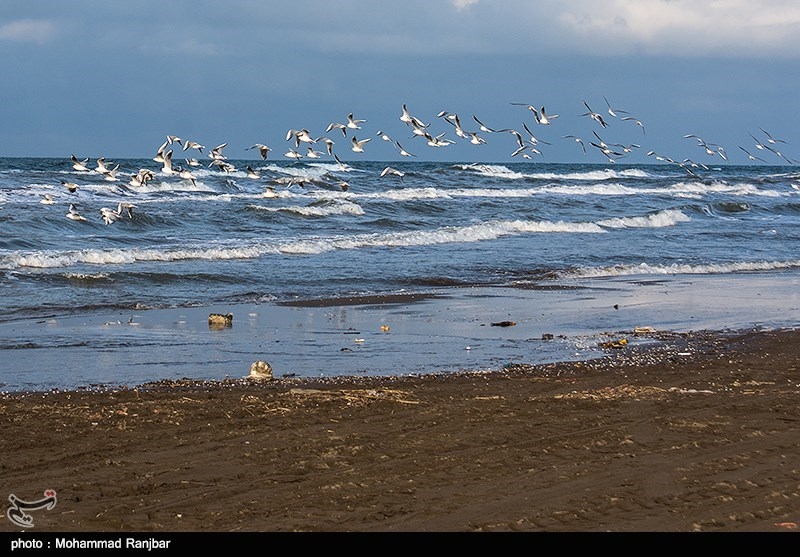
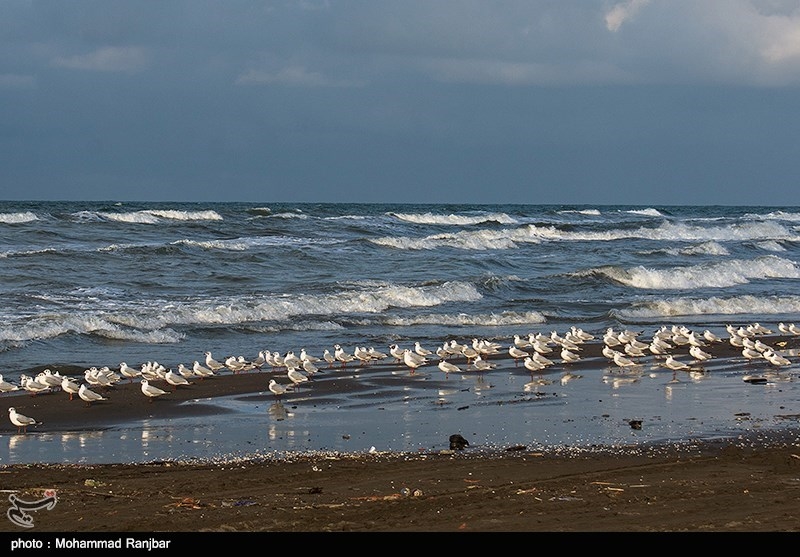
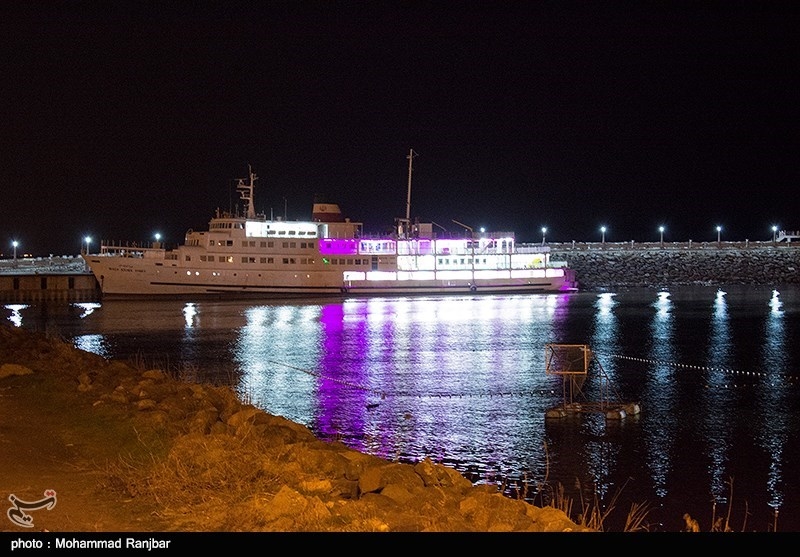
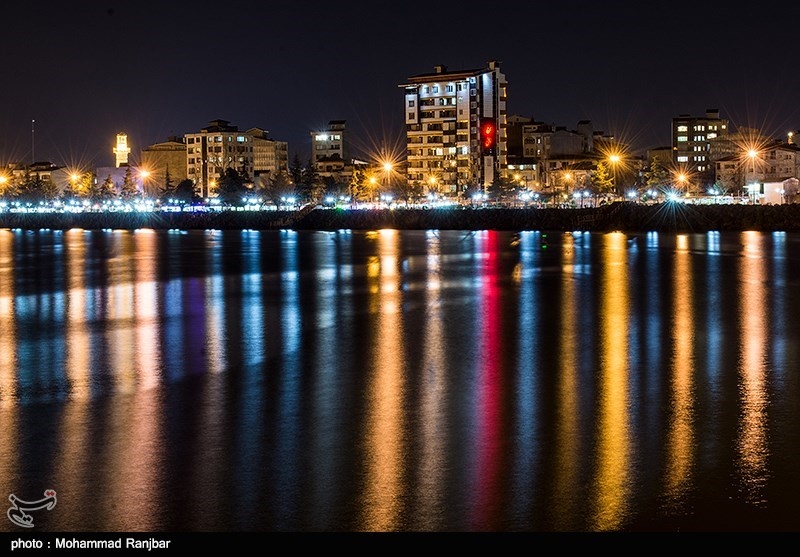
Iran’s Beauties in Photos: Anzali Port

Anzali is humid, and is considered one of the rainiest cities of Iran.

Here you can see Tasnim News Agency’s photos of the beautiful port city:

Iran Strongly Condemns Herat Railway Mine Blast

Iran Strongly Condemns Herat Railway Mine Blast

In a Monday statement, Mousavi expressed sympathy with the families of Iranian and Afghan nationals martyred or wounded in the incident.

A probe was launched into the aspects of the incident, and efforts to help the recovery of the wounded were started immediately after the blast, Mousavi added.

The mine blast in Ghurian in Herat province killed an Iranian national and an Afghan soldier.

A spokesman for the governor of Herat said the Iranian national worked on the railway project, and was attacked when he was heading to Ghurian in a car belonging to Afghan security forces.

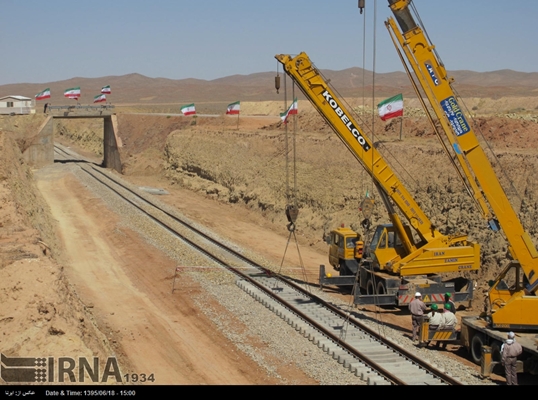
The 139-kilometre-long Khaf-Herat Railway is part of Iran-Afghanistan rail corridor. The project, started in the fiscal year of 2007-2008, connects Iran’s eastern city of Khaf to Afghanistan’s western city of Ghurian.

More than 2.96 trillion rials have gone into its construction so far.

The railway is of great economic and transportation importance and once completed and exploited, Afghanistan could connect through Iran’s railway to southern borders of Iran and Turkey railway network.

Trump’s Policy Towards Iran Dangerous: German Analyst

Trump's Policy Towards Iran Dangerous: German Analyst

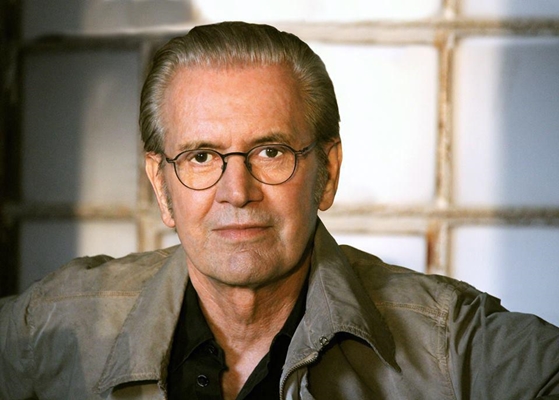
Former German politician and journalist Jürgen Todenhöfer in an interview with Austrian daily, Kurier, has talked about the Middle East tensions and the role Germany can play.

He believes Trump‘s policy towards Iran is very dangerous. Iran is a gracious country, and its people are supporting the leadership. They do not want to be maltreated by the Americans, he noted.

He said the policy of the West in the Middle East has never been to protect freedom and human rights.

“We have a constitution in Germany that tells us exactly when we are allowed to wage wars. And that’s why we did not participate in the 2003 war on Iraq. That was an act of aggression and that is prohibited under German law.”

“However, it is said that in Afghanistan the freedom of Germany is being defended and we fight for freedom, democracy, and human rights – but that is not true. In Afghanistan, it was never revealed that the war was launched for the geostrategic interests of the Americans. From Afghanistan, the US could control China and dominate the entire East. Instead we said we want to help Afghan schoolgirls so that they can go back to school. If you ask a western politician today, what happened to the Afghan schoolgirls, they do not know what to say because they are not interested in this issue. That was peer hypocrisy.

Elsewhere in his remarks, Todenhöfer said he has been involved in most the wars waged by Washington warning that right now “there is a great danger in US aggressive foreign policy.”

He also mentioned that Syrian President Bashar Al-Assad asked German Chancellor Angela Merkel in December 2015 to mediate with a peace plan.

“We talked for a long time about who is standing in the way of a peace plan. In a letter to Merkel Assad emphasised that he cannot step down and announced he wants peace. I assume that Merkel’s security advisor talked to Obama’s security advisor at that time. The Americans, however, prevented any peace process in Syria. The West’s goal is to exert influence there through supporting militants, and unfortunately the terrorist groups. There is also a recorded statement by the former US Secretary of State John Kerry that the US deliberately made the ISIS strong to weaken Assad.”

In response to a question regarding Donald Trump’s claim that the ISIS is beaten, he strongly rejected the US President’s claim.

“ISIS is an ideology and ideologies cannot be shot. This horrific ISIS ideology, like all terrorist ideologies, was created by actual injustices. You must defeat a terrorist group with rigor, wisdom, and justice. There were 15,000 ISIS members in Syria and Iraq, of which 3,000 have been killed and the rest are disappeared and can reappear under a different name.”

In another part of the interview, he spoke about Iran and the US claim that Tehran supports the terrorists stressing that the Americans now call every opponent “terrorists”.

“Hezbollah is a group that actually has not attacked other countries. If you accuse every opponent of terrorism, you cannot hold talks with anyone.”

“I cannot tell you how many wars started after 9/11. A large part of the governments we are complaining about now, have been set up by the West. The politicians and kings, who have lost their prestige in the West, get money from America.”

Jürgen Todenhöfer (born 12 November 1940) is a German author, journalist, politician, and executive. He became a member of the Christian Democratic Union of Germany (CDU) in 1970 and was a member of the Bundestag from 1972 to 1990. He also acted as party spokesman for development policy and arms control. He was vice chairman of the executive board of German media company Hubert Burda Media until 2008.

Since young age, Todenhöfer was traveling in war zones. Todenhöfer is one of the most prominent German critics of the US-led wars against Afghanistan and against Iraq in 2001 and 2003, respectively. He believes that during the war in Iraq the Bush administration was deceiving the public and that the US war in Iraq has killed several hundred thousand Iraqi civilians.

In 2016, Todenhöfer filmed an interview with an alleged Syrian militant commander near Aleppo. The commander, said to be with the al-Qaeda affiliated group the Al-Nusra Front and said to have US support adding that his group opposed humanitarian aid to civilians.

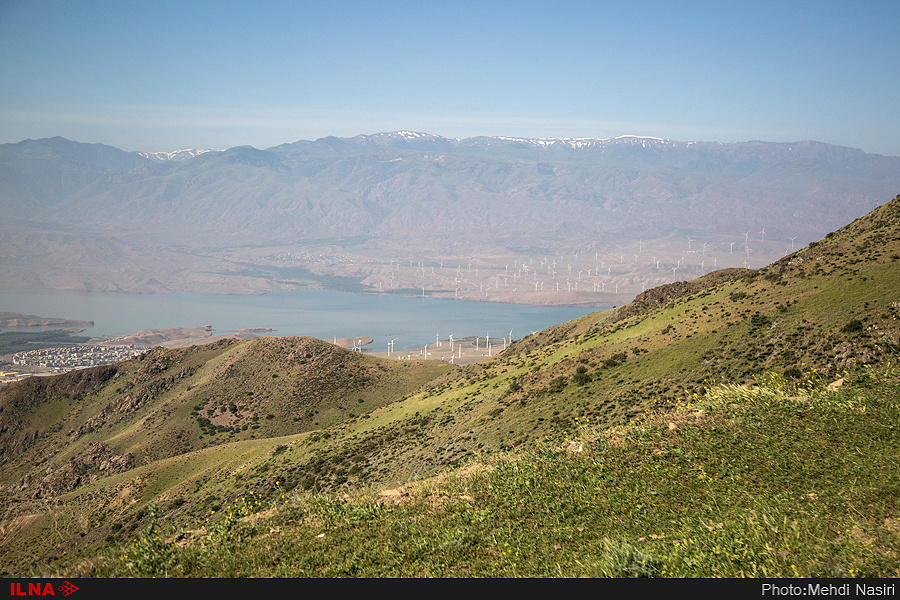
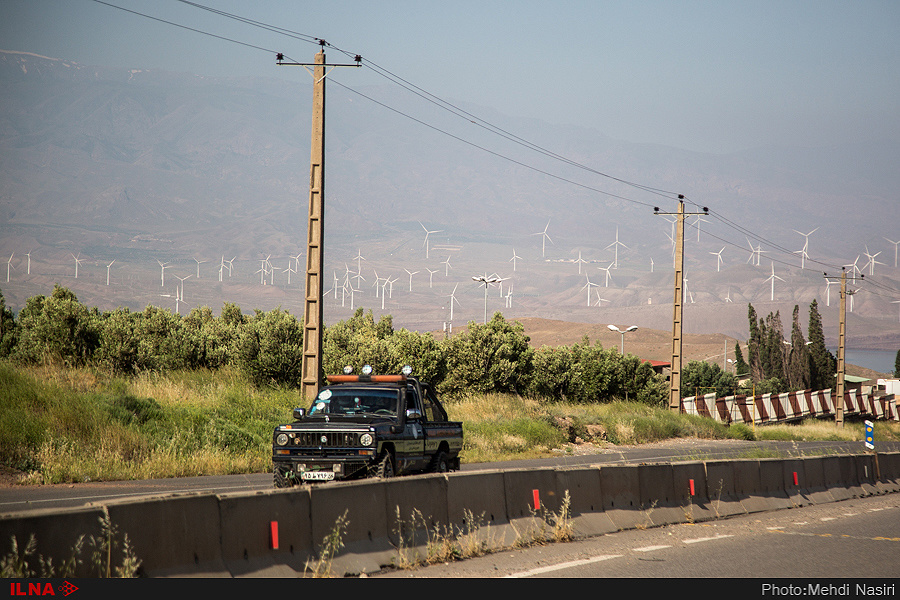
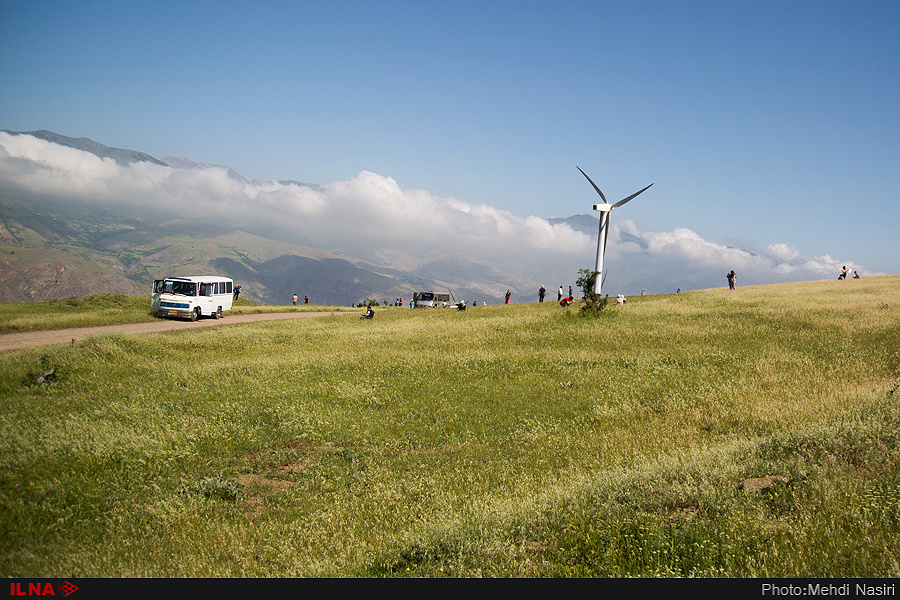
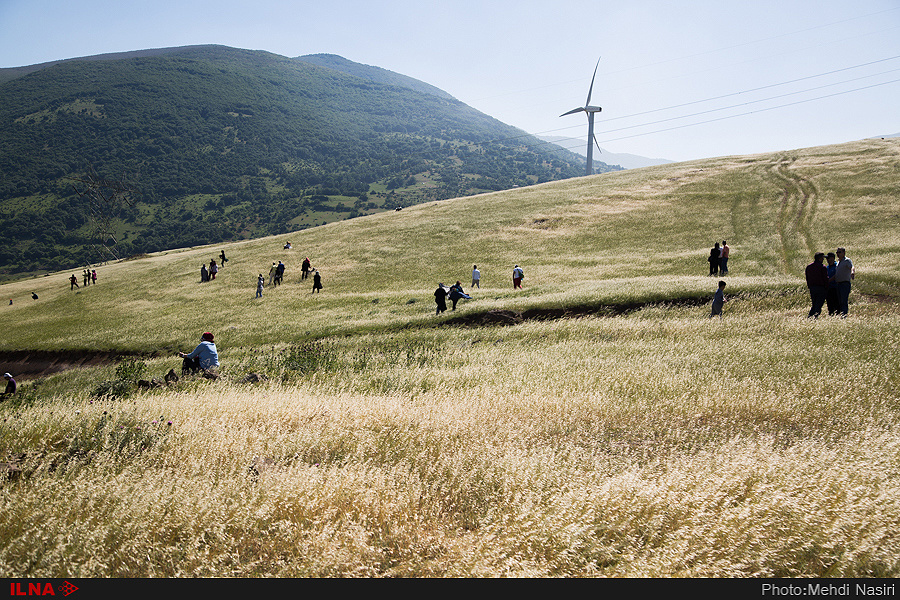
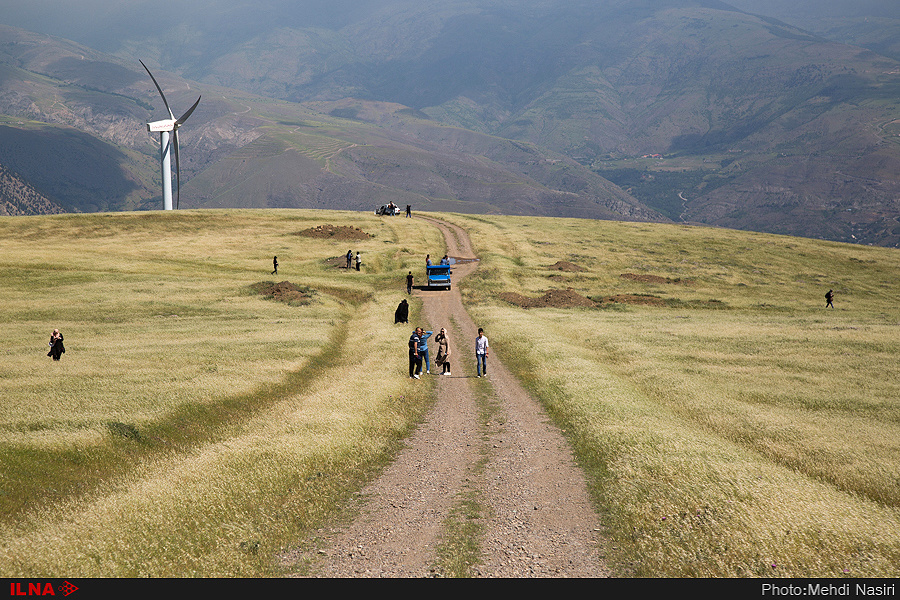
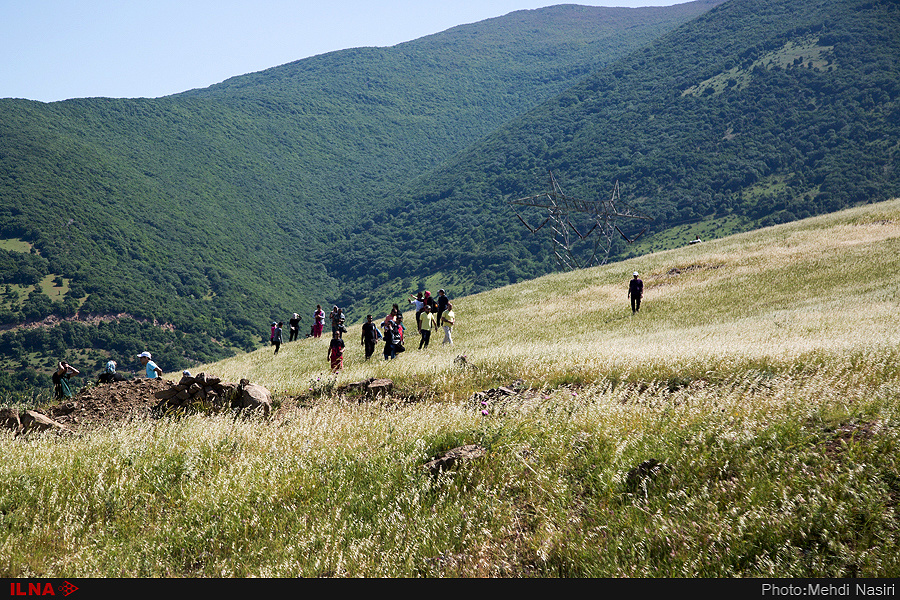
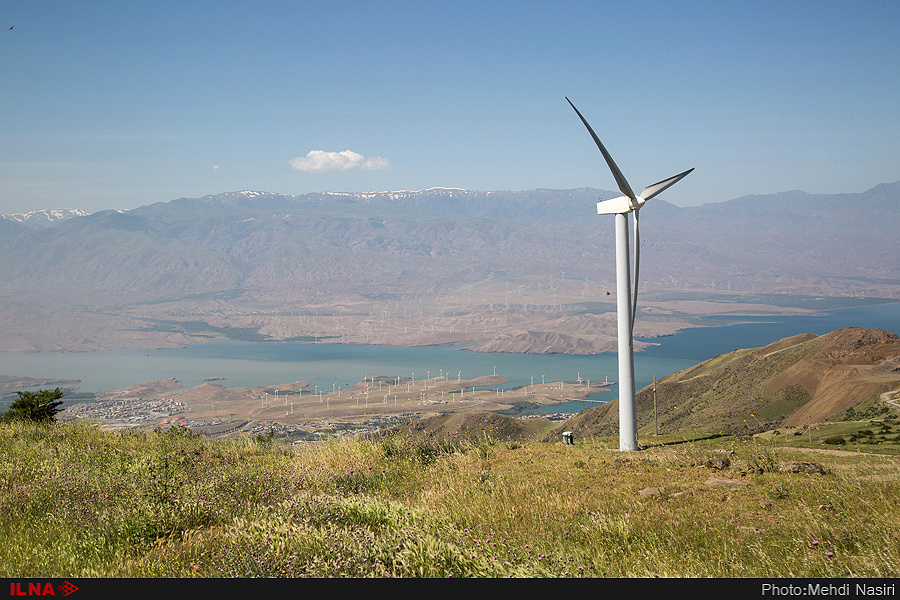
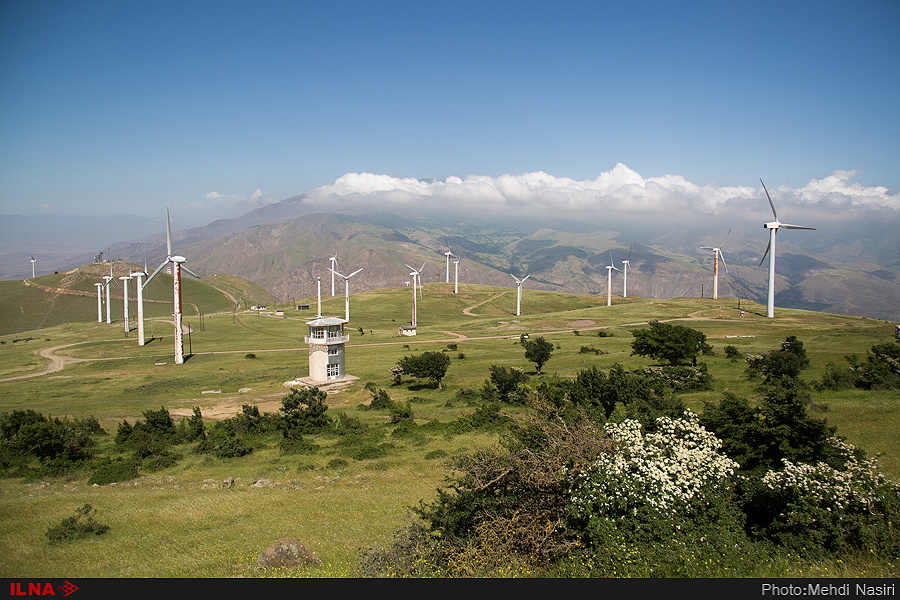
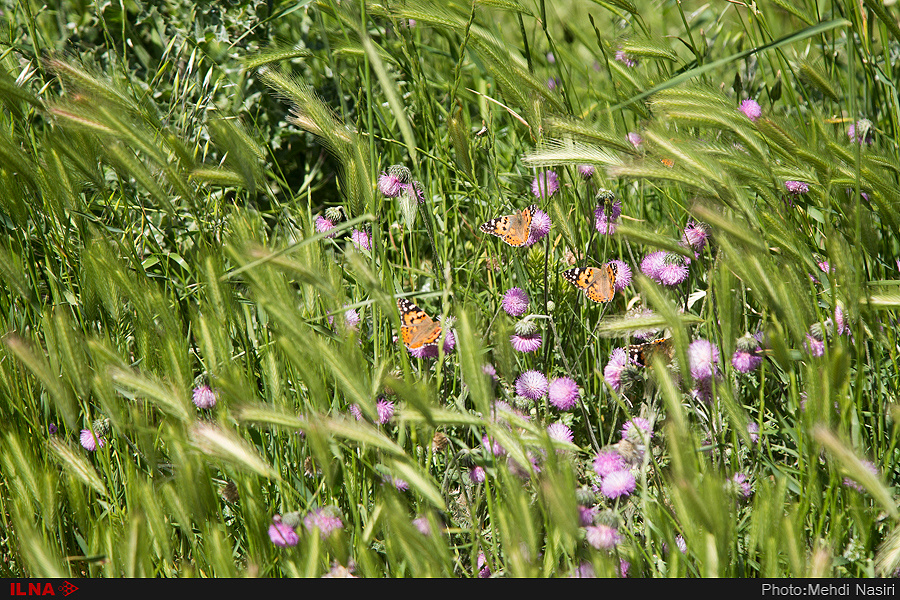
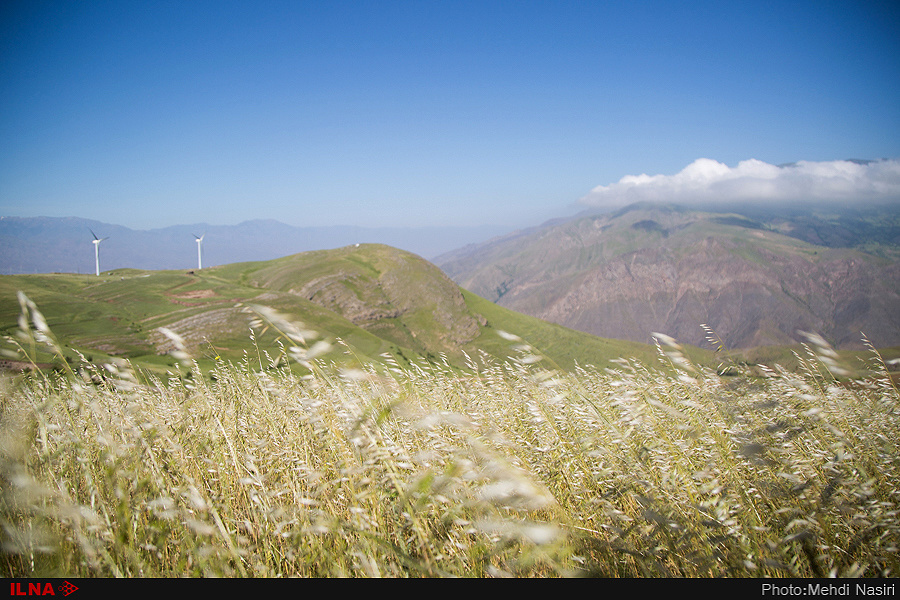
Wind Turbines of Manjil; Beautiful Kalashtar

Wind Turbines of Manjil

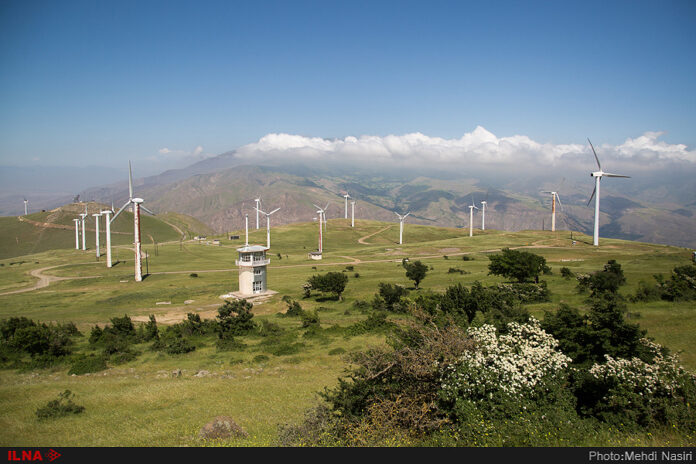
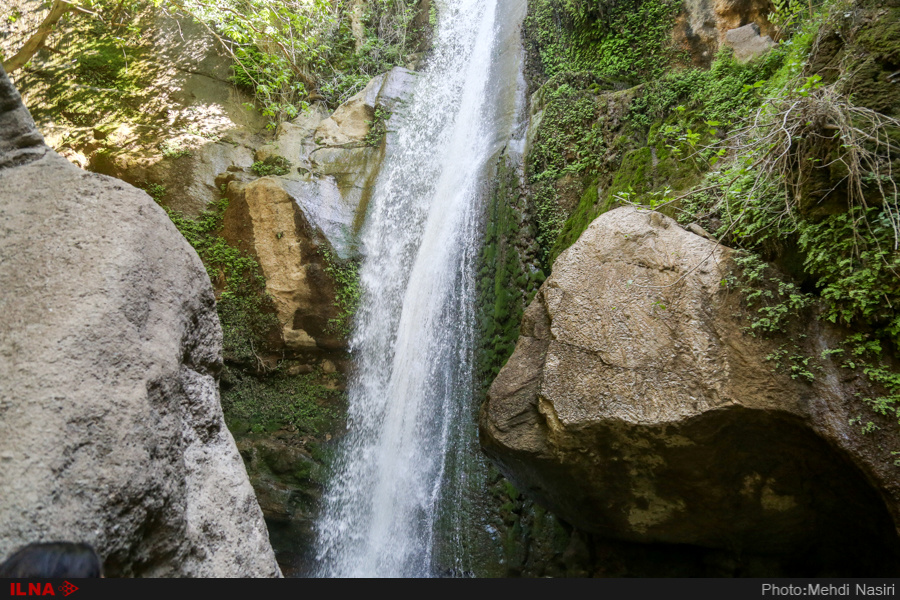
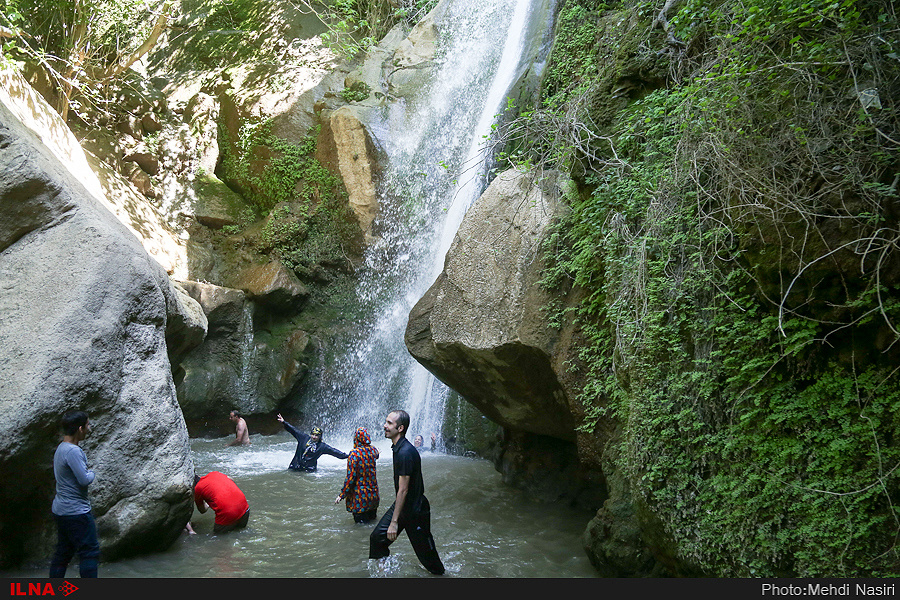
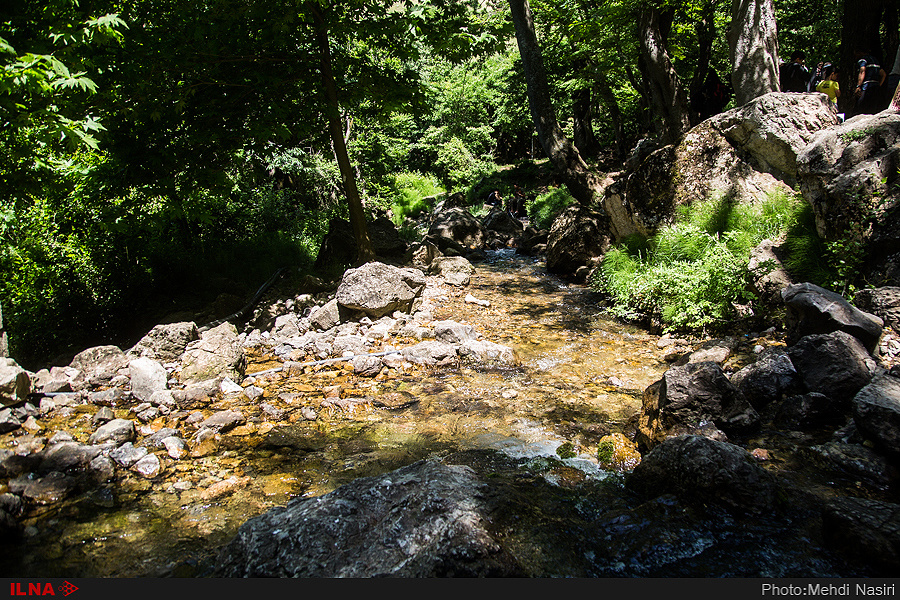
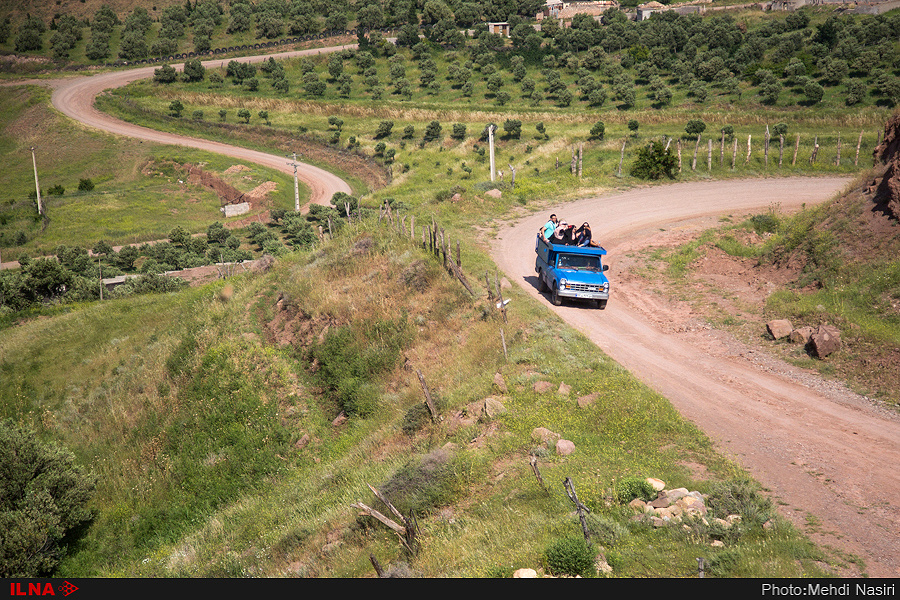
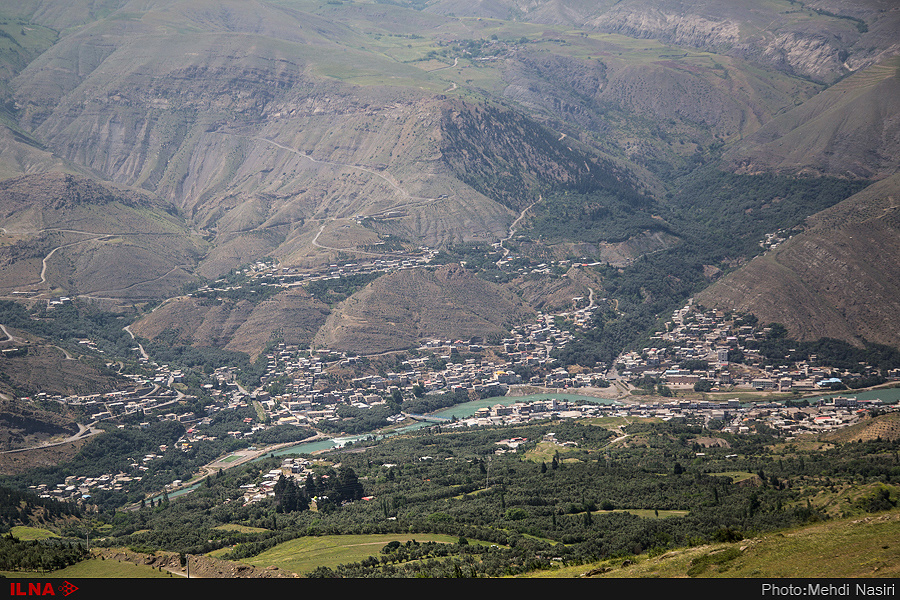
Kalashtar is located three kilometres from Rudbar in the foothills of the western Alborz. It is about 550 metres above sea level. Other than Manjil Wind Turbines, the region is known for its pleasant weather; affected by its temperate and semi-Mediterranean climate.

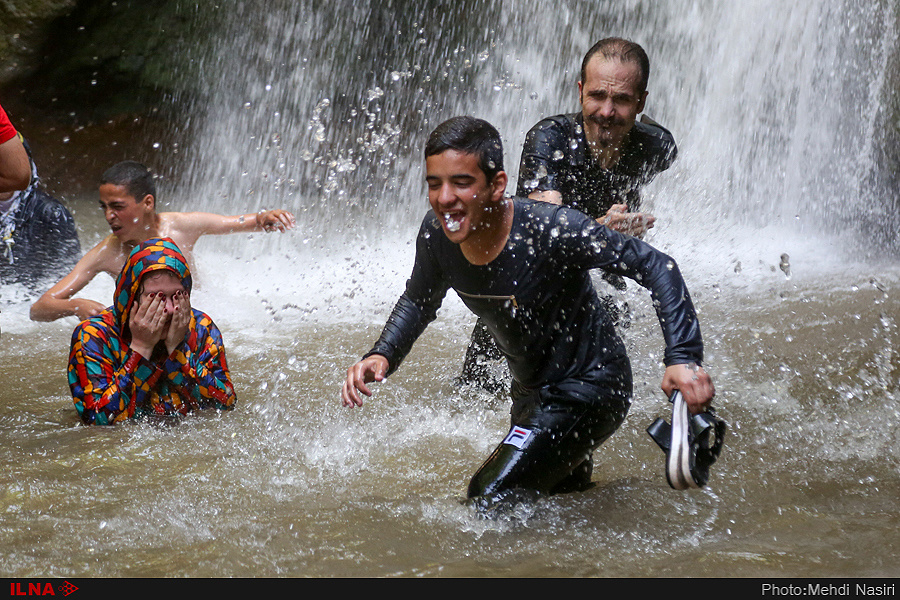
The village enjoys a very  Products grown in this village are pomegranates, figs, walnuts, cherries and oranges. Kalashtar waterfall is also one of the attractions of Rudbar that has a beautiful and spectacular landscape.

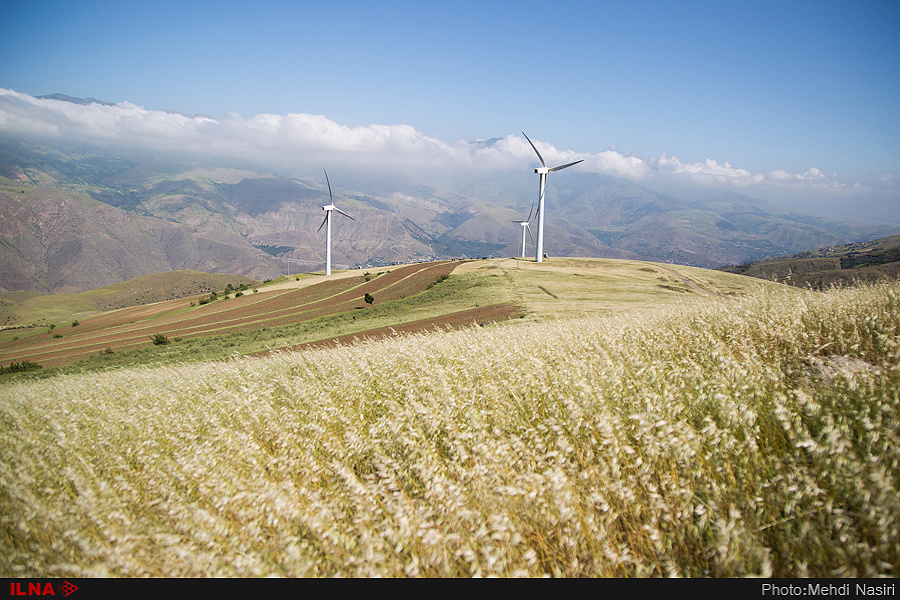
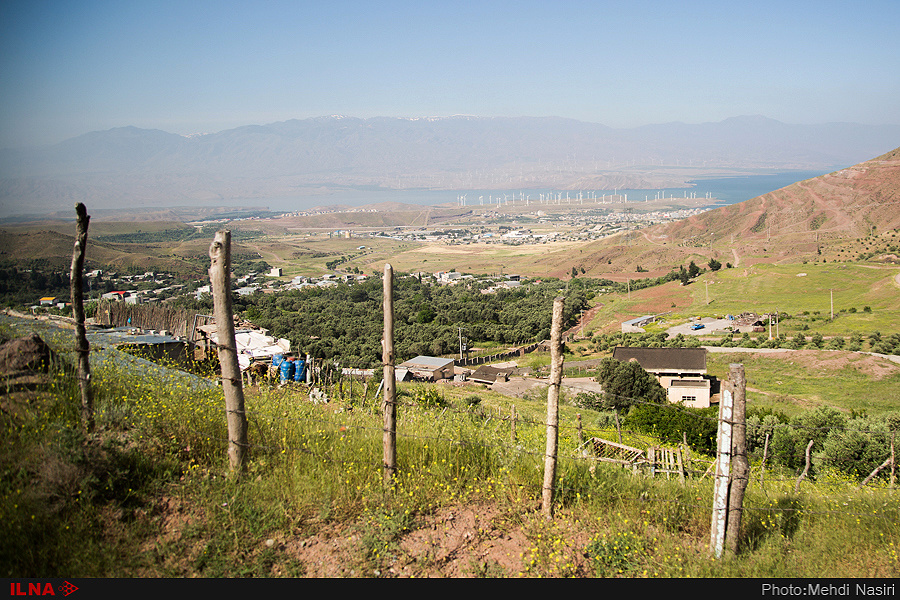
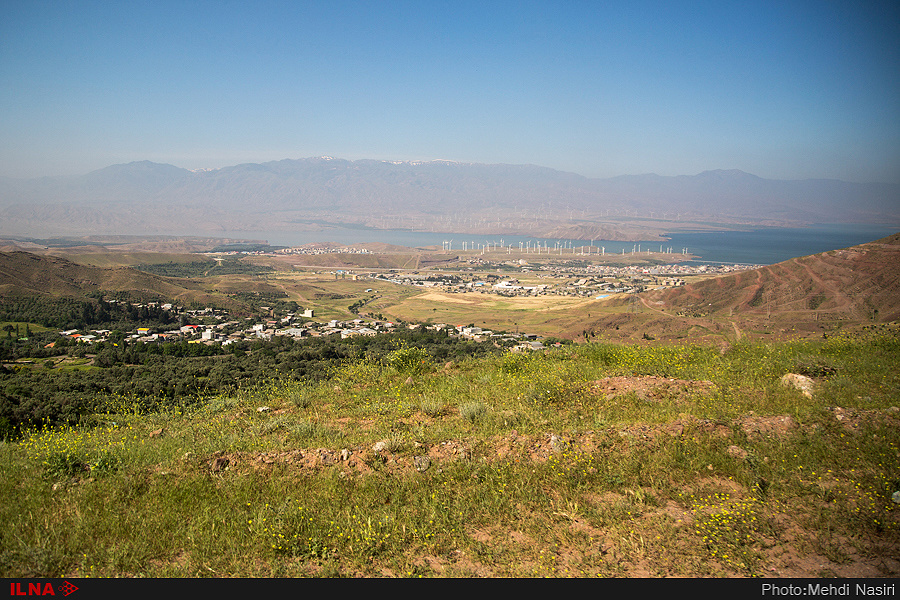
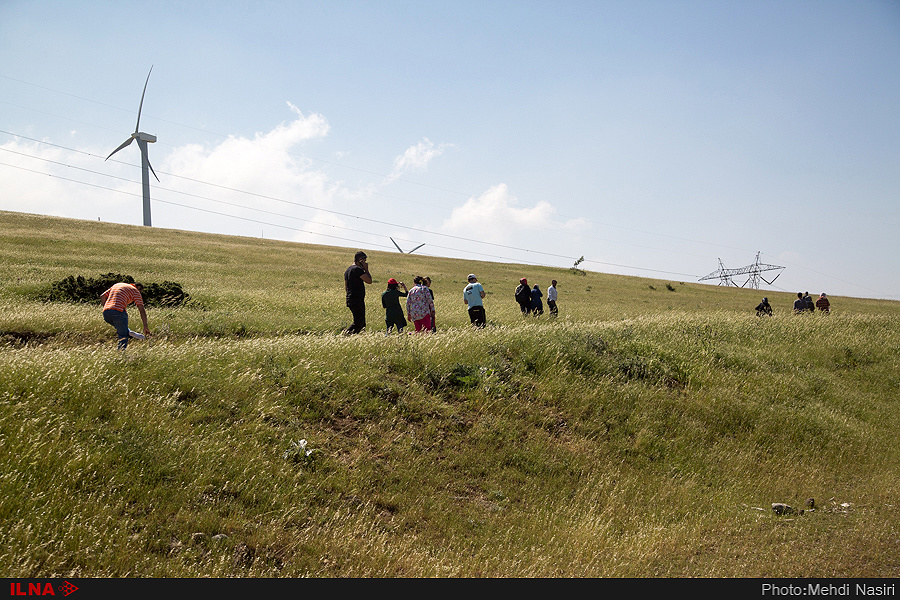
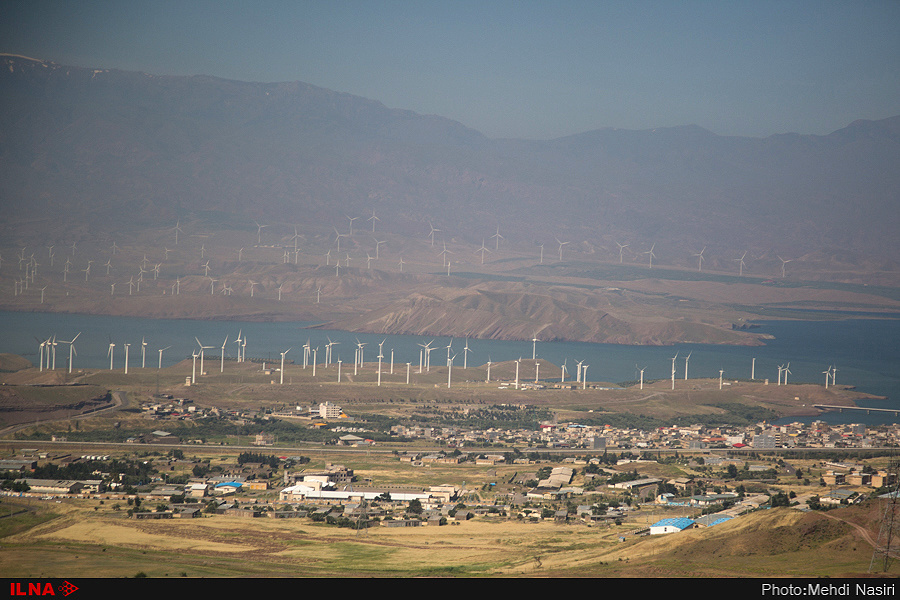
Another attraction is the Manjil Wind Turbines. Theses turbines are not only one of the largest sources of clean energy production, but also have created a unique beauty. Turbines are power plants that convert wind energy into electrical energy.

Due to the existence of these turbines, as well as the Sepidrud Dam, it is known as the commercial centre of the city of Rudbar and Gilan province.

Manjil wind is an important factor that made the city famous, but also a good place to build turbines. This wind is stronger in spring and summer and less intense in autumn and winter. It is a well-known old wind known as ‘Seven Winds of Manjil’. It is so high that bends the olive trees over to one side.

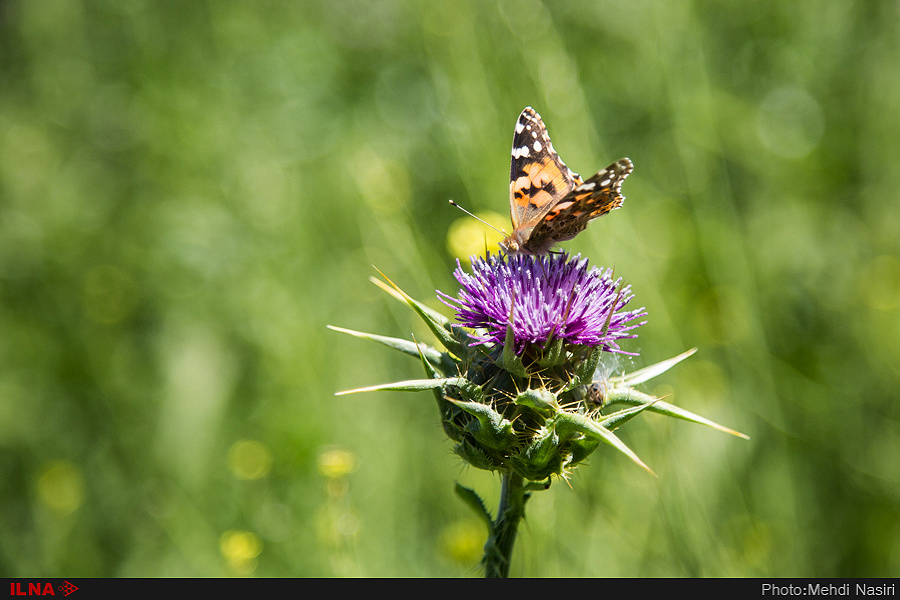
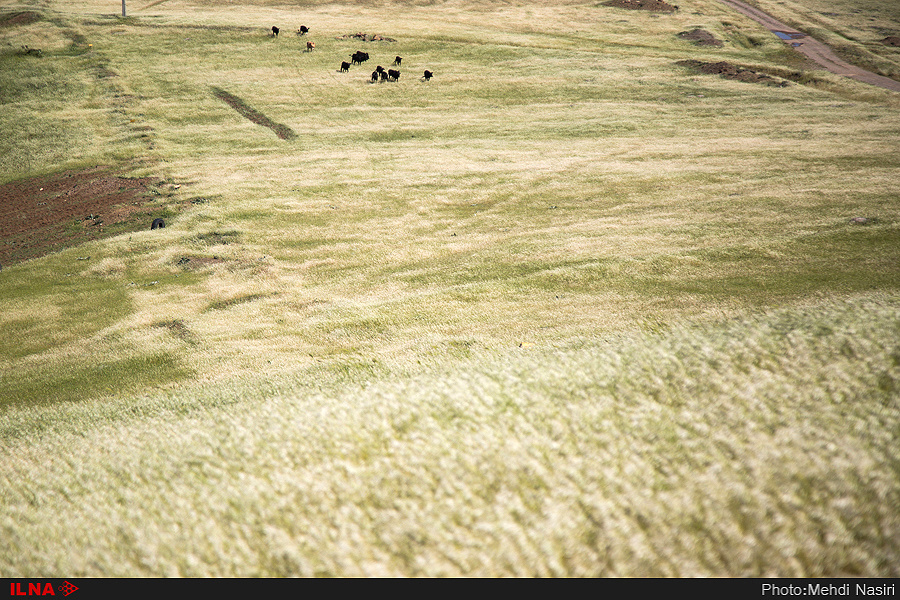
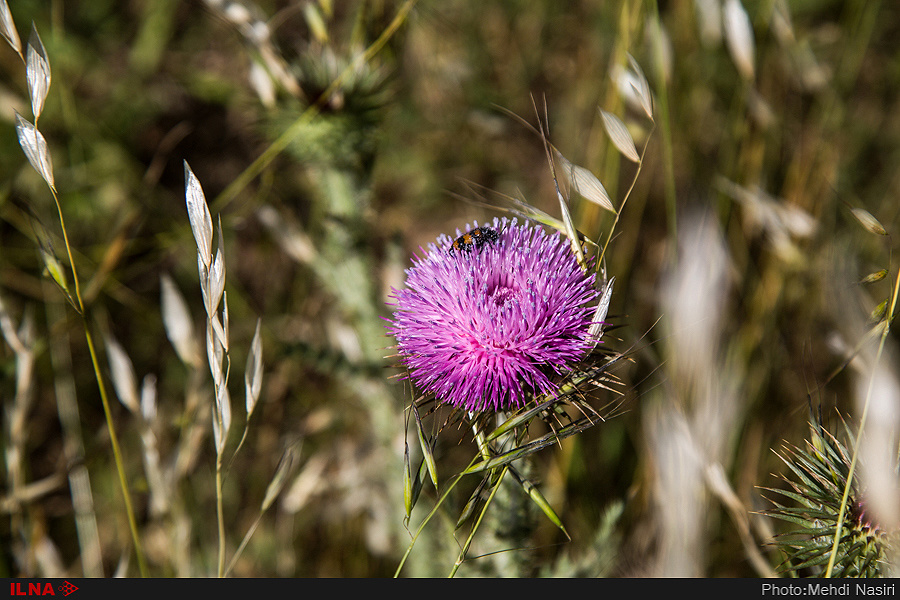
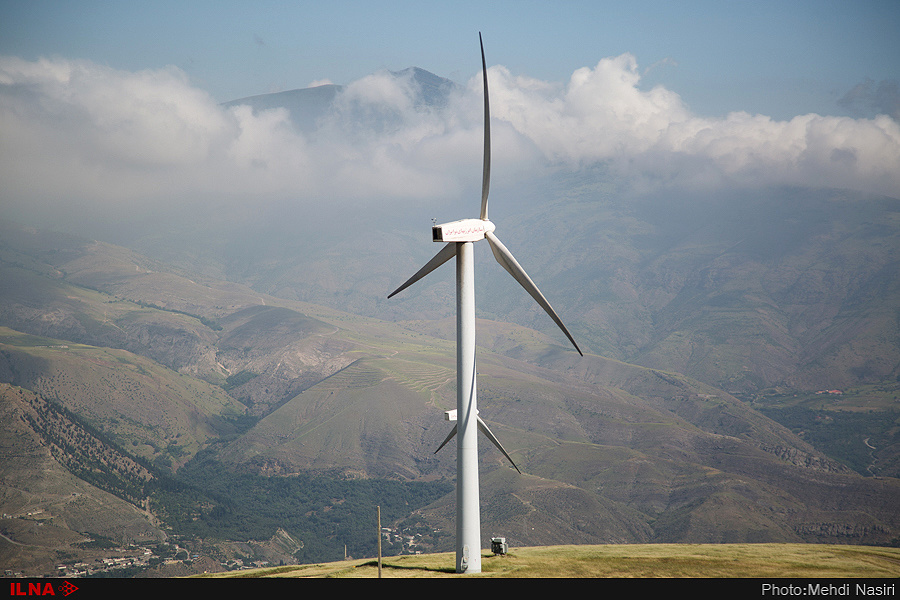
What follows are photos of Kalashtar village and Manjil Turbines retrieved from ILNA:

Time Ripe for Talks between Tehran, Riyadh: Analysts

Tehran Still Ready to Mend Ties with Riyadh Despite ‘Foolish’ Moves

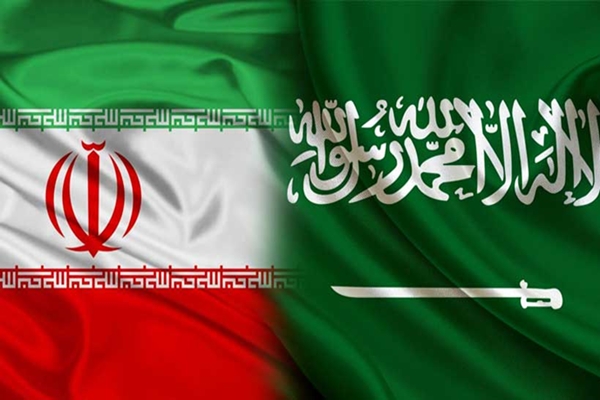
“We write as citizens and foreign policy veterans of two countries that most Americans presume are locked in a mortal combat: Iran and Saudi Arabia. In fact, after decades of proxy conflict and frozen ties between our countries, we believe now is the time to explore a new foundation for a lasting peace in our region,” reads their piece published by The New York Times.

These two thinkers wrote that neither of them is a starry-eyed idealist, but both are hardened realists with distrust for one another, and that mistrust is shared at the top levels of their respective governments.

“At the same time, we have seen the destructive consequences of crises in which our countries side with one or another government or movement involved in a competition for power — for example in Yemen, Syria, Lebanon, Bahrain or Iraq. While we each blame the other side for this pattern, we agree that the net result has been costly, has eroded the confidence of the people our governments serve, and has wasted incalculable resources and countless lives that should have been used to build a new Middle East, rather than tear it down.”

They maintain that now is the time for dialogue because the situations in the historic conflict zones are ripe for diplomacy.

These two prominent figures have quoted five reasons for this:

  • In Iraq, both the Islamic Republic and Saudi Arabia have embraced a new government in Baghdad led by a prime minister and a president who are pragmatic and have good ties to both countries. This is an important opening Tehran and Riyadh must seize.
  • The war in Syria has reached a point near an ending, with less violence and the defeat of the ISIS there. Both of the countries believe Syria’s territorial integrity must be maintained. Iran and Saudi Arabia call for respect of the principle of noninterference in Syria’s internal affairs, and respect for the Syrian people’s right to determine their own fate.
  • In Yemen, there is disagreement about the root causes of the conflict, but both sides agree that it has ushered in a humanitarian disaster. Both of countries should support the process being led by the United Nations to end the conflict in the coming months.
  • Lebanon is now led by a new government and Tehran and Riyadh agree that it is up to the people of Lebanon to sort out their affairs on their own.
  • Finally, in Bahrain, the Islamic Republic and the Arab Kingdom support the tiny country’s sovereignty, integrity, democratic aspirations, and stability based on the will of its people.

“The bottom line is that these five conflict zones, long sources of contests and misery, appear to be settling into a relatively stable status quo from which we can begin to restore a lasting peace in our region. Although we each accuse the other side of being the source of instability in the region, we know through our own difficult dialogue over many months that the conditions exist for direct and continuous discussions with open channels between our capitals and our citizens. We do not need to agree on everything before agreeing on some things and taking the first, most difficult, steps of dialogue,” reads the article.

These two analysts say “our citizens should be first and foremost in our minds, and the world’s. Iran and Saudi Arabia have a combined population of 115 million, nearly a third of whom are under the age of 25. The future is upon us, and our youth will be interconnected whether we like it or not.”

According to Mousavian and Sager, sustainable peace and security require good bilateral relations and regional cooperation between Tehran and Riyadh. Iran and Saudi Arabia have significant differences, but they share common interests in many critical issues, such as energy security, nuclear nonproliferation, and Middle East stability.

“We hope that instead of widening the [Persian] Gulf between our two countries, our leaders will build on the common ground between our nations, which represent the two main pillars of the Muslim world,” they concluded.

‘Europe Not Doing Enough to Help Iran Fight Narcotics’

Over the past ten years, despite the fact that international commitments have always obliged signatory states to pay the global cost of fighting drug-smuggling, there have been fluctuations in the European Union’s financial and equipment aid to the Islamic Republic of Iran to help combat narcotics smuggled out of Afghanistan.

The latest case is when the EU, under the pretext of sanctions, cut off its aid to Iran for war on drugs in May, 2018 when the US pulled out of the Iran nuclear deal known as the Joint Comprehensive Plan of Action (JCPOA).

Saeed Sefatian, the former director-general for treatment affairs at the Iran Drug Control Headquarters, has, in an interview with the Etemad daily, weighed in on the European Union’s disregard for diplomatic rules. The interview was published as part of a featured article entitled “War of Opium”, published a few days ago.

Excerpts of the interview follow:

Over the past 6 years, secretaries general of the Drug Control Headquarters have warned that if Iran stops fighting drug-trafficking and the smuggling of narcotics, the illicit drugs produced in Afghanistan will reach European countries more easily. How do you analyze the warning by Iranian authorities?

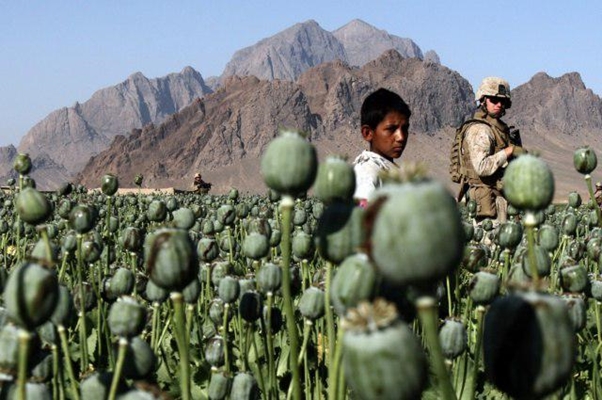
In order to analyze this issue, we should examine how the situation in Afghanistan, Iran and Europe has been affected by the issue of drug-smuggling over the past two decades. After coming to power in Afghanistan, the Taliban reduced drug production for a short period of time. However, despite the presence of 41 European countries plus the United States (i.e., countries for which we become scapegoats with regards to narco-trafficking) in Afghanistan, drug production in Afghanistan has increased since the mid-1990s and over the past 20 years. The US government announced a few years ago that it had spent some $8 billion on fighting narcotics during those years. This is a large figure, and if that budget had been directly provided for the United Nations Office on Drugs and Crime (UNODC), it would be equal to 20 years’ worth of funding allocated to this international institution.

The Europeans, including Britain, France and the Netherlands, also spent a fortune to stop drug production in Afghanistan. Nevertheless, the most powerful country in the Middle East region that fights narcotics is Iran. A testament to that is the more than three thousand forces killed and around 10,000 wounded during the course of combating illicit drugs. The number of those killed or disabled in the Iranian war on drugs equals that of countries in the European Union, North America, the Pacific and Asia. It is very true that we have kept Afghan narcotics from being smuggled into Europe, but the question is how much opium and heroin Afghanistan really produces. Unlike public announcement that some 230 or 250 thousand hectares of land are under poppy cultivation in Afghanistan, the actual figure is really not clear. Therefore, we cannot announce a figure for opium production, either, especially when Afghan farmers have, in recent years, been using genetically modified seeds which produce poppies with bigger flowers and higher morphine content, thus producing more drugs.

What possible situation can emerge after Iran stops fighting the smuggling of heroin to Europe?

Let’s suppose the Iranian government announces and implements a halt in fighting narco-trafficking and stops sealing the country’s western borders. As the major part of the illicit drugs smuggled toward Europe is heroin, the price of heroin will drop as the risk of smuggling will drop, too. Today, hashish is the mostly-used drug in Europe. Following a huge amount of narcotics such as heroin flowing into Europe, the high rate of heroin consumption in Europe, even if not the highest in the world,will plunge the continent into crisis. The most important happening would be a row among active drug cartels in Europe. In addition to this chaos, European governments will also face challenges in offering light narcotics onto the market. As a case in point, the Dutch government will not be able to speak, as freely as today, of offering light drugs onto the market, and this time, the country may think of setting rules for the supply and demand market for the product. After two or three years and in the wake of serious social and cultural changes following a shift in the consumption pattern, European governments will definitely have to change rules and tighten regulations and even intensify preventive education.

Some time ago, a figure was announced with regards to the losses inflicted on the Iranian economy; 50 trillion tomans, which includes the government expenditure for sealing borders and even the human and social costs of drug addiction. If this amount of money had not been spent on fighting drugs and measures to counter the transport of drugs, to what extent could it have contributed to the country’s economy?

We conducted a survey in 2002 on the economy of narcotics. At that time, war on drugs had cost the nation around $ 11 million, which is equal to some 200 trillion tomans today. So, economy is the backbone of drug trade. This economy is lucrative for drug cartels but detrimental to governments and citizens. A clear example of that is the 200-trillion-toman loss inflicted on Iran’s economy.

How binding are international obligations for the signatories?

An international convention is binding for a country when it is in conformity with the structure and laws of that country. In my opinion, the Islamic Republic of Iran is among the countries which, during their campaign on narcotics, have been able to adapt themselves to conventions well. This is while European countries have acted contrary to what we have done, so much so that today, in comparison with 15 years ago, they have tremendously cut down on their aid to the Iranian government for fighting illicit drugs. Even the UNODC’s funds for Iran’s war on drugs have dropped considerably compared to 15 years ago.International aid, especially US and Europe’s funding, to the UNODC has also decreased considerably. We should ask Europeans why they haven’t involved themselves that much, especially when they know Iran is at the forefront of the campaign against narcotics and is suffering enormous economic pressure in that regard and is grappling with problems as a result of sanctions today.

Iran, Iraq Reach Agreement on Dredging Arvand Rud

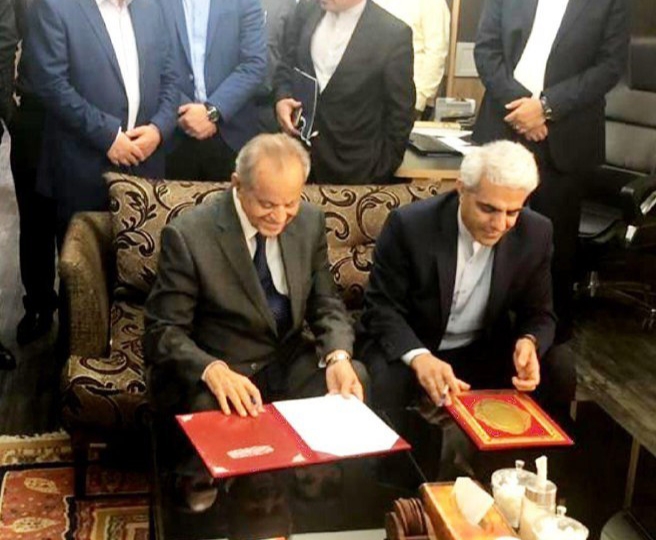
The joint meeting was held on Sunday morning in the port city of Khorramshahr in south-west of Iran under the supervision of the Iranian Foreign Ministry’s director general for legal and international affairs and a senior advisor to the Iraqi foreign minister in order to study the technical issues of dredging Arvand Rud. At the end of the talks, the proceedings of the meeting were signed by the two sides.

Based on the agreement reached at the meeting, an interim technical working group will be established with the aim of preparing the grounds for joint dredging of Arvand Rud. The working group will conduct technical studies on Arvand Rud’s dredging during routine meetings every two weeks, and will submit its proposals to the joint coordination meeting.

The parties also agreed to hold the first meeting of the technical working group on June 9 in Baghdad.

The negotiations were held within the framework of deals sealed between high-ranking Iranian and Iraqi officials to resolve disagreements over Arvand Rud based on the 1975 Algiers Accord, which deals with border issues and good neighbourliness.

The 1975 Algiers Declaration was an agreement between Tehran and Baghdad to settle their border disputes and conflicts.

Nishapur Artists Pay Tribute to Omar Khayyam

May 18 marks the birth anniversary of renowned Iranian mathematician, astronomer and poet Omar Khayyam who lived in the Seljuk era in 12th century BCE.

Khayyam wrote essays on mechanics, geography, mineralogy, music, and Islamic theology.
He was born in Nishapur, an Iranian city in Khorasan Razavi Province which many believe is the cradle of knowledge and science.
As a mathematician, he is most notable for his work on the solution of cubic equations, where he provided geometric solutions by the intersection of conics. Khayyam also contributed to the understanding of the parallel axiom. He also designed the Jalali calendar, a solar calendar with a very precise cycle.

There are some poems written by Omar Khayyam composed in the form of quatrains. His poems which are reflecting his philosophy of Carpe Diem have been translated by the British poet Edward FitzGerald.

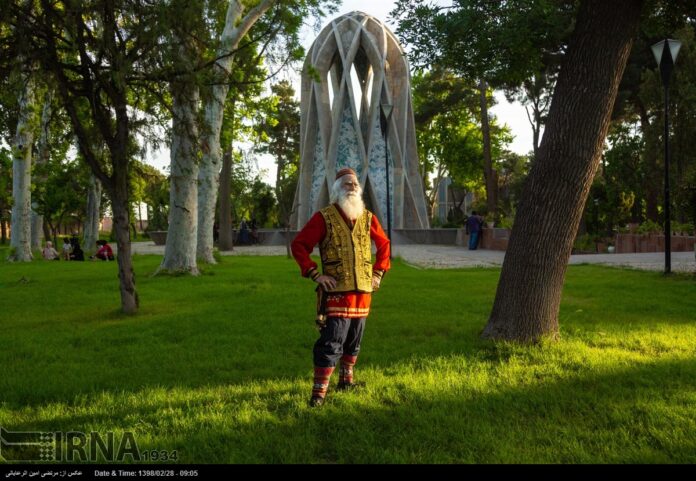
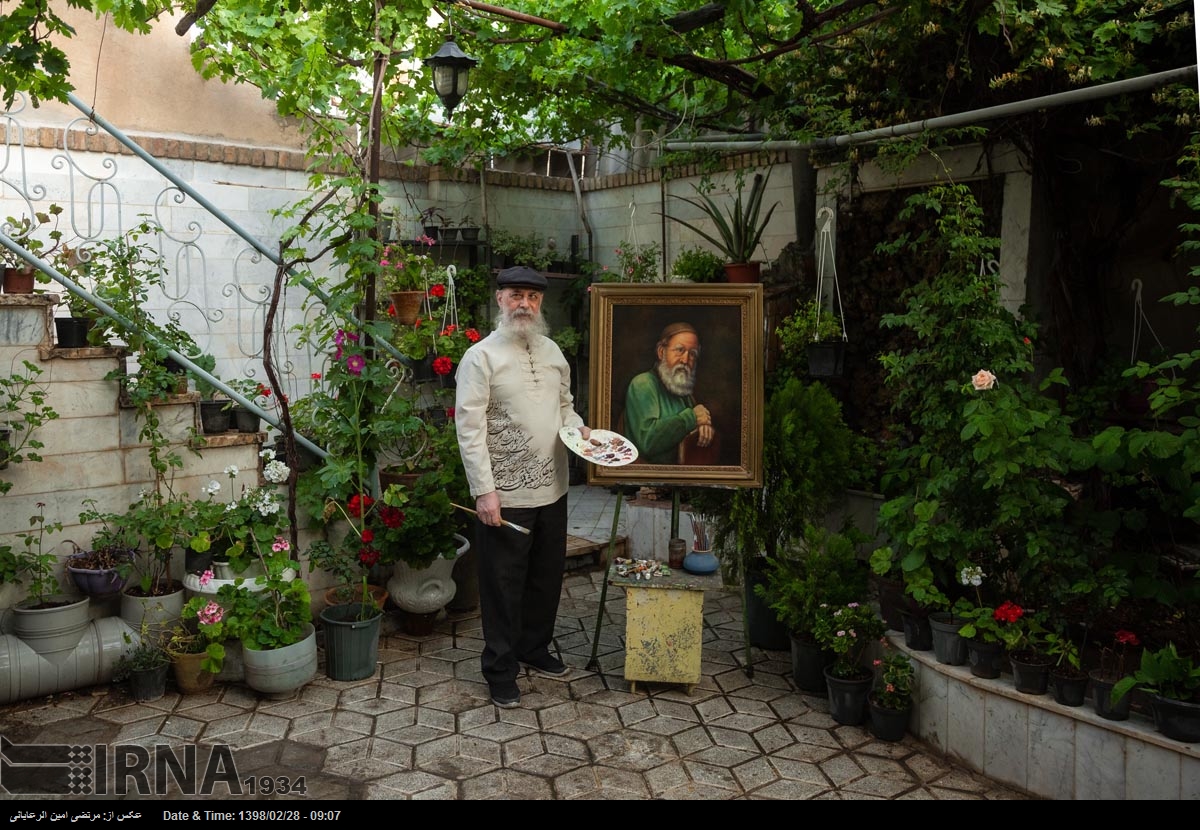
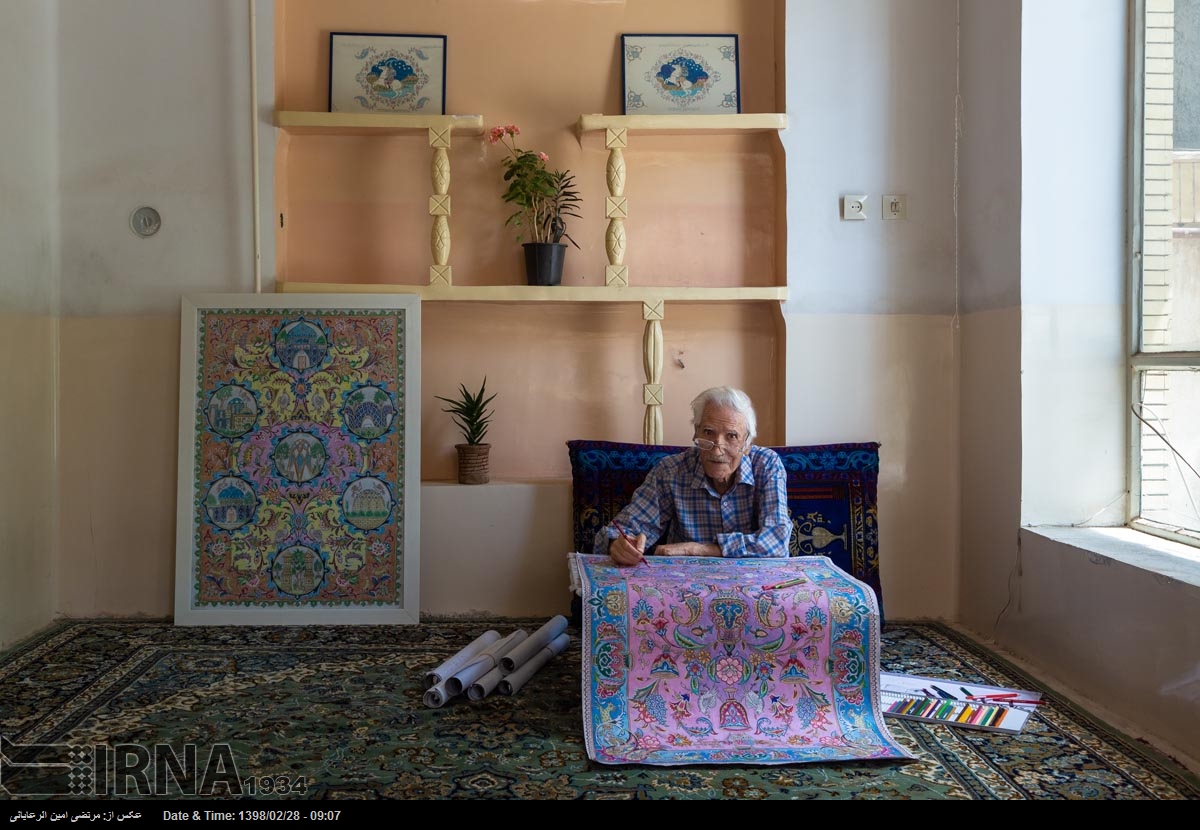
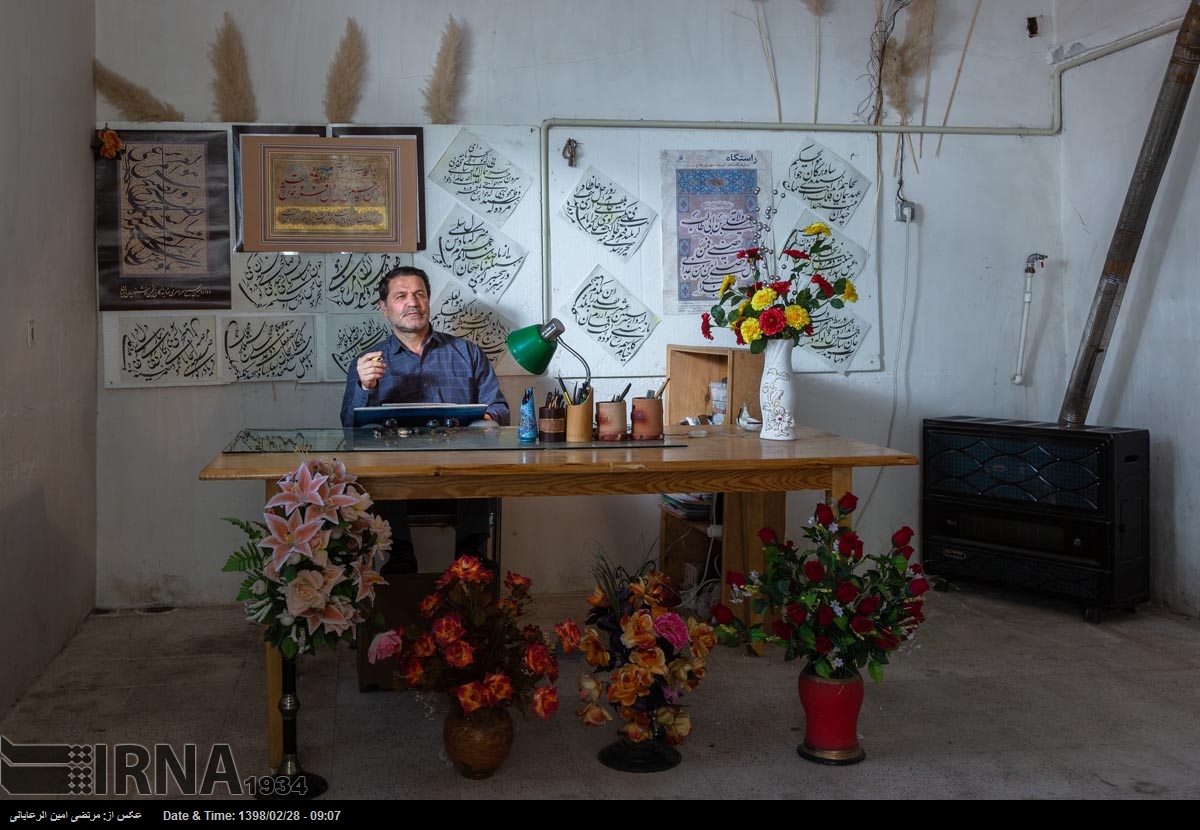
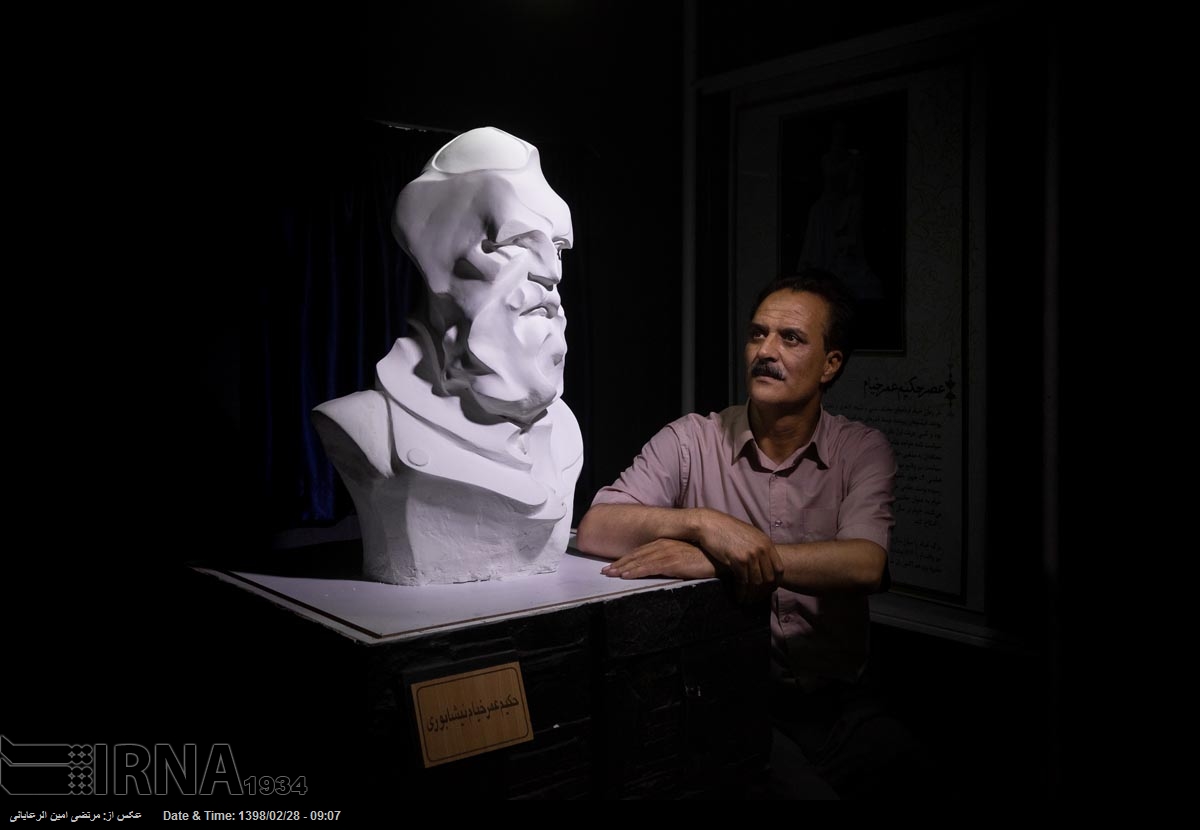
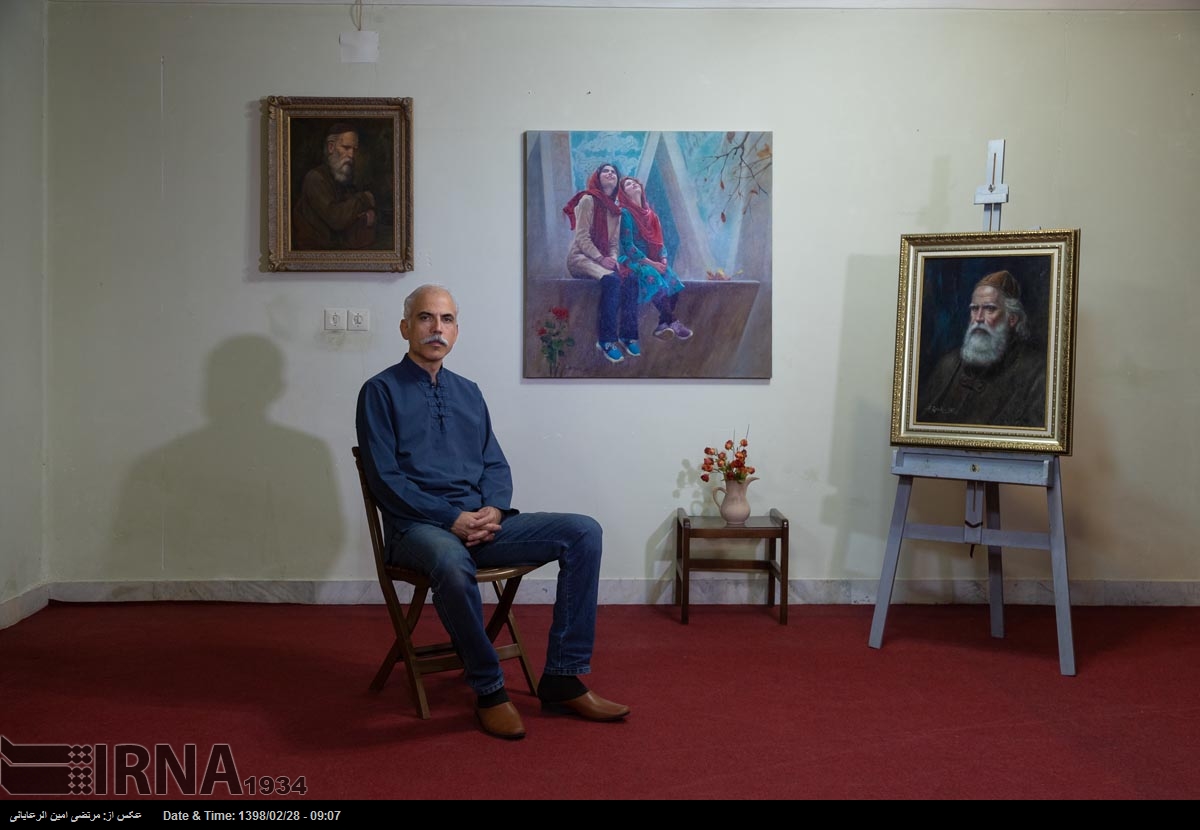
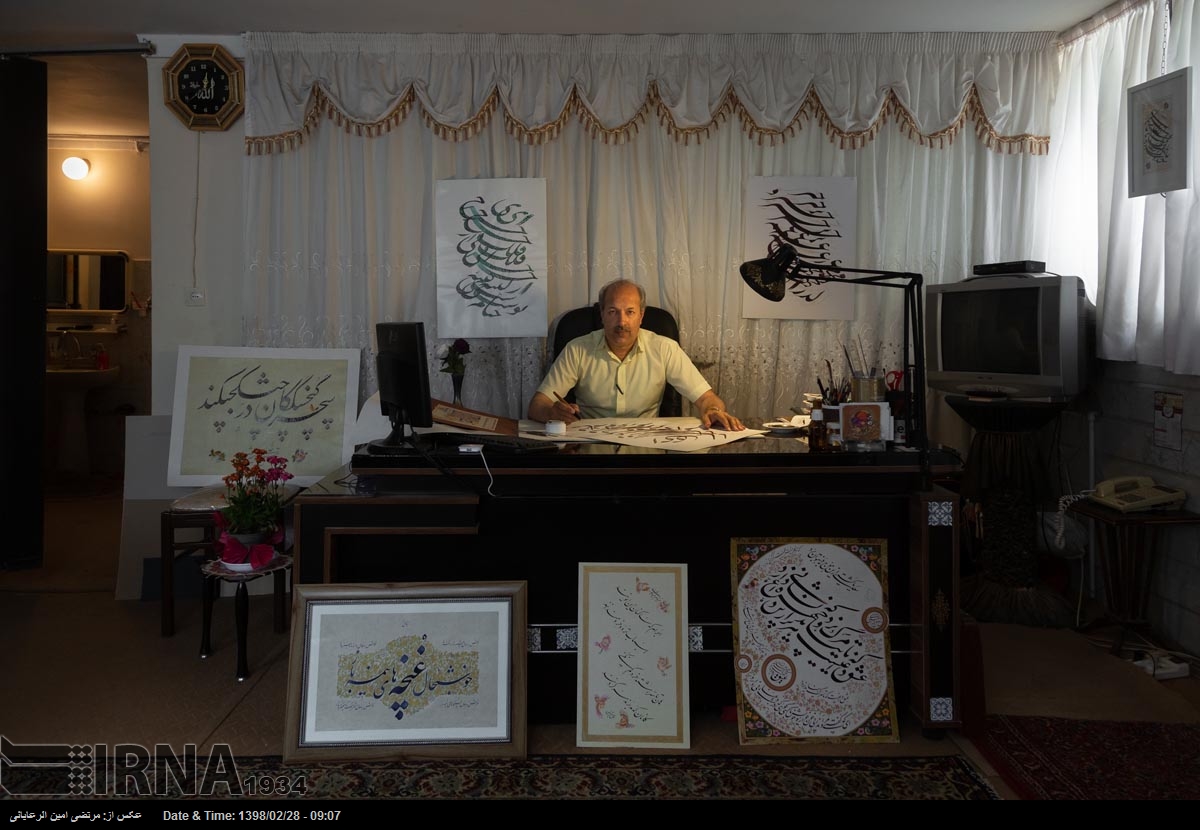
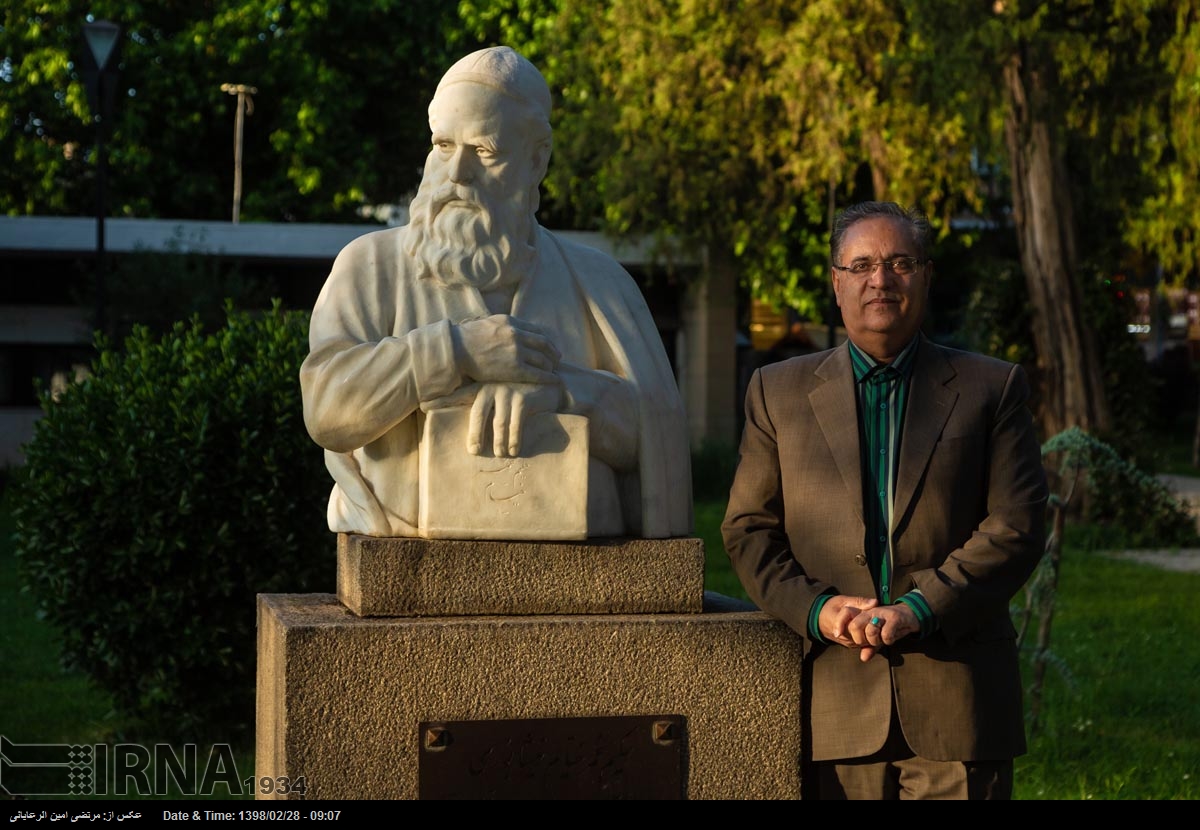
The following images show the artists, poets and citizens of Nishapur who have dedicated their art works to Omar Khayyam to preserve his heritage: