Friday, December 26, 2025
Home Blog Page 3263

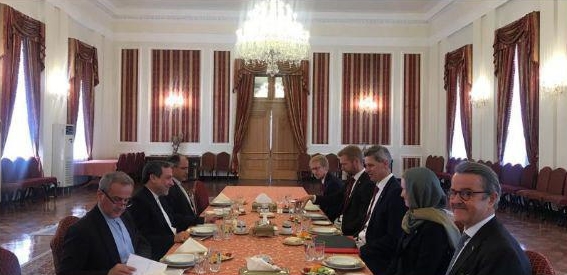
Iran, Norway Hold 9th Round of Political Consultations in Tehran

Iran, Norway Discuss Coronavirus Conditions

During this round of talks, the two sides discussed the most important international issues and developments, as well as issues of bilateral relations.

Hattrem expressed his regret and sympathy over the recent floods in Iran, saying that Norway will soon send its cash and non-cash help for Iran’s flood victims.

He emphasised Oslo’s serious political will to sustain and maintain bilateral cooperation with Tehran, and described as “wise and reasonable” Iran’s stances and behaviour in reaction to the unfaithfulness and regrettable withdrawal of the United States from the JCPOA.

He went on to say that Norway has always been in harmony with the European Union in maintaining and implementing the JCPOA, which guarantees benefits and positive results, especially security, for all parties.

“Norway is still hopeful that the JCPOA will be able to survive thanks to Europe’s efforts to help Iran reap the dividends [of the deal] and maintain its cooperation.”

Iran, Norway Hold 9th Round of Political Consultations in TehranIt is expected that operational solutions and mechanisms like the Instrument in Support of Trade Exchanges (INSTEX) would pave the way for further cooperation in various economic areas, added Hattrem.

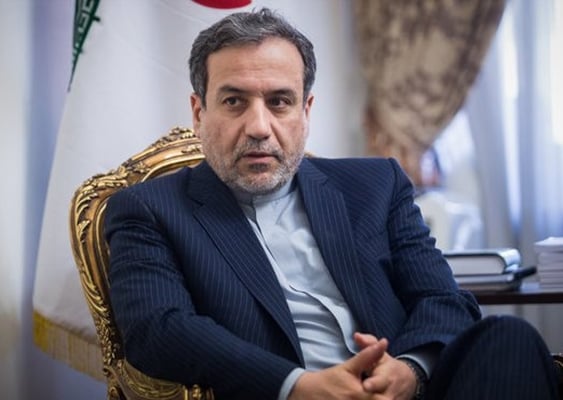
In turn, Araqchi expressed gratitude for the sympathy and assistance of the government and the people of Norway after the recent floods, and also Oslo’s positive and constructive positions to develop and promote bilateral cooperation and its continuous support for maintaining and implementing the nuclear deal.

“The nuclear deal is a multilateral and international agreement, and by withdrawing from this agreement, the United States has violated internationally-accepted standards, including the UN Security Council Resolution 2231,” Araqchi noted.

However, he added, unfortunately this unlawful action has not received an effective response from the international community.

“With this unilateral and unlawful move, the United States has shown it does not understand the language of respect and engagement, and can only speak the language of bullying,” Araqchi added.

He reiterated that political support is not enough, and Europe needs to pay costs to preserve the JCPOA. Otherwise, the deal will not be able to survive and its consequences is blamed on the United States.

“Iran has shown maximum goodwill, cooperation and self-restraint to keep the accord alive, but the ruling White House team seems to have other goals and objectives in mind. There are several choices for Iran, and we will respond appropriately based on our national interests in the face of the US bullying behaviour,” concluded Araqchi.

US Sanctions on Iran Harming Region’s Health Sector: VP

New Economic Plans Needed to Counter Fallout from COVID-19 Outbreak: Iran VP

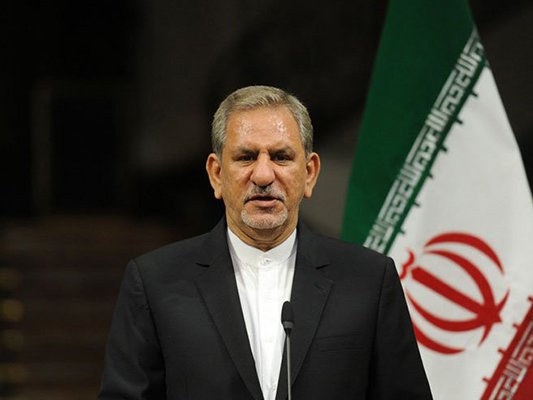
The first vice-president said “unfortunately today we see the destructive, unconventional and inhuman behaviour of the US government against the Iranian people.”

“Unfortunately, in violation of the human rights regulations, the US government has created serious problems through its inhumane measures and by imposing the most severe sanctions on the health sector. It has seriously threatened the supply of medicines and medical equipment for the patients, endangering the lives of many.”

Jahangiri made the remarks on Monday at the seventh edition of World Health Summit Regional Meeting which is underway on Kish Island, south of Iran.

“Fortunately, with the efforts of our country’s researchers and scientists, a significant portion of the country’s medical needs are produced inside the country. They even produce a surplus that can be exported to the countries in need. Our imports are limited to specific items and supplies, but the US government’s obstructionism and threats have forced the companies to discontinue sending them to Iran, and prevented the purchase and transfer of these items to the country,” he underscored.

Jahangiri stated that Iran’s expectation from the international organisations, especially the World Health Organization, is that it does not keep silent over the unilateral and unlawful policies of the US government, especially in the health sector which is directly affecting the lives of the people, and is a completely humanitarian subject.

The international bodies must use all the powers available against the US government’s inhuman policies, reiterated Jahangiri.

“We call on regional countries to pave the ground to overcome regional problems such as boycotts, by expanding regional cooperation in manufacturing of medicine and medical equipment, as well as creating infrastructure for cooperation between active centres and companies in the health sector,” he noted.

Considering the role of Iran in supplying a large portion of the pharmaceutical needs of the countries of the region, we believe that sanctions on the health sector of Iran would mean imposing sanctions on the health sectors of the countries of the region.”

Jahangiri pointed out that Iran has fulfiled all its obligations under the nuclear deal and the International Atomic Energy Agency (IAEA) has repeatedly affirmed the Islamic Republic’s abiding by its commitments.

“The US government has not only failed to fulfil its obligations, but has imposed the hardest possible sanctions against the Iranian people, as they have acknowledged themselves. Americans are lying that the target of sanctions is the Iranian government, while the sanctions are putting pressure on the Iranian nation and their livings.”

“With poor excuses and pressured by the Zionist lobby, the US withdrew from the JCPOA as an important international agreement that would help establish peace and security in the region and the world,” he noted.

“Fortunately, in recent years, our country’s young researchers have managed to develop the knowledge of the health sector, including the achievements in the fields of nuclear medicine, stem cells, repair of neural systems, the production of various drugs for the treatment of high-risk diseases and dozens of other achievements.”

“Our scientists come first in many areas, especially in the health sciences. Our universities have attracted thousands of students from all over the world, despite the sanctions and the difficulties, and there are many research projects being carried out with the participation of scientists from the world’s top universities in the country.

“To improve health, we need to enjoy a safe environment, coexistence and peace. Throughout its history, Iran has been a land of friendship and the cradle of science, knowledge, art and literature.

“Today, we are the same people who are after building a healthy and peaceful world with a healthy and sustainable development of health. We seek to eliminate all threats and sanctions [from the world] and make a world free from violence, aggression, and insecurity.

“This Health Summit is worthy of praise at a time when our dear country is facing the cruelest sanctions. The presence of more than 100 scientists from about 50 countries around the world at this important meeting indicates that although health has become a political issue today, scientists and health system experts aim to improve human life beyond the political boundaries and in accordance with the principles of scientific participation and social commitments.

“Our country and the region in which we are located are subject to extensive and profound changes due to geographical conditions and political relations, but the Islamic Republic has managed to overcome various difficulties successfully. Our region has suffered the most from global extremism and terrorism, but it is on the brink of removing countries from this anti-human threat.

“The recent flood in Iran was a serious test for the US government’s human rights slogans. While Iran was engaged with a devastating flood and more than half of the country’s provinces suffered heavy losses, US cruel restrictions and sanctions prevented the assistance of other countries and international organisations to flood-stricken people.

“In the meantime, even relief agencies such as the Red Crescent Society of the Islamic Republic of Iran were not excluded from the sanctions, and there were a lot of restrictions on the international relief efforts. Of course, this is a great honour for the Islamic Republic of Iran to announce that in spite of all these restrictions, and with the efforts of all the health sector practitioners, including physicians, nurses, health workers and administrators of this sector, no epidemic disease was recorded in the flood-hit areas so far. Hereby, I am obliged to express my gratitude to all those who have been working on this issue round the clock.

“Now we are exposed to various natural disasters caused by human interference. Over the last few weeks, flash floods caused our country to suffer from various health problems. But the nation and the government did not hesitate to send aid.

“More than half of the world’s refugees and displaced people by war and terrorism are living in this part of the world. Over the past four decades, our country has provided more than 3 million refugees with the health services with the least use of international assistance.

“Nowadays, the executive officials of the country, along with people and civil institutions, seek to ensure that citizens affected by the flood would not be threatened by the health, physical, psychological, and social issues.

“Today’s issue is the healthy reconstruction of cities and villages in a sustainable development path. Naturally, health is the cornerstone of this move. I hope that the outcome of the discussions and scientific exchanges of this meeting will be another step towards achieving sustainable development of health and expanding scientific and technical cooperation in this region and other parts of the world,” he concluded.

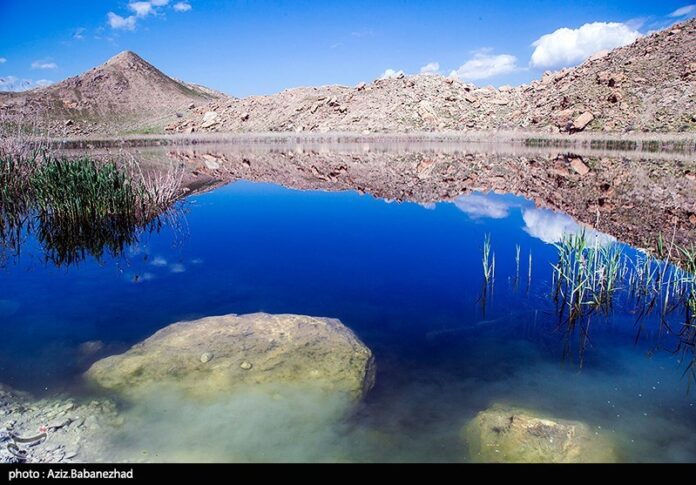
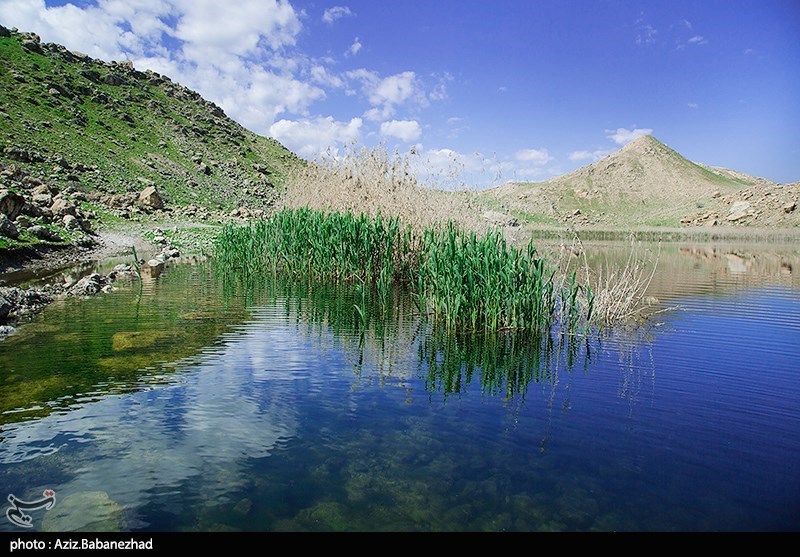
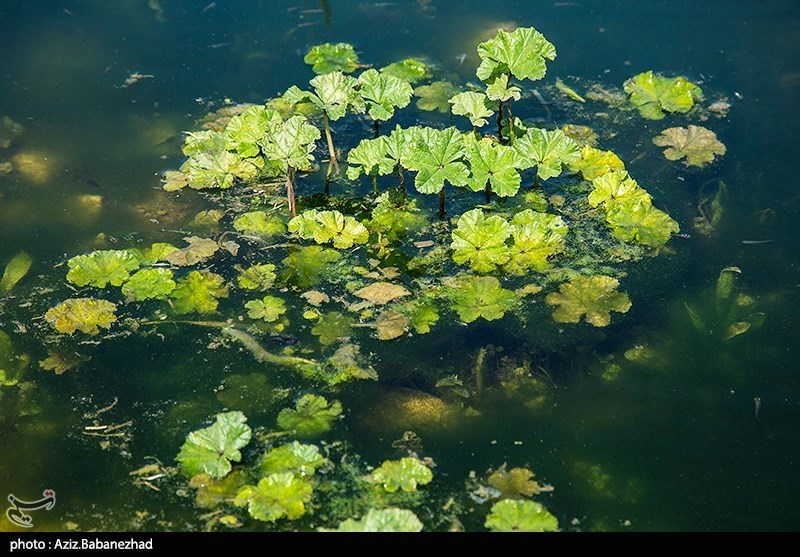
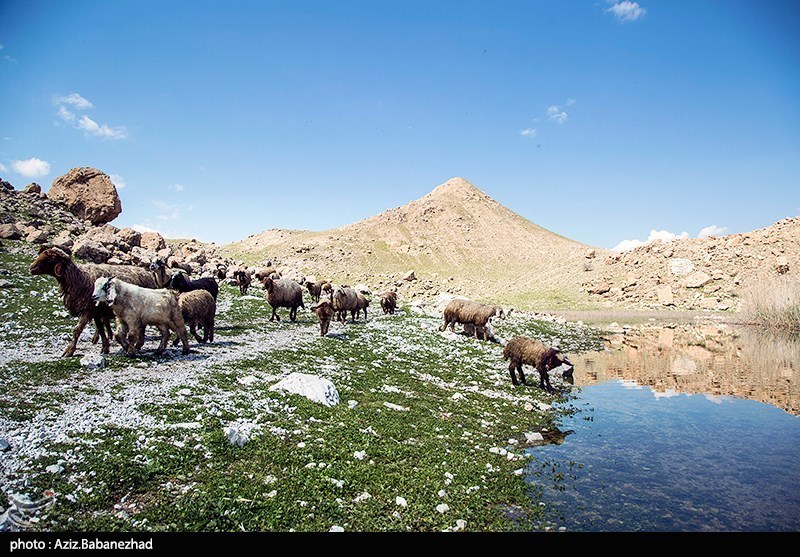
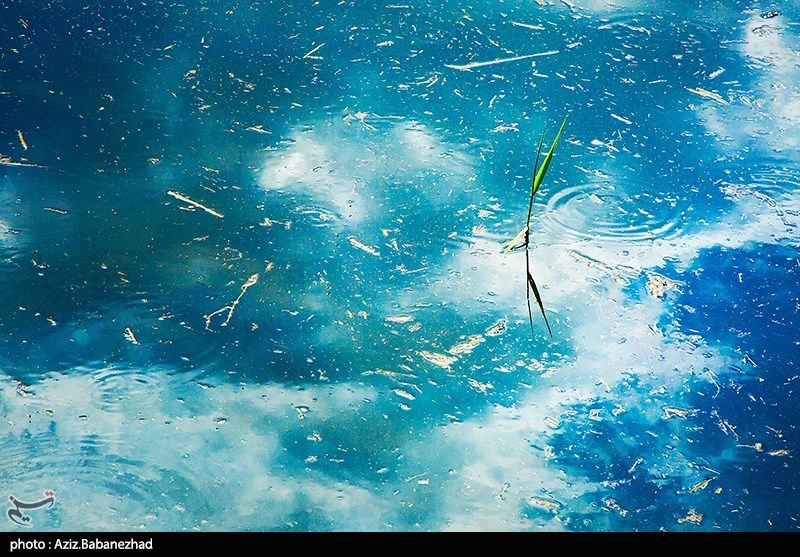
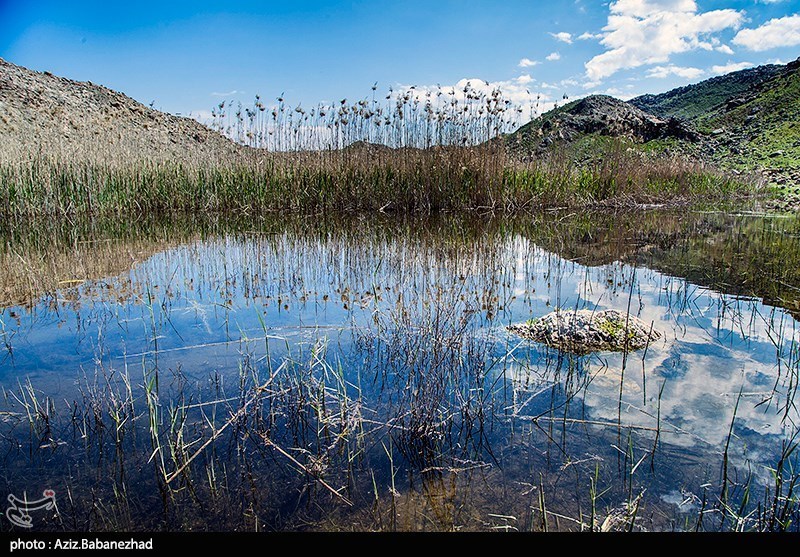
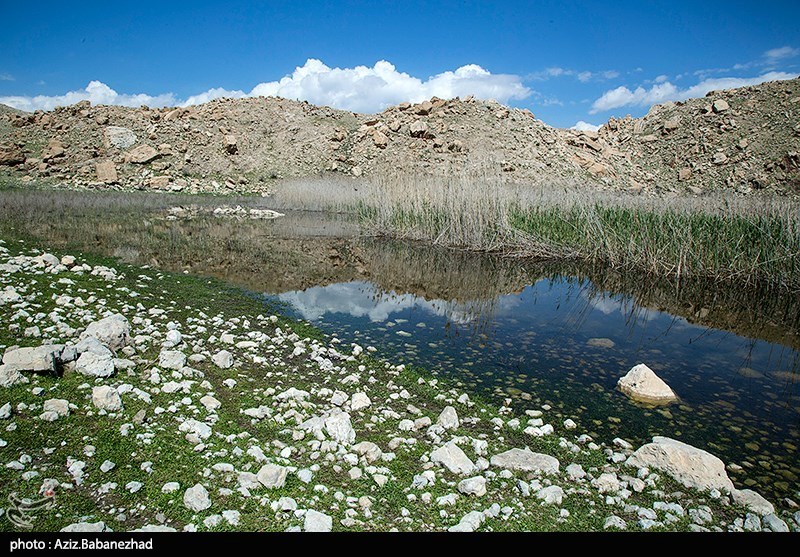
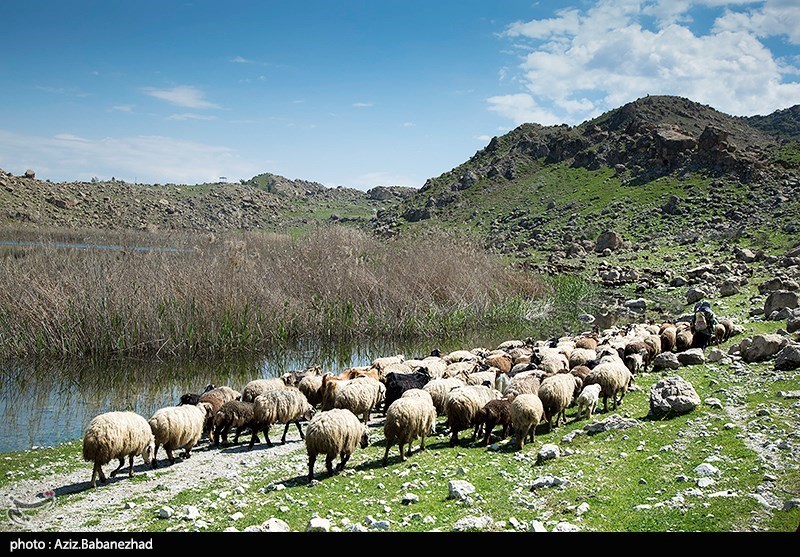
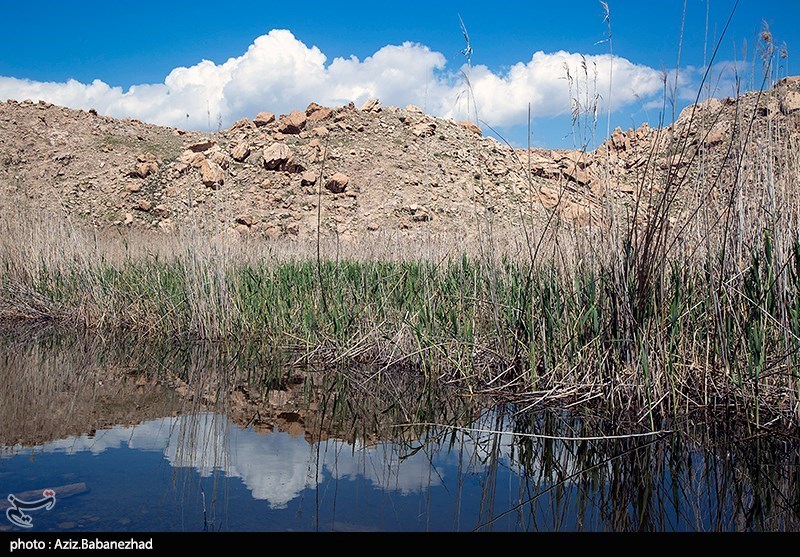
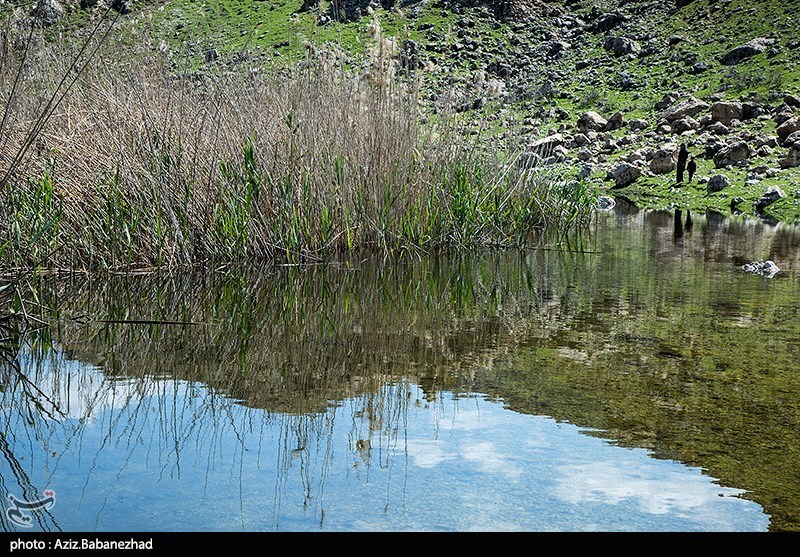
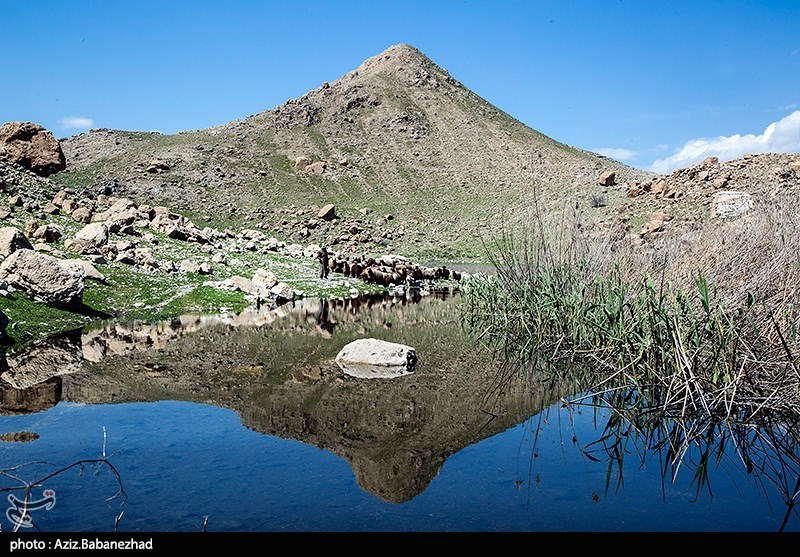
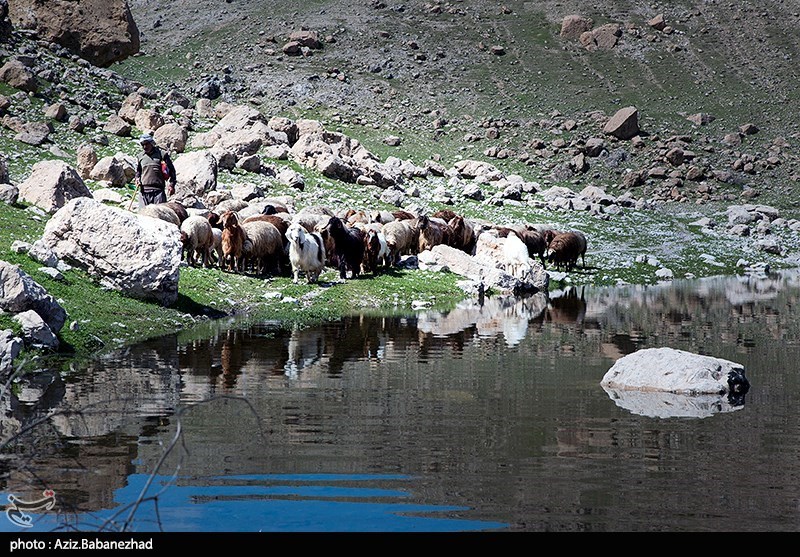
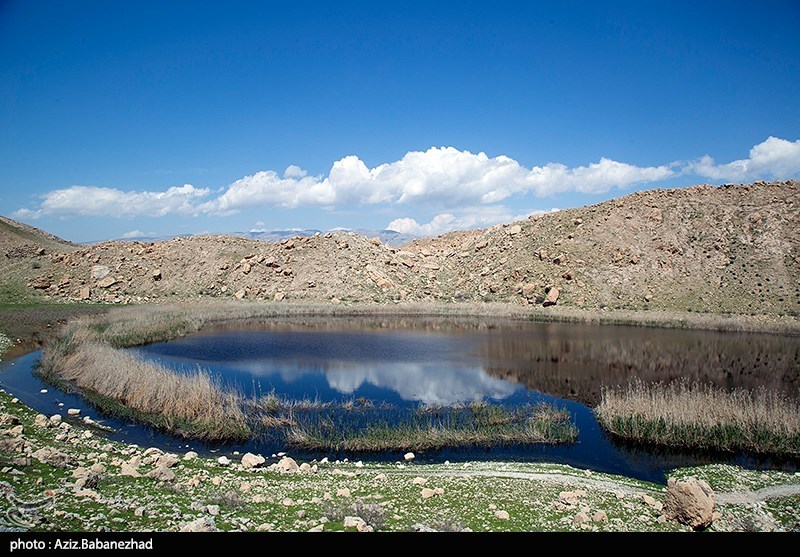
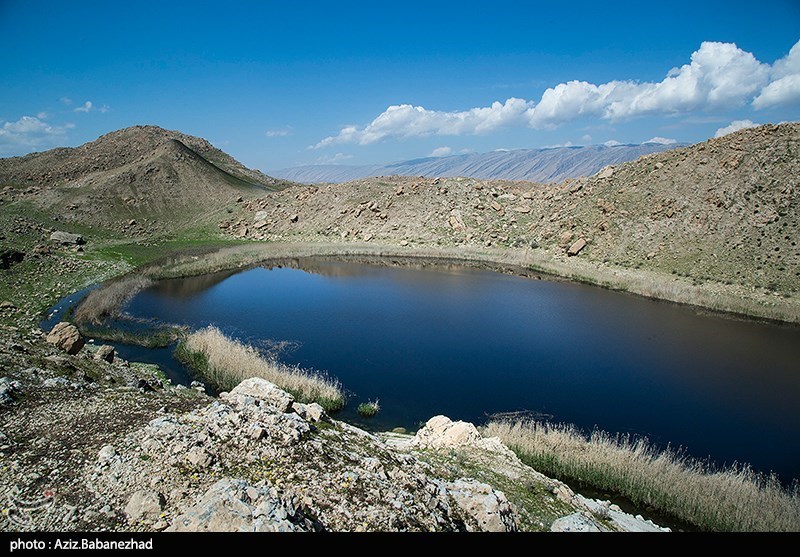
Iran’s Beauties in Photos: Pol-e Dokhtar Lagoons

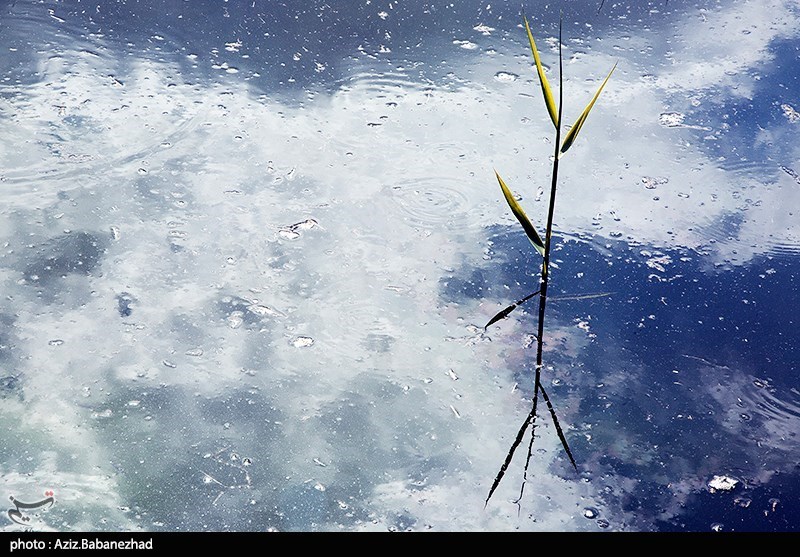
The recent floods that hit Lorestan province and the city of Pol-e Dokhtar in particular caused serious damages to the people and their properties, but at the same time revived many of these lagoons, increasing the level of their water considerably.
What follows Tasnim news agency’s photos of these lagoons:

Iranian Cleric Bans Use of Oil Income to Meet State Expenses

Ayatollah Mohaqqeq Damad also says it would be religiously inappropriate to sell oil products and other energy commodities at low prices.

In a statement, the top religious figure elaborated on his point of view, from a religious standpoint, on oil revenues and relevant issues.

“The religious approach with regards to national resources in general, including oil and [natural] gas, is as follows: This wealth should, in the first place, be extracted using the latest scientific methods in the world because if [energy] is not extracted from shared [oil and gas] reserves, other countries [which share them] will extract it; moreover, the energy reserves could lose value in the not-too-distant future.”

“Secondly, after extraction, the earnings from the sales of oil products should be funneled into profitable and long-term investments using economy experts’ views. That should be done in a calculated way, so that the country’s economic balance is not disrupted, and the original sum of money and asset is preserved,” read part of the statement.

“The profit gained should not only be spent to cover the expenditures of the current generation, but far-sighted and forward-looking plans should be drawn up to use the profit for future generations as well. The profit gained should also be channeled into sustainable investments,” another part of the statement read.

“In my estimation, using revenues from energy resources to meet current expenses is not only outside the powers of the government, but it amounts to squandering national wealth, and it will undoubtedly be an unforgivable sin. If we act properly in this domain, we might be able to solve some of the key economic problems facing the country step by step in a certain period of time,” read the statement.

The top cleric also criticized individuals that resort to expediency in their approaches.

“Some may resort to the principle of ‘expediency’ to maintain the status quo with regards to improper use of national oil and gas wealth. They might say if energy commodities are sold at their real prices, it will put a lot of burden on people and increase [public] discontent. My answer is, first, expediency is something which, from a jurisprudential standpoint, is justified by the principle of ‘urgency.’ … It means urgency allows for actions which are forbidden otherwise,” he said in the statement.

“Urgency and expediency are always transitory and limited, and they should not turn into norms,” he noted.

He further said mismanagement should not be justified by the “expediency” concept.

He said there are some religious earnings such as Zakat as well as taxes which should be used to support low-income families and the needy.

The top cleric said it runs counter to the principles of Islamic jurisprudence to distribute “Anfal” among people under the pretext of helping the poor.

Anfal refers to any property which does not belong to any specific individual such as natural woodlands and forests, natural groves, natural resources, property of a deceased person without an heir, personal property of heads of foreign countries defeated in war with Muslims, luxury prizes, seas, oceans, natural rivers as well as fish and exploits of water including pearls, etc.
He called on religious figures to urge officials to safeguard Anfal and protect national interests, which is a “religious duty.”

Ayatollah Mohaqqeq Damad holds a PhD degree in International Law and is a faculty member at prestigious Shahid Beheshti University of Tehran.

He believes in practicing the principles of Islamic jurisprudence in accordance with the requirements of the time. He is one of eminent experts in the domain of philosophical sciences.

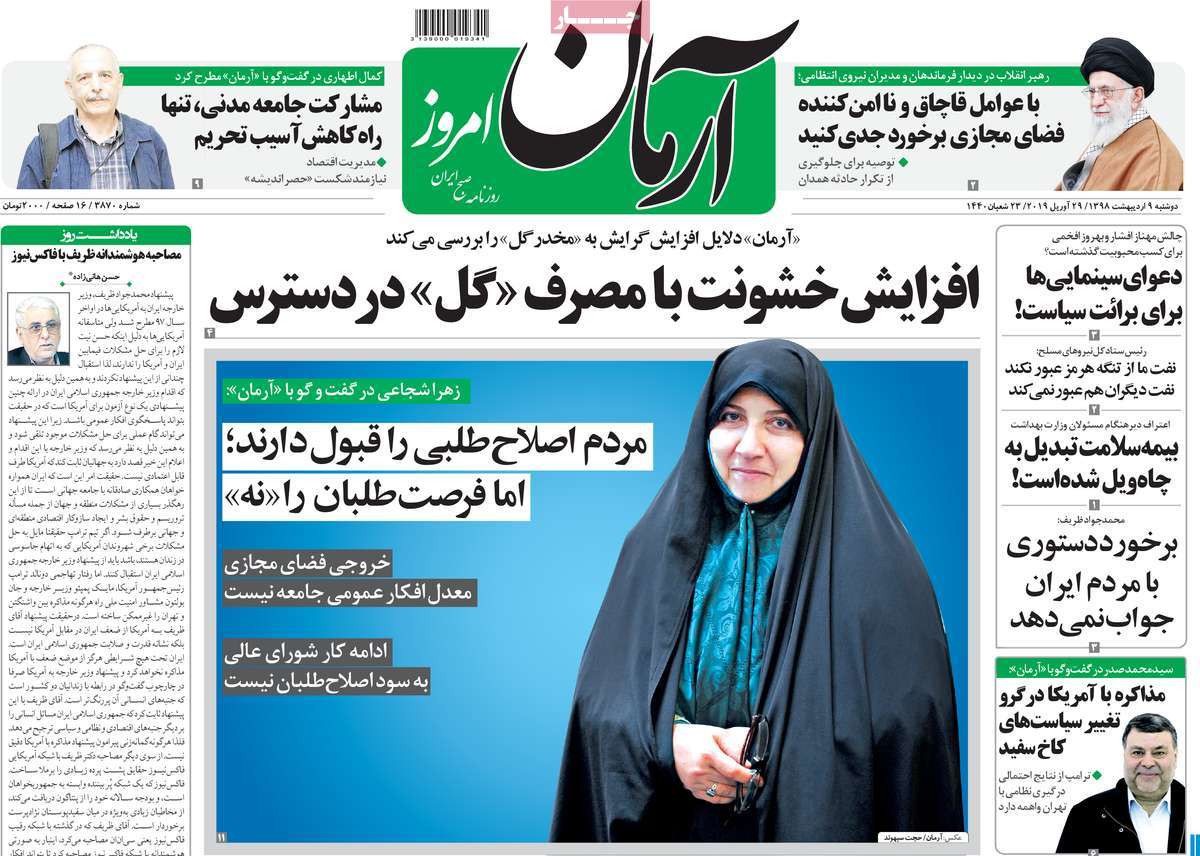
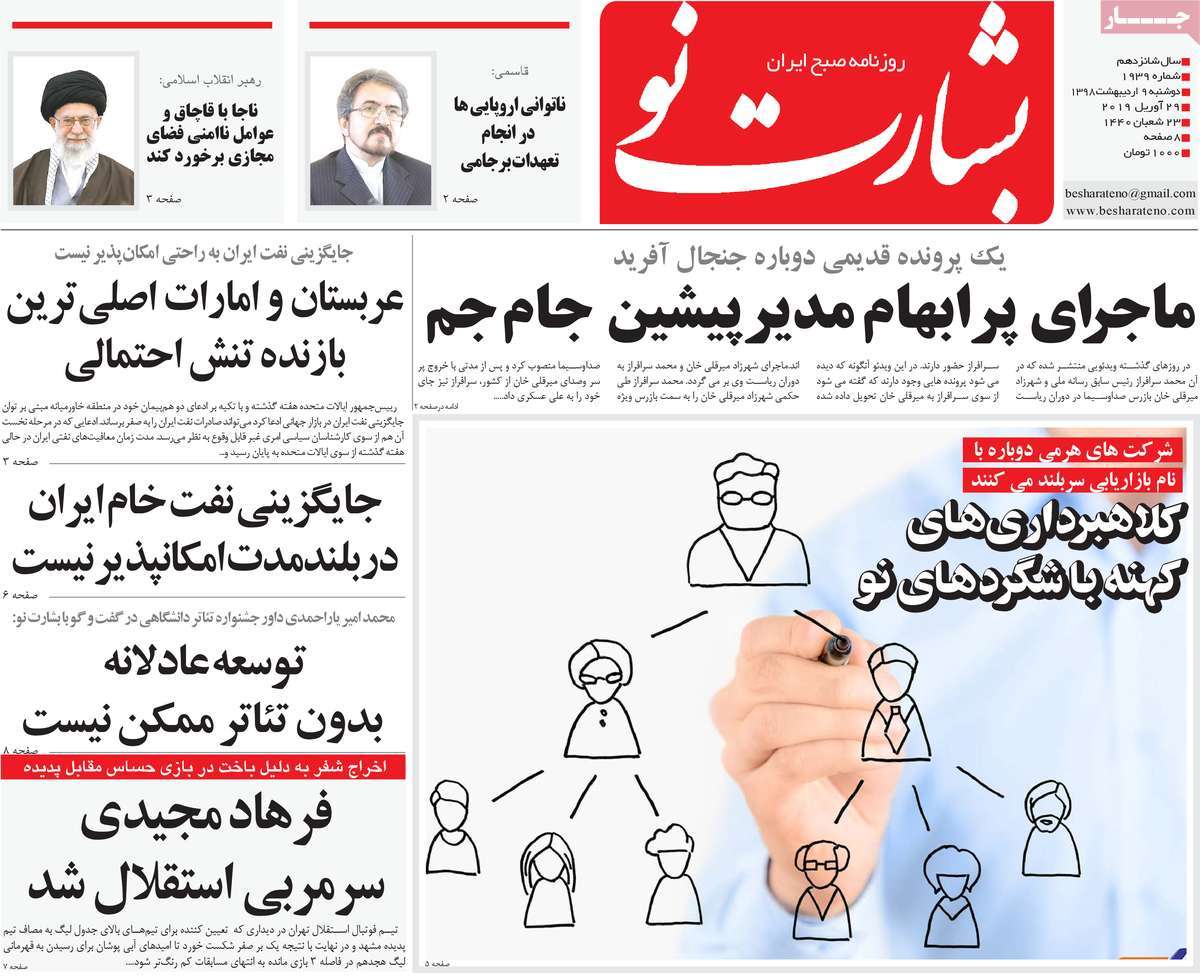
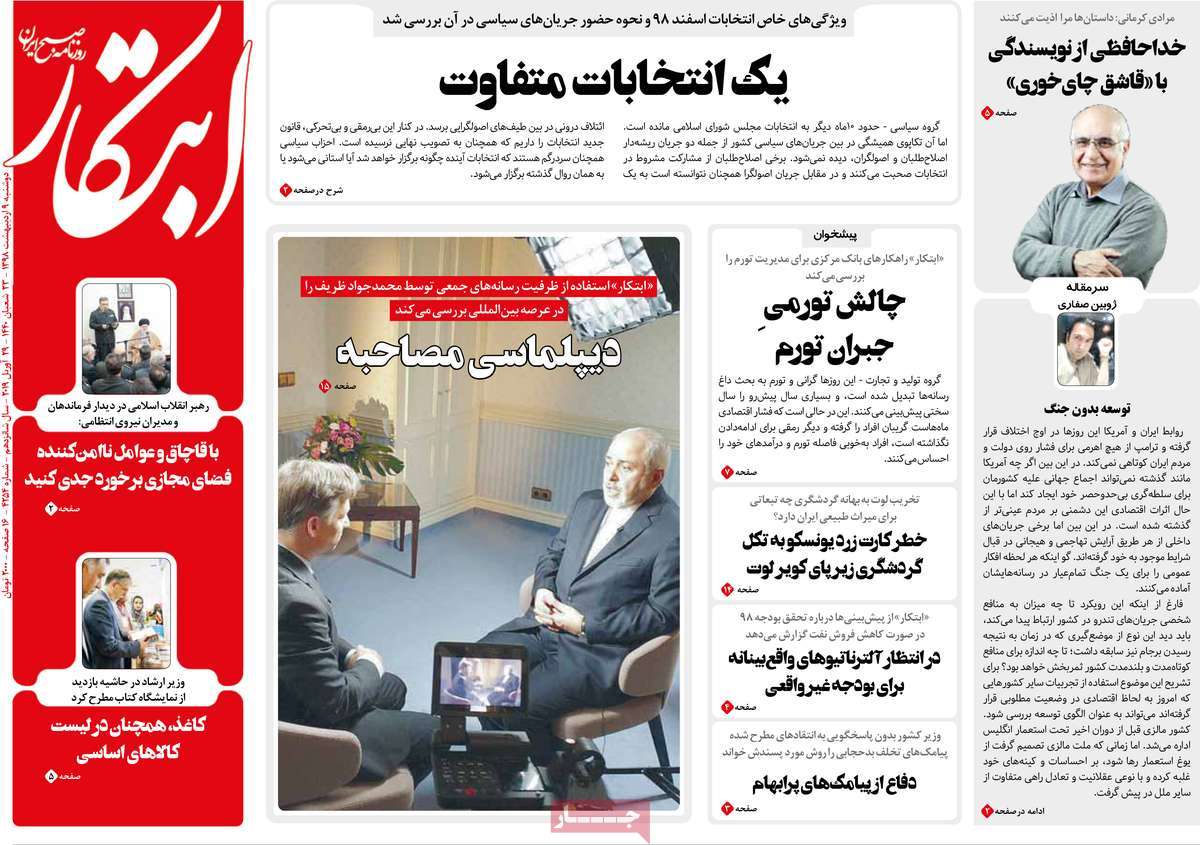
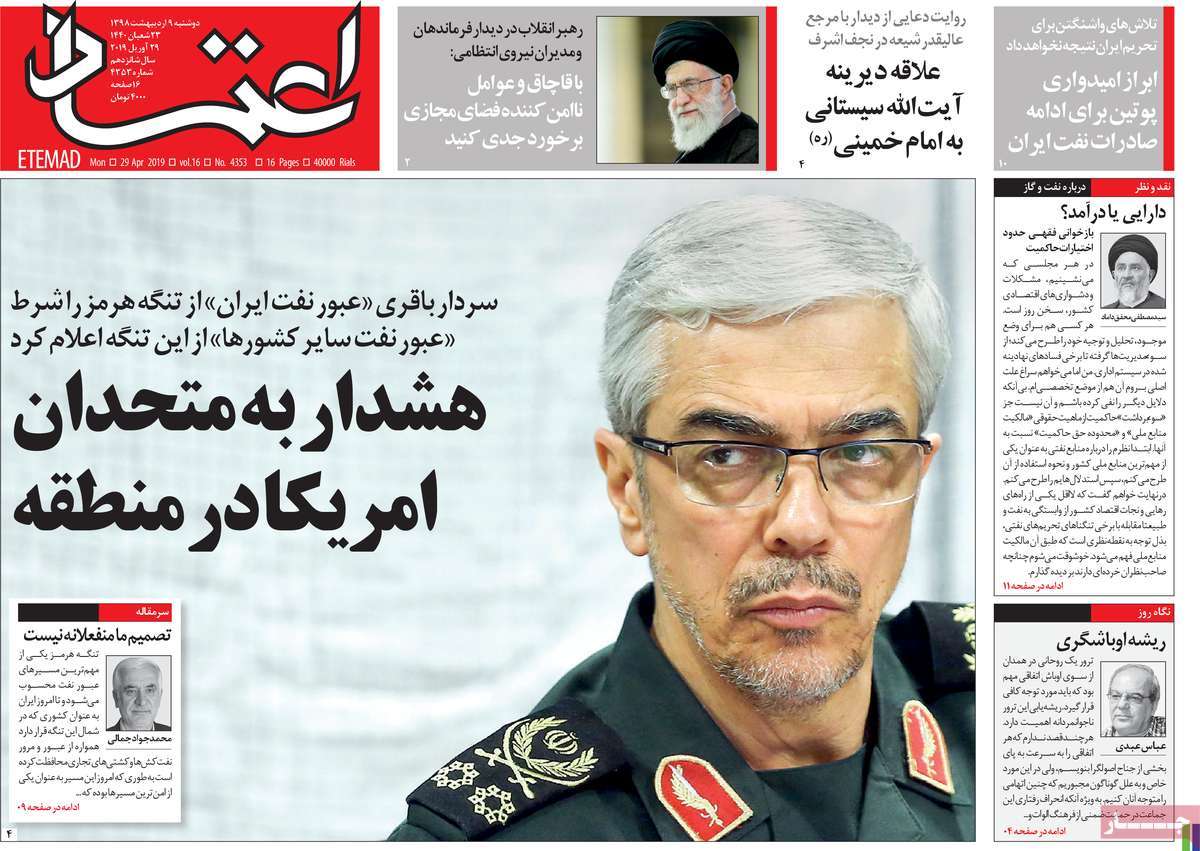
A Look at Iranian Newspaper Front Pages on April 29

A Look at Iranian Newspaper Front Pages on November 19

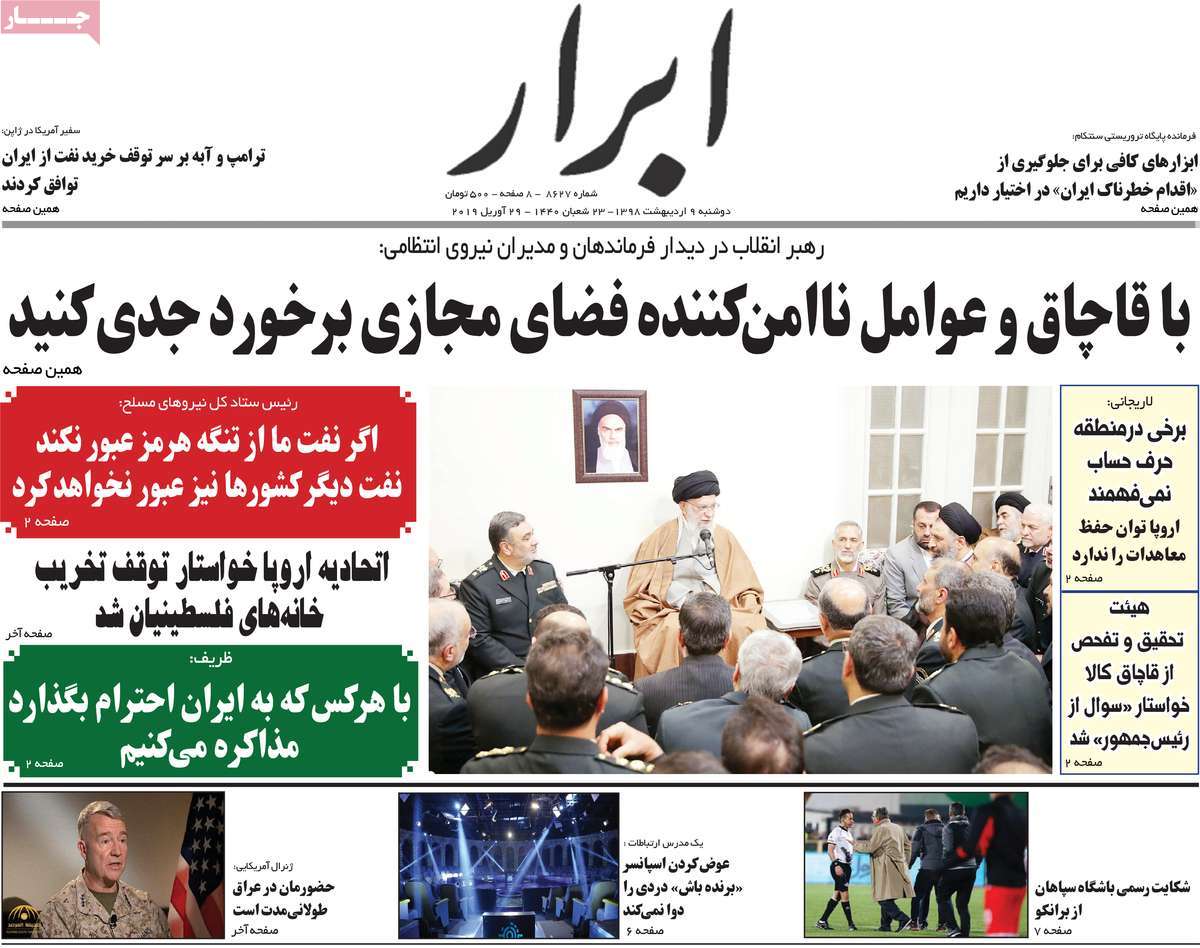
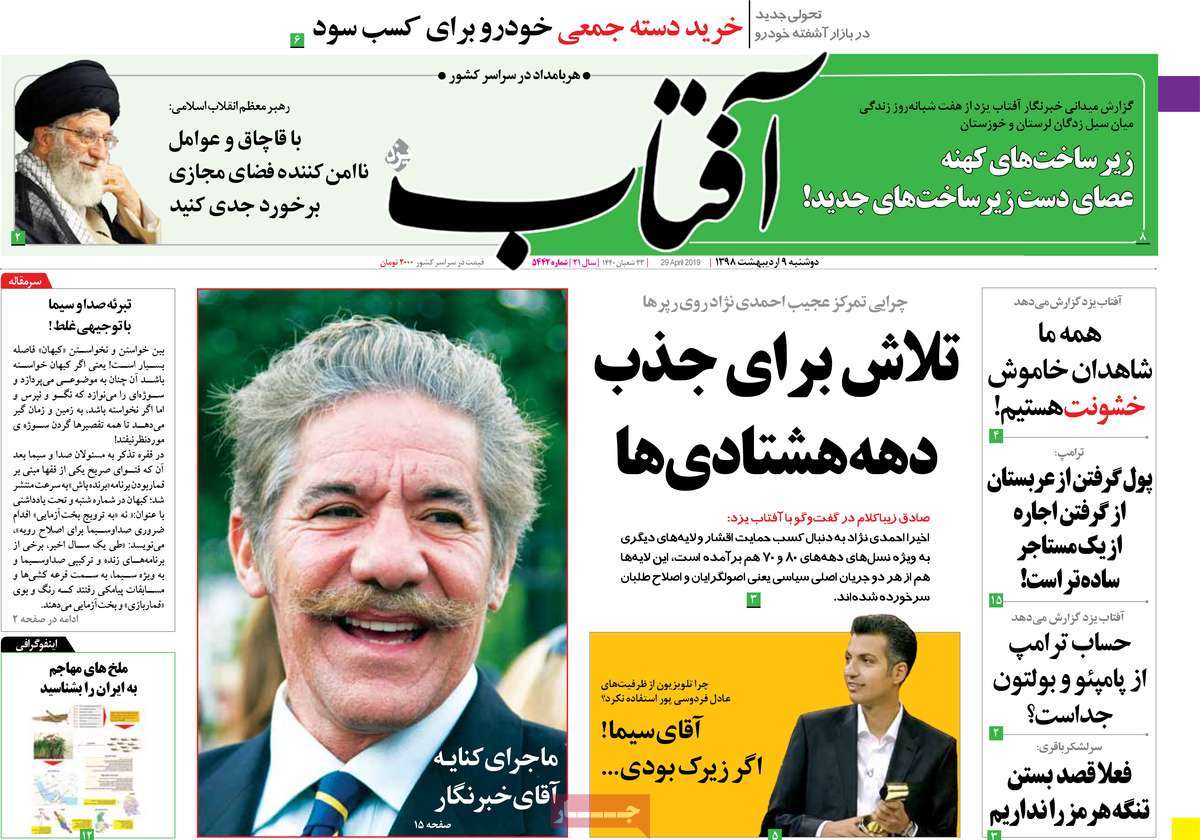
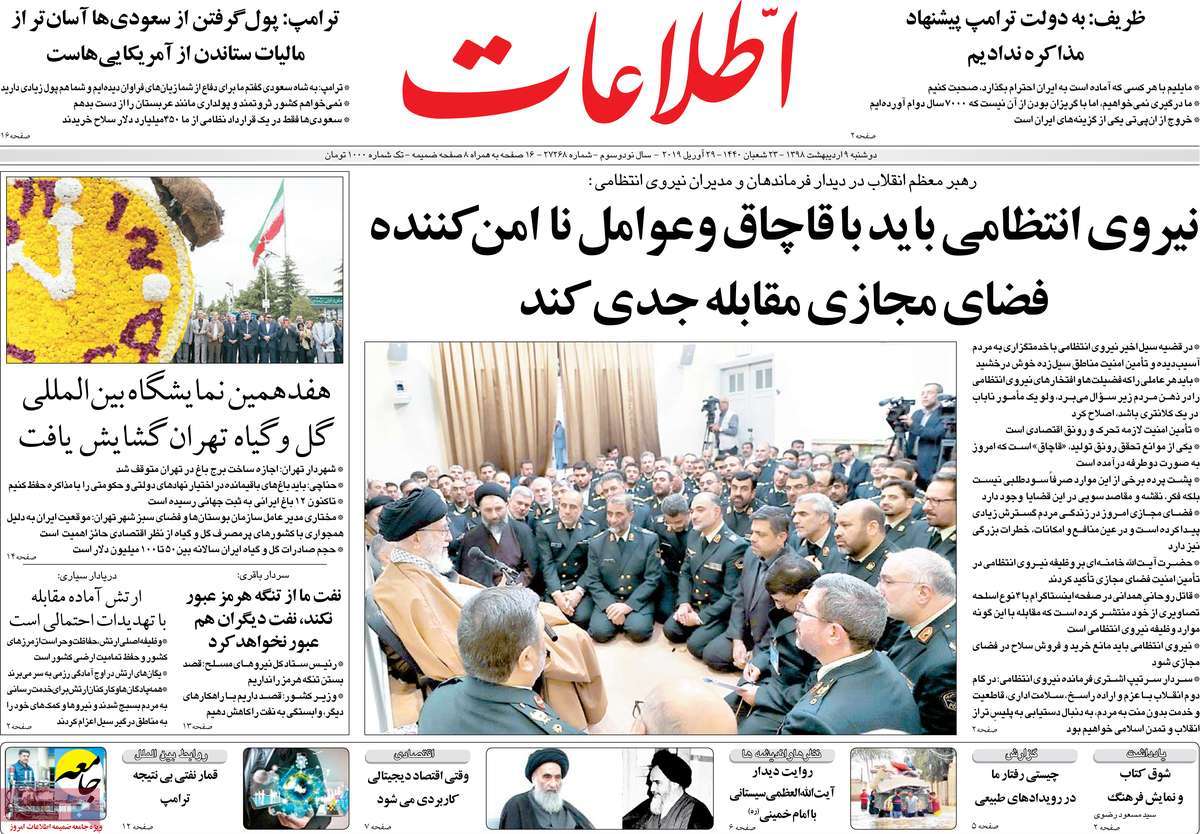
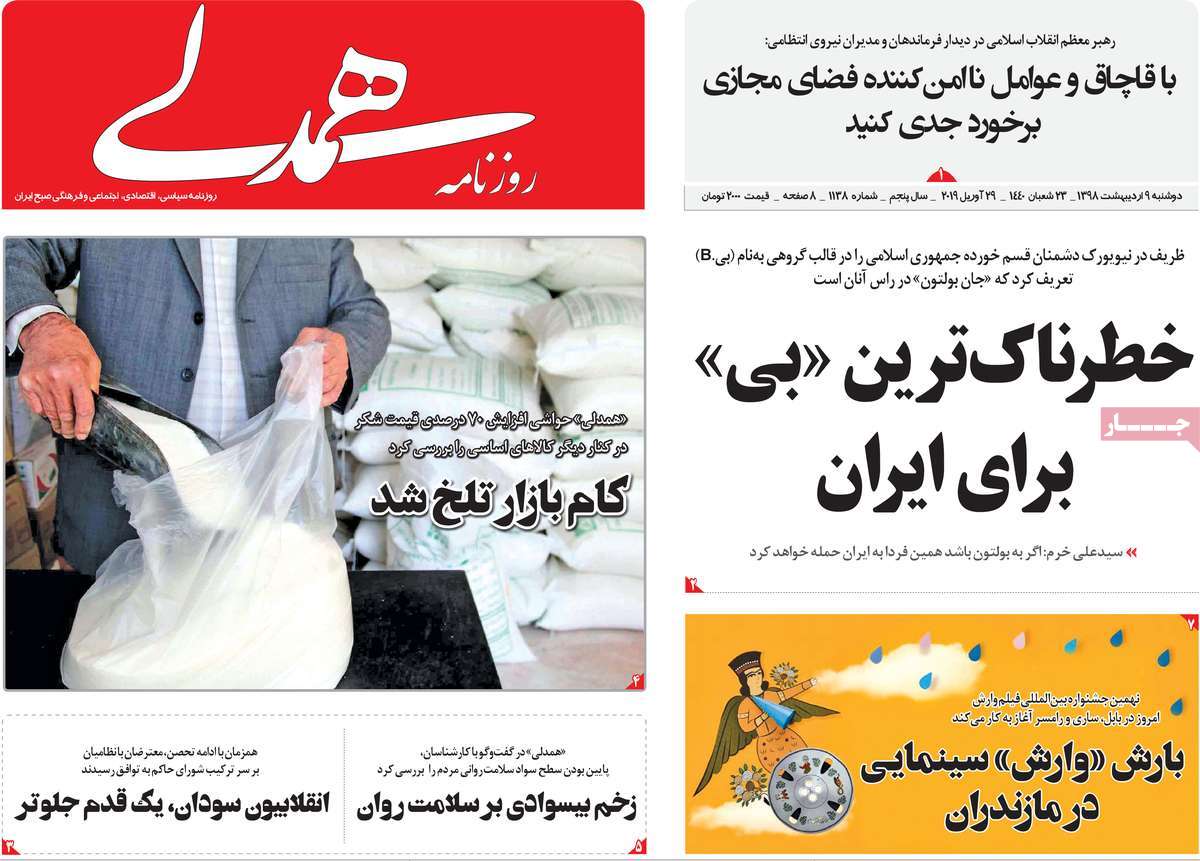
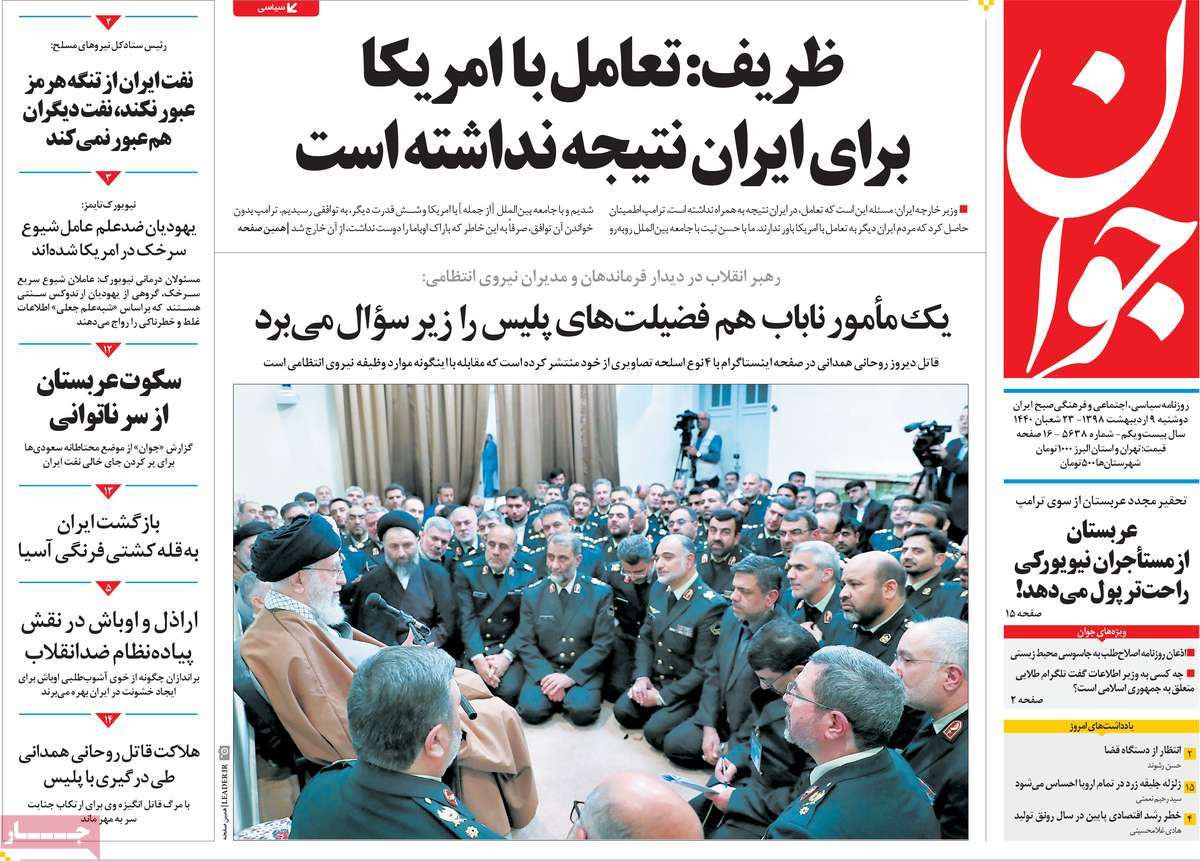
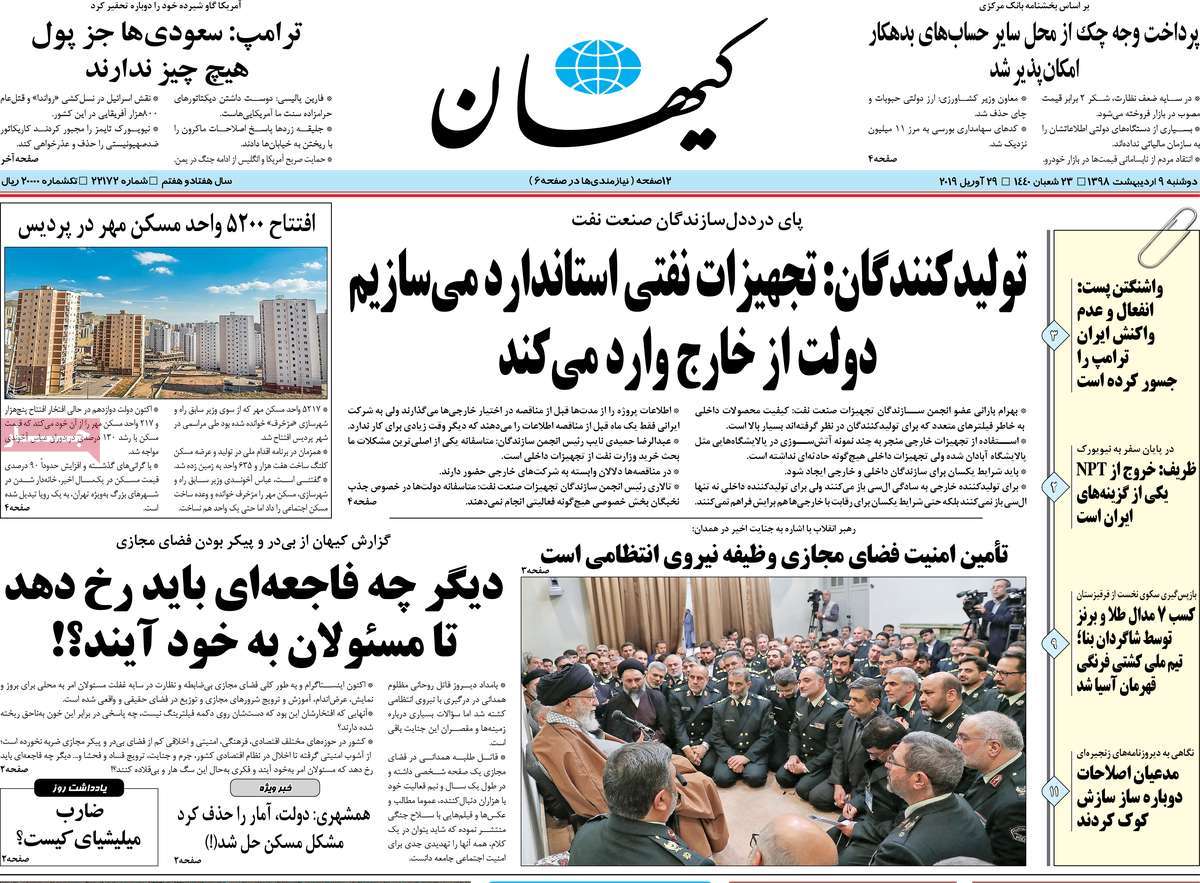
The majority of papers today covered the remarks made by the Leader of Iran’s Islamic Revolution Ayatollah Seyyed Ali Khamenei about the need for the police to make more serious efforts to ensure the security of the cyberspace and control arms sales in the country.
The rare interview Foreign Minister Mohammad Javad Zarif gave to Fox News, the favourite news channel of US President Donald Trump and his fans, remained a top story in all Iranian papers today.
The latest reactions to US President Donald Trump’s decision to stop issuing waivers for the import of Iran’s oil also received great coverage.
The above issues, as well as many more, are highlighted in the following headlines and top stories:

Abrar:
1- CENTCOM Chief: We Have Enough Means to Prevent Iran’s Dangerous Move
2- US Envoy to Japan: Trump, Abe Agree on Buying Iran’s Oil
3- Zarif: We’ll Hold Talks with Anyone Who Respects Iran
4- Larijani: Europe Unable to Keep Its Promises

A Look at Iranian Newspaper Front Pages on April 29


Aftab-e Yazd:
1- Iran Leader Urges Serious Action against Those Who Disrupt Cyber Security
2- Trump: Getting Money from Saudis Easier than Collecting Rent from Tenant
3- Iran’s Top General: We’re Not after Closing Strait of Hormuz for Now

A Look at Iranian Newspaper Front Pages on April 29


Arman-e Emrooz:
1- Iran Leader Calls for Serious Action against Smuggling
2- Zarif: Prescriptive Way of Dealing with People Doesn’t Work
3- Zarif’s Smart Interview with Fox News [Editorial]

A Look at Iranian Newspaper Front Pages on April 29


Besharat-e Now:
1- Saudi Arabia, UAE Main Losers of Possible Conflict
* It’s Not Easy to Replace Iran in Oil Market
2- Qassemi Says Europeans Failed to Fulfil JCPOA Commitments

A Look at Iranian Newspaper Front Pages on April 29


Ebtekar:
1- Interview Diplomacy: A Review of Zarif’s Use of Mass Media at Int’l Level

A Look at Iranian Newspaper Front Pages on April 29


Etemad:
1- Putin Expresses Hope Iran Will Continue Oil Exports
* Washington’s Efforts to Sanctions Iran Won’t Yield Result
2- Warning to US’ Allies in Region
* Iran Won’t Close Strait of Hormuz Only If Its Own Oil Be Exported Through It: Top General

A Look at Iranian Newspaper Front Pages on April 29


Ettela’at:
1- Zarif: We Didn’t Propose to Hold Talks with Trump Administration
2- Trump: Milking Saudis Easier than Receiving Tax from Americans

A Look at Iranian Newspaper Front Pages on April 29


Hamdeli:
1- Most Dangerous “B” for Iran: Zarif Lists Iran’s Enemies as “Team-B” Headed by Bolton
2- Sudan’s Revolutionaries One Step Forward
* Protesters Reach Deal with Junta Leaders on New Ruling Council

A Look at Iranian Newspaper Front Pages on April 29


Javan:
1- Zarif: Engagement with US Had No Dividends for Iran
2- Saudi Arabia Silent Because of Its Weakness
* Saudis Taking Cautious Stance on Filling Iran’s Vacancy in Oil Market

A Look at Iranian Newspaper Front Pages on April 29


Kayhan:
1- Trump: Saudis Have Nothing but Money
2- Washington Post: Iran’s Inaction Emboldens Trump
3- Zarif: Withdrawal from NPT among Iran’s Options

A Look at Iranian Newspaper Front Pages on April 29


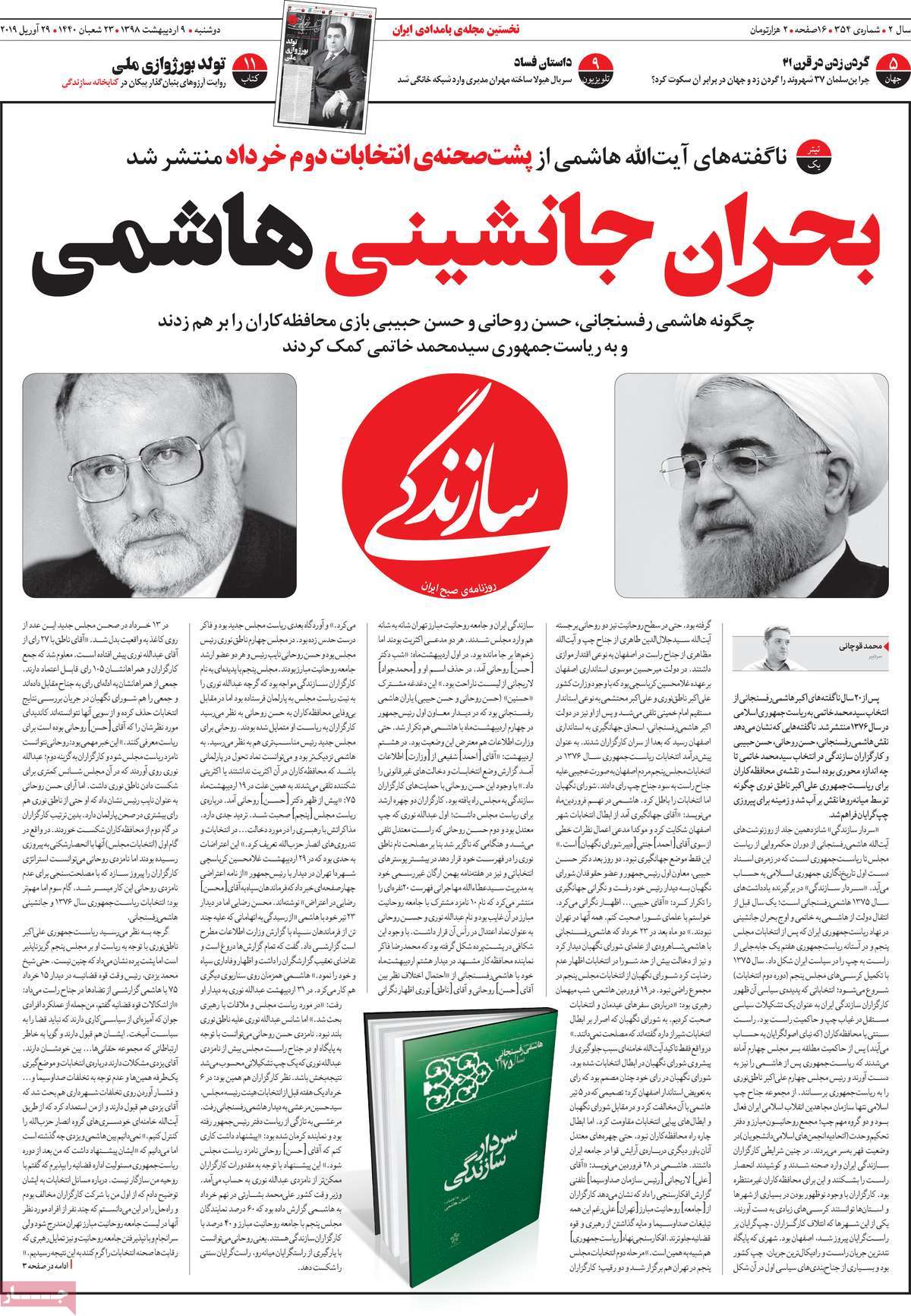
Sazandegi:
1- Beheading in 21st Century: Why Did Bin Salman Behead 37 Citizens? Why Did World Remain Silent?

A Look at Iranian Newspaper Front Pages on April 29


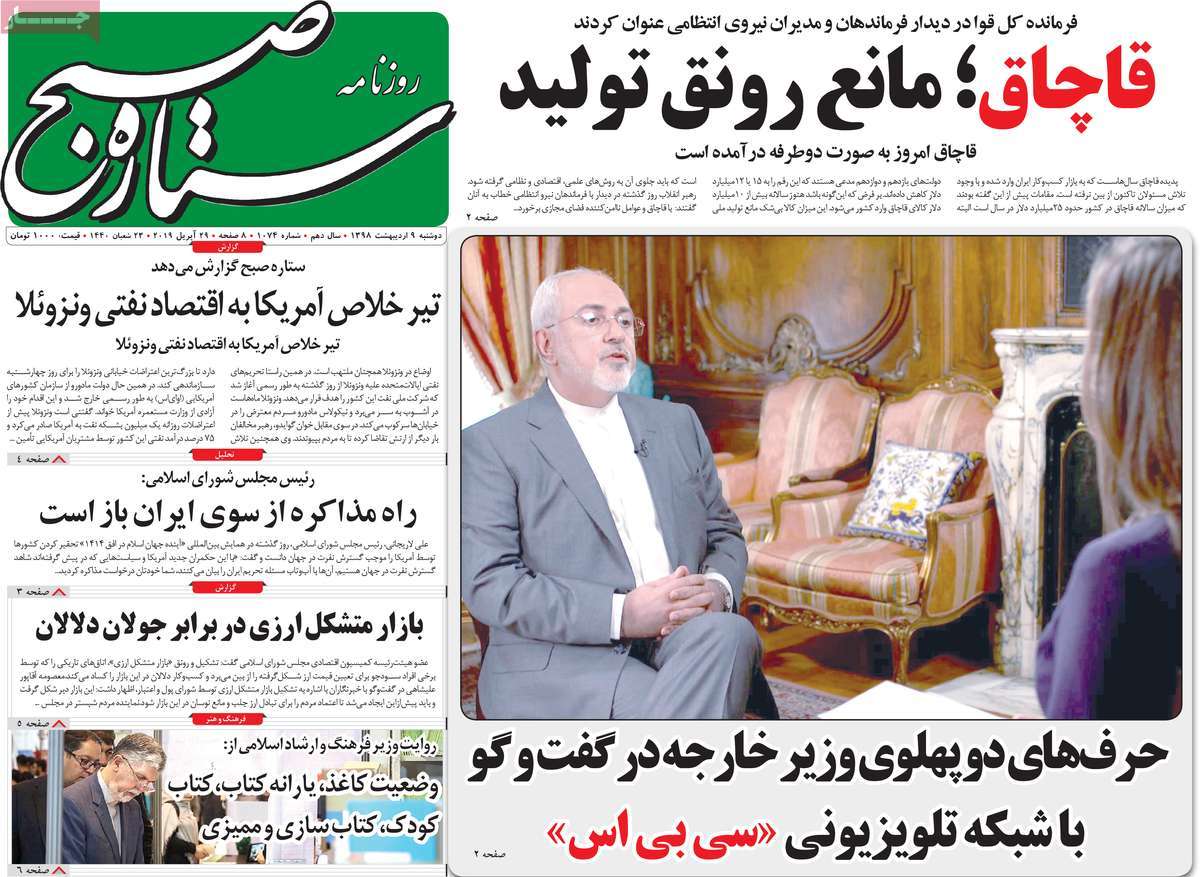
Setareh Sobh:
1- FM Zarif’s Ambiguous Comments in Interview with CBS
2- Larijani: Iran Open to Negotiation
3- US Deals Final Blow to Venezuela’s Oil-Dependent Economy

A Look at Iranian Newspaper Front Pages on April 29


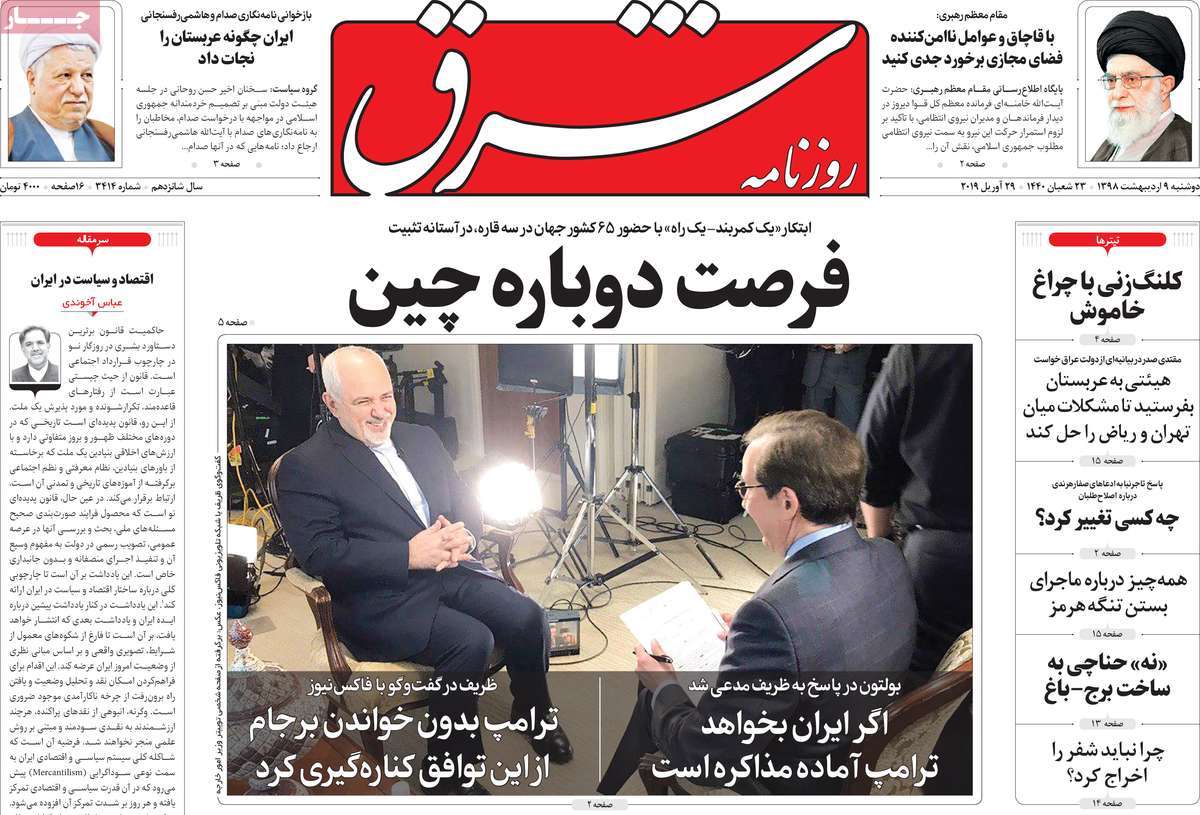
Shargh:
1- China on Verge of Establishing One Belt-One Road Initiative in 3 Continents, 65 Countries
2- Muqtada Sadr Urges Iraq Gov’t to Send Delegation to Saudi Arabia, Settle Tehran-Riyadh Woes
3- Bolton to Zarif: Trump Ready for Talks If Iran Wants
4- Zarif to Fox News: Trump Withdrew from JCPOA without Even Reading It

A Look at Iranian Newspaper Front Pages on April 29

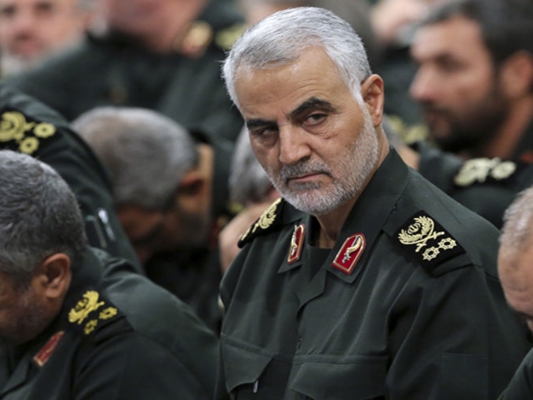
Gen. Soleimani Says Iran Won’t Sit for Talks with US

Speaking in a Monday meeting with a group of police commanders, General Soleimani said

“vigilant and intellectual Iranian people believe holding negotiation with the enemy at this juncture would mean submission.”

“We will definitely not accept to do such humiliating act,” said General Soleimani, the commander of the Quds Force of Iran’s Islamic Revolution Guards Corps (IRGC).

He said the way to tackle the enemy’s economic pressure is to implement the Resistance Economy (economic resilience) strategy as recommended by Leader of the Islamic Revolution Ayatollah Seyyed Ali Khamenei.

Earlier in the day, Iranian Parliament Speaker Ali Larijani also said holding talks with the United States is a “strategic mistake.”

“After 12 years of conflict and negotiations with the US, we reached an agreement, but this strange and weird creature pulled out of the deal,” said the top parliamentarian, referring to US President Donald Trump.

He said some people are naïve and believe Iran should sit down for talks with the US at this juncture.

“[US President Donald] Trump should realize that he has been facing a tough rival, and he will not stop his actions against Iran until he runs into a brick wall,” he said.

He noted Washington speaks to countries with the language of “submission and humiliation.”

Recently, Iranian Foreign Minister Mohammad Javad Zarif floated the idea of a prisoner swap between Iran and the US. In an interview with Fox News, Zarif also implicitly expressed Tehran’s readiness for talks.

Talks with Saudi Arabia

In his Monday comments, Larijani also touched upon possible negotiations between Iran and Saudi Arabia.

“We haven’t said we won’t talk with the Saudis, but we cannot be too lenient when they show animosity because they would try to gain more ground,” he said.

‘Iraq in Limbo to Choose between Iran, US’

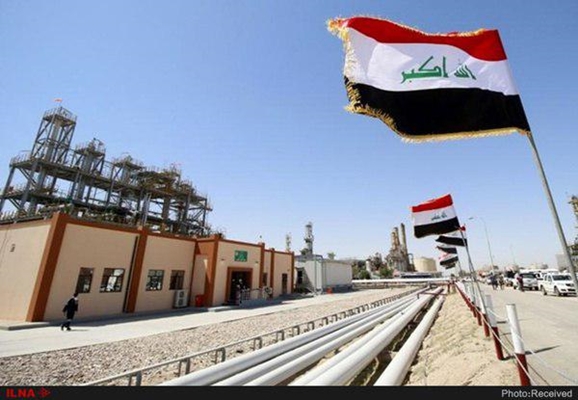
Mohammad Saleh Sedqian has referred to the latest US decision not to renew waivers for countries like Iraq to purchase Iran’s oil and said in the new situation, Iraq can no longer maintain the power balance it used to have to keep ties with both Iran and the US.

“Today, the US has explicitly urged Iraq to keep side with Washington or face harsh situation,” he was quoted as saying in an interview with the Iranian Diplomacy website.

Sedqian says Iraq is different from the remaining countries which enjoyed the US waivers to purchase Iran’s oil in terms of economic conditions.

“If countries like China and India can easily replace Iran with other oil exporters, Iraq can’t make the switch easily. Meanwhile, Iraq is highly dependent on Iran’s power, gas and other basic goods. So, the country can’t find an alternative for its imports from Iran in the short term and it can’t rely easily on the promises made by some regional states,” he said.

The analyst said the US may lessen its pressure on Iraq when it comes to economic ties with Iran because the relations between Iran and Iraq are of special nature.

“That’s why I think that if the US doesn’t renew the oil waiver for Iraq, the country may face serious problems,” he said.

He then referred to the latest contacts between Iraqi and American officials and said over the past few days, Iraqi Prime Minister Adel Abdul-Mahdi held a phone conversation with US Secretary of State Mike Pompeo.

“It’s not clear yet what has been discussed in detail during the talks. But we are sure that the two sides held talks on the waivers. Now the main question is what approach the US is going to adopt towards Iraq’s waiver: Refusing to issue new waivers or providing Iraq with a chance to continue its energy purchase from Iran even in a limited amount?”

“This comes as Saudi Arabia is seriously seeking to cut mutual ties between Iran and Iraq. So, if Saudi Arabia manages to make up for Iran’s oil, Iraq may decide to cut its ties with Iran,” he said.

The analyst then referred to Iraq’s hard economic conditions and said the Arab country needs to gather more financial resources to reconstruct itself.

“But we should have this point in mind that no country in the world is ready to sacrifice its interests for others. So, the future of Iran-Iraq ties is not completely guaranteed,” he noted.

Sedqian also said that despite the international sanctions, Iran enjoys a better situation compared with Iraq.

“Today, Iraq is in a limbo. The country heavily hinges on imports of power, gas and other basic goods from Iran. Even Iraqi officials have declared that the country has no alternative for what it imports from Iran. This shows that the power balance that Iraq had created to establish ties with both Iran and the US is no longer operational. The country now needs to make a hard choice,” he added.

The analyst also said the Iraqi officials have to find a way out of the current limbo now that the tensions between Iran and the US have engaged the whole western Asia.

Iran’s Deputy FM to Visit Ankara on Tuesday

Iran Says Concerted Global Effort Needed to Fight Coronavirus

In a statement on Monday, Turkish Foreign Ministry announced that Araqchi will visit Ankara on April 30 to hold talks on bilateral political issues as well as regional and international matters.

According to the statement, Araqchi will meet with his Turkish counterpart Sedat Önal during his stay in Ankara.

Earlier this month, Foreign Minister Mohammad Javad Zarif travelled to Ankara to hold talks with Turkish officials on bilateral ties, the restoration of peace in Syria, and the latest developments in North Africa.

During the trip, which was his second to Turkey in just a few weeks, Zarif discussed regional issues, in particular Syria and matters related to Northern Africa”, particularly the situation in Libya, where the self-styled commander Khalifa Haftar has attempted a “coup” against the internationally-recognized government, according to the UN.

Economic cooperation between Iran and Turkey, and following up on the implementation of agreements earlier reached between the two sides was also on the agenda of his talks with top Turkish officials.

His visit to Turkey came after he visited the Syrian capital, Damascus, where he discussed Tehran-Damascus cooperation, and the process of restoring peace to the war-torn state in separate meetings with top Syrian officials including President Bashar al-Assad.

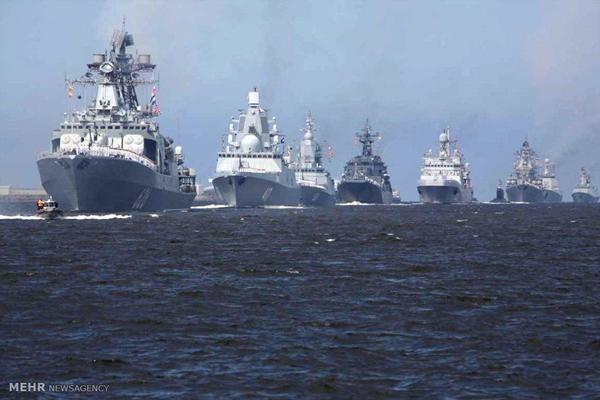
Iran, Russia to Hold Joint Drills near Hormuz Strait: Navy Commander

He made the remarks at a press conference on Monday which was held to elaborate on the achievements of his recent trip to China.

“We have invitations from India, China, Pakistan and Italy to develop training interactions and deploy officers,” added Khanzandi.

“Currently, some of our officers are being trained in these countries, and some officers from some of these countries are also being trained in Iran. This year, we will also hold a marine exercise in the Indian Ocean.

“In the time of peace, we can make moves that are as effective as a combat. Part of this is showing the country’s military strength and capabilities to other countries which has a significant deterrent effect,” he noted. The Islamic Republic is a country with global maritime borders and this has created a huge opportunity for Iran to establish an interconnected relationship with the countries of the world.”

Khanzandi also maintained the topic emphasised at the event was that countries with large naval civilisations are rushing to the sea, which means the maritime power system would open a meaningful atmosphere for these countries.

“Certainly, the security arrangements of the region should be formed by the regional countries, and therefore there is no need for the presence of foreigners,” he stressed.

Rouhani to Launch Largest Water Project in Western Iran

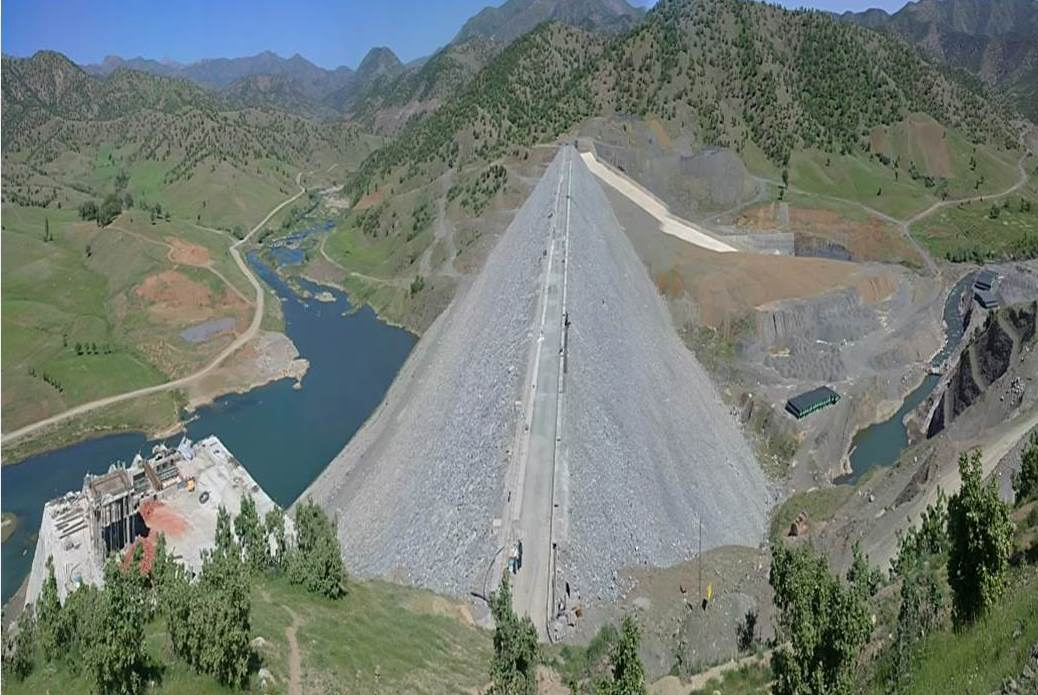
The first phase of the project is due to be inaugurated on Wednesday, May 1, with the President, the Minister of Energy Reza Ardakanian, and Commander of Khatam al-Anbiya Construction HWW to be attending the event.

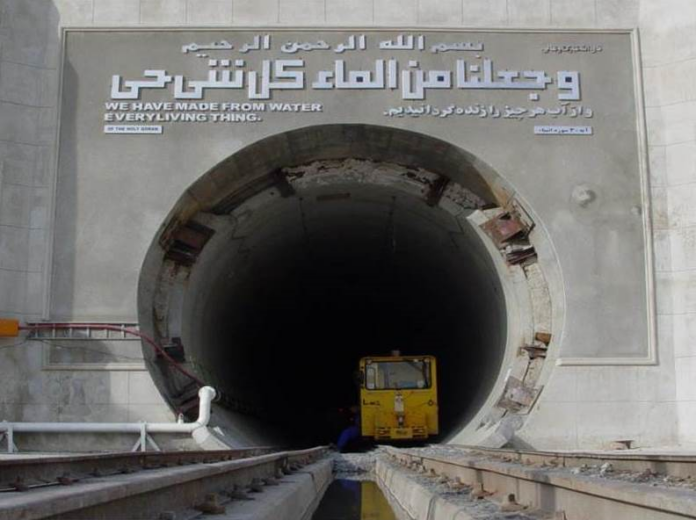
It is the largest water project in the country and has been implemented in an area of 1,460 km in four main areas of damming, canals and irrigation and drainage networks, water pipelines, and water transfer tunnels, Fars News Agency reported.

17 dams with a reservoir volume of more than 2.5 billion cubic metres, 150 kilmetres of tunnels, 60 kilometres of long pipelines, canals, boxes and flumes, 650 kilometres of steel pipelines with 2400 mm in diameter, 7 pumping stations, 4 irrigation and drainage networks of 350 thousand hectares, geotechnical excavation with a length of 35,000 metres, mine clearance and demining of the area in an area of 3,500 hectares are among the jobs carried out by Khatam al-Anbiya Construction HQ  which is controlled by Iran’s Islamic Revolution Guards Corps (IRGC).

Among the important achievements of these projects are the prosperity of agriculture in the region, creation of jobs and reduction of unemployment rate in the western provinces of the country, the prevention of migration to metropolises and the possibility of reversal of migration to the region, the possibility of the constructing conversion industries in the region, growth of exports to neighbouring countries, and improvement of environmental conditions in the region.

Rouhani to Launch Largest Water Project in Western Iran