Friday, April 10, 2026
Home Blog Page 3097

Iran Rejects Use of Force against Countries on Pretext of Fighting Terror

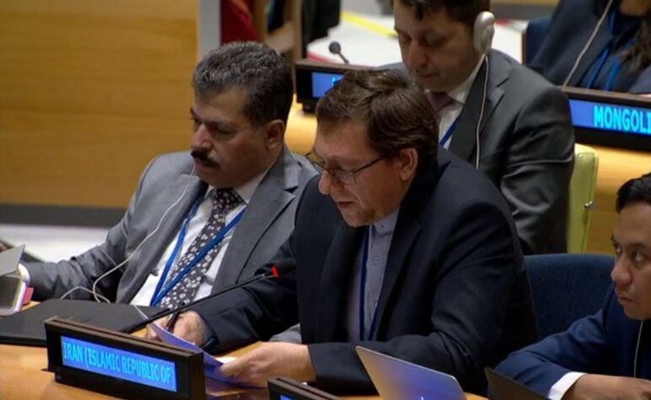
Iranian envoy to the United Nations Ali Nasimfar said acts of terror are condemned no matter where and by whom they are committed, and no matter who the victims are.

“The Non-Aligned Movement (NAM) flatly dismisses and denounces terrorism, in any shape and [using] any tool, as a criminal act,” said Nasimfar speaking at the UN on behalf of NAM member states.

“NAM underlines once again that acts of terror are a gross violation of international law, including international humanitarian laws and human rights, especially the right to live, and keep people from fully enjoying their rights and basic freedoms,” added the Iranian envoy.

“Such acts jeopardize territorial integrity and stability of countries as well as national, regional and international security,” he noted.

Nasimfar said efforts to destabilize legitimate governments or the ruling constitution as well as political unity among governments will affect the stability of nations along with the foundation of societies.

“Such moves have destructive consequences for economic and social development and will destroy the physical and economic infrastructure of countries,” he added.

“NAM reiterates its respect for the territorial integrity and sovereignty as well as political independence of all countries in accordance with the UN Charter,” he said.

He noted that terrorism should not be equated with the legitimate fight of people under oppression or foreign occupation to determine their fate and secure national freedom.

He said brutal treatment of people under foreign occupation must also be condemned as the worst form of terrorism.

Iran’s envoy also stressed the need to condemn the use of state power to suppress and brutalize people fighting against foreign occupation to secure their inalienable rights.

He said terrorism is a phenomenon which is not associated with any religion, nationality, civilization or ethnic group, and added these features must not be used to justify acts of terror or violate the privacy of people under the pretext of combating terrorism.

“Being well aware of the necessity of adopting prompt and effective measures to tackle international terrorism, NAM calls on all countries to live up to their obligations with regards to fighting terror under international law and international humanitarian regulations in accordance with the UN Charter and under the aegis of this world body,” he said.
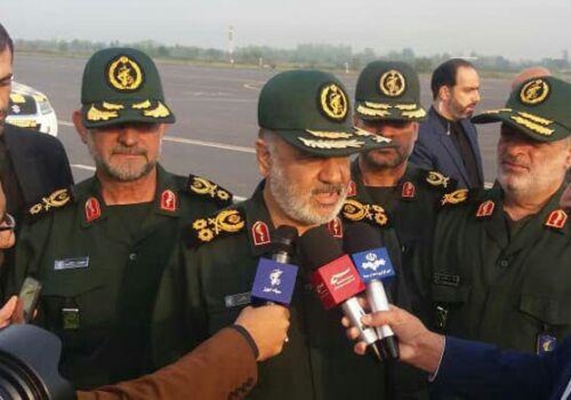
Iran Securing Modern Defence Achievements Despite Sanctions: IRGC

IRGC Chief-Commander Major General Hossein Salami touched upon cutting-edge technologies that Iran enjoys in the defence domain, saying the IRGC has so much potential that it can unveil a “modern achievement” every day.

“The Islamic Republic of Iran is up-to-date when it comes to state-of-the-art technologies,” said the top general.

He said the IRGC draws on the potential of “faithful and revolutionary” youth in securing national defense capability.

The US sanctions have, ironically enough, further enhanced the IRGC’s capability to achieve more accomplishments, he added.

Iranian military technicians have in recent years made great headways in manufacturing a broad range of indigenous equipment, making the armed forces self-sufficient in the arms sphere.

Tehran has always assured other nations that its military might poses no threat to regional countries, saying that the Islamic Republic’s defense doctrine is entirely based on deterrence.

Vigilant Iraqis Not to Let Opportunists Cash in on Unrest: Zarif

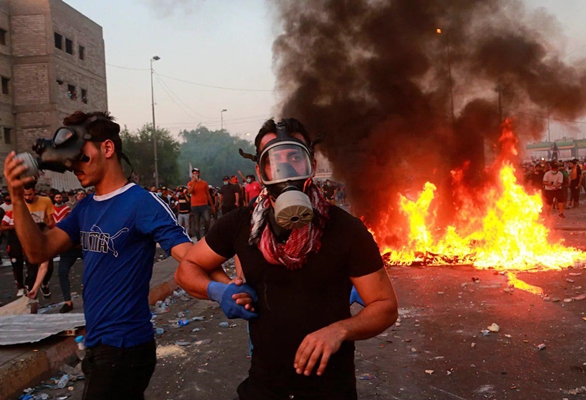
Anti-government protesters set fires and close a street during a demonstration in Baghdad on Oct. 3, 2019 / Photo by AP

Mohammad Javad Zarif noted that the vigilance of Iraqi citizens will prevent others from cashing in on their “legitimate problems,” which have also been recognized by the Iraqi government.

“We believe that Iraqi people are the owners of this country and their rights should be respected,” Zarif told ICANA on Wednesday.

Zarif’s comments came on the heels of the recent unrest in Iraq.

Iraqi officials say there are “malicious hands” behind the killing of both protesters and security forces during the recent spate of unrest in Baghdad and some other cities.

Interior Ministry spokesman Saad Maan confirmed that 104 people had been killed, including eight security officers, and more than 6,000 wounded in the protests.

Maan said the ministry was working with other government institutions to find out who was behind the killings. According to medical sources, the majority of protesters killed were struck by bullets.

The protests began last week, with demonstrators calling for better living conditions. The rallies soon turned into riots as some protesters started vandalizing public property and attempted to enter the Green Zone in the capital Baghdad — which houses government offices and foreign diplomatic missions.

On Saturday night, armed elements and violent rioters attempted to take over local TV stations in Baghdad after the government removed a days-long curfew.

Maan said protesters burned 51 public buildings and eight political party headquarters, but Iraqi security forces did not confront them.

According to the spokesman, most of those killed last Friday had been shot in the head or heart, a sign that skilled snipers had committed the killings.

‘Iran’s Scientific Progress Accelerated by Leader’s Assistance’

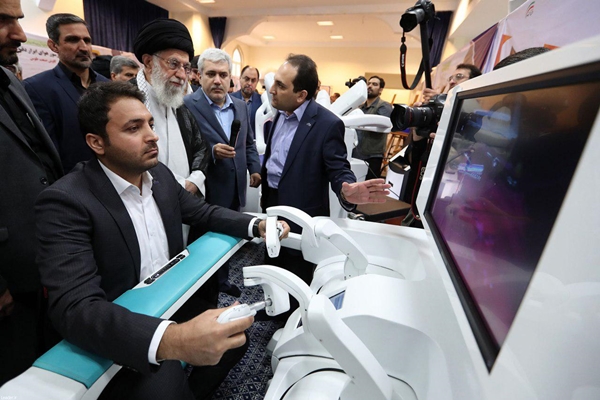
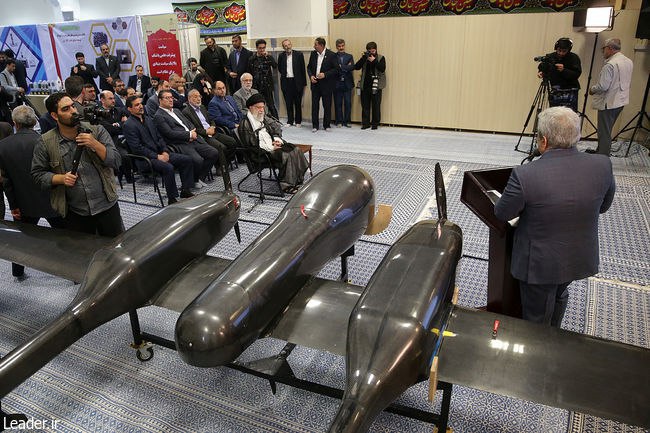
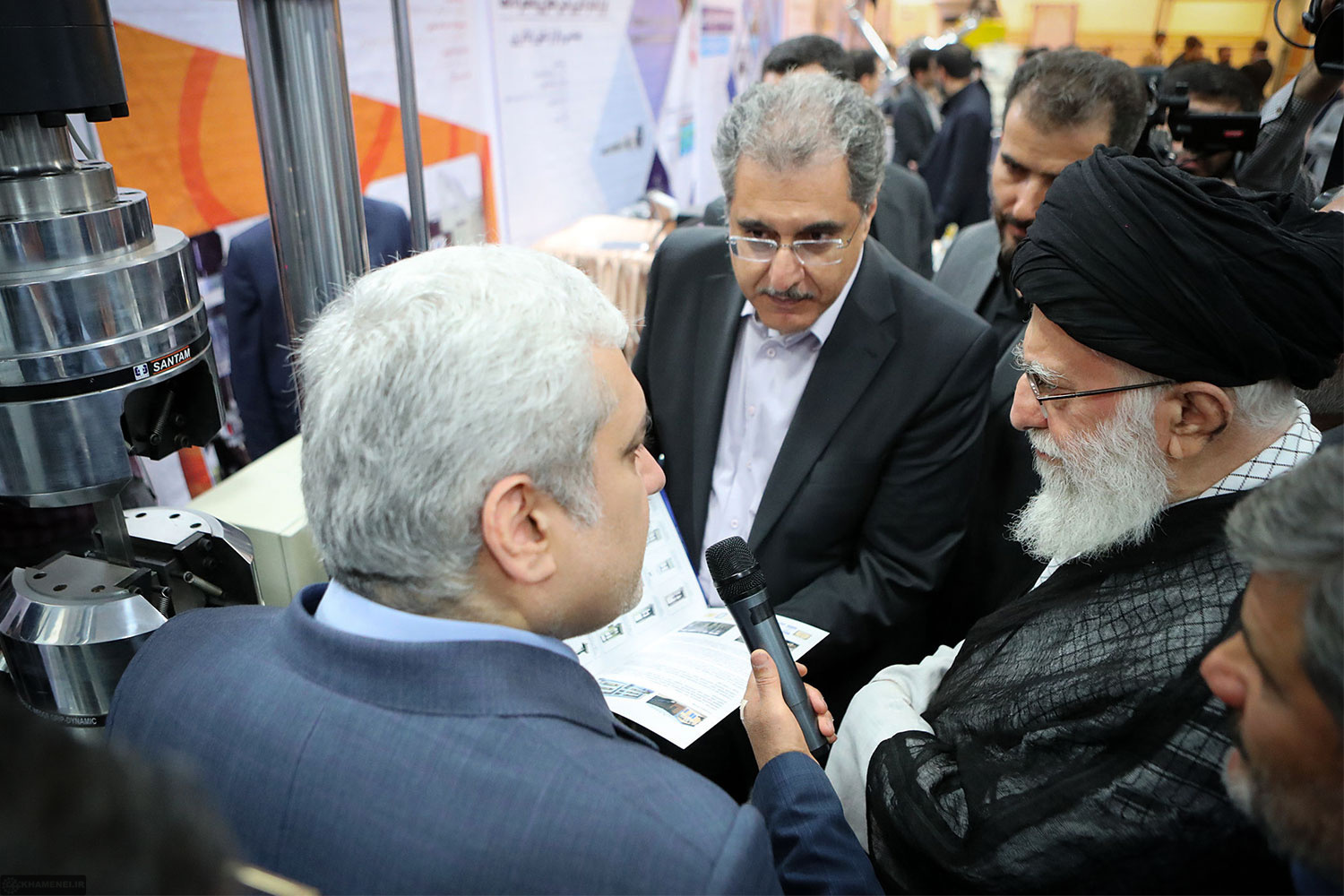
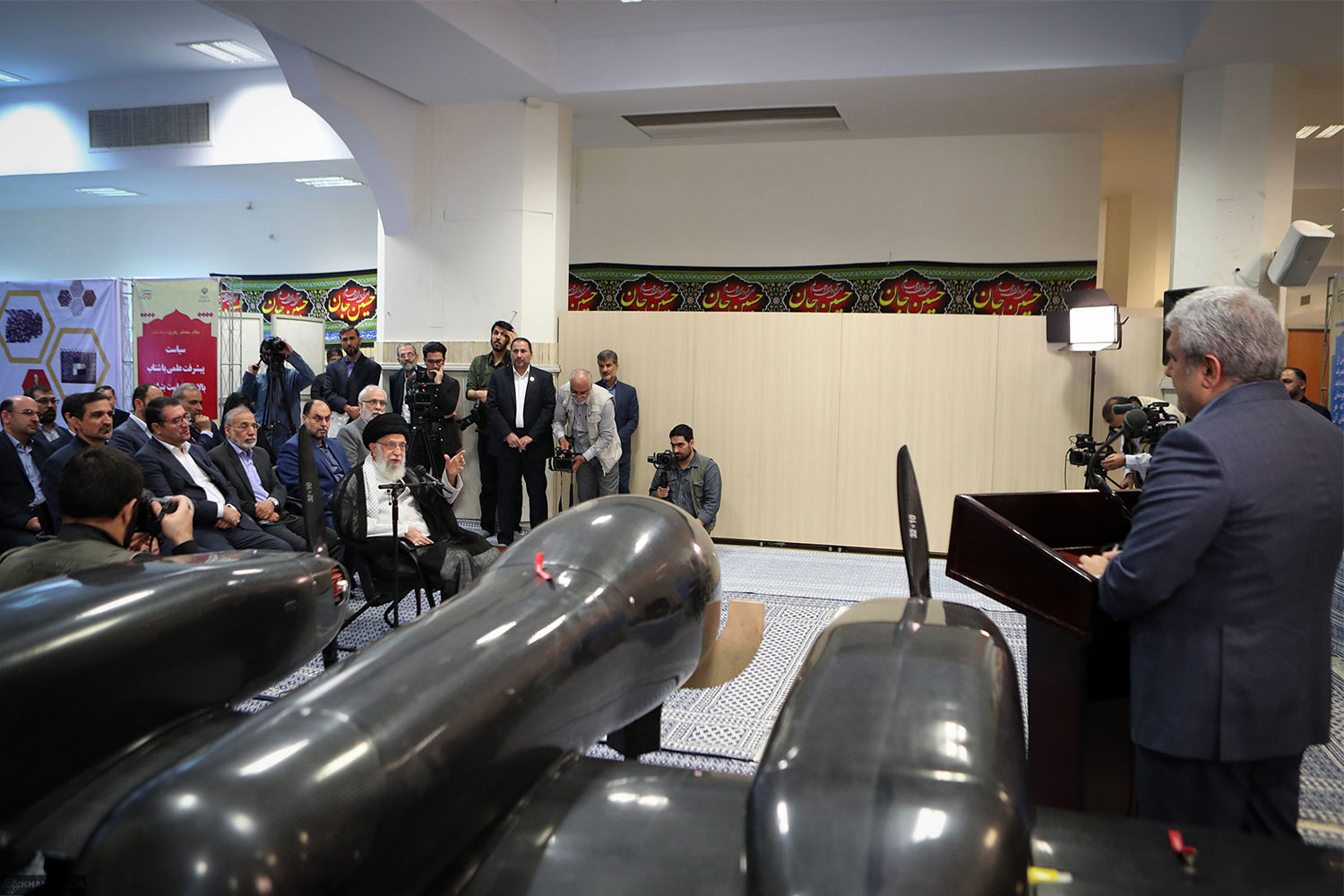
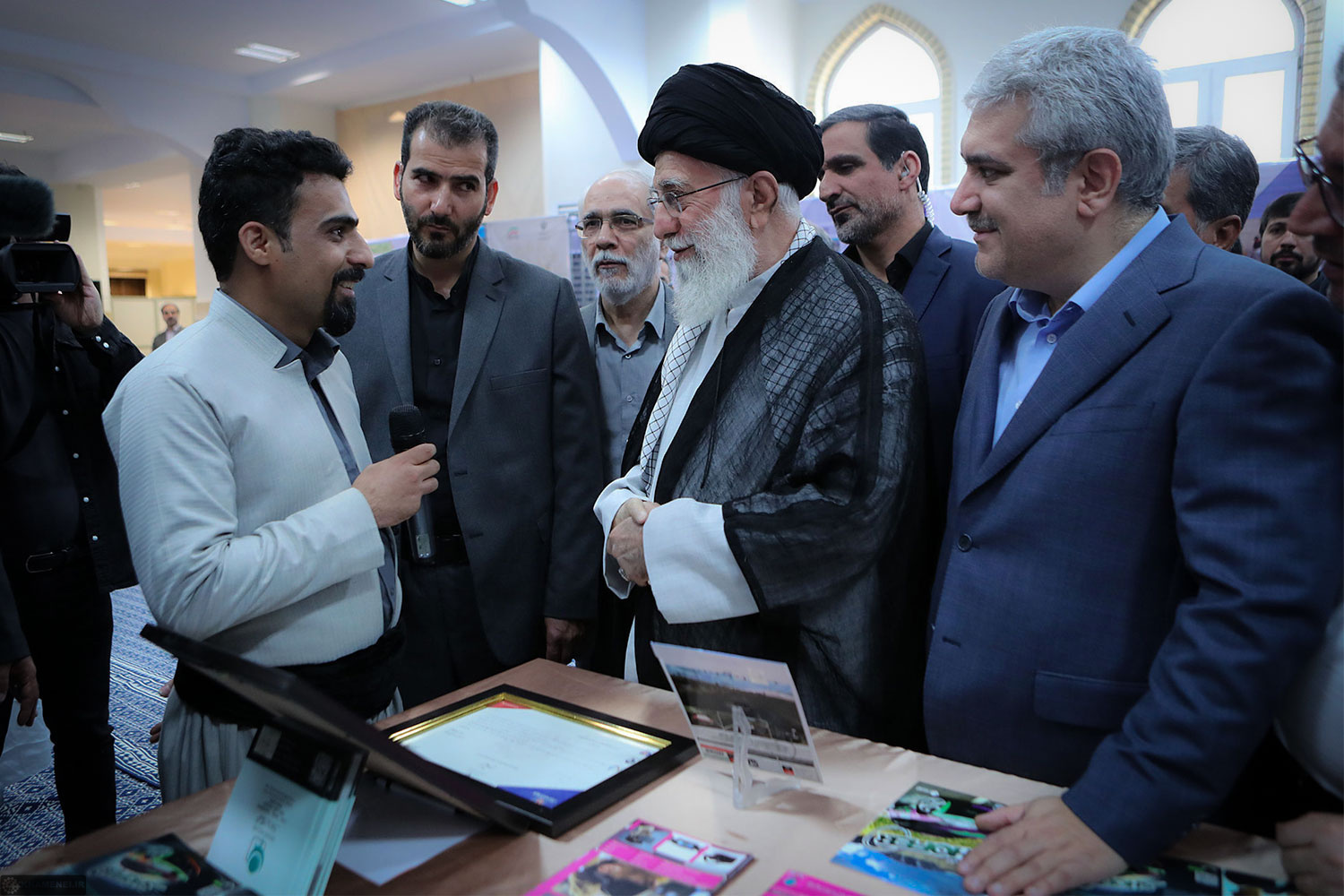
Speaking at a Tuesday exhibition of knowledge-based products also attended by the Leader, Sattari gave a report on the approaches and plans of the vice presidency for transition from oil-based to knowledge-based economy.

The vice-president also referred to plans to create innovation zones alongside universities and scientific centres saying that the Islamic Republic is the largest innovation ecosystem in West Asia.

For a brief review of Iran’s achievements in various fields of science and technology, check the book “Science and Technology in Iran: A Brief Review – 2019

He noted that more than 4,500 knowledge-based companies with a net income of $8 billion have provided employment opportunities for about 300,000 people.

Sattari called the development of advanced medicines a successful example of trust in the country’s young motivated people, and said that as a result of the promotion of this ecosystem, the brain drain in the pharmaceutical sector has almost stopped.

“Any medication that goes into this cycle, up to two years later, is commercially available on the market,” concluded Sattari.

Iranian, Portuguese Diplomats Meet in Tehran

Da Costa Pereira is in Tehran to attend the second round of political consultations between Iranian and Portuguese foreign policy director generals.

At the Tuesday meeting, the two parties discussed bilateral, regional and international issues.

Referring to 500 years of relations between Tehran and Lisbon, Araqchi expressed satisfaction with the cultural and academic interactions between the two countries and described it as an opportunity to deepen social and popular relations.

Describing the present situation as “sensitive”, Araqchi emphasised the need to operate serious mechanisms to strengthen bilateral ties.

Expressing Tehran’s expectation of European sides to confront unilateralism, he criticised European policies to preserve the JCPOA at no cost.

He stressed that the current tense situation in the Persian Gulf region is affected by US interventionist policies, and that the priority of the Islamic Republic of Iran is to achieve security, stability and economic prosperity for the entire region.

For his part, Da Costa Pereira expressed his country’s interest in boosting bilateral relations with Iran, saying that Europe is really seeking to maintain the nuclear deal, and Portugal moves in line with the EU policies in this regard.

Russian Orientalists Praise Impact of Iranian Films on World Cinema

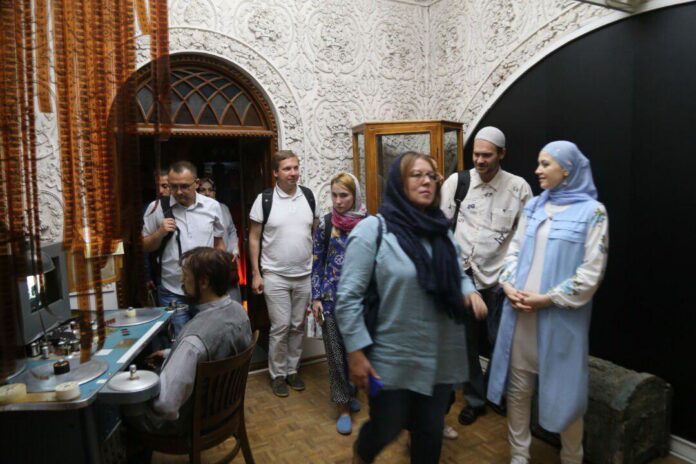
The remarks were made during the visit of the Russian orientalists to the Cinema Museum of Iran.

One of these scientists, who is a member of the Russian Academy of Sciences, said the development of Iranian cinema is one of the most important events of the 20th century.

These researchers believe that any orientalist doing research in Middle East must know about this part of the country’s cultural heritage.

“From this angle, the Cinema Museum of Iran has done its best and has been well-organised in terms of displaying cinematic works as well as the location of the halls, since passing through these halls can give a complete picture of the Iranian cinema from scratch.”

A linguistics expert said she enjoyed visiting the Cinema Museum, adding “As a Russian citizen, I am pleased with the combined Russian and Iranian compositions of the 21th century at the Cinema Museum. I was surprised to see the nominations in Russian, and hopefully in the future we will see new and joint works carried out by Iran and Russia at the Iranian Cinema Museum.”

Another member of this team maintained he was interested in the Iranian culture and art in the past, and today he has become more familiar with the Iranian cinema.

“The Iranian cinema has a huge impact on world cinema, including on the Russian cinema, and the Iranian films are widely screened in Russia. Today, we had a closer look at Iranian culture and became familiar with the issues that Iran is dealing with. Iranian films usually deal with social issues that are prevailing around the world.”

Shokouh Sadat Hosseini, Director of International Scientific Cooperation of Institute for Humanities and Cultural Studies of Iran, who accompanied the Russian delegation during the visit, referred to the museum’s atmosphere saying that by visiting the Qajar-era monument, the audience can envisage cinema from its beginning till the contemporary era.

Also on the sidelines, a workshop was held on “Genre and Style in Iranian Cinema” for three hours by Parviz Jahed.

The event was co-organised by the Cinema Museum of Iran, Farabi Cinema Foundation and the Institute for Humanities and Cultural Studies of the Ministry of Science, Research and Technology.

Iran Leader Orders Removal of Barriers Facing Young Inventors

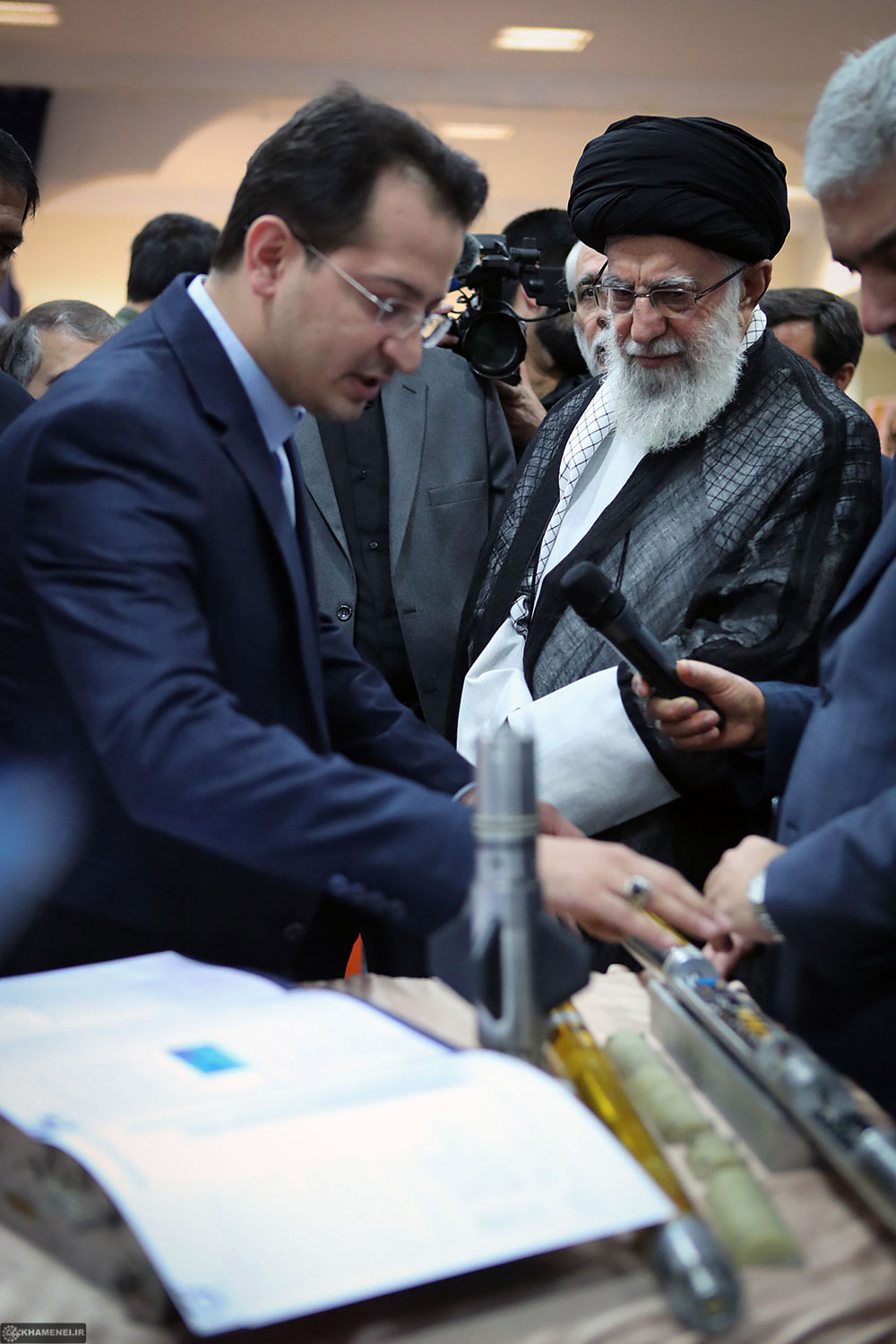
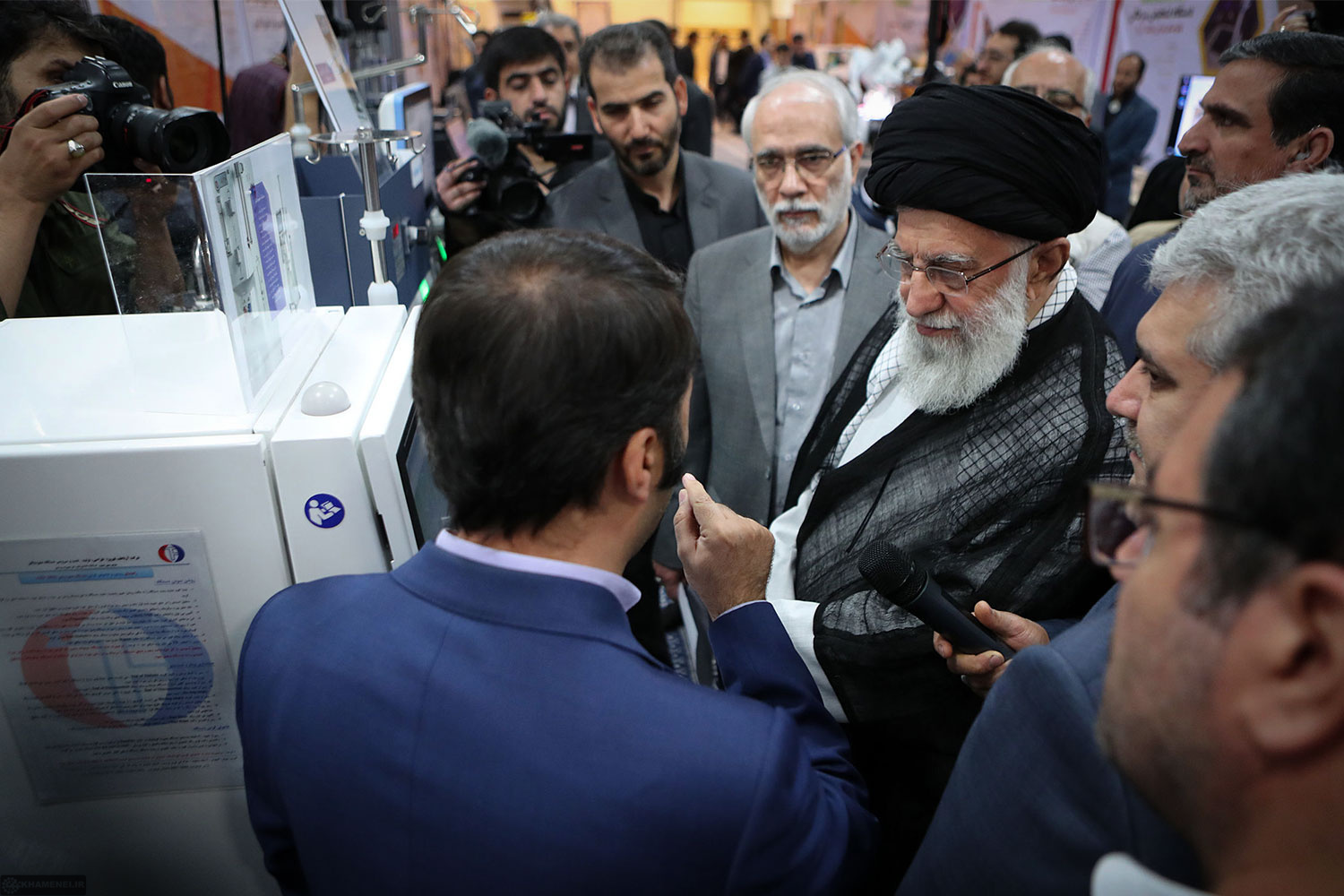
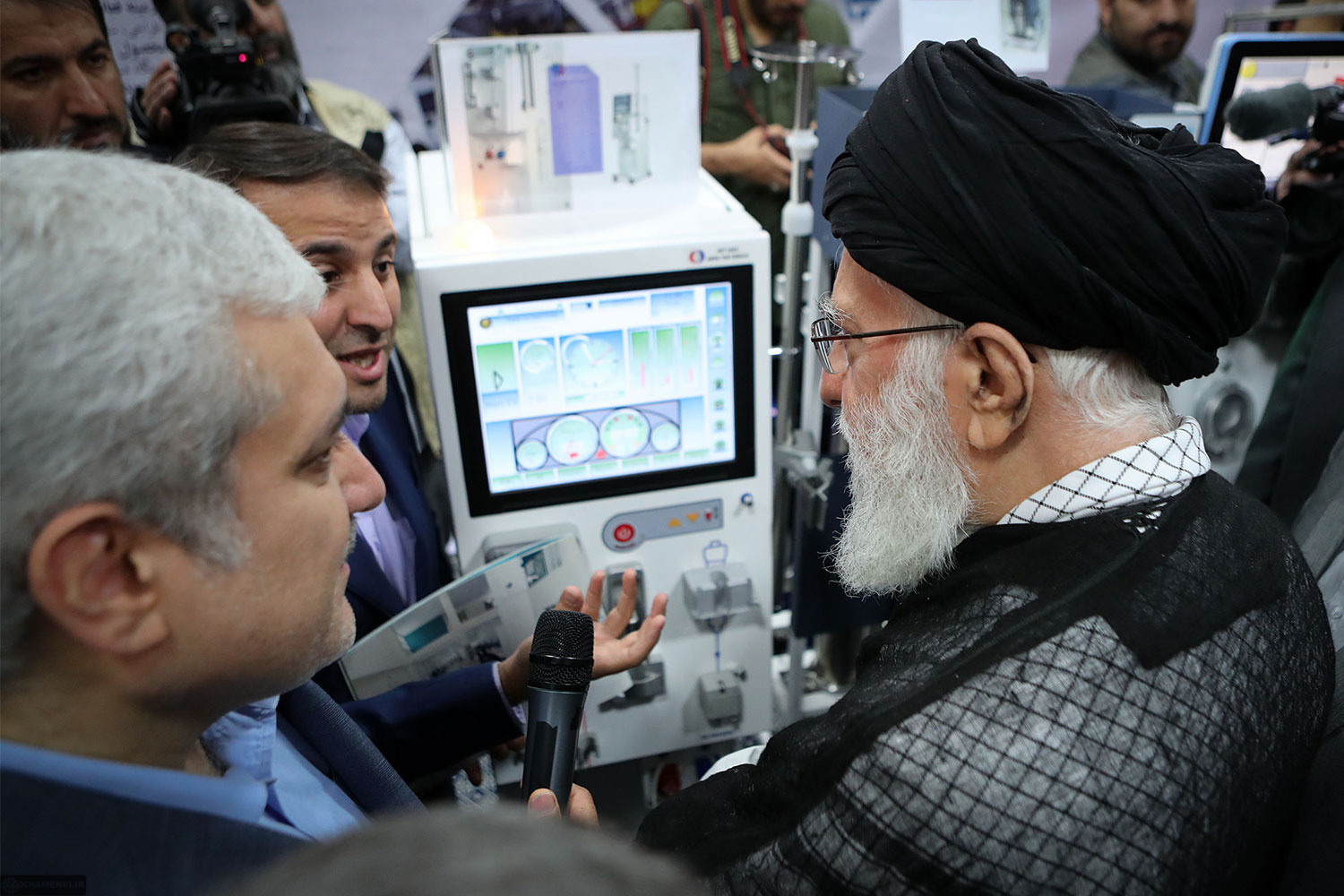
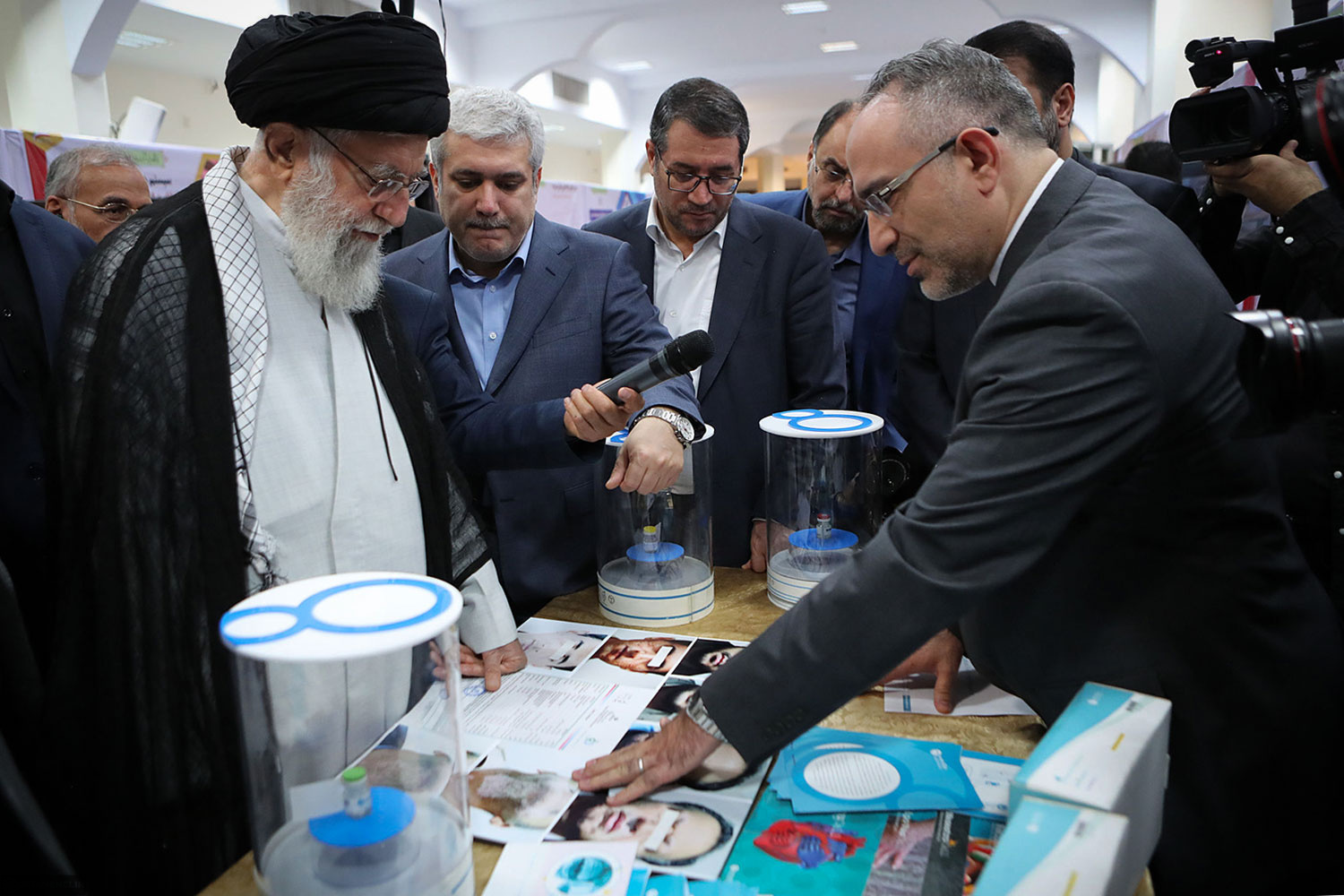
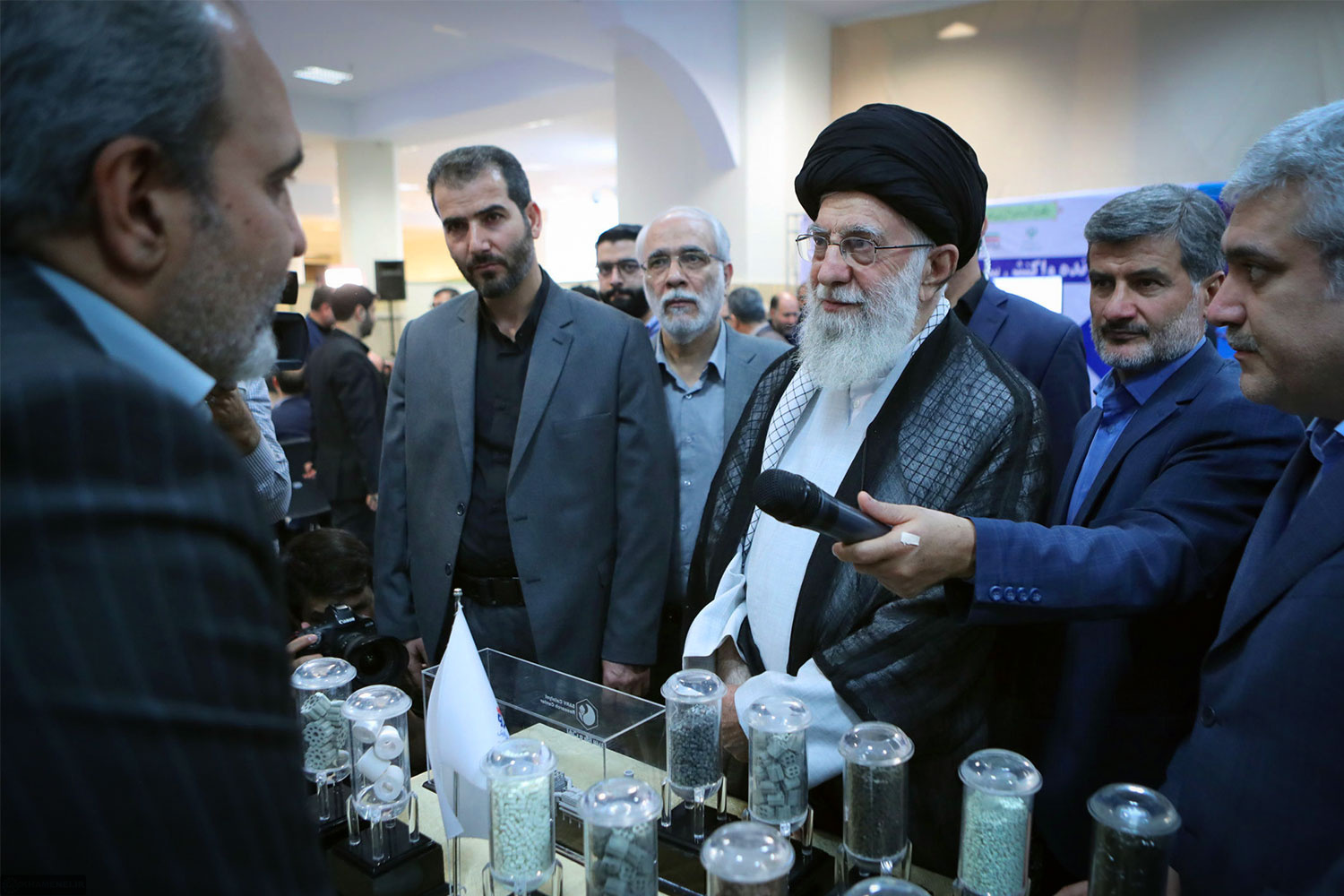
Ayatollah Khamenei made the remarks during his visit to an exhibition of products made by knowledge-based companies and top technologies known as Iran-made Products Exhibit on Tuesday.

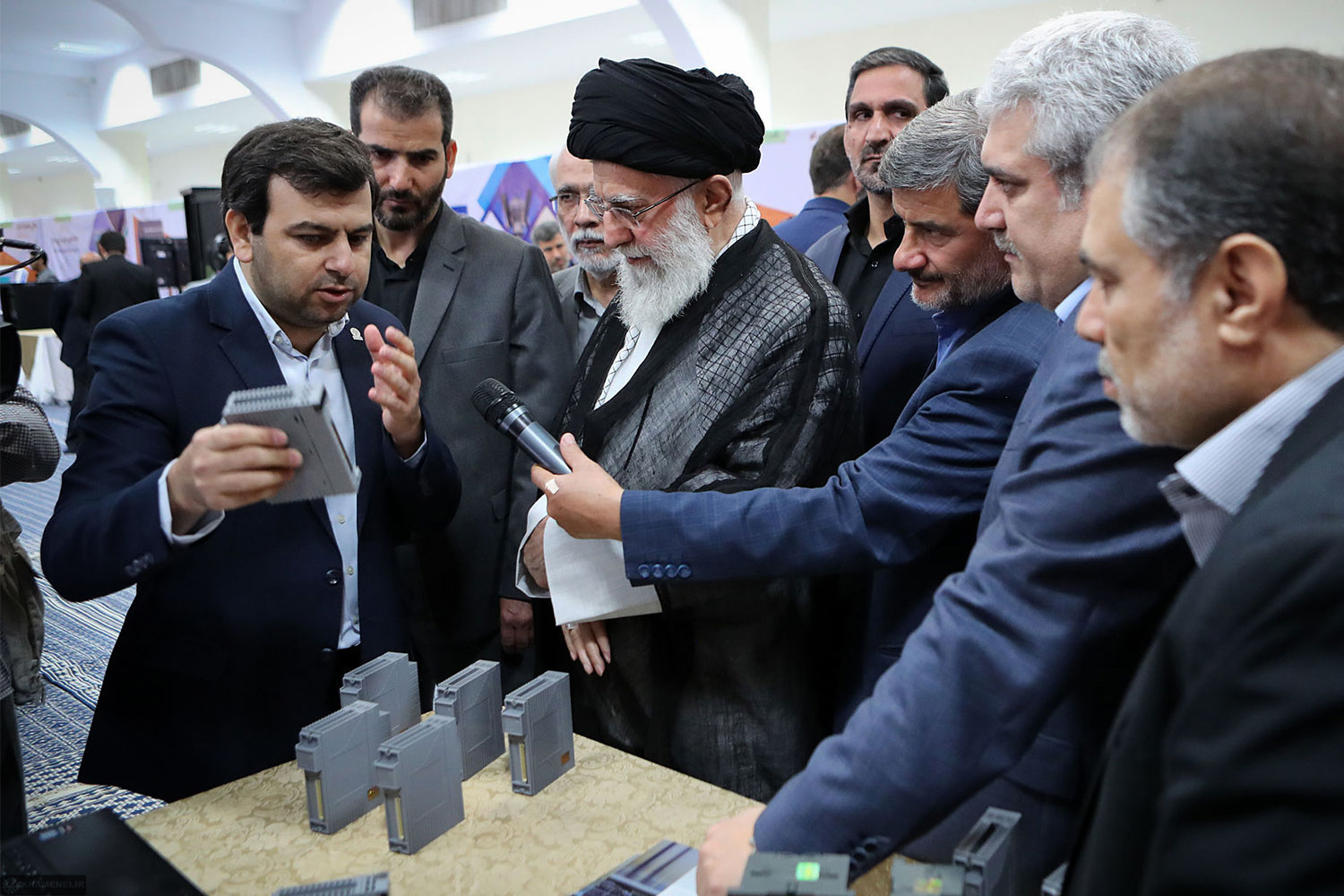
During the two-hour visit, Ayatollah Ali Khamenei went to 30 booths of knowledge-based companies and talked to technologists and researchers about the latest scientific and technological achievements and commercialised projects of Iranian youths and professionals.

For a brief review of Iran’s achievements in various fields of science and technology, check the book “Science and Technology in Iran: A Brief Review – 2019

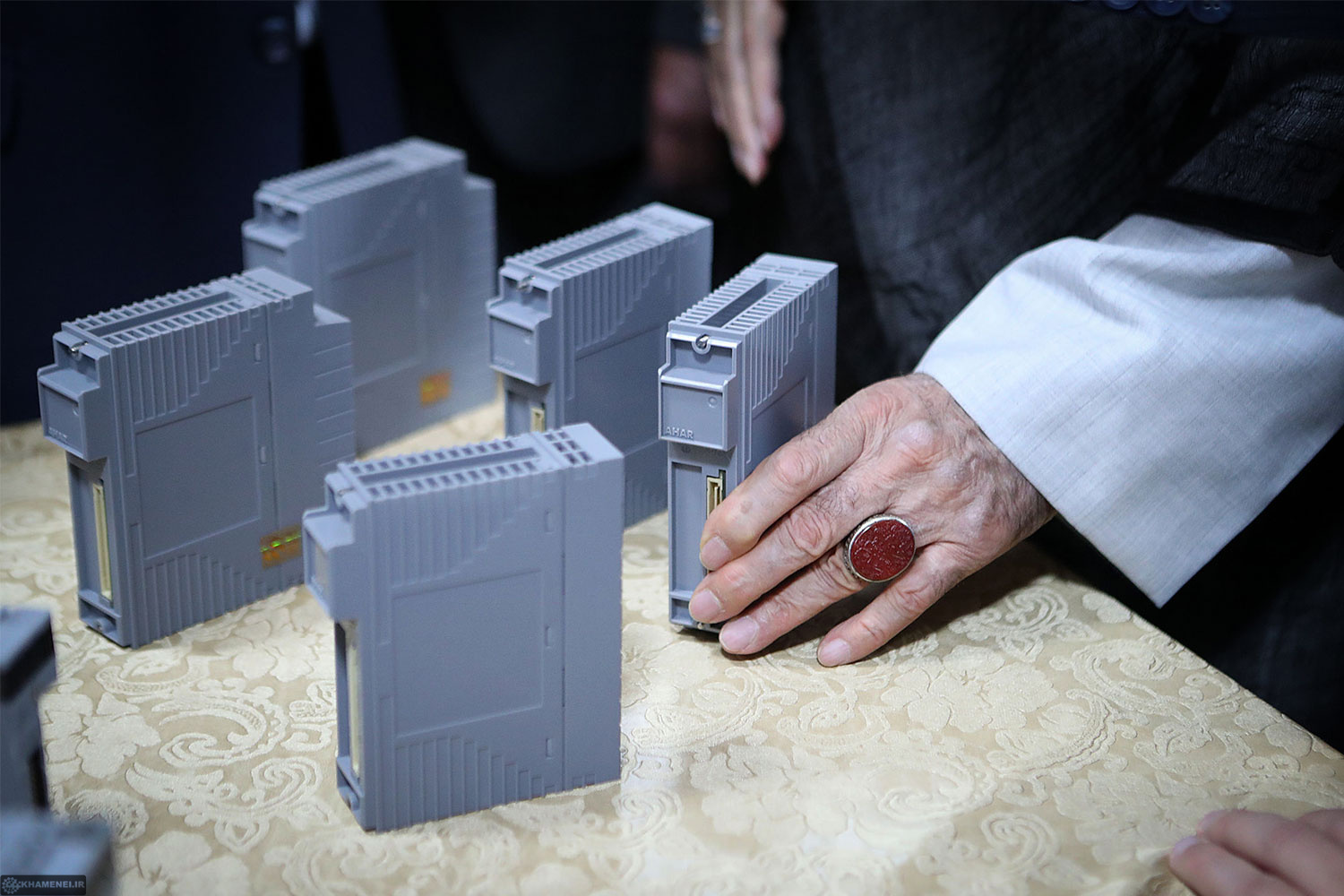
High-tech medical systems in cancer diagnosis, haemodialysis equipment, robotic surgery and neural prosthesis, laboratory equipment, fully native vaccines and advanced drug production, jet engine and aerial engine designs, power grid control systems, production of oil and gas catalysts, deep water reconnaissance and drilling services, construction of steel tanks and tools, advanced optical, scanning, measurement, cutting, simulation and processing systems, industrial freeze drying manufacturing and computer games were among the achievements of the knowledge-based companies presented at the exhibition.

The Leader said one of the complaints of young people at the fair was that sometimes the government imports the same product already made by them.

“You should not let these barriers be erected in front of the active youths. Make as much as efforts you can in this regard, and I will help as much as I can,” reiterated Ayatollah Khamenei.

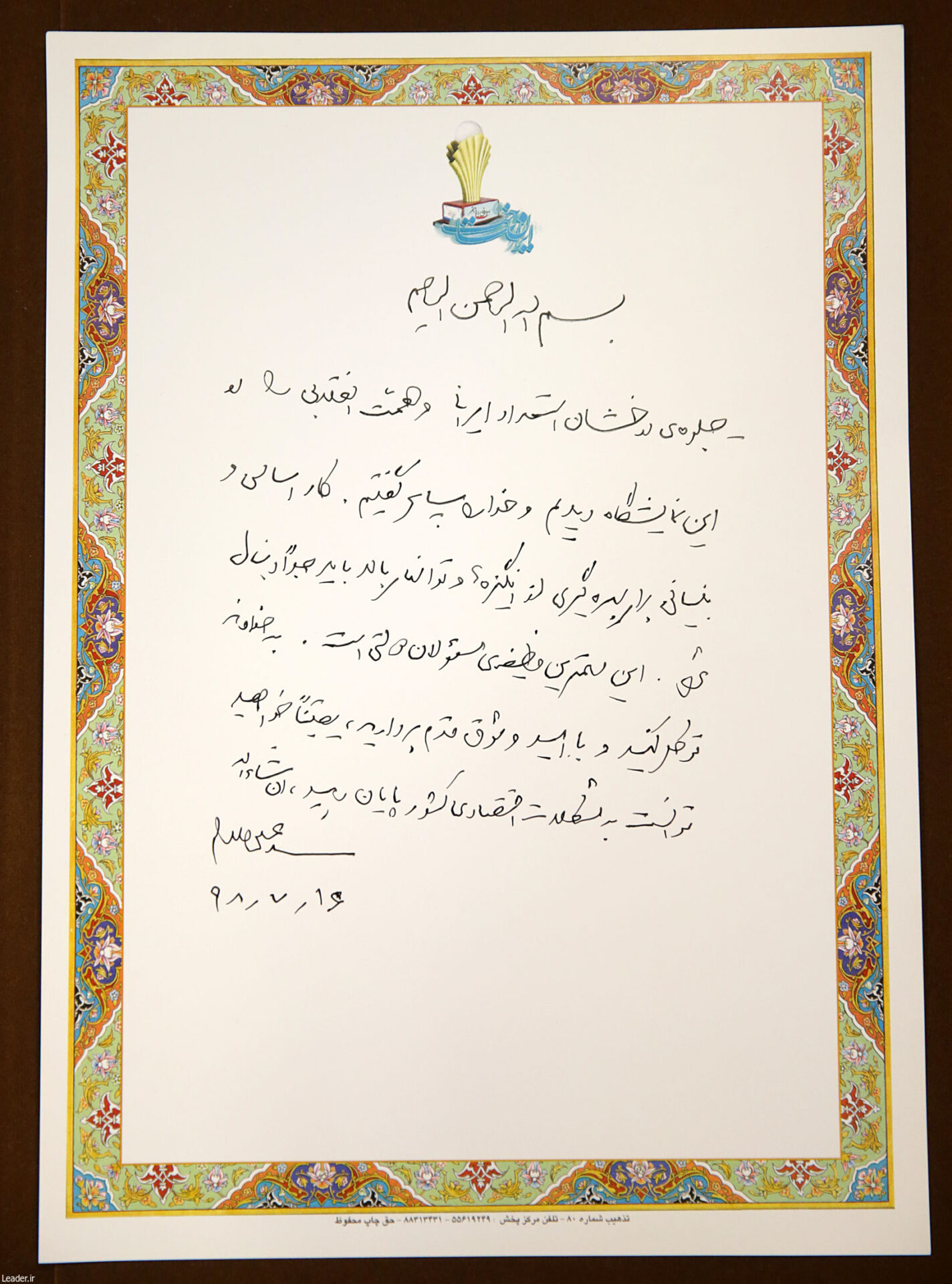
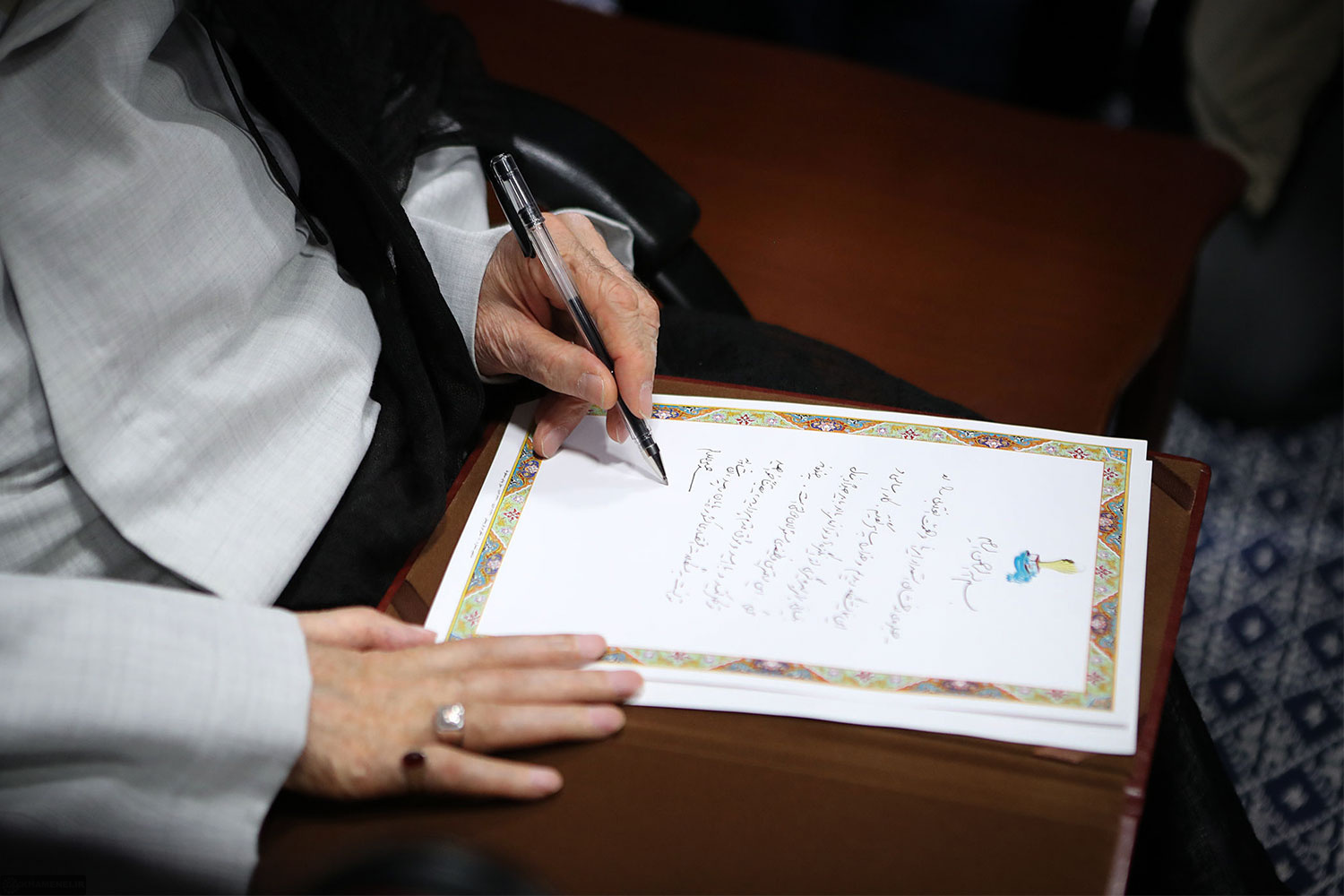
Iran’s Leader also thanked the researchers, technologists and the exhibition executives, and wrote a text on the [event’s] memorial plaque as follows:

In the Name of God, the Most Compassionate, the Most Merciful,
“We saw the brilliant manifestation of Iranian talent and the revolutionary endeavour in this exhibition and thanked God. The basic work to use high motivations and abilities must be pursued seriously. This is the most important task of government officials. Trust in God and go ahead with hope and enthusiasm; you will surely be able to put an end to the country’s economic troubles, God willing.”

A Look at Iranian Newspaper Front Pages on October 8

A Look at Iranian Newspaper Front Pages on November 18

Abrar:

1- White House: US Worried about Kurds as Turkey Attacks Northern Syria

2- Lebanon 24: Bin Salman Has Decided to Zero Out His Problems with Iran

A Look at Iranian Newspaper Front Pages on October 8


Aftab-e Yazd:

1- Chinese Killing Time: CNPC Leaves South Pars without Paying Compensation

A Look at Iranian Newspaper Front Pages on October 8


Donya-ye Eqtesad:

1- Russians Covertly Infiltrating into US: New York Times

A Look at Iranian Newspaper Front Pages on October 8


Ebtekar:

1- Rouhani’s VP: Americans’ Plan Has Failed

2- Zarif Denies Iran’s Envoy Target of Biological Assassination

3- Leaving the War or Just a Deal?

* Multi-Faceted Reasons of US Troops Withdrawal from Syria

A Look at Iranian Newspaper Front Pages on October 8


Etemad:

1- One Parliament and 17 Women

* Last Intra-Parliamentary Elections Held in Iran Legislature

2- Government Spokesman: We’ll Stand by Iraqi People

3- Erdogan’s Dream Realized: Trump Stops Supporting Kurds with Single Phone Call

A Look at Iranian Newspaper Front Pages on October 8


Ettela’at:

1- Worldwide Protests against Climate Change

2- Government Resolved to Develop Underprivileged Regions to Realize Justice: VP

A Look at Iranian Newspaper Front Pages on October 8


Hamshahri:

1- Unemployment Rate Decreases in Iran: Less than 3 Million People Jobless

A Look at Iranian Newspaper Front Pages on October 8


Javan:

1- US Betrays Its Allies

2- Iraq National Security Advisor: Plot to Overthrow Iraq Gov’t Failed

A Look at Iranian Newspaper Front Pages on October 8


Kayhan:

1- Iran Leader’s Message to Assad: Syrian People Our Red Line

2- Le Figaro: Balance of Power Changed in Favour of Iran

A Look at Iranian Newspaper Front Pages on October 8


Mardom Salari:

1- European Leader of JCPOA Party: Time Has Come for Long-Term Deal with Iran

A Look at Iranian Newspaper Front Pages on October 8


Sazandegi:

1- Iran Leader’s Message a Warning to Assad: People Are Our Red Line

A Look at Iranian Newspaper Front Pages on October 8


Setareh Sobh:

1- Turkey Poised to Eliminate Kurds

2- Trump Terrified of Impeachment

3- Joker Surprises World’s Box Office

A Look at Iranian Newspaper Front Pages on October 8

Iran, Russia Finalizing Visa Waiver Program for Group Tours

Vali Teymouri said the outlines of the plan have received a green light by both sides.

“The visa waiver agreement for group trips has been implemented by Iranian and Russian foreign ministers, and its generalities have been approved. The details of the program are being reviewed,” said Teymouri, the deputy head of the Iranian Cultural Heritage, Tourism and Handicrafts Ministry.

He said an executive plan is to be drawn up to determine the mechanism and process of going forward with the program, and that negotiations have also been held in that regard.

“We are studying different items, so that we won’t run into trouble later on and won’t give special concessions to specific companies. The final process is likely to be announced these days,” said the official.

“This visa waiver program is a bilateral deal and applies to group travels organized by select travel agencies of both countries,” he noted.

Iran Blasts UK Defence Ministry’s Delay in Paying Its Debt

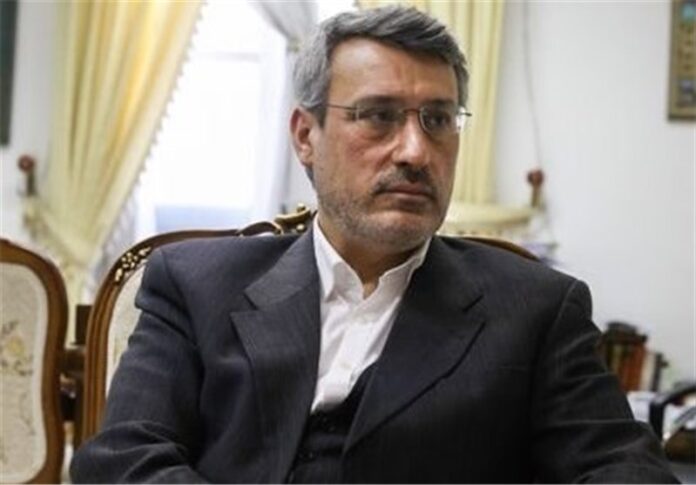
“The legal counsel of the UK Defence Ministry subsidiary company resorts to all possible procedural tactics and lawyerism to delay the payment of Iran’s debt,” Baeidinejad said on his Twitter account on Monday night.

“Pursuant to such efforts, the court decided TODAY to convene its next substantive session after 6 months, in March 2020,” he added in his tweet.

Back in July, a top court in Britain dismissed a complaint lodged by Iran seeking at least £20 million in interest for a debt related to the defense deals.

Judge Stephen Phillips from the High Court in London ruled that the UK does not have to pay the sum that Iran believes has accrued on £387 million owed to Tehran over the failed delivery of more than 1,500 Chieftain tanks and armored vehicles based on contracts signed as of 1971.

The ruling dealt a fresh blow to efforts meant to reduce tensions between Iran and Britain as the two countries are locked in several disputes, including two recent ship seizure incidents and a high-profile legal case related to the imprisonment of dual nationals.

Britain has repeatedly refrained from paying the debt it acknowledges it owes to Iran, citing illegal sanctions imposed by the United States on Tehran.

British Prime Minister Boris Johnson once briefed the journalists in February 2018 after a trip to Tehran as foreign minister that the money will be paid back.

However, the payment never took place to the irritation of Tehran which thinks London is trying to use the case to solve other problems, including the much-publicized imprisonment of Nazanin Zaghari Ratcliffe, an Iranian-British national who is in jail in Iran for espionage convictions.