Monday, December 22, 2025
Home Blog Page 30

Iran warns over implications of Israeli incursions into Syria

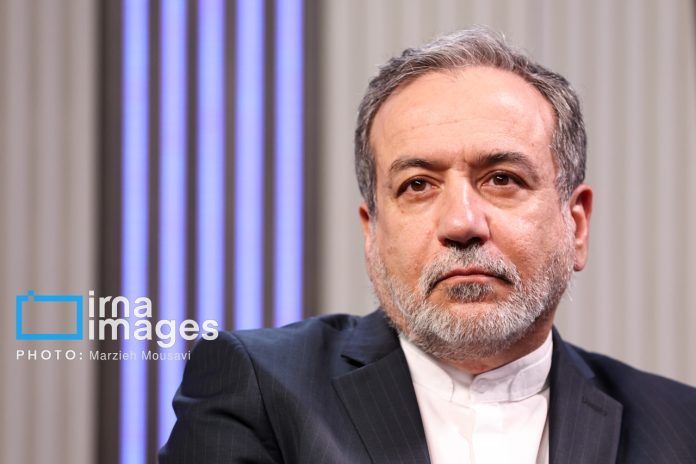
Esmail Baghaei

Baghaei was speaking at a press conference on Monday, identifying the issue as a “shared regional concern,” and underlining the importance of stability as a region-wide imperative.

The official explained that Syrian security was inseparable from that of the wider West Asian stability, singling out the continued Israeli “acts of aggression” and the recent appearance of senior Israeli officials inside Syria’s occupied parts.

“One of the key, shared anxieties among regional nations is the continuation of attacks by the Zionist regime against Syria,” Baghaei said, adding that Tel Aviv had pushed deeper into the country “over recent weeks.”

Baghaei underscored that “the issues in the region are all interconnected,” naming “tragic [Israeli-manufactured] crises” in the Gaza Strip and Lebanon as cases in point.

Last year, the regime backed up increasingly ferocious onslaughts throughout Syria by the so-called Hay’at Tahrir al-Sham (HTS) Takfiri terrorist group with airstrikes targeting the country’s civilian and defensive infrastructure. The HTS-led militants topped the government of President Bashar al-Assad as a result.

Various reports have shown that, during the escalation, the regime conducted more than 1,000 airstrikes on the Syrian territory and over 400 ground raids into the south.

Following the collapse of the Assad government, Tel Aviv also widened its grip over the occupied Golan Heights by taking control of a demilitarized buffer zone, in defiance of a 1974 Disengagement Agreement. Earlier this month, senior Israeli officials, including Prime Minister Benjamin Netanyahu, visited the buffer zone, prompting expressions of alarm on the part of the United Nations.

The spokesman dismissed the idea that Saudi Arabia was acting as a mediator between Iran and the new regime in Syria.

Tehran rather consults with Riyadh on issues concerning Syria, not in order to open “new [communication] channels,” but rather towards fostering regional security awareness and collective solutions.

“Our dialogue is not about creating a bilateral conduit, but about contributing to regional and security conditions and ensuring mutual understanding of emerging perspectives,” Baghaei stated.

He emphasized that such diplomatic engagement has become “a fixed agenda within Iranian diplomacy,” involving Saudi Arabia as well as other member states of the Arab League.

In the same context, the official stated, Saudi Deputy Foreign Minister Saud bin Mohammed Al-Sati recently traveled to Tehran, holding talks with Iranian officials that focused on Syria.

Baghaei described the United States as the “largest threat to international peace,” citing repeated coercive pressure against Venezuela, Cuba, and Nicaragua as well as American rhetoric targeting Brazil and Mexico.

He highlighted unprecedented US demands such as closure of Venezuela’s national airspace, which he called a breach of global aviation safety norms

The official also denounced diplomatic threats towards South Africa, including attempts to influence its participation in the G20 Summit.

He, meanwhile, condemned Washington for enabling the Israeli regime’s aggression in Syria, Gaza, and Lebanon, warning that “the US’s law-breaking is becoming a global template for some other actors.”

The spokesman addressed the Israeli regime’s constant warnings about alleged potential of emergence of an additional regional crisis, saying the nature exhibited by the regime over the past eight decades had featured constant crisis-engineering.

He added that the Islamic Republic draws on the strategic legacy of the 12-day-long defensive and retaliatory operations staged by the country against an imposed and illegal war by Tel Aviv and Washington in June, stressing that Tehran was “fully prepared for any contingency and will prevent Israel from exporting insecurity into Iran.”


Sons of Pakistan’s Imran Khan voice fears for his safety

Imran Khan

As court-ordered prison visits stay blocked and rumours swirl about possible prison transfers, his son, Kasim Khan, told Reuters the family has had no direct or verifiable contact with Khan, despite a judicial order for weekly meetings.

“Not knowing whether your father is safe, injured or even alive is a form of psychological torture,” he said in written remarks, adding that there had been no independently confirmed communication for a couple of months.

“Today we have no verifiable information at all about his condition,” the son continued, stating, “Our greatest fear is that something irreversible is being hidden from us.”

The family has repeatedly sought access for Khan’s personal physician, who has not been allowed to examine him for more than a year, he added.

Pakistan’s interior ministry did not respond to a request for comment. Speaking on condition of anonymity, a jail official told Reuters that Khan was in good health, adding that he was not aware of any plan for a move to a higher-security facility.

Khan, 72, has been in jail since August 2023, convicted in a string of cases that he says were politically driven following his ouster in a 2022 parliamentary vote.

His first conviction centred on accusations that he unlawfully sold gifts received in office, in a proceeding widely referred to as the Toshakhana case.

Later verdicts added lengthy jail terms, including 10 years on accusations of leaking a diplomatic cable and 14 years in a separate graft case tied to the Al-Qadir Trust, a charity project prosecutors say figured in improper land deals.


University of Tehran leads world in terms of highly cited researchers, new report shows

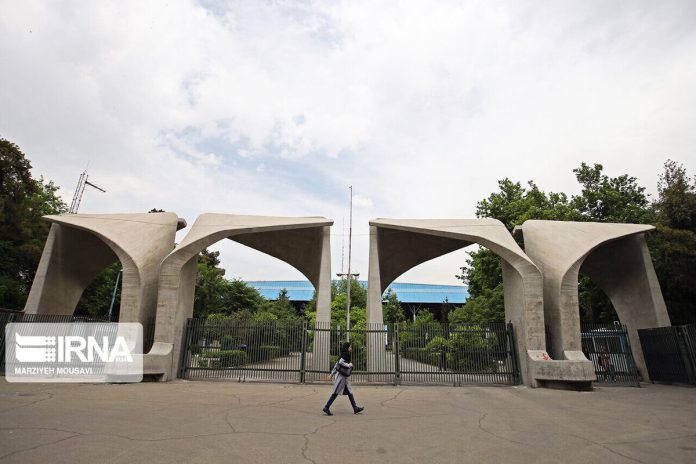
As reported on Monday by the University of Tehran’s Public Relations Office, citing data released by the Islamic World Science Citation Center (ISC), 114 researchers from the University of Tehran were listed among the globally top-cited holars for the one-year citation window of 2024.

The report points to outstanding contributions across a wide range of scientific fields, hailing the university’s growing international impact.

The University of Tehran’s highly cited researchers include leading figures such as Ali Asghar Heidari, Morteza Aghbashloo, Mohammadreza Ganjali, Reza Tavakoli Moghaddam, and many others recognized for their significant scientific influence.

Asia floods death toll surges past 1,000 as military aids survivors

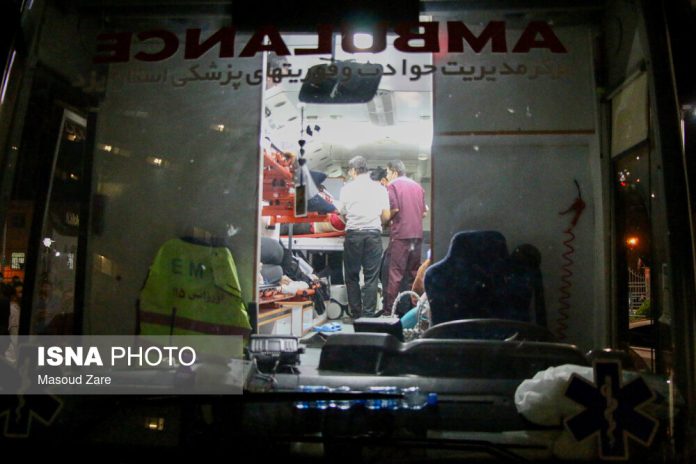
Separate weather systems brought torrential, extended rainfall to the entire island of Sri Lanka and large parts of Indonesia’s Sumatra, southern Thailand and northern Malaysia last week.

The relentless rains left residents clinging to rooftops awaiting rescue by boat or helicopter, and cut entire villages off from assistance.

Arriving in North Sumatra on Monday, Indonesian President Prabowo Subianto said “the worst has passed, hopefully”.

The government’s “priority now is how to immediately send the necessary aid”, with particular focus on several cut-off areas, he added.

Prabowo has come under increasing pressure to declare a national emergency in response to flooding and landslides that have killed at least 502 people, with more than 500 still missing.

Unlike his Sri Lankan counterpart, he has also not publicly called for international assistance.

The toll is the deadliest in a natural disaster in Indonesia since a massive 2018 earthquake and subsequent tsunami killed more than 2,000 people in Sulawesi.

The government has sent three warships carrying aid and two hospital ships to some of the worst-hit areas, where many roads remain impassable.

At an evacuation centre in North Aceh, 28-year-old Misbahul Munir described walking through water that reached his neck to get back to his parents.

“Everything in the house was destroyed because it was submerged,” he told AFP.

“I have only the clothes I am wearing,” he said, dissolving into tears.

In Sri Lanka meanwhile, the government called for international aid and used military helicopters to reach people stranded by flooding and landslides triggered by Cyclone Ditwah.

At least 340 people have been killed, Sri Lankan officials said on Monday, with many more still missing.

Floodwaters in the capital Colombo peaked overnight, and with rain now stopped there were hopes that waters would begin receding.

Some shops and offices began to reopen.

Officials stated that the extent of the damage in the worst-affected central region was only just being revealed as relief workers cleared roads blocked by fallen trees and mudslides.

In Ma Oya, just north of the capital, Hasitha Wijewardena said he was struggling to clean up after the floods.

“The water has gone down, but the house is now full of mud,” he told local reporters, appealing for military help to clean up.

President Anura Kumara Dissanayake, who declared a state of emergency to deal with the disaster, vowed to build back.

“We are facing the largest and most challenging natural disaster in our history,” he said in an address to the nation.

“Certainly, we will build a better nation than what existed before.”

The losses and damage are the worst in Sri Lanka since the devastating 2004 Asian tsunami that killed around 31,000 people there and left more than a million homeless.

By Sunday afternoon, rain had subsided across Sri Lanka but low-lying areas of the capital were flooded and authorities were bracing for a major relief operation.

Military helicopters have been deployed to airlift stranded residents, and deliver food, though one crashed just north of Colombo on Sunday evening.

Much of Asia is in its annual monsoon season, which often brings heavy rain, triggering landslides and flash floods.

But the flooding that hit Indonesia, Thailand and Malaysia was also exacerbated by a rare tropical storm that dumped heavy rain on Sumatra island in particular.

Climate change has also increased the intensity of storms, and produced more heavy rain events because a warmer atmosphere holds more moisture.

The waves of rain caused flooding that killed at least 176 people in southern Thailand, authorities said Monday, one of the deadliest flood incidents in the country in a decade.

he government has rolled out relief measures, but there has been growing public criticism of the flood response, and two local officials have been suspended over their alleged failures.

Across the border in Malaysia, where heavy rains also inundated large stretches of land in Perlis state, two people were killed.


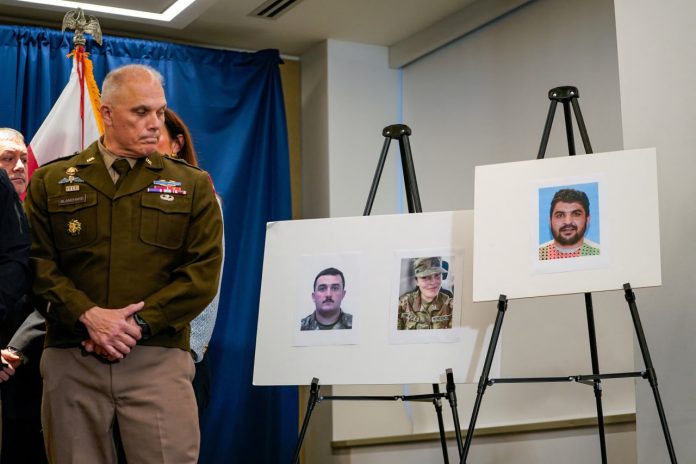
Afghan suspect in Washington shooting likely radicalized in US: American security official

Rahmanullah Lakanwal, 29, faces a first-degree murder charge in the November 26 shooting that left a 20-year-old guardsman dead and another critically wounded.

“I will say we believe he was radicalized since he’s been here in this country,” Noem said on NBC’s “Meet the Press.”

“We do believe it was through connections in his home community and state, and we’re going to continue to talk to those who interacted with him, who were his family members, who talk to them,” stated Noem during a separate interview on ABC.

Lakanwal entered the United States in 2021 as part of a massive airlift by then-president Joe Biden’s administration during the US military withdrawal and subsequent return to power of Taliban forces.

A resident of the western US state of Washington, Lakanwal allegedly drove cross-country to carry out the shooting a few blocks from the White House — an attack that shocked Americans on the eve of the Thanksgiving holiday.

Officials from President Donald Trump’s administration, which reportedly granted Lakanwal US asylum in April 2025, have blamed Biden’s administration for lax vetting during the Afghan airlift.

Noem told ABC’s “This Week” that Lakanwal was “maybe vetted” after entering the United States but said it was “not done well.”

“Crooked Joe Biden, Mayorkas, and so-called ‘Border Czar’ Kamala Harris really screwed our Country by letting anyone and everyone come in totally unchecked and unvetted!” Trump said in a post on his Truth Social platform Sunday.

Officials announced that before coming to the United States, Lakanwal had served in a CIA-backed Afghan “partner force” unit fighting the Taliban.

US government officials have since suspended visas for all Afghan nationals and frozen decisions in all asylum cases.


Coming week could be ‘pivotal’ for Ukraine: EU

Russia Ukraine War

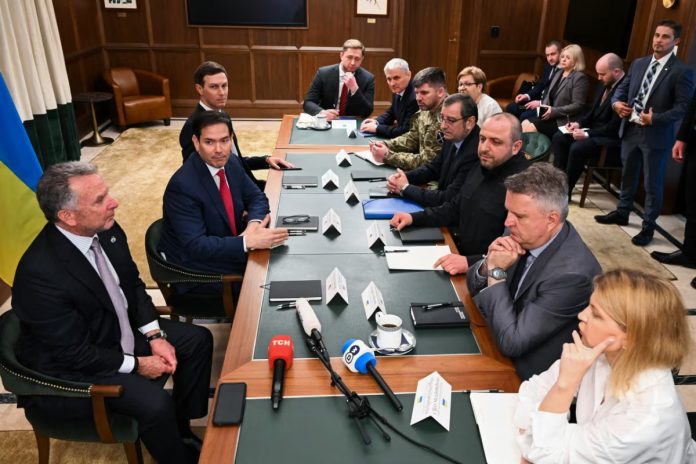
“It could be a pivotal week for diplomacy. We heard yesterday that the talks in America were difficult but productive. We don’t know the results yet, but I will talk to the defence minister of Ukraine as well as foreign minister of Ukraine today,” Kallas said at a meeting of EU defence ministers.

President Donald Trump’s envoy Steve Witkoff will head to Russia on Monday, as Washington pushes to end the Kremlin’s war against its neighbour Ukraine.

Witkoff’s visit — for expected talks with Russian President Vladimir Putin on Tuesday — follows high-stakes negotiations on Sunday between top officials in Trump’s administration and a Ukrainian delegation in Florida.

Kallas sidestepped a question on whether she trusted the United States to negotiate a good deal.

Instead she stated it would be better if Europe — which has largely been sidelined by Washington — were a part of diplomatic efforts involving Ukraine.

“The Ukrainians are there alone. If they would be together with Europeans, they would definitely be much stronger. But I trust that the Ukrainians stand up for themselves,” she added.

In the meantime, she noted that Europe needed to focus on making “Ukraine as strong as possible in order (for) them to be ready to stand up for themselves in this very, very difficult time”.

The EU is currently wrangling over a plan to provide Ukraine a mammoth 140-billion-euro loan funded by Russian frozen assets, but the proposal faces opposition from key player Belgium.

Kallas stressed the bloc was determined to reach a “result for the financing of Ukraine” at a December 18 leaders summit, adding “we are not going to leave” without a deal.


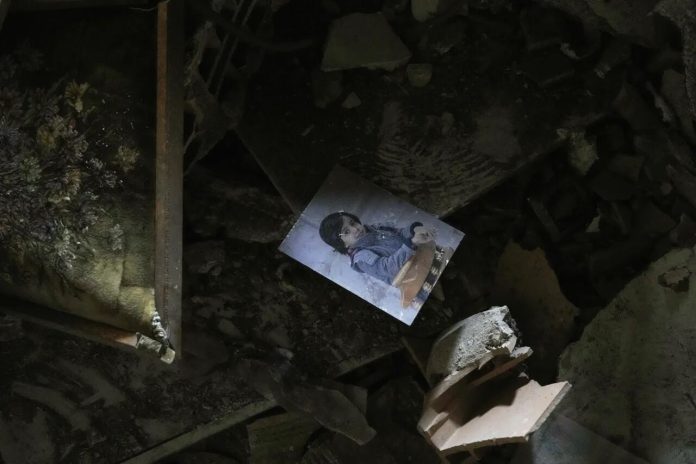
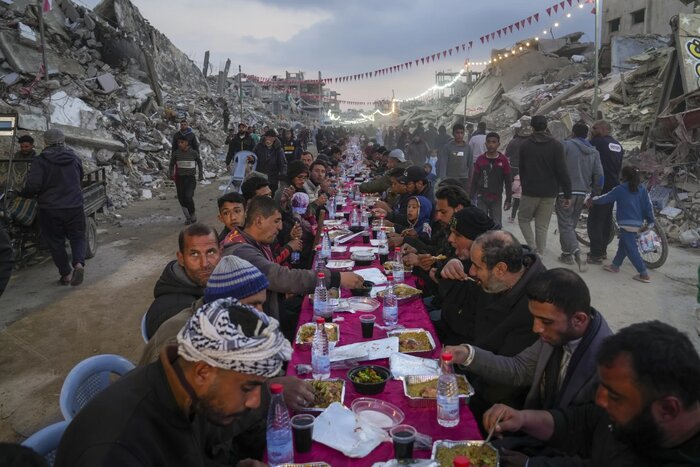
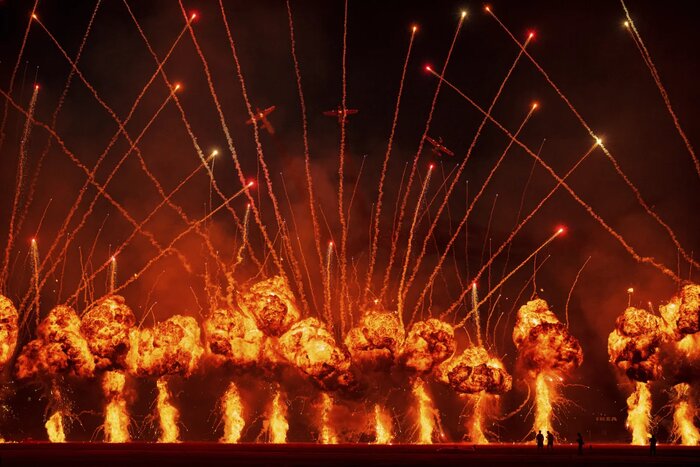
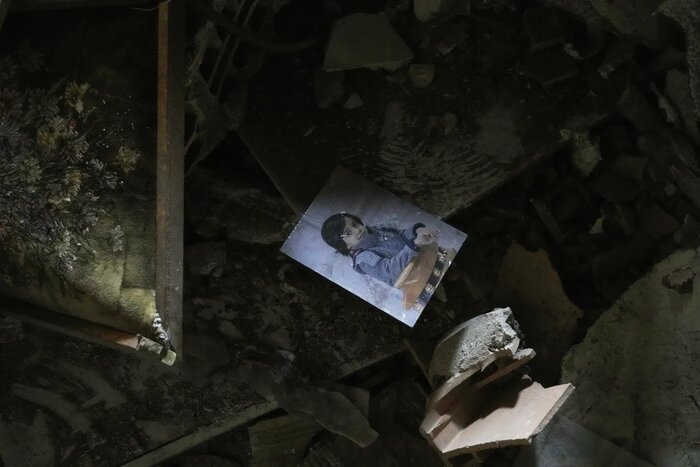
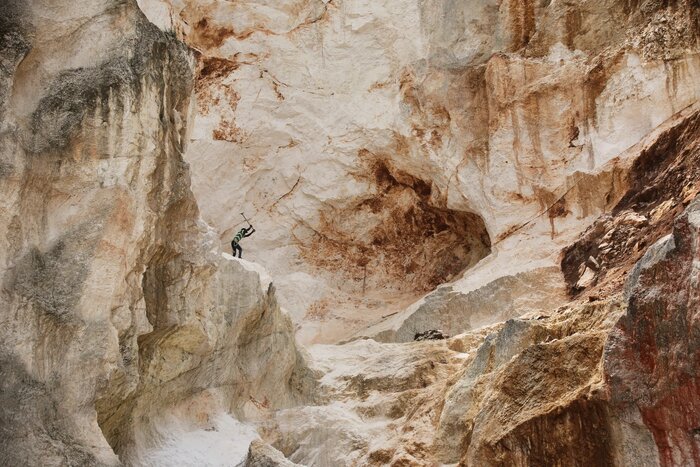
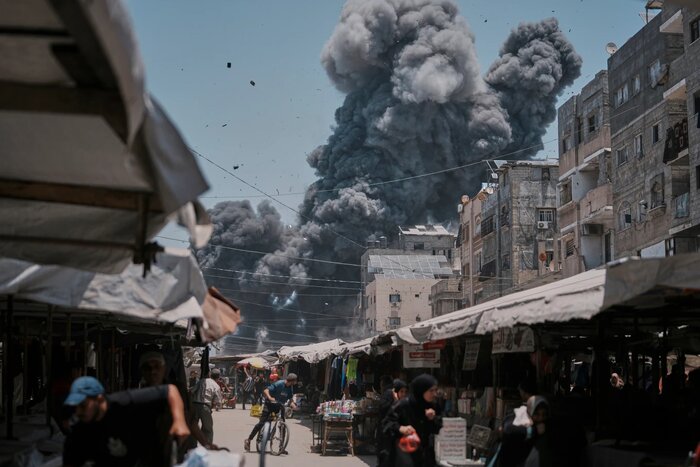
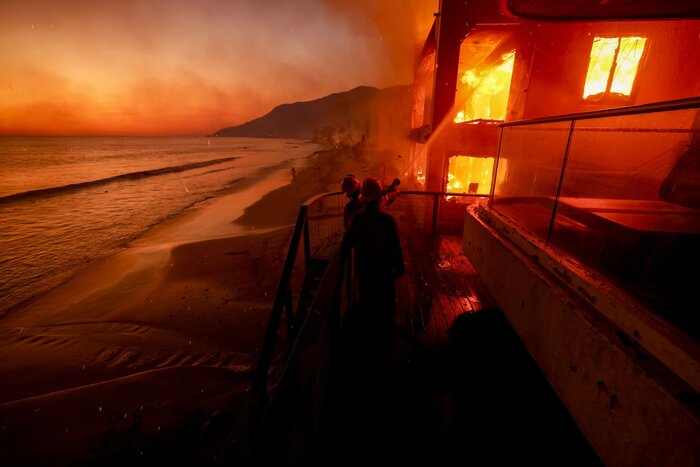
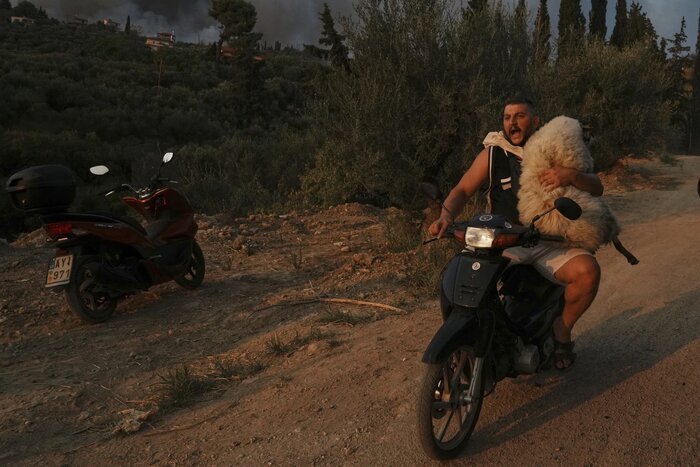
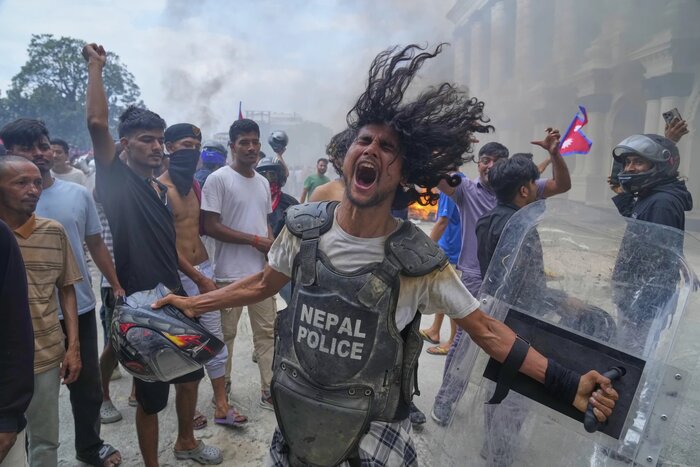
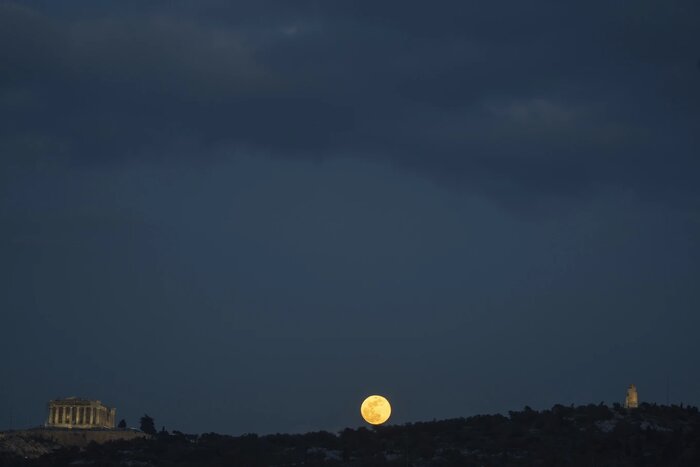
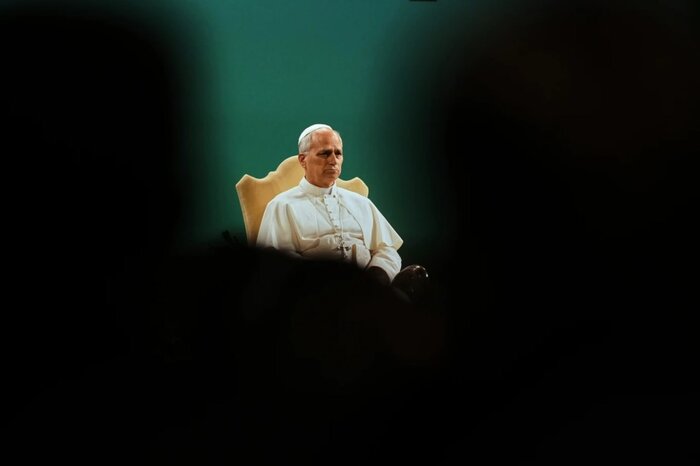
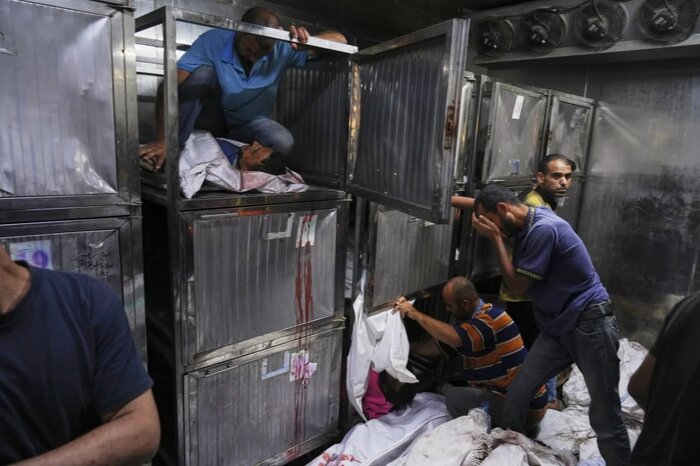
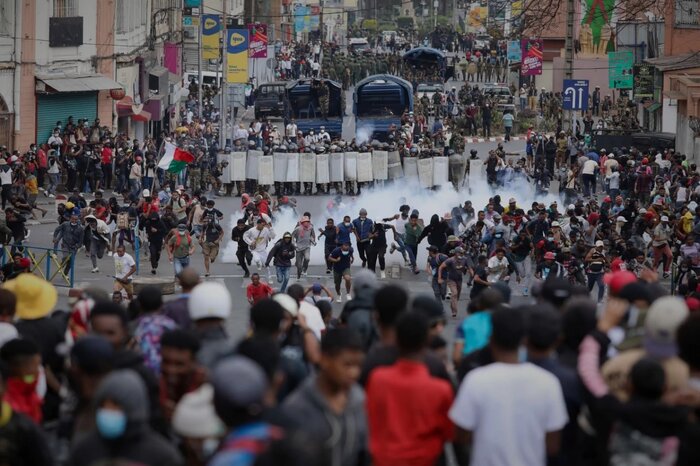
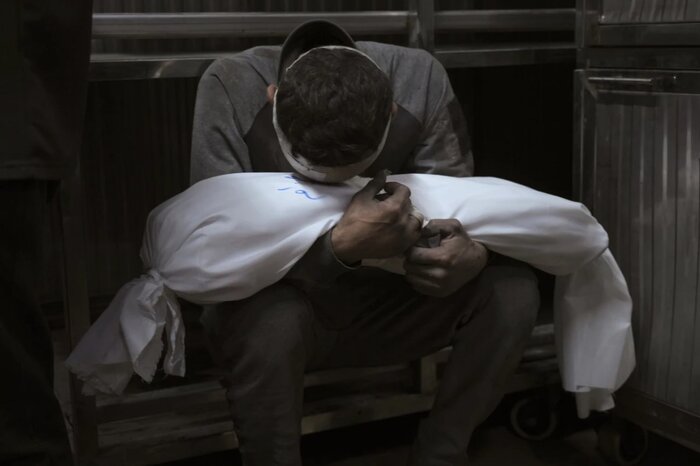
AP releases 2025 Photos of the Year, highlighting global conflict and political unrest

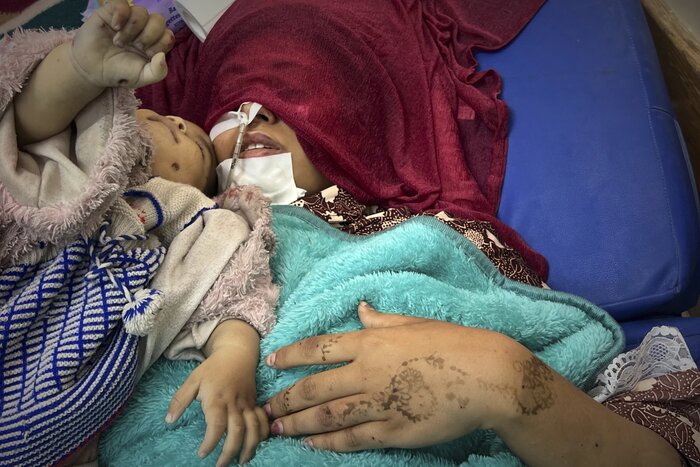
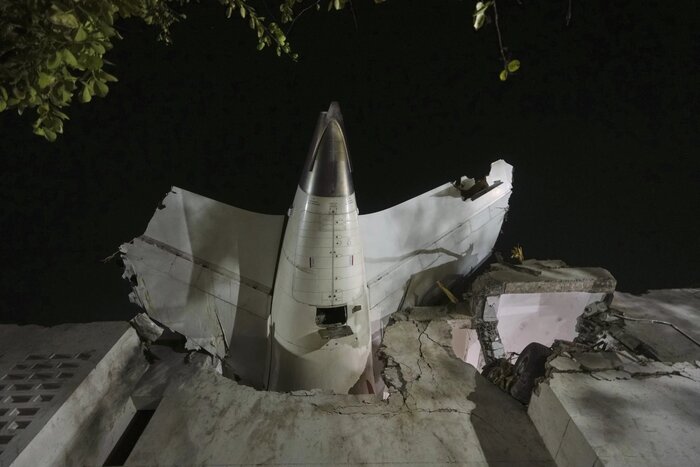
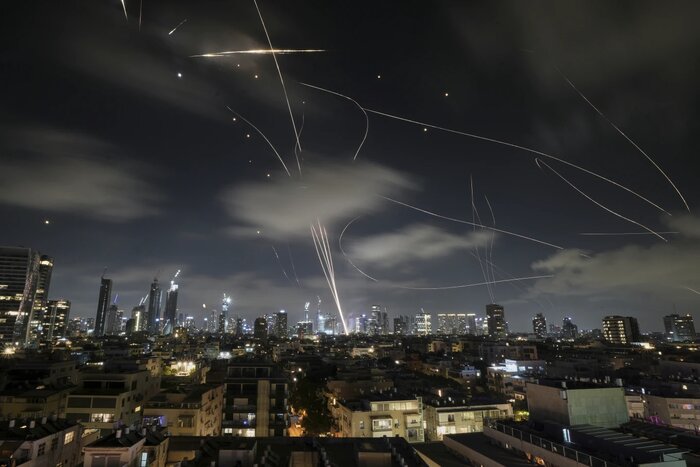
The photo series also includes images from the 12-day conflict between Israel and Iran, scenes of displacement linked to US policies targeting undocumented migrants, as well as a range of natural disasters that struck various regions.

The fall of Bashar al-Assad’s government in Syria and ongoing tensions in Venezuela were also among the major developments documented by AP photographers.

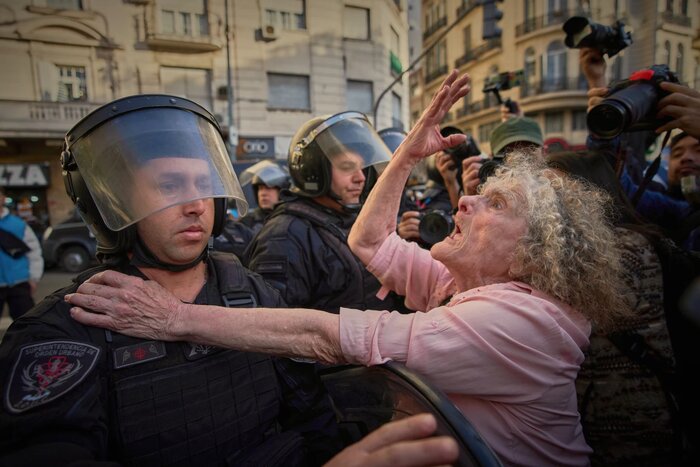
Other themes highlighted in the selection include Brazil’s efforts to combat organized crime, widespread protests in Argentina over economic reforms, and key moments from the Catholic Church following the death of Pope Francis and the election of his American successor.

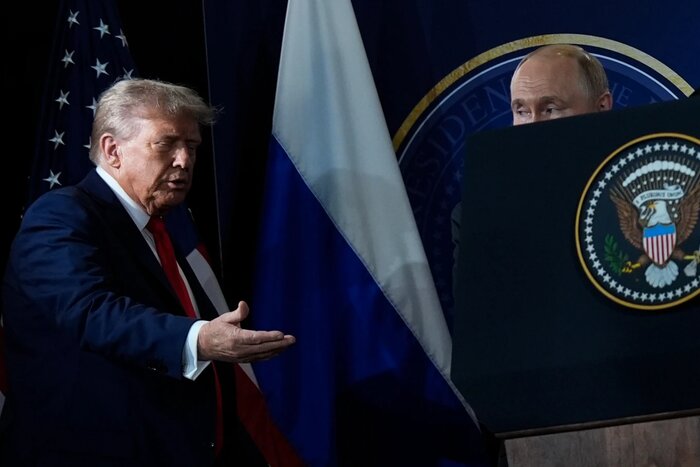
The continuing Russia-Ukraine war and US diplomatic attempts to halt the conflict also feature prominently. Together, the photographs offer a panoramic view of the year’s most significant political, humanitarian, and social challenges across the world.

Iran’s envoy to China calls for structured planning to boost economic, investment ties

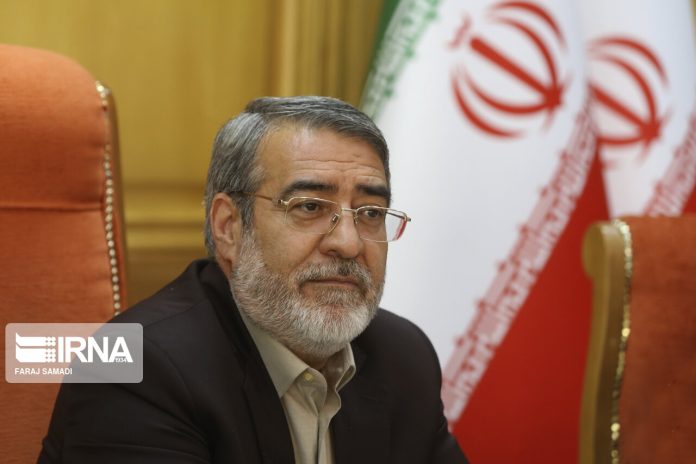
His remarks came on Monday, during a national meeting of provincial governors focused on identifying investment opportunities between the two countries.

Rahmani Fazli said the objective is to harness the capacities and resources available in the provinces of both nations in order to build “effective economic, investment, and trade linkages” between Iran and China.

He noted that China’s provinces possess significant resources and decision-making authority, while Iran has recently delegated broader economic powers to local administrations, factors he said could help expand and improve bilateral cooperation.

During the meeting, officials proposed that each Iranian province, led by its private sector, pursue at least two or three major investment or trade projects with Chinese partners. The plan was endorsed by the interior minister.

Rahmani Fazli added that the embassy will support the initiative and that a clear supervisory role will be assigned to the ministry of interior.

He expressed hope that bringing Iranian and Chinese private-sector actors together would activate new financial and industrial capacities, contributing to the deepening of bilateral relations.

Shanghai Bloc conducts Sahand-2025 anti-terror exercise in Iran

IRGC

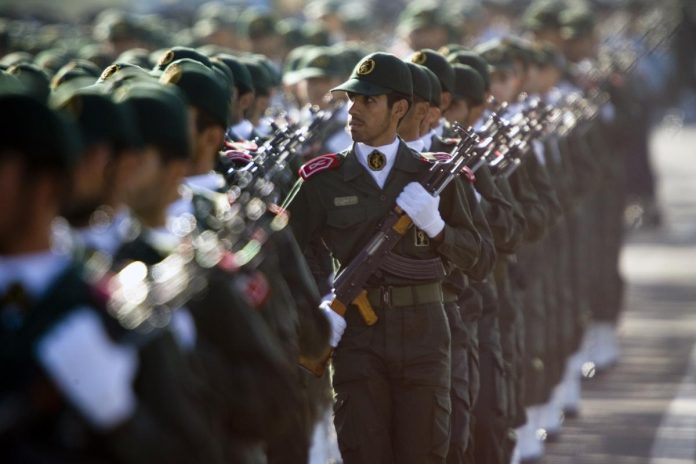
The drill, led by the IRGC Ground Force, is taking place in the Shabestar area.

IRGC Ground Forces public relations deputy Col. Shahram Askaryan said the exercise was designed under instructions from Iran’s General Staff of the Armed Forces, with cooperation from the Foreign Ministry and the SCO Regional Anti-Terrorist Structure.

He stressed the operation holds “special strategic importance.”

Askaryan added that Iran has long been a central actor in combating terrorism, noting that “more than 17,000 of our compatriots, including women and children, have been martyred by terrorists.”

The exercise will run for five days from Monday, Dec. 1, 2025, at the Imam Zaman mechanized brigade’s operational zone in Shabestar.

Further operational details will be released later.


At least 357 Palestinians killed in Israeli attacks in Gaza since ceasefire: Report

Gaza War

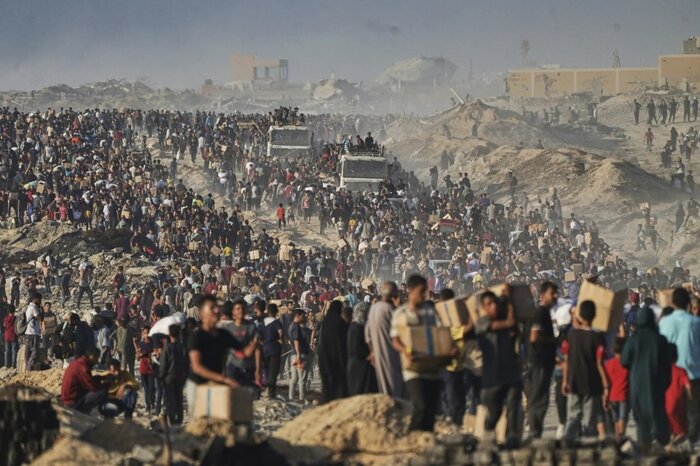
The majority of the victims were women and children, Gaza’s Government Media Office announced in a statement.

The office said 38 people were arbitrarily detained by the Israeli army, documenting 591 Israeli violations of the ceasefire, including direct gunfire towards civilians and their homes and tents, bombardment, and home demolitions.

These violations are proof of “the (Israeli) occupation’s insistence on undermining the agreement and creating a bloody reality on the ground that threatens security and stability in the Gaza Strip,” it added.

The repeated Israeli attacks despite the ceasefire “constitute systematic crimes intended to expand destruction and collectively punish the population, amounting to a grave breach of the Geneva Conventions,” the statement read.

The office called on US President Donald Trump, ceasefire mediators and guarantors, and the UN Security Council to take serious and effective action to halt the Israeli attacks and compel Tel Aviv to fully comply with the agreement.

The ceasefire deal, mediated by Türkiye, Egypt, and Qatar, and backed by the US, came into force on Oct. 10 to halt two years of Israeli attacks that have killed more than 70,000 people, mostly women and children, and injured over 170,000 others since October 2023.

Phase one of the ceasefire deal includes the release of Israeli hostages in exchange for Palestinian prisoners. The plan also envisages the rebuilding of Gaza and the establishment of a new governing mechanism without Hamas.