Thursday, December 25, 2025
Home Blog Page 2948

Iran Says Swiss Channel for Medicine Imports ‘Hyped Up’

Iran Urges GCC Chief to Stop Blame Game, Focus on Ending Yemen War

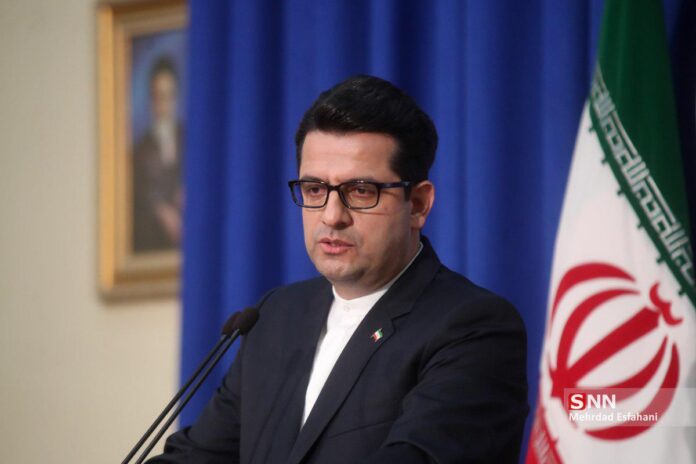
“We recognize no such thing as a humanitarian channel and the like. Regardless of the fact that we consider all the sanctions illegal, the medicines and foods, as you know, were not included on the list of any sanctions, so it is not appropriate that they sensationalize and make a fuss about launching a channel that facilitates such transactions,” said Iran’s Foreign Ministry Spokesman Seyyed Abbas Mousavi.

“You witnessed that the issue was hyped up on social media, whereas in our view it wasn’t much worth highlighting,” he added, speaking to reporters in a press conference on Monday.

“We will utilize any opening that reduces the pressures on the Iranian nation, and consider [the channel] helpful [in this regard]. But the US knows that it has obligations to meet, and there is also the verdict of the International Court of Justice which rules that the medicines and foods must not be among the sanctioned items,” he added.

Therefore, the spokesman said, “they are obliged to facilitate the import of such products.”

“In our view, giving permits in a drop-by-drop manner … cannot clear the US regime of its obligations towards the Iranian nation and of the war crimes it has committed especially by putting sanctions on medicine.”

“The imported medicines have been paid for with the nation’s money, and it’s nothing new. Actually it should have started one and a half years ago but was put off until now because of US sabotage. And the Swiss company which does the job also receives the payment made by the Iranian nation,” he went on to say.

The spokesman said the channel should not be hyped up more than it deserves, as “our expectations are more than that. Their obligations are tens of and hundreds of times more than this one single channel they have launched, and we don’t need to be reminded too many times about it.”

WTO Hails Tehran’s Offer to Host World’s Biggest Tourism Event

WTO Hails Tehran’s Offer to Host World’s Biggest Tourism Event

The event is planned to be held in late 2020 or 2021 in Tehran’s Abbas Abad Cultural and Tourist Complex.

The proposal was made by a delegation from Tehran Municipality to Deputy Secretary General of United Nations and the President of the World Tourism Organization Zurab Pololikashvili during the delegation’s visit to the fortieth edition of FITUR International Tourism Fair in Spain.

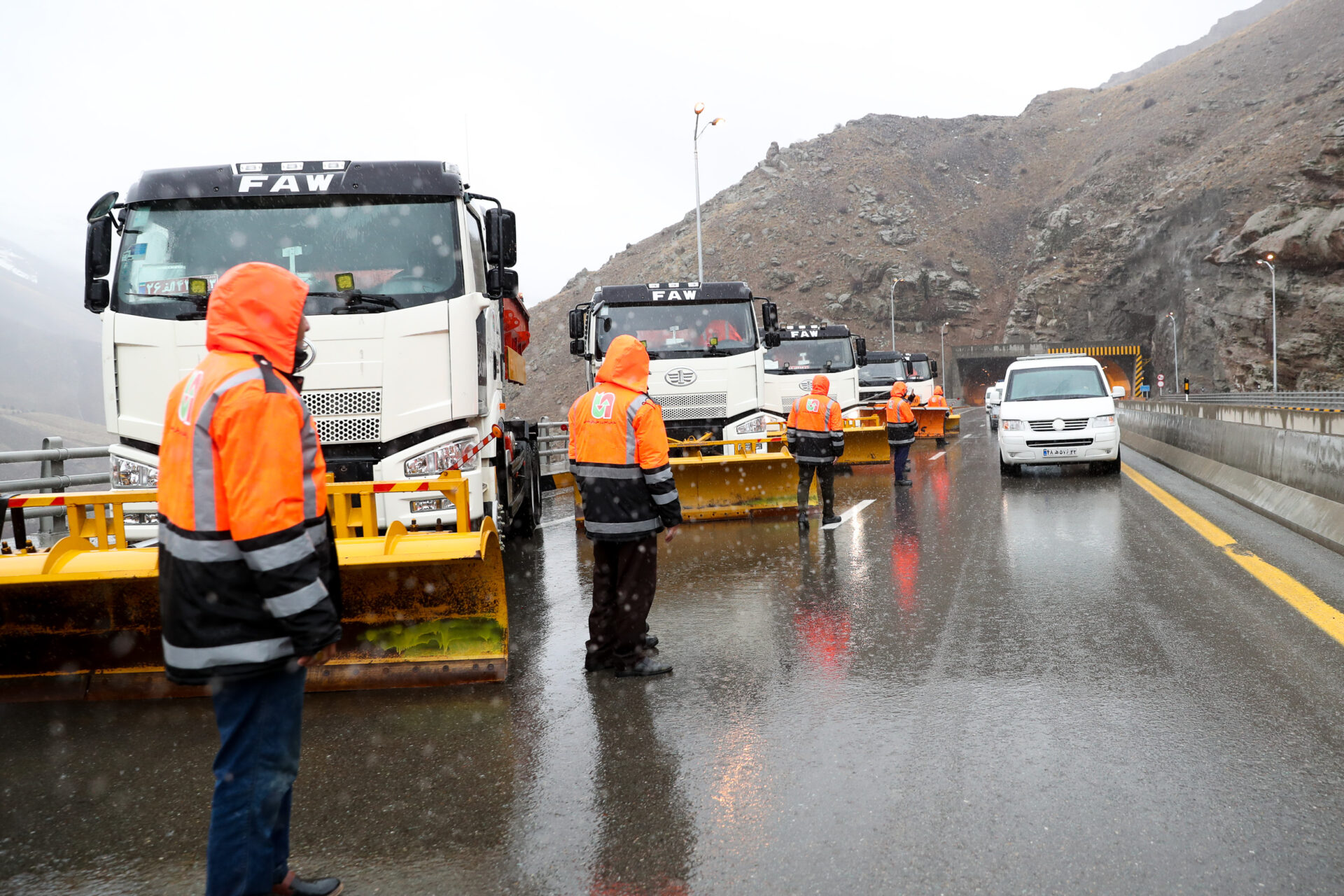
Snowy day in Tabiat Bridge
Tehran’s Tabiat Bridge

In addition to the proposal, the delegation extended Tehran Mayor Pirouz Hanachi’s invitation to Mr. Pololikashvili.

158 countries and 500 tourism institutions are members of World Tourism Organization, and holding such an event in Tehran is believed to help boost foreign and domestic tourism in the capital city of Iran.

Kharbas Caves, Historical Attraction of Iran’s Qeshm Island

Kharbas Caves - Nature of Iran's Qeshm Island

The historic Kharbas Caves of Qeshm Island in the Persian Gulf are one of the outstanding works of rock-cut architecture. There are indications – including multiple historical structures surrounding the caves and rock catacombs [man-made subterranean passageways for religious practice] which are scattered all across the island – that the caves date back to the Parthian and Sassanid periods.

Some experts say the caves were formed naturally more than 2,800 years ago due to receding water levels.

Many historians argue that Kharbas Caves in Hormozgan province have been a temple or a worshiping place for the followers of Mithraism or Anahita, the goddess of water and seas.

Tasnim News Agency on December 16 released amazing photos of the caves. Take a look:

Iran-Swiss Channel No Sign of US’ Good Intentions: Zarif

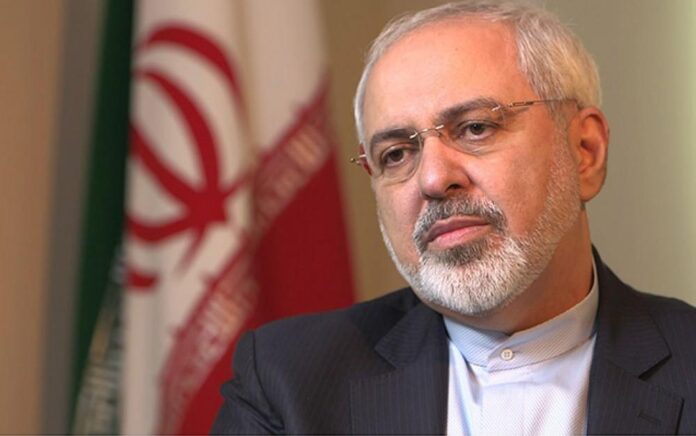
Mohammad Javad Zarif - Foreign Affairs Minister of Iran

Speaking to reporters on Monday, Zarif said the first transaction which took place yesterday through the new payment mechanism “does not even show that the US has taken the slightest measure in accordance with its obligations under the interim order of the International Court of Justice, let alone its commitments under the JCPOA.”

Stressing that the ICJ has ruled that the US does not have the right to ban the import of food and medicine to Iran, he said the US policy continues to be the policy of pressure on the Iranian people, depriving the people of the financial resources to pay the costs of food and medicine, and placing restrictions on the methods of using the financial resources.

Describing the Swiss channel as “a very small step,” Zarif said “the Swiss government made efforts, and we appreciate their efforts, but this is by no means a sign of US good will.”

Zarif noted that Iran has a plan under consideration to add “those spreading economic terrorism” against the country to the list of organizations sanctioned by the Iranian government. “One of the organizations active in the area of reinforcing US economic terrorism against Iran is United Against Nuclear Iran, whose whole name from beginning to end is a pack of lies,” said Zarif.

Regarding EU Foreign Policy Chief Josep Borrell’s visit to Iran, Zarif said “Mr. Borrell made a request for the visit, and we are waiting to see what he has to say.”

He also pointed to a 14-page letter he submitted to the EU Foreign Policy Chief, and said “the letter emphasizes, with undeniable documentation, the fact that Iran is the country which has the right to use the Article 36. They failed to use the article, and committed flagrant breach of JCPOA. Thereupon, we took compensatory measures [considered in] the article 36.”

He made the remarks in an address to the military professors and cadets at the Iranian Army’s University of Command and Staff.

Elsewhere in his remarks, Foreign Minister Zarif pointed to the martyrdom of top Iranian commander Lt. General Qassem Soleimani, saying the people of Iran and the region grieve over the loss of a great man who was the symbol of insight, wisdom and humility for the region.

The foreign minister also noted that the blood of the revered martyr will undoubtedly serve as a source of blessings for the Islamic Revolution.

Foreign Minister Zarif hailed the mass gatherings in commemoration of General Soleimani in Iran, India, Russia, Latin America and even in the United States as one of the impacts of martyrdom of the devoted general, noting that a new era has begun thanks to the blood of martyrs, including General Soleimani.
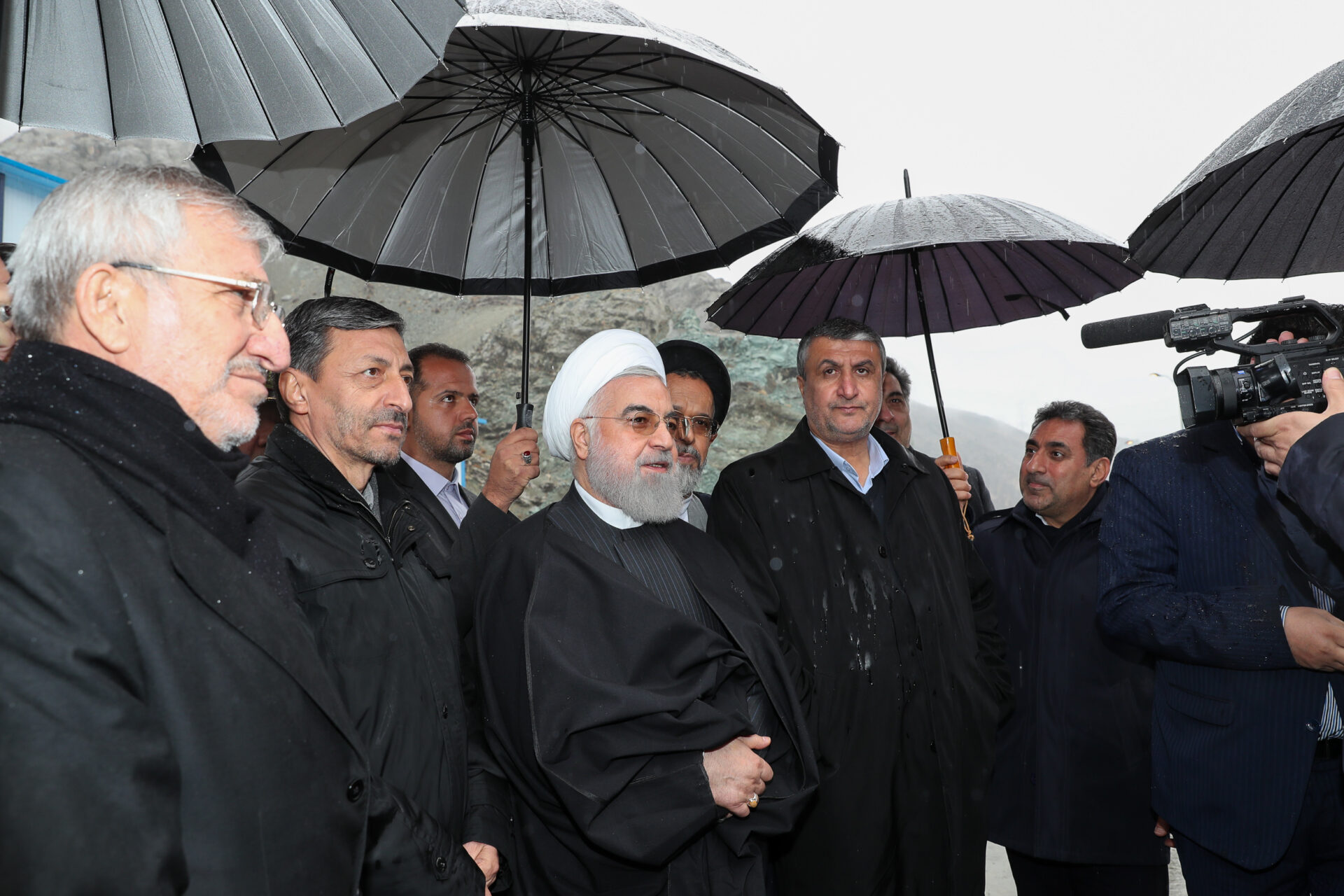
The top Iranian diplomat further pointed to a major evolution of the structure of international relations, adding, “Today, the elements of power are not evaluated merely on the basis of military components, while the semantic factors of power have taken on great significance. The power of people and beliefs in our country are among the major components of semantic power. As a result, unlike a country that has purchased $67 billion of arms but still depends on the others for ensuring its security, the Islamic Republic of Iran has taken its power from the people.”
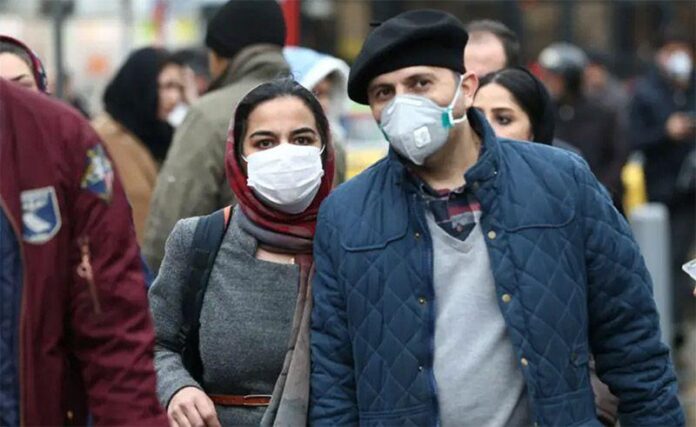
“We must employ all of our instruments. Without the presence of people at the ballot boxes, we wouldn’t have had the power to hold talks with six countries in the JCPOA negotiations. We believe that we negotiated well. Those hammering the negotiations are in fact hammering the people. As the foreign minister, my duty is to steer this power to a lasting achievement. Negotiation does not mean surrender,” he added.

Foreign Minister Zarif further highlighted a shift in the centers of power in the international arena, stressing, “Today, the West is no more considered as the center of power, and the world has entered a new age, and such upheaval has been a benefit to us and a loss to the hegemonic powers. We must recognize that the US is no more a superpower. Imam (Khomeini) had also stated that America cannot do a damn thing.”

The Iranian foreign minister then touched on the ominous deal of the century, and criticized certain Arab states for failing to withstand the Zionist regime’s demands.

“As the JCPOA could lay bare the fake image of the US and the Zionist regime and destroyed plans for making Iran a security issue, the ominous deal of the century can also upset the depiction of the Islamic Republic of Iran as an enemy in the Arab world,” Zarif added.

“Our goal must be to serve the people, not to create bipolarity which would shatter the tools of our own power so that the enemy would take advantage of it. No post or election could be worth enough to let the enemy gain such concession,” Foreign Minister Zarif underlined.

Medical Supplies Delivered to Iran through Swiss Channel: Ambassador

Medical Supplies Delivered to Iran through Swiss Channel Ambassador

The Swiss envoy, Markus Leitner, said that the new financial channel counts not only as a humanitarian instrument but also a political signal, a sign of de-escalation.

Expressing hope that in two or three weeks the channel will be fully operational, he added that Switzerland has invested in the mechanism and wants to ensure that the items will reach Iranian consumers.

The medical shipments have been purchased and imported using the money deposited by the Central Bank of Iran in a Swiss bank. The transactions include procurement of various medicines from Swiss companies worth some 2.3 million Euros.

Switzerland’s launch of the new payment channel comes after INSTEX, a mechanism designed by major European powers to meet their commitments under the 2015 nuclear deal for transactions with Iran, failed to achieve any tangible success.


Related Articles:

Iran Develops 3D Printers on Par with European Samples

Iran Develops 3D Printers on Par with European Samples

The company has been able to build several models of these 3D printers by relying on native power and knowledge.

3D printing involves a set of processes that bind materials in a controlled manner to form a 3D object. Usually this is done in layers.

The “Delta Device” is a 3D DLP desktop printer. Its high speed and high quality coupled with its low cost and convenient use make it the most suitable device for designers and gold workshops as well as dental laboratories.

The Delta has Remote Control (WIFI) capability as well as an industrial computer and touch screen that can transmit information offline and by flash memory.

It does not need large volume of resin for printing. The device works with minimum resin in a 200 grams tank. Easy and fast replacement of materials makes 3D Dreams machines the most efficient 3D printers.

“The Beta Device is a first-level industrial device among the world’s three-dimensional DLP printers. With its large plate size, high production volume and the highest level of quality and accuracy, it meets all the needs of large manufacturing and gold workshops,” said the CEO of the company.

For a brief review of Iran’s achievements in various fields of science and technology, check the book “Science and Technology in Iran: A Brief Review – 2019

“Beta” has been able to achieve the highest degree of print accuracy and surface quality with optomechanical processing and advanced image processing techniques, and minimizes the use of resin by having an auxiliary mechanism to save on resin consumption.

“Beta” with superior precision has been able to achieve the highest surface quality and minimize the gold fraction in the polishing phase, added the CEO.

In addition to the aforementioned devices, the company also manufactures two Alpha and Landa devices each of which has its own applications.

With the production of these products jobs have been directly created for six people.

The CEO of this knowledge-based company pointed to the price difference of this product and similar ones made in Germany saying that its price is about one-fourth of the European sample.

Rise in Iran’s Sugar Output Saves $1 Billion in Expenses

Rise in Iran’s Sugar Output Saves $1 Billion in Expenses

Addressing a meeting on the cultivation of spring sugar beet, Abbas Keshavarz said the careful planning and efforts during the past seven years have led to an increase in the domestic production of sugar and helped the country save around $1 billion in imports.

Highlighting the growing transparency in the competition among the local producers of sugar and the government intervention to regulate prices, the caretaker said the domestic farmers have shown more enthusiasm for the cultivation of sugar beet and have also generated more revenue in recent years.

Keshavarz also pointed to the Ministry of Agriculture’s efforts to help farmers get a real price for their products, saying the flooding in the country in the current Iranian year adversely affected the production of sugar beet and led to a rise in the sugar prices.

Sugar beet is a strategic plant that plays a leading role in the production of sugar, forage, and other agricultural produce, he added, and called for efforts to stimulate investment in farming, support the farmers, factories and associations, and to establish processing factories in the areas that are major producers of sugar beet in order to reduce the costs.

Shirazi Yoghurt Broth A Traditional Food of Southern Iran

Shirazi Yoghurt Broth A Traditional Food of Southern Iran

Yoghurt is one of the byproducts of milk and suits people who are allergic to lactose. Yoghurt is replete with calcium. Each 100 grammes of low-fat yoghurt has 55 calories, and as much high-fat yoghurt has 155. Yoghurt is one of the ingredients of this food.


Ingredients:

Onions: 1 onion

Rice: 500gr

Split peas: Half a cupful

Sour yoghurt: 1kg

Dill and tarragon: 500gr

Sautéd shredded onions: 6 soup spoons

Boneless neck meat: 600gr


Recipe:

First, clean the split peas and put them in a bowl of water. Leave them in water for 5 hours. In the meantime, change the water 2 to 3 times.

Put the meat in a casserole and put it on the heat. Then add the onion along with some salt and pepper. Afterwards, add seven or eight glasses of water and put the lid on, allowing the meat the be cooked through on low heat.

Note that we need the meat juice, so we shouldn’t turn up the heat to keep the meat juice from evaporating. After the meat is cooked through, pour the juice into a big bowl and leave the meat at the bottom of the casserole to go completely dry. Then turn off the heat and allow the meat to get cold.

Afterwards, put split peas into a sieve and wash them before putting them in a casserole. Add almost 6 cups of meat juice to the split peas and add some salt and pepper. Then put the mixture on low heat until the split peas are cooked through.

Then wash the dill and tarragon clean and put them into the sieve to drain before chopping them up and putting them aside.

Now, wash the rice and add it to the split peas and allow it to cook on low heat and become mashed. Then sprinkle some salt on the mixture and add the herbs.

Wait for 30 minutes until the herbs are cooked through. Bring the yoghurt out of the refrigerator until it gets as warm as the ambient temperature. In the meantime, mash the meat well. After the herbs are cooked, add the mashed meat to the mixture.

Now, allow the broth to remain on the heat to become thicker. Stir the broth from time to time. After 20 minutes, the broth has become thick enough. Turn off the heat as all the ingredients are cooked through. Now, add yoghurt to the broth and mix them well. Now you may serve the dish and garnish it with sautéd shredded onions.

Envoy Asks Iran to Avoid Inessential Restriction on Chinese Travelers

Envoy Asks Iran to Avoid Inessential Restriction on Chinese Travelers

In an interview with Tasnim on Sunday, Chang said the advisories issued by the World Health Organization have not put any restrictions on the travels to China and have not advised excessive caution while travelling to China either.

The ambassador said he understood the Iranian officials’ concerns about the outbreak of coronavirus, but requested that Iran heed only the advisories issued by the WHO and avoid taking unnecessary measures in dealing with the Chinese travelers.

He also described the novel coronavirus as a global challenge, the fight against which requires collective cooperation from the international community.

The plenipotentiary ambassador also highlighted the Chinese government’s serious, urgent and scientific measures to contain the coronavirus, saying the Chinese president is directly overseeing a countrywide system to control and prevent the spread of the respiratory virus.

China has the necessary economic power and experience to fight the disease, Chang emphasized, saying he has also held meetings with the Iranian Minister of Health to coordinate cooperation between Beijing and Tehran.

China is currently at a key stage in the fight against the new coronavirus, the envoy noted, pointing to the progress his country has made in this course.

The approaches adopted by China have outstripped the international healthcare instructions, Chang noted, expressing confidence that his country’s strategies will ultimately produce positive results.

As of Sunday, at least 304 people in China have died from the virus, which has infected more than 14,500 worldwide, mostly in China.

Many countries have rushed to evacuate their citizens from the Chinese city of Wuhan, the epicenter of outbreak of the virus, while many have also imposed extraordinary travel restrictions and airlines have suspended flights to and from China.


Related Articles: