Wednesday, April 8, 2026
Home Blog Page 2895

What Should We Do to Protect Ourselves against COVID-19

What Should We Do to Protect Ourselves against COVID-19

Here are some tips to stay away from the virus:

1. Wash your hands frequently with soap and water for at least 20 seconds.

2. If soap and water are not readily available, use a sanitizer containing alcohol.

3. Cover your mouth and nose when others cough or sneeze.

4. Avoid close contact with anyone developing flu-like symptoms.

5. Avoid unprotected contact with farm and wild animals.

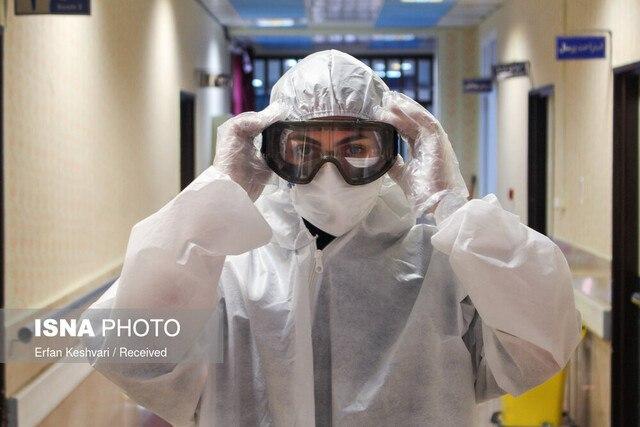
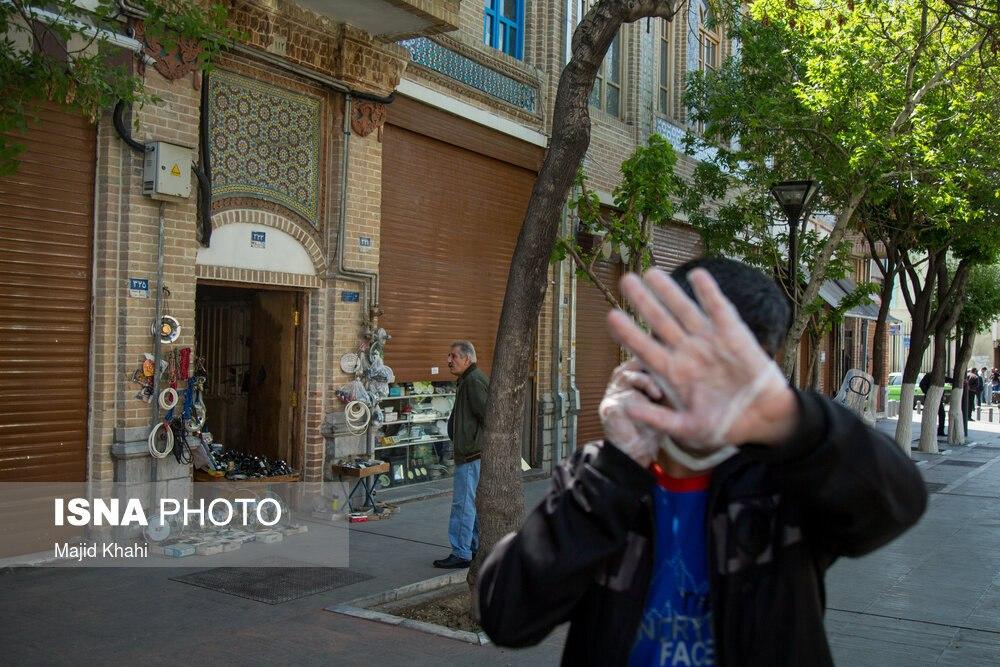
6. It is absolutely necessary to wear a mask in crowded places. Avoid kissing and shaking hands with other people.

How to Cope with Coronavirus Stress

7. It is necessary to stay at least one meter away from anyone with the symptoms of coronavirus.

8. Cover your mouth and nose with a tissue when you cough or sneeze and throw the used tissues in the trash.

9. Disinfect the objects and surfaces you touch regularly.

10. Avoid touching the public objects and surfaces in the crowded places and in the public transport.

11. Avoid touching your eyes and face, particularly with unwashed hands.

12. You had better wear disposable gloves.

Coronavirus online test
If you are worried that you may have contracted the Coronavirus, take this test right now.

13. Avoid close contact with people who are sick.

14. Keep your dishes and personal objects clean, sterilized, and separated from those of the others.

15. Always wash your hands before eating a meal.

16. Cook meat and eggs thoroughly.

17. Stay home if you are sick.


The Iranian Red Crescent Society


How to Cope with Coronavirus Stress

How to Cope with Coronavirus Stress

Stress is normal in every person and is more common in people at risk and their close ones. At the time of an epidemic of an infectious disease, you need to be careful about both your physical and mental health and know when to seek help from others.

You should know that stress symptoms are a set of behavioural, physical, emotional, and cognitive responses that are all indicators of anxiety and stress.


Symptoms of Stress

First: Behavioural Symptoms

Increase or decrease of energy and activity levels
Increased smoking or similar habits
Increased irritability leading to nervousness and a lot of quarrel
Difficulty in sleeping and resting
Crying a lot
Too much anxiety
Desire to be alone
Blaming others for everything
Difficulty in communicating and listening to others
Difficulty in giving help or getting help from others
Not to be happy

Second: Physical Symptoms

Stomach-ache or diarrhoea
Headaches and pain in the body
Losing appetite or eating too much
Excessive sweating or chills
Hand trembling and muscle twitching
Getting scared of everything soon

Third: Emotional Symptoms

Being overly anxious or scared
Feeling depressed
Feeling guilty
Feeling angry
Feeling heroic, euphoric or invincible
Disregarding everything
Feeling too sad

Fourth: Cognitive Symptoms

Difficulty in remembering things and tasks
Nausea
Difficulty in thinking and focusing
Difficulty in making decisions

Coronavirus online test
If you are worried that you may have contracted the Coronavirus, take this test right now.


How to reduce your stress?

The first thing is to see the end of the story from the very beginning:

If you or your loved ones are heavily exposed to the disease, it’s natural to want to know all the news. Remember to keep your focus on daily life and limit the amount of time you spend on reading, listening, and watching news of the disease.

The second is to access the “true” news:

If you are at risk, you should be able to get enough information and protect yourself against the disease by listening to the true news.

Listen to people or news sources that are trustworthy. For example, at Corona.ir, you make every effort to provide you with the right educational content.

What Should We Do to Protect Ourselves against COVID-19
The third is to use practical ways to reduce stress:
  • Take a deep breath, stretch, wash your hands and face and participate in virtual entertainment programs if possible.
  • Try to break in between stressful events. It means to have a little joy after a hard work.
  • Take every opportunity to get some rest. For example, eat slowly and healthy.
  • Have a good sleep, exercise and physical activity and stay in touch with friends and acquaintances by email, phone or social media.
  • Study, listen to music, take a shower and open out your hear as much as you can with your family members or health care consultant or staff.
  • Avoid smoking cigarettes and hookahs and taking drugs, stimulants and drinking alcohol
  • Plan to meet possible physical and mental needs. Know where to go and where to get help if needed.

Therefore, you need to pay attention to your body and soul, so:

  • Know the early symptoms of stress
  • Remember how your past successful life experiences can help solve current problems. With them, you can control your emotions and feelings at the time of unwanted events.
  • Know that feeling stressful, depressed, guilty, or angry is a natural thing for everyone after the epidemic of infectious diseases.
  • Talk to your friends and acquaintances, who are also stressed out, about worries. Strive to have reliable news and information sources. Gather information that can help you correctly predict the risk and take the necessary precautions. Use reliable sources of information such as public relations of the Health Ministry, the Medical System Organisation, or the universities of medical sciences.
  • Protect both yourself and your family from listening and watching disturbing and damaging news on social media.
  • Try to talk about things other than the disease and remind yourself that there are many important and positive things in life that need to be addressed.
  • Most importantly, you need to keep up your spirit by trusting in Great God, worshiping, praying and helping others.
  • Please also introduce Corona.ir to other friends and loved ones to raise awareness.

Dr Babak Qaleh-Baghi
Dr Maryam Yazdanpanah

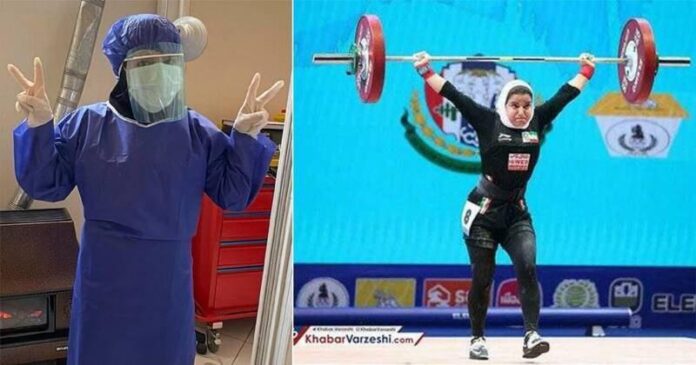
Iranian Woman Weightlifter-cum-Nurse Helping COVID-19 Patients

Iranian Woman Weightlifter-cum-Nurse Helping COVID-19 Patients

Poopak Bastami says she works as a nurse as well.

“I have been a nurse for seven years now,” she says.

“Before taking up weightlifting, I worked at hospitals,” she adds.

“Since February 22, 2020 when the situation began to become critical, I have been here to help,” she said.

“I myself liked to study Physical Education, but due to my family’s insistence, especially my mother, I took up Experimental Sciences [at school.]” she says.

“I both studied and began training as a weightlifter.”

“The condition at hospital is not very good, but we hope it will get better,” she says, adding people are contributing heavily to the campaign against the coronavirus.

Coronavirus online test
If you are worried that you may have contracted the Coronavirus, take this test right now.

She also urges people to abide by health directives and stay at home to help contain the spread of the disease.

She says both nursing and weightlifting are hard, and have their fun points as well. She says saving a person’s life is as sweet as lifting a weight.

Coronavirus Patients Not Charged for Treatment in Iran

Iran Declares 12 Provinces as Coronavirus 'Red Zone'

In a letter fo chancellors of medical universities and schools across the nation, Saeid Namaki said the directive was approved by the National Coronavirus Headquarters.

He further noted that medical expenses for individuals who are not insured, are indigent or are foreign nationals must be met through the finances envisaged in the national health system overhaul plan.

Coronavirus online test
If you are worried that you may have contracted the Coronavirus, take this test right now.

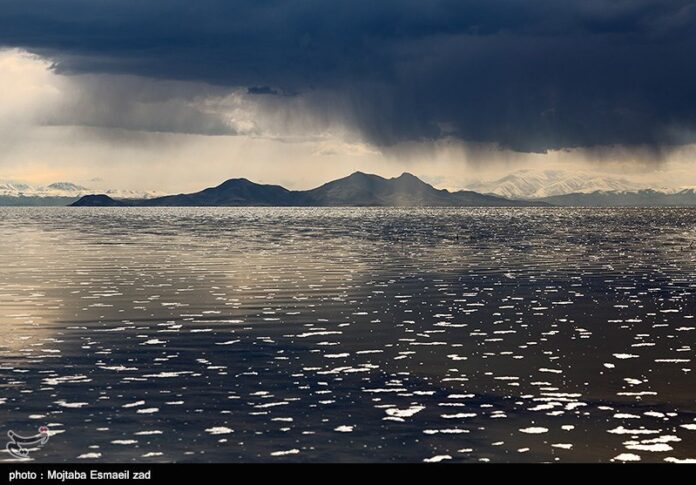
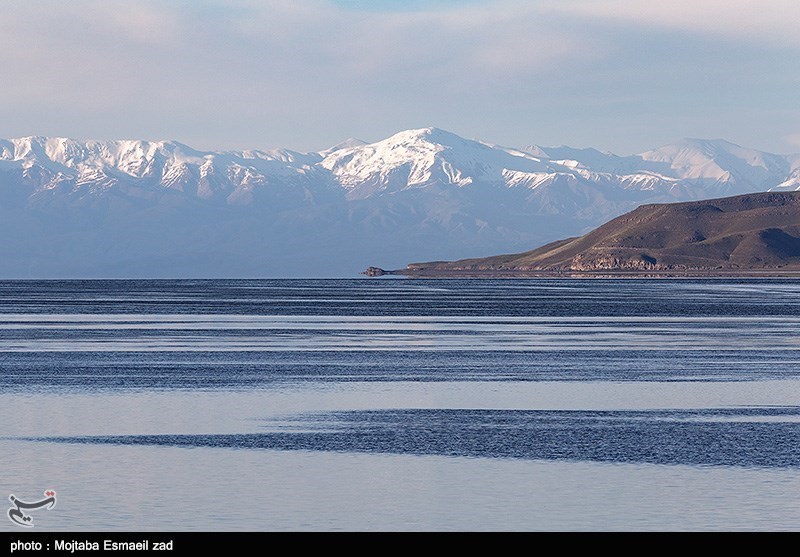
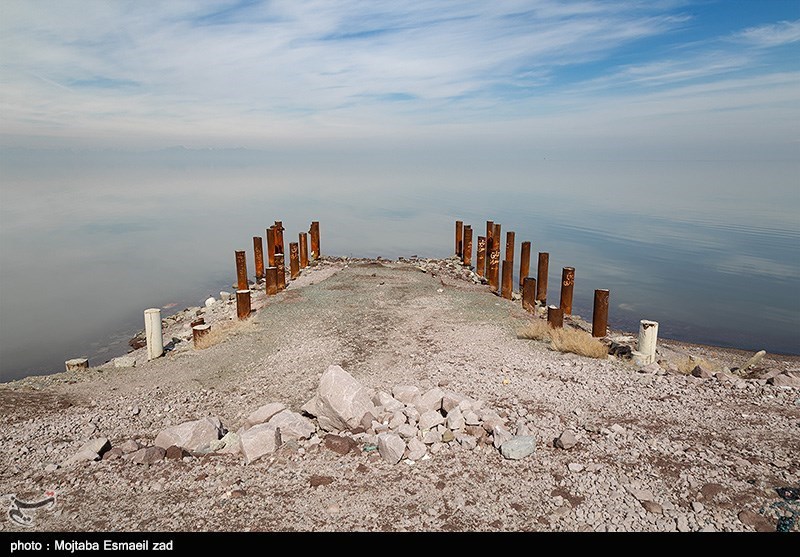
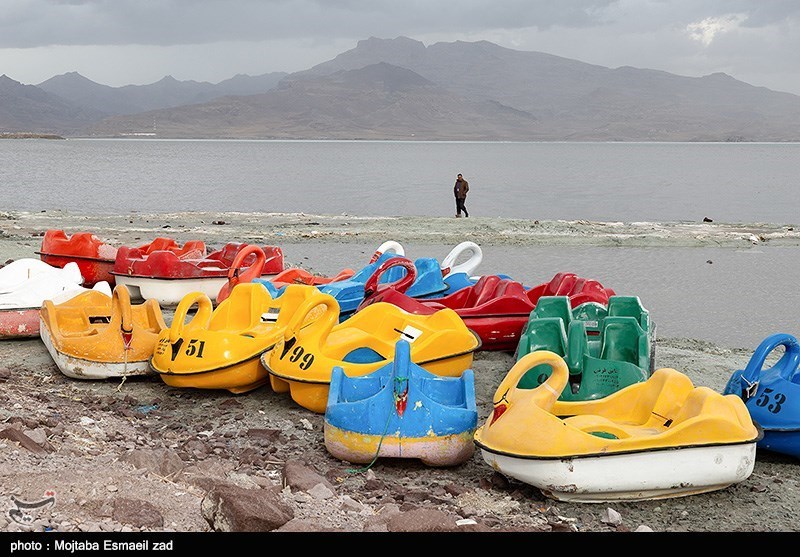
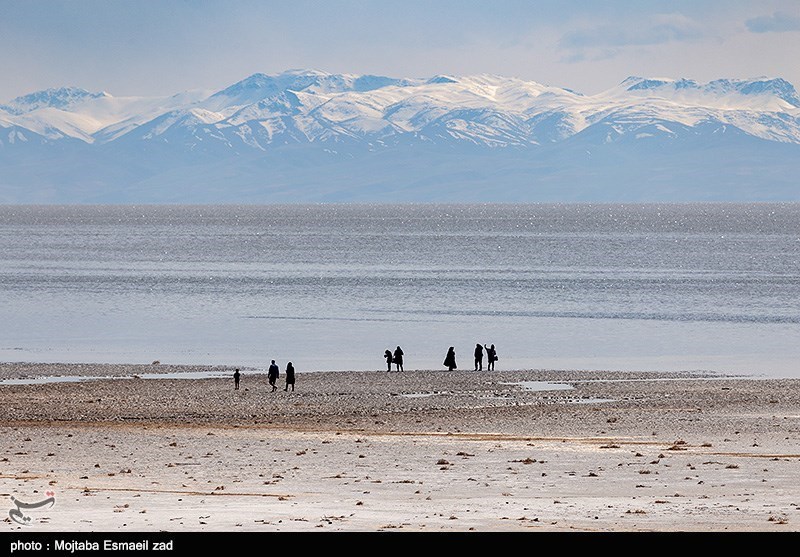
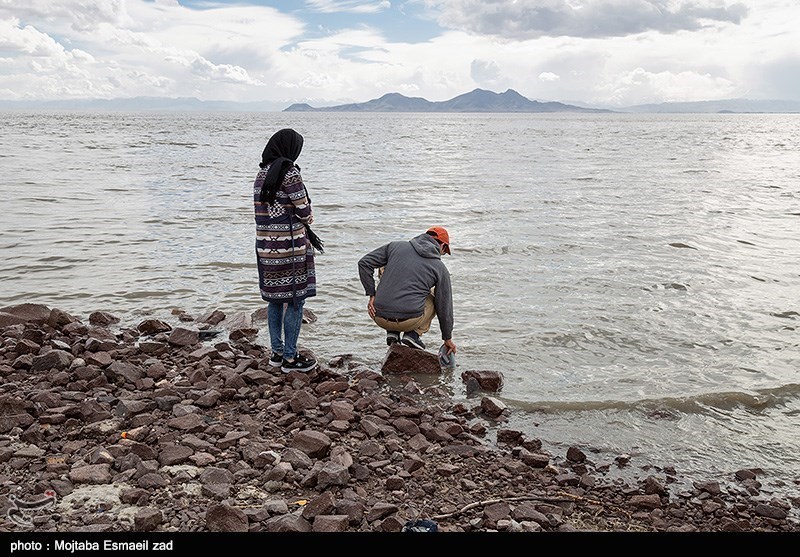
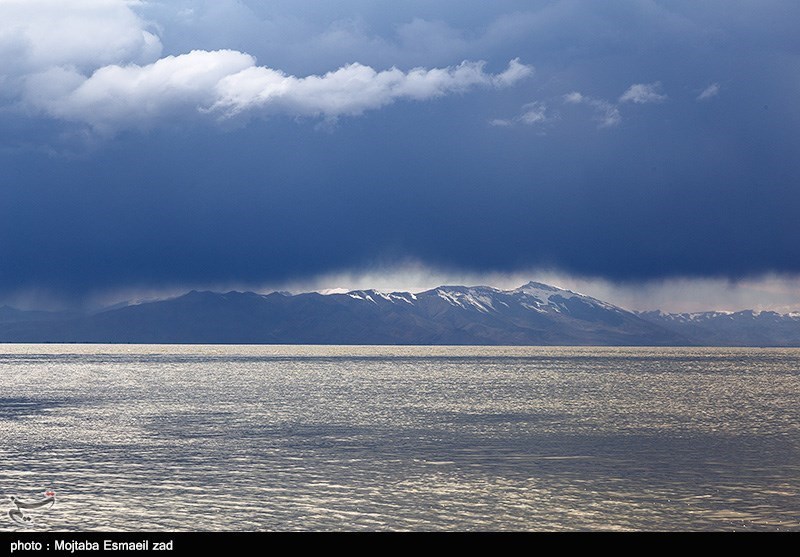
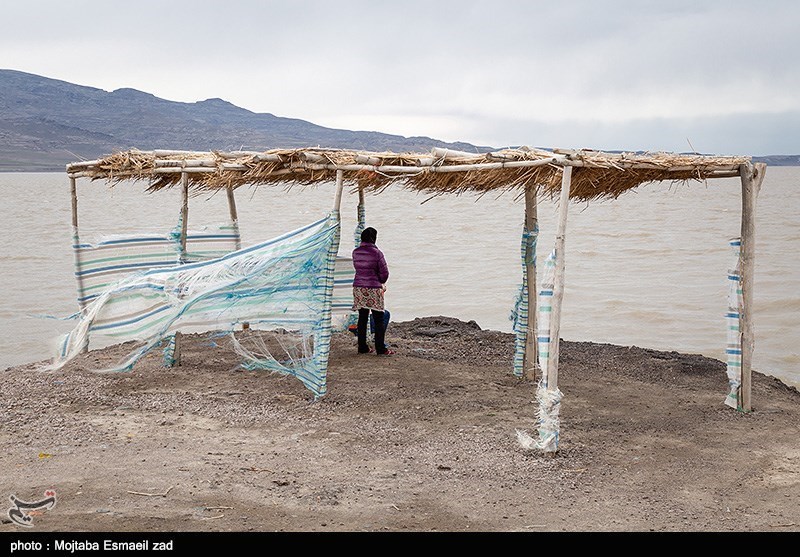
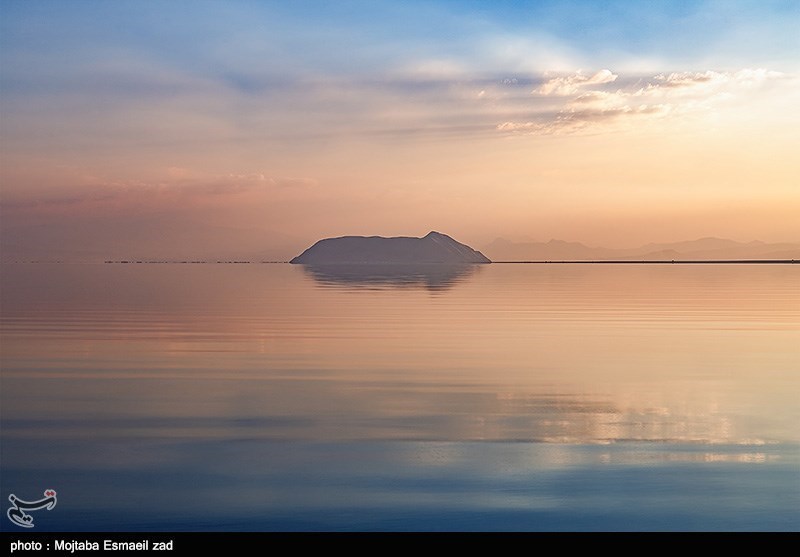
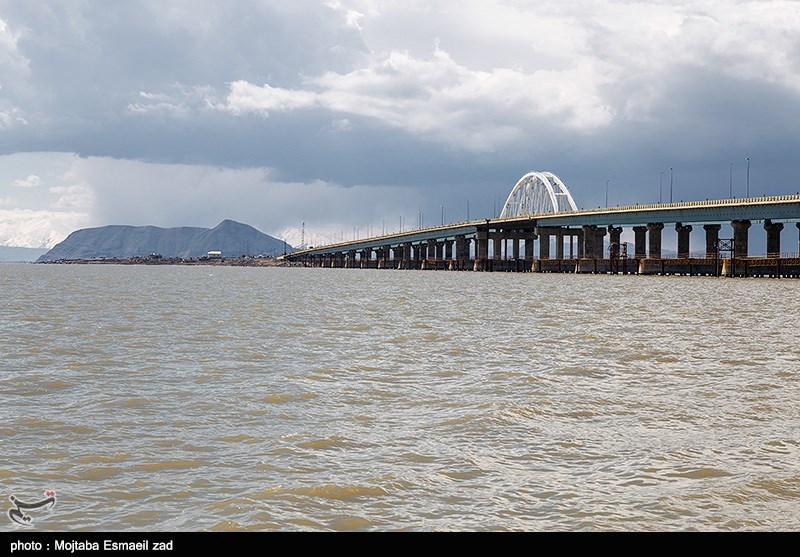
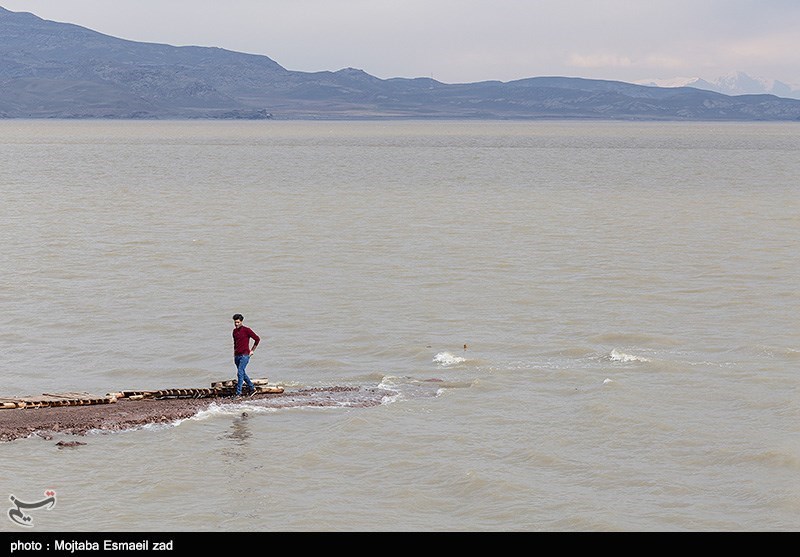
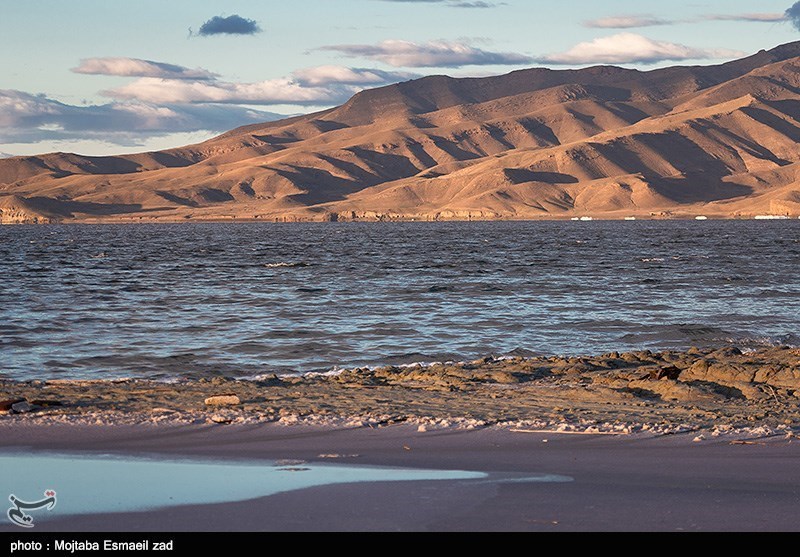
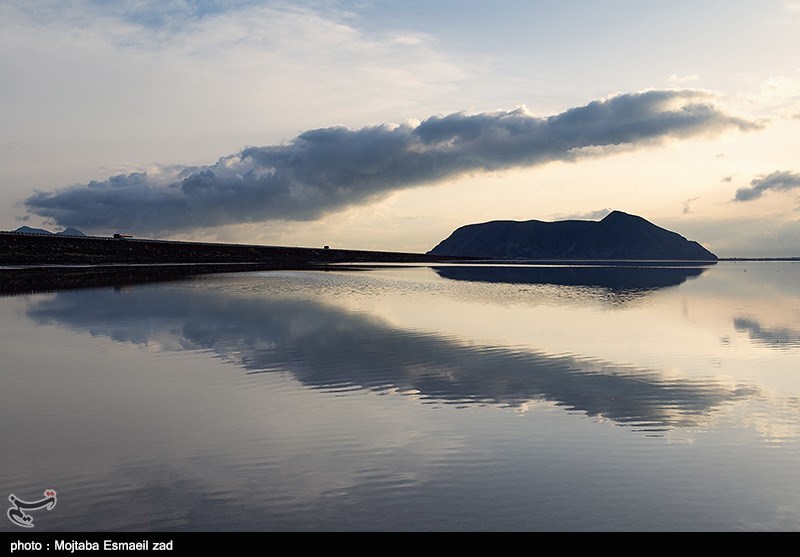
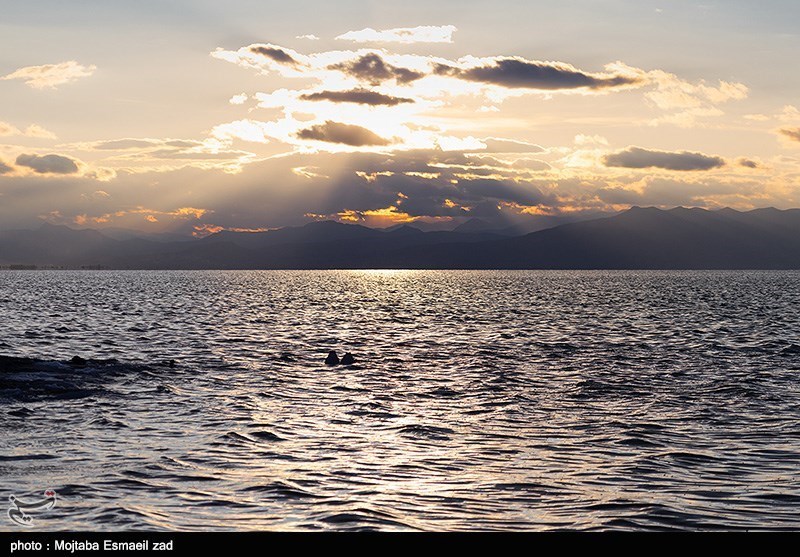
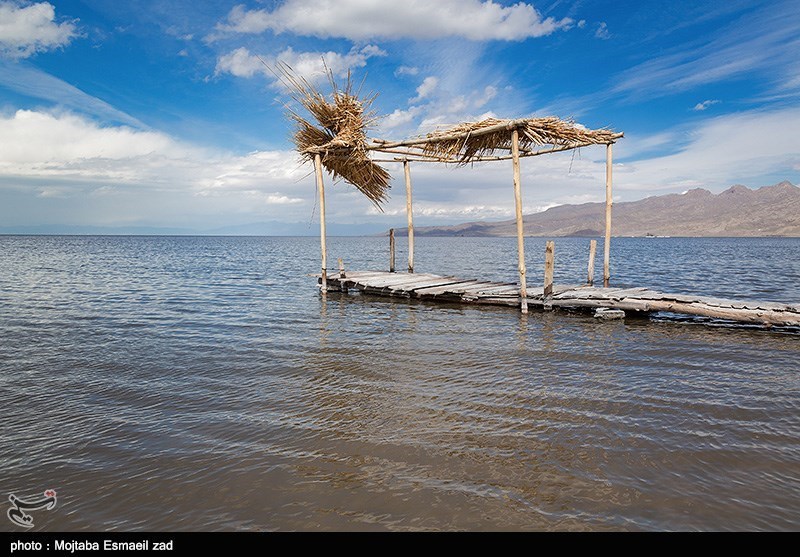
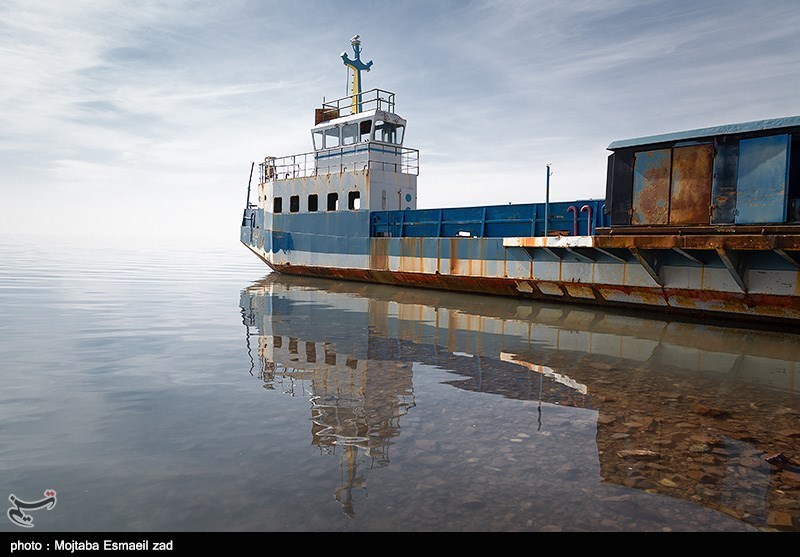
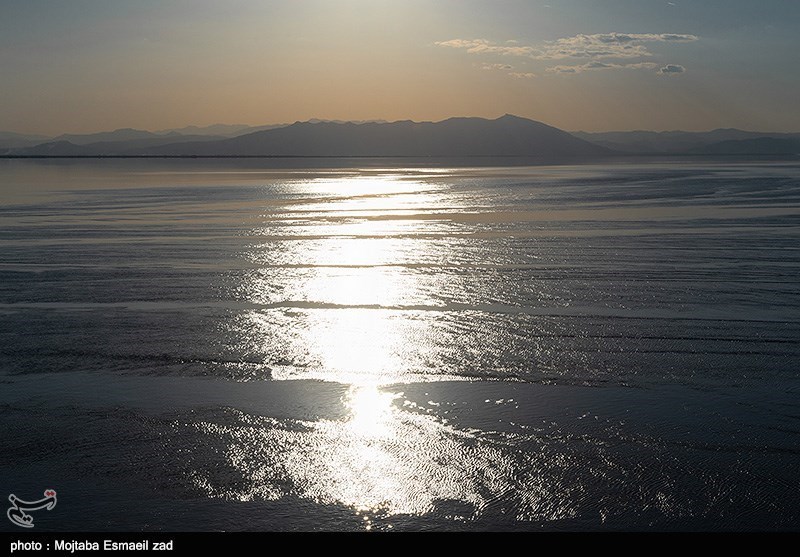
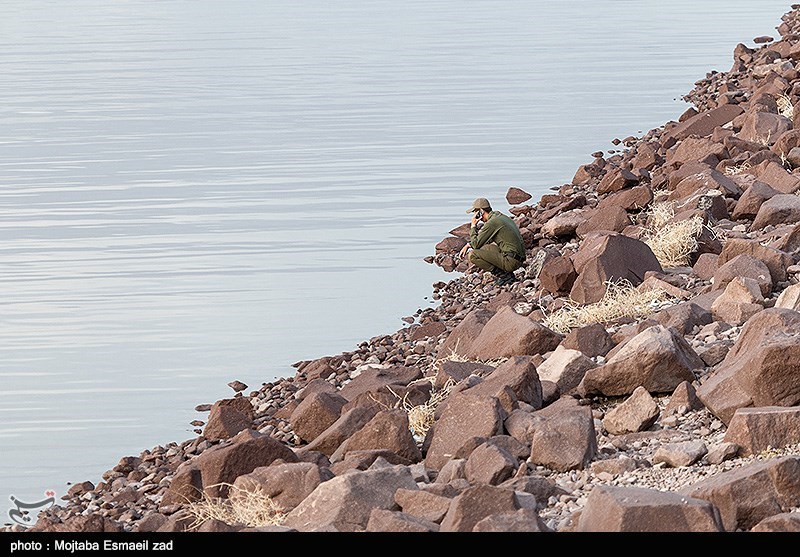
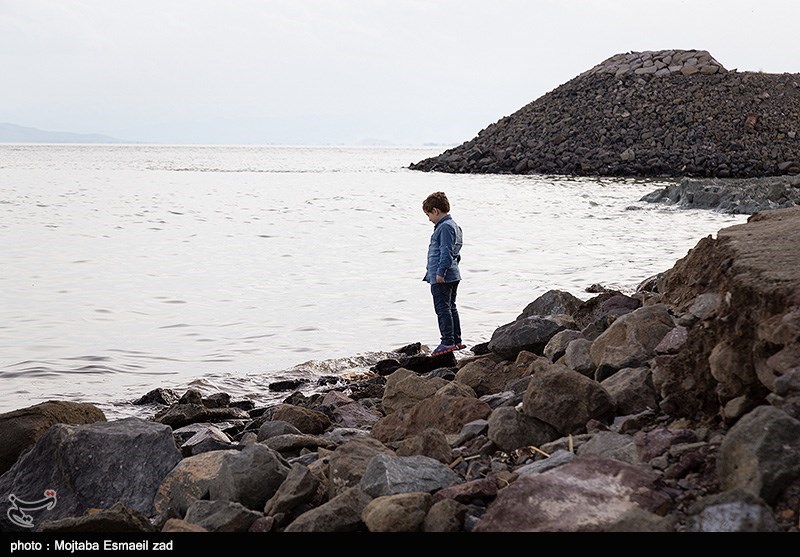
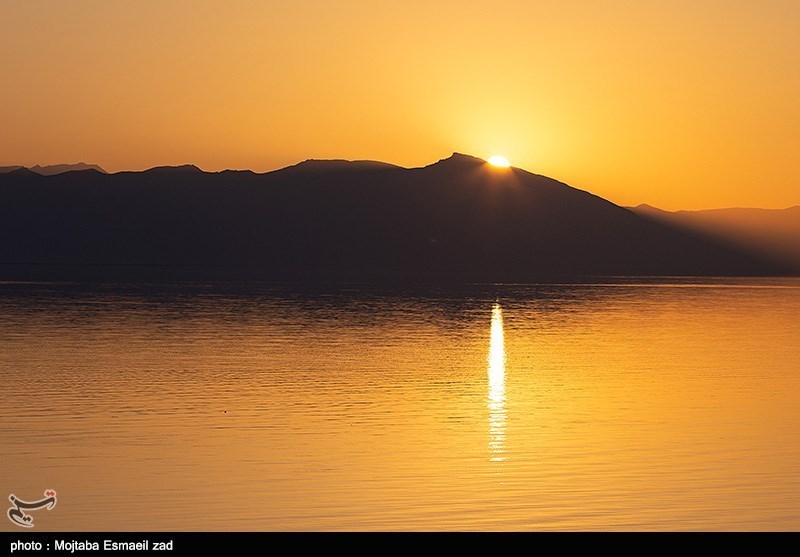
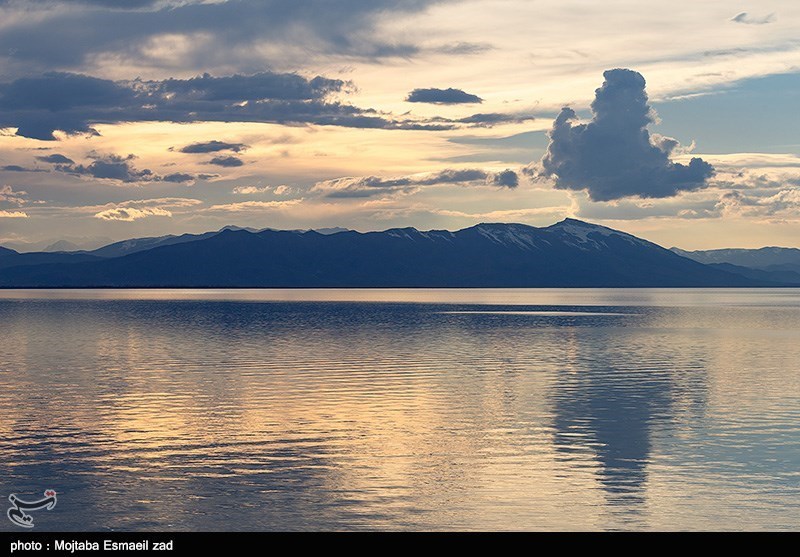
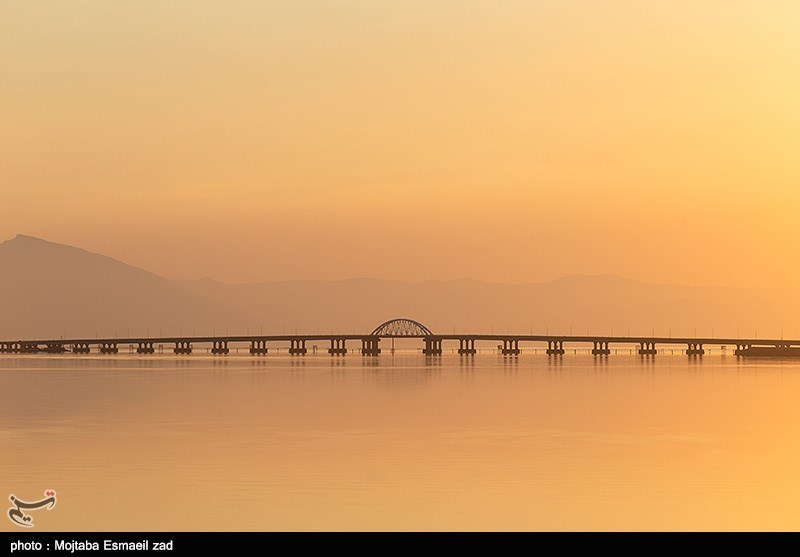
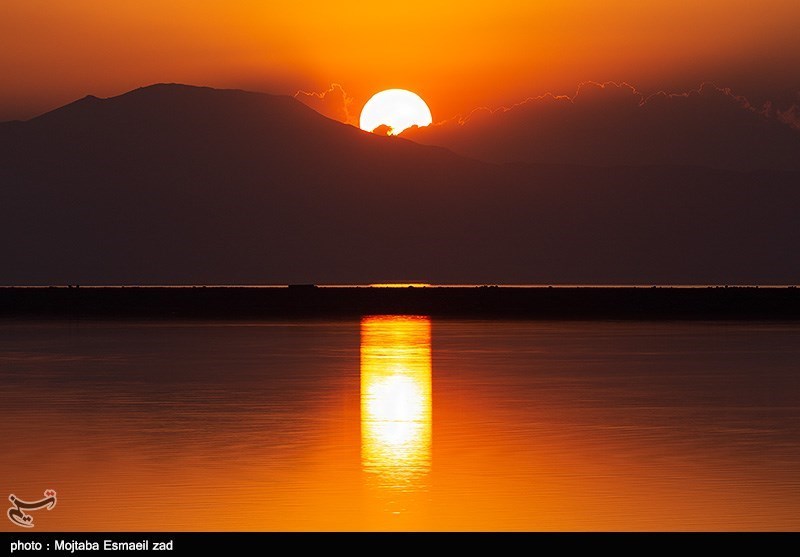
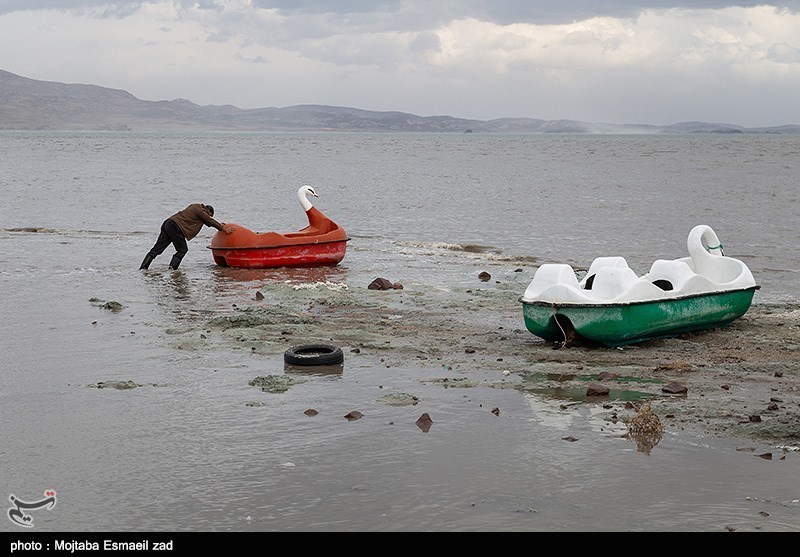
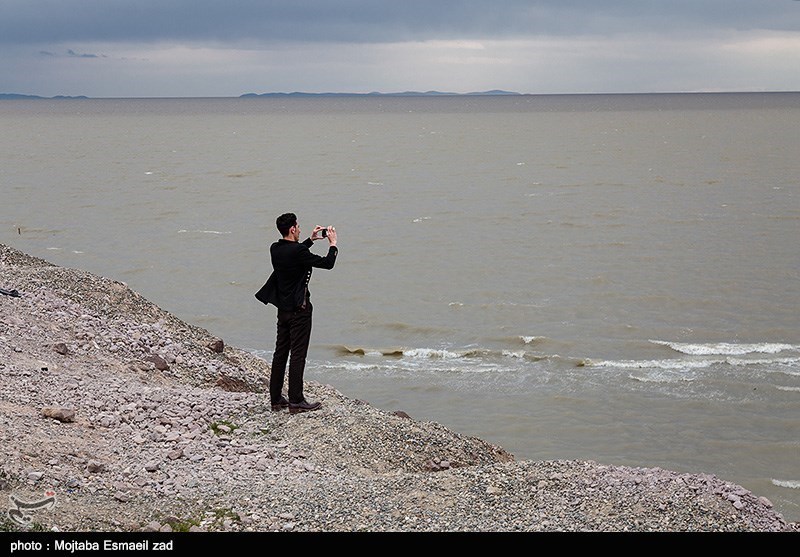
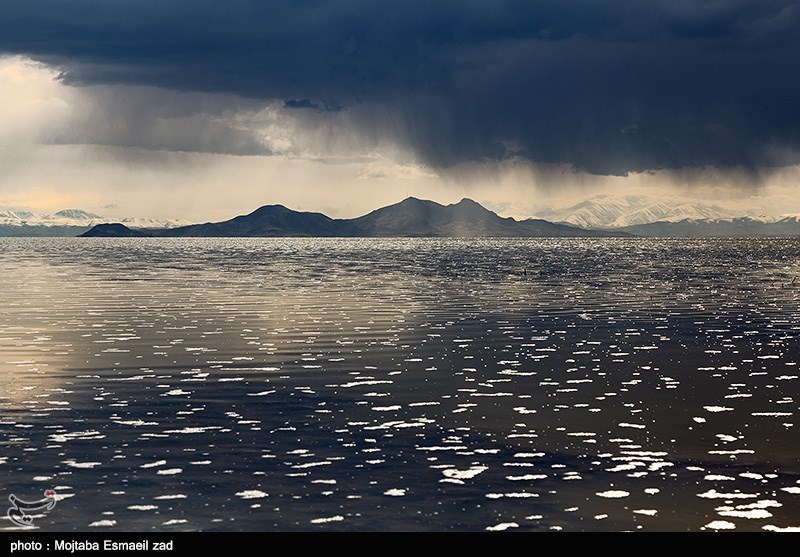
Iran’s Beauties in Photos: Urmia Lake in Spring

Water Level of Urmia Lake Rises by 25 Percent

Lake Urmia, the largest in Iran and one of the most important saltwater lakes in the world, has been facing water crisis in recent years.

The lake contains four billion cubic metres of water now. The water level usually continues to rise until mid-May, and the volume of water is expected to be more than 4.5 square metres by then.

What follows are Tasnim News Agency’s photos of the Lake, which is full of water these days:

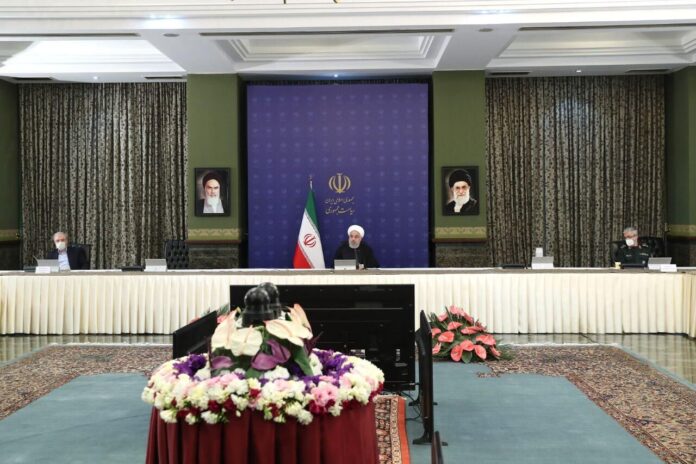
Iran Announces New Directives on Fight against COVID-19

Iran Announces New Directives on Fight against COVID-19

President Hassan Rouhani, who was presiding the meeting on Sunday, said businesses can start work on April 11, 2020.

“As for low-risk businesses and economic activities which do not pose high risks, it was decided that they resume work in provinces [other than Tehran] on April 11 while observing protocols announced by the Ministry of Health and Medical Education,” said the president.

He said the health protocols should be observed fully and that trade unions as well as the health ministry should monitor the enforcement of the protocols.

“If needed, the Basij Force can contribute to the monitoring work as well because we don’t want economic businesses and activities to affect the health of the society, so all [health] protocols should be adhered to,” the president added.

“In Tehran province, businesses can resume their activities on Saturday, April 18, 2020, and, again, the same health protocols should be observed and the required monitoring should be in place,” he noted.

“The resumption of these activities does not mean that we have forgotten the stay-at-home directive, and those whose presence in the street and society is not essential had better stay home,” he said.

“Our activities in the society should be minimized to the lowest necessary level,” the president said.

The president noted that two-thirds of civil servants are required to go to work, and the remaining one-third can stay home.

Coronavirus online test
If you are worried that you may have contracted the Coronavirus, take this test right now.

Elsewhere in his remarks, the president noted that economic activities and measures to preserve people’s health are not mutually exclusive.

“Ill-wishers and anti-revolutionaries seek to create the impression that people have to choose between health and economic activities, but this is not true,” he said.

“Both economic activities and health protocols can be implemented together,” said the president.

President Rouhani also said that the “Smart Social Distancing Plan” was also discussed at the meeting.

President Rouhani underscored that although the coronavirus outbreak has negatively affected the society, it has had spin-offs as well, such as a reduction in traffic and air pollution and boosting national unity.

Three Centenarians Recover from COVID-19 in Iran

Two Centenarians Recover from COVID-19 in Iran

A 102-year-old woman in the city of Zanjan was discharged from hospital after eight days of battling the disease.

She was reunited with her family after full recovery.

Another coronavirus patient, 106 years of age, in the city of Qom also recovered after 14 days and was discharged from hospital in good health.

In the same city, a 100-year-old man, named Afshari, recovered from the disease and left the hospital. Mr Afshari is the father of a martyr who sacrificed his life in the 1980 Iran-Iraq war.

Also in Qom, an 89-year-old man affected with the virus was discharged from hospital after full recovery. He had been in hospital for 20 days.

Earlier, a 98-year-old Iranian woman had made a miraculous recovery from the coronavirus after a 27-day hospital stint in the holy city of Mashhad, northeast of the country.

A 103-year-old woman was also discharged from hospital after full recovery from the novel coronavirus a few days ago.

Born in 1916, she is the oldest corona-virus patient to recover in Semnan’s Kowsar Hospital, said Dr. Navid Danaei, Chairman of the Semnan University of Medical Sciences.

She is in generally quite good condition, he added.

Sixty-five percent of the patients suffering from the disease have recovered and been released from the hospital, Dr. Danaei added.

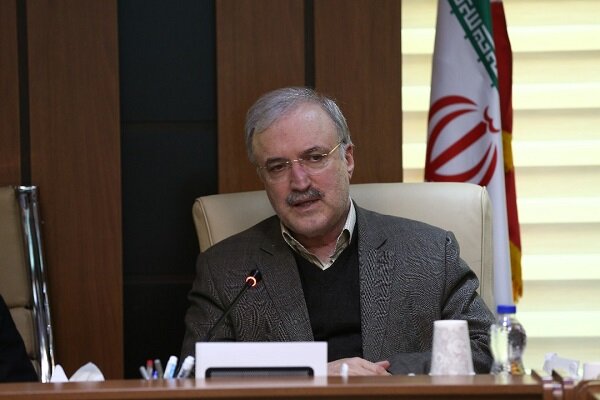
Iran’s Health Minister Commends Interior Ministry, Basij for Efforts in War on Coronavirus

Iran's Health Minister Commends Interior Ministry, Basij for Efforts in War on Coronavirus

In a letter to Minister of Interior Abdolreza Rahmani Fazli, the health minister praised the Interior Ministry personnel for their unwavering efforts to contain the spread of COVID-19.

Namaki said the Interior Ministry’s devotion, coupled with the popular cooperation and the tireless efforts from the Police forces, has embodied a successful model in implementing the social distancing scheme and in the handling and prevention of coronavirus on the Nature Day, April 1.

The health minister finally noted that every single tactful step in the prevention of coronavirus could reduce the heavy pressure on the country’s medical centers.

In a separate letter to Basij Commander Brigadier General Gholam-Reza Soleimani, the health minister praised the Basij forces for their close cooperation with the medical staff and for contribution to the national mobilization plan for the fight against COVID-19.

Namaki also asked the Basij Force to stand with the medical society on the path fraught with difficulties, saying the Islamic Republic has so far achieved glorious results in the fight against the coronavirus under the pressure of sanctions in comparison to countries with strong economies.

The number of coronavirus patients in Iran exceeded 55,000 on Saturday, of whom around 20,000 have recovered and left the hospital. The contagious disease has taken the lives of 3,452 people in Iran so far.

Coronavirus online test
If you are worried that you may have contracted the Coronavirus, take this test right now.

Iran Gov’t Helping Knowledge-Based Firms Expand Their Markets Globally

Iran Gov't Helping Knowledge-Based Firms Expand Their Markets Globally

Now that knowledge-based companies and startups have made significant efforts to develop advanced technologies, it’s time for them to enter the global market and benefit from these markets.

What follows is a summary of the activities of the Science and Technology Department of the Iranian president’s office to help knowledge-based companies expand their markets at the international level during the past year ending on March 20, 2020.

With the aim of developing scientific and technological interactions, Vice President for Science and Technology Sorena Sattari travelled to Russia, the People’s Republic of China and Turkey last year. During these trips, some managers of the knowledge-based companies accompanied him.

As the trade relations between Iran and Russia have a long history, it was time for the knowledge-based companies to deepen the technological cooperation between the two countries along with these trade relations.

In July 2019, the Vice President for Science and Technology arrived in Moscow at the head of a scientific and technological delegation. The trip led to boosting of technological cooperation between the two sides.

70 knowledge-based companies accompanied Sattari in this trip. From the very first day in Moscow, the empowerment of knowledge-based companies was pursued. To this end, the companies’ representatives visited the 10th International Industrial Exhibition (INNOPROM 2019).

In this exhibition, more than 600 reputable companies from 107 countries presented their achievements in Yekaterinburg. So, it was an opportunity to introduce new technologies to the knowledge-based firms to develop their target markets.
Iran Gov't Helping Knowledge-Based Firms Expand Their Markets Globally

During this visit, Sattari also attended two trade and technology meetings in Moscow and Yekaterinburg. The meetings focused on creating a platform for exporting products, finding business partners, attracting investors and transferring technology.

Ten cooperation agreements were signed between the companies of the two countries in areas such as oil and gas engineering services, virtual reality, medicine, vaccines, production of surgical robots, and joint development of games.

After travelling to Russia, the Vice President for Science and Technology travelled to China in November upon the official invitation of the Chinese Minister of Science.

As China is the world’s most populous country and has a high gross domestic product, the presence of the Iranian delegation, along with knowledge-based companies, introduced China’s market to them for development of their exports.

During the trip, two business and technology meetings were held in Shanghai and Shenzhen. The development of exports of knowledge-based, creative companies was followed in these meetings. In addition, attending the meetings acquainted the researchers with the latest scientific and technological achievements of the two countries.

At the Shenzhen meeting, seven memoranda of understanding were signed between Iranian knowledge-based companies and the Chinese side. Cell therapy, gene therapy, and the issue of joint production of social robots were some of the topics on which agreements were signed.

Meanwhile, Chen Rugui, Mayor of Shenzhen, in a meeting with Vice-President Sattari, welcomed any scientific and technological cooperation with Iran.

Sattari also said in this meeting that Shenzhen can be the twin town of some cities in Iran.

“China’s technological development is a model for us. Because Iran is also pursuing an oil-free economy by developing the ecosystems and innovation. Soon, oil and steel companies will be pushed aside by technological companies, and these companies will have a significant share of the economy,” he said.

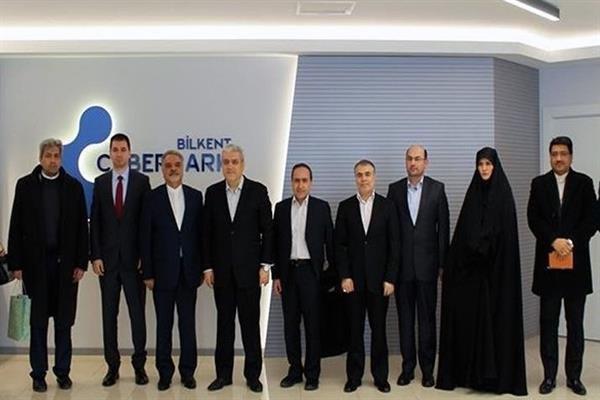
After travelling to China, the Vice President for Science and Technology headed a delegation of 80 knowledge-based companies to Turkey in February.

During the visit, Sattari met with Turkish Vice President, Minister of Industry and Technology and President of the Council of Higher Education of Turkey.

In these meetings, strategies for the development of scientific and technological cooperation between the two side were pursued. Sattari also attended some trade and technology meetings in this trip.

Iran Launches Knowledge Sharing Network for Medical Staff Fighting Corona

Iran Launches Knowledge Sharing Network for Medical Staff Fighting Corona

The new knowledge sharing network, dubbed TritApp, has been established under an agreement between Tehran University of Medical Sciences and the social network of Iranian healthcare professionals, including professors, students, experts, and researchers, the Iranian Vice Presidency for Science and Technology reported.

The key point in the knowledge sharing network is working on professional frameworks of the activities in the battle with coronavirus and preventing the specialized subjects from being disseminated to the public.

Medical experts believe that laxity in the spread of specialized subjects in the media and social networks would increase the probability of false rumors and unnecessary concerns in the society.

TritApp involves a group of selected healthcare professionals offering a range of services.

One of the main features of the knowledge sharing network, called “Iran Asks, China Answers”, has come on stream under supervision of professors at Imam Khomeini Hospital Complex of Iran. The feature allows for direct and immediate contacts between the Iranian and Chinese health workforces fighting against COVID-19 in Tehran and Wuhan.

TritApp also includes a feature that allows the experts to share their “one-minute experiences” of the battle with coronavirus.

The network is also scheduled to allow for the online sharing of lessons, findings and experiences of the healthcare managers and experts in order to re-implement the successful experiences in the other hospitals and prevent a recurrence of mistakes amid the coronavirus crisis.

The health workforces can upload videos, podcasts and texts about their findings on TritApp. The contents will be then reviewed and evaluated by the experienced professors of Imam Khomeini Hospital Complex, and become available for the other users after verification.


The knowledge sharing network also includes a digital database of the latest articles, guidelines and lessons on handling, controlling and curing COVID-19. The Iranian experts can receive the contents in Persian and English after they are translated from Chinese.

TritApp also lets the Chinese expert teams share the latest videos and educational contents with Iranian physicians.

Moreover, the Iranian experts can share their experience of fight against COVID-19 with their colleagues in the neighboring countries and other parts of the world. A large number of healthcare professionals from Afghanistan and Iraq have now joined the new knowledge sharing network.

Coronavirus online test
If you are worried that you may have contracted the Coronavirus, take this test right now.