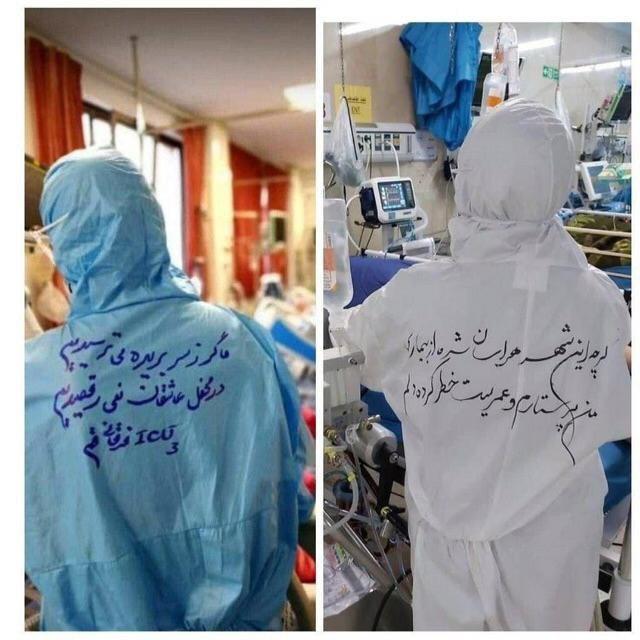
Iranian medical staff have been looking after coronavirus patients for almost two months now. They have outfits which are hard to wear; still, some wear suits with poems and catchphrases written on them.
“Although this city is gripped by illness, I am a nurse and my heart has been taking risks my whole life”
“Although this city is gripped by illness, I am a nurse and my heart has been taking risks my whole life,” read one of the poems. The poem was written by poet-cum-nurse Sajjad Alaei.
“Don’t let the crisis to get to a point when Iran turns into a cemetery one day,” he warns in one of his poems.
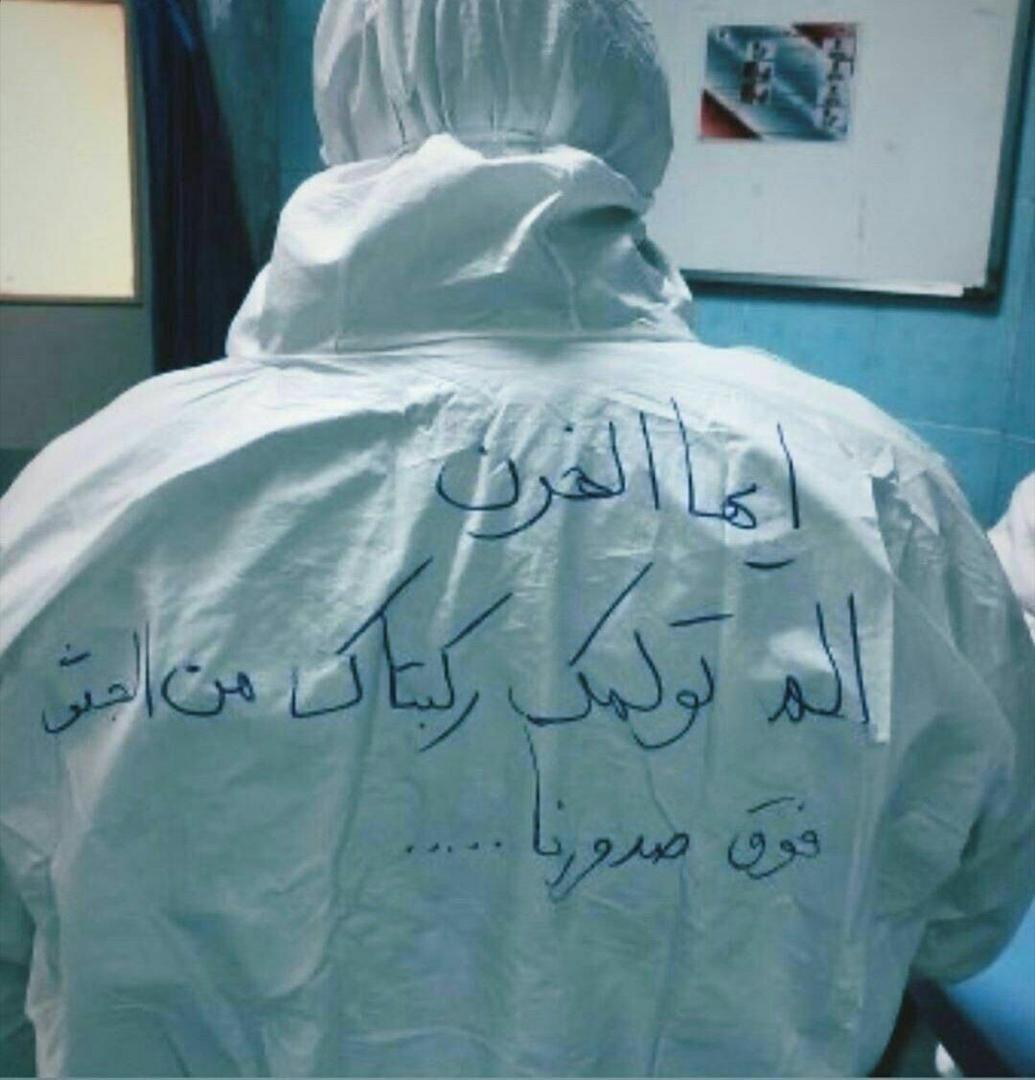
Another suit bears a poem by a Lebanese poet.
“Oh, sorrow! Didn’t your knees begin to hurt for kneeling on our chests?”
“Oh, sorrow! Didn’t your knees begin to hurt for kneeling on our chests?” it reads.
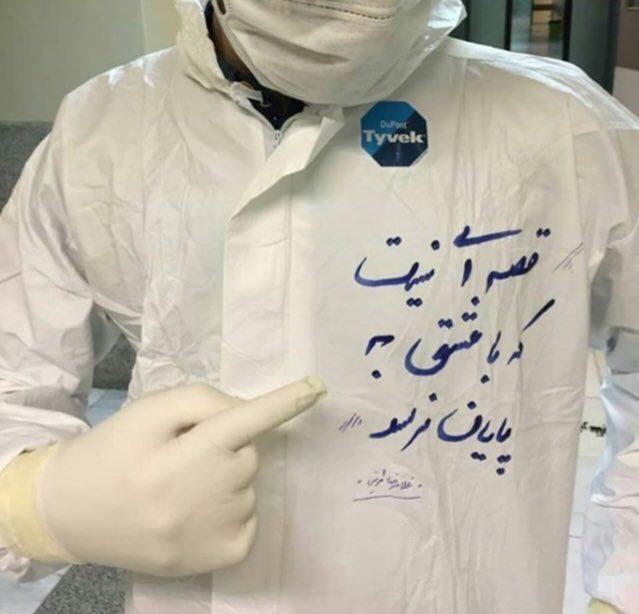
Gholam-Reza Tarighi is another poet one of whose poems is written on one of the suits of the medical staff.
“There is no story which does not end with love”
“There is no story which does not end with love,” it reads.
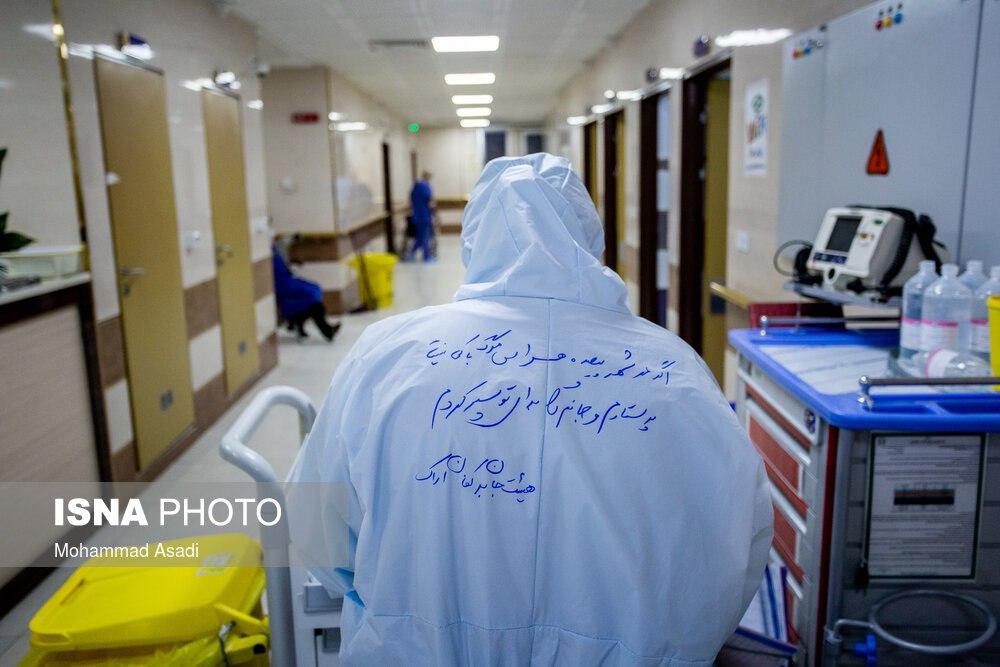
A line of poem written on another suit reads, “I’m not afraid to see the spetcre of death looming large over the city, I’m a nurse and have put my life on the line for you.”
The medical personnel silently express their voices through the poems on their suits, voices which cannot be heard because of the masks on their faces.
“I’m not afraid to see the spetcre of death looming large over the city, I’m a nurse and have put my life on the line for you.”
Brigadier General Hassan Araqizadeh said no one can say it for sure the virus is human-made. However, considering the evidence, it is a matter of doubt, and all countries are investigating.
This issue is also being studied at Iranian scientific centres, but it is not easy to confirm this scientifically and with certainty, he added.
Araqizadeh pointed to the efforts of the armed forces to fight the coronavirus in the country saying that the Armed Forces have announced their readiness to cooperate with the health sector from the very first days of the spread of this virus.
“70% of the beds in the armed forces hospitals, including the army, the IRGC, the police and the ministry of defence, are available to the corona patients.”
“We currently have 4,200 beds ready for patient admission. In addition, we have pledged to provide 10,000 recovery beds for patients discharged from the hospital. With the addition of 2,200 beds by the army in Tehran, this capacity has reached more than 11,000 beds. In this sector, the demand has not been high and perhaps about 10% of the beds are occupied by patients, and the rest can be used if needed,” he added.
About seven field hospitals have also been set up temporarily by the IRGC and the army in various cities, and will stand as long as needed, he stated.
The Armed Forces are ready to launch a total of 20 makeshift hospitals in places with high numbers of patients, underlined Araqizadeh.
He further said another service provided by the armed forces to combat the spread of the virus was to disinfect places and streets.
“The armed forces are disinfecting various areas using their new warfare equipment and units.”
The intelligence and security services of the armed forces are also involved in detecting and identifying neighbourhoods where hoarded health items are reported, continued this Iranian official.
He also referred to the actions of the armed forces to produce the necessary health supplies to deal with COVID-19.
The Ministry of Defence as well as other sections of the armed forces are responsible for the production of medical equipment and supplies. After changing their production lines, they are producing personal protective equipment, masks, disinfectants, and special clothing.
The services provided by the armed forces during this period are unparalleled in the world and similar measures have not been taken anywhere across the globe, highlighted Araqizadeh.
“For example, the army’s 2,000-bed hospital and recovery facility, created by the ground forces, is unparalleled anywhere in the world. These are just some of the large-scale services provided by the armed forces to combat the spread of the coronavirus and to help the country’s healthcare sector.”
The head of the Health Department of the General Staff of the Armed Forces also talked about the situation of the barracks saying the barracks are one of the cleanest places compared to other gathering centres in the country. There are strict regulations at the entrance to the barracks, and inspections are performed for the personnel.
“All necessary health standards are fully enforced in the barracks, and special rules have been defined to control the entry and exit of soldiers and military personnel, and the people who enter or leave are fully controlled. The inspections are carried out on a regular basis and the necessary medical supplies are provided to the soldiers and staff of the Armed Forces. Thanks God, we have not had any cases of epidemics in any of the barracks,” concluded Araqizadeh.
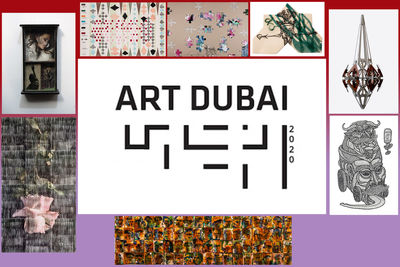
Art Dubai is one of the leading international art fairs held at the Madinat Jumeirah in the UAE. In recent years, the annual event has turned into a major platform for major art galleries from around the world.
Consisting of four gallery sections (Contemporary, Modern, Bawwaba and Residents), the fair displays a selection of works of art from different countries.
The 14th edition of Art Dubai was scheduled to be held from March 25-28 March, but the outbreak of the novel coronavirus forced the organizers to delay the event. The international fair is going to take place from March 17-20, 2021.
Considering a change in the fair plans, Art Dubai has begun to hold virtual forums and programs in recent days. The exhibition has also released an online catalogue, including the works of art that were planned to go on display in Dubai.
The online catalogue includes more than 500 works of art presented by the art galleries participating in the fair.
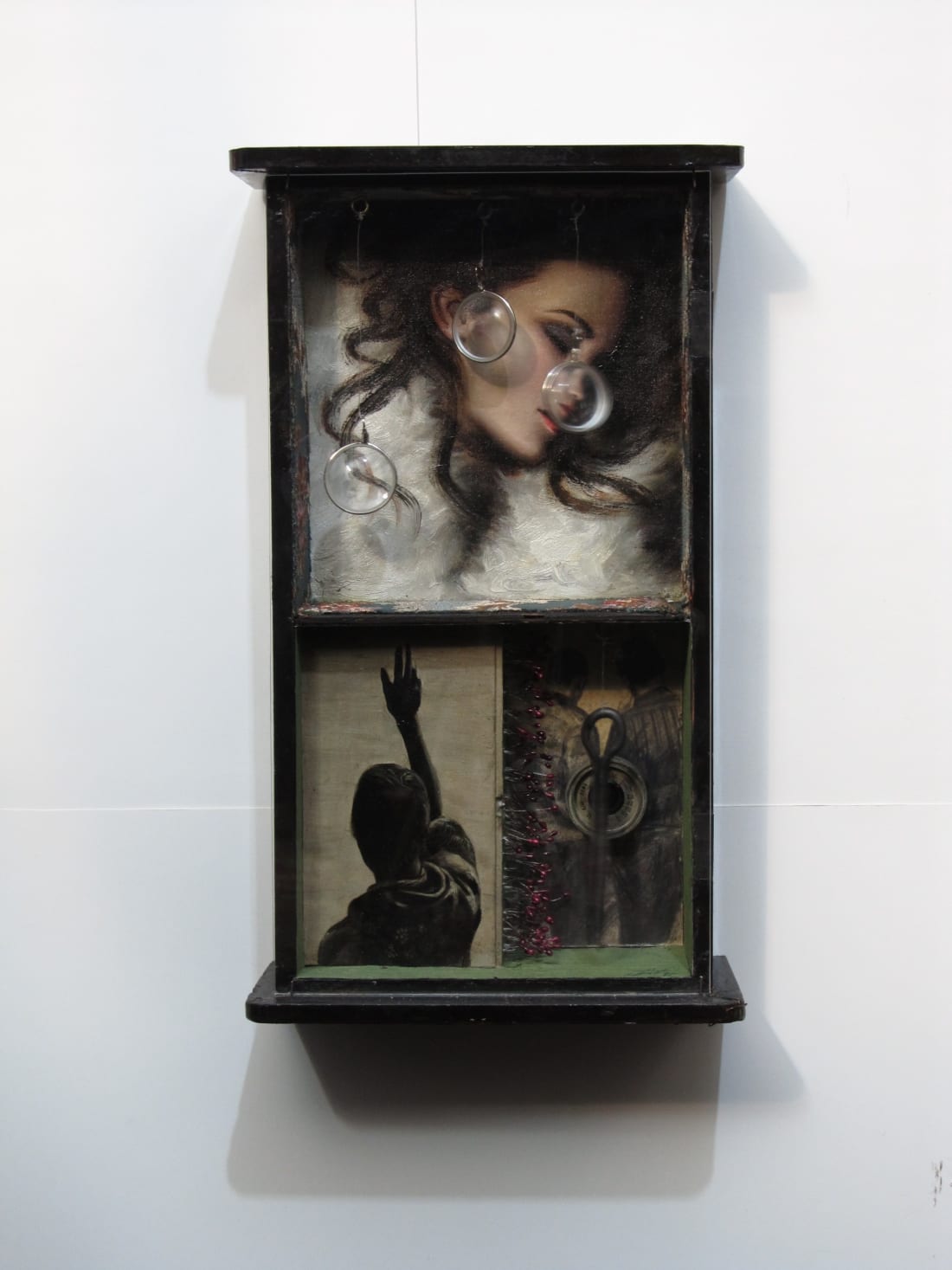
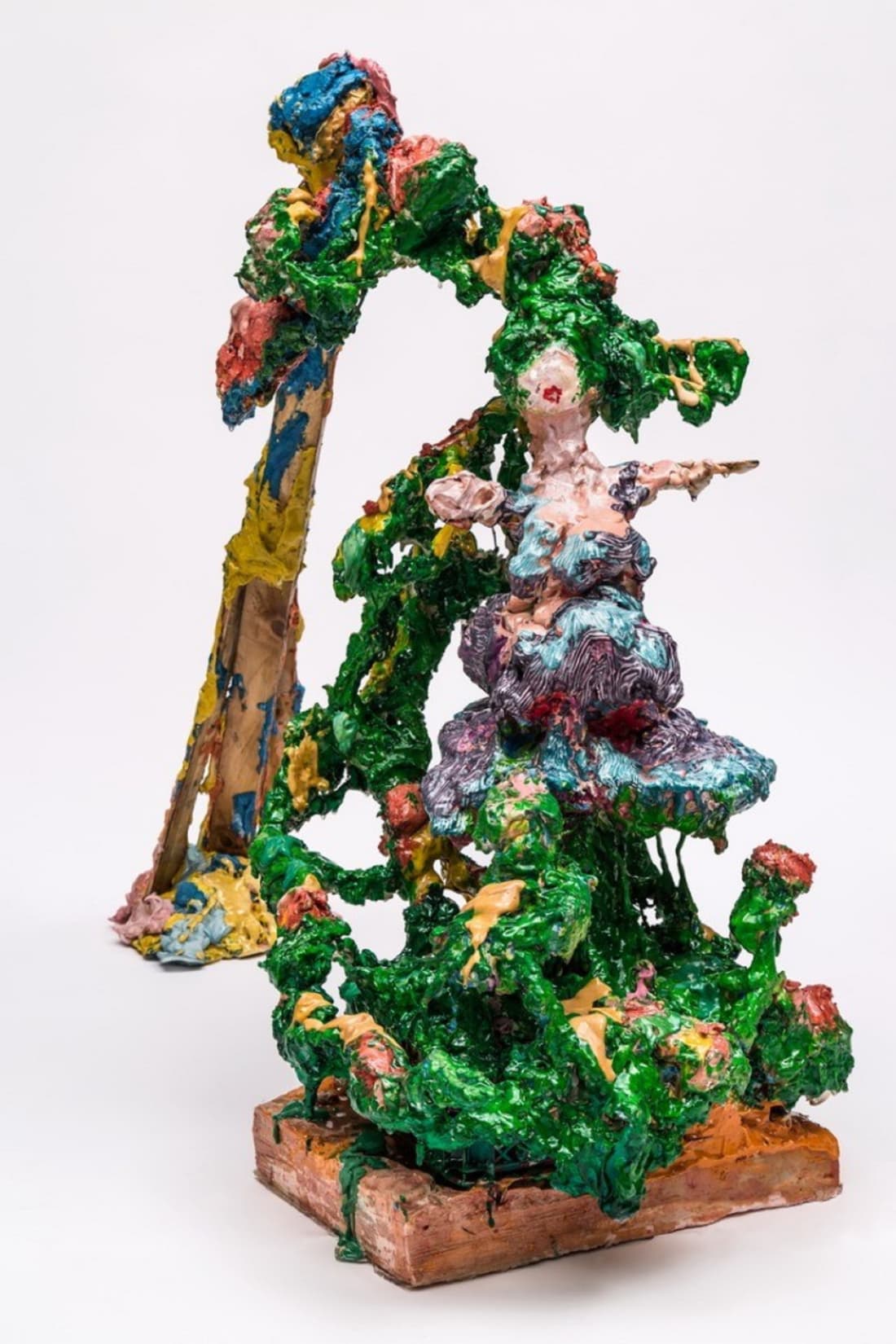
The catalogue also involves the works from a number of Iranian artists. Dastan’s Basement, Khak Gallery, Mohsen Gallery, and Saradipour Art Gallery from Iran have taken part in the virtual exhibition and their works have gone on display in the online catalogue.
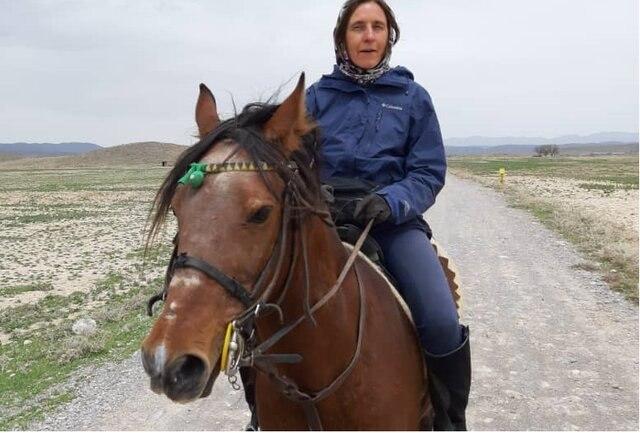
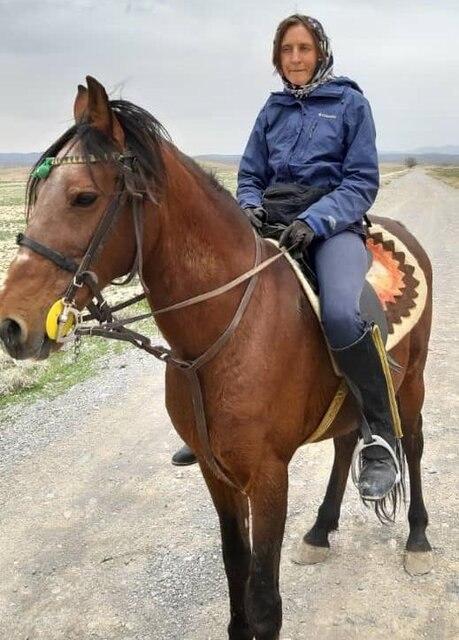
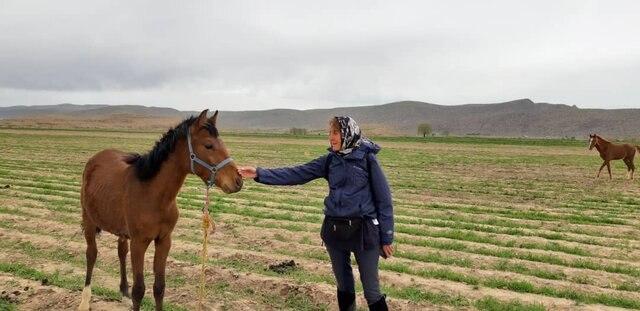
The German physician’s main motive for visiting Iran was to ride on a thoroughbred horse along an ancient route in the southern province of Fars that connects Parseh (Persepolis) to Pasargadae, just like what the people of ancient Iran did.
Iranian tour leader Amir Miri was in charge of organizing the German visitor’s horseback journey in conformity with the health protocols and precautionary measure. He hosted Orlika in his countryside inn for a couple of days before starting the journey.
“Orlika was in Iran last week. I wonder how she could have traveled to the heart of Iran under such conditions. She began her journey from Isfahan and then traveled to Yazd and Fars,” Miri told ISNA.
The tour leader said he had come up with the idea of operating a caravan for a trip between Pasargadae and Persepolis several years ago.
“In order to launch such caravan, we needed to breed purebred horses. ‘Dare Shoori’ is one of the horse breeds indigenous to Fars,” Miri noted.
“Riding on purebred horses that are kept and bred in local communities is one of the things the foreign tourists can experience. The horses in the equestrian clubs are more trained and are like the cuisine in restaurants. They work in the same way and method all over the world. But the indigenous horses, like the local dishes, are among the ecotourism attractions. Every horse has a different performance according to its habitat and its owner’s treatment. Horse riding in the ancient area of ‘Kamin’ (a plateu near Pasargadae) is as enjoyable as eating ‘Sirmookey Dampokhtak’ in Aghamir cottage,” Miri said of his countryside guesthouse.
The tour leader then explained that organizing a three-day tour package for land travel between Parseh and Pasargadae takes a lot of energy and time. “So it required a great deal of effort to make the arrangements.”
Miri said while the coronavirus outbreak had shut down the tourism industry, Orlika showed up and applied for the journey. “The German doctor believed that the coronavirus must be indigenized and deal with. One of the ways to fight (against the disease) is to have a strong body and take nutritious foods. In spite of all problems, Orlika became our first guest in year 1399.”
The German physician’s trip to Iran amid the global concerns about the coronavirus pandemic has even surprised her host.
“Taking the risk of traveling to Iran, experiencing horse-riding in ‘Kamin’ ancient area, traveling the ancient route between Parseh and Pasargadae and visiting the areas near the palaces of Cyrus the Great in Pasargadae have marked a pure experience,” Miri concluded.
Bijan Namdar Zangeneh made the comment after members from the Organization of the Petroleum Exporting Countries (OPEC) as well as non-members agreed, via a webinar, on April 13, 2020 to curtail production by nearly one million barrels per day. The move is aimed at boosting plummeting oil prices due to the coronavirus crisis and a Saudi-Russia price war.
“This meeting followed discussions on Thursday and Friday (April 9 and 10) where producers had reached agreement to reduce production by 10 million barrels per day,” said the oil minister.
“There was only a little problem with Mexico,” he added.
“Based on the quotas [for output cut] initially agreed on, Mexico was supposed to curtail it crude output by 400 thousand barrels per day, but the country’s energy minister did not agree with that,” said the minister.
“During the discussions, it was decided that Mexico reduce 100 thousand barrels per day in May and June, and that the US cut the remaining production (300,000 bpd) on behalf of Mexico,” he noted.
Accordingly, Zangeneh added, the agreement was finalized and it will come into force on May 1.
“For the two months of May and June, supply will be cut by 10 million barrels per day. In the following six months, daily production will be reduced by 8 million barrels per day. In the 16 months after that, i.e., from the beginning of 2021 to April 2022, oil supply will be cut by 6 million barrels a day,” he said.
“Oil and energy ministers of G20 have also agreed to reduce oil supply by 3.7 million barrels per day for a period of one year.
“The arrangements for this agreement will be made in coordination with the International Energy Agency (IEA); moreover, Saudi Arabia, Kuwait and the United Arab Emirates (UAE) will voluntarily cut another 2 million barrels per day of production in addition to the output cuts agreed on,” he added.
As for how oil prices will change after the agreement comes into force, he said, “We should wait for reaction from the market.”
The coronavirus pandemic has dwindled global oil demand by as much as 30 percent. That, alongside a price war between Saudi Arabia and Russia sent crude prices into an 18-year low last month.
To help support oil prices, OPEC and non-OPEC members agreed, after hours and day of marathon talks, to cut their output by 9.7 billion barrels per day for the moths of May and June.
October 2018 was set as the base line to determine production levels for all countries that are parties to the agreement, except for Saudi Arabia and Russia. An output level of 11 million barrels per day was set as the production base for those two countries.
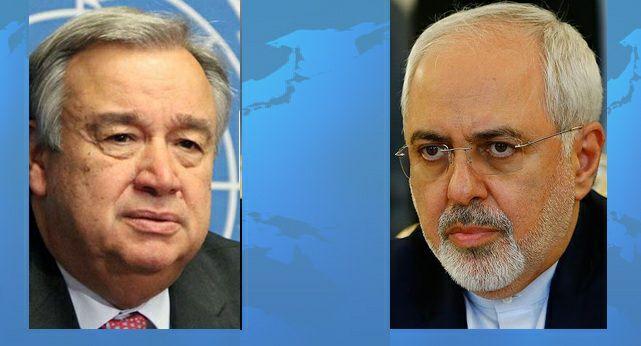
During the telephone conversation, which was the second of its kind in 24 hours, the UN chief gave a report on the international body’s efforts to maintain the ceasefire in Yemen.
For his part, Zarif expressed support for the Secretary General’s efforts to establish a ceasefire in Yemen, stating that the Yemeni crisis has no military solution. He also called the establishment of a lasting ceasefire a prelude for the launch of political process to resolve the crisis in the Arab country.
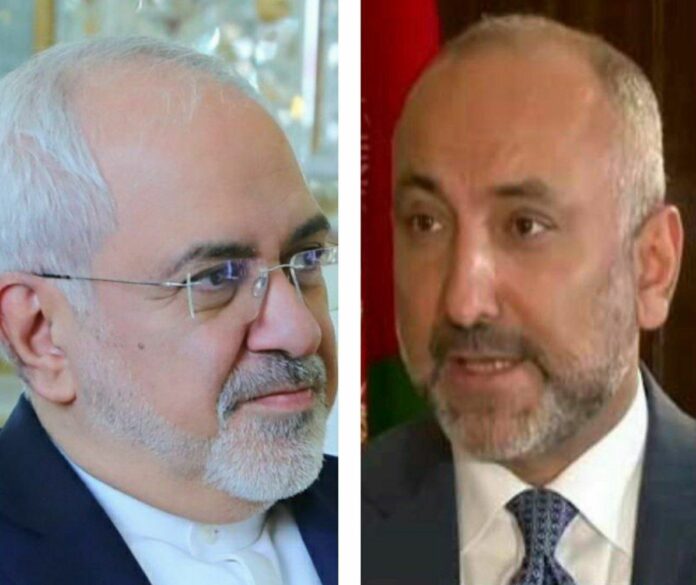
The Iranian Foreign Minister further presented a report on Tehran’s diplomatic efforts to resolve the political crisis in Afghanistan and advance the peace process in the neighbouring country. He also provided details of his phone conversations with Mohammed Ashraf Ghani, Abdullah Abdullah and Hanif Atmar.
The Saudi-led coalition has recently announced a two-week ceasefire in Yemen, but Yemenis say this is another ploy aimed at covering up Saudi regime’s crimes against the impoverished country.
Riyadh and a number of its allies waged a war on Yemen in March 2015 to bring the country’s former president Abd Rabbuh Mansur Hadi back to power.
Estimates show that the war has claimed over 100,000 lives over the past five years.
In the Sunday phone conversation, Foreign Minister Zarif underlined the necessity for unity among various Afghan groups, establishment of peace and stability in the country, and expansion of bilateral collaborations.
Earlier this week, Zarif held separate telephone conversations with Afghan President Ashraf Ghani and former Chief Executive Officer of Afghanistan Abdullah Abdullah, expressing Tehran’s readiness to contribute to the resolution of the disputes that have arisen after the recent Afghan presidential election.
Zarif also emphasized that the political structures based upon the Constitution of the Islamic Republic of Afghanistan are the pivots of the process of peace and national reconciliation in the country, and reaffirmed Iran’s support for the peace process with the participation of all political groups of Afghanistan within the framework of its Constitution.
The adjudicator who chairs courts hearing cases on armed robberies in the district 34 of Tehran has been so filled with remorse after a session that he has asked the prosecutor general of Tehran to indict him for a wrong verdict against a defendant.
The judge has called on the prosecutor general to impose a fine on him, to be subtracted from his next month’s salary, to introduce him to the special court dealing with charges against the judges, and keep him in custody for one day, so that he could have the experience of being held in detention.
At the conclusion of his most recent ruling, the conscientious adjudicator has confessed that he has failed to obey the orders of God defined in holy Quran, which says “Indeed, Allah orders justice and good conduct”.
“My judicial independence and justice has been tainted after the unreasonable detention of the defendant,” the judge has noted.
He has also asked the prosecutor to make arrangements to have the criminal Police arrest him and hold him in custody for 24 hours, “so that I will realize the conditions in detention and be more careful about issuing the orders from now on.”
The adjudicator has finally noted that the defendants against whom he has issued a ruling are workers that have been unable to earn a wage after being held in custody. He has asked the prosecutor to invite the defendants to the court and pay them a sum equivalent to his one day salary in order to make up for the mistake.
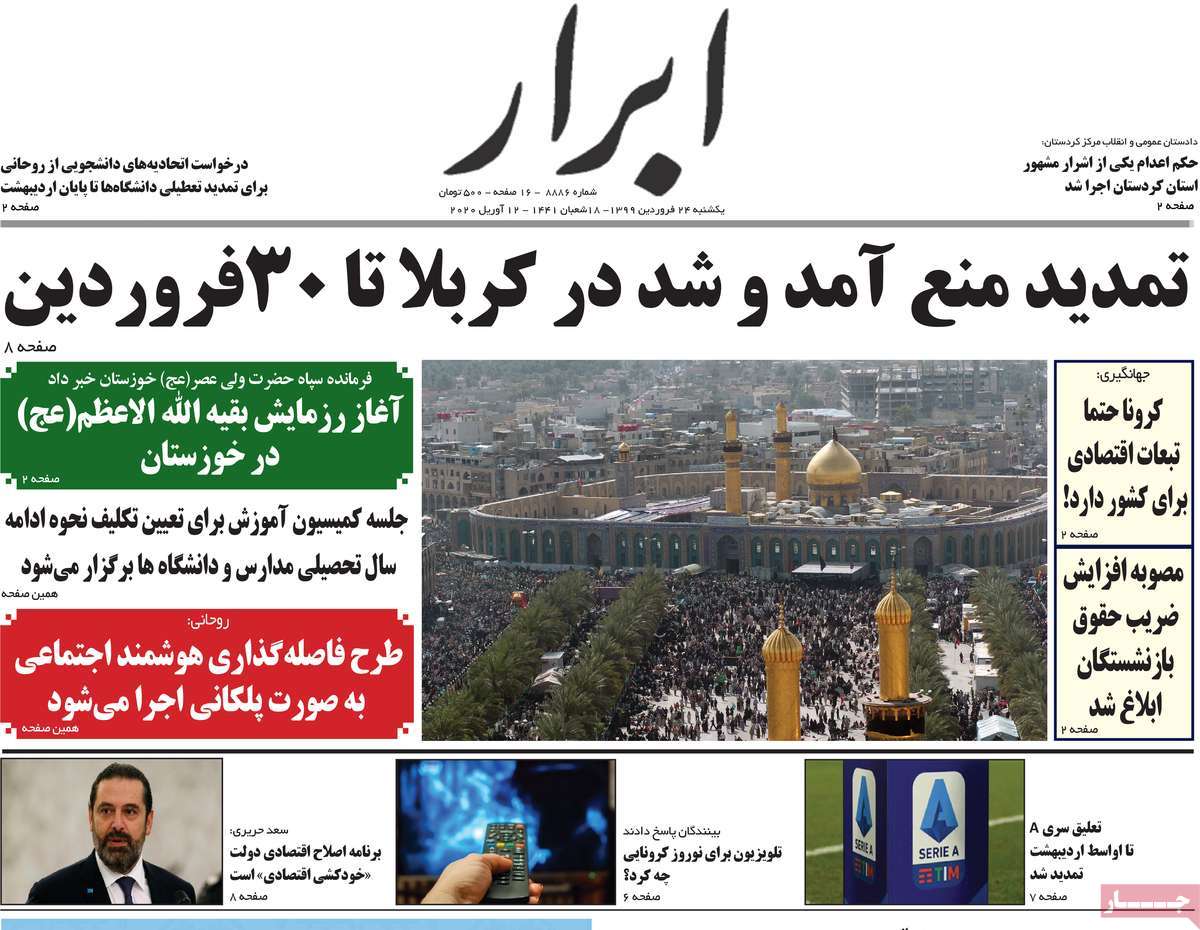
1- Travel Restrictions in Karbala Extended Until April 20
2- First VP: COVID-19 Will Definitely Have Economic Consequences for Iran
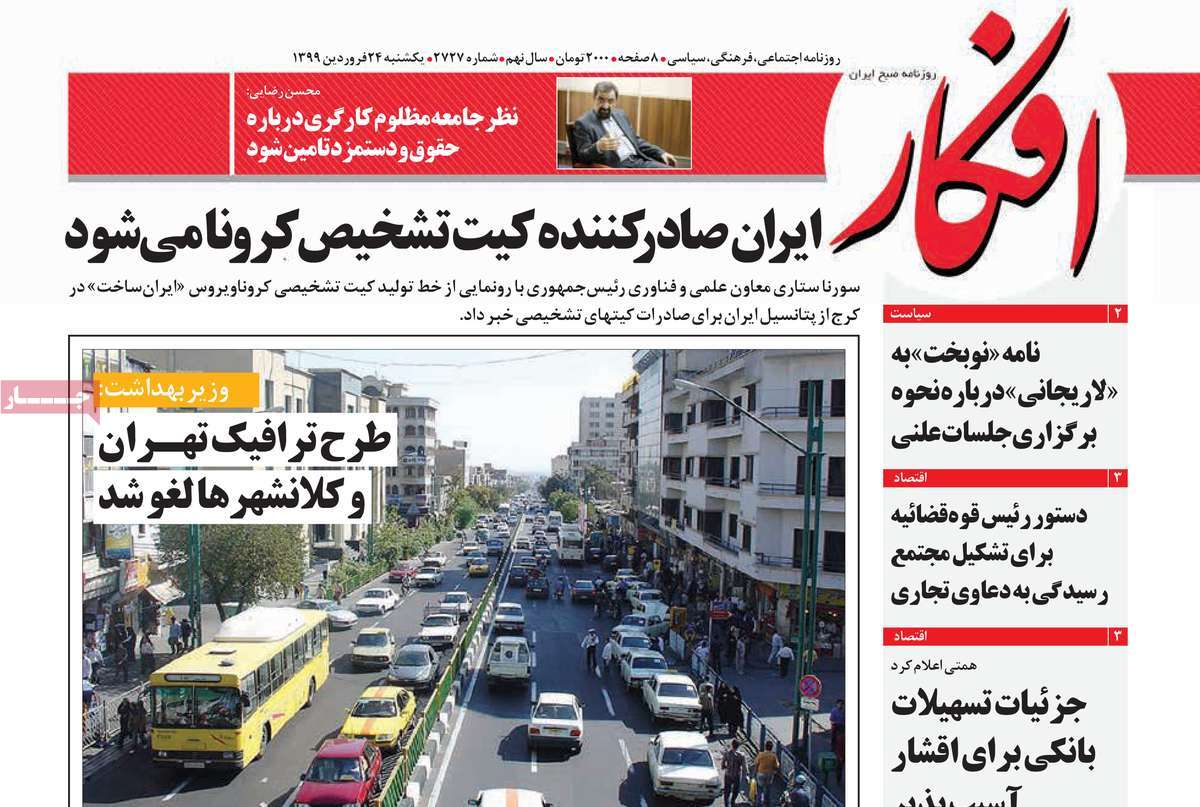
Afkar:
1- Iran Will Become Exporter of Corona Testing Kits
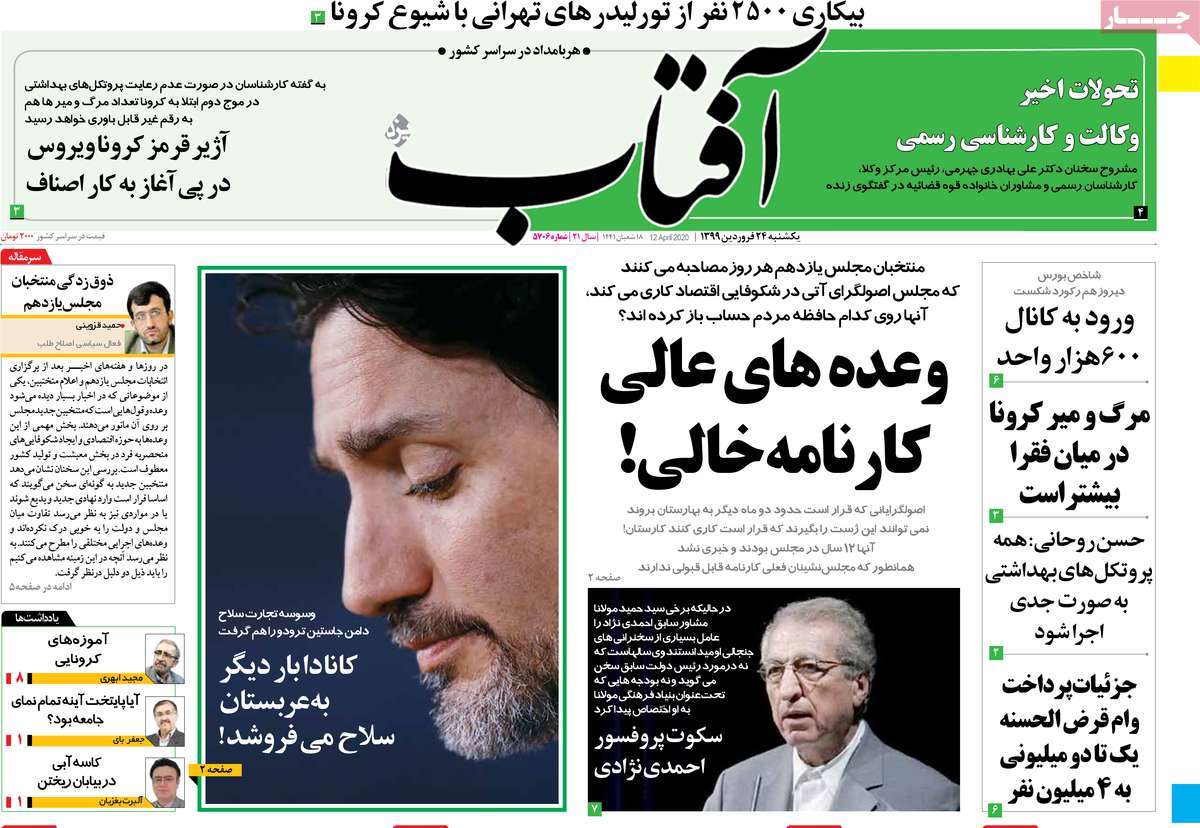
Aftab-e Yazd:
1- Canada to Sell Weapons to Saudi Once Again!
2- Corona Kills Poor People More
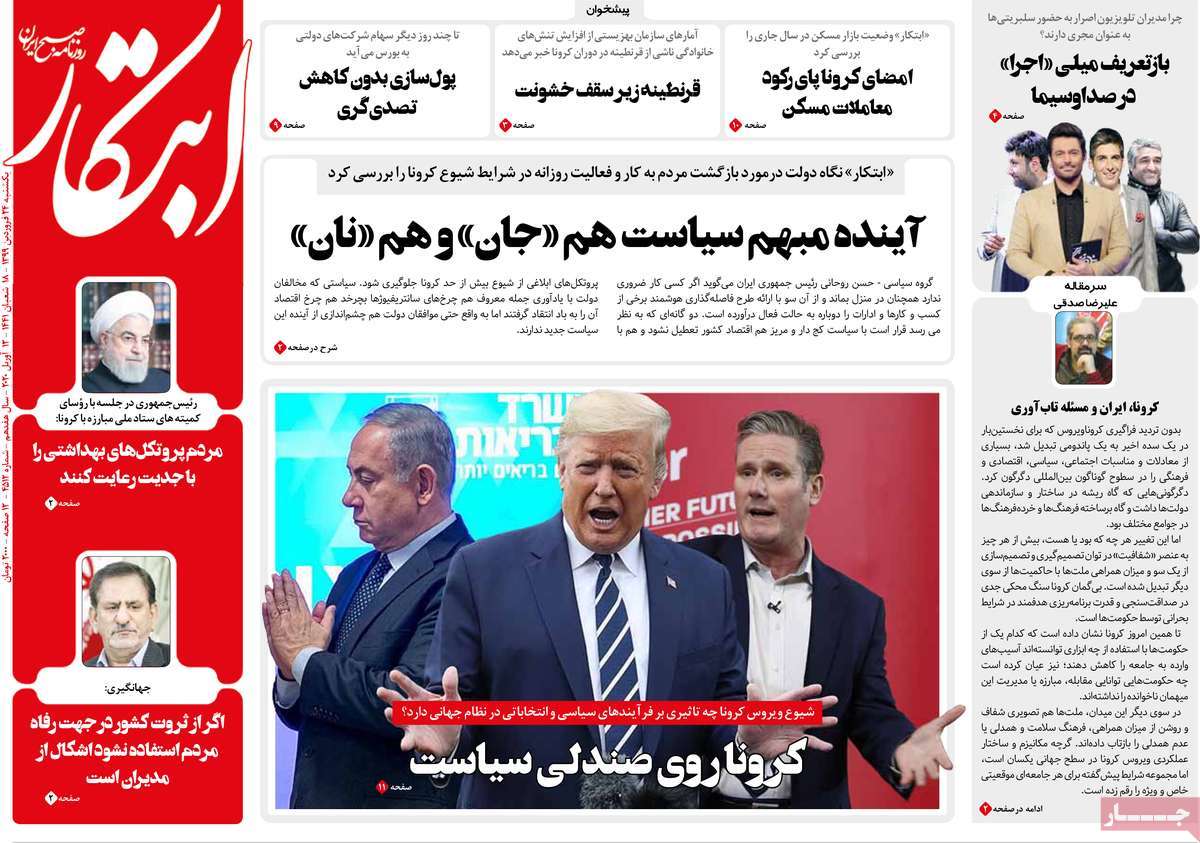
Ebtekar:
1- Impact of COVID-19 Outbreak on World Elections
2- Corona, Iran and Issue of Tolerance [Editorial]
3- Quarantine Under Roof of Violence
* Increased Domestic Violence Caused by Quarantine
Etemad:
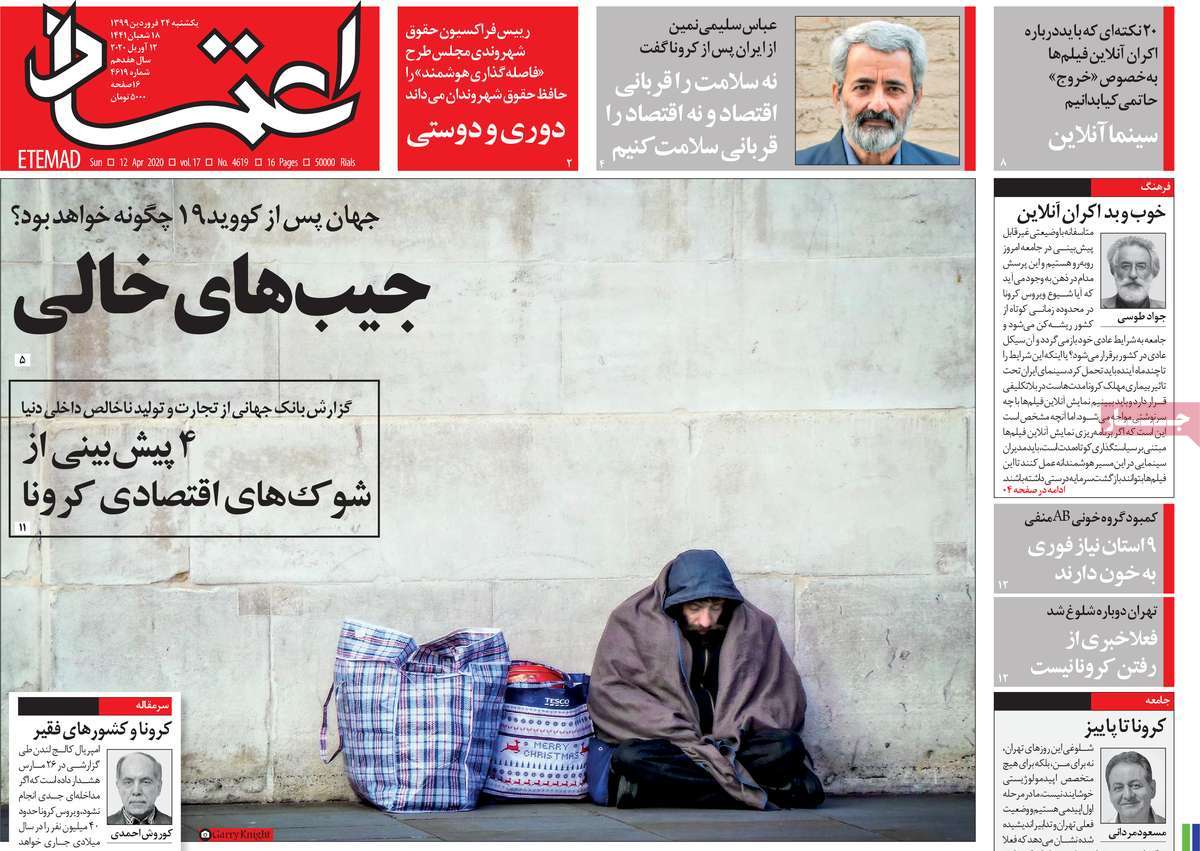
1- Empty Pockets: What World Will Look Like after COVID-19
2- Corona and Poor Countries [Editorial]
Ettela’at:
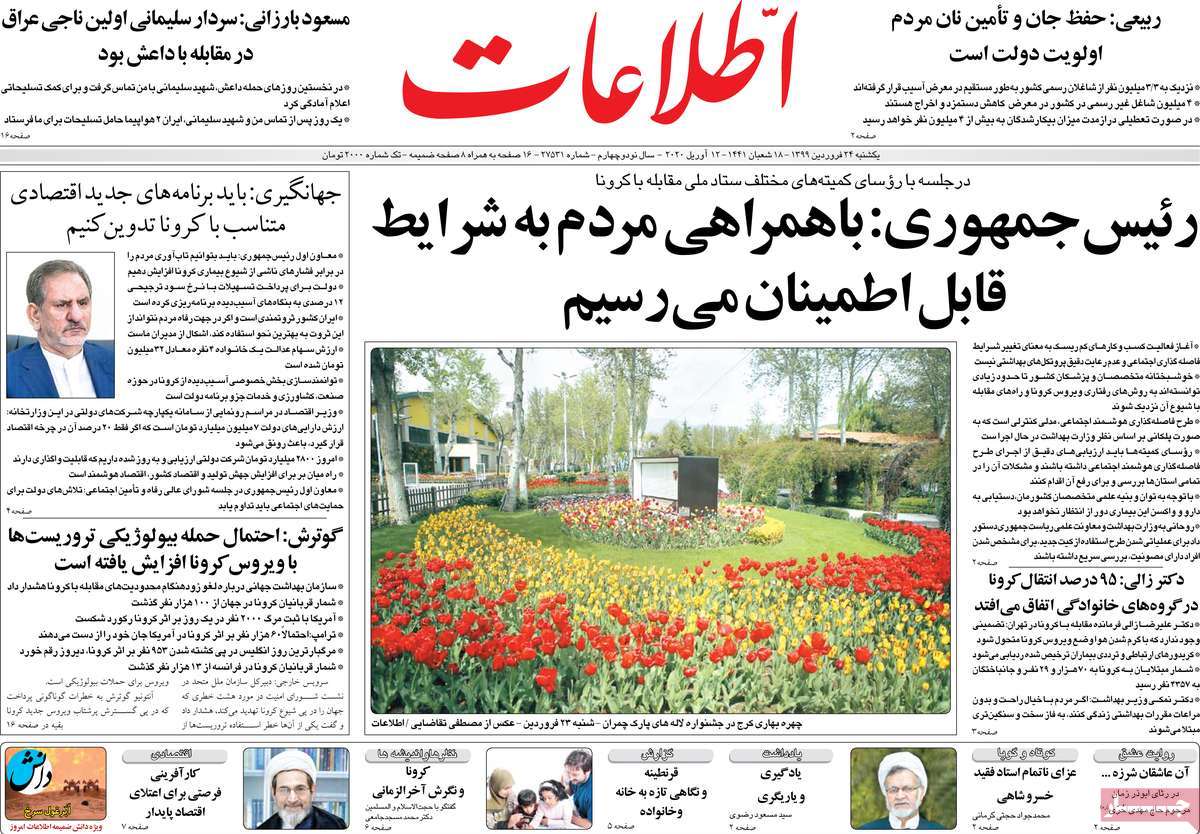
1- Rouhani: We’ll Reach Reliable Conditions in Cooperation with People?
2- Spokesman: Government’s Priority Is to Protect People’s Lives, Livelihood
3- Guterres: Increased Possibility of Link between COVID-19, Biological Terror
Jame Jam:
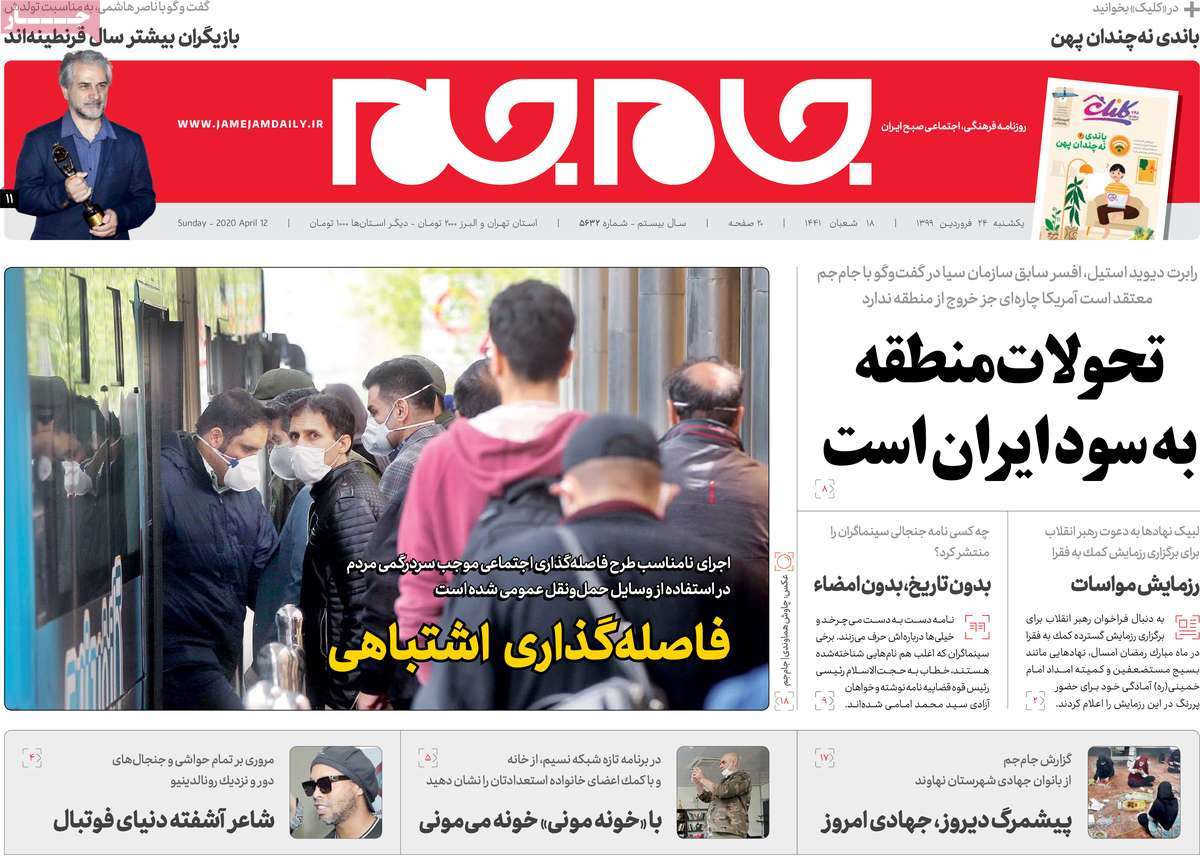
1- Regional Developments in Favour of Iran
* Former CIA Officer: US Has No Choice but to Leave Region
Javan:
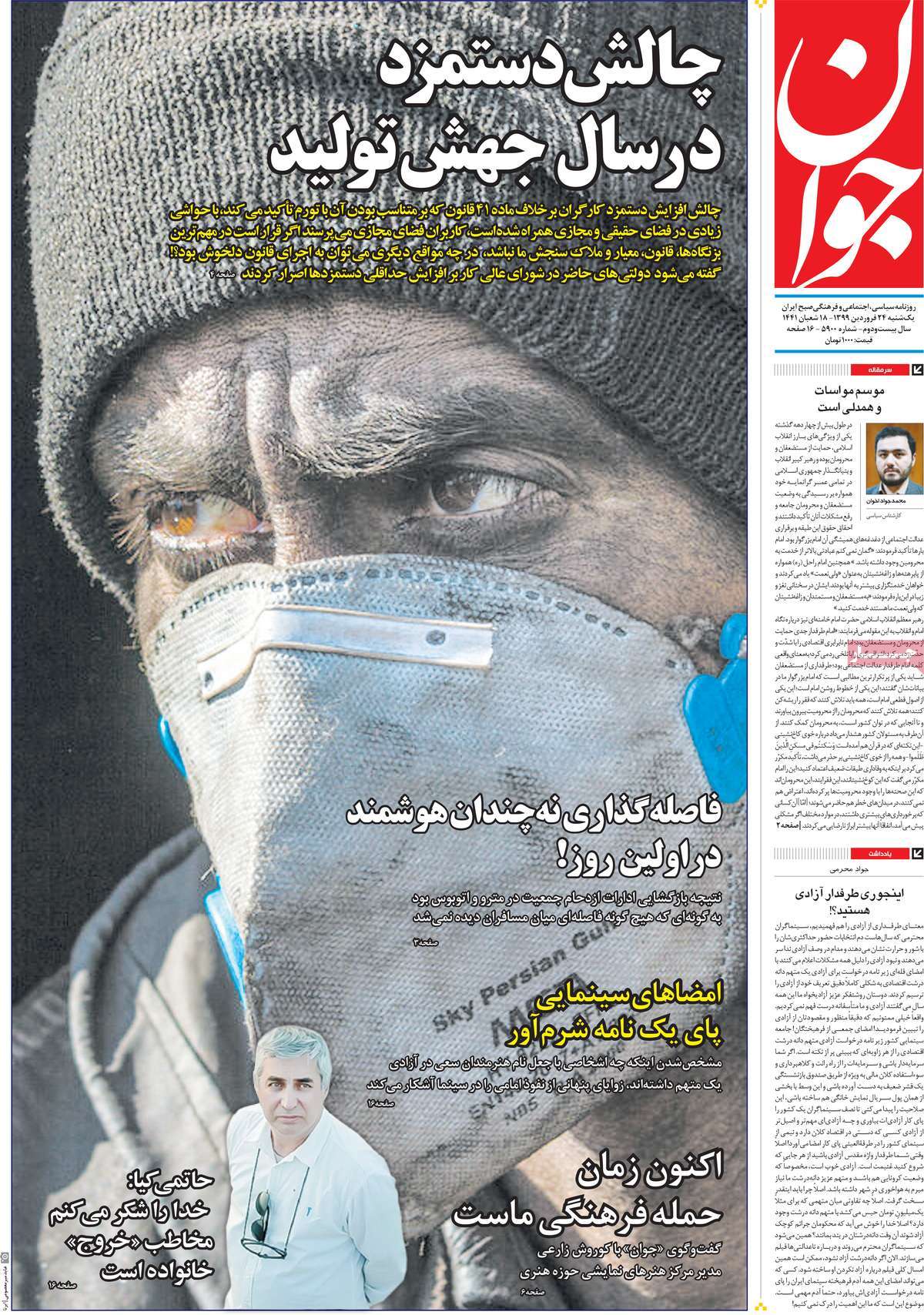
1- Wage Challenge in Year of Jump in Production
Jomhouri Eslami:
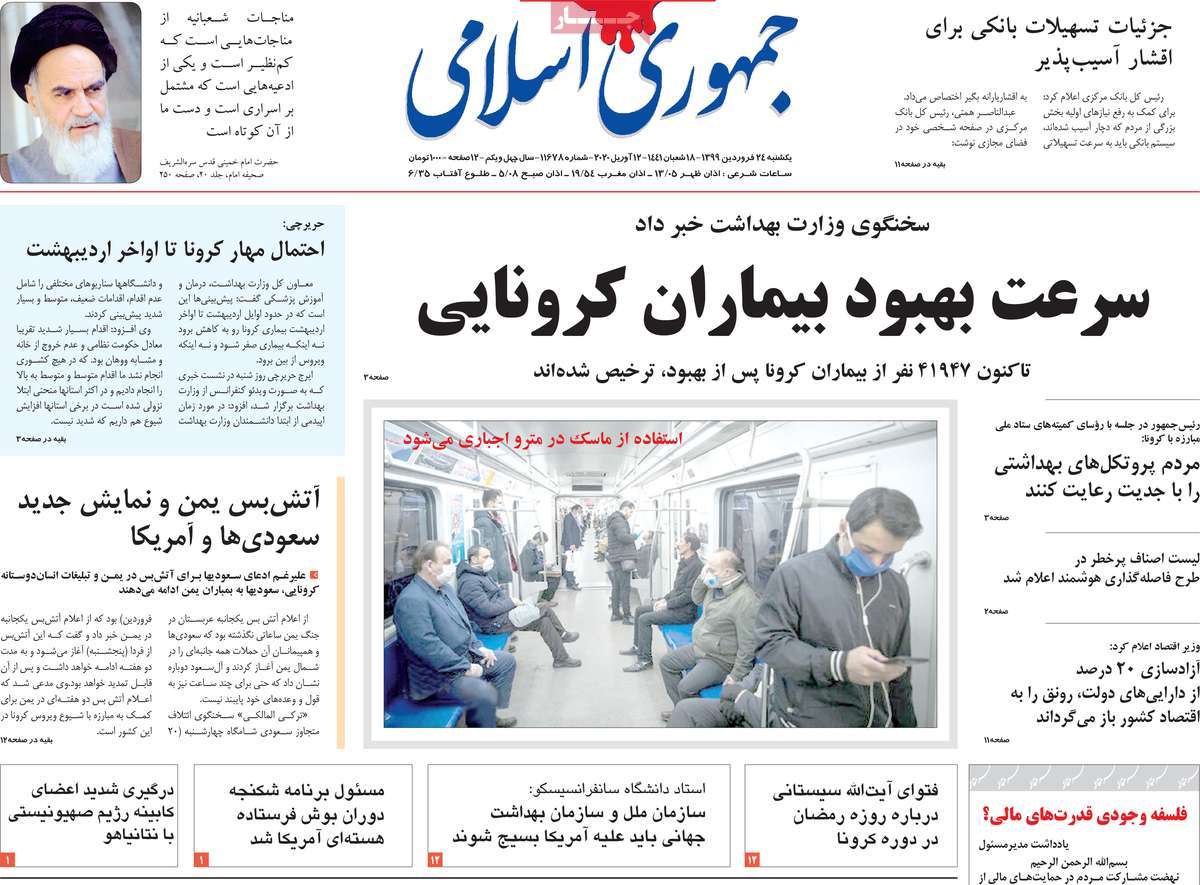
1- Health Ministry Spokesman: Corona Patients Recovering in Fast Pace
2- Deputy Minister: COVID-19 May Be Contained by Mid-May
Kayhan:
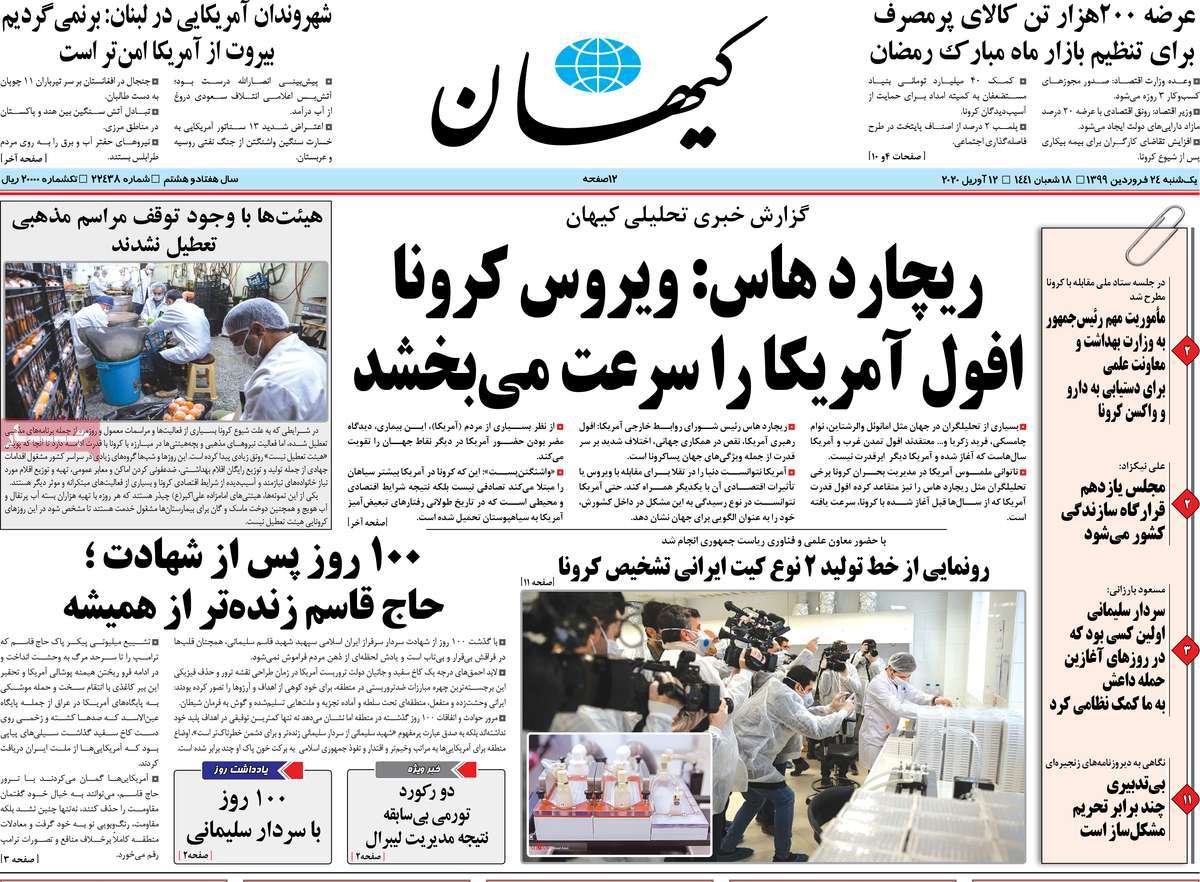
1- Haas: Coronavirus to Accelerate US’ Decline
2- Iran Unveils Production Line for Two Types of Iranian Kits
3- Barzani: Gen. Soleimani First One to Help Us on Day of ISIS Attack
Shahrvand:
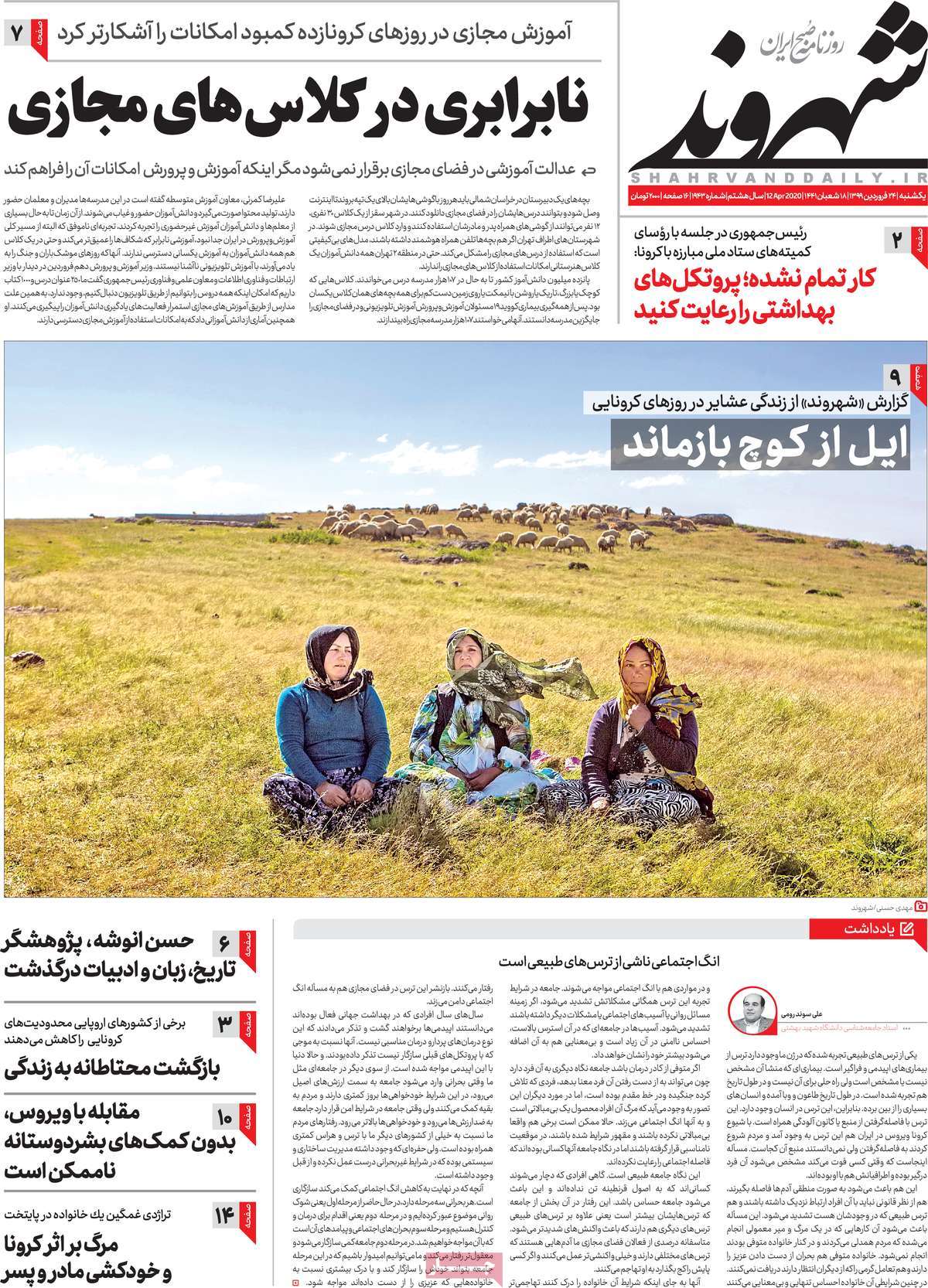
1- How Nomads Live under Quarantine
Shargh:
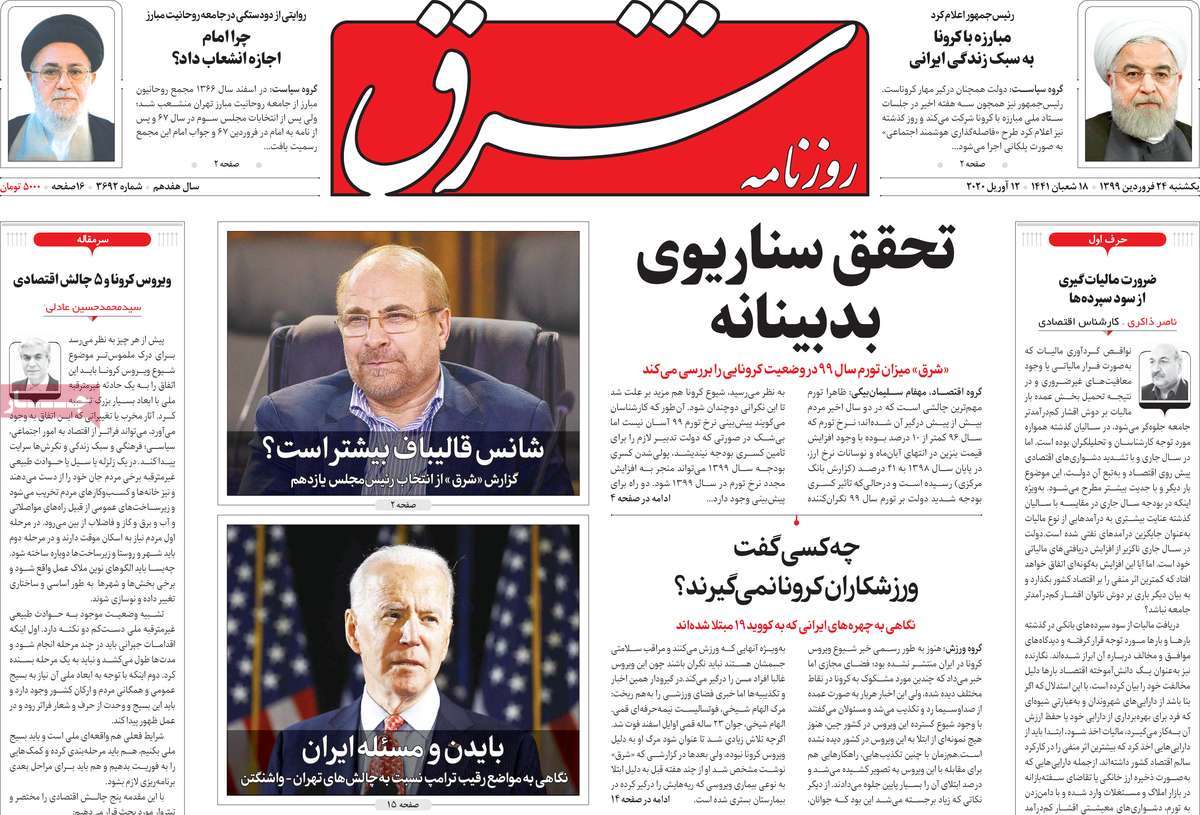
1- Biden and Issue of Iran: A Look at Joe Biden’s Stances towards Tehran-Washington Challenges
This is the key question: Will Iranian people be swayed by the propaganda campaigns launched by Persian-speaking foreign media outlets which are often established and funded by governments opposed to Iran, or are Iranians smart enough to doubt the good intentions of producers working for these media? Experience over the past four decades show the Iranian nation has, at determining and sensitive junctures, disappointed and embarrassed foreign media moguls?
No wonder most Persian-speaking foreign media have, over the past forty years, adopted the same double-standards with regards to Iran and sought to paint a black picture of events in Iran.
The death toll from the coronavirus as well as the number of infections is on the rise the world over, and Iran is no exception. Governments’ ways of handling this pandemic has been different from each other and have sometimes been criticized. Every country and territory has made decisions in that regard based on the existing circumstances and adopted measures accordingly. As a result, it seems that various local models have emerged in different countries in the fight against the coronavirus. Still, facts pertaining to the COVID-19 pandemic are roughly the same all around the world, by the way that certain media report realities on the ground in Iran is studded with many contradictions and differences. Reports by some foreign media paint a deplorable picture of the situation in Iran while describing the situation in other parts of the world as stable. This comes as fatality figures from the coronavirus pandemic are grim in all parts of the world, and the COVID-19 crisis has paralyzed many economies and government resources even in countries such as the United States.
Coronavirus: Single Subject Beset by Double Standards
Decisions, measures, damage and fatalities pertinent to the coronavirus, and even officials’ contracting the disease, are all common subjects now when the world is gripped by the coronavirus pandemic; nevertheless, certain foreign media outlets, whether Persian-speaking ones or others, seek to create the impression that the above-mentioned parameters in Iran are critical, dangerous, inefficient, insufficient, on the rise and growing, to the detriment of people and against their interests, while the situation outside Iran is calm, under control and in people’s interest.
Despite the coronavirus crisis in the world, some of these media outlets have focused more than 90 percent of their activities on the COVID-19 outbreak in Iran. They have allocated hours and hours of their airtime to programs aimed at fueling people’s concerns by spreading rumours, reporting untrue comments attributed to authorities, painting a black picture of measures adopted, distorting figures pertaining to the losses and death toll from the disease, and aggrandizing the performance of foreign governments while downplaying the measures adopted by Iran to fight the disease.
Fabricating News
The Performance of the Iranian government has been acceptable in comparison with that of many other countries, and that is why foreign media resort to spreading rumours and making outrageous comments in order to hit out at Iran. The report news about meetings that were never held, fabricate scenarios about Iran’s decisions and measures that were never adopted, and make analyses accordingly. As a case in point, one of foreign Persian-speaking media outlets made a false claim recently. It falsely quoted Iranian President Hassan Rouhani as saying that economic activities should not stop even if millions of Iranians die! Or that some 30 million hungry people will take to the streets if economic activities are halted! In response, Iran categorically rejected the story as a sheer lie.
Objectives of Psychological-Media Warfare against Iran
Among the major goals pursued by Persian-language foreign media are to make Iranian people disappointed with government measures, shattering their trust in the government’s decisions, and, finally, weaken the Iranian ruling system in countering the coronavirus. This is not something new and, at the same time, is a blatant violation of the principles that these very media outlets and international circles claim should be observed. These media outlets seek to intensify people’s sufferings at a time when Iranians are grappling with and economic crisis which is the fallout from the coronavirus pandemic and US sanctions.
Now, local media should make every effort to disseminate the right information and tell people the reality about the false reports carried by foreign media in order to neutralize this media campaign.