Monday, December 22, 2025
Home Blog Page 2846

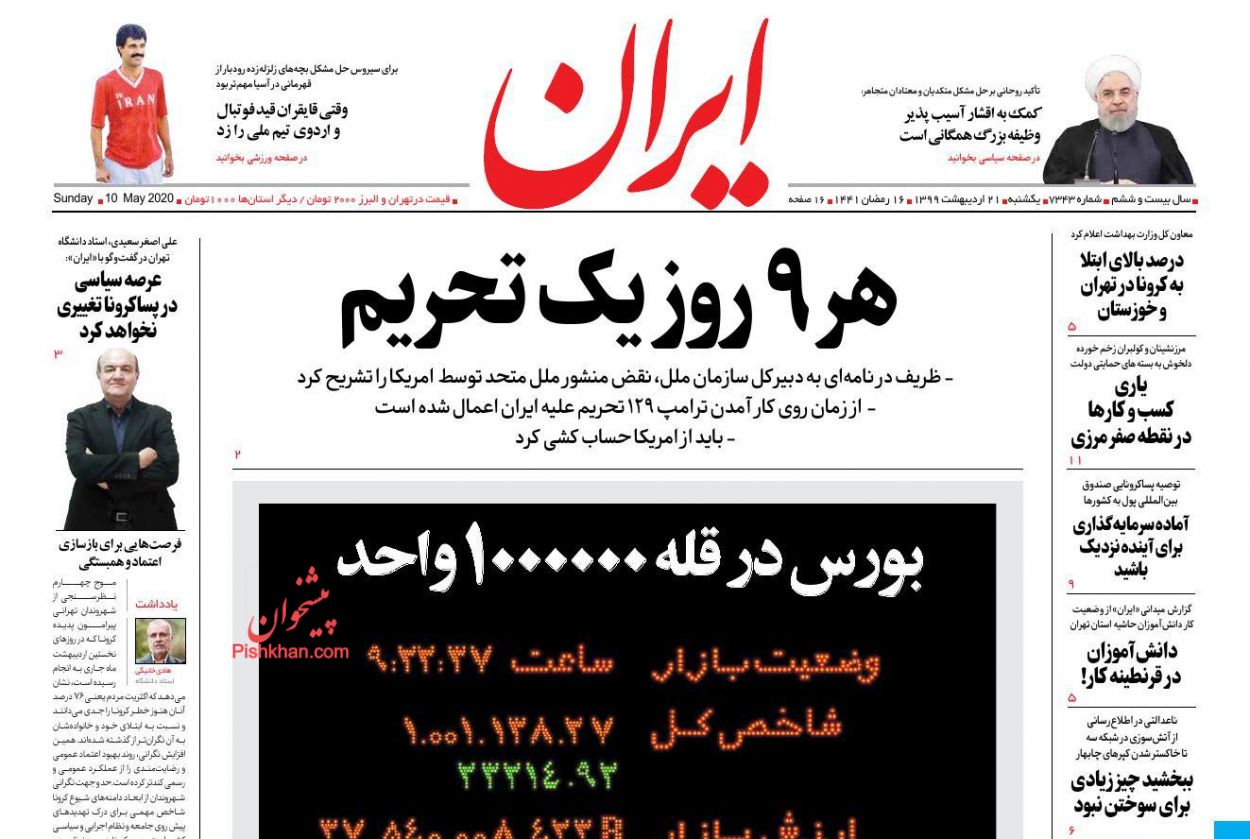
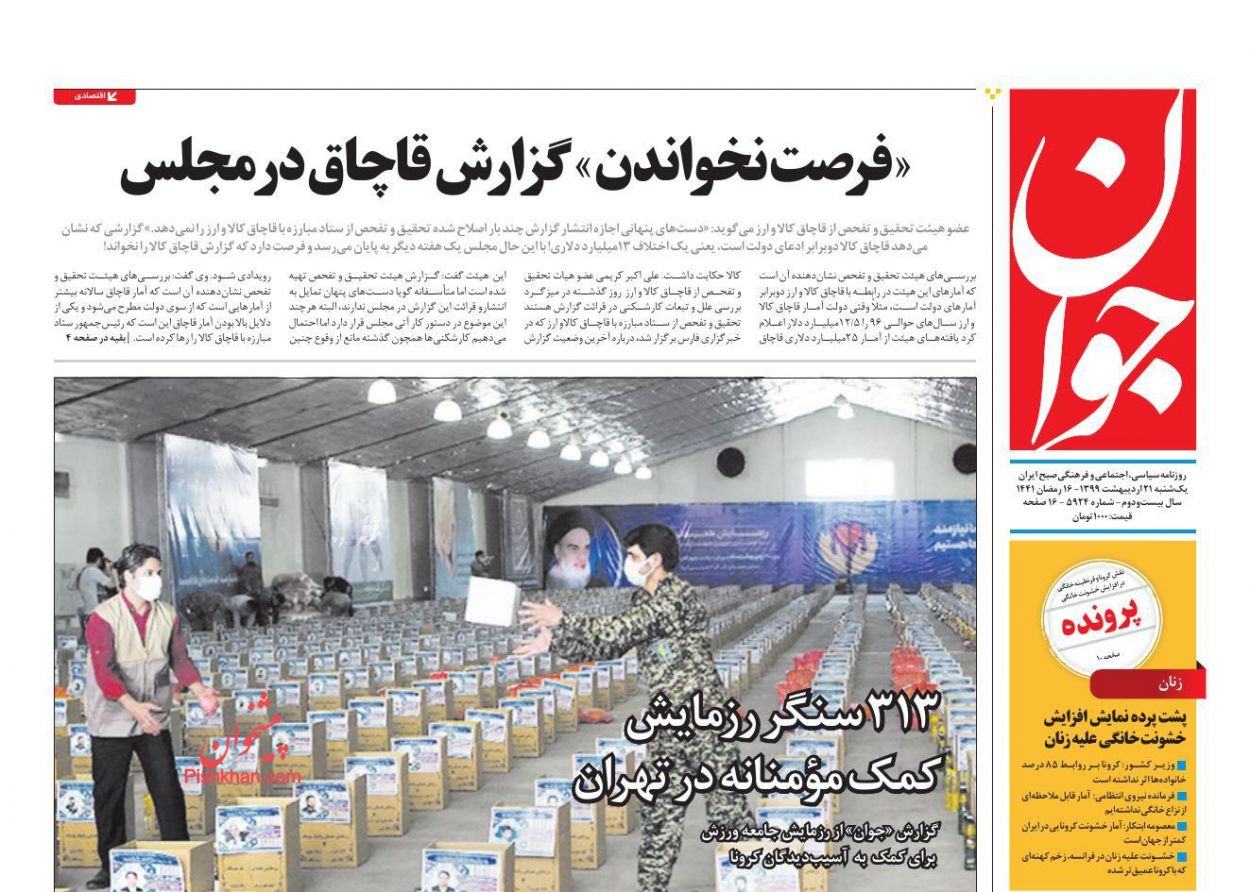
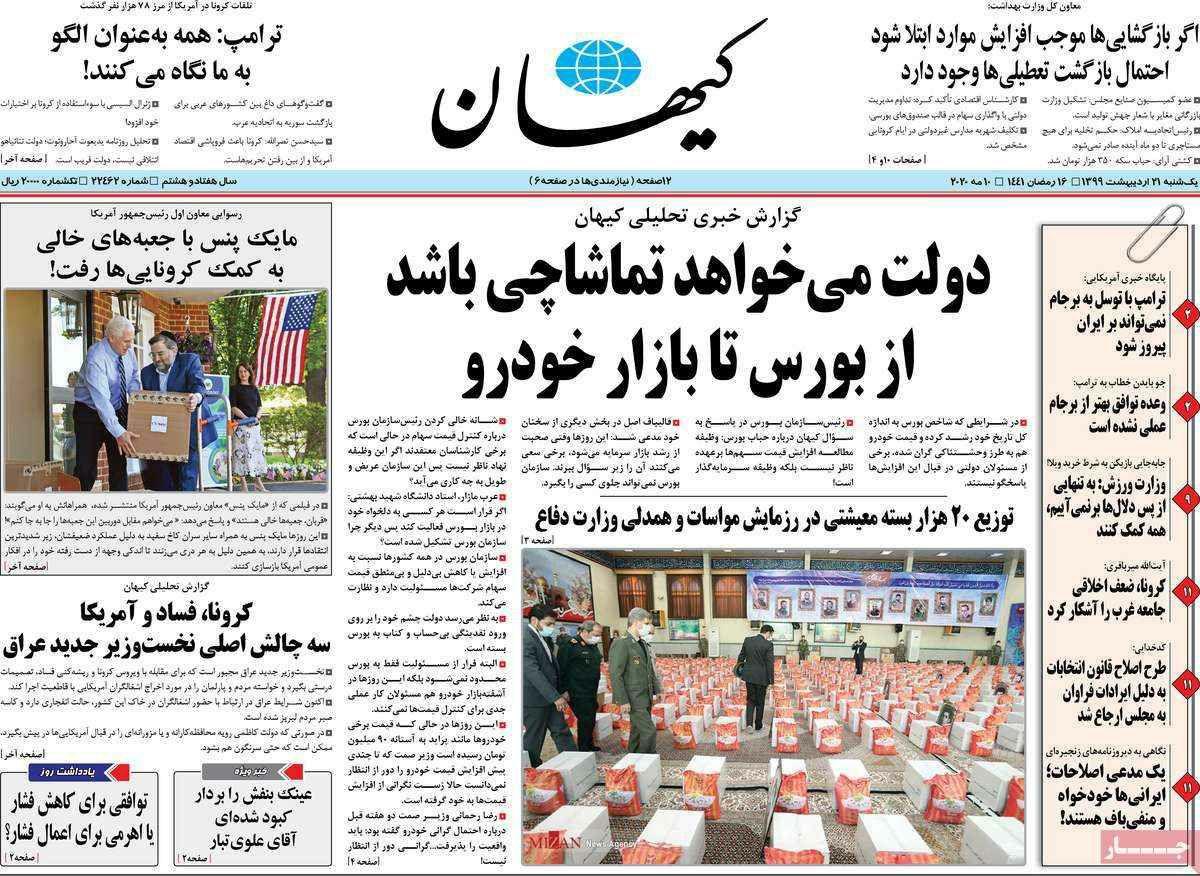
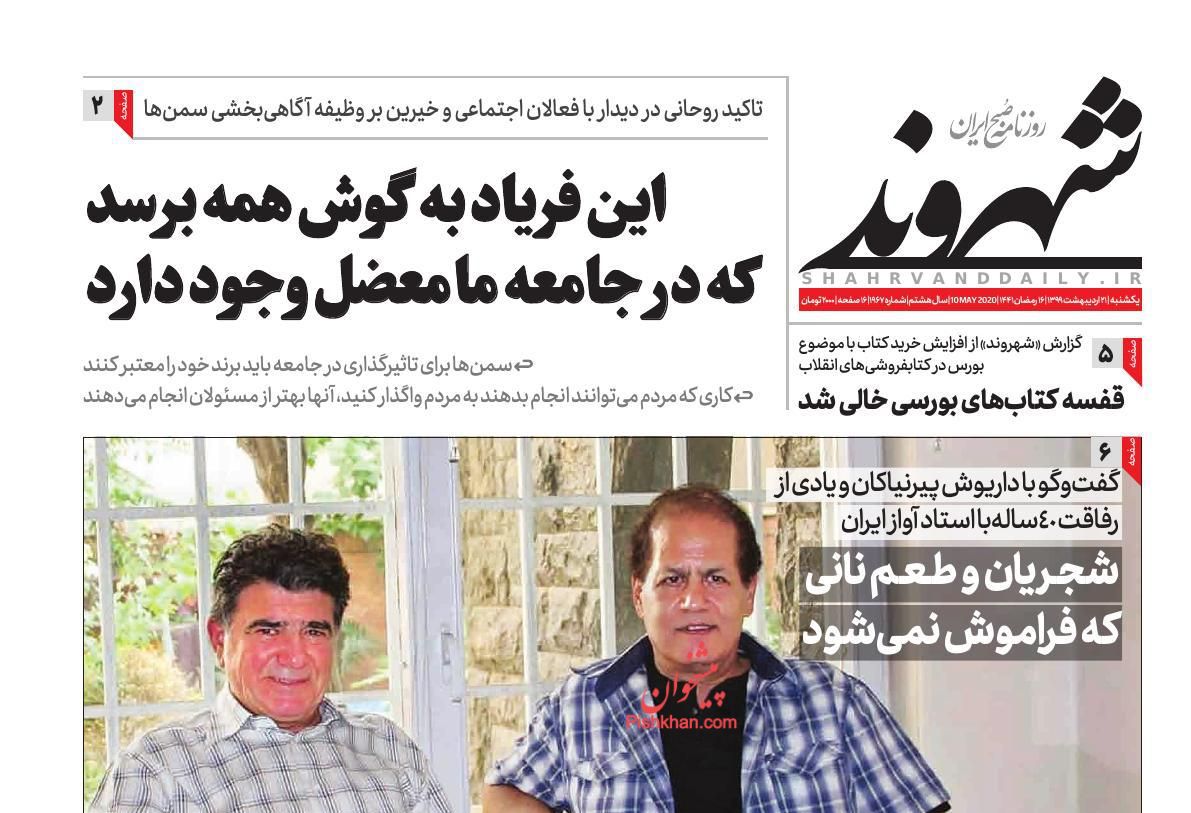
Post-Quarantine Days in Tehran

As the government lifts certain restrictions it had earlier imposed to contain the spread of coronavirus, more and more citizens come to the streets these days, increasing the chances of further infection.


Iran Commemorates National Day of Saadi

Tomb of Saadi, Shiraz, Iran

In the national Iranian calendar, April 21 marks the birthday of Saadi, a prominent Persian poet. On this day, Iranians attend services in commemoration of the master of eloquence.

Images of Saadi’s tomb in his hometown of Shiraz released by Mehr News Agency:

Iran FM, Syrian President Meet in Damascus

Iran FM, Syrian President Meet in Damascus

During the Monday meeting, the two sides conferred on issues of mutual interest, including the latest developments in Syria.

The Syrian president expressed condolences on behalf of the Syrian government and nation on the losses of lives in Iran caused by the COVID-19 pandemic.

Assad also recalled the martyrdom of top Iranian military commander Lieutenant General Qassem Soleimani who was assassinated by the US military in Iraq in January.

Assad said the martyred general had a pivotal role in fighting terrorism in Syria, and thanked Iran for getting on board with Syrian people in combating terror.

The top Iranian diplomat, in turn, expressed gratitude to the Syrian president for condoling with the Iranian nation over the victims of the coronavirus.

“Now, the United States’ true intentions have come to light with regards to its refusal to lift unfair sanctions against nations during tough times of fighting this disease,” said Zarif.

Zarif also thanked Syrian representatives for their presence in Iran to take part in the funeral service and memorial ceremony held for martyr Soleimani.

He said the assassination of general Soleimani will not affect, whatsoever, Iran’s backing for resistance and its contribution to war on terror in the region.

Zarif also referred to a phone contact by Geir O. Pedersen, the UN secretary general’s special envoy for Syria, as well as consultations which are to be held in the near future between Iran, Turkey and Russia as the guarantor states of Astana Process.

The Iranian foreign minister also exchanged views with Assad on developments in Idlib as well as the political trend in Syria.

After meeting Assad, the Iranian top diplomat also held talks with his Syrian counterpart Walid al-Muallem on issues of mutual interest.

Zarif arrived in the capital of Syria at the head of a political delegation earlier in the day. Upon arrival, he was welcomed by Syrian Deputy Foreign Minister Faisal Mekdad.

Iran Says US Prevented Its Routine Patrols in Persian Gulf

Tehran Raps Saudi Arabia, Bahrain for Backing US Anti-Iran Stance

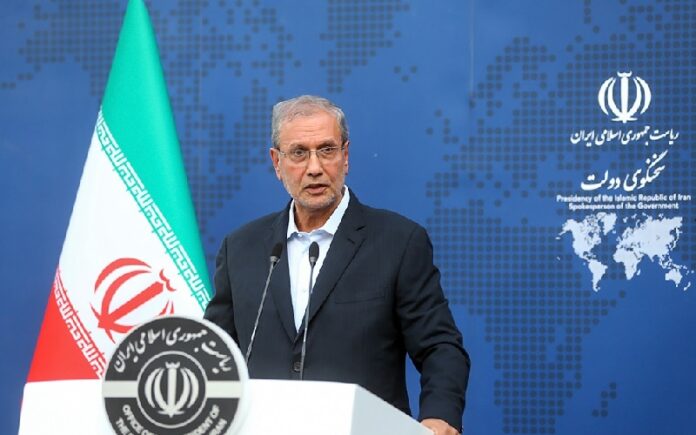
“As far as we know, American troops had kept our forces from conducting ordinary and legal patrols in the region, which prompted our patrol troops to react and give them the necessary warnings,” said Mousavi in a press conference held via video conference.

“The presence of foreign forces, especially the US, is the reason behind tensions, instability and insecurity in the region,” he said.

“Their presence is illegitimate and illegal, and this is our region, and if our troops are supposed to conduct patrols, they should do so with calm and ease of mind,” the spokesman added.

“Iran has been present in the region for thousands of years, and regional security is provided by Iran and the Persian Gulf littoral states, especially Oman,” Mousavi noted.

He said Iran and Oman, which are located near the Strait of Hormuz, are working together to ensure security in that vital waterway.

He asked foreign forces that are present in the region illegally to leave the region, and at the same time observe marine rules and “not force our troops to give them warning.”
He also said Tehran is not prepared to hold negotiations with Washington again.
“If they hope Iran will agree to sit down for talks with them, then this is a pipe dream,” he said.

Elsewhere in his remarks he touched upon the Instrument in Support of Trade Exchanges (INSTEX), a European special-purpose vehicle (SPV) established in January 2019.

INSTEX is a prelude to the implementation of other commitments the Europeans undertook to fulfill following the United States’ illegal withdrawal from the JCPOA; they said they needed a financial mechanism to make good on their obligations,” he said.

“We welcomed the opening of this financial channel, but announced that they were not all of Europe’s commitments and they should deliver on all their 11 obligations, including in the field of energy, transportation, insurance, etc.,” he said.

The spokesman also said that Iran supports the establishment of a broad-based government in Afghanistan and would like to see security, tranquility and stability return to the country.

Lahijan Cookies; Centuries-Old Souvenir of Northern Iran

Lahijan Cookies; Centuries-Old Souvenir of Northern Iran

Although this type of cookie belongs to the city of Lahijan in Gilan province, it is baked in different cities of Iran and has many fans.

Lahijan walnut cookies can be eaten as a snack, dessert and during iftar in the holy month of Ramadan.

Ingredients:

Butter or margarine: 150 g

Liquid oil: 1/3 cup

Milk: ½ cup

Four: 3 Cups

Eggs: 3

Walnuts: 1.5 cups

Raisins: 1 cup

Powdered Sugar: 1 cup

Cocoa powder: 1 tbsp

Vanilla: 1/8 of tsp

Baking powder: 1 tsp

Lahijan Cookies; Centuries-Old Souvenir of Northern Iran 2

Directions:

  1. First, remove the ingredients from the refrigerator and let them cool off. Then preheat the oven to 180 C.
  2. Pour the margarine or butter and powdered sugar into a bowl and stir well for 7 minutes until it gets lighter.
  3. Add the eggs to the ingredients and beat each one for one minute with high speed. Along with the last egg, add vanilla. Pour the liquid oil and milk into the ingredients and stir.
  4. Sift the cocoa powder and add to the mixture. Sift the flour three times. Pour the walnuts and raisins into a few tablespoons of flour and mix. Gradually add the rest of the flour and baking powder to the ingredients and mix.
  5. Finally, add raisins and flour to the ingredients. Lahijan cookie’s dough is ready now.
  6. Grease the oven tray and put greaseproof papers on it.
  7. Take some cookie dough using an ice cream scoop and pour it on the oven tray at a distance from each other.
  8. Place the tray in the preheated oven for 15 to 20 minutes. After that, use a toothpick to see if the cookies are cooked. Then remove the cookies from the oven. Wait a while to cool slightly. Then remove the greaseproof papers.Centuries-Old Souvenir of Northern Iran 3

Notes:

  • In many recipes, confectionery oil is used to prepare Lahijan cookies so that they do not lose their shape in the oven. However, using margarine or butter makes the cookie taste better and healthier.
  • With this amount of ingredients, you will have about 30 Lahijan cookies.
  • Lahijan cookies can also be made in double-sided pans.
  • Stir the cookie dough until it is pliant.
  • Be sure to keep the cookies in a sealed container in the refrigerator to keep them for a longer time.
  • The temperature of the ovens is different. After 15 minutes, check them not to be burned. If cookies stay in the oven too long, they will dry out and harden.
  • Place the cookies at a distance from each other on greaseproof paper. Because after cooking, their volume increases and they may stick together.
  • To make the cookies a little bit brown and more beautiful, you can light the top flame (grill mode) for about one to two minutes at the end. Just be careful not to overcook.


Iranian Researchers Develop Equipment Vital for Coronavirus Patients

Iran's COVID-19 Cases Surpass 220,000: Official

The achievement was made by a knowledge-based company working in the field of producing medical devices with the support of the Innovation and Development Fund in order to monitor the status of patients affected by COVID-19

“At the moment, we are producing three products which are very vital for coronavirus patients,” said Payman Bakhshandehnejad, the managing director of the company.

Iranian Researchers Develop Equipment Vital for Coronavirus Patients

“So, we have increased the number of our working shifts, so that we will be able meet part of the country’s demand for these products,” he added.
He said one of these products is a “ventilator.”

“This device provides the oxygen needed by patients and, in fact, is a replacement for the oxygen capsule. This apparatus extracts the necessary oxygen from the air and then supplies it to the patient after screening,” he noted.

Iranian Researchers Develop Equipment Vital for Coronavirus PatientsThe researcher said around 400 ventilators have been produced and offered on the market following the coronavirus outbreak.

“Our second device is the BIPAP apparatus which controls pressure inside lungs. This device has two levels of pressure which allows the patient to inhale and exhale,” he said.
He added the third device used in the fight against COVID-19 is the AVAPS apparatus which is very useful for coronavirus patients. He said the company is now receiving standards and the required permits for the apparatus.

Coronavirus online test
If you are worried that you may have contracted the Coronavirus, take this test right now.

COVID-19 Epidemic under Control in Iran: Official

Iran’s COVID-19 Fatalities Surpasses 8,500

Sorena Sattari, the vice president for science and technology, said many good developments have taken place in the domain of production of new devices in the country to fight COVID -19 epidemic.

“We are seeing excellent developments in the production of reliable medical equipment such as ventilators and different apparatuses used in theatre,” said Sattari.

“These companies have now received the necessary licenses and can even export their products to Europe,” he noted.

“With knowledge-based companies mass-producing masks and disinfectants … we have no problems in that regard,” he added.

The official underlined thousands of clinical tests along with hundreds of research studies have been conducted to help diagnose the disease and treat coronavirus patients.

Coronavirus online test
If you are worried that you may have contracted the Coronavirus, take this test right now.

“The findings of these studies have helped us get a good understanding of the disease caused by the coronavirus as well as ways of treating it, and, moreover, resulted in knowledge-based companies producing all the necessary medical equipment,” he added.

Sattari noted knowledge-based companies and institutes are pressing ahead with their research work in the field of coronavirus, and expressed hope new findings will help control and tackle the disease more effectively and accurately.

Iranian, Afghan Officials Discuss Peace Process in Afghanistan

Iranian, Afghan Officials Discuss Peace Process in Afghanistan

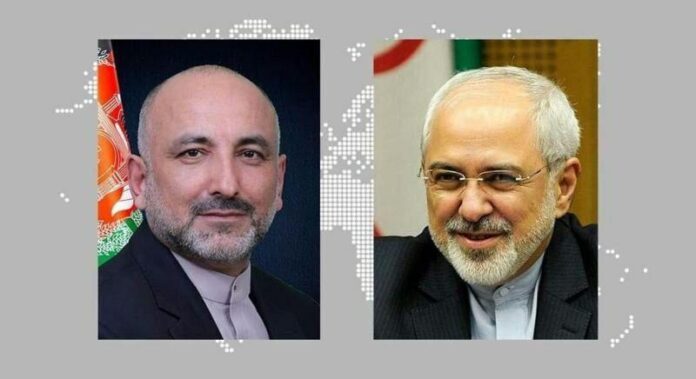
In separate meetings on Sunday, Taherian held talks with Mohammad Ashraf Ghani, Abdullah Abdullah, Mohammad Hanif Atmar and Hamdollah Moheb.

The focus of talks was expansion of bilateral ties, the latest political developments in Afghanistan, and the peace process.

They also discussed mutual cooperation between Iran and Afghanistan in the fight against the coronavirus.

Favipiravir Efficacy Test Results Still Pending: Iranian Official

Favipiravir Efficacy Test Results Still Pending: Iranian Official

In a video press conference with reporters on Sunday, Mohammad Reza Shanesaz said it is not yet clear whether Favipiravir, sold under the brand name Avigan, is really effective in the treatment of COVID-19.

Asked about the results of the clinical tests on coronavirus patients, he said the efficacy of Favipiravir has not been certified in Iran or in any other country so far.

“In our country, we have begun the process of production (of Favipiravir) in parallel with the clinical studies. Because the medication is not used for treating coronavirus alone, as it is also used for flu treatment as well,” he noted.

Favipiravir is now being synthesized in Iran and at the same time undergoing clinical trials, Shanesaz added, saying the test results are still pending.

The Food and Drug Administration chief also deplored the hasty reports that a number of physicians released on the Internet about the efficacy of Avigan, saying such speculations created unrealistic expectations. “But the Health Ministry’s scientific committee does not verify these claims.”

Earlier this month, a member of Iran’s National Committee for Coronavirus Fight said if the results of clinical trials in the treatment of hospitalized patients are positive, Iranian companies can produce Favipiravir on a large scale.

Coronavirus online test
If you are worried that you may have contracted the Coronavirus, take this test right now.

IRGC Dismisses US Account of April 15 Incidents in Persian Gulf 

IRGC Dismisses US Account of April 15 Incidents in Persian Gulf

The Public Relations Department of the IRGC Naval Forces released a statement on Sunday saying the clues contradict the Americans’ claims and the Islamic Republic will respond decisively to any miscalculation. 

The US Navy’s 5th Fleet claimed that six warships conducting drills with US Army Apache attack helicopters in international waters off Iran were repeatedly harassed by 11 Iranian IRGC vessels on Wednesday.

“The Iranian ships repeatedly crossed in front and behind the US vessels at extremely close range and high speeds,” reads the US statement. 

In reaction to the claim, the IRGC has released the following statement:

In the Name of God,

In recent weeks, we have witnessed the recurrence of unprofessional behaviour by the US Navy in the Persian Gulf, which has threatened the security and tranquillity of the region and posed new risks. 

Among these measures was the blocking of the Shahid Siavashi ship on its return from a mission in the southeast of the Farsi Island, which occurred at 11:00 pm on April 6, 2020. 

According to the data extracted from the ship’s black box, the US warship terrorists were engaged in high-risk moves ignoring initial warnings, but finally were forced to stray off the path of the IRGC naval vessel after receiving warnings from local forces. 

At 6 am, April 7, 2020, the American terrorist warship with the registration number CG 72 again blocked the way of Shahid Siavashi vessel with a dangerous move in an area in front of Assaluyeh and about 30 miles from the Iranian platforms without paying attention to the warnings of local forces while the Iranian vessel was patrolling in the region. Eventually, the Iranian vessel managed to continue on its way with a professional and smart move and bypassed the American warship.

Accordingly, the IRGC Naval Forces increased the capacity of its patrols in the Persian Gulf waters to prevent illegal, unprofessional, dangerous and even adventurous behaviour of US terrorists, and also to strengthen the security of Iranian vessels and combat fuel smuggling. 

In this regard, on April 15, 2020, after declaring “shooting mode” in the training areas, which had been marked with special coordinates on the map in the past, the IRGC sent a group of 11 boats to the region which faced with US warships and vessels. 

Despite the unprofessional and provocative actions of US terrorists and their indifference to the warnings and notices, they were forced to get away from the path of the IRGC’s naval vessels with the resilience and bravery of local forces. 

This comes as the US Navy’s 5th Fleet in the region, in its official statement, quoted an incorrect and purposeful account of the incident, which indicates that the Americans are interested in the Hollywood version of events.

We urge Americans to abide by international regulations and maritime protocols in the Persian Gulf and the Sea of Oman, and to refrain from any adventures, lies and fake narratives. The IRGC Navy and the powerful Iranian Armed Forces consider the aliens’ dangerous moves in the region as a threat to Iran’s national security and a red line, and will respond decisively to any miscalculation.

In the end, as it has been said many times, the illegitimate presence of the US terrorist regime in the region is the source of mischief and insecurity in the region, and the only way to tighten up lasting security in this strategic region is that Americans leave West Asia.