Friday, December 26, 2025
Home Blog Page 2814

A Look at Iranian Newspaper Front Pages on May 18

A Look at Iranian Newspaper Front Pages on November 19

Iranian Newspapers

Abrar Newspaper:

1- Ghani, Abdullah Sign Political Agreement
2- Zarif: Iran Supports Continued Alignment between All Afghan Groups

A Look at Iranian Newspaper Front Pages on May 18


Afkar Newspaper:

1- JCPOA Implemented Only by Iran: Senior Lawmaker
2- Iranian Naval Forces from Army, IRGC Foil Enemy Threats

A Look at Iranian Newspaper Front Pages on May 18


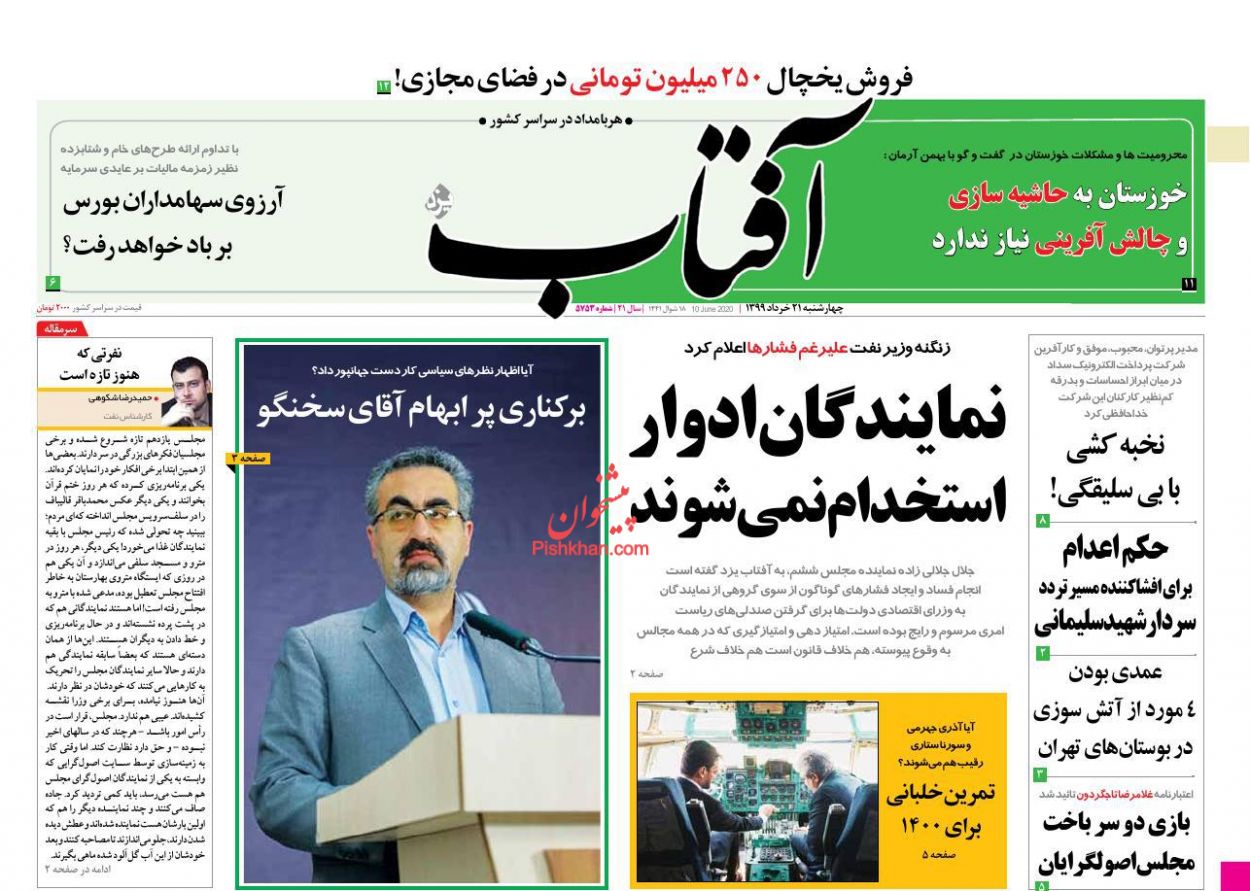
Aftab-e Yazd Newspaper:

1- Representatives of Student Associations Hold Virtual Meeting with Iran’s Leader
2- In Syria’s Future, Iran and Russia Are Rivals, Not Enemies: Analyst

A Look at Iranian Newspaper Front Pages on May 18


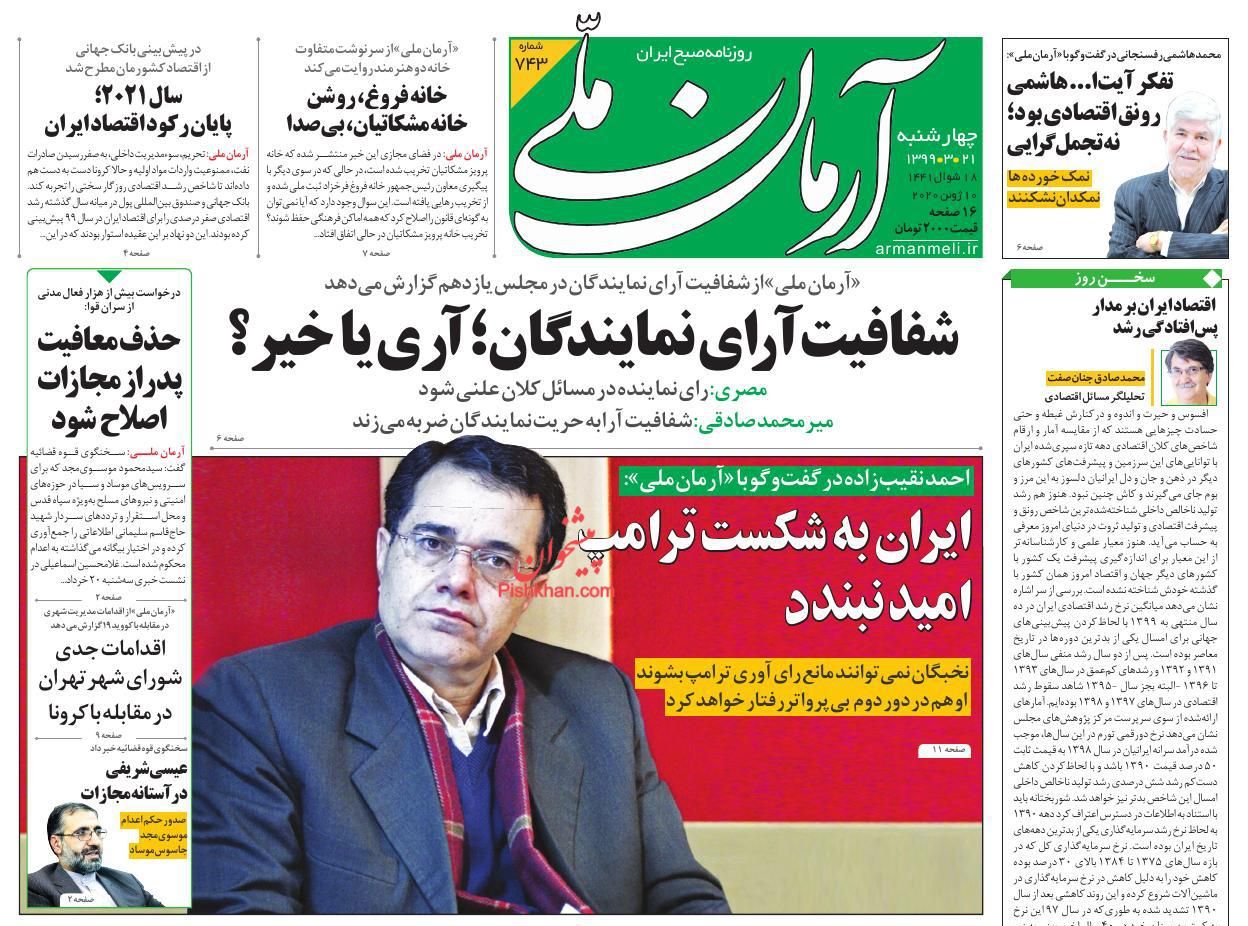
Arman-e Melli Newspaper:

1- ‘White’ (Low-Risk) Cities to Be Painted Red with Eid al-Fitr Tables
2- Iran Warns US, Summons Swiss Envoy

A Look at Iranian Newspaper Front Pages on May 18


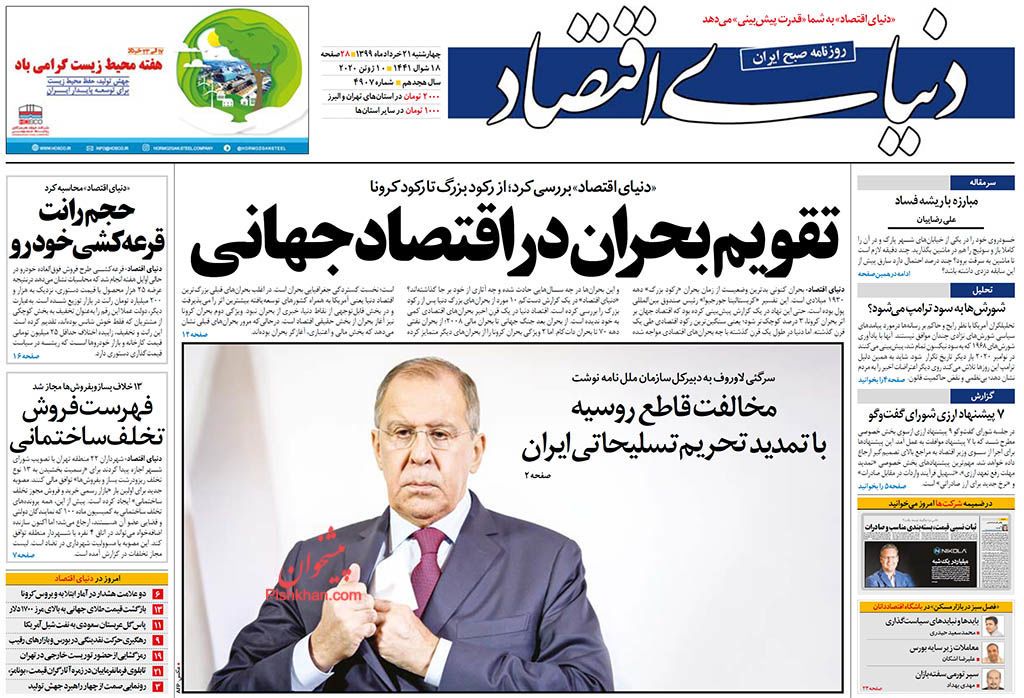
Donya-ye Eqtesad Newspaper:

1- Gov’t Spokesman: Iran Defends Gasoline Deal with Venezuela
2- Big Deal in Afghanistan

A Look at Iranian Newspaper Front Pages on May 18


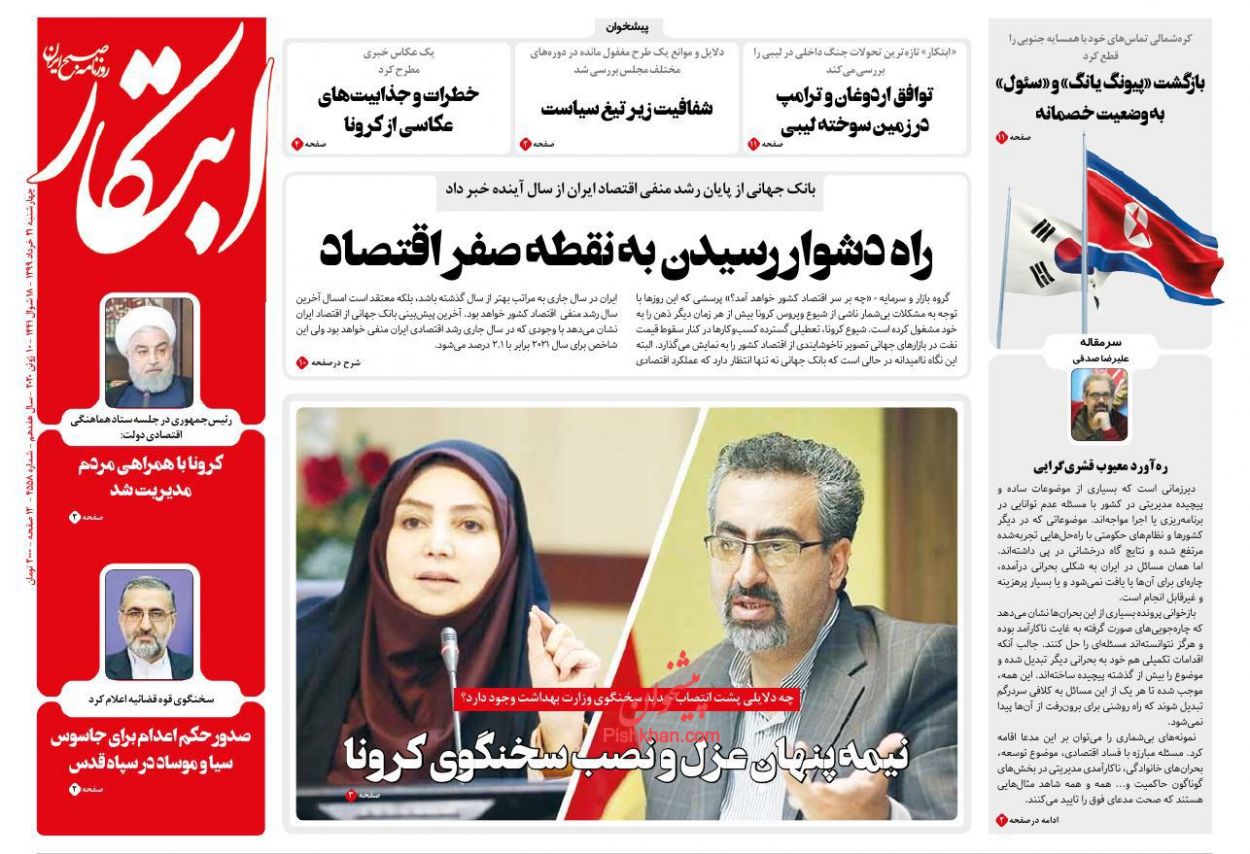
Ebtekar Newspaper:

1- Suspicious Death of Chinese Ambassador in Israel
2- Coronavirus Will Remain with Us for Next Year
* Why COVID-19 Infections Increase, While Deaths Decrease?

A Look at Iranian Newspaper Front Pages on May 18


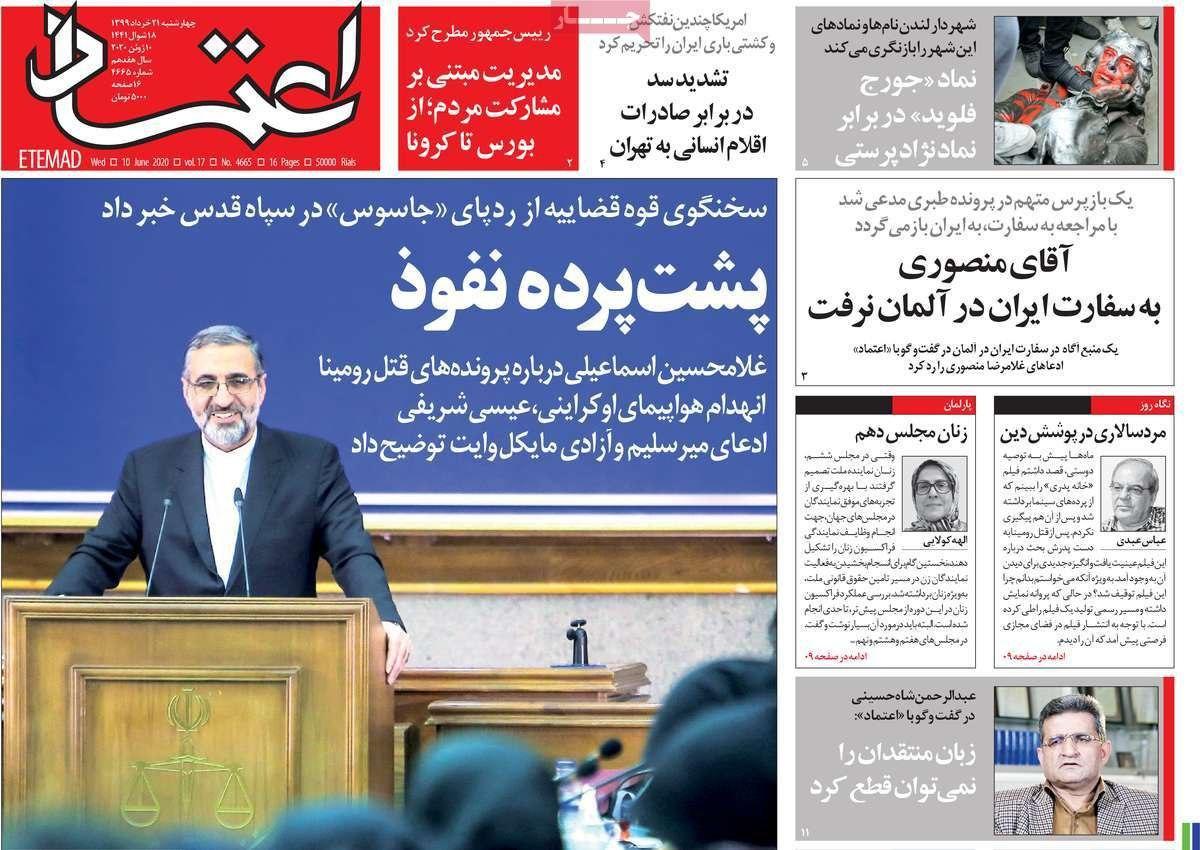
Etemad Newspaper:

1- Iran Leader: Don’t Stop Pursuing Your Causes, Demanding Accountability

A Look at Iranian Newspaper Front Pages on May 18


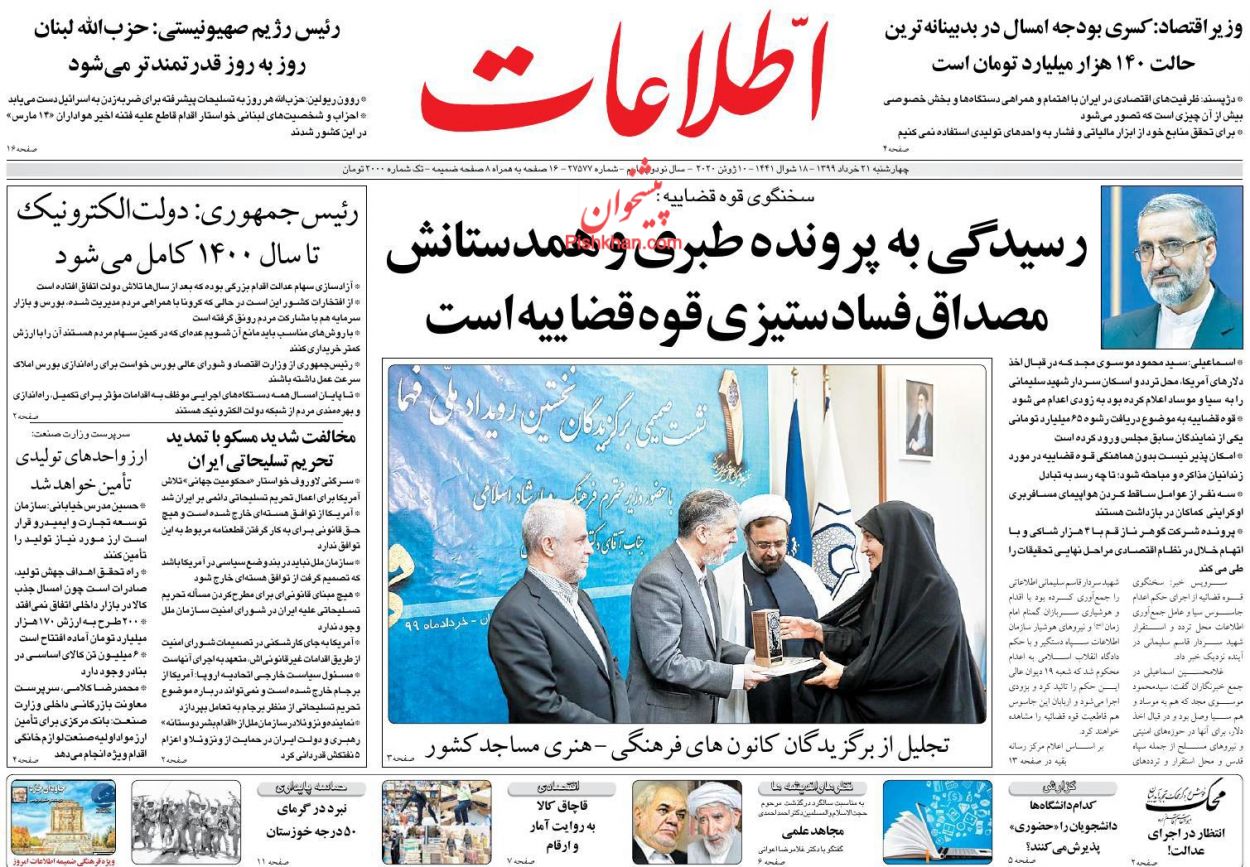
Ettela’at Newspaper:

1- E-Government to Be Fully Launched by March 2021

A Look at Iranian Newspaper Front Pages on May 18


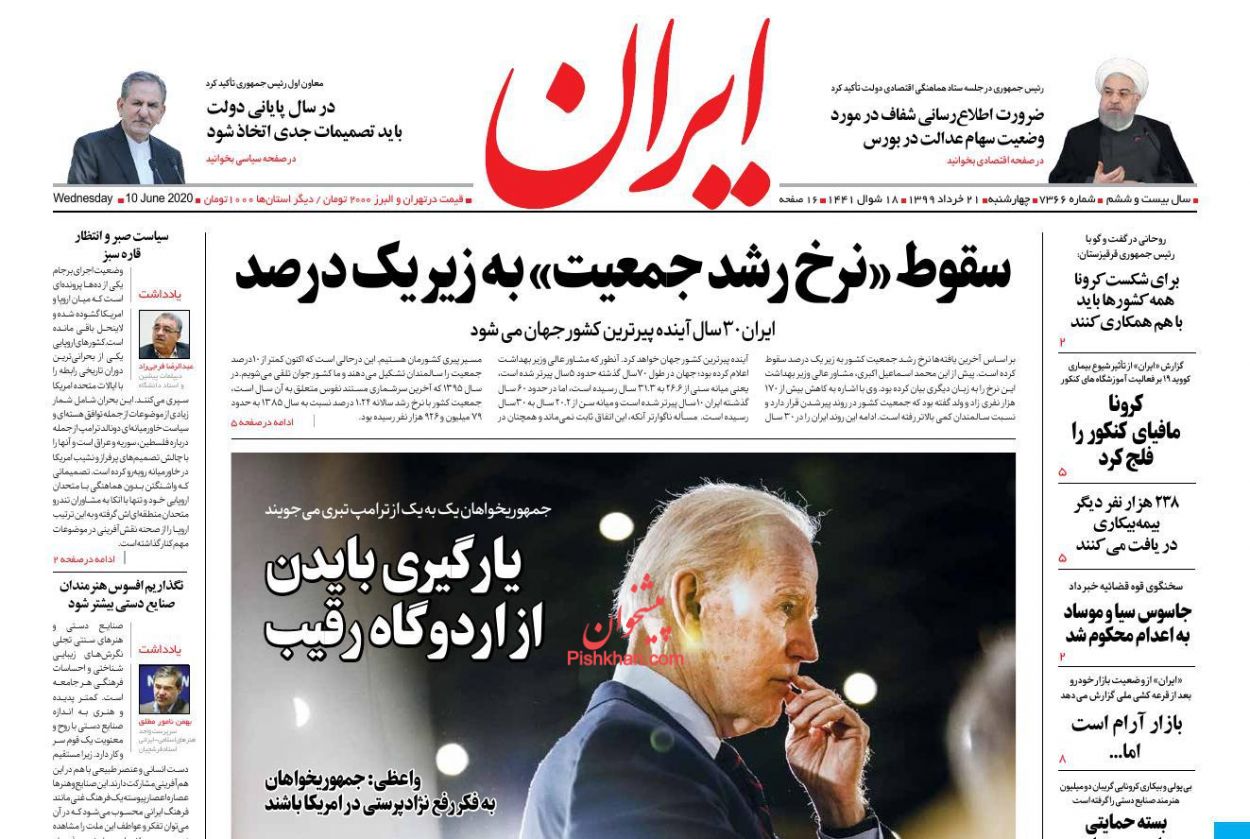
Iran Newspaper:

1- Obama and His Legacies Keeping Trump from Reaching His Goals
2- 1,500 Villages Join Iran’s National Information Network

A Look at Iranian Newspaper Front Pages on May 18


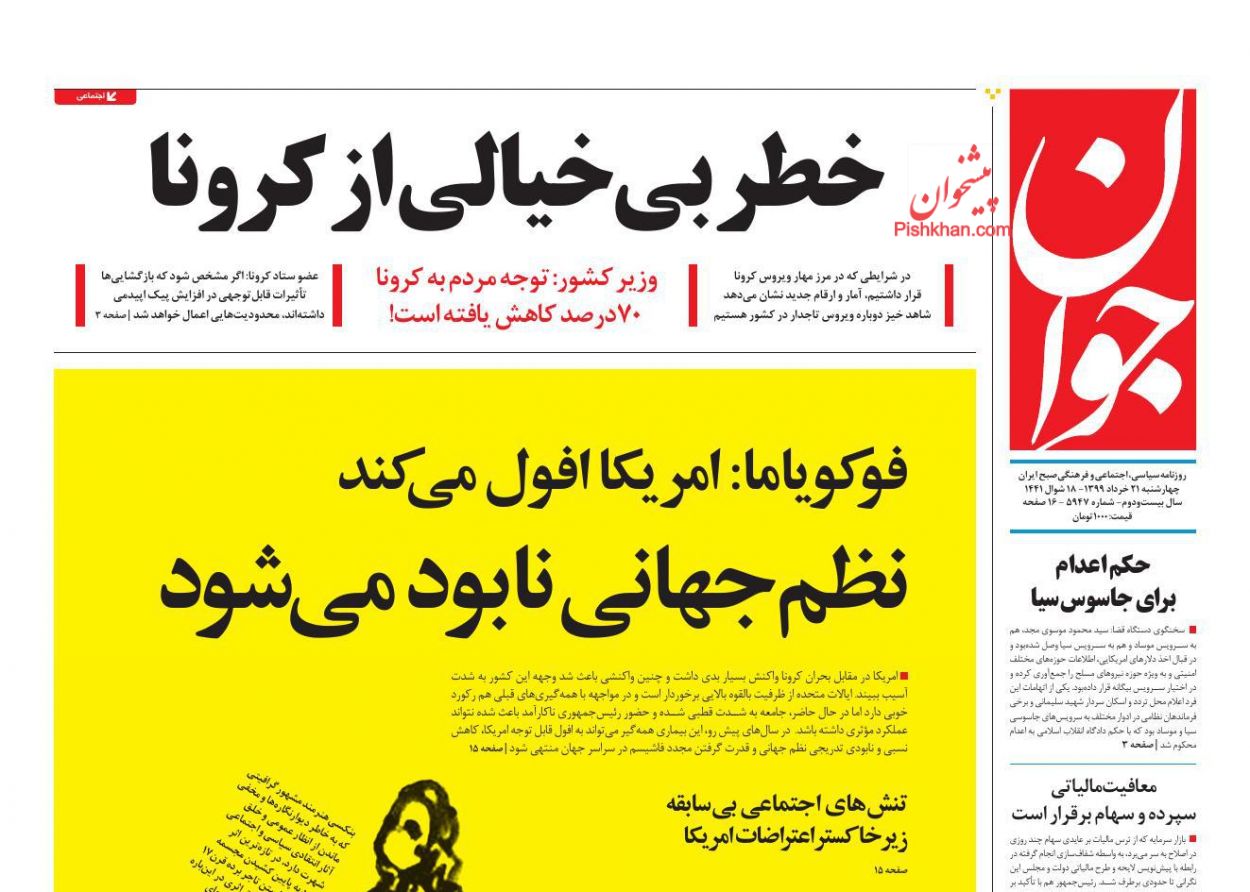
Javan Newspaper:

1- Ayatollah Khamenei: Americans Will Be Expelled from Iraq, Syria

A Look at Iranian Newspaper Front Pages on May 18


Kayhan Newspaper:

1- Fifth Iranian Tanker en Route to Venezuela
2- Pentagon: US Would Lose Any War with China in Pacific Ocean

A Look at Iranian Newspaper Front Pages on May 18


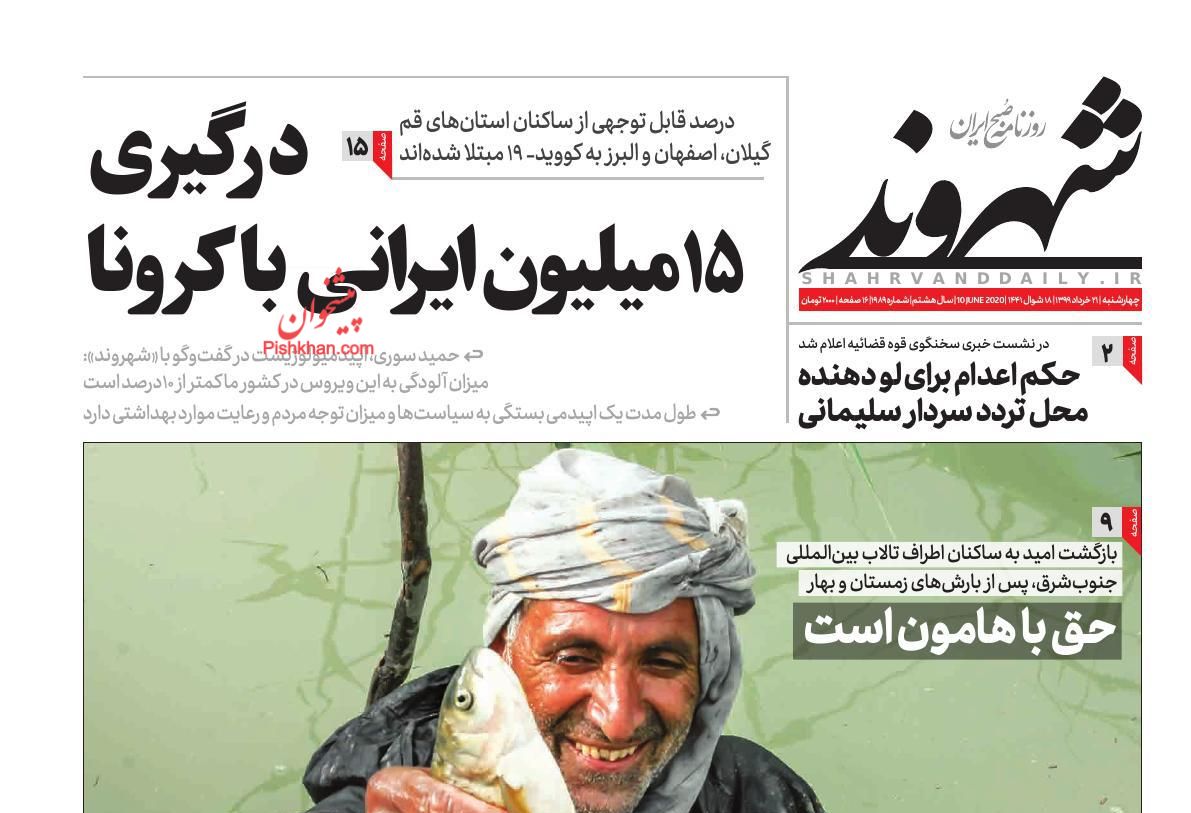
Shahrvand Newspaper:

1- Iran Leader’s Speech Only Program on Agenda of Quds Day This Year
2- Coronavirus Will Remain Until 2022
* Health Ministry’s Figures Show Infections Rising in 8 Provinces
3- Bundesliga Resumed amid COVID-19 Pandemic

A Look at Iranian Newspaper Front Pages on May 18


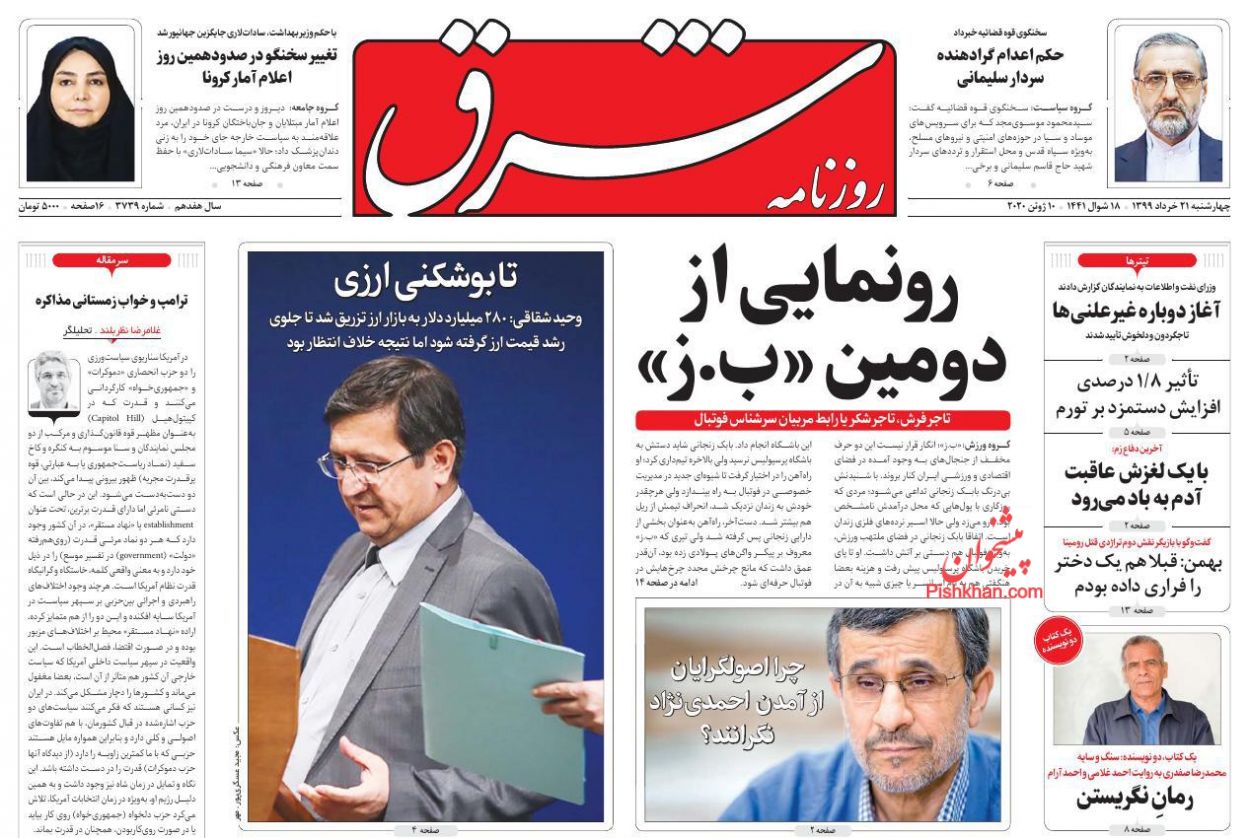
Shargh Newspaper:

1- Damavand Continues to Shake: Earthquakes in Southern Alborz Mountain Not Stopped [Editorial]

A Look at Iranian Newspaper Front Pages on May 18

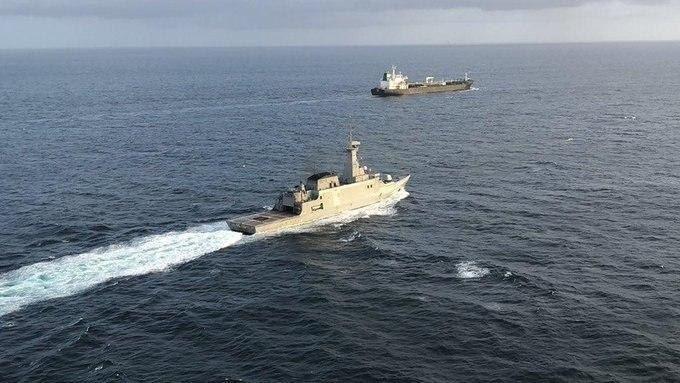
‘US Responsible for Any Foolish Act against Iran’s Venezuela-Bound Tankers’

US Responsible for Any Foolish Act against Iran's Venezuela-Bound Tankers

The US itself will have to suffer the repercussions that arise out of any unthinking measure [that it could take] against the Iranian vessels,” ministry spokesman Abbas Mousavi told reporters during a press briefing in Tehran on Monday.

“Should the Americans take any measure against our vessels’ free and legal movement around, they would face our decisive response,” he warned.

If Washington “does not like a country, this does not give it any grounds to prevent legal trade among countries, [take them under] sanctions, and cause trouble for them,” the official noted.

The Islamic Republic, he said, has delivered a clear caution against any potential American mischief through the Swiss Embassy in Tehran that represents Washington’s interests, the Iranian mission to the United Nations, and also a letter by Foreign Minister Mohammad Javad Zarif to UN Secretary-General Antonio Guterres.

Meanwhile speaking to Press TV, an Iranian military official echoed a similar warning, noting that Iran reserved the right to respond duly to and retaliate any action to target its oil tankers sailing through international waters towards Venezuela.

“International waters should remain safe either for all oil tankers or none,” the military official spoke on the condition of anonymity.

Vessel tracking data have reportedly suggested that an Iranian tanker that had loaded fuel at Bandar Abbas port in southern Iran at the end of March, sailed through the Suez Canal and entered the Atlantic on Wednesday.

An unnamed official with the US administration that has brought both Iran and Venezuela under sanctions, however, told Reuters on Thursday that the shipment was “unwelcome,” claiming “we’re looking at measures that can be taken.”

Mousavi called the threat “shameless” and said America under President Donald Trump was disrupting the world order, ignoring the standing norms, and waging anarchy.

Iranian vessels are bound for Venezuela carrying fuel shipments, Mousavi said, noting that the undertaking faces no legal prohibitions. The development is completely legitimate as opposed to maritime piracy “which is [something that is] mastered by the US.”

Last July, the UK seized an Iran-operated supertanker with US instructions, attacking the vessel in the Strait of Gibraltar. Gibraltar’s government, however, released the vessel in August notwithstanding the US bans.

Iran not counting much on Europe

The official also said Europe had already taken too long to duly cooperate with Iran despite the sanctions that the US returned in 2018 after illegally leaving a historic nuclear deal between Tehran and world powers.

“We are still critical of the Europeans’ inaction and cannot count on them much. We, ourselves, have to take matters further,” he said, but noted that Tehran would still engage in interactions with them.

Iran’s Syria presence

The spokesperson separately addressed the issue of the US and Israel’s unease with Iran’s military advisory presence in Syria.

The Iranian activities “are none of the US and the Zionist regime [of Israel]’s business,” he said, adding that Tehran would keep providing Damascus with the advisory support as long as it was required to.

Regional dialog

Mousavi also addressed the issue of regional relations and reports that Iraqi Prime Minister Mustafa al-Kadhimi’s has expressed willingness to mediate between Iran and Saudi Arabia. Tehran and Riyadh have been without diplomatic relations since 2016.

He said the countries of the region “will not find any better friend than Iran,” noting that Tehran is always open to direct or mediated dialog towards alleviation of any misunderstandings with regional states.

Leader’s address on Quds Day

Mousavi also announced that Leader of the Islamic Revolution Ayatollah Seyyed Ali Khamenei will be addressing “millions across the world” on this year’s Quds Day.

The last Friday of every Ramadan has been called so by the late founder of the Islamic Republic, Imam Khomeini, when millions-strong rallies are held worldwide to denounce Israel’s daily aggression against Palestinians.

Iran Reaffirms Support for Iraq, Urges Boost to Bilateral Trade

Iran Reaffirms Support for Iraq, Urges Boost to Bilateral Trade

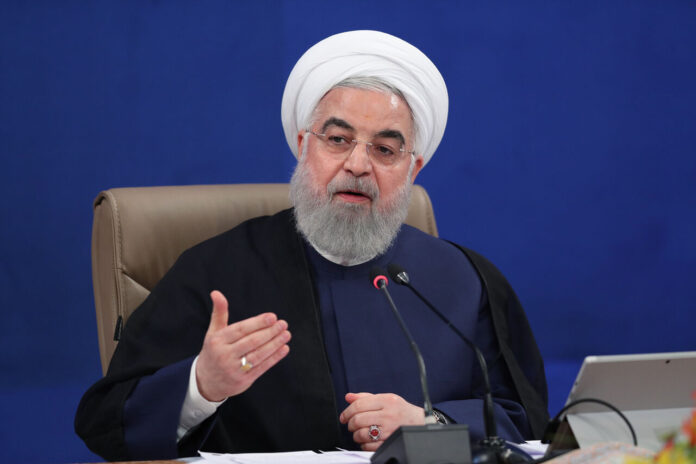
In a telephone conversation with President of Iraq Barham Salih on Monday, President Rouhani gave an assurance that Iran’s principled policy entails the enhancement of cooperation and relations with Iraq in all fields.

“The Islamic Republic of Iran will stand by the Iraqi government and nation like the past, and calls for the protection of Iraq’s sovereignty and non-interference from the foreign powers in the fate of this country’s (Iraq’s) nation and government,” the Iranian president underscored.

He further stressed the need for the expansion of economic cooperation between Iran and Iraq, saying, “We must try to restore the trade exchanges between the two countries to the previous course in full conformity with the health instructions along the entire common borders.”

President Rouhani also expressed hope that the joint plans by the two neighbours would raise the level of bilateral economic ties.

Congratulating his Iraqi counterpart in advance on the occasion of Eid al-Fitr, President Rouhani expressed satisfaction with the fact that the political processes in Iraq have yielded positive results, all Iraqi groups and tribes have joined hands, and the new Iraqi government has been formed after being approved by the Parliament.

“Political stability in Iraq is important for the region, and this process will be surely a prelude to restoration of Iraq’s prominent role in the region,” the Iranian president noted.

The region is currently struggling with a host of problems, such as the plummeting oil prices, the coronavirus pandemic, the security challenges, and, above all, the American interference in the internal affairs of the countries, President Rouhani noted, adding, “The promotion of relations and cooperation between the friendly governments and nations in all fields could help overcome the problems.”

For his part, the Iraqi president tendered congratulations on Eid al-Fitr at the end of the holy month of Ramadan, hailed the suitable level of ties between Baghdad and Tehran, and stressed the need for the officials of the two countries to push for the expansion of relations in various fields.

Highlighting the significance of political relations between the two neighbours, President Salih said, “Stability and security in Iraq requires cooperation from the friendly and neighboring states, particularly the Islamic Republic of Iran.”

Pointing to the political efforts and activities for bringing various Iraqi groups, parties and tribes together to elect a new prime minister, the president emphasized, “Ensuring Iraq’s sovereignty and supremacy is an undeniable necessity that must be recognized in making decisions about the future of this country.”

“The foreign powers must not interfere in deciding the fate of this country,” the Iraqi president underlined.

Deploring the “destructive acts of interference” from the outsiders in the region, President Salih noted, “The Middle East region cannot withstand new crises, so that the interference from the aliens in the region must end immediately.”

Iraq’s new prime minister took office on May 6 after the Iraqi parliament approved a new government following nearly six months of political wrangling.

The Iranian administration has already pledged unwavering support for the new Iraqi government.

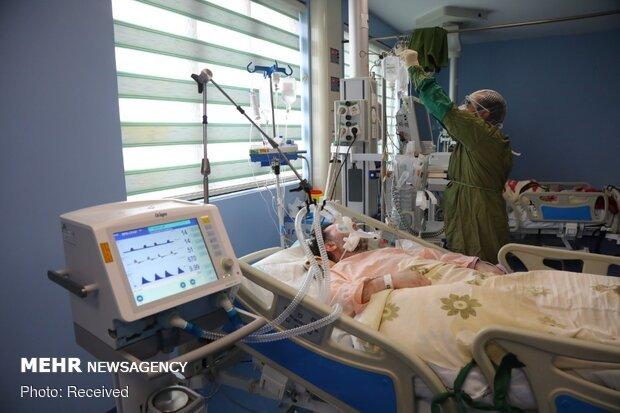
Iran’s COVID-19 Death Toll Surpasses 7,000

Iran Reports over 2,350 New Cases of COVID-19 Infection

In his Monday press briefing, Kianoush Jahanpour confirmed 2,294 new cases of COVID-19 infection, raising the total number of cases to 122,492.

He said 95,661 patients have so far recovered from the disease, and been discharged from hospitals across the country.

2,712 patients are also in severe conditions of the disease, he added. So far, Jahanpour noted, 701,640 COVID-19 tests have been taken in Iran.

Coronavirus online test
If you are worried that you may have contracted the Coronavirus, take this test right now.

Iranian Lawmakers Endorse Anti-Israel Motion ahead of Quds Day

Iranian Lawmakers Endorse Anti-Israel Motion ahead of Quds Day

According to the motion, which was unanimously endorsed by the Parliament in a Monday session, companies affiliated with Israel will be banned from participating in any international exhibition, conference, congress, and seminar held in Iran.

The use of any Israeli-made hardware and any software platform belonging to Israel will be prohibited in Iran.

No Iranian company will be allowed to offer services to these platforms. Any violation will result in prison term and other punishments, the motion said.

Any intelligence cooperation with or spy activity in favour of Tel Aviv will be regarded as “Corruption on Earth” and will be punished in severest form (death penalty).

It is also illegal for Iranian officials to hold any political cooperation, deal, interaction or exchange of information with official or non-official figures and bodies affiliated with Israel. Any violation of this ban will result in imprisonment and permanent removal from official positions.

The motion also bans any direct or indirect intentional assistance for Israel – in security, military, political, cultural, media, and economic fields – which helps reinforce or recognize the Zionist regime.

Any transit of goods produced by companies affiliated with Israel through the Islamic Republic of Iran is illegal. Any Zionist living in the occupied territories will also be banned from entering Iran. Any violation of this article will result in imprisonment and deportation.

Meanwhile, the Iranian Foreign Ministry is obliged to lay the groundwork for the creation of the Islamic Republic’s Virtual Embassy in Palestine within six months, and submit the results for approval to the cabinet.

In so doing, the Ministry was required to conduct consultations with the countries that it saw fit, the motion said.

The Ministry was also asked to pursue Iran’s initiative for “realization of nationwide referendum in Palestine” — a plan that the Islamic Republic has devised with emancipation of the territories from Israeli occupation in mind.

Iran’s Attorney General was, meanwhile, tasked to work in cooperation with the Ministry and other relevant domestic and foreign bodies towards prosecution of Israeli officials at competent tribunals for their “atrocities”.

The government was also required to try preventing the prospect of any normalization with Tel Aviv on the regional scale and among the world’s Muslim countries, and outline the “Zionism worse than Apartheid” mindset across various international organizations.

The Islamic Republic’s cultural bodies, including the Ministry of Culture and Islamic Guidance and the Islamic Republic of Iran Broadcasting (IRIB), were assigned the task of engaging in extensive cultural activity aimed at “exposing the Zionist regime’s nature and atrocities.”

Is Bin Salman Sincere in Offering Olive Branch to Iran?

MbS Mohammad bin Salman

Mohammad Shariati Dehaghani, a former Iranian envoy to the Organization of Islamic Cooperation, says “basically, news whose authenticity is not backed up by evidence is not believable.”

“In politics, there should always be behind-the-scenes stuff and reports that would verify the trend of détente,” he told Entekhab news website.

“Saudi Arabia’s behaviour in Yemen, Iraq, Lebanon, Syria and the whole Middle East region do not bear witness to Riyadh’s true demand that Baghdad mediate between Iran and Saudi Arabia,” he added.

“Also, one should bear in mind that despite some local problems that Saudi Arabia is facing such as oil issues, economic problems and some differences with the United States in different areas, still we are not seeing any field action in that regard,” said the analyst.

“At another level, the United Arab Emirate (UAE)’s behaviour with regards to the normalization of relations with Iran cannot be taken so seriously,” he added.

“Currently, we are seeing that anti-Iran propaganda is still going on in Saudi media. Saudi media’s anti-Hezbollah stance as well as their dealing with the Yemen crisis and a push to extend the UN arms embargo on the Islamic Republic all have an-anti Iran tendency,” he said.

“Still, there is no fixed trend for politics and one should wait and see how developments will play out in the future,” the expert added.

In this interview, the analyst said neither Iran, nor Saudi Arabia benefit from animosity, and both sides must bury the hatchet and normalize their relations.
He further touched upon the requisites for the normalization of Tehran-Riyadh ties.

“At the first level, we believe that the main and key prerequisite to détente and the commencement of talks between Iran and Saudi Arabia is to moderate the climate of propaganda and media war between the two sides. To that end, responsibility lies with Riyadh more,” he said.

“Both before and after the coronavirus outbreak, the Islamic Republic of Iran time and again emphasized the necessity of regional détente and dialogue, and has dismissed the presence of foreign forces as a detriment to regional security,” he said.

“Tehran has also stressed the need for regional cooperation to counter COVID-19; however, Saudi Arabia’s mass and social media have all, directly or indirectly, focused their efforts on anti-Iran propaganda,” he added.

“Therefor, a halt to propaganda campaigns could be the first, and of course a practical step between the two sides,” he added.

“As political will began to get underway, and is underway, with regards to detente with the United Arab Emirates, it also seems necessary to start the process of détente with Saudi Arabia. Of course, even with regards to the UAE, there is a long way to go; however, such a trend has not started yet with regard to Saudi Arabia,” he added.

“Moreover, one should bear in mind that one of the manifestations of Saudi Arabia’s real intention of reaching détente with Iran would be for Riyadh to stop the trend of normalization of ties with Israel, which has seriously been pursued over the past years,” he said.

He also expressed his views on what solutions he offers to manage future relations between Tehran and Riyadh.

“Definitely, one of the most necessary strategies in our country’s foreign policy arena would be no normalize relations with Saudi Arabia. Basically, regardless of its detriments, animosity with Saudi Arabia will have no benefits for our country,” he said.

“Unfortunately, political rulers in Saudi Arabia still believe their interests lie in being hostile to Iran and try to change enmity with Israel to animosity with Iran in order to please Trump,” he added.

“Still, we believe that we should welcome any opportunity that would led to the normalization of ties and easing of animosity between the two countries,” he said.

“Again I emphasize that there has been no evidence, yet, which suggest Saudi Arabia really favours détente with Iran, but what is certain is that neither side will benefit from enmity, and the normalization of relations can serve both sides’ interests and help solve their economic and political problems,” said the analyst.

Historic Polo Field Found in Western Iran

Historic Polo Field Found in Western Iran

Director of the Iranian Ministry of Cultural Heritage, Handicrafts, and Tourism’s office in Lorestan Province said archaeologists and anthropologists have discovered the old sports field near the city of Aligudarz.

The findings include major architectural and historic elements from the first polo filed in the province of Lorestan and the third one discovered in Iran, the official said.

The collection recently unearthed in the area involves four standing stone pillars used as the goal posts of the polo field, one of which bears an inscription in the Persian language, the ministry official added.

The historic polo field is located near ‘Khalilabad’ village down the mountainsides of ‘Qali Kooh’ and ‘Oshtoran Kooh’, the director noted, saying the field will be put on the list of the tourist attractions of the province considering its proximity to two popular tourists sites, ‘Ab Sefid Waterfall’ and ‘Shool Abad’.

An archaeology expert has provided more details of the new findings, saying the inscription on the stone post of the polo field has been inscribed with the shape of a blossom and a mushroom, and contains four hemistiches of a Persian poem dating back to 1704 AD, around the final ages of the Safavid dynasty ruling in Iran.

The contents of the inscription reveal that “Yahya bin Yusuf”, a prominent ruler of Bakhtiari tribe in the Safavid era, had ordered the construction of an edifice within sight of the polo field, Ata Hassanpoor explained, saying the smoothly-carved stone remains scattered in the area show how magnificent and large the edifice had been.

The newly-unearthed site is the third historic polo field discovered in Iran after the ones in the cities of Isfahan and Qazvin, the archaeologist noted, saying the polo field of Lorestan has stone poles that resemble those of Naqsh-e Jahan Square in Isfahan, known as the oldest polo field in the world.

The Safavid rulers, reigning from 1501 to 1736, were fond of the national Persian sport of polo.

Polo is a team sport played on horseback. The objective is to score goals against an opposing team. Players score by driving a small hard white ball into the opposing team’s goal using a long-handled wooden mallet.


Related articles:

Omar Khayyam; Eminent Polymath Who Married Science with Literature

Omar Khayyam; Eminent Polymath Who Married Science with Literature

In his message, he commended late Omar Khayyam, a renowned Persian poet, mathematician, astronomer and philosopher.

“Since past times, Islamic Iran has been the cradle of shining stars and glittering suns, who have generously spread beams of understanding, courtesy and wisdom across the globe,” read part of the message.

“One of the brilliant figures in the culture and literature sky of Iran is Omar Khayyam Neishaburi, the sage, whose grand personality is the confluence of two unfathomable seas and two roaring rivers of science and wisdom, along with Iranian and Islamic literature and understanding,” read the message.

Iran in Photos: Tomb of Omar Khayyam
Iran Culture in Photos: Tomb of Omar Khayyam

“Khayyam is a literary figure and scientist who married science and literature. Although he has only a few poems, he is one of the most renowned Iranian poets in the world,” said the message.

The minister also touched upon the large number of translated versions of Khayyam’s poems, saying the world is amazed by his poems.

In his message, the minister underscored that Khayyam can serve as a role model for all knowledge-seekers, especially the younger generation.

May 17 – Omar Khayyam Day Celebrated in Iran

Vice President Urges Development of Digital Economy in Iran

Vice President Urges Development of Digital Economy in Iran

In a meeting with ranking officials from the Ministry of Information and Communications Technology on Sunday, the Iranian vice president said the global economy is rapidly moving towards digital computing technologies.

“If we ignore the digital economy, our economy will lag behind the cycle of world economy, because the global economy is moving towards digitization with a rapid acceleration,” Jahangiri added.

Pointing to the worst economic downturn in the world over the past 100 years in the wake of outbreak of the coronavirus pandemic, the vice president called for efforts to study various social, economic and cultural aspects of the rapidly-changing developments and to identify the relative advantages of the situation.

He further stressed the need to develop the necessary social and legal infrastructures for the post-coronavirus era, noting that the Ministry of Information and Communications Technology will be the epicenter of all plans and arrangements for the new age.

Paying tribute to the ICT Ministry and the private sectors affiliated with the ministry for their “stellar performance” after the outbreak of COVID-19, Jahangiri said, “All of the country’s development plans and ongoing issues have been affected by the coronavirus today. In other terms, the coronavirus has turned into the main compass for policy-making and management of the country, because during the outbreak of the disease, serious attention must be paid to the health of people and a balance must be created in the other sectors as well, as in the economic sphere.”

Highlighting the key role of the start-ups in fulfilling the digital economy goals, the Iranian vice president emphasized the need for good investment in the start-ups, knowledge-based companies and the private sector, which he said must regulate the economy in practice.

He also touched on the leading role of the ICT Ministry in providing distance learning programs after the coronavirus outbreak, saying the influential ministry must also conduct a detailed analysis of the economy in the coming years to devise plans for technical and vocational schemes to attain the digital economy objectives.

Jahangiri further praised the ICT Ministry for formulating space programs, including the recent launch of a homegrown satellite in cooperation with the domestic universities.

“The development and completion of the National Information Network, which is a basic need of the country, could usher in the era of modern governance and administration in the country, by relying on which we could introduce a new administrative system to the country,” he added.

The vice president finally stressed the importance of implementing the electronic government scheme in Iran, saying the ICT Ministry has devised 23 projects with high priority to meet the requirements of an electronic government which is expected to fully come into force by March 2021.

“Development of the electronic government will provide all citizens with online access to broad services, will contribute to transparency and prevent corruption, and could also result in public satisfaction,” Jahangiri concluded.
In December 2019, Iranian ICT Minister Mohammad Javad Azari Jahromi said the world’s future would be shaped by digital economy, calling for plans to promote mutual cooperation with Turkey to enable Tehran and Ankara to have a share of the digital economy.

In a meeting with Turkey’s Deputy Minister of Transport and Infrastructure, Azari Jahromi has explained that the digital economy is based upon artificial intelligence, noting, “The truth is that artificial intelligence (technology) would not be acquired with slogans. We must try to create wealth in two spheres, the artificial intelligence and the data sciences.”