Monday, December 22, 2025
Home Blog Page 2801

Iran Supports One-China Policy amid Controversy over Hong Kong Security Law

Iran Condemns US Oil Deal with Syrian Kurdish Group

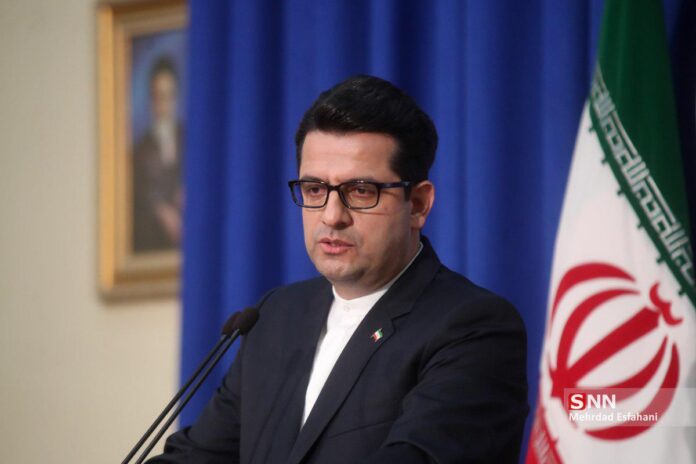
In a statement on Sunday, Foreign Ministry Spokesman Seyyed Abbas Mousavi emphasized that “non-interference in the affairs of the other countries, protection of the territorial integrity of the world countries and respect for their national sovereignty” are among the clear and immutable principles in the foreign policy of the Islamic Republic of Iran.

“Based upon such principles, the Islamic Republic of Iran emphasizes the importance of respecting the ‘One-China’ policy, condemns any foreign interference in the internal affairs of the People’s Republic of China and any harm to that country’s national sovereignty and territorial integrity, and stresses the need for enforcing law and keeping order for the stability, welfare and security of people of Hong Kong,” he added.

His comments came after the National People’s Congress of China, which opened its annual session on Friday, announced a plan to impose national security legislation on Hong Kong. The proposed law would allow the Chinese authorities to set up agencies and carry out their duties in the territory.

China’s Foreign Ministry says the countries voicing opposition to, or concern over, the planned national security law for Hong Kong should stop interfering in China’s internal affairs.

Iran’s First Tanker in Venezuela to Deliver Much-Needed Gasoline

Venezuela’s Special Envoy Lauds Iran for Fuel Shipments

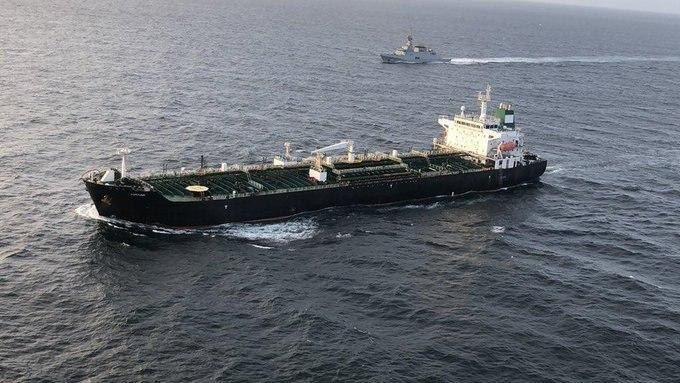
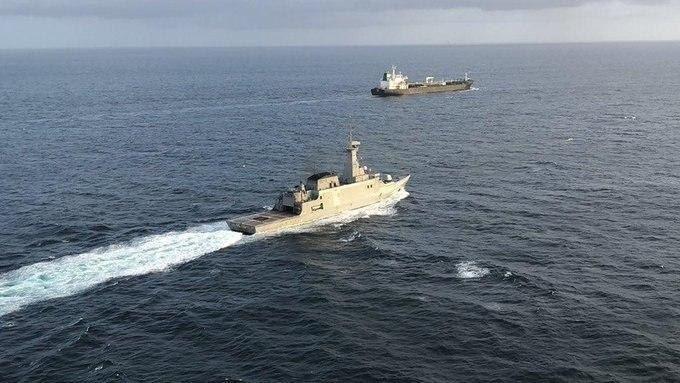
The ships of the sister Islamic Republic of Iran are in our exclusive economic zone,” Venezuelan oil minister Tareck El Aissami wrote on Twitter.

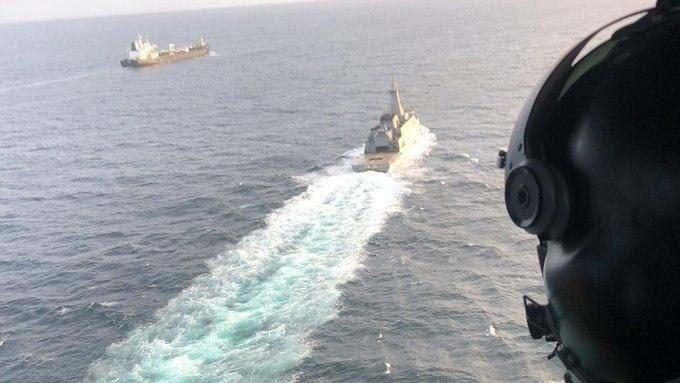
“Ya los buques de la hermana República Islámica de Irán 🇮🇷 se encuentran en nuestra Zona Económica Exclusiva, como diría nuestro amado Comandante CHÁVEZ, “La VENEZUELA AZUL”, acompañados por nuestra ARMADA BOLIVARIANA como símbolo de la hermandad y de la fortaleza de nuestra unión

— Tareck El Aissami (@TareckPSUV) May 24, 2020″

His tweet came after the arrival of the first tanker, named Fortune, which was escorted by the Venezuelan armed forces after entering the country’s waters.

Iran's First Tanker in Venezuela to Deliver Much-Needed Gasoline

The five tankers are reportedly carrying about 1.5 million barrels of gasoline.

The shipment comes amid tensions between Tehran and Washington, which has imposed sanctions on Venezuelan oil exports and Iran.

Iran’s President Hassan Rouhani on Saturday warned of “consequences” if the US stopped the ships from reaching their destination.

Iran's First Tanker in Venezuela to Deliver Much-Needed Gasoline

Iran Congratulates Lebanon on Liberation Day

Iran Congratulates Lebanon on Liberation Day

In a Sunday message to his Lebanese counterpart Michel Aoun, President Rouhani congratulated the government and nation of Lebanon on the anniversary of the “major and glorious victory” against the Israeli occupiers.

“The historic victory that was achieved with the fortitude and resistance shown by the Lebanese men and women is a medal of honour shining on the chests of all the people of Lebanon, and demonstrated that the struggle against bullies, aggression and occupation leads to victory and fulfillment of the divine promise,” President Rouhani noted.

The Iranian president also noted that a key factor in the continuation of Lebanon’s success in the fight against the “Zionist and Takfiri” enemies and in thwarting the hostile plots has been “the rapport and solidarity of the Lebanese people in light of the government, the army and the resistance.”

“I am confident that people of Lebanon will never forget this strategic choice,” President Rouhani noted.

He finally wished President Aoun health and success and growing prosperity for the people of Lebanon.

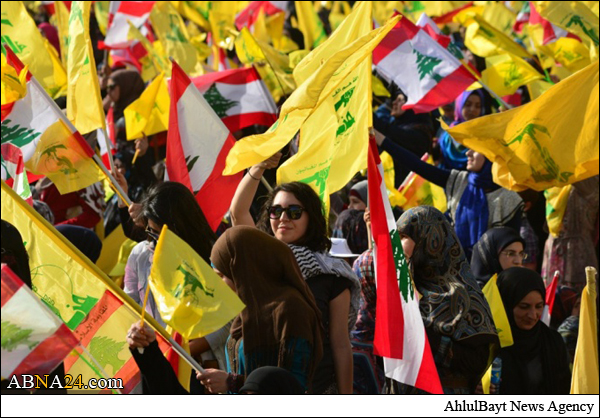
Lebanon is celebrating the 20th anniversary of the end of Israel’s two-decade occupation of south Lebanon, known as the Liberation Day.

Israeli forces were forced to withdraw on May 24, 2000 after persistent attacks by Lebanese resistance factions that included Hezbollah Movement.

Despite its withdrawal from Lebanon, Israel continues to occupy strategic hills and plains of the Arab country. The two sides also have disputes over their maritime borders.

COVID-19 in Iran: Total Number of Cases Exceeds 135,000

Iran's Daily COVID-19 Fatalities Down to 147

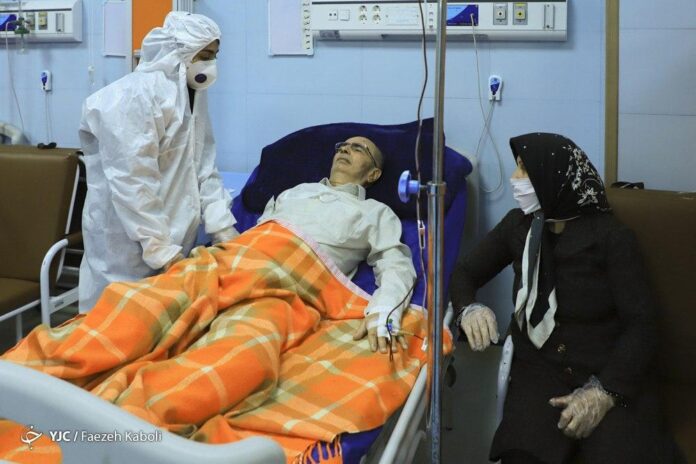
In his Sunday briefing, Kianoush Jahanpour said 58 people have died of the virus in the past 24 hours, bringing the total number of fatalities to 7,417.

No death has been reported in 13 provinces during the past 24 hours, he added.
The spokesman said 105,801 patients have so far recovered from the disease, and been discharged from hospital.

2,615 patients are also in severe conditions of the disease, he added.
Jahanpour noted that 800,519 COVID-19 tests have been taken across the country.

Coronavirus online test
If you are worried that you may have contracted the Coronavirus, take this test right now.

Iran, Turkey Move to Reopen Land, Air Borders

Rouhani Congratulates Erdogan on Turkey's National Day

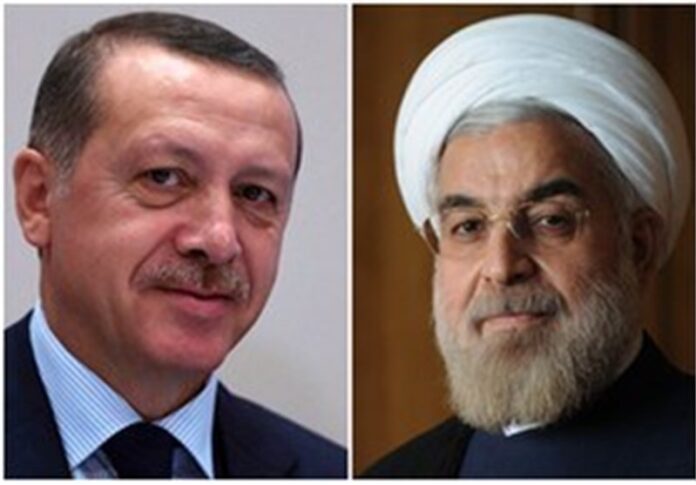
In a telephone conversation on Sunday, Iranian President Hassan Rouhani and his Turkish counterpart Recep Tayyip Erdogan called for the immediate reopening of the land and air borders between the two countries in conformity with the health protocols to contain the spread of coronavirus.

Citing the global economic problems caused by the outbreak of the coronavirus pandemic, the two presidents called for the resumption of the trade exchanges and freight services between Iran and Turkey.

They also expressed hope that a new session of Iran-Turkey Joint Economic Cooperation Commission in the near future and after settlement of the coronavirus crisis would give fresh impetus to the economic collaboration between the two Muslim neighbours and help implement the previous bilateral agreements.

Hailing the history of close cooperation between Tehran and Ankara, the two presidents stressed the need to promote interaction and share the experiences and knowledge in the fight against COVID-19.

“In the current situation, reopening of the land and air borders in conformity with the health protocols and the resumption of the trade and commodity exchanges is a must for both countries,” President Rouhani underlined.

For his part, President Erdogan emphasized that the mutual cooperation and sharing experiences in the battle with the novel coronavirus will be highly effective.

Emphasizing the importance of expansion of economic and trade ties with Iran, the Turkish leader said he will be issuing the necessary orders to reopen the border crossings and restart the trade exchanges with Iran.

The outbreak of coronavirus epidemic in February led to the closure of common border between Iran and Turkey, cancelled the flights, and greatly reduced the trade interaction between the two neighbours.

Magnitude 5.2 Quake Hits Western Iran

Another Mild Quake Strikes Iranian Capital

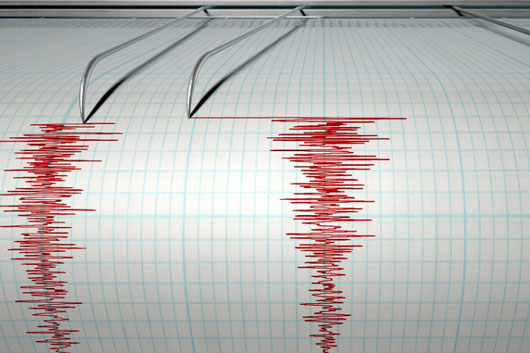
According to the Seismological Centre of the Institute of Geophysics of Tehran University, the quake hit an area near Dogonbadan in Kohgiluyeh and Boyer-Ahmad at 13:41 p.m. (local time) on Sunday.

The epicentre, with a depth of 10 km, was determined to be at 30.36 degrees of north latitude and 50.65 degrees of east longitude.

Data from the seismological centre showed the location of the quake at 14 km from Dogonbadan and 41 km from Sardasht in Khuzestan province.

There have been no reports of casualties yet.

Iran is one of the most seismically active countries in the world, being crossed by several major fault lines that cover at least 90% of the country. As a result, earthquakes in Iran occur often and are destructive.

In November 2018, the western province of Kermanshah was hit by a major 7.3-magnitude quake that killed 620 people according to the latest toll.

The deadliest quake in Iran’s modern history happened in June 1990. It destroyed the northern cities of Rudbar, Manjil, and Lushan, along with hundreds of villages, killing an estimated 37,000 people.

Bam in the country’s southeastern province of Kerman witnessed a strong quake in December 2003 which killed 31,000 people.

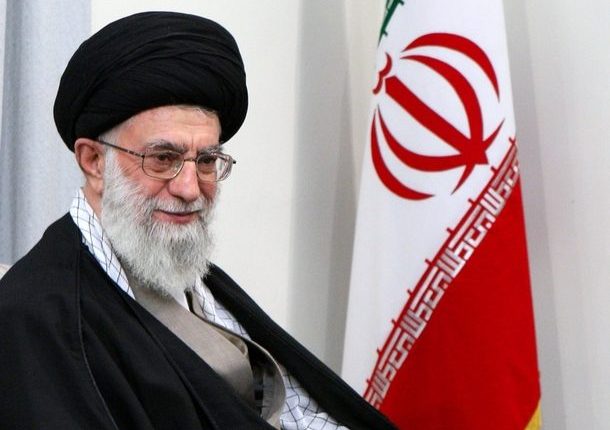
Iran’s Leader Grants Clemency to 3,721 Inmates on Eid al-Fitr

Iran Leader Grants Clemency to Large Group of Iranian Inmates

The pardon was granted at the request of the country’s Judiciary Chief Ebrahim Raisi on the occasion of Eid al-Fitr, one of the most important Islamic festivals.

Several political prisoners, including a number of university students, the workers of Haft-Tappeh factory, and those arrested on the International Labour Day protests are among the inmates who were granted clemency.

Article 110 of the Constitution grants the Leader the right to pardon or reduce the sentences of convicts upon a recommendation from the head of the Judiciary.

The clemency, however, does not apply to all types of convicts, including those who have been sentenced for their role in armed struggle against the country, armed or organized drug trafficking, rape, armed robbery, arms smuggling, abduction, bribery and embezzlement.

Eid al-Fitr, also called the Feast of Breaking the Fast, is an important religious holiday celebrated by Muslims worldwide.

The religious festival is a day that Muslims are not permitted to fast on that specific day.

The holiday celebrates the conclusion of the 29 or 30 days of dawn-to-sunset fasting during the entire month of Ramadan. The day of Eid, therefore, falls on the first day of the month of Shawwal.

Iran Congratulates Muslim World Leaders on Eid al-Fitr

Iran Congratulates Muslim World Leaders on Eid al-Fitr

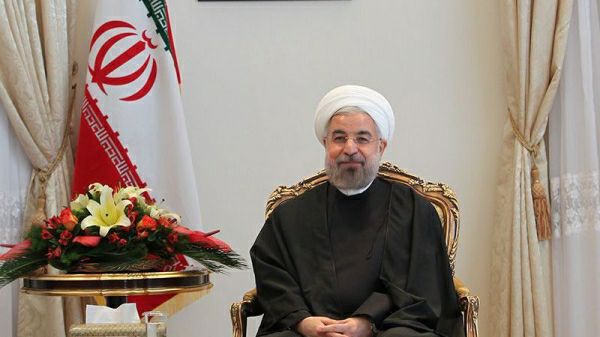
In separate letters to the leaders of Muslim world on Saturday night, President Rouhani said, “Eid al-Fitr is a moment of true celebration to pass the divine test and the season of happiness of the righteous servants who have not spared any effort to reach God and have not neglected the right path.”

President Rouhani expressed hope that with the blessing of the Eid, thanks to the efforts of scientists and specialists, we will be able to overcome the challenges, adversities and problems facing human beings today, especially the novel coronavirus, to achieve health, security, peace and provide growing peace for our nations in the Islamic countries and for people all around the world.

Rouhani also asked the Almighty honour and happiness for all Muslims around the globe.

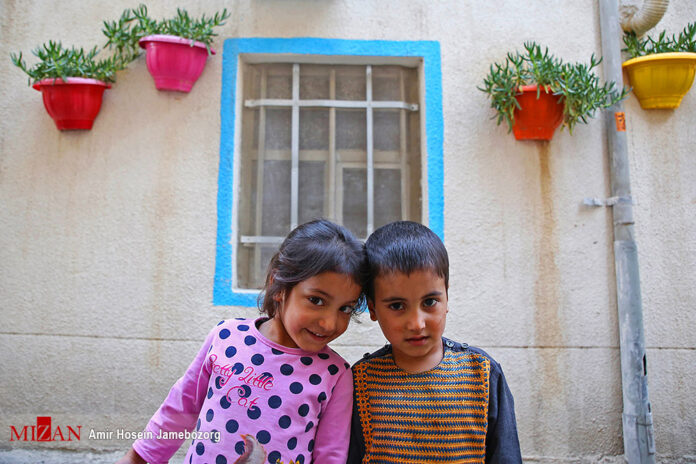
Poor Tehran Neighbourhood Decorated with Colourful Flowers

Poor Tehran Neighbourhood Decorated with Colourful Flowers

This is the “Hope” alley in the heart of Ostad-Moein Neighbourhood, downtown Tehran.


Revs Check Australia: What If You Skip This Important Step?

For others, it may mean checking many used cars to see which one is offering the best deal. Everyone will have a different experience when it comes to used car shopping. There is one process that should always be kept in mind though, especially if you live in the west part of Australia: REVs check Australia.

What does it mean to conduct REVs (Register of Encumbered Vehicles) check? The procedure involves extracting information about the vehicle from the government’s database. Its main aim is to protect used car consumers from getting involved in fraudulent car transactions. Because every vehicle in the area must be registered it is quite easy to obtain that information. The process does not take that long either. Too bad, some people skip this important step when purchasing a secondhand car.

What can happen if you skip on doing REVs check Australia? You should know that it is riskier to purchase used car than the new one. When purchasing a new car, you can go to the official dealer. A new car also comes with warranty card and other kits from the manufacturer to ensure its originality. That is not the case with a secondhand car. To know the origin of the car, you have to mostly rely on word of mouth from the dealer or seller. Luckily, since the Australia government launched PSPR (Personal Property Securities Register), there is a way to obtain valid and objective information about a used car.

Skipping this step will increase the risk of purchasing a stolen car. In the western part of Australia (particularly in the Perth area), car theft happens at a frequent rate. The thefts will attempt to sell these cars as secondhand properties. It is harder to track down such a car if the transaction happens person-to-person with buyers being unaware of the cars’ origins. The buyer who does not check the car’s history may end up facing vehicle impoundment. Not only that, but the buyer might also become a suspect of car theft and have to deal with legal consequences.

Another risk that one may face for skipping this step is repossession caused by an unfinished loan. The previous owner may take a loan to finance the car or used it as collateral to obtain a loan. There are guileful people who sell their cars even if the loans on them have not been paid off. It is easy for them to just run away after selling the car while the buyer must bear the brunt of that loan. Some lucky owners are able to keep the cars’ ownerships after proving legal deals. However, it is not rare to see cases where the vehicles being confiscated by financing companies.

REVs check Australia gathers information from the local government’s database (which has now being integrated nationally too). The information includes details of registration, stolen vehicle checking, outstanding finance checking, and insurance write-off record. Since the process is affordable, convenient, and fast, there is no reason to skip it.