Sunday, January 18, 2026
Home Blog Page 2730

Iranian, Swiss Top Diplomats Hold ‘Fruitful’ Talks in Tehran

Iranian, Swiss Top Diplomats Hold ‘Fruitful’ Talks in Tehran

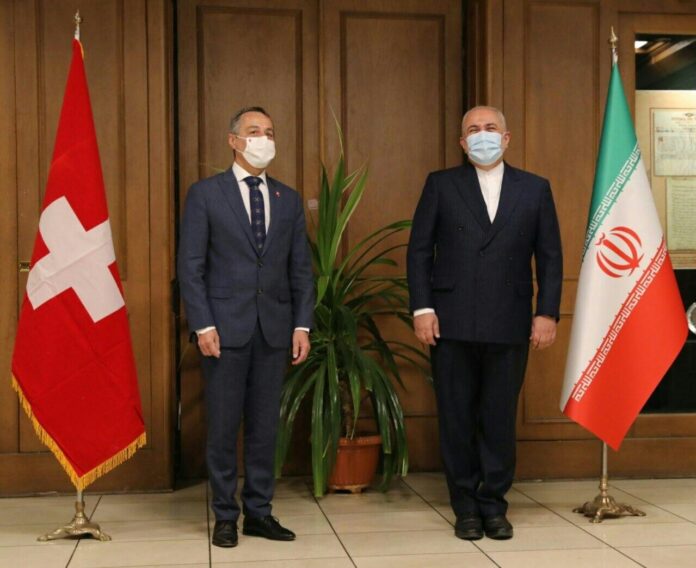
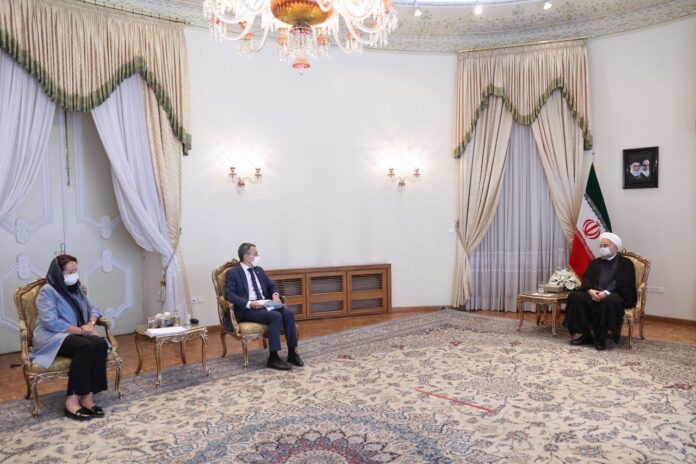
In the Monday talks, the two sides held “excellent talks on bilateral, regional and global issues,” according to a tweet by Zarif.

They conferred on the latest developments in bilateral relations, regional and international issues including those related to Syria, Yemen, trade ties between Tehran and Bern, the Swiss financial channel, and the JCPOA, a statement by the Iranian side said.

They also exchanged views on the US’ hostile policies and its sabotage of Iran’s normal political and economic relations with the world.

Foreign Minister Zarif expressed pleasure with hosting the Swiss top diplomat on the 100th anniversary of the establishment of bilateral relations between Iran and Switzerland, and appreciated the European country’s efforts to promote mutual ties with Iran.

Zarif, at the same time, said a return to normal foreign trade is an important priority for Iran and the world.

The Swiss official, in turn, highlighted historical relations between the two countries, and underlined his country’s commitment to the JCPOA and expansion of ties with Iran in all aspects.

In his Monday tweet, Zarif said he was “pleased to host Swiss FM Ignazio Cassis on centennial of diplomatic relations — ties that endure based on mutual respect.”

“While appreciating Swiss efforts to mitigate US sabotage, a return to normal trade is global priority,” the Iranian top diplomat added.

The Swiss top diplomat also said in a tweet that he had held “fruitful” talks with Zarif on “peace, economic development and human rights.”
“I’m glad we could establish together the Swiss Humanitarian Channel for the transfer of food and medical supplies to the people of Iran,” he added.

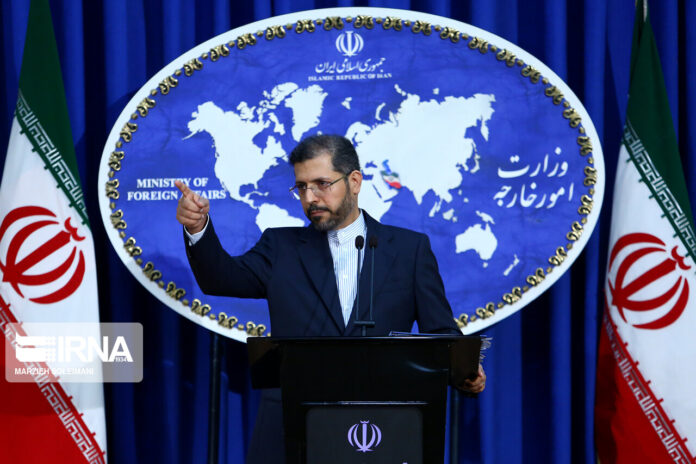
Earlier in the day, Iran’s Foreign Ministry Spokesman Saeed Khatibzadeh said Cassis is in Iran on “a routine trip” that had been scheduled to take place earlier, but was delayed due to the new coronavirus’ outbreak.

“We enjoy good and extensive relations with Switzerland,” he said of the European country that represents US interests in Iran.

Khatibzadeh, however, asserted that despite the “media speculations” trying to link Cassis’ trip to the US, “our policies concerning Washington remain the same.”
As a case in point, he cited the US pressure that delayed Switzerland’s setting up of a financial channel that would circumvent the American sanctions targeting the Islamic Republic, for 20 months.

Swiss authorities managed to accommodate a first official transaction under the SHTA in late July. That proved critical for both Switzerland and Iran as it was a first time since the re-imposition of US sanctions in 2018 that funds belonging to the Central Bank of Iran (CBI) had got round the US sanctions and were processed by a European bank.

Switzerland has secured a special waiver from Washington to allow the SHTA to work. That comes despite repeated claims by the US government that Iran’s humanitarian needs, including medicine, are exempt from the unilateral bans imposed on the country.


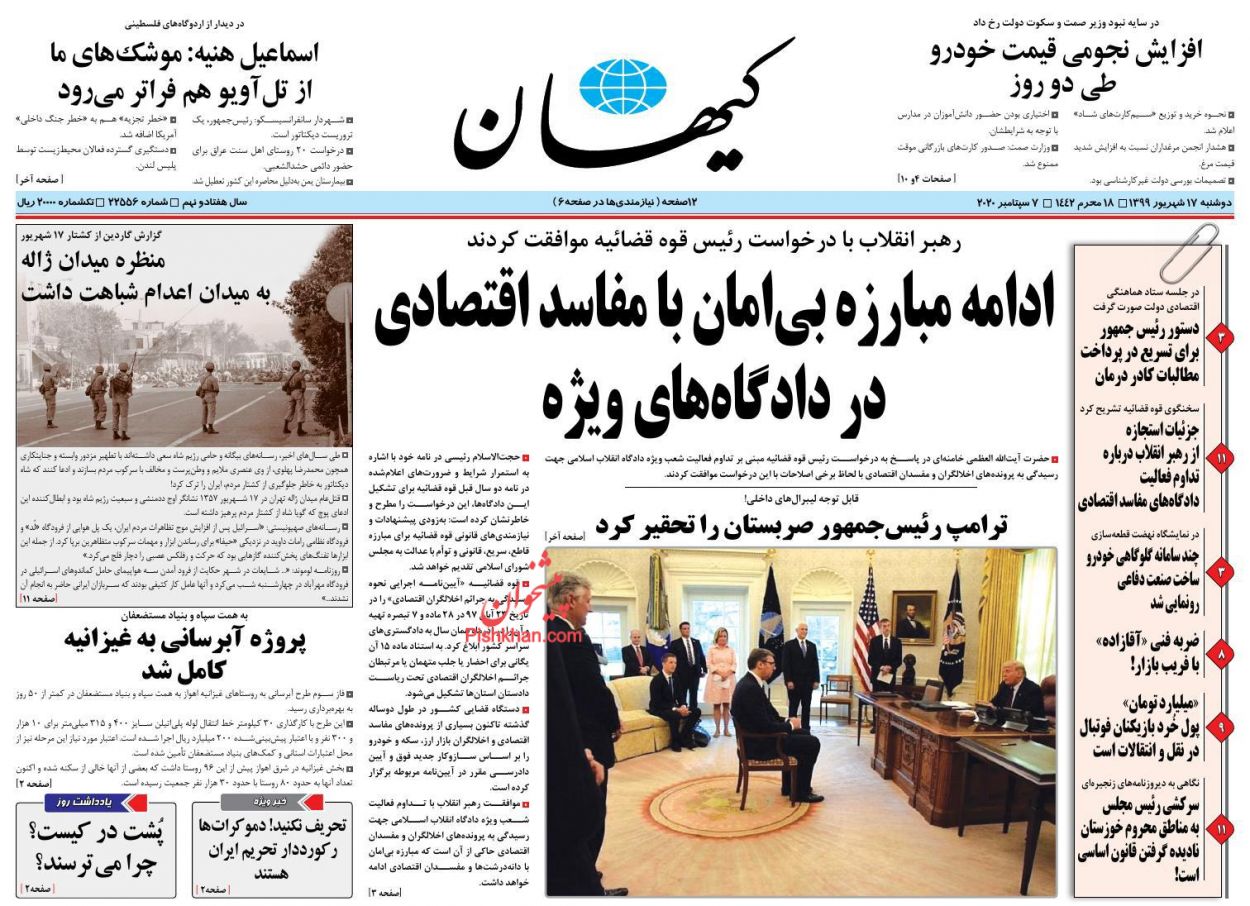
A Look at Iranian Newspaper Front Pages on September 7

A Look at Iranian Newspaper Front Pages on November 5

Iranian Newspapers

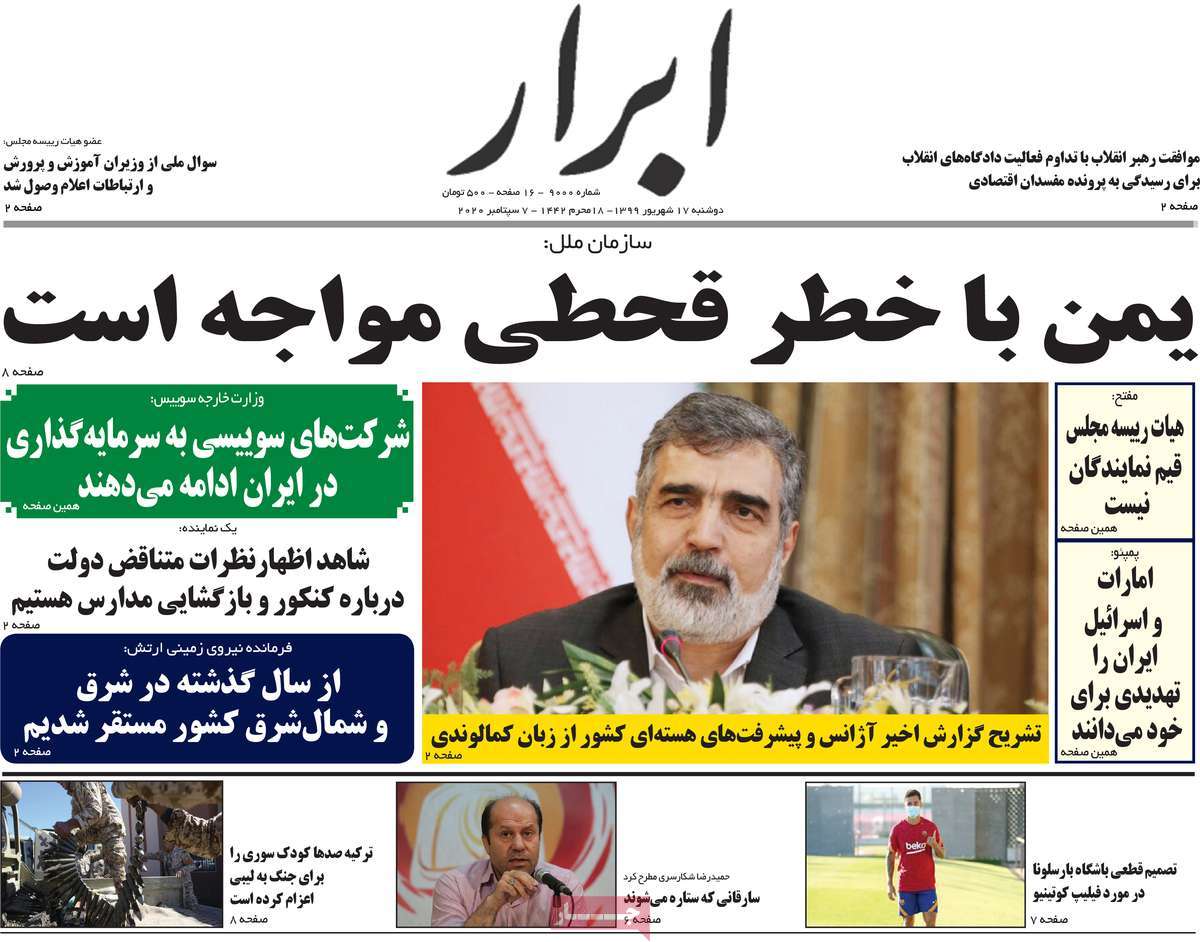
Abrar Newspaper:

1- Bern: Swiss Firms to Continue Investing in Iran

2- UN: Yemen Facing Threat of Famine

3- Pompeo: UAE, Israel Consider Iran a Threat

A Look at Iranian Newspaper Front Pages on September 7


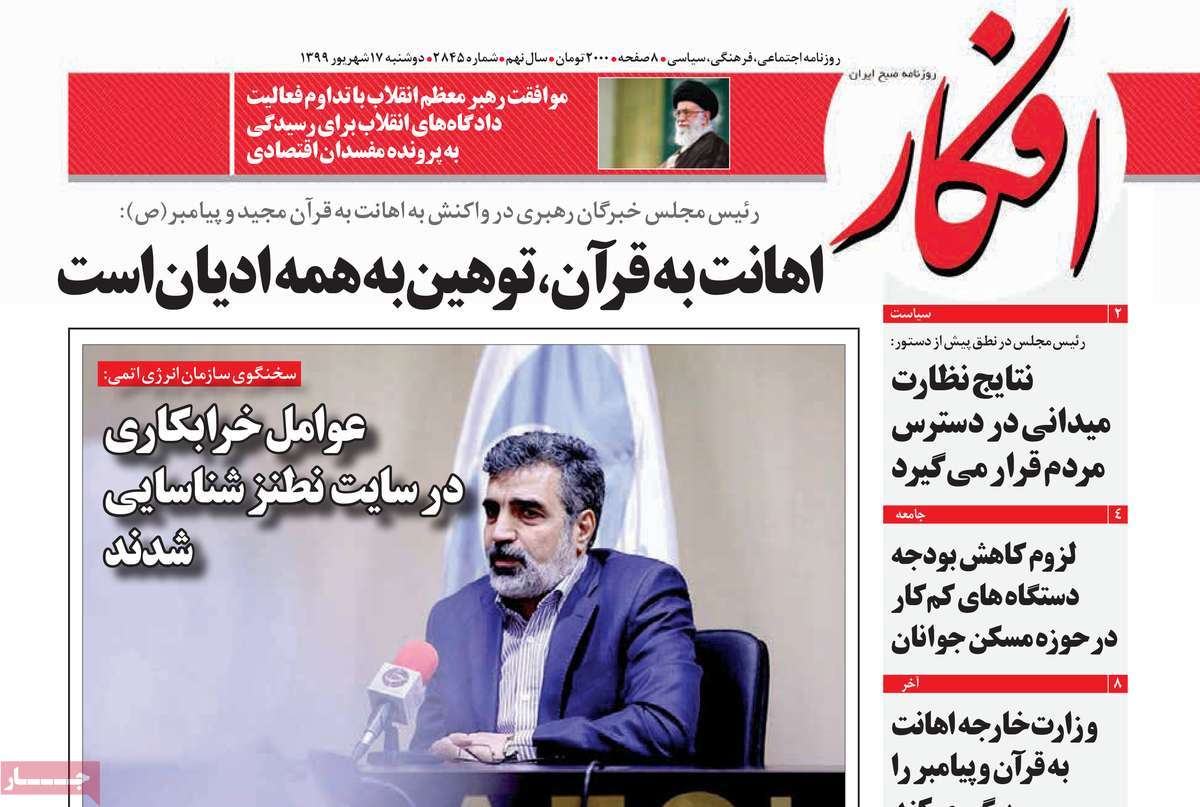
Afkar Newspaper:

1- Insult to Quran Is Insult to All Religions: Iran Official

A Look at Iranian Newspaper Front Pages on September 7


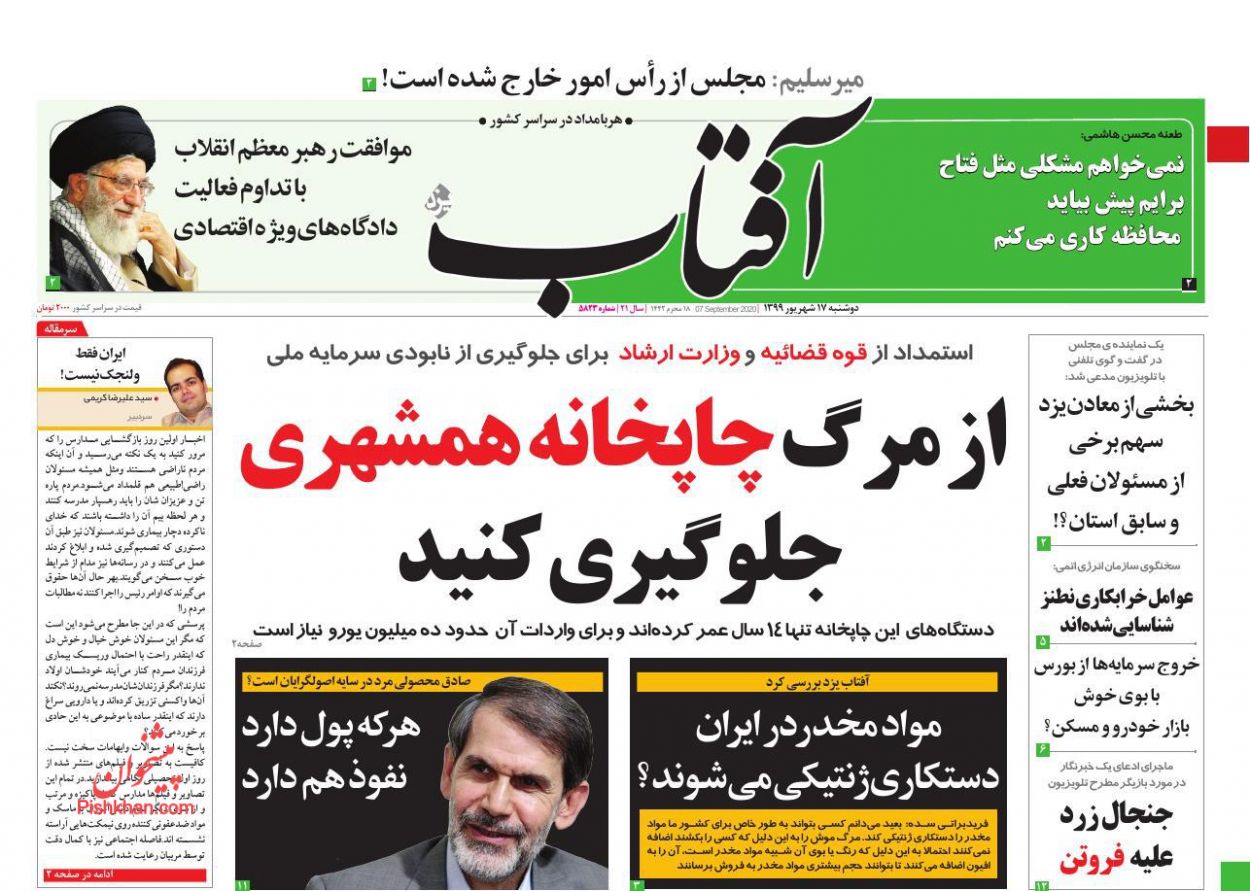
Aftab-e Yazd Newspaper:

1- Iran Leader Agrees to Renew Mandate of Special Corruption Trials

2- Those behind Sabotage in Natanz Nuclear Facility Identified: Official

A Look at Iranian Newspaper Front Pages on September 7


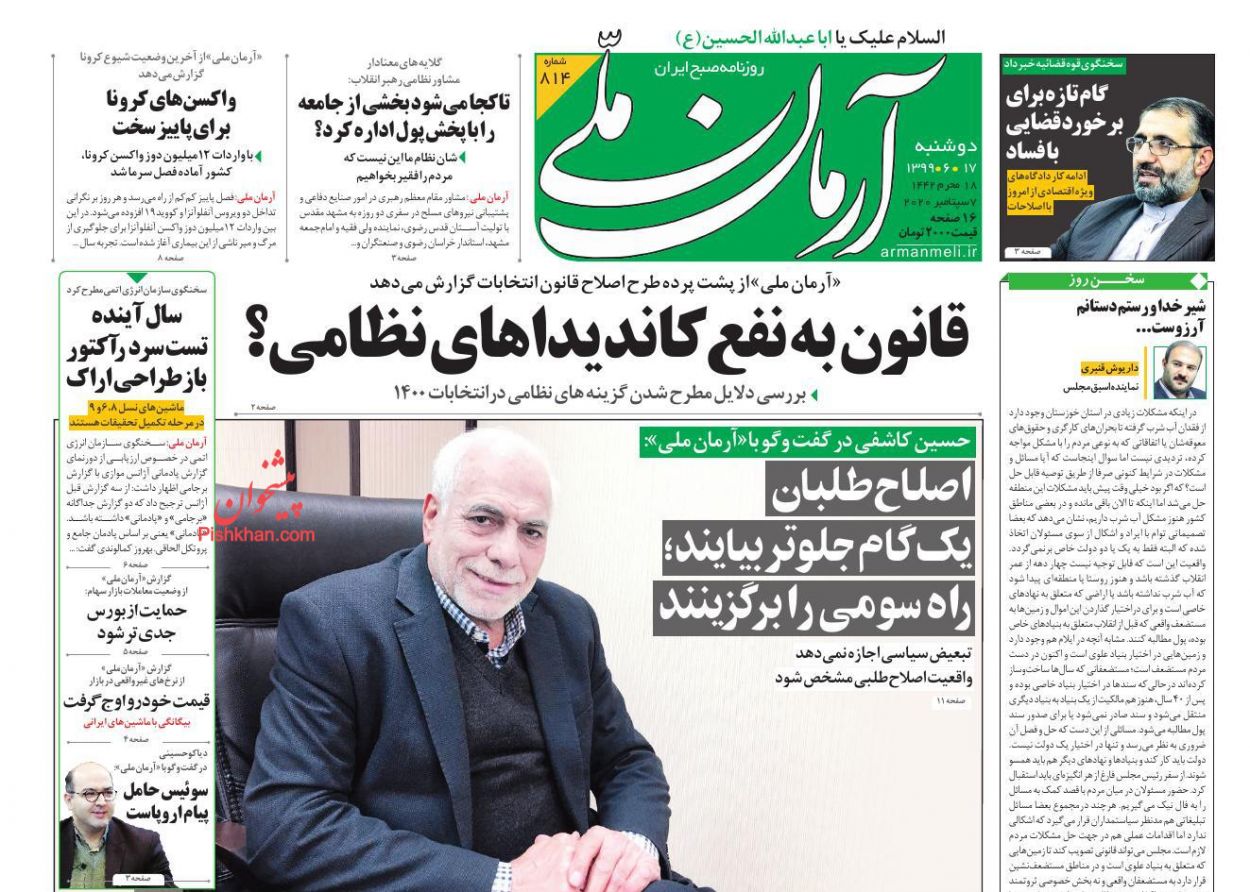
Arman-e Melli Newspaper:

1- Iran to Conduct Cold Functional Test of Redesigned Reactor of Arak Next Year: Spokesman

A Look at Iranian Newspaper Front Pages on September 7


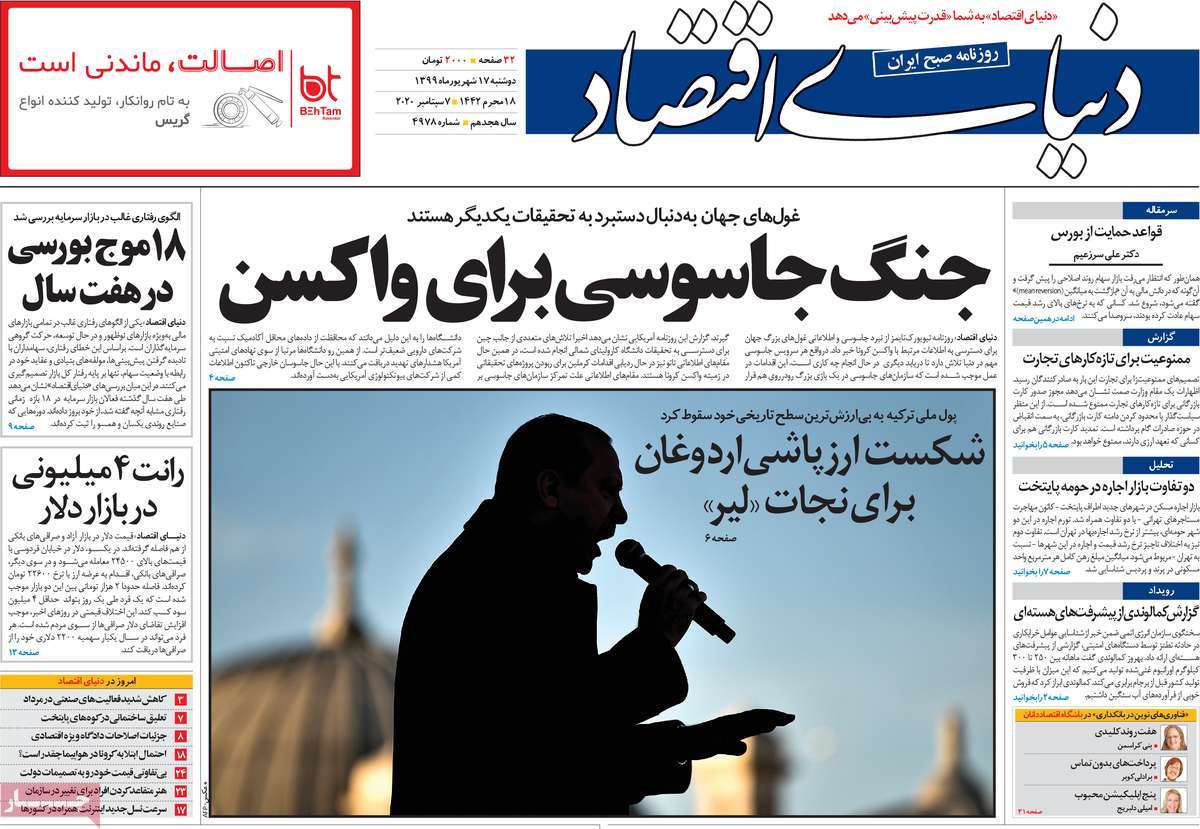
Donya-ye Eqtesad Newspaper:

1- Spy War for Vaccine: World Giants Trying to Rob Each Other’s Research Works

A Look at Iranian Newspaper Front Pages on September 7


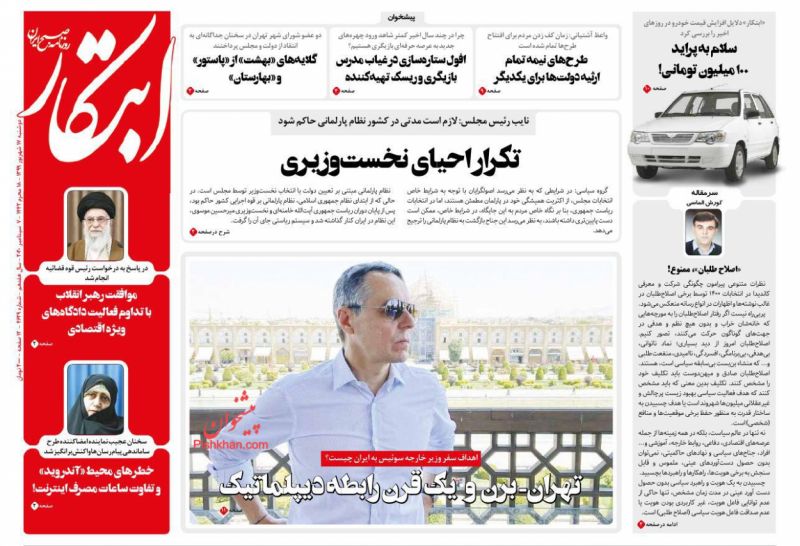
Ebtekar Newspaper:

1- Tehran, Bern and One Century of Diplomatic Ties

* What’s Purpose of Swiss Top Diplomat’s Tehran Trip?

A Look at Iranian Newspaper Front Pages on September 7


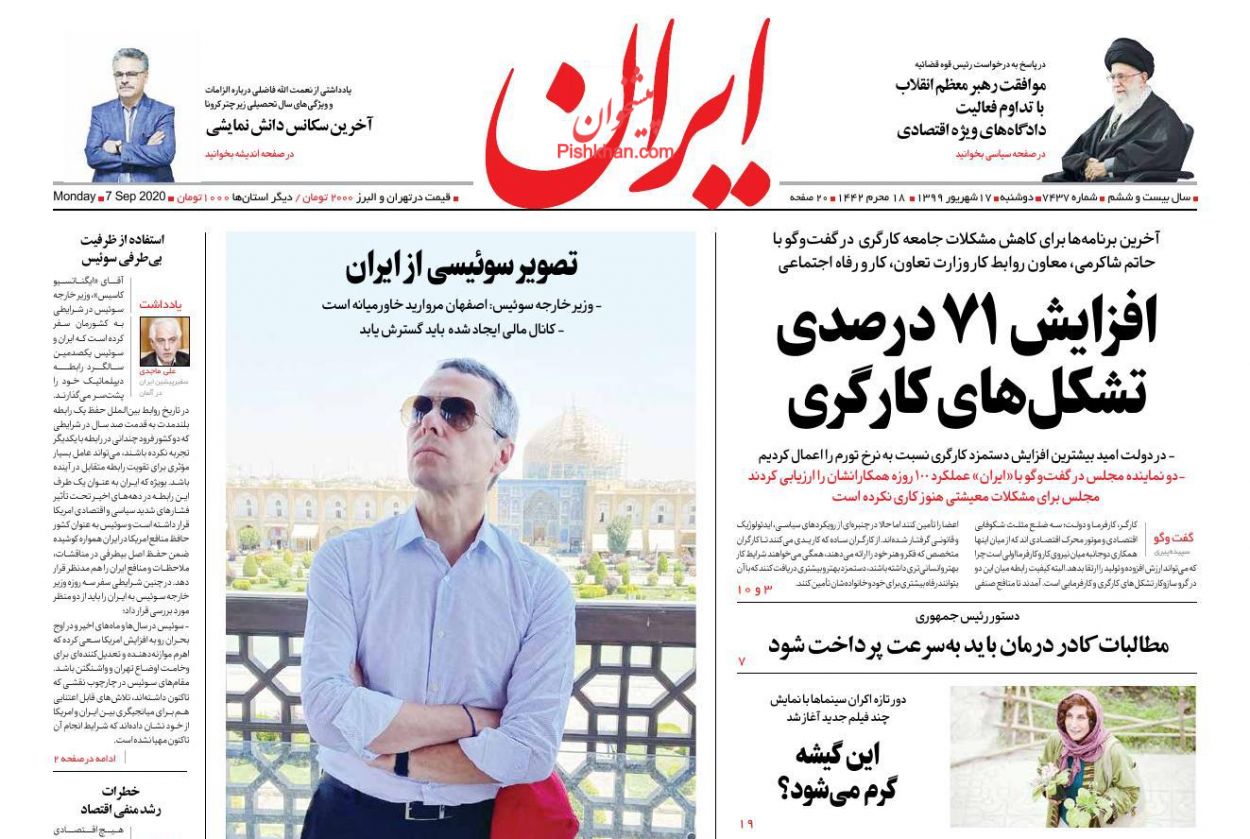
Iran Newspaper:

1- Swiss-Style Image of Iran

2- Iran Can Use Neutral Capacity of Switzerland

A Look at Iranian Newspaper Front Pages on September 7


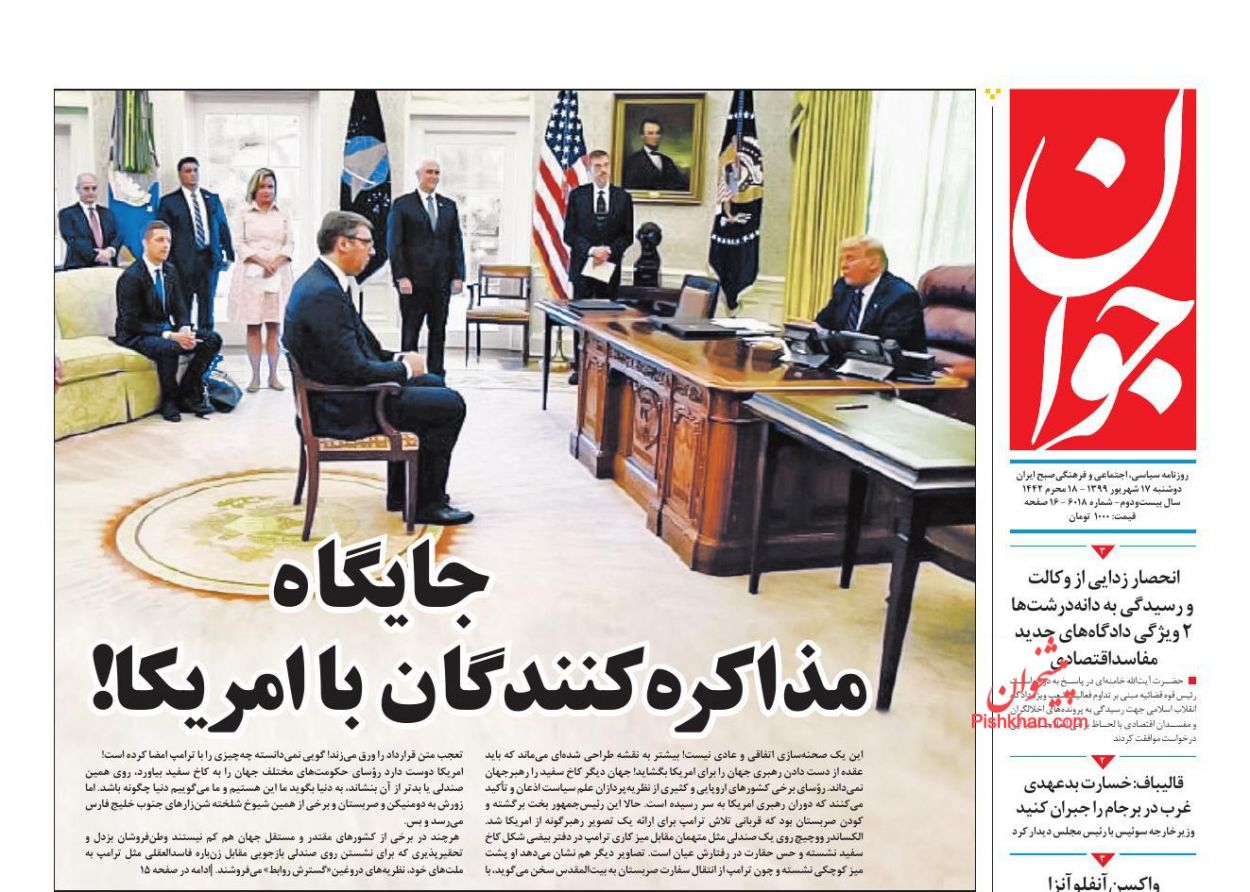
Javan Newspaper:

1- Position of Those Who Negotiate with US

A Look at Iranian Newspaper Front Pages on September 7


Kayhan Newspaper:

1- Trump Humiliates Serbian President

2- Haniya: Hamas Missile Can Target Even Beyond Tel Aviv

A Look at Iranian Newspaper Front Pages on September 7


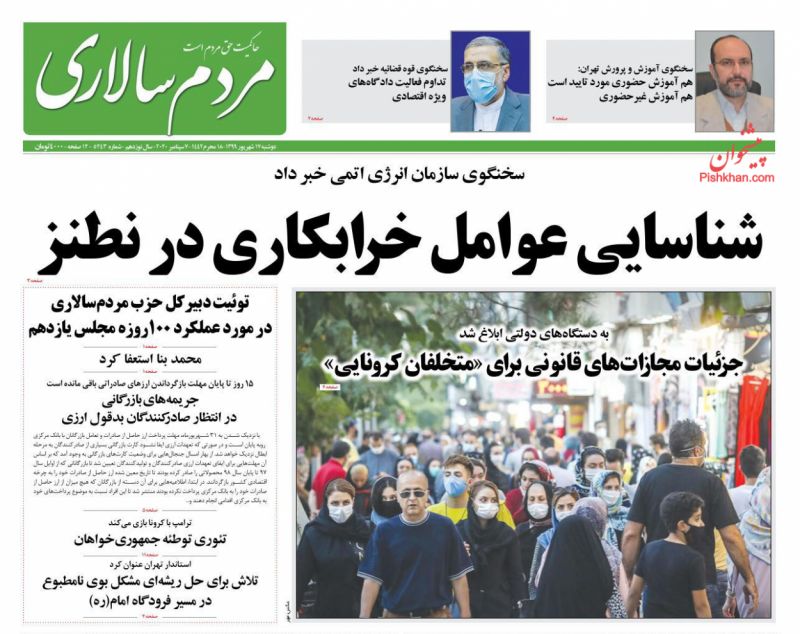
Mardom Salari Newspaper:

1- Legal Punishments for Those Who Violate COVID-19 Restrictions

A Look at Iranian Newspaper Front Pages on September 7

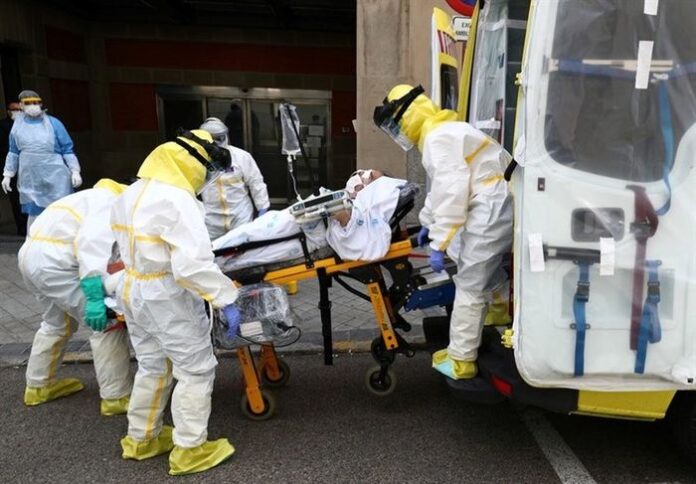
Coronavirus Kills 117 More Iranians: Health Ministry

Coronavirus Kills 117 More Iranians: Health Ministry

In a press briefing on Monday, Sima-Sadat Lari confirmed 2,152 new cases of COVID-19 infection, raising the total number of infections to 388,810.

The spokeswoman said 335,572 patients have so far recovered from COVID-19 or been discharged from hospital, but 3,733 are still in critical conditions of the disease.

Lari added that so far 3,406,055 COVID-19 tests have been taken across the country.
She said the high-risk “red” zones include Tehran, Qom, Mazandaran, East Azarbaijan, Isfahan, Yazd, Khorasan Razavi, North Khorasan, Semnan, Gilan, Zanjan, Qazvin, and Kerman provinces.
The “orange” zones also include Lorestan, Ardabil, Golestan, Markazi, Alborz, Hormozgan, Ilam, Fars, Bushehr, West Azarbaijan, Chaharmahal and Bakhtiari, Kermanshah, South Khorasan, Kohgiluyeh and Boyer-Ahmad, and Khuzestan provinces, she added.

Iran Vows to Act Proportionately If UK Violates JCPOA Commitments

Iran Vows to Act Proportionately If UK Violates JCPOA Commitments

In comments on Monday, Foreign Ministry Spokesman Saeed Khatibzadeh said parties to the nuclear accord are also supposed to comply with the provisions of UN Security Council Resolution 2231.

“If any signatory wants to breach Resolution 2231 or renege on its obligations under the JCPOA in any form or shape, Iran will give a proportionate response,” the spokesman said in a weekly press conference, reacting to the UK defence chief’s coments.

He said in case of any such violation, Iran will withdraw from the JCPOA.

“Iran has clearly said that the breach of Resolution 2231 by signatories to the JCPOA would mean an end to Iran’s presence [in the nuclear deal.] Naturally, they know this, and would not play with the last remaining chances to preserve the JCPOA,” he added.

However, he said the remaining parties to the JCPOA acted unanimously in opposition to United States’ efforts to reinstate a UN arms embargo and international sanctions on Iran.
“Whatever Britain has done so far has been in line with [the stance adopted by] other signatories to the JCPOA at the UN Security Council and the JCPOA Joint Commission,” he noted.

“Well, they know that they have strict commitments under the JCPOA and UNSC Resolution 2231, and that the timeline of all events has been clearly mentioned in UNSC Resolution 2231,” he said.

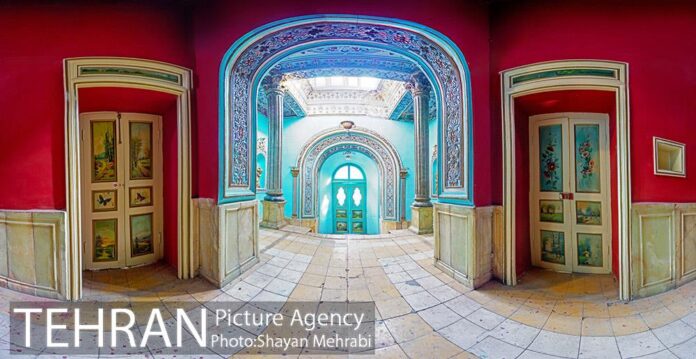
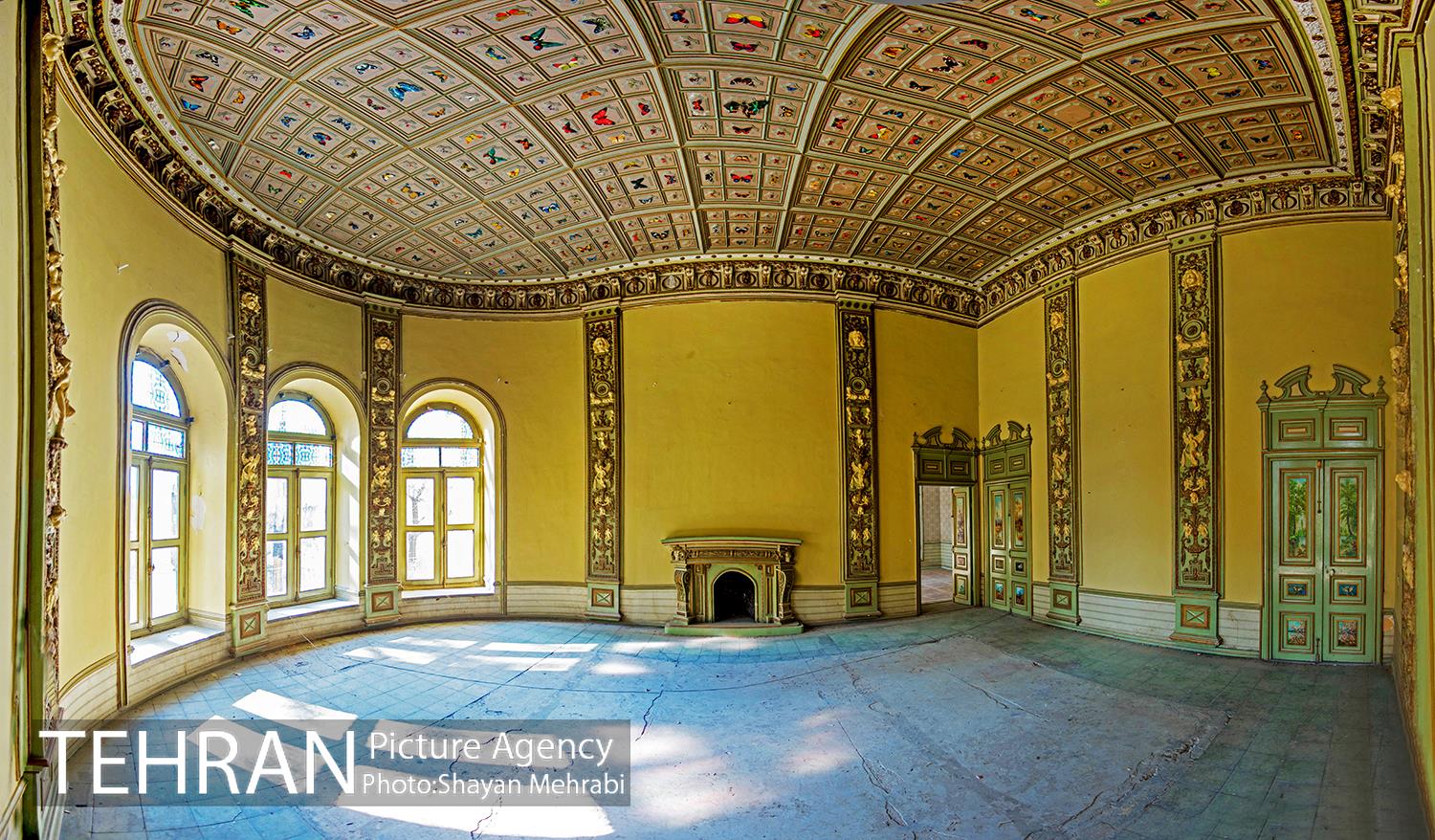
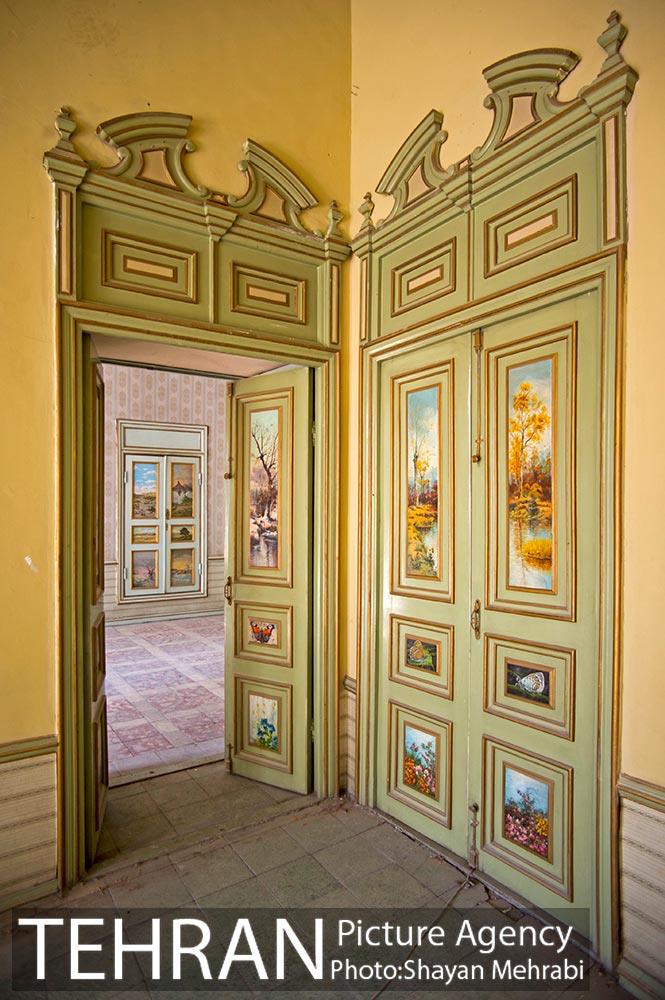
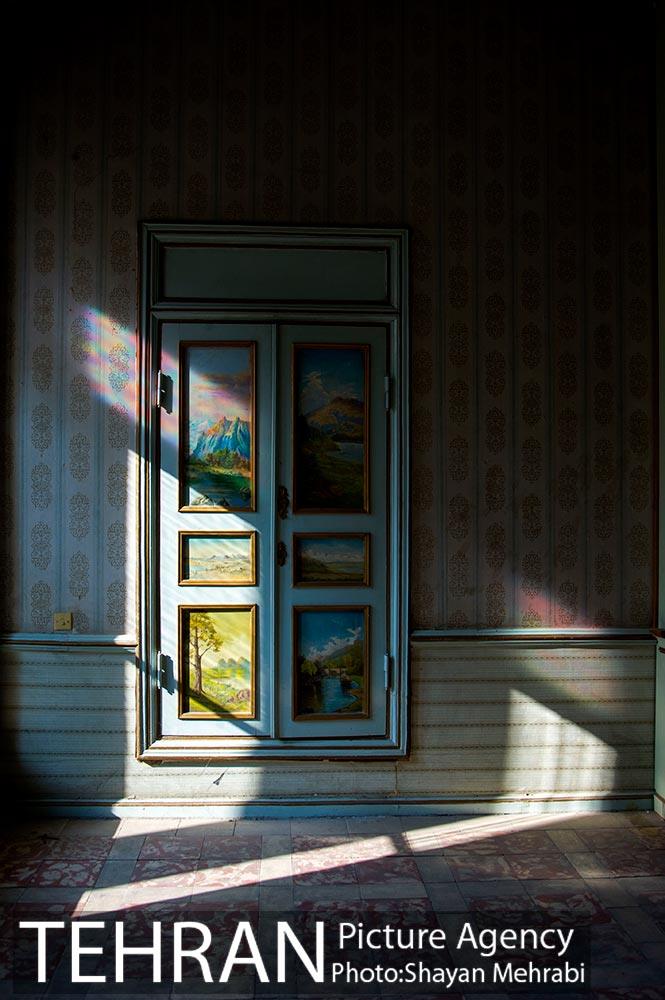
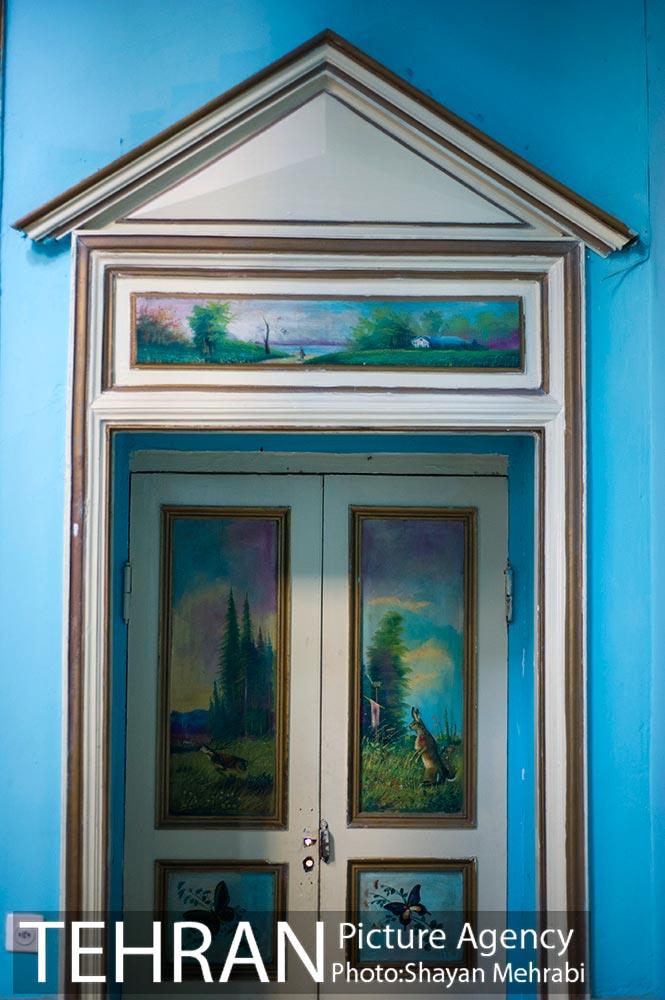
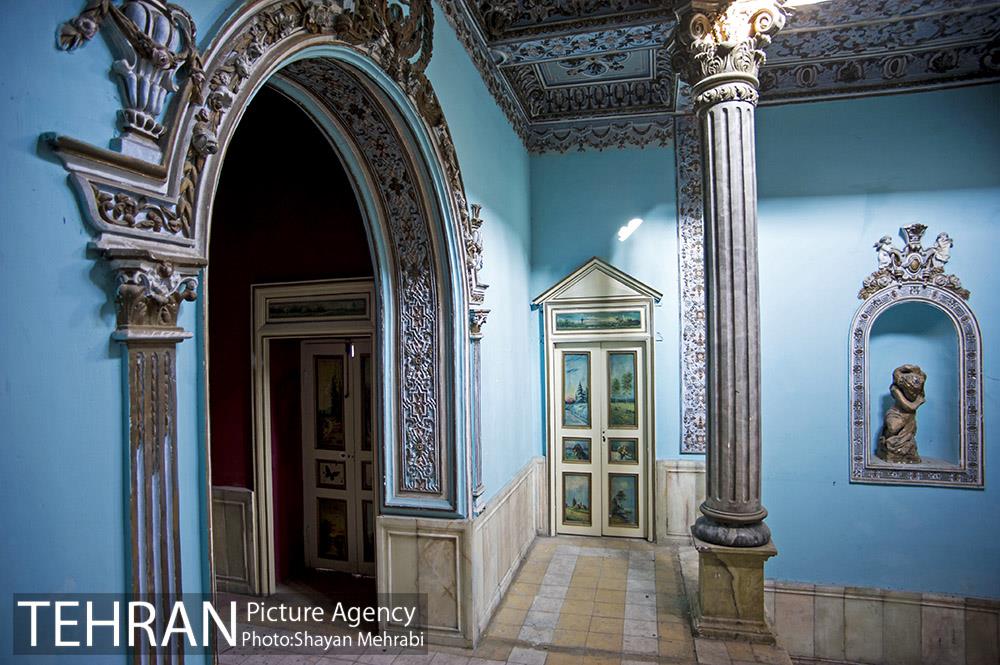
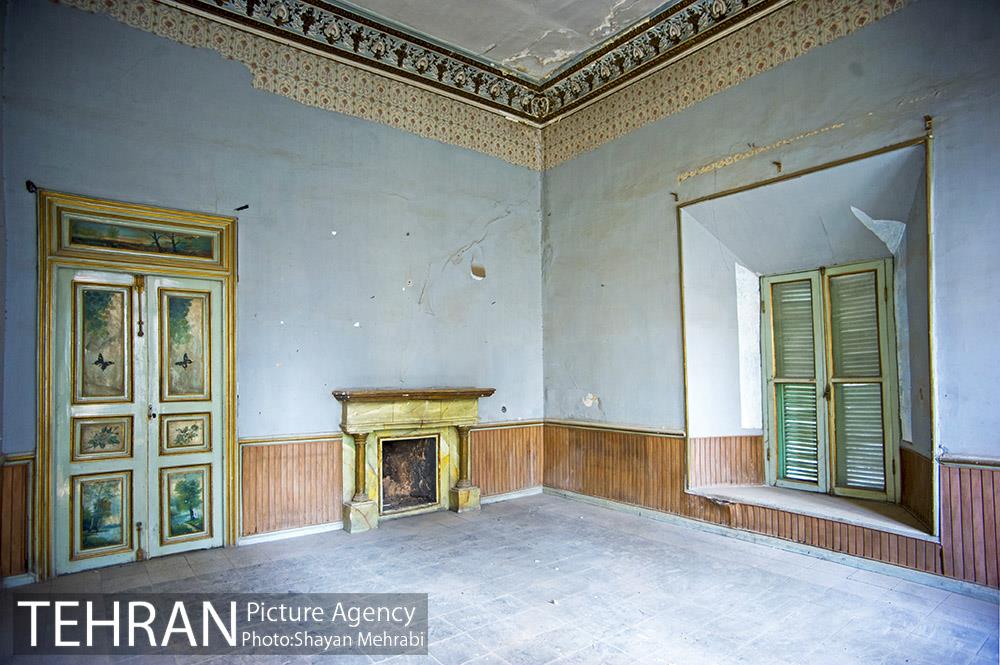
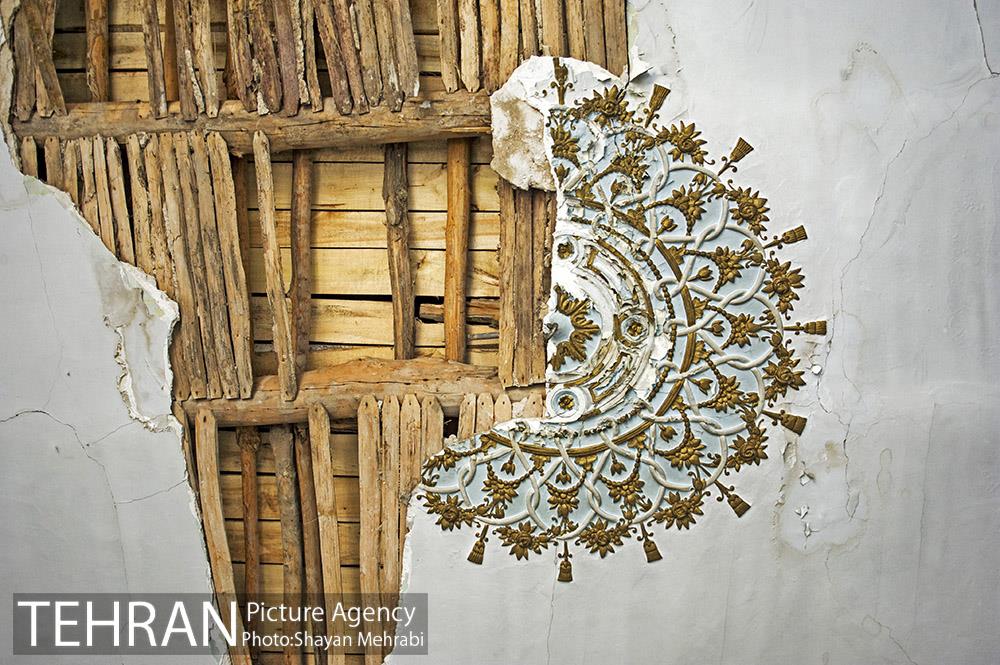
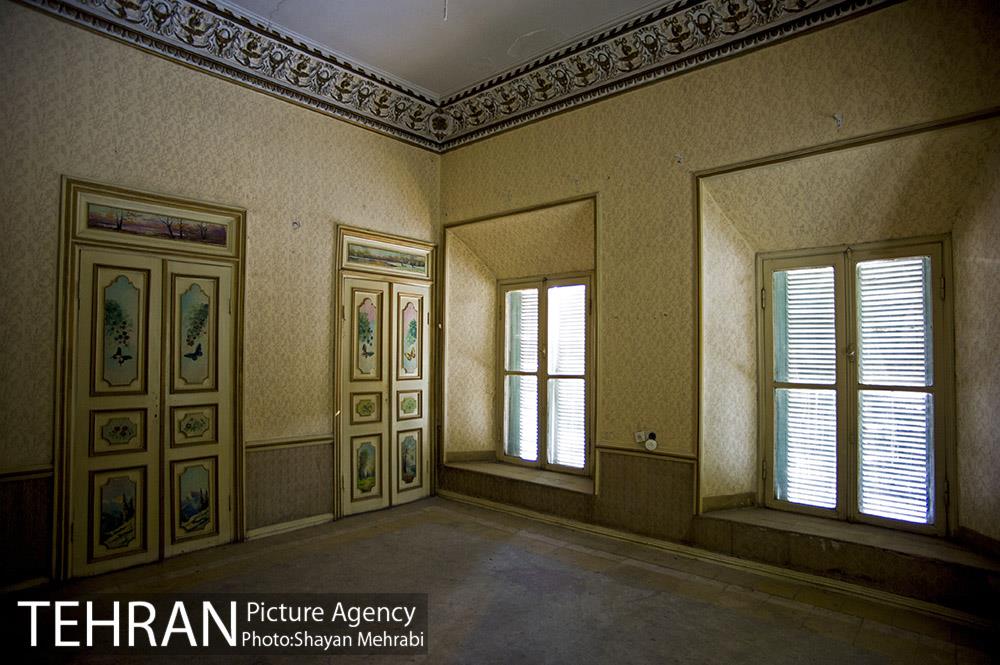
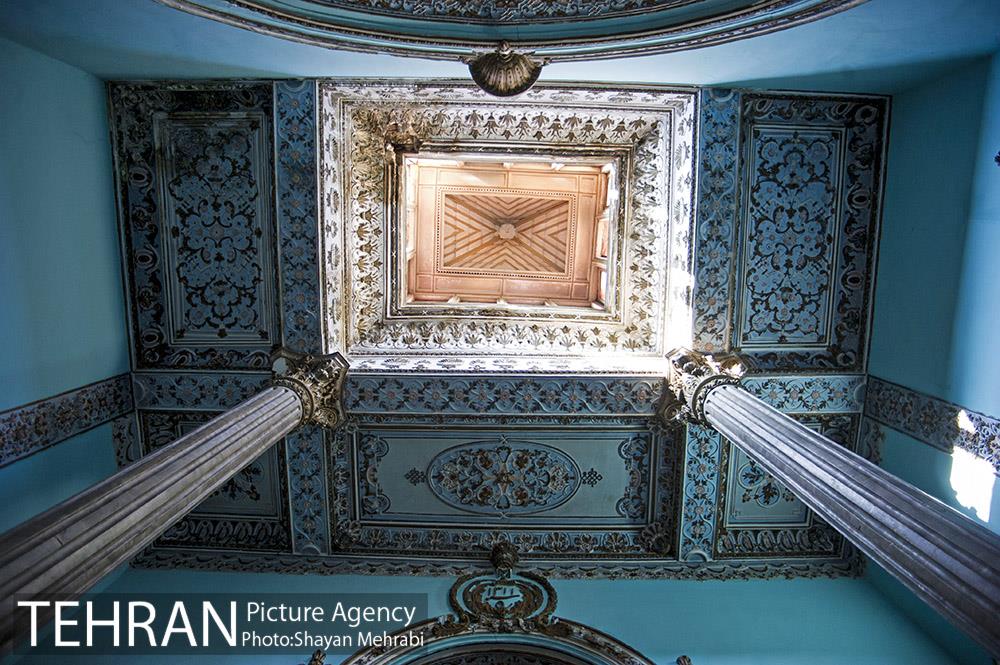
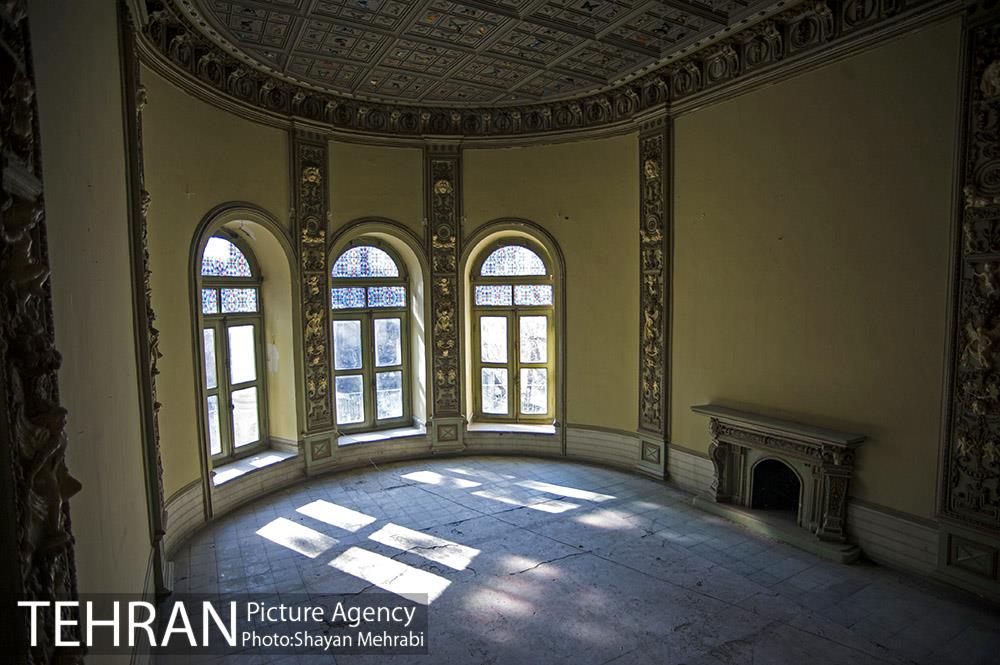
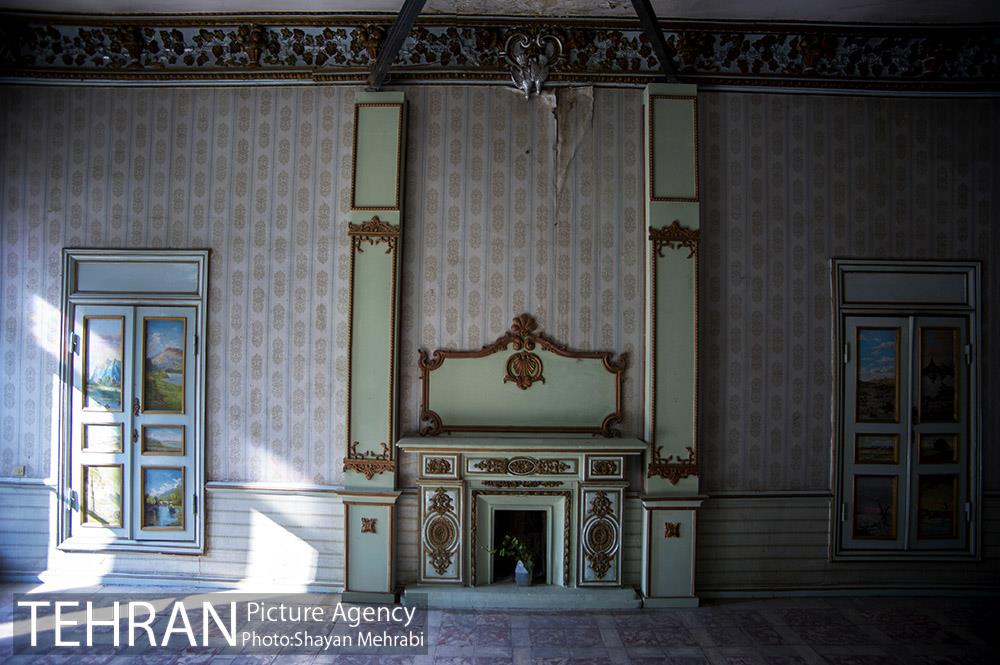
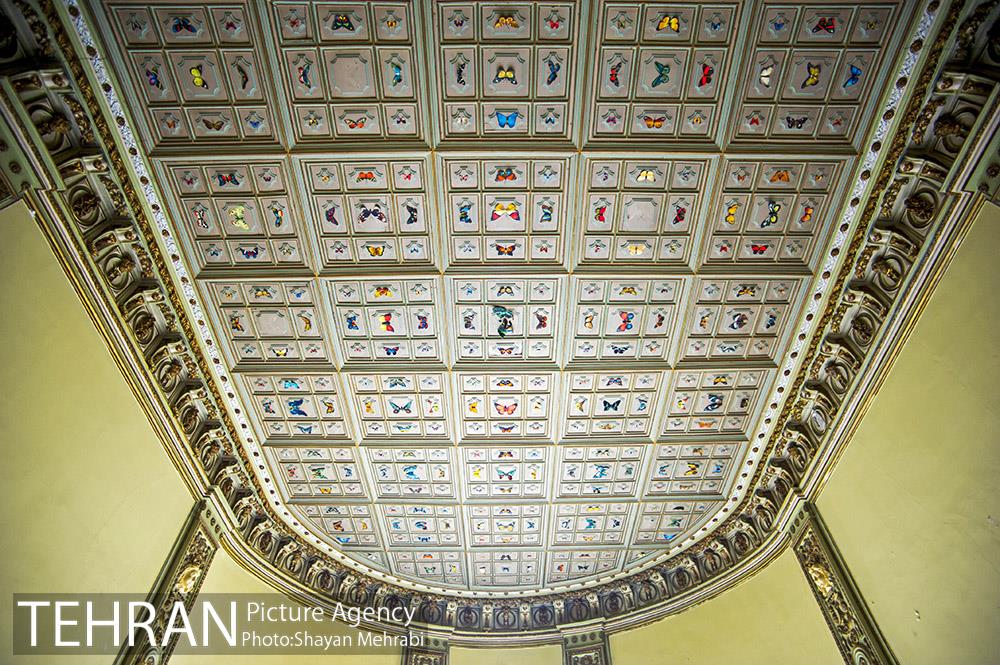
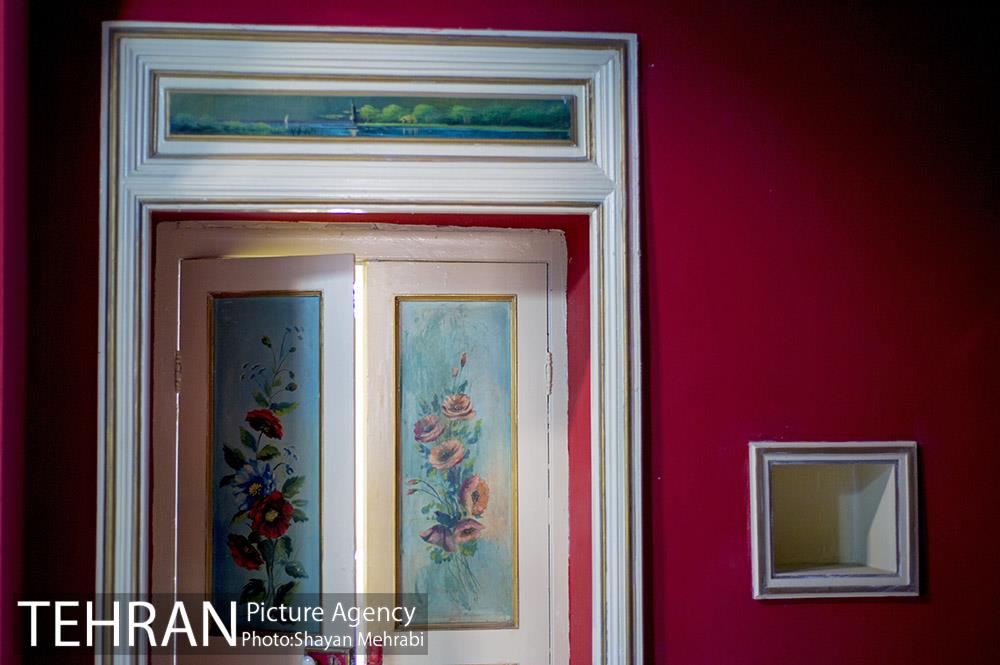
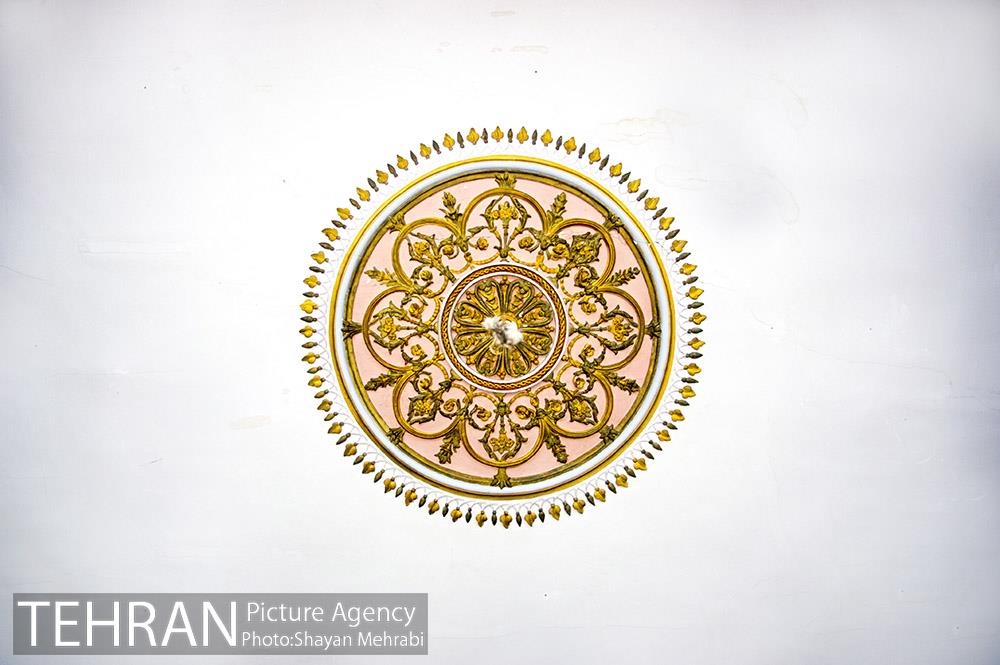
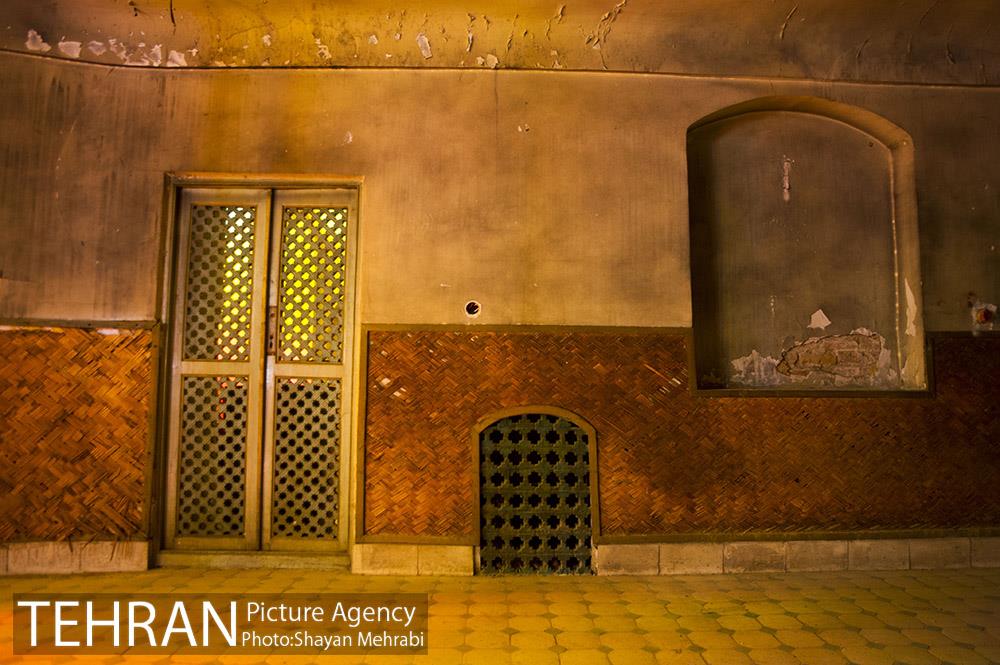
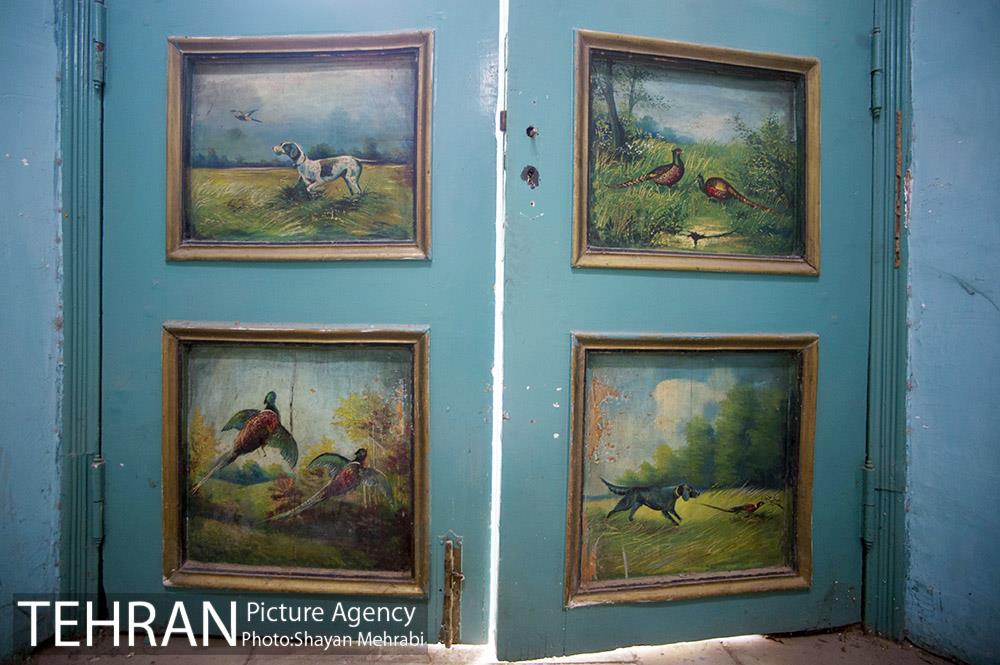
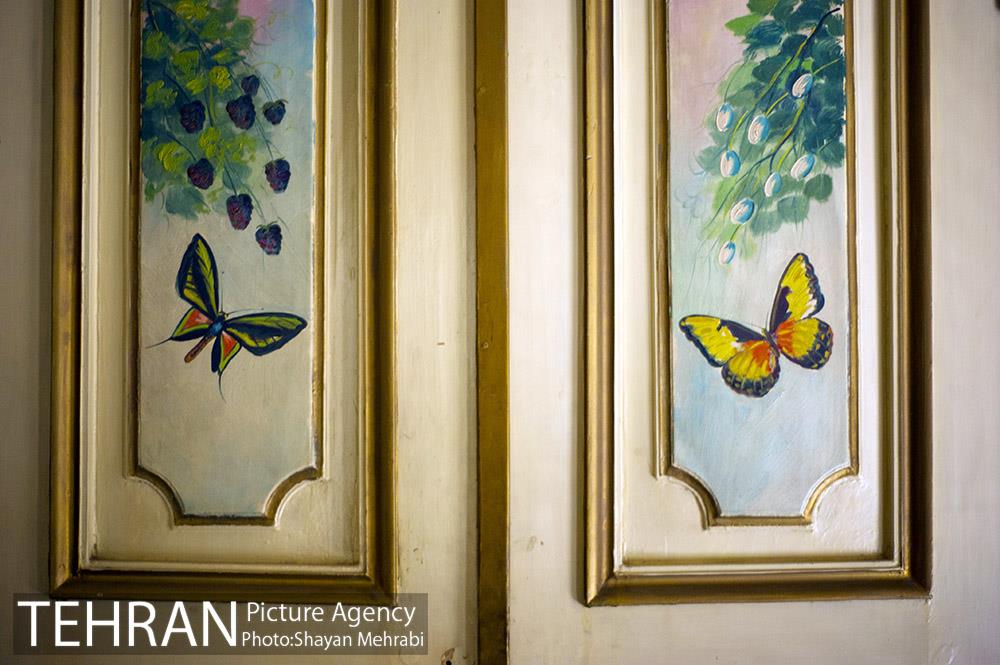
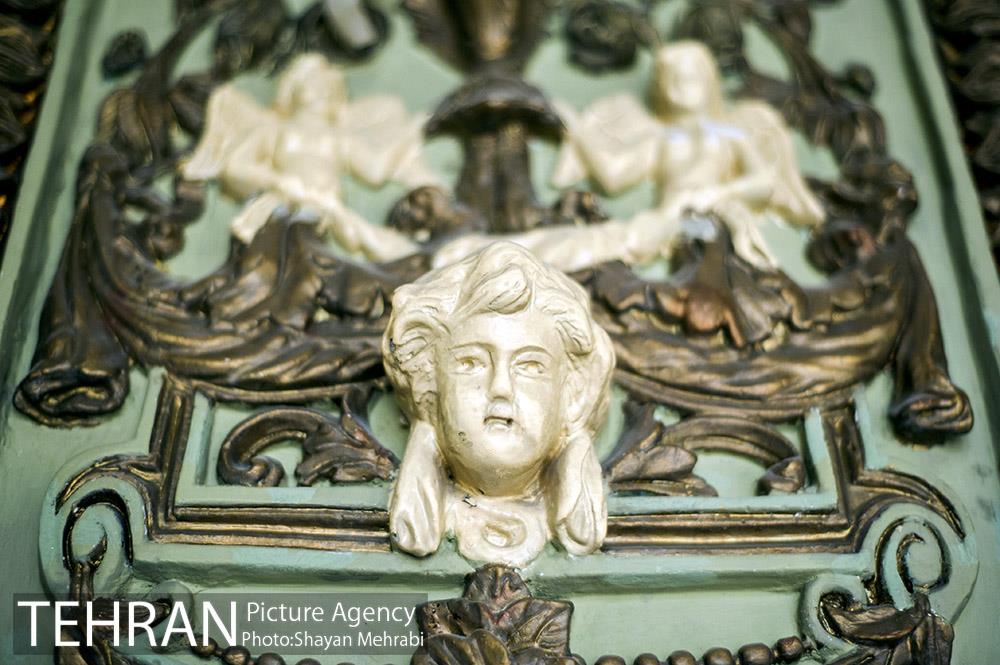
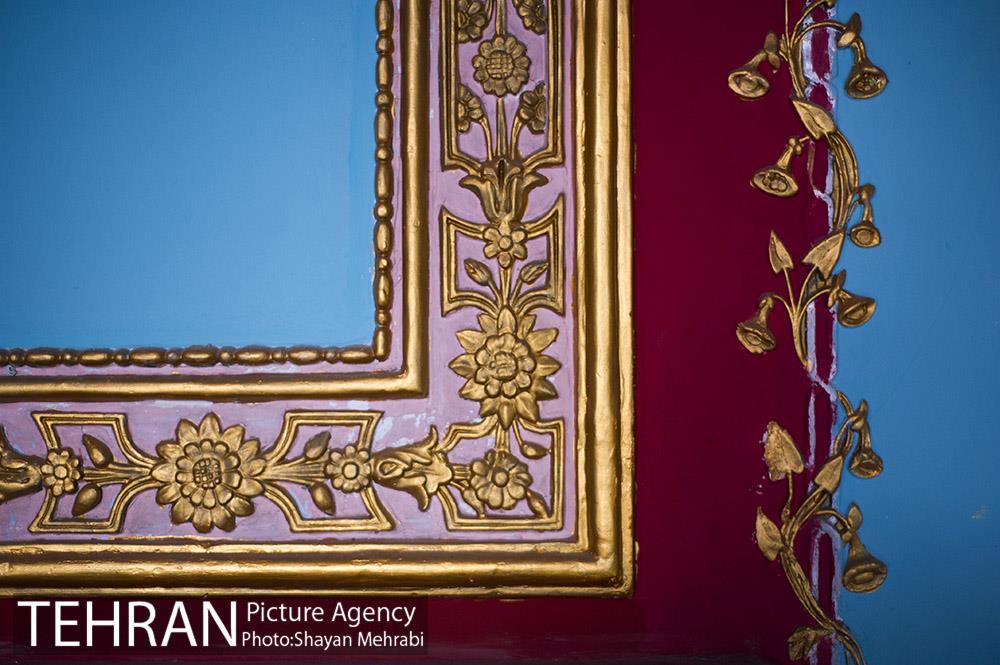
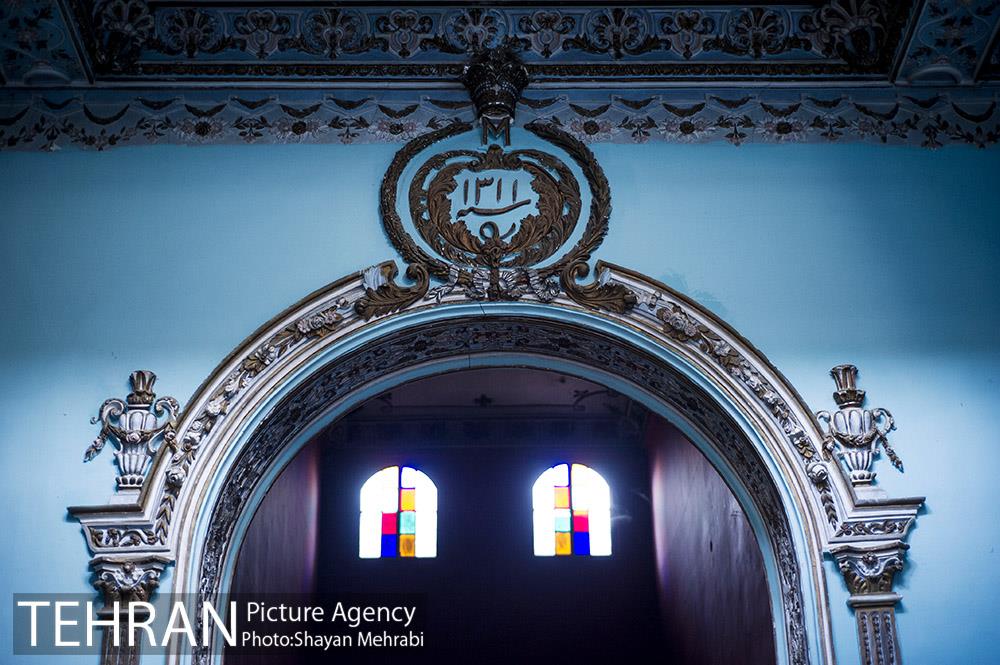
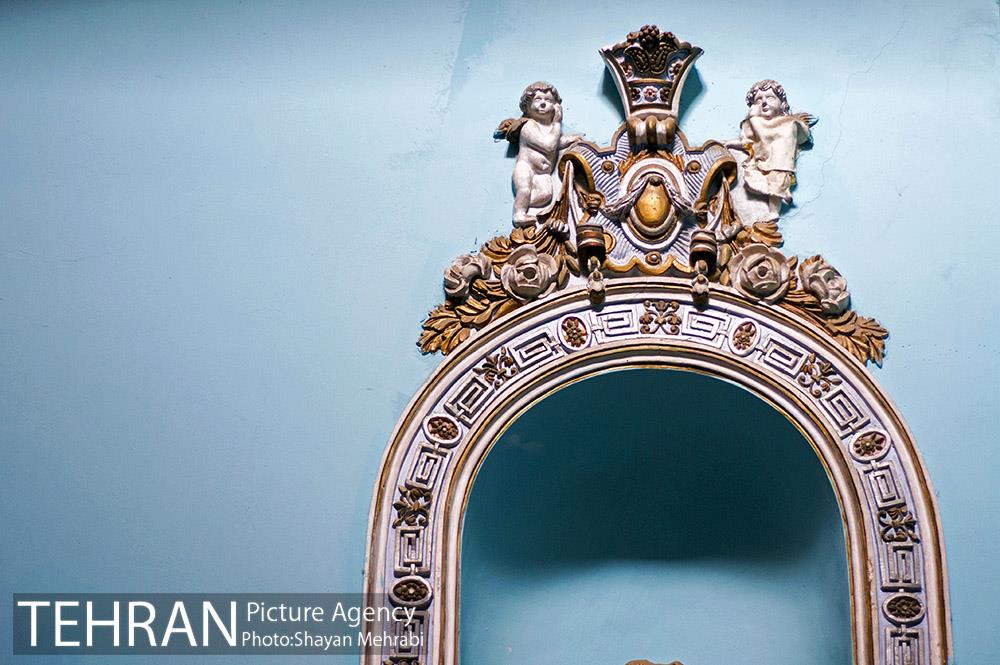
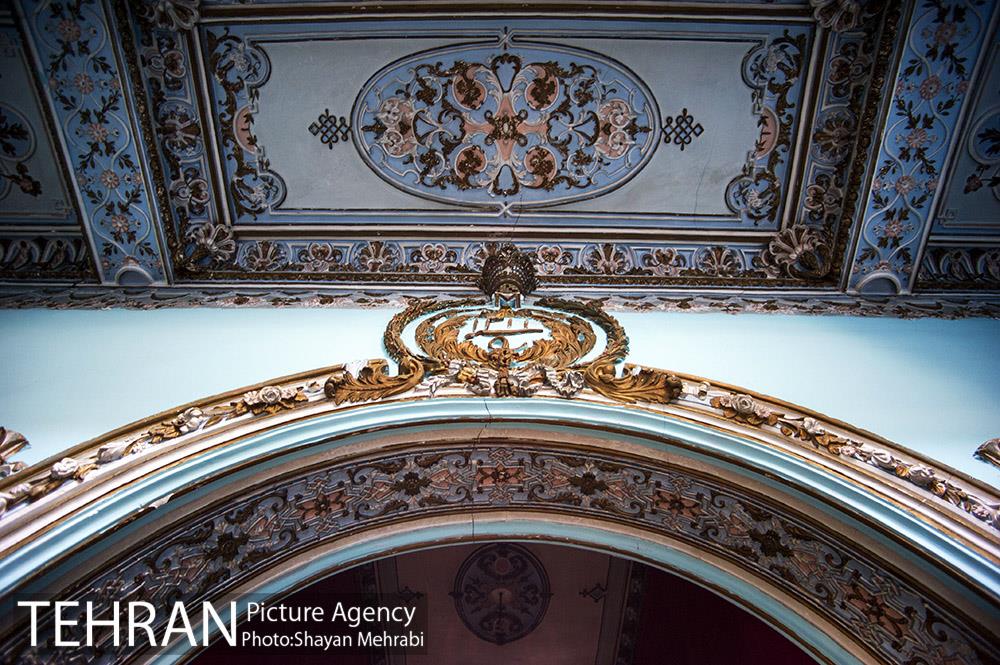
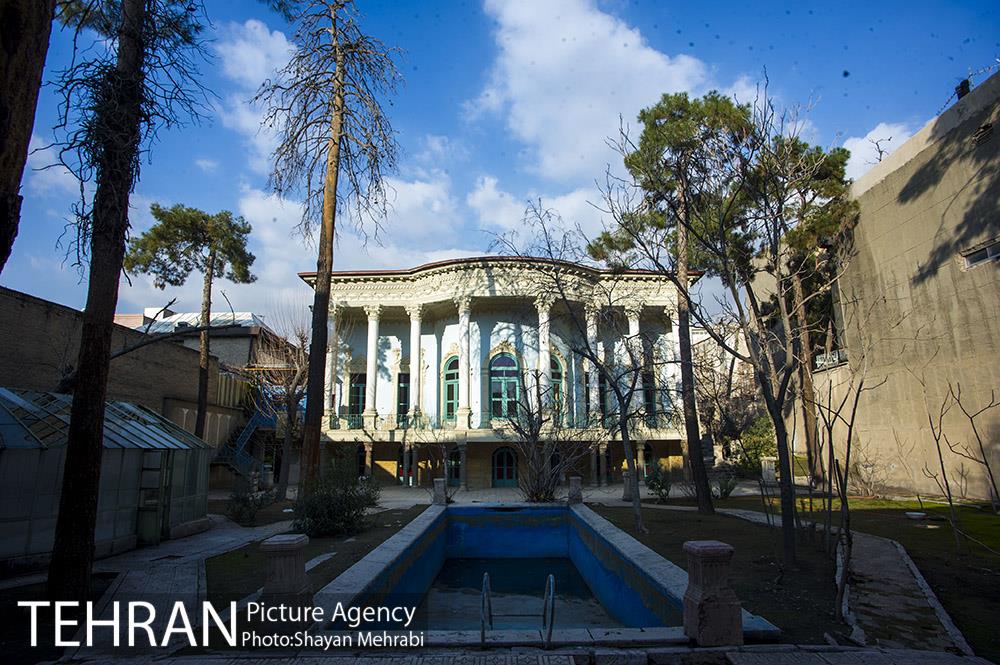
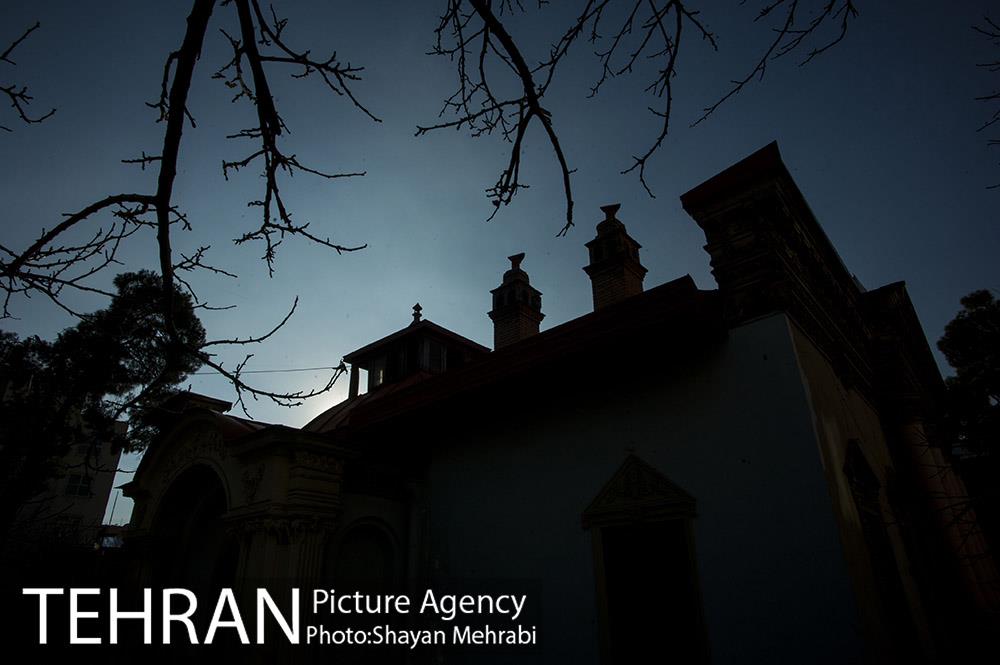
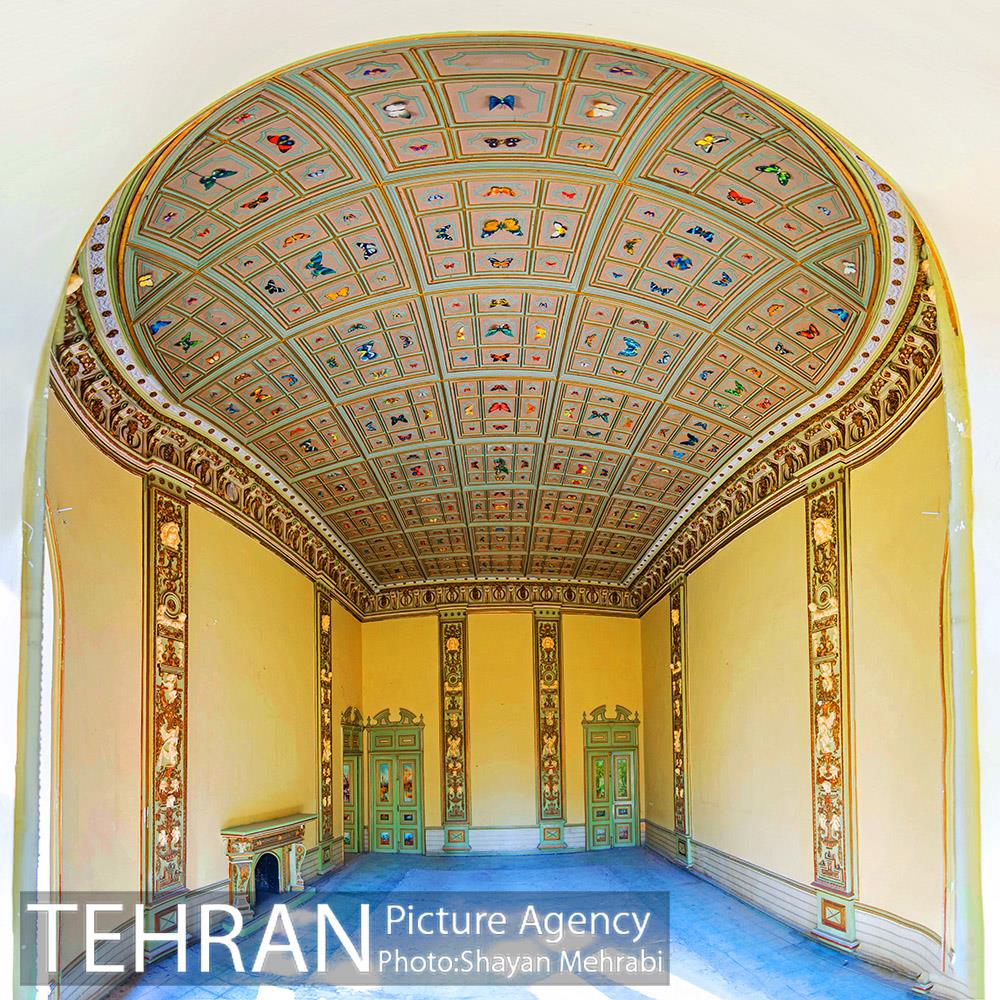
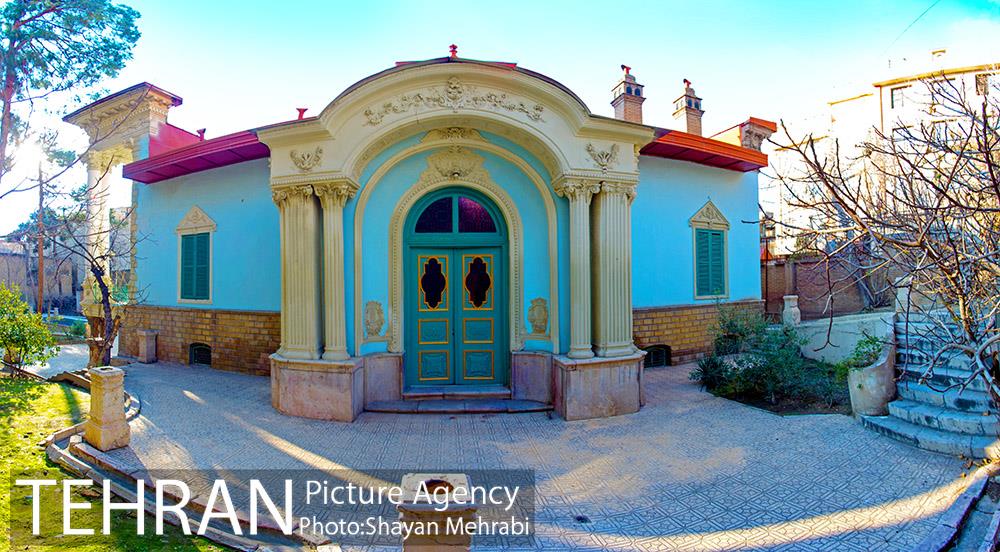
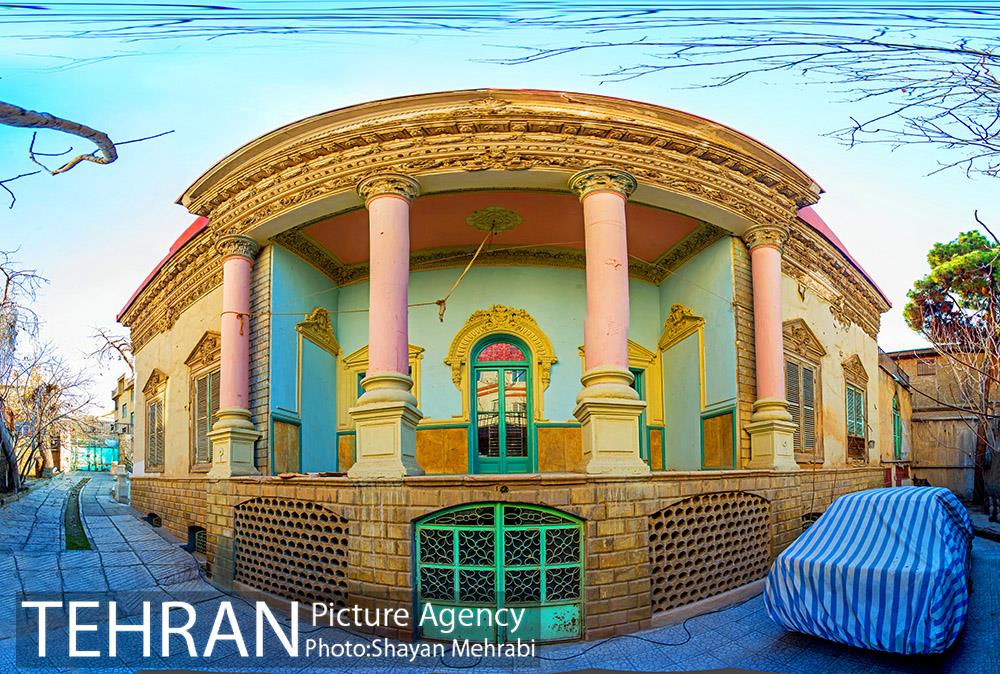
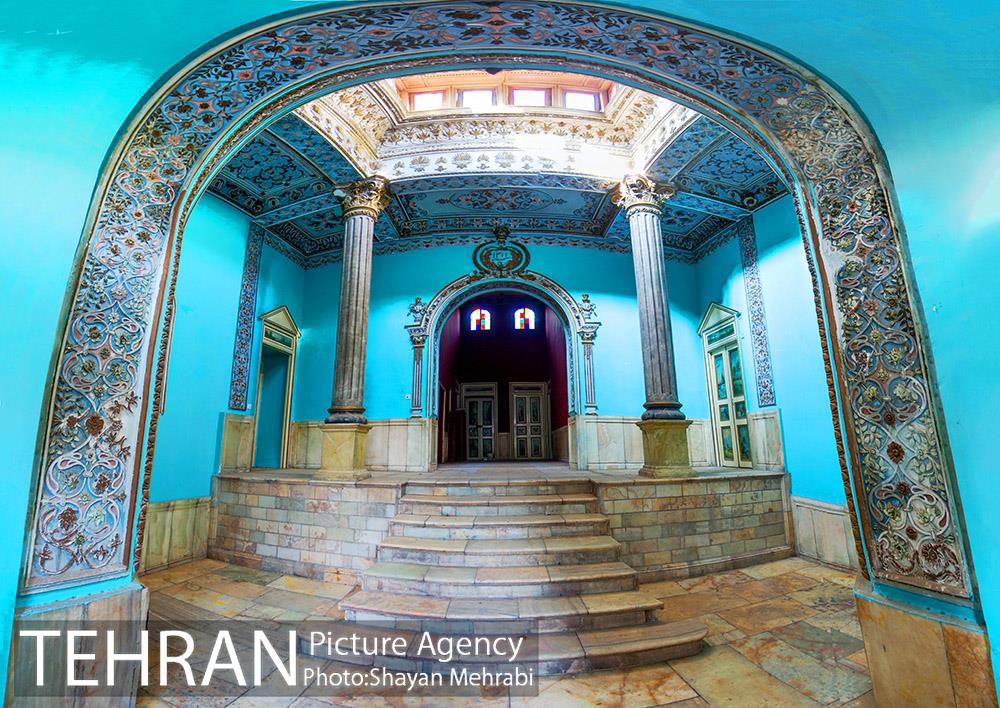
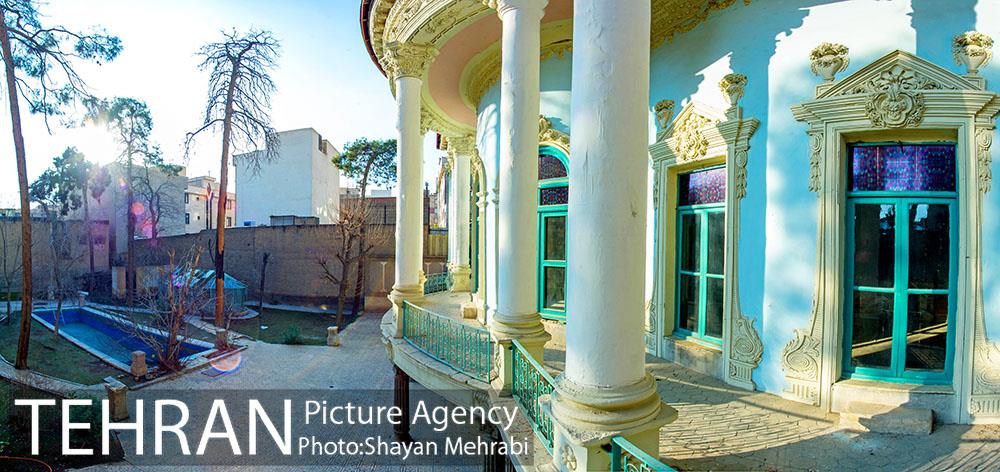
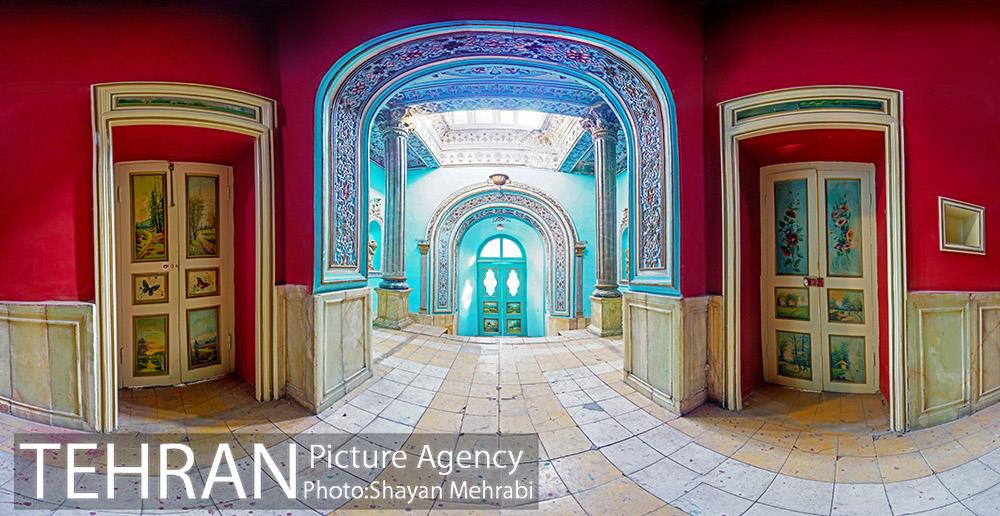
Iran’s Architecture in Photos: House of Mostofi-ol Mamalek

Iran's Architecture in Photos House of Mostofi-ol Mamalek

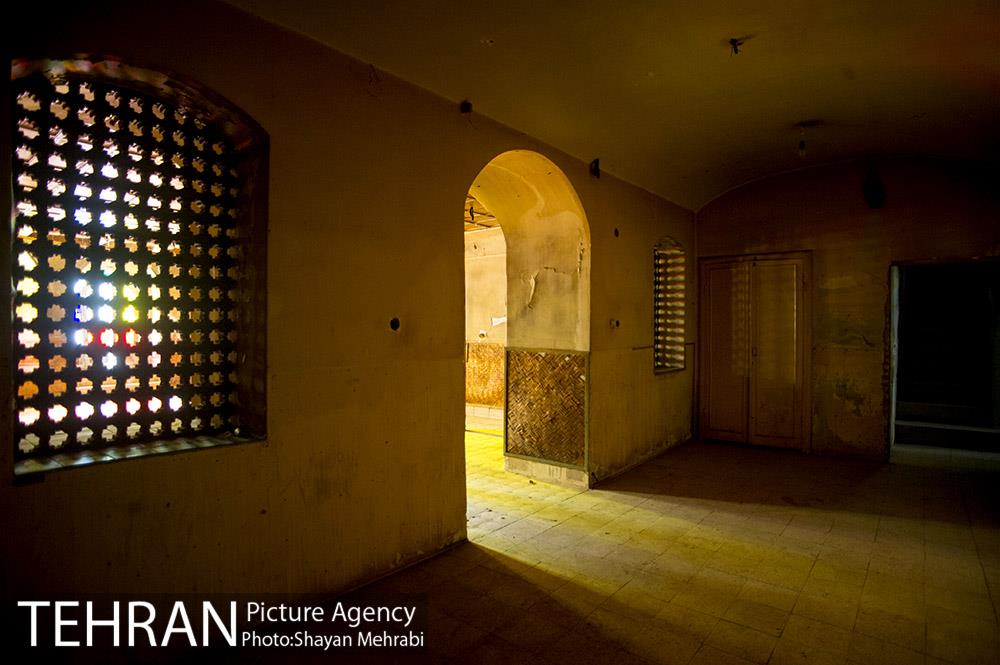
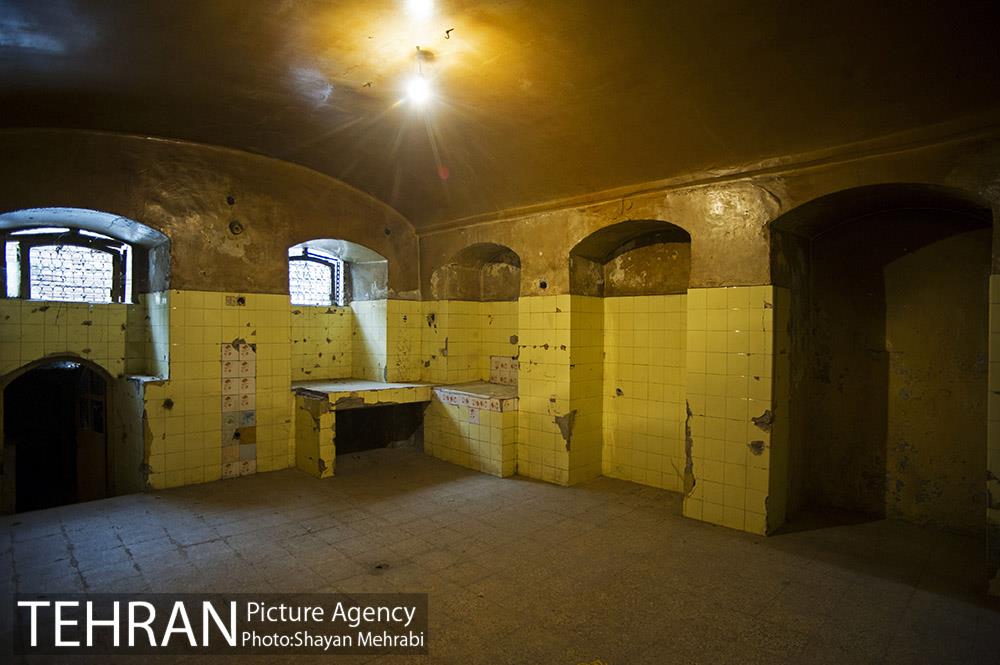
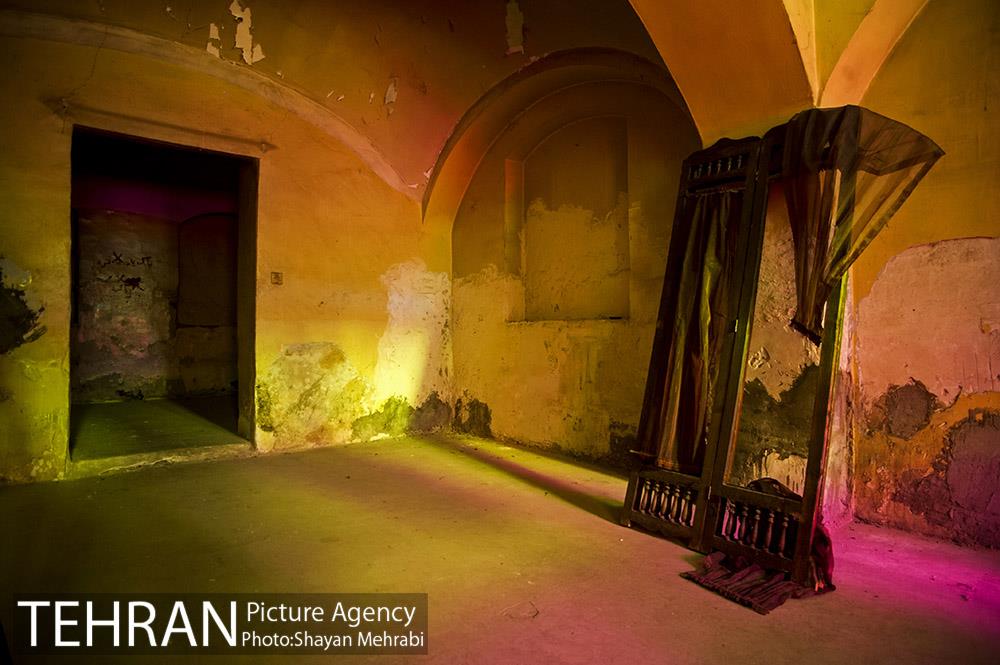
The house was constructed around the end of Nasser al-Din Shah Qajar’s reign in 1311 AH. It is located at the intersection of Galobandak, Pass of Mostofi, downtown Tehran.

The mansion has been the residence and workplace of Mirza Hassan Khan Mostofi-ol Mamalek, a noble statesman during Qajar and Pahlavi eras; and one of the most prominent figures in the contemporary history of Iran. He was the son of Mirza Yusof Mostofi Ashtiani, the Prime Minister of Nasser al-Din Shah Qajar.

It has been called the “political house” of Tehran because the first Iranian constitutional cabinet was formed there.

The house of Mostofi-ol Mamalek has retained its original shape as it hasn’t been restored up to this day; so it is different from other old houses of Tehran.

Although it has been registered in the list of Iranian national heritage in 1977, the historical house, owned by the Post Office, hasn’t been yet opened to public.

What follows are Tehran Picture Agency’s photos of the House of Mostofi-ol Mamalek in Tehran:

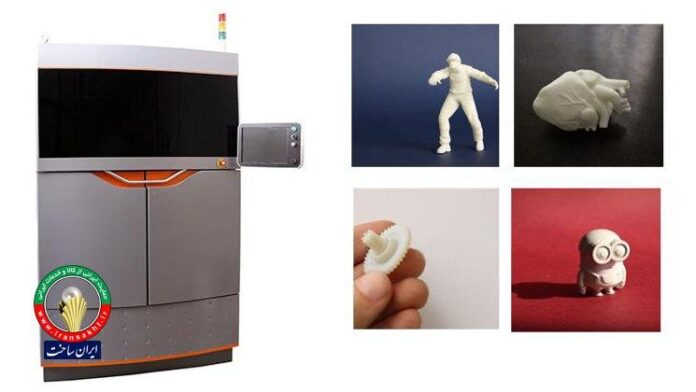
Iran Produces High-Tech 3D Printing Machine

Iran Produces High-Tech 3D Printing Machine

The R230 machine also known as SLS produces images which could be used to produce, in small numbers, polymer parts with high geometric complexity, says the company’s managing director.

He says the machine can produce polymer objects with very high precision and quality in the shortest possible time, adding only six countries have the technology to make this printer.

According to the official, the printer costs less to produce compared to similar printers made by foreign countries.

He added the technology to produce the printer has been completely developed by local experts.

Iran Develops Resistant Anti-Bacterial Nano-Paint

Iran Develops Resistant Anti-Bacterial Nano-Paint

Yousef Amrollahi, the CEO of the firm, said the paint could especially be useful in Iran’s northern cities where humidity and temperatures are high, which creates an ideal condition for mold and fungi to grow.

“Fungi and mold easily grow in specific conditions, which creates bad smell in indoor spaces. So, using anti-bacterial nano-paint could prevent the growth of these organisms,” he said.

He said some 8 tonnes of nano-paint is produced and sold every month.
He said the newly developed paint is more resistant than the conventional anti-bacterial nano-paint.

“The new nano-paint is highly resistant to oxidation as well,” he said.

Iranian Firm Develops High-Frequency Electronic Systems

Iranian Firm Develops High-Frequency Electronic Systems

Managing director of the company Farhad Rabiei said its research activities are, among other things, geared to meeting the needs of the telecommunications industry, producing protection systems, and developing image-processing as well as remote-control equipment.

“In line with these objectives, we have produced equipment such as fibre-optic transmitters, commercial and industrial PoE switches, converters of videos to fibre optics using CWDM technology, optic modems for visual automation products, and passive products such as patch cords and pigtails,” he said.

He touched upon the production of the fibre-optic converter which, he added, has these parts: a transmitter, a relay device and optic receiver.

“The transmitter produces data in the form of optic signals and encodes them. Optic fibres are used to transmit signal over long distances. Given the weakness of optic signals in long distances, a relay device is used to make them stronger. Finally, an optic receivers receives these signals and decodes them,” he said.

Rabiei noted the fibre-optic converter converts signals such as videos, voice, internet signals, phone signals and data into optic signals.

He said if these products are mass-produced, they will not only save the country a huge amount foreign currency, but also will meet a great part of the needs of the telecommunications and information technology sector.

6 Iranian Firms Working to Develop COVID-19 Vaccine: VP

5 Iranian COVID-19 Vaccines on WHO’s List of Vaccines Candidates

Vice-President for Science and Technology Sorena Sattari says no effective drug or vaccine for coronavirus has been developed around the world so far.

“Still, all medicines which contribute to the recovery of coronavirus patients and relevant equipment for the disease such as masks and ventilators are all being produced in the country,” he said.

“Moreover, the health minister is to inform the public of [efforts underway to develop] a vaccine,” he added.

Elsewhere in his remarks, Sattari said some 500 Iranian elite will return home from 200 top world universities to use their scientific knowledge to contribute to Iran’s progress.

He said the number of Iranian elite returning to the country in August 2020 registered a two-fold rise year-on-year.

Iran’s Public Culture Council Condemns Charlie Hebdo’s Insulting Cartoon

Iran’s Public Culture Council Condemns Charlie Hebdo’s Insulting Cartoon

In a statement released on Sunday, secretariat of the Public Culture Council of Irancondemned the French satirical magazine’s move to insult Prophet Muhammad (PBUH) by republishing offensive cartoons.

The Iranian council also denounced the “bitter and heinous” action from a group of malicious ignorant ill-wishers in Sweden to burn copy of holy Quran, saying such insults reveal the extent of their hostility towards Islam.

The statement has also emphasized that such sacrilegious moves will not only not harm Islam and the holy character of Prophet Muhammad (PBUH), but lays bare the frustration of enemies and their failure to engage in logical discourse.

The consequences of insulting the sanctities of 1.5 billion Muslims in the world will plague those who have masterminded, provoked and perpetrated such evil plot, it added.

The French satirical newspaper whose Paris offices were attacked in 2015 is reprinting the controversial caricatures of Islam’s Prophet Muhammad.

In an editorial last week accompanying the offensive caricatures, the paper said the drawings “belong to history, and history cannot be rewritten nor erased”.