Tuesday, April 28, 2026
Home Blog Page 255

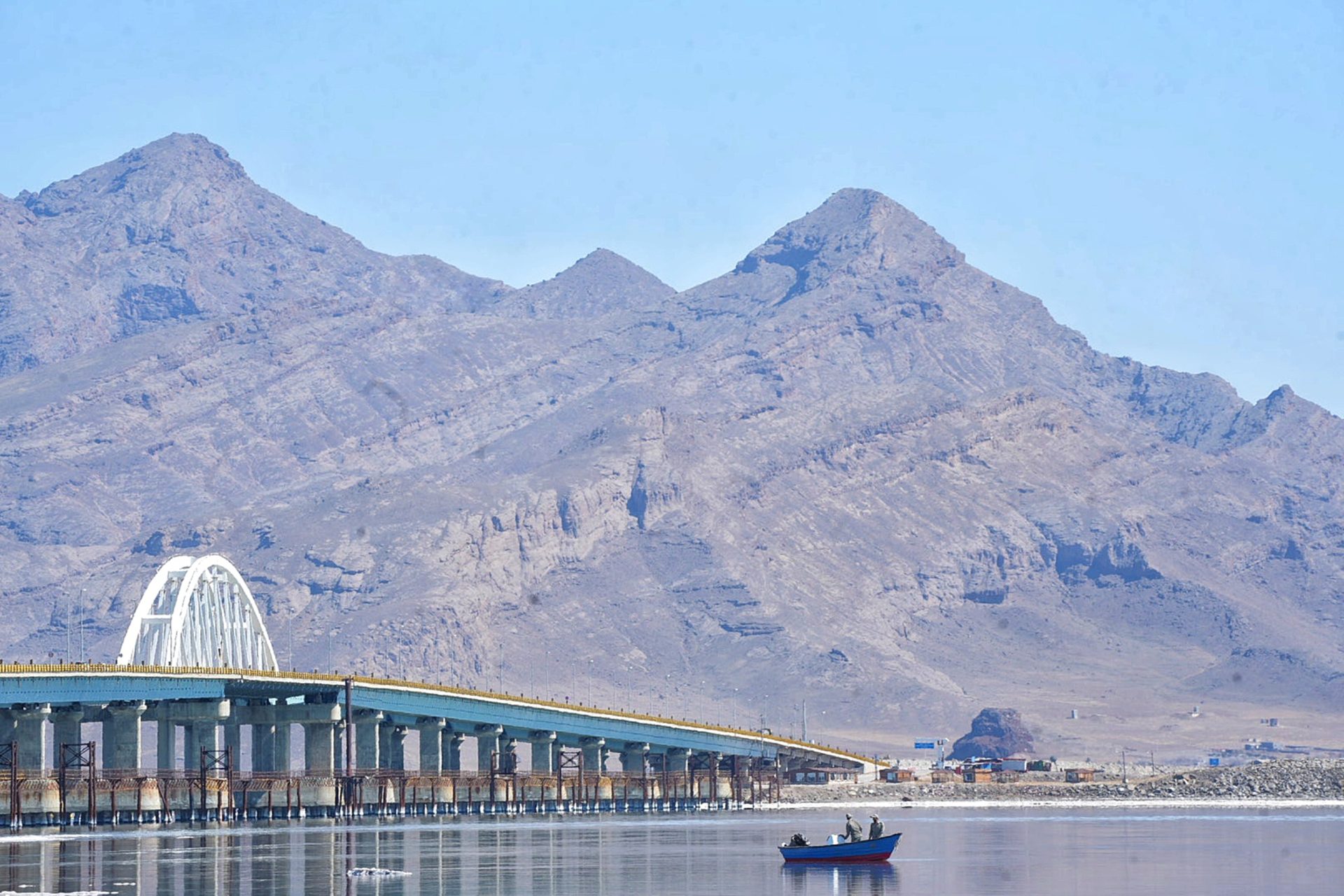
President Pezeshkian visits Lake Urmia, seeks intl. expertise for revival efforts

During the visit, Pezeshkian expressed deep concern over the failure to implement previous restoration plans, noting that although a 26-point action plan was approved two decades ago, most of it has either remained unexecuted or was poorly implemented.
He emphasized the need for a comprehensive and collaborative approach to reversing the lake’s ecological decline.

“We are studying various proposals, including diverting treated wastewater from East Azerbaijan and managing the inflow from the Zarrineh and Simineh rivers,” he said.
President Pezeshkian visits Lake Urmia, seeks intl. expertise for revival efforts

Pezeshkian announced that consultations will be held with both domestic and international experts to identify effective solutions. “We are committed to involving university professors, researchers, and specialists, and we plan to draw on foreign expertise to help us find viable paths forward,” he stated.

Acknowledging the significant role of rainfall in the lake’s condition, the president underscored the importance of long-term planning. “We must also examine why the agricultural components of the revival plan have not been implemented and address these shortcomings urgently,” he added.
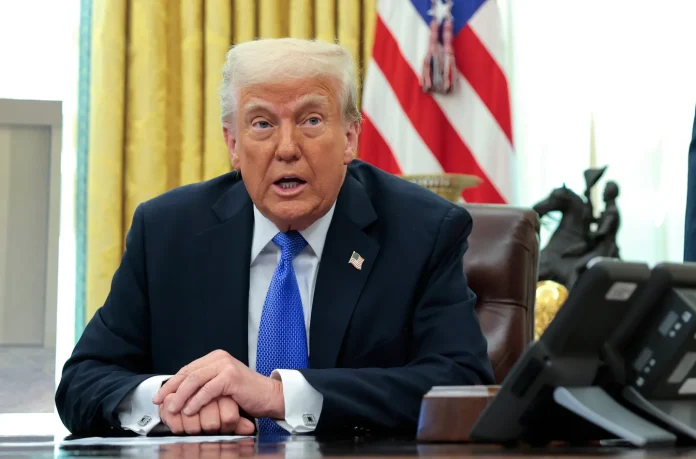
Iran preparing response to Trump’s letter, rules out direct talks under pressure

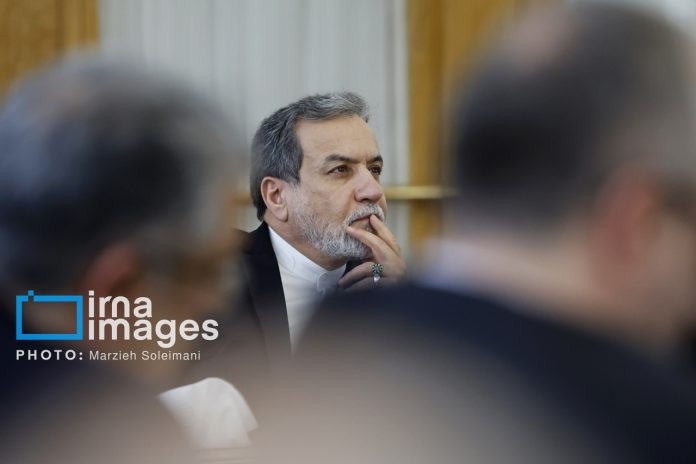
In a joint press conference with his Armenian counterpart, Ararat Mizoryan in Yerevan. Araghchi confirmed that while the reply has not yet been delivered, it will be sent soon “in an appropriate manner and through proper channels.”

Araghchi reiterated Iran’s firm stance against entering direct talks with the United States under the current circumstances.

“As long as we are under maximum pressure, facing military threats and increased economic sanctions from Washington, we will not engage in direct negotiations,” he said.

However, he emphasized Iran’s continued openness to dialogue regarding its peaceful nuclear program. “We have always been ready to negotiate to enhance transparency,” he noted, adding that Iran is currently in discussions with the three European parties to the JCPOA- France, Germany and the UK- as well as other interested nations.

The senior diplomat also stressed Iran’s commitment to diplomacy in resolving regional issues. “We believe problems in the region must be resolved through dialogue, not warfare. Iran opposes any military aggression or escalation in the region,” Araghchi said.

American senators push Trump to seize Russian assets for Ukraine: Reuters

In a letter to Secretary of State Marco Rubio seen by Reuters on March 24, senators questioned the administration’s willingness to use all available financial tools to pressure Russia into ending its war against Ukraine.

“How does the Administration view using all financial tools at its disposal to increase pressure on Russia to end the war?” the senators reportedly wrote in the letter.

They also asked whether U.S. and EU-held Russian assets should be leveraged in negotiations with Moscow.

Senators Todd Young and Lindsey Graham signed the letter, marking a rare instance of senior Republicans publicly urging a tougher stance on Russia. Democrats Richard Blumenthal and Tim Kaine signed it as well.

Pro-Ukraine Republicans in Congress have largely remained silent as Trump shifts U.S. policy closer to Moscow. The State Department has not yet responded to the senators’ request.

Their letter, sent on March 21, coincided with U.S.-Russia negotiations in Saudi Arabia, where officials discussed a potential Black Sea maritime ceasefire as a precursor to broader peace talks.

For years, U.S. lawmakers have pushed to use frozen Russian assets to support Ukraine’s reconstruction rather than rely on American taxpayer dollars.

In the letter, the senators pressed the administration on whether it plans to encourage the EU, G7, and other allies to use Russian sovereign assets for Ukraine’s benefit. They also inquired about allowing Ukraine to purchase defense equipment using these assets.

Following Russia’s 2022 full-scale invasion of Ukraine, the U.S. and its allies froze an estimated $300-350 billion in Russian sovereign assets, primarily held in European financial institutions.

Washington has refrained from fully seizing the assets due to legal concerns, instead opting to use interest earnings to provide aid to Ukraine. Meanwhile, Moscow has condemned any potential asset transfer as theft but has reportedly signaled a willingness to use frozen European funds for reconstruction—provided some of the money benefits the Russian-occupied territories of Ukraine.

Iran’s FM stresses South Caucasus importance following Armenia visit

Abbas Araghchi

In an Instagram post on Tuesday detailing his trip, Araghchi described his discussions with Armenian Foreign Minister Ararat Mirzoyan as part of Iran’s “continuous talks with the neighbors about bilateral relations and regional developments.”

“After participating in an informal meeting and dinner hosted by Minister Mirzoyan, I walked back to my accommodation,” Araghchi wrote, noting warm encounters with Iranian tourists visiting Yerevan for Nowruz holidays.

The Iranian foreign minister specifically highlighted that “the South Caucasus holds particular importance in our country’s foreign policy,” reaffirming Iran’s commitment to active engagement in the region.

Araghchi arrived in Yerevan on Monday at the invitation of his Armenian counterpart as part of Iran’s ongoing talks with neighboring countries regarding bilateral relations and regional developments.

Analysts view the visit as part of Tehran’s efforts to maintain balanced relations with all South Caucasus nations, including Armenia and the Republic of Azerbaijan, while protecting its strategic interests.

Russia managed to influence American leadership: Zelensky

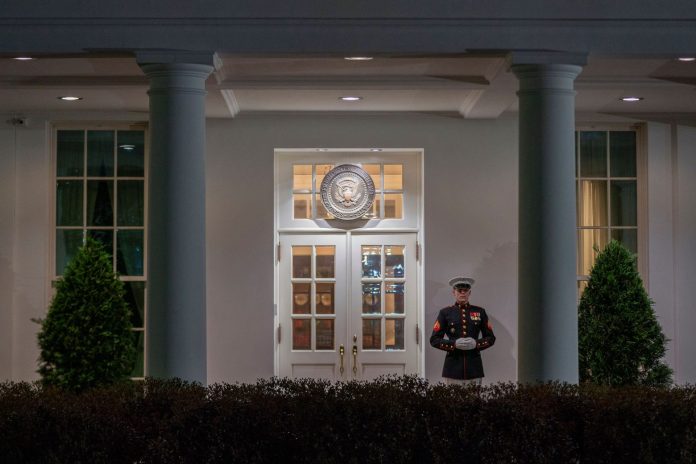
White House

According to Zelensky, some in the White House have begun to trust Russian President Vladimir Putin’s word more than their own intelligence.

“I believe Russia has managed to influence some people on the White House team through information,” Zelensky said.

“Their signal to the Americans was that the Ukrainians do not want to end the war, and something should be done to force them.”

The U.S. has suspended military aid and intelligence to Ukraine after a meeting between Zelensky, U.S. President Donald Trump, and U.S. Vice President JD Vance in the White House ended in a heated argument.

The freeze on military aid has drawn criticism even from members of Trump’s own party.

In an interview with American far-right political commentator Tucker Carlson, U.S. special envoy to the Middle East, Steve Witkoff openly parroted Russian propaganda and agreed with most of the Kremlin’s talking points, further casting doubt on whether Ukraine can expect to gain a ceasefire on its terms.

“(Russia) reclaimed these five regions. They have Crimea, and they’ve gotten what they want. So why do they need more?” Witkoff stated.

Another instance that the Ukrainian president said was part of the Russian narrative was Trump’s comments about the encirclement of “thousands” of Ukrainian troops in Kursk Oblast.

“That was a lie,” Zelensky stressed.

Trump made his comments about the alleged encirclement ahead of a planned call with Putin, in which the two leaders discussed a possible peace deal with Ukraine.

The call was intended to secure Russia’s agreement to the U.S.-proposed 30-day ceasefire, which Ukraine had already accepted on the condition that Moscow also complied.

Putin initially signaled readiness to agree to a ceasefire but followed up with a list of demands, including a halt to foreign military aid and intelligence sharing with Ukraine.

During the call with Trump, Putin once again declined to commit to a full ceasefire but did agree to a limited 30-day halt on energy infrastructure strikes, which Russia immediately violated.

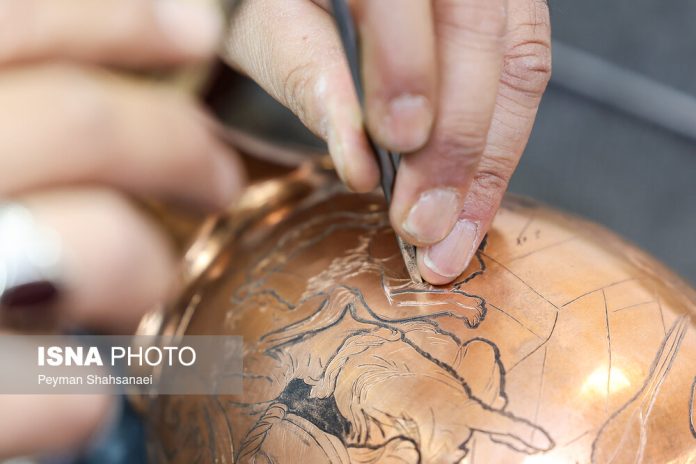
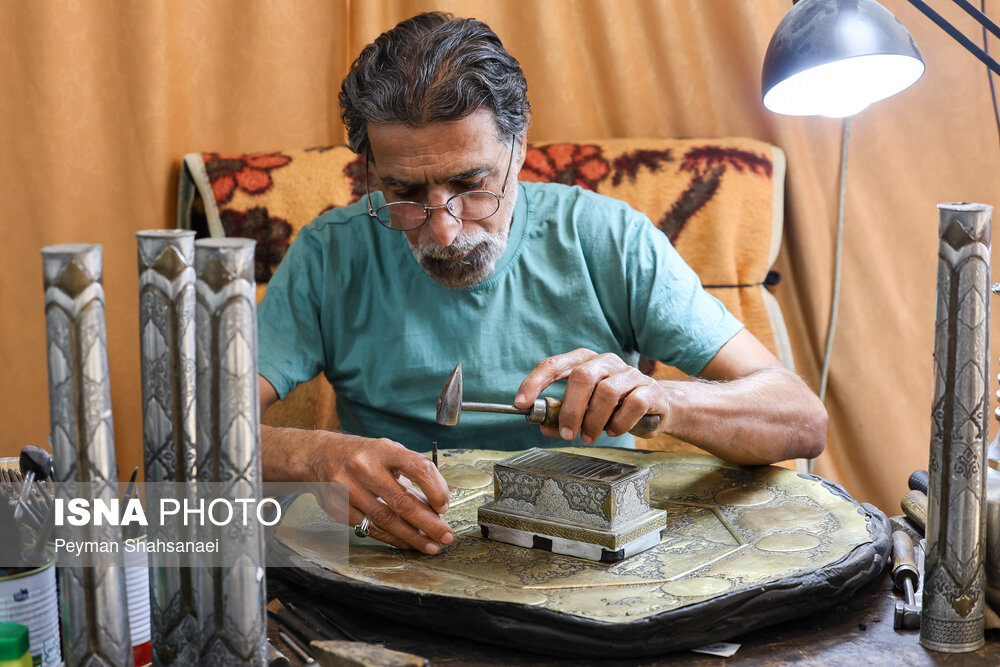
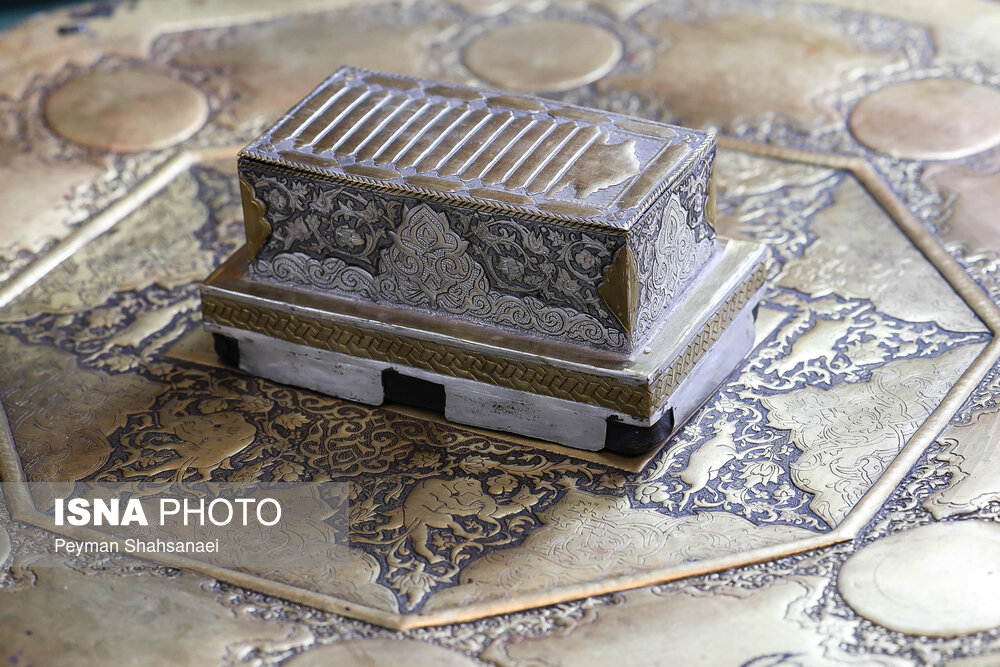
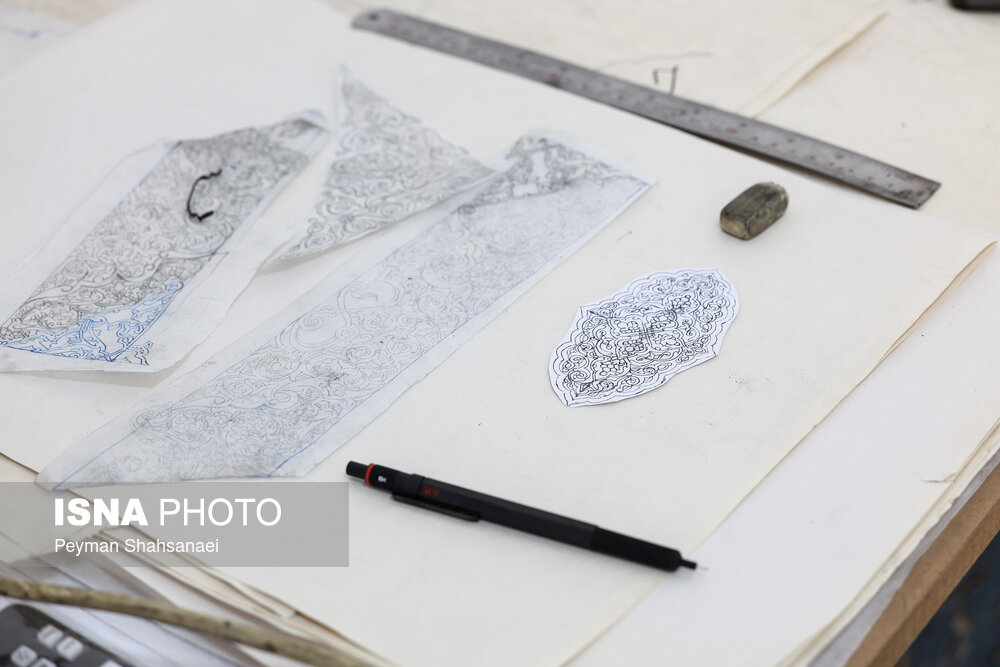
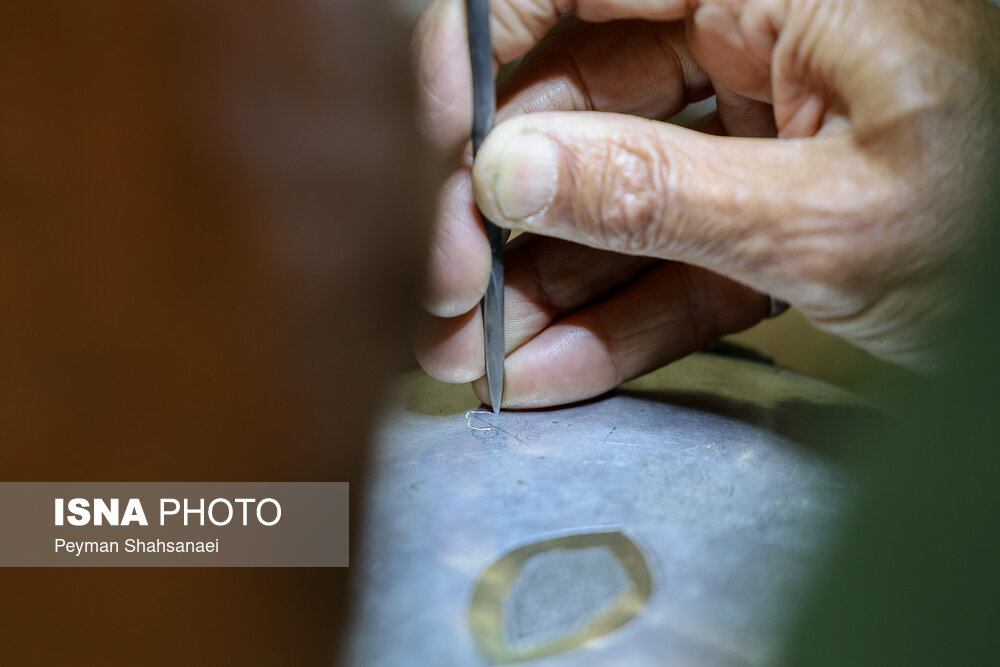
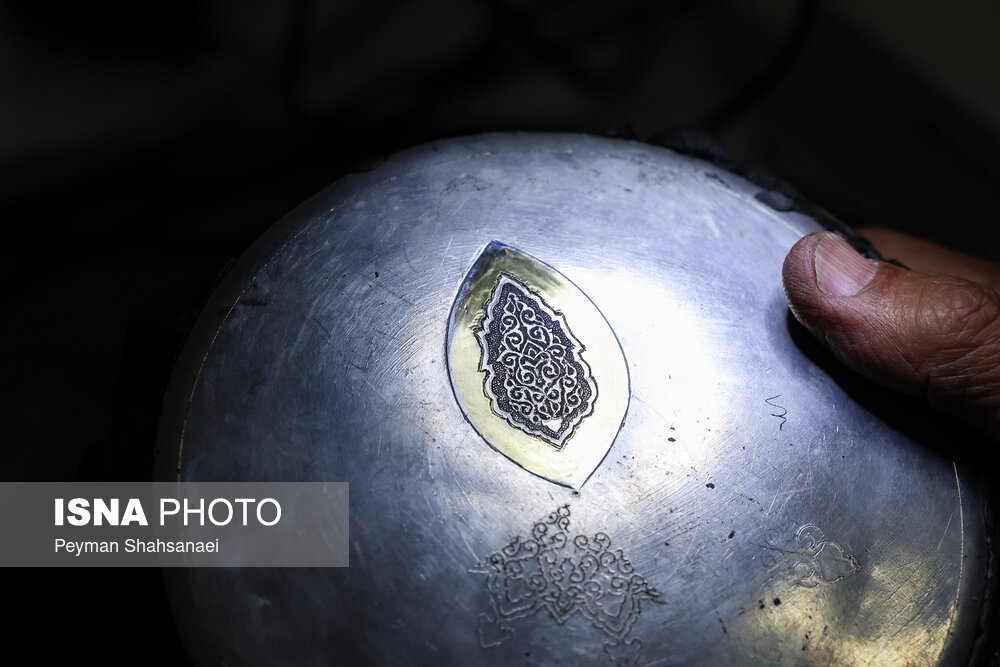
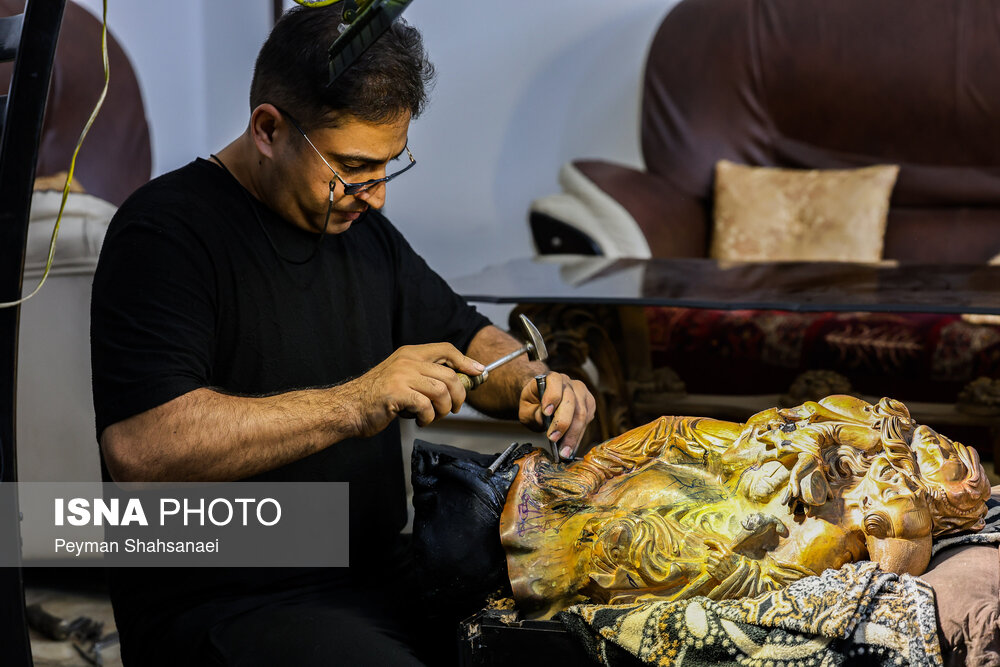
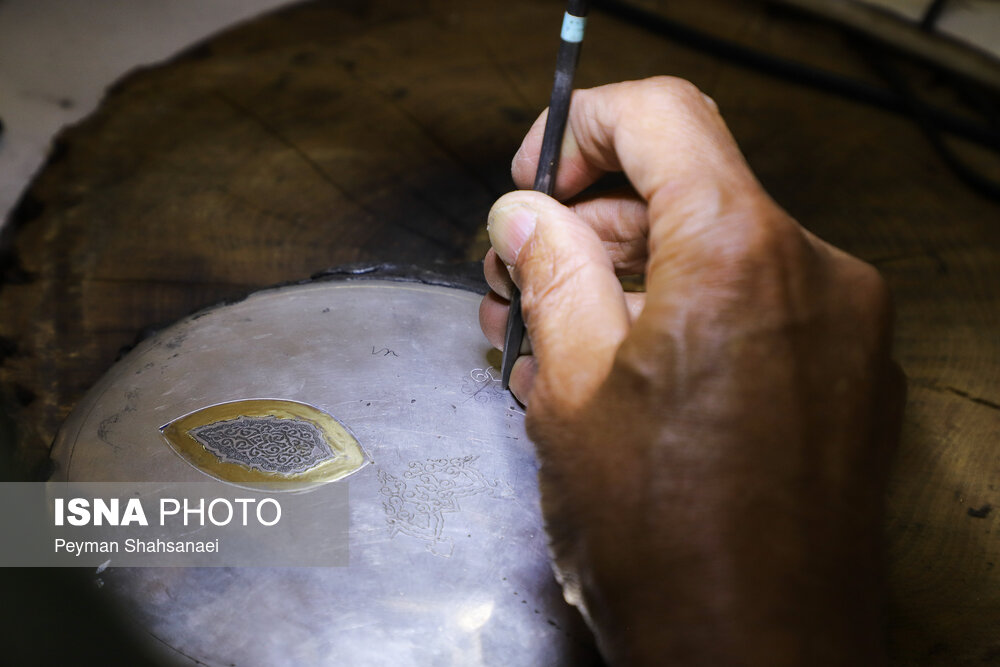
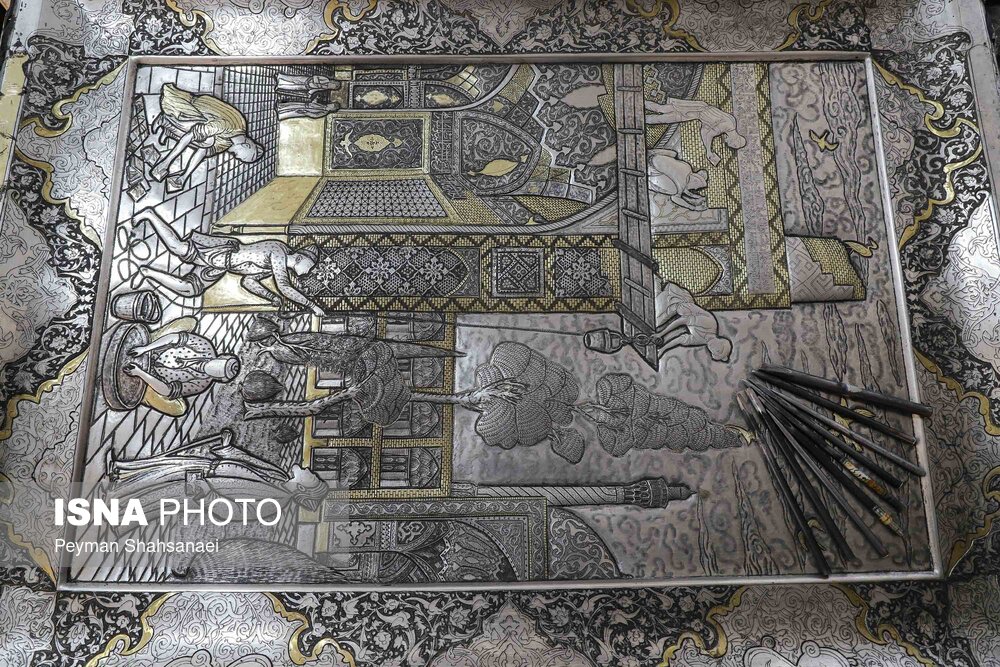
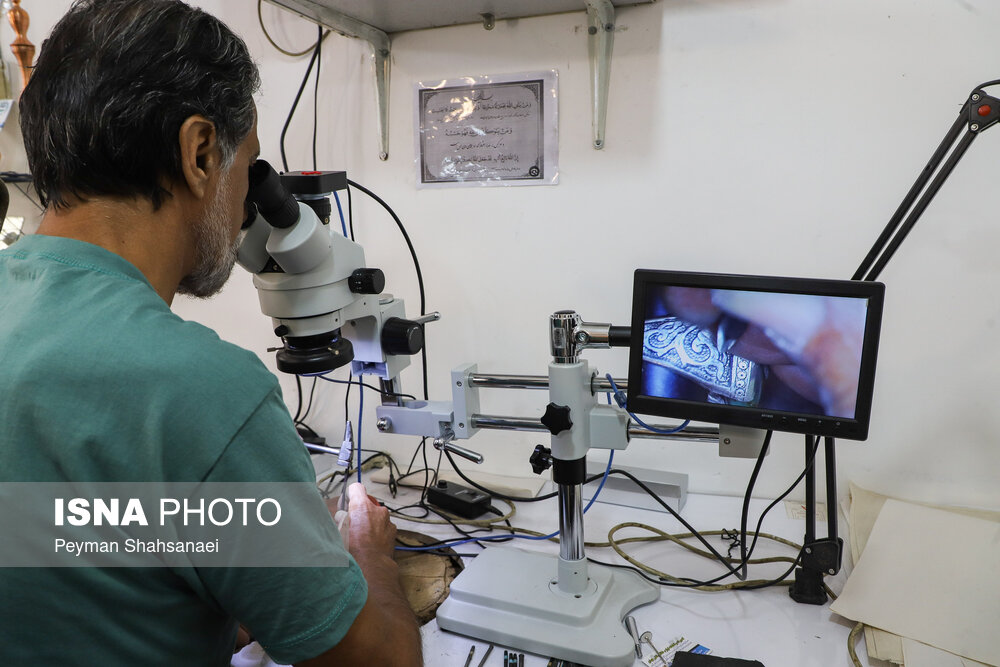
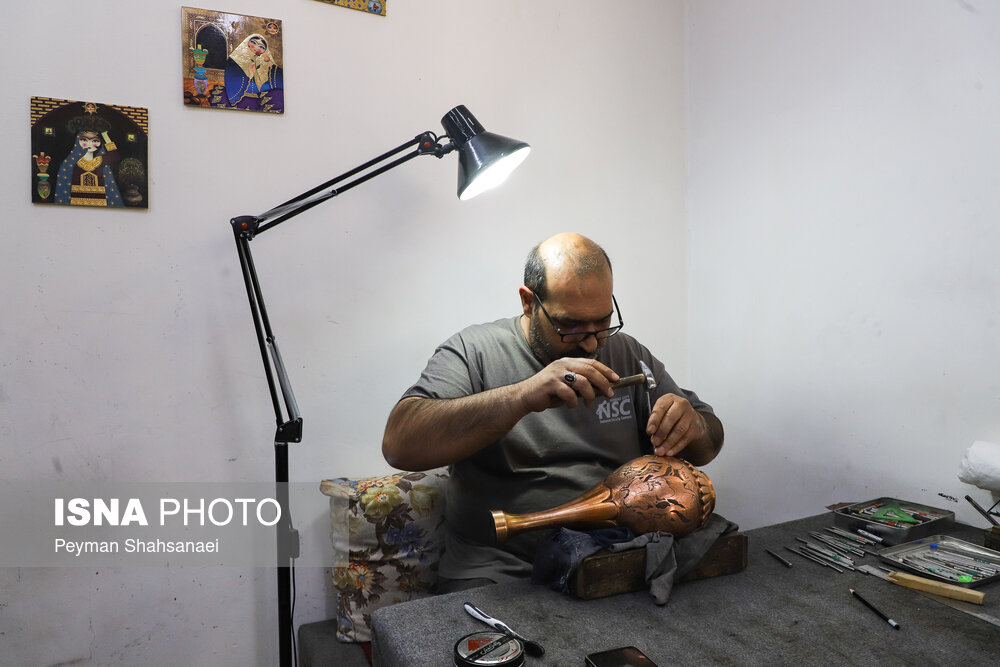
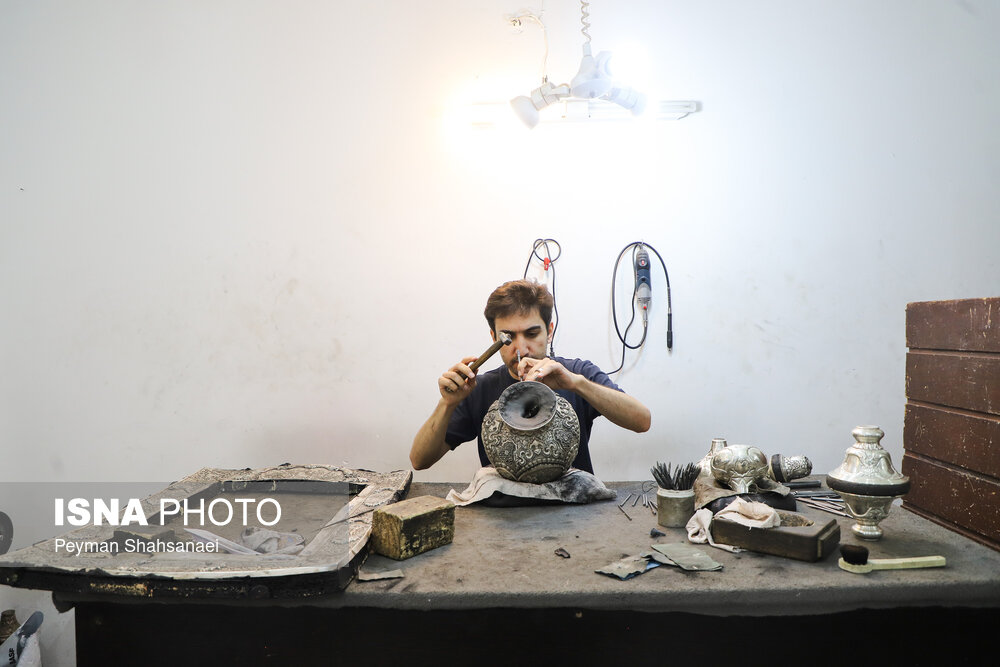
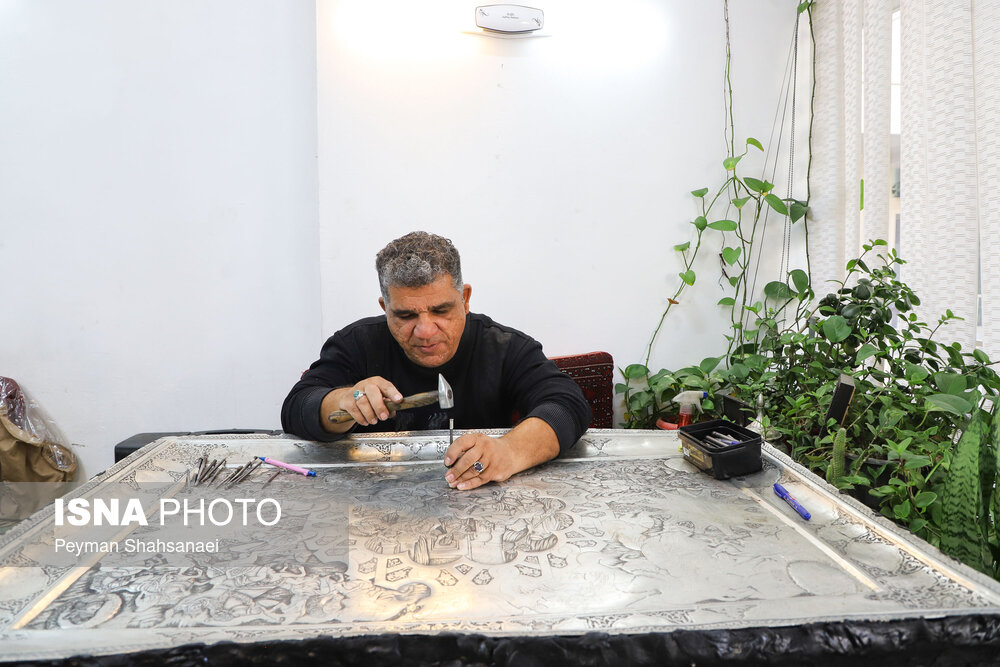
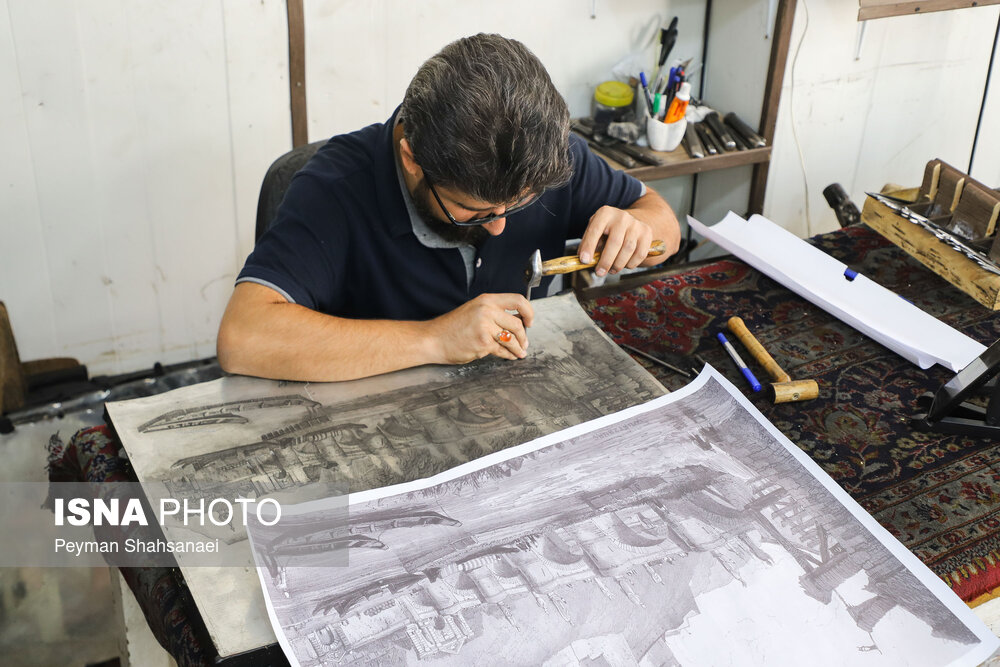
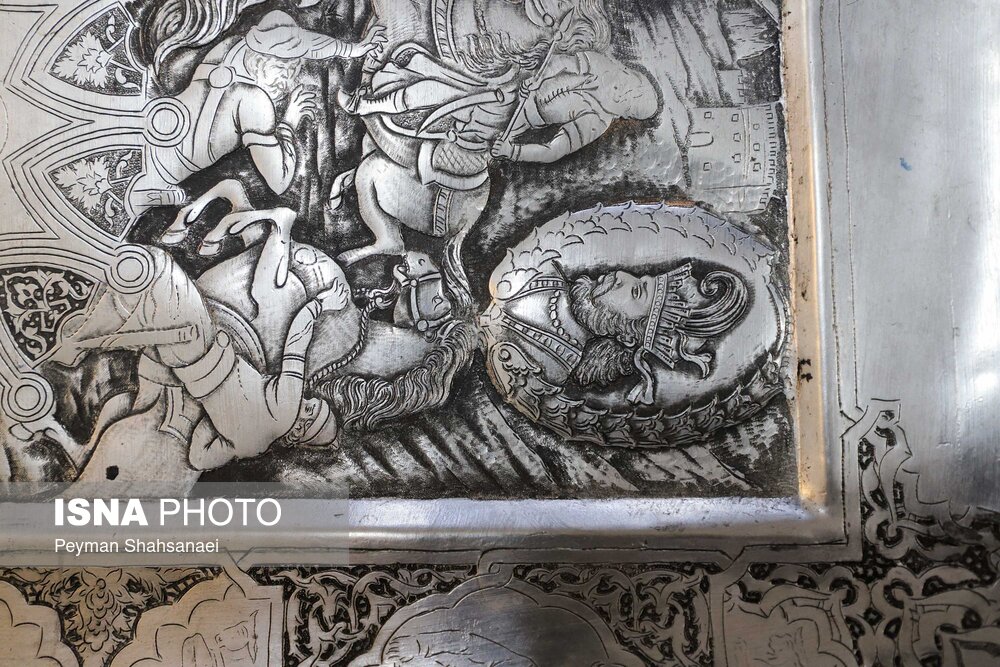
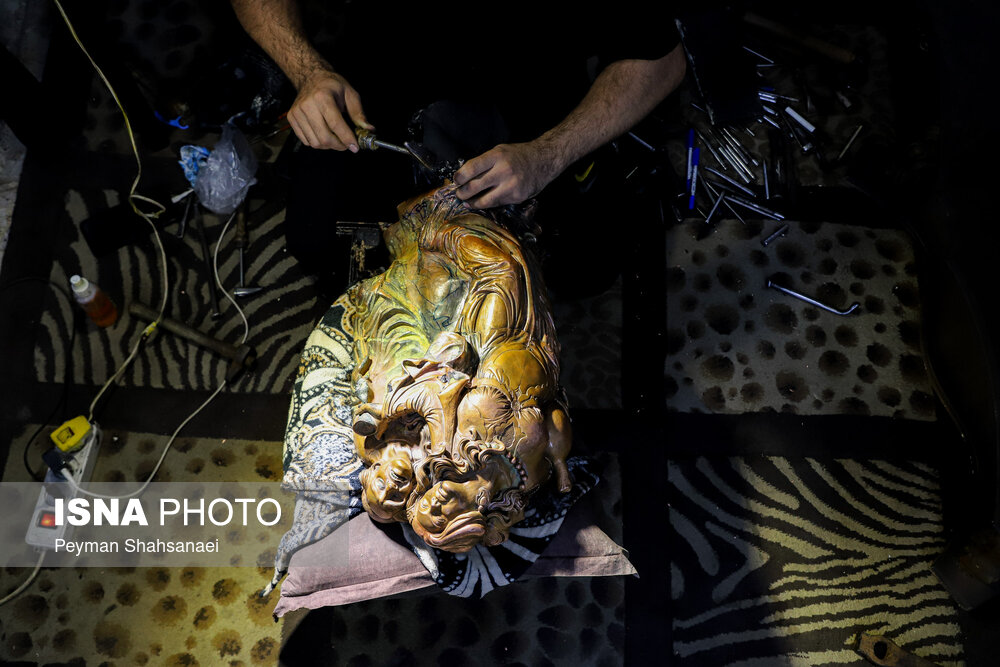
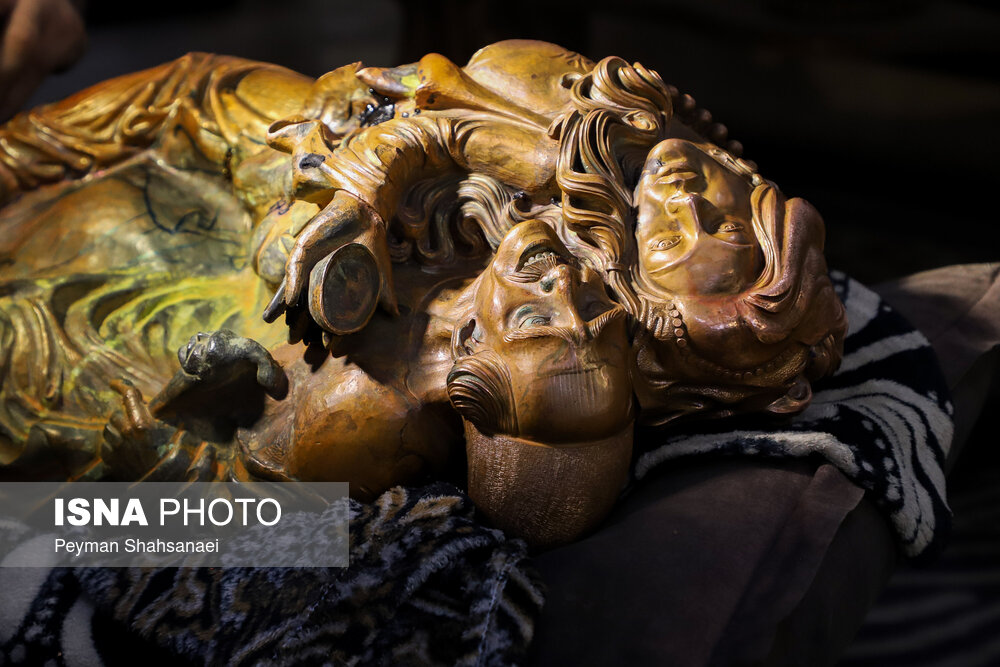
Iran’s ancient art of Qalamzani gains global recognition

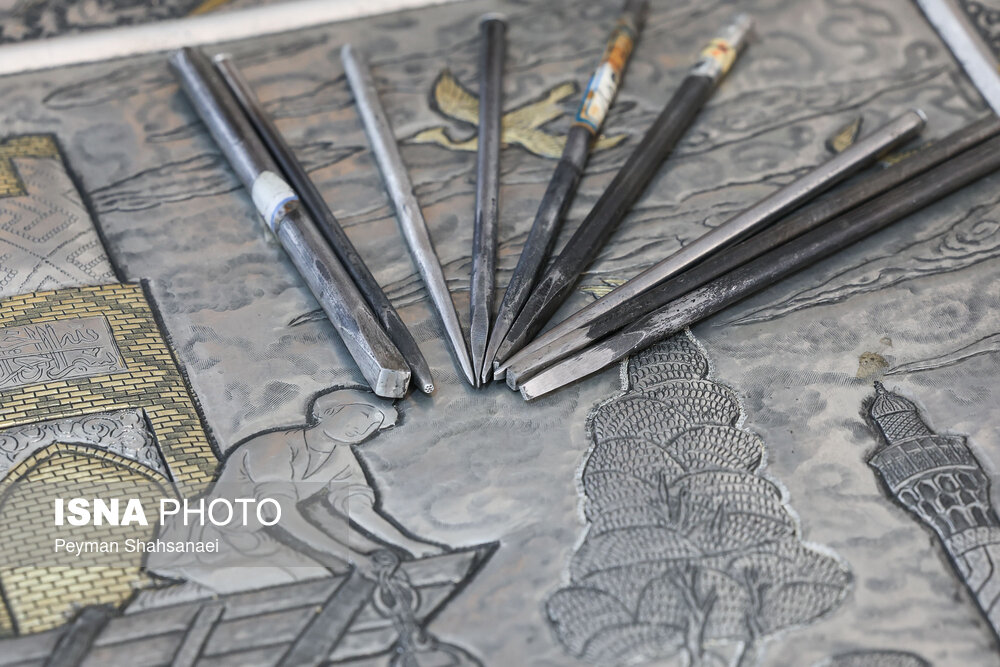
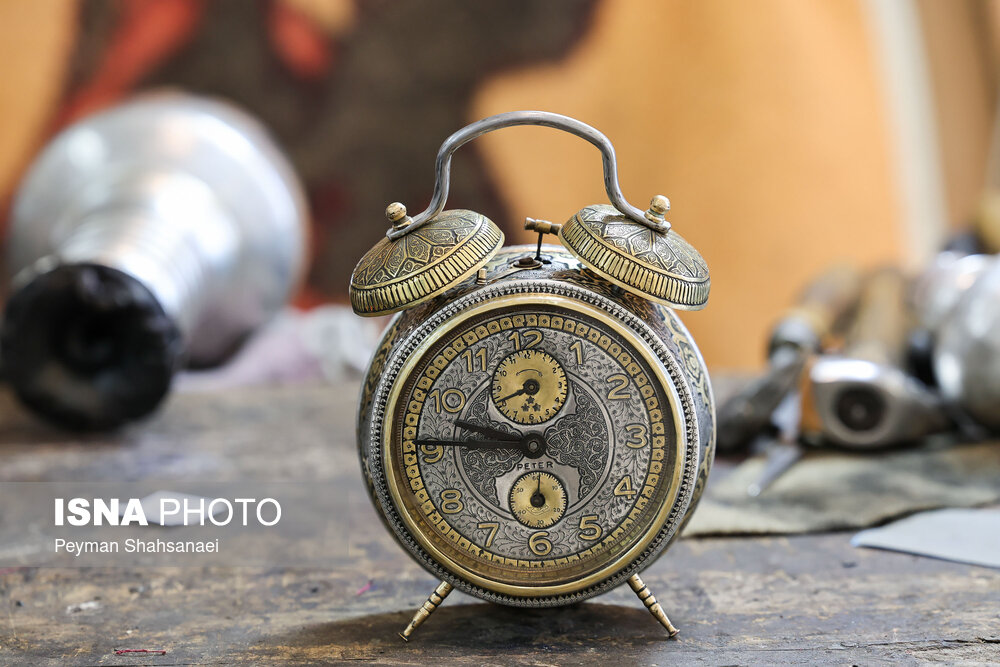
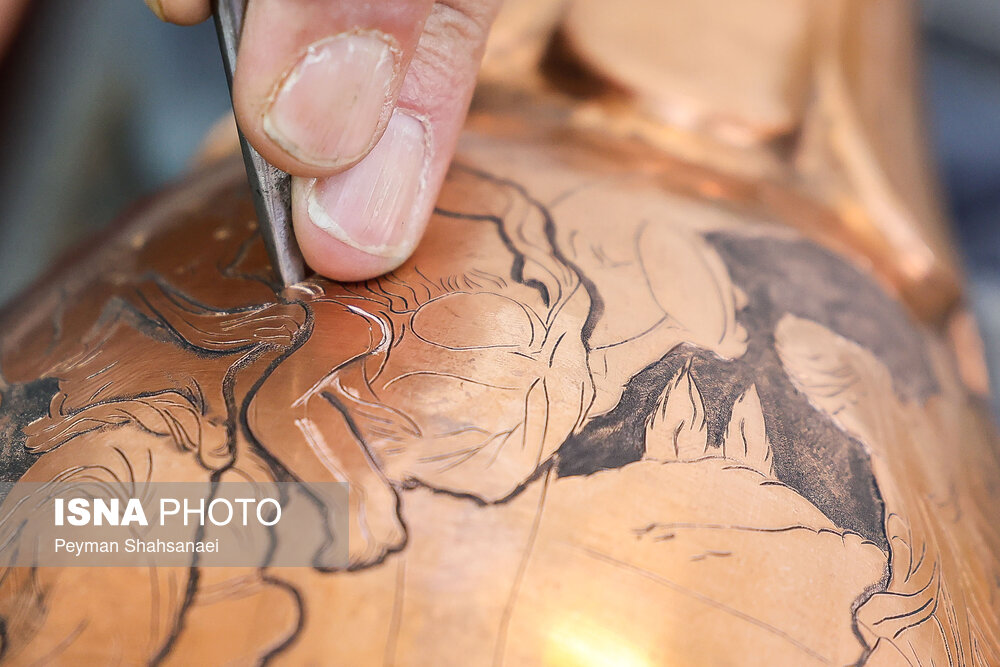
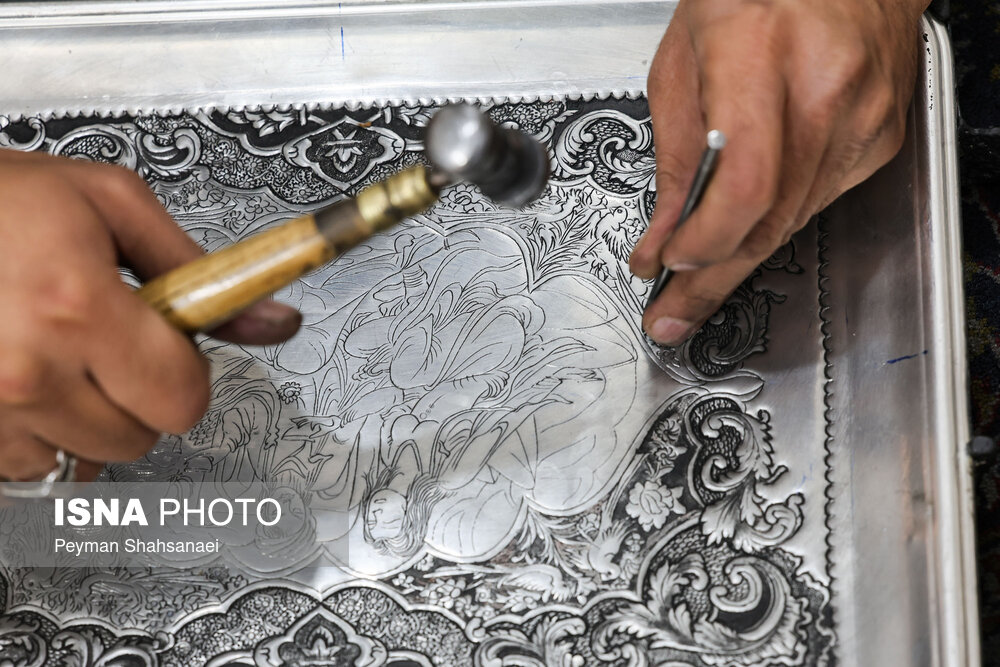
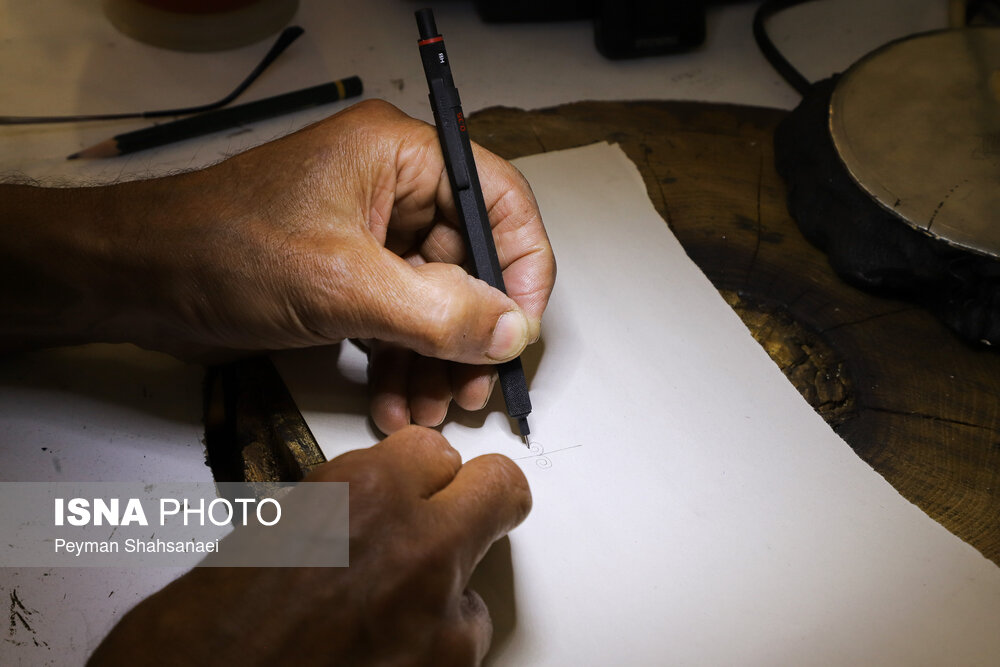
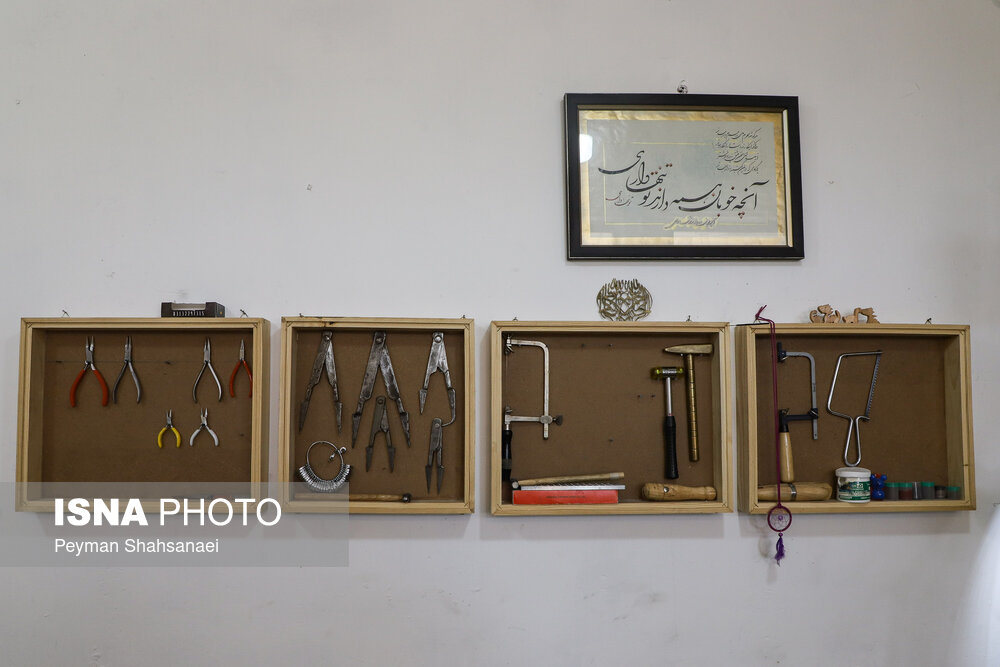
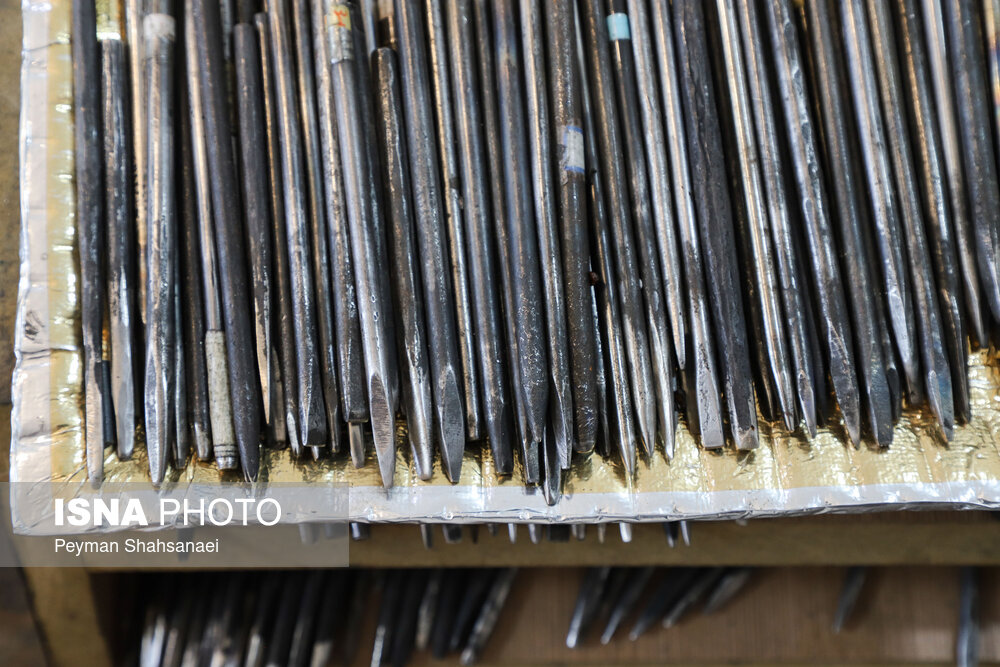
The intricate art form involves etching elaborate designs onto copper, gold, brass, or silver surfaces using specialized chisels and hammers.

Copper remains the preferred medium due to its malleability, a tradition dating back to when humans first worked with metals in ancient Persia and the Near East millennia before Christ.

While the exact origins of Iranian metal engraving remain unclear, archaeologists consider it among humanity’s earliest metalworking traditions.

More in pictures:

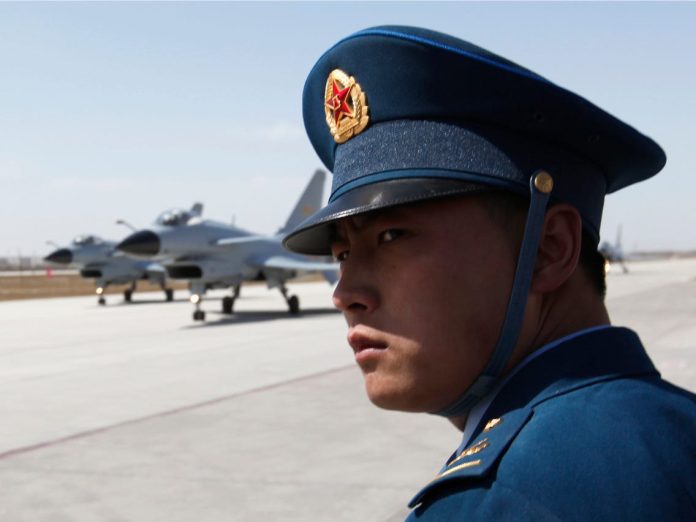
China refutes involvement in Ukraine ‘peacekeeping’ contingent

China Air Force

The report by German outlet Welt am Sonntag is “not true at all,” Chinese Foreign Ministry spokesperson Guo Jiakun told a press briefing on Monday when asked to comment on the claims.

China’s position “on the Ukraine crisis is consistent and clear,” the spokesperson said.

Beijing has played an active role in advocating for a diplomatic solution since the escalation of hostilities three years ago, proposing a 12-point peace plan in 2023 and maintaining dialogue with both Moscow and Kiev.

Guo previously stated that Beijing believes dialogue and negotiations are the only viable ways out of the crisis.

On Saturday, Welt reported, citing unnamed EU diplomats, that Beijing is considering joining a potential ‘peacekeeping mission’ spearheaded by the UK and France.

China’s participation in the plan involving a ‘coalition of the willing’ “could potentially increase Russia’s acceptance of peacekeeping forces in Ukraine,” the diplomats reportedly told the outlet. Russia has repeatedly rejected the idea of Western troops in Ukraine, noting that it would require UN Security Council approval, where Moscow holds veto power.

The idea of creating a group of countries ready to support Kiev militarily was first proposed by UK Prime Minister Keir Starmer at an emergency summit in London earlier this month.

The plan, which includes the deployment of troops and aircraft, was backed by French President Emmanuel Macron, who said Western forces would not be deployed to Ukraine until the situation on the ground is safe for them.

Both Macron and Starmer are expected to hold separate meetings in London and Paris this week centered on military planning for Ukraine.

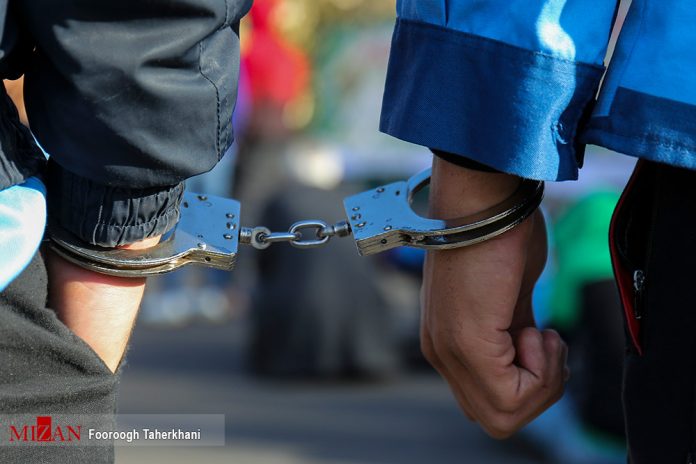
Iran arrests 22 over ethnic tensions in West Azarbaijan Province

Iran Police

General Rahim Jahanbakhsh, the provincial police commander, said on Monday the arrests followed reports that separatist groups attempted to exploit large public gatherings to promote ethnic divisions.

General Jahanbakhsh stated that the suspects sought to “create discord among Iran’s ethnic communities” during an annual religious commemoration, which drew significant crowds in cities like the provincial capital, Urmia.

“Through close coordination between police and vigilant citizens, we identified and neutralized the plot aimed at undermining national unity,” the police commander said.

Authorities say the detainees were influenced by “misguided statements,” without further clarifying.

General Jahanbakhsh warned that anyone threatening national cohesion would face “decisive legal action,” noting that foreign adversaries often seek to exploit Iran’s ethnic diversity.

The development comes days after a man was arrested in Urmia for insulting and provoking Kurdish citizens during a religious ceremony.

Several Iranian officials, including Islamic culture minister, have issued warnings against inciting ethnic and religious tensions in the country.

The city of Urmia, in northwestern Iran, is known for being a region where various ethnic groups, including Kurds and Turks, have lived peacefully together for generations.

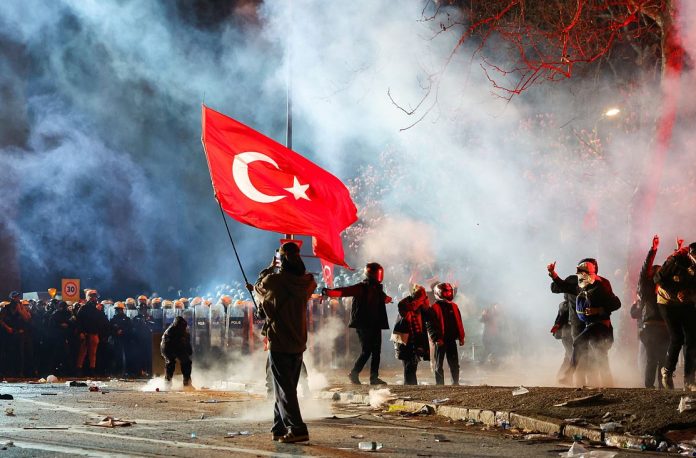
Turkey protests over detention of Istanbul’s mayor an internal matter: Iran FM

Iranian Foreign Minister Seyed Abbas Araghchi discussed regional and international developments with his Turkish counterpart Hakan Fidan on the phone.

During the telephone conversation, the two sides held talks over regional issues, particularly the situation in occupied Palestine, the resumption of  Zionist regime attacks on Gaza and Lebanon, the regime’s aggression against Syria, and US military strikes against Yemen.

Fidan highlighted Turkey’s participation in the recent Arab-Islamic Contact Committee meeting in Cairo to address Gaza’s crisis, underlining the need for Muslim nations to address the situation of the oppressed Palestinian people.

Iran’s foreign minister also condemned the Zionist regime’s crimes and acts of aggression in violation of ceasefire agreements in Gaza and Lebanon. Araghchi demanded immediate international action, especially by Islamic and regional states, to halt the occupying Zionist regime’s crimes.

He also denounced US airstrikes on Yemen, which coincided with Israel’s renewed attacks on Gaza, the West Bank and Lebanon. The Iranian foreign minister stressed the importance of regional cooperation and coordination to prevent acts of aggression against Muslim countries that cause instability and insecurity in the region.

Regarding Turkey’s internal developments, Araghchi reaffirmed the Islamic Republic of Iran’s principled stance, saying what’s unfolding in Turkey is an internal issue. He expressed confidence that relevant Turkish authorities would handle those developments appropriately in line with the Turkish people’s interests.

At the beginning of the telephone conversation, the top Turkish diplomat congratulated Araghchi on Nowruz and reiterated Turkey’s readiness to support diplomatic solutions for regional and global issues.

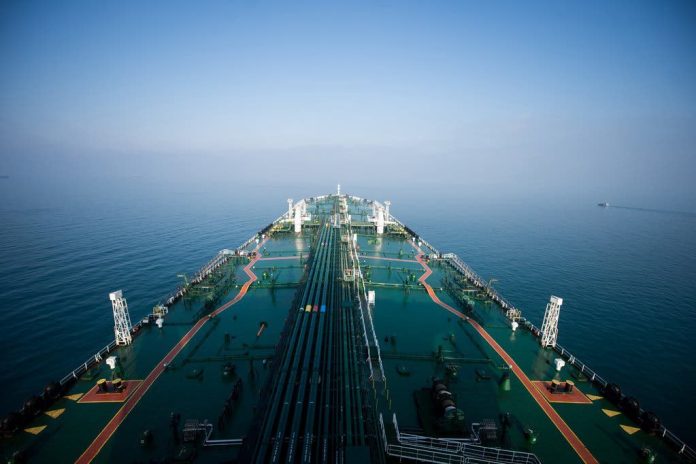
Iran asserts oil trade operates within legal frameworks, denies claims of shipment seizures

Iran Oil Tanker

Iran’s Deputy Minister of Petroleum for International Affairs and Trade, Seyed Ali Mohammad Mousavi, stated on Monday that Iran’s oil exports strictly comply with international trade standards.

The remarks came in response to reports citing Iraq’s oil minister, who – based on US officials’ allegations – claimed that several Iranian vessels were detained for “forging Iraqi documents.”

“These claims are entirely false and reflect Washington’s unlawful pressure campaign against Iran,” Mousavi said, suggesting that the Iraqi Oil Minister Hayyan Abdul Ghani’s comments were misrepresented or taken out of context.

Mousavi emphasized that Iran’s oil trade operates within legal frameworks and dismissed the allegations as “malicious propaganda” aimed at undermining Iran’s economy.

“Such efforts will not deter Iran from fulfilling its legal and commercial obligations,” he added.
The US has yet to provide evidence supporting the seizure claims.