Sunday, December 28, 2025
Home Blog Page 2520

Iran Rules Out Any New Agreement Apart from JCPOA

Iran Condemns Canada’s Human Rights Resolution

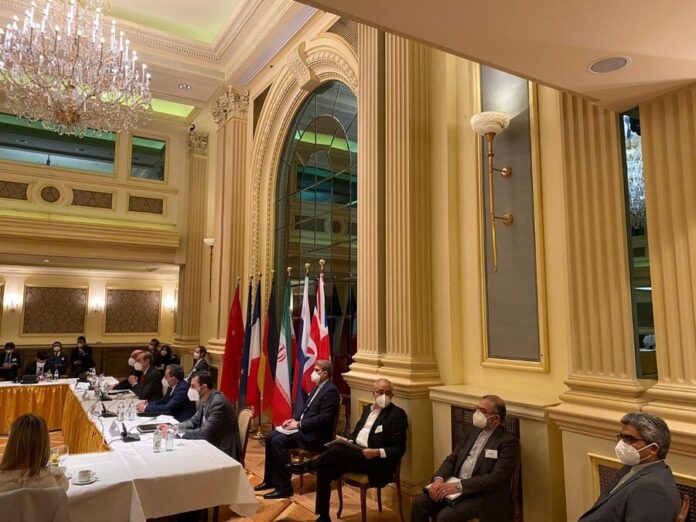
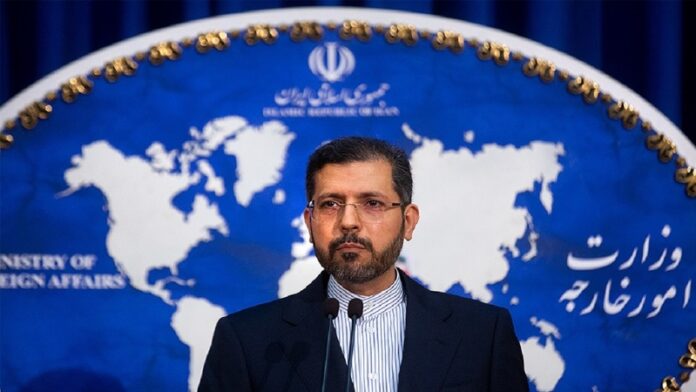
Speaking in his weekly press briefing, Khatibzadeh said the current Vienna talks are held with the aim of clarifying the path of the US return to its commitments under the 2015 nuclear deal.

Asked whether the US has shown signs of flexibility in removing the sanctions, Khatibzadeh said the answer was positive, but stressed that what counts is what is achieved at the end of the negotiations.

“The US must announce return to its commitments, fulfill them and remove its sanctions,” he said.

He also stressed that the ongoing Vienna talks will progress if the US abolishes former president Donald Trump’s failed “maximum pressure” campaign against Iran and commits to its obligations under the deal.

“Consultations will progress more easily if the US decides to move away from Trump’s failed legacy and live up to its commitments,” he added.

Khatibzadeh stressed that there are no direct or indirect talks between Tehran and Washington.

He said the Americans know very well that Iran’s remedial measures, which it began to take in response to the US withdrawal and provocations, were part of the country’s rights under the JCPOA.

These measures “will be ceased only when the US removes the sanctions and we verify that,” the spokesman said, repeating Iran’s stance that the measures are reversible provided that the US honors the deal in a verifiable manner.

He said one of the key issues is that the Biden administration does not recognize some of the sanctions imposed under Trump related to the JCPOA, but the Iranian negotiators have “stressed that those sanctions were intended to make a return to the nuclear accord more difficult.”

“At the time, Trump administration officials unashamedly said that the sanctions were imposed with that motive,” the spokesman added.
Iranian, Indonesian Foreign Ministers Discuss Bilateral Ties in Jakarta

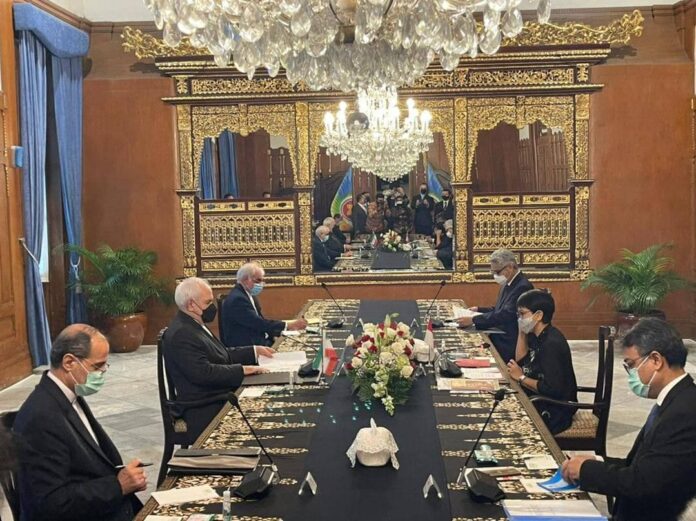
In the meeting, Zarif referred to 70 years of friendly relations between Iran and Indonesia, and praised Jakarta’s principled stances at the UN Security Council in defence of maintaining the JCPOA and implementing the Security Council Resolution 2231.

Expressing pleasure with the growing level of trade ties between the two countries, Zarif referred to the huge capacity for bilateral business relations, and highlighted the necessity of expediting the finalisation of a preferential trade agreement between the two countries.
He also expressed the Iranian side’s preparedness for continuation of negotiations in this regard.

The Indonesian foreign minister, in turn, praised the friendly trend of growing relations between the two countries especially in the economic field, and expressed hope that the two countries would facilitate their business relations using the Iran-Indonesia Joint Business Commission as well as the agreements being negotiated.
Supporting the international law as well as exchanging views on the latest developments in the Afghanistan peace process were among other issues discussed in the meeting.

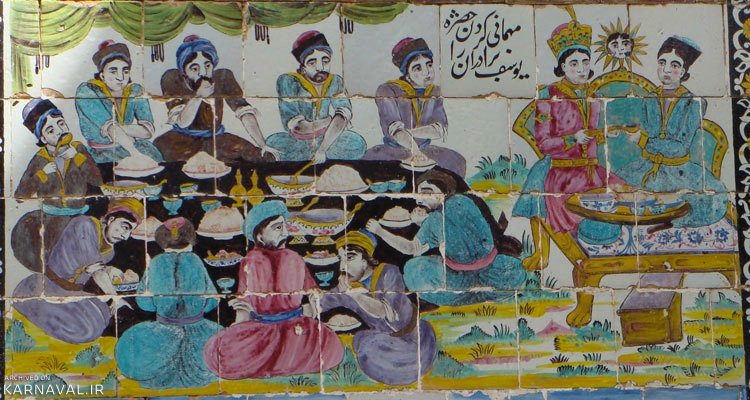
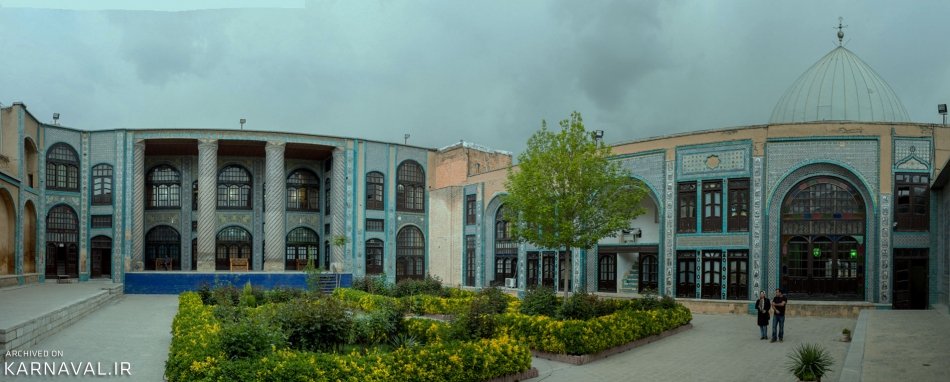
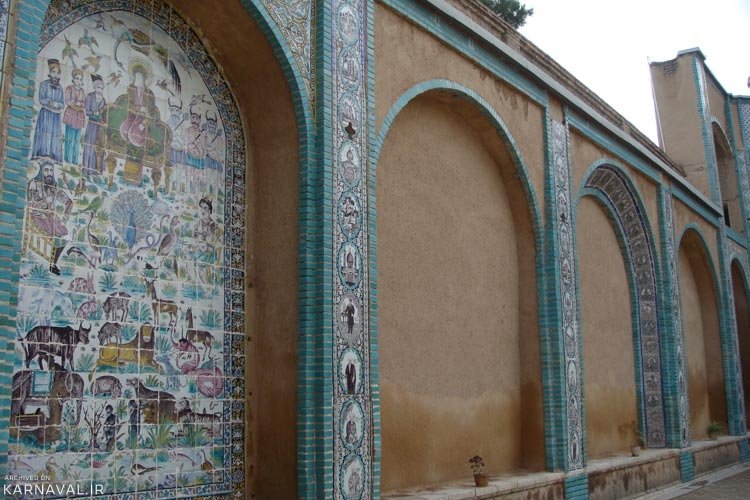
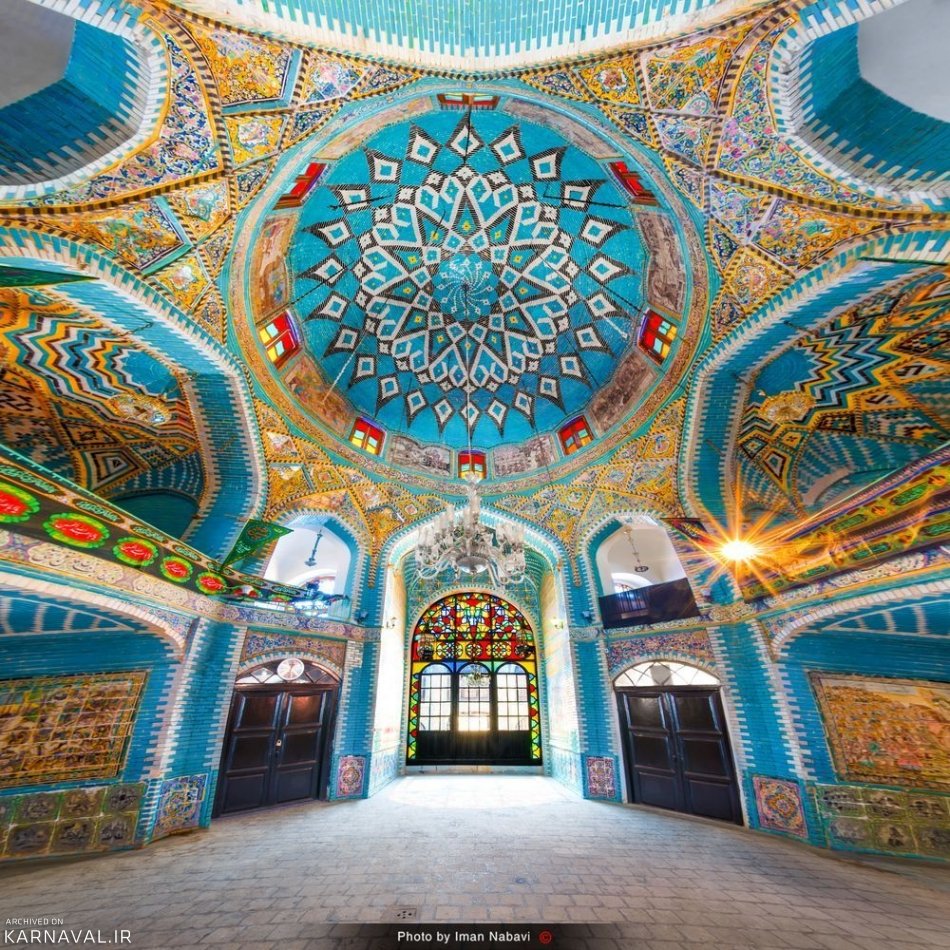
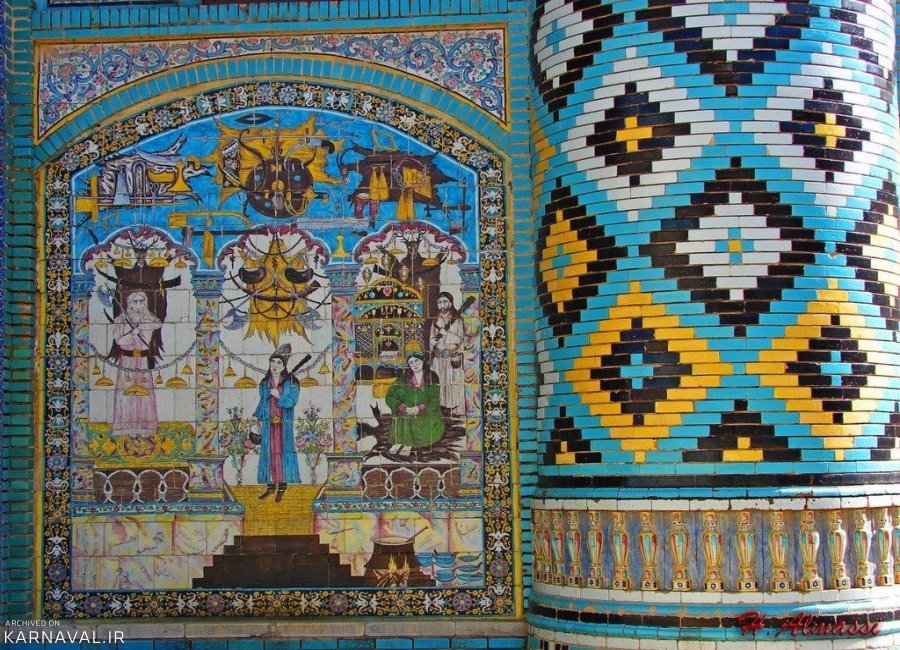
Beautiful Tiling in Iran’s Moaven-ul-Molk Tekyeh

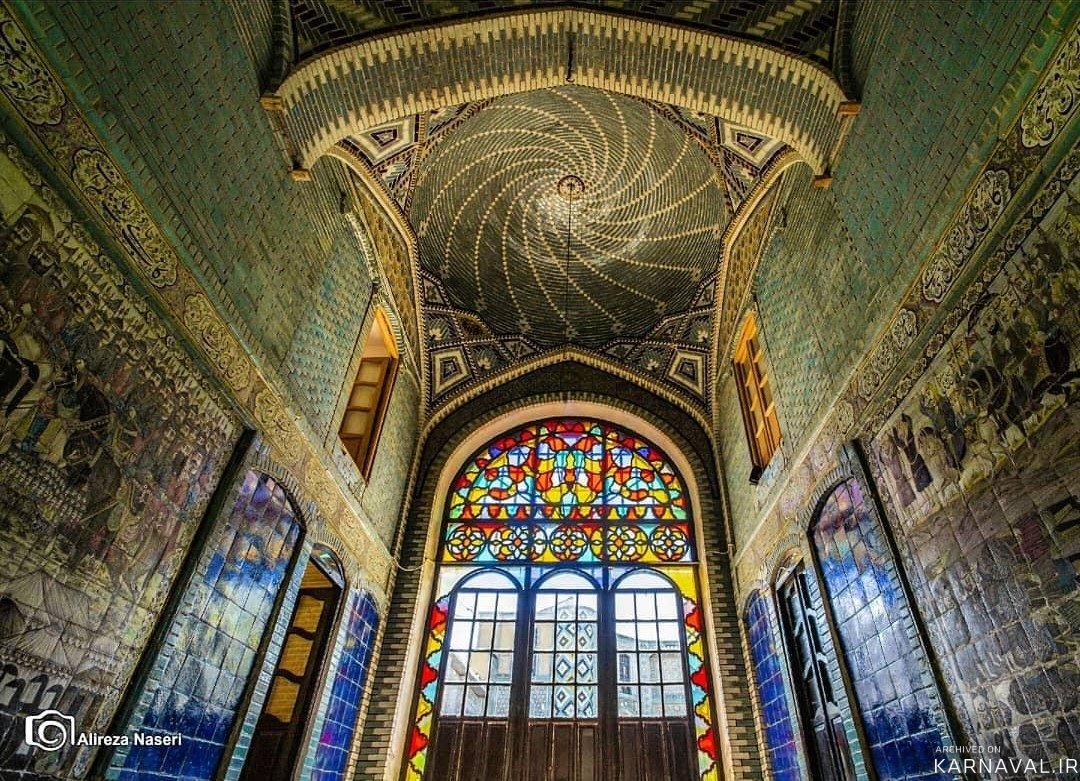
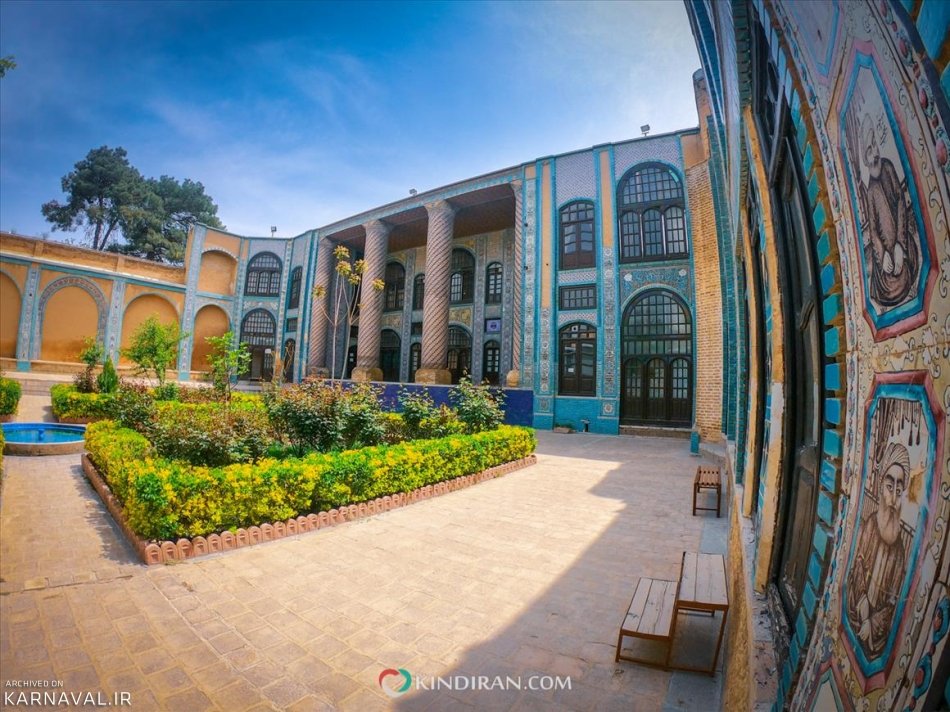
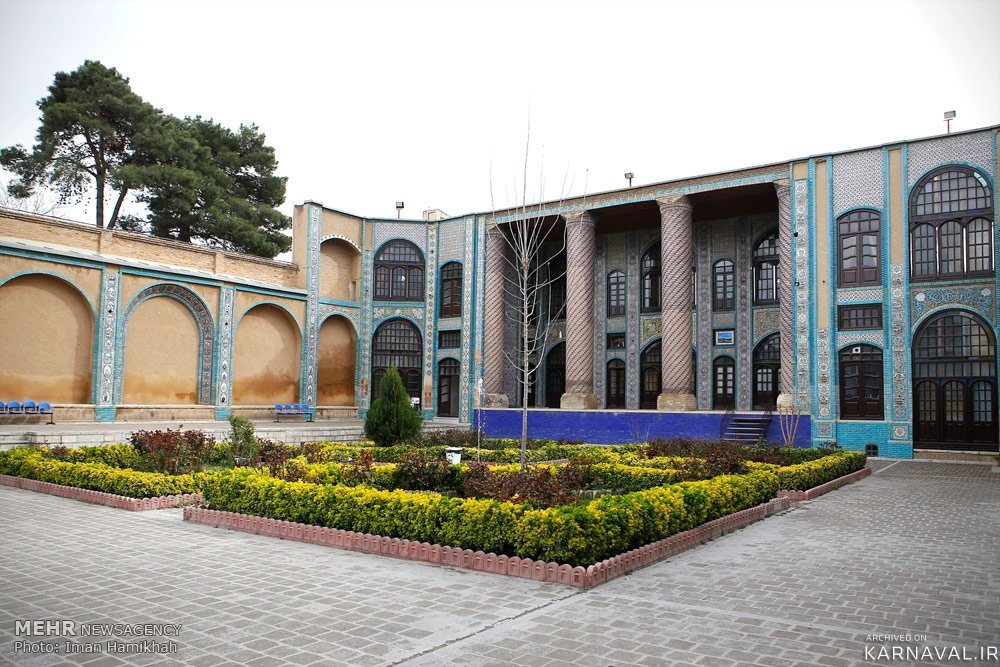
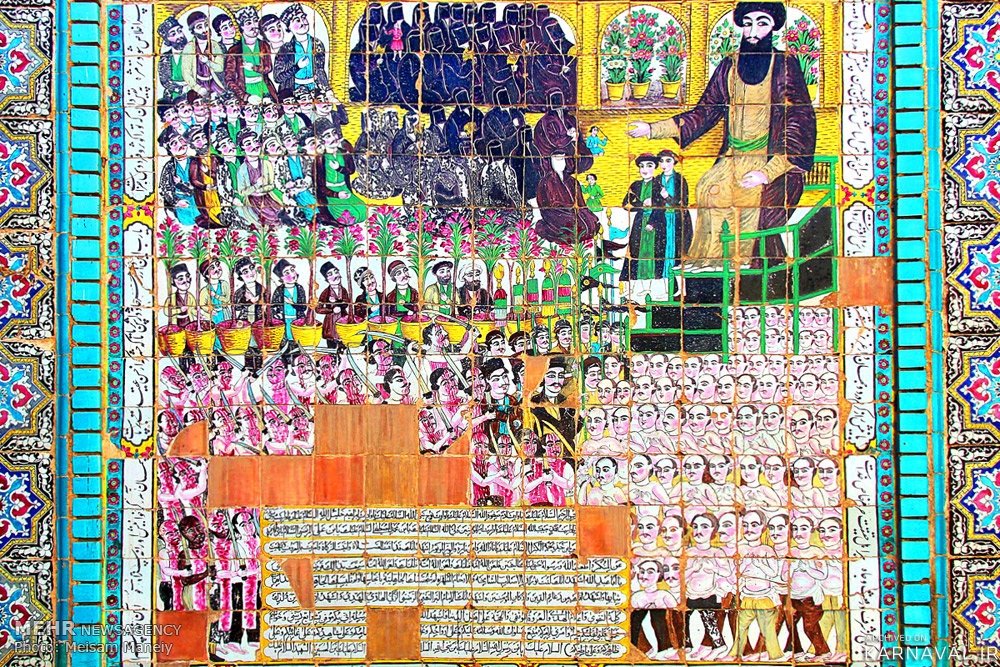
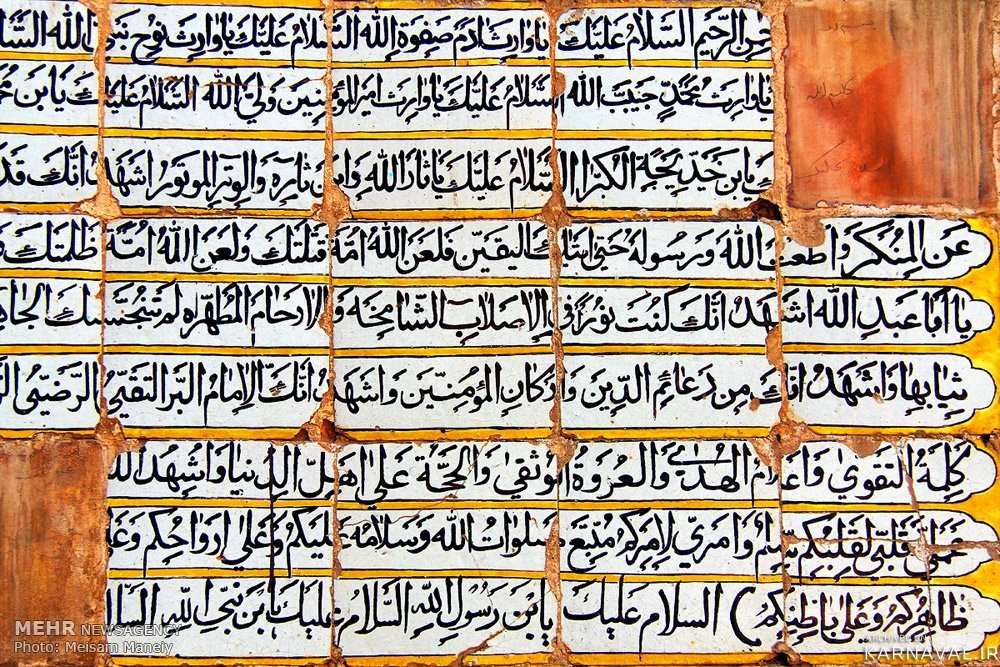
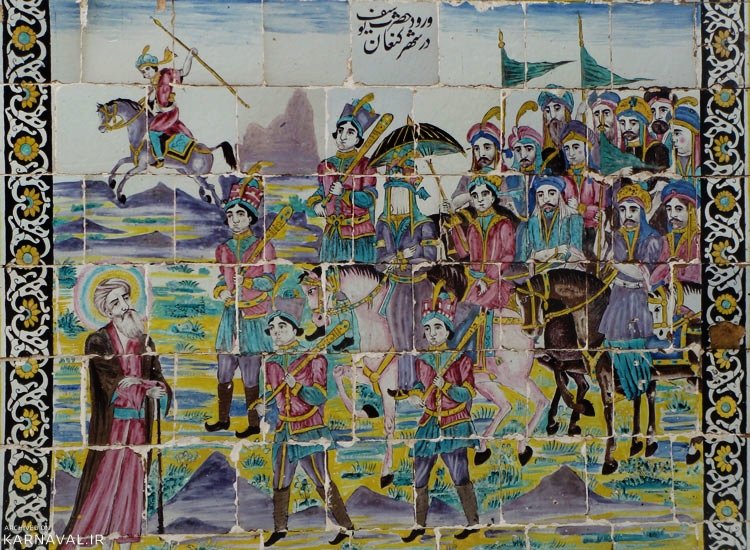
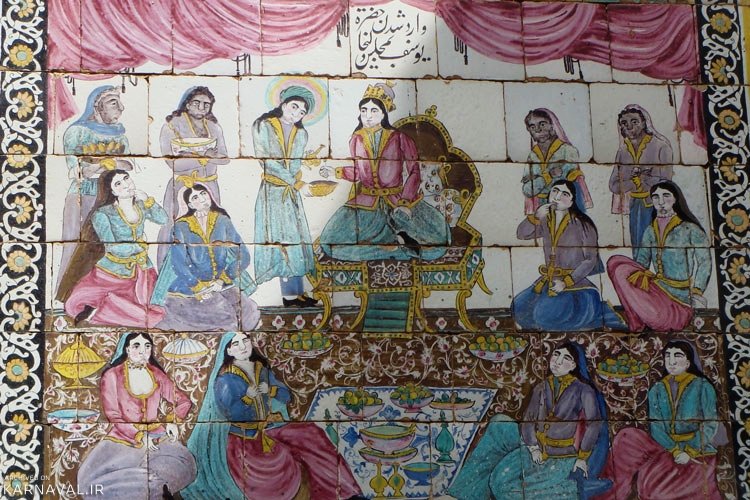
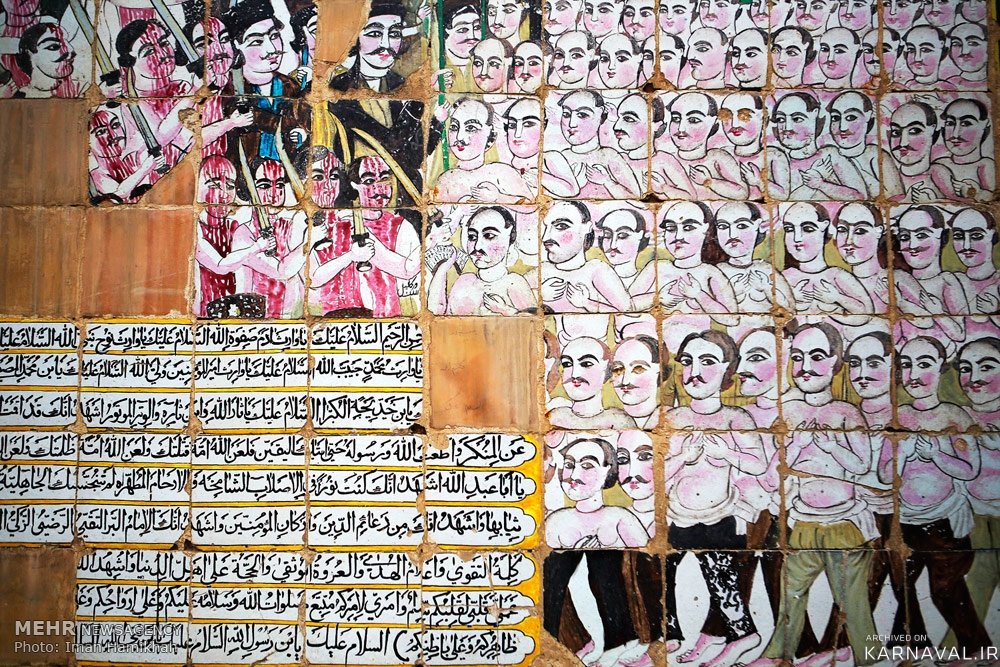
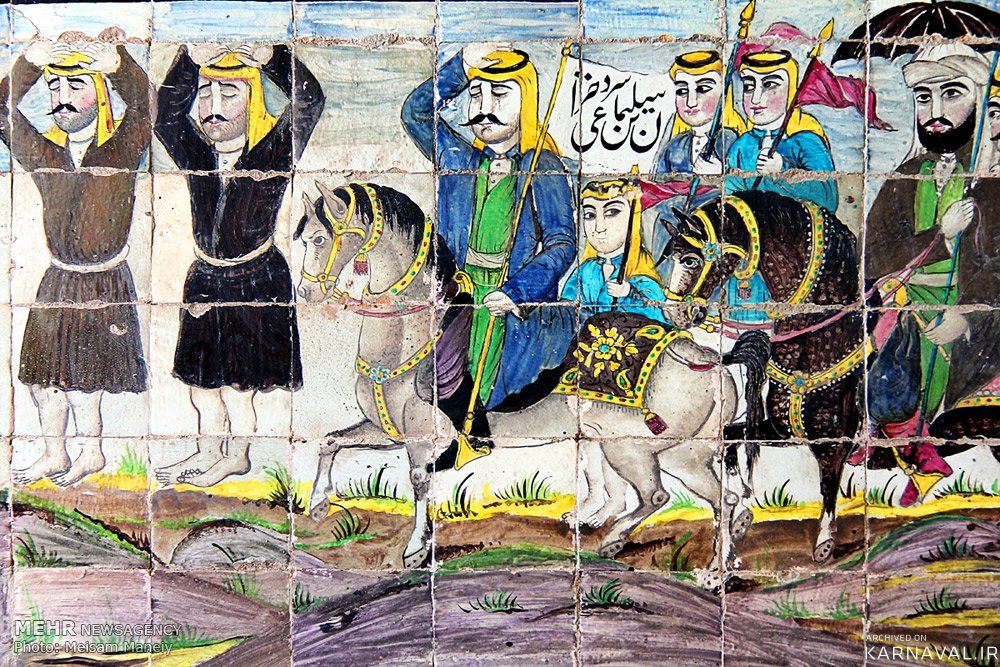
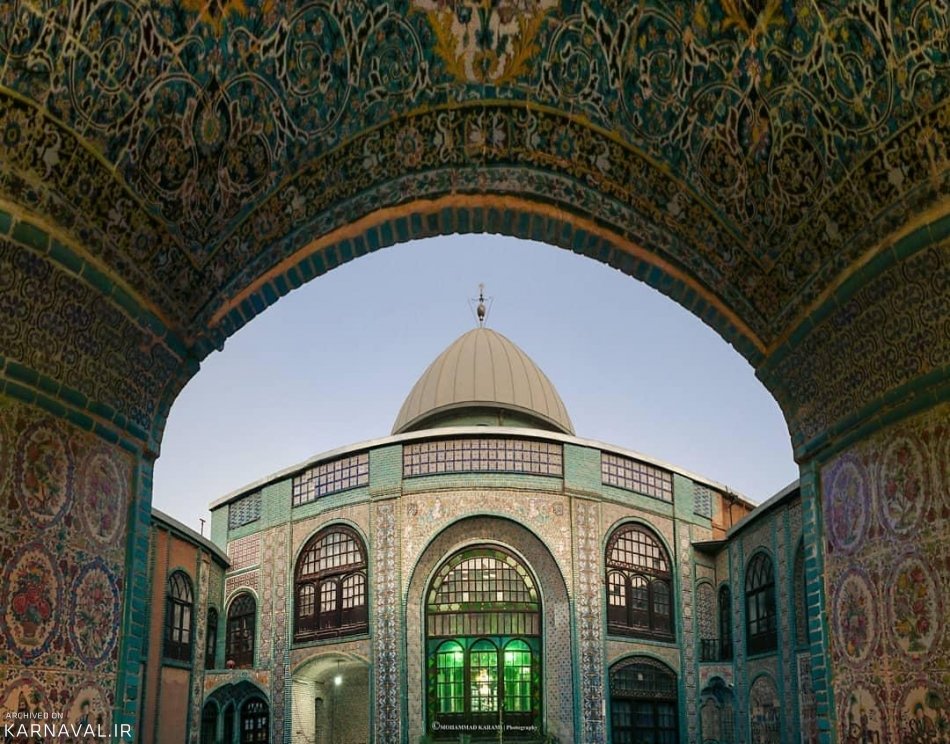
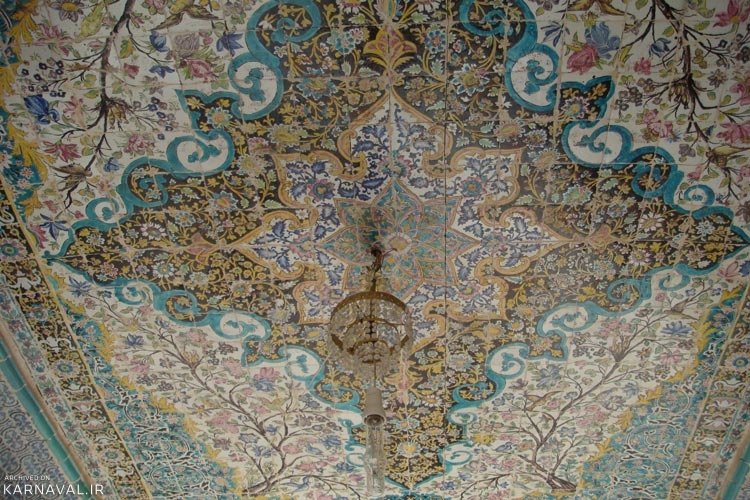
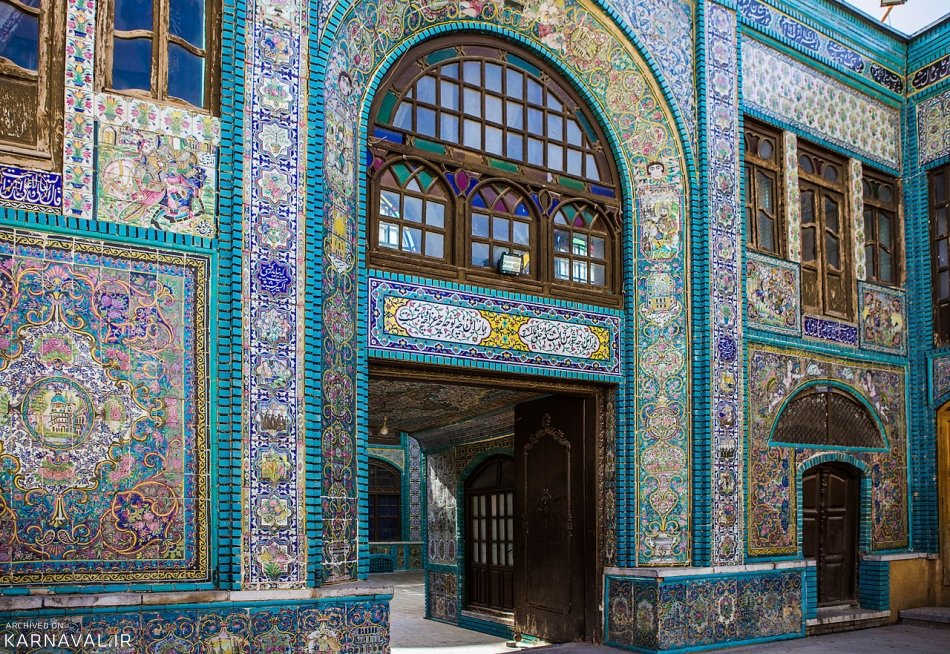
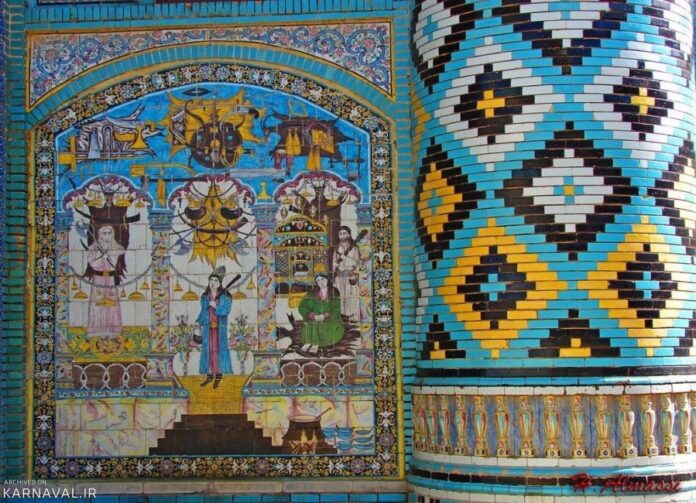
The Tekyeh of Moaven-ul-Molk in Kermanshah is home to beautiful tiles depicting a wild gamut of images, from Quranic scenes to pre-Islamic motifs including Shahnameh kings, European villages and local notables in 19th-century costumes.

In the jargon of Iranian Shiites, a tekyeh is one of the places where mourning ceremonies, especially Muharram rituals, as well as Islamic passion plays are held.
Before tekyehs came into being, people would hold ceremonies in different neighbourhoods or would converge on main squares to mourn the Ashura event. Tekyehs were established during the Qajar era.
The Moaven-ul-Molk Tekyeh is one of the oldest ones in Iran. It is known as the world’s largest miniature-decorated tekyeh. It has always been welcomed by visitors and tourists due to its extraordinary architecture and tilework.

The tiles installed at the tekyeh fall into two categories: embossed tiles and seven-colour tiles. The tiles bear images symbolizing the Ashura event, Koranic stories and national and epic Iranian stories.

The Moaven-ul-Molk Tekyeh lies six metres lower than ground level. After entering the main gate, one has to walk down 17 steps to get to the entrance hall. The building is comprised of three parts, including the hussainiya, the zainabiya and the abbasiya.

At the building, there are numerous doors which, in the past, helped hold religious ceremonies more conveniently and allowed mourning processions to get in and out easily.

Two museums have been set up in the south of the abbasiya section: the Kermanshah Anthropology Museum and the Kermanshah Garment and Jewellery Museum.

Read More:

Here are ISNA’s photos of the historic building, dating back to Qajar era:

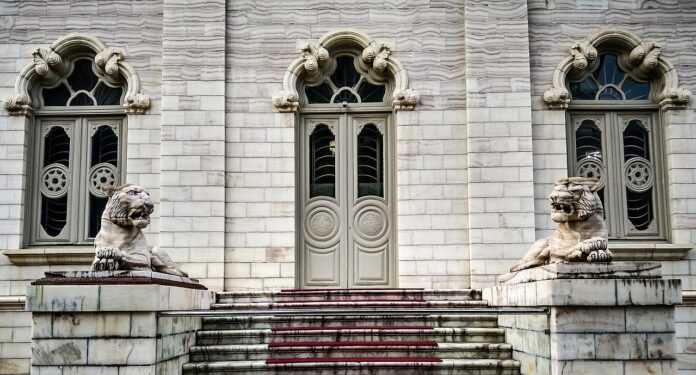
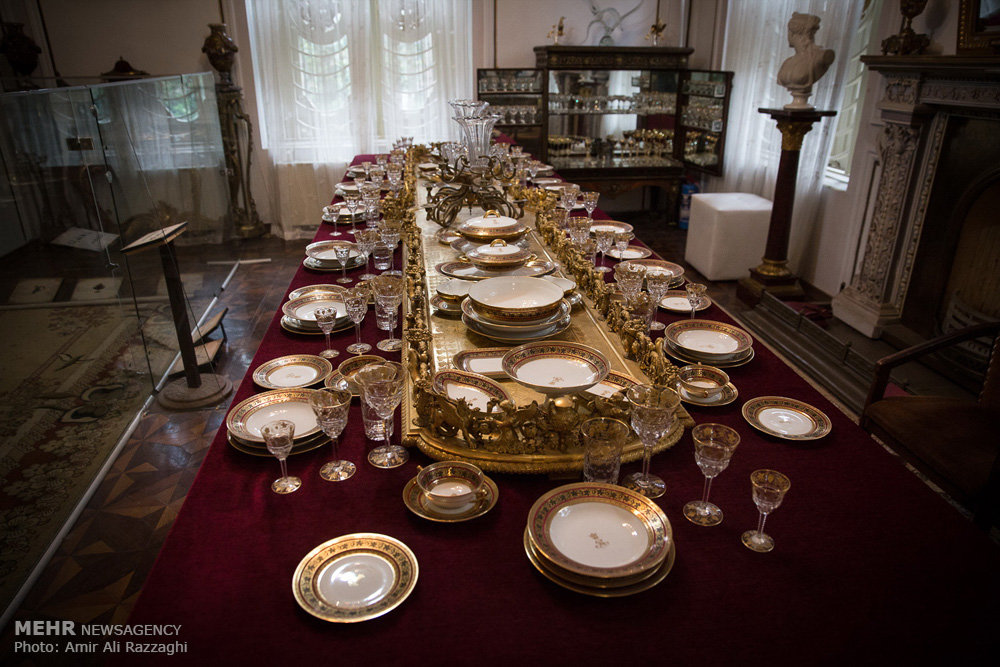
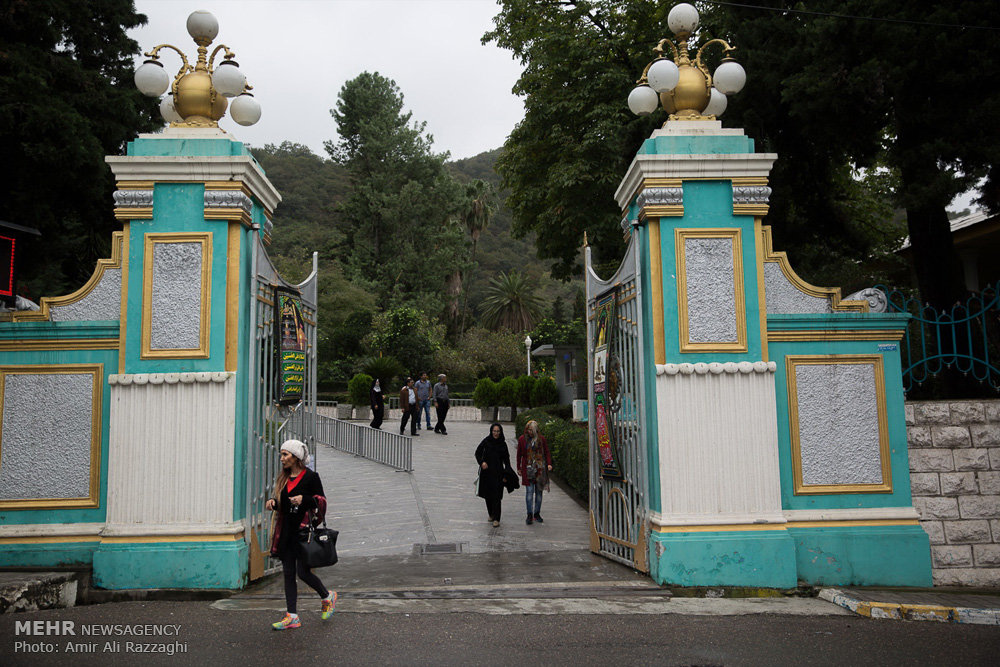
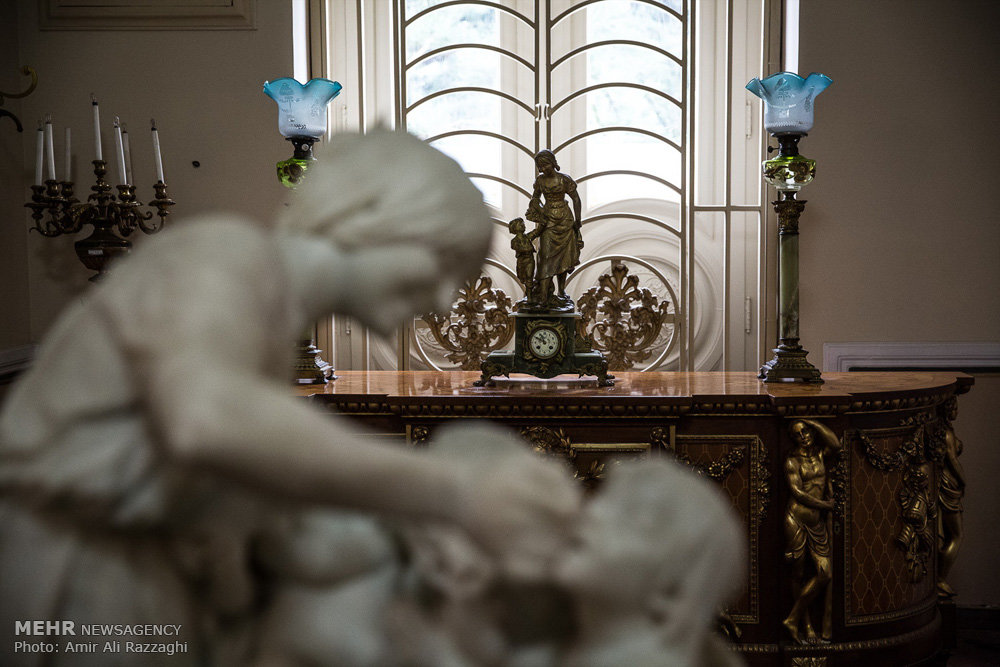
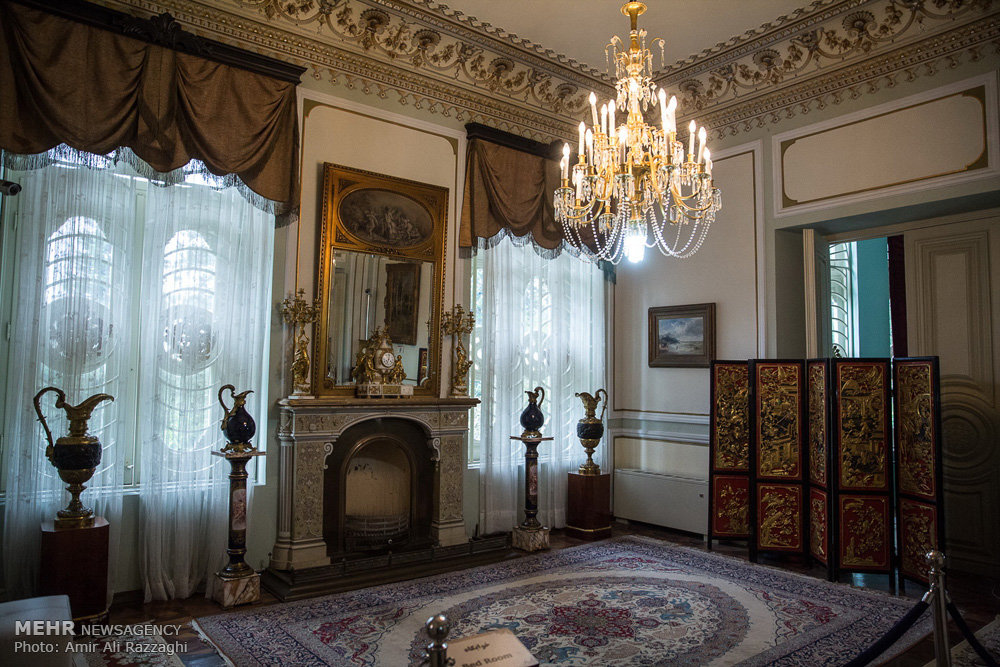
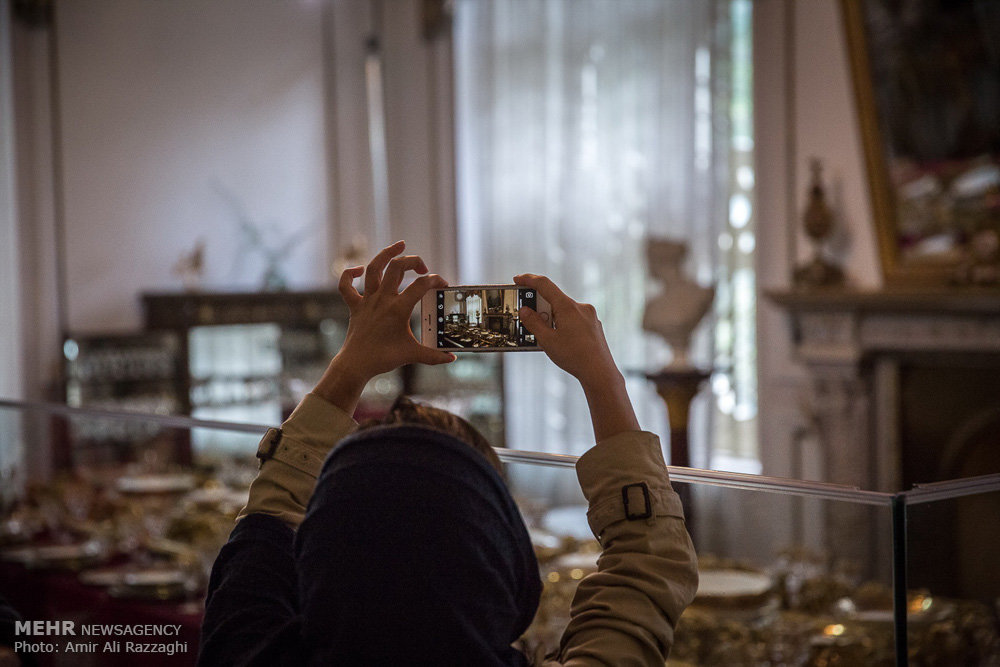
Marble Palace in Northern Iranian City of Ramsar

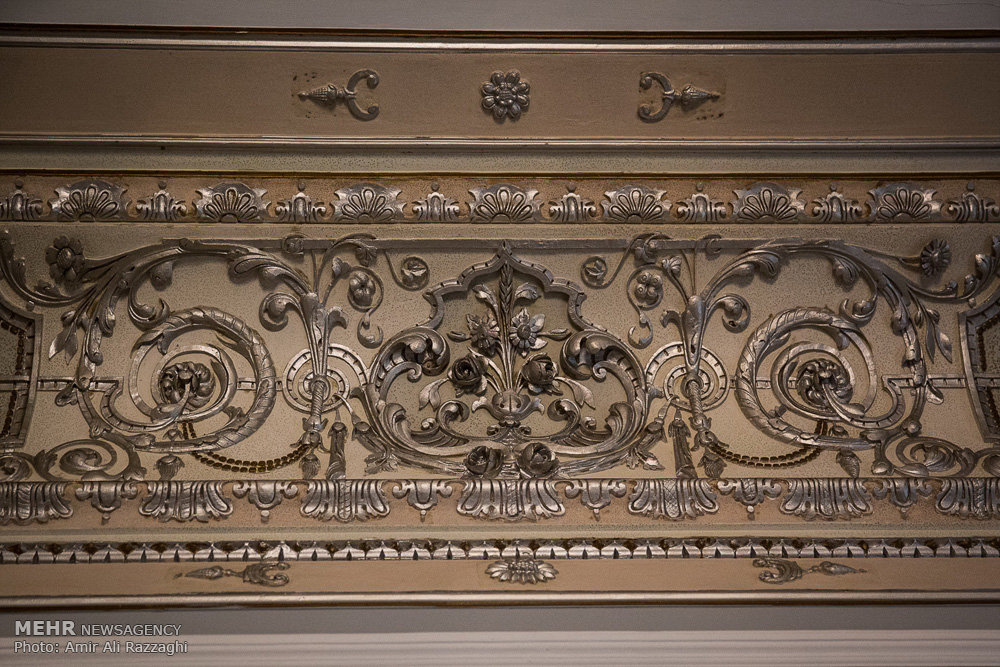
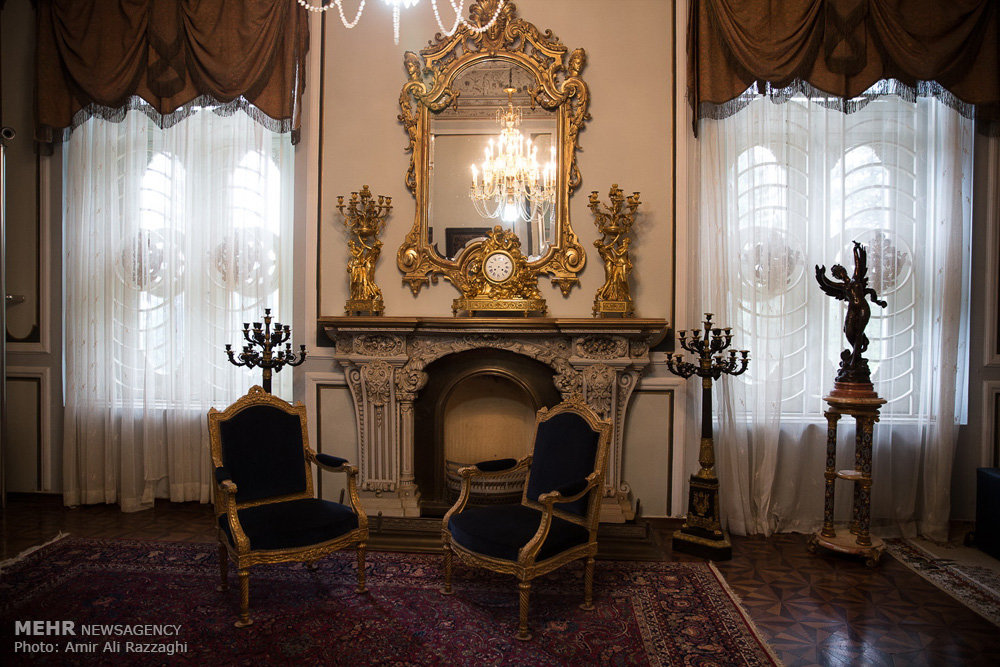
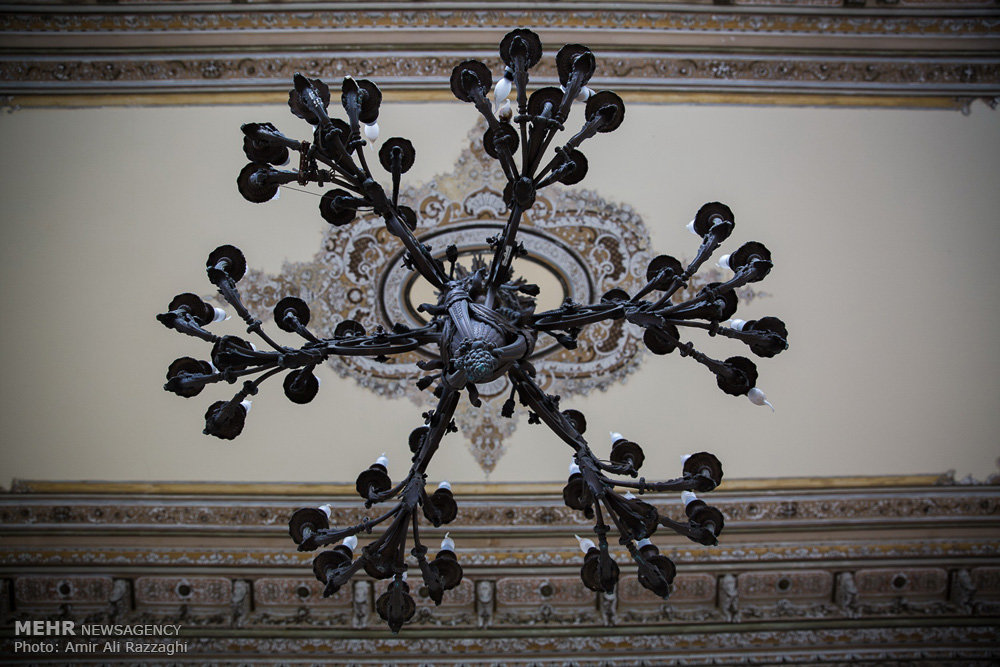
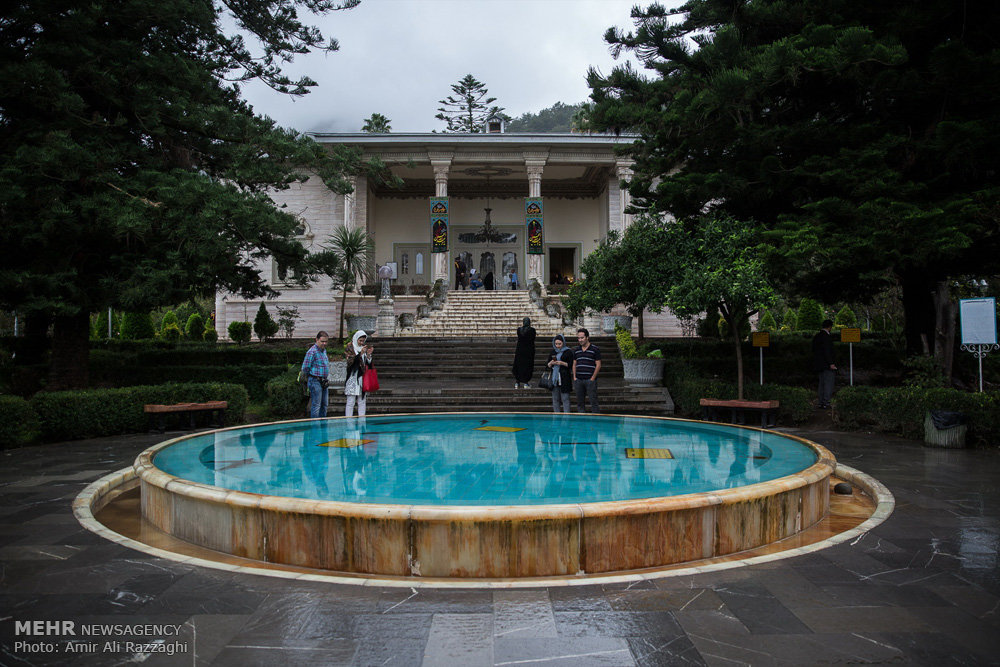
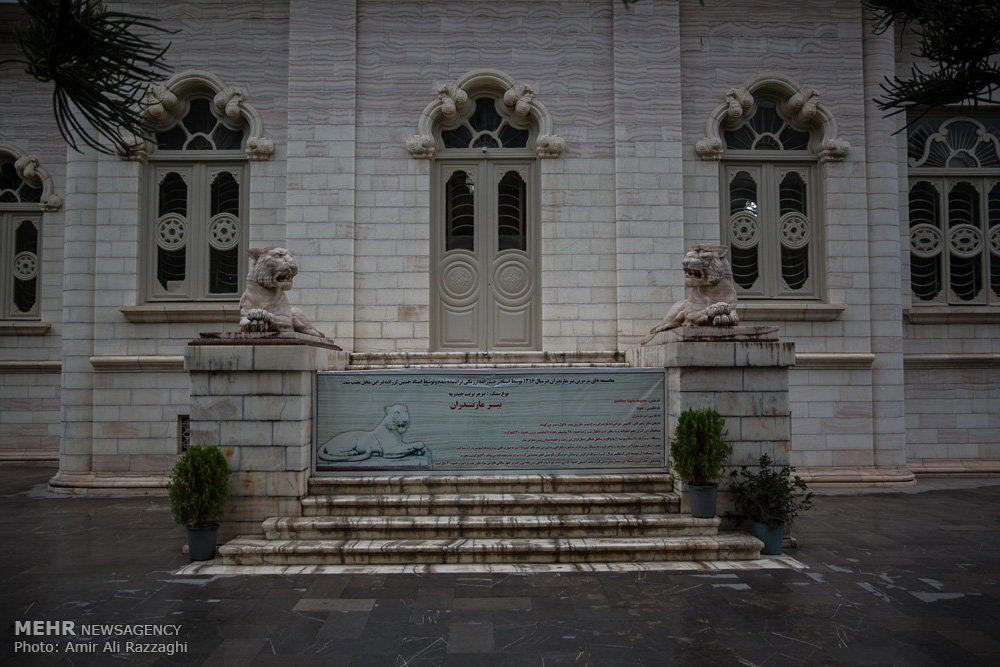
The palace was built in 1937 by Reza Shah Pahlavi and was used as a royal residence until the 1979 Islamic Revolution.

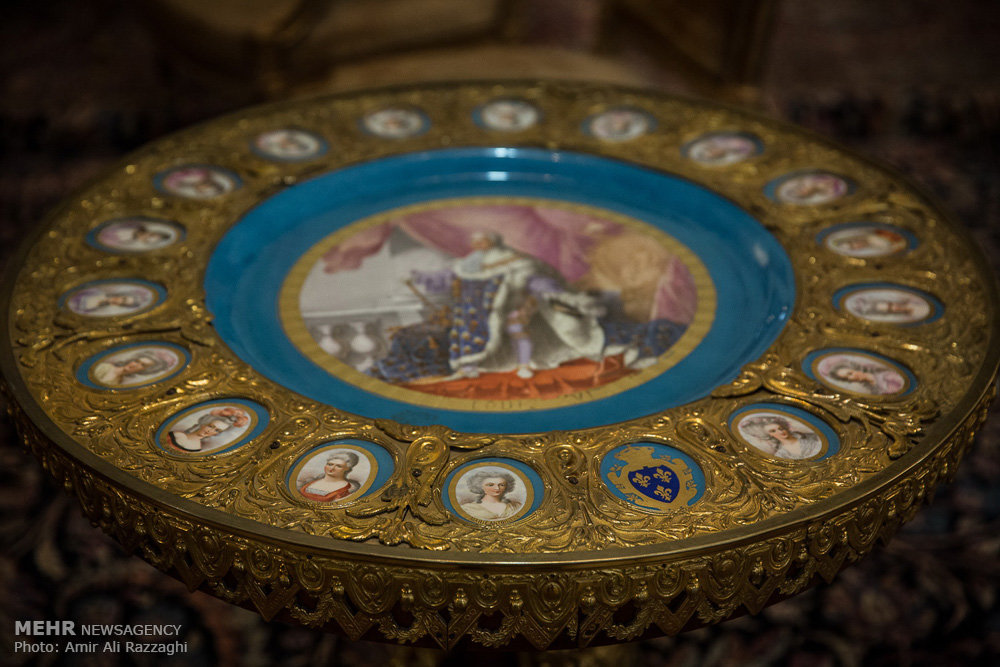
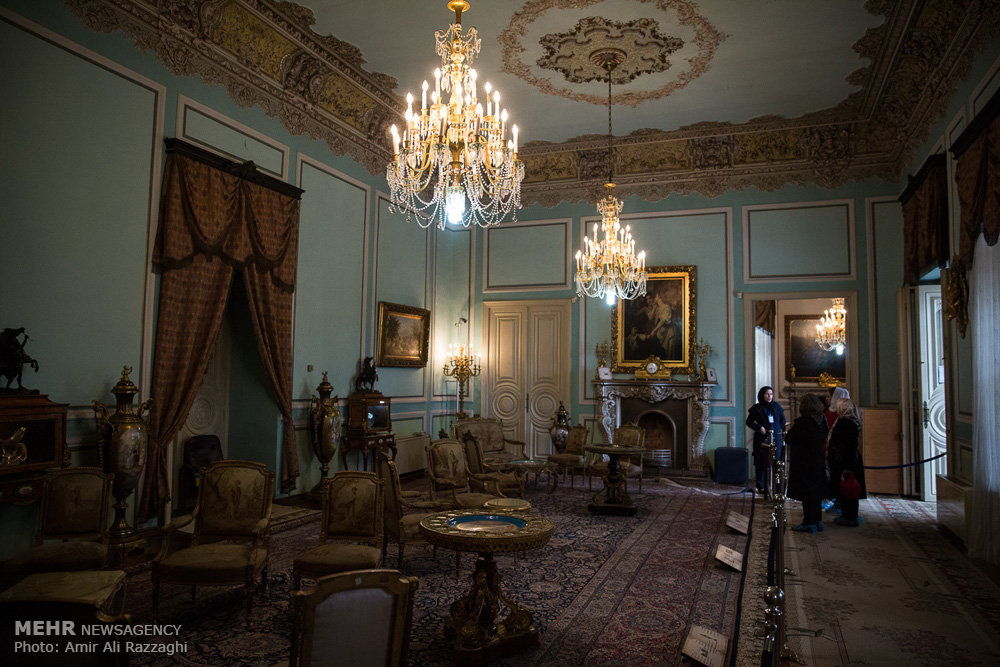
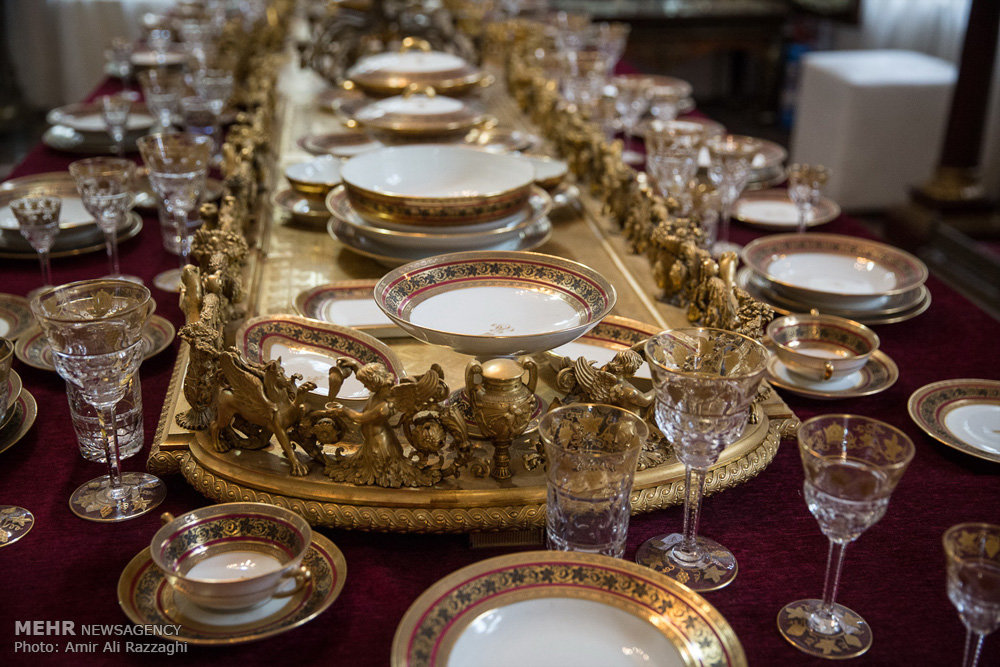
The special plasterwork at Ramsar Palace Museum is an amalgamation of Iranian an European art. The oldest artwork at the museum is “The Last Supper” tableau along with Iranian carpet tableaus, bronze trophies, vases, etc.

The palace was restored in 2019 using nanotechnology.

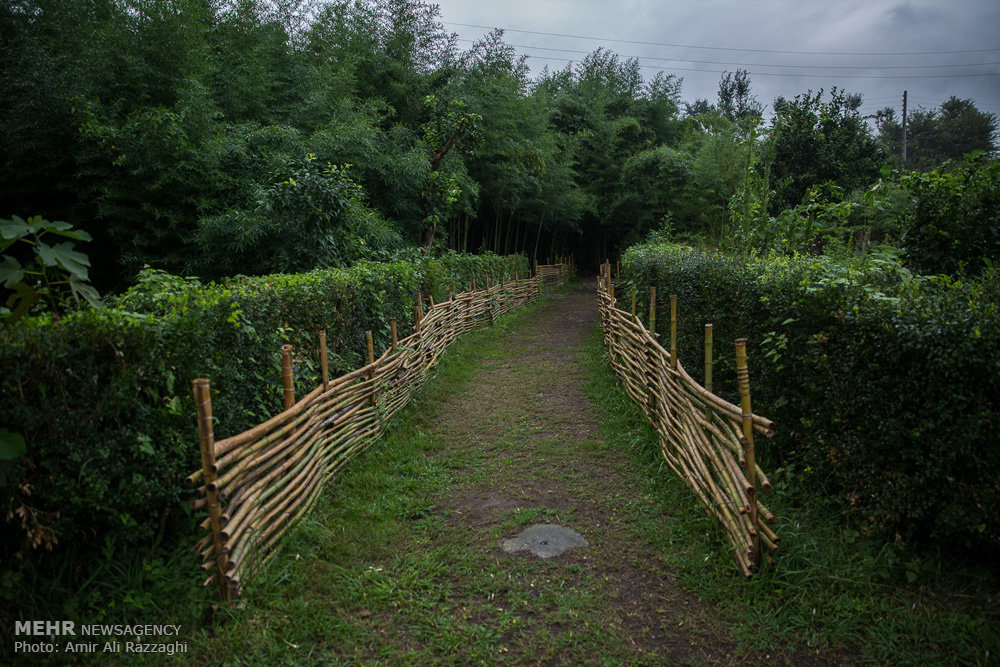
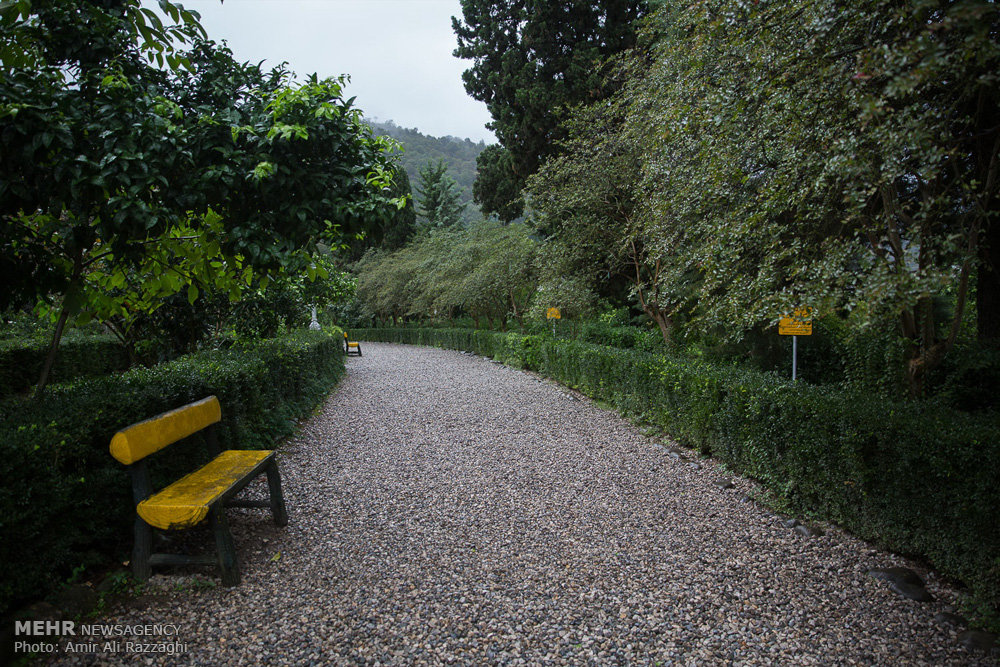
Here are Mehr’s photos of the beautiful palace:


Iran Reports Biggest Rise on COVID-19 Deaths Since Nov. 29

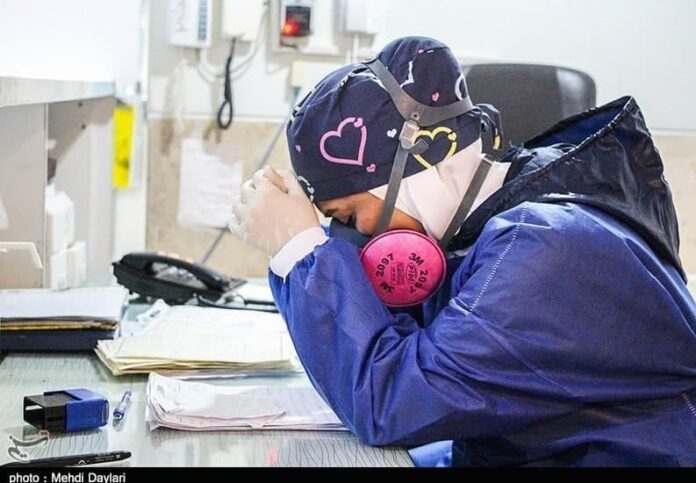
In a press briefing on Sunday, Sima-Sadat Lari reported 21,644 new cases of COVID-19 infection, raising the total number of cases to 2,237,089.

So far, Lari added, 1,785,358 patients have recovered from the disease or been discharged from the hospital.

Lari said 4,766 patients are also in critical conditions caused by more severe infection.
The spokeswoman noted that 14,386,423 COVID-19 tests have been taken across the country so far.

The spokeswoman said 389,266 people have so far received the first dose of COVID-19 vaccine, and 127,594 have received the second dose.

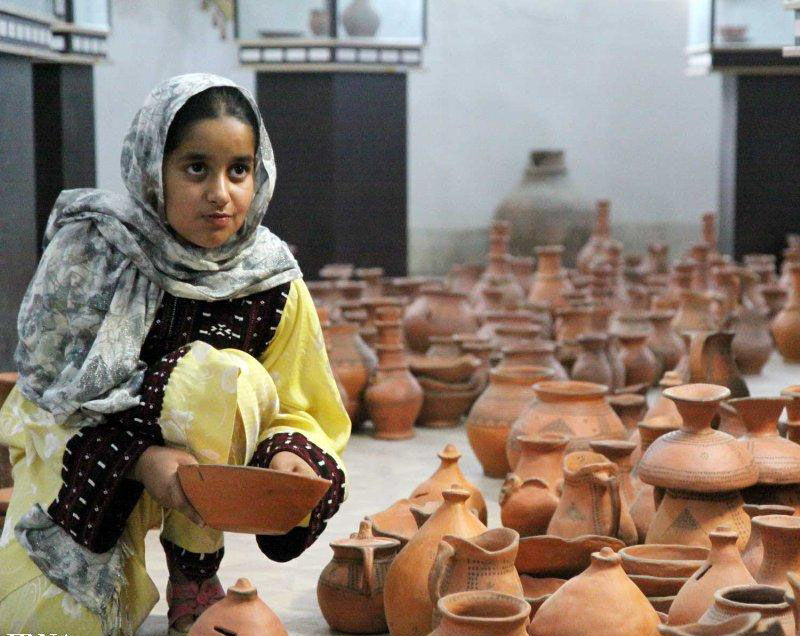
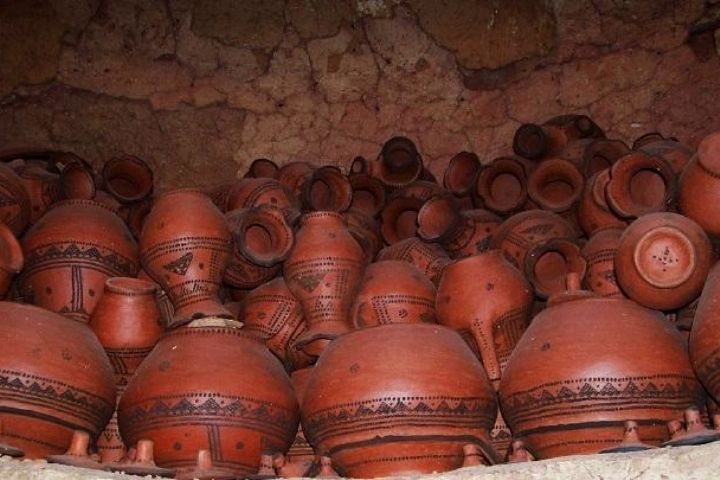
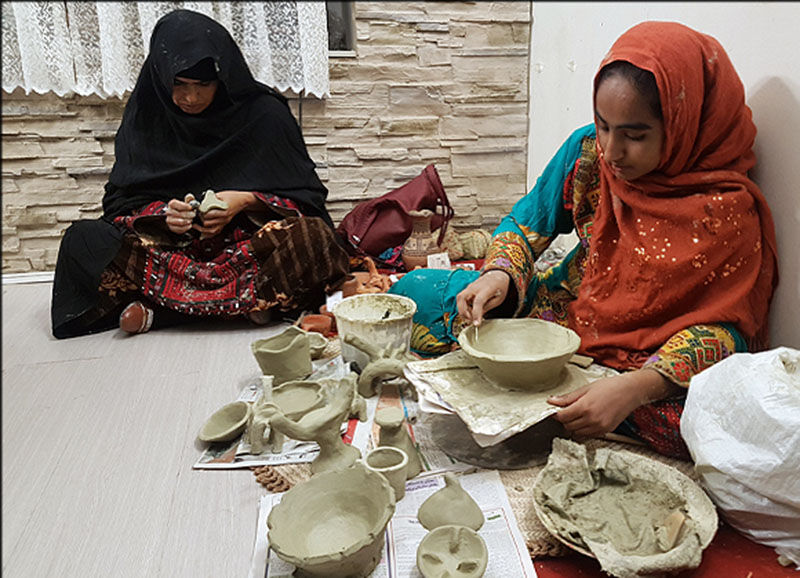
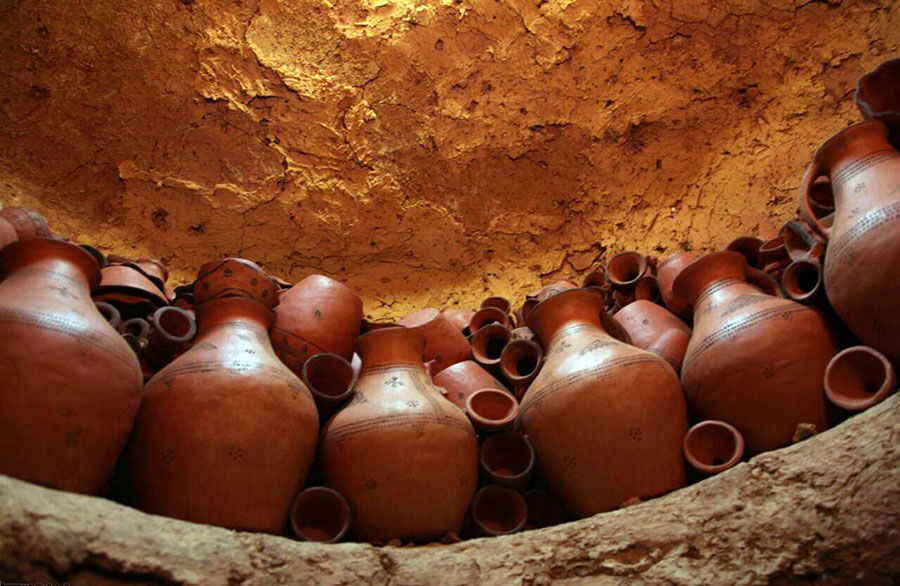
Kalpouregan – The Only Living Pottery Museum in the World

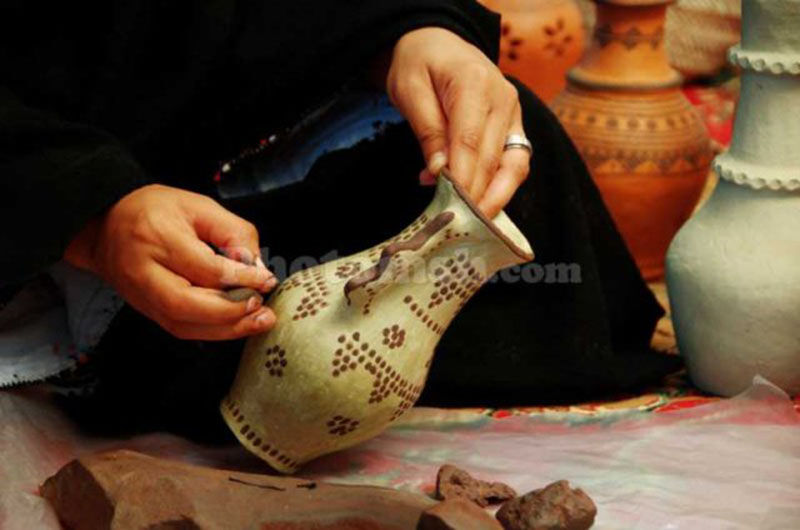
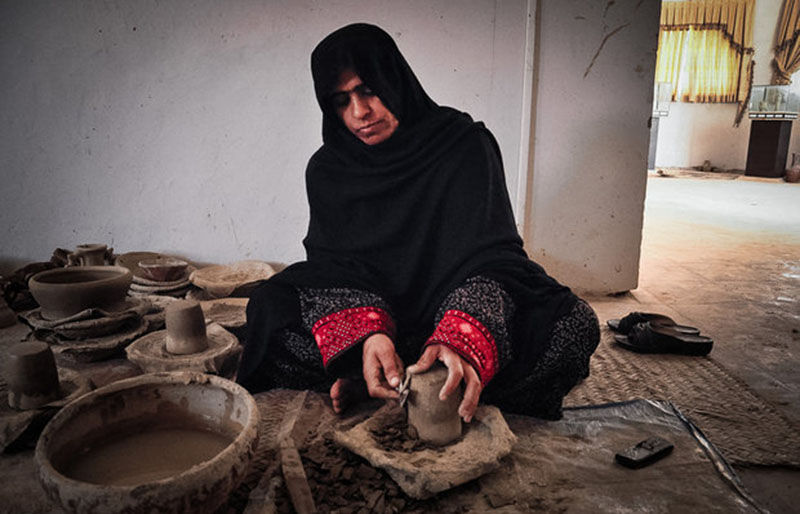
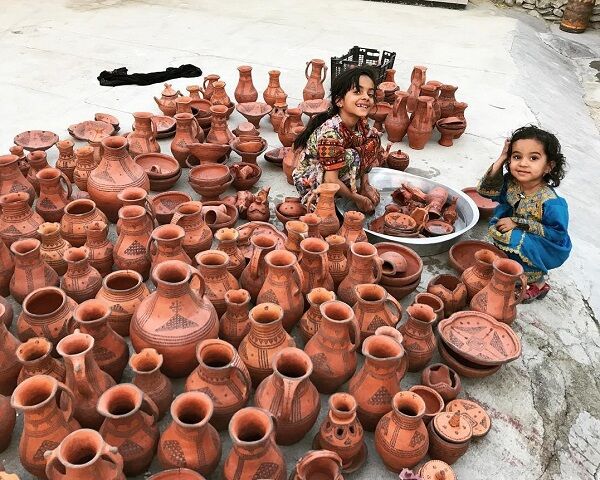
These women create unique artworks out of dust and mud, which has brought them worldwide fame. Nowadays, using pottery-making machines and wheels are very common, but these Baluchi women create pottery which is famous all around the world, using no tools.

As reported by Mehr News, Kalpoureh is the name of a medicinal herb and Kalpouregan is the name of a village in south-east Baluchestan, close to the Pakistan border. This village is located 25km from Saravan town and 390km south of Zahedan. The pottery made by these artists is called as Kalpouregan pottery.

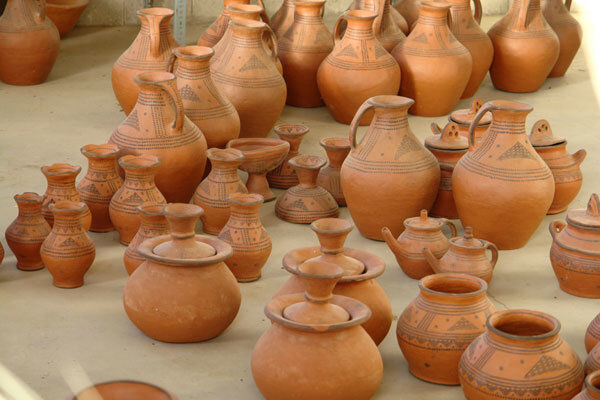
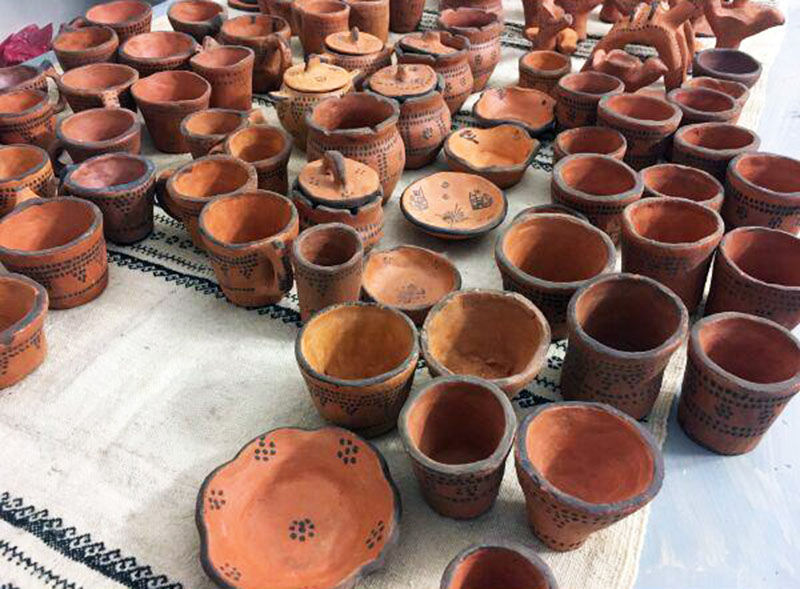
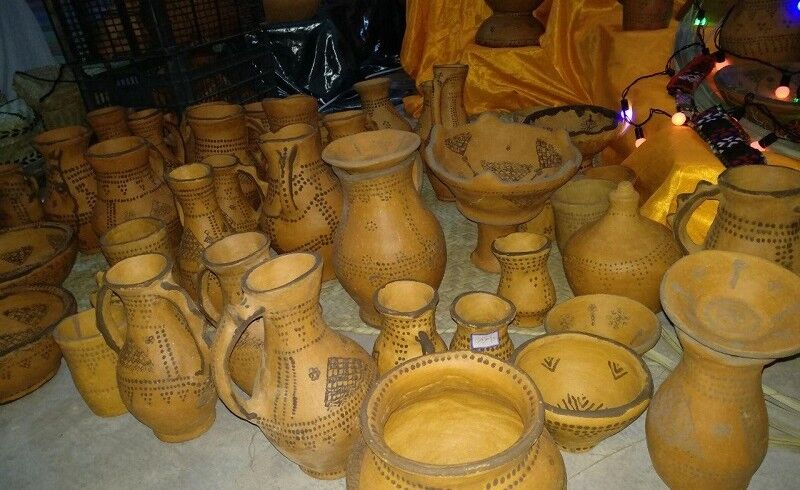
The Baluchi women use “Tituk” stones for drawing patterns and decorating their pottery. This stone, which is normally black or brown, is a type of manganese. The pottery is mostly in the form of bowls, grails, tankards and cups, and almost all of them have lids which can be used as a different dishes themselves.

The patterns and designs on Kalpouregan pottery are geometrical and remind us of ancient patterns. The decorations on them are abstract forms that have been passed from generation to generation, and they tell us about the dreams and wishes of ancient Baluchi women. They still make pottery in exactly the same way that their ancestors would have done, and what gets drawn on their pottery is whatever is on their minds.

In August 2017, the United Nations Educational, Scientific and Cultural Organization (UNESCO) assessors entered the Kalpourgan village to examine its potentialities as the first Iranian village nominated for global registration. The village was finally registered internationally in September the same year.

Read More:


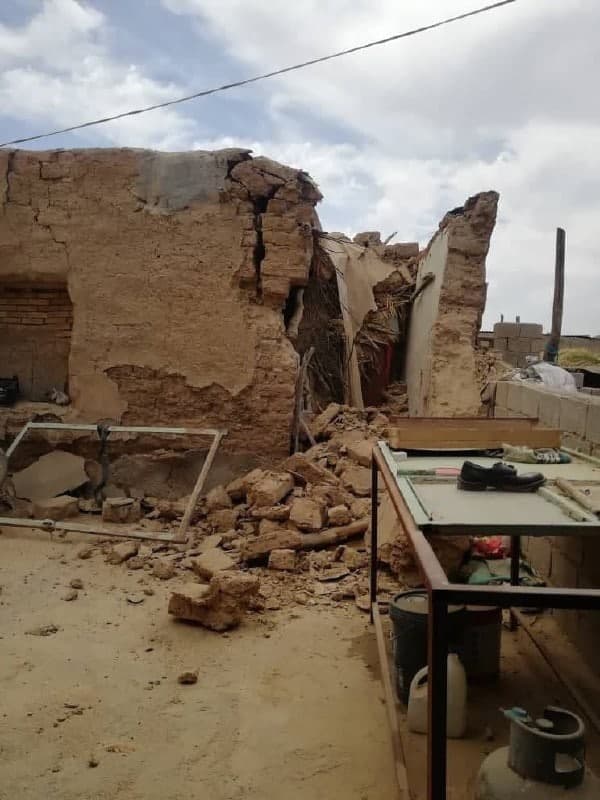
5.9-Magnitude Earthquake Strikes Southern Iran

زلزله بوشهر

According to the National Seismological Centre of the University of Tehran’s Institute of Geophysics, the earthquake hit an area 28km away from the port city of Ganaveh and 91km from the provincial capital, Bushehr, on Sunday at 11:11 a.m. local time.

The epicentre, with a depth of 10km, was determined to be at 29.76 degrees latitude and 50.72 degrees longitude.

The same area has since been hit by over a dozen aftershocks, the biggest of which measured 4.5 on the Richter scale.

Rescue teams have been sent to the quake-hit areas to assess the damages and help the people affected, according to the Red Crescent Society.

Initial reports say at least five people have been wounded, and several houses have been damaged.

Enemies Seeking to Prevent Removal of Anti-Iran Sanctions: Speaker

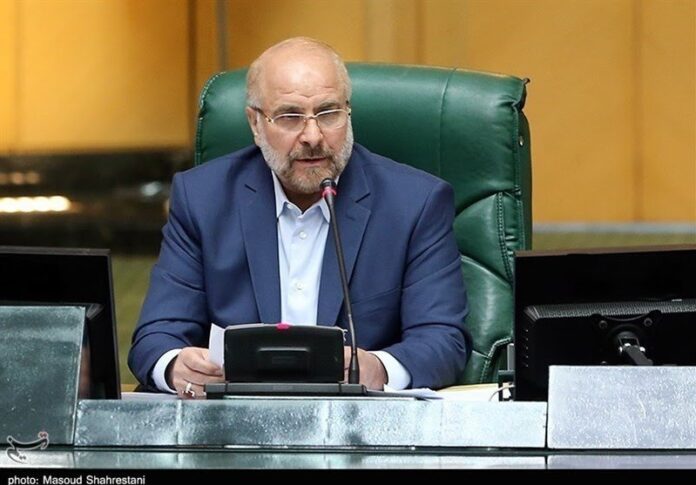
Mohammad Baqer Qalibaf said the enemies are trying to impose their demands on Iran through deception and pressure.

He also said the enemy has failed in its attempts to put the brakes on Iran’s nuclear development. He was referring to the recent act of sabotage at the country’s Natanz nuclear facility, which prompted Iran to begin enriching uranium to the 60% purity level as a response.

“Beginning to enrich uranium to the 60% purity level, in a short period of time, within the framework of Article one of the Strategic Plan of Action showed it takes very short time to implement the decisions made in the country’s nuclear industry …,” said the top parliamentarian.

“Any injudicious move and any pressure on the Iranian nation’s determination to make scientific progress is completely futile and no one can prevent Islamic Iran’s ongoing development,” he said.

Ahmadinejad Raps Rouhani Admin for Attending Vienna Talks after Natanz Sabotage

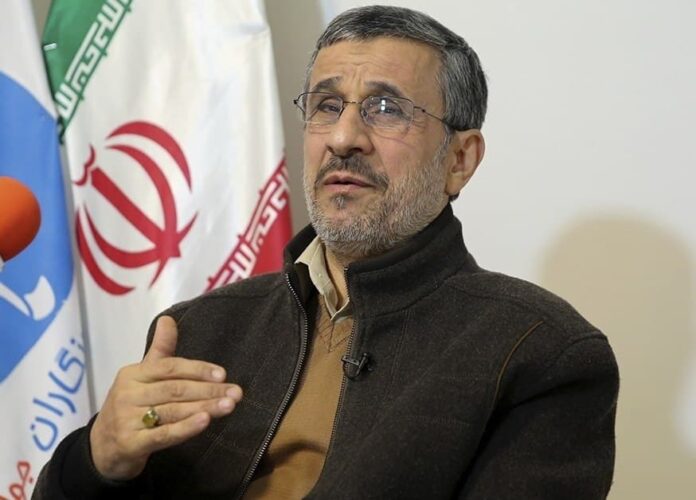
“Who allowed you to sit down for talks,” Ahmadinejad asked rhetorically, saying the Iranian government should not have attended the talks following the recent act of sabotage at Natanz nuclear facility.

“They blow up our [nuclear] installations from the other side of the world, and now you go to hold talks,” he said.

Ahmadinejad has, off and on, taken a swipe at the administration of Rouhani. Ahmadinejad is said to be seriously making arrangements to run for president in the upcoming elections.

Vienna Talks to Continue at Different Levels Today

Expert-level working groups will continue their talks in two domains of “lifting of sanctions” and “nuclear issues.”

On Saturday, April 17, the joint commission of the 2015 nuclear deal, officially known as the Joint Comprehensive Plan of Action (JCPOA), held a plenary meeting.

Moreover, bilateral and multilateral meetings were held separately between Iran’s negotiating team and members of the P4+1.

During the discussions, three meetings were held between Seyyed Abbas Araqchi, the head of the Iranian negotiating team, and European External Action Service (EEAS) Deputy Secretary General Enrique Mora.

Also, the heads of the three European delegations sat down for talks with Araqchi.

As in previous days, expert groups held meetings in the two domains of sanctions and nuclear issues.

In the commission’s meeting on April 17, delegates received and reviewed reports by the working groups.

It was also decided that bilateral and multilateral talks as well as technical consultations continue in the upcoming days, and that the commission meet again should the need arise