Sunday, December 28, 2025
Home Blog Page 2519

Iran’s Rouhani Urges Closer Security Cooperation with Pakistan

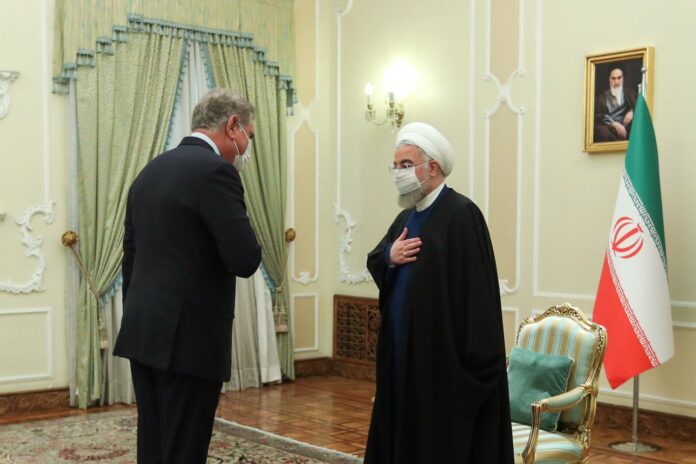
President Hassan Rouhani added Iran and Pakistan need to provide security along the common borders between the two countries.

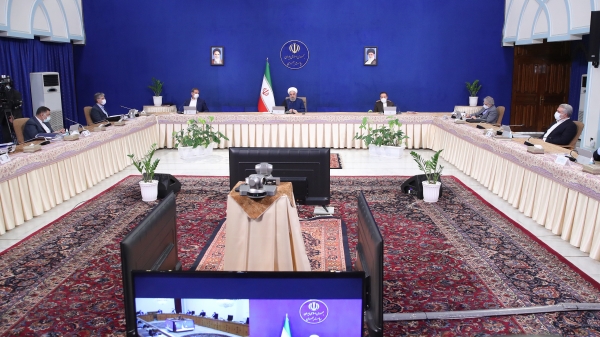
“Security is a common concern of both countries, and it is necessary to boost cooperation in that regard,” said Rouhani in a meeting with Pakistan’s Foreign Minister Shah Mahmood Qureshi in Tehran.

The Iranian president further called for closer cooperation between two countries on all fronts, including mutual trade and economic relations, and urged the two sides to further expand and promote border markets.

Elsewhere in his remarks, Rouhani referred to the United States’ decision to pull its troops out of Afghanistan, adding the presence of American forces in the region has not helped provide security in the region.

“As the most significant and influential neighbouring countries of Afghanistan, Iran and Pakistan should play a role in handling the peace process in that country through interaction and cooperation, and the Islamic Republic of Iran welcomes collaboration with Pakistan and Afghanistan to contribute to that process,” added Rouhani.

President Rouhani also referred to the agreements already reached between the two countries in order to further expand mutual cooperation, and called for the implementation of the agreements.

He also said Iran is ready to meet Pakistan’s energy needs.
The top Pakistani diplomat, in turn, described Tehran-Islamabad relations as unique, invaluable and brotherly, calling for the enhancement of ties in all areas.

He expressed hope the two countries will open a new chapter in mutual relations, particularly in trade and economic domains.

He also expressed gratitude to Iran for supporting his country when it comes to regional and international issues.

Pakistan’s foreign minister added his country backs the 2015 Iran nuclear deal known as the Joint Comprehensive Plan of Action (JCPOA), describing the agreement as a major achievement in the domain of diplomacy on the world stage.

He said he was pleased to see that the JCPOA has been preserved thanks to Iran’s efforts, and that negotiations are being held nowadays to revive the multilateral accord.
A Unique Tourist Attraction in Iran: Cow Works Only When Owner Sings!

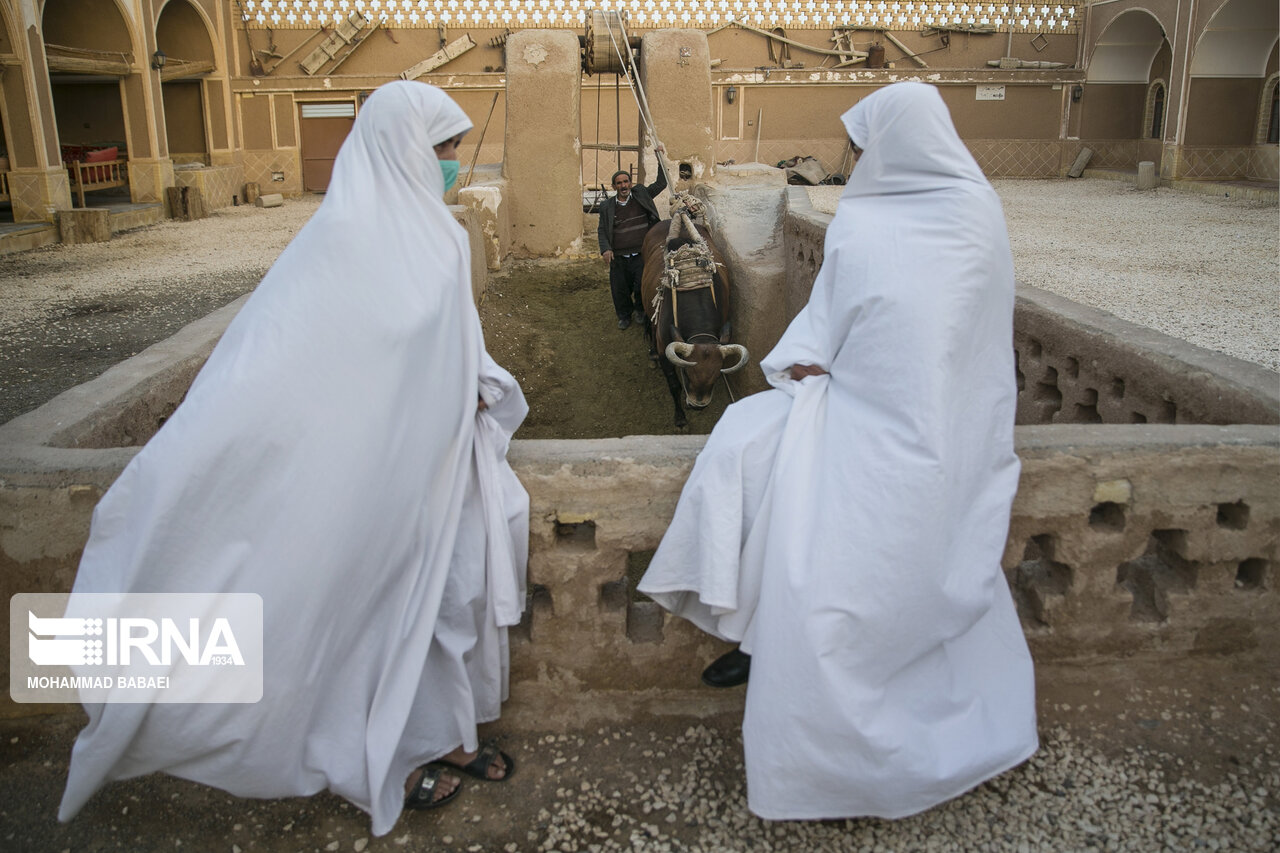
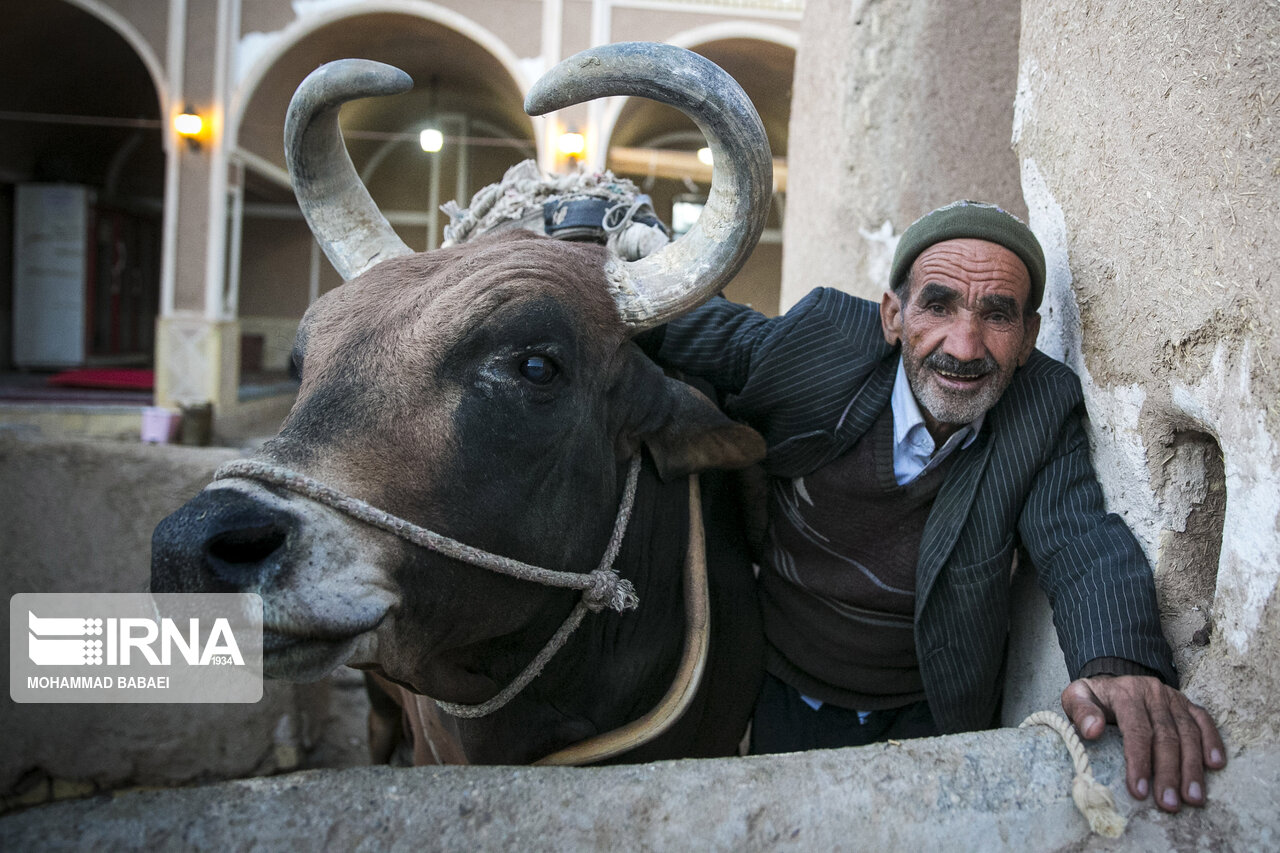
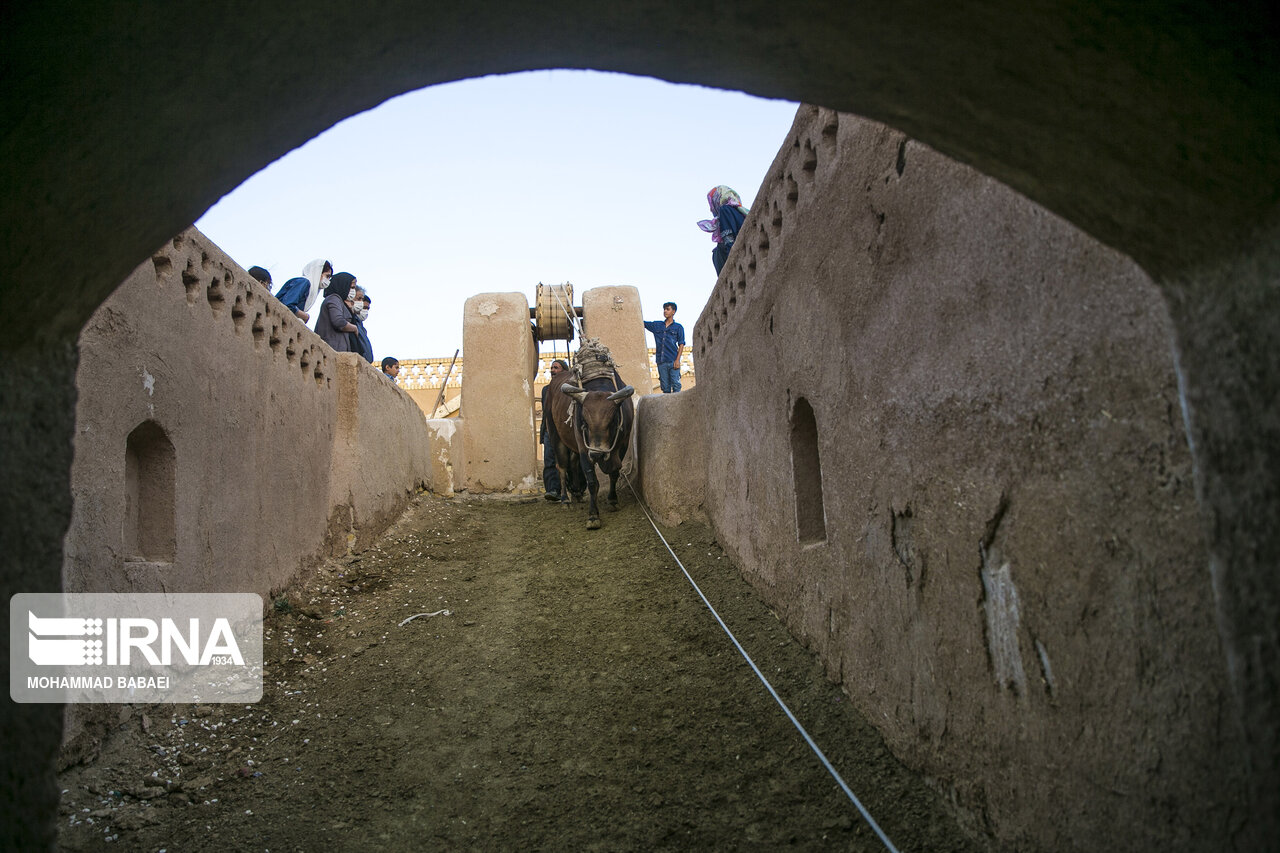
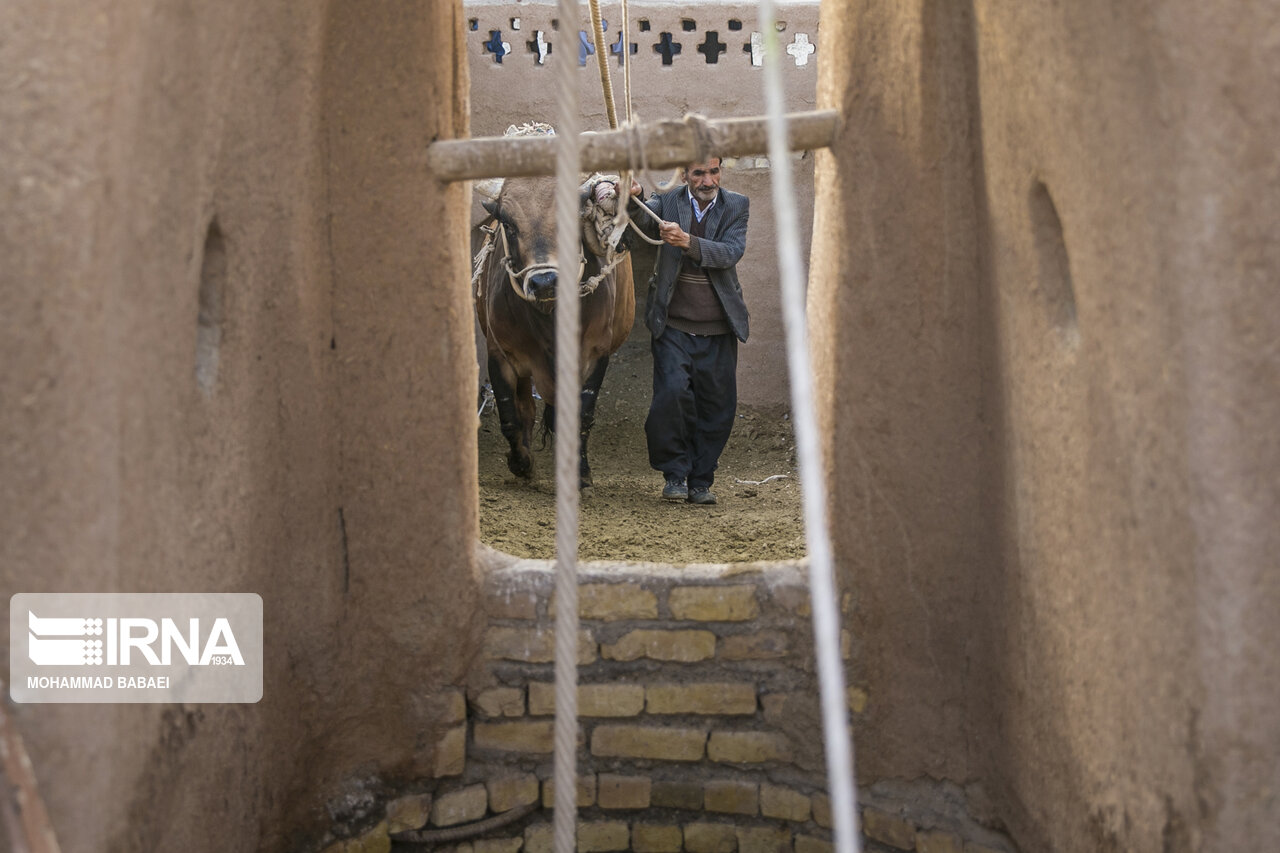
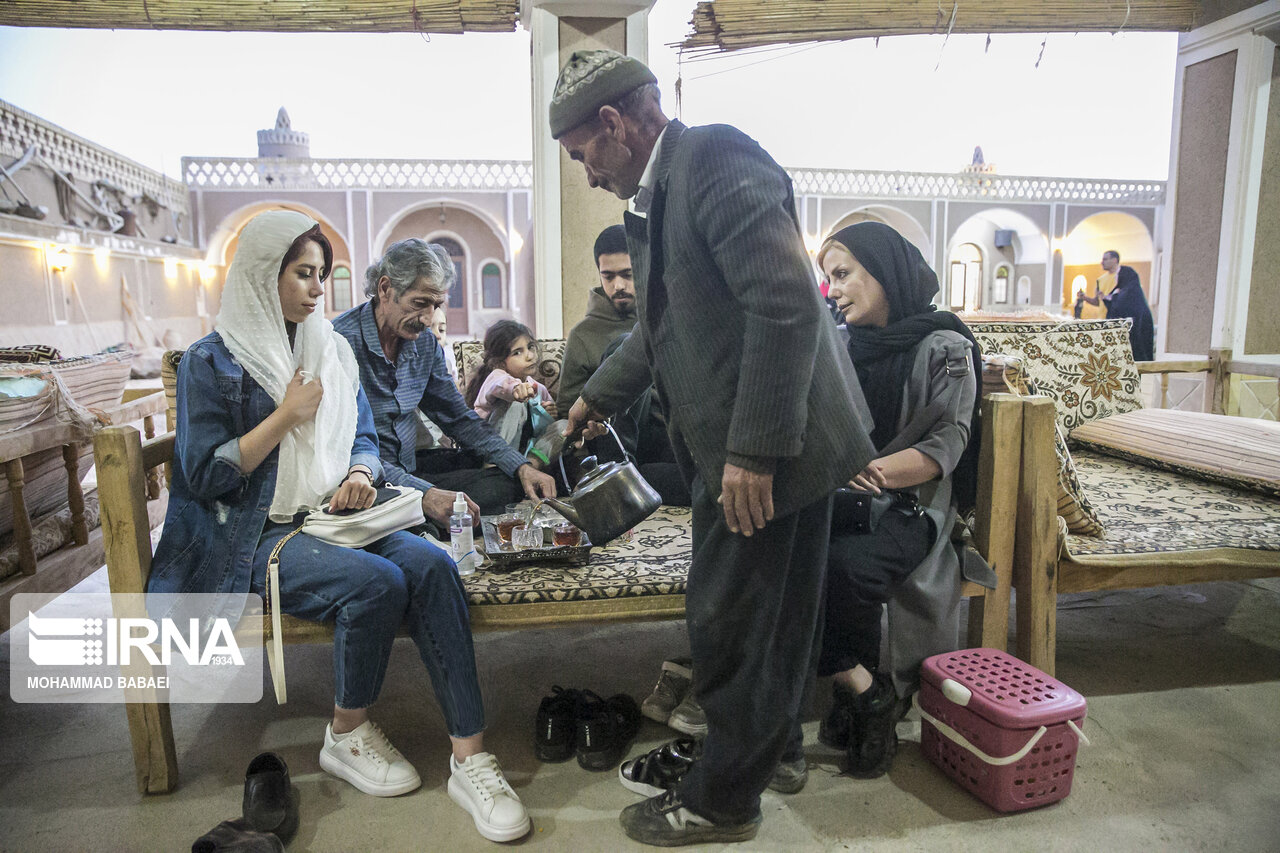
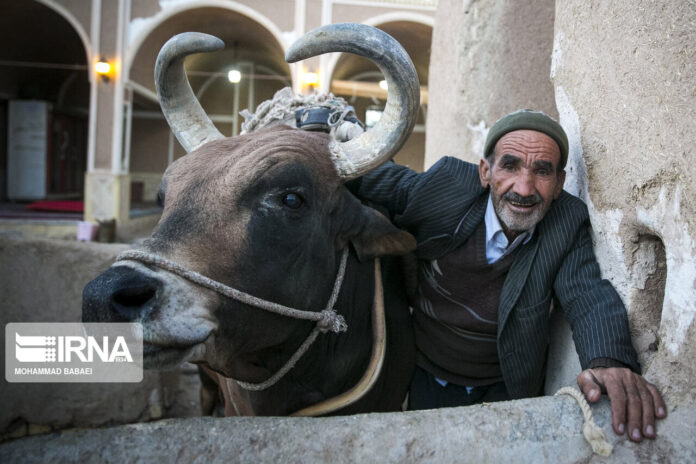
67-year-old Haaj Ebrahim, who lives in Varzaneh, bought two cows from Pakistan 15 years ago to both keep the “cow-well” tradition alive and pull up water from wells.

At the time when he began using the cows at wells, he started singing a local song. The cow gradually became attached to Haaj Ebrahim’s voice. And now after all these years, the cow moves to bring up water from the well only when it hears Haaj Ebrahim’s voice.

Haaj Ebrahim has to keep singing the song over and over again to make the cow move.

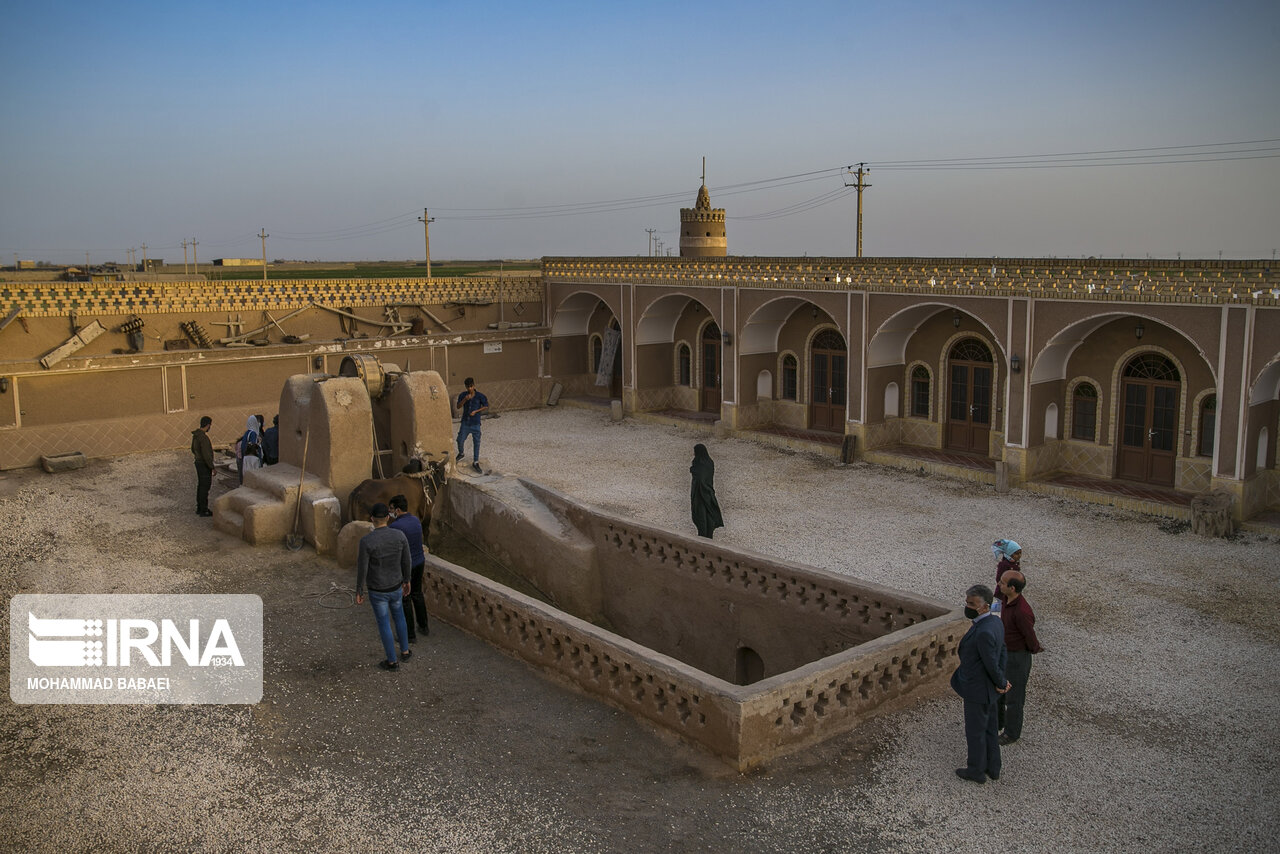
That is why this cow has won popularity in Iran and many people go to Varzaneh to see the cow.

Haaj Ebrahim and his sons have built a special structure to make it possible for visitors to see the cow and to accommodate them.

Varzaneh is a historical and tourist town located in the vicinity of Gavkhouni marshland. Women living there are known for wearing white-coloured chadors.

Iran President Rules Out Idea of ‘JCPOA Plus’

Hassan Rouhani noted Iran wants the very text of the JCPOA implemented as it is.

“We want the very text of the JCPOA [to be implemented], without a word being added to it or removed from it,” said the president.

“We want neither the ‘JCPOA Plus’ nor the ‘JCPOA Minus’,” he said.

President Rouhani reiterated that Tehran will return to full compliance with its obligations under the deal once the U-S removes all sanctions it has imposed on Iran.

“The first step is to remove sanctions. This is what the United States has to do. Of course others, namely the 4+1 group, should also help, but the main responsibility lies with the US. It is the US that created this problem, and it should remove all sanctions,” he said.

The president added Iran needs to verify the removal of sanctions first.

He said Iran will then dismantle any activity which may not be in line with the 2015 nuclear deal and fully abide by its commitments.

Elsewhere in his remarks, Rouhani touched upon the hardships that U-S sanctions have caused, especially for the country’s economy and medical sector.

He said the sanctions have hampered and delayed Tehran’s efforts to buy coronavirus vaccines.

OPCW Urged to Facilitate Access of Iranians with Chemical Injuries to Medicine

The meeting was held on the sidelines of the 25th annual Conference of the OPCW States Parties.

During their discussions, the two sides exchanged views on ways of enhancing cooperation between Iran and the OPCW.

In the meeting, the Iranian diplomat underlined the importance of the full, effective and non-discriminatory implementation of all provisions of the Chemical Weapons Convention.

He said it is incumbent upon member states to live up to their obligations under the convention regarding the exchange of chemical materials and equipment for peaceful purposes.

Baharvand further stressed the importance of removing trade barriers between member states and not imposing economic sanctions on one another.

He reiterated that Iran has been the main victim of chemical arms in the contemporary era.

“Although more than three decades have passed since the bitter experience of chemical weapons being used by the regime of [former Iraqi dictator] Saddam Hussein against Iranian military troops as well as civilians and even Iraqis themselves, still this harrowing memory cannot be forgotten as those injured in the chemical attacks are still suffering, especially at a time when they have numerous problems gaining full access to drugs and medical equipment due to unilateral and cruel sanctions,” said the Iranian official.

“Iran condemns the use of chemical weapons in any part of the world and under any circumstances, and, at the same time, respects the ideals of the Chemical Weapons Convention,” Baharvand added.

“Undoubtedly, it is not possible to have a world free from chemical arms without completely destroying chemical weapons arsenals,” he noted.

He expressed hope the United States, as the only country to officially possess chemical weapons, will make good on its commitments and destroy its chemical arms as soon as possible under the full supervision of the OPCW.

He called on the OPCW director-general to keep using his good offices to make it possible for Iranians wounded in chemical attacks to gain full access to all medicines and equipment required, and to neutralise cruel sanctions imposed in that domain.

Baharvand then called on the OPCW to maintain its technical and expertise-oriented nature , and warned certain countries against using OPCW mechanisms for political gain.

JCPOA Joint Commission Holds Another Plenary Meeting in Vienna

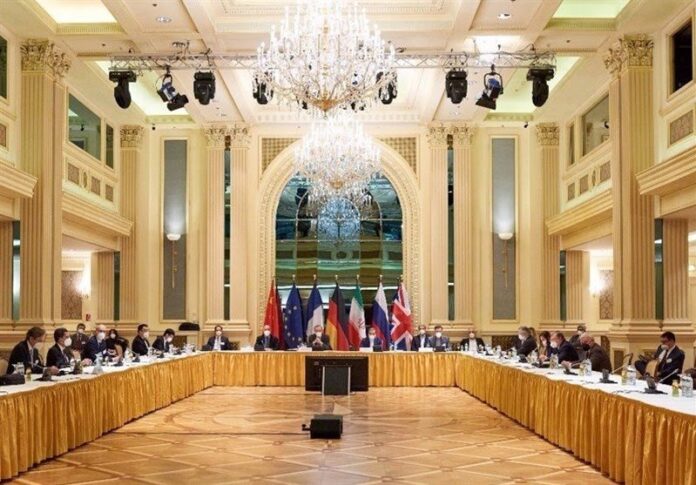
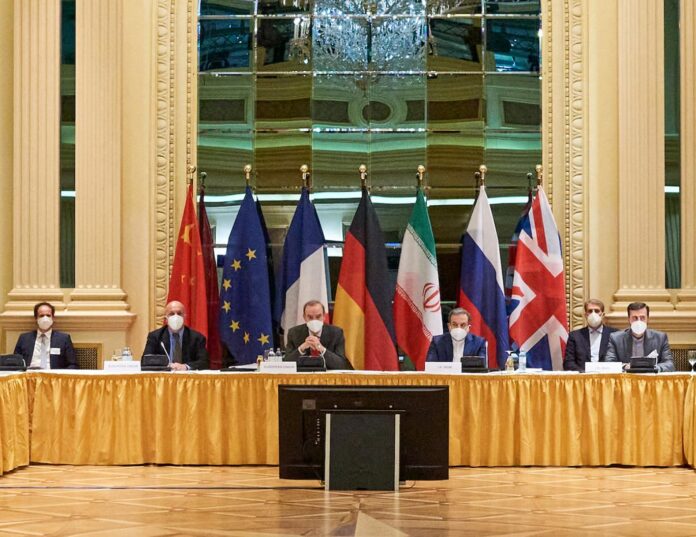
In this meeting, the heads of the negotiating teams of the JCPOA parties discussed the latest status of technical talks, the preliminary drafts, and the ways to continue the talks.

During the talks, Seyyed Abbas Araqchi, the head of the Iranian delegation, once again underlined Iran’s principles and stances regarding the JCPOA and the path that must be trodden, and said the current trend is progressive despite the existing challenges and difficulties.

Araqchi at the same time stressed that the Iranian delegation will stop the negotiations the moment they move towards excessive demands, wasting time and irrational bargaining.

In this meeting, the JCPOA parties agreed to form another working group in addition to the existing ones in order to make practical arrangements required for the lifting of sanctions against Tehran and then the US return to the JCPOA.

After consultations with their respective capitals, the delegations will convene next week to resume the meeting of the JCPOA Joint Commission, and also to pursue the technical and expert-level talks.

Pakistani Foreign Minister in Tehran for High-Level Talks

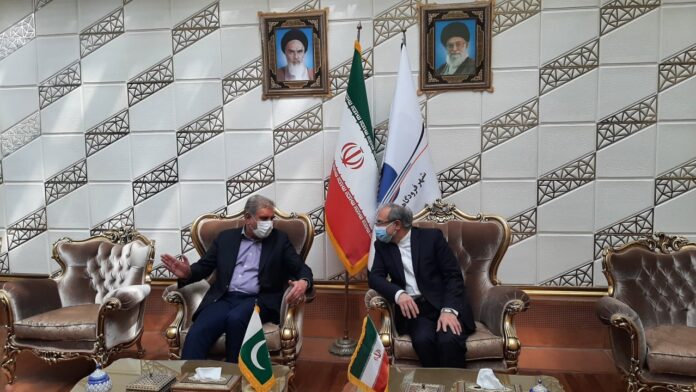
Pakistani Foreign Minister Shah Mahmood Qureshi arrives in Tehran and is welcomed at the airport by Iranian foreign ministry official Rasoul Mousavi.

During his two-day visit, Qureshi will hold talks with Iranian Foreign Minister Mohammad Javad Zarif, President Hassan Rouhani, and Parliament Speaker Mohammad-Baqer Qalibaf.

The Pakistani top diplomat will also open the third official border crossing of Iran and Pakistan on Wednesday, April 21, 2021.

Iran Says in No Rush to Achieve Desired Outcome in Vienna Talks

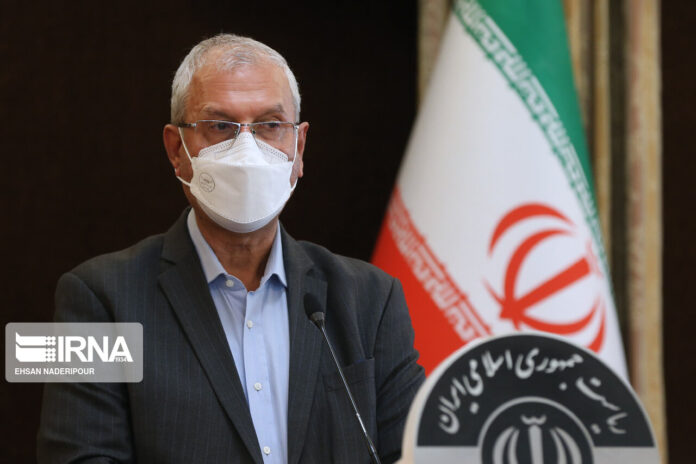
Ali Rabiei, meanwhile, praised as “constructive” the negotiations going on in the Austrian capital on the 2015 nuclear deal, officially known as the Joint Comprehensive Plan of Action (JCPOA), and the removal of sanctions.

“We hope the constructive talks we are involved in will produce a favourable outcome for all parties, but at the same time we are not in a hurry, and will not give any concessions outside the framework of the JCPOA in order to secure our inalienable rights,” he said.

“Technically speaking, it is possible to remove all sanctions [imposed on Iran] in violation of the JCPOA and to revive the JCPOA in a short period of time,” said Rabiei when asked by reporters if it would be possible to lift sanctions in a short time.

He also touched upon the latest status of the talks in Vienna as well as how sanctions should be remove and the importance of all sides living up to their commitments.

He quoted head of the Iranian negotiating team Abbas Araqchi as saying that “we are not interested in reviving the JCPOA in a step-by-step manner.”

“At the moment, two working groups are reviewing and presenting a list of steps that all sides should take to fully make good on their obligations,” said the spokesman.

“Intense talks are also underway with the P4+1 group in that regard,” Rabiee added.

He also made it clear that the administration of President Hassan Rouhani believes the revival of the JCPOA is a national matter and should not be used as a tool to give certain groups an edge in the upcoming presidential election in Iran.

“The government has never used the public purse or compromised national interests to gain factional or electoral benefits, and will never do so,” he stressed.

Iran Rejects Media Reports about ‘Interim’ Nuclear Deal

Araqchi said no such thing as a “temporary agreement” or similar issues is on the agenda during talks between Iran and the P4+1 group.
“The Islamic Republic of Iran holds talks only about the last step to be taken to lift cruel sanctions against the Iranian nation, and rumours such as ‘step-by-step’ plans or a ‘temporary agreement’ are baseless,” he said.

As Leader of Islamic Revolution Ayatollah Seyyed Ali Khamenei has said, Araqchi stressed, Iran will never allow the negotiations to linger on, and at the same time will hurry to achieve the desired goal.
He said Iran also emphasises that talks should be held carefully while ensuring the country’s national interests and unchangeable positions.

He added any decision on the trend and outcome of the talks will be held in Tehran, and that the negotiating team regularly submits reports to top officials on the status of the talks.

Iran’s Zarif, Indonesian President Discuss Mutual Cooperation

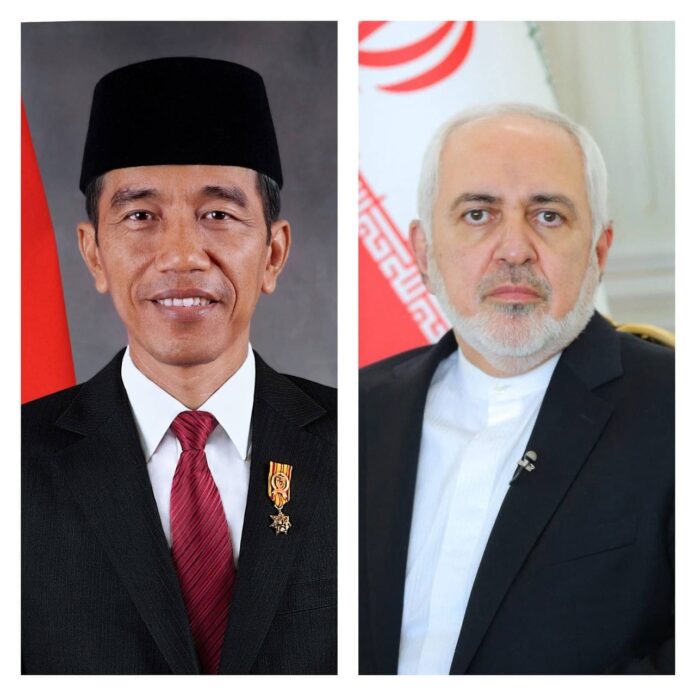
In the Monday meeting, Zarif expressed Tehran’s readiness to further expand brotherly ties between the two countries.

He also expressed gratitude to Indonesia for the stances it adopted at the UN Security Council in order to preserve the 2015 nuclear deal, officially known as the Joint Comprehensive Plan of Action (JCPOA), and implement UN Security Council Resolution 2231.

The top Iranian diplomat touched upon his negotiations with his Indonesian counterpart, and expressed content with a growth in Iran-Indonesia trade as well as a mutual agreement to tap into the potential of the two countries’ joint economic commission and to further boost bilateral economic relations.

The Indonesian president, in turn, stressed the importance of Tehran-Jakarta relations, saying he was pleased to see the two countries’ presidents have maintained their contacts despite the coronavirus pandemic.

He said the two countries enjoy great potential to enhance mutual economic ties, and said the two sides should move forward with their consultations to further utilise this potential and boost mutual trade.

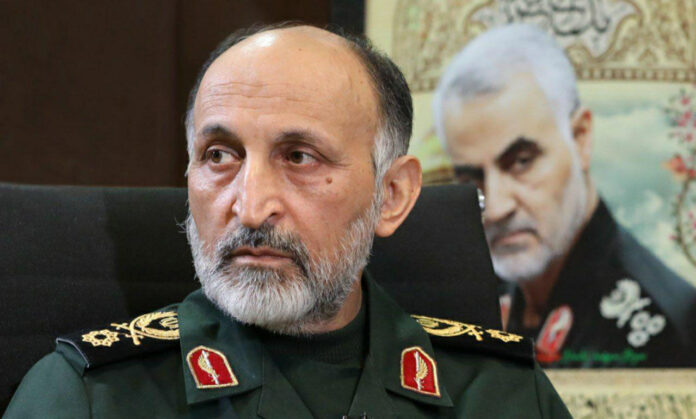
IRGC Quds Force Deputy Cmdr. Succumbs to Chemical Injuries

According to IRGC Spokesman Brigadier General Ramazan Sharif, General Hejazi died of the injuries on Sunday evening.

He was constantly present in the resistance front and carried out several missions, especially in organizing the resistance front, Sharif said.

The IRGC spokesman said Hejazi had contracted the coronavirus a few months ago, but was recovering from the disease.

“In a session that we held at Baqiyatallah Hospital, the doctors concluded that the main reason for Hejazi’s martyrdom was due to his chemical injury,” he added.

The spokesman said Hejazi was more familiar to the Zionists in the last 8 years of his life due to his presence in the Resistance Front.

“The Zionists sought for years to assassinate him,” Sharif added.