Friday, April 10, 2026
Home Blog Page 2511

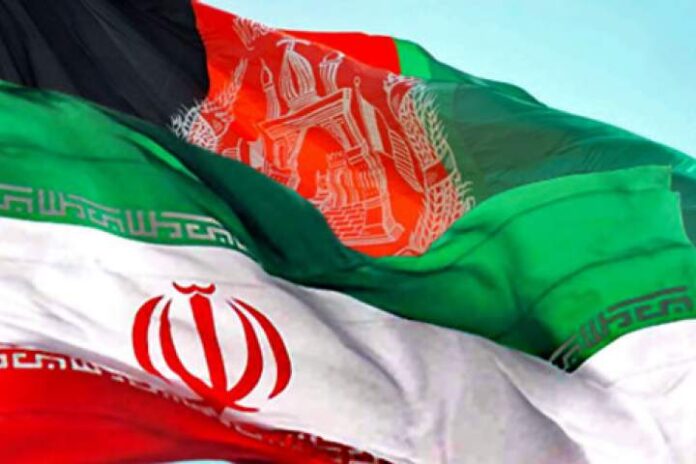
Progress of Afghanistan Peace Talks Hinges on Consensus among Afghan Fronts

During the phone call, Atmar appreciated Iran’s approach to Afghanistan, and presented a report on the measures taken to advance the peace process.

Taherian, in turn, underlined the importance of getting the opinions of various Afghan fronts closer together, and described it as key to the progress of the peace process.

He also once again expressed Iran’s preparedness to help this process.

Iran Envoy, Afghan Security Official Discuss Latest Developments

During the conversation, the Iranian official touched upon a trip to Iran by the UN’s special envoy for Afghanistan, and underscored the need to adopt a common stance by different Afghan factions with regards to the peace process in the country.

Mohib, in turn, appreciated the stances adopted by Iran on the peace trend in his country, and said Kabul would not accept solutions which are based on non-peaceful means.

He also emphasised the need to stand up to the fresh wave of violence in Afghanistan.

Zarif Blasts UN for Suspending Iran’s Voting Rights due to Delinquent Debts

Zarif Blasts UN for Suspending Iran's Voting Rights due to Delinquent Debts

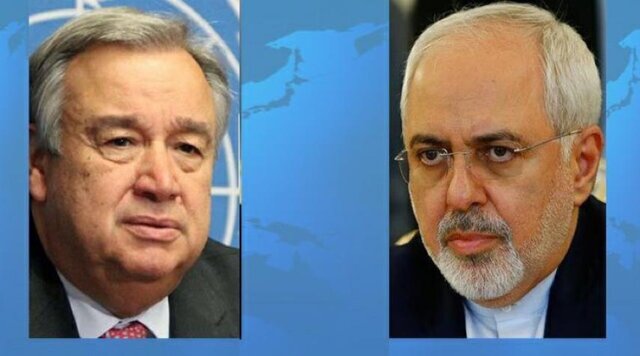
In a letter to the United Nations Secretary-General António Guterres, Zarif described the decision as unacceptable.

“I am writing to convey our strong dismay over the announcement that the Islamic Republic of Iran will lose its voting privileges in the United Nations General Assembly due to the arrears in the payment of its financial contribution to the United Nations,” read part of the letter.

He said the reason for Iran’s delay in payment was Washington’s sanctions.

“This decision is fundamentally flawed, entirely unacceptable and completely unjustified, as Iran’s inability to fulfill its financial obligations towards the United Nations is directly caused by ‘unlawful unilateral sanctions’ imposed by the United States to punish those who comply with a Security Council Resolution,” said Zarif in his letter.

“As you, and indeed the whole world, are well aware, the people of Iran have been under the most unprecedented economic warfare – and indeed economic terrorism – following the Trump administration’s US unilateral withdrawal from JCPOA (shamelessly continued to this day by its successor as so-called “bargaining leverage”) in material breach of peremptory norms of international law, the Charter of the UN and UNSCR 2231,” he explained.

“The U.S.’ unlawful acts of war and economic terrorism have impaired Iran’s capacity to transfer our financial contribution to the United Nations and some other international organizations,” he said.

“The Islamic Republic of Iran, therefore, rejects the notification on suspension of its voting privileges. Iran’s incapacity to transfer its financial contribution has been entirely beyond its control,” he stressed.

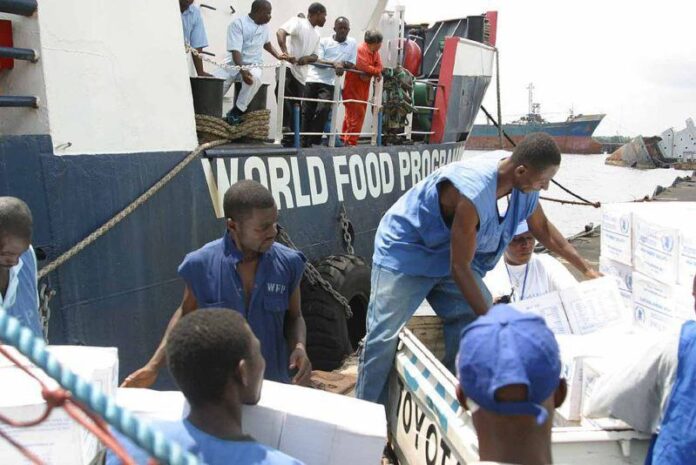
Iran, UN Discuss Significance of Humanitarian Aid in Conflict Zones

In the meeting, Baharvand congratulated Griffiths on his new post, and stressed the importance of the United Nations’ humanitarian aid in conflict zones, especially in Yemen, Syria, Afghanistan and Iraq regardless of political considerations and pressure.

Despite cruel sanctions, he said, Iran has always stood ready to help the UN expedite the trend of sending humanitarian aid to the needy in war-hit areas.

“Unfortunately, the United States’ unilateral sanctions have not only impeded trade in humanitarian goods such as buying food and drugs, but also overshadowed the UN’s dispatching of humanitarian aid to the needy in conflict-stricken and crisis-hit zones,” the senior Iranian diplomat explained.

“As soon as Griffiths assumes his new responsibility, he should put this issue on the agenda,” he added.

Baharvand proposed that an international contract be drawn up under which humanitarian assistance and trade cannot be targeted by sanctions and political considerations or be used for military purposes.

The Iranian official also expressed deep concern over a rise in terrorist attacks in Afghanistan against specific ethnic groups and religions, especially girls’ schools.

He said such acts not only amount to war crimes, but are also regarded as a gross violation of human rights.

He called on international organizations to pay attention to this issue.

Griffiths, in turn, underlined that he would soon begin work in his new capacity, elaborating on the priorities of the United Nations’ humanitarian programs.

The two sides also exchanged views on regional issues, including the developments pertaining to Yemen, Syria, Afghanistan and Iraq as well as the UN’s role from a humanitarian perspective.

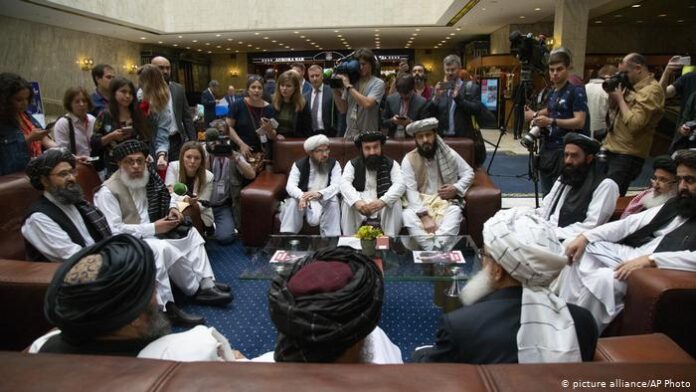
Iran’s Zarif, UN Envoy Discuss Afghan Peace Process

In the Tuesday meeting, Foreign Minister Zarif elaborated on Iran’s viewpoint regarding Afghanistan, especially peace and security in the country and the peace process led by Afghans.

He also expressed Tehran’s support for intra-Afghan talks and the need to protect the achievements of Afghan people in recent years, especially in terms of the basic rights of the people of Afghanistan.

Jean Arnault, in turn, highlighted the key role of neighbours and the fact that he has started his regional tour from Iran after being appointed to this position.

He also noted that the issue of Afghanistan can be resolved through collective measures, and his efforts are focused on finding a way for realising this collective cooperation.

Iran FM, UN Envoy Discuss Yemen Crisis in Tehran

In the Tuesday meeting, the Iranian Foreign Minister elaborated on Iran’s viewpoint on ending the Yemen crisis, the developments following the beginning of crisis in the country, and underlined the need for removing the blockade against the country and facilitating the delivery of humanitarian aid to the Yemeni people.

Foreign Minister Zarif expounded on Iran’s principled policy that war is not a solution to the Yemen crisis, and said the current disastrous situation in Yemen – which has put the Yemeni people on the verge of a humanitarian disaster after six years – can only be wound up through political talks and peaceful ways.

The UN envoy, in turn, briefed the Iranian Foreign Minister on the results of his negotiations with relevant bodies on the Yemen crisis.

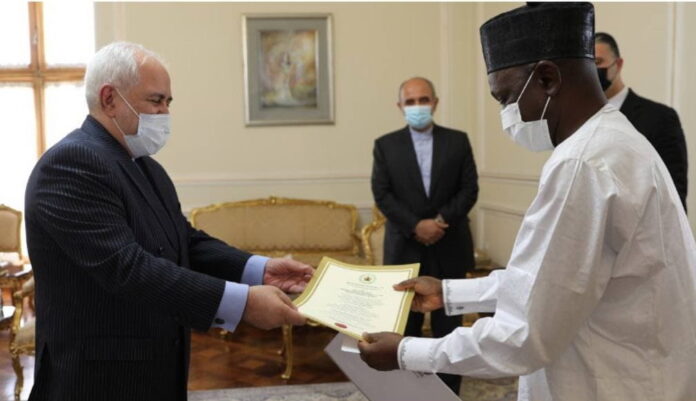
Nigerian, Kenyan Ambassadors Meet with Iran’s FM

Nigerian, Kenyan Ambassadors Meet with Iran’s FM

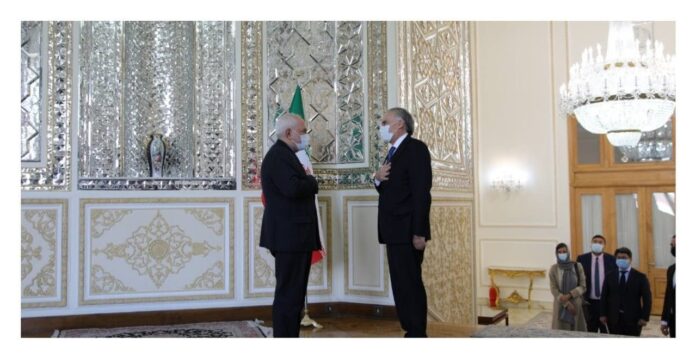
In the Tuesday meetings, the Nigerian and Kenyan diplomats presented a copy of their credentials to the Iranian Foreign Minister.

Syed Jaffar Hussain, the new representative of the World Health Organisation (WHO) to the Islamic Republic of Iran, also met with Zarif at the beginning of his mission.

The WHO representative also presented his credentials to the Iranian Foreign Minister.

Iranian Diplomat, Abdullah Abdullah Discuss Afghanistan Developments

In the Tuesday phone call, Abdullah called for continued support for the country’s peace process.

Taherian, in turn, underlined Iran’s support for the Afghan peace process and efforts made within this framework.

He also stressed the necessity for further interaction among various fronts of the country in order to accelerate the achievement of peace.

Removal of All Anti-Iran Sanctions Near At Hand: Spokesman

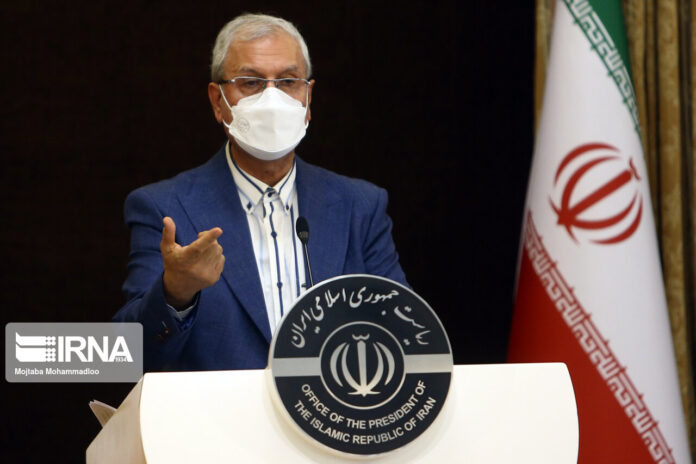
Iran’s Government Spokesman Ali Rabiei

Rabiei said in a presser on Tuesday that Tehran hopes the final round of the nuclear talks in Vienna is held soon and the negotiations bear fruit before the current administration leaves office.

“Just as we are in no haste in the talks, we are strongly opposed to the negotiations lingering on. Our focus is on ending the negotiations in the remaining time,” Rabiei said.

He also dismissed stated concerns on whether a change of administration in Iran affects the commitments Iran makes in the talks. He said everyone can rest assured that the Islamic Republic will not go back on its commitments as long as all signatories to the nuclear deal, known as the Joint Comprehensive Plan of Action, stick to their obligations under the accord.

“Adherence to commitments and respect for international law is an established principle of Iran’s foreign policy, which will not change with a change in government,” Rabiei said.

The spokesman also talked about the remaining FATF bills, which Iran should ratify before it is removed from the regulatory body’s blacklist. He said these bills are an independent issue and are not related to the nuclear talks in Vienna. Rabiei stressed that the Expediency Council has the final say on the issue. But he expressed hopes that revival of the nuclear deal would increase the ratification chances of the Palermo and CFT bills.

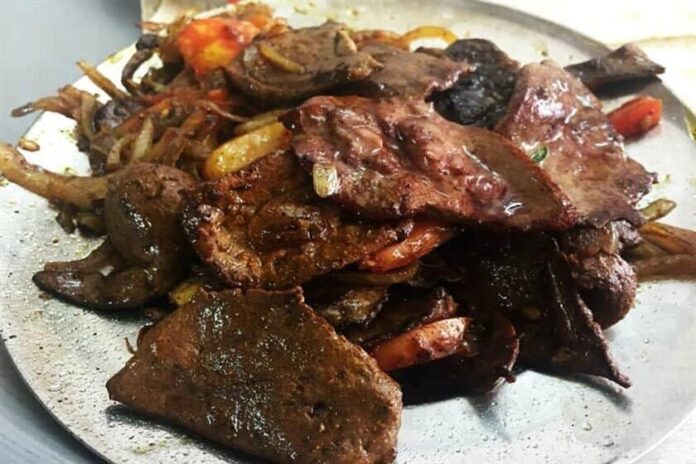
Chertmeh Polo; Appealing Cuisine Indigenous to Semnan

Chertmeh Polo; Appealing Cuisine Indigenous to Semnan

This stew takes little time to prepare at home and is a good choice to serve guests at a party.

Chertmeh Polo Ingredients:

1. 500gr of sheep liver sliced into small pieces

2. 100gr of sheep tail fat sliced into small pieces

3. 300gr of yogurt

4. One onion peeled and cut into strips

5. Four grilled bell peppers cut into small pieces

6. Five peeled and minced garlic cloves

7. Salt, black pepper powder, and turmeric as required

8. A tablespoonful of frying oil

9. Saffron rice, leafy greens and several slices of lemon to be served with the stew

Recipe and Preparation of Chertmeh Polo:

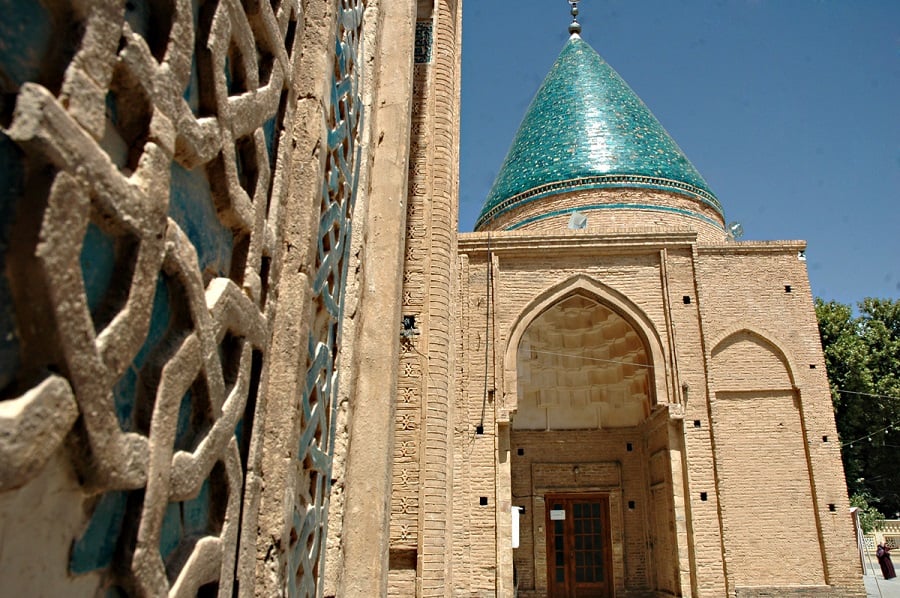
Bayazid Bastami’s Tomb; Tourist Attraction in Iran’s Semnan
Chertmeh Polo; Appealing Cuisine Indigenous to Semnan


Put a tablespoonful of frying oil into a frying pan and place it on a stove set to medium heat. Wait for the oil to heat up. Then put the onions inside and roast until they get soft. Add the turmeric after that.

Then add the sliced sheep liver and tail fat and mix with the onions. Roast the mixture for five minutes. Then add the sliced pepper and mix again.

Now it’s time to add the salt and black pepper powder to your taste and place the frying pan on the stove and let it heat up for three minutes as you mix the contents.

Then pour the mixture into an appropriate dish and mash it. Use a bowl to mix the garlic in the yogurt and then add the mixture to the mashed mixture.

Your Chertmeh is ready! Serve it with saffron rice, leafy greens and several slices of lemon.

Read more: