
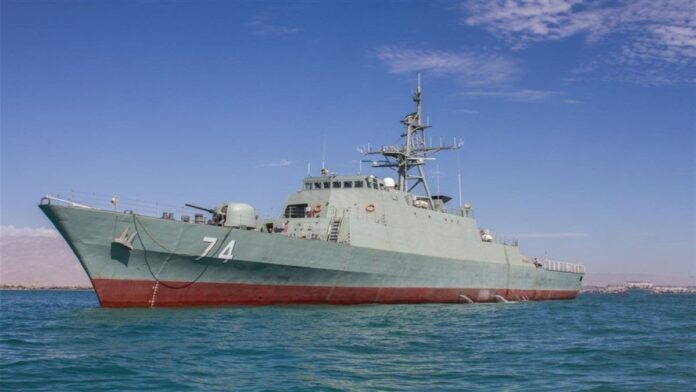
The Iranian Army says the homegrown destroyer entered the Atlantic without berthing at any port along the route.
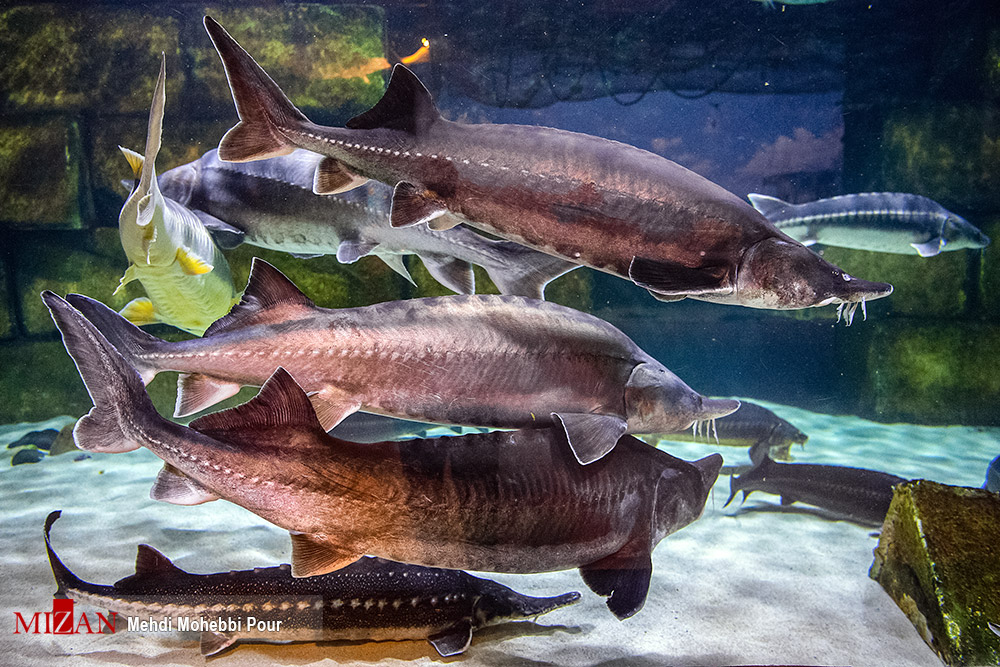
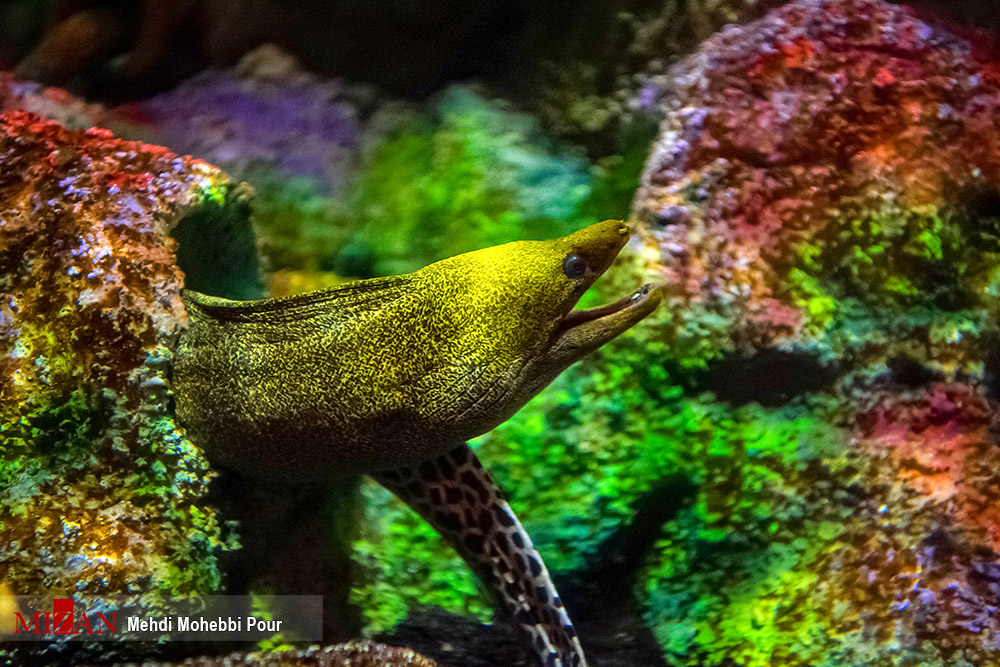
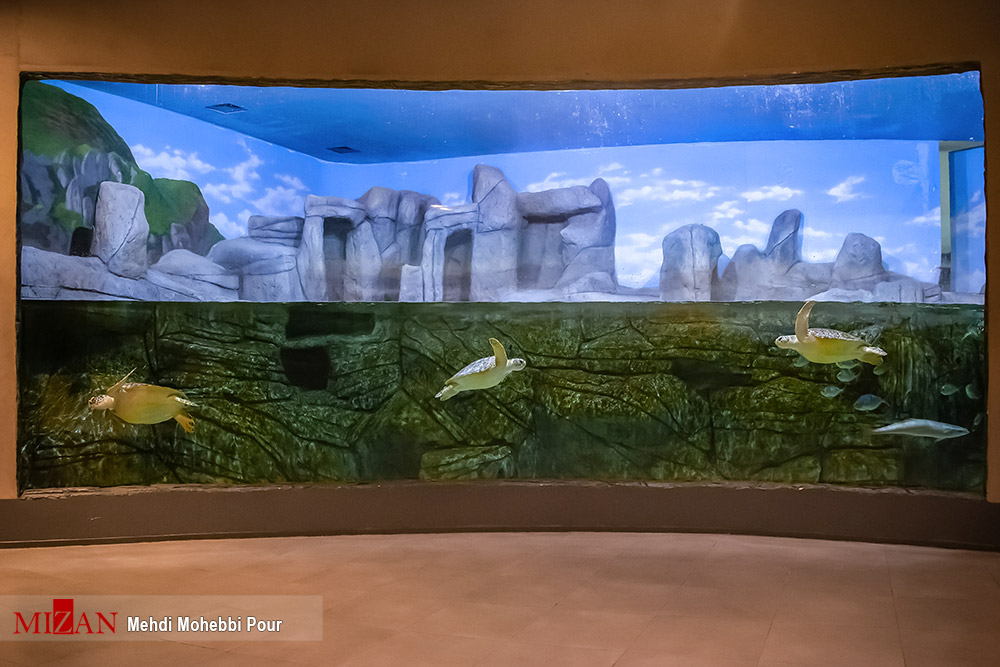
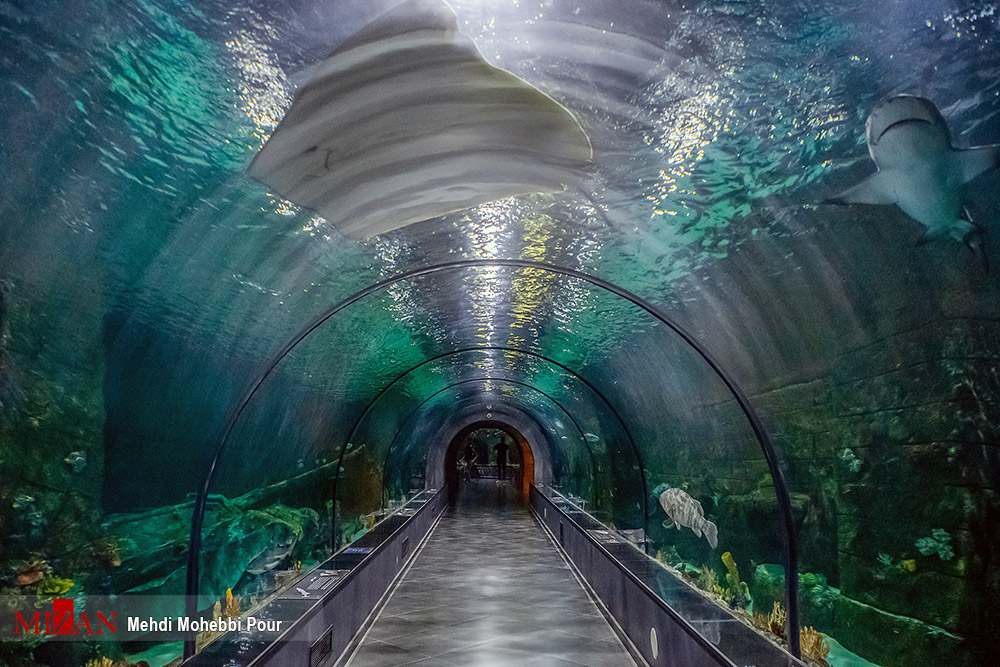
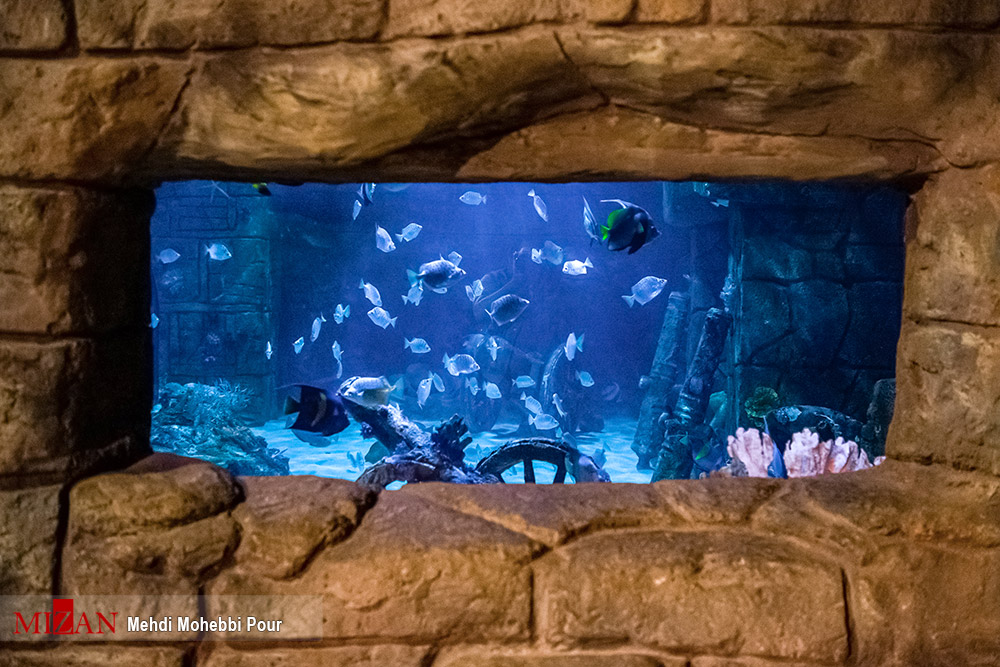
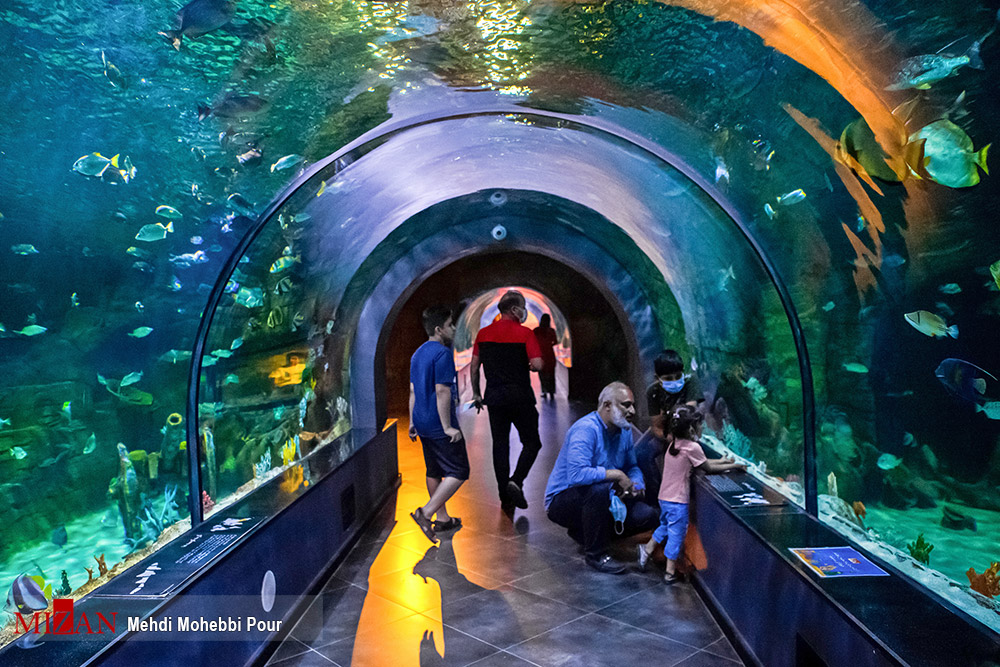
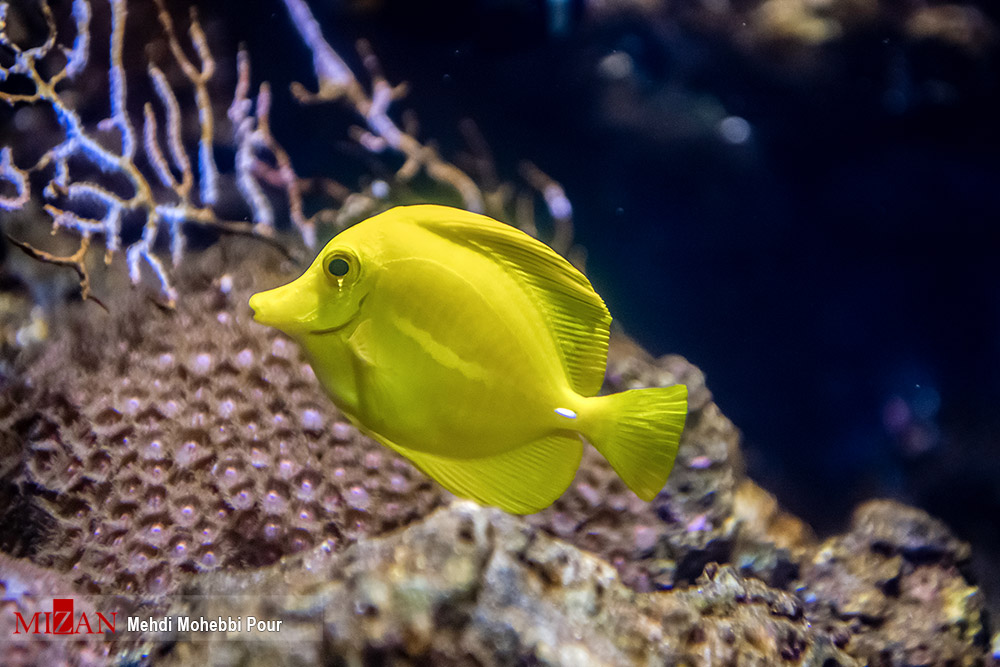
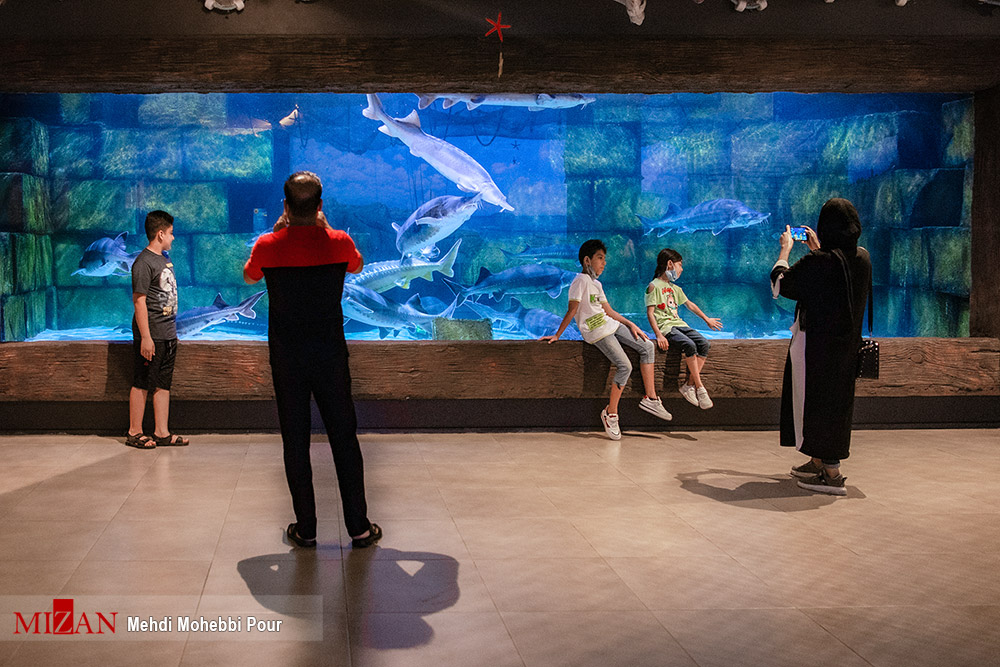
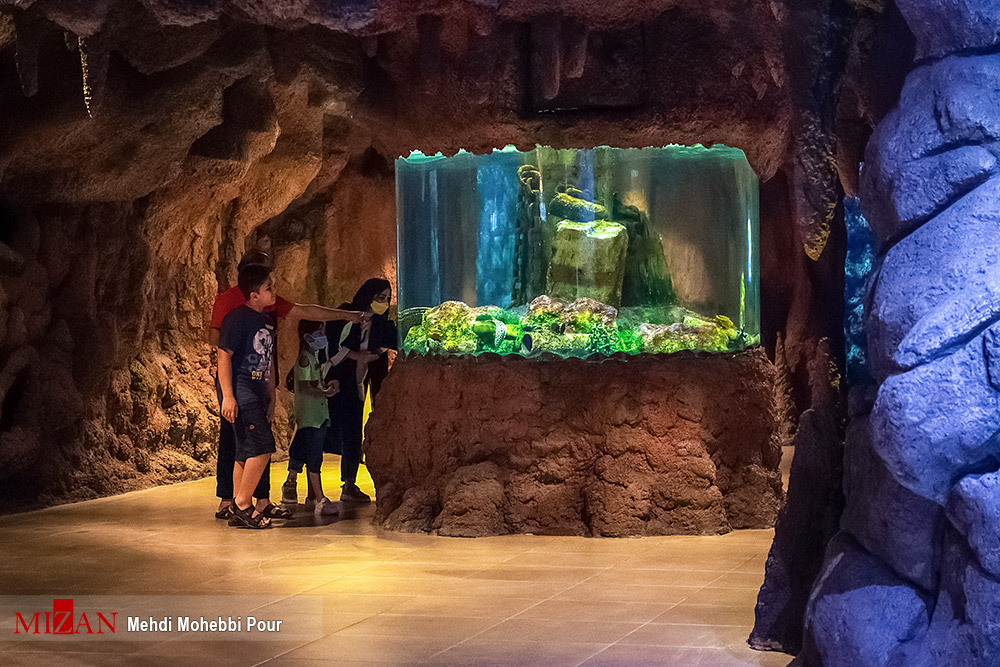
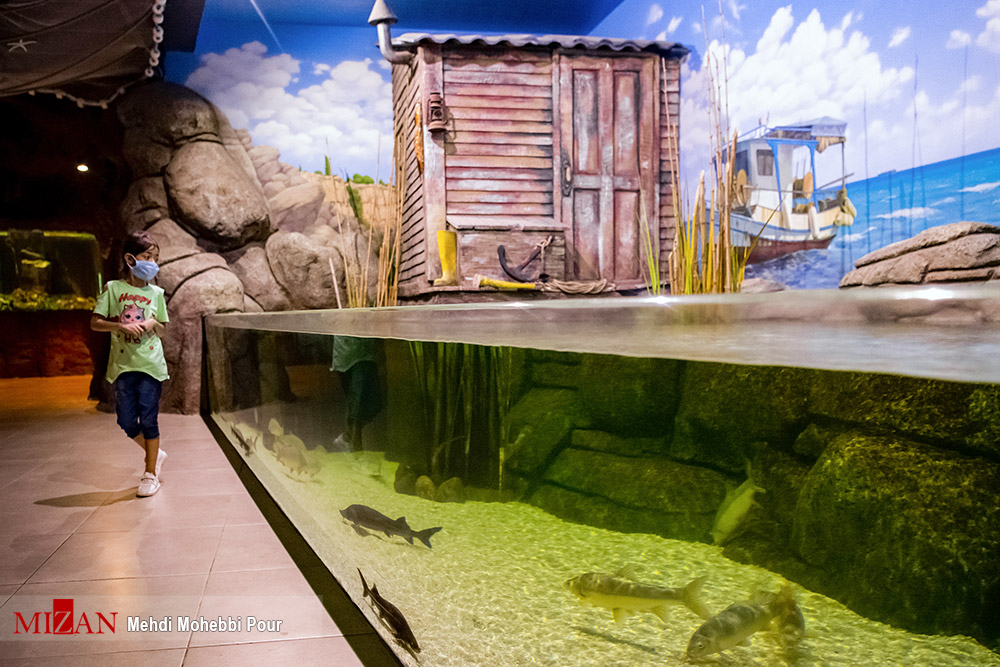
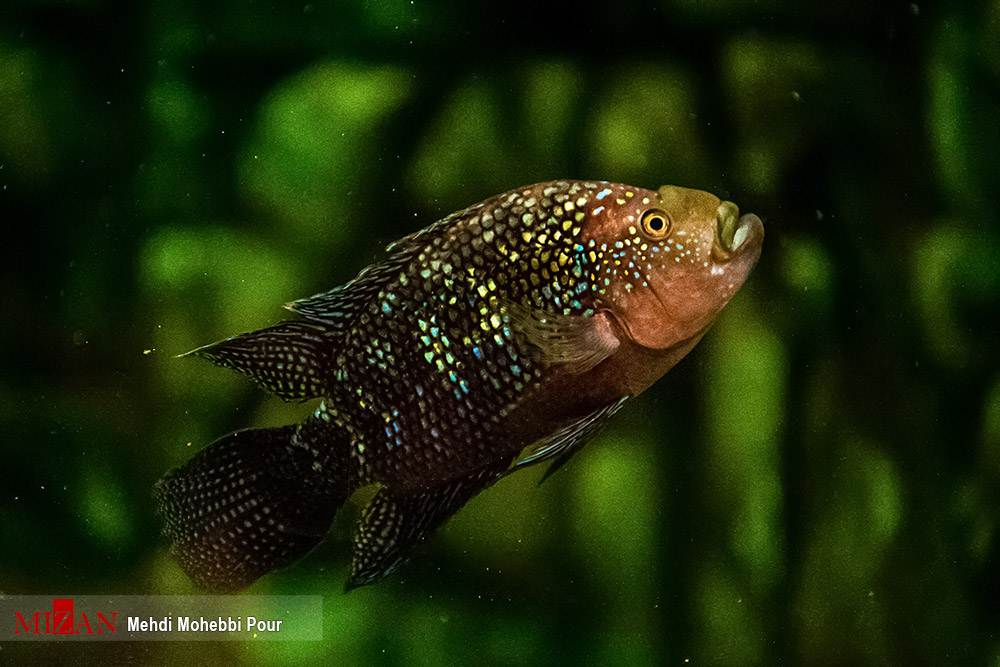
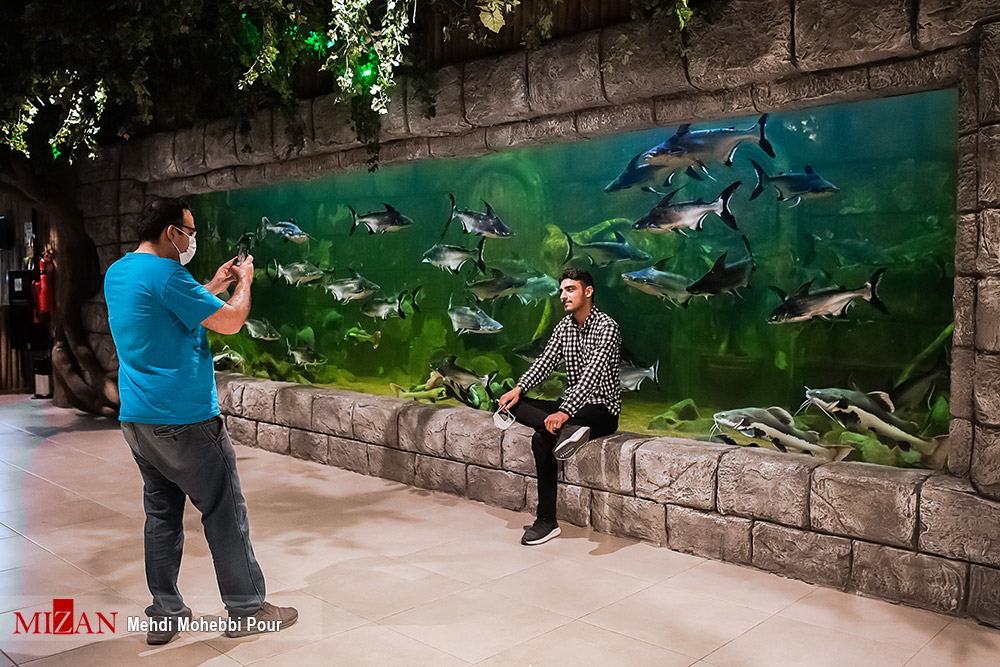
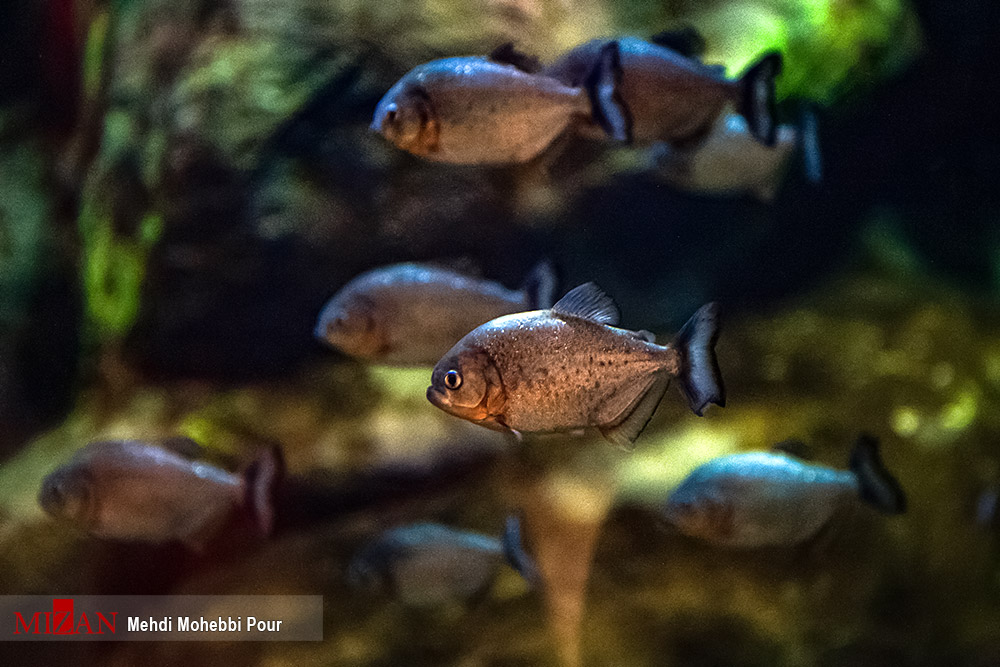
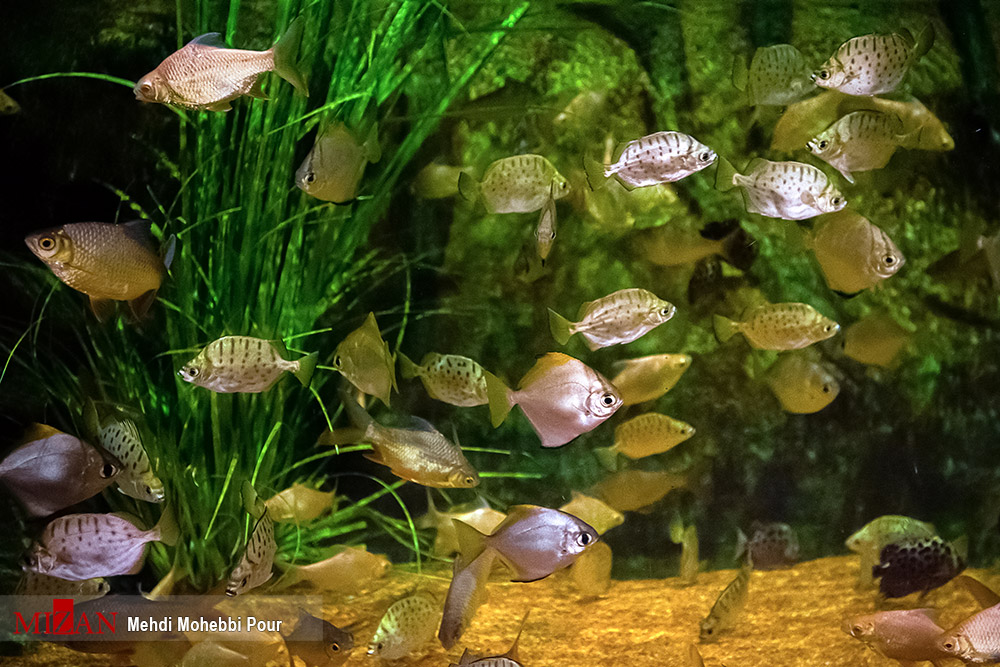
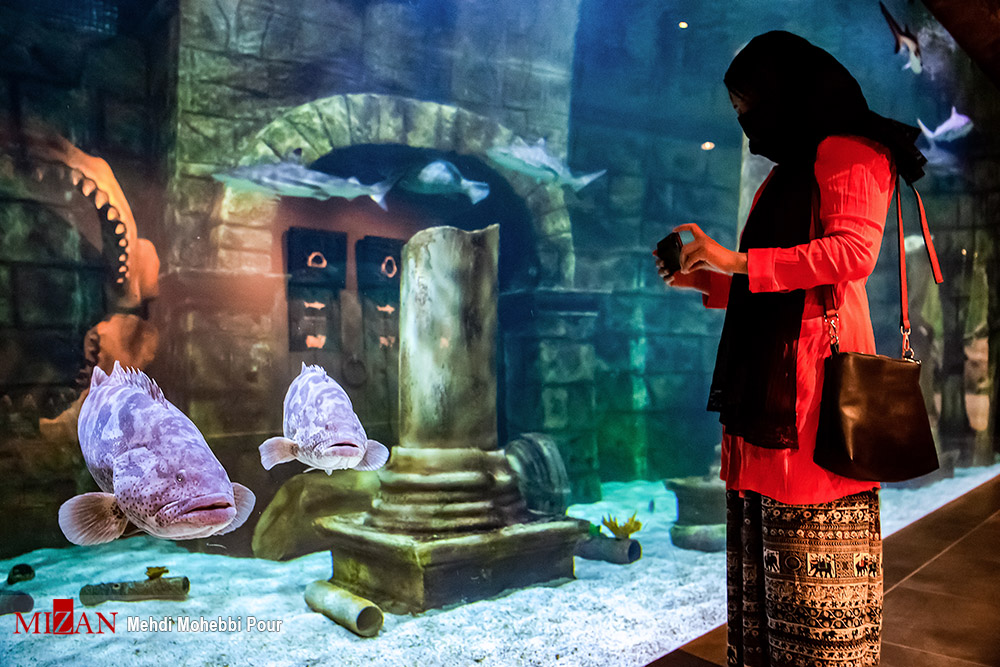
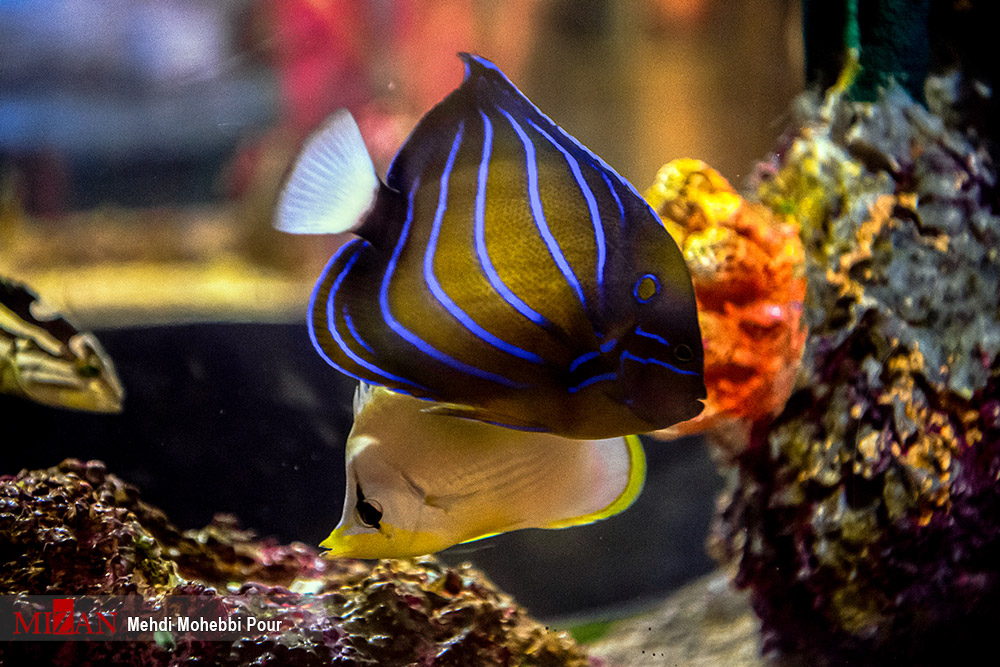
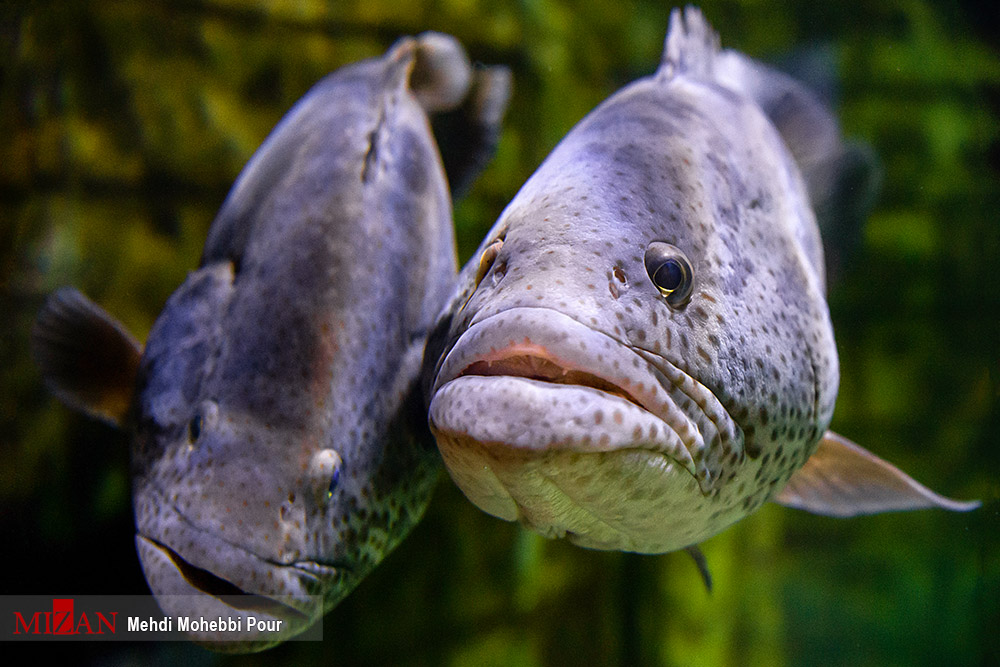
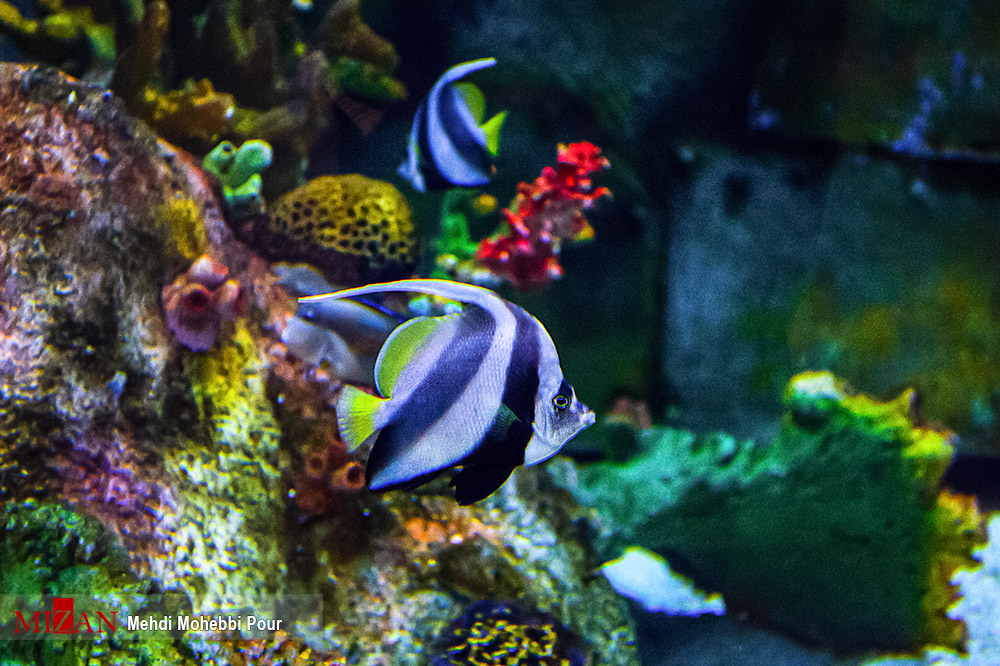
Iran’s Beauties in Photos: ‘Fantastic’ Aquarium of Anzali Port
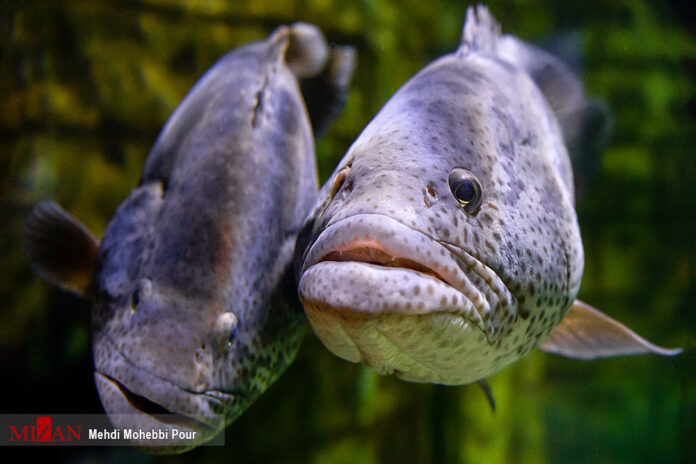
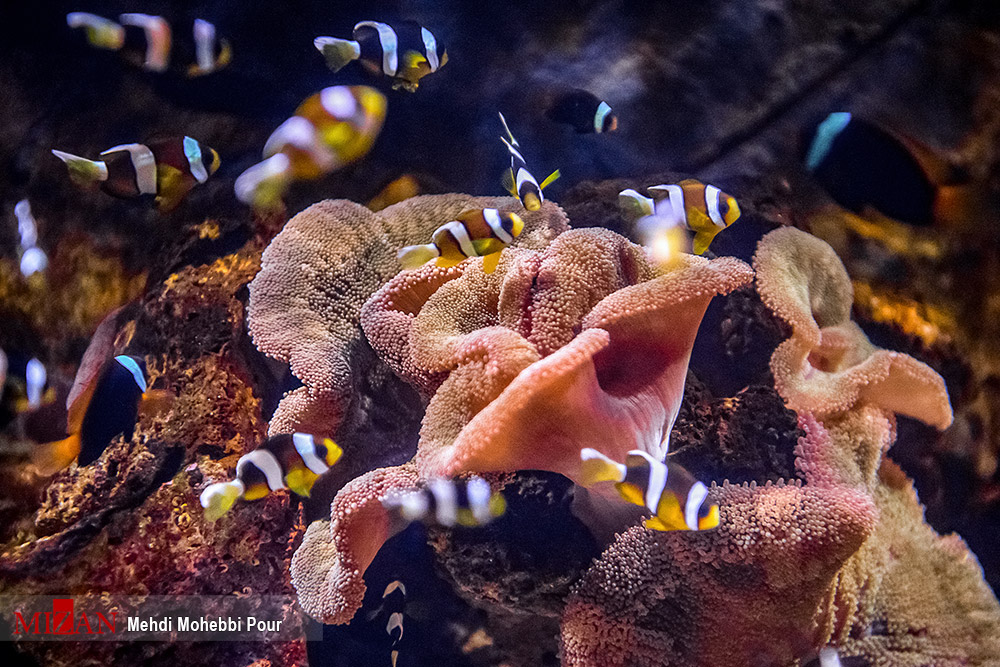
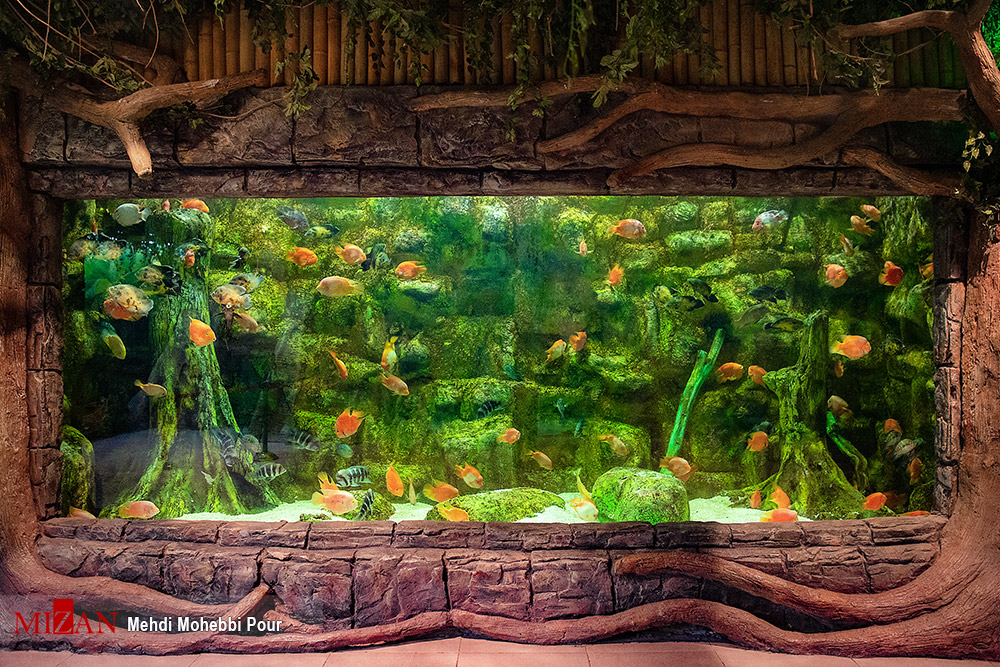
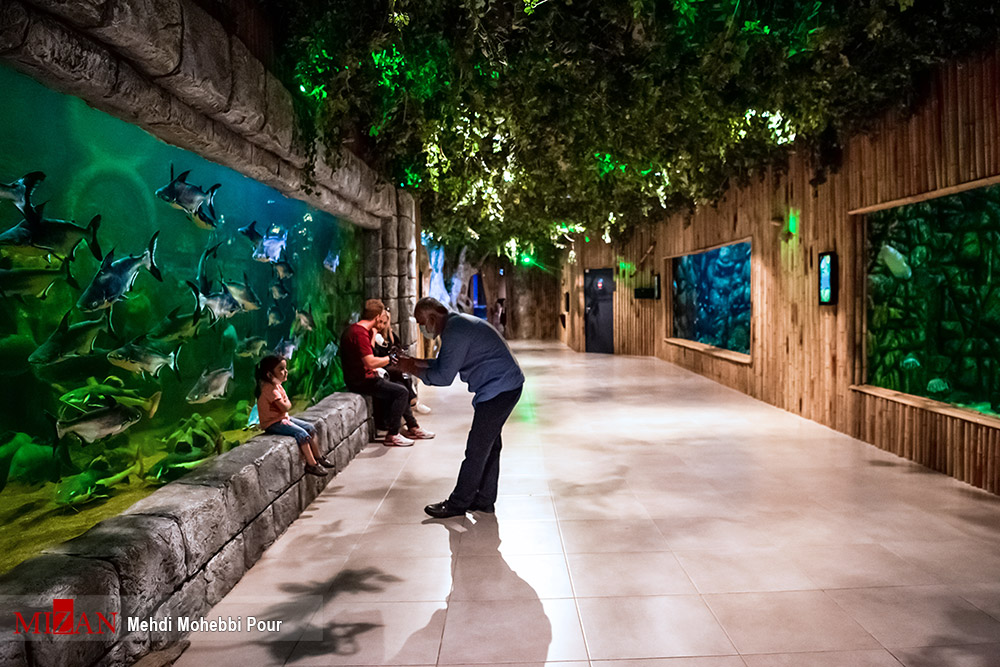
Built in an area of 10,000 square metres, the site is one of the most popular tourist attractions of Anzali.
It includes the biggest aquarium tunnel, which is 40 metres long.
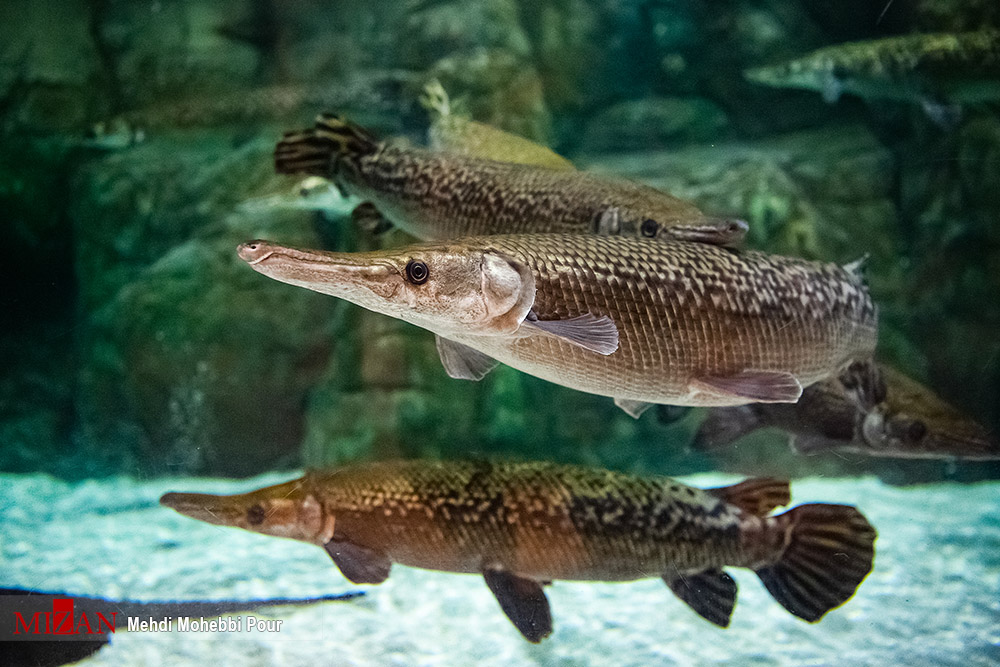
200 different species of aquatic creatures are kept and displayed at this aquarium.
Read more:



Iran Not Expected to Abide by JCPOA While Under Sanctions: Envoy
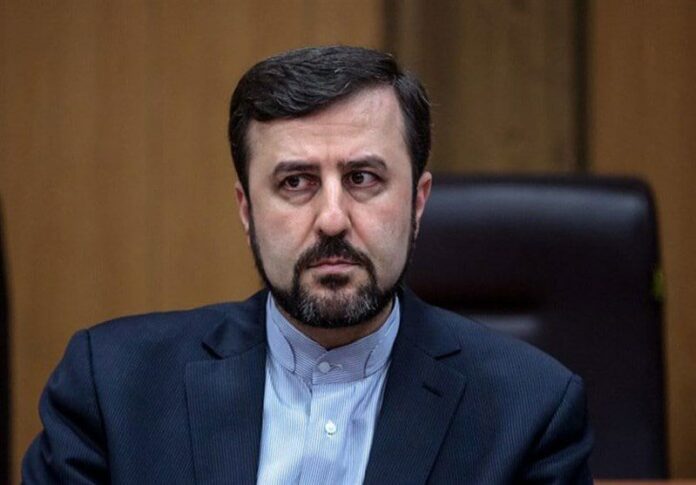
Kazem Gharibabadi said Iran had every right to scale down its obligations under the nuclear accord.
“Whatever we have done, so far, to reduce our commitments has been in accordance with our rights under the JCPOA, and cannot be regarded as a violation of, or non-compliance with the JCPOA,” he said.
“The reason is that other countries, including the United States, the EU and the three European countries failed to deliver on their commitments under the JCPOA with regards to the lifting of sanctions,” he explained.
“These countries should not expect Iran to remain committed to its obligations while it is under the most intense and brutal unilateral sanctions by the US,” the Iranian envoy added.
“I said it clearly today that the countries which asked Iran to stop its remedial measures, should know that this is not an appropriate and proper expectation,” he said.
Iran Follows Up on Iraq’s Payment of Its Unpaid Debts
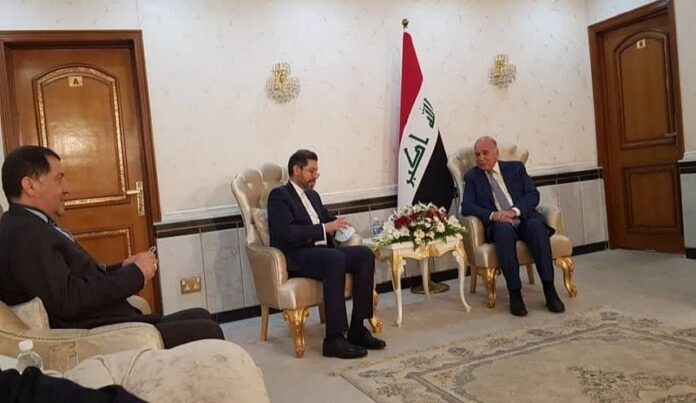
In the Wednesday meeting, the two sides conferred on issues of mutual interest, regional developments, and expansion of bilateral relations.
Among the issues discussed in the meeting were following up on the payment of Iraqi debts, the Shalamcheh-Basra railway, the latest status of Baghdad’s lifting of the visa regime, and the areas of cooperation between Iran and Iraq in the field of public diplomacy.
Iran Shares Plan with UN to Eliminate FSO Safer Oil Spill Risk
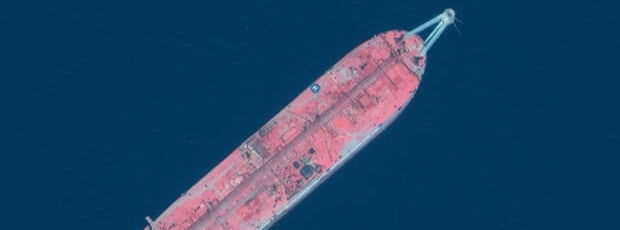
In this meeting, the two sides conferred on the latest political and on-the-ground situation of Yemen, especially the recent visit of Mr Griffiths to Sana’a, the developments in Ma’rib province, the need for the removal of economic siege against the Yemeni people, and the ways to establish peace and stability in the country.
Griffiths and Khaji also conferred on the elimination of the possible risk of oil spill from the FSO Safer oil tanker.
Khaji presented Iran’s initiative to eliminate the oil spill and environmental pollution risk, and said Tehran is still ready to help establish peace in Yemen.
The UN envoy, in turn, presented a report on his visits to the region, and elaborated on the UN’s efforts to settle the Yemen crisis.
The civil war in Yemen has suspended essential maintenance on the increasingly fragile vessel FSO Safer with more than 1 million barrels of oil in its hold and hindered disaster preparedness.
The decaying super-tanker anchored off Yemen with 1.1 million barrels of Marib light crude oil in its hold looks increasingly likely to wreak havoc in the Red Sea, experts are warning.
Talks between the UN and the Houthi administration in control of the area aimed at brokering a deal for international intervention reached a “dead end” late June 1.
The structural integrity of the FSO Safer is rapidly deteriorating, risking a catastrophic oil spill that threatens the region’s people and marine ecosystem, which scientists describe as a critical refuge from climate change for corals. A solution has proven elusive in a country mired in civil war and humanitarian crisis.
The Safer is a floating storage and offloading vessel, property of the Yemeni state-owned company SEPOC. It has been anchored at the end of the Marib oil pipeline, around 9 kilometers (5.5 miles) offshore from the port city of Hudaydah, since 1988.
“It’s not a question of whether the Safer will eventually spill its contents, it’s a question of when,” David Soud, a security analyst at US-based international consultancy I.R. Consilium, who has followed the situation closely, told Mongabay by email.
Iranian Diplomat, Iraqi Culture Minister Meet in Baghdad
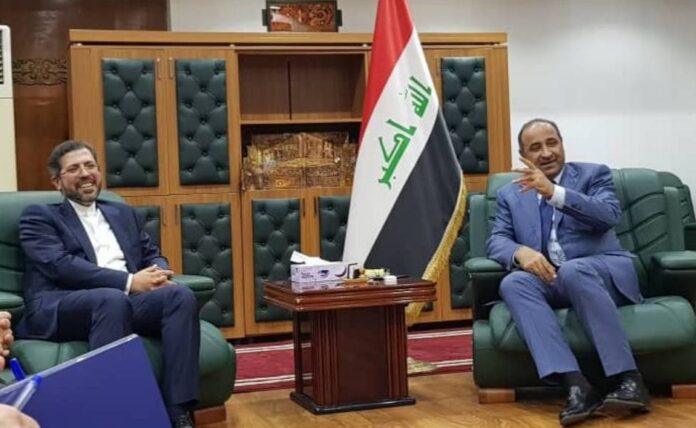
In the Wednesday meeting, which was also attended by deputies of the Iraqi culture minister, Khatibzadeh said the potential for cultural relations between the two countries is beyond the current level. The foreign ministry spokesman underlined the necessity of careful planning to enhance those ties, especially with a focus on the civilisational as well as cultural and artistic aspects, including in the areas of visual and dramatic arts along with poetry, music and tourism.
Nazim, in turn, reviewed the numerous areas of cooperation between the two countries, saying Baghdad is ready for limited resumption of travels for pilgrimage from Iran within the health framework, agreed between the two sides. Nazim also stressed the need for expansion of bilateral cooperation on cultural and artistic areas of joint interest. Accordingly, he proposed an Iran-Iraq Week of Culture to be held jointly, after the healthcare situation of both countries is reassuring again, amid the coronavirus pandemic.
Khatibzadeh welcomed the proposal.
It should be mentioned that the spokesman later met with the director of Iraq’s Information Organization, where they talked about media cooperation.
After the meeting, Khatibzadeh also visited the studio of Al-Iraqiya News Network where he attended a question and answer session with the network.
Iranian Papers Cover Presidential Candidates’ ‘Weak Performance’ in 2nd Debate
Aftab-e Yazd Newspaper:
1- Second Presidential Debate Held on Cultural, Social, Political Issues

Arman-e Melli Newspaper:
1- Presidential Candidates Urged to Introduce Their Cabinet to People

Asr-e Iranian Newspaper:
1- Jalili: Result of Government’s Eight-Year Slogans about ‘Women’ Almost Nothing

Ebtekar Newspaper:
1- Sleep-Inducing Debates
* Second Round of Debates Failed to Show Real Strength of Candidates

Etemad Newspaper:
1- Second Debate Held among Seven Presidential Candidates

Farhikhtegan Newspaper:
1- No Change in Voters’ Opinion: Second Debate Failed to Change Election Fate

Hemayat Newspaper:
1- Second Debate on Axis of Culture, Society, Politics

Iran Newspaper:
1- Second Debate: Candidates Express Protest

Javan Newspaper:
1- Candidates against Debate!
* Candidates Finally Realize They Can’t Show Their Capabilities

Kayhan Newspaper:
1- Without Any Plan, Without Any Strong Resume
* How Did Government’s Candidates Appear in Debates?

Khorasan Newspaper:
1- Talking about Generalities instead of Criticism and Debate

Quds Newspaper:
1- Candidates Call for Change in the Way Third Debate Will Be Held

Resalat Newspaper:
1- Second Presidential Debate: Iran Waiting for ‘Morality Police’ of Government Executives

Sazandegi Newspaper:
1- Dichotomy of Raisi-Hemmati
* Polls Show People’s Turnout Gradually Increasing, Raisi and Hemmati More Appealing

Seda-ye Eslahat Newspaper:
1- Weak Debates
* Structural Weaknesses of This Year’s Debates

Setareh Sobh Newspaper:
1- Hemmati: Sanctions Have Decreased Iran’s Forex Income by $75 Billion
2- Sanctions Increase Cost of Iran’s Trade with World by 20%

Shargh Newspaper:
1- Competition in Defence of People
* Presidential Debates Continue with Criticisms against Past Performances
2- Skills that Candidates Lack [Editorial]

Siasat-e Rooz Newspaper:
1- Debate or Variety Show or IQ Test!

Tejarat Newspaper:
1- Raisi in Second Debate: Social Class Gap Result of Injustice

Vatan-e Emrooz Newspaper:
1- Logic and Plans Overcome Controversy and Trivial Issues

Iranian Diplomat Meets Several Iraqi Officials in Baghdad
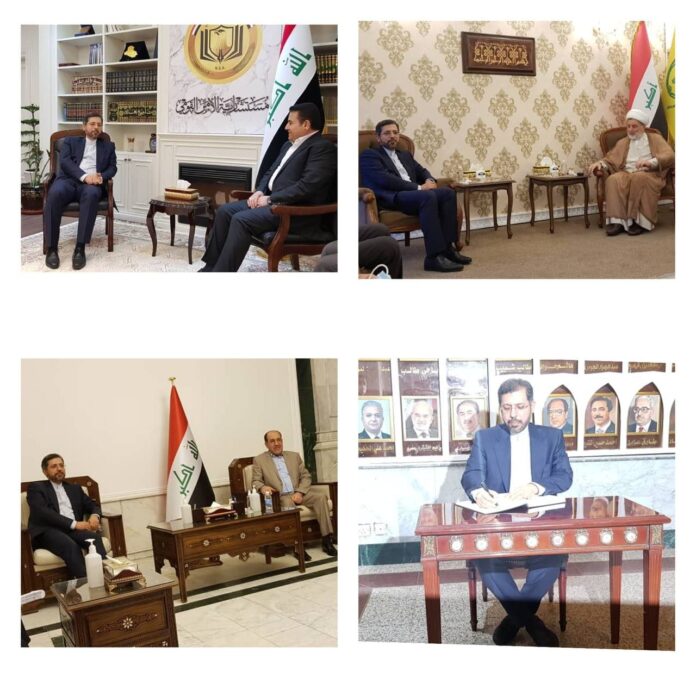
On the first day of his trip, Khatibzadeh met with Secretary of Iraq’s National Security Council Qasim al-Araji, former Prime Minister Nouri al-Maliki, Head of the Islamic Supreme Council of Iraq Sheikh Humam Hamoudi, and several Sunni scholars.
The Iranian official also visited Al-Tamayyuz strategic institute as well as Al-Nahrain Centre for Strategic Studies, where he delivered a speech and answered questions raised by Iraqi researchers and scholars about the latest regional developments as well as Tehran-Baghdad ties.
Among the topics discussed in the meetings were all-out support for Iraq and the need for legal and democratic processes to move forward in accordance with the Iraqi people’s will, Iraq’s parliamentary elections, areas of boosting all-out relations, areas of bilateral cultural and media cooperation, and Iran’s policies vis-à-vis Iraq which are based on the notion of having a strong, free, developed, united and independent Iraq.
Osku Bread: One of the Most Delicious Traditional Breads in Iran

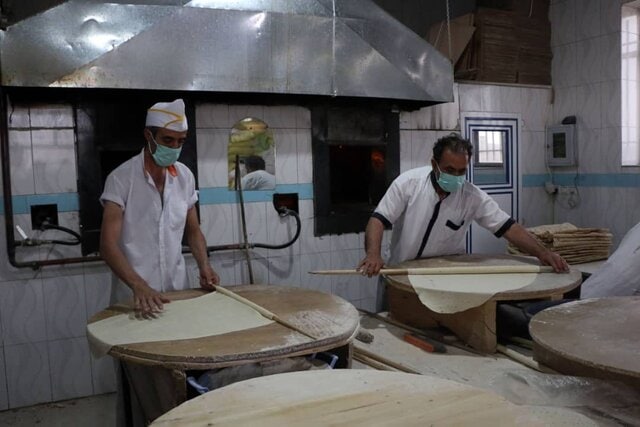
Osku Bread Baking Skill was listed as a national intangible heritage of Iran in 2012. In a world of electronics and other modern-day changes, this bread is still baked using traditional ways, in a bread furnace, using two wooden sticks. The bread is made of high-quality wheat and barley flour, produced locally, and takes shape in the baker’s hot furnace.
The reason why this traditional bread is still baked using the ways of the past can be traced to its favourable and singular characteristics. Osku Chorei leaves behind no leftover or waste when consumed. It is also long-lasting (up to six months after being baked), is delectable and has a high quality. The bread, however, requires special skills to bake.
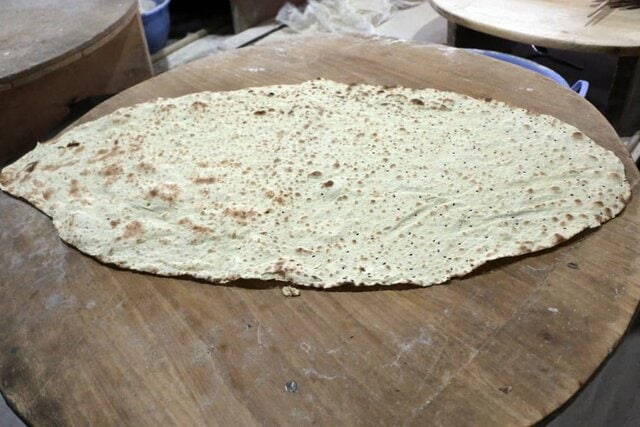 This bread has unique features, is circular and has a consistent and crisp texture and is identified as hard bread, which should be sprinkled with water to be softened, though hard Osku Breads still taste very delicious.
The fact that Osku Bread leaves zero waste, is baked using whole-meal flour with its entire stockpile of minerals and vitamins without any baking soda, has a very long shelf life and can be mass produced make it especially unique.
But that’s not the whole story. A veteran baker says baking Osku Bread is a professional skill and that finding new bakers is a difficult job. That is rooted in the fact that the baker should be able to bake the breads in a specific size and make sure the two sides of the breads are baked equally well.
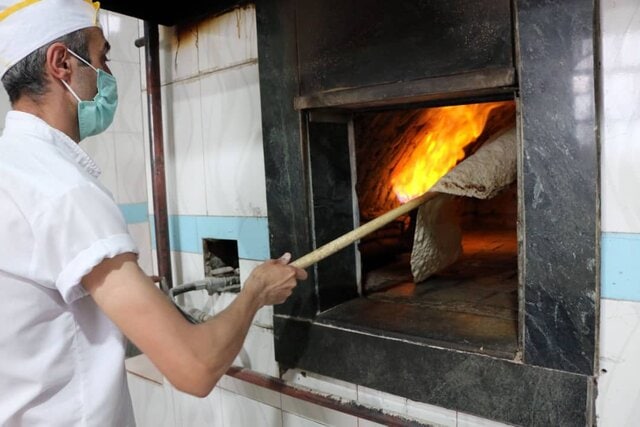 He says his customers need to schedule appointments three months ahead and every person can only get his/her breads according the pre-set schedule.
“We sell Osku Bread across Iran. We do not have direct exports to other countries, but there are drivers who buy several packs of Osku Bread and take them out of the country,” says Khabbaz, whose family name means “baker”.
Iranian COVID-19 Vaccine ‘A Leading One’ in Clinical Trials: UK Website

“Of the 96 COVID-19 vaccine candidates in clinical trials, eight are intranasal vaccines. Out of these, two are leading the race and in Phase II clinical trials,” wrote the website.
One of the two, as the website said, is “being developed by Razi Vaccine & Serum Research Institute in Iran.”
“The recombinant spike protein vaccine candidate dubbed Razi CovPars is intended to be delivered in three doses; the first two doses are injectable, and the third dose is inhaled via nasal spray. The volunteers participating in current trials are those who have gotten the first and second doses,” it added.
The website also carried comments by the head of the Razi Institute Ali Es’haqi with regards to coronavirus.
“The most important reason for COVID-19 spread was that a group of infected people who were carrying the virus showed no symptoms of the disease, so their respiratory system had to be secured; this inhaled dose activates the Immunoglobulin E (IgE) in the upper respiratory tract two weeks after the inhaling and prevents other people from being [infected],” the website quoted Es’haqi as saying.
“The second phase of the inhaled vaccination will be carried out on 500 volunteers in early June, and after two months, the third phase will start,” he said, as quoted by clinicaltrialsarena.com.
According to the website, the other vaccine is one “being developed by the University of Hong Kong, Xiamen University, and the Beijing Wantai Biological Pharmacy Enterprise, in partnership with the Coalition for Epidemic Preparedness Innovations (CEPI) and is based on a live-attenuated influenza virus.”
“CEPI said it should be possible to scale the production of this vaccine candidate to hundreds of millions of doses and that the vaccine platform can be easily and rapidly adapted to target emerging variants of COVID-19,” it wrote.
“Other nasal spray vaccine candidates in clinical trials include Altimmune’s nonreplicating adenoviral vector intranasal vaccine dubbed AdCOVID in Phase I in the US; Meissa’s live-attenuated candidate also in Phase I trials in the US; Cuba’s Center for Genetic Engineering & Biotech protein subunit vaccine in Phase I/II; Codagenix/Serum Institute of India’s live-attenuated SARS CoV-2 COVI-VAC vaccine in Phase I; India’s Bharat Biotech’s BBV154 – A novel adenovirus vectored, intranasal vaccine; the University of Oxford/AstraZeneca’s Covishield, an intranasal version of its ChadOx1 vaccine in Phase I; and the inhaled version of CanSino Biologics’ adenovirus Type 5 Vector vaccine in Phase I/II,” the website explained.
