Monday, December 29, 2025
Home Blog Page 2485

Iran Denies Media Reports, Says Didn’t Apply for Security Council Membership

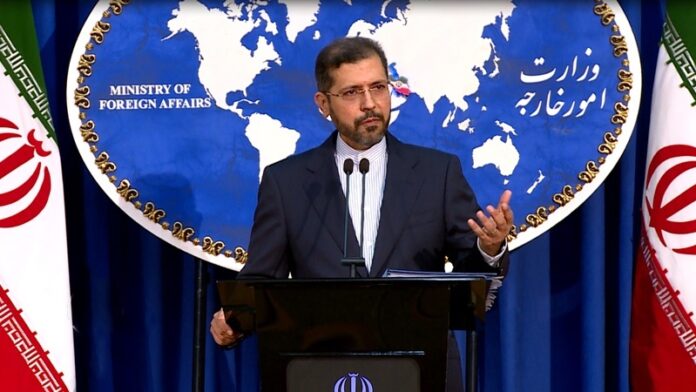
Asked by reporters about these reports, Khatibzadeh said, “A few days ago when this issue was raised, it was made clear that the news of Iran’s candidacy for UN Security Council membership is false.”

However, he added, now that the issue has been raised once again, it should be stressed that the Islamic Republic of Iran has not filed any application for non-permanent membership in the UN Security Council for the 2022-23 period of time, and the United Arab Emirates is the only candidate of the Asian group.

The Foreign Ministry spokesman added, “Since the Security Council’s non-permanent members are selected by secret ballots, the intention of the country that has secretly voted for Iran is not clear. But one cannot rule out the possibility of a mischievous intention behind the move.”

Khatibzadeh added, “The Islamic Republic of Iran has supported and voted for the UAE’s bid in the Security Council non-permanent membership election, and that has been announced in Foreign Minister Mohammad Javad Zarif’s letter to his Emirati counterpart and in an official note to the UAE embassy in Tehran.”

The Iranian Foreign Ministry went on to say, “Of course this is not unprecedented. For example, in the Latin American group, Brazil was the group’s only candidate, but one country voted for Peru. Congo had also withdrawn before the voting, but still won the votes of three countries.”

Iran Unveils Several Homegrown Knowledge-Based Products

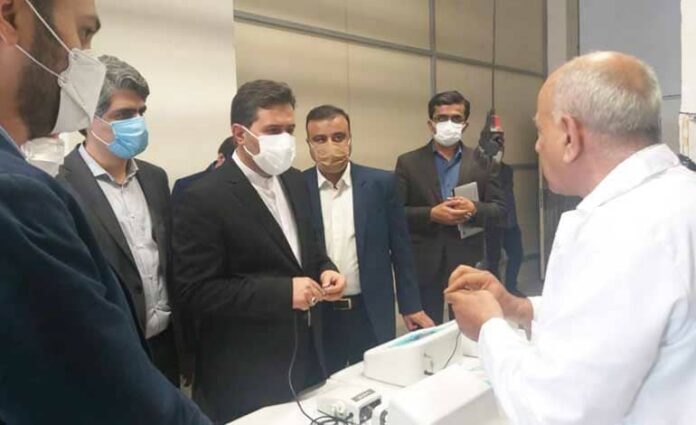
During the visit, which was made on the sidelines of opening the 47th Sci-Tech Fund at Alborz Science and Technology Park, Vahdat unveiled a laser-therapy machine produced by Exon Medical Equipment Company, TMC made by Hafez Varesh knowledge-based firm, and a coronavirus identification kit produced by Topaz Gene Kavosh company.

Vahdat also visited Laser Afarinan Zist Arman (LAZAR) company which operates in the field of electronics and electricity.

The INIF has provided 177 billion rials in aid and facilities for these companies in various forms of loan and support.

Iran’s Judiciary Launches New Technological Systems to Facilitate People’s Access to Justice

In a ceremony on Saturday, Iran’s Judiciary Chief Ayatollah Seyyed Ebrahim Raisi offered congratulations to all those involved in the technological leap and transformation in the judiciary.

The president-elect of Iran said that the status quo has been identified and the desirable situation has been mapped and the judiciary is to take action and reduce the gap between these two situations as much as possible to facilitate people’s access to justice.

“As a result of launching these technological projects in the judiciary, the number of referrals to the judiciary has been reduced by four million, and this, in addition to facilitating and accelerating people’s access to justice, also preserves their dignity, and this is one of the main goals of moving towards smart judiciary,” added Raisi.

He further noted that the use of artificial intelligence has been very effective in speeding up the trials. Online trials and e-trials that are taking place across the country today have also facilitated the people’s affairs, reiterated Raisi.

Ayatollah Raisi stressed that one of the important benefits of smart judiciary is to create a basis for transparency of actions.

“Transparency can certainly prevent corruption and unhealthy relationships. We think that the more transparency exists, the less unhealthy relationships will be formed and the more it prevents corruption. This approach has been very effective in the judiciary, and may its effects and blessings be for both the judiciary and the government in the future,” he underlined.

At this meeting, Issa Zarepour, head of the Statistics and Information Technology Centre of the Judiciary, said facilitating people’s access to judicial services, increasing the pace and accuracy of proceedings, increasing the pace and accuracy of implementation of rulings, clarifying processes and decisions and combating corruption, as well as maximum prevention of crime, are the five basic strategies for making the judiciary smarter.

“The first step is to make the judiciary smarter by focusing on facilitating people’s access to judicial services and increasing the speed of proceedings by carrying out about 65 large and small technological projects, including establishing and upgrading 40 systems and electronicising 25 judicial inquiry centers and launching more than 3,000 e-courtrooms. Among its results are the increase in public satisfaction, the reduction of processing time and a significant reduction in face-to-face referrals and the elimination of nearly 4.5 million people referring to the judiciary and other executive bodies of the country,” underscored Zarepour.

In the second step of smartening the judiciary, priority is given to the development of technological infrastructure, noted Zarepour, adding that more than 80 projects have been devised, 30 of which will be inaugurated during the Judiciary Week.

Elaborating on the actions of this centre and referring to the elimination of more than 4 million referrals to the judiciary as a result of technological and electronic actions of the judiciary, he said technological actions of the judiciary have also eliminated more than 2 million public referrals to other organizations.

Referring to the 12 percent decrease in the remaining cases, despite a 5 and a half percent increase in the number of cases received by the judicial units, he said, increasing the pace and accuracy of proceedings, reducing procrastination and increasing the speed of issuing verdicts, as well as the development of online monitoring, are among the priorities of the second step of smartening the judiciary.

Regarding the opening of the new electronic systems of the judiciary, which were put into operation on Saturday, Zarepour said people can file their complaints in the field of theft by staying at home thanks to the automation system of theft complaints.

Referring to the launch of the “Financial Records Inquiry System”, he said through this system with the permission of the individuals, the background of the financial convictions can be viewed online.

Zarepour also talked about the launch of the system called “issuance of electronic certificate of no criminal record for each organization and institution” saying that this move will help reduce the number of people’s in person referrals and eliminate the possibility of forging this certificate.
He further referred to the opening of 5,000 electronic courtrooms, which have made it possible to hold court hearings via video calls with people at homes, adding that the infrastructure for this great action is now in place throughout the country.

“In the last 15 months, we have held nearly 100,000 online trials, many of which held with one of the parties outside the borders of the Islamic Republic of Iran. Approximately 60% of the branches are equipped with electronic courtrooms, and God willing, the rest of the branches will be equipped by the end of September.”

Zarepour also announced the launch of the system for “video meeting of prisoners with their families” in 15 provinces underlining that “with the delivery of 3,000 electronic tags, the number of electronic tags reached 7,000, which we are trying to increase to 20,000 by the end of this year.”

Regarding the inauguration of five new monitoring dashboards, he said, the opening of these management dashboards will boost the online supervision of the judiciary, which means that managers can instantly monitor their scope of work with a few clicks and check the characteristics of the desired branches and judicial units.

Speaking about the inauguration of the “all-electronic communication project of the judiciary and the police”, he reiterated that millions of correspondences are carried out between the judiciary and the police every year, and thank God, all these correspondences are done online as of today.

“From now on, if people go to the police stations, they will no longer be sent to the judiciary to get a court order and file a case, and all the necessary measures will be taken by the system there. This measure was previously implemented as a pilot case in 20 provinces, and as of now, we will see online communication between the police and the judiciary. This important step can be a huge step towards reducing delays in criminal cases,” concluded Zarepour.

Iran’s Leader Pardons, Commutes Prison Terms of over 5,000 Inmates

Iran Leader Grants Clemency to Large Group of Iranian Inmates

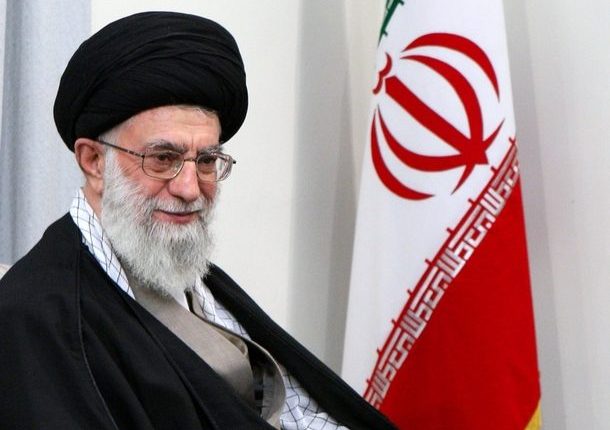
The Leader’s office reported on Saturday that on the occasion of the birth anniversary of Imam Reza (AS) and the week of the Judiciary, Ayatollah Seyyed Ali Khamenei pardoned or commuted the sentence of five thousand one hundred and fifty-six convicts.

The sentences were issued by the general and revolution courts, the judiciary organization of the armed forces, and the governmental punishment branches.

The chief of Iran’s Judiciary Seyyed Ebrahim Raisi in a letter to the Leader of the Islamic Revolution proposed amnesty or commutation and change of the sentences of these convicts whose amnesty cases were reviewed by the Amnesty Commission.

The proposal was accepted by Ayatollah Khamenei in line with paragraph 11 of Article 110 of Iran’s Constitution.

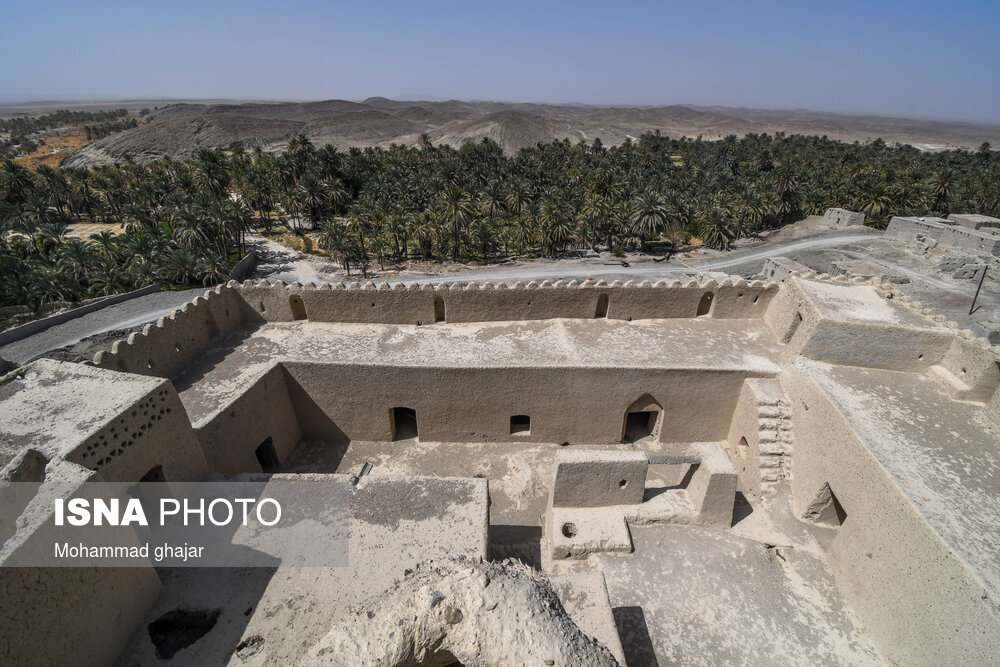
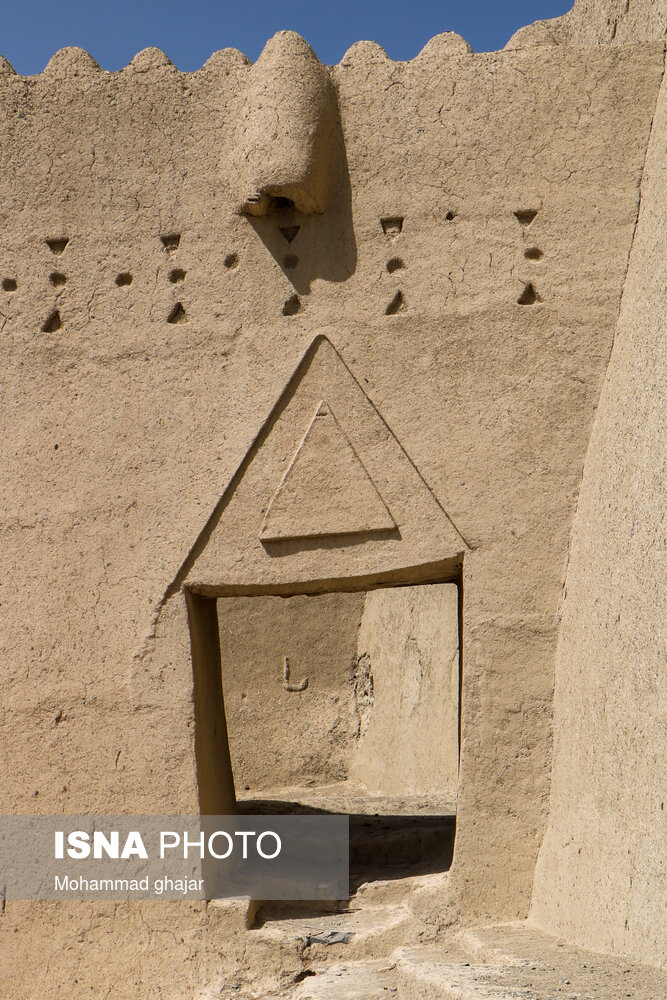
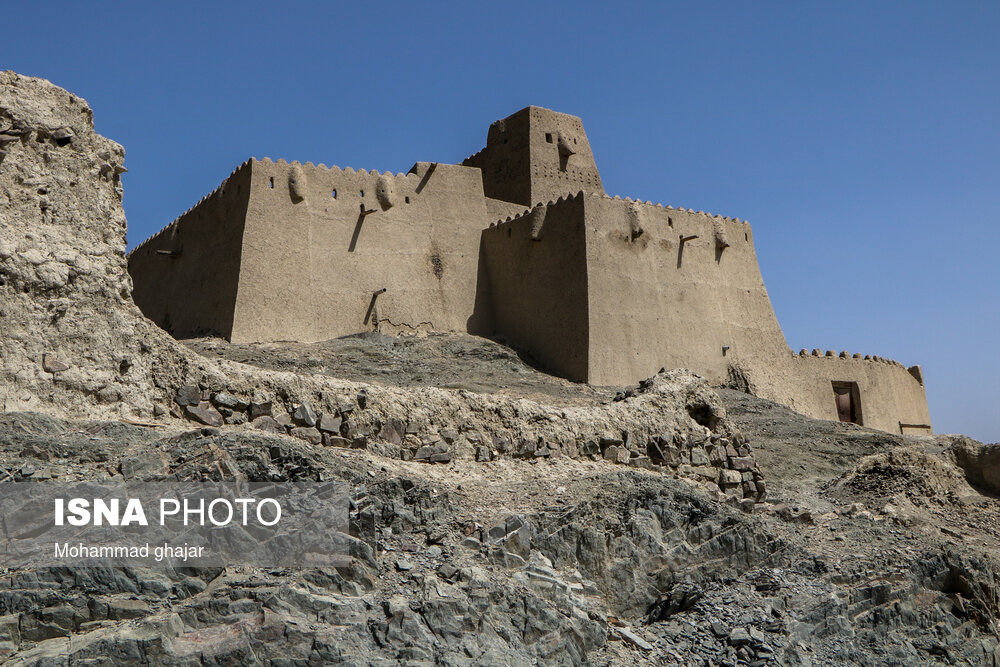
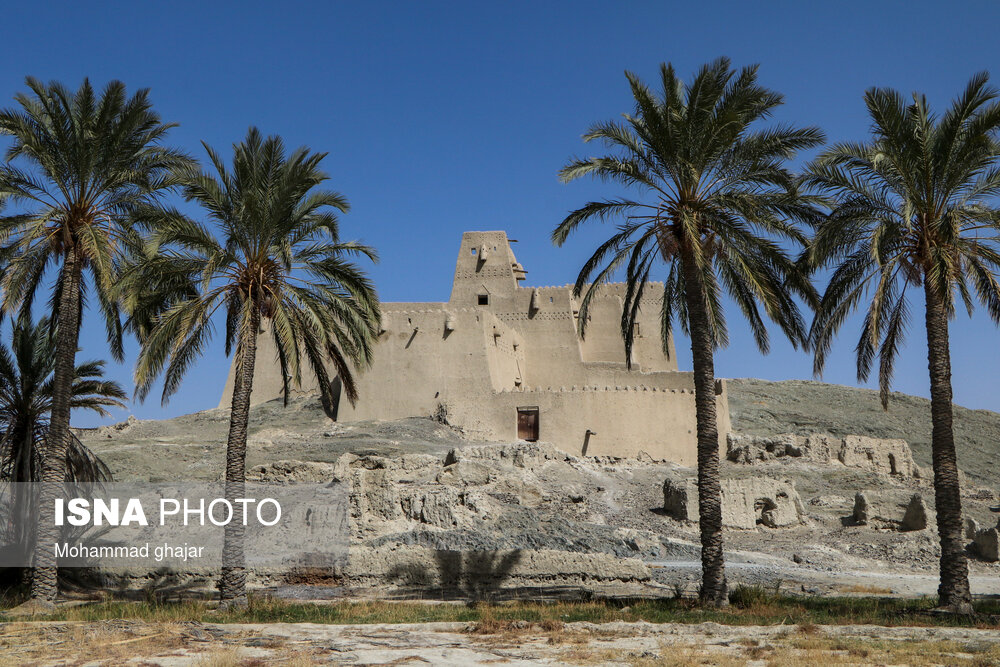
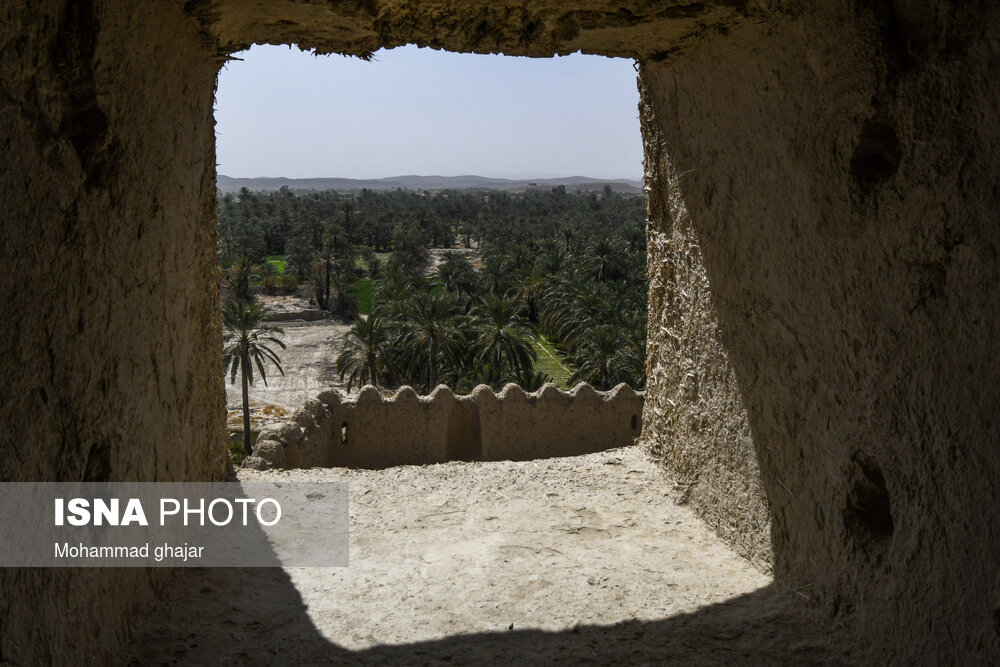
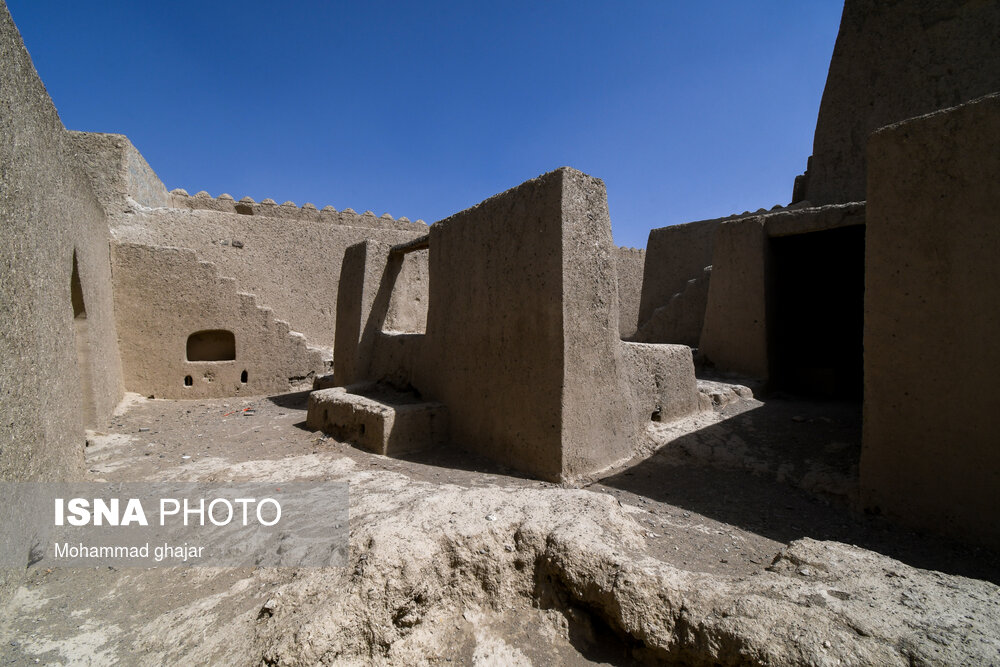
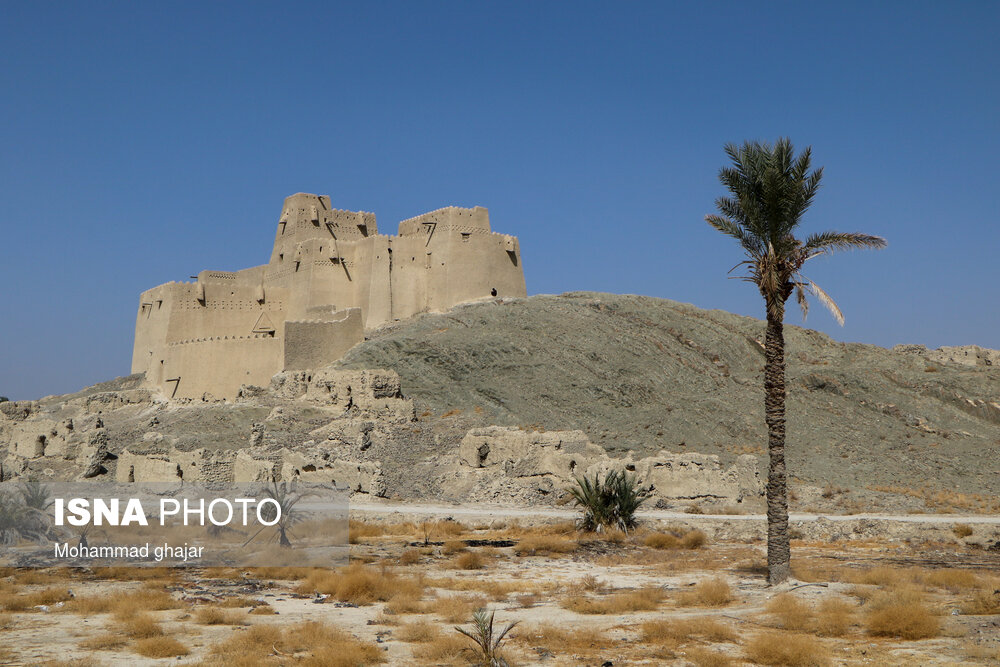
Ancient Iranian Castle among Top National Heritage Sites

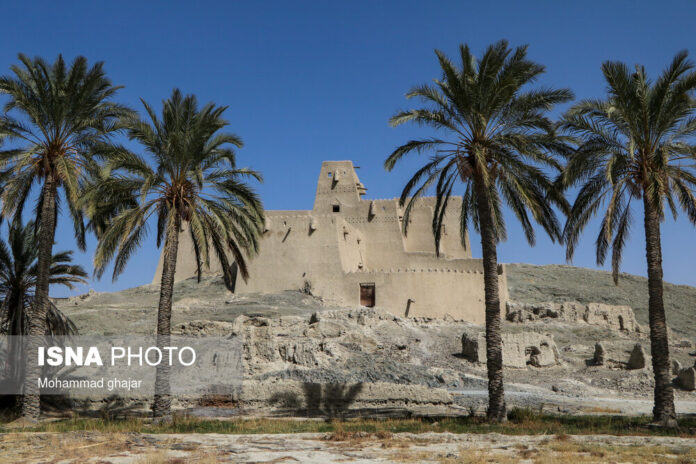
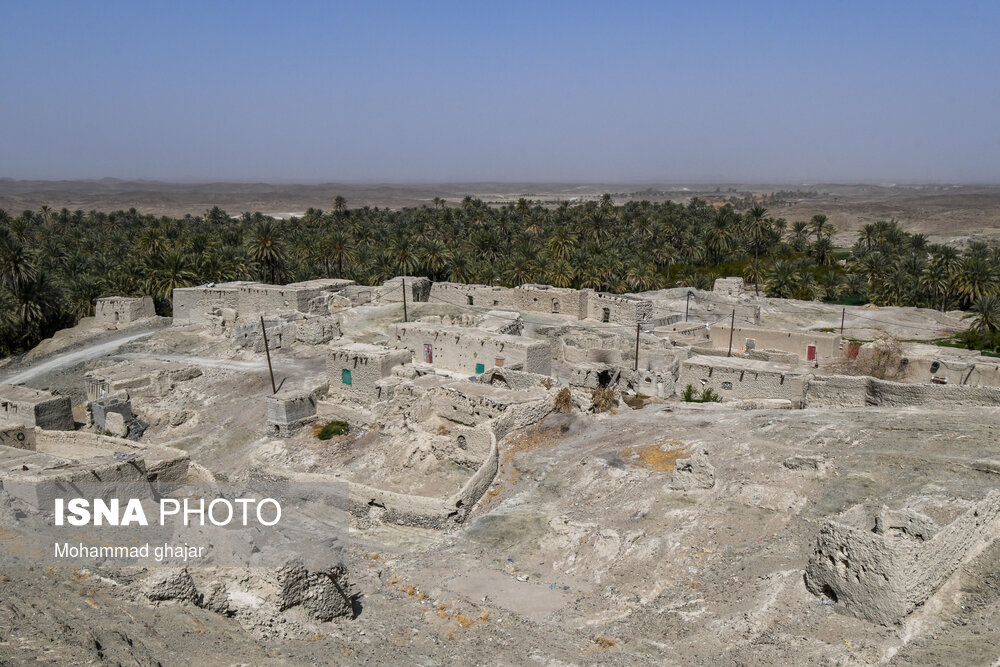
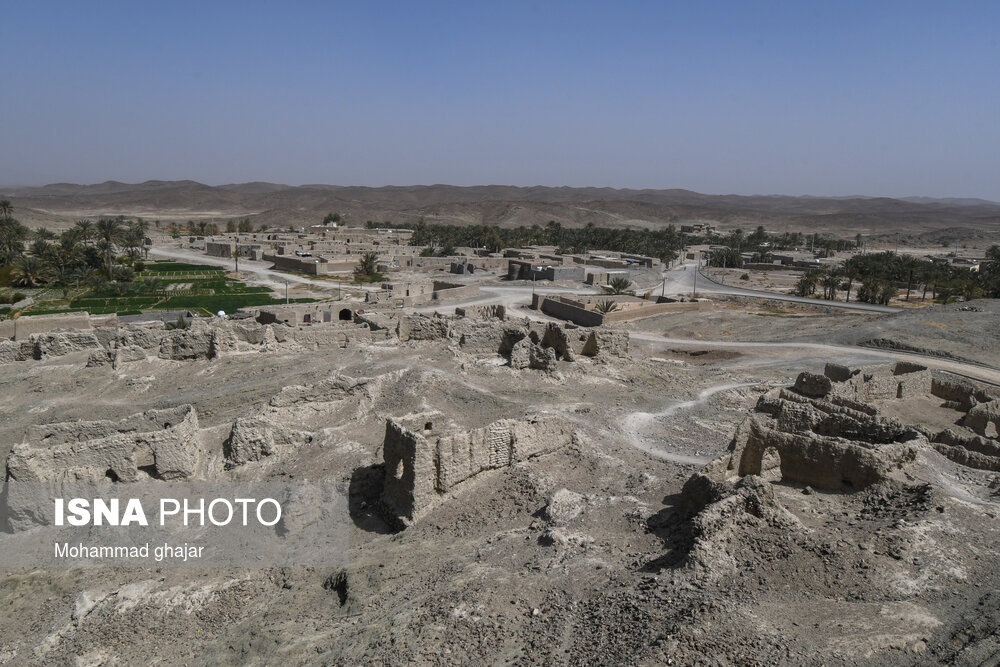
The ancient structure lies around 90 kilometres from the town of Saravan in the southeastern Iranian province of Sistan and Baluchistan.

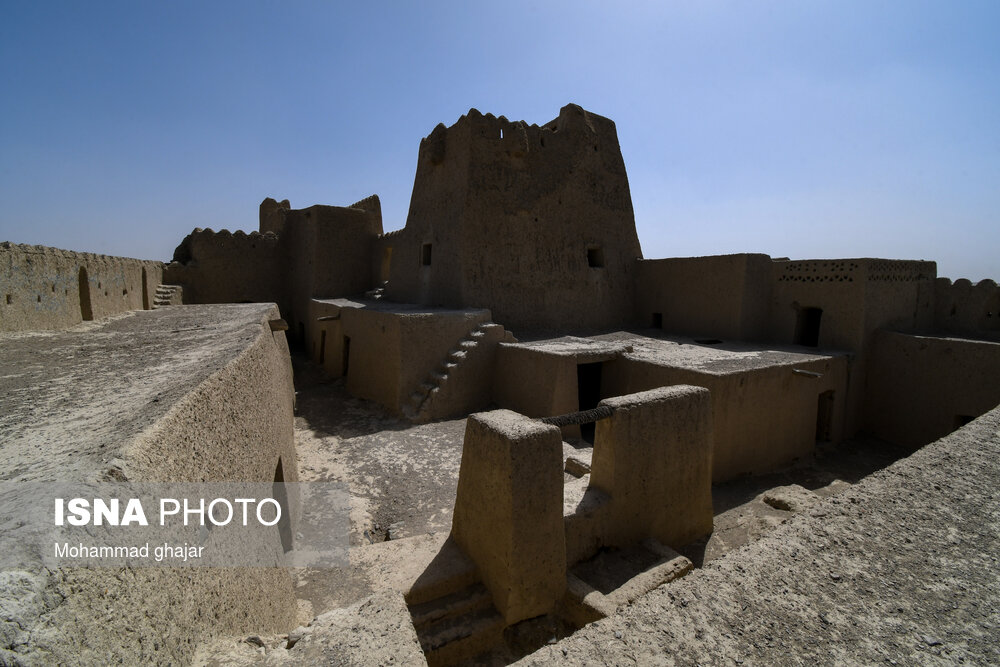
The 700-year-old building has three storeys and has undergone numerous changes through different epochs of history.

The first floor used to house slaves and maids and also served as a stable in the past. Rulers resided in the upper floors where ordinary people were not entitled to live.

The castle is built on a plot of land measuring 970 square metres, with a built-up area of 840 square metres.

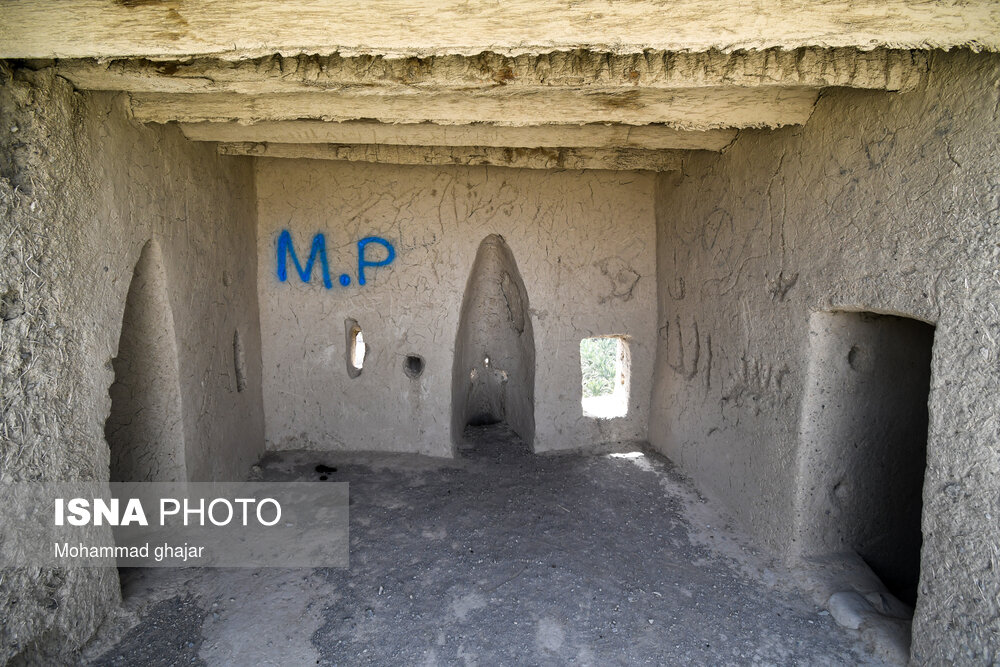
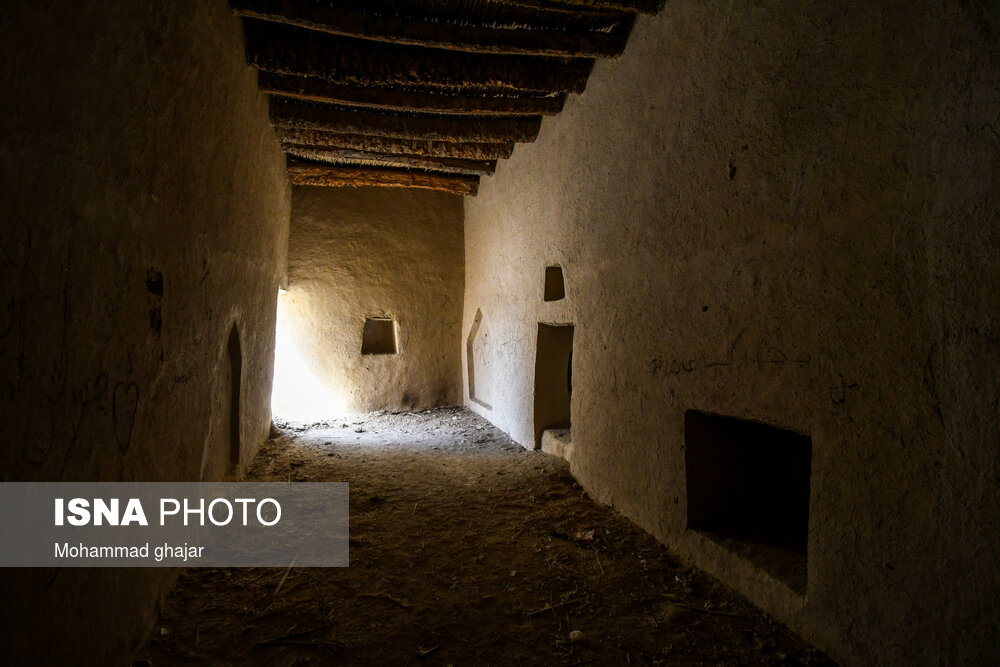
The walls of the castle are made of clay bricks. The ceilings are made of the trunk, branches and leaves of palm trees.

Among the outstanding features of the castle is that its residents lived in the building until 60 years ago.

The castle was registered on Iran’s List of National and Historical Sites in 2005.

Iran Urges US to Stop Using Sanctions as Bargaining Chip

“Iran has never left the JCPOA, so there is no point saying it should return to the deal,” said Saeid Khatibzadeh.

“Rather, it is the United States that should make up its mind and return to the JCPOA by lifting its illegal sanctions and effectively fulfilling its commitments,” said the spokesman.

“The Americans and Europeans know better than anyone else that Iran decided to remain in the JCPOA and keep it alive despite the fact that, and at a time when the US unilaterally withdrew from the agreement and imposed illegal and cruel sanctions on Iranian people and despite the Europeans’ inaction,” he added.

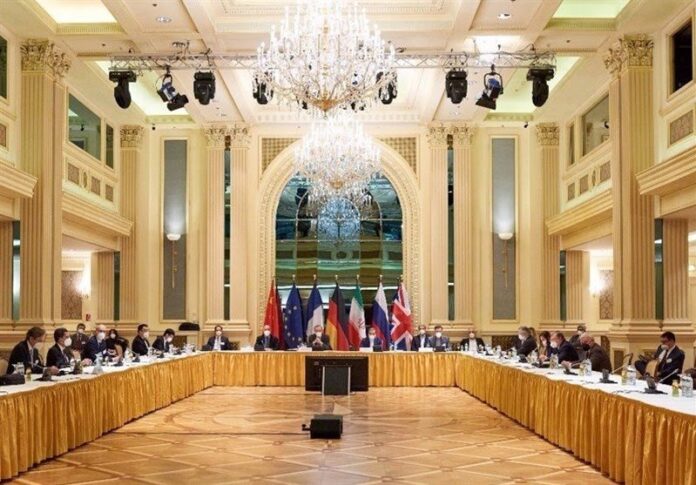
“During the negotiations in Vienna, it was announced time and again that it is the US that has disrupted the balance of the JCPOA and has practically impeded the implementation of the JCPOA through its full non-compliance,” said Khatibzadeh.

“Moreover, it was stressed that the Islamic Republic of Iran is fully prepared to stop its remedial measures (i.e., the scaling down of its obligations under the JCPOA) and resume the implementation of its commitments under the JCPOA provided the US fully implements the agreement, and that the other parties are fully aware of Iran’s position,” he noted.

“It is clear that if the US makes up its mind, becomes ready to fully deliver on its commitments and stop using sanctions as a bargaining chip, it will be possible to reach a deal,” the spokesman said.

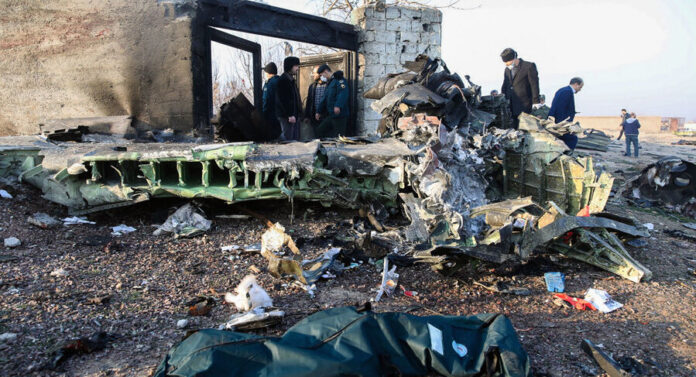
Iran Dismisses Canada Accusations on Downed Ukrainian Airliner

“As we see, even Canadians confirmed the fact that firing at the aircraft was not intentional,” said Mohsen Baharvand, the Iranian Deputy Foreign Minister for Legal Affairs.

“Part of the report that criticises the findings of the Iranian investigation team on the incident is technically baseless, and therefore unacceptable. Iran sent its draft report to the [involved] countries within the legal time limit before publishing it, and they sent back their opinion on the report.

Everyone should know that experts from the US, the UK and France, though we disagree with them politically, kept their opinions within the specialised and professional limits and were positive regarding the professionalism of the report by our country’s investigation team on the incident and appreciated it. Accordingly, even the ICAO has put the implementation of the Iranian team’s recommendations on improving aviation safety on its agenda.”

Baharvand stressed that even Canada, as a consultant to Ukraine, sent its technical opinion. He said the Iranian investigation team, in their final report, took most of the Canadian viewpoints, on strengthening the text, into consideration, as long as they helped with the technical investigation.

Baharvand added that Iran has also published the full text of the reports by Canada and Ukraine. The deputy foreign minister said they were published, as attachments to Iran’s own report, for the information of the public and experts to address any possible doubts.

“As one can easily verify, in the technical opinion we received from Canada, there existed no such newly-raised general and unintelligible points and comments,” he said.

“Any beginner in the field of aviation knows that Canada’s views were obtained as a consultant to Ukraine and were considered once; therefore, in legal terms, they have no competence to issue one-sided and arbitrary reports or viewpoints on the aviation incident report, outside their area of jurisdiction, in another country. If this highly politicised and illegal behaviour by Canada becomes the norm, all countries and even the civil aviation industry would be hurt,” he said.

Baharvand also said the Ukrainian plane incident in Iran would not be the first and the last aviation incident in the world.

“Imagine in each aviation incident, other countries ignore the regulations and protocols on investigation of the incident and try to exert political pressure, unilaterally and outside existing frameworks, on the country where the incident has happened. Based on the Chicago Convention, if they had new information, they should have handed it to the Iranian investigation team, and should not have engaged in fruitless media and political campaigning,” he said.

Baharvand also dismissed the Canadian prime minister’s threat to refer the case to the International Court of Justice.

“Such uninformed comments are more rooted in pressure by Canadian politicians than in the realities of the aviation industry. In the process, they expected to net an opportunity, in terms of public opinion, for themselves, but of course they failed,” he said.

“Personally, I have no concern regarding these baseless threats. Iran has fulfilled its commitments under the international law and henceforth, gradually and based on its own schedule, is pursuing and implementing its commitments.”

The deputy foreign minister stressed that Iran has adequate expertise, documents and evidence at hand to make the necessary clarifications, “easily and in a fully substantiated and legal manner”.

“Of course, if Canada or any other country, interacts with Iran, within the framework of law and mutual respect, as is the norm in diplomacy and international relations, it will receive a constructive response from Iran, as during the recent meeting of the executive council of ICAO, the Iranian delegation backed Canada’s proposal on improving aviation safety (the Safer Skies Initiative). But, on the other hand, if this country, or any other country seeks to exit the framework of law and diplomatic norms and uses illegal language and threats, or moves to exploit specialised issues or human emotions to hurt our national interests, we will definitely stand up against them,” Baharvand said.

“What is very important to us is the condition of respectful families, who have lost their loved ones in this harrowing incident. We have repeatedly expressed regret over the incident. We know anything we do cannot reduce the pain and suffering of a family, which has lost its loved one.

At the same time, the inherent duty of the foreign ministry is to defend the national interests and acting exactly in accordance with international laws and obligations.”

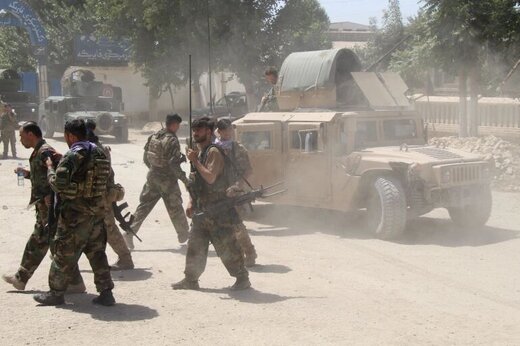
Iran Speeds Up Efforts to Prevent Civil War in Afghanistan

In these meetings, Taherian presented a report on his talks with Pakistani officials, and conferred with Afghan authorities and figures on the achievement of peaceful solutions to the ongoing crisis and prevent the outbreak of a civil war in the country.

Taherian had travelled to Kabul on Wednesday at the head of a delegation with the escalation of unrest in the country.

Iran’s Leader Receives First Dose of Homegrown COVID-19 Vaccine

After receiving the jab, Ayatollah Khamenei thanked all those who were involved in the development of the homegrown vaccine, which was produced as part of a project led by the Headquarters for the Execution of Imam Khomeini’s Order, also known as Setad.

Ayatollah Khamenei thanked all of the country’s health workers who have been fighting against the deadly virus for more than a year.

“I did not want to use non-Iranian vaccines, so I said I would wait for the Iranian vaccine,” the Leader said.

“Because we should respect this national honour. As long as there is a possibility of prevention and treatment inside the country, why shouldn’t we use it?”

“Of course, when needed, the use of foreign vaccines along with Iranian vaccines is not a problem, but we must respect the Iranian vaccine and thank all the young scientists who worked hard and actively in the production of this vaccine as well as other centres that are developing vaccines in the country,” he added.

The vaccine developed by Iranian scientists was recently granted the permissiom for emergency use.

Iran, US Close to Returning to JCPOA: Western Media  

In an article, the pan-Arab media said the return to the agreement is likely to take place before the tenure of outgoing Iranian President Hassan Rouhani’s administration comes to an end.

According to Al-Araby Al-Jadeed, Washington wants to rejoin the JCPOA as it is concerned that Iran might develop the capability to produce A-bombs due to a lack of international monitoring which guarantees the implementation of the JCPOA.

This, added the media outlet, would lead to a war which the US will be dragged into one way or another.

“This is while the US should focus on China and its growing power,” added Al-Araby Al-Jadeed.
The media outlet said the US is facing another challenge, as well.

“The revival of the nuclear deal could solve a US problem, i.e., preventing Washington from getting involved in a war with Tehran, but his issue does not mean the problems of Washington’s allies would be solved as well and would not be enough to establish security in the region,” Al-Araby Al-Jadeed wrote.

It said the revival of the JCPOA does not provide for Iran’s missile programs and regional policies.
“From the standpoint of Washington’s allies, Iran’s missile programs are more dangerous that its nuclear ones, and the reason is that atomic weapons are a deterrent one unlike missiles,” the media outlet explained.

So, Al-Araby Al-Jadeed further said, the administration of US President Joe Biden is seeking to give assurances to its allies that the revival of the JCPOA is just the first phase, and that there is going to be another phase where negotiations will get underway on Iran’s missile programs and its regional policies.