Friday, December 26, 2025
Home Blog Page 2476

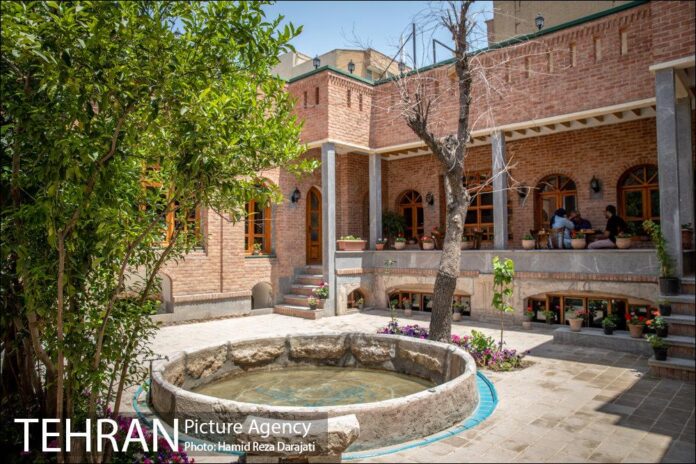
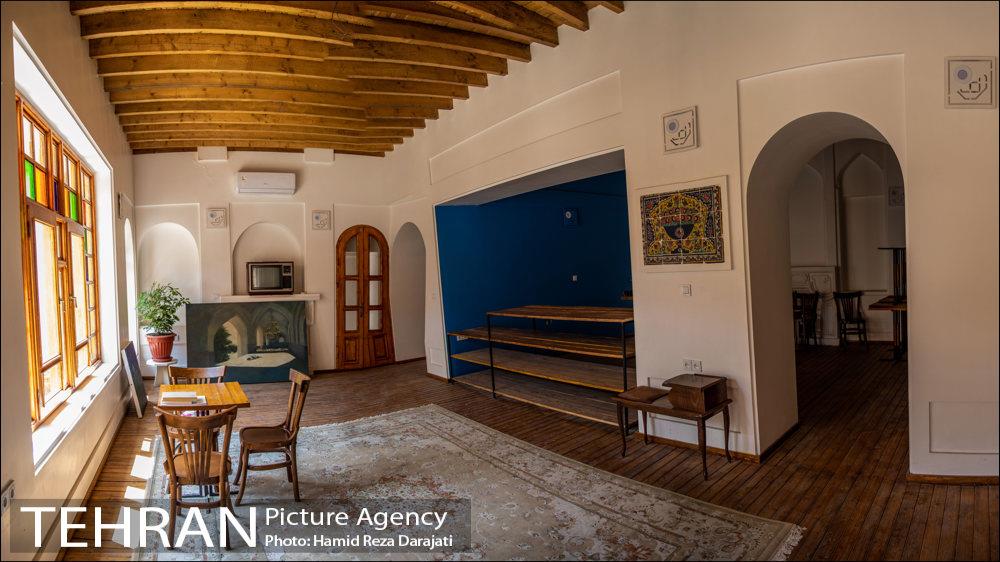
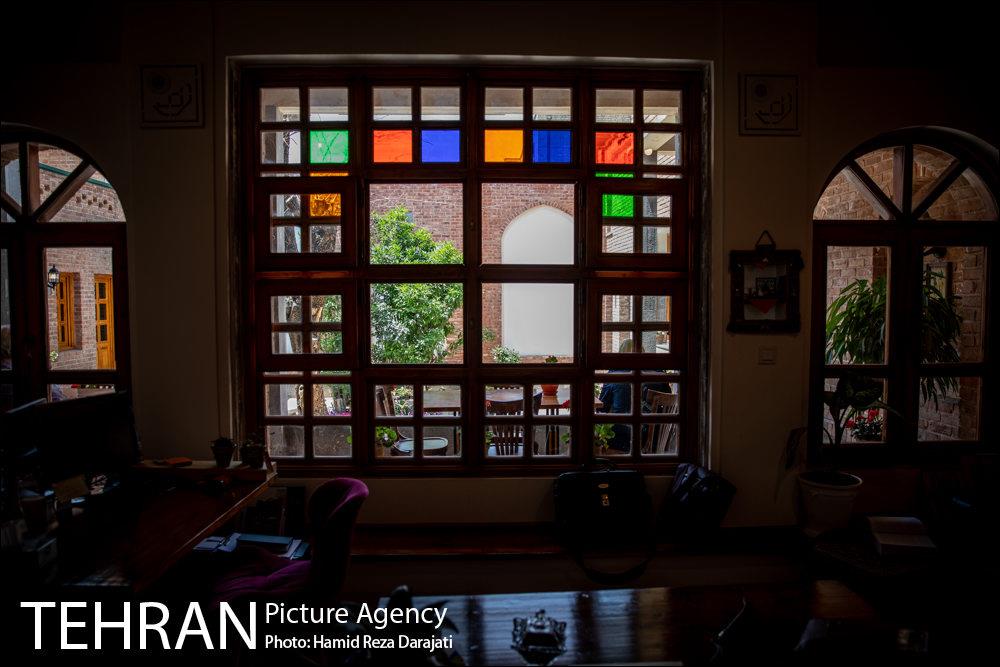
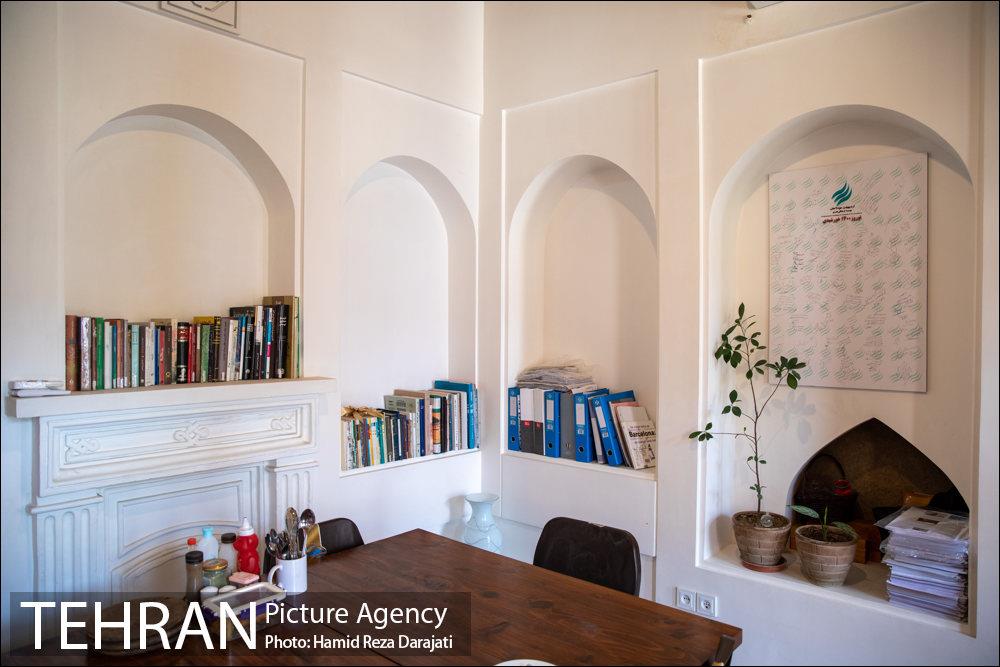
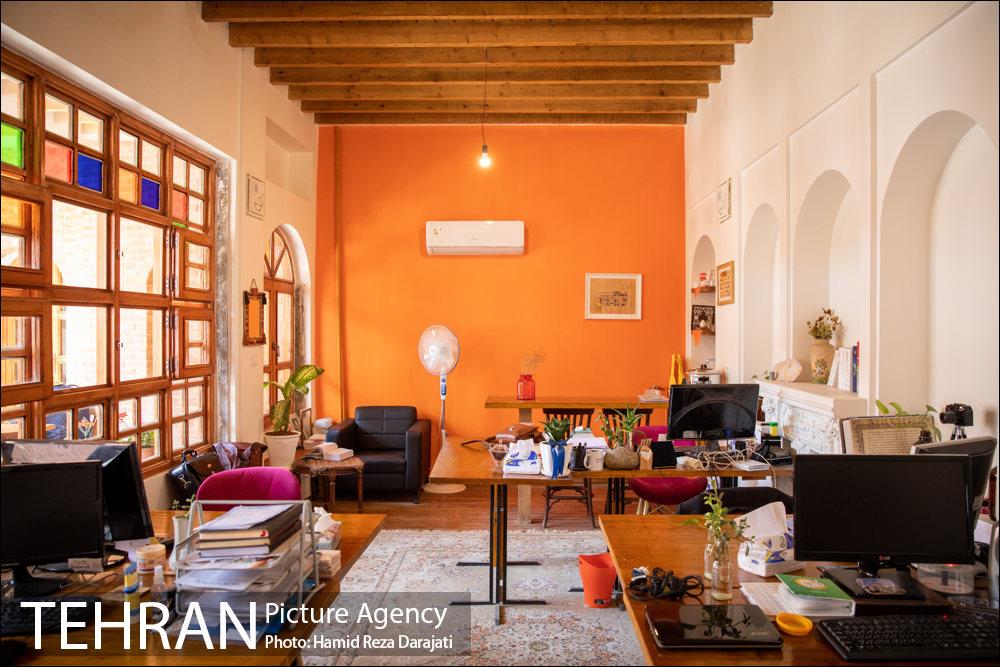
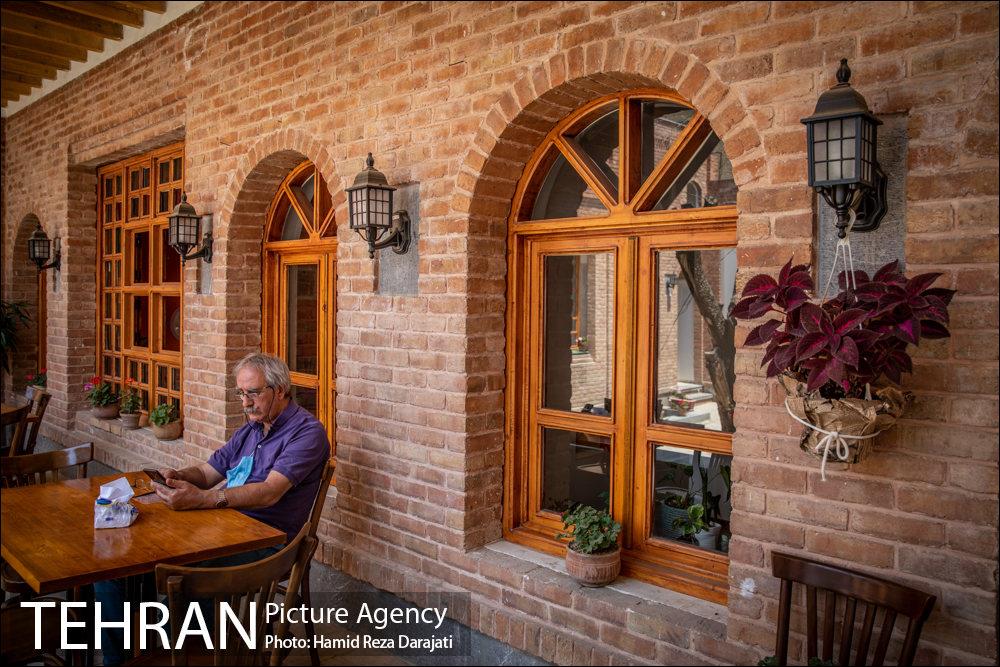
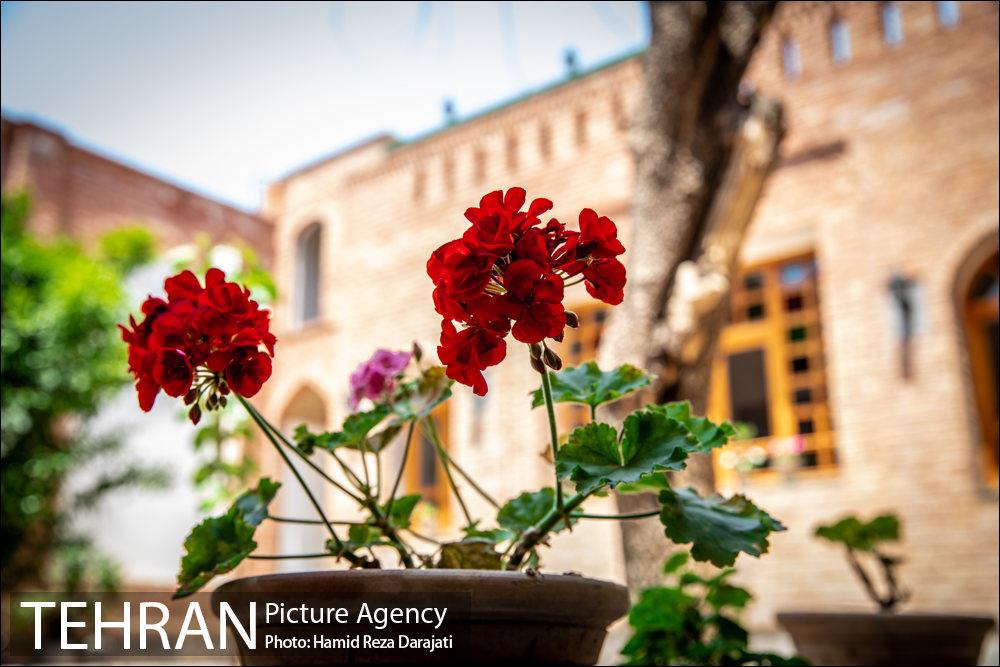
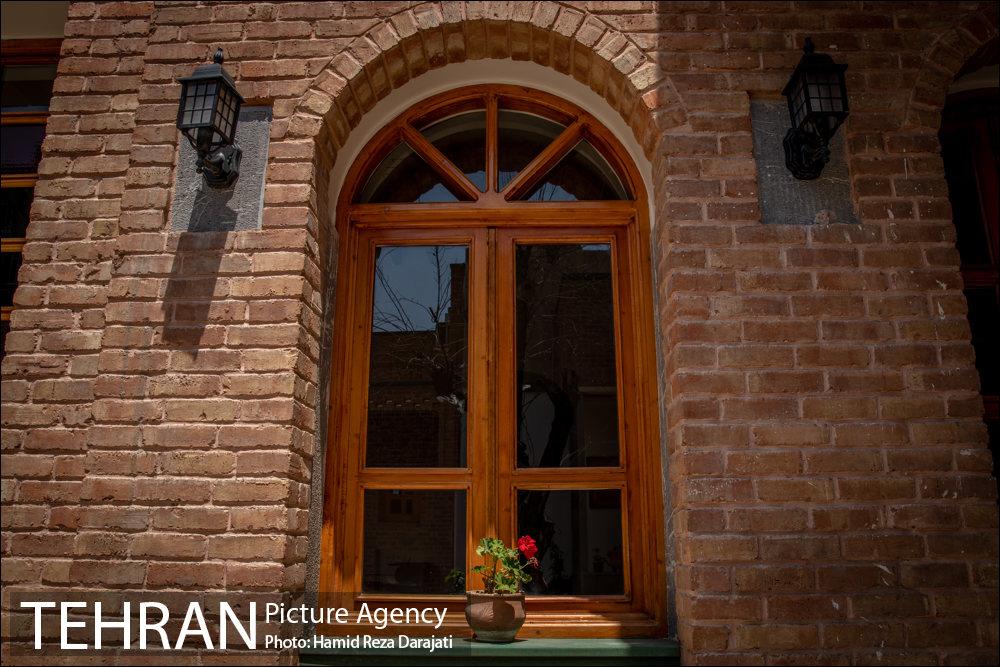
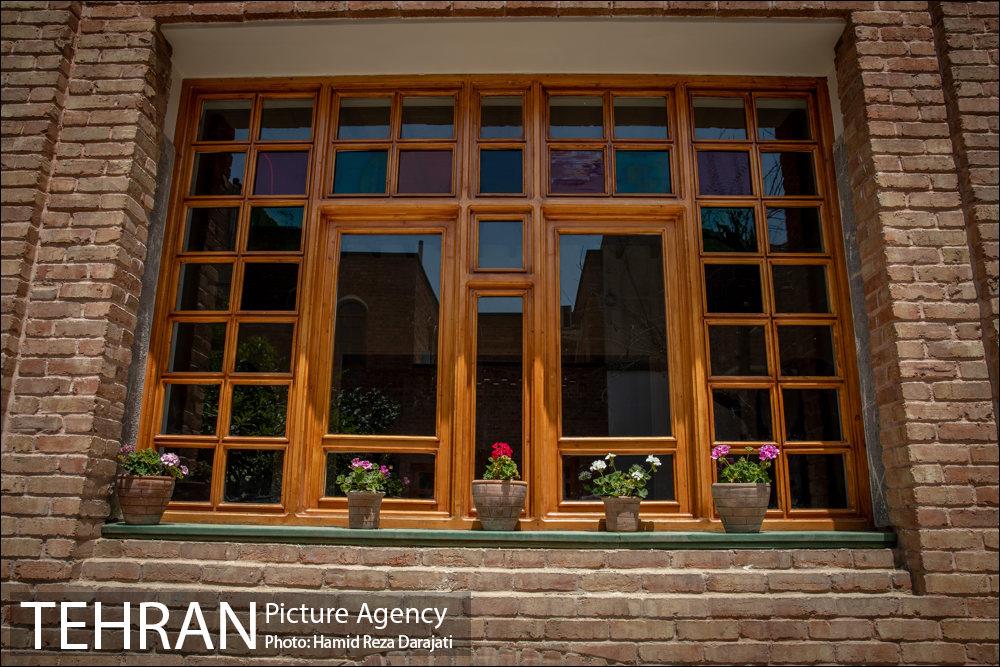
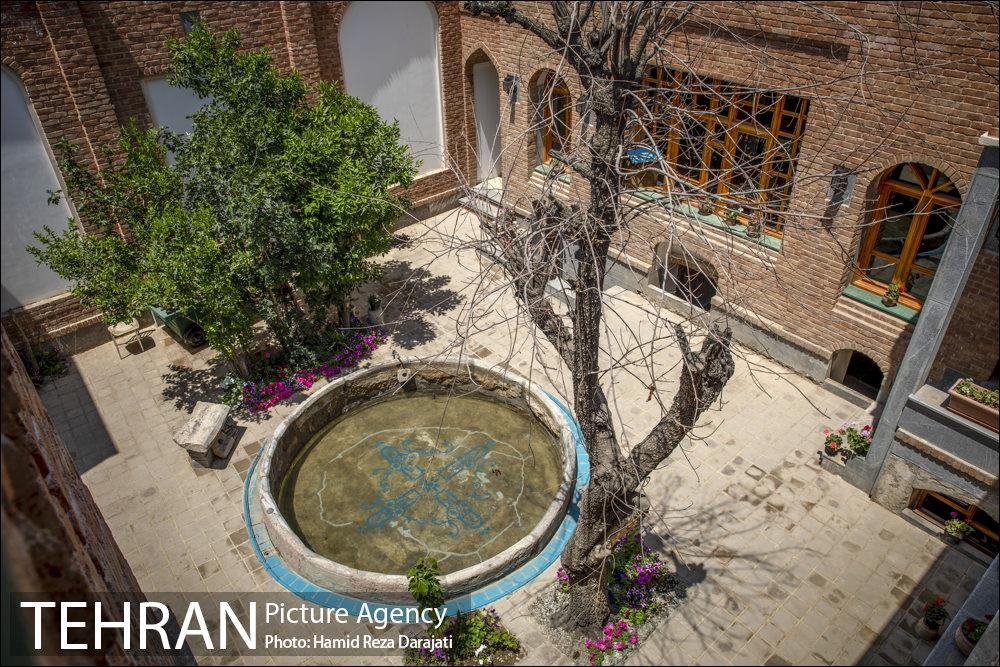
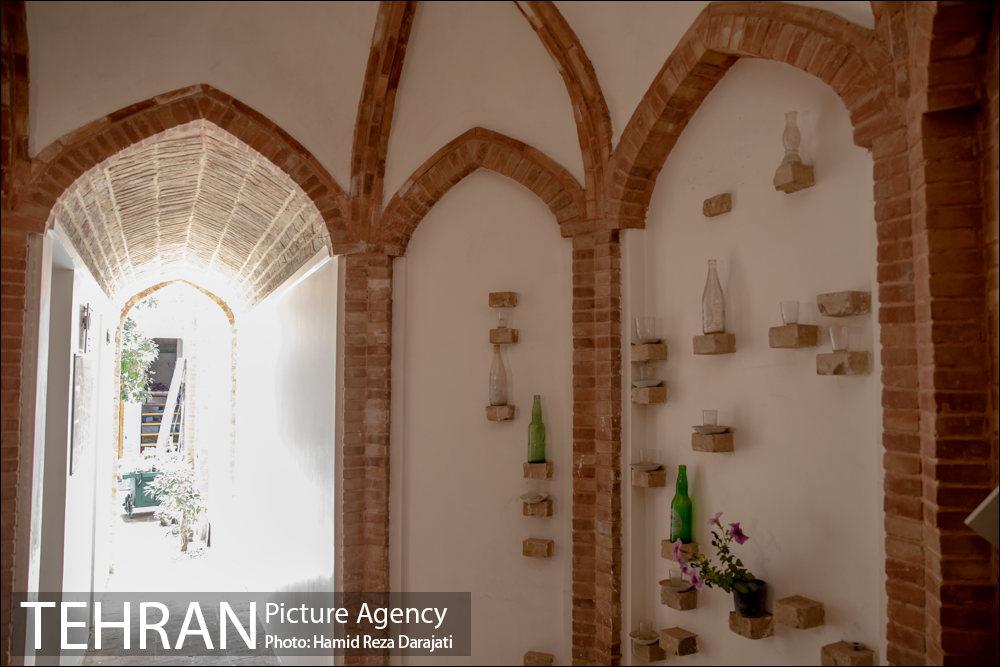
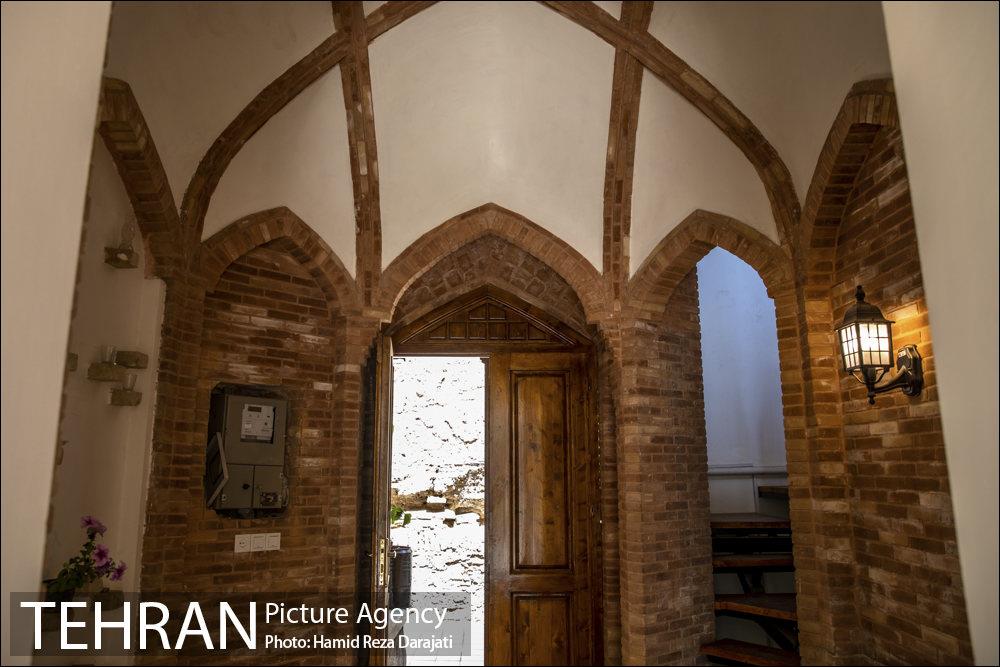
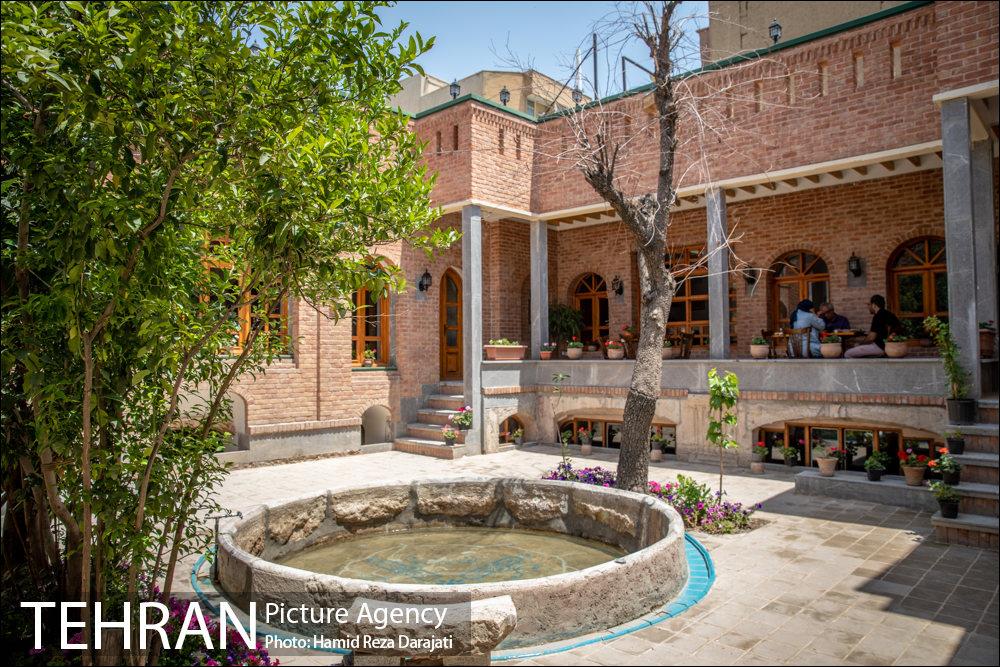
Ordibehesht House; Cultural Centre in Tehran’s Historic Oudlajan Neighbourhood

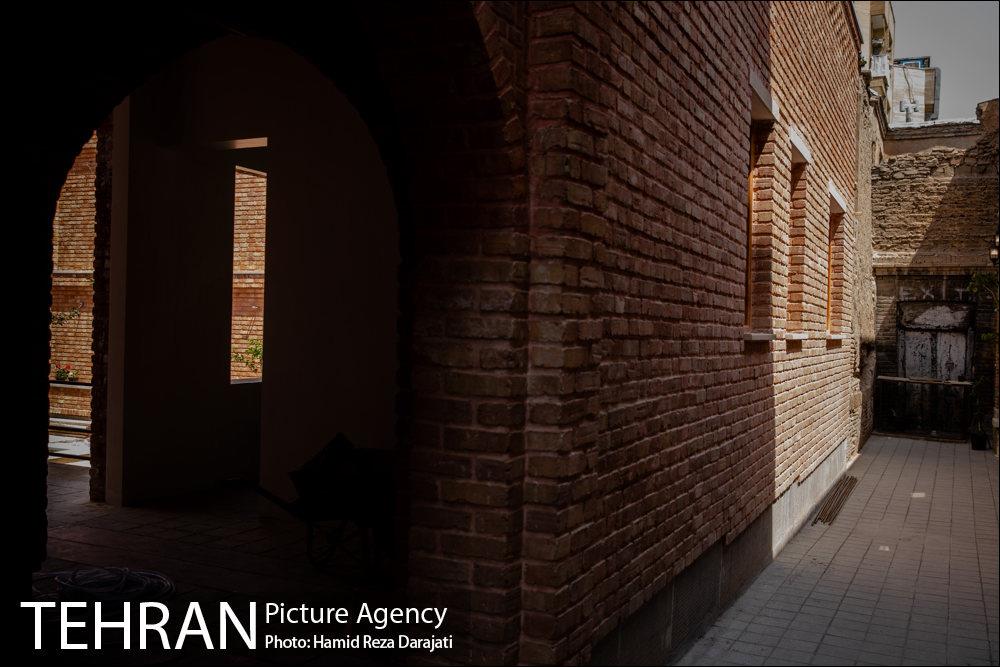
After the house’s last residents left it some 20 years ago, the building gradually fell into ruins and turned into a shelter for the homeless. But, after strong campaigning, repair work started at the site last year.  

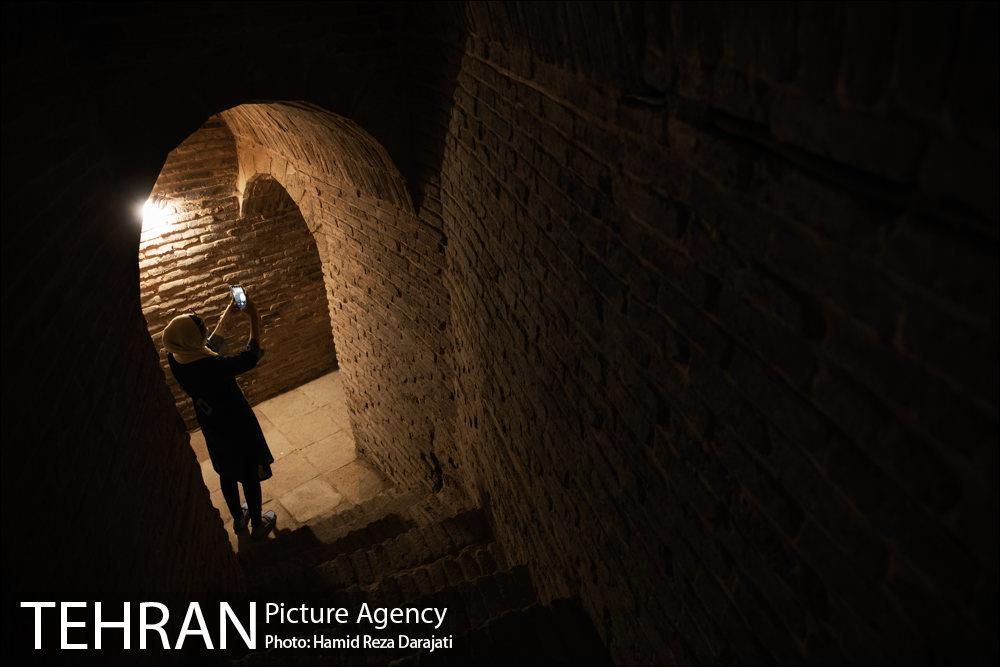
During the repair work on the valuable structure, a wrong strike by a pick-axe created a hole and revealed an empty space behind.

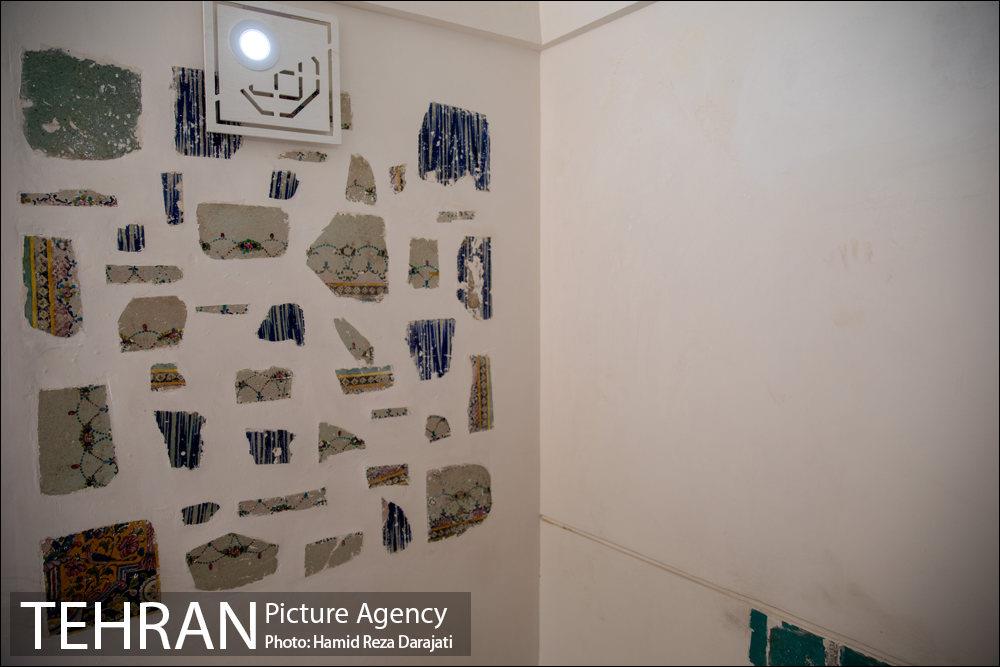
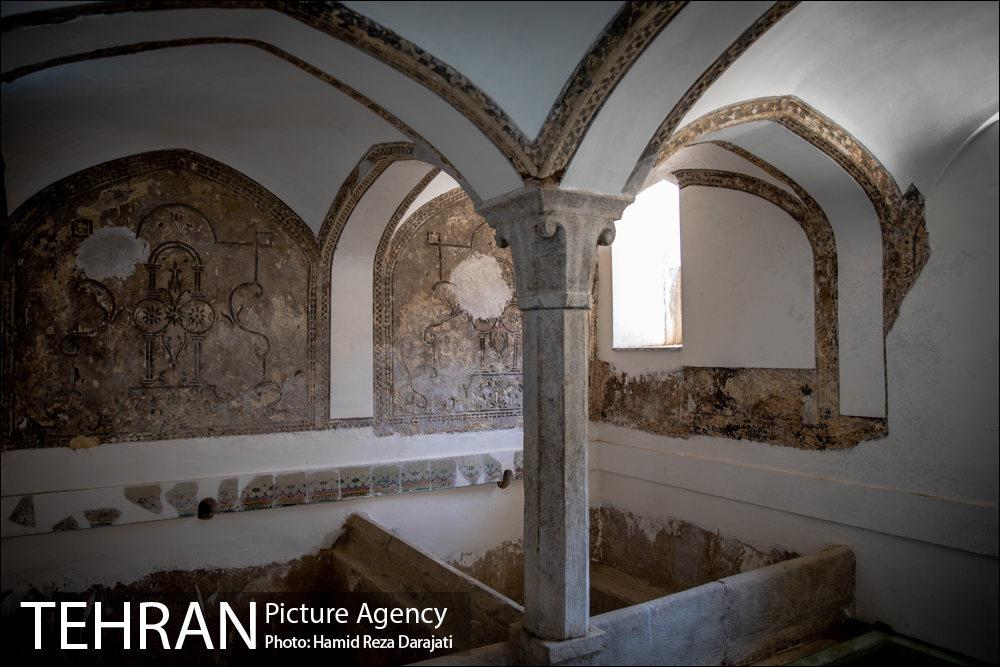
The repair team followed the hole into a corridor and it ultimately led them to the discovery of a bathroom, ornamented with tiles, and pictures, created by the traditional sarooj mortar, that dated back to the Zandieh dynasty’s era. 

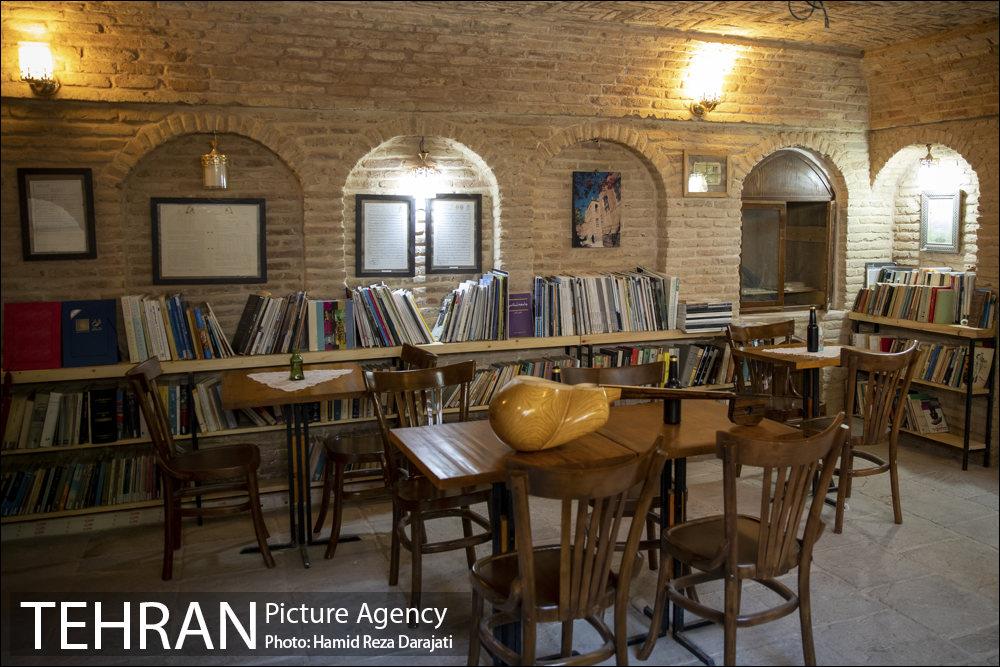
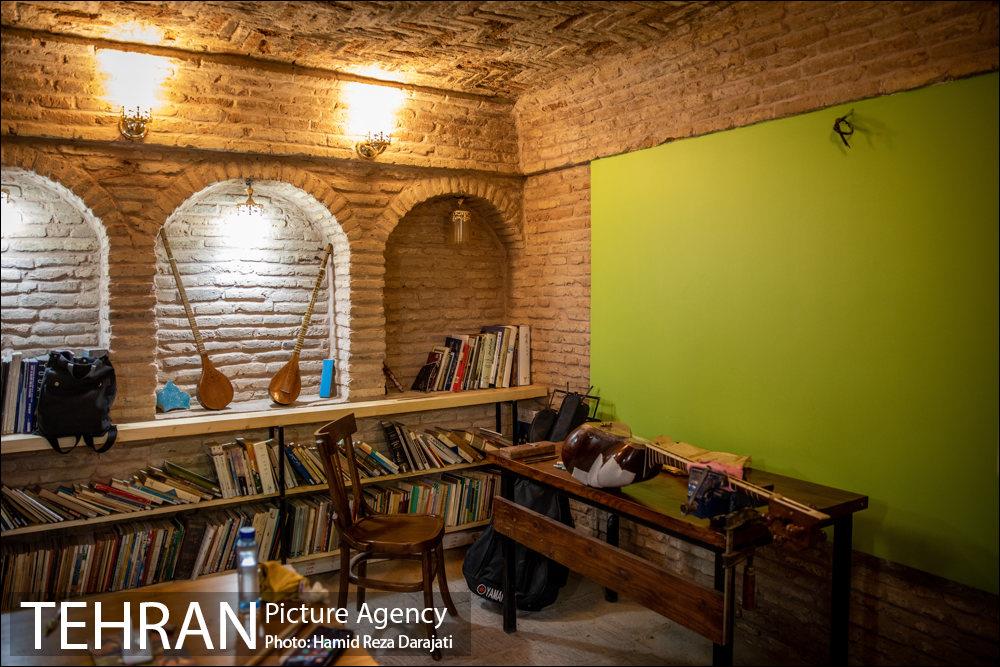
Now, after 18 months of continuous work, this established house has turned into a “cultural centre” in the Oudlajan neighbourhood of Tehran, thanks to the efforts of Iranian architect Behrouz Marbaghi.

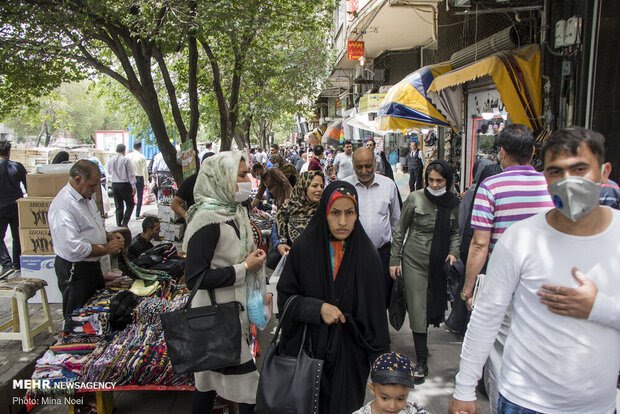
Oudlajan is one of the old neighbourhoods of the city of Tehran. It mainly consists of the three neighbourhoods of Emamzadeh Yahya, Pamenar and Nasser Khosrow, which make Oudlajan a rich historical neighbourhood, due to the numerous historic structures it hosts. The Old Oudlajan had 2619 houses and 1146 shops, and as such was the largest neighbourhood in the city, where the wealthy lived.

Rouhani Urges Iranians to Observe Health Protocols amid New Surge in COVID-19

“Genetic mutations in the virus has caused numerous problems,” said the president at a meeting of the National Coronavirus Headquarters.

“In order to tackle the coronavirus there is no way but to observe [health] protocols, give vaccinations hope and trust,” the president underlined.

He then touched upon the classification of cities and provinces based on a colour system where red indicates the most-infected and highest-risk areas followed by orange and yellow, which indicate lower levels of infection. The colour blue indicates a lack of risk or threat.

“Regulations and instructions pertaining to yellow, orange and red cities should be fully observed or such problems will emerge,” he said.

“Unfortunately, today we are under special coronavirus circumstances and facing another rise in the spread of this disease,” said President Rouhani.

He also warned against the highly contagious Delta variant of coronavirus, which, he said, is the reason behind the recent surge in infections.

He said everybody, including those who may have or have not received the COVID-19 jab, should comply with health protocols at least until the end of winter.

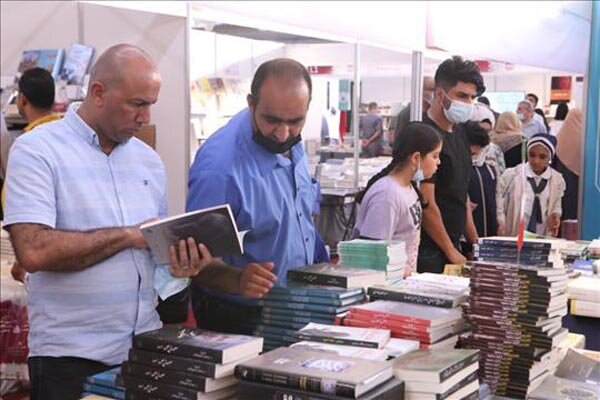
Iran Displays 1,200 Book Titles at Baghdad Book Fair

Mohammad Assadi Movhhed says the books were put on display by 10 Iranian publishers and covered such areas as humanities, art, culture, Persian language and literature, Iranian studies, tourism and religious teachings. 

He said this was Iran’s first major presence in the book exhibition, adding that Iranian publishers also displayed university text books on Persian language and literature as well as humanities.

“Fortunately, visitors, especially university students from Iraq and other countries took up these books favourably,” he said.

Baghdad International Book Fair 2021 brought together 228 publishers from 14 countries, including Iran, Lebanon, Egypt, Syria and Sudan. The event was held with the slogan of “Homeland Book”.

Shanghai Film Festival Best Actor: I Didn’t Even Dream of an Award

“Winning an award in Shanghai Film Festival had not occurred to me even in my dreams,” said Pouyan Shekari.

“That’s why it is so delightful and I wish for all young people and youngsters of [roughly] my age group, ò have a similar ambition, to have their wish fulfilled,” said Shekari, who is only 20 years old.

Shekari won the best actor award for his role in The Contrary Route, directed by Abolfazl Jalili in the 24th edition of Shanghai Film Festival.


“My father runs a supermarket in the industrial park of [the city of] Saveh [near capital Tehran]. One day Mr. Abolfazl Jalili, who had come to our supermarket to do some shopping, saw me and offered me a role in The Contrary Route,” said Shekari.


“I did not know Mr. Jalili. After his offer, I consulted my family and accepted his offer and at the end I became the leading role actor of The Contrary Route”.


Shekari said he had never played in any film, nor did he ever wish to do so. 


“I was informed by Mr. Abolfazl Jalili, the director of The Contrary Route that I had won the award, and as the festival had no foreign guests, I sent them a video message. But I really liked to be at the festival in person,” he added. 


Shekari is now back to his old business of helping his father run his supermarket. But he says he is now watching more films and is pursuing the issue more seriously to learn. 


The Contrary Route recounts the story of several young people in the Iranian society, who are trying to make a film and join the young movie makers. 


This year, Abolfazl Jalili, whose movie was Iran’s only representative in the main competition section of Shanghai Film Festival, also won the Golden Goblet for Best Director. 


Iran Bans Entry from 12 Countries over Delta Variant of COVID-19

The list of countries currently includes Botswana, Brazil, Eswatini, India, Lesotho, Malawi, Mozambique, Nepal, South Africa, Uruguay, Zambia and Zimbabwe.

The ban includes those who are coming, directly or indirectly, from each of these countries to Iran.
The Delta variant of the coronavirus is worrying officials around the world.

The World Health Organization says the Delta variant, also known as B.1.617.2, has spread to at least 85 countries since it was first identified in India last fall.

By mid-June, the Delta variant accounted for 99% of COVID-19 cases in the UK, according to Public Health England, and it is set to account for 90% of cases in Europe by the end of August, according to the European Centre for Disease Prevention and Control.

In the US, the Centers for Disease Control and Prevention now estimates the variant accounts for 26% of new COVID-19 cases — or at least, that it did as of June 19. It’s been reported in all 50 states, plus Washington, D.C.

It accounted for 10% of lineages as of June 5, meaning its prevalence more than doubled in just two weeks.

“Delta is the most transmissible of the variants identified so far,” Tedros Adhanom Ghebreyesus, director-general of the World Health Organization, said Friday.

The virus carries a cluster of mutations, including one known as L452R, that helps it infect human cells more easily.

“We learned this virus, a variant of Covid, is highly transmissible — the most transmissible we’ve seen to date,” US Surgeon-General Dr. Vivek Murthy told CNN Wednesday.

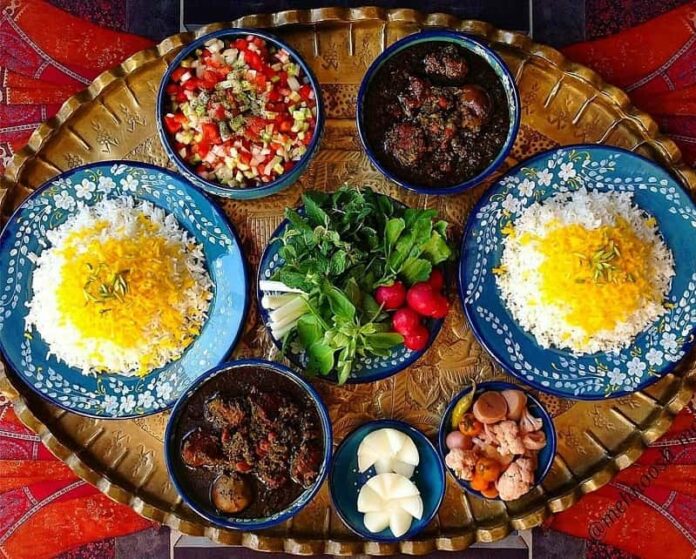
Original Dishes of Tehran: Nostalgic, Mouth-Watering, Ambrosial 

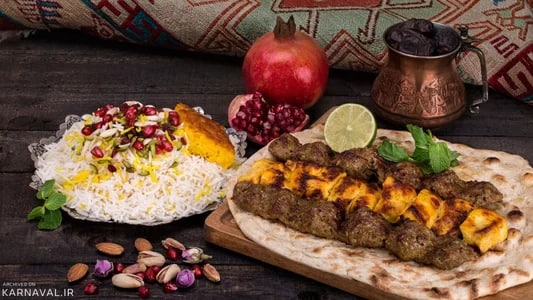
Chelo Kebab (rice with kebab)

This is a main traditional Iranian dish dating back generations.

It was cooked among courtiers and the wealthy, and today is one of the popular meals among tourists. The first Tehran restaurant serving kebabs is 130 years old and has remained in his business for more than three generations.
Original Dishes of Tehran: Nostalgic, Mouth-Watering, Ambrosial 

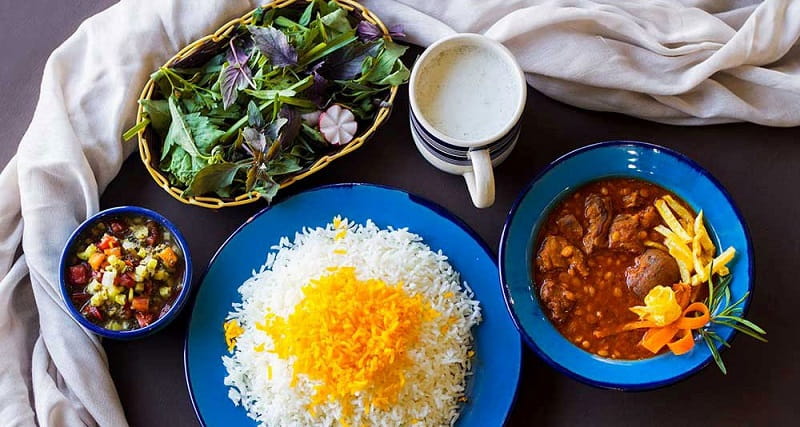
Gheimeh Stew

This food is very popular among Iranian and in different parts of the country. The Gheimeh stew initially originates from Tehran. It is not clear how old the dish is. However, a French tourist travelling to Iran has mentioned this food in his travelogue.

The Gheimeh stew is cooked with different recipes in Iran. Its ingredients include red meat, tomato paste, fried onions, lentils and dried lime.

Gheimeh is usually served with rice and French fries. The best kind of meat to be used in it is beef leg or lamb. Cinnamon, saffron, cardamom and rose water are sometimes added to Gheimeh to make it tastier.
 

Original Dishes of Tehran: Nostalgic, Mouth-Watering, Ambrosial 

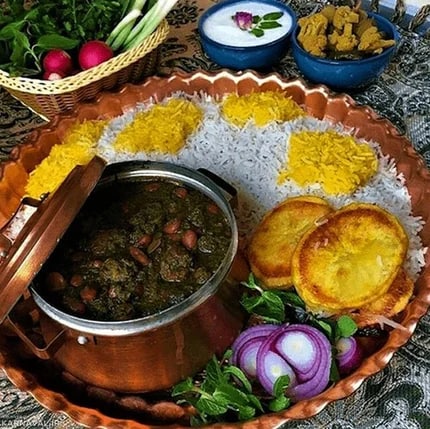
Ghormehsabzi Stew

Ghormehsabzi is a national Iranian food cooked in different ways. Its ingredients include special herbs used to cook this type of stew (including chives, parsley, fenugreek, coriander, spinach or beet greens), a type of bean (red beans, pinto beans, black-eyed peas), onions, red meat, salt, pepper and dried lime. Ghormehsabzi stew is served with rice. 

The longer Ghormehsabzi takes to cook, the more delicious it becomes. It is noteworthy that November 22 has been named as World Ghormehsabzi Day by lovers of the Iranian culture.
Original Dishes of Tehran: Nostalgic, Mouth-Watering, Ambrosial 

Kalleh Gonjeshki

Kalleh Gonjeshki (Sargonjeshki) or mini-meatballs is a simple and very delectable dish dating back to the Qajar era. Its ingredients include fried onions, minced beef, potatoes, flour and tomato paste. This food is served with bread.
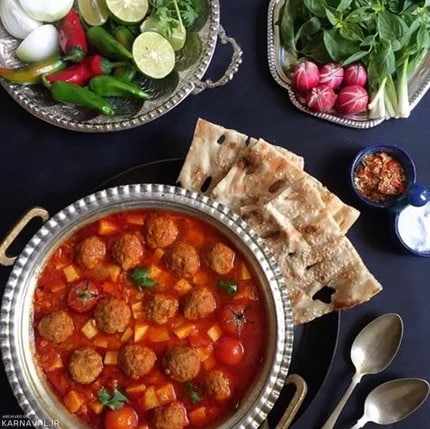
Original Dishes of Tehran: Nostalgic, Mouth-Watering, Ambrosial 


Haftrang Pilaf

This dish was very popular in Tehran in old times and would be served in the houses of aristocrats, state officials and large parties. This food was comprised of seven different types of luxury rice and was usually cooked with chicken, turkey or partridge and set in the middle of the table in a row. Whenever this food was made with lamb, they would put the lamb in the middle and set the pilaf around it.

Bean Pilaf

This is another popular Iranian food made with green fresh beans, minced beef or chopped meat, onions, tomato paste, tomatoes, salt, black pepper, turmeric or saffron or other spices.
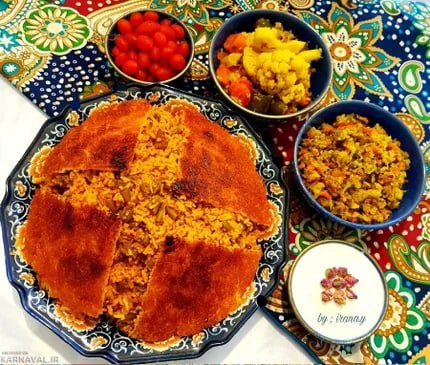
Original Dishes of Tehran: Nostalgic, Mouth-Watering, Ambrosial 

Ramsons Pilaf

Ramsons (also known as wild garlic or bear leek) is a type of local herb which grows on the slopes of Alborz and Zagros mountains in May and June. It has long leaves and smells like garlic. Ramsons has antioxidant properties and is good for purifying the blood and alleviating digestive problems. This food is made with rice and ramsons and served with chicken, fish, different types of meatballs and minced beef.
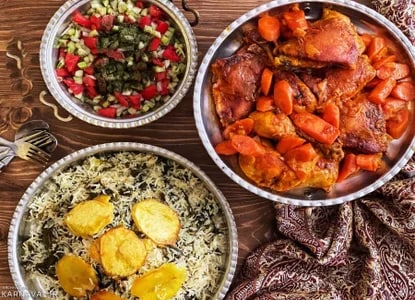
Original Dishes of Tehran: Nostalgic, Mouth-Watering, Ambrosial 

Bulgur Pilaf

This tasty food used to be cooked in Lavasan region on the outskirts of Tehran. Bulgur pilaf is made with pulses (red beans, black-eyed peas, lentils and peas) and a special, aromatic type of herb. As in contains bulgur, this food is very nutritious and full of protein and fibres. Moreover, bulgur is an excellent alternative for other processed grains such as rice, and helps shed weight due to low fat levels and high calorie.
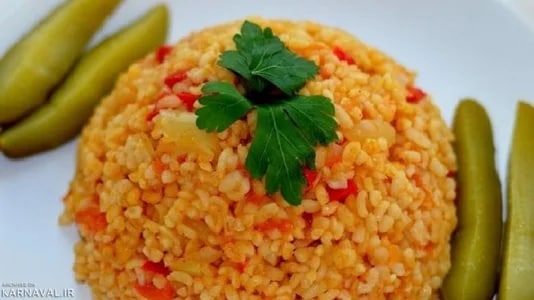
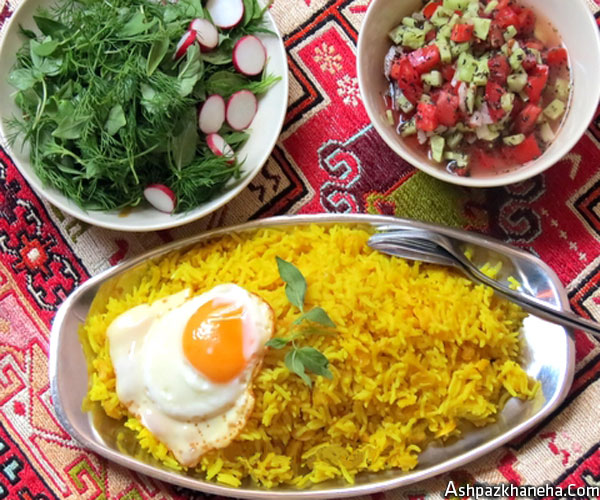
Original Dishes of Tehran: Nostalgic, Mouth-Watering, Ambrosial Dampokhtak

This simple food is cooked in various ways. It ingredients include dried yellow broad beans, rice, chicken or meat. The spices used include turmeric and salt. Pulses such as lentils, mung beans and black-eyed peas can be used instead of broad beans. 
Original Dishes of Tehran: Nostalgic, Mouth-Watering, Ambrosial 


Ajil Broth 

This was one of popular foods in Tehran in old times and was usually served during the holding month of Ramadan at Suhur meal at dawn. Its ingredients included lamb, peeled peas, hazelnuts, almonds, walnuts, sultanas and prunes as well as saffron, onions and salt. In order to cook this food, they would put all ingredients in a pot and closed the lid tight, so that it would be cooked through.


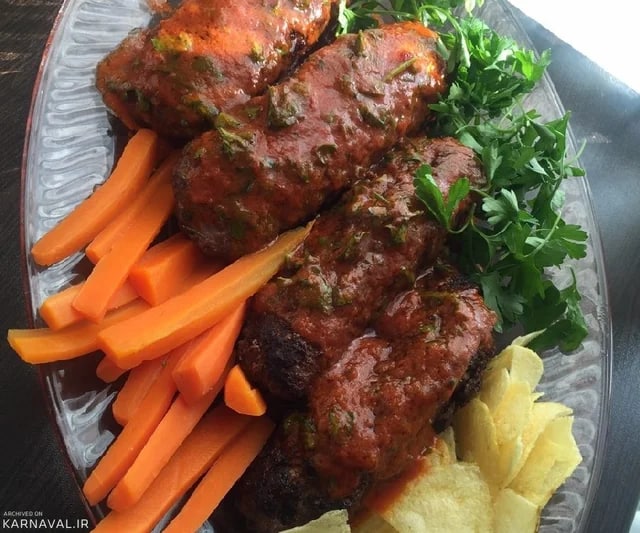
Arm-around-Neck Meatballs

This was one of old dishes in Tehran. It was made with rice, minced beef, eggs, dried aromatic herbs, gram flour, tomato paste, onions and spices. As for the name of this food, some say that this type of meatball is prepared so quickly, so much so that it gets ready as soon as a lover puts his arms around his sweetheart’s neck!
 

Original Dishes of Tehran: Nostalgic, Mouth-Watering, Ambrosial 

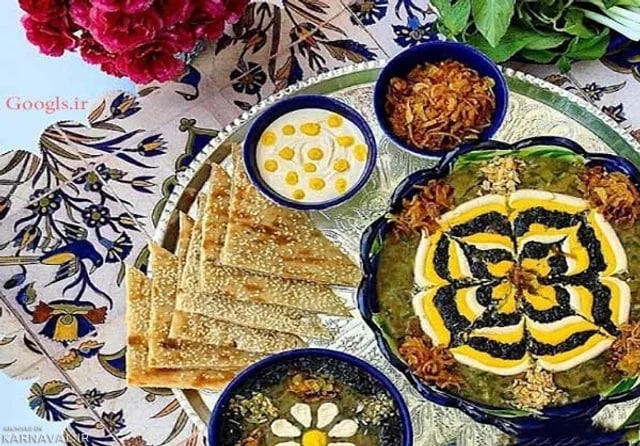
Noodle Broth

This type of broth is nutritious and liked by most people. Its ingredients include different types of pulses (peas, pinto beans, lentils, mung beans, red beans), broth herbs (spinach, chives, parsley and coriander), garlic, noodles, onions, oil, salt and turmeric. Noodle Broth is garnished with kashk, fried mint and fried onions, making it all the more delectable.
Original Dishes of Tehran: Nostalgic, Mouth-Watering, Ambrosial 

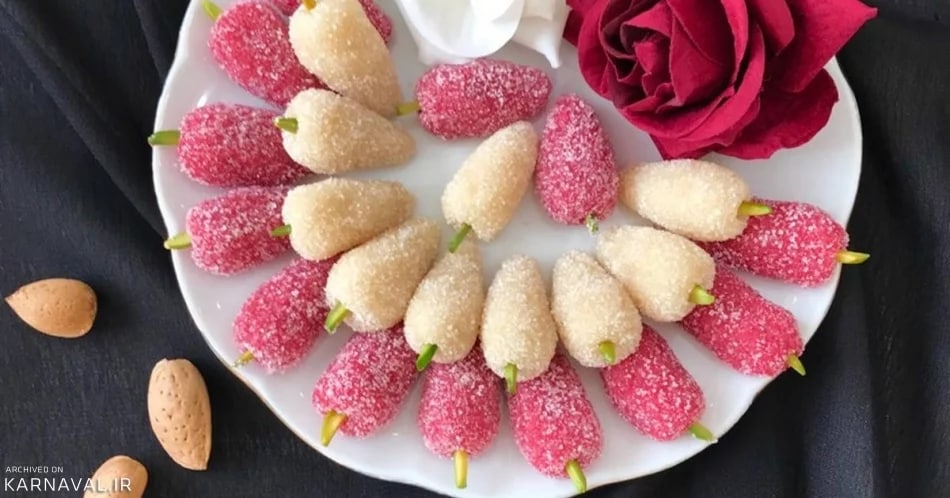
Tut Cookie

Tut (literally meaning ‘mulberry’ in Persian) is a type of local cookie made in both Qazvin and Tehran, and is named so as it looks like mulberries. This tasty cookie is made with sugar powder and almond powder and comes with different flavours such as vanilla, saffron and pistachio.

Original Dishes of Tehran: Nostalgic, Mouth-Watering, Ambrosial 


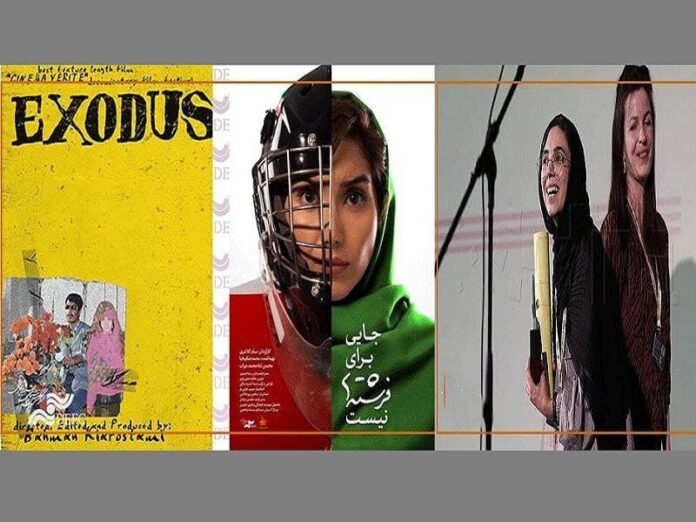
Iranian Movie Receives Int’l Award at Zagreb Film Festival

This is while the Iranian animation “The Fourth Wall” received an award at the 19th Zagreb Film Festival.

“No Room for Angels” made by Sam Kalantari was screened on the 23rd and 26th of June, and “The Exodus” made by Bahman Kiarostami on the 24th and 28th of June, 2021.

As many as 30 feature films as well as short and long documentaries were screened at the Paris festival, which from June 23-29.

“The Exodus” is themed on a centre handling the affairs of Afghan migrants returning home.

The centre is tasked with registering and repatriating Afghan migrants who have illegally entered Iran.

The film has already won an award ar an Iranian documentary film festival.

“The Exodus” was first internationally screened at the Hot Docs Canadian International Documentary Festival.

“No Room for Angels” is a documentary about the National Iranian Girls’ Hockey Team and the complicated problems they faced when taking part in the South Asia contests in South Korea.

The film has already won several awards at two festivals held in Iran.

And at the International Zagreb Film Festival, “The Fourth Wall” made by Mahbouheh Kolaee received the Zlatko Grgić Award for the best first film made outside and educational institution.

World’s Rarest Lilly Blooms in Northern Iran

The rare flower, which is protected by Iran’s Department of Environment, only grows in Damash village of Iran and Lankaran region of Azerbaijan Republic.

Lilium ledebourii has been named after German-Estonian botanist Carl Friedrich von Ledebour (1786-1851).

The flower was first discovered in 1975 and was registered as a national heritage one year later.

The plant blooms from the middle of May until the end of June.

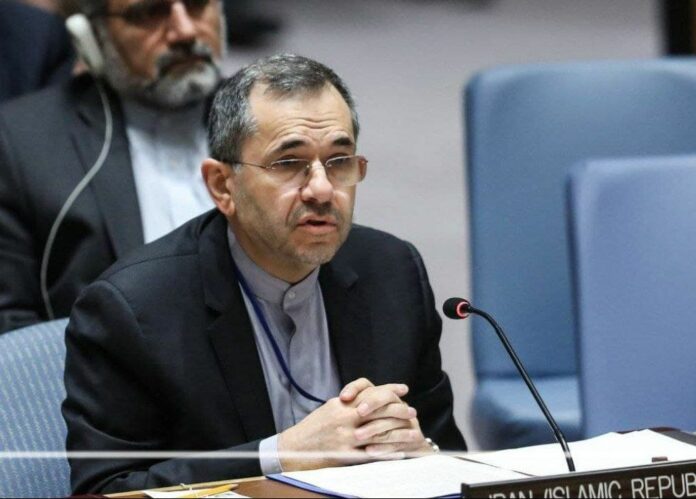
Iran Says JCPOA Has No Better Alternative

Majid Takht-Ravanchi made the comment in a speech at a meeting of the UN Security Council.

“Today’s message of this council is crystal clear: the JCPOA should be implemented and there is no better alternative to it,” said the Iranian envoy in his comments.

He also criticised a handful of UNSC member states for calling on Iran to return to its commitments under the JCPOA, saying it was the US, not Iran, that had withdrawn from the agreement.

“They asked Iran to fully return to its obligations under the JCPOA as if it was Iran that left the deal,” he said in his speech.

He said the US imposed sanctions on Iran with the announced objective of “starving a whole people.”

Takht-Ravanchi underlined Iran will not forswear the hundreds of billions of dollars in losses inflicted on its economy as a result of US sanctions.

He then noted that the US sanctions on imports of medical equipment into Iran have caused the deaths of many Iranians.

“Unfortunately, the precious lives lost due to sanctions will not come back,” he underlined.
He once again reiterated that “the JCPOA is not a one-way street.”

“The JCPOA is built on two principles: Iran’s nuclear commitments and [the other side’s] mutual obligation to lift all UN, EU and US sanctions as well as boost normal trade and economic ties with Iran,” he said.

“All these commitments have been mentioned and explained in the JCPOA and Resolution 2231 very precisely and in detail,” he said.

He also underlined that reports by the International Atomic Energy Agency (IAEA) over the past six months confirm that Iran’s nuclear program has been peaceful and there has been no diversion in Iran’s nuclear materials toward non-peaceful objectives.

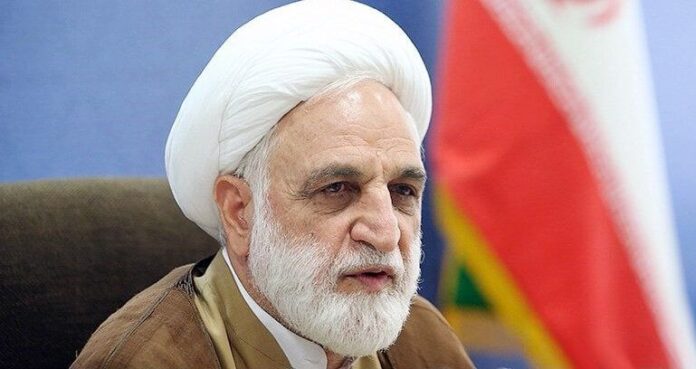
Iran’s Leader Appoints Mohseni Ejei as New Judiciary Chief

Mohseni Ejei, who previously served as the deputy head of the Judiciary, will replace Ebrahim Raisi, the President-elect who will be sworn in in early August. 

In his Thursday decree, Ayatollah Khamenei called on Ejei to continue Raisi’s evolutionary approach and to promote new technologies in the Judiciary. 

He also asked Ejei to use efficient and hard-working personnel, value the services of decent judges and at the same time confront decisively with violations.

The new Judiciary chief was also asked to communicate with people during his service.