Wednesday, April 8, 2026
Home Blog Page 24

Minister: Iran’s oil sales remain strong despite sanctions, lower global prices

Speaking in a televised interview, Oil Minister Mohsen Paknejad said that when assessing oil sales, two main factors should be considered; volume and price.

“In terms of volume, meaning the number of barrels and the amount of oil we sell, the figures are good and this trend continues as before,” he said.

Paknejad noted that the second factor, price, is influenced largely by global benchmarks that have fallen significantly compared to last year.
He stressed that the international price indicators are beyond Iran’s control and may affect national revenues in certain areas.

However, the minister said the government is working to offset the impact of lower global prices by increasing production and sales volumes.
He pointed to the launch of new projects, the opening of facilities, and the continued development of oil fields as key measures aimed at boosting output.

“By raising production capacity and increasing the quantity of oil we sell, we can compensate for the decline in international price indices,” Paknejad said, adding that these efforts help ensure oil revenues remain stable and aligned with the country’s economic needs.

He emphasized that maintaining steady income from oil exports remains a priority for the energy sector.
Cooperation with IAEA under new framework serves Iran’s interests, analyst says

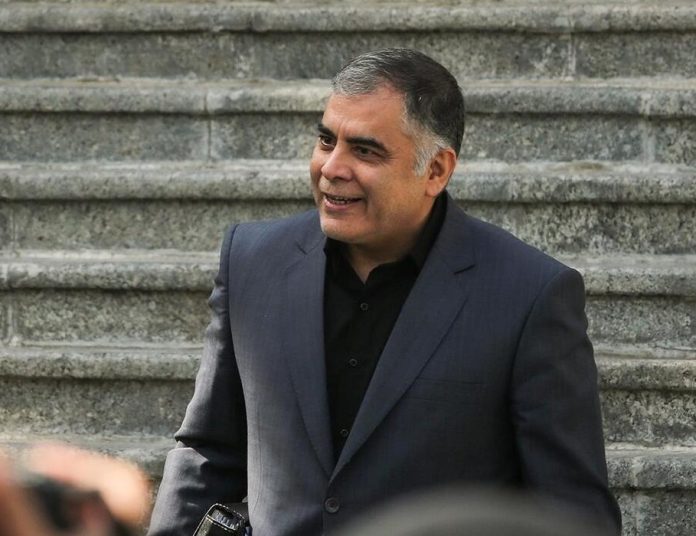
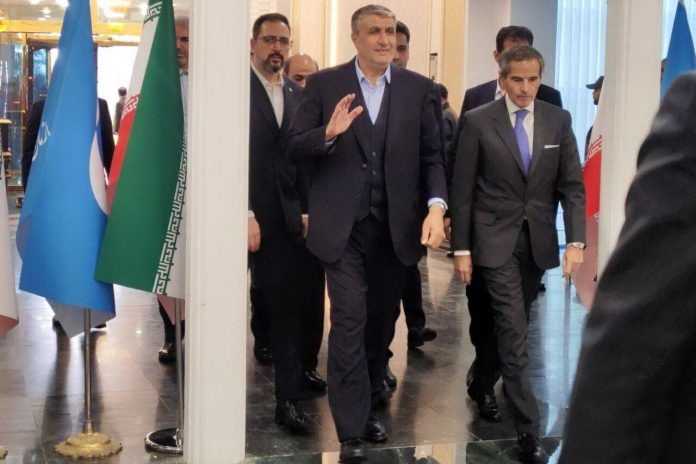
In an interview with IRNA, Hassan Beheshti-Pour said Iran has adopted a policy of maintaining at least a minimum level of cooperation with the IAEA, despite disputes following US military attacks on Iranian nuclear facilities that were under agency safeguards.

He argued that sustained engagement helps resolve outstanding questions and weakens the arguments of the US and European powers against Iran.

Beheshti-Pour noted that inspections of facilities damaged in attacks cannot proceed under normal safeguard rules and require new, mutually agreed arrangements, as existing frameworks were designed for peacetime conditions. He said it is unprecedented for safeguarded nuclear sites to be targeted militarily, leaving a legal and technical gap that must be addressed through negotiations with the agency.

He also criticized political pressure to allow immediate inspections, calling it more political than technical in nature. According to Beheshti-Pour, Iran should pursue continuous, independent dialogue with the IAEA to clarify inspection mechanisms and ensure nuclear safety.

The analyst stressed that abandoning cooperation would only deepen Iran’s challenges, adding that resolving disputes through the agency remains both possible and preferable within international norms.

Iranian president visits family of Christian martyr on Christmas eve

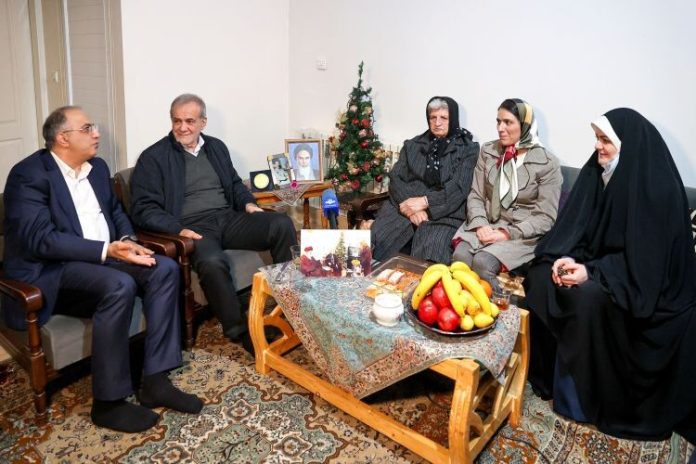
During the meeting, the president paid tribute to Khachatourian and highlighted the role of all ethnic groups and followers of divine religions in defending Iran’s independence, dignity, and territorial integrity.

Pezeshkian said the presence and sacrifices of Christian martyrs during the Iran-Iraq war were a clear symbol of national unity and deep solidarity among the Iranian people. He added that Iran’s current strength and stability are owed to the sacrifices of martyrs and the resilience of their families, stressing that honoring them is a lasting duty of state officials.

Family members of Razmik Khachatourian, along with Ara Shahverdyan, the parliamentary representative of Iran’s Christian community, thanked the president for his visit and attention.

They reaffirmed their commitment to the ideals of the Islamic Revolution and to continuing the path of the martyrs in service to Iran.

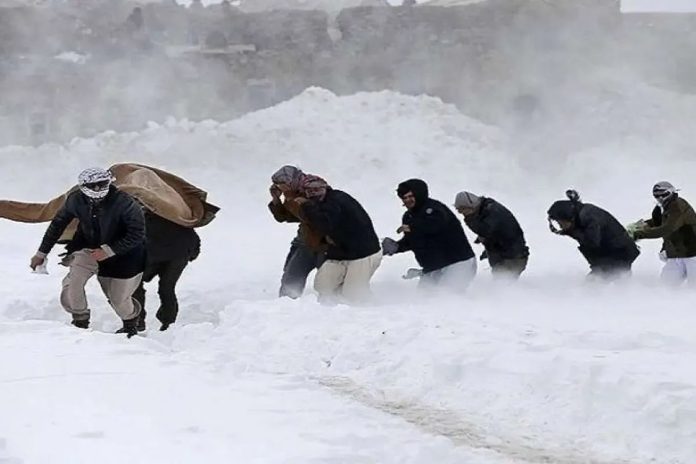
Iranian border guards rescue 1,600 Afghans stranded in snow

According to a statement by police spokesman Saeed Montazerolmahdi, the incident occurred last week during heavy snowfall and freezing temperatures along the eastern border. The individuals were at serious risk of hypothermia and death due to the harsh weather conditions.
Border forces used all available resources, including heating equipment and transportation, to move the stranded migrants to safe locations and prevent further danger.

After weather conditions improved, the Afghan nationals returned to Afghanistan.

Iranian border police said they had previously warned Afghan authorities about the risks of illegal border crossings during winter. They also urged Afghan citizens to use legal procedures and authorized routes when seeking to enter Iran.

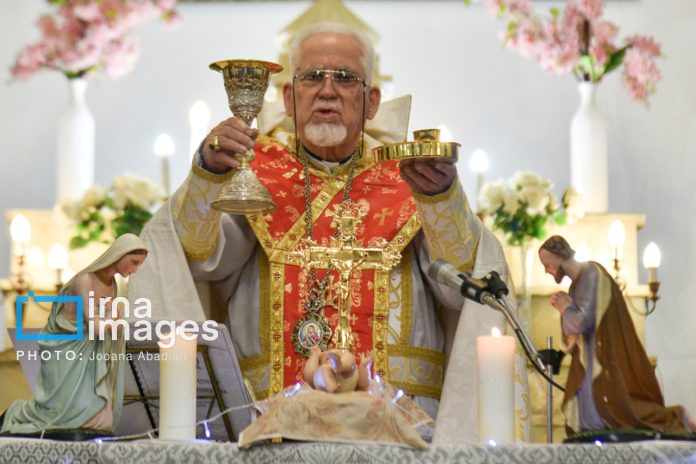
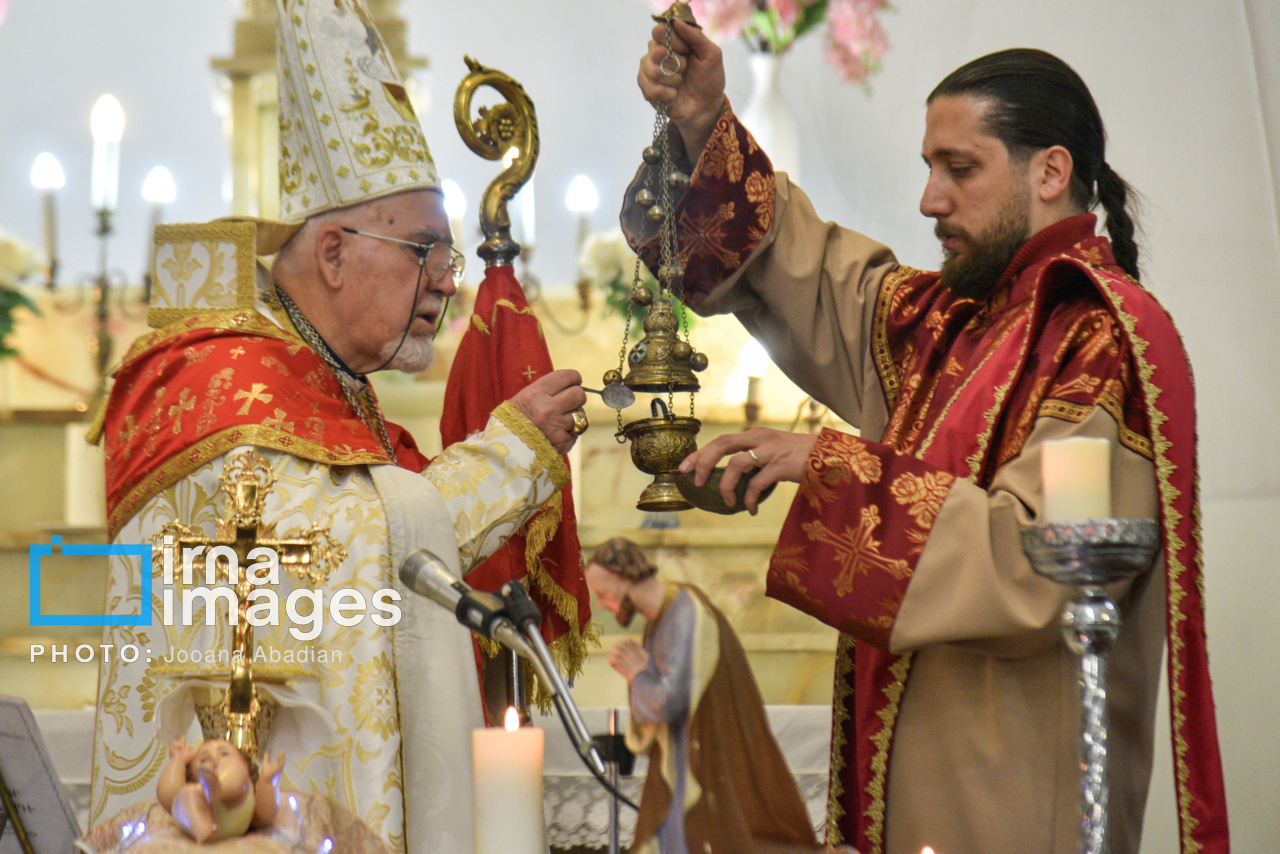
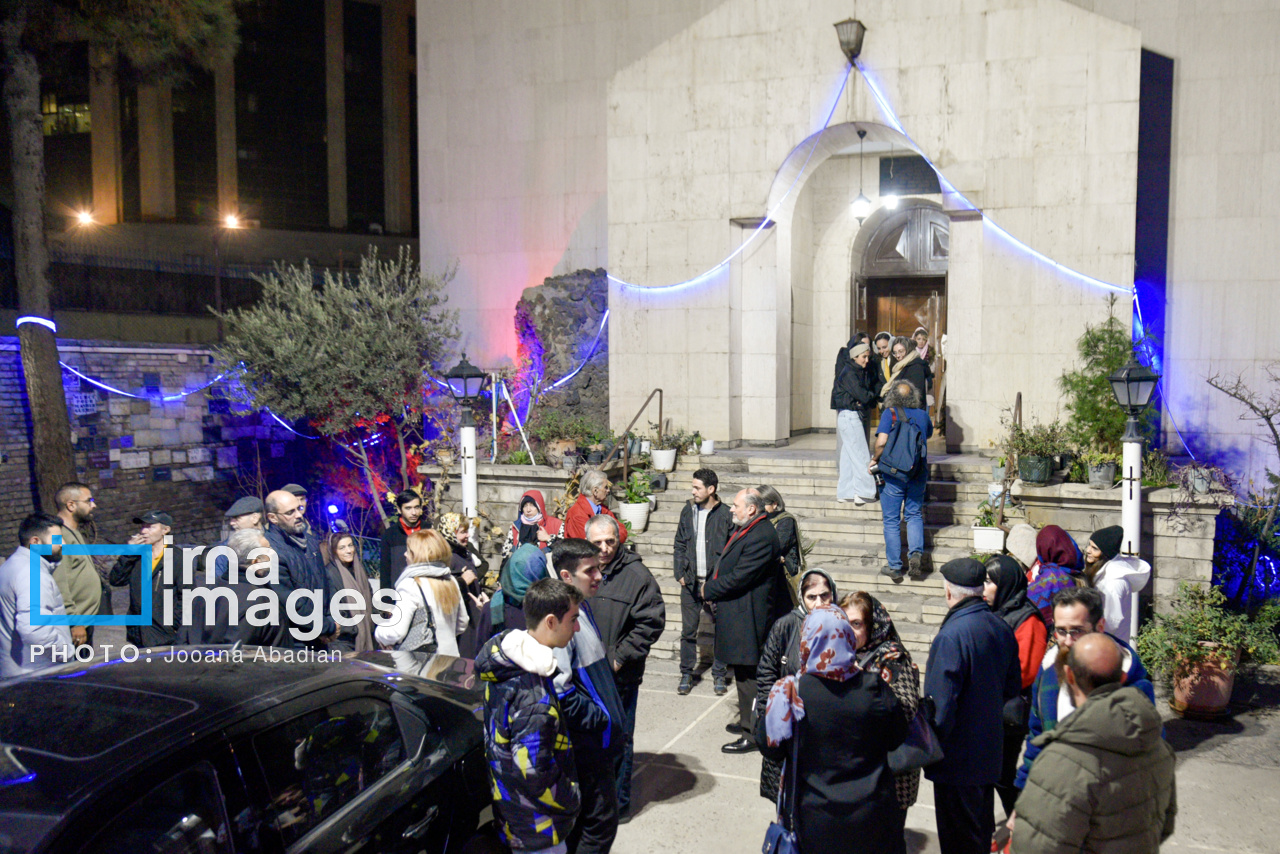
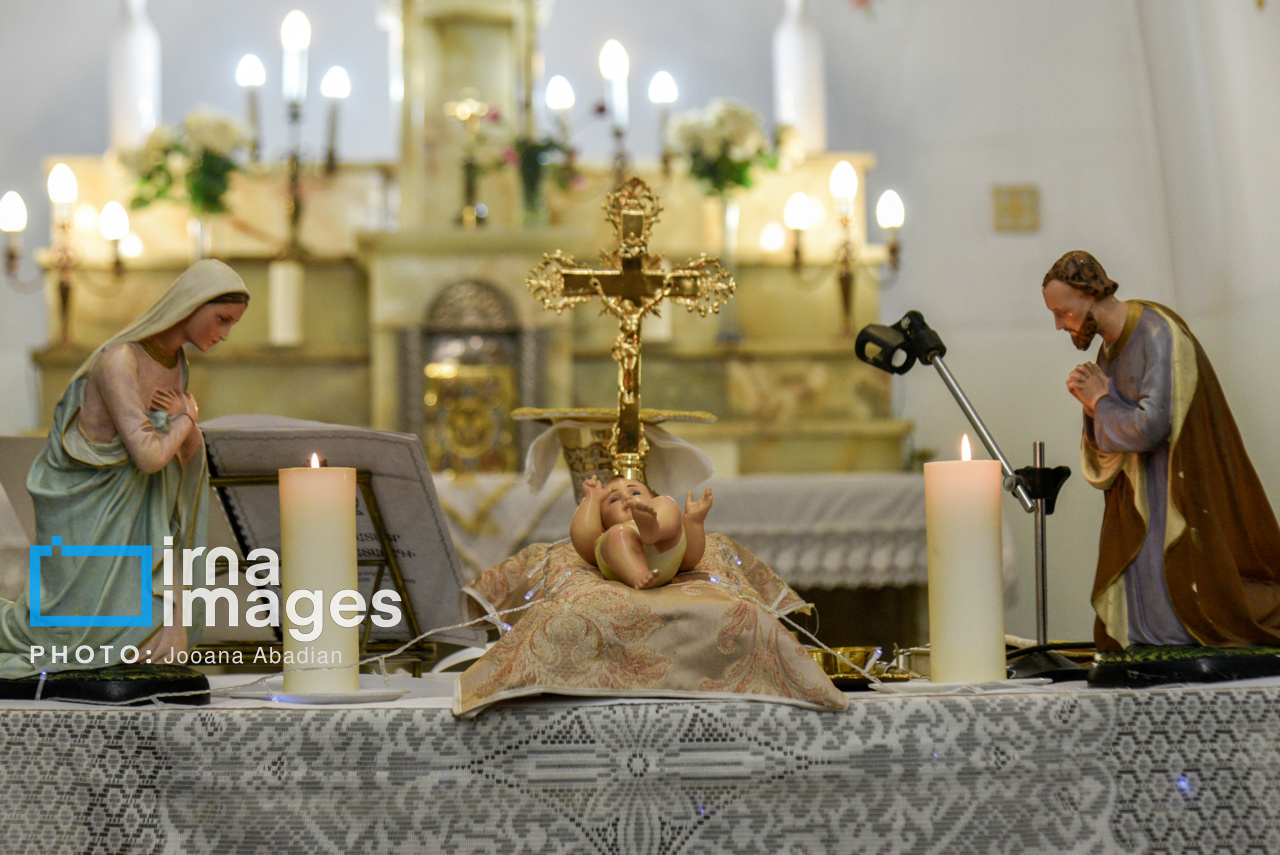
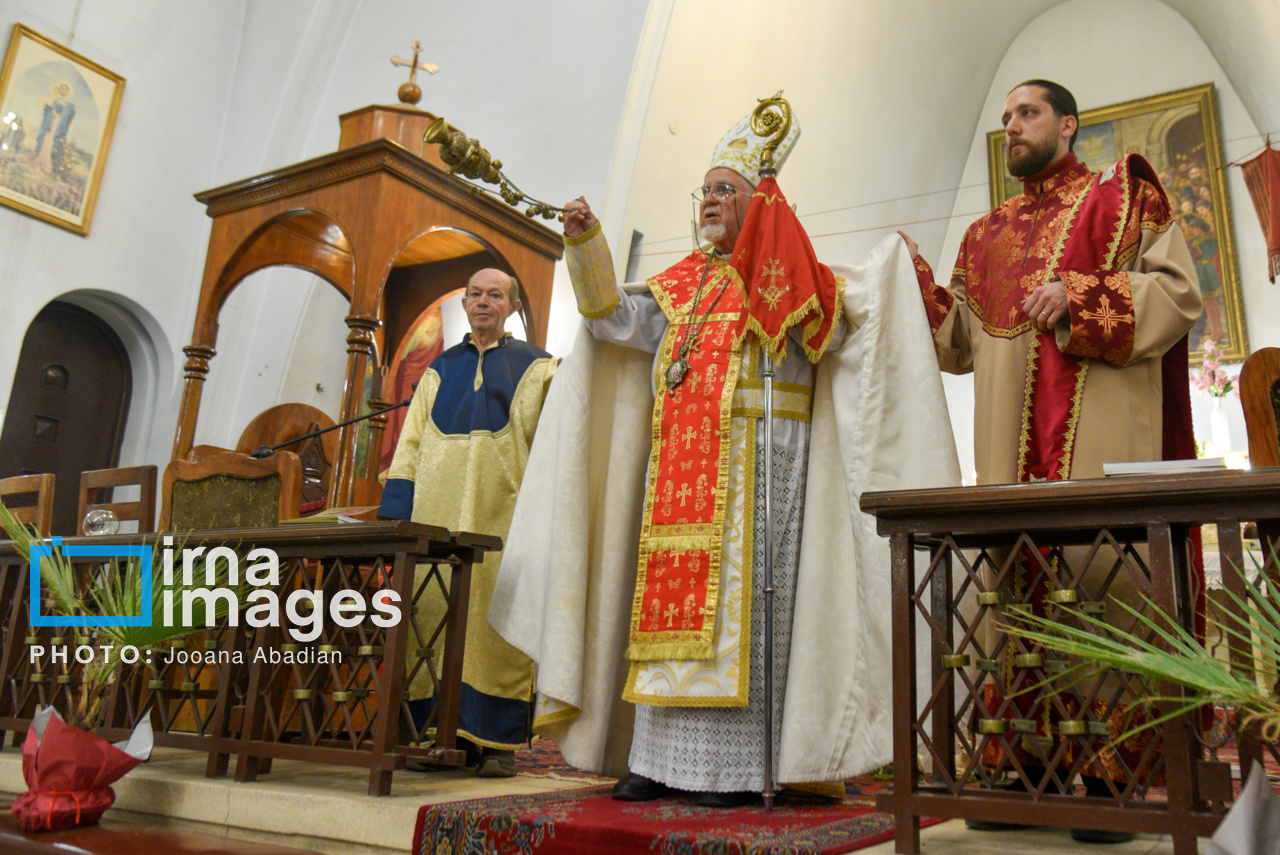
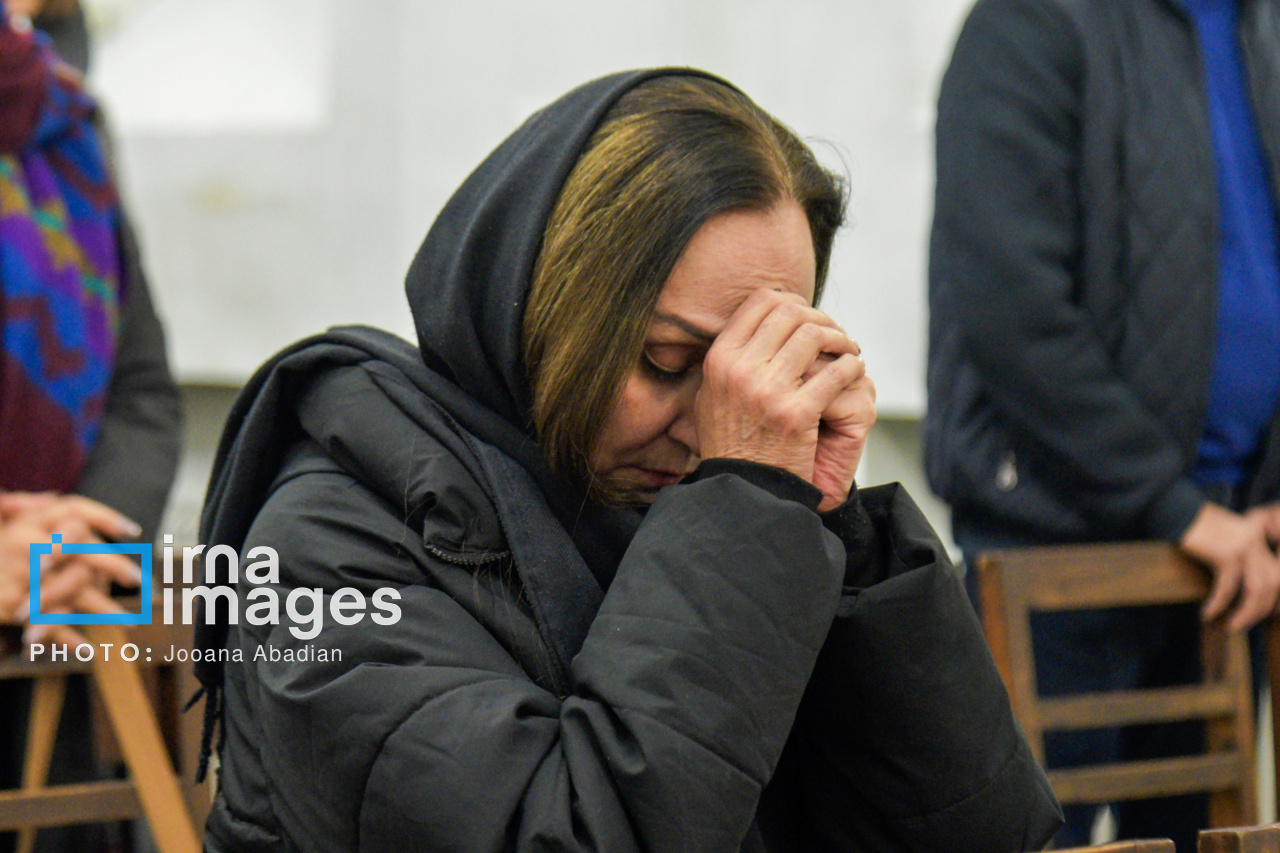
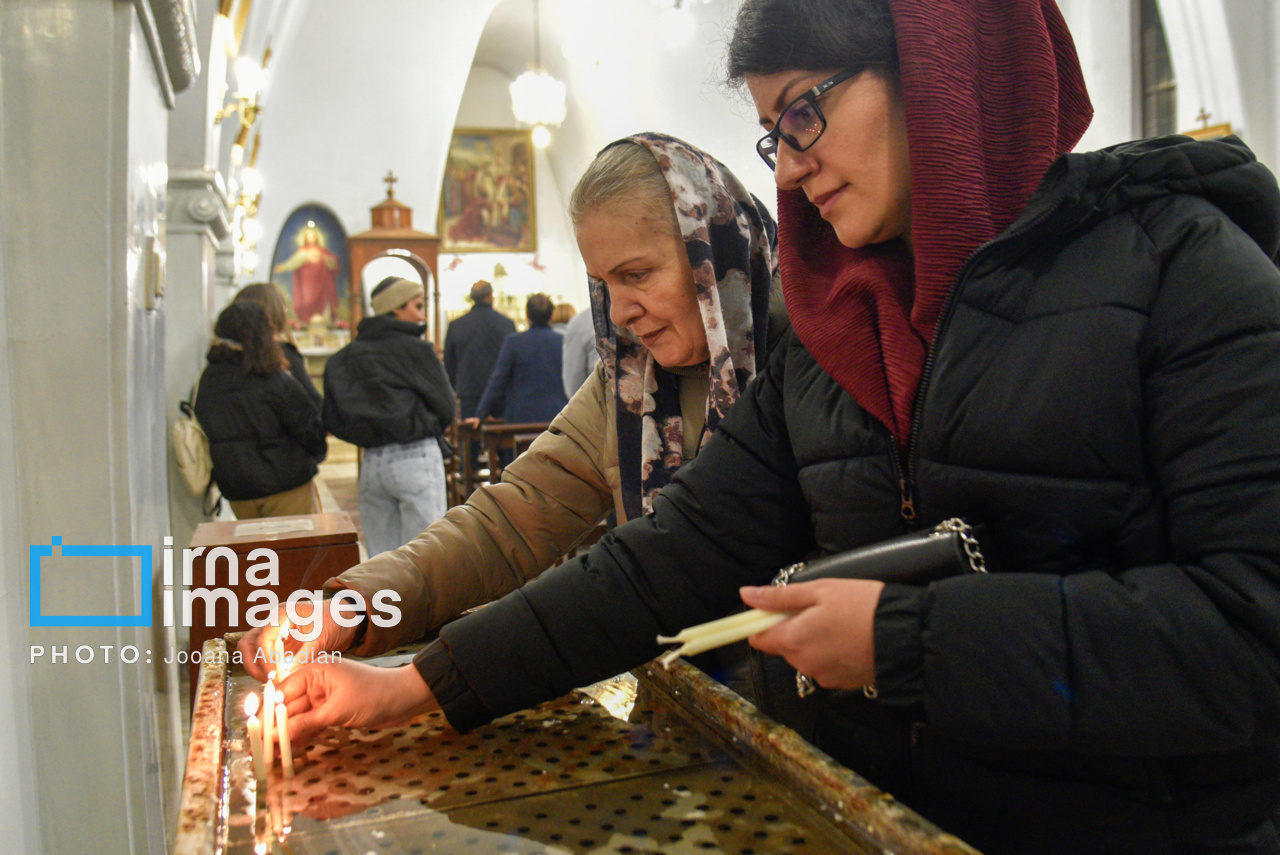
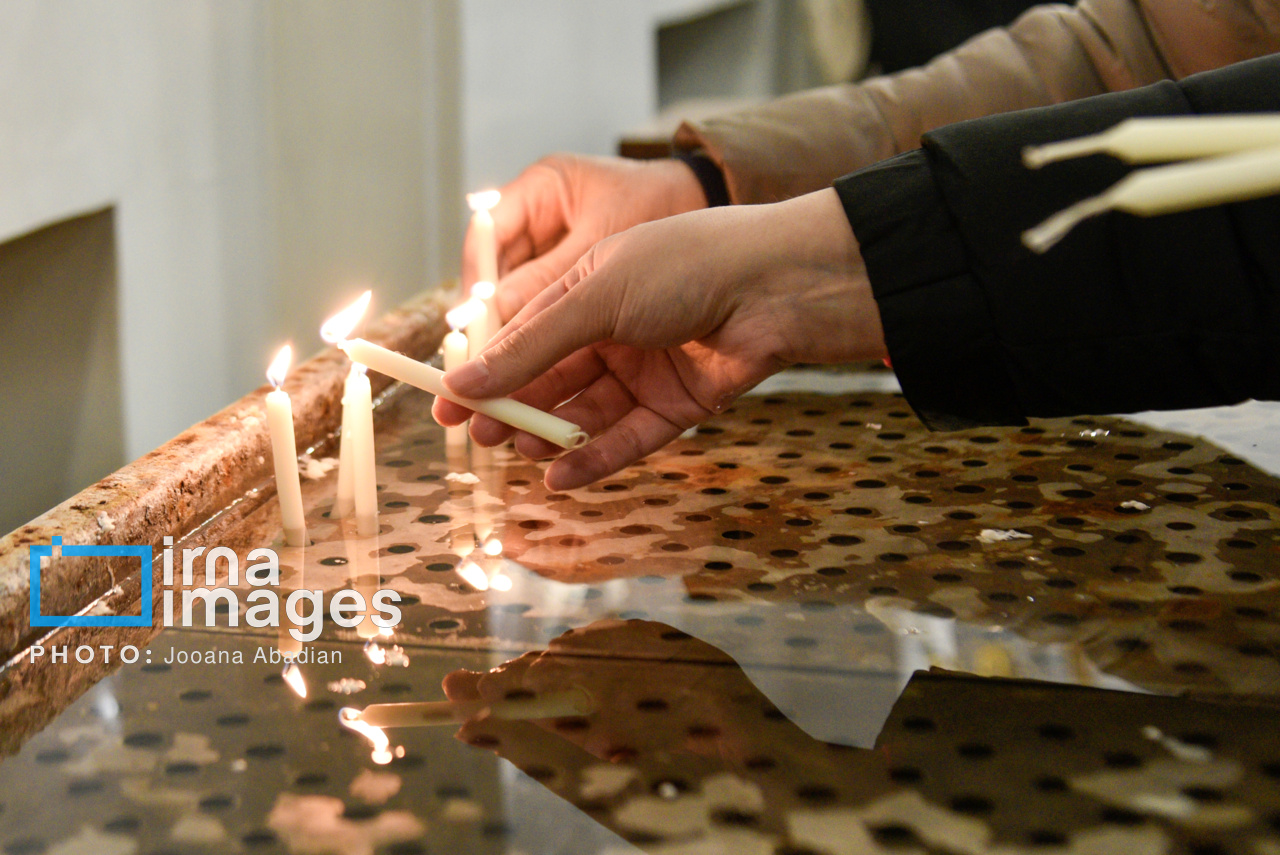
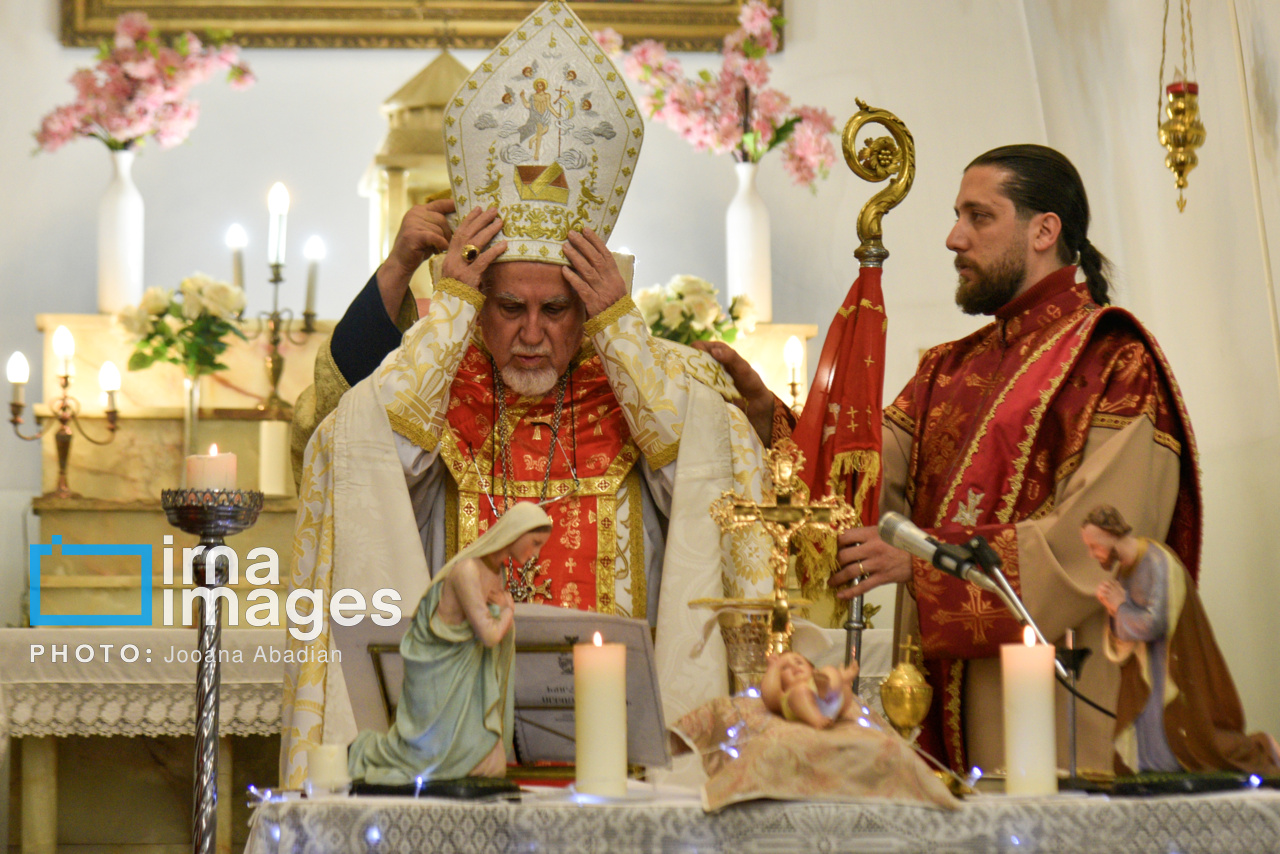
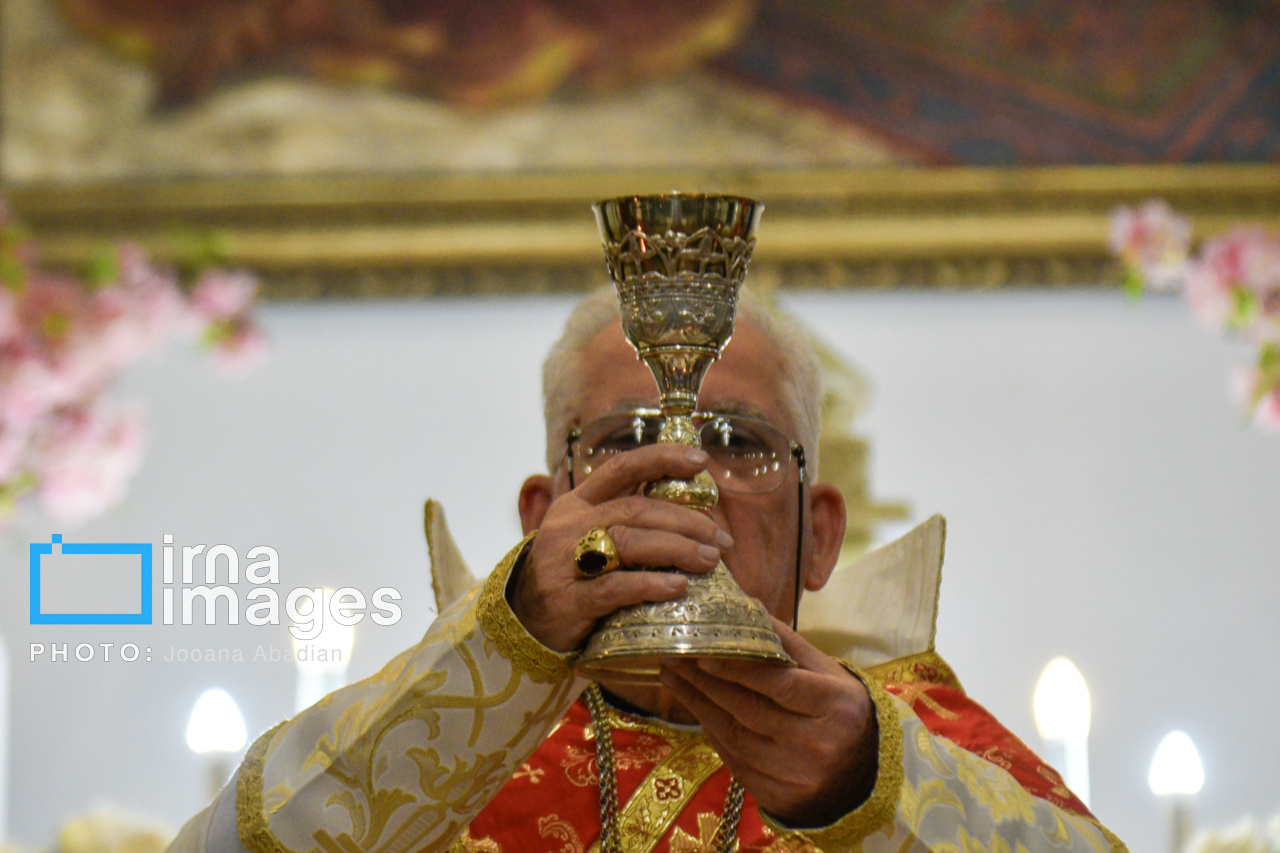
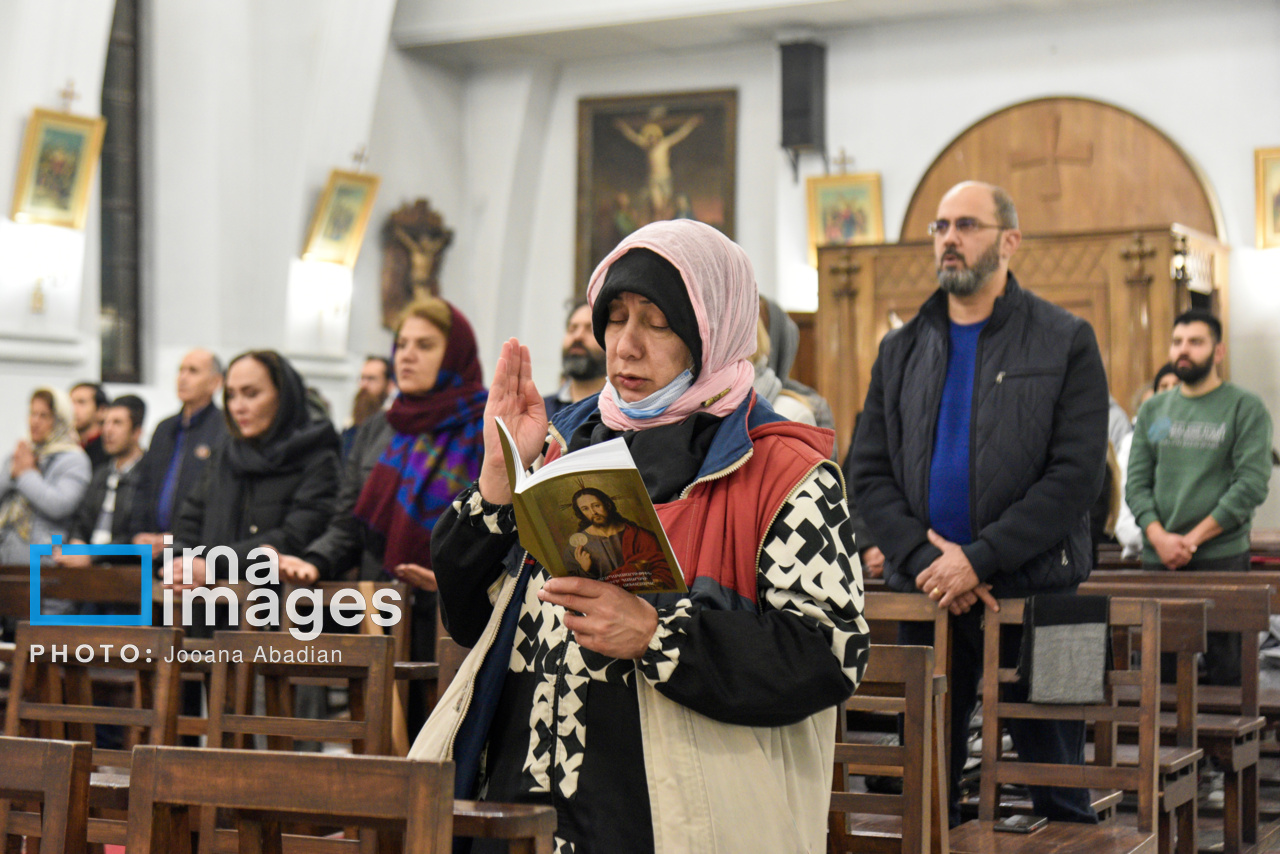
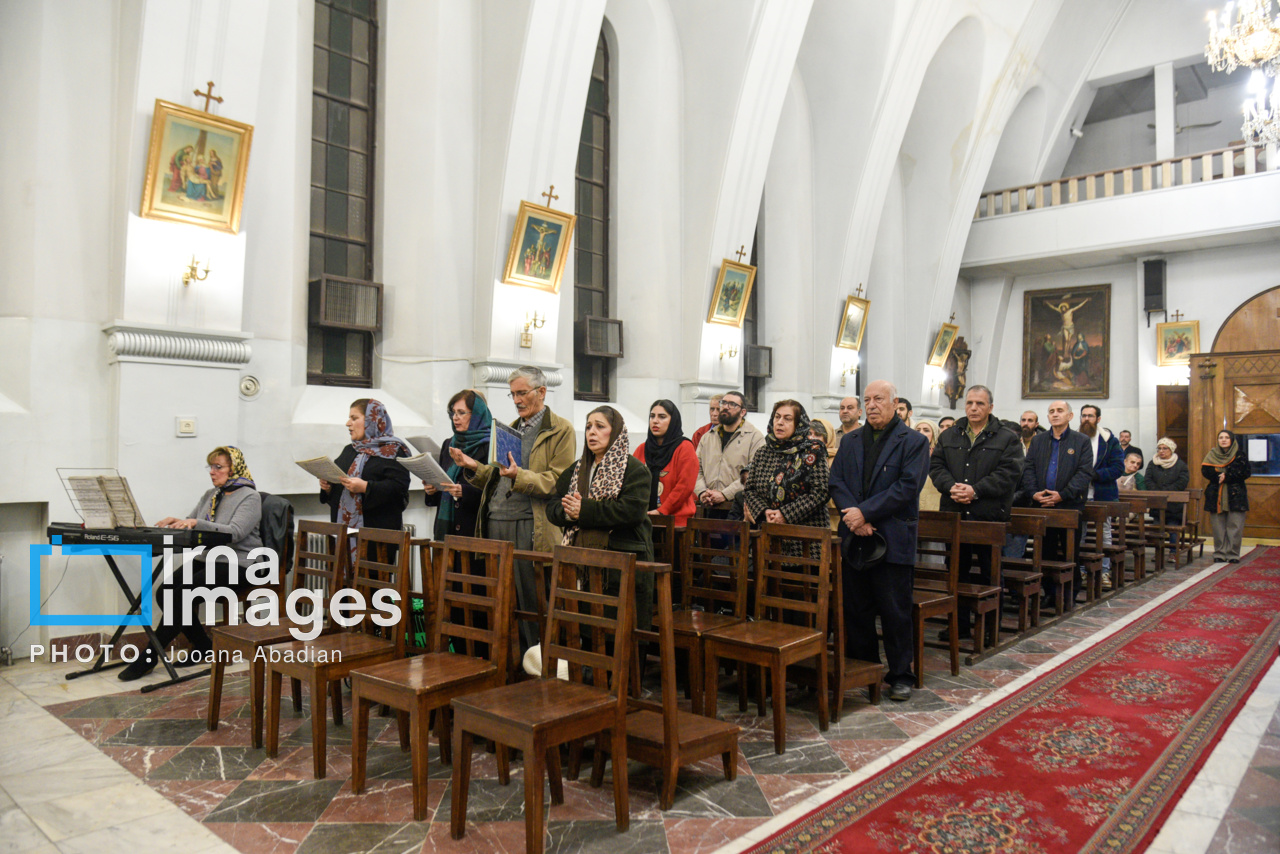
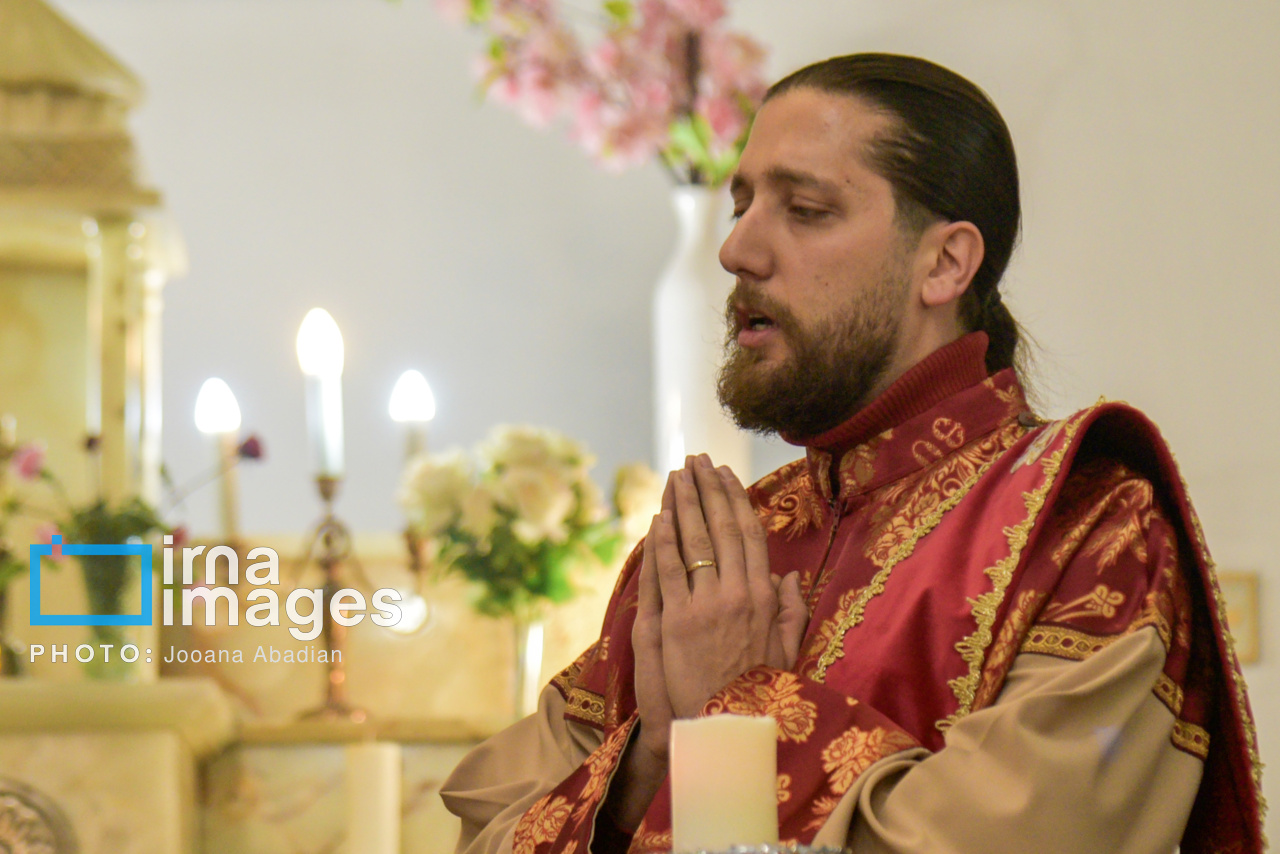
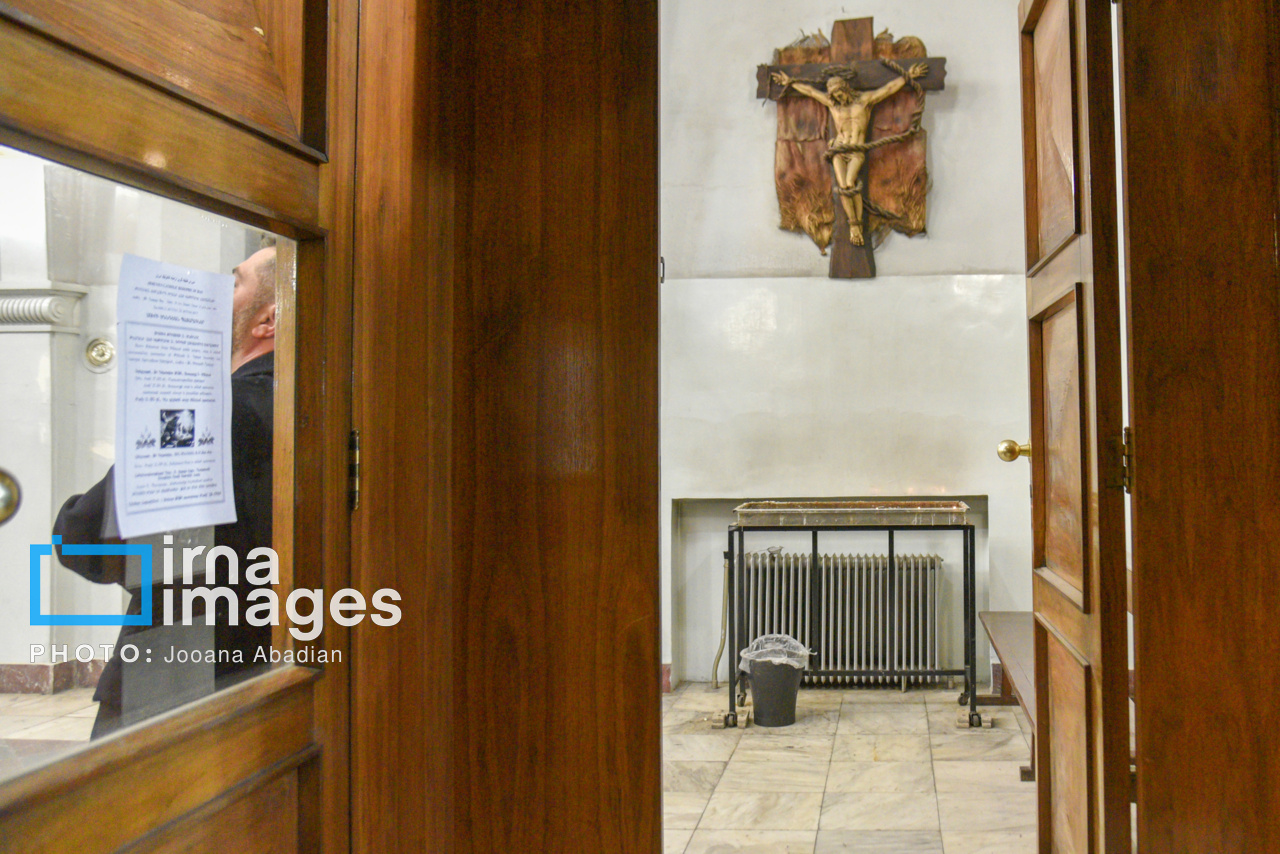
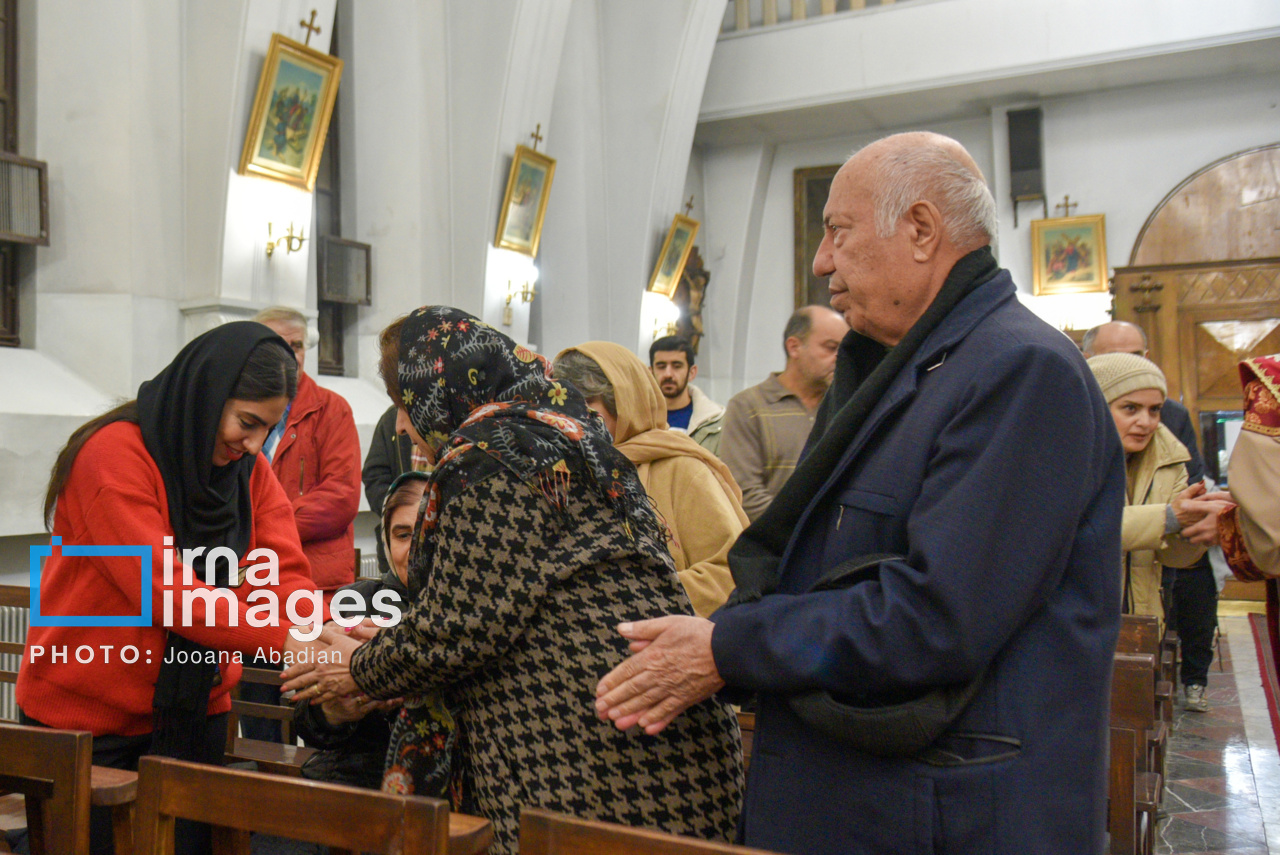
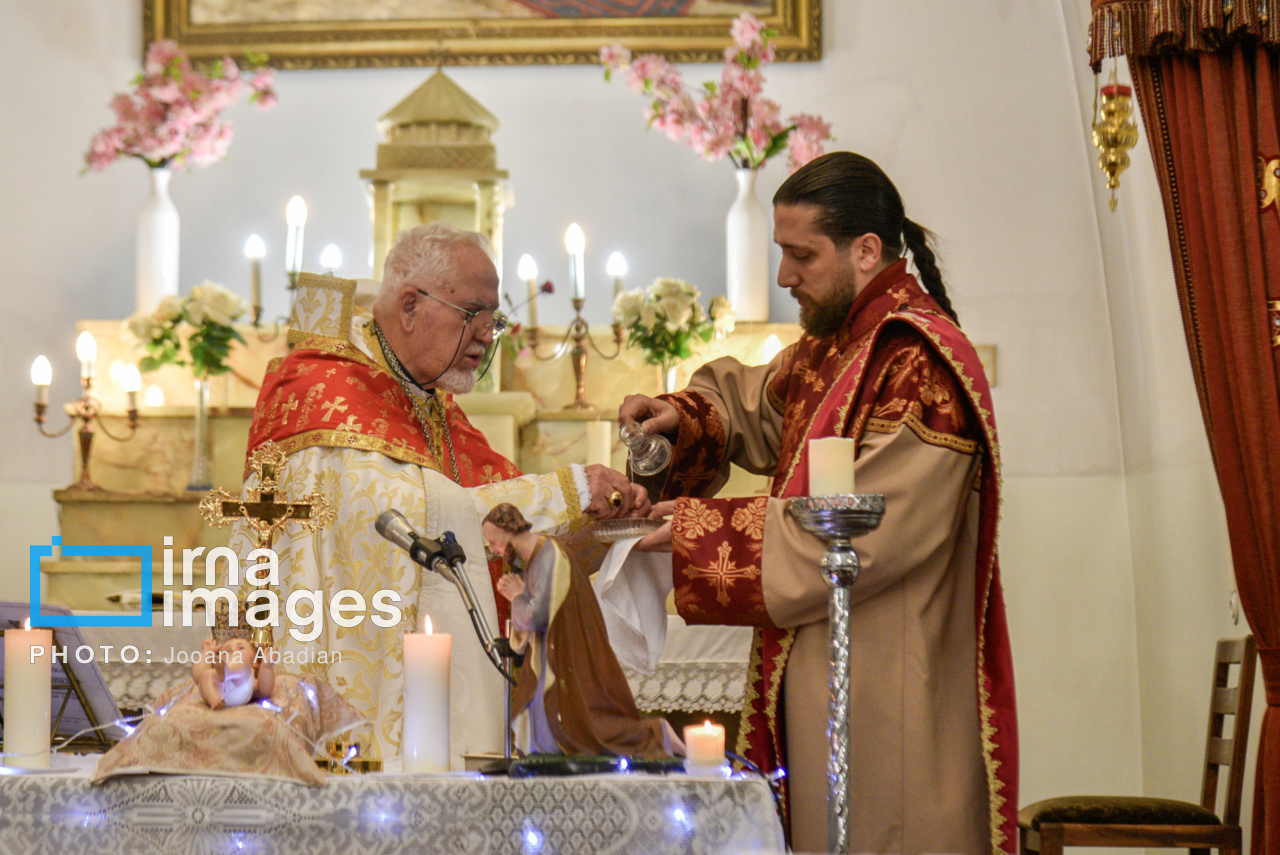
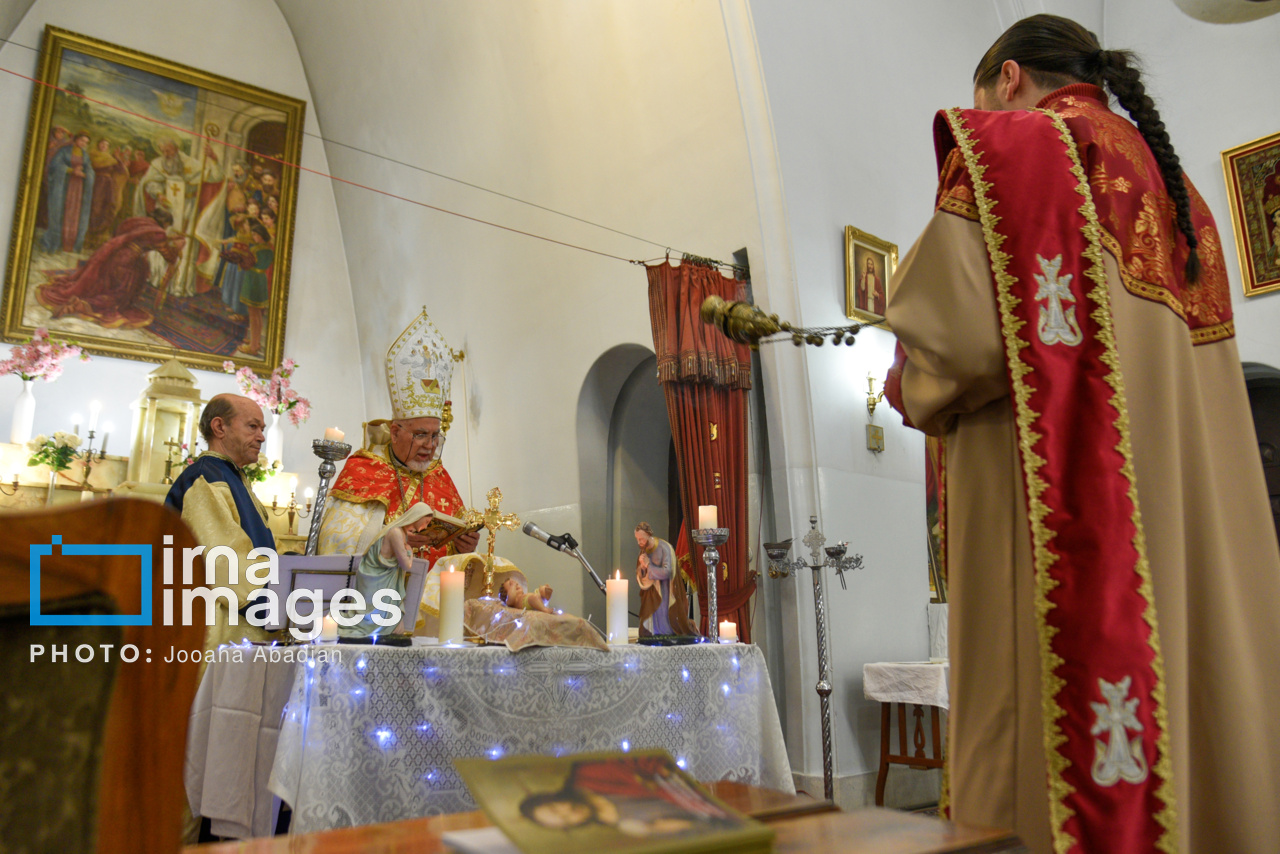
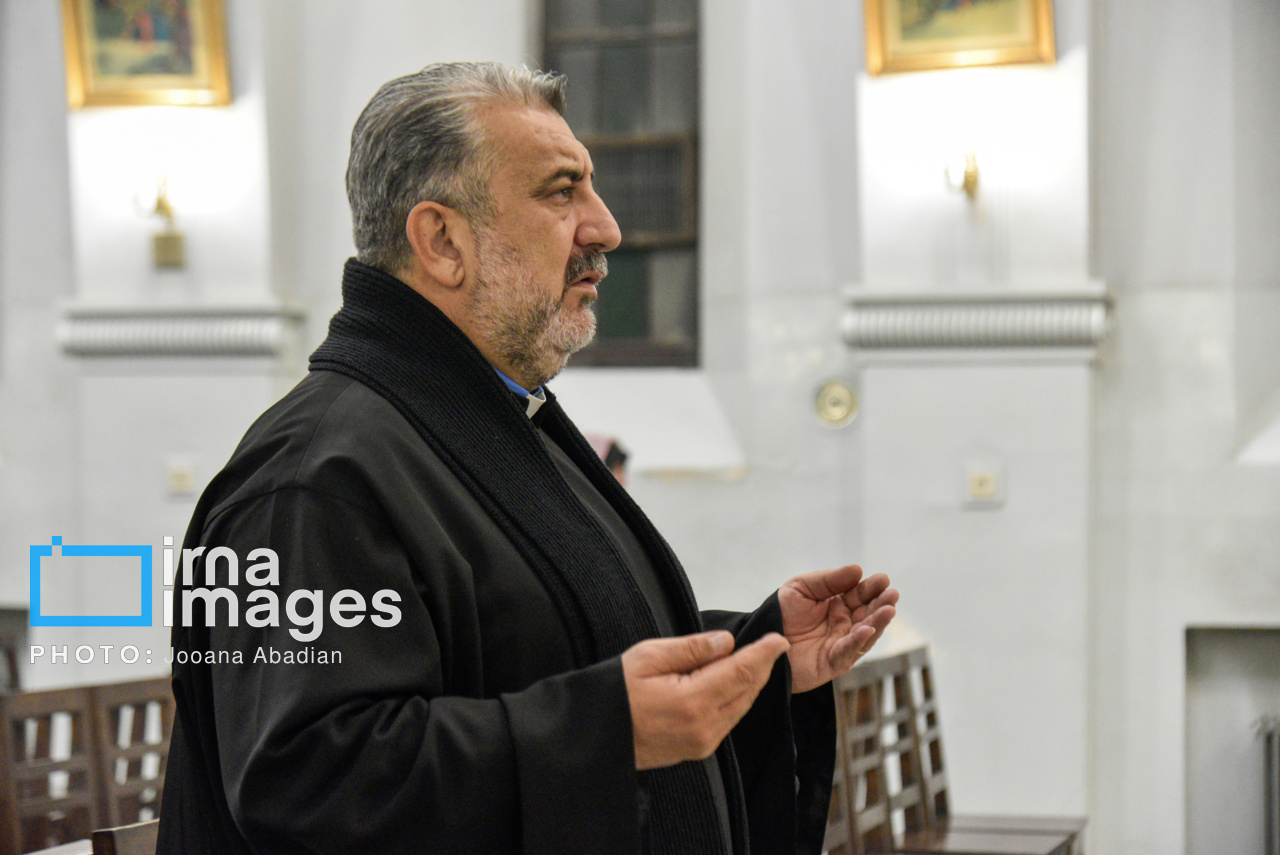
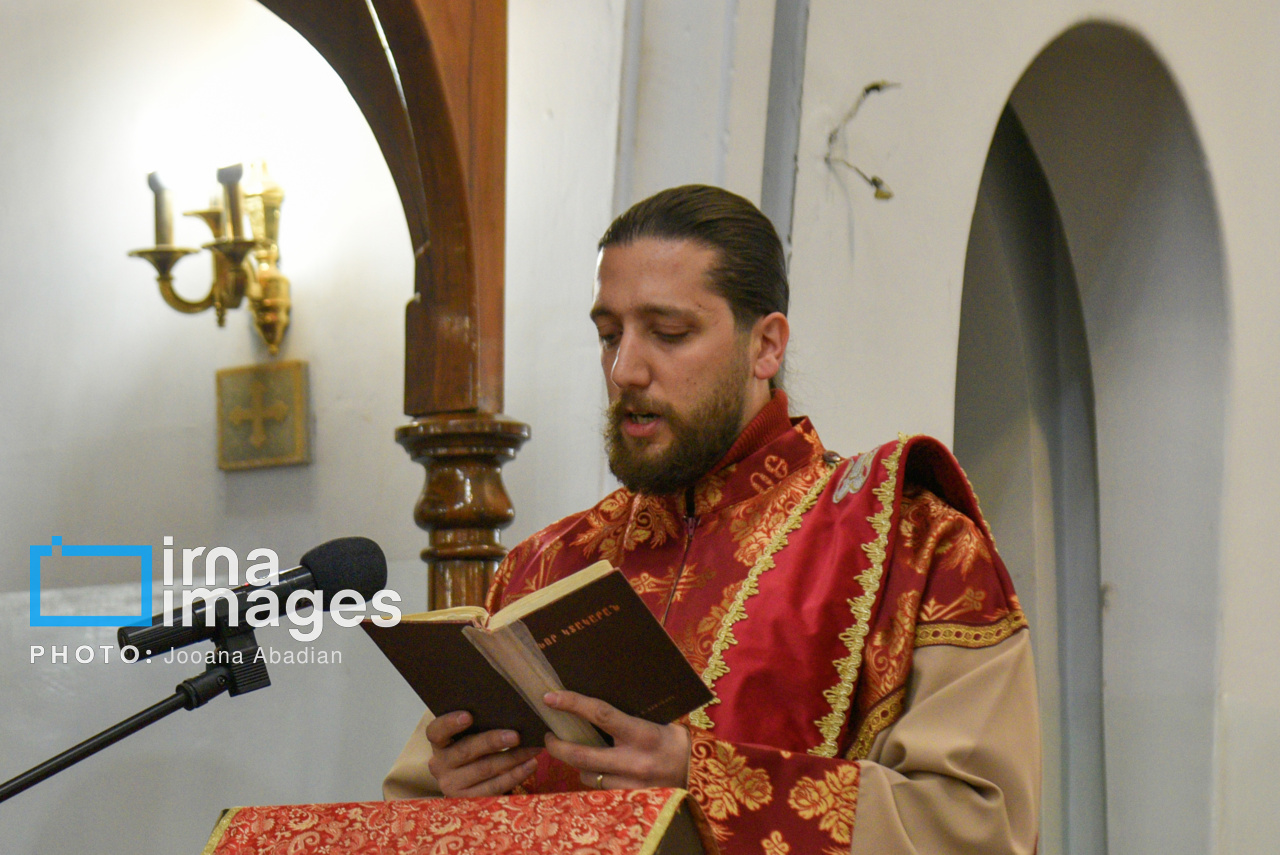
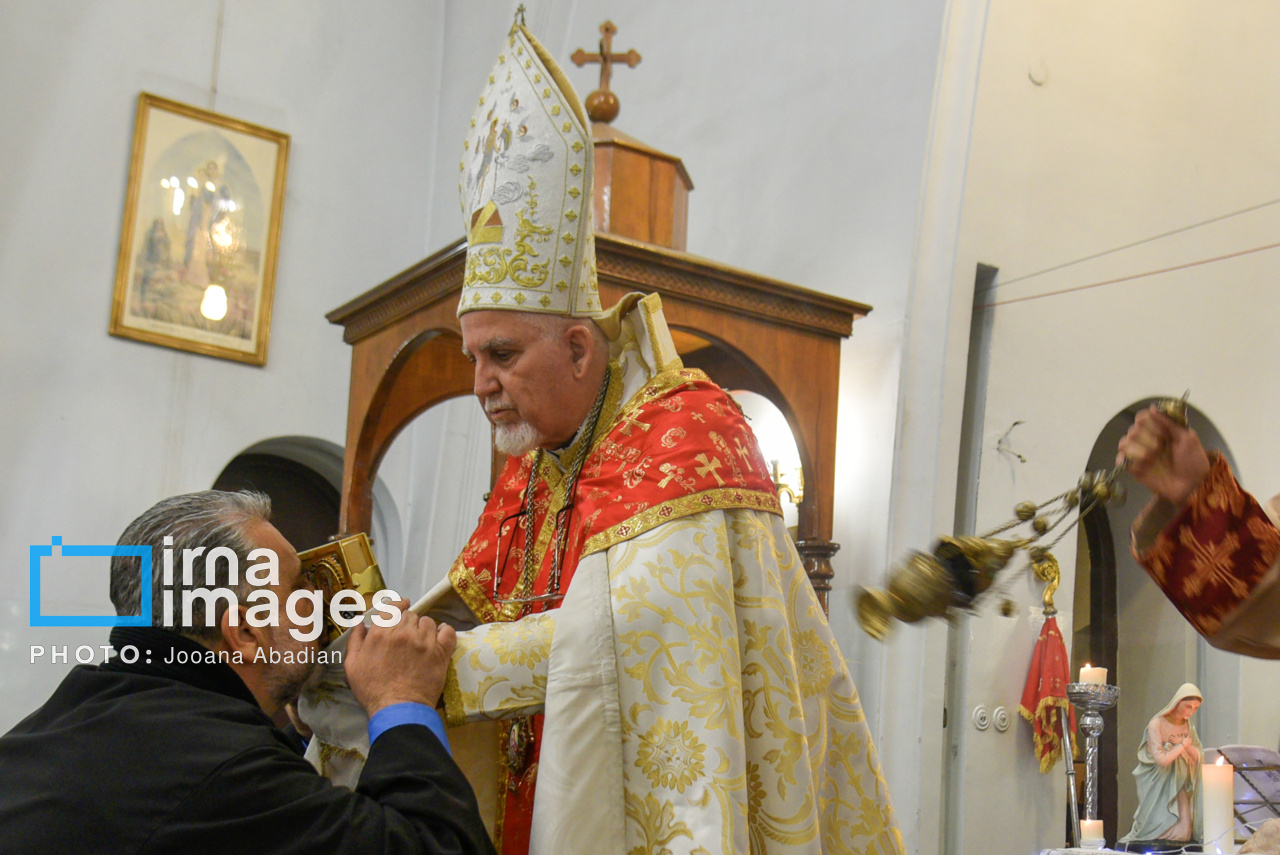
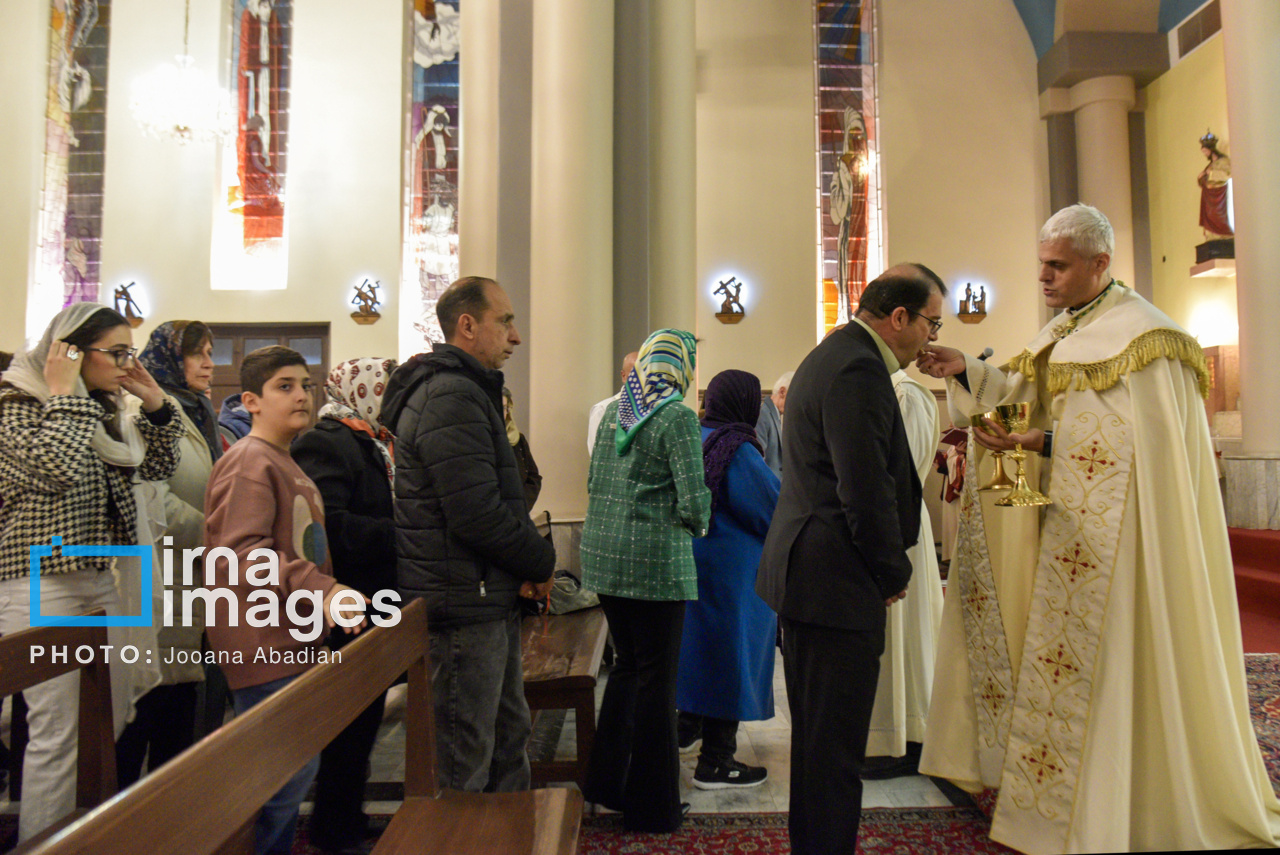
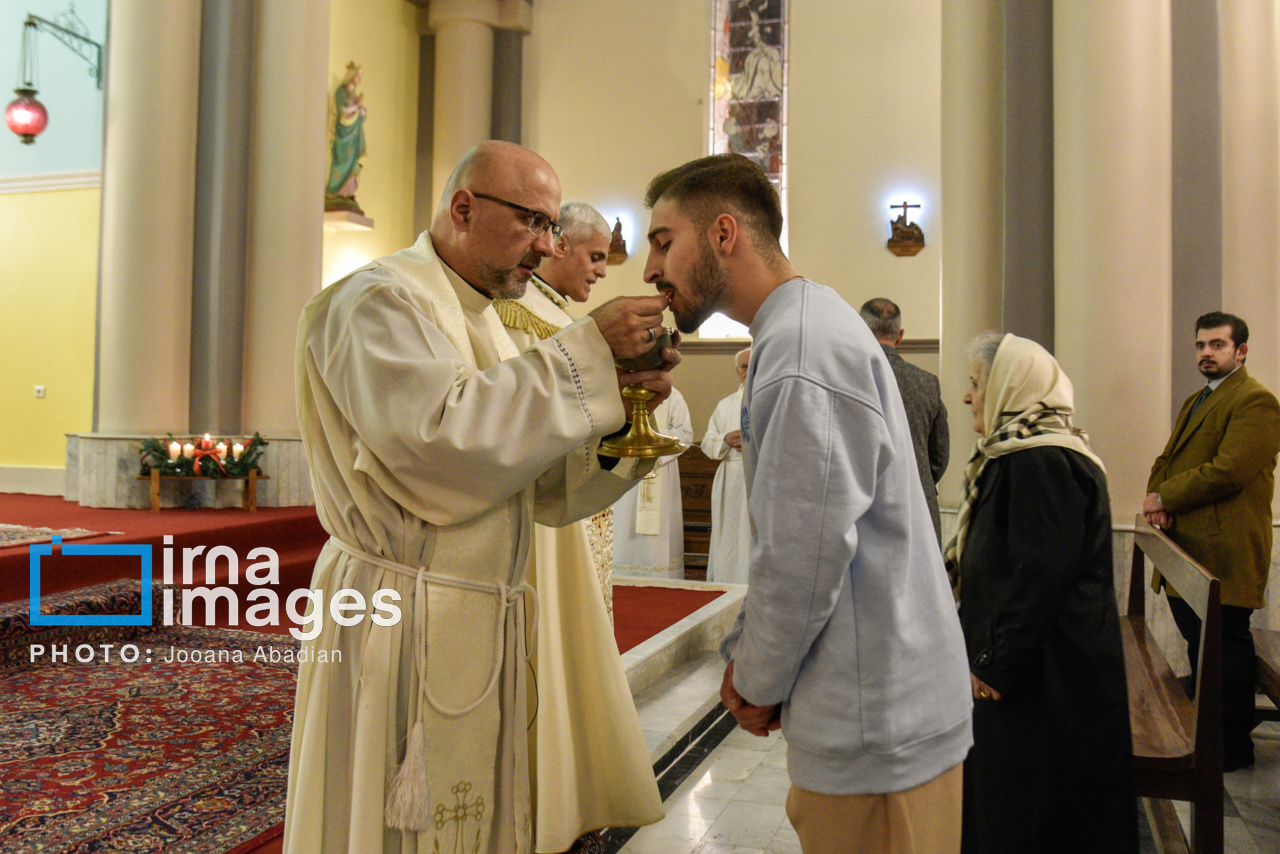
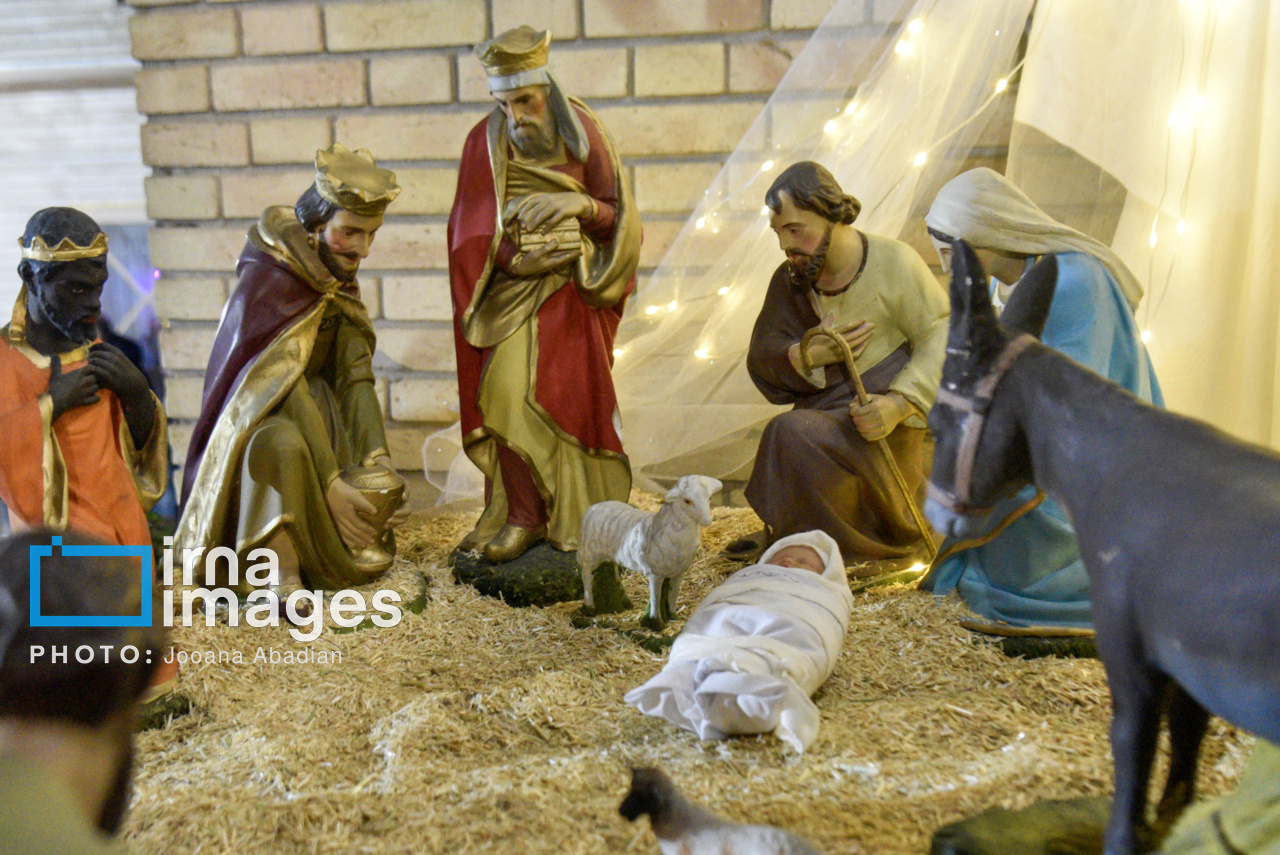
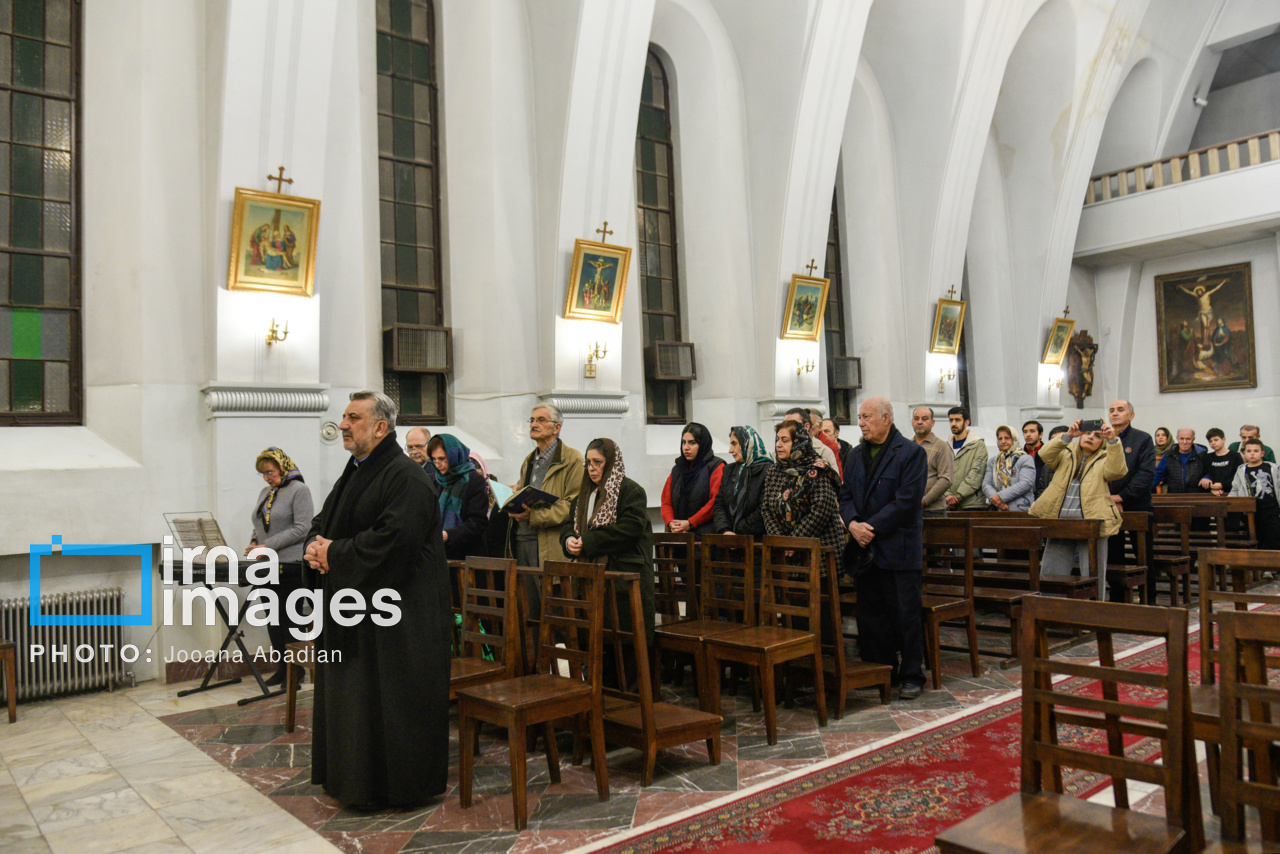
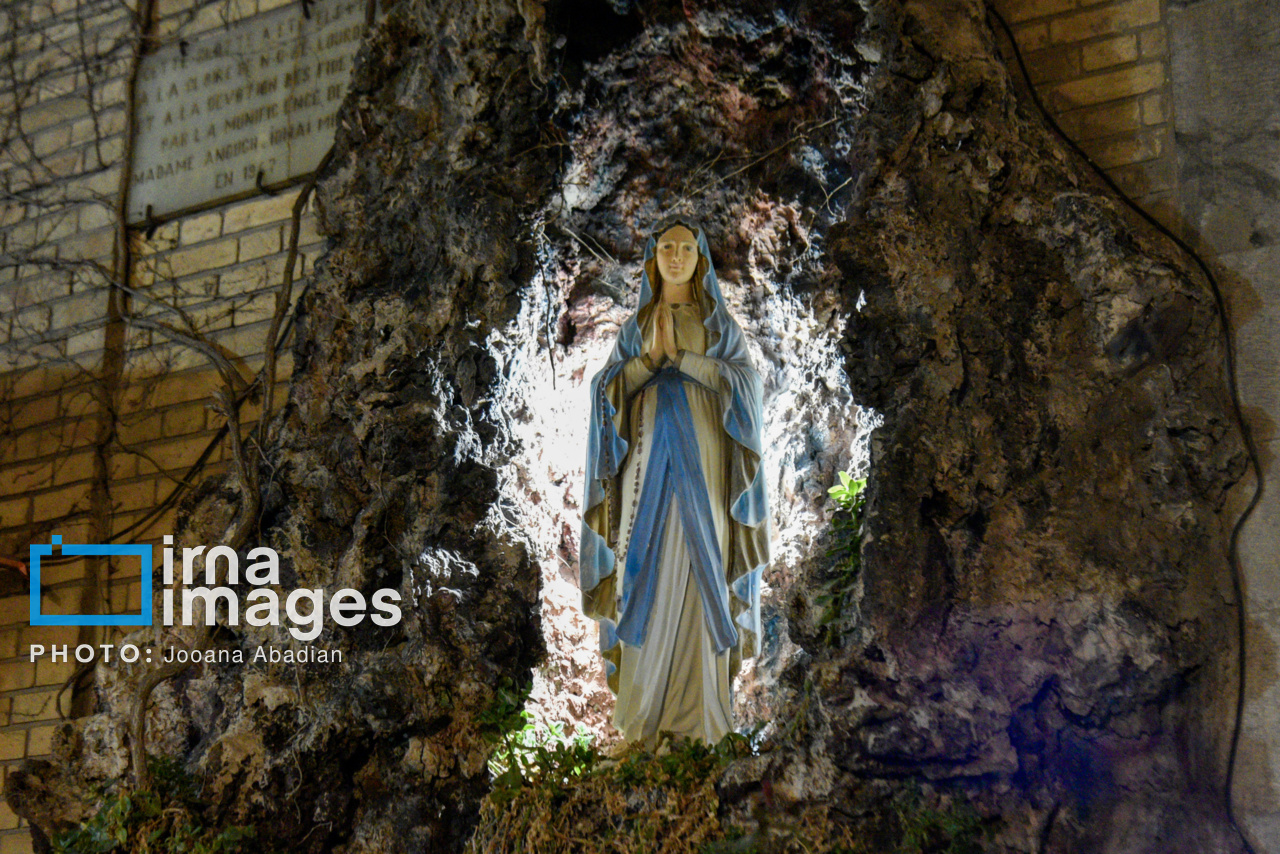
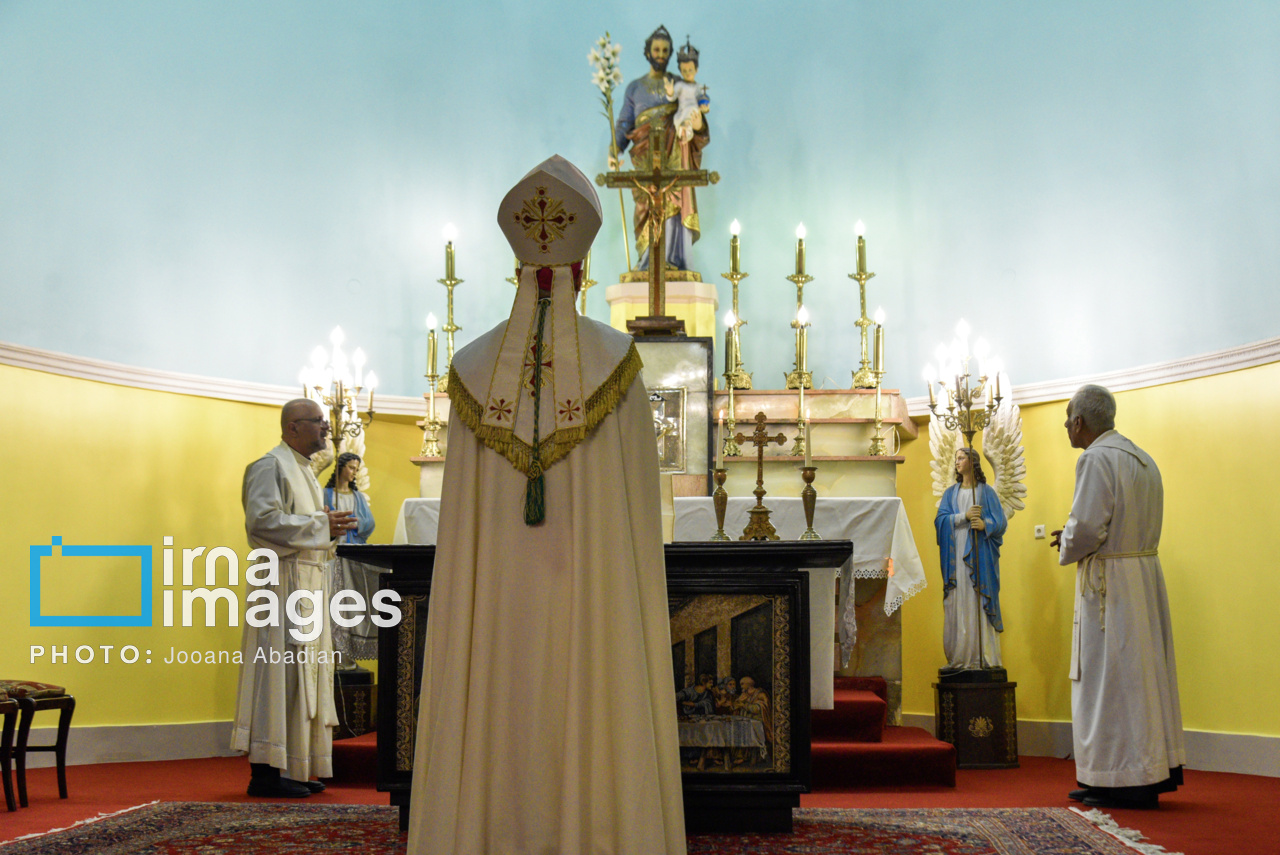
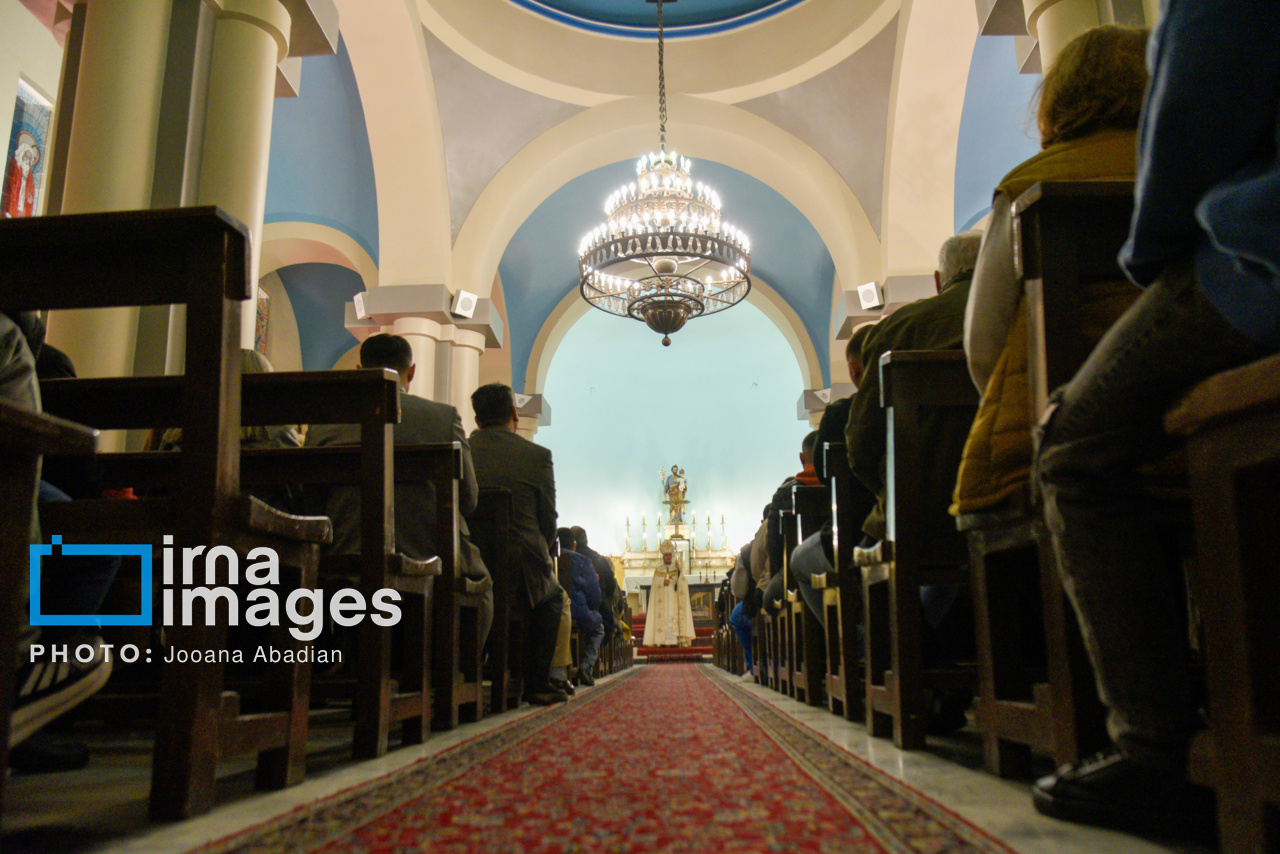
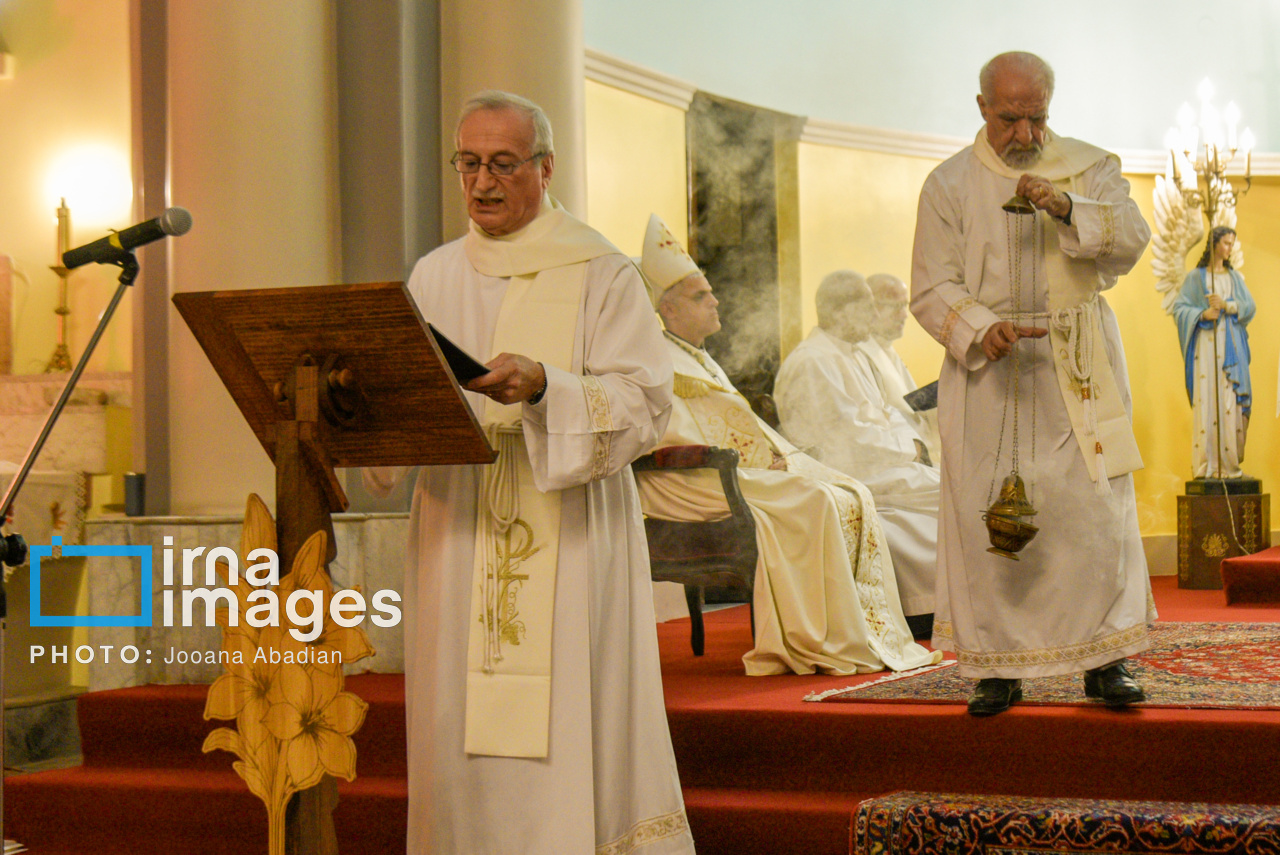
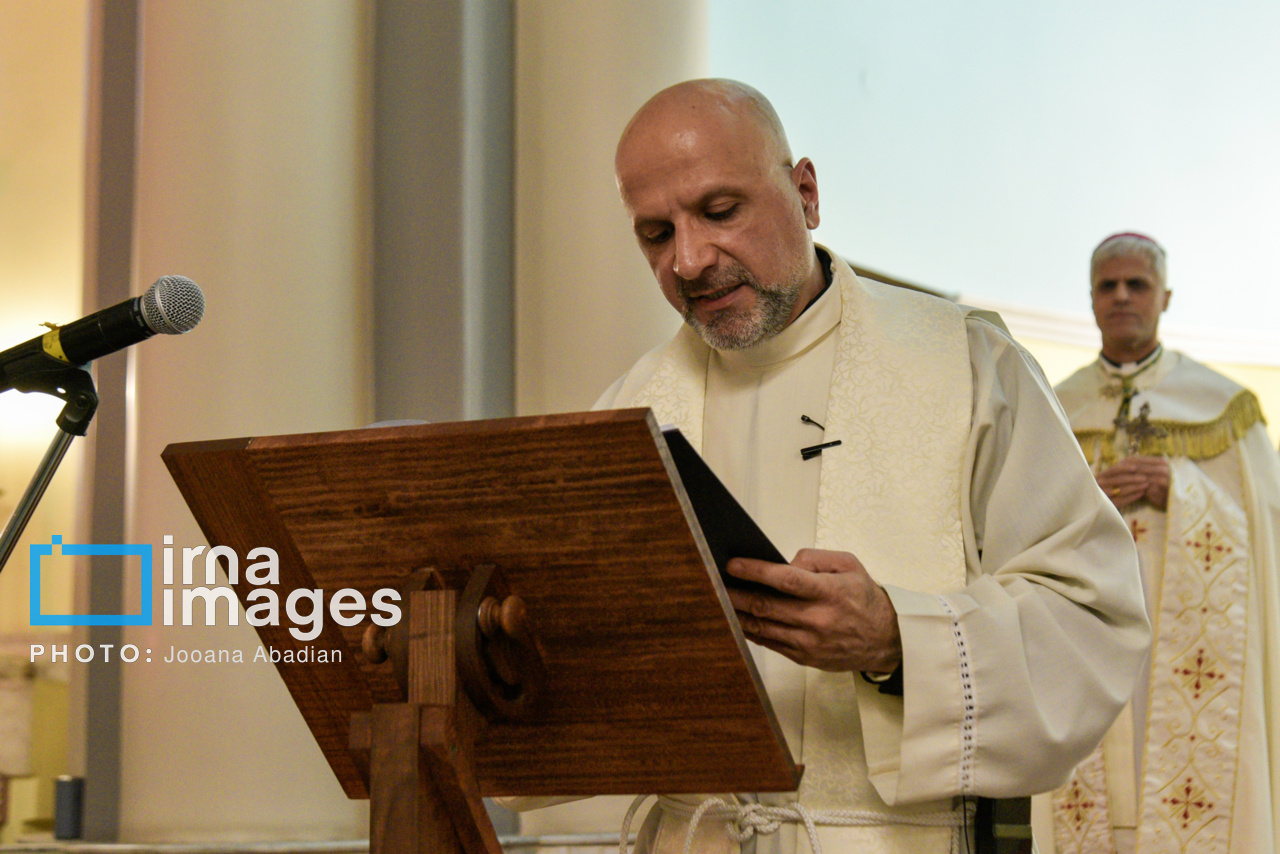
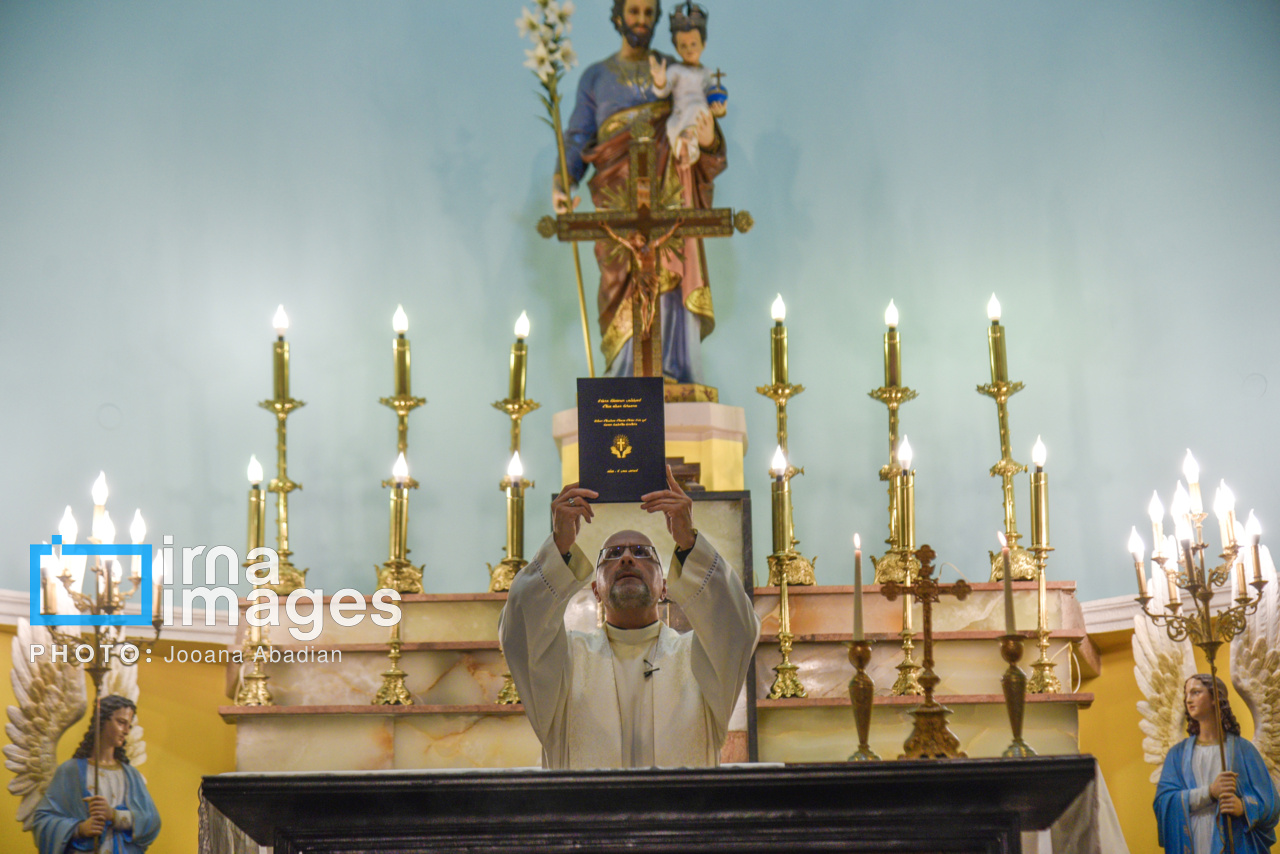
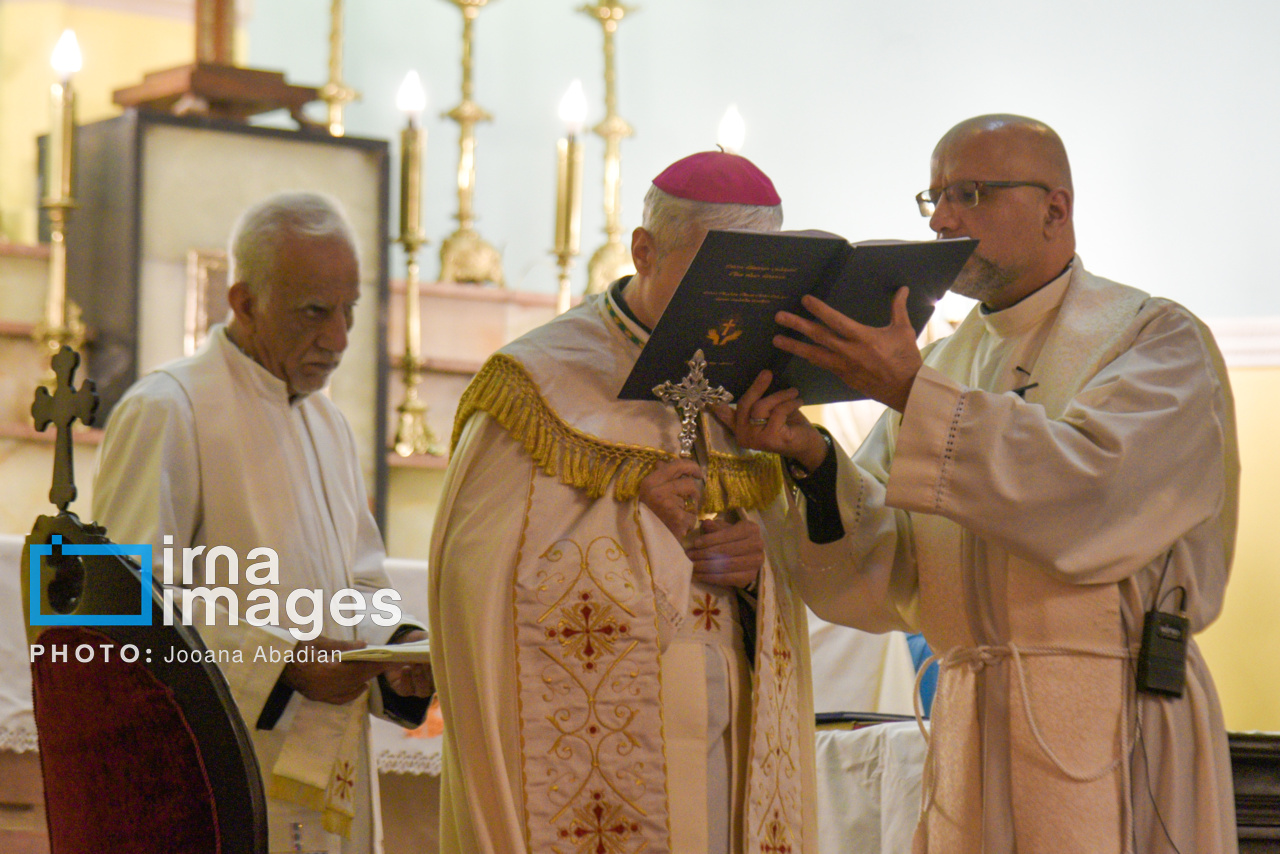
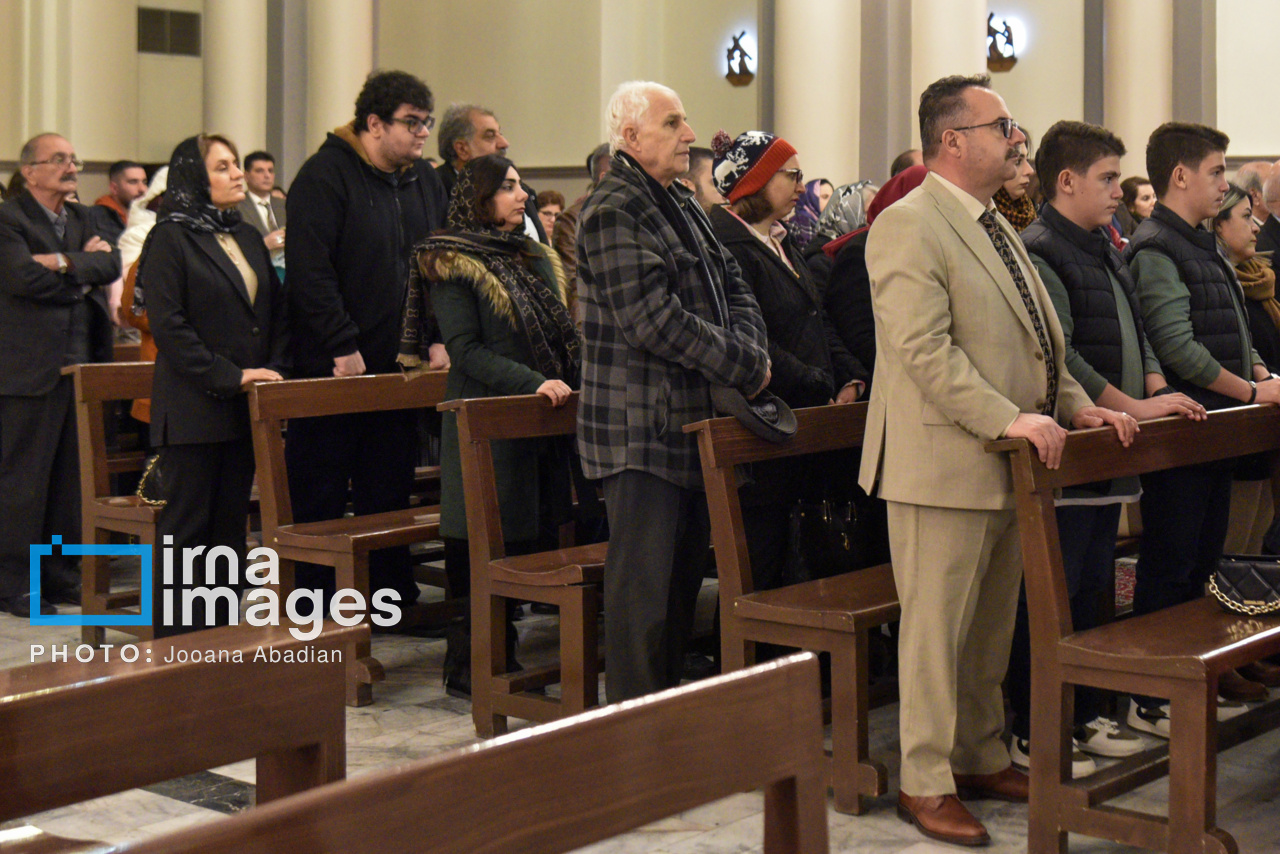
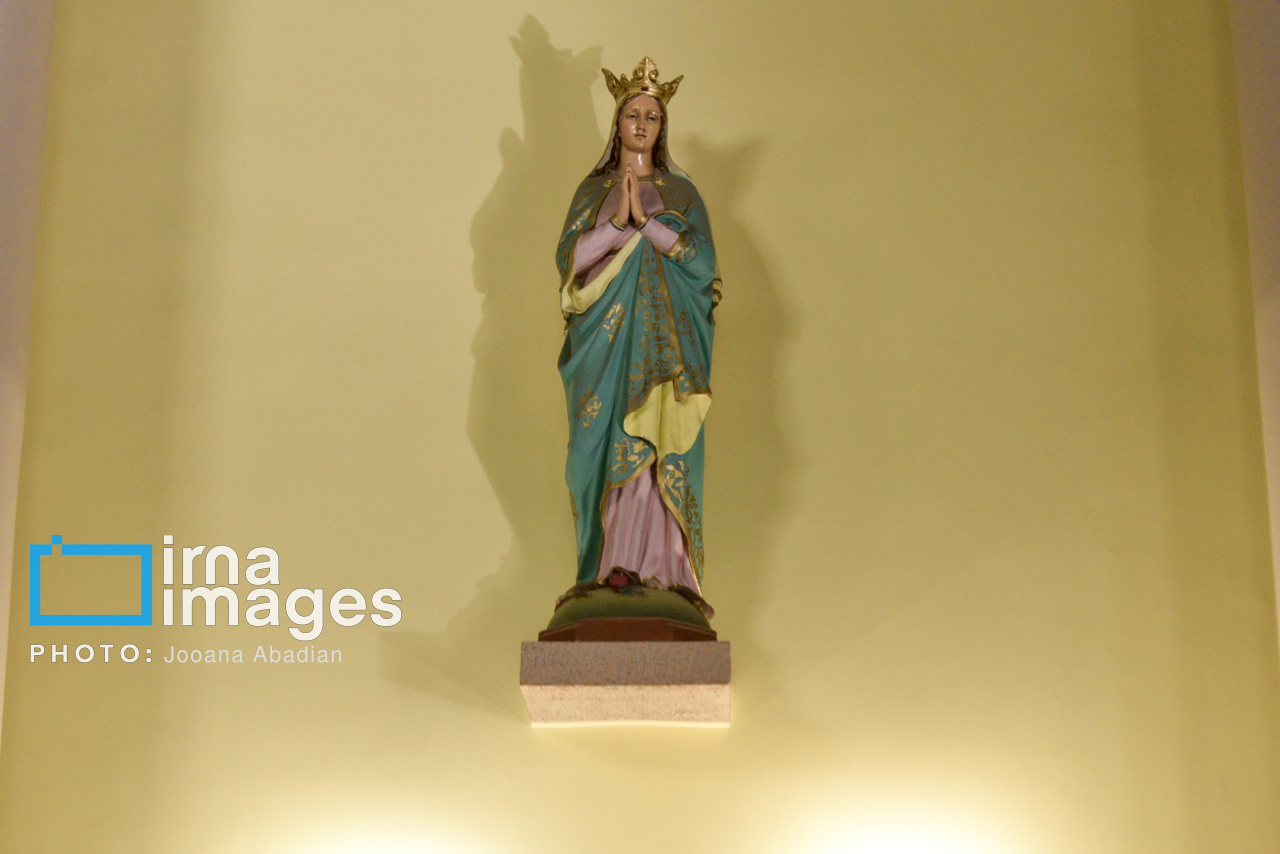
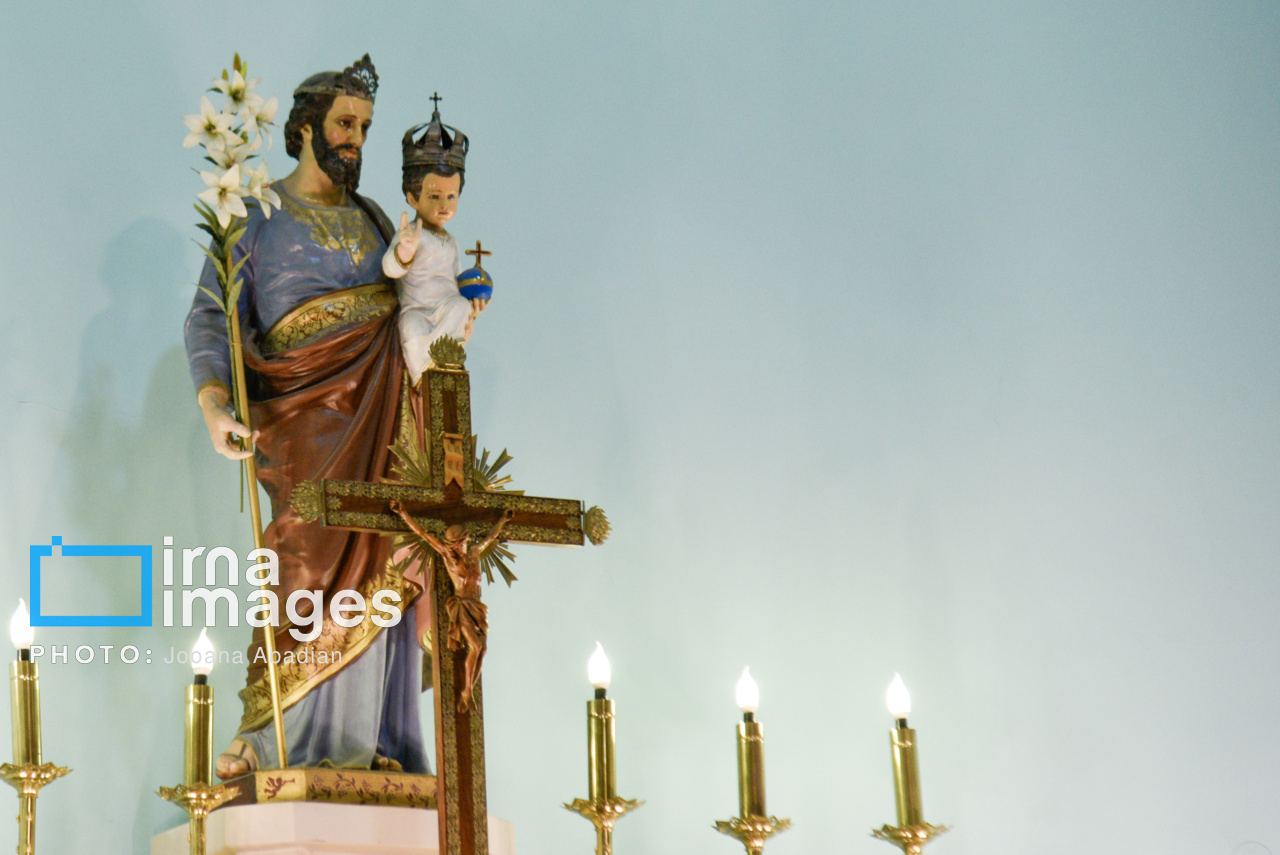
Christmas celebrations held at churches in Iran

The event brought together members of Iran’s Christian community, who gathered to celebrate Christmas in accordance with their religious traditions.

Similar ceremonies are held each year by Christians around the world to commemorate the birth of Jesus Christ.

The services included prayers and religious rituals, reflecting the significance of Christmas within the Christian faith.

More in pictures:

Iran police confirm ex-Afghan police chief killed in Tehran

Crime Scene

Media outlets reported that Sari, a senior security official under Afghanistan’s former government, was shot after leaving his workplace on Valiasr Street in Tehran.

He was hit in the head, taken to hospital, but later died from his injuries.

Iranian authorities have not yet released further details about the motive or suspects involved.

Sari was known as a prominent opponent of the Taliban and remained outspoken against the group after the collapse of the former Afghan government.

He reportedly maintained close contact with former Afghan security personnel living in Iran and was active in advocating for the rights of ex-military members, many of whom are based in the country.

He is the second former Afghan military commander opposed to the Taliban to be killed in Iran. Earlier, Marouf Gholami, a political and military figure close to anti-Taliban leader Ismail Khan, was shot dead at his office in Mashhad in September.

Senior IS leader killed: Syria

Daesh

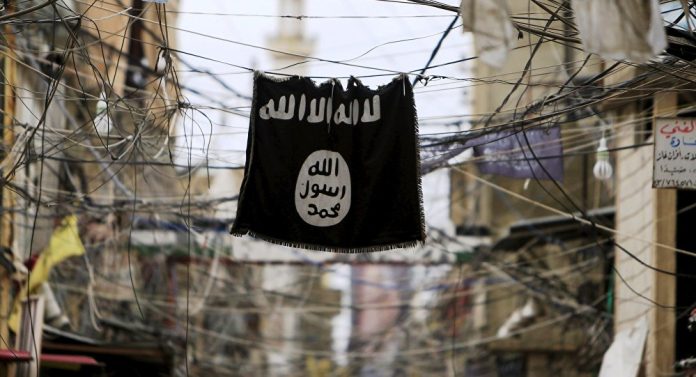
Syrian security and intelligence forces, working in coordination with the international coalition, conducted what the interior ministry described as a “precise security operation”.

“The operation resulted in neutralising the terrorist Mohammad Shahada, known as ‘Abu Omar Shaddad’, who is considered one of the prominent IS leaders in Syria,” it added.

“This operation comes as confirmation of the effectiveness of joint coordination between the national security agencies and international partners.”

Hours earlier, authorities said they captured Taha al-Zoubi, also known as Abu Omar Tabiya, an IS leader in Damascus, along with several of his men on Wednesday.

A December 13 attack killed two US soldiers and an American civilian. Washington blamed the attack on a lone IS gunman in Syria’s Palmyra.

In retaliation, US forces conducted strikes targeting scores of IS targets in Syria.

The strikes killed five members of the terror group, according to the Syrian Observatory for Human Rights.

In November, during a visit by interim President Ahmed al-Sharaa to Washington, Syria officially joined the US-led coalition against IS.


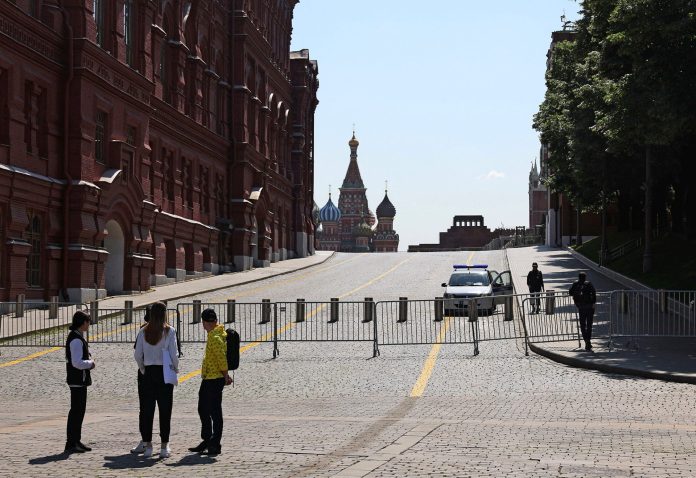
Russia responds to Zelensky’s ‘unhinged’ Christmas address

Kremlin

Zelensky published a video on his Telegram channel on Wednesday in which he wished Ukrainians a happy upcoming Christmas. However, in the same video, he also wished for a certain unnamed person – presumably Russian President Vladimir Putin – “to perish” before urging everyone to pray for peace.

Commenting on the video, Peskov said it appeared “uncultured, embittered, and coming from a seemingly unhinged person.”

“One wonders if he’s capable of making any rational decisions towards a political and diplomatic settlement,” the Kremlin spokesman added, referring to the ongoing Russia-US efforts to end the Ukraine conflict. Moscow has accused Kiev and its European backers of repeatedly undermining peace talks by making unacceptable demands.

Earlier this week, Zelensky unveiled Kiev’s 20-point version of the peace plan initially proposed by the US. In it, he largely ignored Russia’s concerns, demanding territorial concessions from Moscow despite its ongoing military gains. He also insisted on maintaining an 800,000-strong army, NATO-style security guarantees, expedited EU membership, and hundreds of billions in Western investments.

The plan also removed provisions linked to Russian language rights and the Ukrainian Orthodox Church, replacing them with loosely worded commitments to develop educational programs to promote tolerance and anti-racism.

Moscow has declined to comment on the proposal, but noted that it is being analyzed. Putin has repeatedly stated that Russia is open to negotiations but insists that any settlement must address the root causes of the conflict and reflect the territorial reality on the ground.


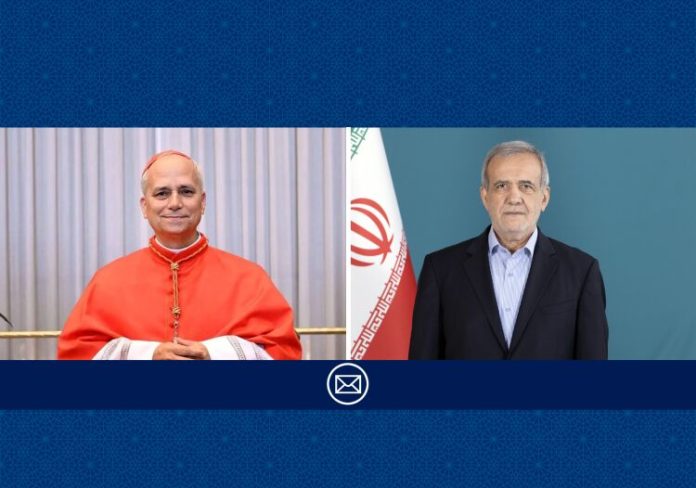
Iranian president extends Christmas wishes in message to Pope, all Christians

In a message on Thursday, Pezeshkian highlighted the spiritual virtues of Jesus, including freedom, justice, and compassion, praised in the holy Quran, as timeless examples for humanity.

He said that in an era when unchecked power by global superpowers drives the world toward conflict and destruction, resolving human challenges requires collective wisdom, reflection, and independent action by heads of state and scholars.

He also expressed hope that such efforts could pave the way for peace, security, and freedom for oppressed nations.

The Iranian president wished the Pope good health, prosperity for followers of Christ, and lasting peace and stability across the globe.

In a separate message to Christian leaders and peoples of countries celebrating the occasion, Pezeshkian said peace and the expansion of moral values across human societies are a longstanding human ideal that lead to happiness and human flourishing.

He added that all of God’s spiritual and revelatory attributes are embodied in Jesus Christ and that humanity can take him as a model.

The president expressed hope that, through joint efforts, peaceful coexistence, and justice-based action, peace and calm can be promoted in today’s turbulent world.


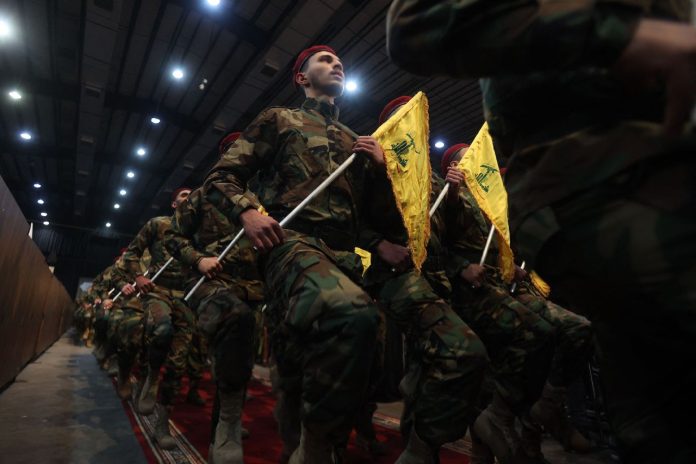
Hezbollah calls on Lebanese government to refute Israeli threats amid fears of escalation

Hezbollah

“The national priority is to end the Israeli occupation of the territory from which the (Israeli) enemy has not withdrawn, despite the November 27 ceasefire agreement,” Hezbollah’s parliamentary bloc said in a statement.

“The authorities in Lebanon must act decisively and avoid slipping into implementing conditions imposed by the enemy to humiliate our army and people and violate our sovereignty,” it added.

“The Lebanese people have the right to resist the occupation if it continues, and this is a legitimate right that needs no further validation.”

The statement comes as Tel Aviv has conditioned halting its attacks in Lebanon to the implementing a Lebanese government plan to disarm Hezbollah by the end of this year, a deadline that is only days away.

Hezbollah called for pressure on Israel to abide by its obligations under the ceasefire deal “without delay or conditions.”

Israel and Lebanon reached the ceasefire in November 2024 after more than a year of cross-border attacks amid the war in Gaza. More than 4,000 people were killed, and 17,000 others got injured.

Under the ceasefire, Israeli forces were supposed to withdraw from southern Lebanon in January but have only partially pulled out, maintaining a military presence at five border outposts.