Tuesday, December 30, 2025
Home Blog Page 2286

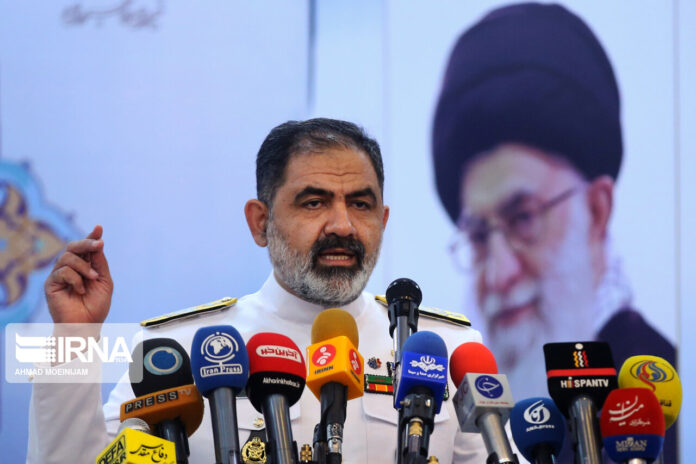
Iran navy chief in France for IONS

Before leaving Tehran, Irani told reporters, “Topic of the Indian Ocean Naval Symposium (IONS) is to ensure the security of the region.”

“The countries of the region are engaged in various fields, especially in the fight against piracy, maritime safety, and assistance to vessels in distress,” he said.

He is scheduled to hold bilateral, trilateral, and multilateral meetings on the sidelines of the meeting to improve the level of maritime relations.

Irani described the language of the sea as the common language of all countries and noted, “The conditions of the sea dictate security and peace to the world and all countries can stand together without intermediaries.”

He added, “The Islamic Republic of Iran has shown to the world that it can provide security in the North Indian Ocean.”

Iranian movie “Orca” wins audience awards at Qatar festival

Iranian feature film “Orca” directed by Sahar Mossayebi won Audience Award at the Ajyal Film Festival in Qatar.

“Orca” is a story of Elham, a divorced Iranian woman, who survives a horrific beating at the hands of her husband. Haunted by the traumatic experience and seeking to rediscover herself, she finds solace and salvation in the open expanse of water. Courageous, determined and encouraged by her father, Elham soon makes her mark as a formidable endurance swimmer. In the fight of her life, Elham faces political, ideological, and personal obstacles in search of her ultimate goal, the Guinness world record for swimming the longest distance with her hands bound.

The cast includes Taraneh Alidoosti, Masoud Karamati, Mahtab Nasirpour, Hassan Zarei, Sepideh Alaei, Hamideh Hamidi, Kazem Ebrahimzadeh, Shokoofeh Mousavi, Mobin Rastegar and Mahtab Keramati.

Ajyal Film Festival was held from November 7 to 13, 2021 in Qatar.

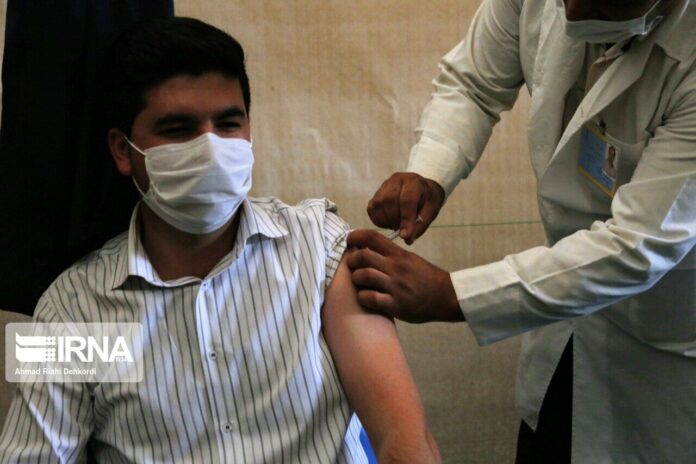
Iran to mete out penalties to employees avoiding Covid jabs

The organization’s deputy director for renovation says the punishments will be based on a recent ratification by the National Task Force against Coronavirus.

“The disciplinary measures are staged,” Allaeddin Rafiei said. “The first stage is a written warning notice without insertion in the employment record, the second stage is a written warning notice with insertion in the employment record and the third stage is deduction of a third of salary, job premium and similar [payment] titles for a maximum period of one month.”

The official added that more than 90 percent of the government employees were vaccinated by Friday and the rest may have a justifiable reason for not having received the vaccine. 

That, he said, includes cases who were told by physicians that the Covid vaccine may be harmful to them. However, he said it is not clear how many people who have not received the jab have justifiable excuses.

Palestinian activists defiant over Israeli criminalization and hacking

Palestinian civil society employees and political activists say they are determined to continue their work despite the criminalization of their organizations by Israel and the hacking of their phones with Pegasus spyware developed by Israeli company NSO Group.

On October 19, Israel designated six internationally renowned Palestinian civil and human rights organizations as “terror groups” under its domestic Anti-Terrorism Law, claiming they had connections with the left-wing Popular Front for the Liberation of Palestine (PFLP) group. The PFLP’s armed wing was active during the Second Intifada and carried out attacks against Israeli targets.

The rights groups deny any links to the PFLP and Israel has failed to publicly release any evidence to substantiate its claims.

The “terror” designation was followed by military orders in the occupied West Bank labelling the organizations as “unlawful” under British-era Defense Emergency regulations.

“I will carry on working to help Palestinians no matter what,” Salah Hammouri, a lawyer for Addameer prisoner rights group – one of the targeted organizations – told Al Jazeera.

Hammouri, a Palestinian-French national from Jerusalem, is one of six Palestinian activists that had their phones hacked by Pegasus spyware. He is also facing deportation after the Israeli Interior Ministry announced the revocation of his Jerusalem residency permit on the grounds of “breach of allegiance to the State of Israel”.

Afraid of being arrested and/or deported, he has been forced to relocate to Ramallah.

“I can’t leave Ramallah and return to my home in Jerusalem to see my family because if I cross a checkpoint I may be arrested,” he said, adding, “I don’t sleep at night because every time I hear noises outside I think it’s Israeli soldiers.”

In addition to Addameer, the five other civil society and human rights organizations include Al-Haq rights group; the Union of Palestinian Women’s Committees (UPWC); the Union of Agricultural Work Committees (UAWC); the Bisan Center for Research and Development; and the Palestine chapter of the Geneva-based Defense for Children International organization.

Some of the groups conduct a range of critical human rights work – including documenting Israeli rights abuses, providing legal aid to detainees, conducting local and international advocacy, and working with the International Criminal Court and the United Nations.

Others, such as the UAWC, provide hands-on aid to Palestinians, including by rehabilitating land at risk of confiscation and helping tens of thousands of farmers in Area C – the more than 60 percent of the occupied West Bank under direct Israeli military control, and where all illegal Israeli settlements and settlement infrastructure are located.

Ghassan Halaika, a Jerusalem-based researcher with Al Haq, recently noticed strange things happening with his phone.

“There were some bizarre things happening on my phone such as people receiving calls from me which I hadn’t made,” Halaika told Al Jazeera.

As a result of his concerns, Al Haq asked Front Line Defenders, an Irish-based human rights organization, to investigate the matter.

Following an extensive forensic investigation, Front Line discovered that in addition to Halaika’s phone, which had been under surveillance since June 2020, at least five other phones belonging to employees of the six organizations and other rights activists had been infected with Pegasus spyware.

The study was peer-reviewed by Citizen Lab, whose research includes investigating digital espionage against civil society, and Amnesty International’s Security Lab.

Addressing a press conference in Ramallah last week via video link, Front Line Defenders’ Mohammed Al Maskati, who is also the head of the Bahrain Youth Society for Human Rights, stated that further forensic investigation of 75 iPhones used by Palestinian human rights defenders and employees of civil society organizations had revealed that at least five additional devices were also hacked.

On November 3, the US Department of Commerce announced the placement of the NSO Group on its “entity list” – effectively banning the business as it said those tools had enabled foreign governments to conduct transnational repression which threatened rules-based international law.

Halaika said he was devastated at the investigation’s findings.

“I never thought that things could go this far,” he continued, adding, “Can you imagine how you would feel if you knew that your every movement and telephone conversation was being monitored by unknown people, that your safety was compromised and that you had no privacy?”

“It felt like I was living in the twilight zone,” he continued.

Halaika noted he had changed phones but was aware that living in occupied East Jerusalem, which is heavily monitored by the Israeli authorities, he would be subject to all sorts of other surveillance such as Israel’s facial recognition programme, which is integrated into street cameras and other forms of surveillance.

“I’m trying to continue my work as normal but it’s not easy,” Halaika said, adding, “What really hurts is that confidential information I had worked on with private contacts, in regard to pursuing Israeli war crimes at the International Criminal Court, was uncovered during the surveillance and has hurt some of my contacts.”

Halaika told Al Jazeera he was afraid of being arrested by Israeli forces, particularly as Israel’s administrative detention policy of Palestinians can be carried out on the basis of secret evidence with the detention orders renewed every six months.

The phone of Ubai al-Aboudi, executive director of the Bisan Centre for Research and Development, an NGO and non-profit organization which conducts social mobilization for Palestinian rights, was also infected with Pegasus spyware.

“This is more than just eavesdropping, it’s terrifying. The spyware takes complete control over the phone. It can make calls to anybody, send messages and it can download content,” Aboudi told Al Jazeera.

“Whoever is operating the surveillance equipment could phone somebody in the Islamic State [ISIL/ISIS] and then say I have been dealing with terrorists,” Aboudi added.

Aboudi said the violation had affected his daily life because all his contacts were on his phone, as well as his alarm and his diary. He said he had been forced to get a new phone and re-upload all the relevant information.

He acknowledged that there was a real possibility that his office could be raided by the Israelis but said he would not be removing files or sensitive material because this was not in accordance with Palestinian or international law and that his organization was not an armed group that should be forced to work underground.

“It’s also placed pressure on my staff and increased their workload,” he added.

“We are a small office with seven employees and have been forced to focus on responding to the false allegations against us while increasing our advocacy work against the ‘terror’ designation instead of concentrating on our normal human rights work,” he said.

Iran VP visits qukae-hit areas in Hormozgan Province

Mokhber said upon arrival in Hormozgan that his visit is meant to monitor the situation and sympathize with the victims.

He, and his accompanying delegation including the health minister, then visited some of the worst-hit villages, including Western Gishan, Rezvan and Fin.

The village of Fin was the epicenter of the earthquake, which hit the province in the afternoon on Sunday and was felt across the Persian Gulf in the United Arab Emirates and Saudi Arabia. It was followed by a magnitude 6.3 tremor in the same area. Many aftershocks have so far been recorded in the area.     

Meanwhile, the director general for crisis management in Hormozgan province said electricity and water supply to all affected areas were restored on Sunday night.

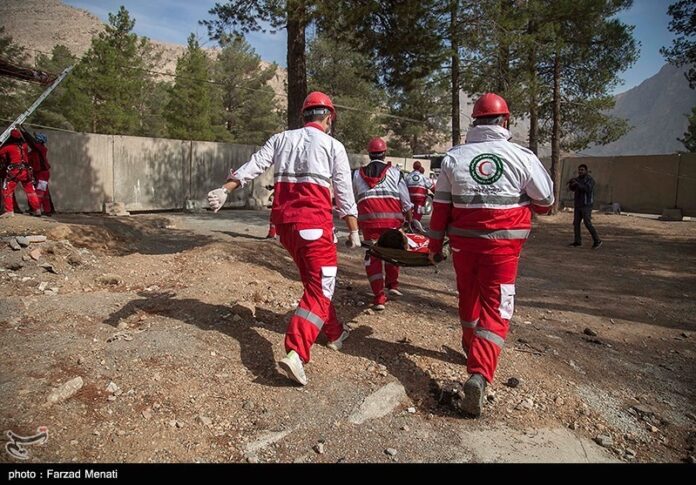
Latest figures by the Medical Services Organization of Iran show the tremor injured 70 people, 22 of them remain in hospitals. One person also lost his life in the quake.


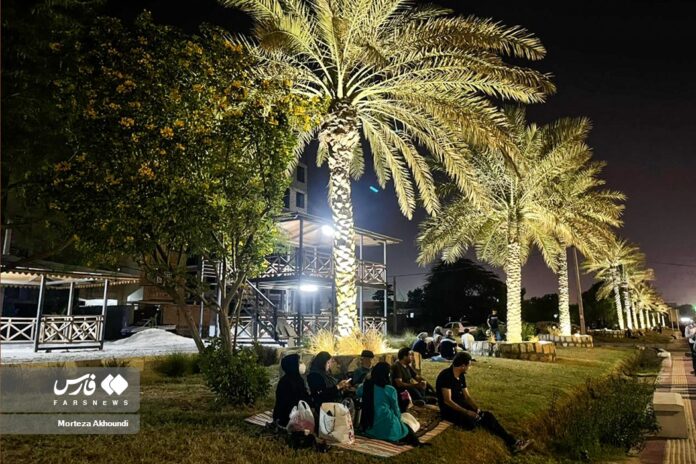
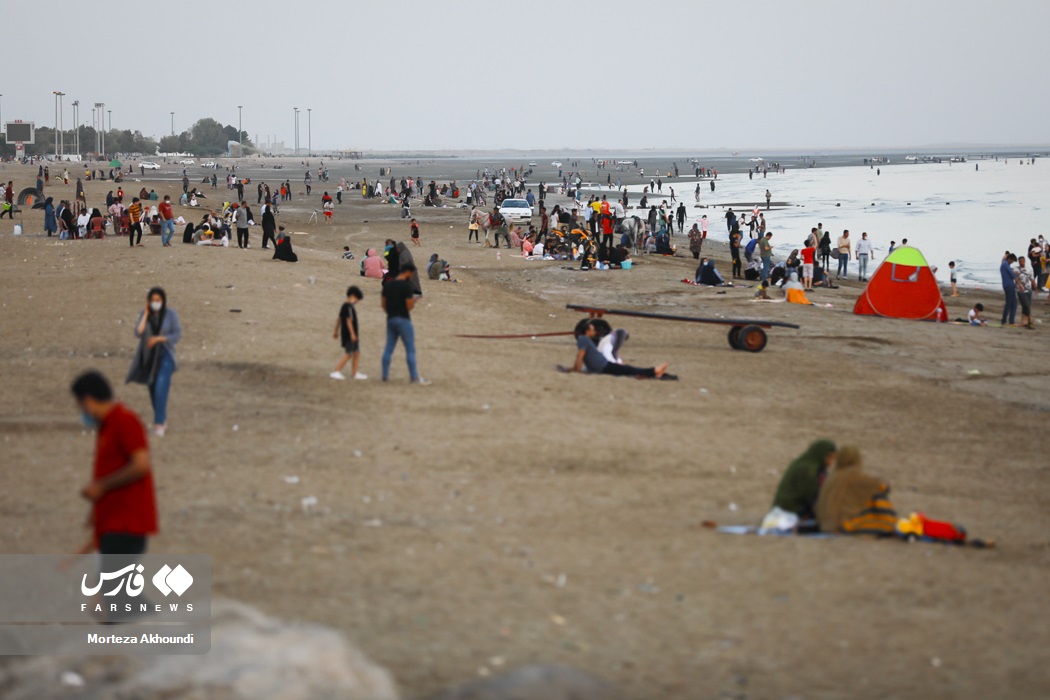
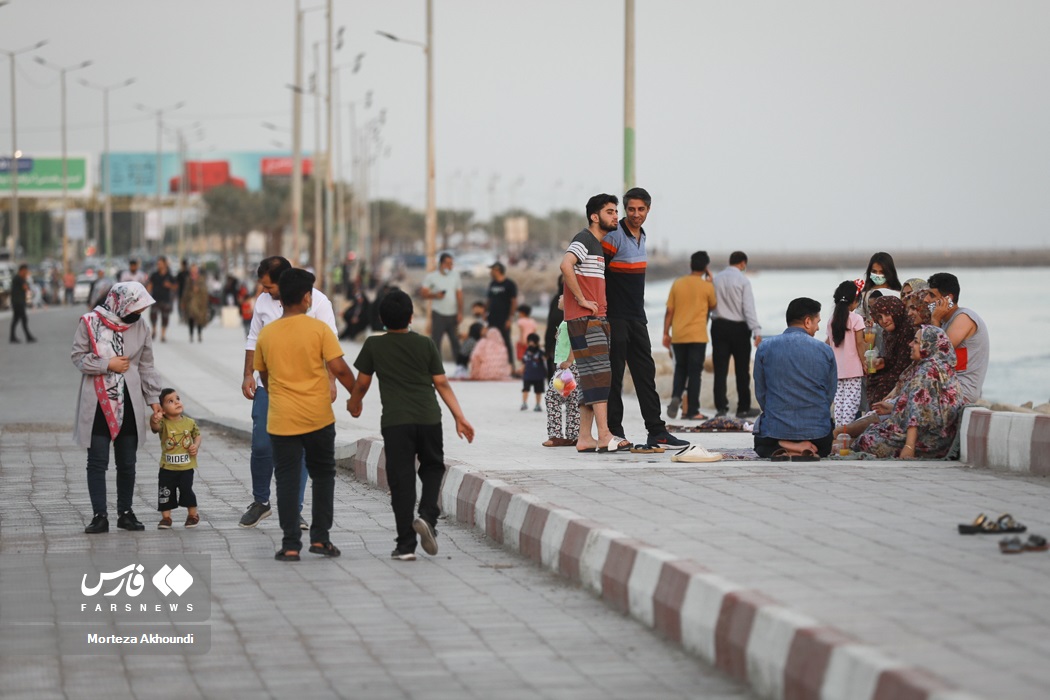
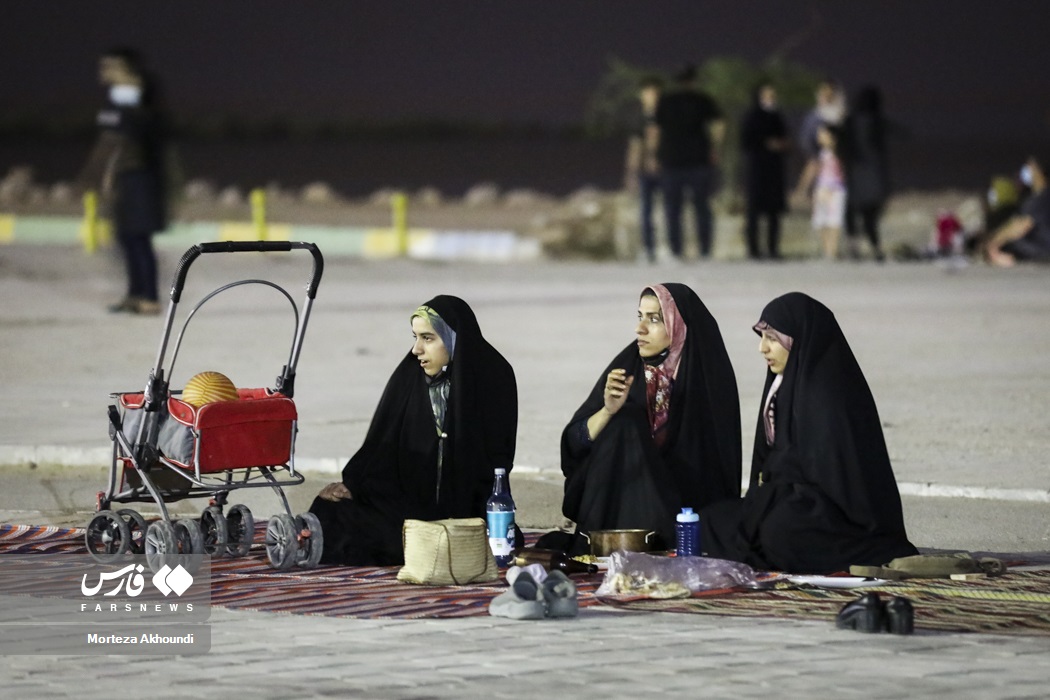
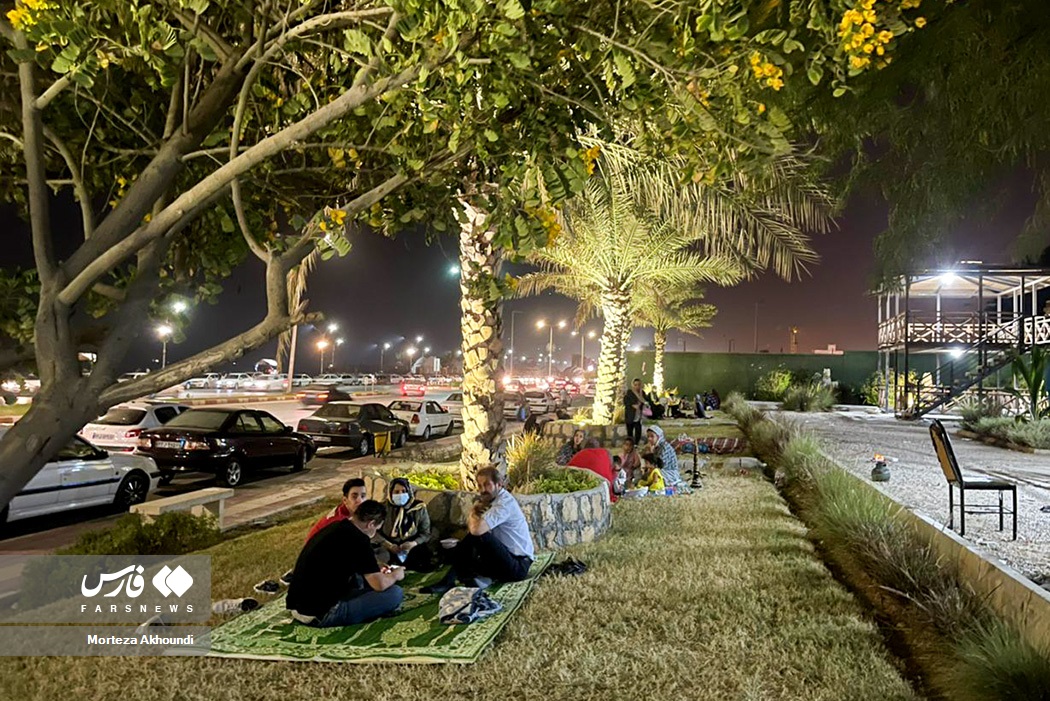
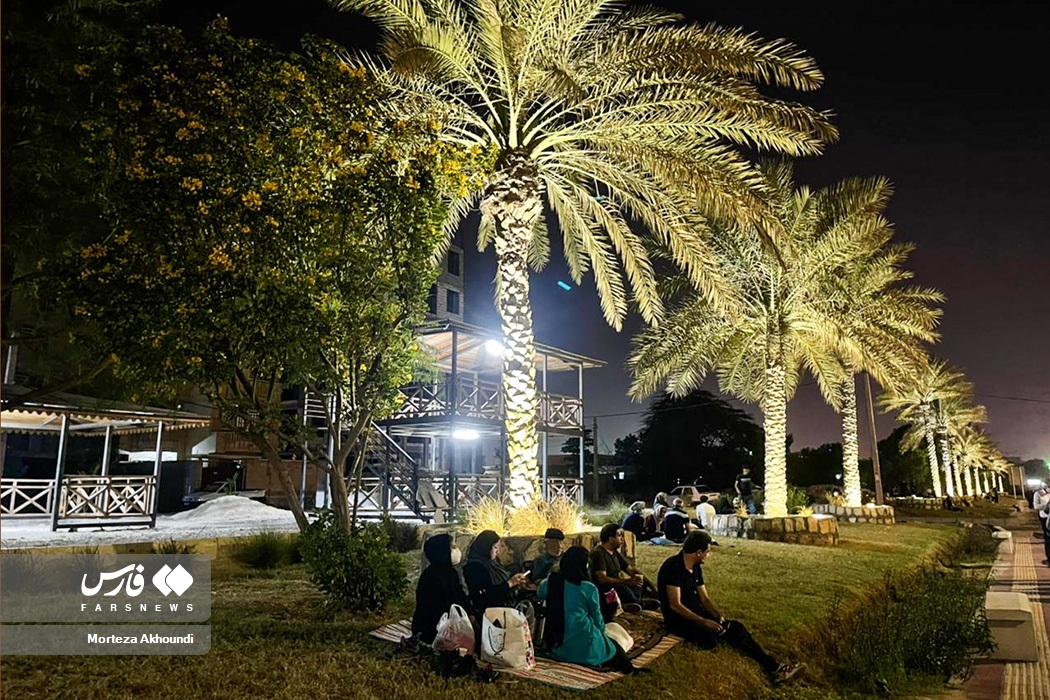
People of Bandar Abbas out on streets following earthquake

The earthquake was also felt in major cities in southeastern Iran.

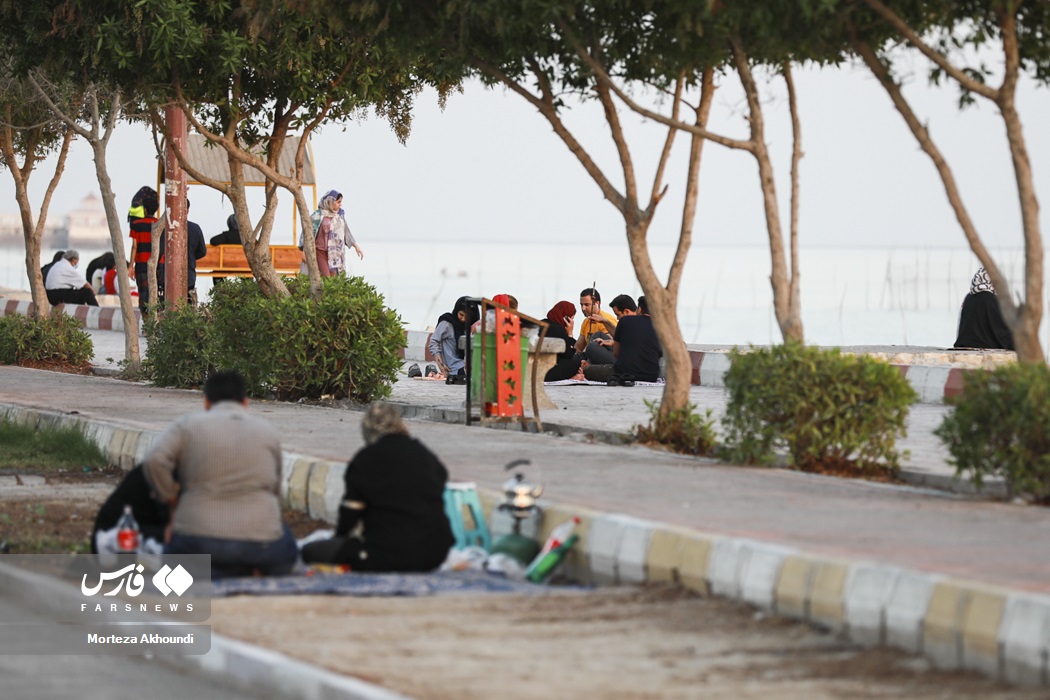
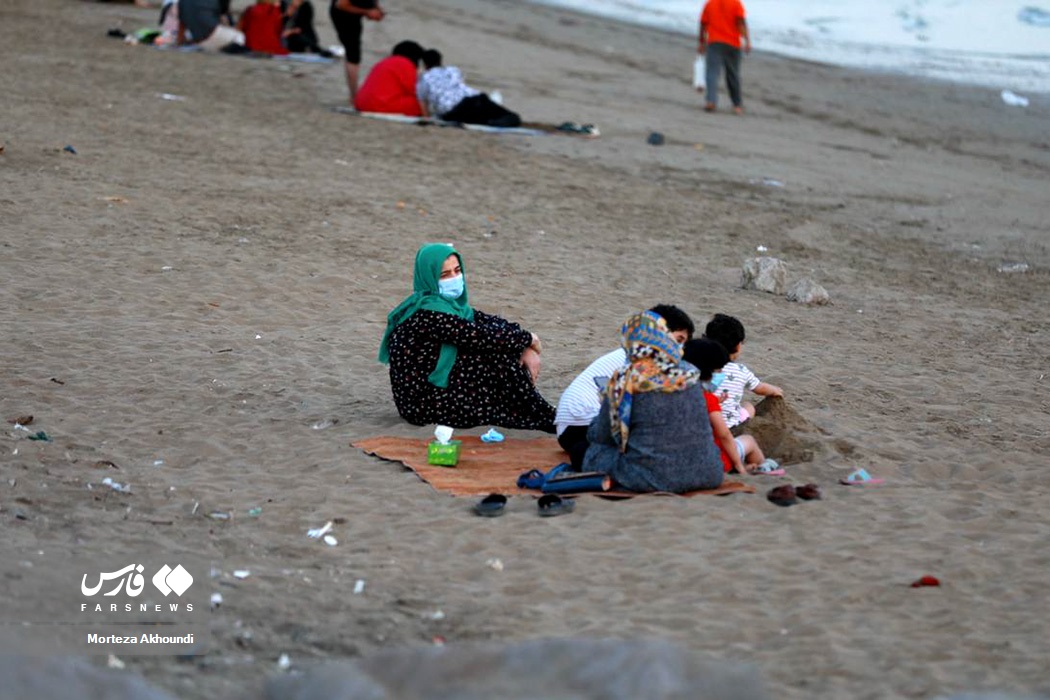
After the earthquake, the panicked people of Bandar Abbas poured onto the streets and the coast of the Persian Gulf.

Two people were killed and minor material damage was reported in the quake.

Ali Bahadori Jahromi named as new government spokesman

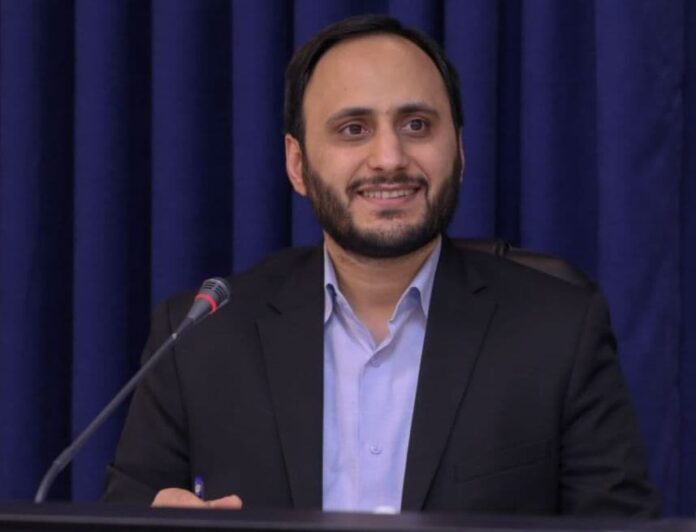
They assigned Bahadori Jahromi to the post at the Sunday cabinet meeting, which was chaired by President Ebrahim Raeisi.

Bahadori Jahromi was born in 1985 in the city of Golpayegan. He holds a PhD in Public Law from Tehran University and is a member of the academic board of Tarbiat Modares University’s Law School.

His executive background includes: head of the Bar Association of the Judiciary, member of the Legal Commission of the General Inspection Organization, member of the Legal Advisory Board of the Guardian Council Research Institute, chairman of the Civil Rights Protection Foundation, and legal advisor to numerous public and private institutions and organizations.

Earthquakes cause casualties, minor damage in southern Iran

The first quake, measuring 6.4 on the Richter scale, rattled Laft, a region on the southern island of Qeshm.

The quake hit at a depth of 15 kilometers. It was felt in Bushehr, Kerman and Fars provinces as well as outside Iran, in the United Arab Emirates and Saudi Arabia.
The second quake measured 6.3 on the Richter scale. Its epicenter was near the city of Fin in Hormozgan and it hit at a depth of 10 kilometers.

A number of aftershocks also happened following the quakes measuring 4 and 3.

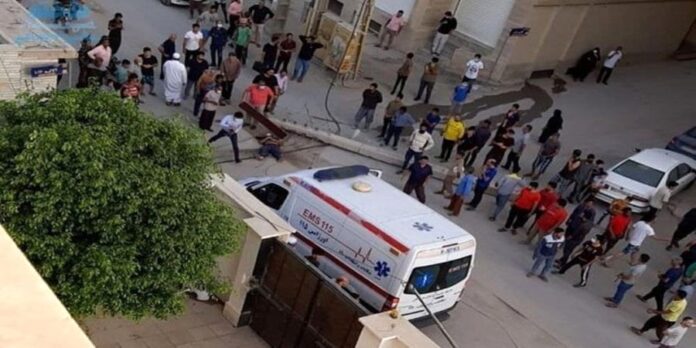
Deputy Governor of Hormozgan Reza Modarres told Fars News Agency that at least two people died in the quakes. One fatality happened in the southern port city of Bandar Abbas with the person getting killed after an electric post fell down on him. Dozens of people were injured in the quakes and are receiving treatment in hospital.

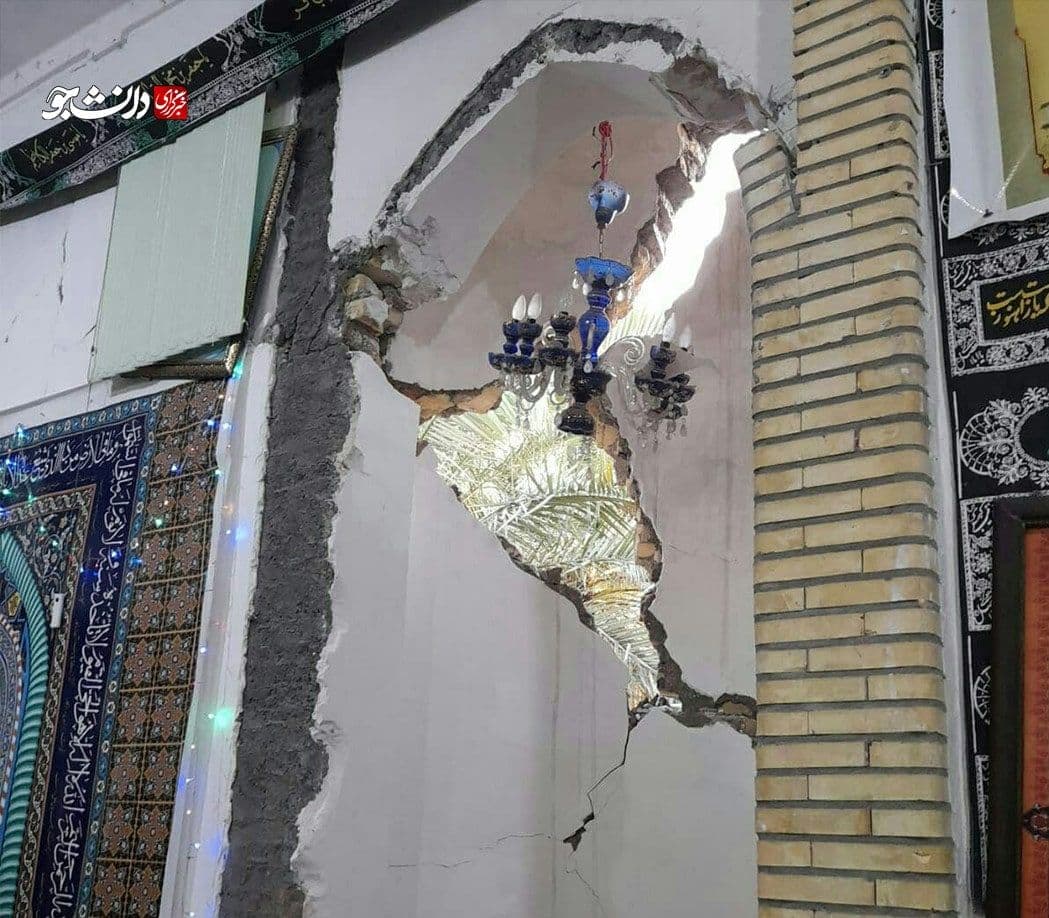
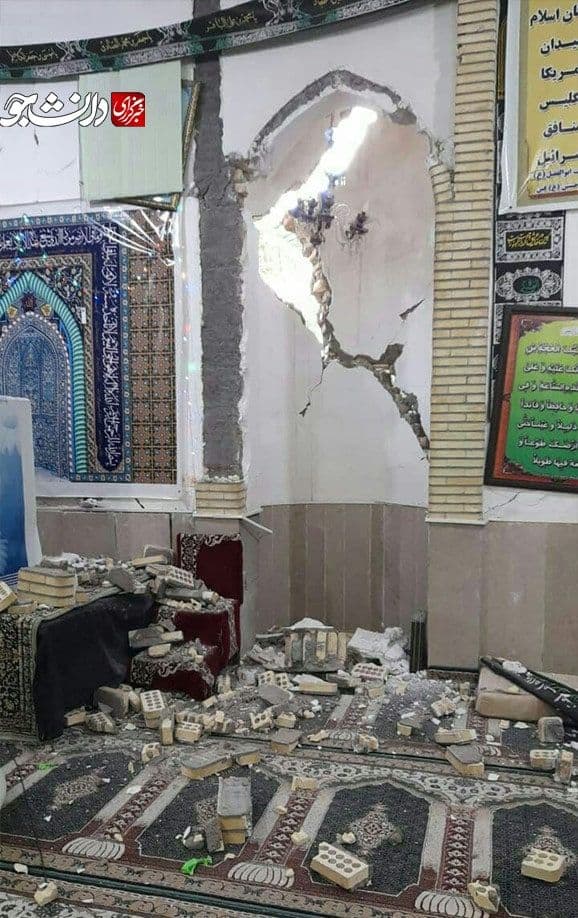
An official however said the material damage caused by the earthquakes is not severe. A provincial official was also quoted as saying that the quakes temporarily disrupted telephone lines and the Internet in Hormozgan. Following the quakes, Iranian President Ebrahim Raeisi offered sympathy to people affected by the quakes. Raeisi ordered all relevant officials and ministries to carry out relief operations and look into the situation in the quake-hit areas.

He added that all neighboring provinces must be ready to help with the relief operations in Hormozgan if needed. Raeisi also instructed First Vice President Mohammad Mokhber to travel to the quake-stricken regions to monitor the situation.

Bushehr province’s Natural Disasters Management Department said later on Sunday the quakes in Hormozgan did not damage the Bushehr nuclear power plant. It also dismissed the possibility of a tsunami in the Persian Gulf.

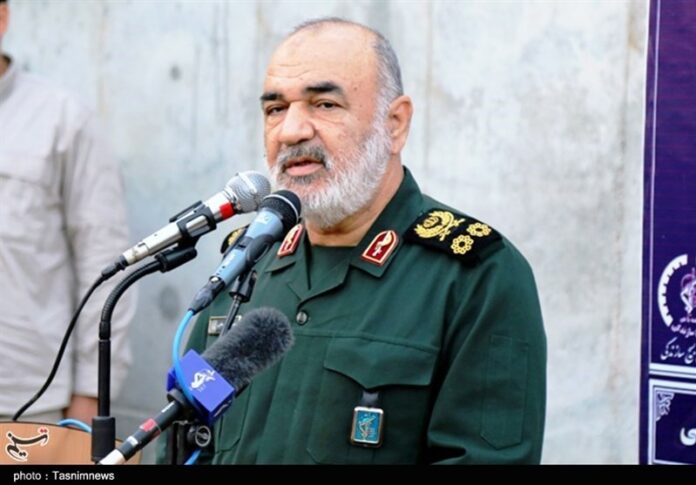
Top commander: IRGC expanding its capabilities

Major General Hossein Salami said his forces have obtained modern naval technologies, adding that the forces have managed to enhance the quality of combat vessels.

In comments during a visit to a naval base in Iran’s northern province of Gilan on Sunday, Major General Hossein Salami said the IRGC has expanded its capabilities in the sea and has come into possession of modern naval technologies.

Referring to military boats as the dynamic infrastructure of Iran’s naval power, the commander said the IRGC has the technology to improve the quality of combat vessels.
“The (military) vessels that constitute the real nature of our tactic have strategic messages in the sea,” he noted.

The process of enhancement of the IRGC’s capabilities is unstoppable, the general added, stressing that nobody will be allowed to interfere in the internal affairs of Iran.

In remarks last month, the commander said that the IRGC naval forces are fully prepared to show a tough and rapid response to any enemy in the Persian Gulf region.

Regarding the IRGC navy’s defensive and offensive capabilities, in the field of navigation, the commander said that the navy force has experienced significant progress in increasing the speed of its speedboats close to one hundred knots.

Huge earthquake hits southeastern Iran

Authorities say the epicenter of the quake is Laft. The earthquake hit at a depth of 18 kilometers. At least one person died in the southern port city of Bandar Abbas after an electric post fell down on him.

The Persian Gulf center of the IRIB described the quake as very long and powerful.

Meanwhile the governor of Hormozgan says he visited the vulnerable and suburban areas in the province, adding, “Fortunately, the damage is not severe”. Meanwhile, authorities have opened public spaces to people in the quake zone for their emergency accommodation.


Reports say it was also felt in the United Arab Emirates and Saudi Arabia. A video has ricocheted around social media showing people in Dubai in the streets following the earthquake.

Iran is a quake-prone country with much of its territory being criss-crossed by fault lines.

The latest earthquake which caused huge casualties in Iran hit Kermanshah Province in 2017. The tremor killed 630 people and injured thousands more.

There are several dangerous fault lines in the Iranian capital Tehran as well and scientists have repeatedly called for measures to bolster buildings in the city against a possible massive quake.