Sunday, April 26, 2026
Home Blog Page 226

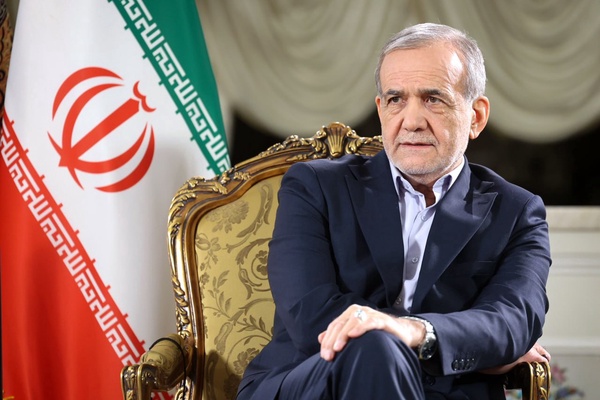
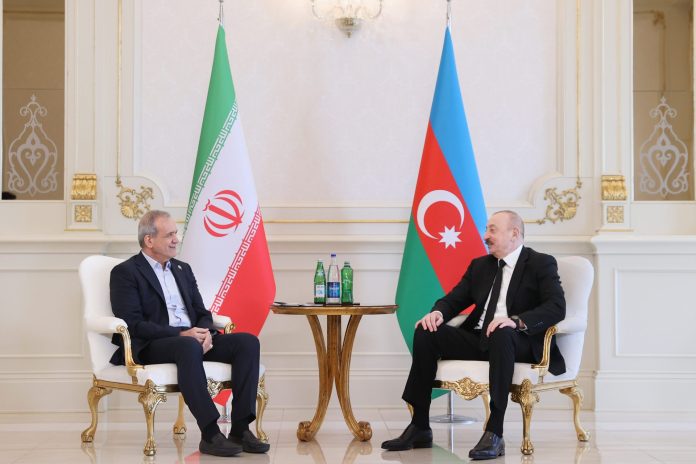
Iranian President affirms support for Azerbaijan’s territorial integrity during Baku visit

President Pezeshkian, who arrived in the Azerbaijani capital at the head of 120-strong delegation, stated, “We believe Nagorno-Karabakh is an inseparable part of Azerbaijan’s territory and we respect this position.”

The region is disputed between the Republic of Azerbaijan and neighboring Armenia and has triggered conflicts between the two countries.

The Iranian president conveyed greetings from the Leader Ayatollah Seyyed Ali Khamenei and emphasized the fraternal ties between the two nations, calling them “not just neighbors but friends, brothers, and even relatives.”

The visit aims to strengthen bilateral relations following recent expert-level agreements.

President Pezeshkian expressed hope that the signed agreements would lead to broader cooperation, serving as regionala model for interaction.

President Aliyev welcomed the Iranian delegation, describing the visit as historically significant.

“During our private meeting, we discussed numerous issues and emphasized expanding relations across all sectors,” Aliyev said.

He expressed confidence that enhanced ties would benefit both nations.

Iranian parliamentary investigation finds ‘negligence’ in deadly port explosion, undermines ‘sabotage’ as unlikely

MP Seyed Morteza Mahmoudi, who is a member of the investigative team, told ISNA on Monday, “CCTV footage and eyewitness accounts revealed serious incompetence in cargo handling procedures.”

He cited “false declarations of container contents” and “lack of proper oversight” as key factors, while noting deliberate sabotage appears unlikely based on available evidence.

“The complete absence of proper control mechanisms for incoming and outgoing cargo created conditions for this tragedy,” Mahmoudi said.

“While other ports share similar vulnerabilities, the failures were particularly severe at Shahid Rajaei.”

The delegation will submit its final report to the parliament on Tuesday.

Ghalibaf on Monday pledged full transparency, stating that oversight agencies and four parliamentary committees are conducting thorough reviews to identify any negligence or intentional wrongdoing, with findings to be made public.

The explosion at Iran’s busiest commercial port, which has claimed at least 46 lives and injured over 700 others so far, has raised nationwide concerns about port management practices.

Music festival cut short in solidarity with Bandar Abbas port tragedy

Organizers announced the decision in an official statement, expressing grief over Saturday’s incident.

Governor Mohammad Ashouri Taziani declared three days of public mourning in Hormozgan province.

“The festival, which was set to feature five nights of regional folk music performances, will not continue its remaining programs,” the statement read.

In their poetic statement, the organizers wrote, “The southern home – with its palm tree, old boat in the corner – has one room in Ahvaz, another in Bushehr, and its largest, most beautiful room in Bandar Abbas.”

The organizers said a mourning ceremony will be held on Monday night to commemorate the victims of the incident.

“Tonight we gather in Saadat Schoolyard to read the final story and entrust you to God’s mercy,” the statement read.

READ MORE:

Fourth edition of Koocheh music festival kicks off in Bushehr

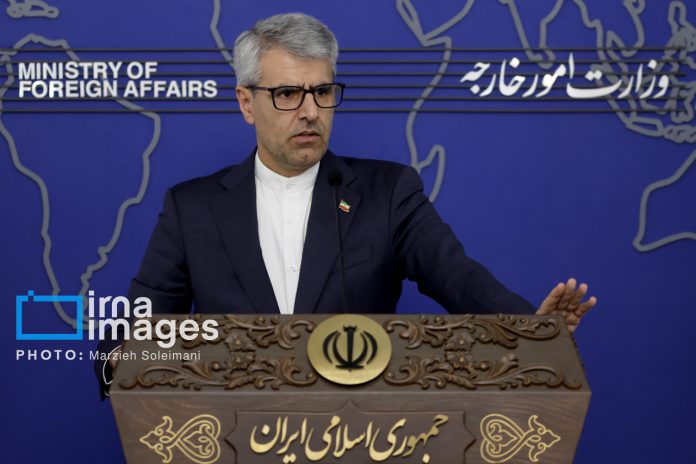
Iran insists on domestic uranium enrichment, sanctions relief as nuclear talks continue

Esmail Baghaei

In his weekly press briefing, Baqaei stated that no details would be finalized unless these key principles were included in the overall framework.

Regarding the negotiation process, the spokesperson expressed Iran’s willingness to hold more frequent discussion rounds if necessary, noting that the timing and intervals would be determined by mutual agreement.

He said the fourth round of indirect Iran-US negotiations is scheduled for Saturday, but the venue has to be decided. The diplomat added duration of indirect talks is to be decided by the negotiating sides.

Baqaei strongly criticized the “illegal and unjust” sanctions against Iran and asserted that their true purpose is to pressure ordinary Iranian citizens rather than achieve any legitimate policy goals.

He noted that European countries’ withdrawal from the negotiation process was their own decision, adding Iran is waiting for response from E3 – Britain, France, and Germany – on Iranian Foreign Minister Seyyed Abbas Araghchi’s offer of talks.

On technical matters, Baqaei confirmed that an International Atomic Energy Agency (IAEA) delegation had arrived in Tehran for follow-up discussions with Iranian nuclear officials.

These talks, which are purely technical in nature, come after last week’s meeting between the agency’s director general and senior Iranian representatives, he explained.

The spokesperson also addressed regional tensions, warning against any provocative actions by Israel, promising “any adventurism against Iran will see a crushing response.”

Baqaei also touched on President Pezeshkian’s visit to Republic of Azerbaijan, describing it as a “really important” trip that “can open a new chapter in our relations.”

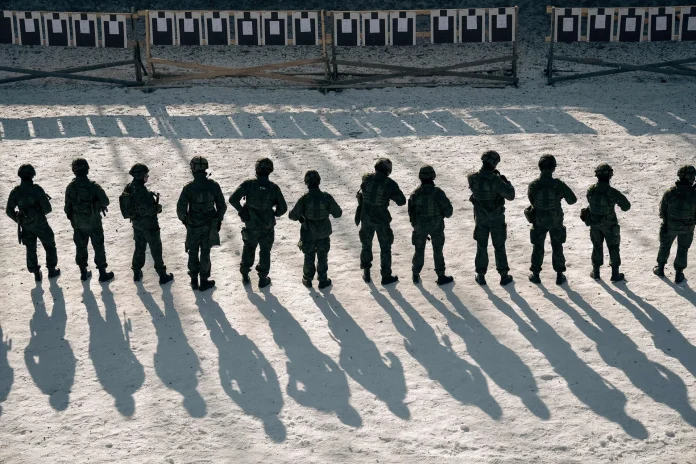
Worldwide military spending hit record $2.7 trillion last year, sharpest rise since Cold War

Military spending rose worldwide with particularly large increases in Europe and the Middle East, according to a new report by the Stockholm International Peace Research Institute (SIPRI).

Several European countries had seen “unprecedented” rises in their military spending, the report noted.

In real terms, spending rose by 9.4 percent globally compared to 2023, with 2024 marking the 10th year of consecutive spending increases.

“This was really unprecedented,” Xiao Liang, a researcher with the SIPRI Military Expenditure and Arms Production Programme, told AFP.

“It was the highest year-on-year increase since the end of the Cold War,” Liang continued, adding, While there may have been steeper increases during the Cold War, data for the Soviet Union is not available.

More than 100 countries, including all of the 15 largest spenders, increased their military budgets last year, according to the report.

“This really speaks to the heightened geopolitical tensions,” Liang said.

The spending increase was likely to have “a very profound socio-economic and political impact”, he added, noting, “Countries have to make trade-offs in their budgetary decisions.”

“For example, we’ve seen many European countries cutting other spending like international aid to fund the increase in military spending, and … trying to raise taxes or rely on loans or debt to fund the spending,” Liang stated.

The main contributor to the rise in expenditure was the European region including Russia, where spending rose by 17 percent to $693 billion.

All European countries, except Malta, expanded their budgets, “pushing European military spending beyond the level recorded at the end of the Cold War”, SIPRI said.

Russia’s military expenditure reached $149 billion in 2024: a 38-percent increase on the previous year and a doubling since 2015.

Ukraine’s military spending grew by 2.9 percent to reach $64.7 billion.

While that sum only corresponds to 43 percent of Russia’s arms spending, for Ukraine it is the equivalent of 34 percent of its GDP. That means it is carrying the highest military burden of any country.

Germany’s spending increased by 28 percent, reaching $88.5 billion, overtaking India as the fourth largest in the world.

“Germany became the biggest spender in Central and Western Europe for the first time since its reunification,” Liang noted.

The world’s largest spender, the United States, increased expenditure by 5.7 percent, reaching $997 billion. That alone accounts for 37 percent of worldwide spending and 66 percent of the military spending among NATO countries.

Total military spending by the 32 members of the US-led alliance rose to 1.5 trillion as all members increased their spending.

“We’ve seen in 2024 that 18 out of the 32 NATO countries reached the 2-percent GDP spending target, which is the highest since the founding of the alliance,” Liang added.

While some of the increases have been a result of European military aid to Ukraine, it has also been fuelled by concerns of potential US disengagement with the alliance.

“There has really been a shift in European defence policies, where we will see large-scale procurement plans into the arms industry in the years to come,” Liang explained.

Military budgets also drastically grew in the Middle East to an estimated $243 billion, an increase of 15 percent from 2023.

As Israel continued its offensive in the Gaza Strip, its military expenditure surged by 65 percent to $46.5 billion in 2024. SIPRI noted that this represented “the steepest annual increase since the Six-Day War in 1967”.

The world’s second-largest spender, China, increased its military budget by 7 percent to an estimated $314 billion, “marking three decades of consecutive growth”.

China – which has been investing in modernising its military and expansion of cyberwarfare capabilities and nuclear arsenal – accounted for half of all military spending in Asia and Oceania.

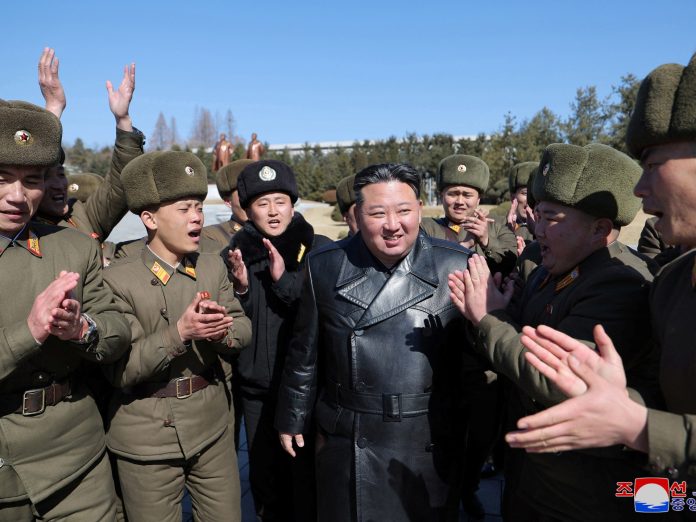
North Korea confirms soldiers sent to fight in Ukraine war

In a statement provided to North Korea’s official Korean Central News Agency (KCNA) on Monday, the Central Military Commission of the ruling Workers’ Party said that the country’s leader, Kim Jong Un, had sent troops into combat alongside Russian forces as part of a mutual defence treaty between Moscow and Pyongyang.

The KCNA quoted Kim as saying that soldiers were deployed to “annihilate and wipe out the Ukrainian neo-Nazi occupiers and liberate the Kursk area in cooperation with the Russian armed forces”.

“They who fought for justice are all heroes and representatives of the honour of the motherland,” KCNA quoted Kim as saying.

North Korea “regards it as an honour to have an alliance with such a powerful state as the Russian Federation”, KCNA added.

Russian President Vladimir Putin and Kim signed a comprehensive strategic partnership treaty in June last year, committing the two countries to come to each other’s assistance, militarily, in the event of war.

According to South Korea’s official Yonhap News Agency, Kim also said that a monument would be built soon in the capital, Pyongyang, to honour those who had fought against Ukraine.

“Flowers praying for immortality will be placed before the tombstones of the fallen soldiers, effectively acknowledging troops killed in combat,” Yonhap reports, noting that North Korea had so far remained silent about the thousands of soldiers it had sent to Russia in October.

Ukrainian officials stated earlier this year that some 14,000 North Koreans were deployed against its forces, including 3,000 reinforcements who were sent to replace the North Koreans’ early battlefield losses.

Lacking armoured vehicles and unfamiliar with drone warfare, the North Koreans had taken heavy casualties early on in fighting but adapted quickly, according to reports, and later contributed to reclaiming Russia’s Kursk region from occupying Ukrainian forces.

Estimates of the casualty rate among North Korean forces fighting for Russia have varied widely.

South Korea’s National Intelligence Service (NIS) said in January that about 300 North Korean soldiers were killed in combat and another 2,700 had been injured.

Ukrainian President Volodymyr Zelensky put the number of killed or wounded North Koreans at 4,000, while the United States estimated a lower figure of about 1,200 casualties.

North Korea’s statement follows Russia’s chief of staff, Valery Gerasimov, on Saturday hailing the “heroism” of the North Korean soldiers, who he said “provided significant assistance in defeating the group of Ukrainian armed forces”, while reporting to Putin that Kursk had been regained from Ukrainian forces.

Ukraine’s General Staff quickly countered, saying that its defensive operation in certain areas in Kursk was continuing.

The US State Department announced in a statement on Sunday evening that North Korea and other “third countries” had “perpetuated” Russia’s war on Ukraine and that it must end, as should Moscow’s support for Pyongyang.

Official: Large-scale cyber Attack on Iran’s infrastructure foiled

Cyber attack

Behzad Akbari, CEO of the Communications Infrastructure Company, reported the cyber attack on the country’s infrastructure in a tweet on his social media page.

Akbari wrote: “By the grace of God and the efforts of the security and technical teams at the Ministry of Communications, one of the most widespread and sophisticated cyber attacks against the country’s infrastructure was identified yesterday, and preventive measures stopped potential damage.”

According to an official report by Iran’s Infrastructure Company, in the winter of last year, over 101,000 cyber attacks against the country’s infrastructure were detected and repelled.

These attacks, primarily originating from Russia, Ukraine, and the US, targeted vital services such as banks and telecommunications networks, requiring over 5,000 hours of continuous countermeasures.

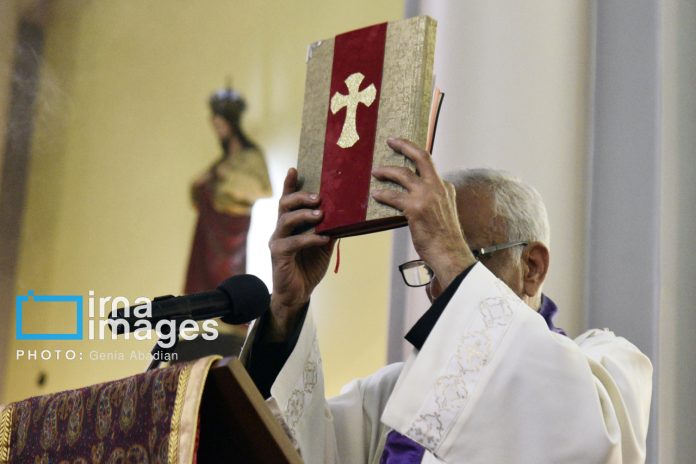
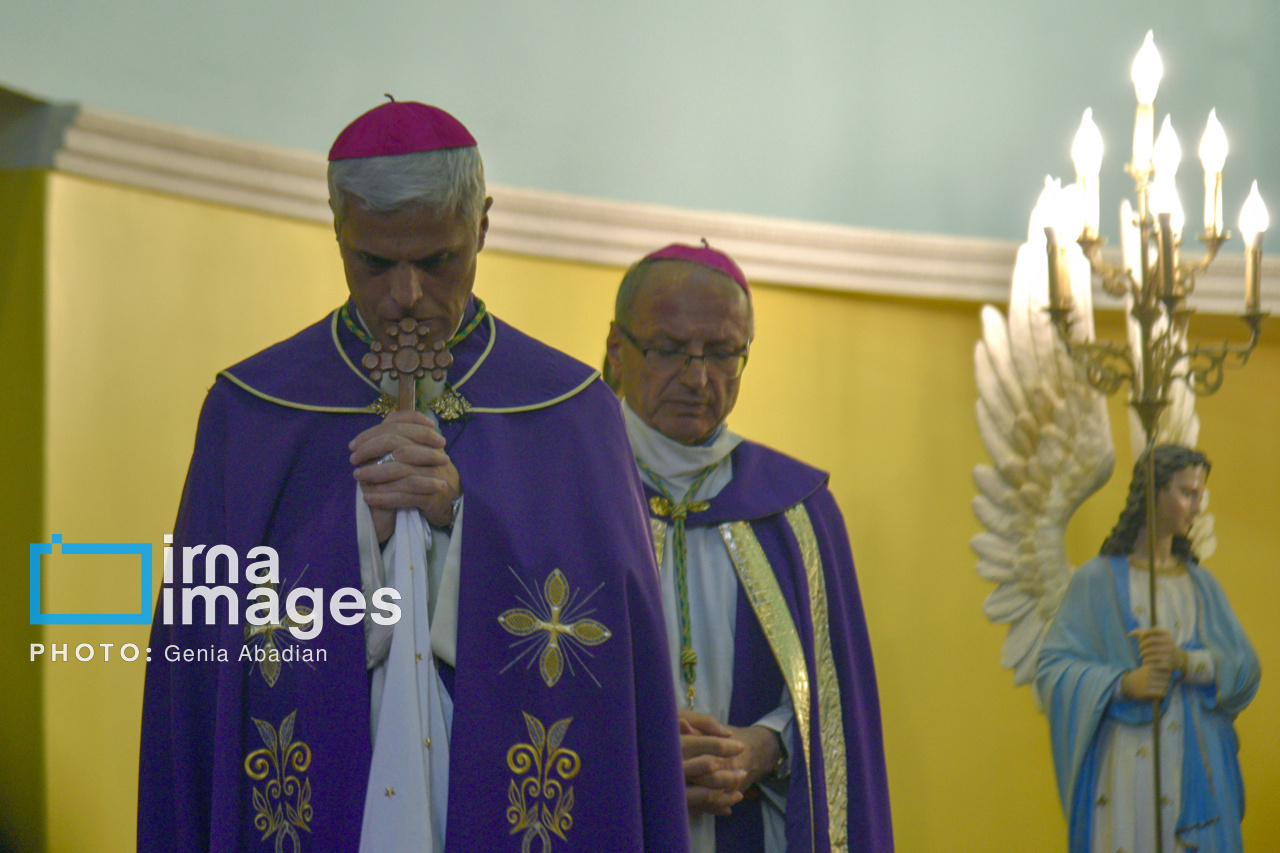
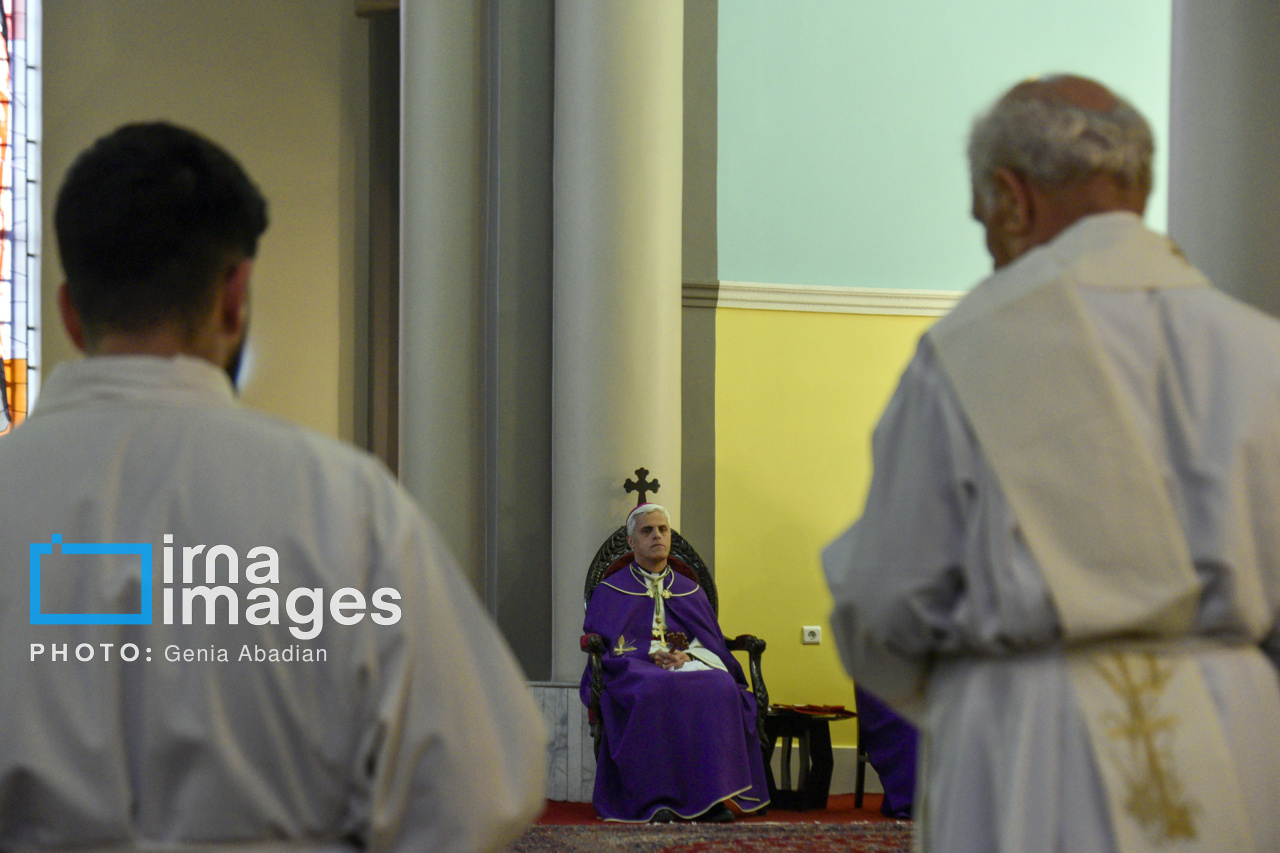
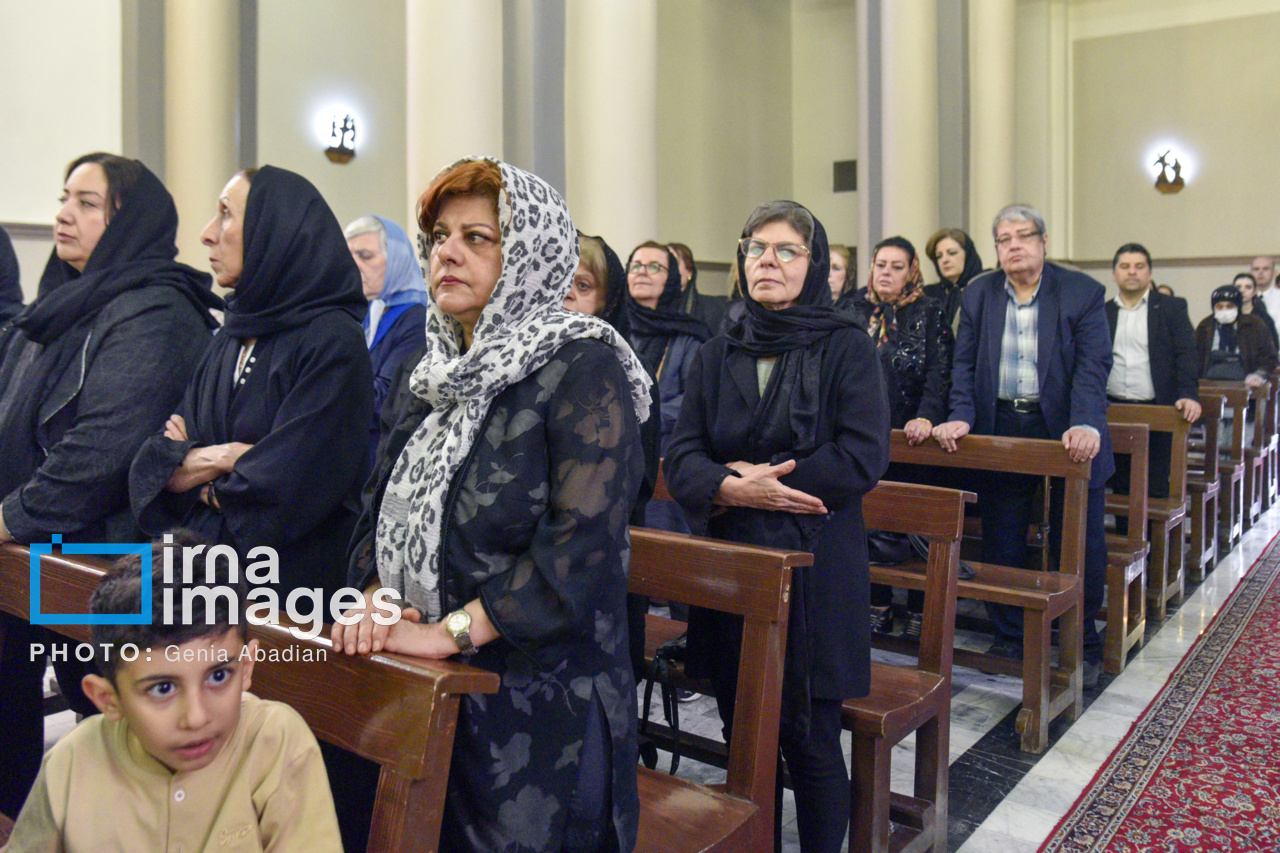
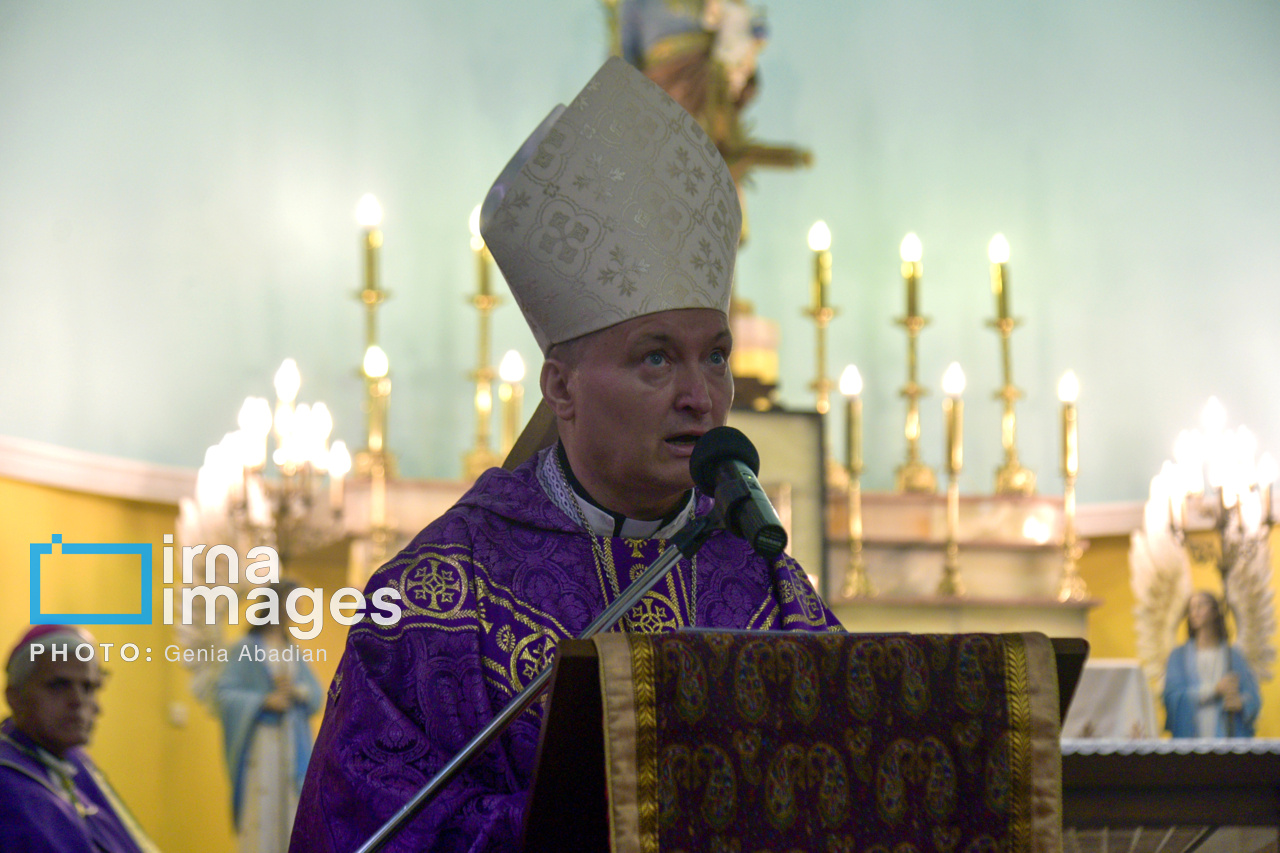
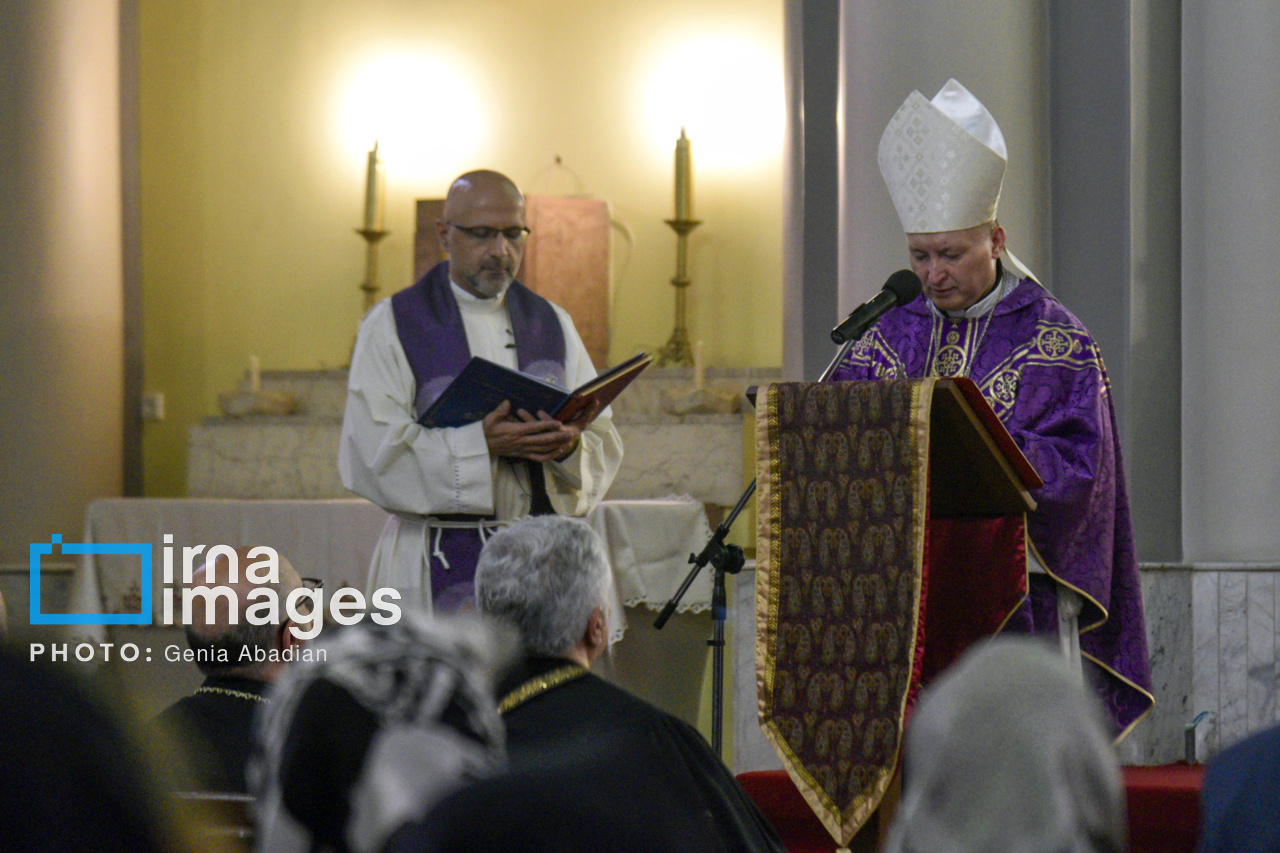
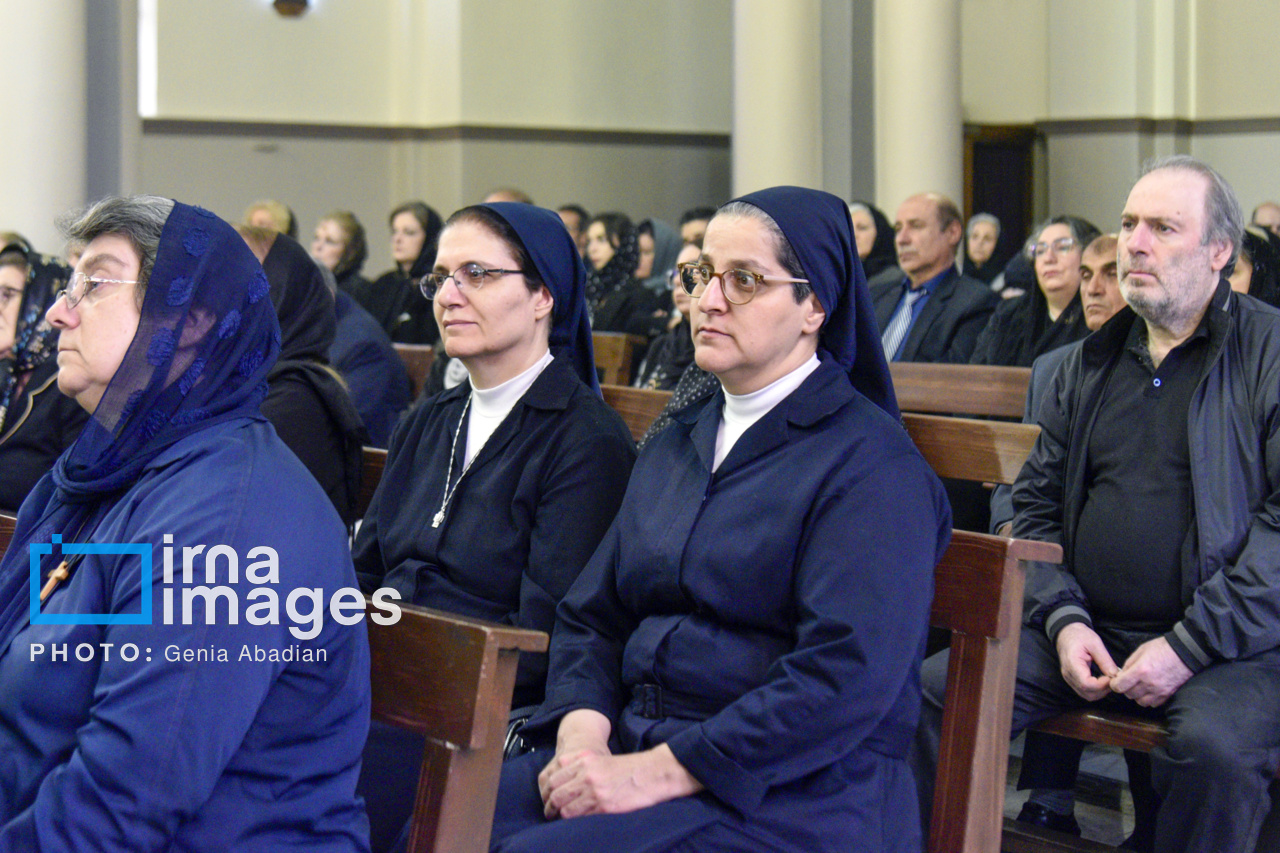
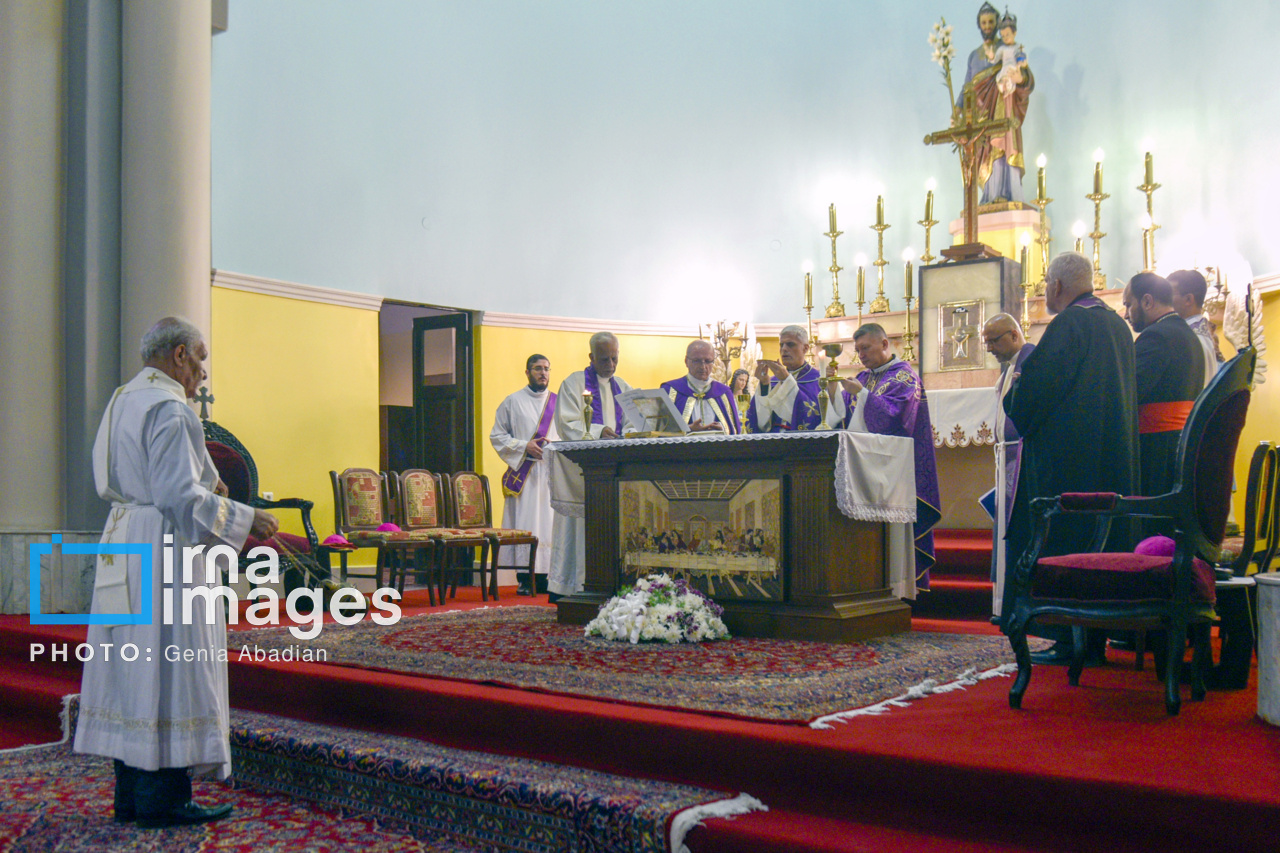
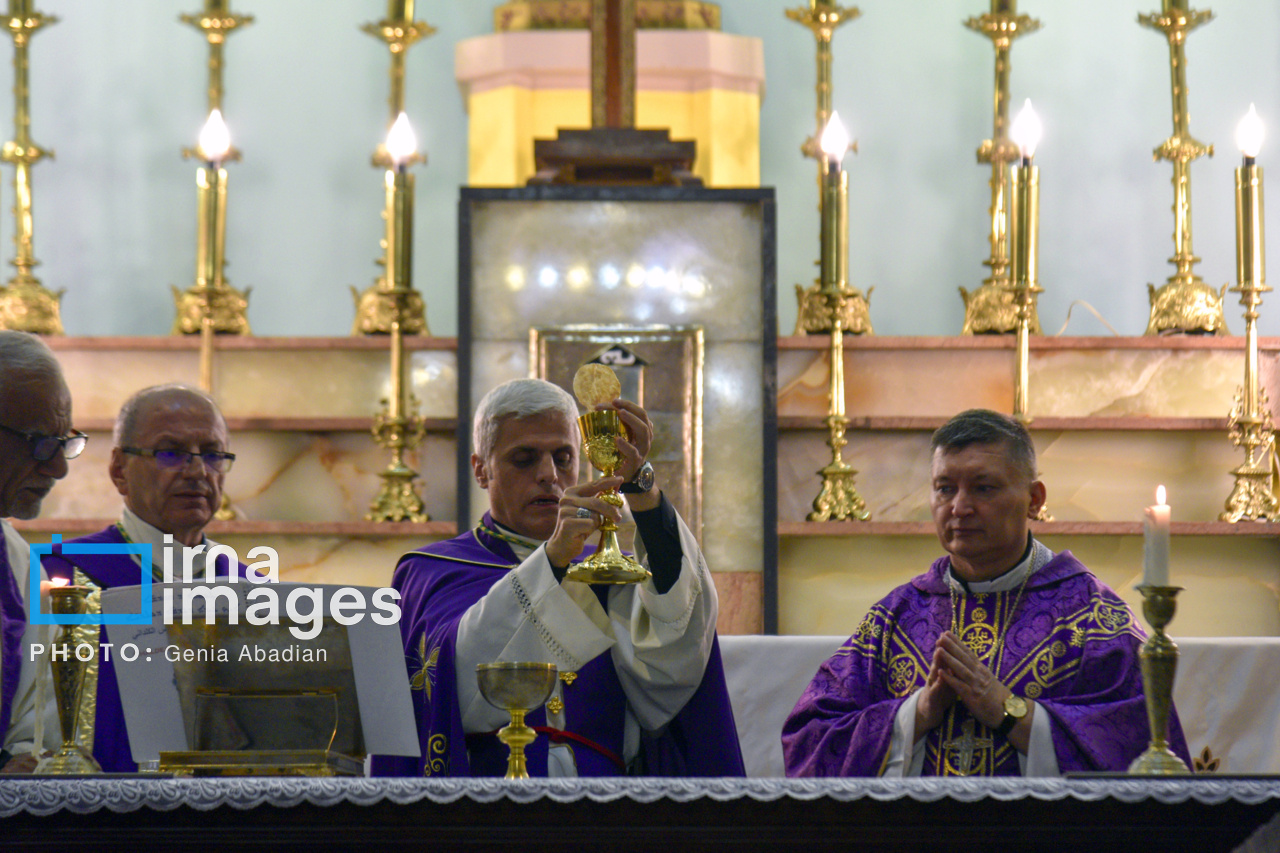
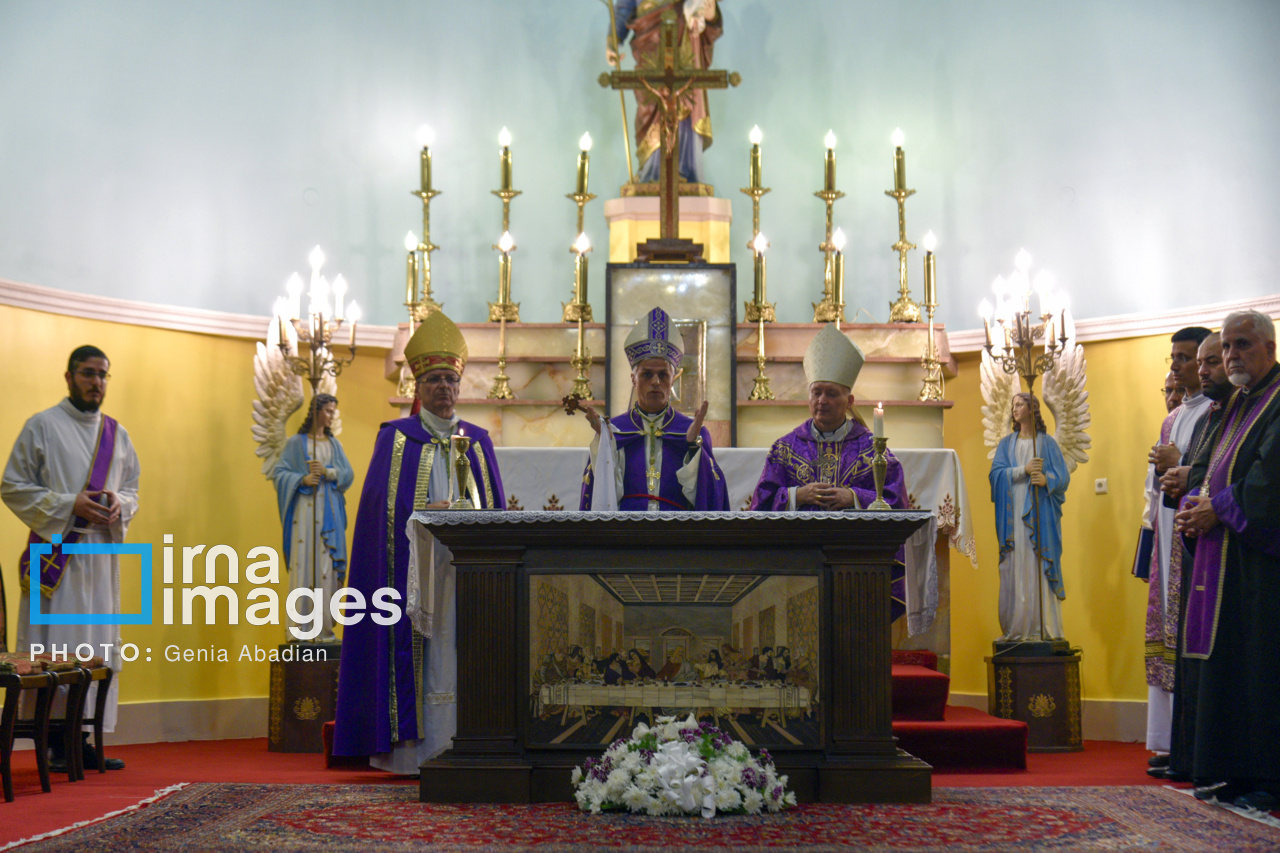
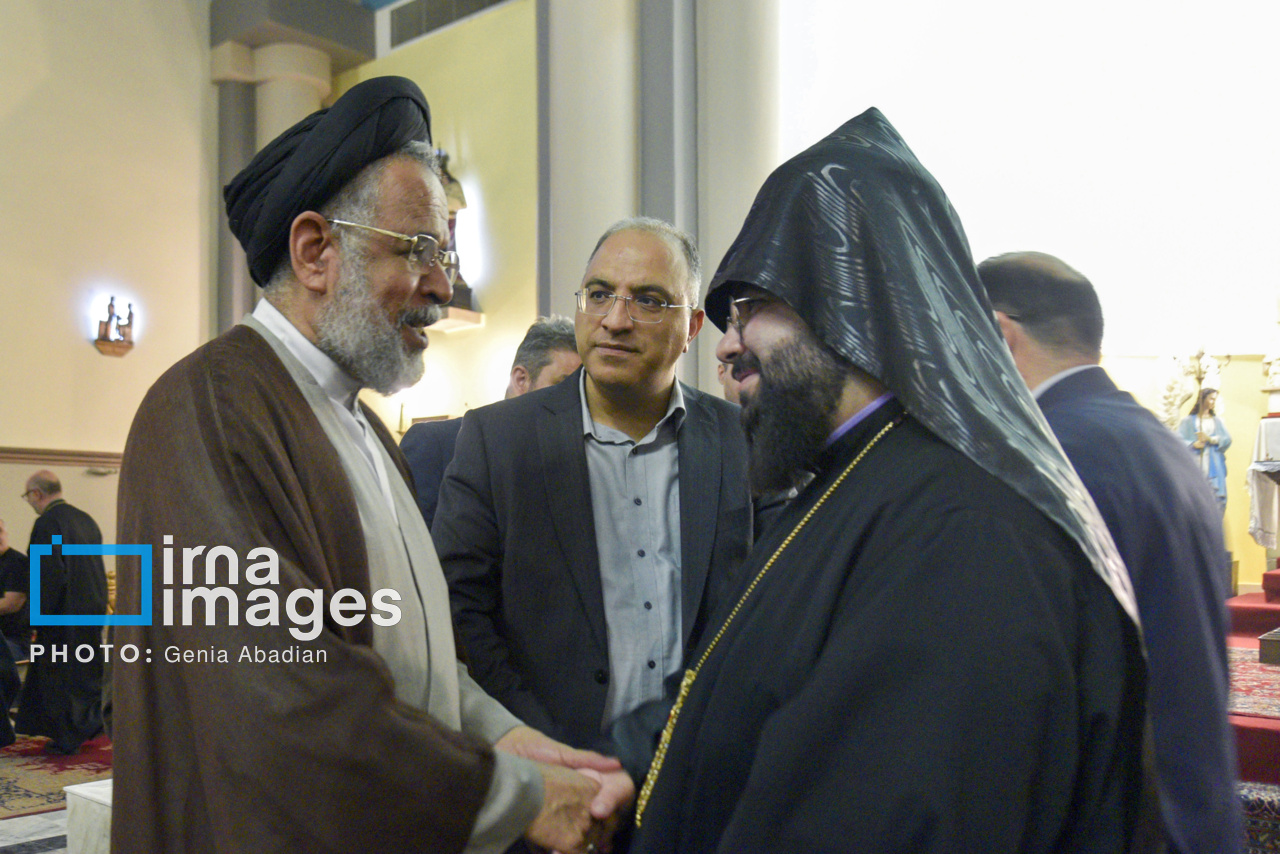
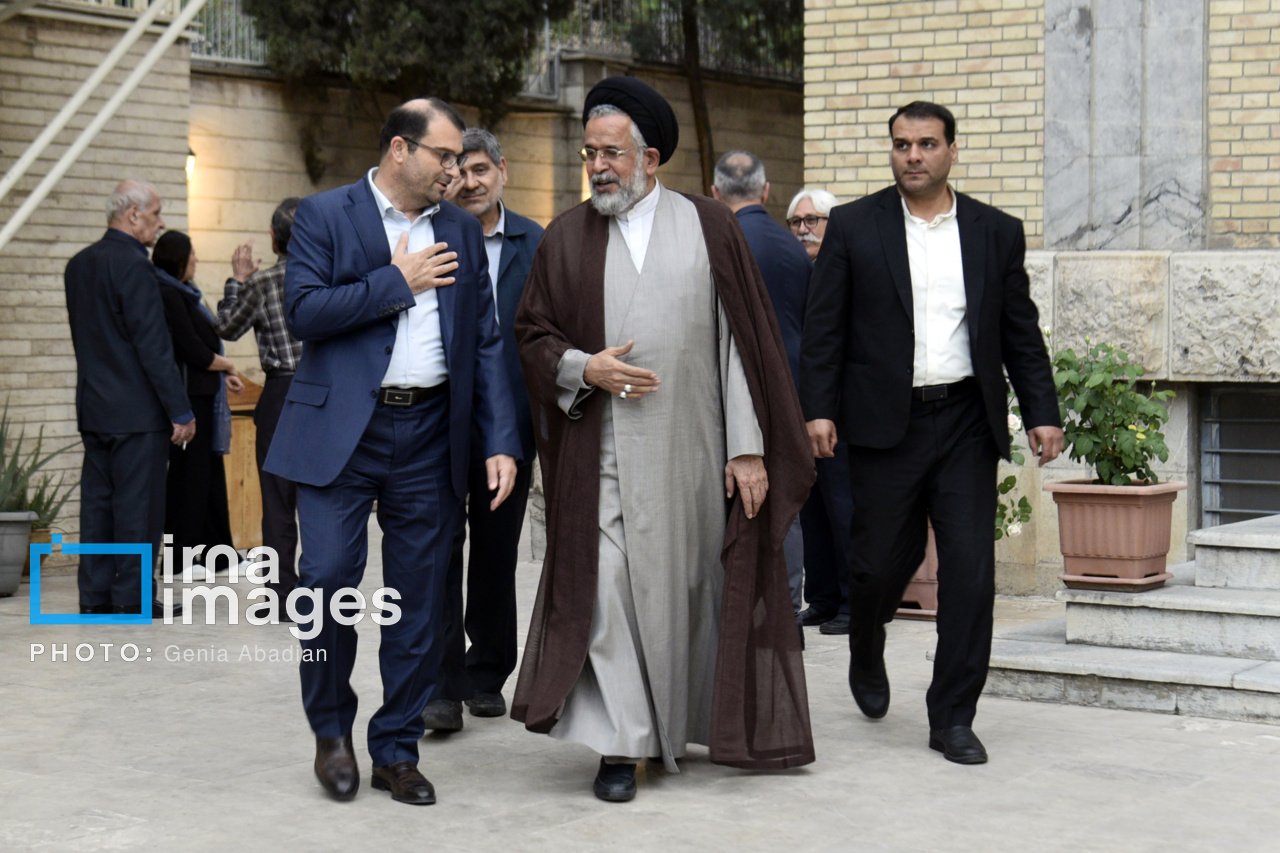
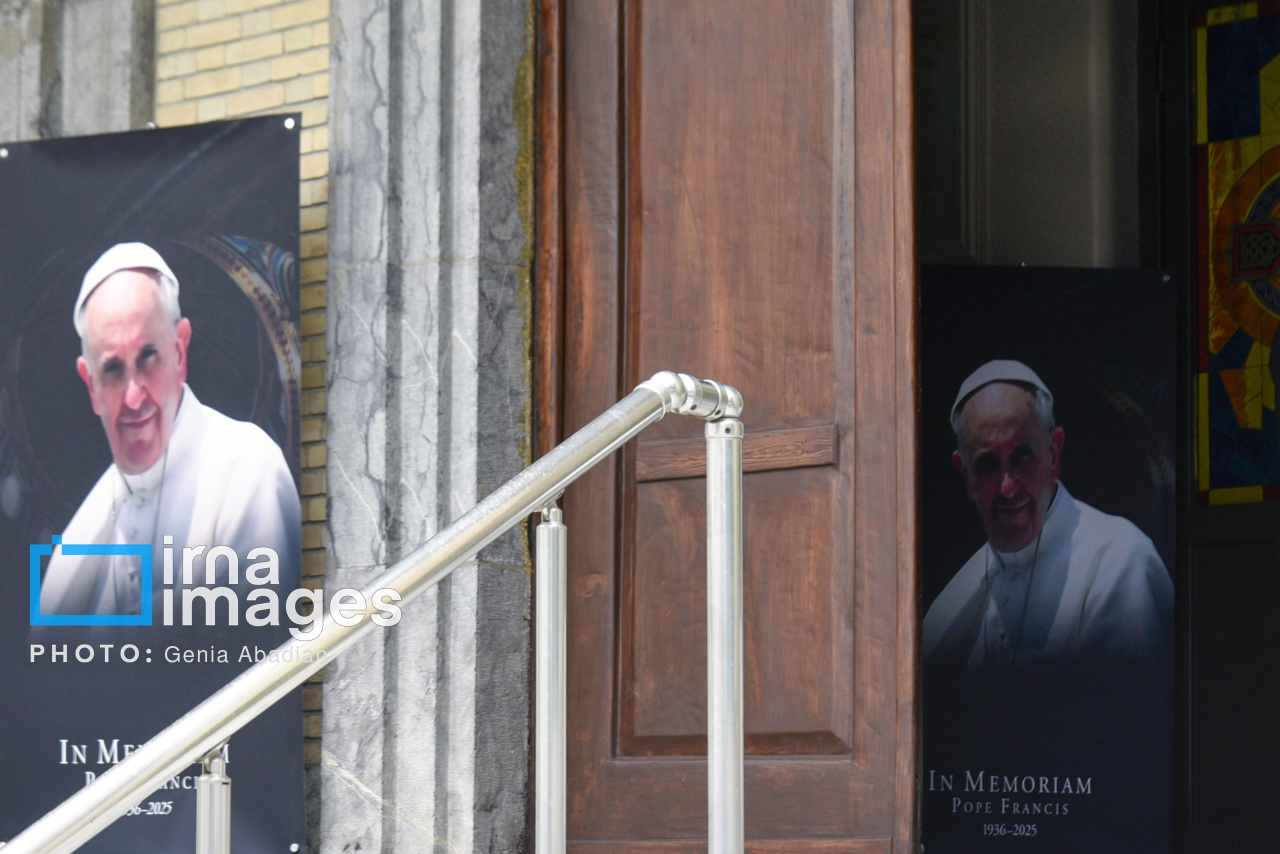
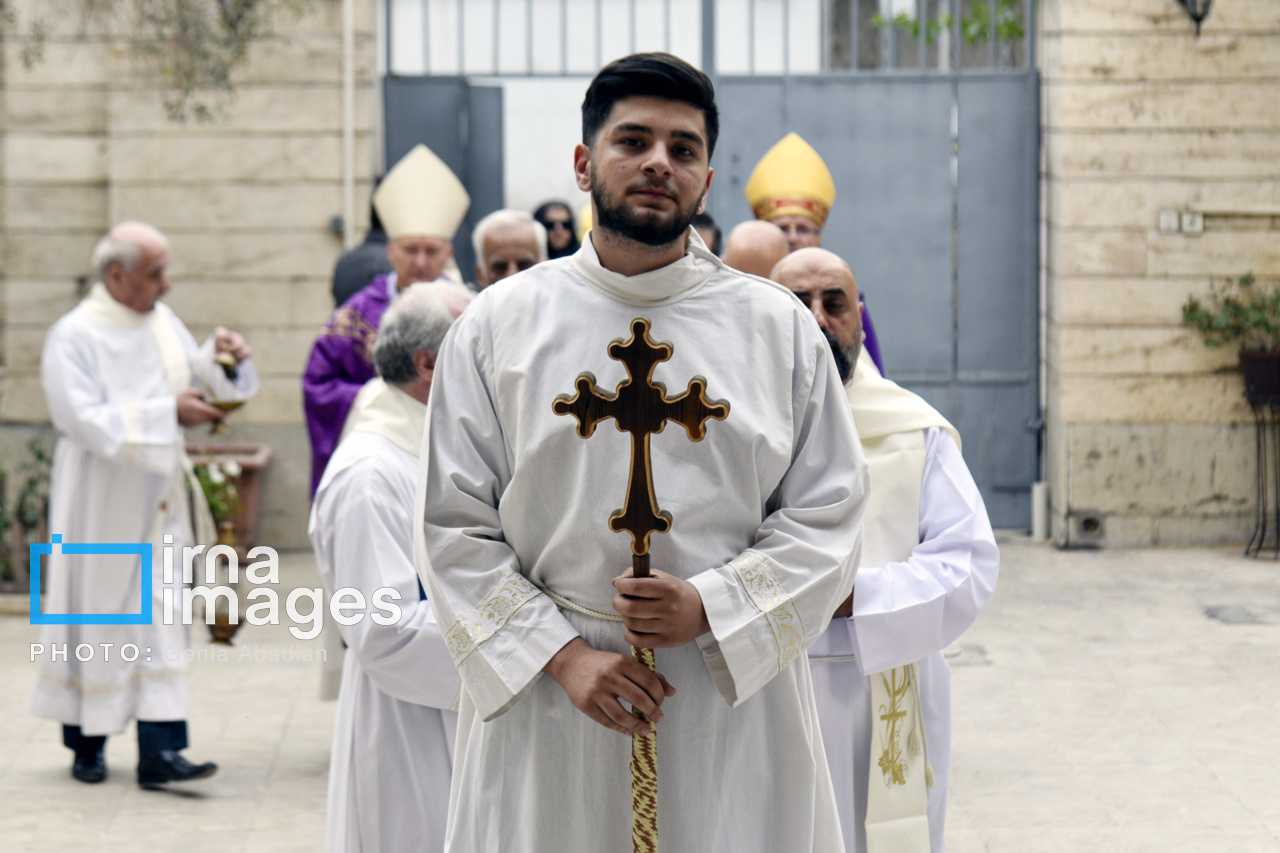
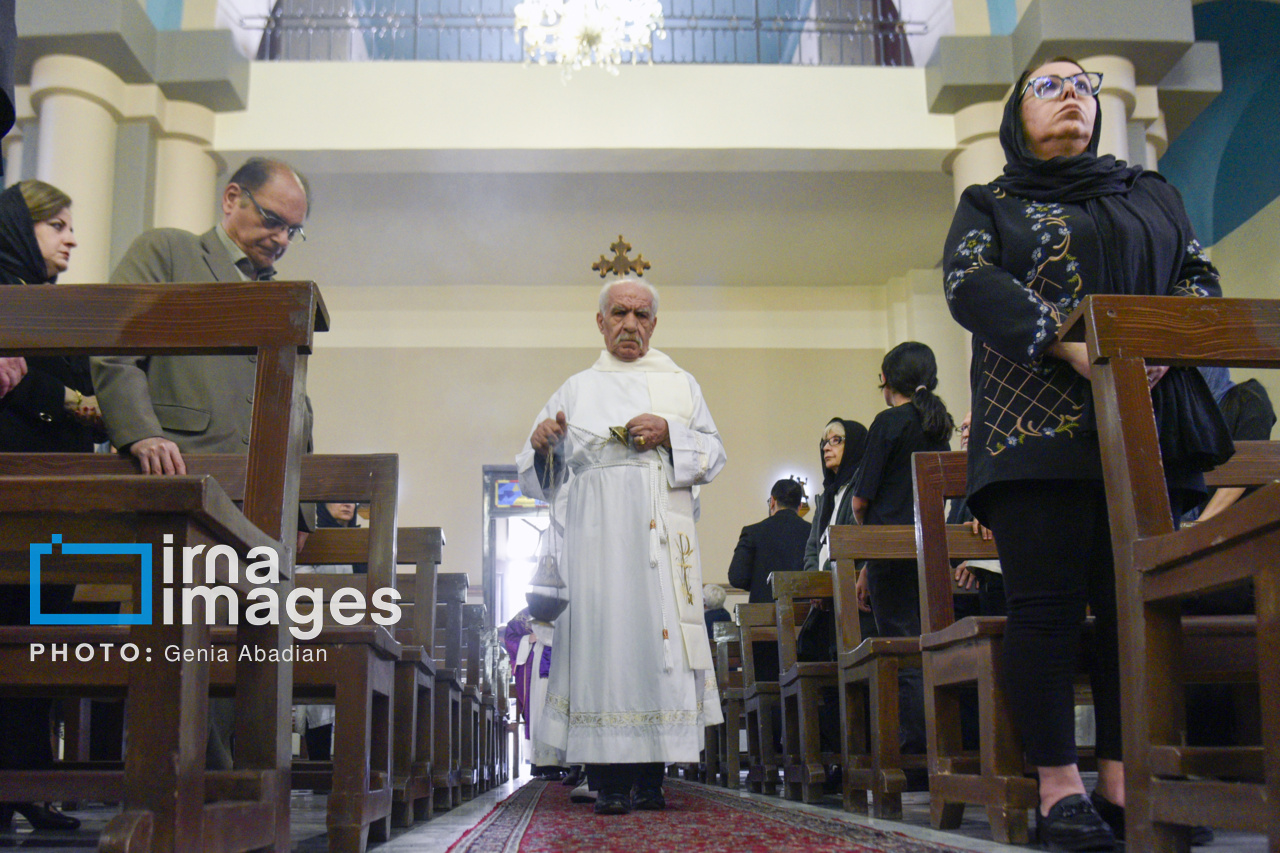
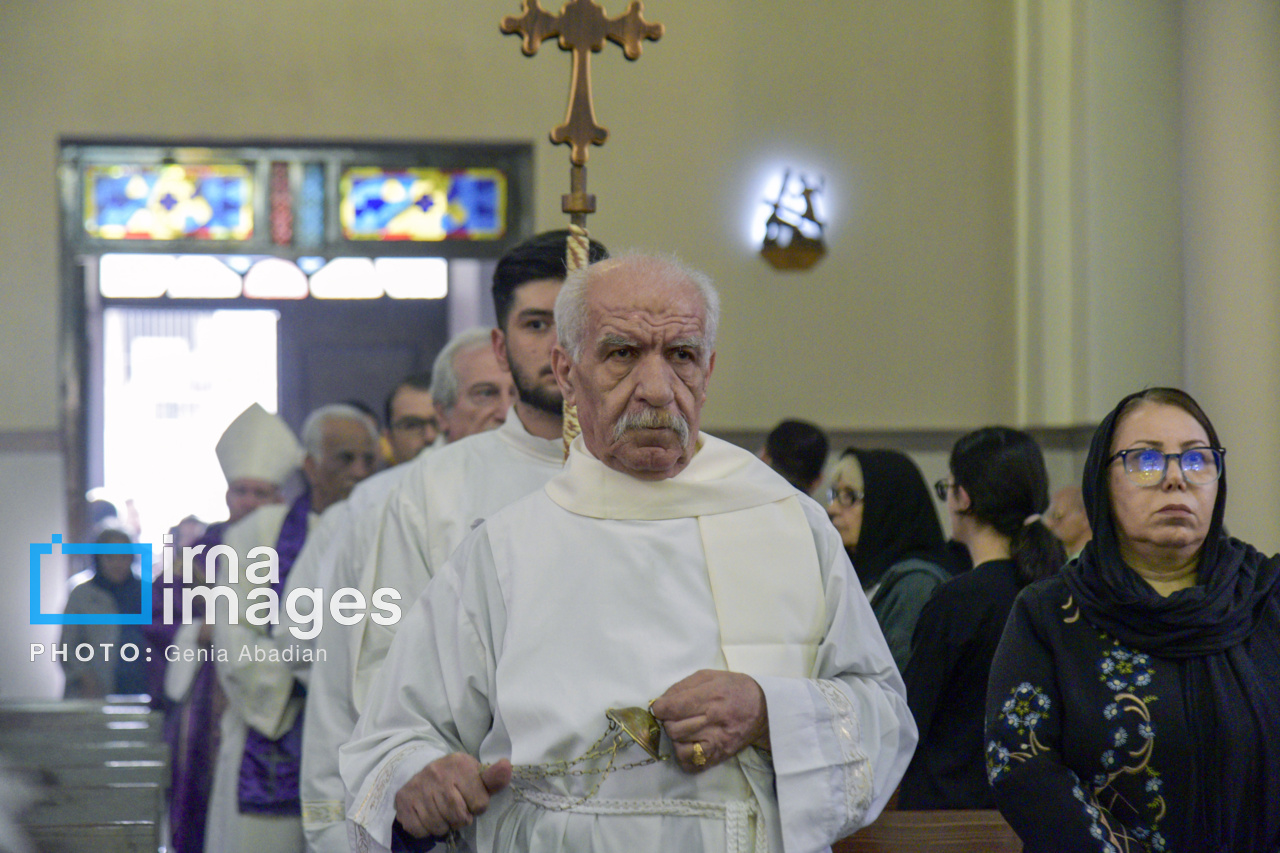
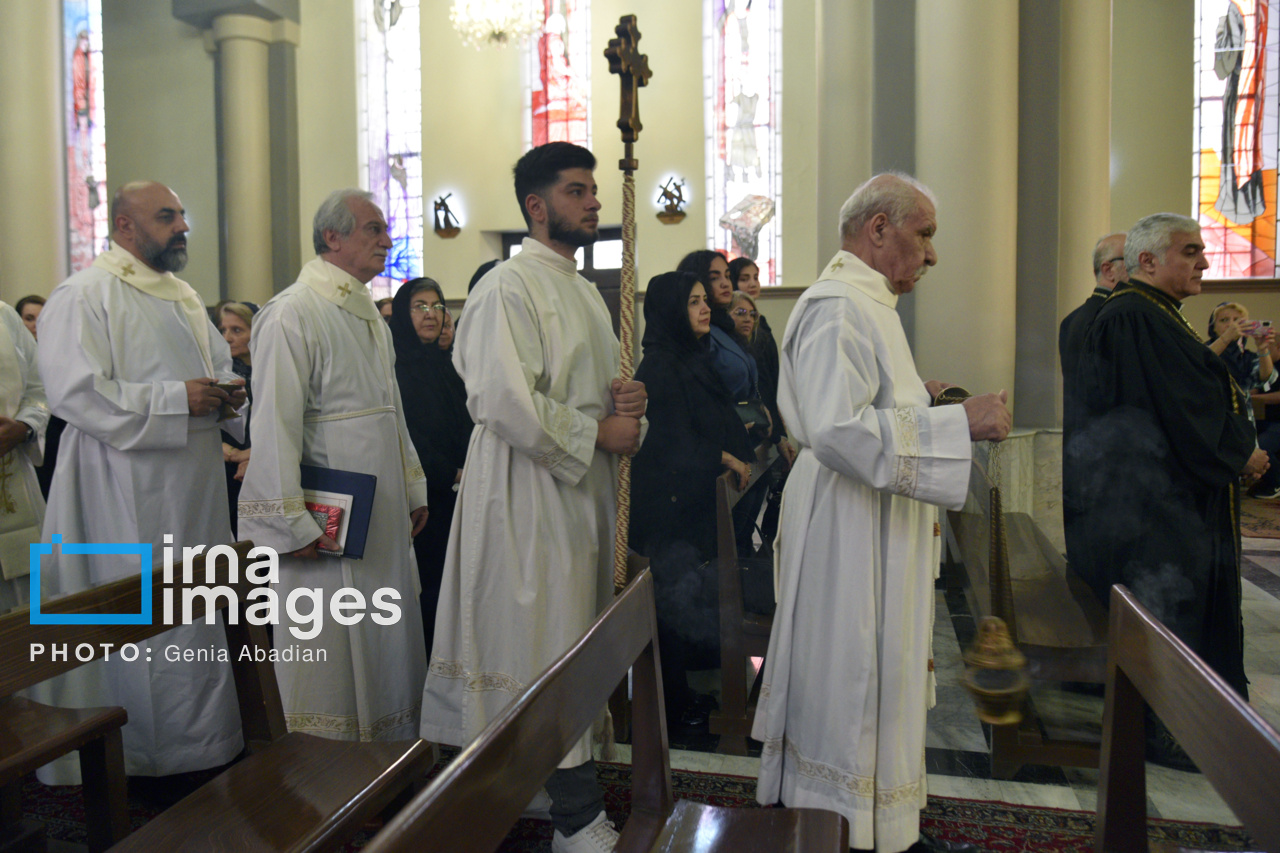
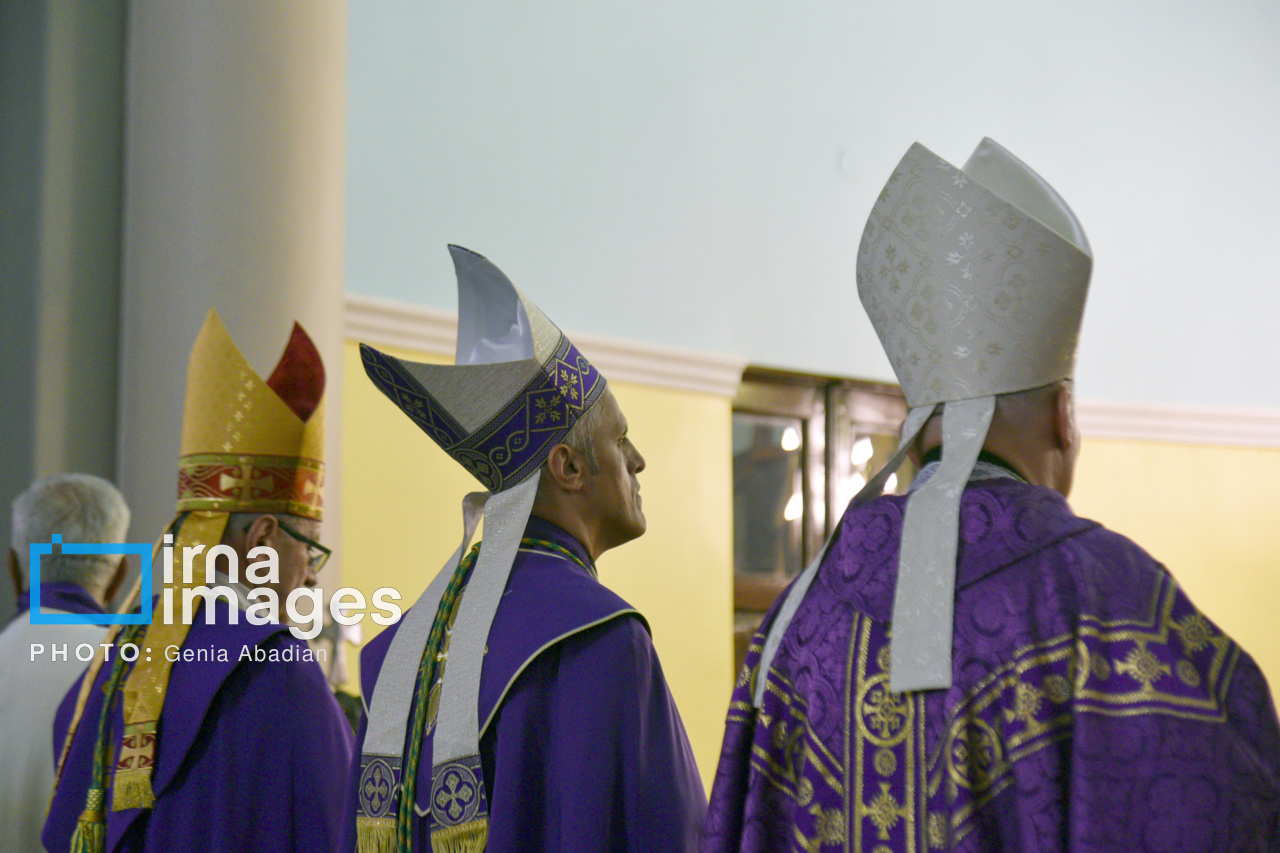
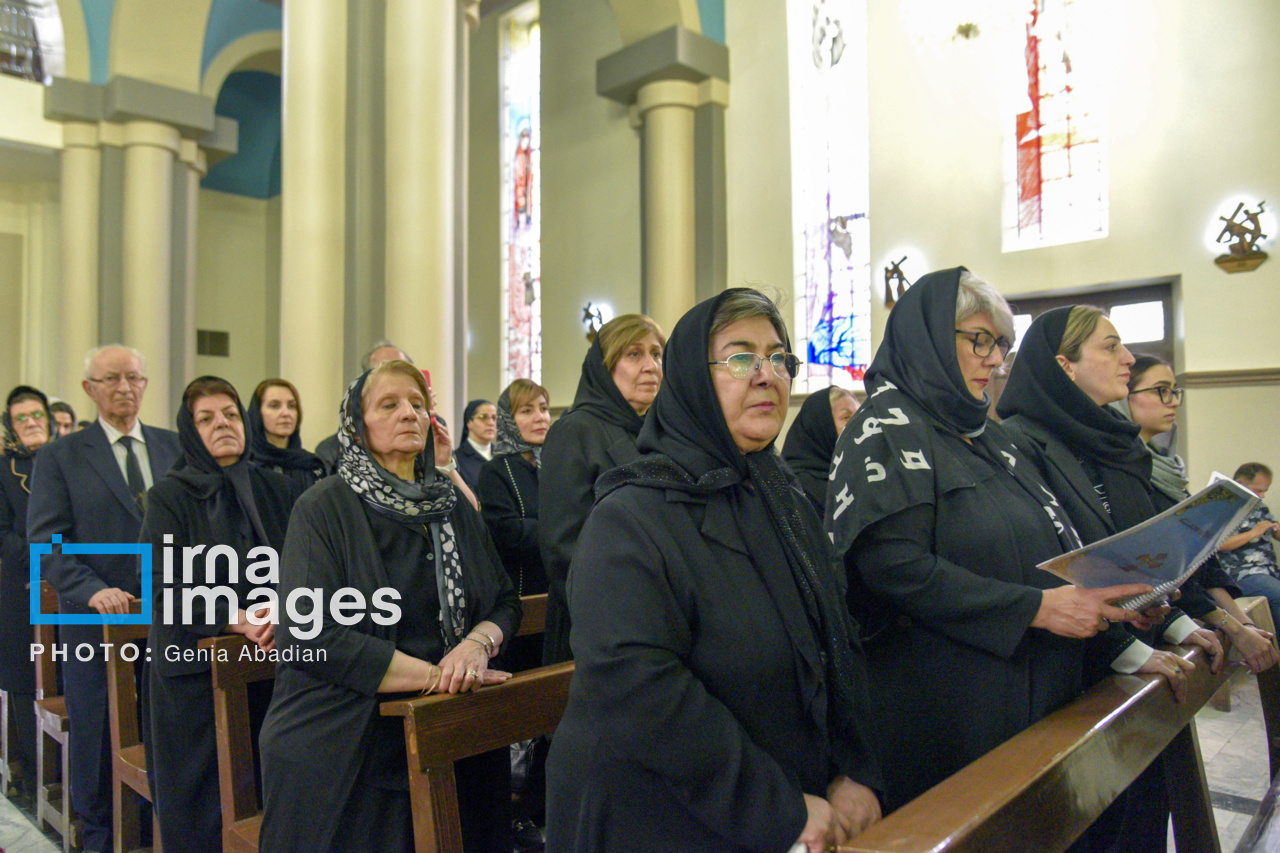
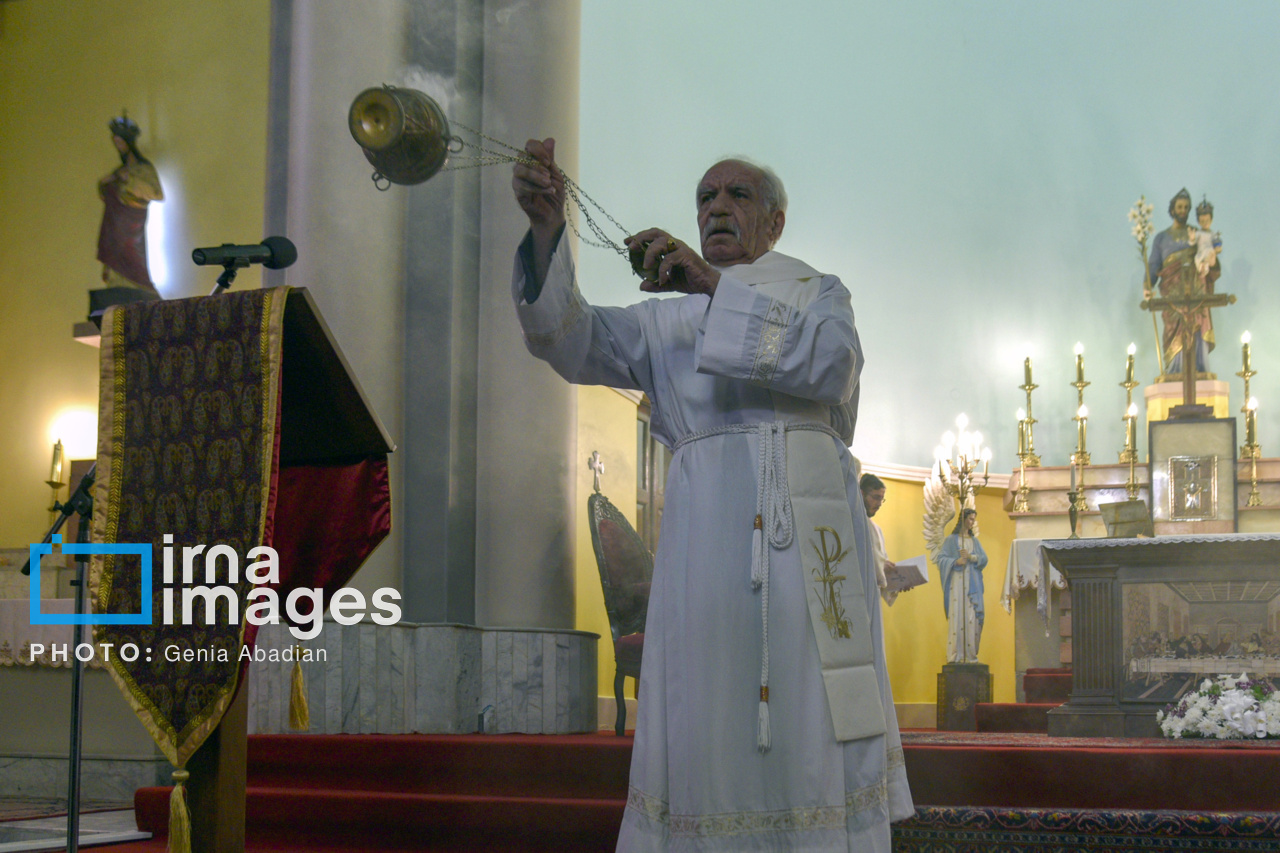
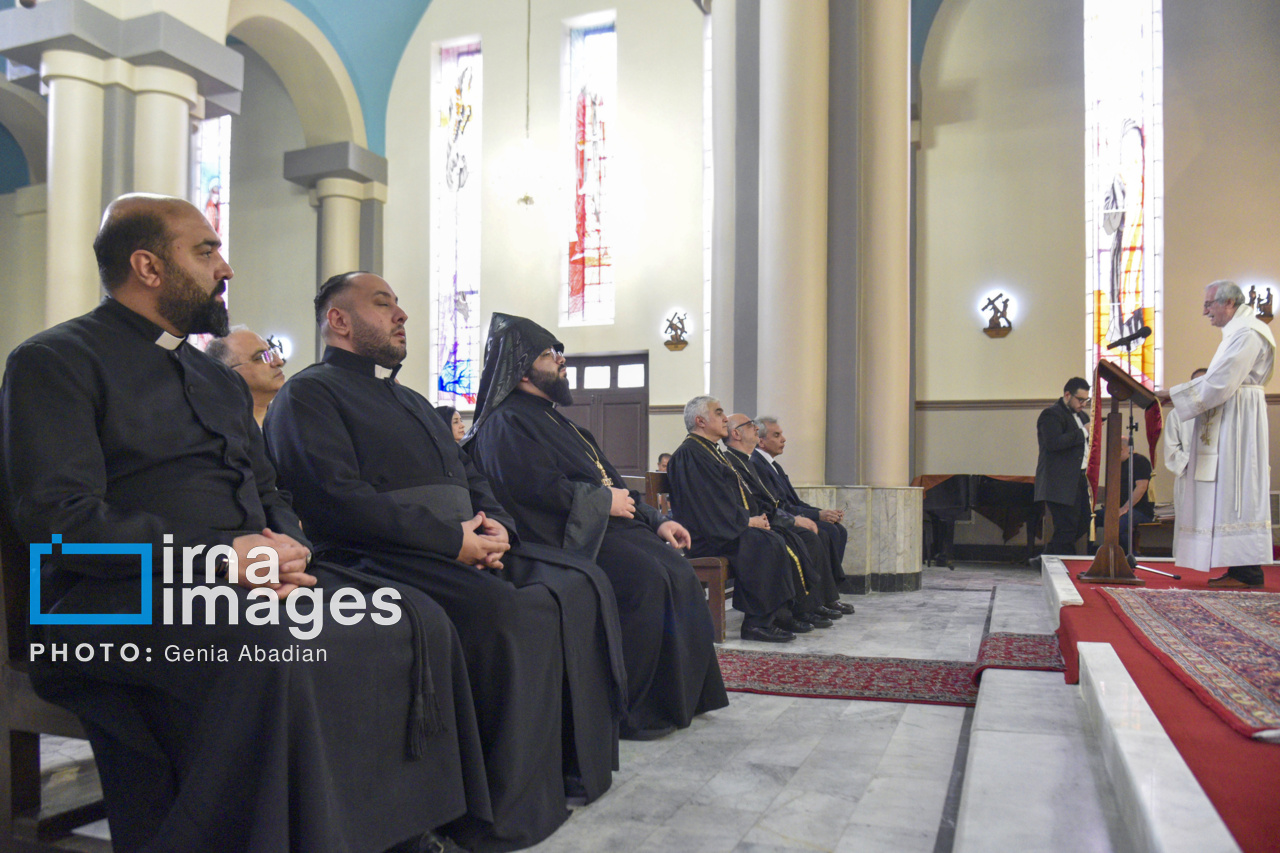
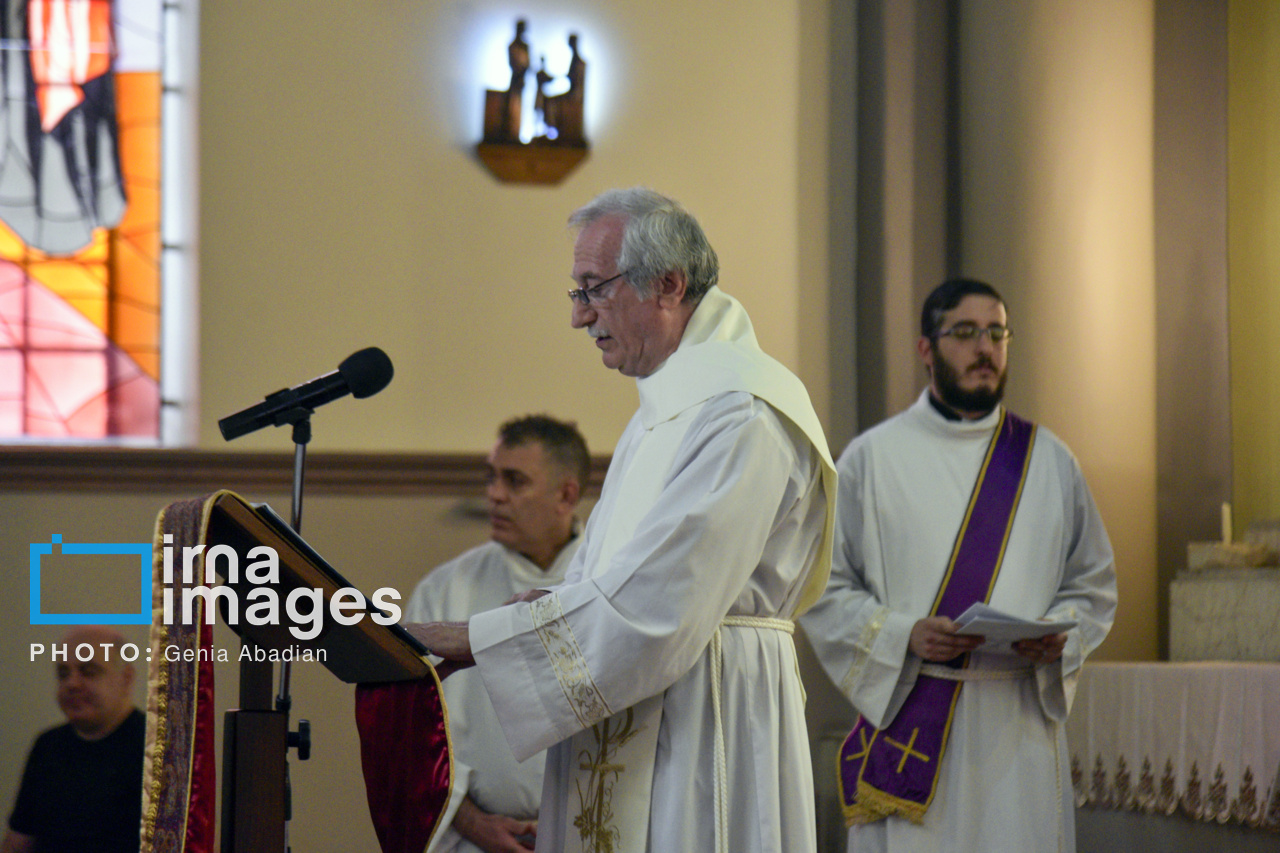
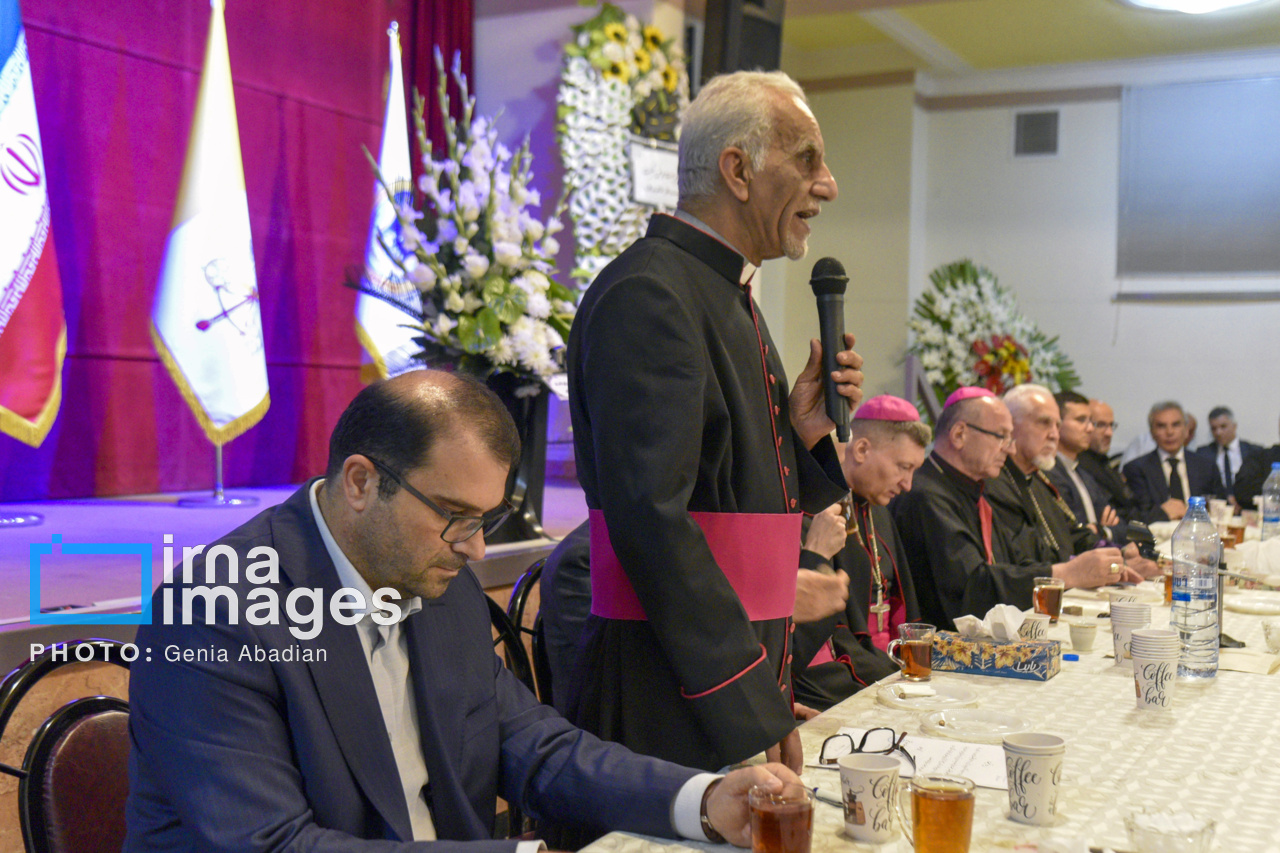
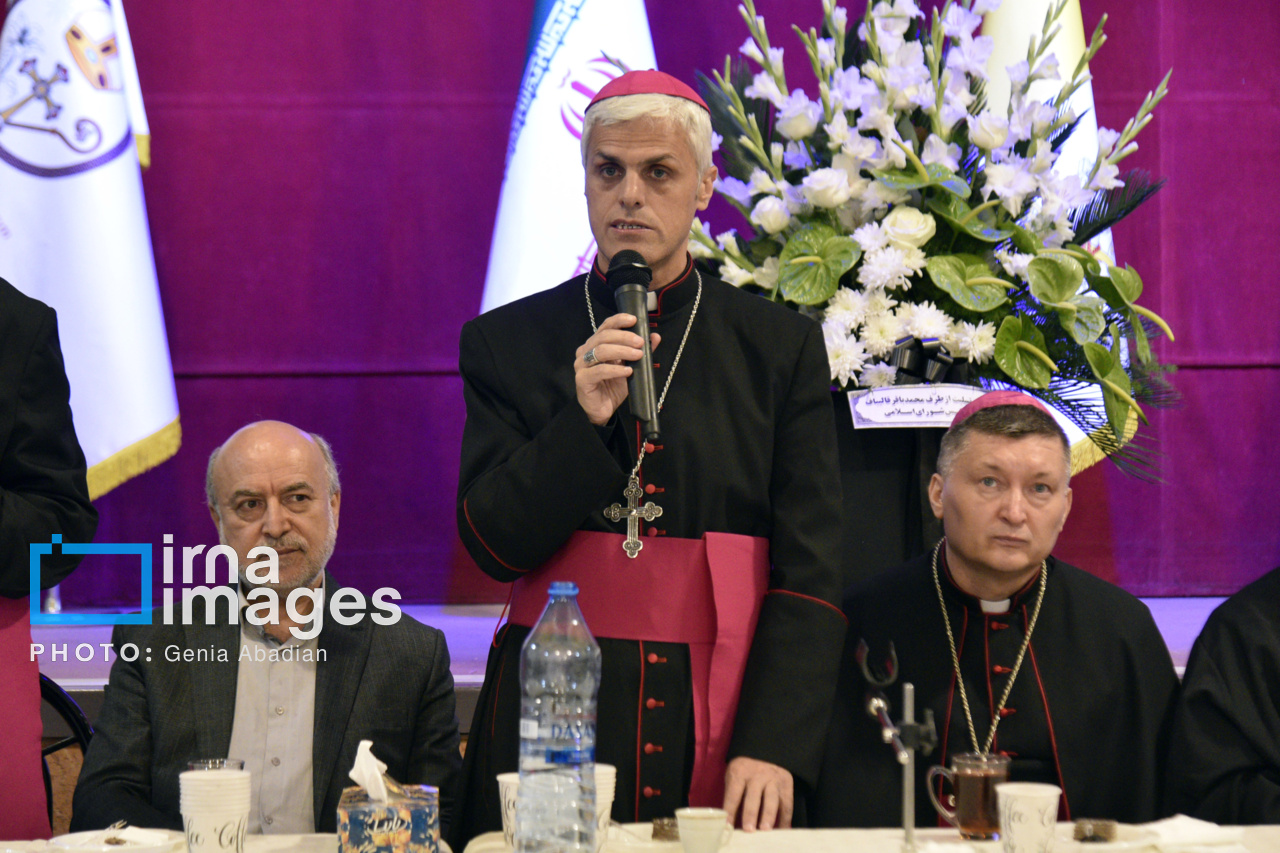
Tehran holds prayer ceremony in memory of Pope Francis I

The ceremony brought together members of the Christian community, religious figures, and representatives from various organizations to pay tribute to the pontiff’s life and legacy.

The event featured prayers, moments of reflection, and messages emphasizing Pope Francis I’s commitment to peace, compassion, and interfaith dialogue throughout his papacy.

More in pictures:

Iran president underlines stronger Azerbaijan ties with focus on economy, energy

In an interview with Azerbaijan’s state television, AzTV, on Sunday, the Iranian president outlined a vision for closer bilateral relations across multiple fields “without any limitations,” highlighting opportunities for collaboration in health, industry, trade, and joint investment initiatives.

Reaffirming Iran’s commitment to fostering regional relationships, he remarked, “Our primary focus is on cooperation and interaction with neighboring countries.”

Clean energy emerged as a key area for collaboration, with the president pointing to the Aras River as a “God-given resource” for generating sustainable energy through existing dams.

He also proposed joint ventures in solar and wind energy, calling on “industries and universities to take the lead in this endeavor.”

Academic partnerships were emphasized as a priority, with the president stating that “interaction among universities and professors is of utmost importance.”

President Pezeshkian also spoke about the historic and cultural ties uniting the two peoples, stressing that “borders between Iran and Azerbaijan are of no importance.”

He urged political leaders to prevent “irresponsible behavior by a few” from straining diplomatic ties, expressing Iran’s “deep love and affection for the Azerbaijani people.”

Addressing regional and international concerns, the president advocated respect for territorial integrity and peaceful dispute resolution, particularly between Azerbaijan and Armenia.

“We believe in respecting countries’ borders and resolving differences within the framework of international laws,” he affirmed.

Iran’s Leader calls for full probe into deadly port incident

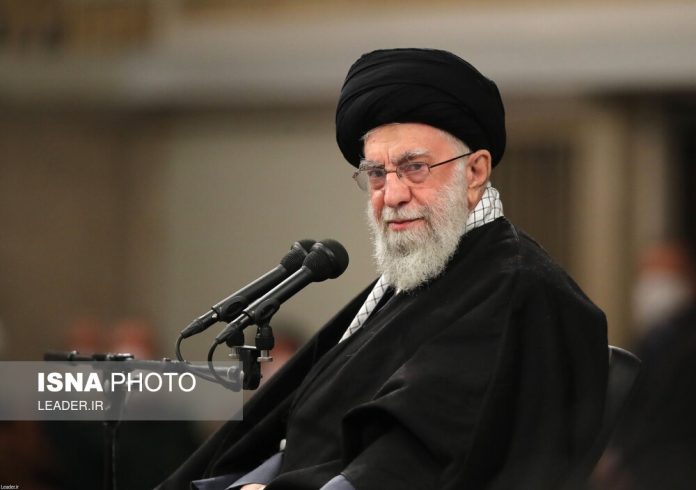
Ayatollah Khamenei

In his message, the Leader expressed deep sorrow over the tragic event, offered prayers for the souls of the victims, wished patience and solace for their bereaved families, and a swift recovery for the injured.

Ayatollah Khamenei stressed the critical responsibility of security and judicial authorities to thoroughly investigate the incident.

He instructed them to uncover any negligence or deliberate wrongdoing and to pursue appropriate legal action in accordance with the law.

Highlighting the broader duty of all officials to take proactive measures to prevent such catastrophic incidents, the Leader urged comprehensive efforts toward safety and risk mitigation across all sectors.

Furthermore, he expressed sincere gratitude to the compassionate citizens who, in a moment of urgent need, readily volunteered to donate blood to the injured.