
The harvest includes 535,000 hectares of irrigated wheat fields and 219,000 hectares of rain-fed crops.
As one of Iran’s main agricultural hubs, Khuzestan is expected to yield approximately 1.8 million tons of wheat this season.
More in Pictures:
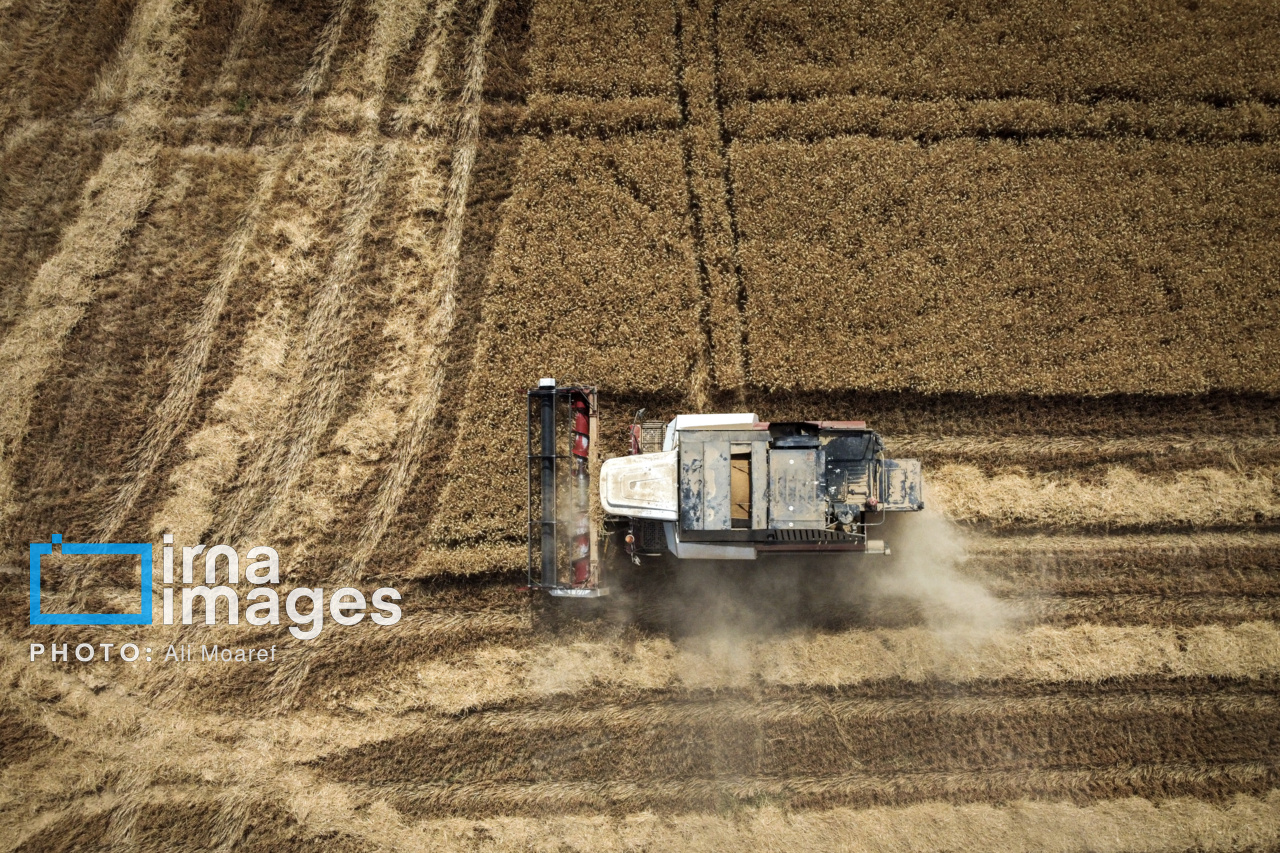
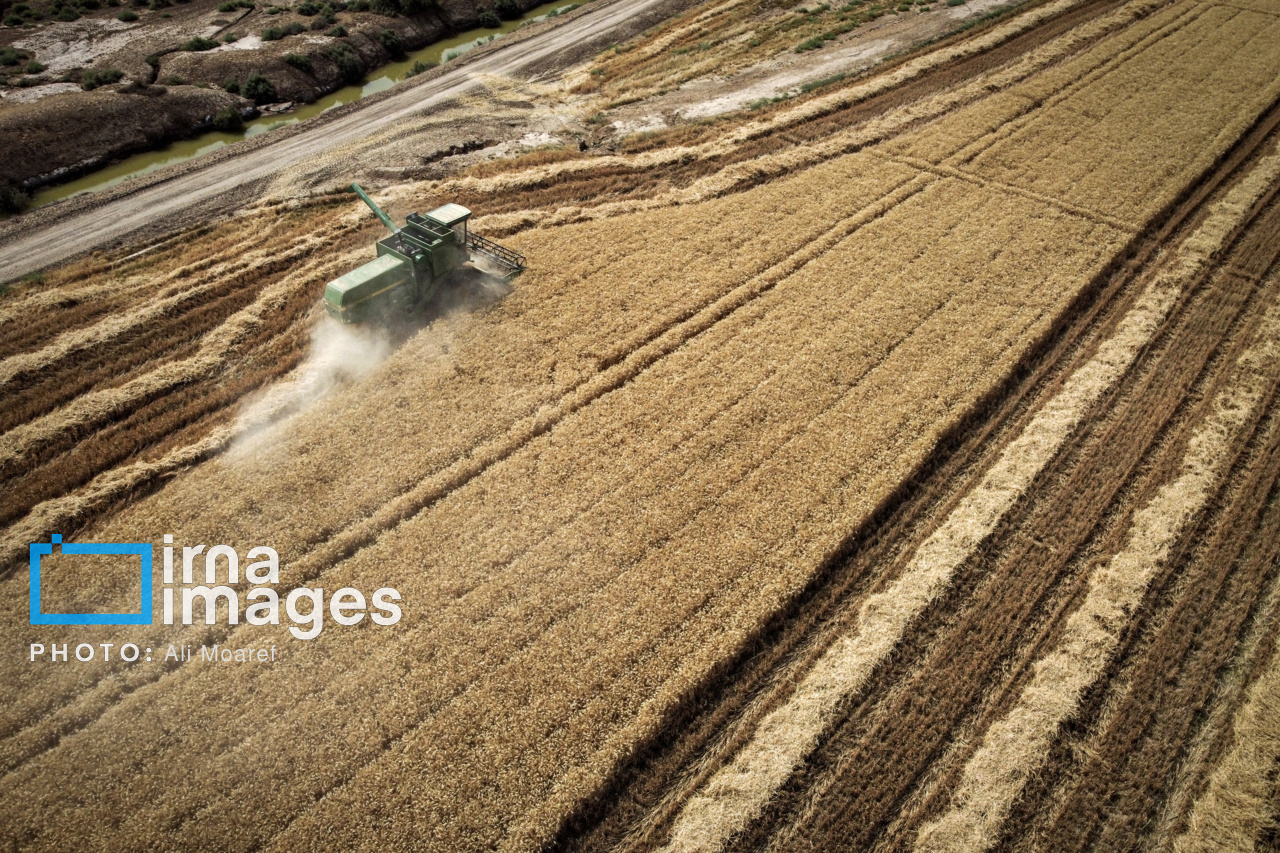
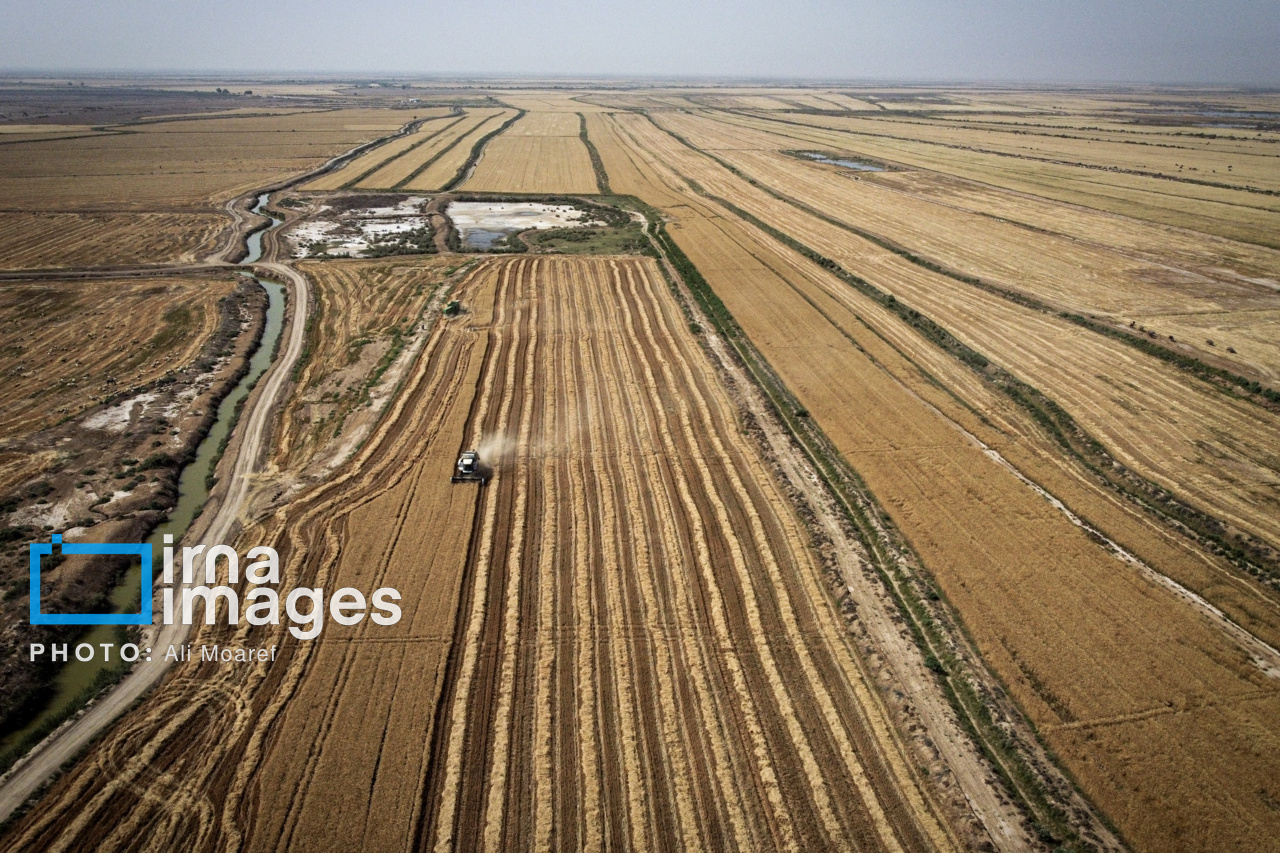
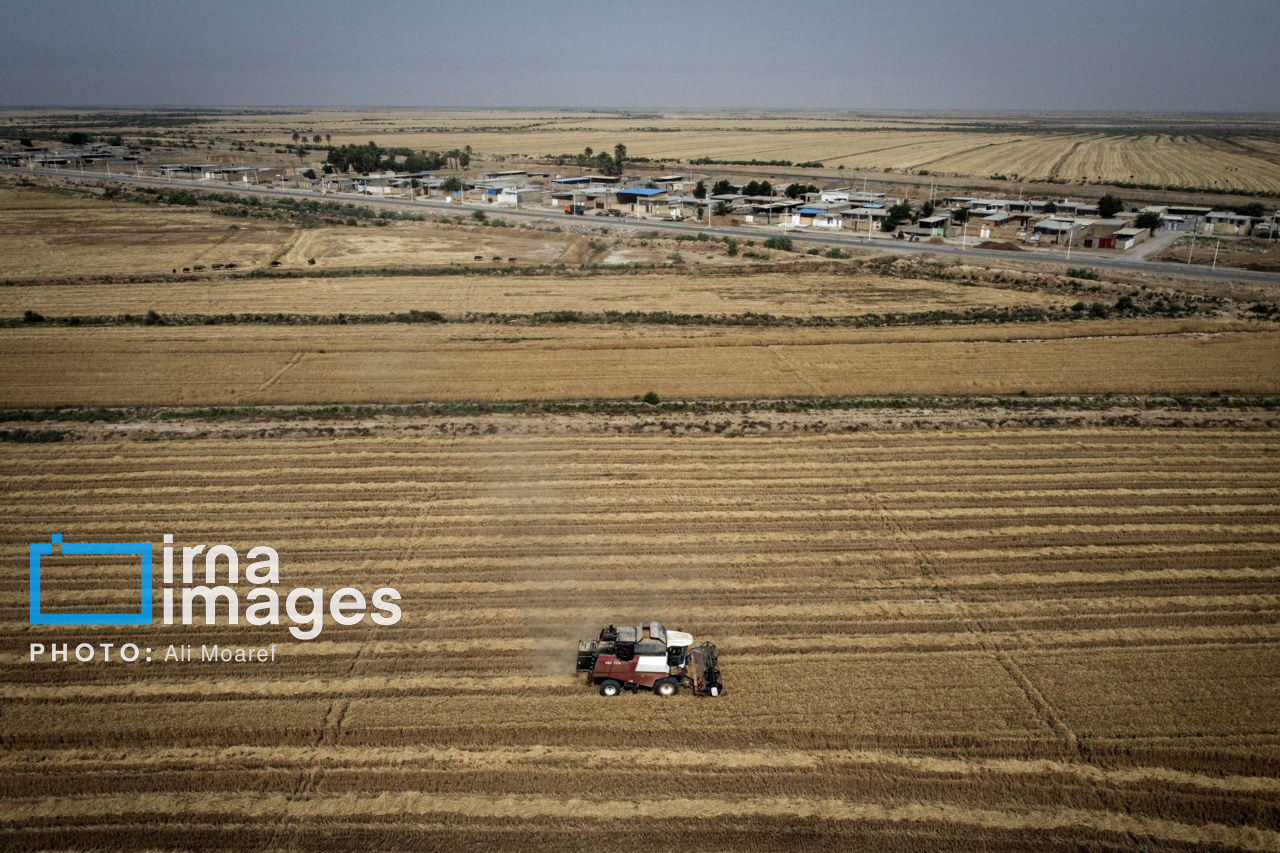
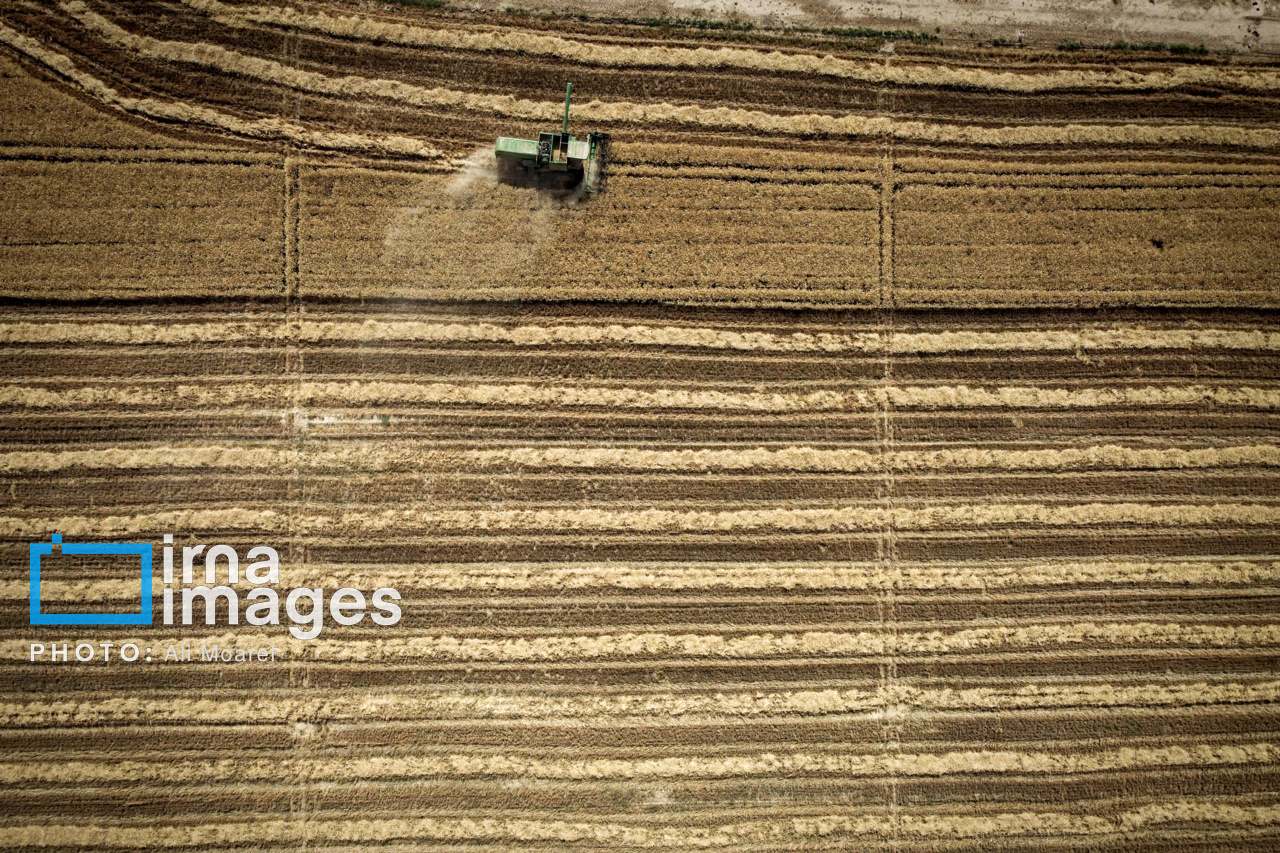
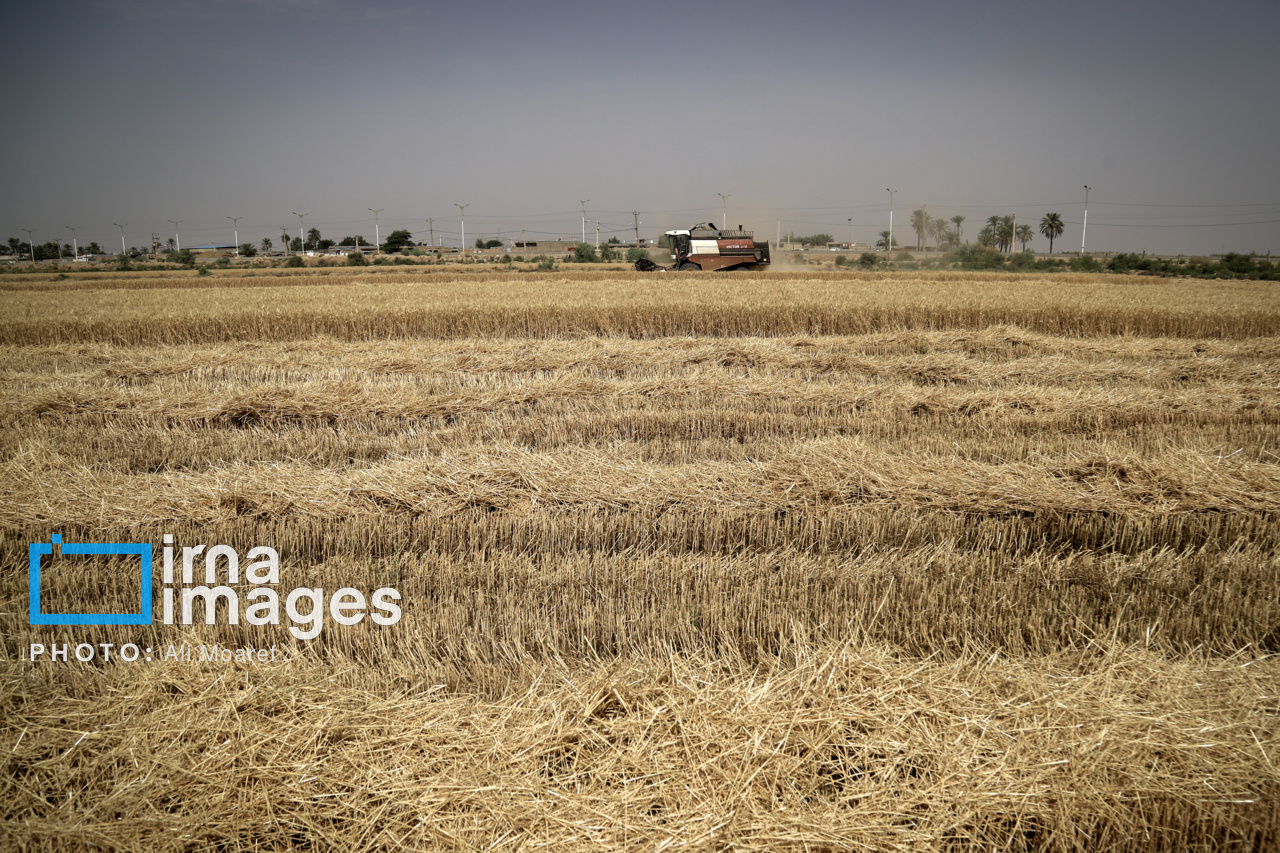
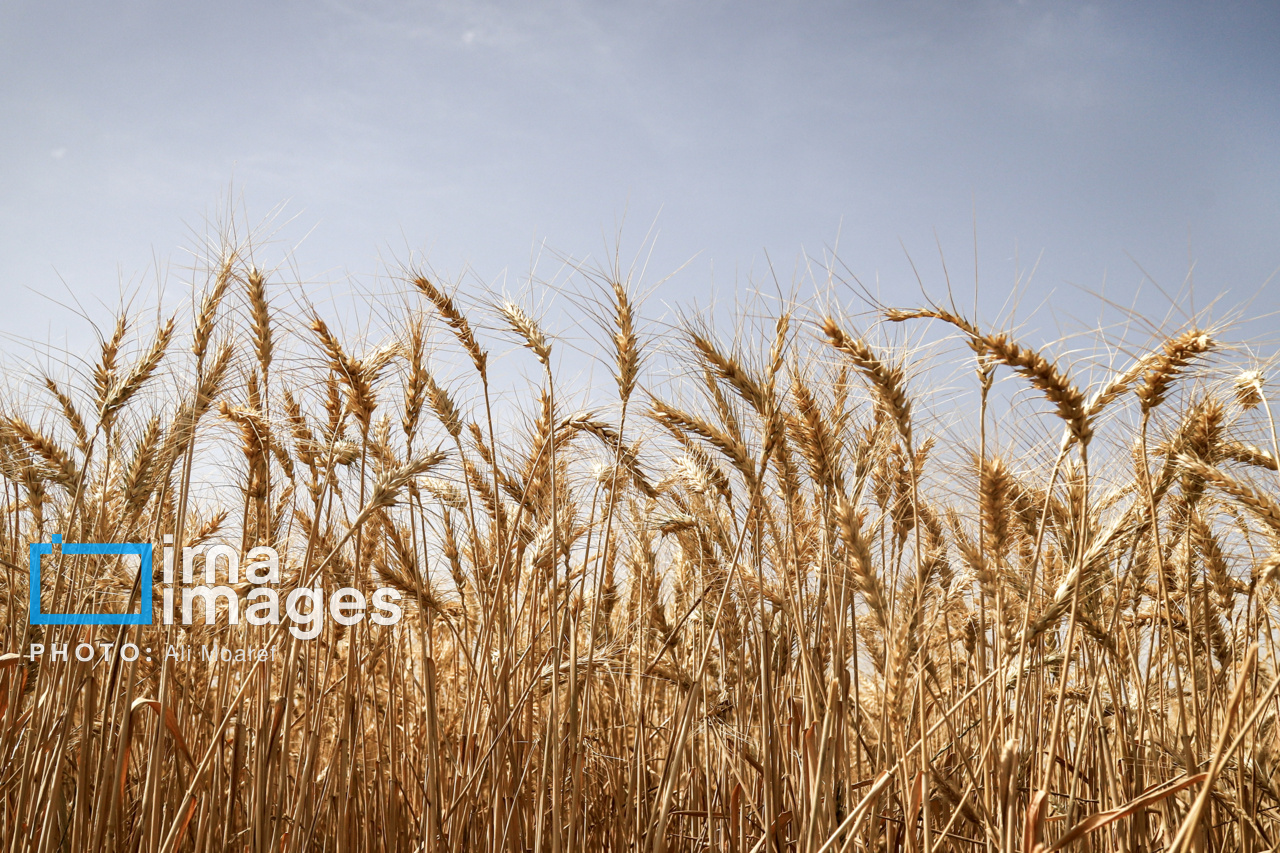
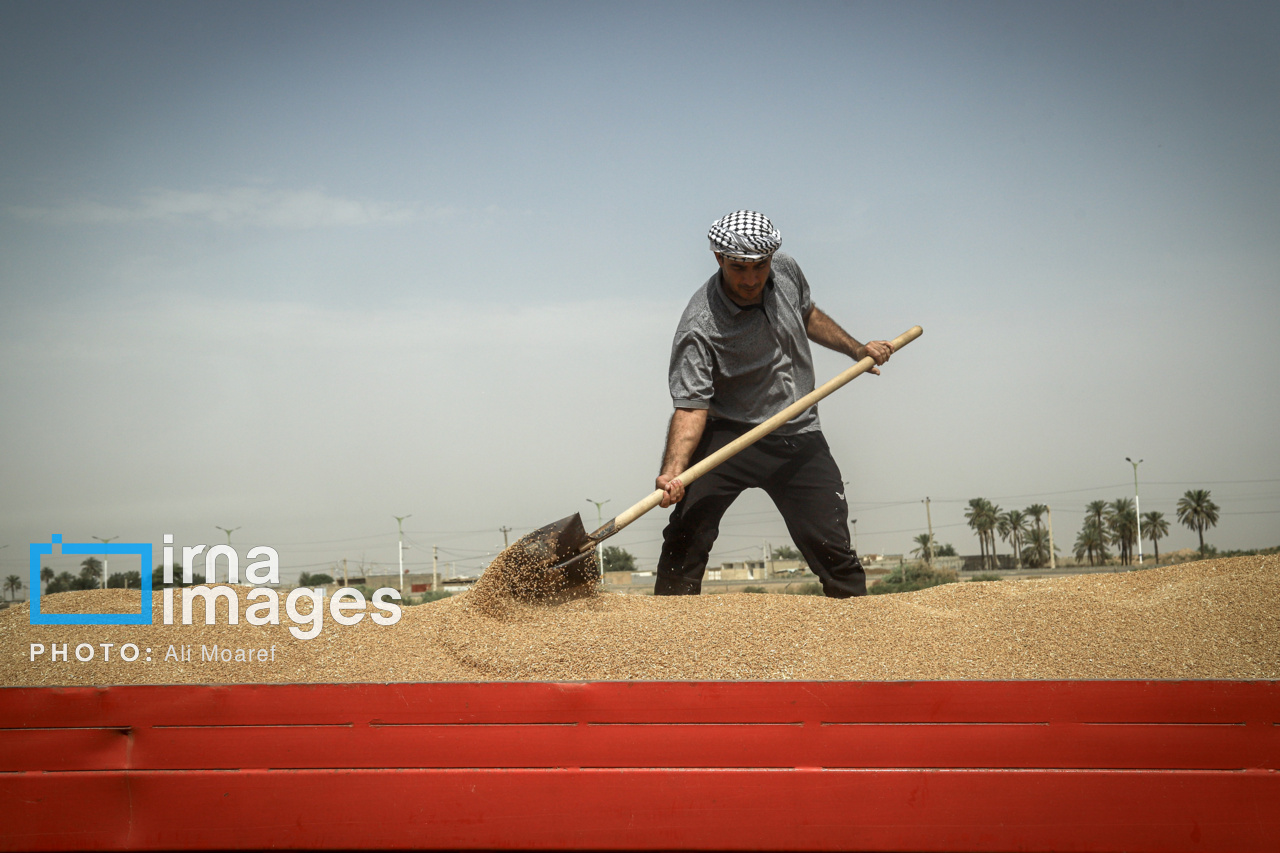
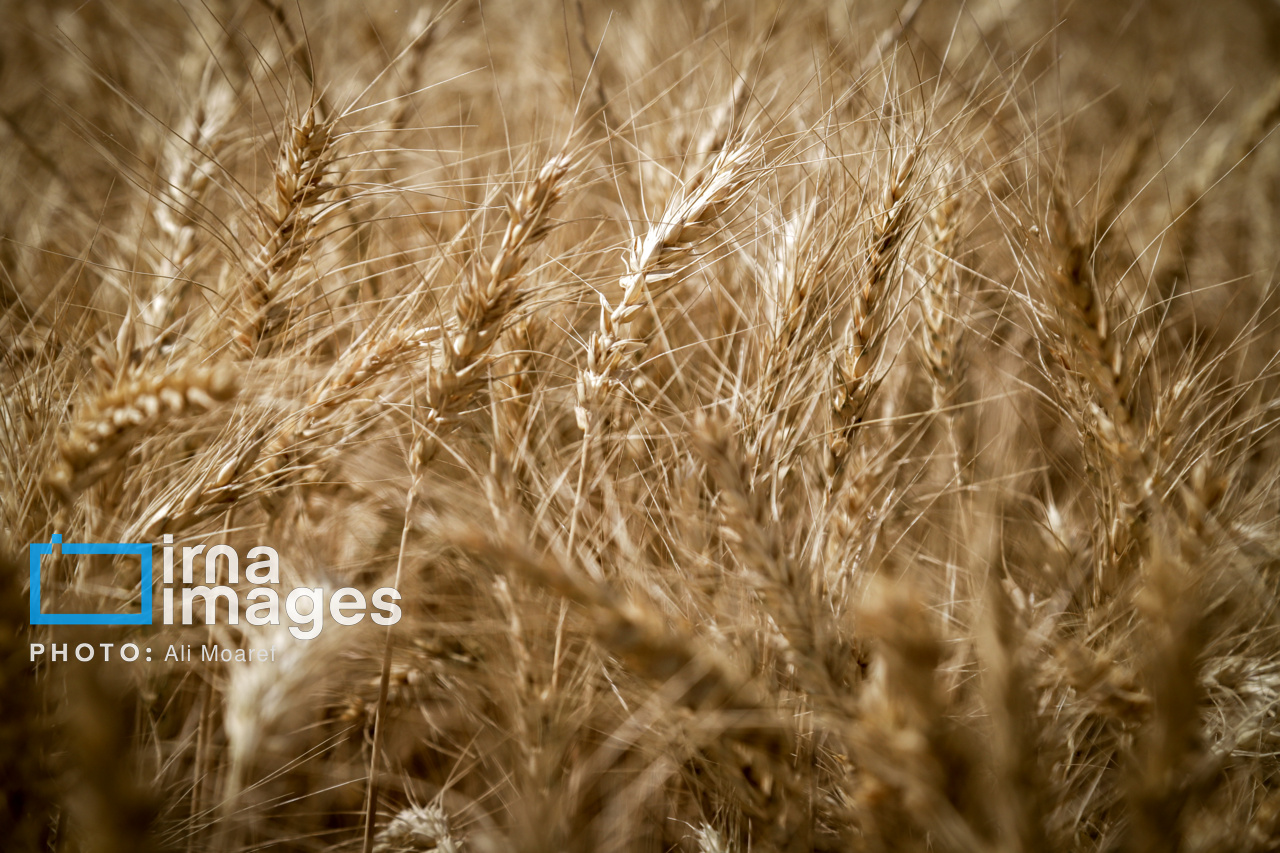
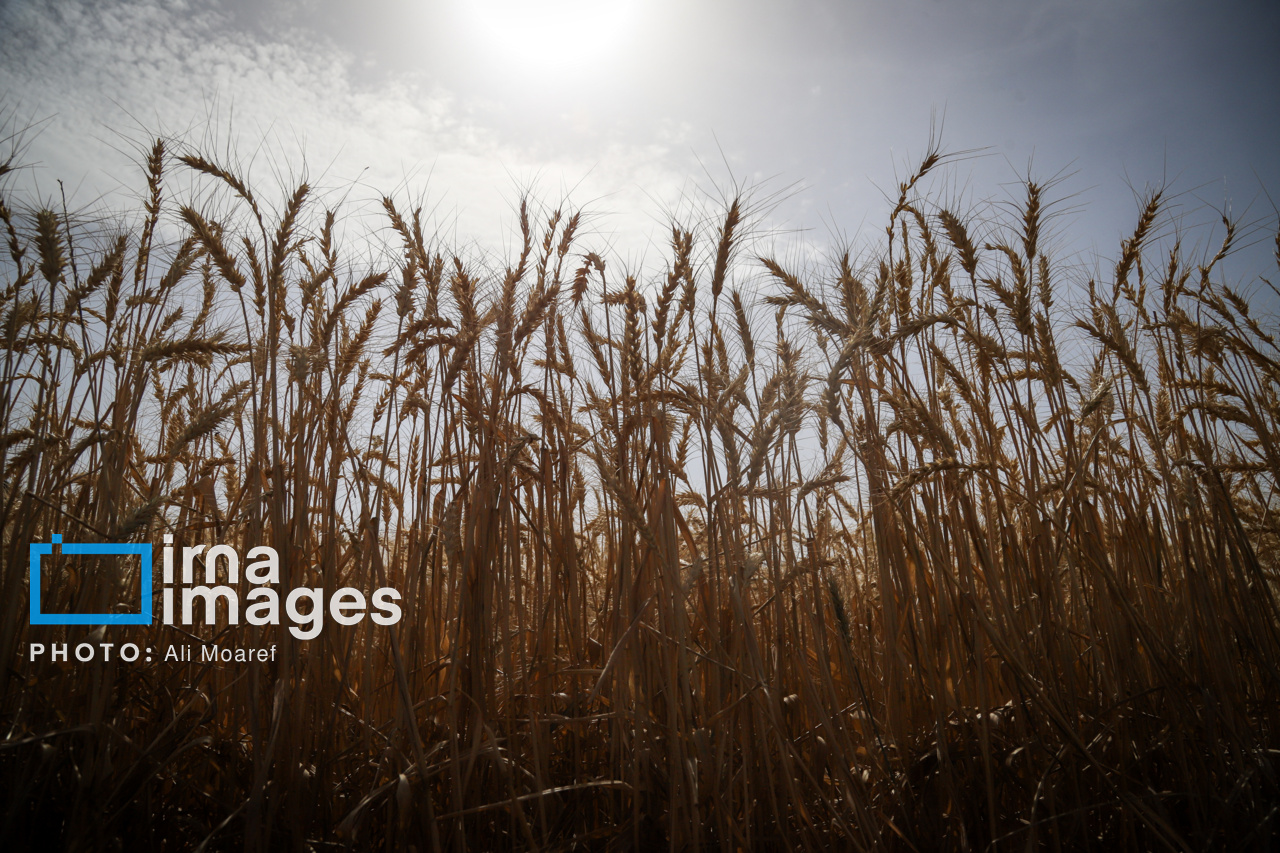
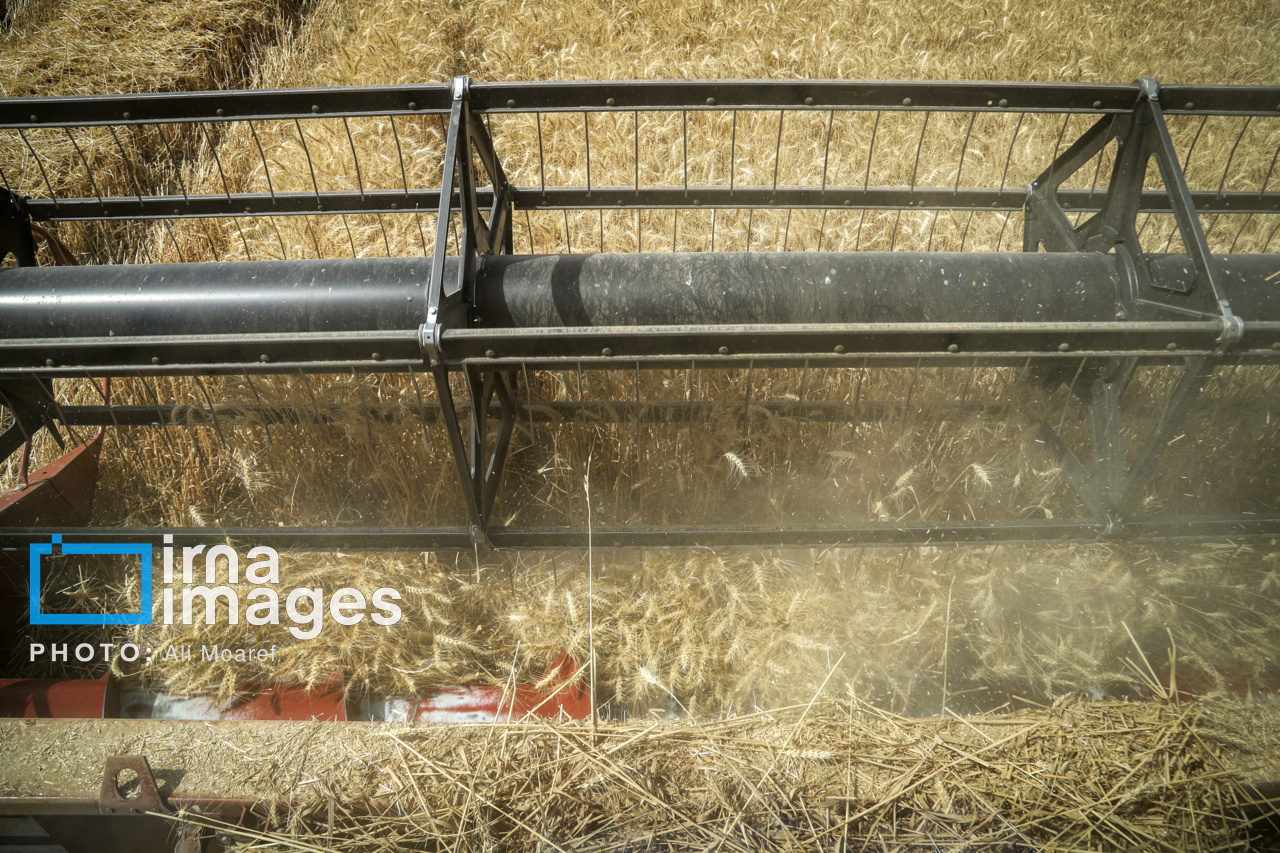
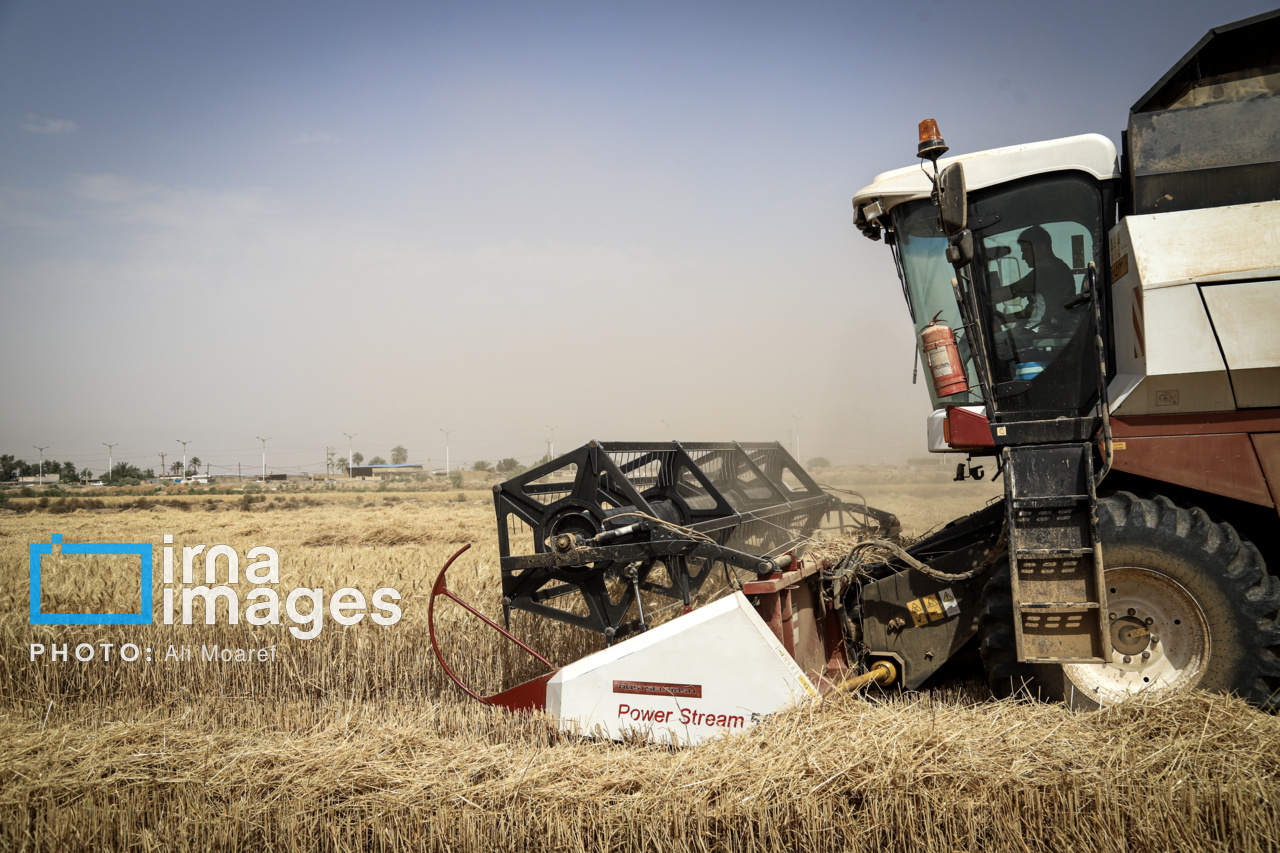
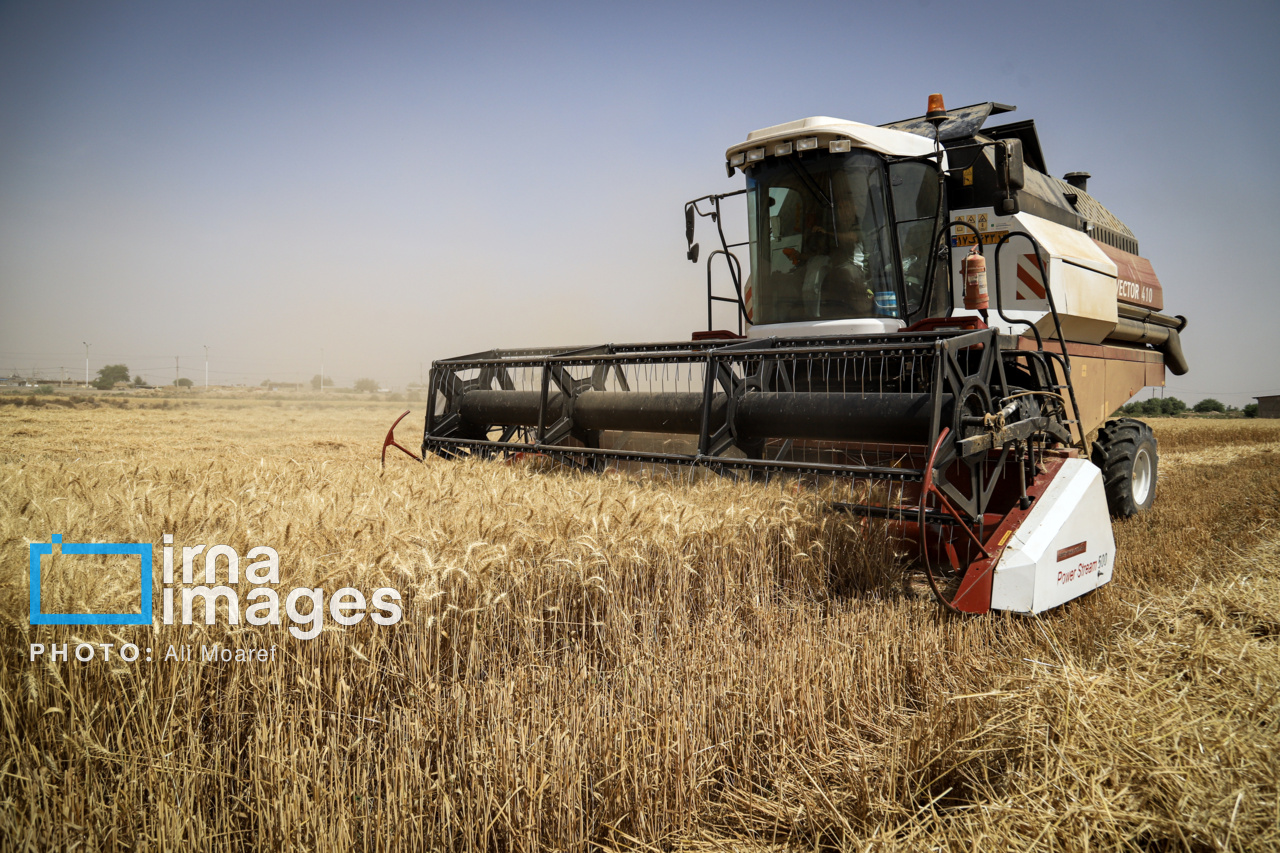
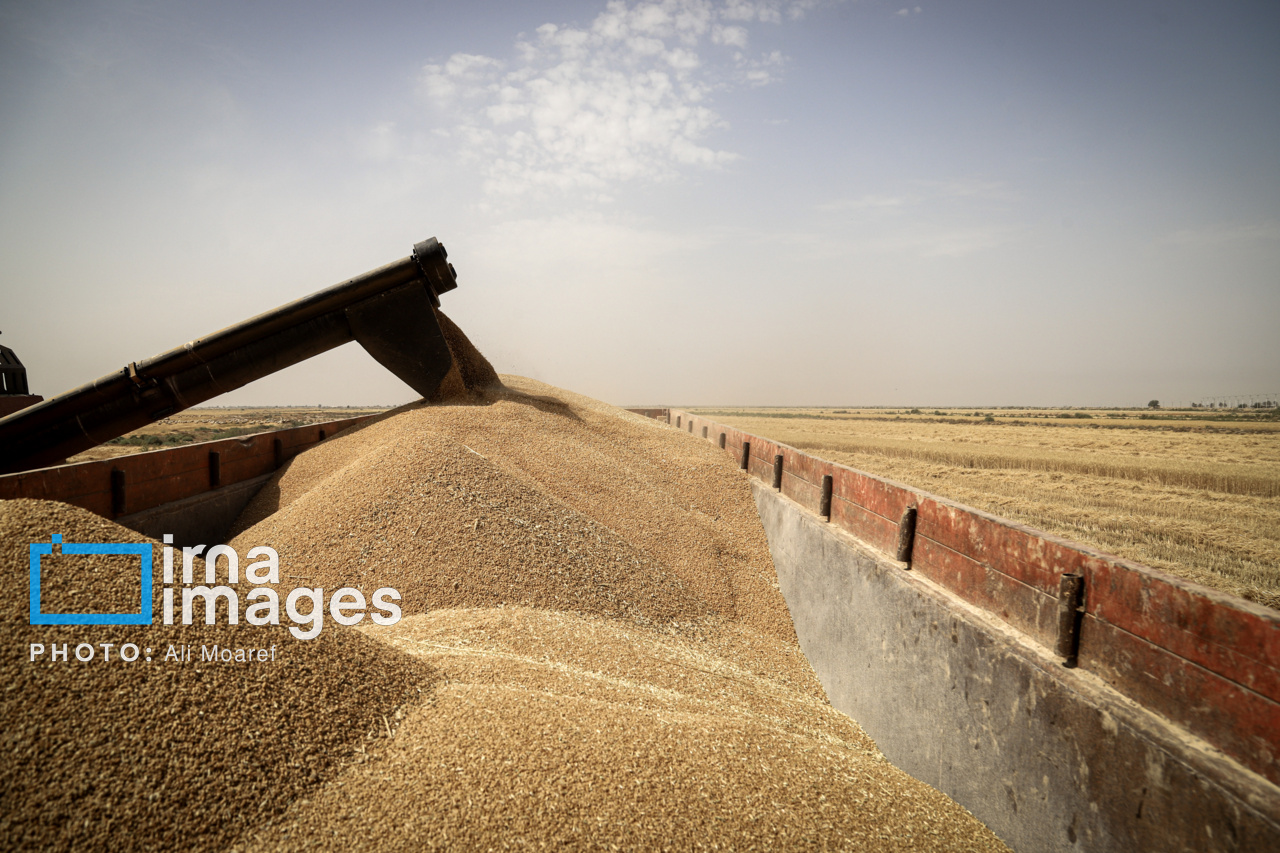
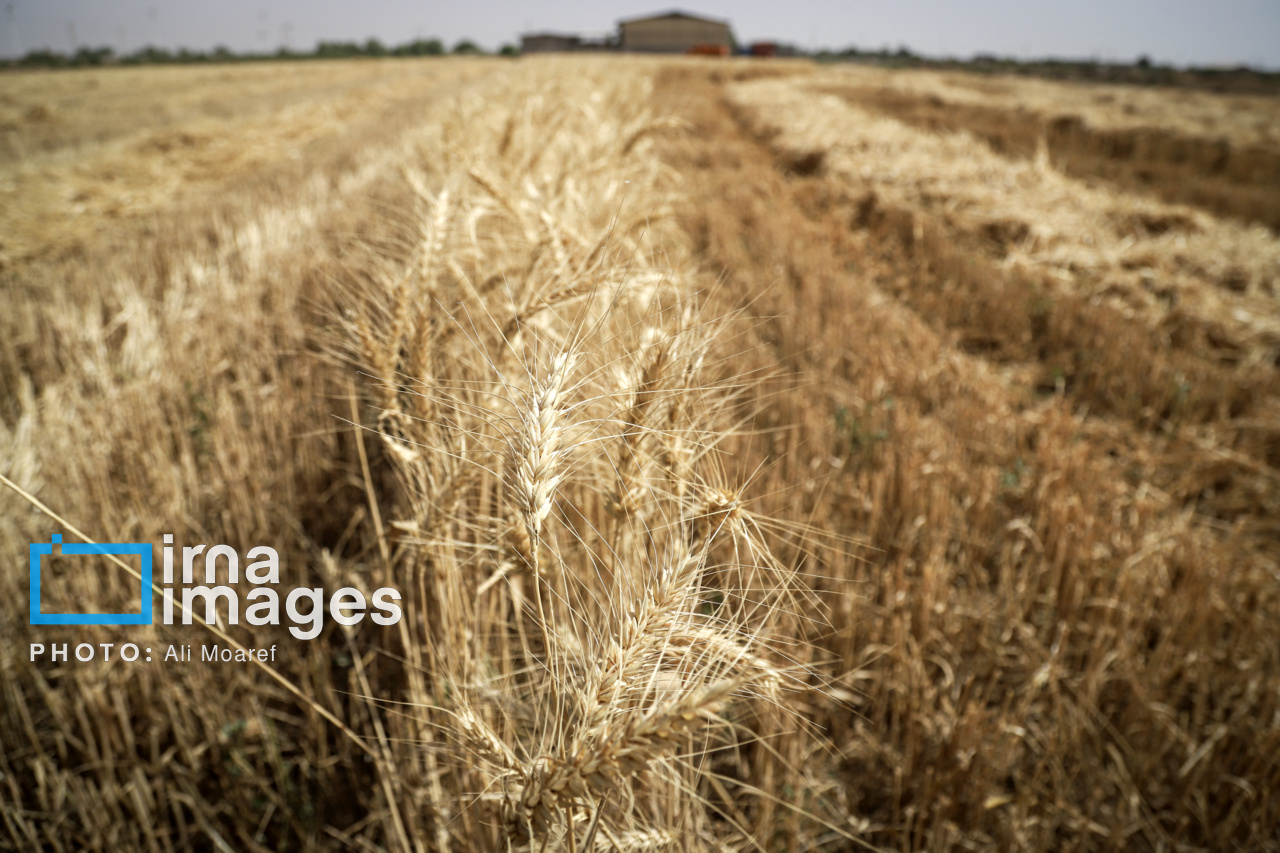
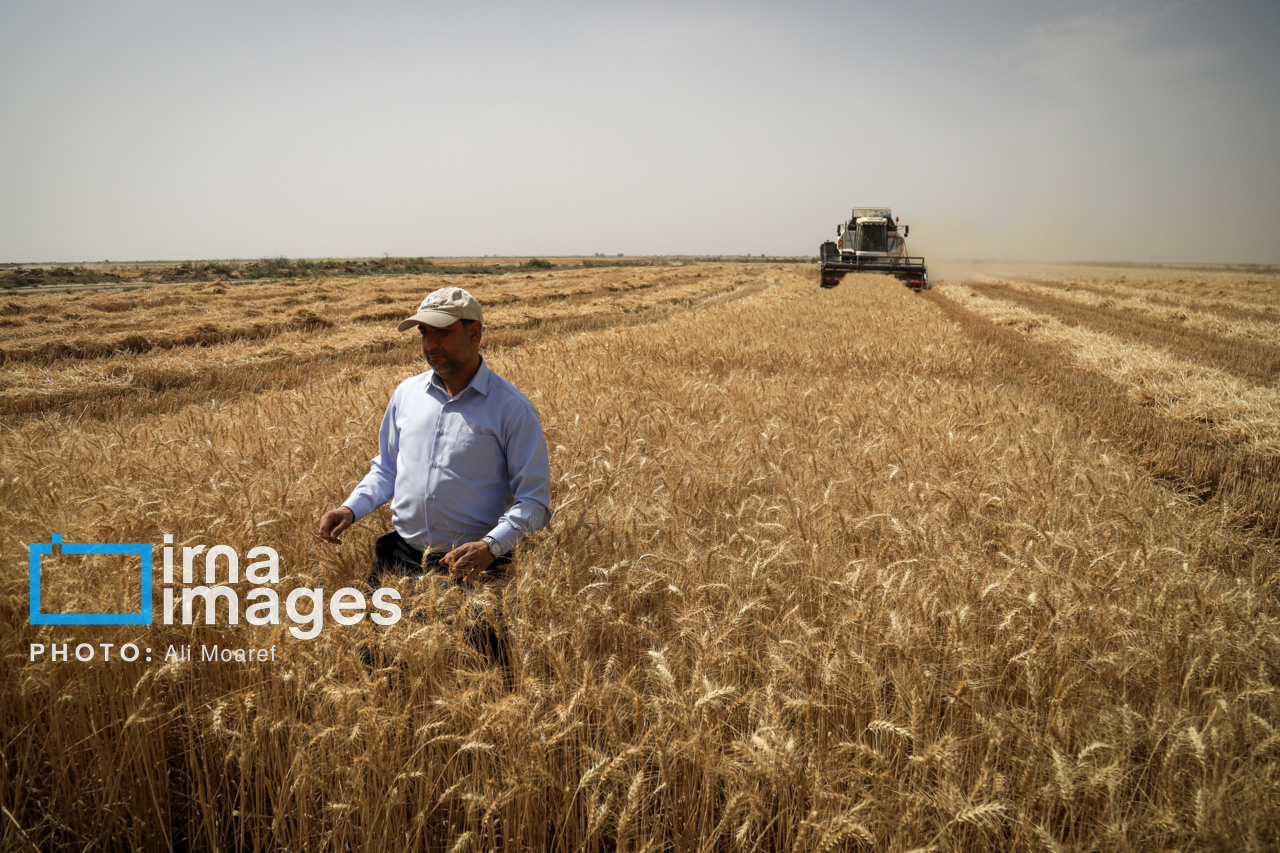
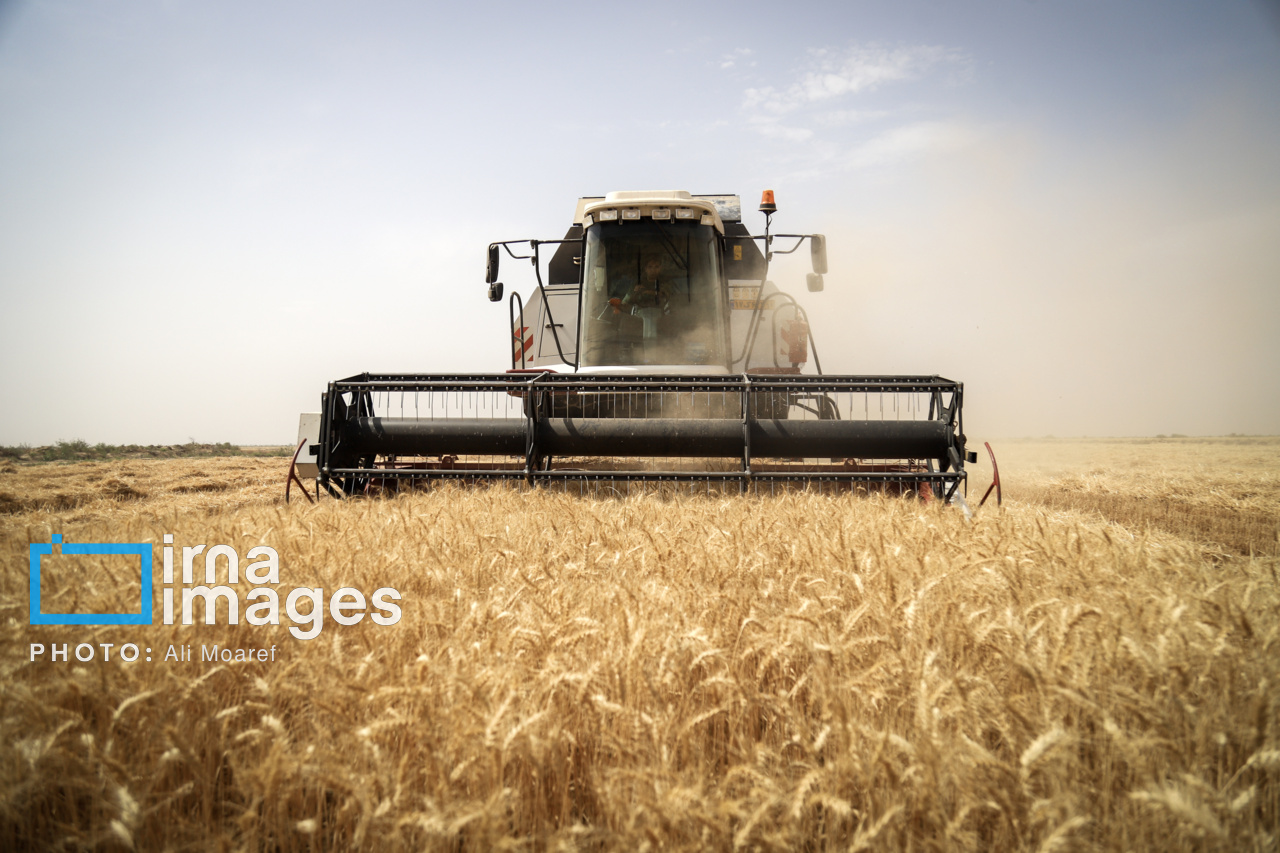
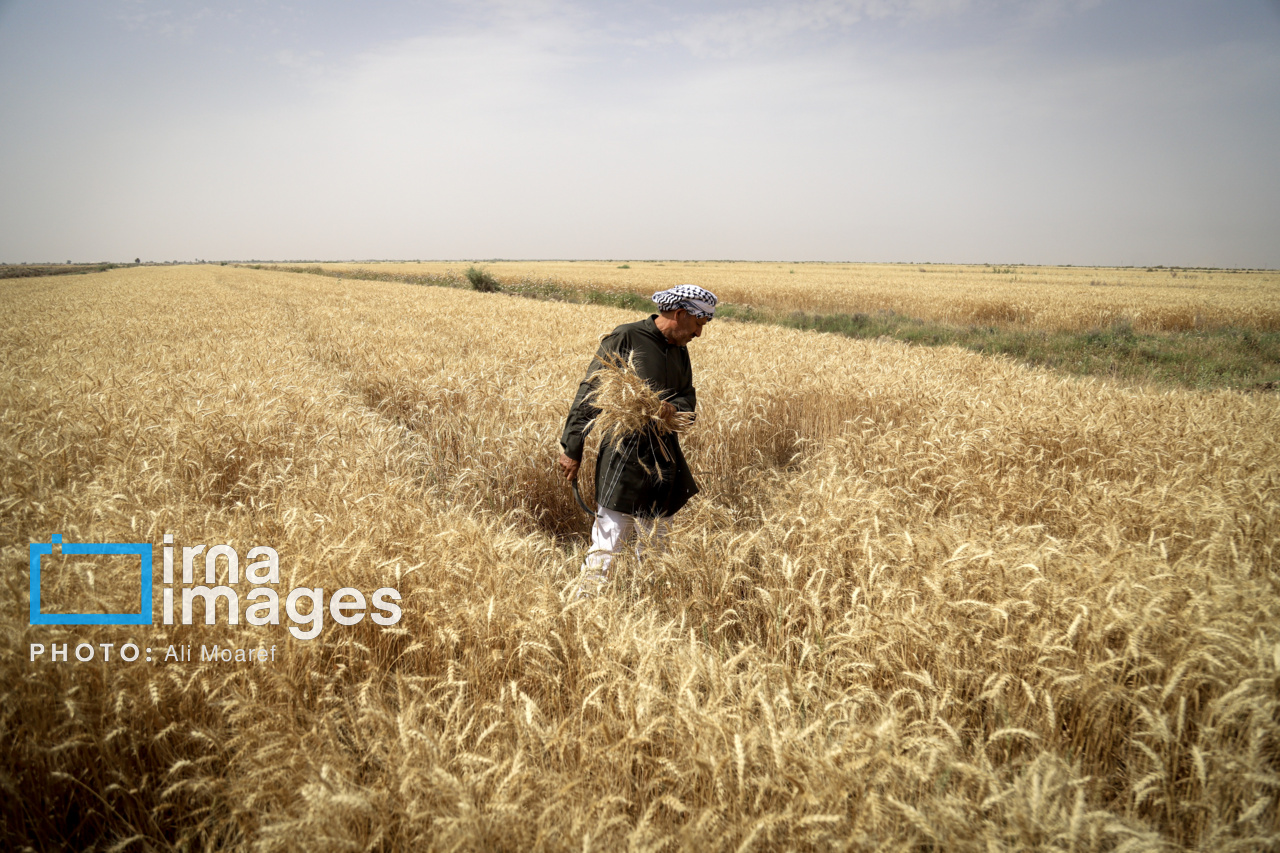
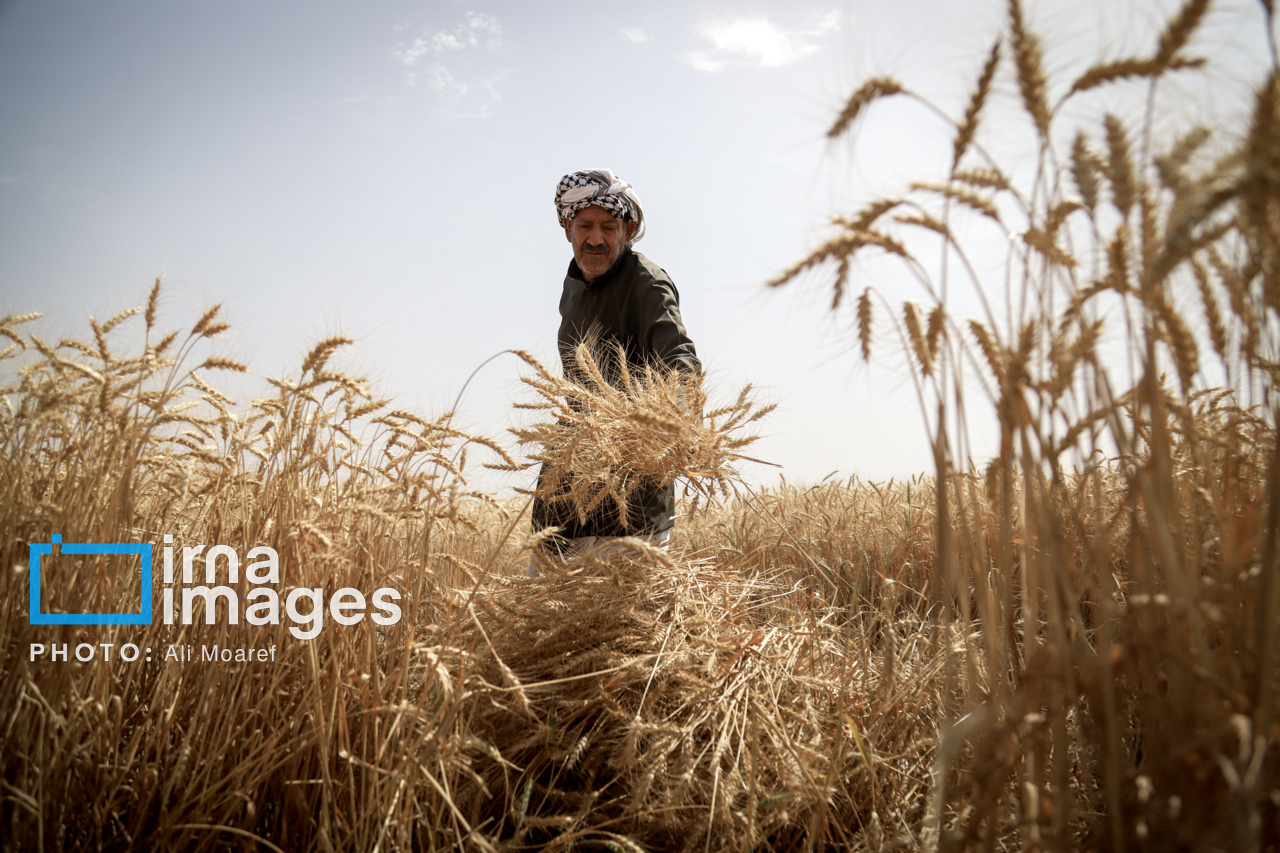
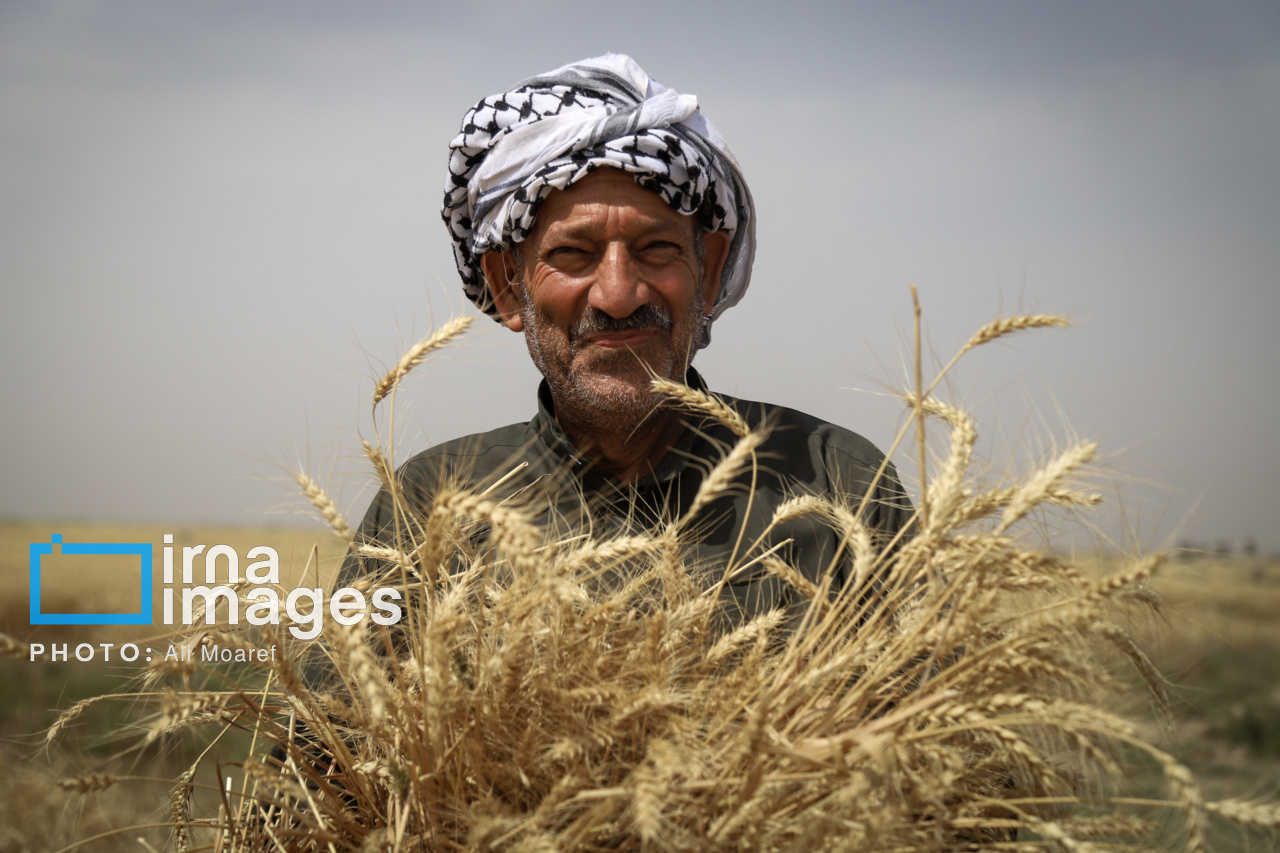
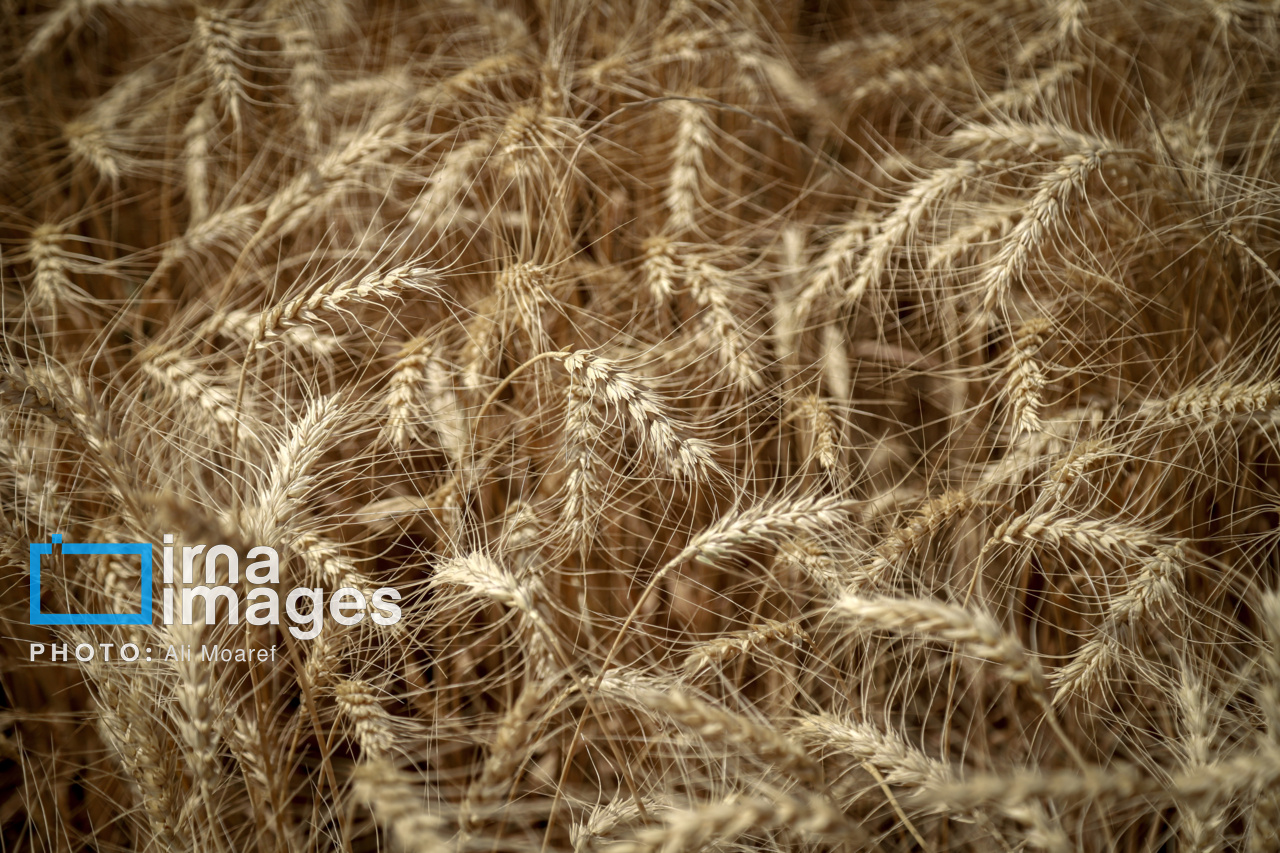
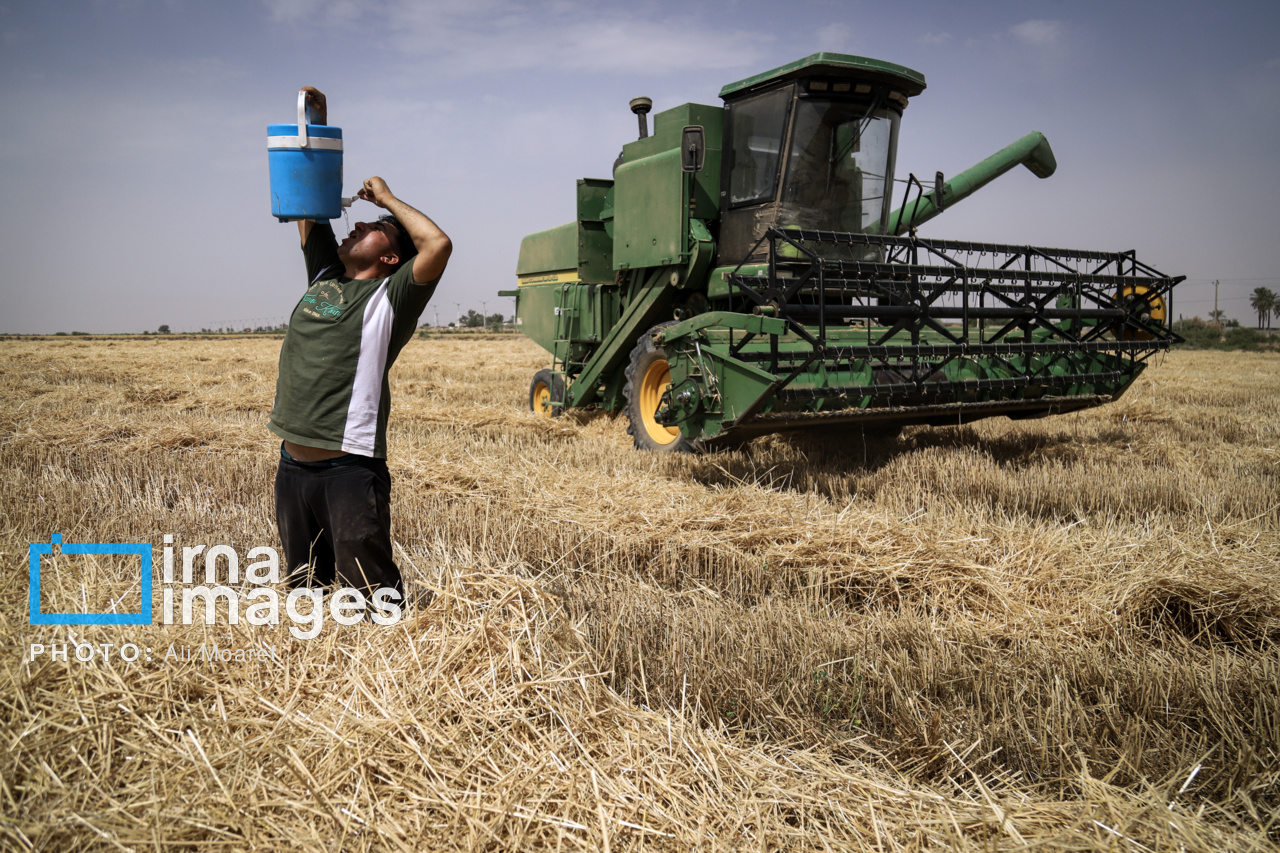
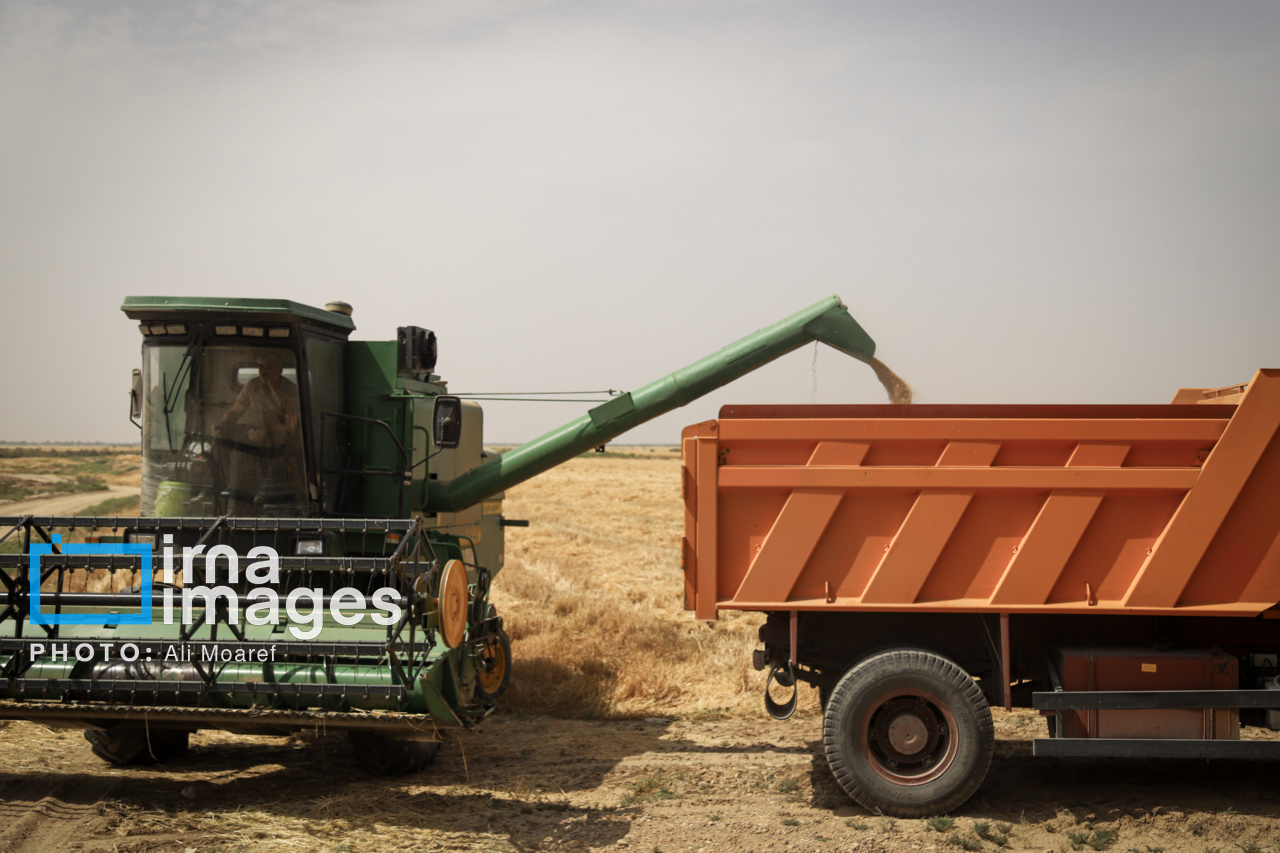
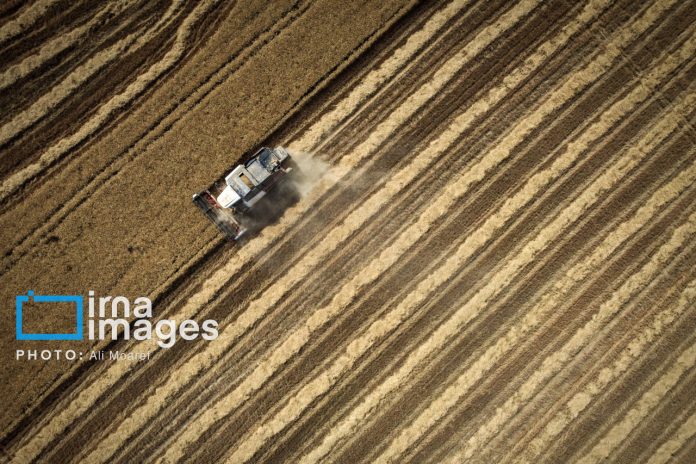
The harvest includes 535,000 hectares of irrigated wheat fields and 219,000 hectares of rain-fed crops.
As one of Iran’s main agricultural hubs, Khuzestan is expected to yield approximately 1.8 million tons of wheat this season.
More in Pictures:
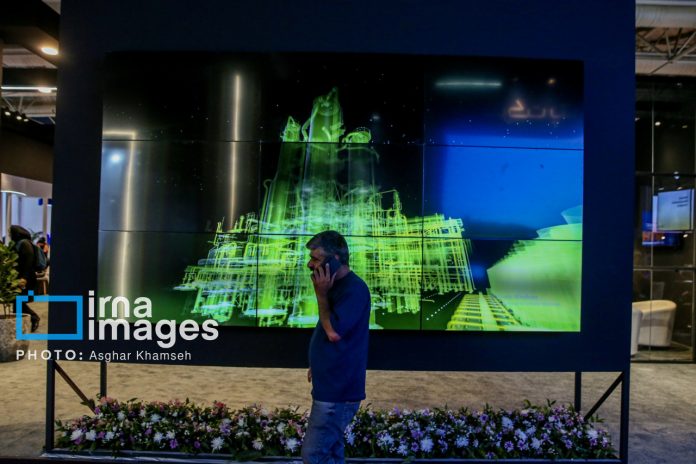
According to the Communications and Information Center of the Iranian Vice-Presidency for Science, Technology, and Knowledge-Based Economy, the four-day exhibition, running through May 1, brings together over 500 innovative companies and startups from Iran and abroad to showcase cutting-edge advancements across multiple sectors.
Artificial intelligence takes center stage at this year’s event, with dedicated exhibition spaces highlighting breakthroughs in medical AI, natural language processing, machine vision, and big data analytics.
The program features specialized workshops and panel discussions on emerging topics including generative AI and its industrial applications.
The opening ceremony saw participation from senior government officials, Pardis Technology Park executives, and key figures from Iran’s innovation ecosystem.
The exhibition offers attendees multiple engagement opportunities through its main stage presentations, mentoring sessions, and the competitive INOTEX Pitch startup competition.
The exhibition includes special networking sessions designed to foster professional connections and potential collaborations among participants.
This year’s edition places particular emphasis on facilitating technology transfer and showcasing Iran’s growing capabilities in advanced technological fields despite international sanctions.
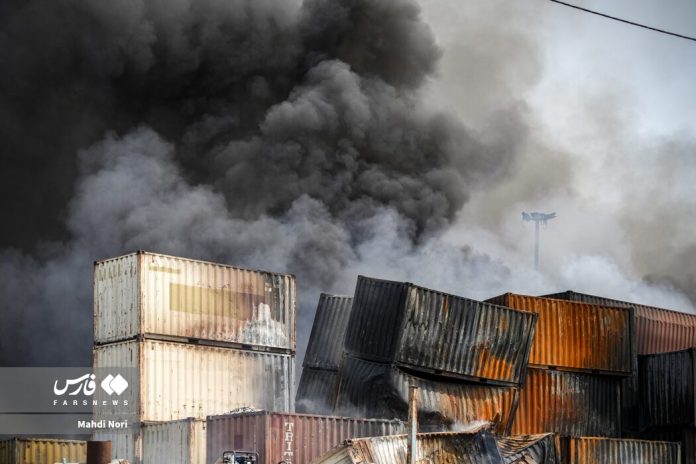
Two specialized Be-200ChS and Il-76 water-dropping planes from Russia’s Emergency Ministry have discharged approximately 130 tons of water to help extinguish lingering hot spots, Tasnim news agency reported.
Russian President Vladimir Putin ordered on Sunday the immediate dispatch of emergency specialists to Iran following the massive explosion in southern Iranian province of Hormozgan, which has so far left 70 people dead and hundreds of others injured.
Iran’s Interior Minister Eskandar Momeni has confirmed the fire is now “controlled and contained,” though some slow-burning materials may continue smoldering for several days.
Local fire crews remain on scene for final cleanup operations.
Authorities have formed an investigative committee to examine safety failures, including lapses in passive defense measures.
“We must follow the principle of dispersion – not putting all our eggs in one basket,” Momeni stated, referencing the need for improved safety protocols.
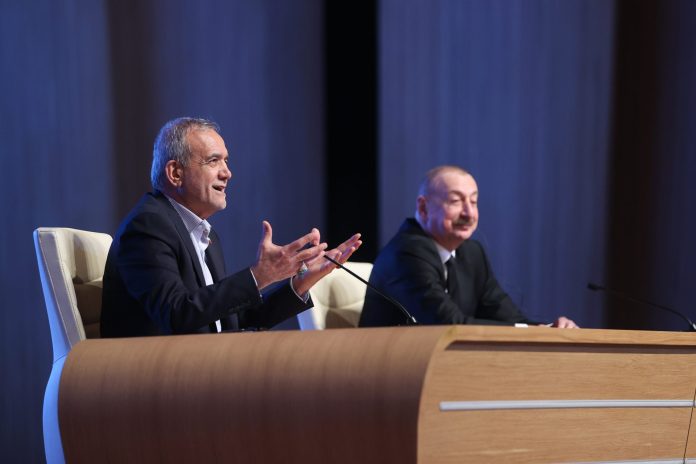
In a Tuesday post on X social media platform addressed to his Azerbaijani counterpart, President Pezeshkian stated, “Yesterday in Baku, my dear brother Ilham Aliyev, President of Azerbaijan, and I reached important understandings and signed several agreements.”
“This visit marks the beginning of enhanced trust and new horizons for multilateral cooperation in scientific, economic, cultural and security fields,” President Pezeshkian noted and added, “I thank President Aliyev for his hospitality.”
The Iranian president, leading a high ranking delegation, met with President Aliyev on Monday, signing seven documents in various fields to enhance cooperation between the two neighbors.
The two presidents also held talks on Tehran-Baku ties and regional developments.
President Pezeshkian emphasized ways to accelerate the implementation of agreements between the two neighbors.
For his part, President Aliyev said his country is interested in all-out expansion of relations with Iran, stressing the North-South Corridor is of great importance to the countries participating in the project.
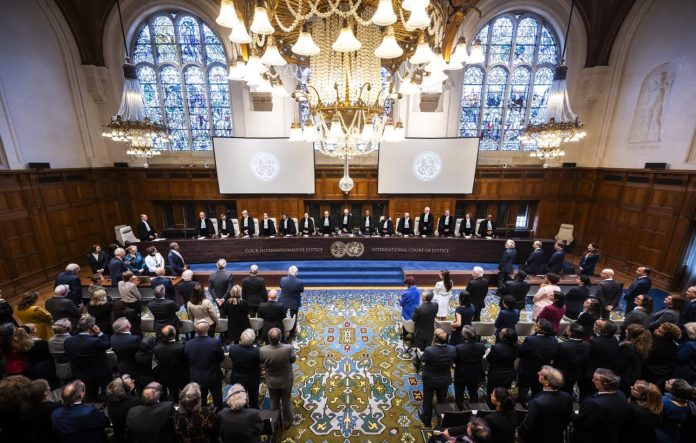
According to a statement from Iran’s Presidential legal office on Monday, the appeal court confirmed the PCA’s November 2021 decision in favor of Bank Melli Iran and Bank Saderat Iran.
The banks had accused Bahrain and its central bank of seizing the Future Bank in 2005, a move they argued was politically driven.
The Future Bank, where the two Iranian banks held the majority stake, was established in Bahrain to facilitate financial transactions for Iranian businesses.
The PCA determined that Bahrain’s confiscation of the Future Bank was unlawful.
Although Bahrain contested the ruling and questioned the PCA’s jurisdiction, claiming that the confiscation aligned with international sanctions on Iran, the appeals court rejected the arguments and upheld the PCA’s compensation order.
Iran initiated legal proceedings against Bahrain after a July 2021 decision by a Bahraini court to seize assets belonging to Bank Melli, Bank Saderat, and the Central Bank of Iran held in the Future Bank.
Bahrain’s High Criminal Court alleged that the two Iranian banks were involved in money laundering activities benefiting Iran’s central bank and other entities.
However, appeals court judges noted the takeover decision was made “without thorough examination or justification” and appeared politically motivated.
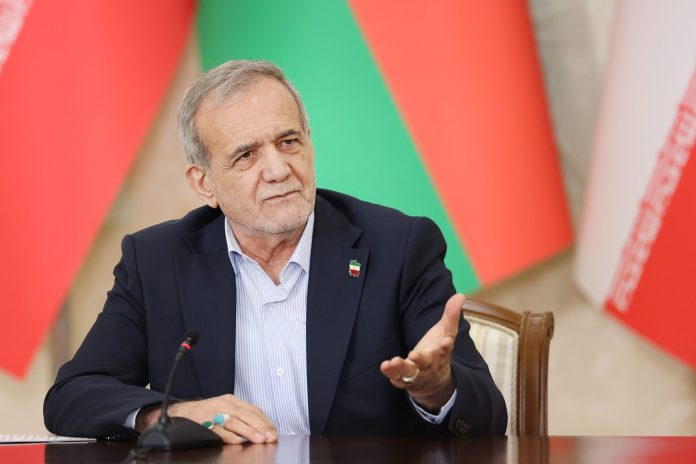
The emotional performance occurred during his meeting with Azerbaijani President Ilham Aliyev.
Pezeshkian recited Shahriar’s verses lamenting separation and longing, that goes, “If only I could weep with a nation torn from its land / To understand who caused this parting and bitterness.”
The recitation drew sustained applause from the audience.
The area currently known as the Republic of Azerbaijan, the area to the north of the Aras river, was part of Iran until the first half of the 19th century when it was occupied by Russia.
The populations on both sides of the river, including President Pezeshkian, share linguistic and cultural ties.
On Monday, the Iranian president at the head of a delegation rapped up his trip to Baku, where he signed a joint statement with his Azerbaijani counterpart. Officials from both nations also signed seven memoranda of understanding in several areas.
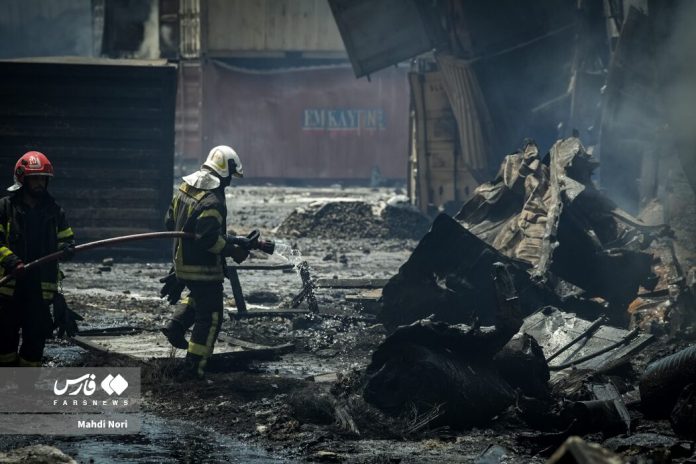
Mohammad Ashouri noted that search and rescue operations are ongoing at the site of the explosions. Ashouri said an operation has started to remove the containers damaged or destroyed by the blasts from the site.
He said Shahid Rajaee Port covers an area of 2,400 hectares, adding that the explosions and fires happened only in a piece of land with an area of 15 hectares.
He noted that despite that, the severity of the explosions and fires created conditions that made the crisis multifaceted.
The governor of Hormozgan underlined that rescue and relief operations and the relocation of containers are still ongoing, saying it will take several days to two weeks to clean up and fully secure the area for the situation to return to normal.
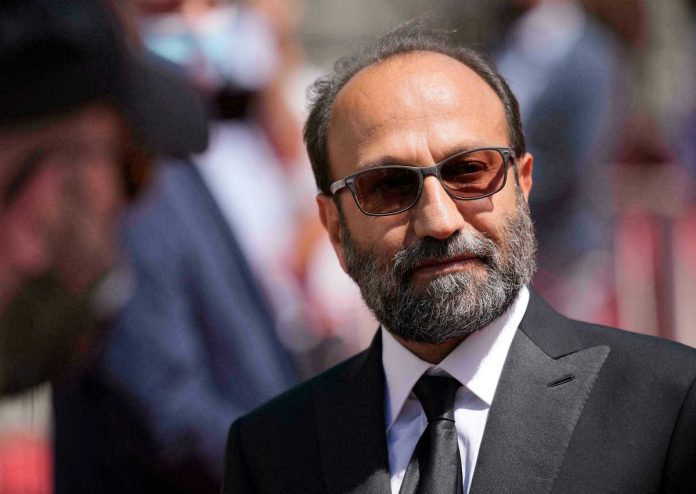
This will be Farhadi’s tenth film titled Parallel Tales and he will be so doing after four years of being away from film-making.
The November 2015 terrorist attacks in Paris killed 130 people and injured 500 others. Daesh terrorist claimed responsibility for those brutal attacks.
Now, Farhadi, who has two Oscars to his name, twelve years after making the French-language film The Past, is set to depict the narrative of these tragic events.
Filming of Parallel Tales, featuring renowned French actors such as Catherine Deneuve, Isabelle Huppert and Virginie Efira is scheduled for the fall. The film is expected to be released in the spring of 2026.
Parallel Tales is Farhadi’s first film since A Hero, which won the Grand Prize at the Cannes Festival in 2021.
Farhadi has previously won the Oscar for Best Foreign Language Film twice with A Separation (2011) and The Salesman, both produced in Iran.
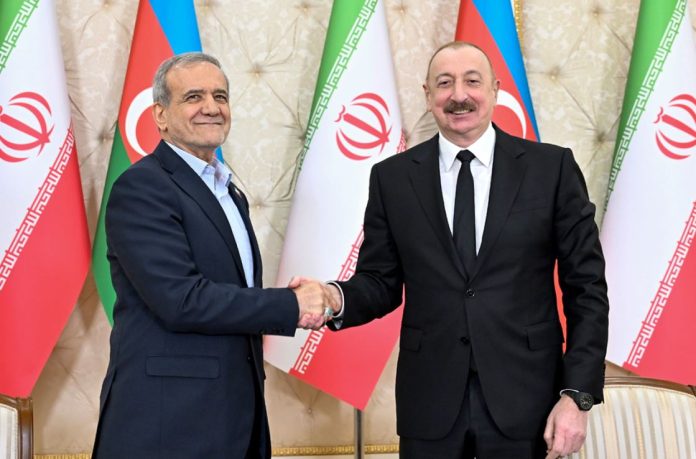
President Pezeshkian made these remarks during a joint press conference with Azerbaijani President Ilham Aliyev in Baku on Monday, stressing that all Islamic countries and neighbors should join hands, respect each other’s territorial integrity, and expand their relations.
Referring to the historical ties between Iran and Azerbaijan, he added: “In this region, we share many commonalities in religious, ideological, and political aspects. We cherish these commonalities, take pride in them, and strive to expand our relations based on them.”
The Iranian president assured that the agreements signed between the two countries would be implemented, adding that Iran is determined to fully execute its agreements with Azerbaijan, which will pave the way for a new and brighter future for Iran, Azerbaijan, and the Middle East region.
He also emphasized the expansion of financial and trade relations, improving transportation routes and corridors between the two countries, and strengthening cooperation in scientific, cultural, and security fields.
Azerbaijani President Ilham Aliyev, in turn, stated that the peoples of the two countries have long enjoyed fraternal relations, and the ties between their governments are firmly rooted in this foundation. He expressed confidence that this visit would further expand cooperation and bilateral relations.
Aliyev noted the signing of “very important” documents during the visit of the Iranian delegation to Baku, adding that the signing of these agreements in the presence of the two presidents reflects their efforts to deepen relations in all areas.
The Azerbaijani president stated the Republic of Azerbaijan and Iran support each other within international organizations, including the United Nations, the ECO, and the Organization of Islamic Cooperation.
He further added: “The cooperation between Azerbaijan and Iran spans all fields and is based on regional security.”
In conclusion, he emphasized that Azerbaijan attaches great importance to lasting peace, territorial integrity, the sovereignty of nations, and non-interference in internal affairs.
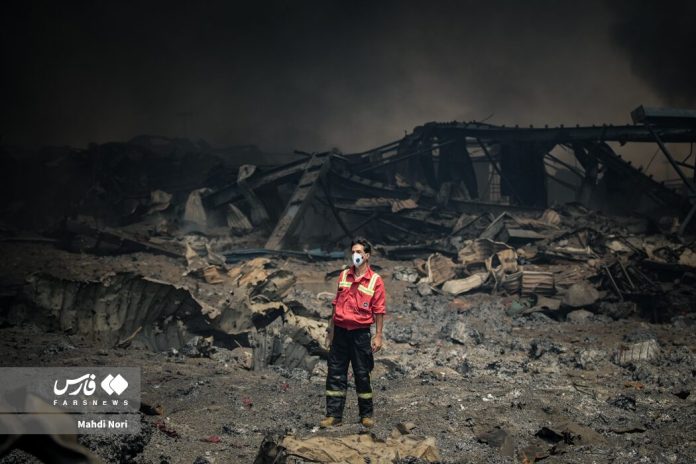
Speaking to the IRIB, Momeni added that so far, there have been 46 fatalities, and the number of unidentified bodies is nearly equal to the number of missing persons and corpses.
According to the interior minister, police forensic identification teams are working on the matter and the number of injured has decreased to 120.
Momeni underlined that a committee has been formed to investigate the causes of the Shahid Rajaee Port fire. He added that there were shortcomings in this incident, including failure to observe safety protocols, as well as lapses in passive defense measures, and some of those responsible for the negligence have been summoned for questioning.
He also underscored the need for a thorough analysis of why goods remained at the port and called for a report to be prepared for the government.
The interior minister noted that Russia had sent several planes, which, fortunately, have not been needed so far.
© All Content by IFP News ( Iran Front Page ) is licensed under a Creative Commons Attribution 4.0 International License.
