Thursday, December 25, 2025
Home Blog Page 2246

Russia: Despite differences, there are chances for agreement on JCPOA

But he stated the parties have a chance to come to an agreement.

The Russian envoy recalled that Iran has already moved away from the JCPOA in many positions.

“However, it is important to understand that this happened not because of Tehran’s ill will, but as a reaction to the irresponsible policy of maximum US pressure with extraterritorial sanctions and other forms of pressure on Tehran. Tehran is resisting. And this could have been expected, no surprise,” Ulyanov noted.

The seventh round of talks to reinstate the JCPOA started on November 29 in Vienna, after a hiatus that lasted from June due to elections in Iran. During the six rounds from April to June the negotiators determined which US sanctions against Iran are to be lifted and compiled a list of steps for Tehran to make to return to its obligations.

Iran’s foreign minister has expressed hope the negotiating teams in the Austrian capital, Vienna, will arrive at an agreement over lifting of Iran’s sanctions if the Western parties to the talks act in good faith.

“Good deal within reach if the West shows goodwill,” said Hossein Amir Abdollahian in a tweet.

“We seek rational, sober & result-oriented dialogue,” he added.

“Vienna Talks proceeding with seriousness and sanctions removal as fundamental priority. Expert talks are continuing too,” the top diplomat further said.

He noted Iran is in contact with its chief negotiator Ali Bagheri Kani on a daily basis.
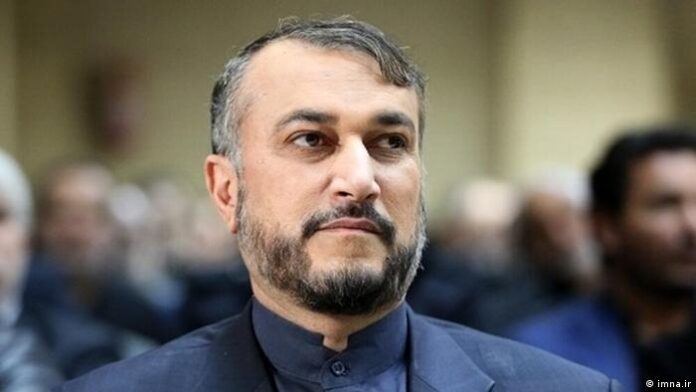
Deal close at hand in Vienna talks if West shows goodwill: Iran FM

“Good deal within reach if the West shows goodwill,” said Hossein Amir Abdollahian in a tweet.

“We seek rational, sober & result-oriented dialogue,” he added.

“ViennaTalks proceeding with seriousness and sanctions removal as fundamental priority. Expert talks are continuing too,” the top diplomat further said.

He noted Iran is in contact with its chief negotiator Ali Bagheri Kani on a daily basis.
Talks aimed at removing the anti-Iran sanctions are ongoing in Vienna’s Coburg Hotel between the Iranian delegation and representatives of the 4+1 group of countries.

The senior negotiators form what has been described as the sanctions removal working group are seeking to set a prospect for the continuation of the talks, with the lifting of the bans topping their agenda.

Meanwhile, Bagheri Kani met with the EU’s Deputy Foreign Policy Chief Enrique Mora on Wednesday as Iran and the 4+1 group – Russia, China, Britain, France and Germany- are trying to clinch a deal.

Most diplomats attending the negotiations have described them as positive.

Most experts and members of the delegations of both sides believe an agreement is possible though the road ahead is bumpy.

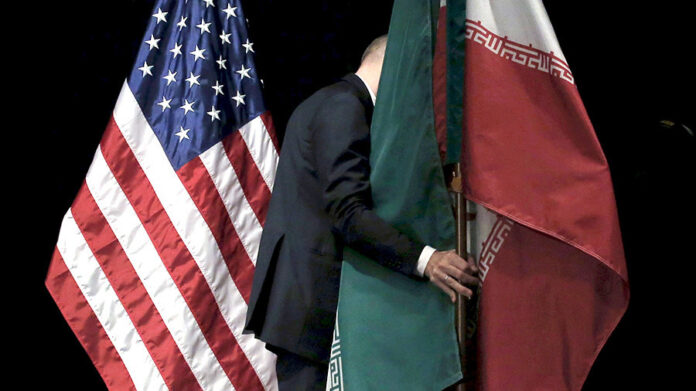
Iran says it will return to full compliance with the 2015 Iran nuclear deal known as the Joint Comprehensive Plan of Action (JCPOA) if the other signatories to the deal keep their side of the bargain and the US lifts its sanctions on Tehran before Washington rejoins the deal.

Qalibaf: Fair outcome possible if Europeans meet commitments

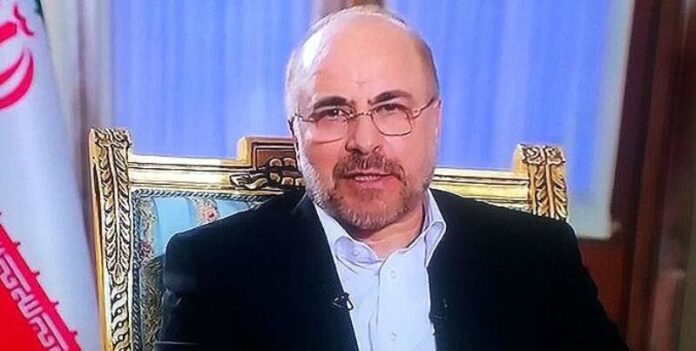
“If Europe meets its obligations, we are sure to obtain an honorable agreement through honorable negotiations,” Mohammad Baqer Qalibaf said in a live interview with the national broadcaster IRIB.

The speaker also said sanctions are the main reason for the current situation in the livelihood of the people in Iran.

Qalibaf added that some commitments Iran undertook under the 2015 nuclear deal, including the implementation of the Additional Protocol, were to be in return for removal of certain sanctions, but the US and Europeans “took no step” to remove the bans.

Since the US withdrawal from the nuclear deal in 2018, Iran has repeatedly called on the European signatories to the nuclear deal to live up to their words and act independently from the US on the issue of sanctions amid their foot-dragging on their pledges to compensate for the US pullout.

Iran says the Europeans’ failure to act according to their pledges eroded the economic benefits of the nuclear deal to the point that it was forced to take remedial steps to reduce its own obligations under the accord.

Iran and the remaining signatories to the nuclear deal, namely Russia, China, Britain, France and Germany continued their intensive talks in Vienna on Wednesday with the aim of removing the anti-Tehran sanctions.

Calm returns to Iran-Afghanistan border area

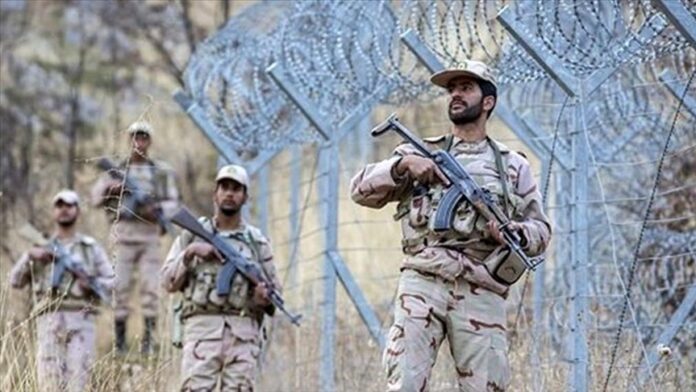
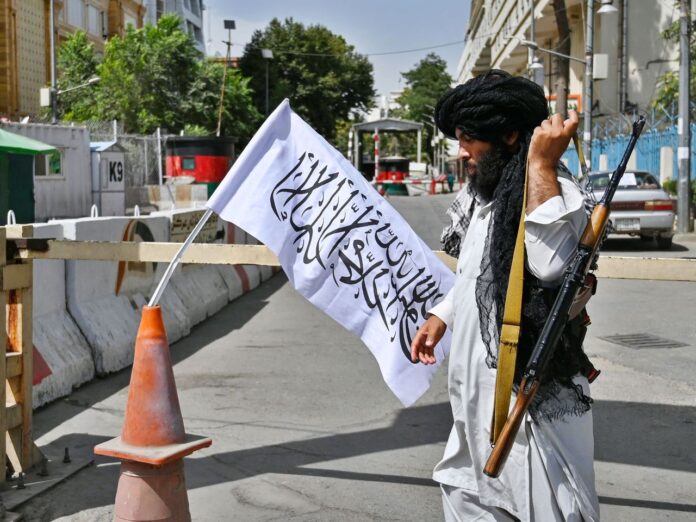
The security deputy of Sistan and Balouchestan’s governor added that the Taliban began shooting because they thought the Iranians had trespassed into the Afghan territory.

Mohammad Hadi Marashi also said the distance from the border wall to the zero point border is a space that is agricultural land and available to people.

Marashi noted that the farmers were in fact inside Iranian soil and the Taliban were not aware of the matter.

The security deputy of Sistan and Balouchestan’s governor said when the Taliban shot at the farmers, Iranian forces returned fire, but now calm has been restored to the area.

Iran dismisses Israel “intel” on JCPOA as “trumpeting lies”

American news website Axios published a report Wednesday saying Israeli officials have warned US that Iran is “taking technical steps” to enrich uranium to weapons-grade 90 percent within weeks.

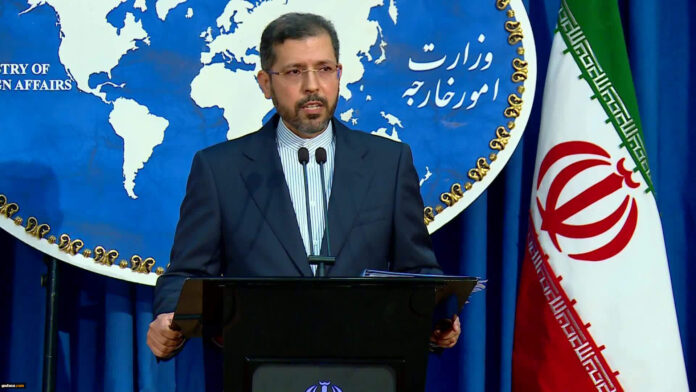
“Israeli regime whose existence relies on tension is at it again, trumpeting lies to poison Vienna talks,” Iran’s Foreign Ministry Spokesman Saeed Khatibzadeh said in a tweet.

The Axios report cited two unnamed US sources as saying that Israel issued the warning as part of intelligence shared with Washington in time with the Vienna talks.

The intelligence reportedly warns the US that Iran is mulling the alleged step to influence the Vienna talks.

The report comes after Israeli minister for military affairs Benny Gantz said Monday that they are sharing intelligence with allies “indicating Iran is continuing to rush toward a nuclear” bomb.

Iran has repeatedly stressed that its nuclear program is solely aimed at civilian purposes. That has been confirmed for over a dozen times by the International Atomic Energy Agency under the terms of the 2015 nuclear deal, which imposed a strict monitoring regime on Iran’s nuclear activities.

Khatibzadeh now says it is for the remaining parties to the accord and the US to decide whether they would go for the Israeli lies or show their will to resolve the impasse created by Washington’s withdrawal from the nuclear deal.

“All parties in the room now face a test of their independence & political will to carry out the job— irrespective of the fake news designed to destroy prospects for success” he added in his tweet.

Iran says border clashes with Taliban guards resolved

“Today in the evening, a border dispute among residents of the border areas led to a shootout in the Sistan border region and the issue has been managed and wrapped up after coordination between border guards of the two sides,” ministry spokesman Saeed Khatibzadeh said.

The clashes took place along the border between Iran’s Sistan and Balouchestan Province and Afghanistan’s Nimrouz Province.

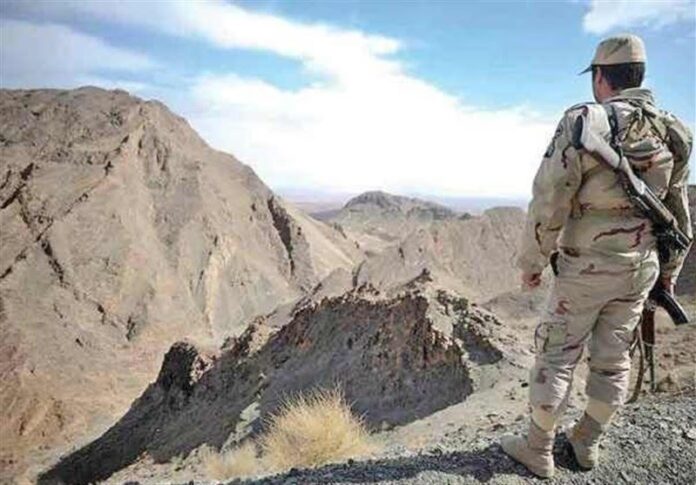
Over the past years, Iran has built walls on its territory and hundreds of meters away from the border with Afghanistan in the area, to ward off smugglers and armed groups from entering Iran.

Early media reports said the Wednesday clashes began over a misunderstanding, triggered by the Taliban border guards mistaking the wall for the Iranian border.

It took place after a group of Iranian farmers passed the wall, and the Taliban guards opened fired on them, imagining they had breached the Afghan territory. The Taliban fire was reciprocated by the Iranian forces.

Reports also say Iran is in contact with the Taliban officials to inform them where the Iranian-Afghan border actually is.

Tehran-based Tasnim News Agency also cited an informed source as saying that the reports on the Taliban seizing Iranian border posts are “basically false”.

The report said the footage published on the clashes also shows the initial moments of skirmishes and Iranian border guards are now in full control of the Iranian side of the border.

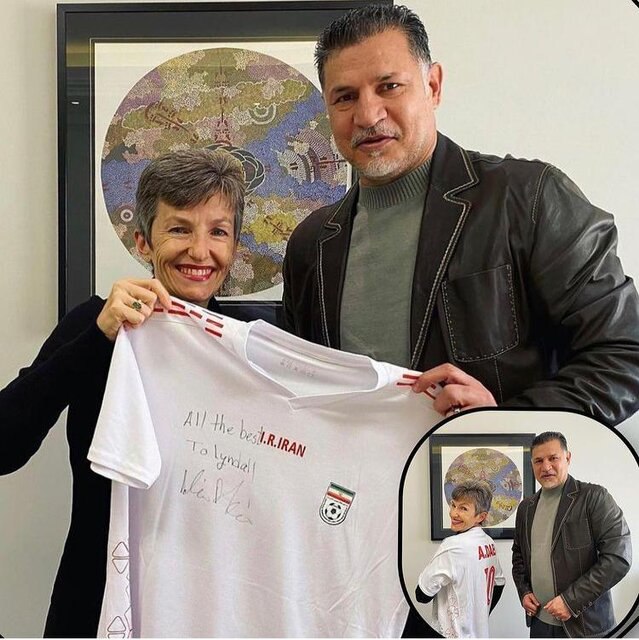
Ali Daei gives shirt as memento to Australian ambassador

On Wednesday morning, Daei went to the Australian Embassy on the occasion of the Iran-Australia match anniversary. It was a 1998 FIFA World Cup AFC–OFC qualification play-off. Iran and Australia drew 2-2 in that match and Iran qualified for the 1998 World Cup on away goals.

Karim Bagheri and Khodadad Azizi scored for Iran in that match. Daei was a prolific goal scorer and was known for his heading accuracy and ability in the air.

He was the world’s top international goal scorer with 109 goals until his record was broken by Cristiano Ronaldo in 2021.

Daei was the captain of the Iranian national team between 2000 and 2006 and played in the German Bundesliga for Armenia Bielefeld, Bayern Munich and Hertha Berlin.

He is known as one of the best soccer players of all time.

Saudi Arabia and India to reopen embassies in Kabul

The Afghanistan’s Foreign Ministry said in a statement that the Kingdom of Saudi Arabia has sent a 14-member team of their embassy to Kabul and the country’s embassy will soon be reopened in the Afghan capital.

The Saudi Arabian diplomats have arrived in Kabul on Tuesday, and are intended to resume consular services in Kabul.

The ministry has appreciated the move and added that this was a profound step by Saudi Arabia that will lead to good bilateral relations.

In the meantime, India’s Hindu newspaper has reported that the country is willing to reopen its embassy in Kabul.

The Indian embassy in Kabul has suffered no damage since the Taliban’s takeover and that the Taliban fighters have been manning the security of the embassy, according to the report.

Nearly all foreign embassies shut after the collapse of the previous Afghan government and the Taliban’s recapture.

Earlier, Germany had announced to be reopening their embassy in Kabul.

Russia rejects alternatives to Iran nuclear deal

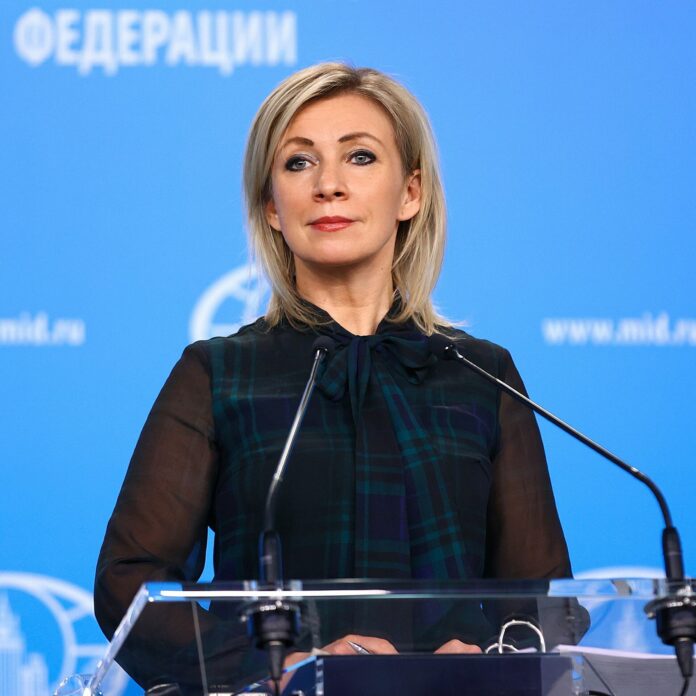
“Everything that’s necessary for the full-blooded implementation of the JCPOA is contained within it,” she stated at a news conference.

“All the talk about some ‘plan B’ and suchlike scenarios or threats is distracting from the essence of the matter and is definitely not helpful – perhaps even poisonous — for the atmosphere of the negotiations,” Zakharova added.

All the sides involved in the Vienna talks seek to resume the JCPOA in its originally agreed form and ensure its further existence, and it’s wrong to say the talks have reached an impasse, she noted.

“We expect that the search for the necessary disentanglements will be accelerated,” the spokeswoman continued.

The seventh round of talks to reinstate the JCPOA started on November 29 in Vienna, after a hiatus that lasted from June due to elections in Iran. During the six rounds from April to June the negotiators determined which US sanctions against Iran are to be lifted and compiled a list of steps for Tehran to make to return to its obligations.

Report: Iran delivers 2m barrels of condensate to Venezuela

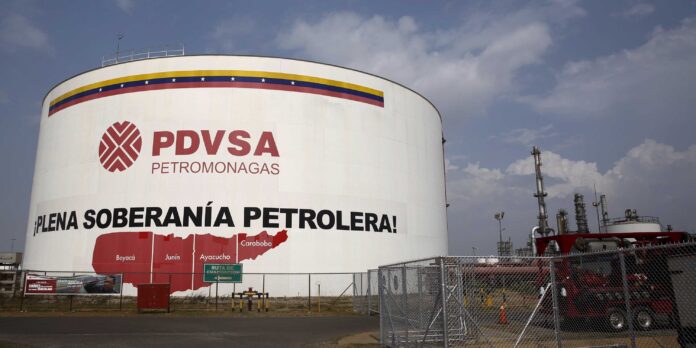
The cargo was expected at the Jose terminal in northeastern Venezuela between Nov. 27-29, the financial news provider said, citing PDVSA’s internal production reports.

PDVSA had received 2 million barrels of condensate from Iran at end-September and another 2.1 million barrels on Oct. 25, it added.

Venezuela swaps its heavy oil for Iranian condensate to improve the quality of its tar-like crude. This allows PDVSA to minimize cash payments since the US has blocked the company from using US dollars.

Like Iran, which is also subject to illegal US sanctions, the South American country is using innovative methods to boost its oil exports.

The sanctions on both nations have crimped their oil sales in recent years, spurring Iran to support Venezuela, including through shipping services and fuel swaps.

PDVSA’s swap contract with the National Iranian Oil Company (NIOC) provides it with a steady supply of condensate, a high-value light crude, as a diluent.

The bituminous crude from the Orinoco Belt, Venezuela’s largest producing region, requires mixing before it can be transported and exported.

Iran’s supply of condensate helps Venezuela stabilize exports of the Orinoco’s crude blends and allows its own lighter oil to be refined in the country to produce badly needed motor fuel.

Overall, it helps Venezuela increase its crude exports as the country needs the revenues to improve an economy that has suffered because of US sanctions.

In February, reports said Venezuela had begun receiving a shipment of catalysts from Iran to help its Paraguana Refining Complex produce fuel.

The airlift came after Iran sent more than a dozen flights to Venezuela last year to help restart Cardon refinery and alleviate acute gasoline shortages in the OPEC nation.