Tuesday, January 6, 2026
Home Blog Page 2230

US security chief lays out three Iran deal scenarios in Israel

Sullivan sketched out three possible near-term scenarios on Iran’s nuclear program in the meetings, two officials say:

1. An agreement within the next several weeks to return to full compliance with the 2015 deal, which he was skeptical would be achieved.

2. A “freeze for freeze” interim agreement to stop Iran from further accelerating its program.

3. No deal and new sanctions and pressure on Iran.

As the nuclear talks resumed in Vienna, anxiety was growing in the Prime Minister’s Office over the idea that the Joe Biden administration would seek a partial agreement that would provide Iran with sanctions relief without any nuclear rollback.

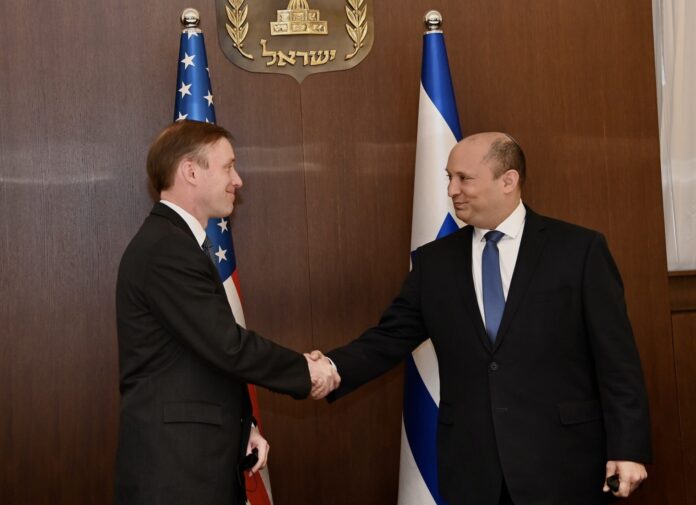
The idea of a possible “freeze for freeze” agreement was discussed during Sullivan’s meetings with Prime Minister Naftali Bennett, Foreign Minister Yair Lapid and Defense Minister Benny Gantz, all three of whom told Sullivan they oppose such a step, Israeli officials say.

Such a deal could prevent Iran from enriching uranium to weapons-grade levels. But Lapid told Sullivan that Israel already operates as though Iran has 90% enriched uranium, “and we don’t think there is any need to pay them not to do it”, according to one Israeli official.

Tehran denies seeking nuclear weapons, stressing it wants to master nuclear technology for peaceful purposes. Iranian officials have also stressed the country reserves the right to respond to any adventurism by the United States and Israel.

Sullivan met Bennett, Lapid and Gantz on Wednesday following a meeting on Tuesday with President Isaac Herzog.

One senior Israeli official stated Bennett appreciated the fact that Sullivan made the trip despite the many other pressing issues the Biden administration is facing, and saw it as a signal that the White House is attentive to Israel’s concerns. The official added that the meeting was very substantive and could have bearing on both countries’ policies.

“For the first time, both sides really understood each other. Over time, there was ripening on both sides and we feel a bit more reassured after today,” the senior official noted.

Another senior Israeli official concluded after meeting with Sullivan that the Biden administration “is in a better place than we thought” on Iran, and the policy gaps are smaller than previously believed.

Sullivan told Bennett at the top of their meeting that Biden sent him to Jerusalem on Christmas week because he thought it was important “to sit together and develop a common strategy, a common outlook” on Iran and find a way forward that secures the interests of both US and Israel.

Sullivan also led a meeting of a US-Israel working group on Iran Wednesday along with his Israeli counterpart, Eyal Hulata. They discussed “the need to confront all aspects of the threat posed by Iran, including its nuclear program, destabilizing activities in the region, and support for terrorist proxy groups”, according to a White House statement.

Two Israeli officials who attended the meetings noted Sullivan made it clear that the window for further talks in Vienna could close by the end of January or the beginning of February.

Sullivan expressed skepticism about the chances of reaching a full agreement by then, the officials stated.

Bennett, Lapid and Gantz, meanwhile, argued that an interim agreement would offer a lifeline to the Iranian economy, with some of that money flowing to “Iranian proxies” that threaten Israel.

The Iranians have also rejected the idea of an interim agreement that does not provide full relief from US sanctions, and they contend that they’re negotiating in good faith for a return to the 2015 deal despite US suspicions that they’re only playing for time.

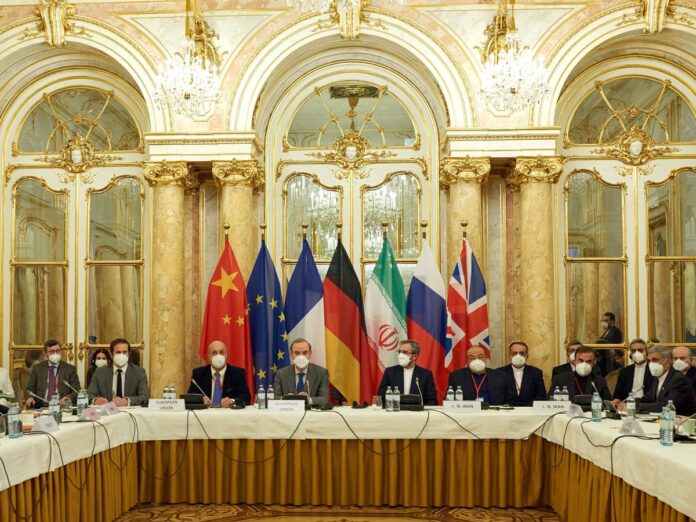
It comes after negotiators from Iran and the remaining parties to the JCPOA concluded the seventh round of talks in Vienna, aimed at bringing the US back into compliance with the agreement by removing its sanctions against Iran.

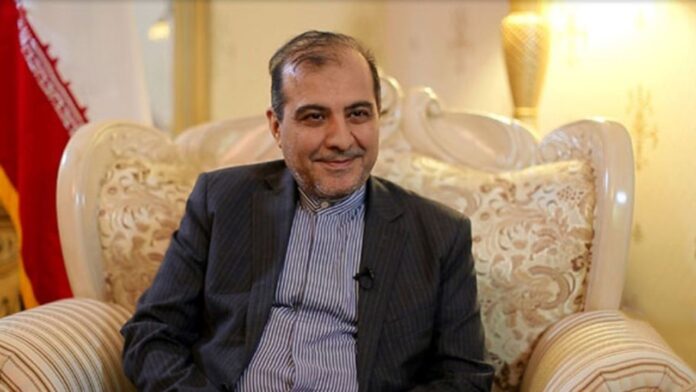
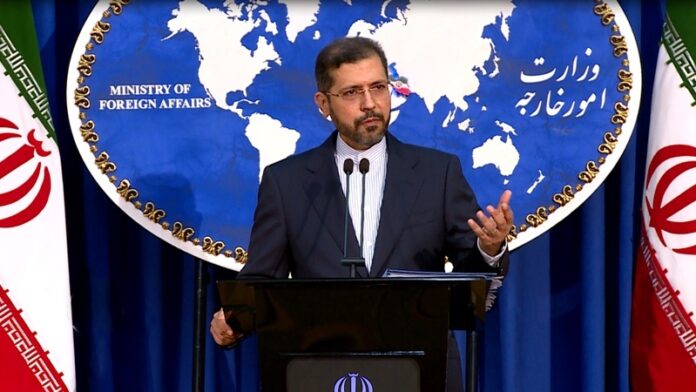
Iranian Foreign Ministry Spokesman Saeed Khatibzadeh said Monday Washington has not presented any tangible text to the P4+1 while Tehran has put forth two documents that embody previous texts. He added that if the other sides come to the negotiating table with tangible proposals, an agreement will be reached in the shortest possible time.

Iran’s top negotiator and Deputy Foreign Minister Ali Bagheri has noted the ball is in the court of the United States over nuclear dispute, and Washington must remove the anti-Tehran sanctions.

Iran’s Foreign Minister Hossein Amir Abdollahian has also reiterated that there is no way to revive the landmark agreement without removing all anti-Tehran sanctions.
Khatibzade: GCC-UK statement on Iran baseless, repetitive

No Change in Iran’s Borders as Karabakh Peace Deal Unfolds: Spokesman

Saeed Khatibzadeh described the statement as being part of divisive attempts by some notorious quarters which are worried about the development of an atmosphere of interaction and cooperation between regional countries.

Khatibzadeh said the Islamic republic of Iran has always played a responsible role in strengthening peace and stability in the region and, accordingly, has invited regional countries to interaction and dialog.

He added that Western countries have unfortunately always stoked tension and created humanitarian catastrophes in the region through such moves as exports of huge quantities of sophisticated weapons to some regional states.

Khatibzadeh also said contrary to baseless claims made in the statement, Iran will always live up to its commitments under the Nuclear Non-proliferation Treaty and the safeguards agreements and at the same time will enjoy the benefits of peaceful use of nuclear energy in line with the NPT and the safeguards agreements.

The GCC’s (Persia Gulf Cooperation Council) foreign ministers met with Britain’s Foreign Secretary Liz Truss in Chevening, England, on Monday. After the meeting, they issued a joint statement, in which they voiced “grave concern” about Iran’s regional activities and also what they described as nuclear escalation by the Islamic Republic.

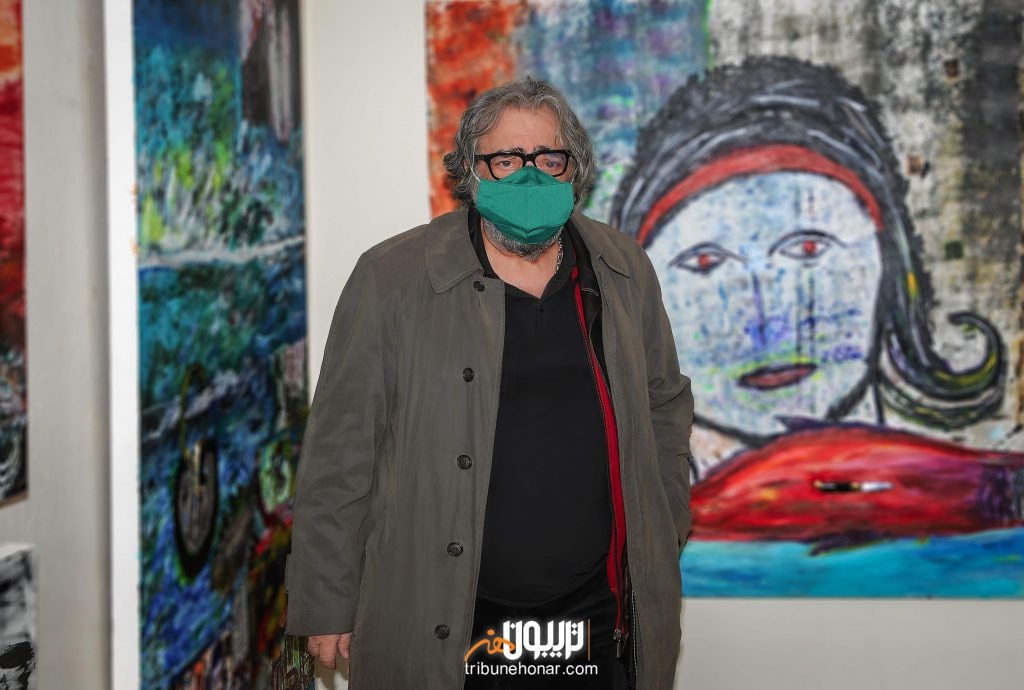
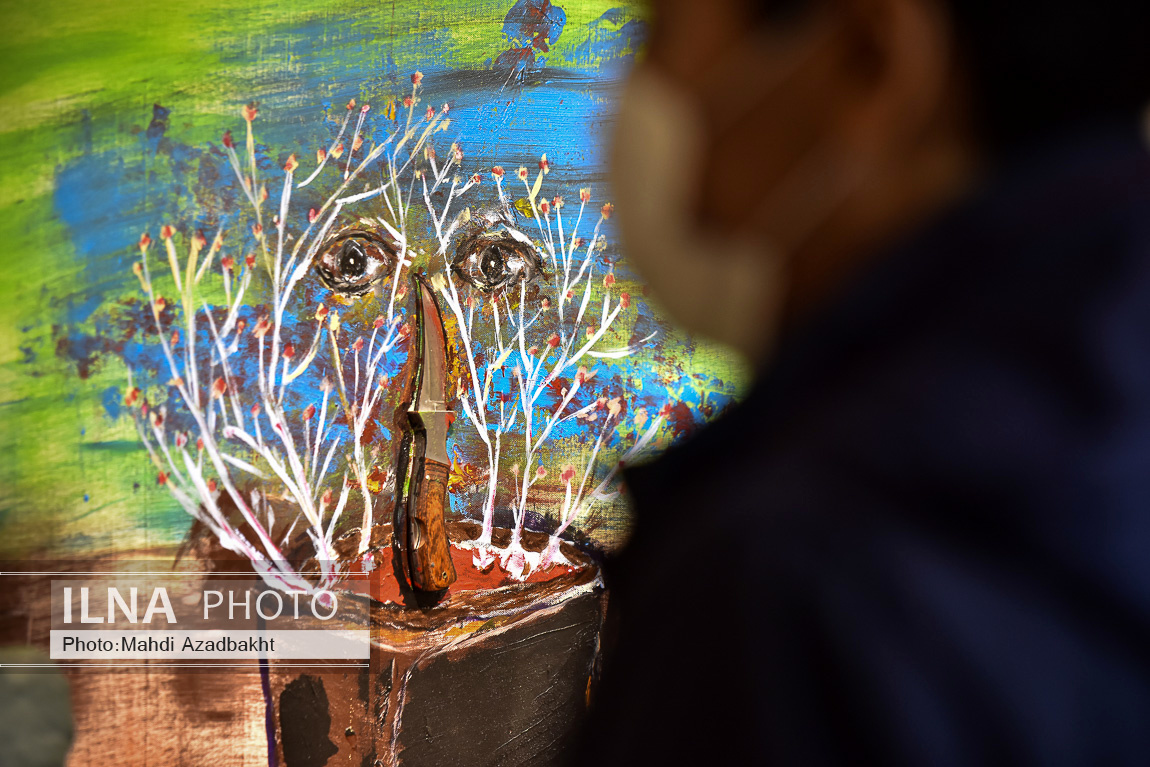
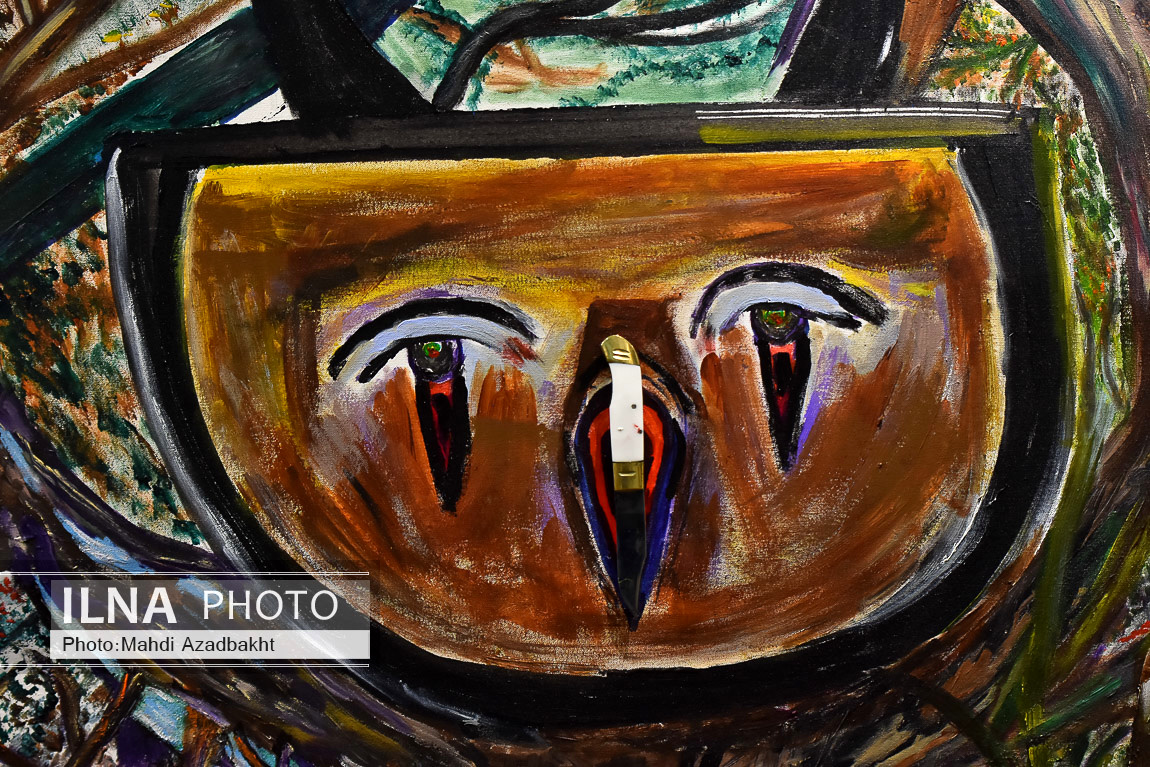
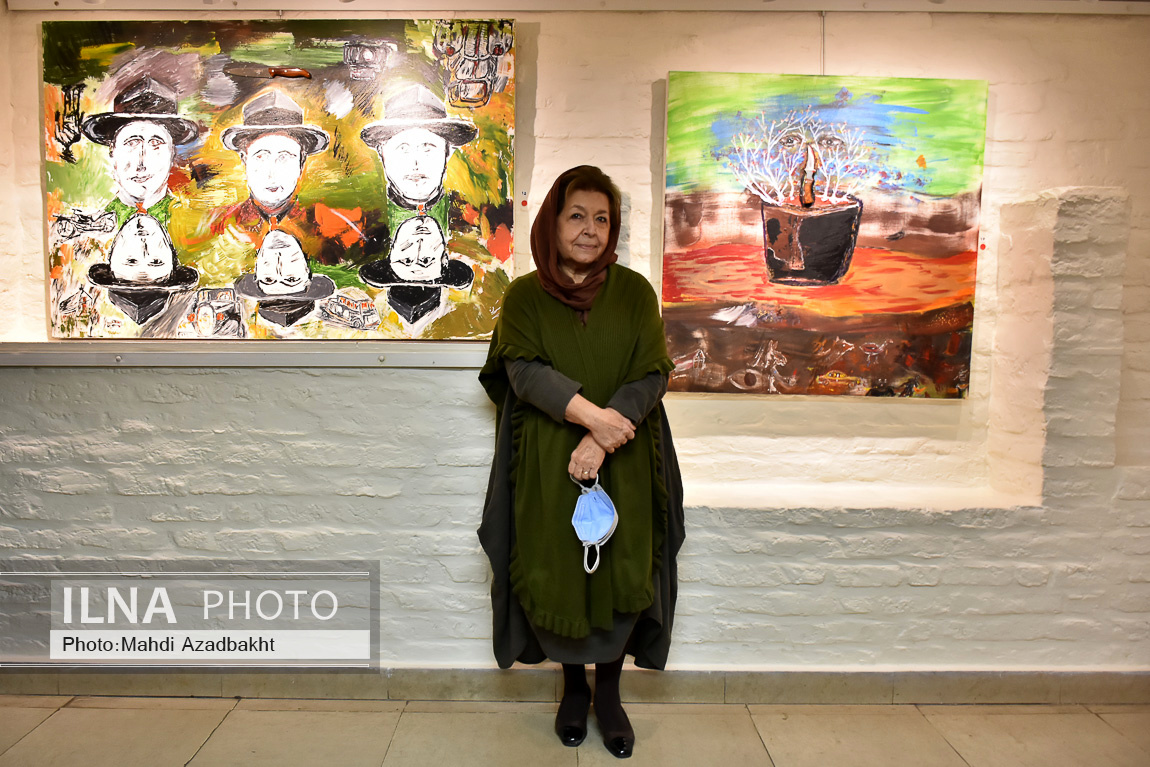
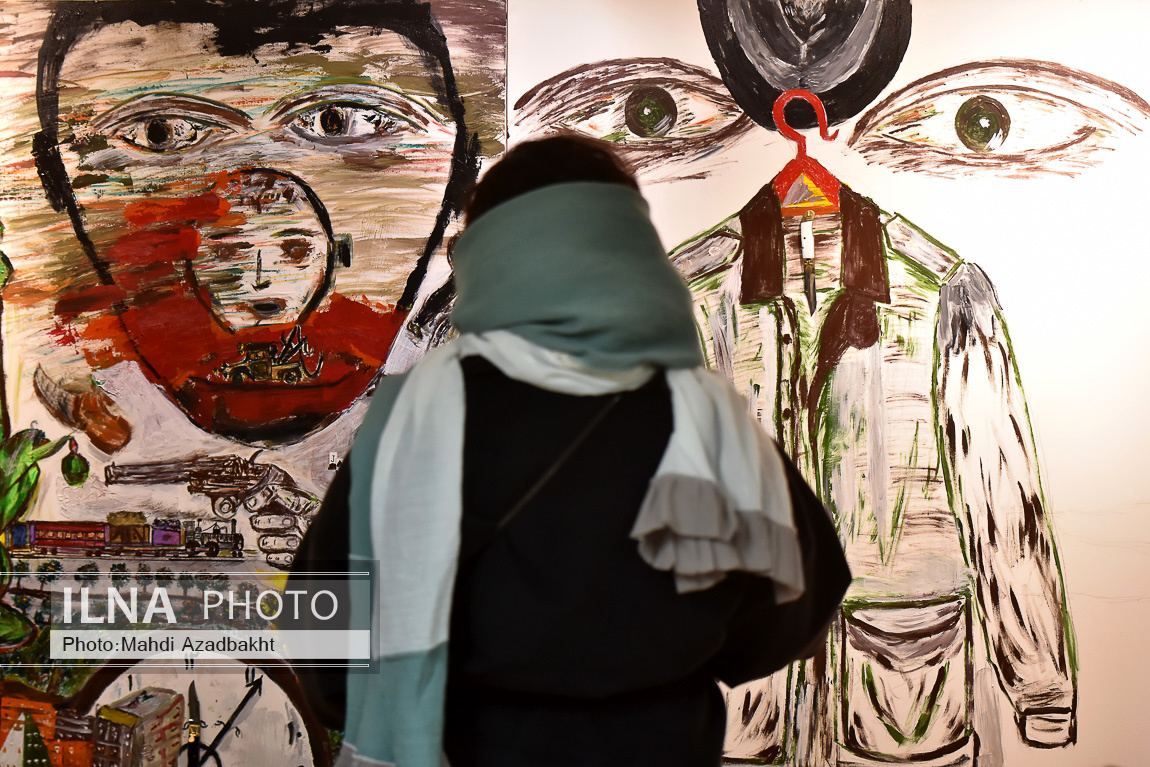
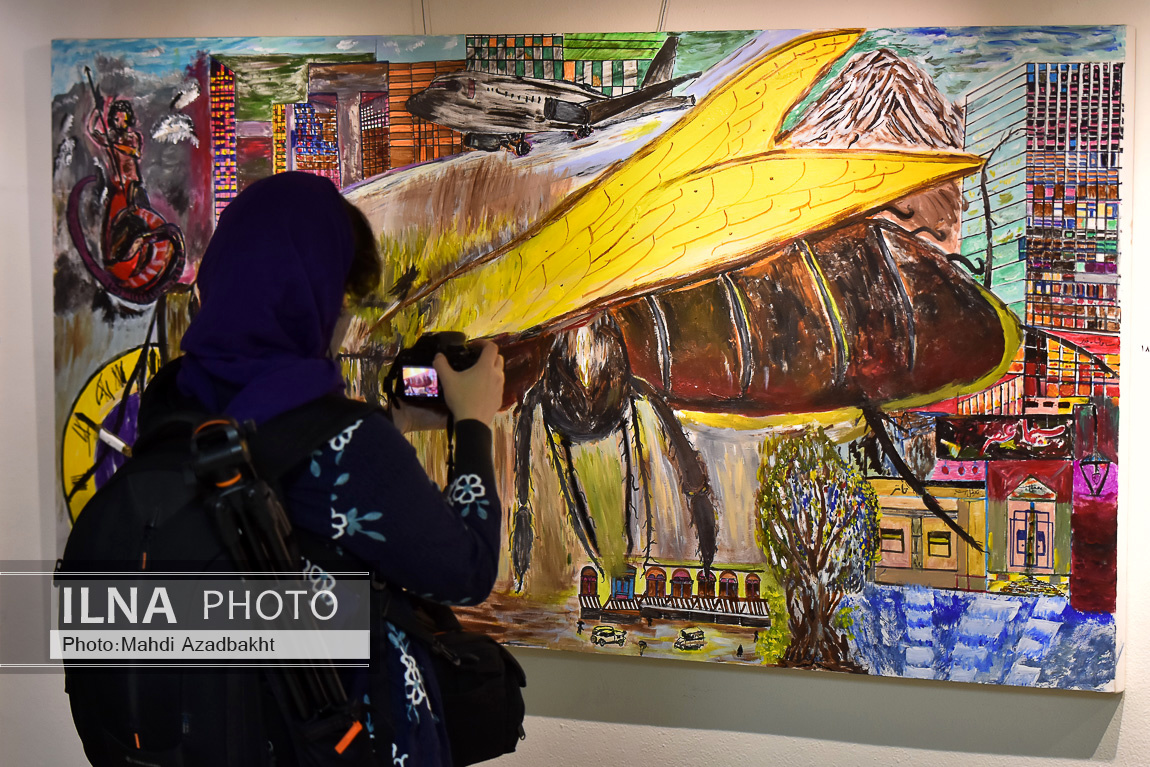
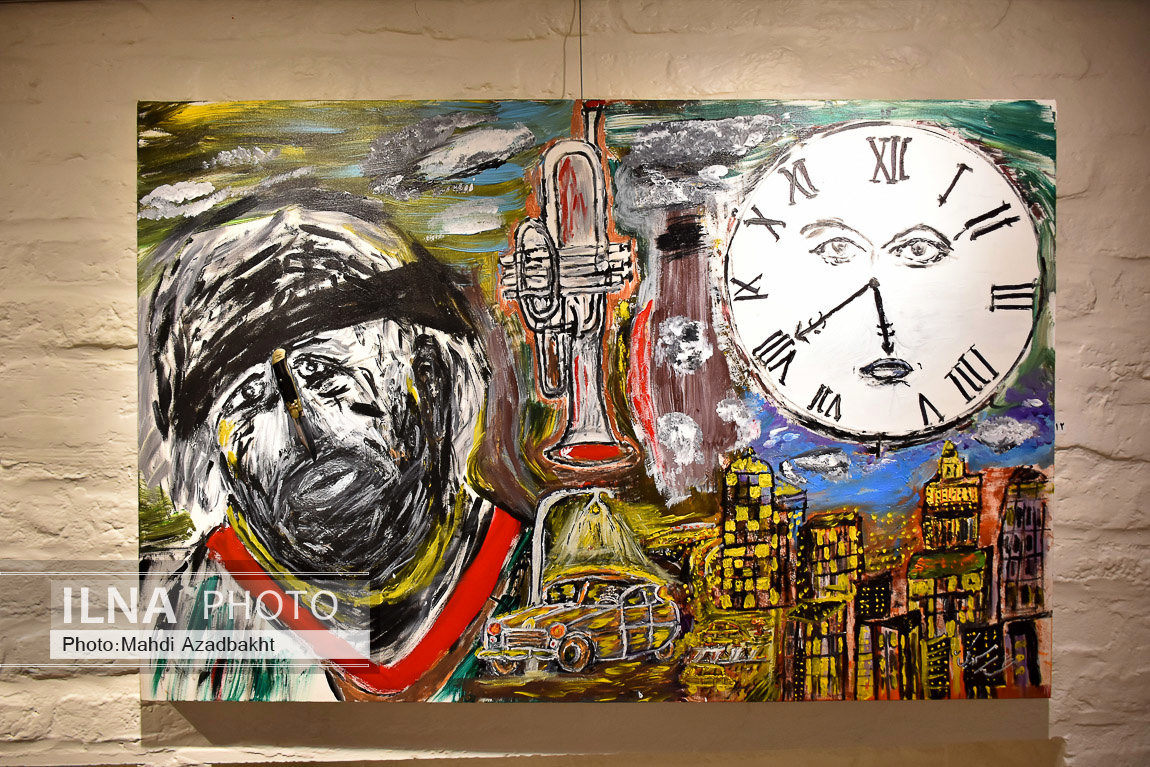
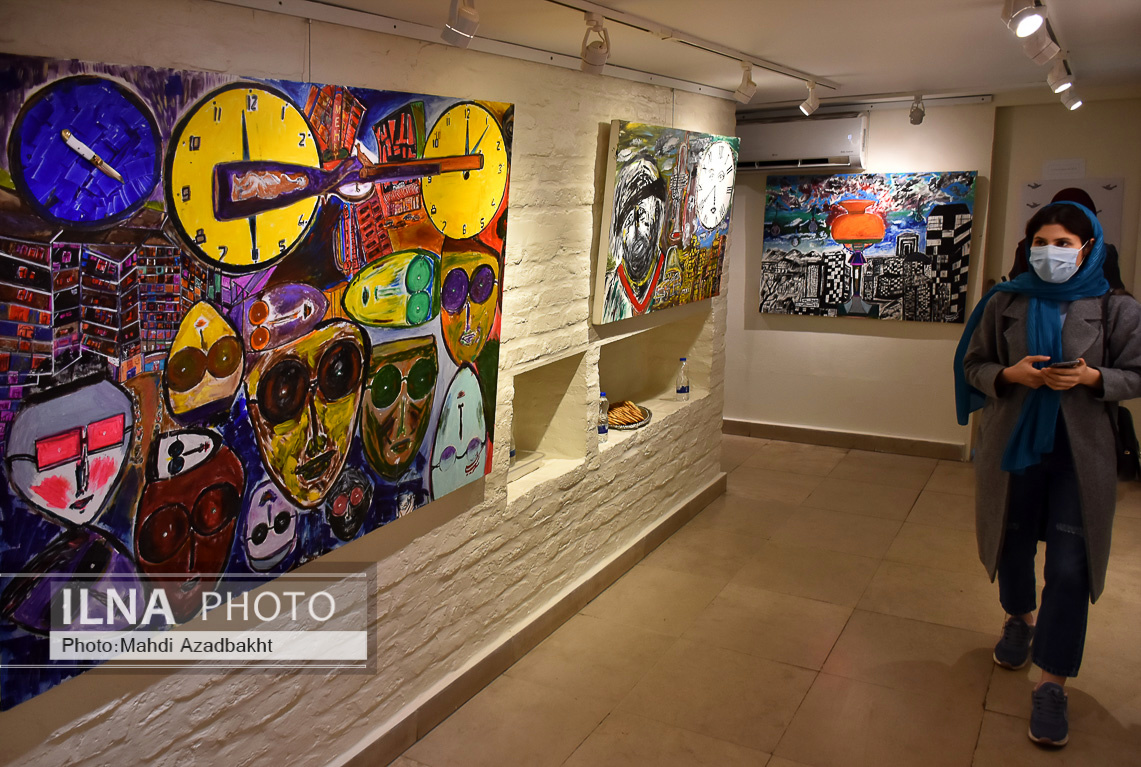
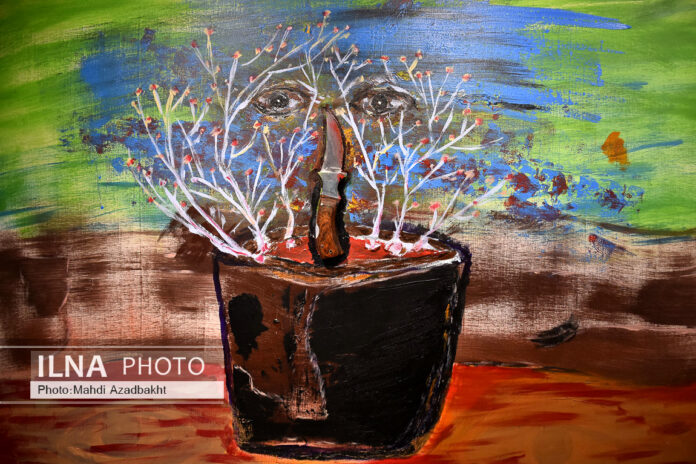
Masoud Kimiai paintings exhibit draws droves of visitors

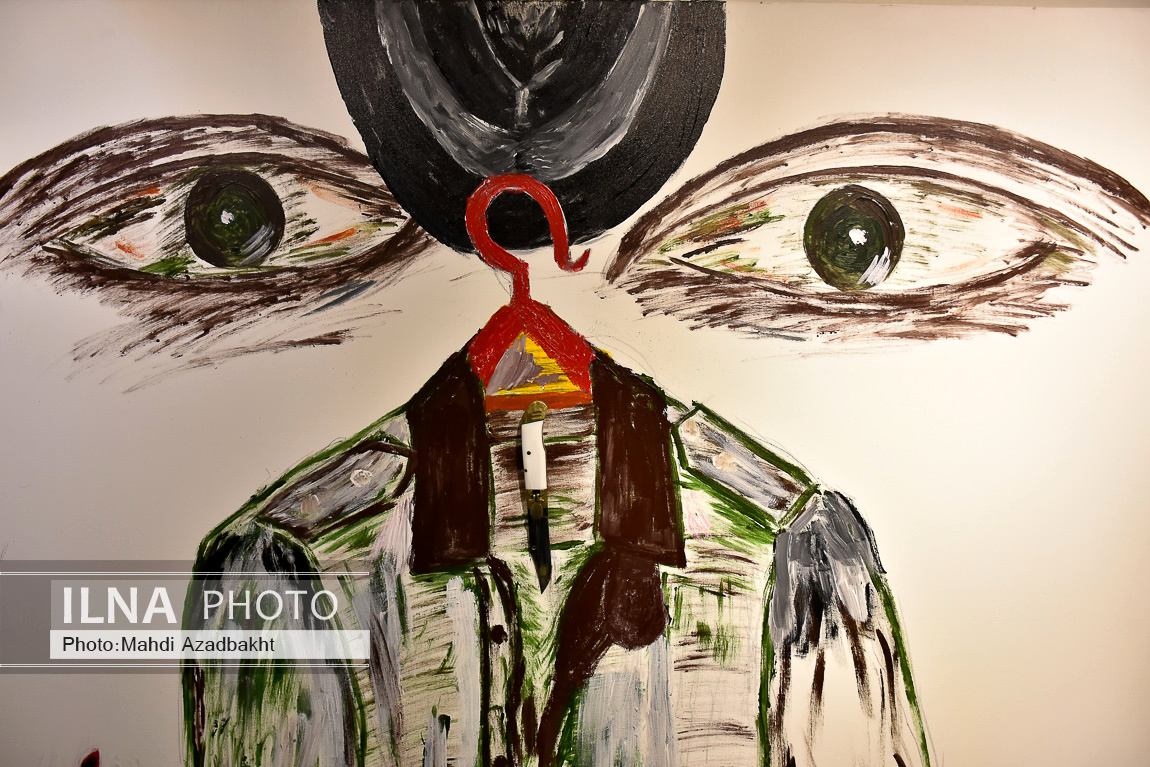
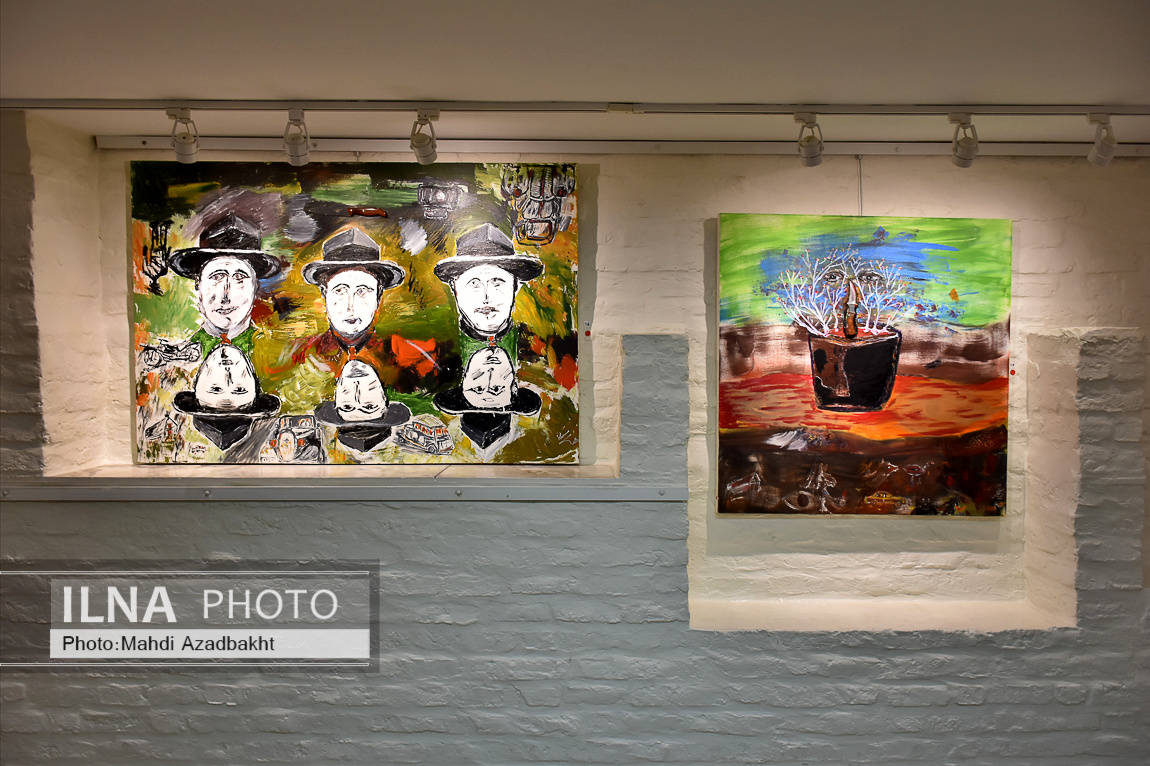
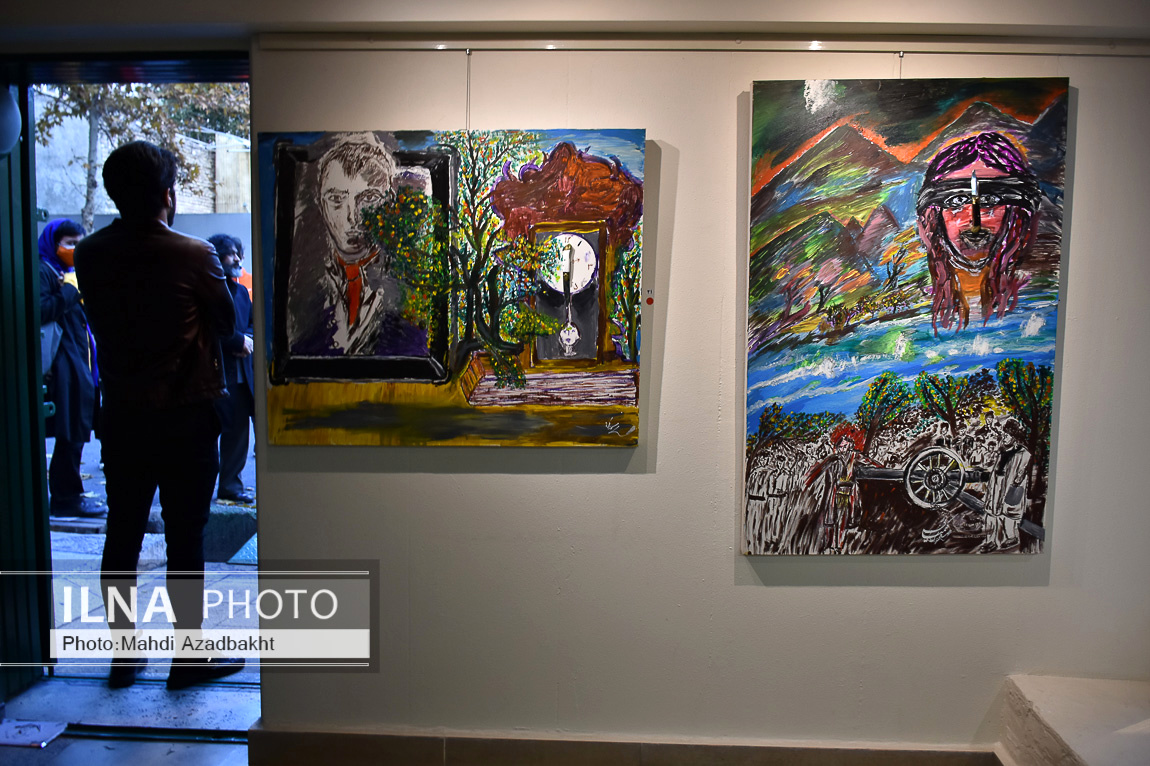
An exhibition displaying the paintings of the famous Iranian director Masoud Kimiai has triggered huge enthusiasm among visitors.

Kimiai, born in Tehran on July 29, 1941, is an Iranian director, novelist and poet, who is best-known for the movie Qesyar, which is among the most iconic movies of the Iranian cinema.

Kimiai is one of the renowned directors in the new wave of the Iranian cinema with critics crediting him as an influential director-author who played an important role in the development of the economy of the cinema in Iran.

Masoud Kimiai paintings exhibit draws droves of visitors

He is also known for creating heroes in his movies.

Earlier this month, the Golestan Gallery in Tehran launched an exhibition of the paintings of Kimiai. It drew droves of visitors to the point that it put pressure on the flow of traffic in the Darous area, where the gallery is located in northern Tehran.

“I am not a painter and painting is not my profession. But, I paint when my inside tells me to do so. I have been painting since I was 17 or 18. I loved [painting] and the painting classes were the best back in school,” Kimiai once says about the exhibition.

For years, Kimiai has been significantly active in fields outside cinema. He is the author of such novels as Glass Corpses, Jealousy about the Life of Ein al-Ghozat and No Big Orchestras for Songs of Dissent as well as the collection of poetry dubbed Wounds of Wisdom, which was published in the early 2000’s.

IRGC holds third day of massive drills

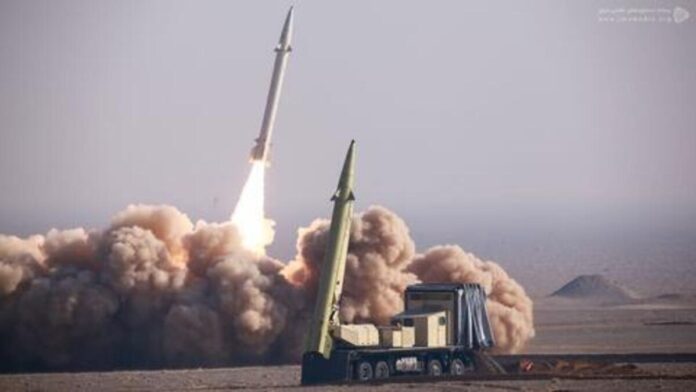
During the exercises, the Ground Force of the Islamic Revolution Guards Corps successfully carried out possible offensive and defensive scenarios using novel tactics and sophisticated weaponry.

The special units of the IRGC heavily bombed the targets of the hypothetical enemy after doing reconnaissance missions. They also waged heliborne and multi-layer defensive operations against enemy warplanes.

The exercises, which began on Monday, cover the Persian Gulf and the Strait of Hormuz and the three littoral Iranian provinces of Khouzestan, Bushehr and Hormozgan
The commander of the IRGC’s Ground Force told reporters at the site of the drills that during the Great Prophet Maneuvers, Iran has updated its defensive doctrine in proportion to new threats.

Brigadier General Mohamamd Pakpour said Iran’s assault and combat drones have made it possible for the country to destroy any target.

Pakpour added,” We, as guards of the Islamic Revolution, have to maintain our preparedness commensurate with the enemy’s assessments”.

He also said Iran has developed the technology of producing drone.

The commander of the IRGC’s Ground Force noted that Iran is now equipped with precision missiles and its electronic war capabilities have improved considerably. Pakpour also said regarding armor, Iran has upgraded the fire control system of its tanks, and the tanks are capable of hitting targets with precision at distances of several kilometers, and the fire control system of our T-72 tanks has been upgraded to the T-90 tank.

The commander of the IRGC’s Ground Force said the IRGC is now able to deploy its rapid reaction force to the war theater in the shortest possible time to carry out operations.

US diplomat arrested in Turkey over selling fake passport

In a statement on Wednesday, the Istanbul Security Directorate confirmed the arrest of an American diplomat who works at the US Consulate in Lebanon’s capital Beirut.

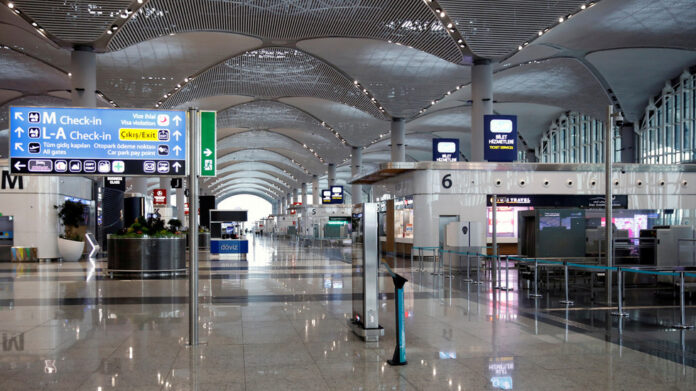
The arrest was made after an incident on November 11 at Istanbul Airport when a Syrian national tried to board a plane to Germany using someone else’s passport. The passport belonged to a US diplomat based in Lebanon.

The police noted in their statement that security camera footage showed the American meeting with the Syrian national in the airport and exchanging clothes. It is believed the passport was handed over during the meeting.

Police searched the American and found $10,000 in an envelope and a passport in his name, according to the security directorate statement.

He was remanded in custody while the Syrian national, who is facing charges of forgery, was released pending trial.

While foreign diplomats frequently have immunity from prosecution in the country they are posted to, the American was accredited as a diplomat in Lebanon, not Turkey, and therefore may face punishment.

Russia says Vienna talks to resume before 2022

The new round of talks between Iran and the P4+1 group will begin in Vienna before the end of 2021, and there is a good opportunity to revive Joint Comprehensive Plan of Action (JCPOA), Lavrov said in an interview with RT on Wednesday.

It comes after negotiators from Iran and the remaining parties to the JCPOA concluded the seventh round of talks in Vienna, aimed at bringing the US back into compliance with the agreement by removing its sanctions against Iran.

Iranian Foreign Ministry Spokesman Saeed Khatibzadeh said Monday Washington has not presented any tangible text to the P4+1 while Tehran has put forth two documents that embody previous texts. He added that if the other sides come to the negotiating table with tangible proposals, an agreement will be reached in the shortest possible time.

Washington has threatened Tehran with considering “other options” if nuclear negotiations fail to restore the 2015 landmark agreement, three years after the US itself pulled out of the deal and imposed draconian sanctions on Iran.

Iran has made countless statements in over three years saying it will reverse its retaliatory steps once the US removes the illegal sanctions in a verifiable manner.

Tehran to host Astana peace talks in February or March 2022

Ali Asghar Khaji, the Iranian foreign minister’s senior adviser on special political affairs, has told Tass News Agency that the necessary arrangements have been put in place for the three-way talks but holding the summit is contingent upon the state of the Covid pandemic.

Asked if there will be a high-level meeting between the foreign ministers of Russia, Iran and Turkey, the Iranian diplomat said, “We have reached an agreement on this as well.

Such a meeting will also happen next year in January or early February, during which preparations will be made for the three-way summit”.

Khaji noted that the Astana peace talks will take place several weeks after the summit of the presidents of Iran, Russia and Turkey.

The last meeting of the three presidents to resolve the Syria crisis was held on July 1, 2020, and they agreed to hold the next meeting in Tehran, but due to the Covid epidemic, the meeting has not been held yet.

Yemen says late Iran envoy entered Sana’a at time world just watching

Irloo’s mission in Yemen as Iran’s envoy was not limited to the diplomatic sector, Hisham Sharaf Abdullah said in an interview with Iran Press in Sana’a.

“Hassan Irloo entered Yemen when no one was with us, and everyone in the world was watching; no one knows how he entered Yemen,” he noted.

Abdullah added that Irloo’s mission in Yemen was not just limited to the diplomatic sector, but he visited hospitals and attended various ceremonies.

“Irloo’s arrival in Yemen was like a missile exploding in the invaders’ media; no one expected him to be in Yemen,” he noted, stating that all the efforts of the aggressors were to find out how the Iranian ambassador had entered Yemen, which strengthened the resistance against the aggressor countries.

He highlighted that during his short stay in Yemen, Irloo did many things that could not be told to the world, but dozens of other ambassadors did not do what he did.

“Despite the stability and security in Sana’a, no ambassador came here but Hassan Irloo,” the Yemeni minister said, adding that Irloo’s story was all about courage, bravery and Jihad, that more of it will be heard a bit later.

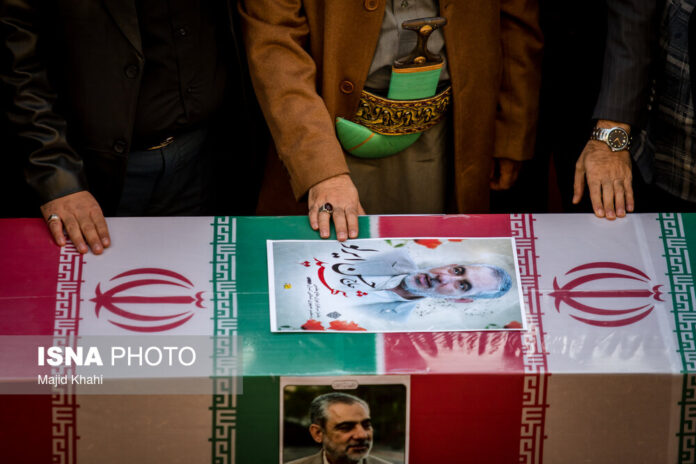
The Iranian Foreign Ministry announced on Tuesday that Irloo was martyred because of the coronavirus infection.

The ministry noted that the ambassador, who was a victim of chemical attacks during the Iraqi imposed war in the 1980s, had contracted the coronavirus during his mission in Yemen.

Saeed Khatibzadeh, spokesman for Iran’s Foreign Ministry, said the envoy was transferred to the country in a “bad state” and due to “late cooperation” of some countries.

He contracted the coronavirus at the place of his mission, and passed away early on Tuesday “despite undergoing all stages of treatment to improve his condition”, Khatibzadeh added.

The envoy was transferred from Sana’a to Iran late on Saturday. His repatriation was reportedly delayed by the Saudi authorities.

Irloo officially began his diplomatic mission to Yemen in November 2020, in defiance of the United States’ anger at the two countries’ developing relations.

Iran FM says Baku visit opened new chapter in ties with Azerbaijan Republic

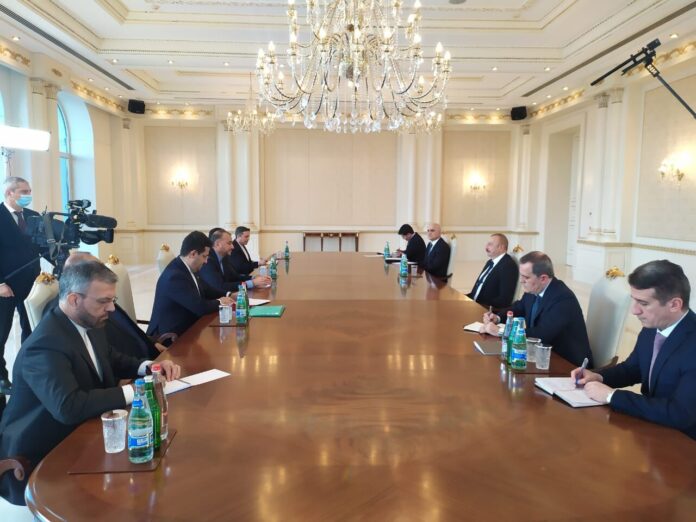
“A new chapter has opened in the relations between the two countries and this will have a positive impact for both nations. We are ready to finalize all previous projects and to lay the basis for new agreements between the two countries,” Amir Abdollahian said in a meeting with the Azerbaijan Republic’s Presient Ilham Aliyef in Baku.

The top diplomat also talked about the presence of the Islamic Republic in the so-called 3+3 mechanism, where also the Azerbaijan Republic is involved, stressing that such cooperation helps strengthen peace and stability in the region.

Amir Abdollahian further underlined that forces from beyond the region have no right to interfere in regional affairs and that regional countries can resolve their issues among themselves.

During the meeting, Aliyef also highlighted the significance of the two countries as neighbors and Muslim nations.

“We are willing to expand bilateral relations in the political, economic and cultural spheres. Key projects between the two countries should be finalized,” he said.

Aliyef also agreed that regional issues should be resolved among regional countries and expressed Baku’s opposition to any interference by extra-regional countries.

The Azerbaijani president also described his recent meeting with his Iranian counterpart Ebrahim Raisi on the sidelines of the summit of the Economic Cooperation Organization in Ashgabat as “fruitful”.

“During the meeting with the Iranian president in Ashgabat, the friendship and brotherhood between Iran and the Azerbaijan Republic were once more reiterated and [both sides] underlined the need for more steps for expansion of ties in the political, economic, trade and cultural arenas,” he said.

The Iranian foreign minister arrived in Baku for a one-day visit Wednesday. He also held talks with his counterpart as well as the Azerbaijani parliament speaker during his visit.

WFP cuts food aid to Yemen due to ‘lack of funds‘

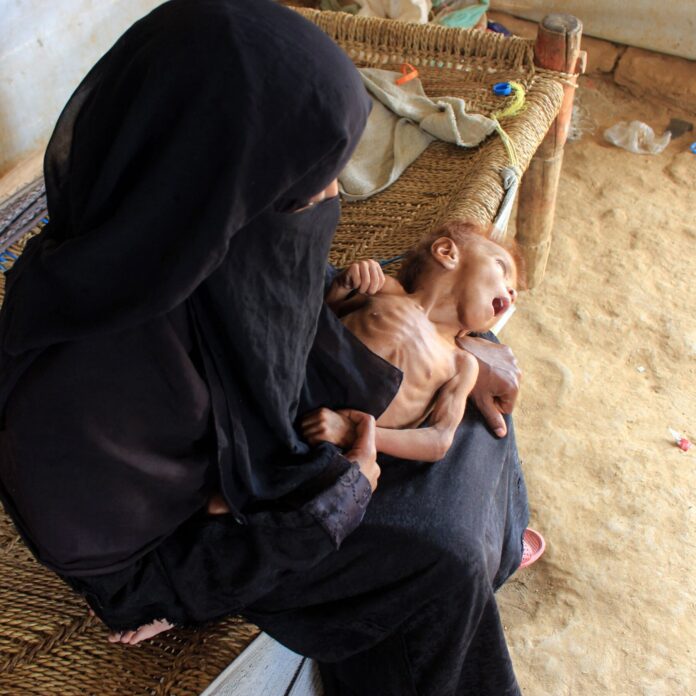
Nearly eight years of war in Yemen has created what the United Nations has called the world’s worst humanitarian crisis.

The violence is projected to kill 377,000 people by the end of the year, according to the UN Development Programme.

Meanwhile, four million people have been internally displaced during the fighting, with WFP targeting 11.1 million for food assistance in November of 2021. In September, the agency warned that 16 million Yemenis were “marching towards starvation”.

“From January, eight million will receive a reduced food ration, while five million at immediate risk of slipping into famine conditions will remain on a full ration,” the UN agency said in a statement on Wednesday.

According to the UN children’s fund (UNICEF), about 2.3 million children under the age of five currently suffer from acute malnutrition in Yemen, with 400,000 expected to suffer from life-threatening severe malnutrition in the coming months.

“WFP food stocks in Yemen are running dangerously low,” WFP Regional Director Corinne Fleischer said in a statement.

“Every time we reduce the amount of food, we know that more people who are already hungry and food insecure will join the ranks of the millions who are starving. But desperate times call for desperate measures,” Fleischer added.

WFP reported that it needs $813m to continue to help the most vulnerable in Yemen through May and $1.97bn during 2022 to continue to deliver food assistance to families on the brink of famine.

On Monday, officials noted aid flights had been halted following air attacks on Houthi targets at the international airport in the Yemeni capital, Sanaa.