Sunday, January 11, 2026
Home Blog Page 2224

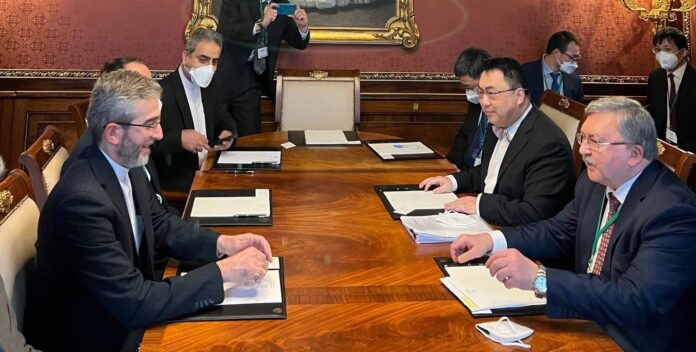
Iran, Russia, China hold talks in Vienna

The meeting came on Monday after the arrival of chief Iranian negotiator Ali Bagheri in Vienna for a new round of talks with the P4+1 group of countries with the aim of removing anti-Iran sanctions.

After the three-way talks, the joint commission of the nuclear deal, JCPOA, will convene a session at Vienna’s Coburg Hotel.

The previous rounds of talks ended after Iran and the P4+1 namely Russia, China, Britain, France and Germany agreed to continue the negotiations based on two draft documents put forth by Iran that lay out Tehran’s proposals regarding the revival of the nuclear deal and the US’s return to the agreement.

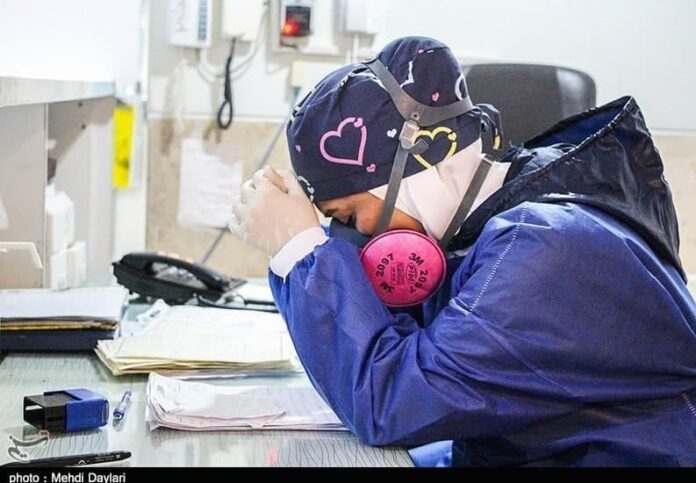
Covid-19 deaths in Iran fall to record low in 580 days

The Iranian Health Ministry reported 34 new deaths over the past 24 hours bringing the total number of fatalities from the respiratory disease to over 131,434.

The ministry’s latest figures also show that nearly two thousand new Covid-19 cases have been identified over the past 24 hours.

The Islamic Republic has administered a total of 117,340,000 vaccine doses so far, with over 51,400,000 people fully vaccinated.

Over 6,344,000 people nationwide have received their booster shots.

Iran, which has suffered several waves of the outbreak, stepped up its inoculation campaign in August and has imported tens of millions of Covid-19 vaccine doses since then. It has also increased its domestic production of several types of vaccine to contain the outbreak.

Health officials are however warning that people should fully observe health protocols and get their boosters shots as soon as possible to prevent another surge.

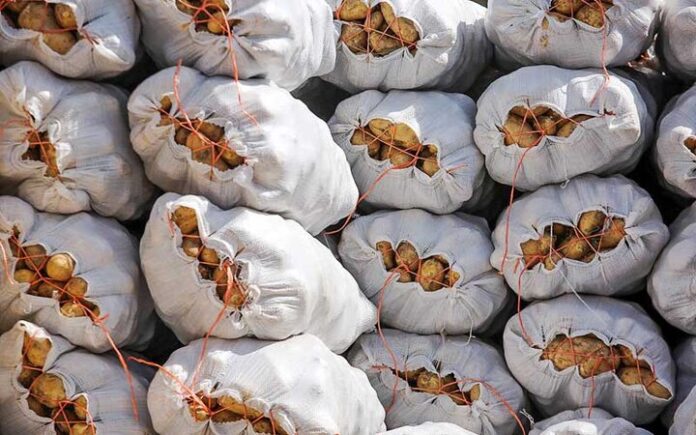
Iranian official denies claim Turkmenistan returned potatoes

The head of the ministry’s Plants Preservation Organization said the potatoes were returned by Iran’s quarantine post because the terms announced by the destination country had not been observed during storage of the produce.

Shapour Alaee Moghaddam noted that quarantine posts are bound to prevent exports of crops without health certificates.

Alaee Moghaddam also urged farmers to avoid using pesticides from online suppliers. He said all the pesticides must be monitored carefully by Iran’s Plants Preservation Organization before being used by farmers.

Alaee Moghaddam also said that there is nothing called returning unhealthful crops by a foreign country because all crops that fail to meet international standards will be destroyed by destination countries.

The head of the Plants Preservation Organization reassured that Iran’s agricultural products are among the healthiest crops in the world and that were this not the case, Iran would not be able to export 4.5 tons of crops annually.

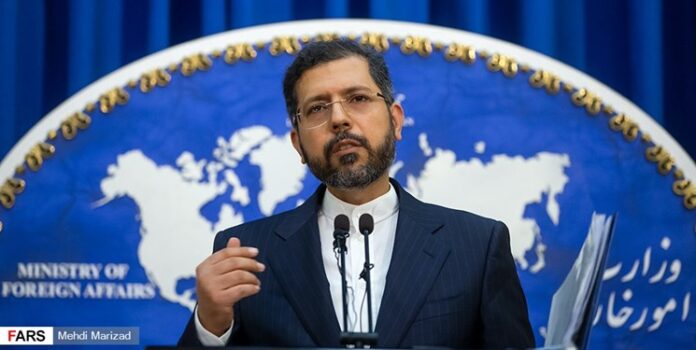
Khatibzadeh: Iran not to accept anything beyond JCPOA

Khatibzadeh was speaking on Monday at his weekly press briefing.
He added that Iran will not tolerate any demand that it accept benefits less than what’s laid out in the deal.

He noted that Iran is attending the Vienna talks to achieve a good deal. He expressed hope that the other sides will seize this opportunity.

Khatibzadeh maintained that Iran has kept the JCPOA alive alone thanks to its strategic patience following the US’s unilateral withdrawal from the agreement.

He added that the Islamic Republic cannot afford to pay the price alone for this purpose.

The Foreign Ministry spokesman referred to the top Iraqi diplomat’s remarks about direct talks between Iran and the US. He said Iran trusts the Iraqi officials and that the US itself whether under former president Donald Trump or under the current President Joe Biden has repeatedly called for talks with Iran while at the same time Washington imposes sanctions on Tehran.

Khatibzadeh noted that Iran must see a change in the US behavior before responding to such requests.

He added that the Iranian government seeks to achieve the rights and interests of the Iranian people. Khatibzadeh added that in line with this policy, Iran’s negotiating team in Vienna is exchanging drafts with the US indirectly and indirect talks in writing are underway between the two sides.

He also spoke about the martyrdom anniversary of General Qassem Soleimani in a US drone attack in January 2020. Khatibzadeh said launching a terrorist attack on a personality who was at the frontline of the fight against terrorism was a double standard on part of the false pretenders to fighting against terrorism.

He added that the Iranian Foreign Ministry will not spare any effort to bring to justice the criminals who assassinated General Soleimani.

Khatibazdeh noted that Iran and Iraq have signed a joint agreement aimed at pursuing the case through legal channels.

He described the European troika’s role in the Vienna talks as non-constructive, saying all sides should come to the negotiating table with a firm determination to reach a good agreement.

Kahtibzadeh added that it would be a mistake for any party to the talks to think they can waste the energy of other sides through misinformation campaigns.

Elsewhere in the news briefing, Khatibzadeh turned to the Yemen crisis. He condemned the complicity of some European countries in the war on Yemen through supplying the Saudi-led coalition with arms and military hardware amid the silence of international organizations. The Iranian Foreign Ministry spokesman said Tehran believes the Yemen
crisis can only be resolved through political means.

Khatibzadeh also reaffirmed Iran’s continued support for the people of Yemen, saying Tehran will at the same time make efforts to find a lasting solution to the crisis in the country.

Khatibzadeh also condemned the Israeli regime’s anti-Iran moves, saying this is an entity which has its roots in insecurity, terrorism and sedition. He referred to former US president Donald Trump’s comment that he was deceived by Israel. Khatibzadeh said that is the inevitable fate of all countries seeking normalization with Israel.

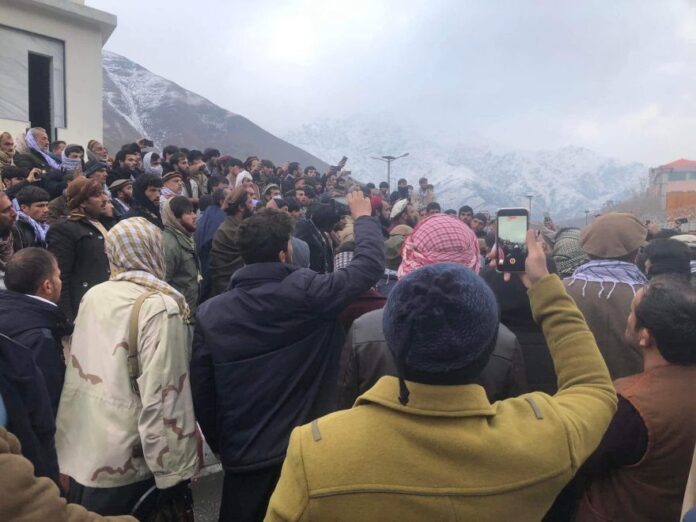
Panjshir residents protest ‘murder of a man by Taliban’

The demonstrators carried the dead body to the office of the provincial governor and asked for justice.

The angry protesters were chanting “Death to Taliban”, “Death to stooges of Pakistan”, and “Long live Ahmad Masoud.”

Residents of Annaba district claimed that the slain Nazir Aqa-24 was murdered by the Taliban affiliates but the motive behind the murder is yet to be unveiled.

Provincial officials of the Taliban confirmed the killing and called it a misunderstanding.

A statement released by the Taliban officials in Panjshir province reads that suspects of the incident have been arrested.

Meantime, affiliates of the Abdul Hameed Khorasani, deputy chief of security of Panjshir province, have also engaged in a fight with the protestors but have led to no casualties.

It is the first time that a relatively large demonstration is staged against the Taliban in Panjshir province.

Panjshir was the last province of Afghanistan that fell to the Taliban.

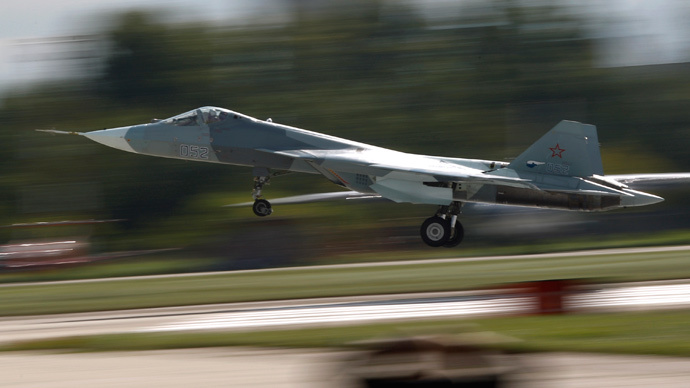
Russia holds drills to practice repelling air raids

Interfax cited Russia’s Western Military District as saying on Monday about 1,000 troops took part in the operation.

Russia has amassed tens of thousands of troops at staging posts close to Ukraine and demanded that its southern neighbour not be admitted to NATO and that no offensive weapons be deployed there or in other neighbouring countries.

Some troops have started returning to permanent bases after drills near Ukraine.

Russia’s deployment of tens of thousands of troops to the north, east and south of Ukraine had fuelled fears in Kyiv and Western capitals that Moscow was planning an attack.

Russia denies any such plans, stressing it needs pledges from the West – including a promise from NATO not to expand the alliance eastward towards Russian borders – because its own security is threatened by Ukraine’s growing ties with the Western alliance.

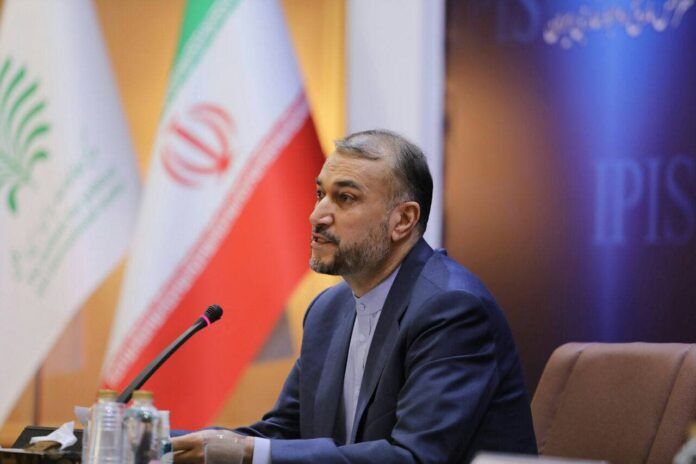
Iran FM says removal of sanctions, verification focus of Vienna talks

“Among the topics on our agenda are the guarantees and verification. Today, we have a common and acceptable document on the table, which we call them the December 1 and December 15 documents. They deal with both the nuclear issue and the sanctions, which means we abandoned the June 20 draft and agreed on a new joint document. Starting from today, our negotiations focus on the joint document,” Hossein Amir Abdollahian told reporters.
“Under these words and topics, we should reach a point where Iran’s oil can be sold easily and without any prohibition and the oil money is deposited into Iranian bank accounts in the form of foreign currencies and we come to enjoy all economic benefits predicted in the Joint Comprehensive Plan of Action.”
The top diplomat also touched on the issue of investment by Iranian expatriates. He said relevant regulations are being reviewed to facilitate foreign investment, including by Iranian expatriates.
“In the 13th administration [administration of President Ebrahim Rasiei], we consider offering facilities to Iranian expatriates our first duty,” he said.
He said a case in point is consular services for the expatriates so that they can complete the process of their residence and investment in Iran more easily.
Amir Abdollahian was then asked about the timing of the new round of talks with Saudi Arabia. He said no decision has been made on when to resume the negotiations.

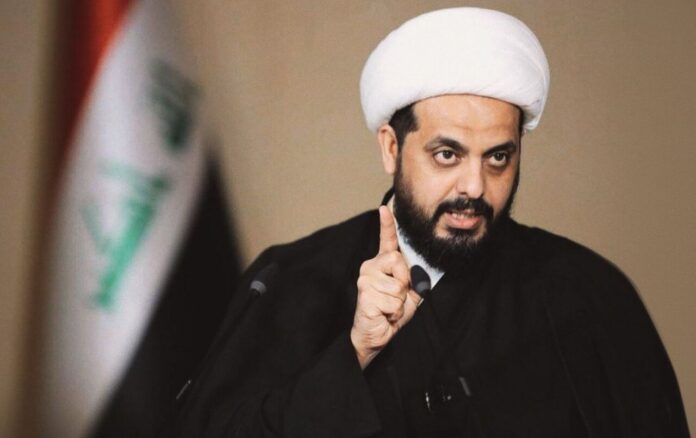
Iraq resistance group warns of response if U.S. keeps forces in country

“If American forces, in line with the terms previously announced, do not withdraw, the resistance is entitled to give a response and the timing will be determined by the headquarters for coordination of resistance,” Qais Khazali was quoted by Iraqi media as saying.
Khazali added that the presence of 2,500 US military advisors is not logical, stressing that deciding on the number of advisors lies with Iraq, and not the US.
He also slammed the US ambassador to Baghdad for trying to change the date the Iraqi federal court would announce the results of the recent contested parliamentary elections.
Washington and Baghdad signed an agreement in July that details the US withdrawal. The agreement allows for continued presence of American forces in Iraq as military advisors.
This has raised criticism among different Iraqi factions. On Sunday, head of the Fatah Alliance in the Iraqi Parliament Hadi al-Ameri also rejected the idea of continued US military presence in Iraq in training or advisory capacities.
He said this goes against a parliamentary resolution in January 2020 that requires the withdrawal of all US forces from Iraq.

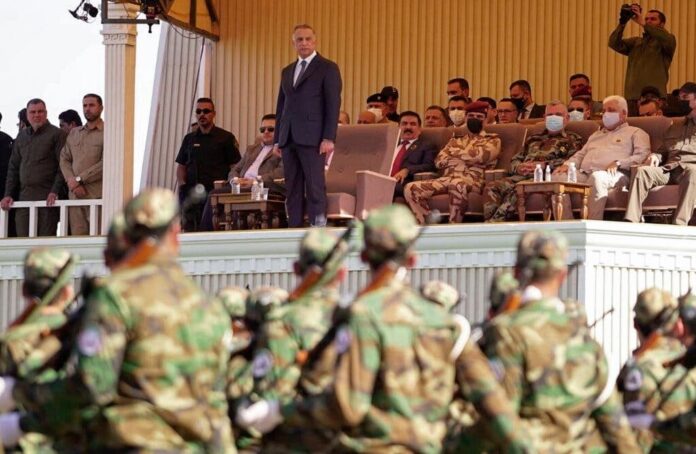
Security official says Iraq not ‘launching pad’ for attacking others

Al-A’raji made the remarks in a meeting with the commander of NATO mission in Iraq, Lieutenant General Michael Anker Lollesgaard, on Sunday, al-Sumaria news channel reported.

During the meeting, the two sides discussed the support provided by the NATO mission to Iraq as well as ways to strengthen security and stability in the region.

“Our duty is to support Iraq and keep it away from any regional war … Therefore, we do not accept the use of Iraqi land, air, and water as launching pad for any aggression against any country,” al-A’raji stated.

On January 3, 2020, the Iraq-based US forces assassinated Iran’s top anti-terror commander, Lieutenant General Qassem Soleimani, near the Baghdad International Airport. Soleimani’s companions, including the deputy commander of Iraq’s Popular Mobilization Units (PMU) Abu Mahdi al-Muhandis, were also killed in the operation.

Two days later, the Iraqi parliament passed a law requiring the Iraqi government to end the presence of the US-led foreign forces in the Arab country.

Since the assassination, Iraqi resistance forces have ramped up pressure on the US military to leave their country, targeting American bases and forces on numerous occasions, at one point pushing the Americans to ask them to “just leave us alone.”

Earlier this year, Baghdad and Washington reached an agreement on ending the presence of all US combat troops in Iraq by the end of the year.

The US military declared the end of its combat mission in Iraq this month, but resistance forces remain bent on expelling all American forces, including those who have stayed in the country on the pretext of training Iraqi forces or playing an advisory role.

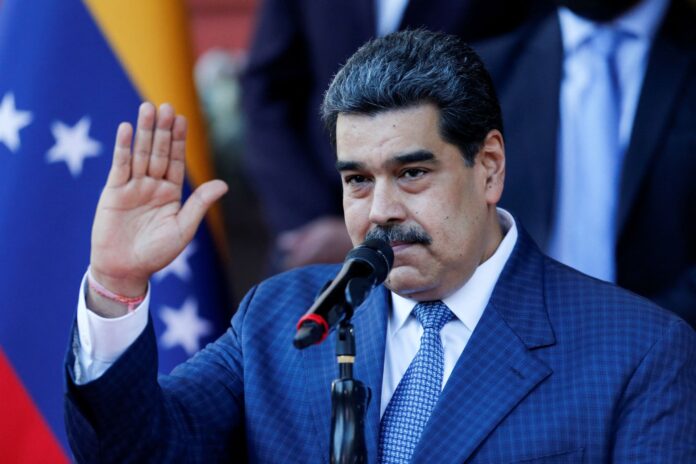
Venezuela’s Maduro set to visit Iran ‘very soon’

“I am going to Teheran very soon, for a visit that President (Ebrahim) Raisi offered me, so that we meet in person, to hold conversations and sign new agreements … and speed up processes of cooperation,” Maduro stated during an interview with satellite news broadcaster Al Mayadeen in Spanish, which was later broadcast on Venezuelan state television.

Maduro noted he has had two telephone conversations with Iran’s president, adding that they have agreed to work on new plans, without providing details. He also did not give a date for the visit but described the two countries as “fighters”.

Venezuela and Iran have strengthened their ties since last year.

Maduro’s government has received vital equipment for its oil industry from Iran, which in return has received crude and other primary resources from the South American country. Iran has been crucial for Venezuela’s rising oil production in 2021.

In 2022, Venezuela will also look to reactivate means of cooperation with Arab countries, Maduro added, saying, “They love us in the Arab world, I know that Arab governments and peoples love Venezuela.”

The tightening of US sanctions since 2019 has affected Venezuela’s ability to sell crude and import fuel, which has exacerbated gasoline shortages across the country.

On the Palestinian cause, Maduro stressed that no one in the world dares to ask Caracas to abandon Palestine.

“We cannot accept such demands. It is a sin to simply think about abandoning Palestine or leaving it by itself,” he stressed.

The Venezuelan leader sent a message to the Palestinian people, in which he affirmed Venezuela’s, the Venezuelan people’s, and the leader Hugo Chavez’s Bolivarian revolution’s support for Palestine. He reiterated his never-ending total support of Palestine as Venezuela loves Palestine, all its people, and all its factions.

Maduro also talked about Syria and its President Bashar Al-Assad, describing him as a courageous, heroic, fighting man who has a beautiful family and a wonderful people. He expressed his regret over what happened to Syria, stating it was “destined to endure a criminal terrorist war”.

Maduro affirmed that the Syrian people have suffered a lot throughout the last 11 years, and they knew how to preserve and win. The Syrian Arab Army, alongside the unified Syrian people and Assad, will make Syria rise again and fully liberate it, he declared.

Speaking about Iran, Maduro said relations with the Islamic Republic have always been really good, “Whether with former President Ahmadinejad, former President Hassan Rouhani, or now with President Ebrahim Raisi”.

Maduro added he agreed on several new plans with Raisi, and the intergovernmental committee of both countries is working on these new projects which include networking and cooperation between Iran and Venezuela.

The Venezuelan president also voiced his admiration for Leader of Iran’s Islamic Revolution Ayatollah Seyyed Ali Khamenei, describing him as a man of great wisdom and great intelligence.

He revealed that former Quds Force commander martyr Major General Qassem Soleimani visited Venezuela between March and April 2019.

“We were in the midst of the electrical crisis launched by the imperialists of the north against Venezuela’s electrical network”, touching on the conversation the two figures had on several areas of cooperation, including electricity. Maduro confirmed that all matters discussed between them went on to be implemented.

The Venezuelan president praised Major General Soleimani, stating, “He was a smiley, optimistic man, and I thank God for ever meeting him.”

He further noted, “Soleimani combated terrorism and the brutal terrorist criminals who attacked the peoples of the Axis of resistance. He was a brave man.”

He stressed the importance of learning from these horrific crimes, such as the crime of assassinating martyr Soleimani. “Is this a world we want, where we witness the White House issuing an order to kill a hero of the struggle against terrorism in Iraq, Iran, Syria, and Lebanon?” he underlined.

The world must raise its voice again, he underscored, “in condemnation of the murder of the people’s hero, Major General Soleimani.”