Saturday, January 10, 2026
Home Blog Page 2225

Get to know Iran’s Maldives

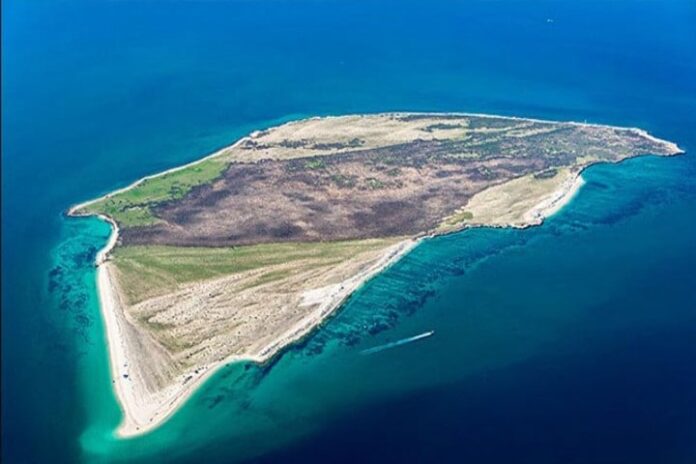
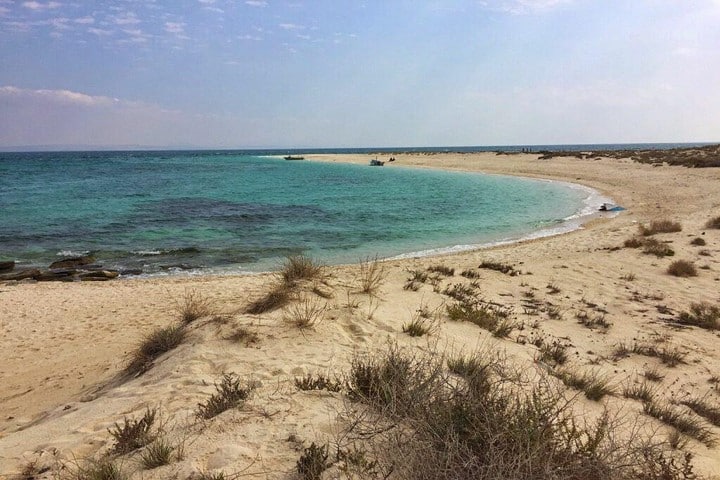
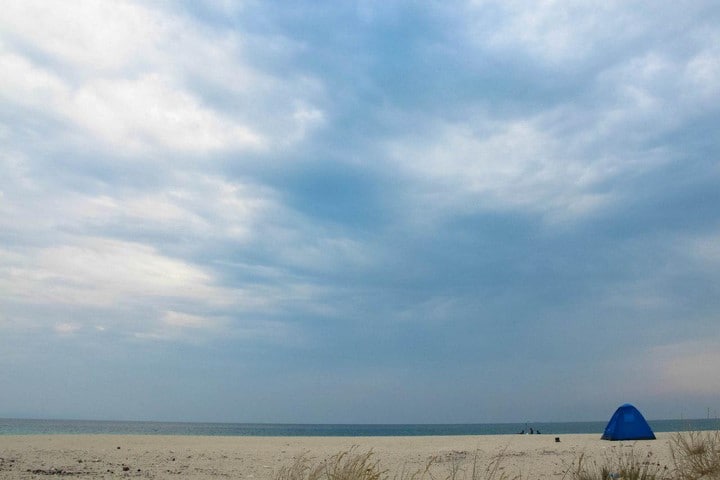
The Maro Island, otherwise known as Shidor and locally called Shetvar, attracts many visitors every year for its calm blue waters, which are exceptionally limpid, and its white-sand beaches.
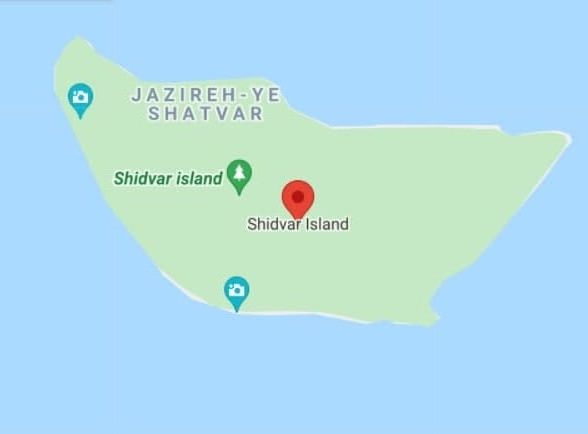
Get to know Iran’s MaldivesSihdor is uninhabited and is located near the inhabited island of Lavan. Shidor is around one square kilometer in area and it takes only a few minutes to walk around it on foot.

To go to Shidor, one should get to the Parsian area of Hormozgan Province and then turn toward Bandar Magham. The port city also has one of the most beautiful coastal roads of Iran, with mountains stretching right to the shoreline. From Bandar Magham, it takes you an hour on a boat to get to Shidor.
Get to know Iran’s Maldives
The island’s ecosystem is almost unique both in Iran and across the world. The area is home to wonderful animal species both on land and under the water. It would be interesting to know that the name Maro – a play on the Persian word and Mar which means snake – is given to the island because it is a habitat for shy black snakes, which quickly hide when they hear the sounds of visitors.

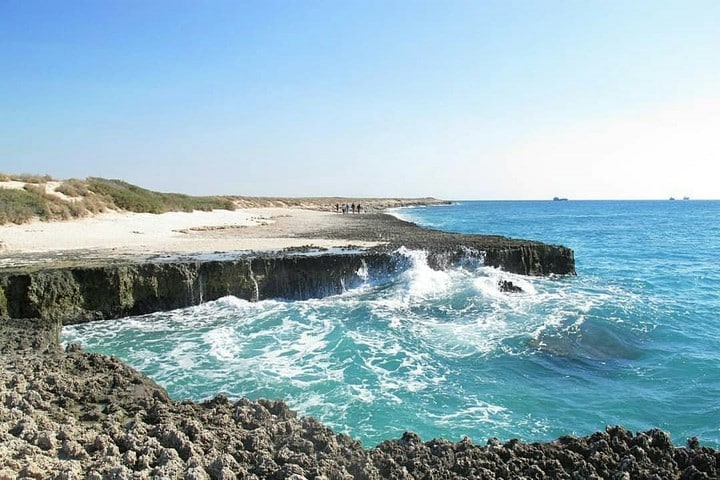
The coral island also offers extraordinary opportunities for sightseeing both on the shoreline and for swimmers and divers.
Get to know Iran’s Maldives
It is enough to just dip your head into the water just off the shoreline to see various saltwater animals in their different colors. And the main attraction here is when one gets to see the large ray fish, which swim close to the beach.
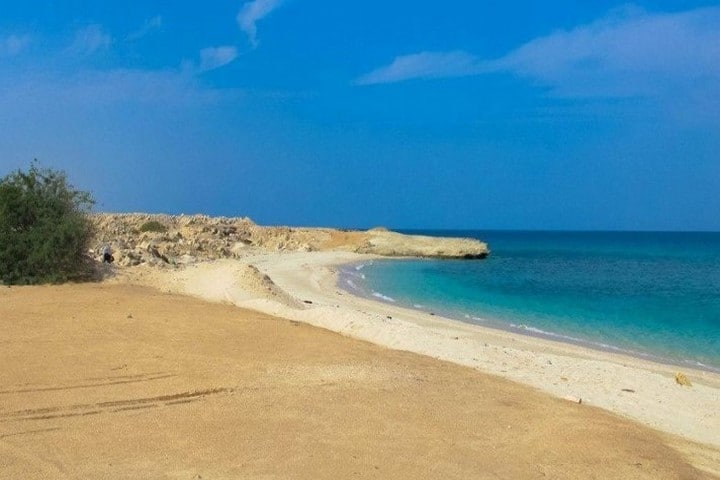
Get to know Iran’s MaldivesMoreover, diving near Shidor needs no special equipment except for a pair of swimming goggles and snorkelers to breathe, as the amazing underwater world is there to see without having to dive deep.

And a note to visitors: Do no gather sea shells as they are vital to local species living on the beach. Camping also needs prior authorization. Make sure to have the required basics, such as a rug, cold drinks and main meals, among other things.
Get to know Iran’s Maldives

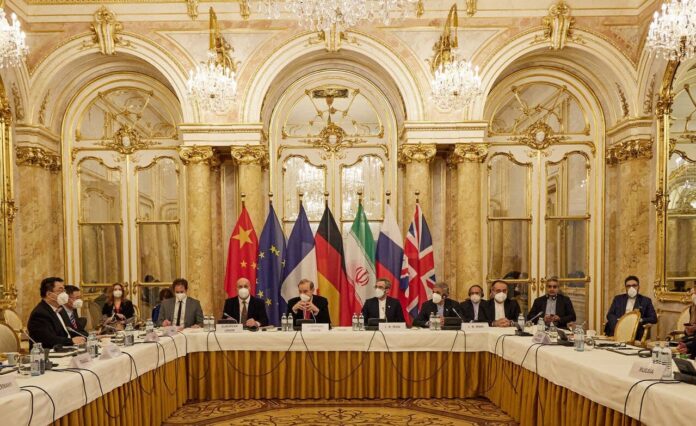
Source: Iran rejects “fake deadlines” for Vienna talks

Vienna talks

“After agreement on the format of the negotiations during the previous round, negotiators are scheduled to discuss the contents during the next round. If the other parties are ready to focus on the content in the talks, we can move forward,” IRNA cited a source close to the Iranian negotiating team as saying.

“Iran is committed to achieving a good agreement in the shortest possible time but we will not get entrapped by fake deadlines and such deadlines will not become our deadlines. For us, there is no emergency in the talks.”

IRNA also cited the source as saying that the progress, during the previous round of the talks, in the texts on nuclear issues shows Iran’s seriousness.

“Now it is the other parties’ turn to show their good will on the issue of sanctions. Progress in the future round hinges on the approach adopted by the other parties,” the source said.
The eighth round of the Vienna talks for removal of anti-Iran sanctions and revival of the 2015 nuclear deal are scheduled to begin Monday.

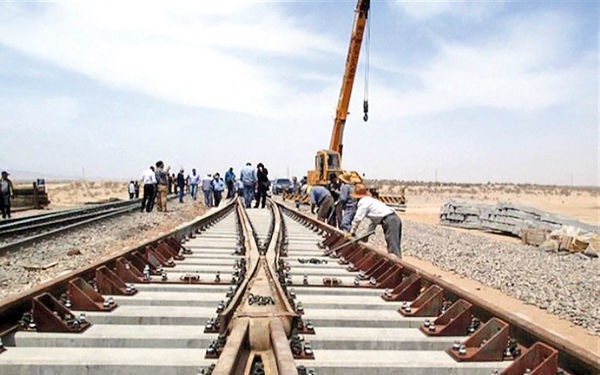
Iran, Iraq to build Shalamcheh-Basra railroad

Rostam Qassemi said on Sunday a joint company will be formed by the two countries within the next two months to execute the project.

Qassemi added that talks with his Iraqi counterpart started on Sunday to sign the agreement to build the 32-kilomtere railroad.

He noted that negotiations over the project have been ongoing for 20 years but they did not produce results.

The Iranian minister of roads and urban development said a provision of the agreement says the two sides will begin the construction operation within the next month.

Qassemi also said the general agreement says the Railway Company of the Islamic Republic of Iran and the Iraqi Railway Company will jointly implement this project and a joint company will be formed within two months, but the two countries did not wait for the next 2 months and agreed to start the construction operation within the next month.

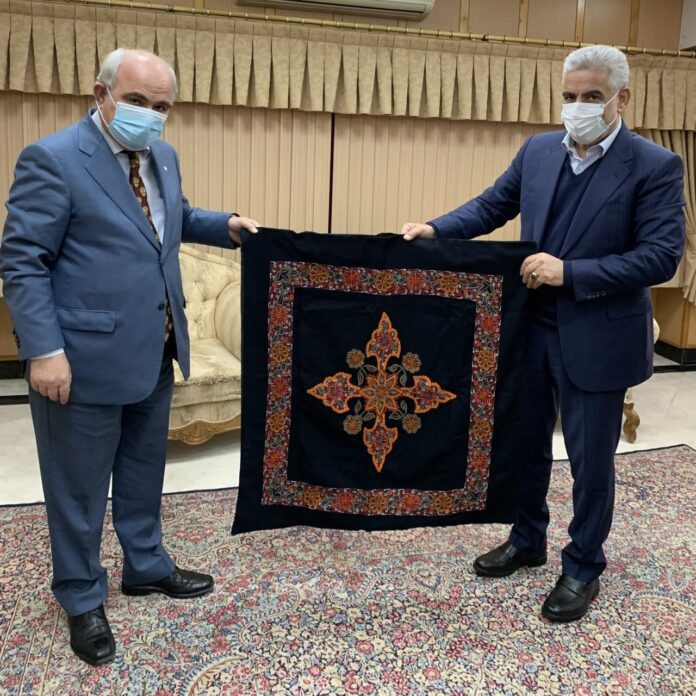
Moscow: Value of Iran-Russia trade grew 87% in 2021

In a meeting on Sunday with Assadollah Abbasi, the governor of Iran’s northern Gilan Province, Levan Dzhagaryan said the 87-percent growth in the volume of bilateral trade, which was attained under coronavirus restrictions, was a “significant achievement.”

The senior Russian diplomat said his country stood ready to further promote bilateral interactions with Iran, calling for joint efforts to facilitate interactions between businessmen of the two countries.

Dzhagaryan said in a tweet after the meeting that the two parties “discussed a number of issues of interregional cooperation, including the expansion of interaction between the Astrakhan region and the province of Gilan.”

In turn, Gilan’s governor said the province under his watch served as Iran’s gateway to Eurasian markets, and that the value of exchanges between Gilan and Russia, alone, currently stood at 700 million dollars.

Abbasi expressed hope that the upcoming visit of Iranian President Ebrahim Raisi to Moscow would open a new chapter in ties between the two sides.

“Given the activities related to ship manufacturing in Astrakhan, it is necessary to launch the Rasht-Astrakhan airline and expand the tourism industry,” added the governor.

Iranian president: Ill-wishers bent on scuttling ties with neighbors

Raisi was speaking at the cabinet session on Sunday. He referred to the 40 percent rise in exports of Iranian non-oil products, saying it comes as no surprise that adversaries seek to disrupt relations at a time when Iran’s focusing on efforts to expand economic trade with neighbors.

Raisi noted that officials must look into claims that Iran’s agricultural products have high pesticide residues to see if that is the case or such allegations are politically-motivated.
The president also spoke of the inflation in Iran, saying numerous measures have been put in place to control prices and monitor the market, but the current market situation shows a solution must be found immediately to inflation.

Elsewhere in his comments, Raisi referred to the government’s plan to bring about changes in Iran’s administrative system. He said changes in the administrative system should make it efficient, adding that all administrative bodies, in addition to trying to fight corruption, unhealthy relations and bribery, must also implement approvals of the Supreme Council of the Cultural Revolution.

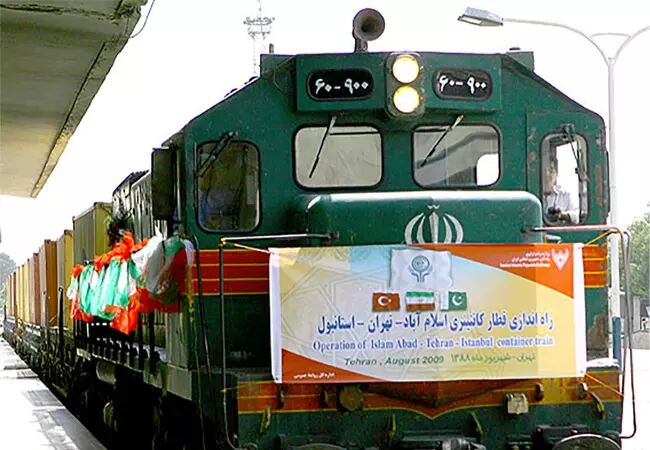
Islamabad-Tehran-Istanbul cargo train enters Iran

The freight service has been viewed as a major boost for trade ties between the three states.

Carrying dozens of cargo containers, the Istanbul-Tehran-Islamabad (ITI) started its 6,543-kilometer journey from the Pakistani capital on Tuesday to Turkey’s economic hub, during a ceremony joined by high-ranking officials from the three states, Kazakhstan, and Kyrgyzstan.

The freight service was initially launched in 2009 but it stopped operations in 2011 due to several delays in Pakistan.

The train can finish the journey through the three countries in about two weeks, making it much faster and less expensive than the alternative sea route.

Amin Pourbarkhordari, head of Iran’s Rasan Rail Pars, said the train would continue its journey from the eastern Iranian city of Zahedan toward the western Razi railway border with Turkey following customs operations and transfer of the cargo from Pakistani wagons to European ones.

The train will travel through the Turkish capital, Ankara, before reaching its final destination in Istanbul.

Pourbarkhordari expressed hope that with the cargo train coming into service, transit through the corridor would see a boost in the future.

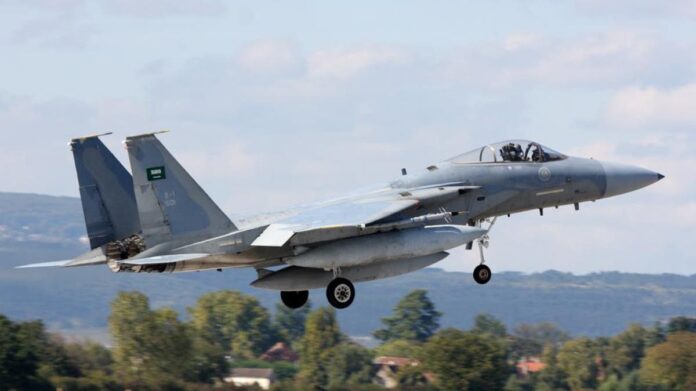
Saudi coalition fighter jets strike Sana’a

The Saudi-led coalition claimed it struck a Houthi camp in Sanaa. The coalition said it destroyed weapons storehouses in the capital, according to the official Saudi Press Agency (SPA).

“The operation in Sanaa was an immediate response to an attempt to transfer weapons from Al-Tashrifat camp in Sanaa,” it announced in a statement on Sunday.

But, local sources, speaking on condition of anonymity, told Yemen’s Arabic-language al-Masirah television network that Saudi fighter jets targeted Asr district, which lies on the western suburb of Sana’a, for three times, damaging several residential buildings.

The sources added that the aerial attacks sent panic-stricken locals into the streets. There were no immediate reports of casualties.

The Lebanese al-Mayadeen television news network also reported that powerful explosions rocked southern districts of the Yemeni capital, shattering windows and damaging structures, as Saudi air strikes targeted some sites there.

According to a report, Saudi Arabia and the United Arab Emirates, which are leading a devastating military campaign and brutal siege against Yemen, are reportedly making preparations to hand over the control of the country’s southeastern province of Shabwah to al-Qaeda terrorists.

Yemeni military sources, who preferred not to be named, told Yemen News Portal website that the Saudi-led coalition is seeking to transfer several militant brigades, which include groups from Salafist and al-Qaeda-linked groups, to Shabwah.

The sources added that the Riyadh regime had ordered Major General Ibrahim Haydan, Yemen’s interior minister in the administration of fugitive former president Abd Rabbuh Mansur Hadi, to direct pro-Hadi forces in neighboring Abyan Province to facilitate the passage of Salafisit militants and members of the al-Qaeda in the Arabian Peninsula (AQAP) terrorist group to the oil-producing region.

Saudi Arabia and its allies launched a war against the Arab world’s most impoverished nation in March 2015. The war has been seeking to restore power in Yemen to Riyadh’s favorite officials.

The death toll of the war, now in its seventh year, will reach an estimated 377,000 by the end of 2021, according to a recent report from the UN’s Development Programme.

The fighting has seen some 80 percent of the population, or 24 million people, relying on aid and assistance, including 14.3 million who are in acute need.

Marine rapping US chaotic Afghanistan exit discharged

Lt. Col. Stuart Scheller went viral in August after he published a Facebook video criticizing US military leadership for the way it handled the Afghanistan withdrawal that same month. Scheller, who lost a personal acquaintance in a terrorist suicide bombing attack during the withdrawal, said in the video that he had a “growing discontent and contempt” for the “ineptitude at the foreign policy level” and demanded accountability from senior leaders.

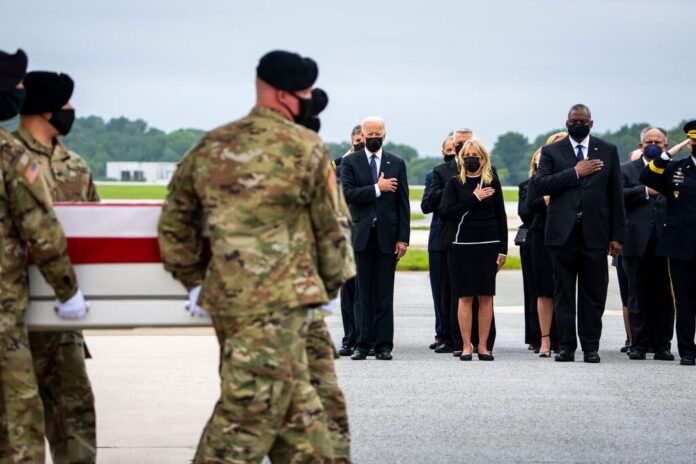
Scheller revealed that he had been discharged from the Marine Corps on Thursday – just a day before Christmas Eve – and stripped of his pension after serving for 17 years.

“I was released from the Marine Corps today, Thursday, December 23rd, 2021. I am filled with mixed emotions,” Scheller wrote, accusing the US military of locking him up and leaving him “without basic items in prison for five days” in retaliation over the video.

Scheller stated that he would be conducting a “media blitz” in response to the dismissal, starting with Fox News host Tucker Carlson on 4 January, and thanked his fellow Marines and members of the general public for supporting him through the hardship.

“Out of respect to my senior leaders, I haven’t done a single interview since this began. But now it’s my turn,” he added.

Scheller’s father Stu Scheller Sr. told Fox News on Saturday that the US needed “leaders, not politicians”, while his mother Cathy Scheller noted that there were 13 US Marines who would not be returning home for Christmas because of the botched Afghanistan withdrawal.

Street cleaner returns huge amount in lost cash

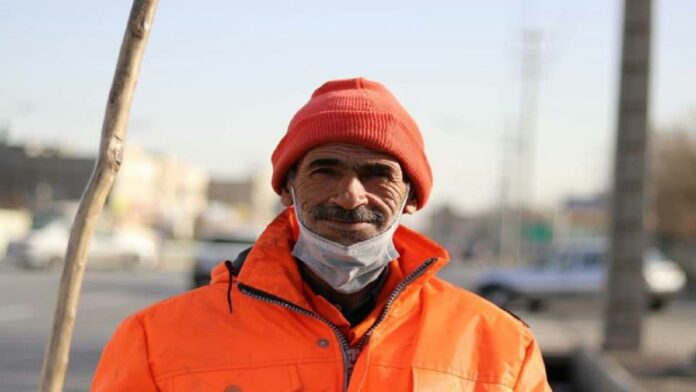
Authorities in Mashhad have identified the street cleaner as Mr. Hassan Yaghoubi Rasouli. He found the money and the check in a brown bag while cleaning a street in District 12 of Mashahd.

It seems the conscientious street cleaner managed to find the owner through his driving license and his car’s document.

Mr. Yaghoubi also found 17 million rials in cash along with a check three months ago and returned them to their owner.

Taliban says won’t allow Shia-Sunni split in Afghanistan

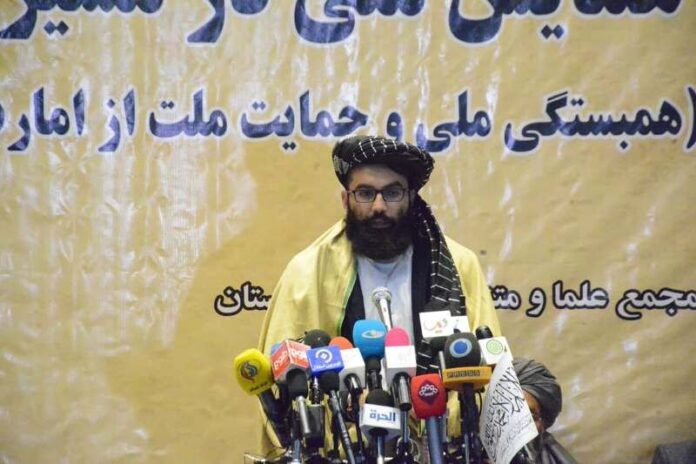
In a meeting with the Afghanistan Shia Ulema Council on Sunday, Anas Haqqani said the Afghan people should “roll up their sleeves and work to resolve their problems and achieve self-sufficiency.”

Today, Afghanistan’s Shia and Sunni Muslims have many commonalities and work together to overcome the challenges facing the country, said Haqqani.

The Taliban official also criticized arbitrary measures by certain parties aimed at sowing the seeds of sedition in the country, saying such acts are unacceptable to the Taliban.

Since the Taliban’s rise to power in late August, the Council has held several meetings with members of the group, demanding a resolution of the problems facing the country’s Shia community and the formation of an all-inclusive government with the participation of all ethnicities.

Elsewhere at the event, Abbas Stanikzai, the Taliban’s deputy foreign minister, referred to the US military’s hasty withdrawal from the country in August and said the American troops “fled Afghanistan under the cover of darkness.”

He described interactions with the international community as a major challenge for the Taliban, which retook power in the country shortly after the US withdrew its forces.

“Certain countries do not recognize the Taliban government due to the [group’s] hanging of a number of kidnappers, but the Taliban will act in accordance with its own law,” the official said.