Friday, May 1, 2026
Home Blog Page 2153

Iran and S. Korea set for talks next month over frozen assets

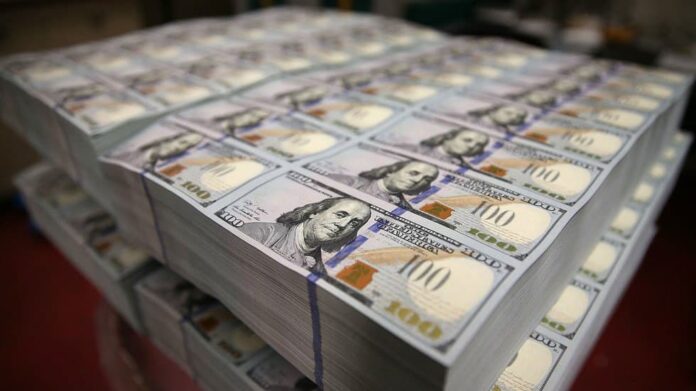
Bilateral relations remain frayed over US$7 billion in Iranian funds locked in two Korean banks under US sanctions, which were reimposed after former President Donald Trump in 2018 withdrew from a 2015 nuclear deal.

The thorny issue has drawn renewed attention, with talks to revive the 2015 accord standing at a critical phase, as Iranian officials demand sanctions relief for an agreement.

Seoul officials say the proposed working groups are expected to go over details of a potential money transfer once sanctions are lifted and also discuss other aspects in the event of a no deal.

“The working groups are expected to mainly discuss details of the payment method of the Iranian assets if the US grants sanctions relief,” the source told Yonhap News on the condition of anonymity.

“They could talk further on the possibility of resuming oil imports from Iran once sanctions are lifted,” the source added.

Iran, which sits on the world’s fourth-largest oil reserves, had been a key oil supplier to resource-poor South Korea and in turn imported industrial equipment, household appliances and vehicle parts from Seoul.

South Korea imported US$7.8 billion worth of oil from Iran in 2017, but it has stopped Iranian purchases since 2019 due to US sanctions that ban the Islamic republic’s oil exports, according to the data by the Korea International Trade Association.

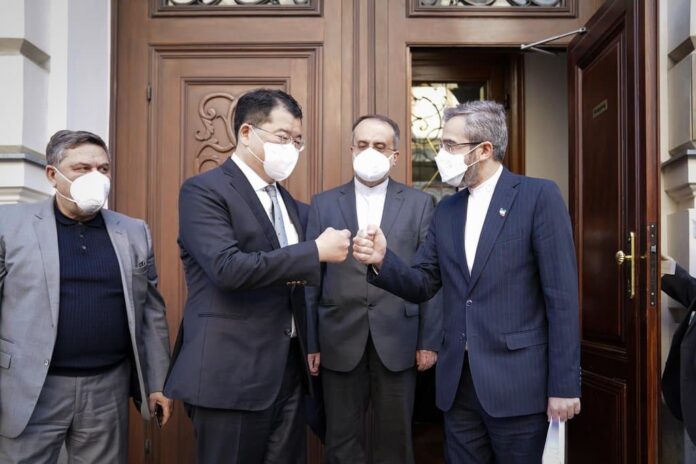
The top Iranian negotiator to the negotiations in the Austrian capital has recently met with South Korea’s deputy foreign minister to discuss release of Tehran’s frozen assets in Seoul.

Ali Bagheri Kani, who is also Iranian deputy foreign minister for political affairs, said in the meeting held with Choi Jong-kun that regardless of the outcome of the talks in Vienna, the South Korean government is obliged to unfreeze Iran’s frozen funds, stressing that unilateral US sanctions cannot justify the non-payment of Seoul’s debts to Tehran.

“The South Korean government is obliged to release Iran’s blocked assets, and unilateral US sanctions cannot justify non-payment of debts to Iran,” he stated.

The Iranian diplomat also stressed that South Korea’s illegal and unjustifiable refusal to repay its debts to Iran would be a dark spot in the history of relations between the two countries, adding that Seoul should act as soon as possible to unfreeze Iran’s assets.

South Korea’s ambassador to Iran Yun Kang-hyeon has also noted the country has suffered badly from more than three years of US sanctions on Iran as he insists that Seoul has been working hard to maintain its trade and energy ties with Iran despite excessive US pressure.
US cancels military aid for Egypt over rights concerns

Cairo has failed to meet all the human rights conditions set out by Washington to be eligible for the paycheck, the US State Department announced on Friday.

“After January 30, the secretary intends to reprogram the $130 million to other national security priorities,” it pointed out, without elaborating on what those priorities might be.

In September, Secretary of State Antony Blinken greenlighted $300 million in foreign military aid to Egypt, but withheld another $130 million on condition that the country fulfilled “specific human-rights related conditions” by the end of January.

The government of President Abdel Fattah el-Sisi is accused of having enacted a large-scale crackdown in recent years on Islamist and secular activists involved in the 2011 Arab Spring uprising that toppled longtime leader Hosni Mubarak.

The arrest and prosecution of dissidents is believed to have been facilitated by the state of emergency that was imposed in Egypt in April 2017, after church bombings and deadly attacks on Coptic Christians. It had been prolonged several times over the years, with Sisi lifting the state of emergency only last October.

During his phone call with Egyptian Foreign Minister Sameh Shoukry on Thursday, Blinken “reaffirmed the importance of human rights in the bilateral relationship,” according to the State Department.

However, disagreements over human rights didn’t prevent the Joe Biden administration from approving a $2.5 billion sale of 12 Super Hercules C-130J transport aircraft and air defense radar systems to Egypt on Tuesday.

The deal would “support the foreign policy and national security of the US by helping to improve the security of a major non-NATO ally country that continues to be an important strategic partner in the Middle East,” the State Department explained.

It didn’t mention the arms sale when announcing on Friday that military aid to Cairo would be cut.

“Egyptians are not thrilled” to be deprived of $130 million, an unnamed senior State Department official told the CNN.

He insisted the decision on military aid and the arms sale were unrelated. There was no inconsistency in Washington’s actions because “we’re letting them [Egypt] buy things that are in our interest,” according to the official.

State Department spokesperson Ned Price later said the statements by the unnamed official didn’t reflect Washington’s official position, describing Egypt as “a valuable partner across many fronts.”


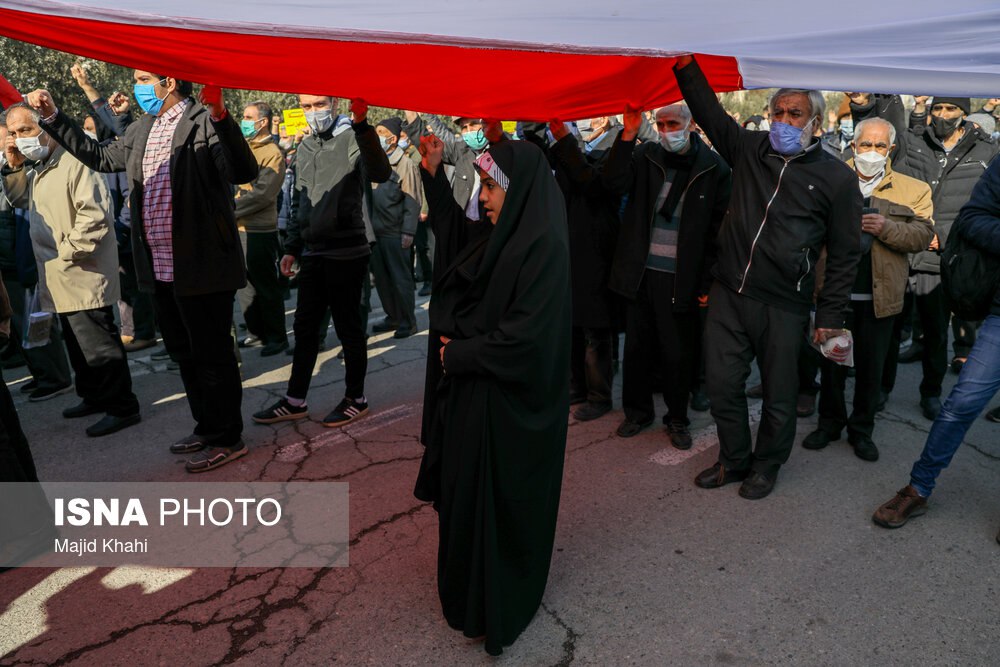
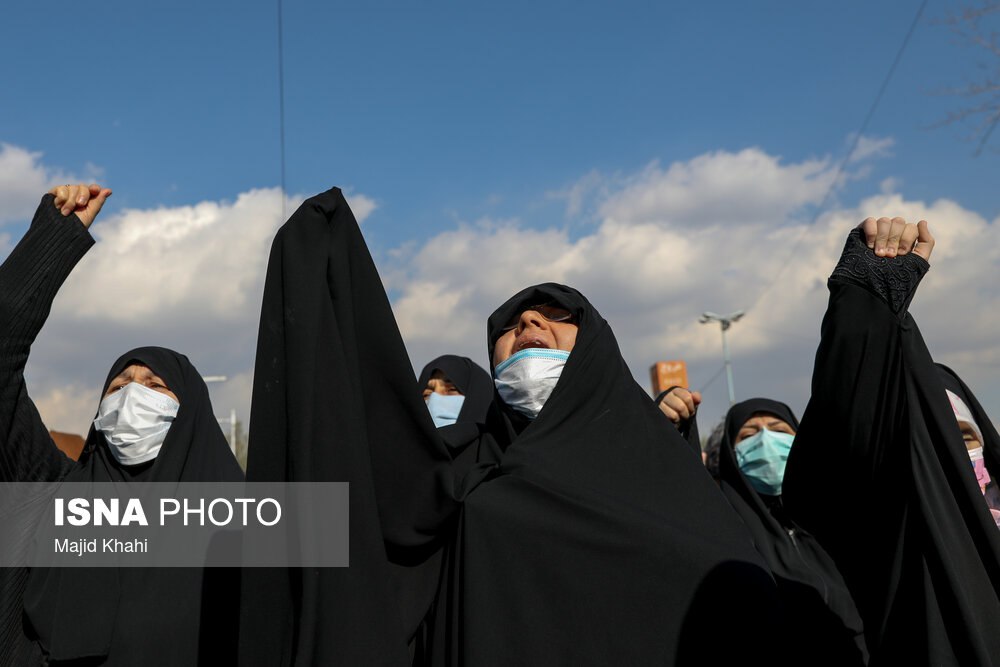
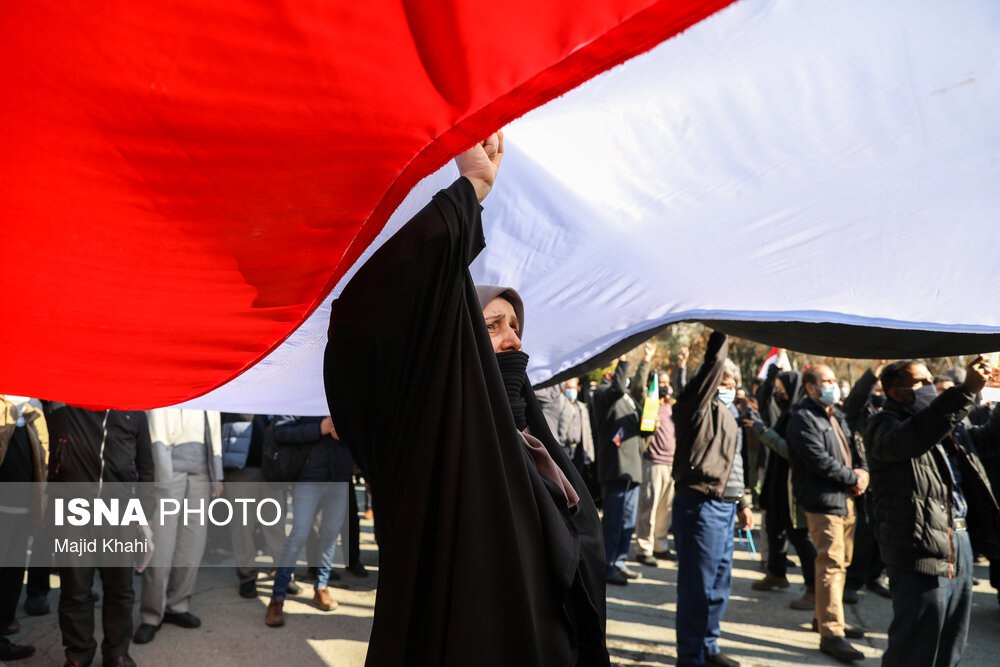
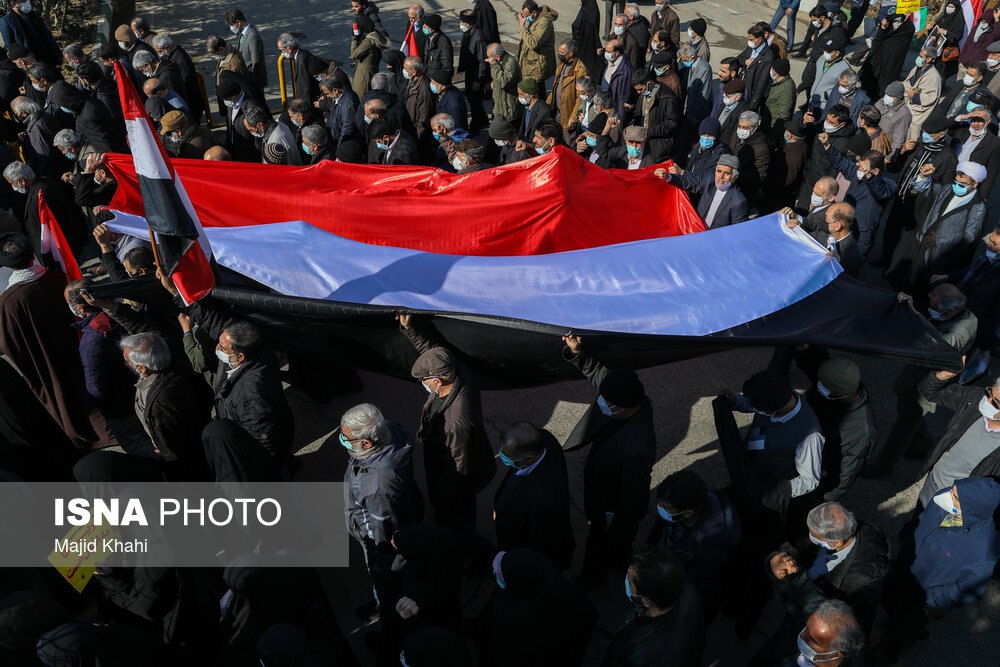
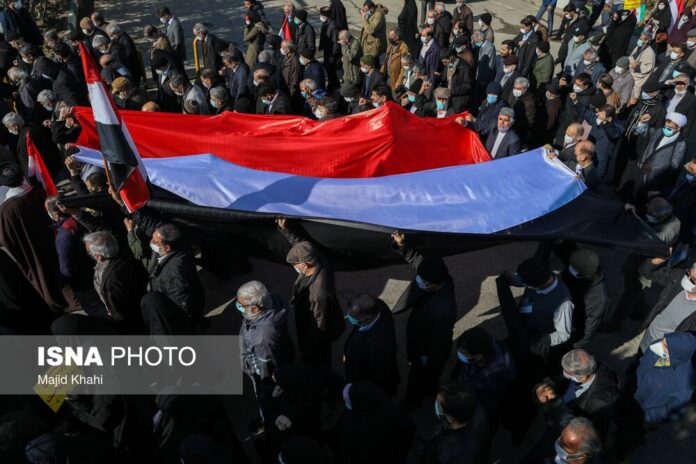
Iranians stage pro-Yemen demonstration

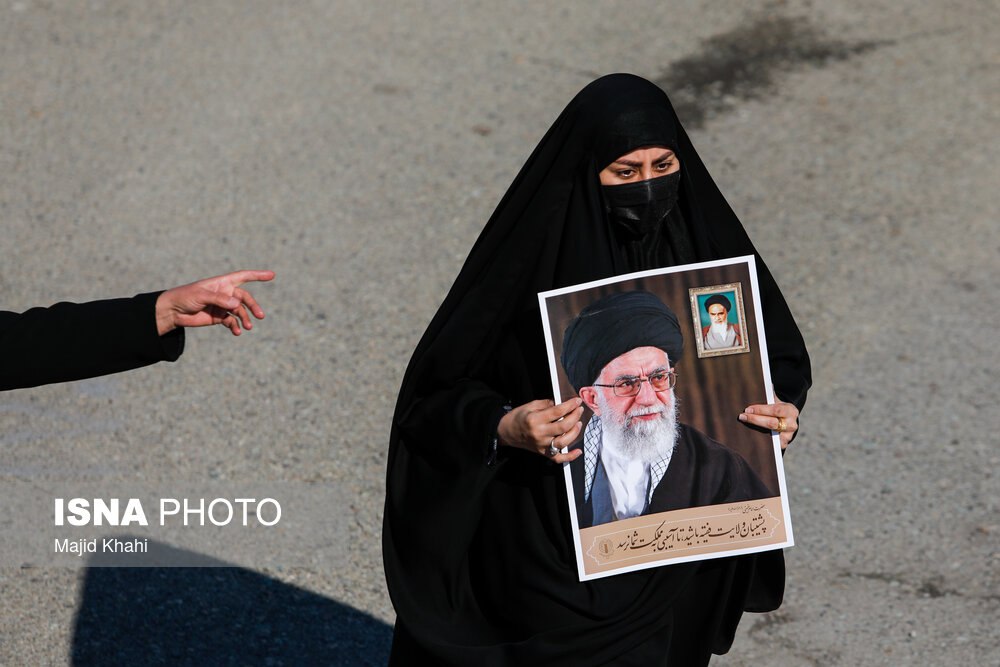
The demonstrators marched in the capital Tehran after Friday prayers.

JCPOA revival talks in Vienna make progress, paused for one week

The negotiating teams of Iran, Russia, China, Britain, France and Germany will now return to their capitals for consultations.

On Friday, negotiations to remove anti-Iran sanctions proceeded in Vienna with a meeting between Iranian lead negotiator Ali Bagheri Kani and Enrique Mora, deputy secretary general of the European Union External Action Service, followed by meetings with representatives of the three European parties to the Joint Comprehensive Plan of Action، the Iran nuclear deal.

The head of Iran’s negotiating team also met with the senior negotiators of China and Russia in a trilateral meeting on Friday, before the start of the break.

Mora wrote in a tweet on Friday that “the 8th round of the Vienna talks which started on December 27, so far the longest, takes a break. Participants will go back to capitals for consultations and instructions and will come back next week. Political decisions are needed now.”

Meanwhile, E3 negotiators said in a statement that “January has been the most intensive period of these talks to date.”

“Everyone knows we are reaching the final stage, which requires political decisions. Negotiators are therefore returning to their capitals for consultation.” the E3 added.

Senior diplomats from Iran and the P4+1 group have been working on a draft text of an agreement to revive the 2015 deal. European negotiators acknowledge that, despite the complexity of some issues, the talks are moving forward.

The Joint Comprehensive Plan of Action has been in tatters since former U.S. president Donald Trump unilaterally withdrew from the deal in May 2018 and re-imposed sanctions against Tehran.

“Vaccines in Iran capable of protecting people from Omicron”

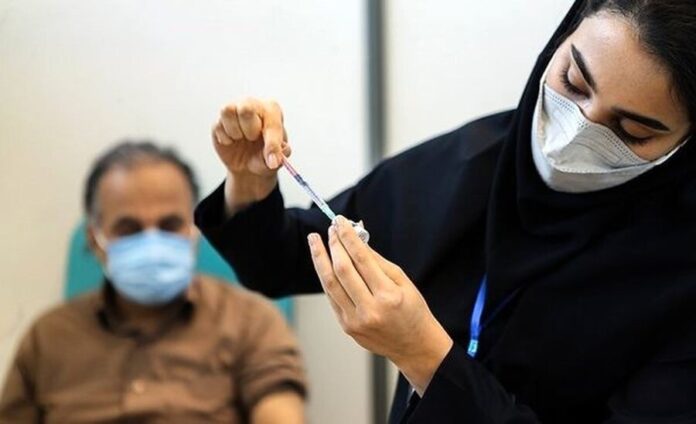
Majid Mokhtari called on all citizens to get their third dose of vaccine, adding people should definitely not delay vaccination.

He said now is the time to get vaccinated and shielded against harm from Covid-19. Mokhtai added that authorities have steadily been urging vulnerable people, especially the elderly to get their booster shots.

He urged Iranians to not wait for other jabs and to get inoculated as soon as possible. The member of Iran’s Coronavirus Scientific Committee noted that the vaccination process in Iran will gain steam in the coming days and more people will go to vaccination places to get inoculated. Mokhtari however called on citizens to observe health protocols like wearing masks and social distancing in addition to vaccination.

Iran’s Health Ministry announced on Friday that the country’s color-coded COVID-19 map has been dotted with seven ‘red’ spots as the country is witnessing an alarming rise in coronavirus infections fueled by the spread of the new Omicron variant.

Iranian FM: Raisi’s visit to Moscow rewarded a great achievement

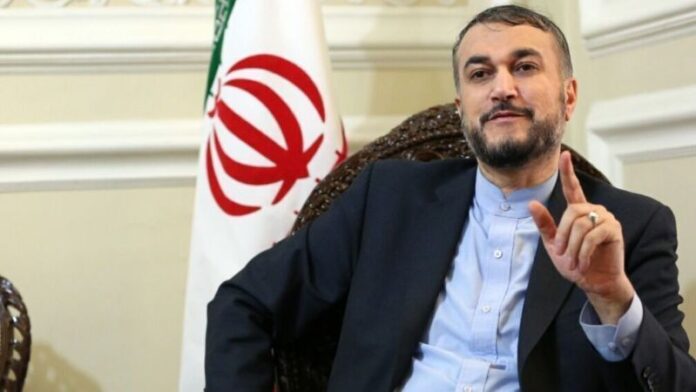
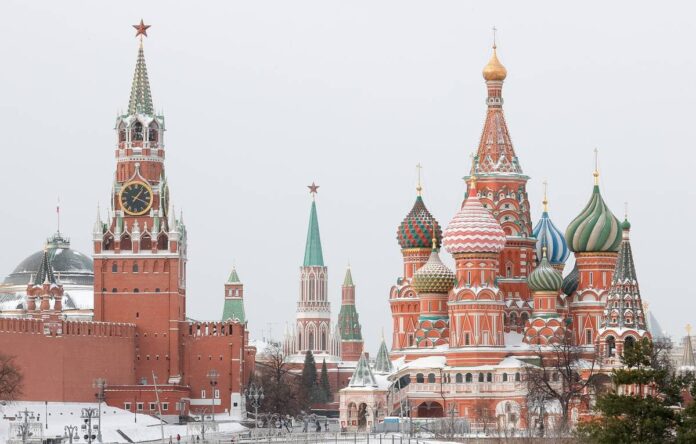
Amir Abdollahian said Russian President Vladimir Putin’s behavior toward Raisi was fully respectful and the two sides made necessary decisions in their 3-hour talks at the Kremlin.

The foreign minister noted that under the administration of President Raisi, a thaw is happening in relations with other countries.

He added that the agreement Iran and Russia reached during Raisi’s visit to Moscow as well as the diverse plans of the president in the Russian capital show the trip was successful.

Amir Abdollahian noted that the visit to Russia is also a token of the Iranian president’s active diplomacy.

After Raisi’s visit to Moscow, rumors spread on social media that Putin gave the Iranian president the cold shoulder.

Raisi visited Moscow along with an entourage involving Foreign Minister Amir Abdollahian، oil minister and also the minister of economic affairs.

Tehran and Moscow signed a number of trade agreements during the president’s visit to Russia.

Iranian oil minister: Numerous potential areas for Russia-Iran cooperation

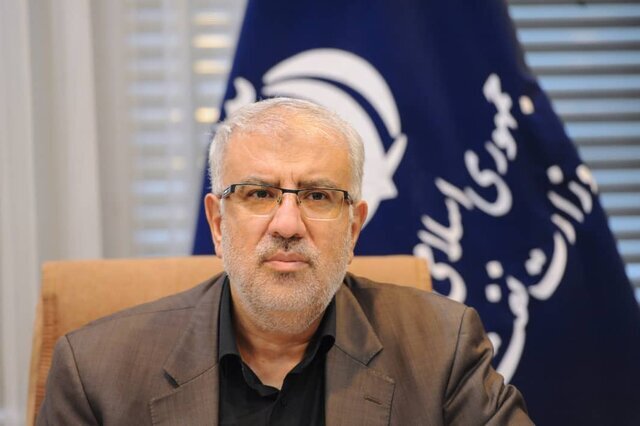
Ouji is accompany Iranian President Ebrahim Raisi along with the Iranian ministers of foreign and economic affairs on his 2-day visit to Moscow.

He also said in the tweet that he held numerous meetings and intensive talks with the Russian deputy prime minister, energy minister, and senior CEOs of private Russia oil and gas companies.

The Iranian oil minister also described the Russian private sector as powerful. He added Iran and Russia made important decisions and signed important documents in the meetings between the two countries officials.

Iran and Russia are two important oil producers of the world. They also sit on the largest part of the world’s gas reserves.

Kremlin: Russia and France share close views on nuclear deal

“The state of affairs around the JCPOA on the Iranian nuclear program was considered,” the statement said. 

“It was noted that Russia and France have close positions, actively supporting the continuation of international efforts to preserve and implement the JCPOA, as well as UN Security Council Resolution 2231, which approved it,” it added. 

The JCPOA was inked by Iran and six world powers in 2015. Under the deal, Tehran agreed to put limits on certain aspects of its nuclear activities in exchange for the removal of draconian international sanctions imposed against the country. 

In 2018, however, the US, under President Donald Trump, pulled out of the pact and reinstated sanctions under the so-called ‘maximum pressure campaign’ against Tehran, effectively depriving Iran of the deal’s benefits by forcing third parties to stop doing business with Iran. 

Iran remained patient for an entire year, after which it began to take incremental steps away from its nuclear obligations, especially after Europeans failed to salvage the deal under the US pressure. 

The Islamic Republic’s decision to ramp up its nuclear activities prompted other parties to revive talks earlier this year. 

Iran and the five remaining parties to the JCPOA — Germany, Britain, France, Russia and China — began the talks in the Austrian capital in April with the aim of removing the sanctions after the US voiced its willingness to return to the agreement. 

During the seventh round of the Vienna talks, the first under President Ebrahim Raeisi, Iran presented two draft texts which address, separately, the removal of US sanctions and Iran’s return to its nuclear commitments under the JCPOA. Tehran also said it was preparing a third draft text on the verification of the sanctions removal. 

The eighth round of talks kicked off in Vienna in late December. The negotiations seek to restore the JCPOA in its original form and bring the US back into the agreement. 

Iran insists that the talks must lead to the removal of all American sanctions that were imposed against Tehran following Washington’s unilateral withdrawal from the landmark agreement in May 2018. Tehran has also demanded credible guarantees that Washington will not abandon the deal again.

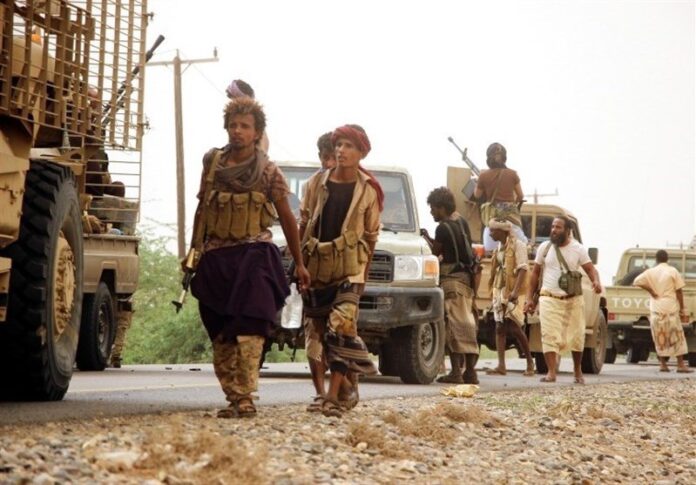
UAE orders mercenary forces to pull out of occupied areas in Yemen

In a statement released Friday, the media outlet of the UAE-affiliated militia known as Giants Brigades announced that the pullout completes an operation the militia had conducted in Yemen. 

The statement claimed that the mission was accomplished with the liberation of the city of Bihar in Shabwah and the city of Harib in Ma’rib. 

Meanwhile, other media outlets also reported that the UAE had called on militia forces under its command to withdraw from the towns they had recently occupied. 

The development came after the Yemeni Army and popular forces carried out two deterrent operations against the Saudi-UAE coalition. 

In the first operation, Yemeni troops launched missile and drone attacks on airports in Abu Dhabi and Dubai along with other sensitive and important targets. 

In the second retaliatory attack, the Abu Dhabi airports along with some military bases and areas in southwest Saudi Arabia came under missile and drone attacks.

Iran, Nicaragua seek expansion of economic cooperation

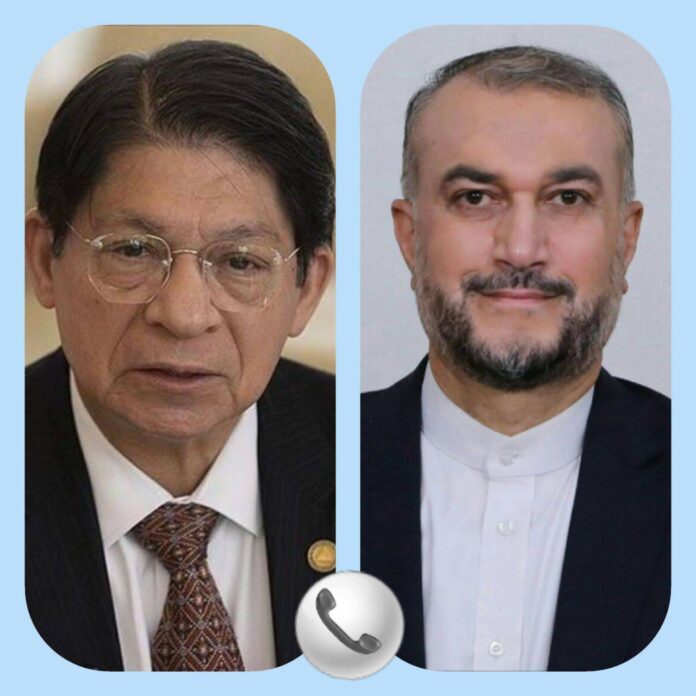
During the talks on Friday with his Nicaraguan opposite number, Denis Moncada, Iranian Foreign Minister Hossein Amir Abdollahian offered congratulations to Daniel Ortega and the Sandanista movement over the victory in Nicaragua’s presidential election.

He said the participation of Iranian Vice President Mohsen Rezaei in Ortega’s swearing-in ceremony showed that the Islamic Republic of Iran attaches significance to the enhancement of cooperation with Nicaragua and other Latin American states.

Amir Abdollahian added that Iran was ready to activate all the agreements reached between the two sides during Rezaei’s stay in Nicaragua.

The Iranian minister hailed the current level of political relations between Tehran and Managua and expressed hope that the two sides will be able to boost the level of their economic cooperation as well.

For his part, Moncada said it was an honor for his country to have hosted Rezaei for Ortega’s swearing-in ceremony, conveying the Nicaraguan president’s warm greetings to the Iranian nation and government.

He also highlighted the agreements struck between the two sides in different economic fields, including medical supplies, science, technology and industry, saying his country was prepared to implement the deals as soon as possible.