Friday, January 2, 2026
Home Blog Page 2132

Iran MPs urge government to control petrochemical industry

Hadi Beiginejad, a member of Parliament’s Energy Commission, said the lawmakers sent a letter to President Ebrahim Raisi to this effect.

Beiginejad noted that the petrochemical industry produces many products in Iran and the value of its products is equal to crude oil, saying, “If we sell each ton of crude oil for $500, the sales value of petrochemical products is about the same and this almost shows that we are selling raw materials.”

Beiginejad added that for this reason, Iran needs to design a strategy in the field of petrochemicals to determine where it wants to go in the future, what materials it needs to produce and where the Iranian government stands in this industry.

He maintained, “Petrochemical complexes have been in the hands of the government in recent years, many of which have been handed over to the private sector and some have remained as public sector, but we have not sold these petrochemicals to private individuals, but to a government that does not control the industry, and this has weakened the petrochemical organization in recent years.”

Lebanon unions go on strike amid dire economic conditions

The move comes as the country’s ruling class has done almost nothing to try to pull the country out of its meltdown, rooted in decades of corruption and mismanagement.

The political class that has run the small nation of 6 million people, including 1 million Syrian refugees, since the 1975-90 civil war is resisting reforms demanded by the international community.

Universities and schools were closed all over Lebanon and many people were not able to reach work because of road closures.

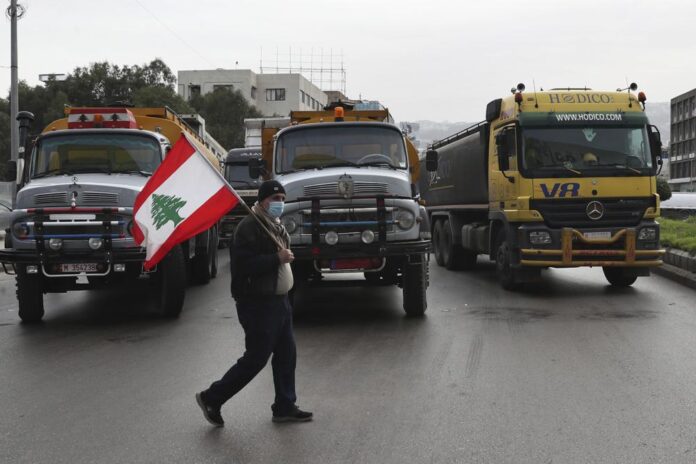
Demonstrators closed the country’s major highways as well as roads inside cities and towns starting at 5 a.m. The nationwide protests, dubbed a “day of rage”, are scheduled to last 12 hours.

Taxi and truck drivers used their vehicles to block roads to protest a sharp increase in fuel prices as the government lifted subsidies. They are demanding getting subsidized fuel again.

In the capital of Beirut, many roads were blocked by giant trash bins and vehicles.

About 80% of people in Lebanon live in poverty after the Lebanese pound lost more than 90% of its value. Lebanon’s economy shrank 20.3 in 2020 and about 7% last year, according to the World Bank.

Iran successfully tests first solid fuel satellite carrier

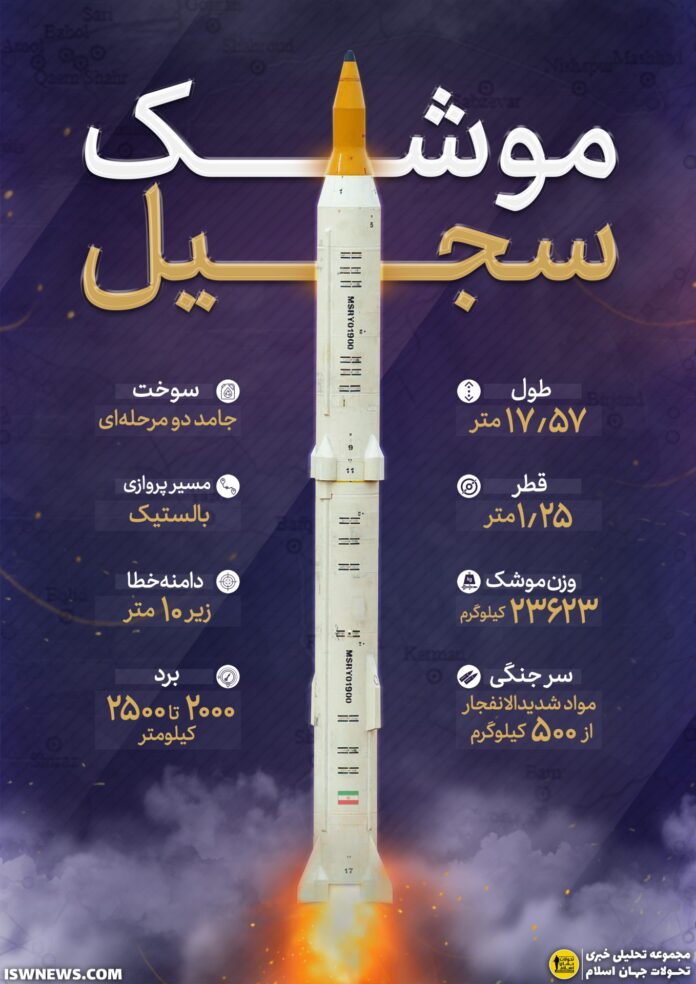
“Last week, the propellant and engine of Iran’s first solid-fuel satellite carrier was successfully tested,” Brigadier General Amir Ali Hajizadeh announced on Thursday.

“Over the past two years, Iranian satellite carriers have been tested using liquid fuel, and from now on, Iran will launch many satellites using inexpensive engines,” he explained.

“The new Iranian satellite carriers are made of non-metallic and composite material … which will further increase the rocket thrust and reduce costs,” he added.

The commander of the aerospace force of the Islamic Revolution Guards Corps said only four countries in the world have mastered this technology, adding that Iran has progressed in the aerospace and satellite field to such an extent that assassination, threats and sanctions will not stop it.

Iran has put several domestically manufactured satellites into orbit using its own carrier rockets since 2009.

In 2020, it successfully put its first military satellite into orbit, following repeated failed attempts.

The country attempted to send three research devices into space in late December, but failed after the rocket was unable to reach the required speed.

The Islamic Republic is one of the founding members of the United Nations Committee on the Peaceful Uses of Outer Space.

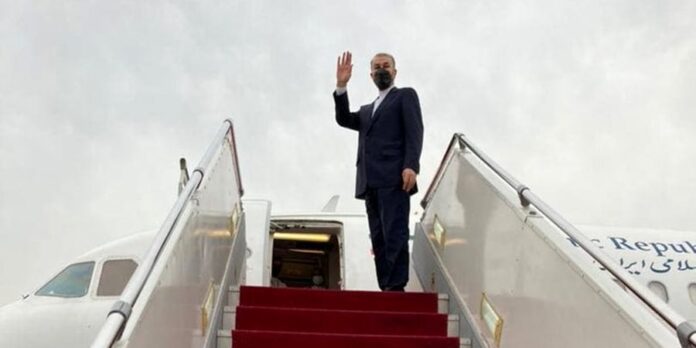
Iranian FM heads to China for talks

Bilateral political, economic and cultural ties as well as international and regional issues are on the agenda of negotiations during Amir Abdollahian’s visit to China.

China is Iran’s number one oil customer. The two countries also enjoy close political relations.

Tehran and Beijing have signed a 25-year strategic cooperation agreement which they have pledged to implement.

Under the comprehensive strategic partnership agreement, the Chinese government will increase investment in Iran’s energy, transportation and other key sectors.

The agreement will boost military and intelligence cooperation between the two countries as well.

Rights group slams rise in executions in Saudi Arabia 

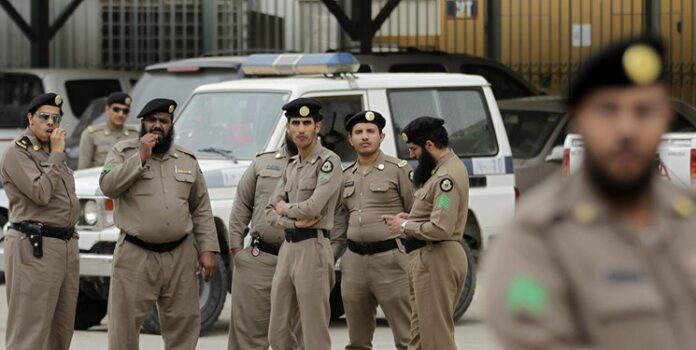
ESOHR said 67 people were executed in the kingdom in 2021. The number of similar deaths in the previous year was 27. The organization also said the death sentences were issued following illegal and unfair proceedings which fail to meet international standards.

ESOHR added that a decrease in the number of executions in 2020 was because Saudi Arabia’s de facto ruler Mohamamd bin Salman wanted to repair the tarnished image of the country in the eyes of the world.

186 people were put to death in Saudi Arabia in 2019, which drew fire from international rights organizations.

The latest death sentences were issued by Saudi authorities against 2 young Bahrainis who were charged with trying to bomb a road that connects the kingdom to Bahrain.

Saudi Arabia has stepped up its crackdown on dissent since bin Salman was declared as Crown Prince by King Salman several years ago.

The crackdown has targeted both royal family members and Shia Muslims in the country’s east who criticize the regime of discrimination against the minorities.

Saudi Arabia has been shielded from meaningful action at international bodies over their dark rights record by its Western patrons, most notably the US. Washington is Riyadh’s number one weapons supplier as well.

Iran reports 30 more Covid-19 deaths

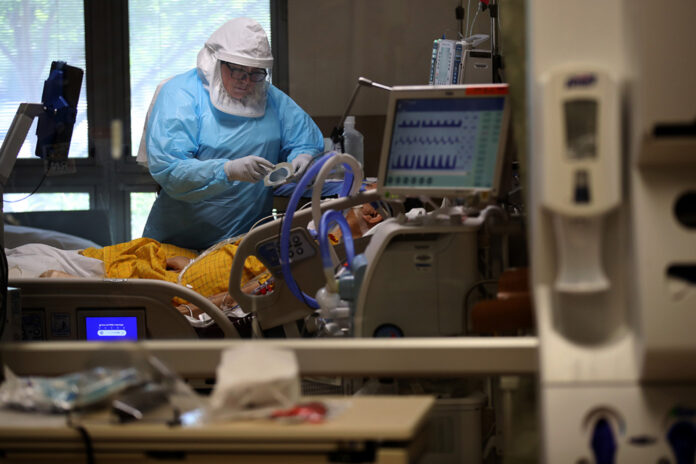
The latest Iranian Health Ministry figures show that nearly 2,400 people have contracted the virus over the past 24 hours.

Iran has been hit hard by several waves of the disease, but has recently managed to contain the outbreak all thanks to an intensified national inoculation campaign.

A total of nearly 125,000,000 shots have been administered in Iran with nearly 53,000,000 people fully vaccinated, that’s about 79 percent of the target population.

Iran is racing to give its population a third dose of Covid-19 vaccine as it is trying to avoid another wave of the respiratory disease.

Health authorities are now urging people to get their third jab as soon as possible, describing it as the most effective way to battle the highly transmissible virus.

Iran has been importing different types of coronavirus vaccine and also uses domestically manufactured shots to inoculate its population against the virus.

Iranian health authorities warn of skin disease south of Tehran

Sohrabi said 48 patients have so far been identified and treated. He added that all healthcare centers are ready to give services to people suffering from cutaneous leishmaniasis.

According to Sohrabi, the healthcare centers are eliminating contaminated rodents and dogs to bring the disease under control.

While noting that Varamin is an endemic region of cutaneous leishmaniasis, Sohrabi said each year a number of cases are reported in the area.

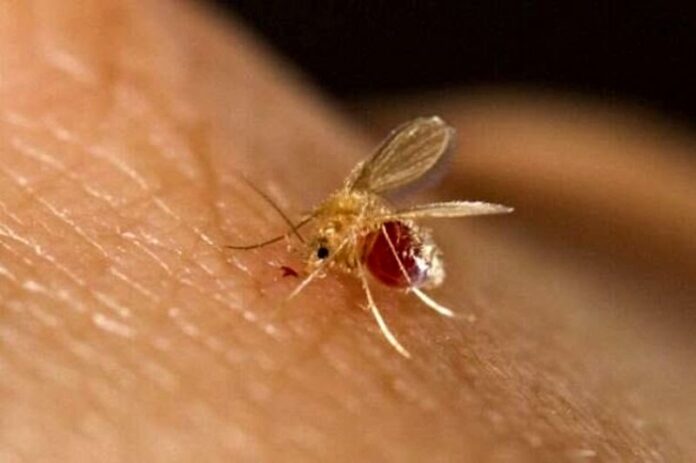
Cutaneous leishmaniasis is the most common form of leishmaniasis affecting humans. It is a skin infection caused by a single-celled parasite that is transmitted by the bite of a phlembotomine sand fly.

Kazakhstan arrests hundreds more over violent unrest

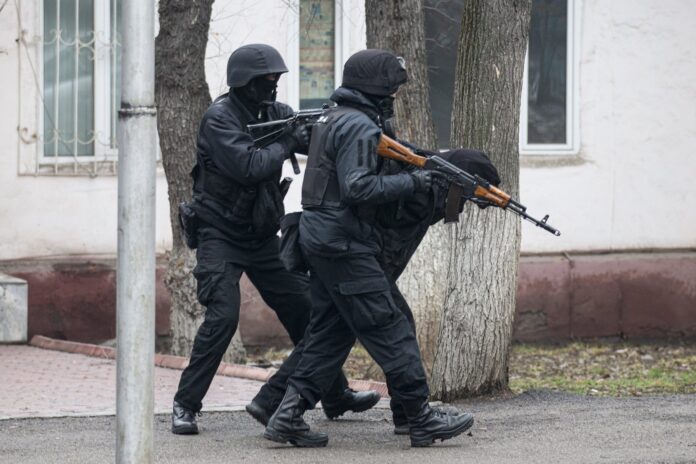
The 1,678 arrests reported by authorities in Almaty, the country’s largest city and the site of the most violent clashes during the unrest, brought the total number of people detained to about 12,000 since the demonstrations started on January 2.

More than 300 criminal investigations, including into alleged assaults on law enforcement officers, have been opened.

Protests initially erupted over soaring fuel prices in the vast, resource-rich Central Asian nation of 19 million and quickly spread across the country, morphing into anti-government demonstrations featuring political slogans reflecting wider discontent about the influence still wielded by the country’s former longtime leader Nursultan Nazarbayev.

At least 160 people were killed, including dozens of citizens and more than a dozen security forces personnel, marking Kazakhstan’s deadliest outburst of violence since it gained independence more than 30 years ago.

In Almaty, protesters set government buildings on fire and briefly seized the airport, while security forces responded with live rounds and stun grenades.

As the unrest mounted, President Kassym-Jomart Tokayev attempted to ease the crisis by announcing a 180-day cap on fuel prices, sacking the country’s cabinet and firing Nazarbayev from his post of head of the National Security Council.

Tokayev also requested assistance from the Collective Security Treaty Organization (CSTO), a Russia-led military alliance comprising of six ex-Soviet states, as he moved to blame the violence on foreign-trained “bandits and terrorists”, without providing evidence.

The bloc responded by sending more than 2,000 troops to Kazakhstan for a “peacekeeping” mission.

On Wednesday, Tokayev declared the Russian-led CSTO alliance’s peacekeeping mission in Kazakhstan complete, the bloc said.

CSTO added the peacekeeping contingent would take 10 days to fully withdraw and begin the process on Thursday.

The 68-year-old, who was handpicked as Nazarbayev’s successor in 2019, had on Tuesday told a virtual top-level meeting of the CSTO that Kazakhstan had successfully weathered an “attempted coup d’etat”.

Speaking alongside Tokayev, Russian President Vladimir Putin claimed victory in defending Kazakhstan from what he described as a foreign-backed “terrorist” uprising.

UN says $4bn needed for help in Yemen

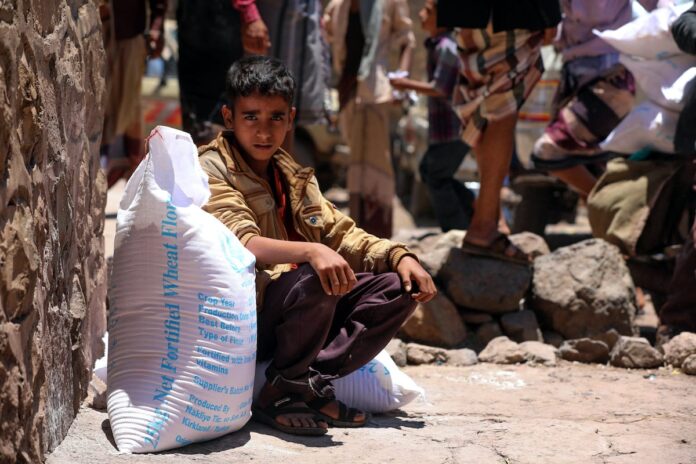
A top UN humanitarian official said the world body will require about $3.9 billion this year to help 16 million Yemenis.

Acting Assistant Secretary-General for Humanitarian Affairs and Deputy Emergency Relief Coordinator Ramesh Rajasingham told the UN Security Council that “the biggest constraint right now is funding.”

“Last year’s response plan was 58 per cent funded, making it the lowest funded appeal for Yemen since 2015,” he added, reminding that the lack of financial support had forced the World Food Programme (WFP) to announce food cuts for eight million people in Yemen.

Rajasingham also appealed to donors for increased support, warning that “other vital programmes, including water, protection and reproductive health services, have also been forced to scale back or close in recent weeks for lack of funds.”

Saudi Arabia launched the devastating military aggression against its southern neighbor in March 2015 in collaboration with a number of its allied states and with arms and logistics support from the US and several Western states.

The aim was to return to power the former Riyadh-backed regime and crush the popular Ansarullah movement which has been running state affairs in the absence of an effective government in Yemen.

The war has stopped well shy of all of its goals, despite killing tens of thousands of Yemenis and turning entire Yemen into the scene of the world’s worst humanitarian crisis.

Saudi Arabia seeks to develop nuclear program

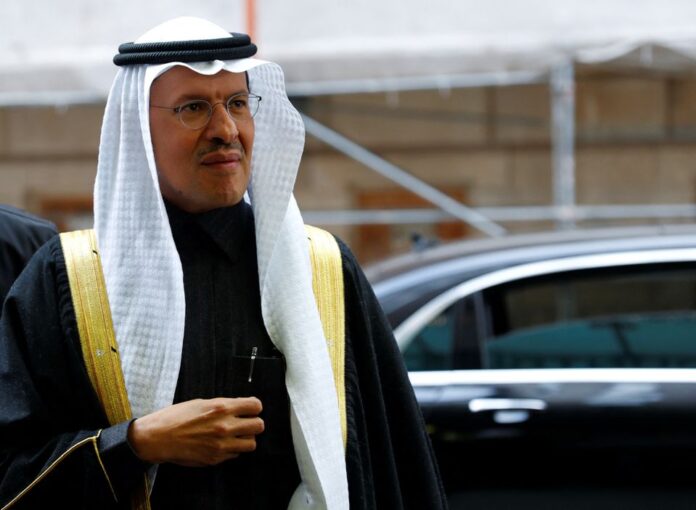
During the International Mining Conference in Riyadh, he highlighted the importance of energy flexibility to face the transition to clean energy, Al Arabiya News reported.

The minister said that the kingdom wants to benefit from nuclear technology to diversify its energy mix.

“We do have a huge amount of uranium resource, which we would like to exploit and we will be doing it in the most transparent way,” he added.

Saudi Arabia’s nuclear ambitions have prompted worries in the global community over the past few years, especially after Saudi Crown Prince Mohammed bin Salman hinted in 2018 that the kingdom may go for nukes.

Citing Western officials, The Wall Street Journal reported that Saudi Arabia, with Chinese help, has built a facility for extraction of yellowcake from uranium ore near the remote town of al-Ula.

The New York Times also reported American intelligence agencies had spotted what appeared to be an undeclared nuclear site not too far from the Saudi town of al-Uyaynah.

Iran has warned that Saudi Arabia’s opposition to the UN nuclear watchdog’s access to its nuclear facilities reinvigorates speculations that the Arab country intends to develop atomic weapons.