Saturday, April 25, 2026
Home Blog Page 213

Former IRGC commander: Diplomacy as essential as military strength for Iran’s security

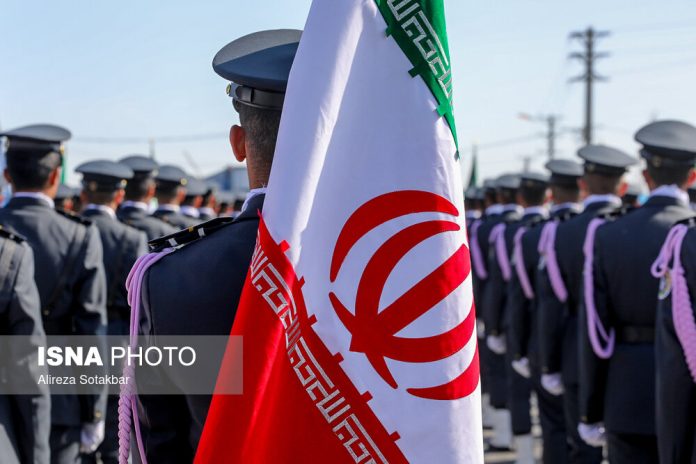
Iran National Army Day

In a recent interview with IRNA, Alaei reflected on the fourth round of indirect talks between Iran and the US, held with Oman’s mediation. He noted that the atmosphere surrounding the negotiations is significantly more strained than in previous rounds.

“The earlier rounds were more constructive, but the US has since increased its demands and shifted away from prior understandings,” Alaei said.

While highlighting Iran’s commitment to peaceful nuclear technology, Alaei criticized what he called a mischaracterization of Iran’s nuclear ambitions by US officials and reiterated that Iran’s nuclear program is aimed at civilian purposes and is under full IAEA oversight.

Alaei described the approach of US President Donald Trump as contradictory, suggesting that Trump’s tactics were “part of a broader strategy to apply pressure while maintaining leverage at the negotiating table.”

Beyond nuclear negotiations, Alaei argued that diplomacy itself is a form of national power, on par with military strength. He cited global examples of adversaries continuing dialogue during conflict and warned against isolating Iran from international diplomacy.

Alaei noted that while Iran has developed its military capabilities significantly, its economic and diplomatic power has not grown in tandem. He attributed this imbalance to international sanctions and internal policy inefficiencies.
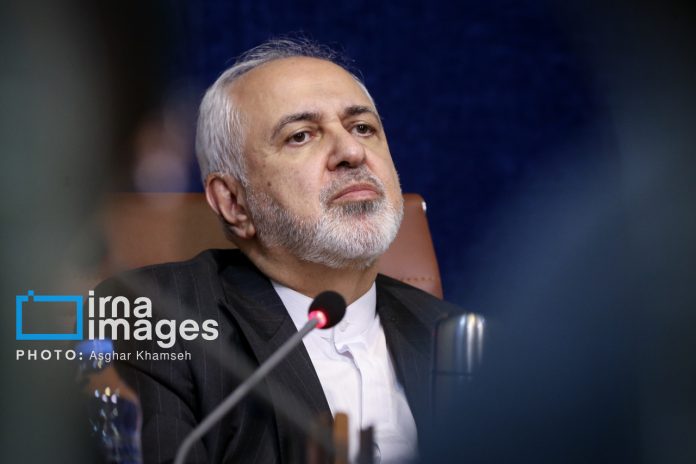
Iran former FM Zarif: Diplomacy requires patience; we must support negotiating team

Javad Zarif

Speaking at the Foreign Ministry’s booth at the Tehran International Book Fair on Sunday, Zarif praised diplomats Abbas Araghchi and Majid Takht-Ravanchi, calling them among Iran’s finest and expressing confidence in their ability to reach an “honorable agreement” if one is possible.

Zarif criticized those who constantly attack negotiations and stressed that “working for national interests requires courage, not fear of criticism.”

Reflecting on the challenges of foreign policy, Zarif argued that diplomacy often comes too late in Iran’s decision-making process and urged proactive engagement during times of strength.

He called for a shift from threat-based thinking to opportunity-focused diplomacy, especially in regional affairs.

Zarif also touched on the role of idealism and realism in policymaking, stating that true progress lies in grounding aspirations in reality.

Expressing optimism for Iran’s future, he highlighted the potential of youth, women, and cultural power as strategic assets in navigating international relations.

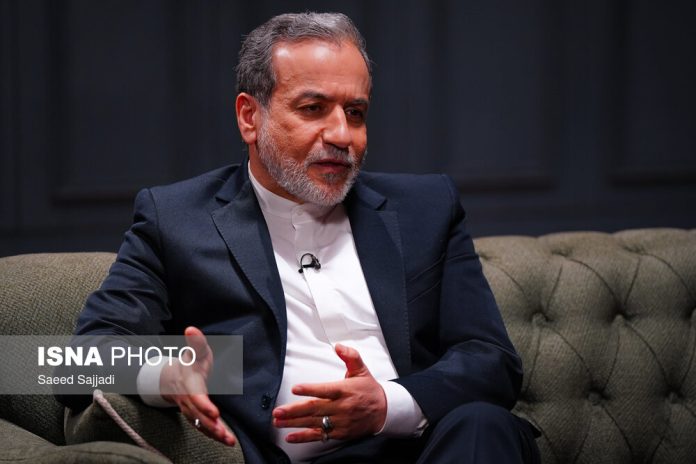
FM warns Europe against ‘strategy of confrontation’ over Iran’s nuclear program

Abbas Araghchi

Araghchi made the warning in comments published by French weekly Le Point on Sunday, after the European trio of Britain, France, and Germany (E3) threatened to activate the snapback mechanism under the 2015 nuclear deal, known as the Joint Comprehensive Plan of Action (JCPOA), last month.

“This strategy of confrontation risks provoking a global nuclear proliferation crisis that would primarily affect Europeans themselves,” Araghchi said, adding that he was ready to travel to Paris, Berlin, and London to begin a new chapter.”

The top Iranian diplomat went on to say that “the E3 must ask itself how it has reached this impasse,” stressing that instead of adjusting their strategy, they have adopted a confrontational stance.

Araghchi further noted that the so-called “snapback” mechanism, which enables UN sanctions to be reinstated in the event of Iran failing to meet its commitments, is “now being used as a diplomatic lever,” whereas it was “initially designed as a tool for settling disputes as a last resort.”

“Iran has made its position clear,” he stated, emphasizing that Iran has warned all JCPOA signatories that “abusing the ‘snapback’ mechanism will have consequences – not only the end of Europe’s role in the agreement, but also an escalation of tensions that could become irreversible.”

In late April, French Foreign Minister Jean-Noel Barrot said that France, along with Germany and Britain, “will not hesitate for a single second to reapply all the sanctions” scrapped a decade ago if European security is threatened by Iran’s nuclear activities.

Iran has already warned that invoking the so-called snapback by the E3 will be reciprocated by a firm and proportionate response.

The latest development comes as Iran and the United States held their fourth round of nuclear talks in Muscat, mediated by Oman.

Both parties have so far expressed satisfaction with the way the negotiations are moving on, commending the talks as “positive” and “moving forward.”

Differences narrowed at Iran-US talks: FM Araqchi

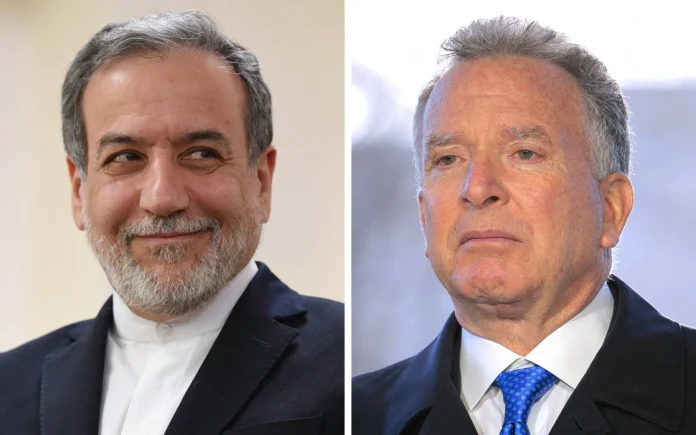
Araghchi Witkoff

Speaking to reporters after the conclusion of the fourth round of indirect talks with the US in Muscat on Sunday evening, Araqchi said the talks were held “more seriously and explicitly” than the three previous rounds.

He said the two sides have moved away from the general discussions and entered into details.

While the negotiations are becoming difficult, today’s talks were useful coupled with explicitness, the Iranian foreign minister added.

He noted that the Iranian and American negotiators have gained a better understanding of each other’s stances, as the differences have been narrowed.

The stances of the two sides have moved closer, Araqchi said.

He noted that the two countries have agreed to proceed with the talks, while the foreign minister of Oman will arrange the next round, which may occur within a week.

The foreign minister stated that Iran has reminded the US negotiators to avoid making contradictory comments and rectify their approach, stressing that contradictory statements are not useful for the talks.

If the US’ contradictory stances are repeated, Iran will have to act accordingly, he warned.

Asked about the technical issues and the enrichment of uranium inside Iran, Araqchi reaffirmed that enrichment activities must continue in Iran.

There is no way for compromise over Iran’s right to enrichment, he underlined.

Although limits might be put on the level and volume of uranium enrichment in some periods as a means of building trust, enrichment in principle is non-negotiable, he stated.

Araqchi noted that Iran has also emphasized the necessity for the removal of sanctions.

Iran and the US have held four rounds of talks since April 12, mediated by Oman, with the purpose of reaching a deal on Iran’s nuclear program and the removal of sanctions on Tehran.

Trump-Netanyahu rift widens over potential agreement between US, Iran: NBC

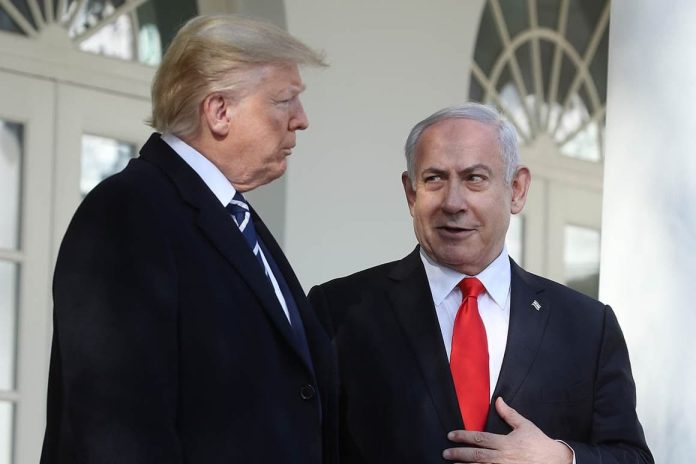
Trump Netanyahu

Citing a source familiar with the situation, the American news network on Sunday published a report highlighting growing friction between US President Donald Trump and Netanyahu over Washington’s Iran policy and Israel’s war in Gaza.

Netanyahu’s concerns come as the latest round of indirect talks between Iran and the US ended in Muscat, with Tehran calling them “difficult, but useful,” and both sides agreeing to hold further negotiations.

Israel, however, is “worried about any deal” between Tehran and Washington, said NBC News, citing two US officials and West Asian diplomats.

It said that twice in just this past week alone, the US president made public comments that “rankled Netanyahu.”

Netanyahu, it added, was particularly upset when Trump said on May 7 that he had yet to decide whether Iran would be allowed to enrich uranium under a possible new deal.

“We haven’t made that decision yet,” Trump said on Wednesday when asked if Washington’s stance is that Iran can have a uranium enrichment program for civilian nuclear purposes.

According to one of the US officials, a top adviser to Netanyahu, Ron Dermer, conveyed that message to Trump’s envoy Steve Witkoff during a meeting at the White House on May 8.

Netanyahu has threatened that, with Trump’s support, Israel will strike Iran’s nuclear facilities.

When he visited the White House last month, for the second time since Trump took office, he hoped the president would pledge Washington’s air support for an Israeli attack against Iran’s nuclear facilities, according to two West Asian diplomats.

Netanyahu, they stated, was taken aback when the president instead announced he would agree to direct talks with Tehran.

The officials added that Netanyahu had privately said at the time that he thinks Trump’s negotiations with Iran are a waste of time.

For his part, Trump has also been frustrated with Netanyahu’s decision to expand the military offensive in Gaza.

Washington is currently pushing Tel Aviv and the Palestinian resistance movement Hamas to agree to a ceasefire in Gaza, which Dermer was set to discuss with Witkoff during his White House visit this week, according to the West Asian diplomats and a senior Trump administration official.

However, Trump’s approach to Iran has been the biggest point of contention with Netanyahu, according to the report.

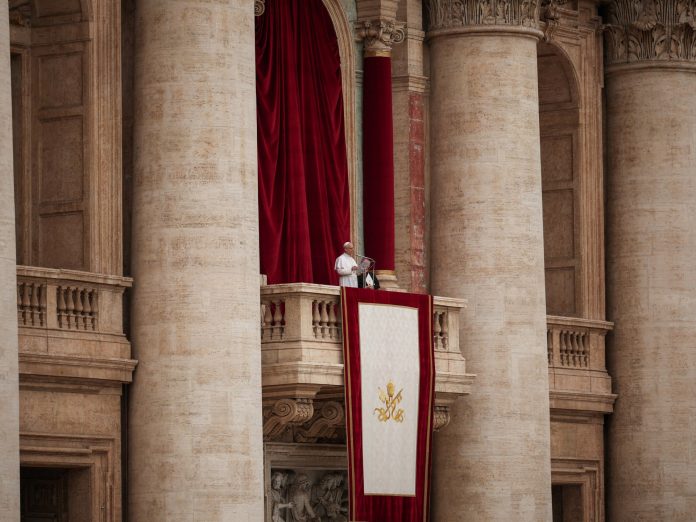
New Pope urges Gaza ceasefire in first Sunday message

“No more war,” Leo stated on Sunday, adding, “the dramatic scenario of a third world war being fought piecemeal.”

“I too address the world’s great powers by repeating the ever-present call ‘never again war’,” he said from the loggia of Saint Peter’s Basilica to an estimated 100,000 people below.

The new pope, who was elected on May 8 after the death of Pope Francis, evoked some of his predecessor’s favoured phrases that called for peace.

Pope Leo said he carries in his heart the “suffering of the beloved people of Ukraine” and appealed for negotiations to reach an “authentic, just and lasting peace”.

The call came hours after Russian President Vladimir Putin proposed direct negotiations with Ukraine to achieve “lasting peace” amid stalled attempts by the administration of United States President Donald Trump to mediate an agreement.

Leo also called for an immediate ceasefire in Gaza and stressed he was “profoundly saddened” by the war in the Israeli-besieged enclave.

He noted humanitarian relief must be provided to the “exhausted civilian population”, adding that “all hostages” held by the Palestinian group Hamas in Gaza must be freed.

Pope Francis called Gaza’s Christians on a near-daily basis during Israel’s war on Gaza, which has killed more than 52,000 Palestinians and wounded 120,000 others, many of them children and women.

The Israeli military continues to maintain a total blockade on water, food and all other humanitarian aid to Gaza despite international calls to stop its starvation policy.

Leo said he was glad to hear of the ceasefire reached on Saturday between nuclear neighbours India and Pakistan, and hoped negotiations would lead to a lasting accord.

“But there are so many other conflicts in the world,” he added.

This marked the first time that Leo addressed crowds from the loggia since he was elected as the first pope from the US on Thursday evening.

Italian authorities estimated that more than 100,000 people were in the square. The crowds were entertained by marching bands from Italy, Mexico and other parts of Latin America who came to Rome for the ongoing Catholic Holy Year.

Leo on Saturday prayed before the tomb of Pope Francis, who died on April 21, across town at the St Mary Major Basilica.

Iran says fresh round of nuclear talks with US “difficult, useful”

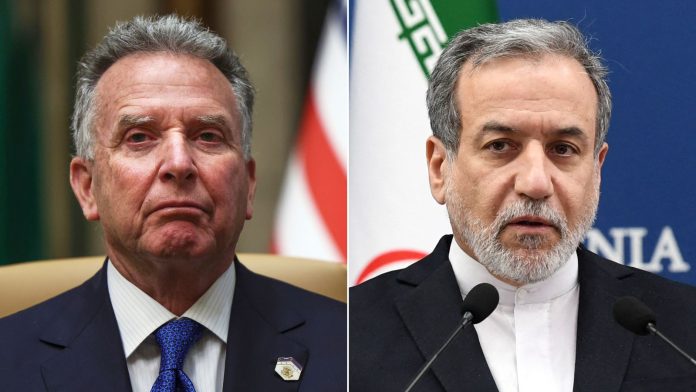
Araghchi Witkoff

In a tweet posted following the discussions, Esmail Baqaei said the talks helped both sides better understand each other’s positions and explore “reasonable and realistic” paths toward resolving key differences.

The spokesperson also noted that the next round of negotiations will be coordinated and officially announced by the Sultanate of Oman, which has mediated previous rounds of backchannel diplomacy between the two countries.

The talks come amid renewed efforts to bridge gaps between Iran and the United States over nuclear and sanctions-related issues.

The fourth round of the indirect talks were held on Sunday in Muscat.

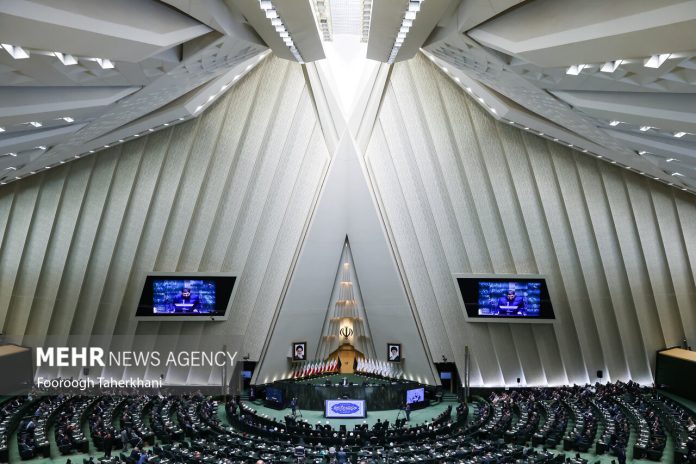
Iranian lawmakers to Trump: “Persian Gulf Is Our Homeland”

Iran's parliament

The statement, read by Ahmad Naderi, a member of the parliament’s presidium, was a direct response to recent media reports suggesting Trump may propose altering the name of the Persian Gulf, a term internationally recognized and historically documented.

“The Persian Gulf and its geopolitics are God-given,” the lawmakers declared. “It was not earned through invasion or military campaigns – this is our homeland and our house.”

The statement emphasized Iran’s central location at a global crossroads, noting the country’s enviable position is owed to divine will, not to any external power.

In a sharp rebuke, the lawmakers added, “Had you spent more time reading than gambling, you might have understood that this name was not given by gold, force, deceit, or bribery – it was bestowed by history.”

Concluding their message, they stated: “Mr. Gambler, we stand not only on the right side of history, but also in the right place on the map of the world.”

The statement follows angry reactions by Iranian officials and public during past week after the controversial report remerged, reiterating the historical name of the Persian Gulf, which is recognized by the United Nations and most international organizations.

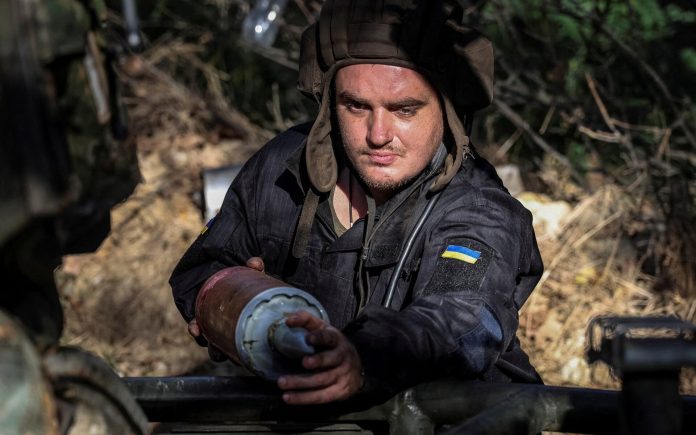
Iran refutes ‘totally absurd’ claims of sending missile launchers to Russia

Russia Ukraine War

Citing two supply launchers for short-range ballistic missiles to Russia, Reuters reported that Iran was preparing to deliver Fath-360 launchers to Russia, which would give Moscow additional firepower in the war with Ukraine.

The missiles have a range of 75 miles (120 km) and could be used to target Ukrainian frontline positions, nearby military facilities, and population centers close to Russia’s border, Reuters said.

Iran’s mission said the allegation was “utterly absurd.”

“We regret that Reuters persists in its habit of circulating baseless allegations against the Islamic Republic of Iran,” it said in a statement.

“So long as conflict persists between the parties, Iran will abstain from rendering any form of military assistance to either side,” it added.

The United States previously accused Iran of sending Fath-360 missiles to Russia last September on nine Russian-flagged ships. But reports at the time suggested the missile launchers had not been included in the shipment.

The Western security officials and the regional source, speaking anonymously to Reuters, alleged that the delivery of the launchers was imminent but declined to provide further details, including reasons for the apparent delay in their initial transfer.

Faced with similar accusations in the past, Iran’s mission to the UN clarified in September that the Islamic Republic regarded as inhumane any military assistance to parties of the Ukraine conflict that would increase damage to lives and infrastructure.

Iran has stressed that the United States and its European allies have prolonged the war by sending advanced weapons to Ukraine.

FM Araghchi reaffirms Iran’s nuclear rights, calls for regional unity

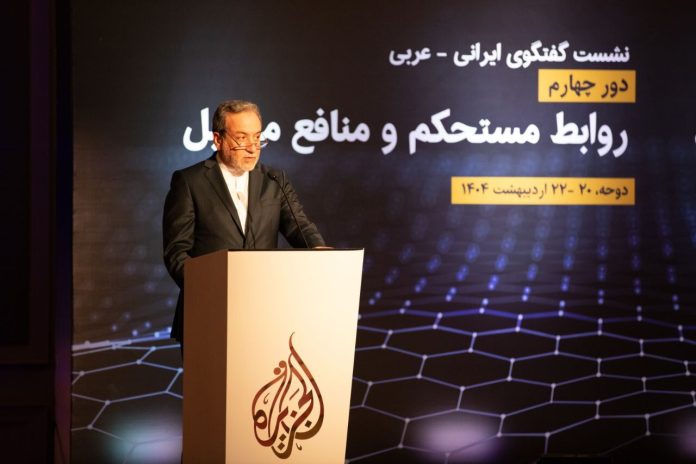
“If the aim of the talks is to deny Iran its rights, we say clearly: Iran will not retreat from any of its nuclear rights,” Araghchi said at the Iran-Arab World Dialogue Conference in Doha on Saturday, held under the theme “Strong Relations and Shared Interests.”

The conference focused on strengthening ties between Iran and Arab nations amid ongoing regional tensions. Araghchi emphasized that cooperation and mutual understanding are key to establishing lasting stability in the Middle East.

In his speech, Araghchi also condemned the actions of the Israeli regime, calling it the central source of instability and violence in the region over the past eight decades.

He condemned Israel for launching attacks on nearly all of its neighbors and highlighted its current aggressions in Gaza, Syria, Lebanon, and Yemen.

“Today, we are witnessing genocide in Gaza,” he said.

“The Zionist regime is actively trying to destroy the Palestinian nation through displacement and war.”

He dismissed the two-state solution as no longer viable, blaming Israel’s expansionist policies and displacement strategies for rendering it obsolete.

Araghchi went on to welcome the recent thaw in relations between Iran and the Persian Gulf Cooperation Council, describing the dialogue as “constructive” and necessary for the future of the region.

“Our similarities are greater than our differences,” he said. “Many of our disagreements have been imposed from outside. Only through cooperation and respect, can we achieve stability in the region.”