Saturday, April 25, 2026
Home Blog Page 212

Syria’s president proposes Trump Tower in Damascus, peace with Israel for sanctions relief: Reuters

Donald Trump

Citing several sources familiar with the issue, Reuters said al-Sharaa is trying to get face time with US President Donald Trump on the sidelines of his upcoming visit to West Asia this week.

Jonathan Bass, an American pro-Trump activist who met al-Sharaa in Damascus late last month, has been trying to arrange a meeting between Trump and al-Sharaa, who still remains a US-designated terrorist over his al-Qaeda past, on the sidelines of the US president’s visit to Saudi Arabia, Qatar and the United Arab Emirates.

Bass added the meeting could help soften the Republican President and his administration’s thinking on Damascus and cool increasingly tense ties between Damascus and Tel Aviv.

al-Sharaa “wants a business deal for the future of his country,” Bass continued, noting it could cover energy exploitation and engagement with Israel.

“He told me he wants a Trump Tower in Damascus. He wants peace with his neighbors. What he told me is good for the region, good for Israel,” Bass stated.

According to the Syrian presidency, al-Sharaa spoke with Saudi Arabia’s de facto ruler, Crown Prince Mohammed bin Salman, on Sunday.

Afterwards, a person close to al-Sharaa said a meeting between Trump and the HTS head remained possible in Saudi Arabia, but would not confirm whether al-Sharaa had received an invitation.

“Whether or not the meeting takes place won’t be known until the last moment,” the person added.

The report, however, ruled out the meeting as “unlikely”, citing Trump’s tight schedule, his priorities and lack of consensus within Trump’s team on how to tackle Syria.

Last week, Israeli media reported that a delegation from the HTS-led administration in Syria made a secret visit to the occupied territories to hold direct talks with Israeli officials after al-Sharaa signaled readiness to normalize ties with Israel.

That came as Reuters reported that the UAE had facilitated a backchannel between Syrian and Israeli officials.

Al-Sharaa has recently expressed readiness to normalize ties between Syria and Israel amid Washington’s plans to revoke anti-Damascus sanctions and Israel’s occupation of more Syrian land.

The Hayar Tahrir al-Sham (HTS), a former branch of al-Qaeda, along with other militants, seized control of Damascus on December 8, 2024, forcing Assad, a strong supporter of the Palestinian cause, to leave the country.

Israeli Prime Minister Benjamin Netanyahu recently described how the Israeli military helped the HTS takeover of Syria in December.

Since Assad was toppled, Israel has conducted hundreds of airstrikes against Syria and occupied large swathes of territory in the country, in addition to the Golan Heights, which it occupied during the Six-Day War in 1967.
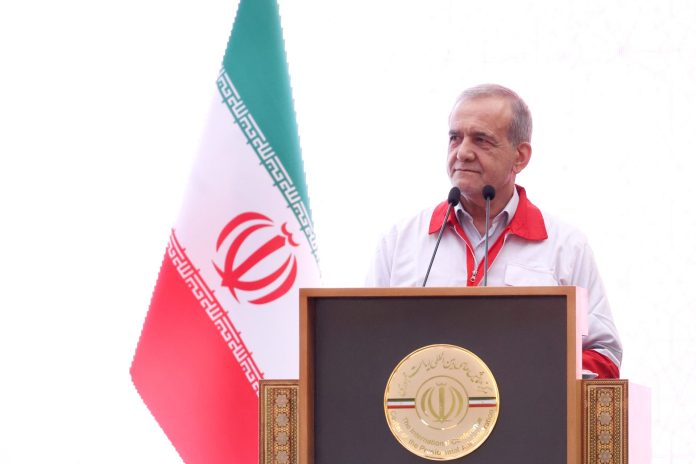
President Pezeshkian slams intl. community’s silence on Israel’s atrocities

President Pezeshkian was speaking during a ceremony marking Red Crescent Week in Tehran on Monday.

“In today’s world, some individuals, despite their polished appearance and fine words about humanity, harbor a beast within,” the President said, referring to the crimes of the Zionist regime in Gaza and the West Bank.

He questioned how anyone claiming to be a human could so easily bomb women, children, and the elderly, while also blocking the delivery of water, food, and medicine to the people of Gaza.

Pezeshkian added that the world and the UN are witnessing these atrocities, yet they remain silent and, shockingly, even defend such a criminal regime. The president’s remarks come amid growing criticism in Muslim countries over the international response to the humanitarian crisis in Gaza.

Around 53,000 Palestinians have been killed in Israel’s war on the Gaza Strip, as Israel blocks the delivery of food, medicine, and other aid to the enclave.

Death toll from Iran’s Shahid Rajaee Port explosion rises to 58

Head of Hormozgan Justice Department Mojtaba Ghahremani said 51 of those killed have now been identified, while seven individuals remain officially missing.

He spoke about rumors regarding the number of the unaccounted for, stressing that only seven families have reported missing loved ones to the judiciary and police.
“Any figures beyond that are inaccurate,” Ghahremani said.

The head of Hormozgan Justice Department added that a meeting with the families of the victims and the missing will be held later on Monday to gather their statements and complaints. Ghahremani also noted that the judiciary is taking steps to ensure the prompt payment of compensation to the victims’ families.

In addition, around 400 injured individuals have visited the Hormozgan Forensic Medical Department for examination and special legal cases have been opened for them to facilitate compensation.

“We will not delay in addressing the rights of those affected by this tragedy,” Ghahremani said.

The explosion happened last week at Shahid Rajaee Port, one of Iran’s busiest commercial ports located near Bandar Abbas. The cause of the blast is still under investigation, but initial reports suggest an industrial accident.

Iranian MP: Nuclear talks with US respectful, constructive

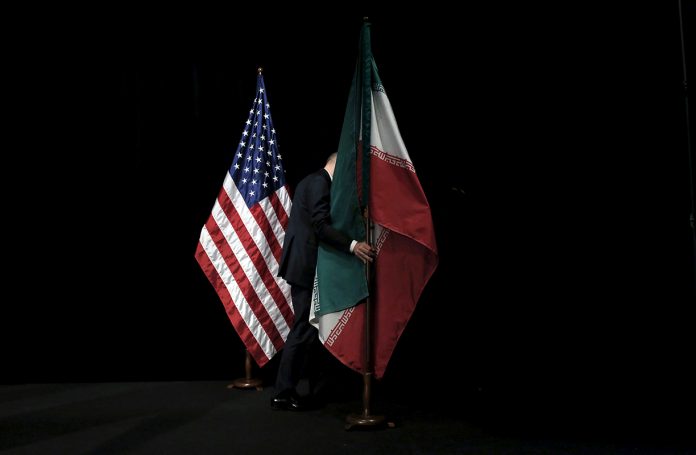
Iran US Flags

Ebrahim Rezaei said the talks have been conducted in a respectful environment, with no threats exchanged between the two sides.
“Reports indicate a constructive atmosphere,” the spokesperson for the Parliamentary Commission stressed. He added that the discussions are still focused on general frameworks and principles.

According to the lawmaker, the main topics being negotiated include guarantees
that Iran’s nuclear program remains non-military in nature and the complete lifting of  “oppressive sanctions” against the Iranian people.

Rezaei further reiterated that uranium enrichment, Iran’s defense capabilities, and its regional influence remain non-negotiable red lines. “We are not negotiating over the essence of enrichment,” he said. Rezaei also underlined that any eventual agreement between Iran and the US must be submitted to the Iranian Parliament for approval, in accordance with Iran’s Strategic Action Law and constitutional requirements.

Referring to the past experience with the 2015 nuclear deal, know as JCPOA, Rezaei stressed that the current approach aims to avoid repeating previous mistakes. “The parliament is closely monitoring the talks and will fully exercise its oversight role,” the MP underscored.

The fourth round of negotiations between Tehran and Washington was held in Oman on Sunday.

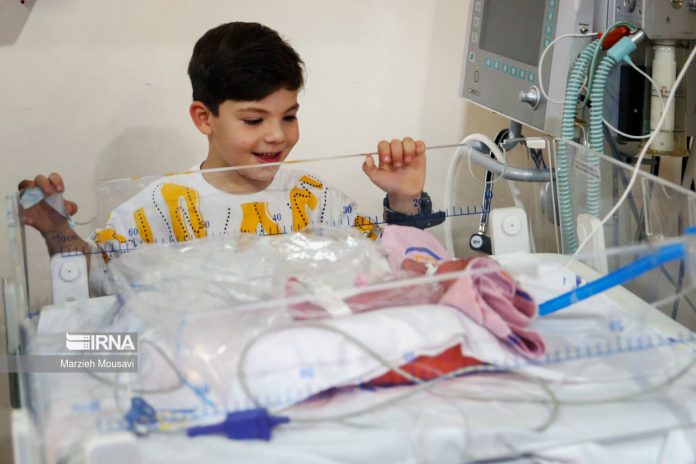
Iran sounds alarm over sharp decline in birth rate

Dr. Alireza Raisi, Deputy Health Minister, announced the figures during a press briefing marking National Population Week.

“In 2024, fewer than one million births were recorded, compared to two million in 1986 – despite an increase from 10 to over 16 million married women,” Raisi said. “This is a serious warning.”

He noted that more than 60% of married women of reproductive age are now between 35 and 50 – a group nearing the end of their fertility window. “Special attention must be given to women born in the 1980s, who are now at the tail end of their childbearing years.”

Tehran, Khorasan Razavi, and Sistan and Baluchestan recorded the highest number of births this year.

Raisi also highlighted Iran’s extensive maternal health infrastructure, including 13,700 midwives in the national health network and over 54,000 healthcare workers, yet emphasized that urgent policy action is needed to reverse the fertility decline.

The decision for Iranians to have fewer or no children is rooted in a mix of economic, social, and political realities.

Soaring inflation, job insecurity, and housing costs have made raising children increasingly unaffordable, particularly in urban areas.

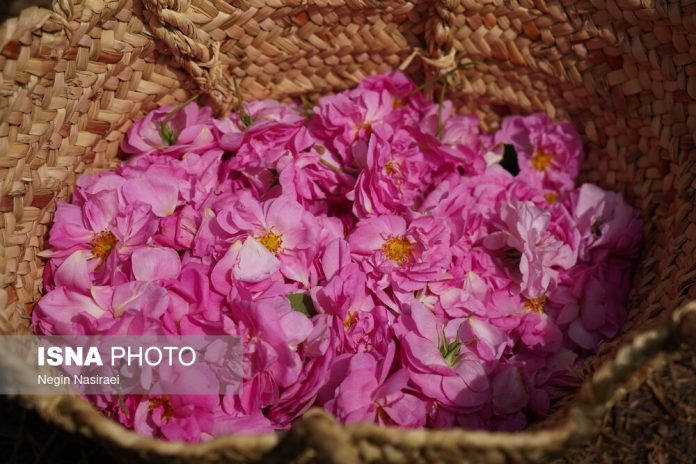
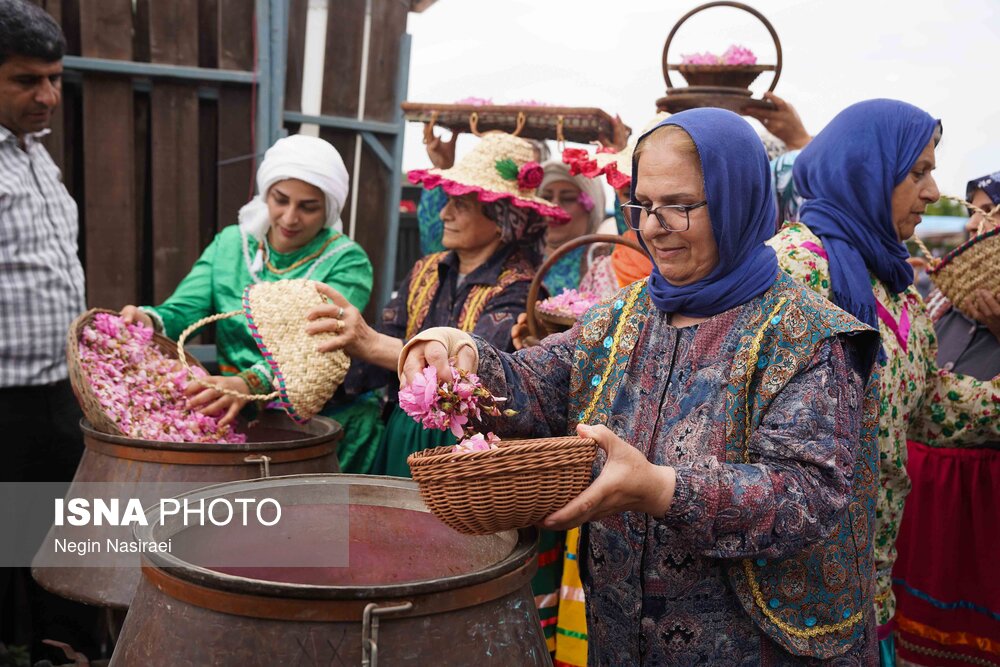
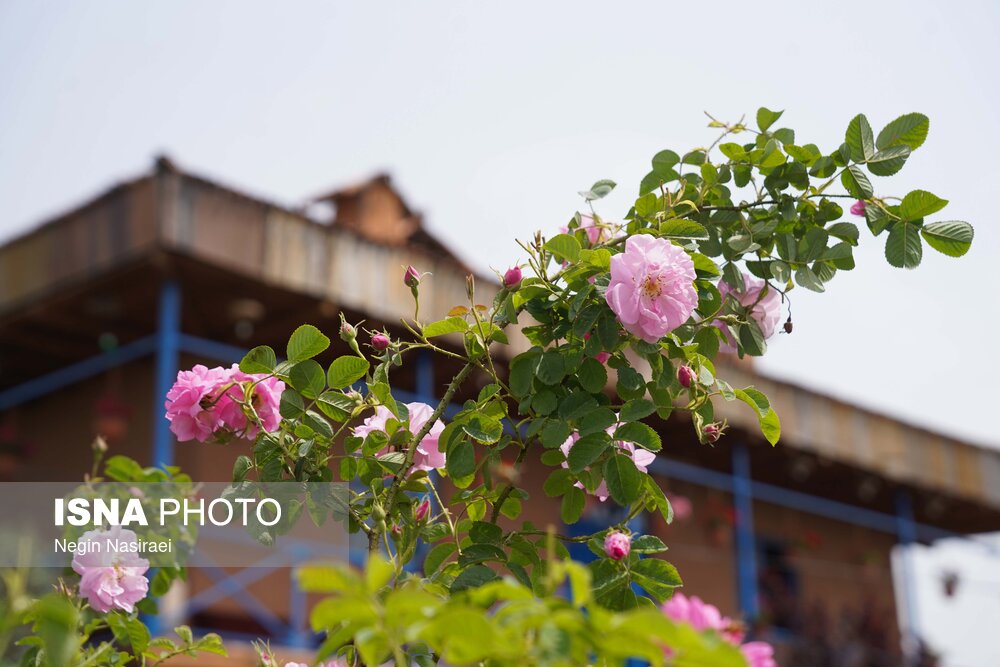
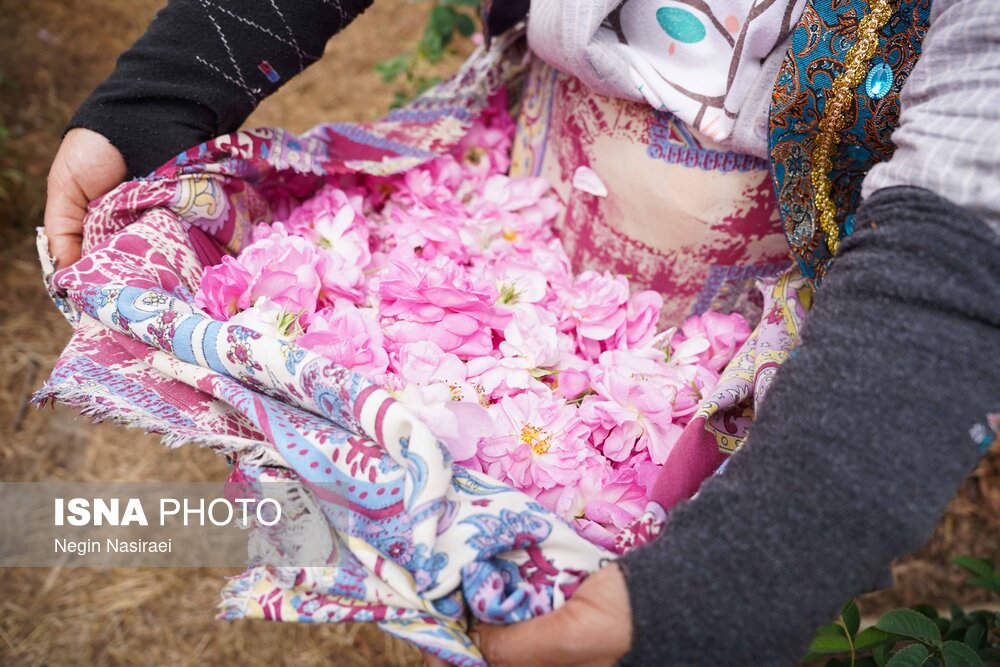
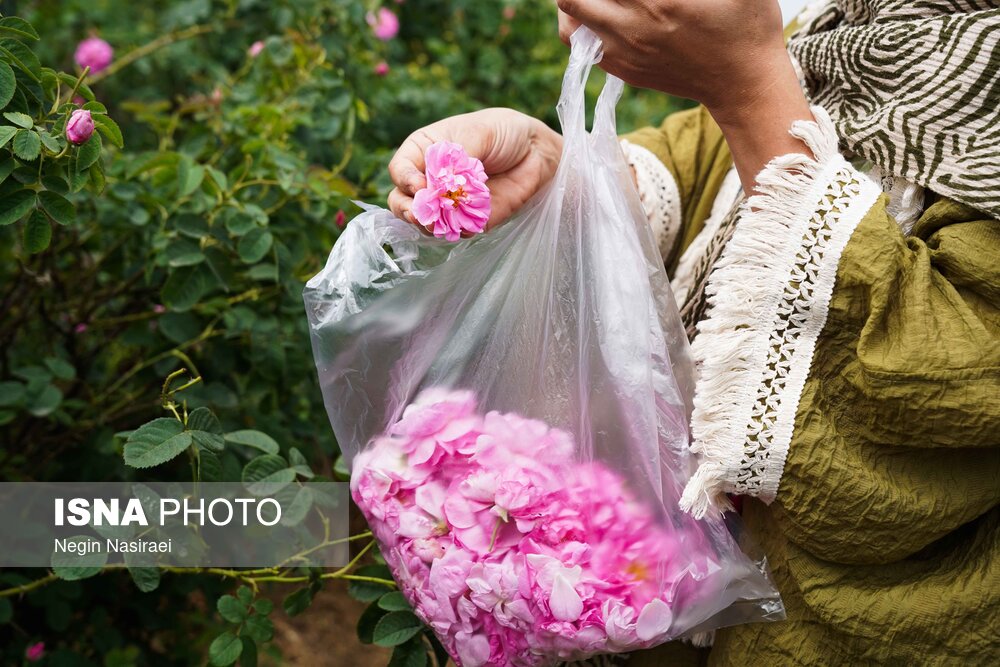
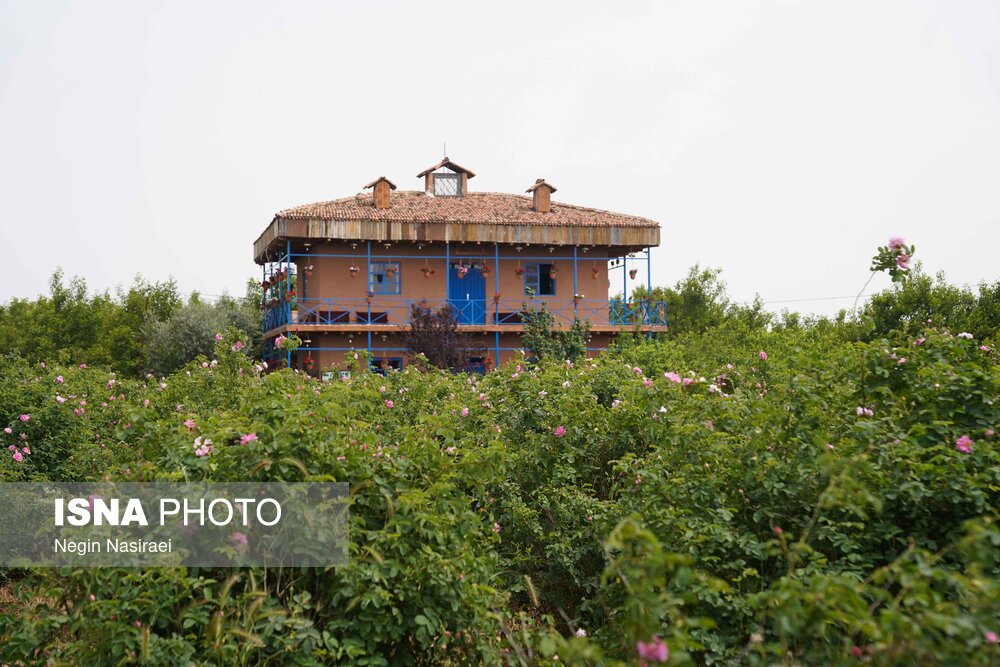
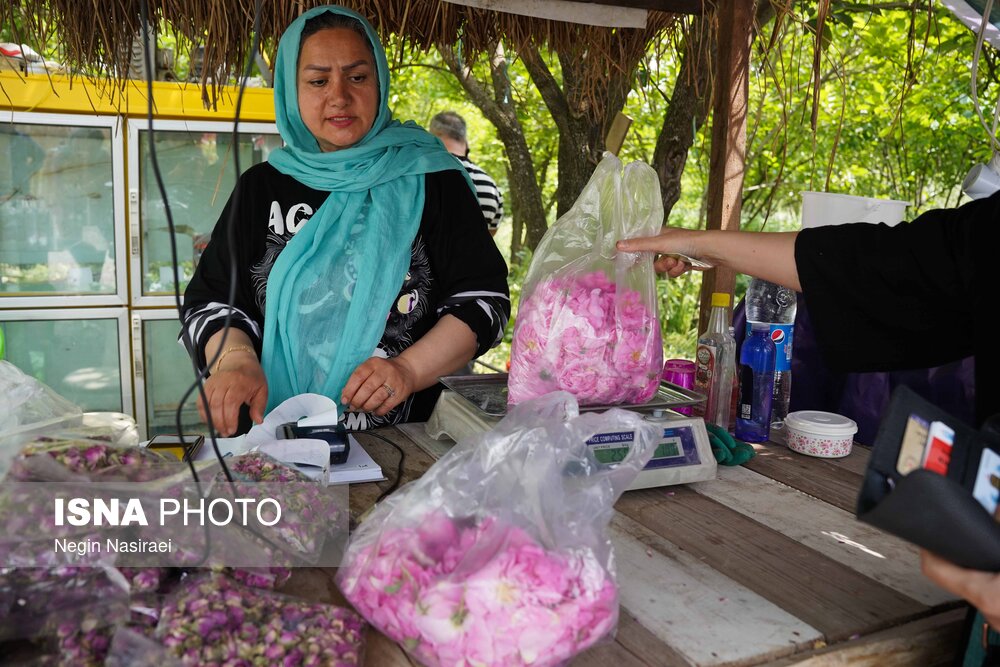
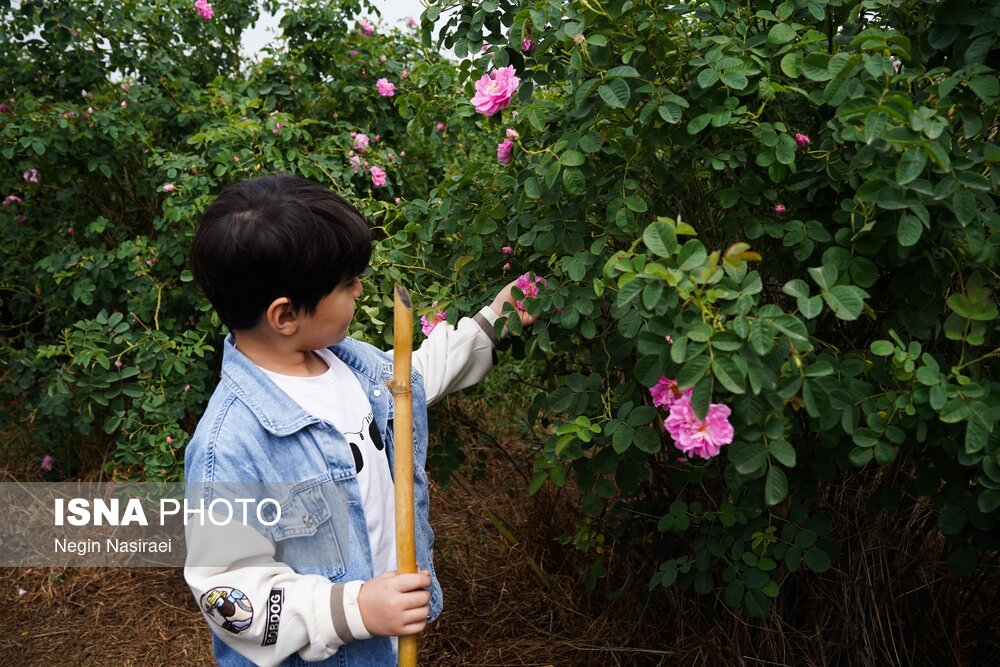
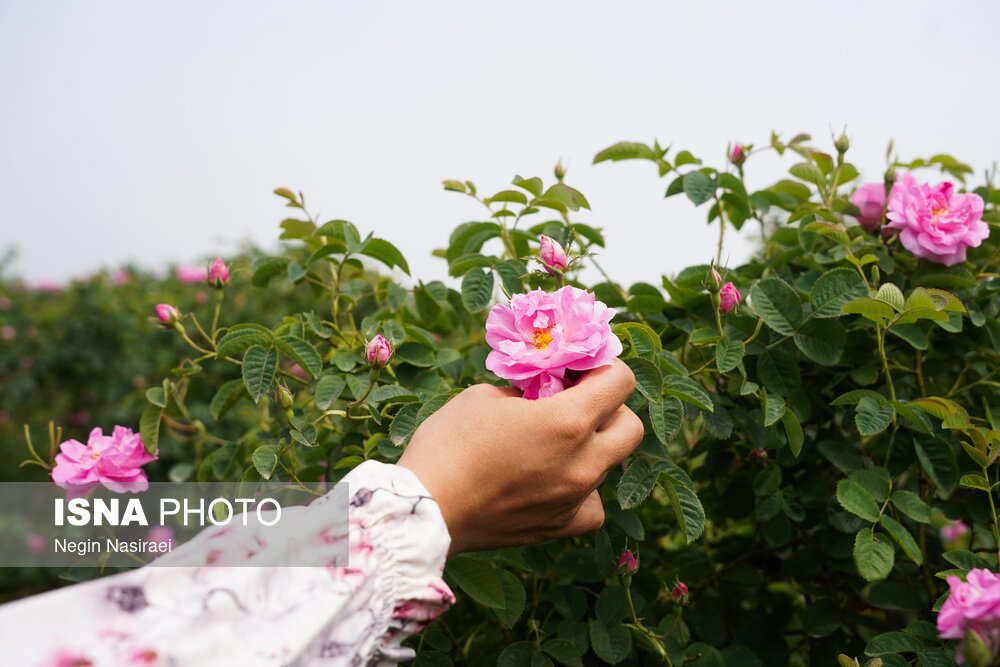
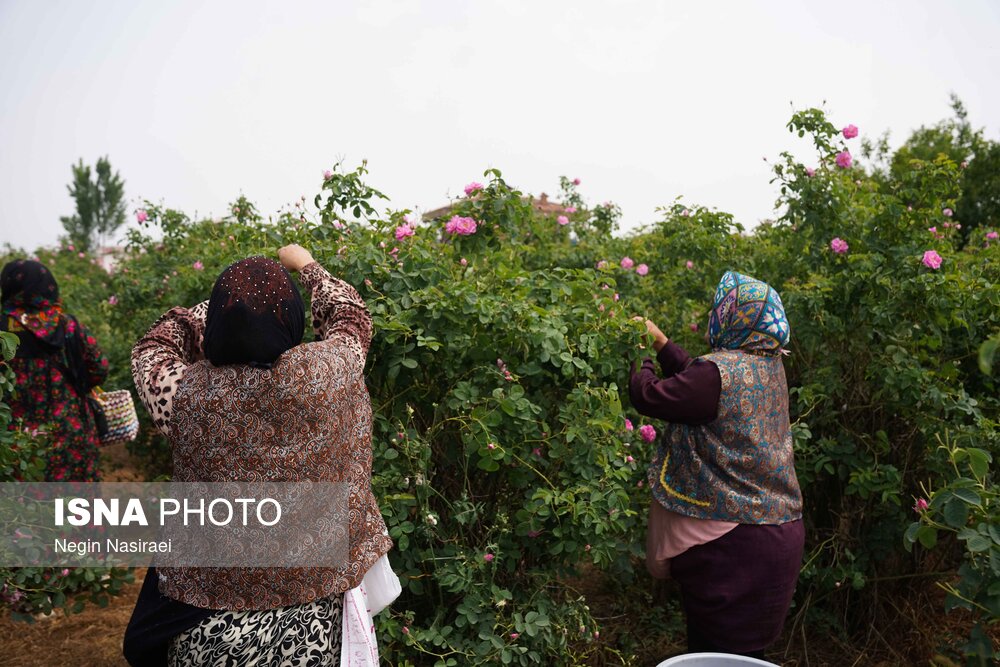
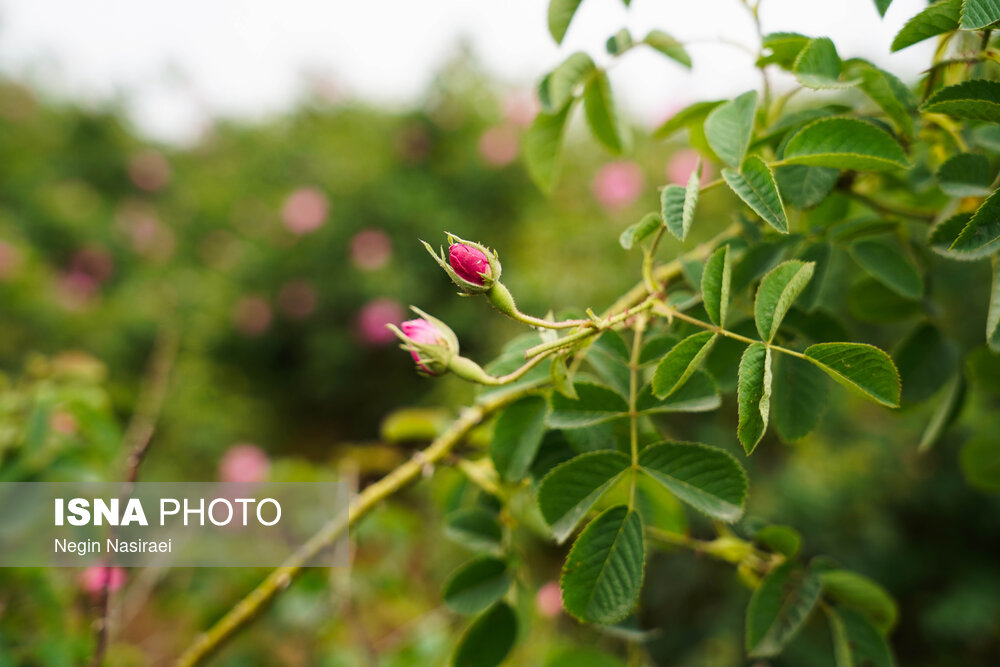
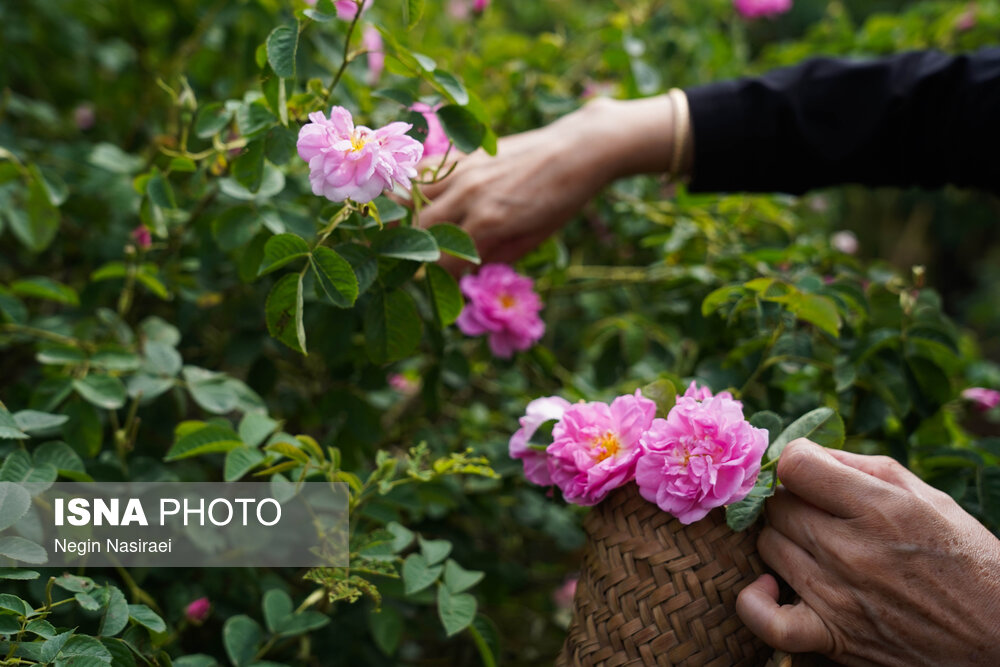
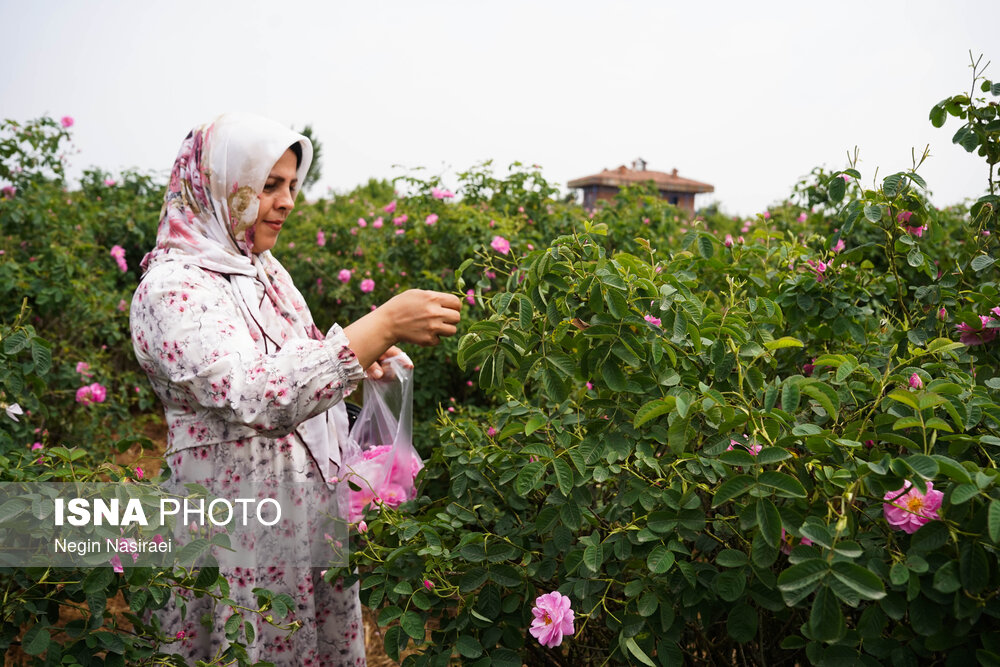
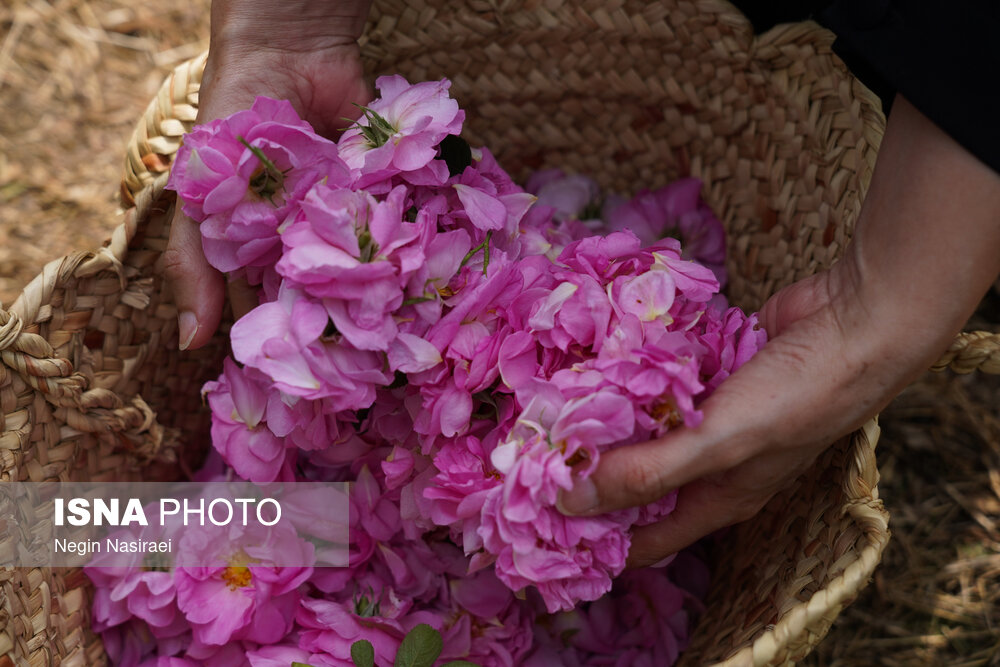
Rose harvest festival celebrates agriculture, tourism in Babol

Running from April 21 to May 24, the festival coincides with the peak rose harvest season in the region.

Organizers hope the event will not only highlight the cultural and economic importance of the Damask rose but also encourage investment in its cultivation and related industries.

More in pictures:

Iran faces severe water crisis as dam reserves drop by 20%

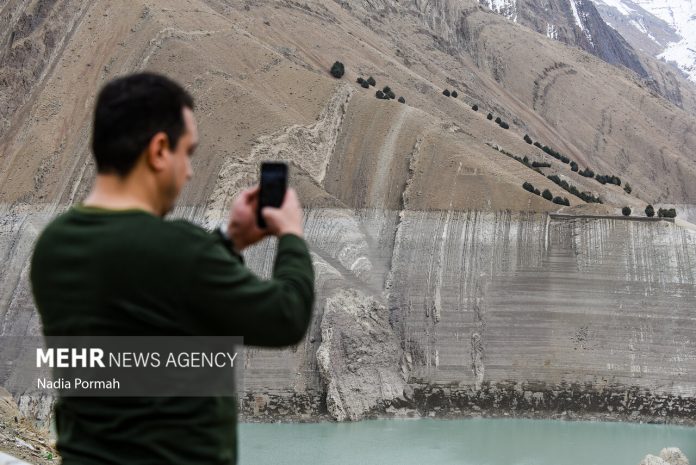
Experts are warning of an escalating water crisis as inflows to the country’s dams continue to decline sharply.

From the beginning of the current water year (starting in late September) through May 9, total inflow to dam reservoirs stood at just 19.08 billion cubic meters – a staggering 39% decrease compared to the 31.38 billion cubic meters recorded during the same period last year.

The current volume of water stored in reservoirs is 27.26 billion cubic meters, down from 33.92 billion cubic meters in the previous year, marking a 20% reduction. Outflows have also dropped by 16%, from 19.57 to 16.34 billion cubic meters.

National dam capacity is now only 52% full, with 48% remaining empty.

Rainfall has also plummeted, with total precipitation recorded at just 139.9 mm – a 38% decrease compared to both the long-term average (224 mm) and the same period last year (224.5 mm).

Authorities are urging immediate conservation efforts as the water shortfall threatens agriculture, industry, and urban supply systems.

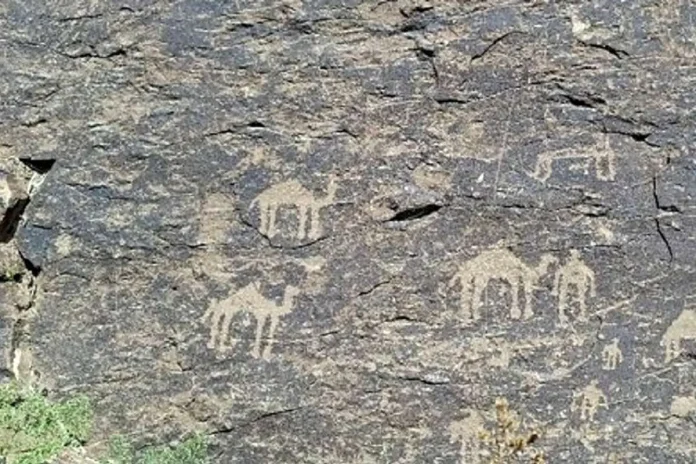
Iranian archaeologists uncover prehistoric and early metallurgy sites in central Kerman plain

The research, authorized by Iran’s Research Institute of Cultural Heritage and Tourism, aimed to identify historical sites and ancient settlement patterns in the central Kerman plain.

Led by Amin Mahani, director of the UNESCO-registered Gohar Riz Qanat heritage site, the team has confirmed continuous human presence in the area from the Paleolithic era through to the modern period.

One focus of the study was the relationship between human habitation and subterranean water resources such as qanats, which have played a crucial role in shaping regional settlement patterns and sustaining communities over millennia.

Situated between the 4,000-meter-high peaks of Plovar and Jopar and just 35 kilometers from Kerman city, Mahan has historically functioned as a cultural crossroads linking the civilizations of Lut, Shahdad, Bardsir, and Jiroft.

The survey also highlights the coexistence of nomadic and sedentary lifestyles in the region, influenced by favorable climate and water availability.

Notable Islamic-era structures in the area include the Shah Nematollah Vali Shrine Complex, Shazdeh Garden, and the Gohar Riz Qanat.

Health officials warn of new COVID-19 surge in Iran

COVID in Iran

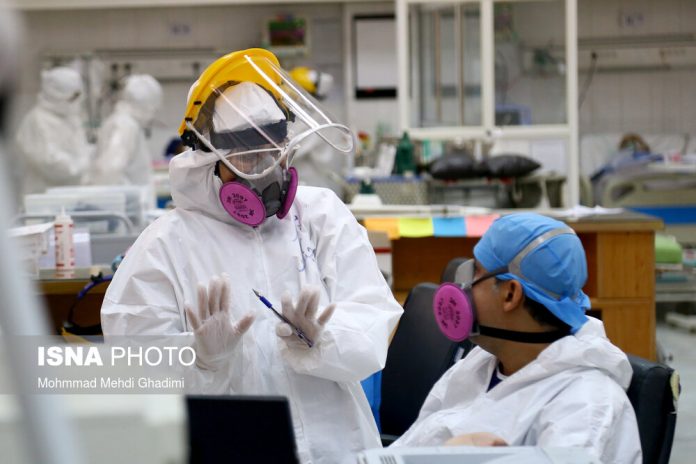
Dr. Mohammadreza Salehi, a member of the National Scientific Committee on COVID-19, reported that hospitals in Tehran have witnessed a notable uptick in respiratory infections and coronavirus hospitalizations.

“Until recently, we saw about one or two COVID-19 patients per week. Now, we’re seeing five to eight new cases daily,” he said, noting a slow but steady upward trend.

The Ministry of Health has issued a nationwide alert to medical universities, calling for heightened surveillance and preventive action against respiratory illnesses, particularly COVID-19 and influenza. Official data suggests the share of COVID-19 among respiratory infections has doubled from 2% to 4% in recent weeks.

Though there is no confirmation of a new variant, experts emphasize the need for genomic monitoring. Patients are exhibiting symptoms such as sore throat, dry cough, nasal discharge, and in some cases, lung involvement – particularly among the elderly and immunocompromised.

Health officials are urging high-risk individuals – including transplant recipients, chemotherapy patients, and those over 65 – to avoid crowded spaces and public transport. Experts also stress the continued use of masks and hand hygiene.

Tehran to host world’s largest street football tournament Friday

فوتبال زمین خاکی

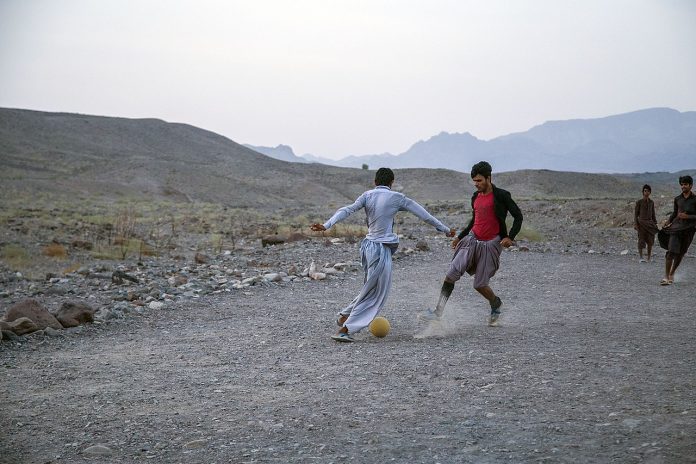
The one-day event will kick off at 8 a.m. and run until 8 p.m., featuring thousands of amateur teams from across Tehran. So far, over 2,500 teams have registered, and organizers expect that number to grow to nearly 4,000 by the start of the tournament. Approximately 220 teams will advance to the final round.

The tournament is part of a broader initiative in Tehran aimed at promoting public sports and social cohesion.

Alongside the football event, the organizers are also planning a massive choir performance involving 24,000 teenagers, commemorating 24,000 martyrs from Tehran.

With the support of some 500 referees, the competition will be managed in stages – from regional preliminaries to the final matches at sunset. A prize pool of 1.8 billion rials (approximately $3,000) has been announced, with special awards planned.