Tuesday, December 30, 2025
Home Blog Page 2091

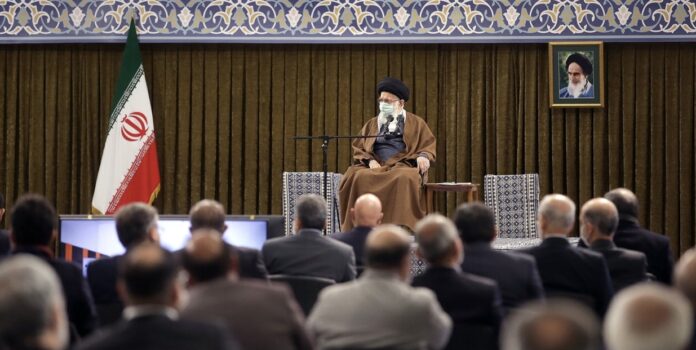
Enemy sought to shatter Iran’s economy: Iran Leader

“By this war, the enemy south to shatter Iran’s economy,” said Ayatollah Khamenei in a meeting with manufacturers and economic players. 

“Of course, the collapse of the economy was a precursor because by destroying Iran’s economy, they wanted to pit people against the Establishment of the Islamic Republic and reach their wicked political objectives through that,” he added. 

Elsewhere in his remarks, the Leader urged officials to further reinforce the industry sector in the country. 

“Authorities shoulder two key responsibilities,” said Ayatollah Khamenei. 

“First, they should delineate a strategic roadmap for the entirety of the country’s economy, particularly for certain industries; second, centralized management, management and guidance,” he explained. 

He said he prefers state institutions not to get involved in economic activities. Rather, he added, government officials and institutions should monitor such activities and offer guidance and assistance. 

He also urged producers to pay attention to “quality” in their work.

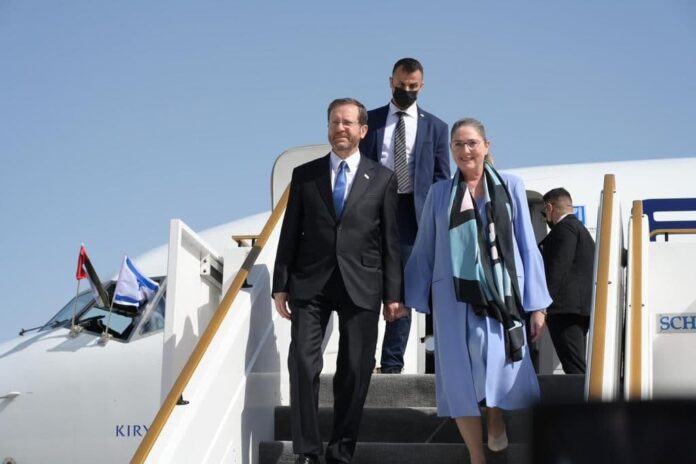
Israeli president begins first visit to UAE

The UAE, along with Bahrain, signed US-brokered normalisation agreements with Israel, dubbed the “Abraham Accords”, in 2020. The two Persian Gulf states and Israel share common concerns about Iran and its allied forces in the region. 

En route to the UAE, Herzog’s plan flew over Saudi Arabia, which he said was “truly a very moving moment”. Riyadh and Tel Aviv do not have diplomatic ties, but Israel has announced it would like to establish a relationship with the kingdom which is home to Islam’s two holiest sites. 

The presidency in Israel is a largely ceremonial post. Prime Minister Naftali Bennett visited the UAE in December. 

The president was greeted on arrival in the UAE capital Abu Dhabi by Foreign Minister Sheikh Abdullah bin Zayed Al Nahyan. 

“I will be meeting the leadership of the United Arab Emirates, at the personal invitation of Sheikh Mohammed bin Zayed, the Crown Prince,” Herzog noted earlier. 

“I wish him well and I am grateful for his courage and bold leadership, carving out a peace agreement with Israel and sending a message to the entire region that peace is the only alternative for the peoples of the region,” he added. 

President Herzog will also be meeting Jewish communities in the UAE, which is the region’s commercial and tourism hub. 

Israel has offered security and intelligence support to the UAE against further drone and missile attacks after a deadly strike by Yemen’s Houthi group, according to a letter released on Tuesday by Israel’s leader. 


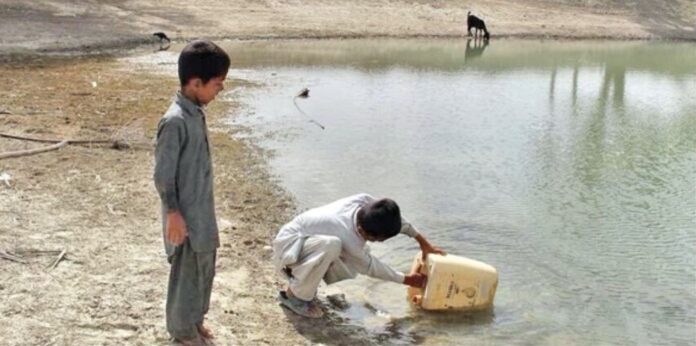
Iran MP raps Afghanistan over “water rights” commitments

“Despite the concessions we give to Afghanistan, they have not fulfilled their promises regarding the supply of water,” said Mohammad Sargazi. 

“We are now exporting electricity to Afghanistan, supplying water to the town of Zaranj and providing the country with fuel,” the legislator explained. 

“Transportation routes in our country are the major paths for sending commodities and fuel to Afghanistan, but unfortunately, despite Iran’s engagement with the Afghan side, they fail to deliver on their commitments with regards to water rights of the Helmand river,” he said. 

Under a 1972 agreement between Tehran and Kabul, Afghanistan must open the gates of the river to flow a certain volume of water toward the southwestern Iranian province of Sistan-Baluchestan on a regular basis. 

However, Afghanistan has failed to fulfill its commitments in that regard. 

This comes as locals in the province have staged protests over water shortage and Kabul’s breach of promise.

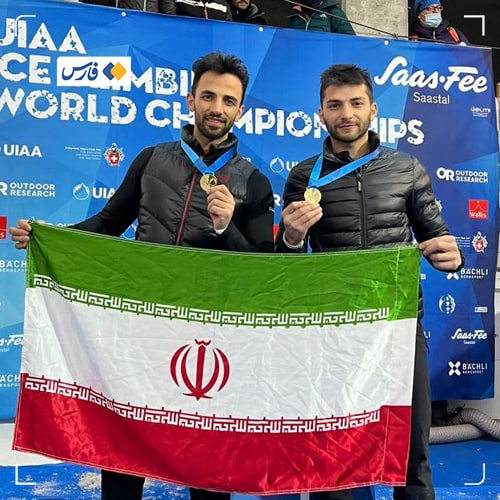
Safdarian wins Iran’s second ever ice climbing gold

The competitions were held in Saas Fee in Switzerland and Safdarian won the gold in the combined results of the competitions. 

He also won the fifth spot in the speed discipline and the sixth spot in the lead section. The aggregate brought him and the Iranian team the previous gold medal. 

This came a day after Mohsen Beheshti Rad won the first ice climbing medal in Iran’s history in the speed discipline of the competitions. 

UN calls for independent probe into deadly Saudi attack on Yemen prison

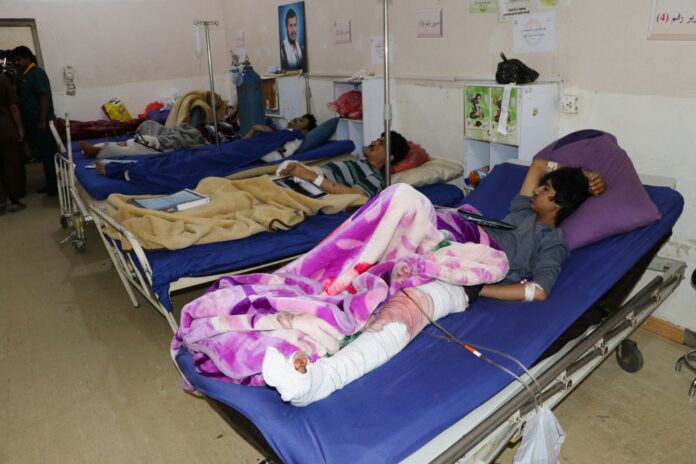
The Saudi-led coalition’s air raids on the detention facility in Sa’ada killed at least 91 people and injured many more last week, the OHCHR announced, citing preliminary figures. 

Speaking to reporters in Geneva, OHCHR Spokesperson Rupert Colville said staff from its Yemen office were in Sa’ada this week as part of an interagency mission, and the information they collected “paints a chaotic and desperate picture” in the wake of the airstrikes. 

“We are working to verify the civilian casualties but so far, we understand that some 91 detainees were killed, many when the upper floor of one building collapsed, and 236 others were injured,” Colville added. 

Yemeni officials have called for an international investigation into the airstrike. The overnight attack created horrific scenes, with bombed-out buildings littered with bodies and hospitals overwhelmed. 

The OHCHR spokesman urged Saudis “to ensure that the investigation is in line with international standards and is transparent, independent and impartial, to establish why the prison was hit, to ensure individual accountability for any breaches of international humanitarian law, and to identify measures and procedures required to prevent such incidents in the future.” 

Colville stressed, “During the recent visit by our team this week, we saw no signs indicating that this site, formerly a barracks, continues to have a military function. And in light of this, we have asked the coalition to share their information with us.” 

The UN chief Antonio Guterres has also condemned the Saudi-led air raids on Sa’ada and called for an investigation into the attacks. 

Amnesty International has recently announced that the Saudi-led coalition used US-manufactured bombs in the Saada prison massacre. 

According to Amnesty, the laser-guided bomb used by the Saudi-led coalition is manufactured by US defense company Raytheon. 

The organization described the bomb as “the latest piece in a wider web of evidence of the use of US-manufactured weapons in incidents that could amount to war crimes.” 

The organization accused US President Joe Biden of abandoning the promises that he made to end his country’s support for the war on Yemen and the claims he made to “center human rights in foreign policy” and ensure rights abusers “are held accountable.” 

Amnesty International concluded that the Biden administration has failed to meet the US obligations under international law and violated the country’s own law. 

Saudi Arabia and its allies launched a war against the Arab world’s most impoverished nation in March 2015. The war has been seeking to restore power in Yemen to Riyadh’s favorite officials. 

The death toll of the war, now in its seventh year, will reach an estimated 377,000 by the end of 2021, according to a recent report from the UN’s Development Programme. 

The fighting has seen some 80 percent of the population, or 24 million people, relying on aid and assistance, including 14.3 million who are in acute need. 

 

Raisi to Macron: Any deal in Vienna must ensure verifiable sanctions removal

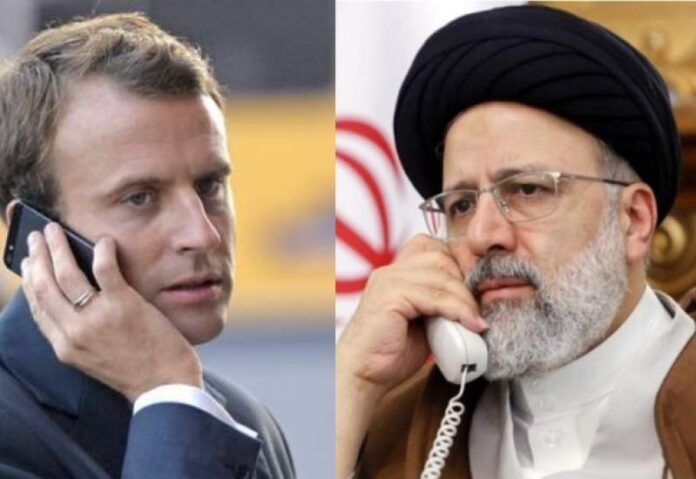
Raisi and Macron were speaking over the phone. The Iranian president then referred to the US admission that its so-called maximum pressure campaign against Iran has failed.

He said the Islamic Republic of Iran has proved its determination and seriousness about reaching a deal in the Vienna talks which aim to revive the JCPOA.

The French president for his part said Iran has a right to not trust the US because it was Washington that created this crisis surrounding the nuclear deal in the first place by unilaterally withdrawing from the agreement. Raisi and Macron also spoke over a range of other issues including bilateral ties between Tehran and Paris and regional developments. The presidents of Iran and France explored ways of expanding Franco-Irani relations.

As for regional issues, Raisi stressed that stability and security in West Asia and the Persian Gulf can only be achieved by regional players, and not through foreign interventions.

The Iranian president then called for the international community to pay attention to the Yemen crisis and demanded an end to the Saudi-led blockade of the oppressed Yemeni people.

Macron also condemned the military aggression against the people of Yemen, most notably the recent Saudi-led attacks against the country.

The Iranian and French presidents also held talks over the the situation in Lebanon.

Iran and S. Korea set for talks next month over frozen assets

Bilateral relations remain frayed over US$7 billion in Iranian funds locked in two Korean banks under US sanctions, which were reimposed after former President Donald Trump in 2018 withdrew from a 2015 nuclear deal.

The thorny issue has drawn renewed attention, with talks to revive the 2015 accord standing at a critical phase, as Iranian officials demand sanctions relief for an agreement.

Seoul officials say the proposed working groups are expected to go over details of a potential money transfer once sanctions are lifted and also discuss other aspects in the event of a no deal.

“The working groups are expected to mainly discuss details of the payment method of the Iranian assets if the US grants sanctions relief,” the source told Yonhap News on the condition of anonymity.

“They could talk further on the possibility of resuming oil imports from Iran once sanctions are lifted,” the source added.

Iran, which sits on the world’s fourth-largest oil reserves, had been a key oil supplier to resource-poor South Korea and in turn imported industrial equipment, household appliances and vehicle parts from Seoul.

South Korea imported US$7.8 billion worth of oil from Iran in 2017, but it has stopped Iranian purchases since 2019 due to US sanctions that ban the Islamic republic’s oil exports, according to the data by the Korea International Trade Association.

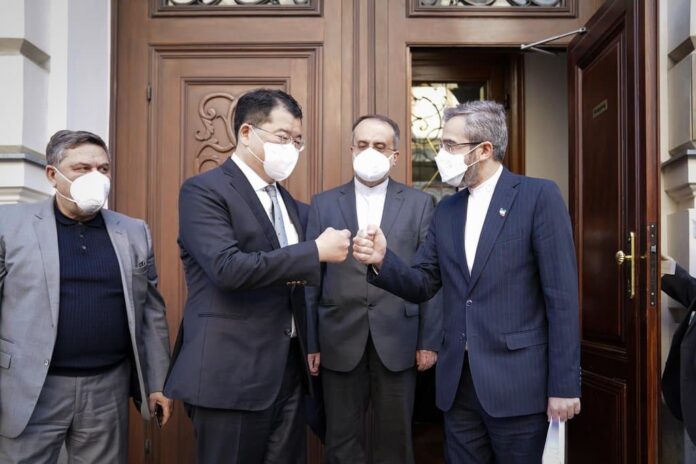
The top Iranian negotiator to the negotiations in the Austrian capital has recently met with South Korea’s deputy foreign minister to discuss release of Tehran’s frozen assets in Seoul.

Ali Bagheri Kani, who is also Iranian deputy foreign minister for political affairs, said in the meeting held with Choi Jong-kun that regardless of the outcome of the talks in Vienna, the South Korean government is obliged to unfreeze Iran’s frozen funds, stressing that unilateral US sanctions cannot justify the non-payment of Seoul’s debts to Tehran.

“The South Korean government is obliged to release Iran’s blocked assets, and unilateral US sanctions cannot justify non-payment of debts to Iran,” he stated.

The Iranian diplomat also stressed that South Korea’s illegal and unjustifiable refusal to repay its debts to Iran would be a dark spot in the history of relations between the two countries, adding that Seoul should act as soon as possible to unfreeze Iran’s assets.

South Korea’s ambassador to Iran Yun Kang-hyeon has also noted the country has suffered badly from more than three years of US sanctions on Iran as he insists that Seoul has been working hard to maintain its trade and energy ties with Iran despite excessive US pressure.

US cancels military aid for Egypt over rights concerns

Cairo has failed to meet all the human rights conditions set out by Washington to be eligible for the paycheck, the US State Department announced on Friday.

“After January 30, the secretary intends to reprogram the $130 million to other national security priorities,” it pointed out, without elaborating on what those priorities might be.

In September, Secretary of State Antony Blinken greenlighted $300 million in foreign military aid to Egypt, but withheld another $130 million on condition that the country fulfilled “specific human-rights related conditions” by the end of January.

The government of President Abdel Fattah el-Sisi is accused of having enacted a large-scale crackdown in recent years on Islamist and secular activists involved in the 2011 Arab Spring uprising that toppled longtime leader Hosni Mubarak.

The arrest and prosecution of dissidents is believed to have been facilitated by the state of emergency that was imposed in Egypt in April 2017, after church bombings and deadly attacks on Coptic Christians. It had been prolonged several times over the years, with Sisi lifting the state of emergency only last October.

During his phone call with Egyptian Foreign Minister Sameh Shoukry on Thursday, Blinken “reaffirmed the importance of human rights in the bilateral relationship,” according to the State Department.

However, disagreements over human rights didn’t prevent the Joe Biden administration from approving a $2.5 billion sale of 12 Super Hercules C-130J transport aircraft and air defense radar systems to Egypt on Tuesday.

The deal would “support the foreign policy and national security of the US by helping to improve the security of a major non-NATO ally country that continues to be an important strategic partner in the Middle East,” the State Department explained.

It didn’t mention the arms sale when announcing on Friday that military aid to Cairo would be cut.

“Egyptians are not thrilled” to be deprived of $130 million, an unnamed senior State Department official told the CNN.

He insisted the decision on military aid and the arms sale were unrelated. There was no inconsistency in Washington’s actions because “we’re letting them [Egypt] buy things that are in our interest,” according to the official.

State Department spokesperson Ned Price later said the statements by the unnamed official didn’t reflect Washington’s official position, describing Egypt as “a valuable partner across many fronts.”


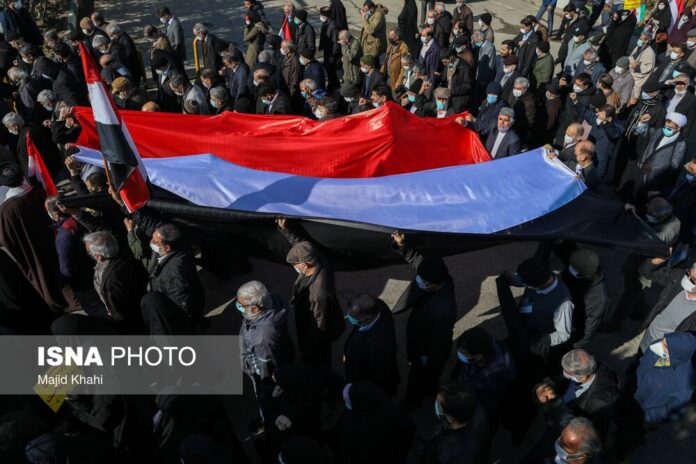
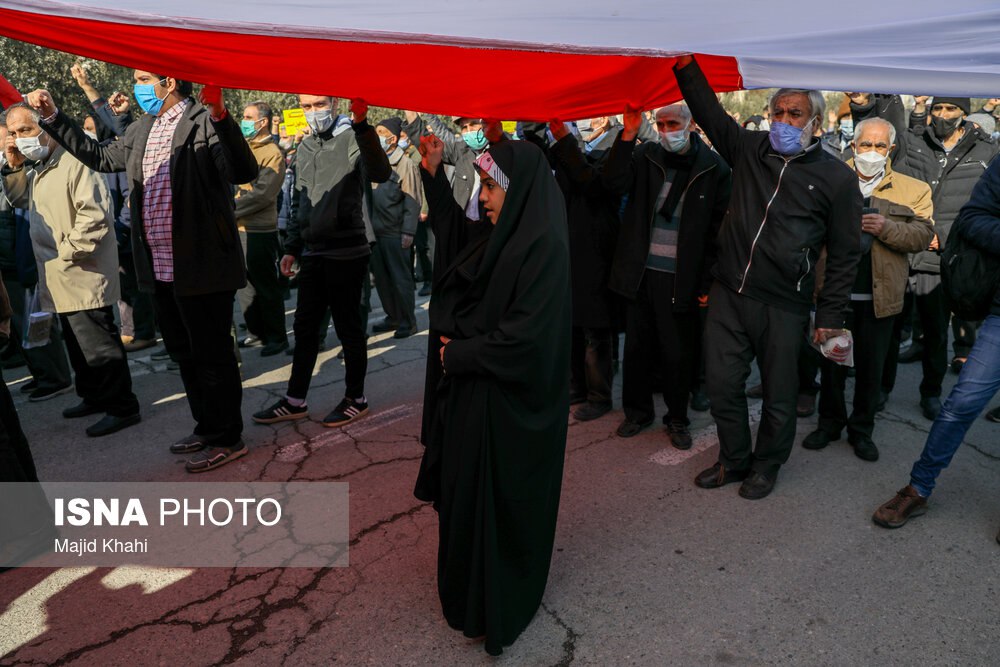
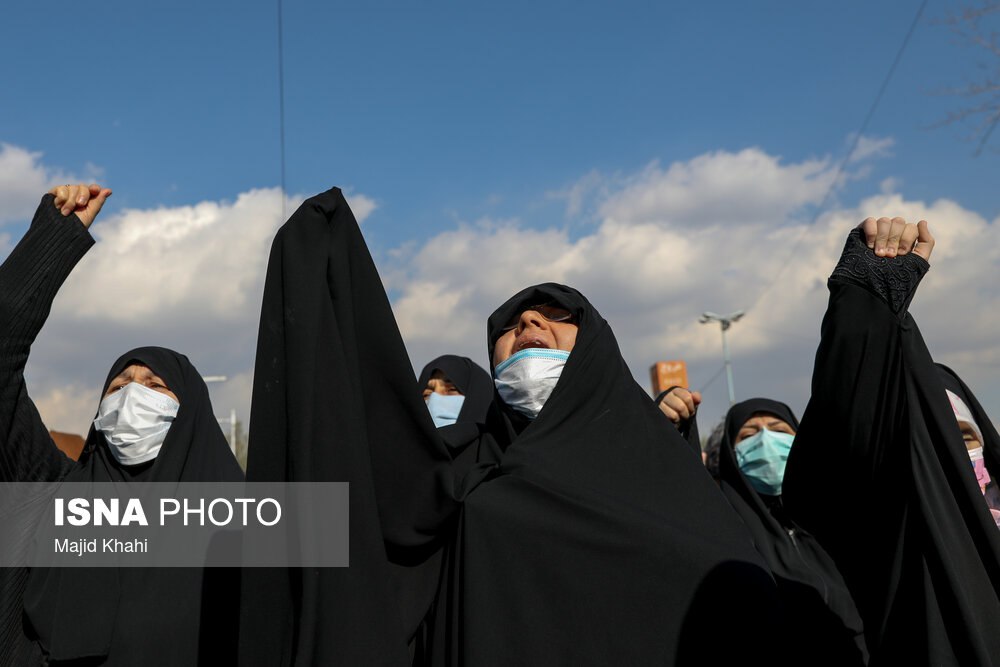
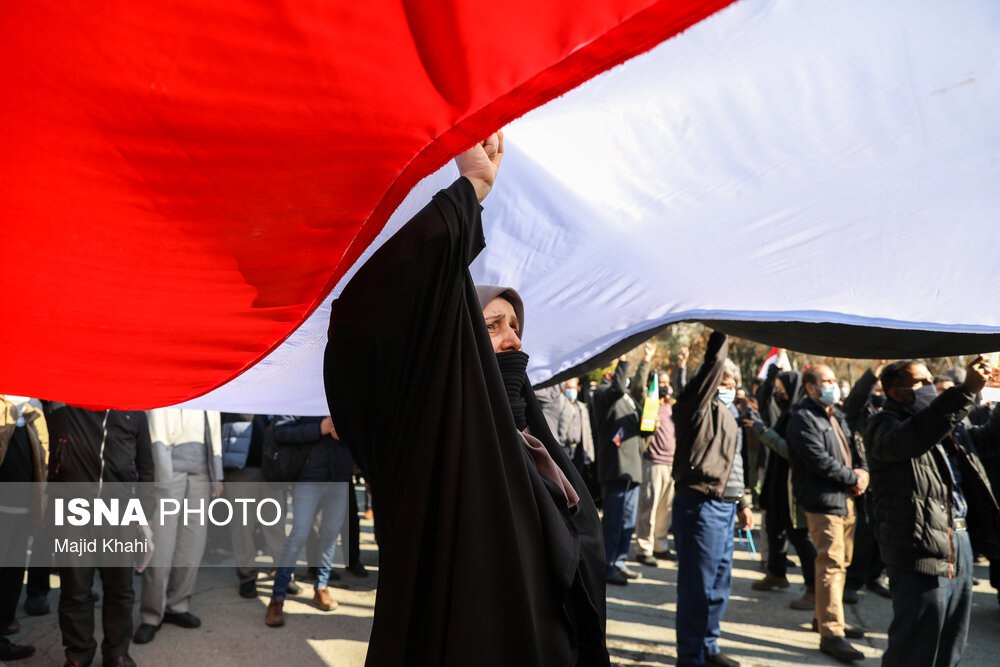
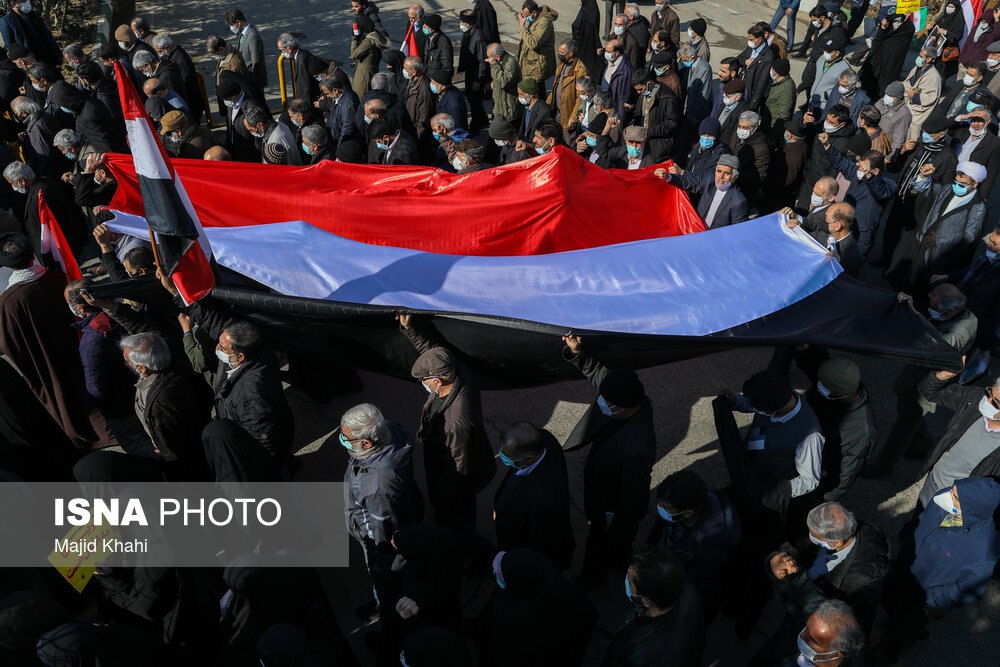
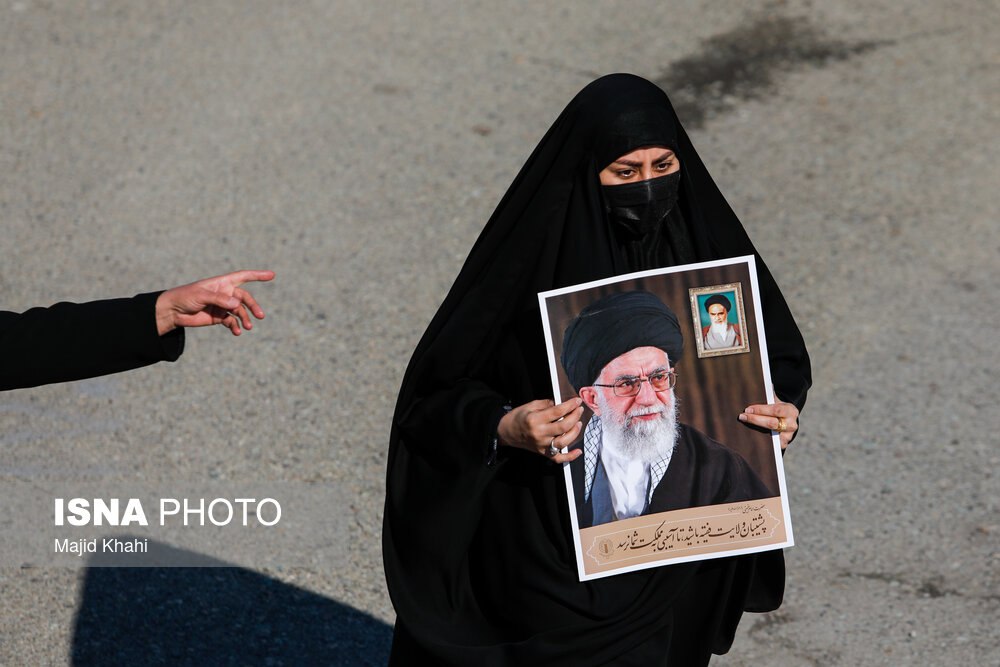
Iranians stage pro-Yemen demonstration

The demonstrators marched in the capital Tehran after Friday prayers.