Monday, May 4, 2026
Home Blog Page 2081

Shamkhani criticizes Washington’s delay in making political decision in Vienna talks

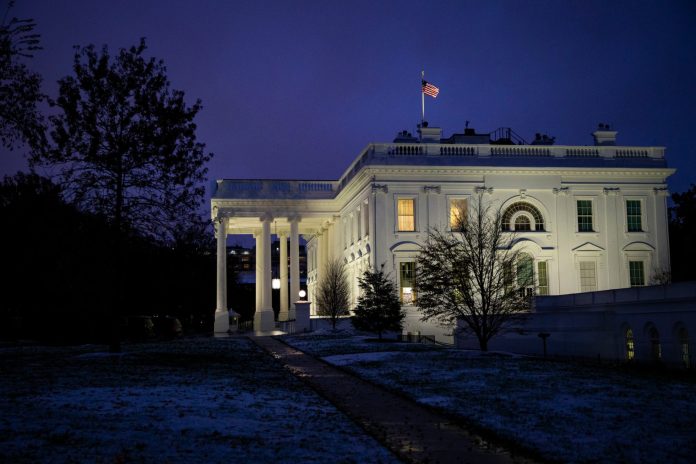
White House

Secretary of Iran’s Supreme National Security Council Ali Shamkhani noted that reaching a strong agreement promptly requires new initiatives from all parties involved in the talks to revive the 2015 Iran Nuclear Deal.

He added that the priority of the Iranian negotiators is to resolve the remaining issues that are considered red lines.

Despite significant progress in the intensive negotiations, important issues remain before a final agreement can emerge.

Iran has said that reaching a final agreement will only be possible if the Western parties, especially Washington make necessary political decisions.

Iran and the P4+1 group seem to be concluding months of negotiations to revive the Joint Comprehensive Plan of Action and allow the United States to rejoin the deal.

Iran has demanded the removal of sanctions imposed after America’s unilateral withdrawal from the deal and guarantees that Washington will not abandon the agreement again.
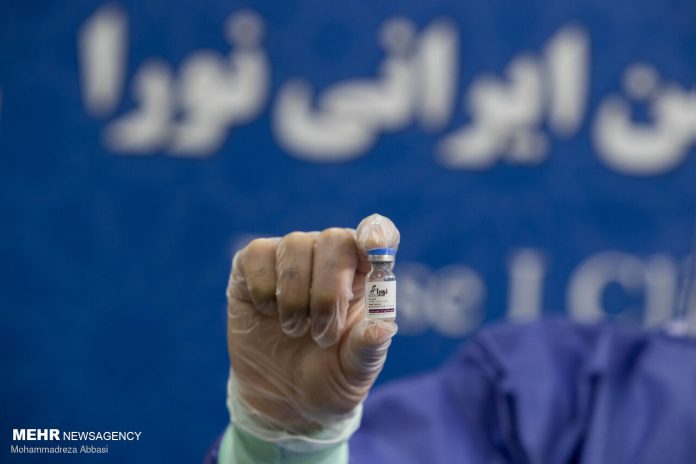
Nora ready for use in vaccination of Iranians against Covid

That’s according to Dr. Abolghassemi, president of the university.

Abolghassemi said over the past years, Iran has gone through many hardships and the sanctions put a lot of pressure on its people.

He however added that thanks to efforts by Iranian scientists, the technical know-how of producing a recombinant protein vaccine became indigenous.

“The vaccines reduce morbidity and mortality, and this is the result of efforts by Iranian scientists,” he said.

Abolghassemi said today, the sense of self-confidence among Iranian researchers who are able to do difficult work has been strengthened.

He thanked all those who participated in the clinical trial of Nora vaccine.

Iran has until now administered over 143 million doses of jabs including many homegrown ones.

Russia envoy says to clarify demands for U.S. guarantees related to JCPOA

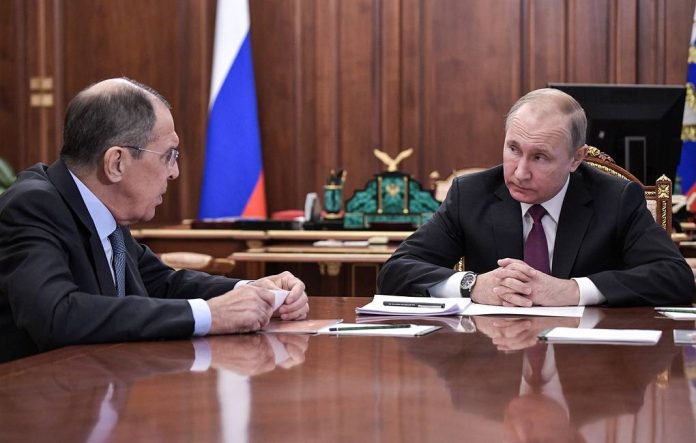
MOSCOW, RUSSIA - FEBRUARY 2, 2019: Russia's Foreign Minister Sergei Lavrov (L) and Russia's President Vladimir Putin during a meeting at Moscow's Kremlin. Alexei Nikolsky/Russian Presidential Press and Information Office/TASS Ðîññèÿ. Ìîñêâà. Ìèíèñòð èíîñòðàííûõ äåë ÐÔ Ñåðãåé Ëàâðîâ è ïðåçèäåíò ÐÔ Âëàäèìèð Ïóòèí (ñëåâà íàïðàâî) âî âðåìÿ âñòðå÷è â Êðåìëå. Àëåêñåé Íèêîëüñêèé/ïðåññ-ñëóæáà ïðåçèäåíòà ÐÔ/ÒÀÑÑ

“We will give the necessary explanations to the Iranian side through diplomatic sources. We will officially explain this to Iranian friends,” Tasnim News Agency quoted Levan Dzhagaryan as saying on Monday.

On Saturday, the Russian top diplomat demanded a written guarantee from the U.S. government that Russia-Iran trade, investment and military-technical cooperation would not be impacted by Western sanctions imposed against Moscow since it began its military conflict with Ukraine.

On Monday, Iran’s Foreign Ministry Spokesman Saeed Khatibzadeh said Russia’s approach to reaching a collective agreement in Vienna has been constructive up to now.

“We are waiting (for the Russian side) in Vienna to give us more details,” Khatibzadeh stated.

Russia is one of members of the P4+1 group that has been negotiating with Iran in Vienna for months to try to revive the 2015 Nuclear Deal.

The intensive diplomatic efforts in the Austrian capital seem to have concluded, with an announcement of the outcome of the talks believed to be imminent.

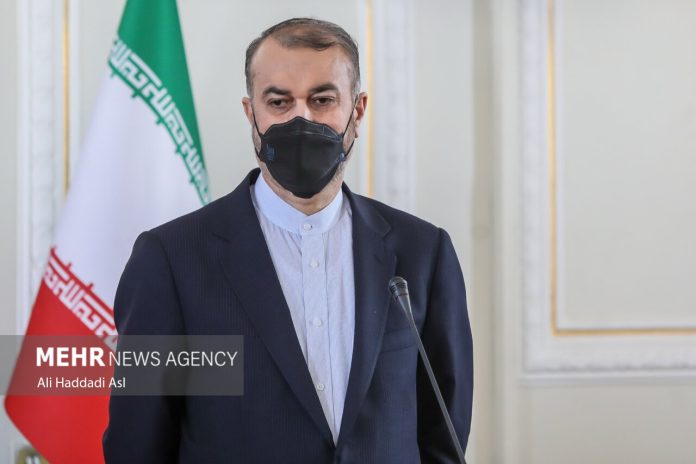
Iran FM: We won’t let foreign player to affect our interests in Vienna talks

Amir Abdollahian said Iran will protect its red lines regarding effective economic guarantees.

He made those comments at a meeting with a number of Iranian lawmakers on Monday.
Amir Abdollahian noted that Iran welcomes a good and robust deal.

Amir Abdollahian comments come as Russia has demanded that its nuclear cooperation with Iran be not affected by the Ukraine-related sanctions placed on Moscow by the US and other Western governments.

Iran and the P4+1 group say a deal is nearly ready to be signed to revive the 2015 nuclear agreement, known as the Joint Comprehensive Plan of Action, JCPOA.

They however say a couple of differences remain to be resolved before the signing of the deal.

Iran also says reaching a deal is now contingent on a political decision by the US.
The JCPOA plunged into disarray after former US president Donald Trump left it in 2018 and reinstated sanctions on Iran.

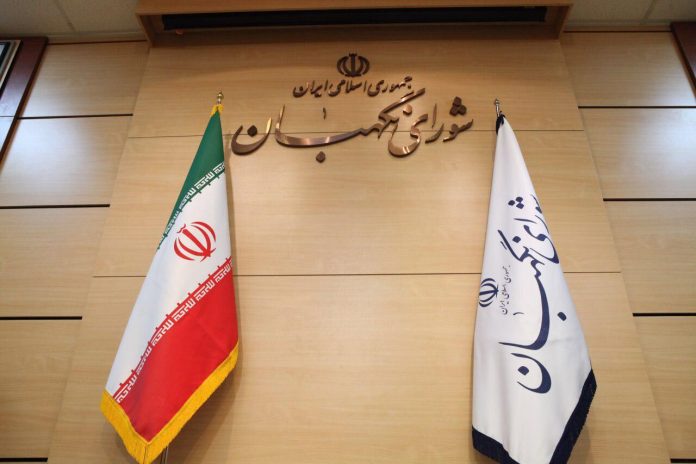
Iran’s Guardian Council approves Teacher Rating Bill

Spokesman of the Guardian Council, Tahan Nazif, said the legislation of the rating system, which was faced with problems and ambiguities at the Guardian Council in the previous stages, was reviewed in Monday’s meeting of the body and its members did not consider it against Sharia and constitutional standards.

Nazif made the announcement on twitter.

He expressed hope that the enforcement of the law will improve the quality of education in Iran and resolve the problems of teachers.

The Guardian Council’s objections to the teacher rating bill were resolved for a second time by the Parliamentary Education Commission and approved by parliament on Sunday.

Teachers have held numerous protests in Iran against what they call their low wages and the slow implementation of salary and pension reforms

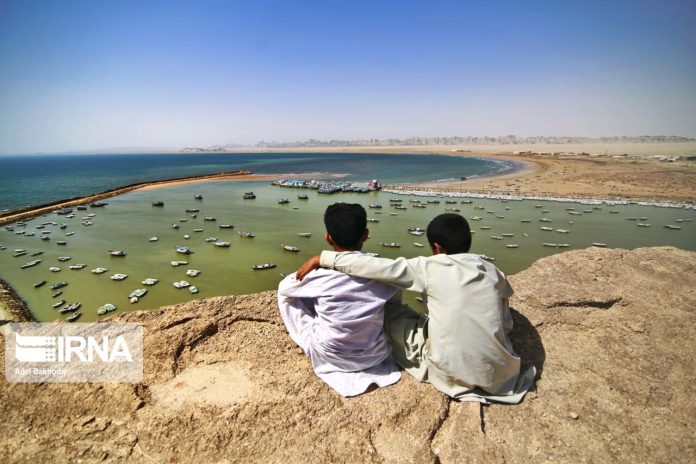
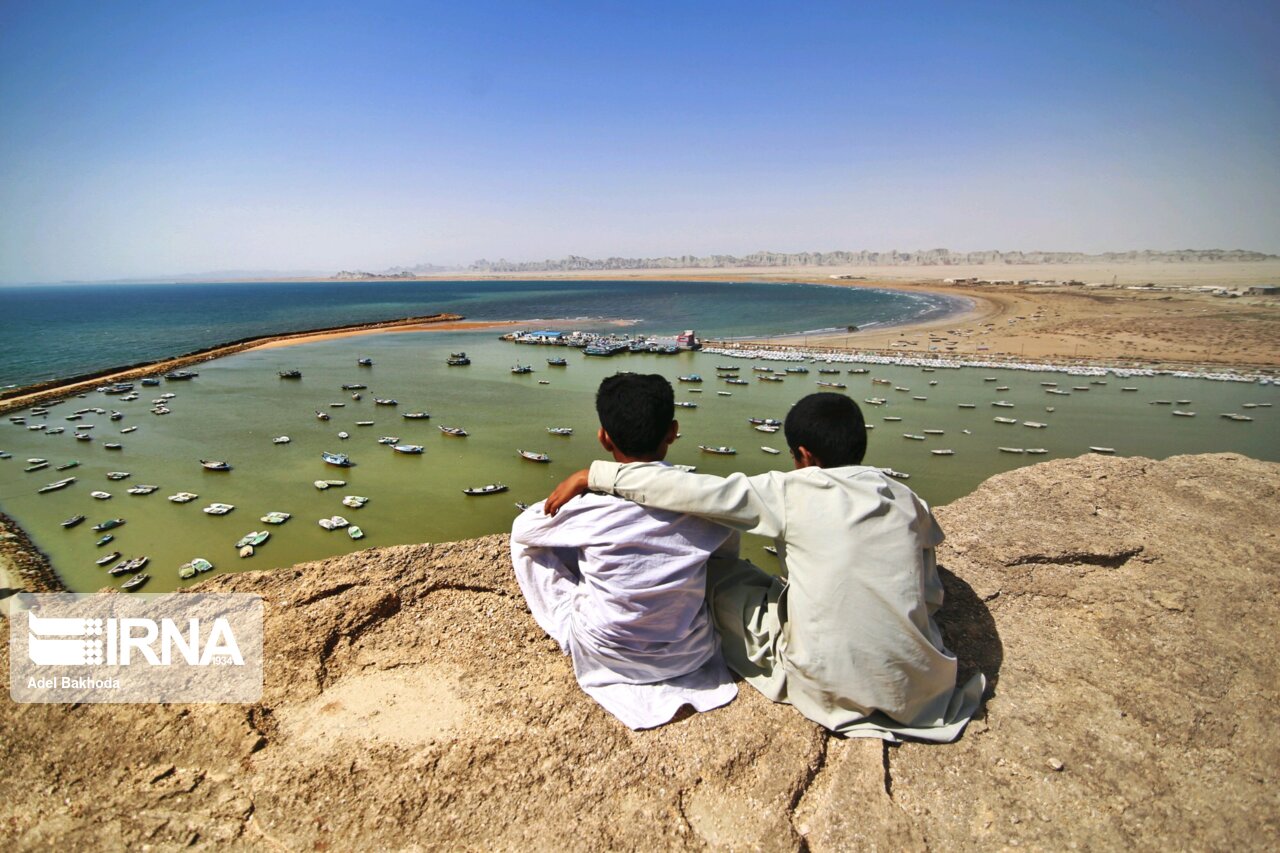
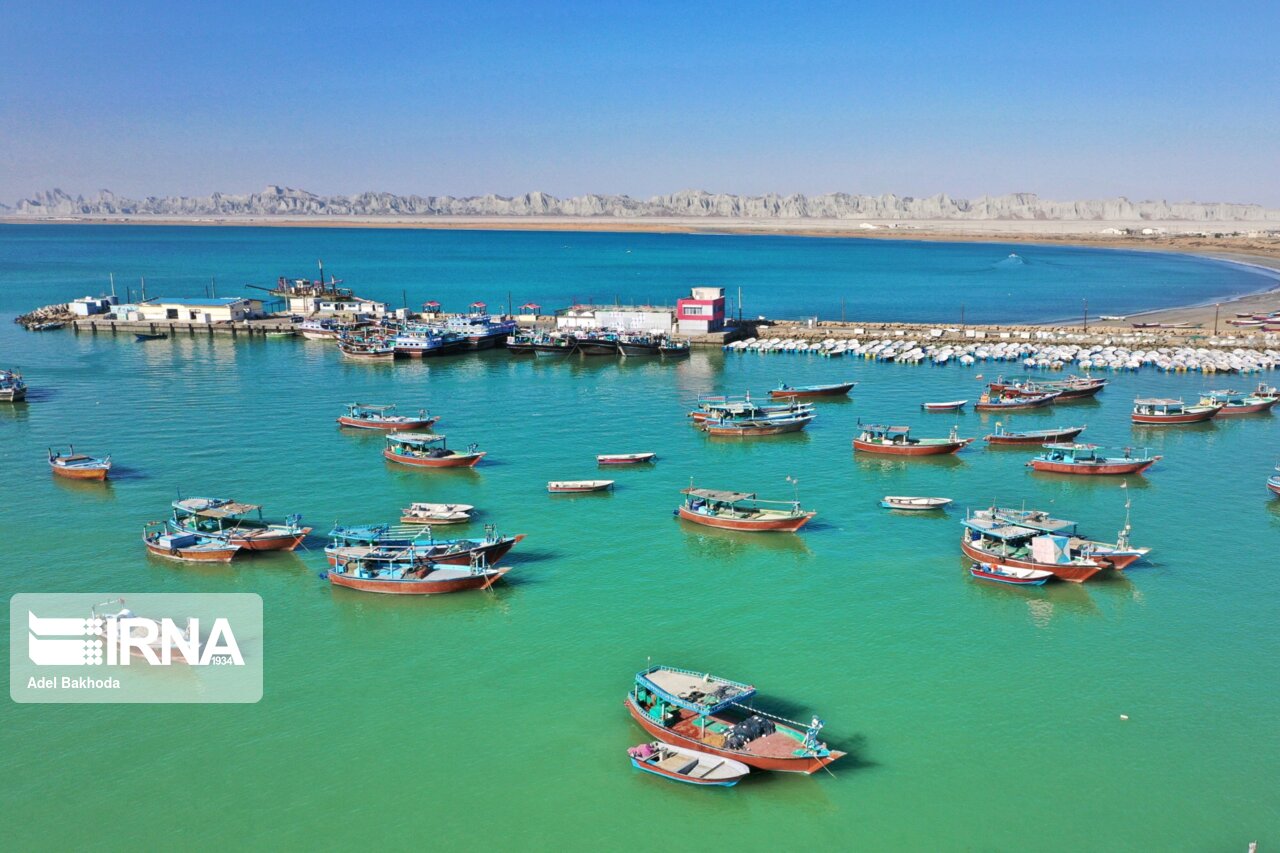
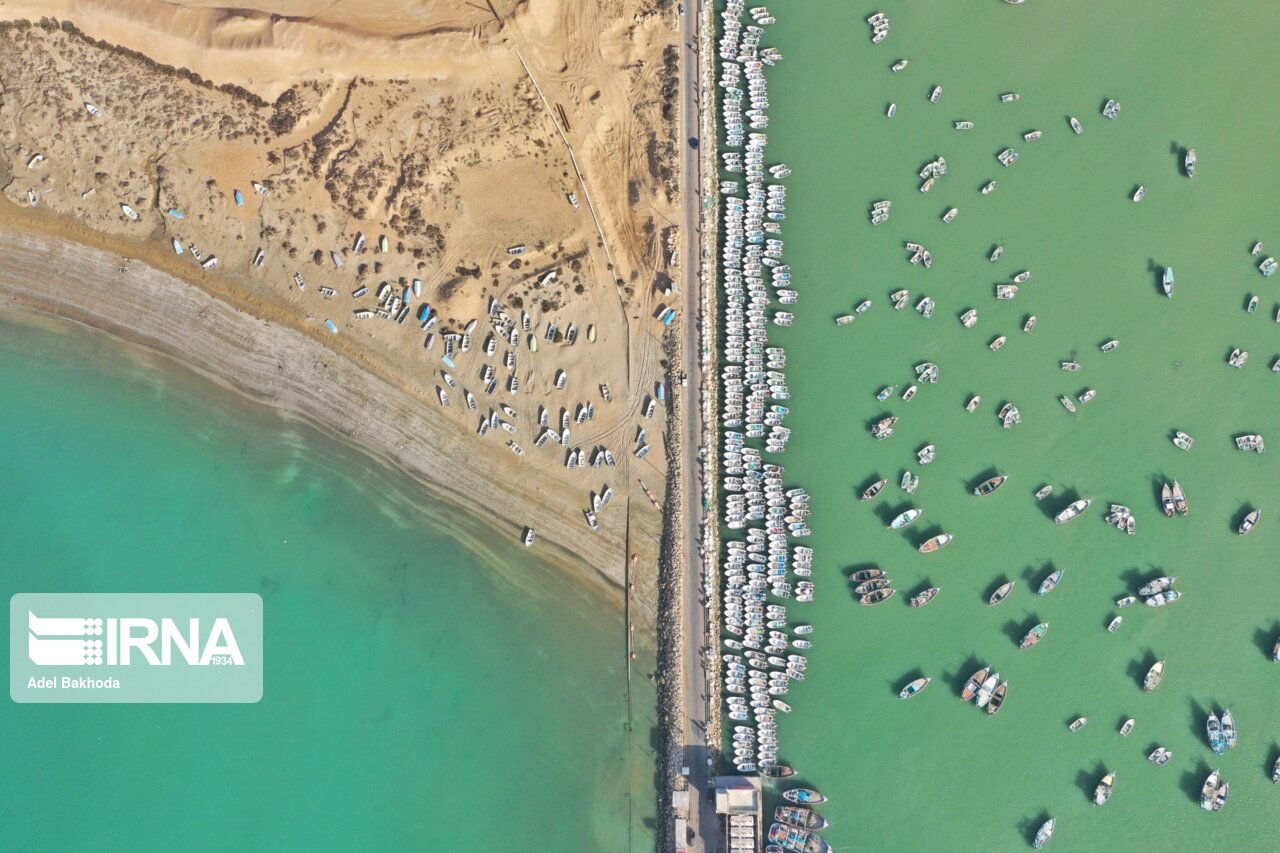
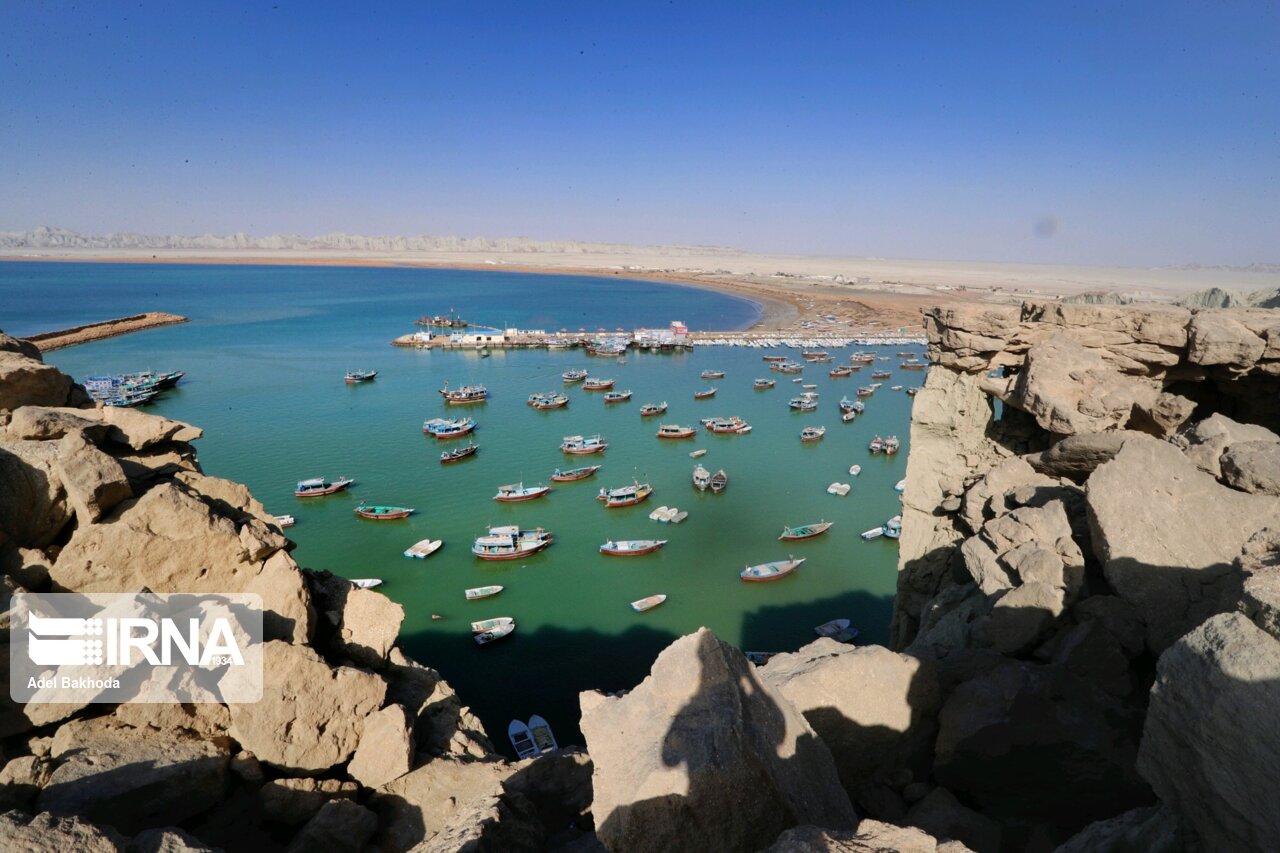
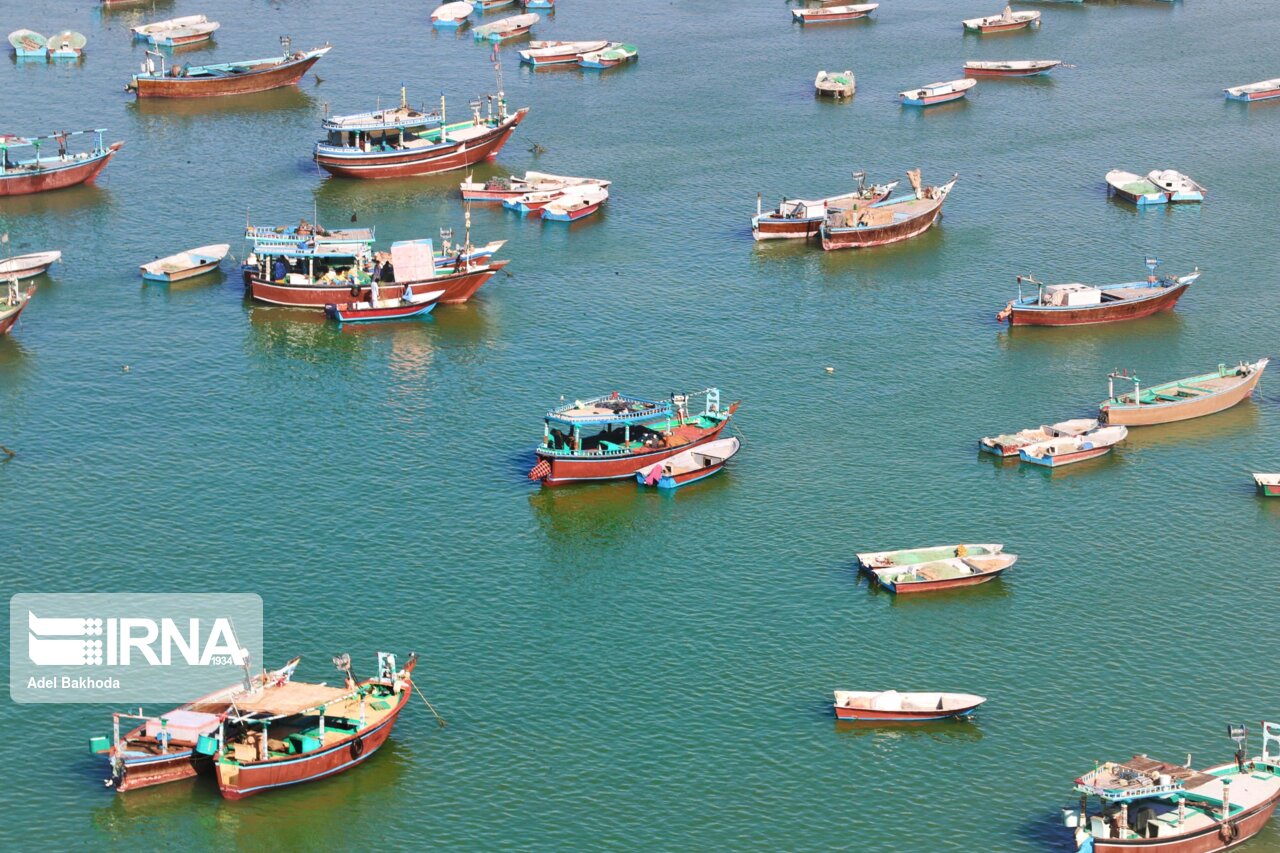
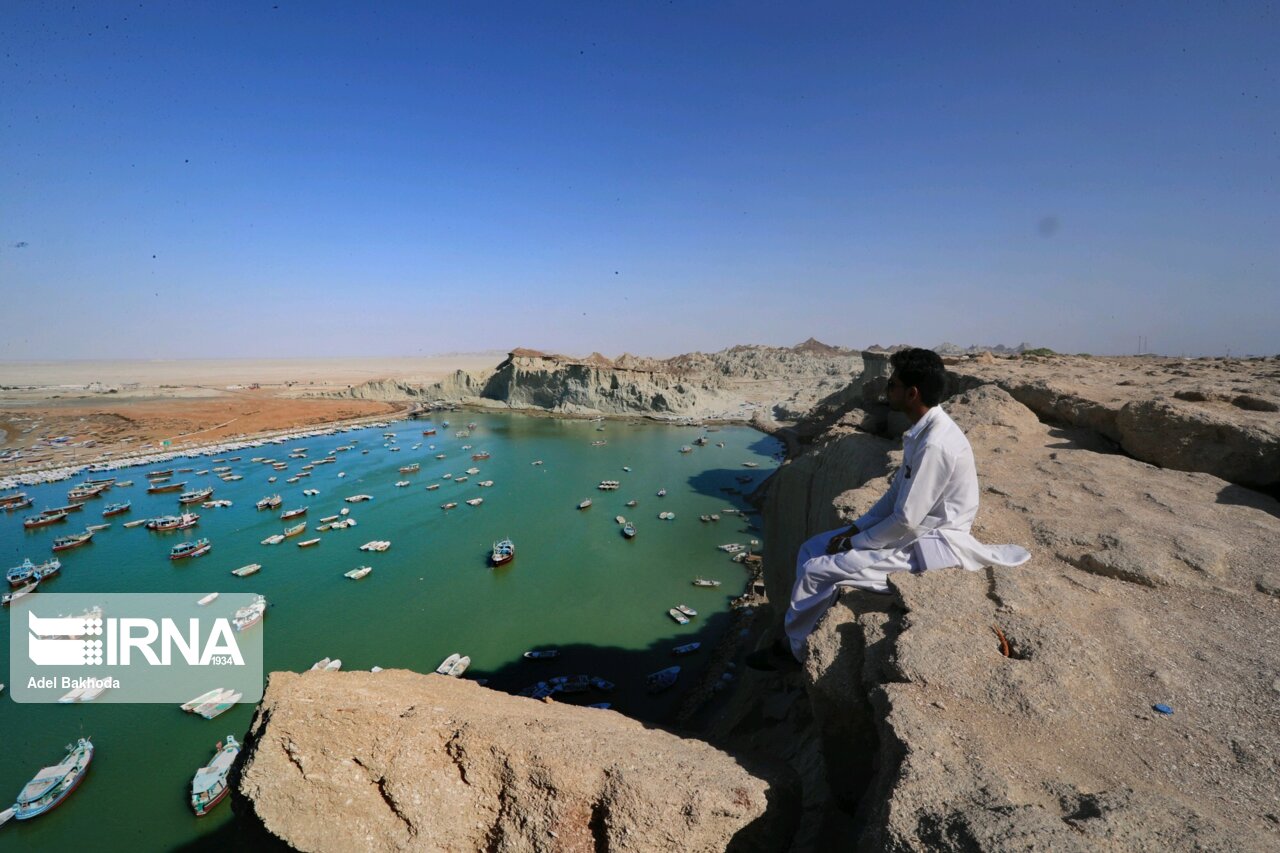
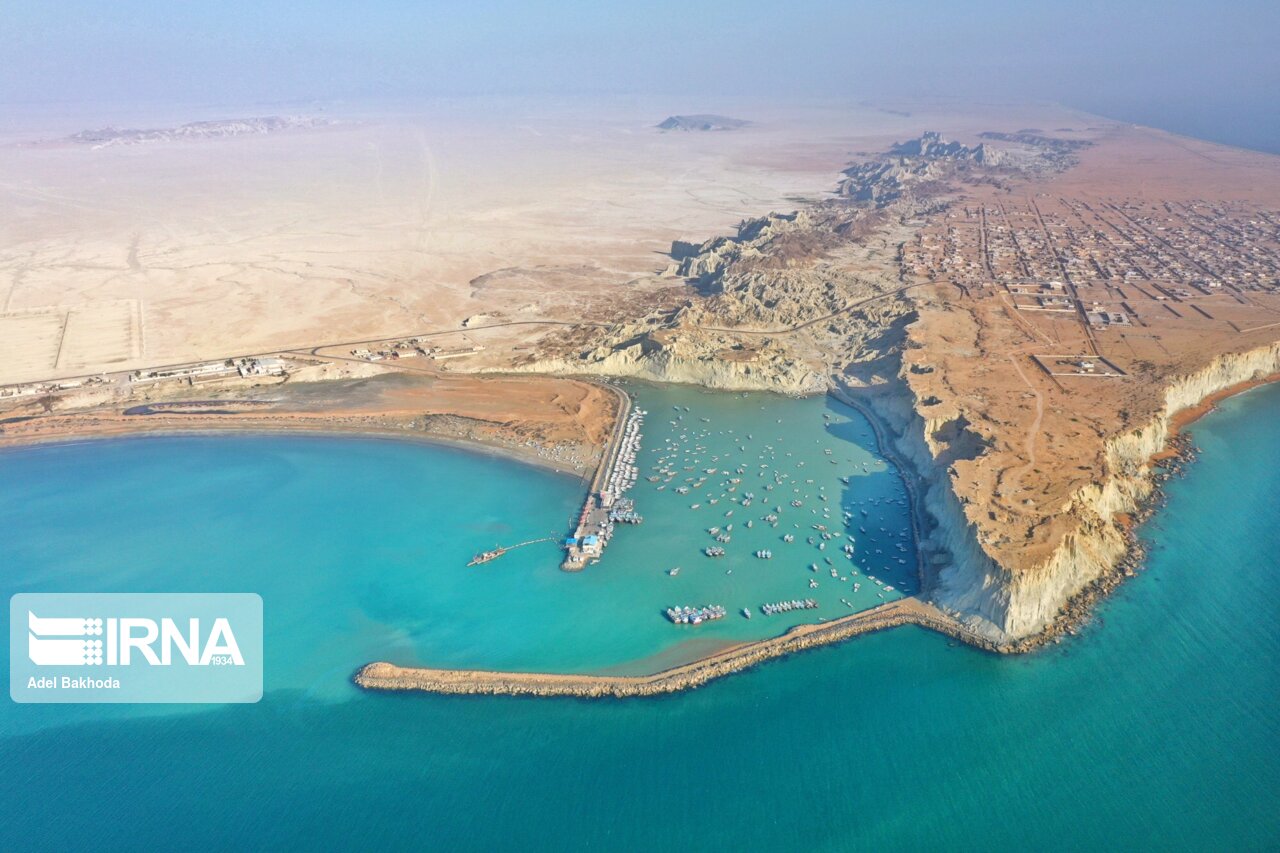
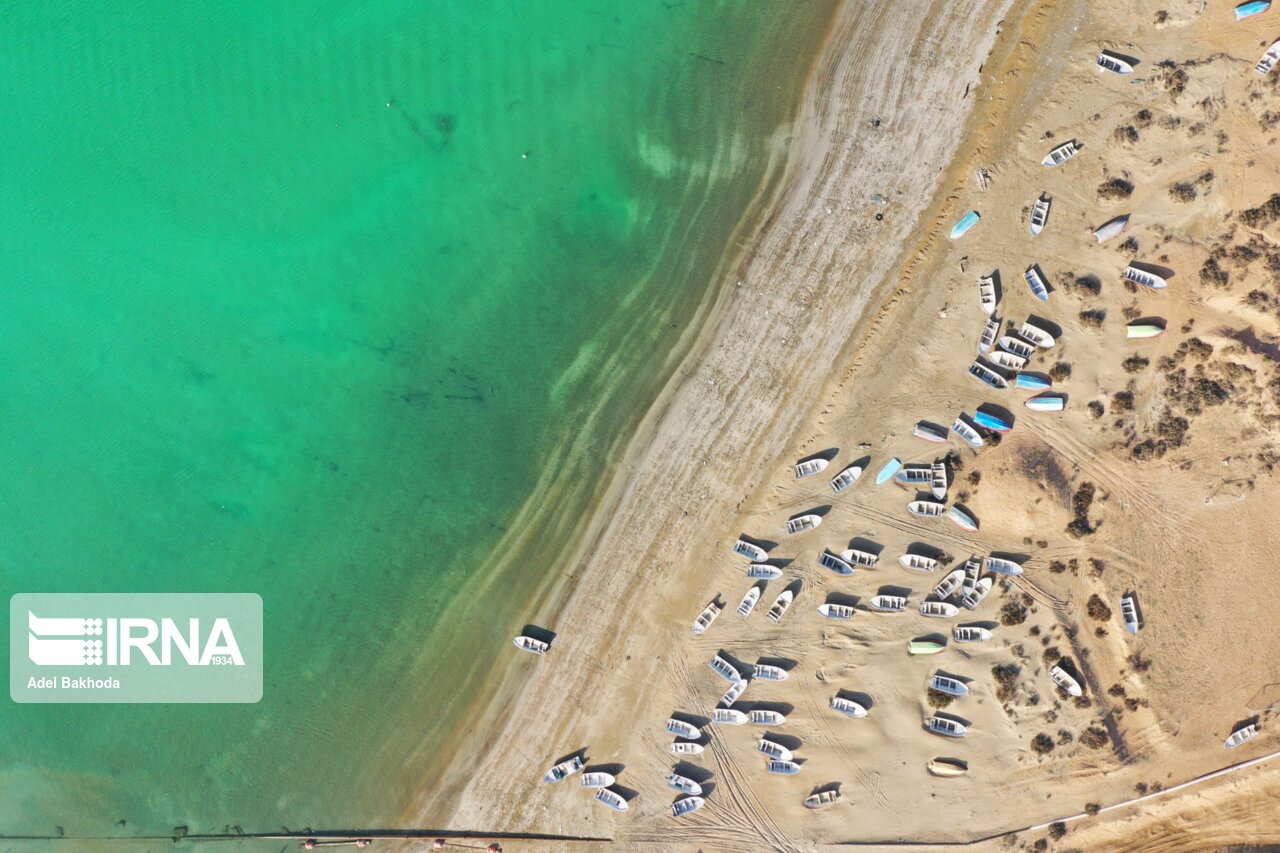
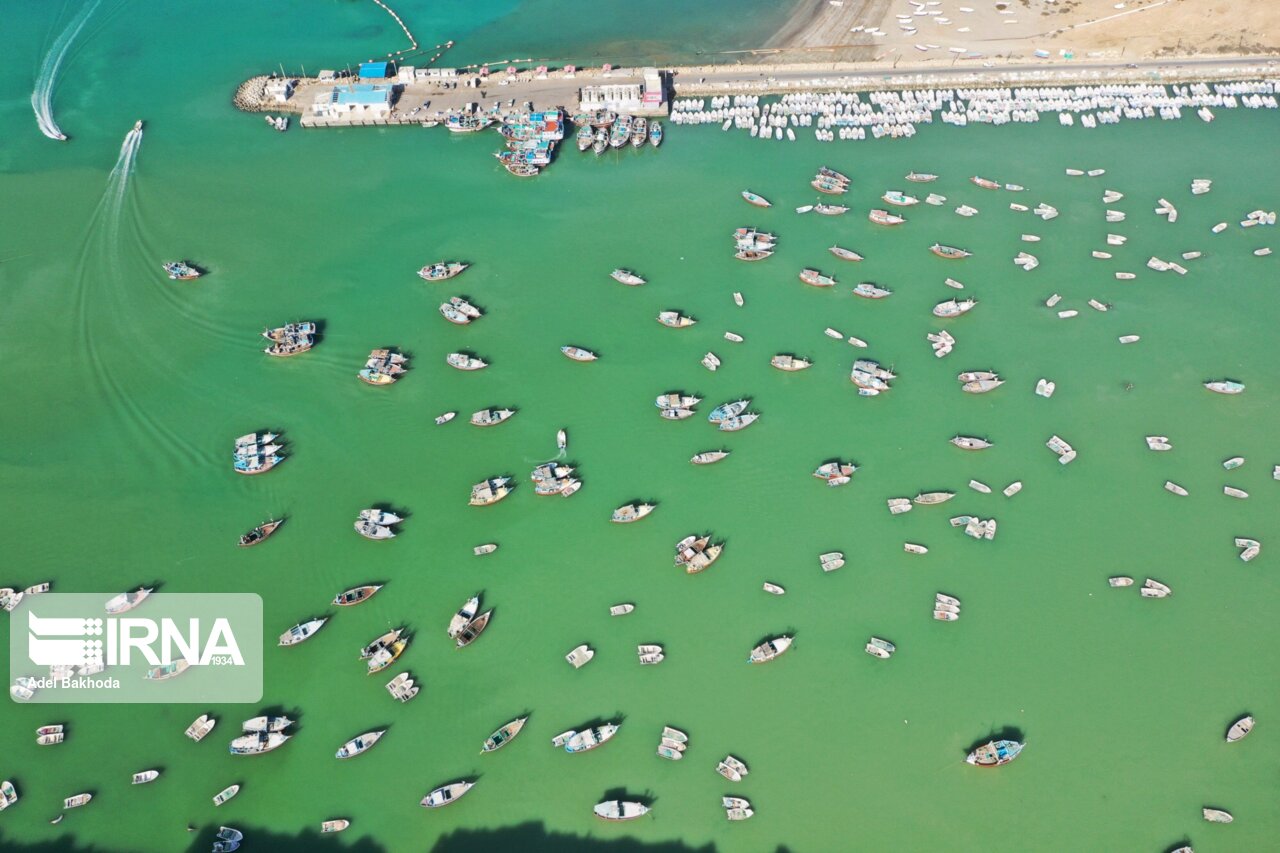
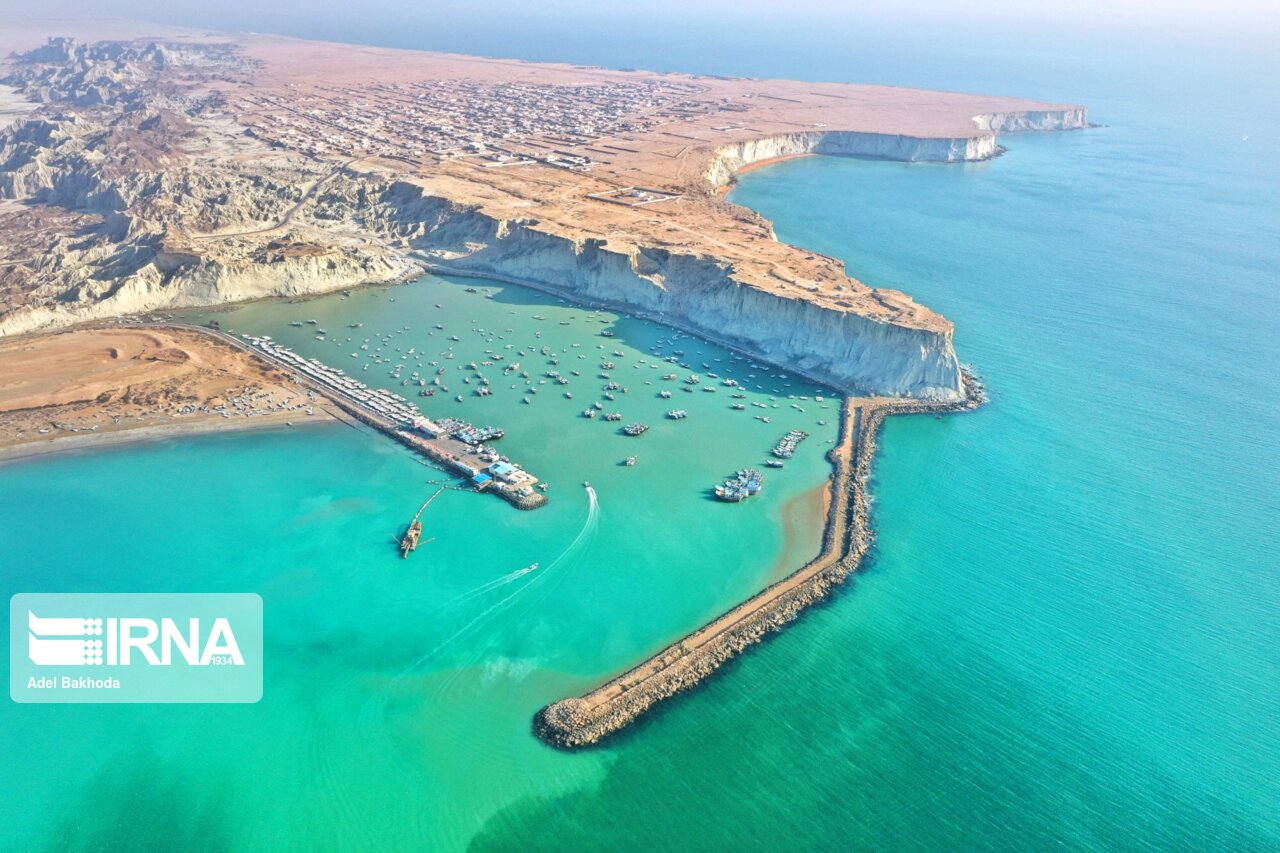
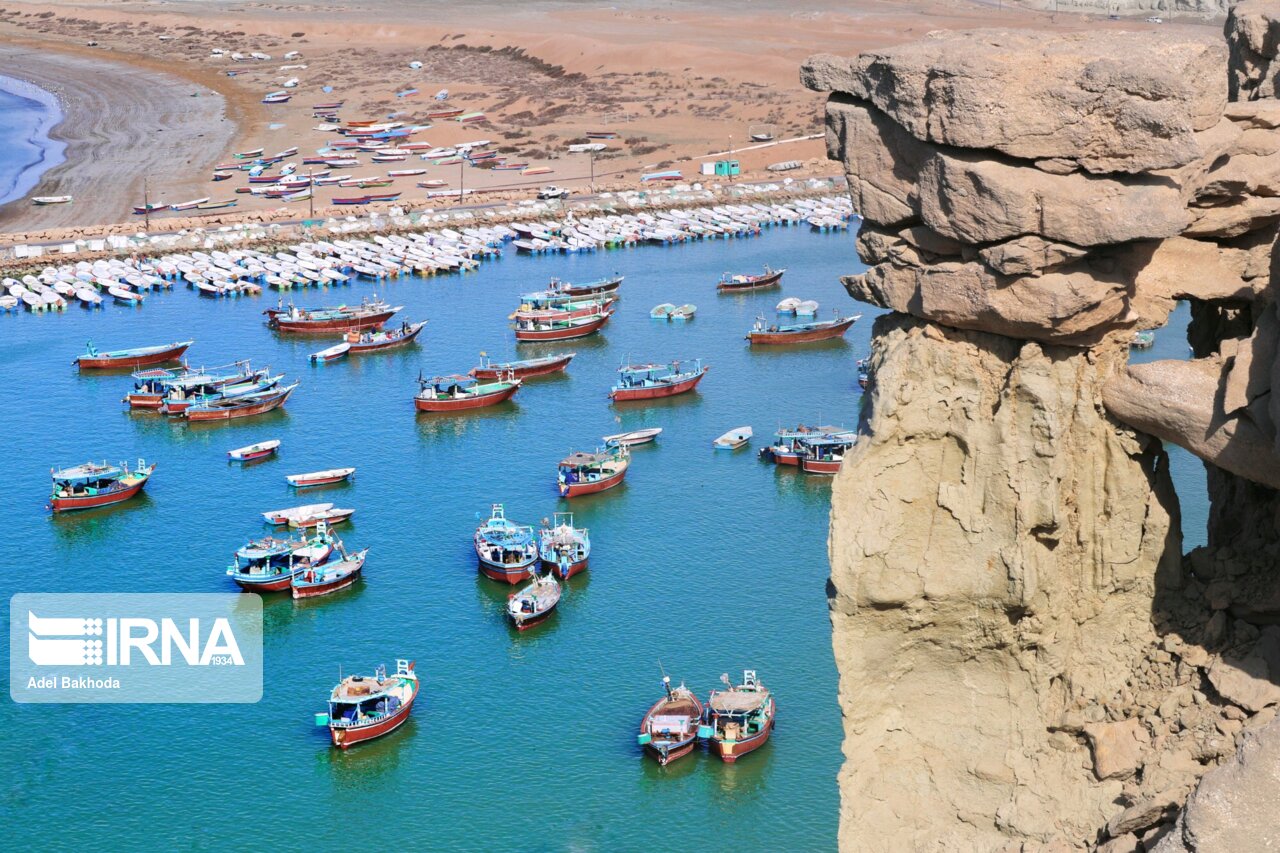
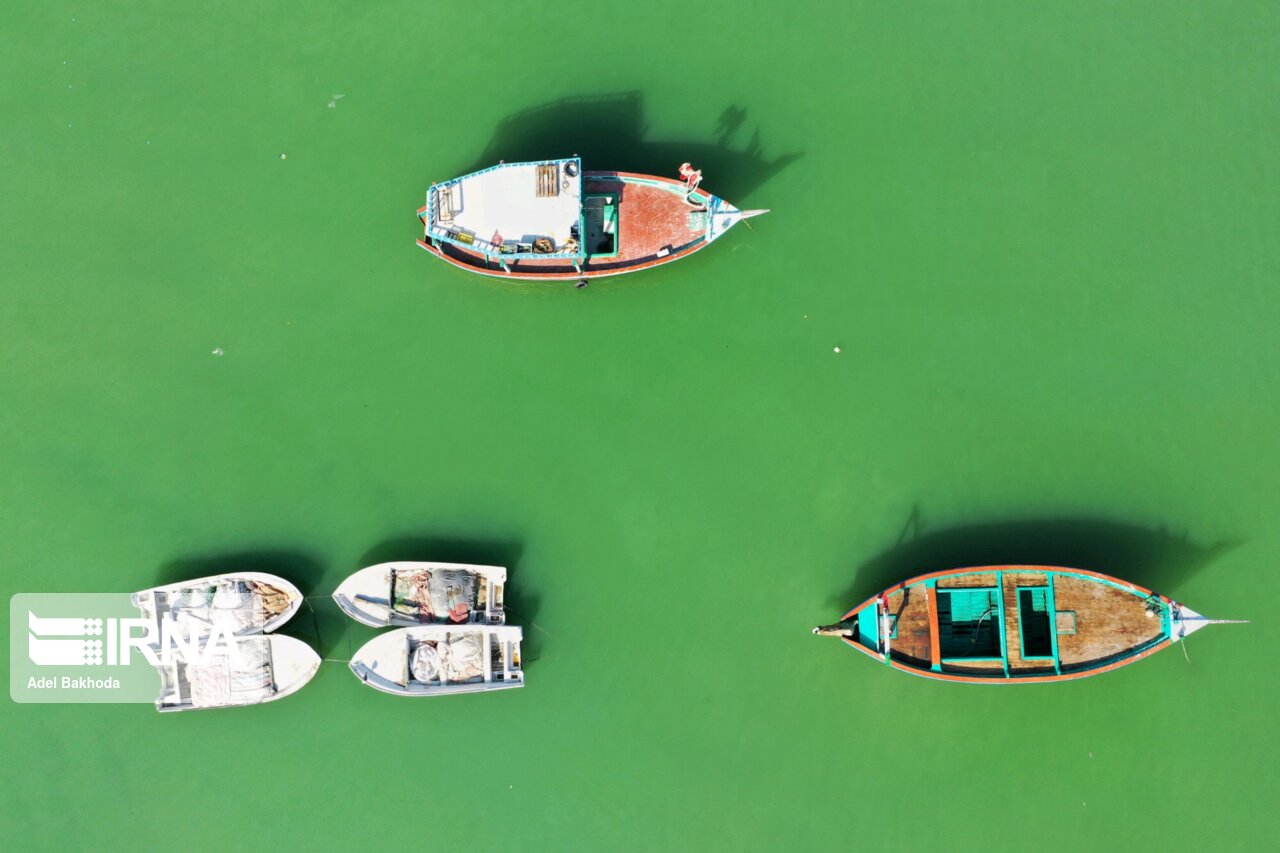
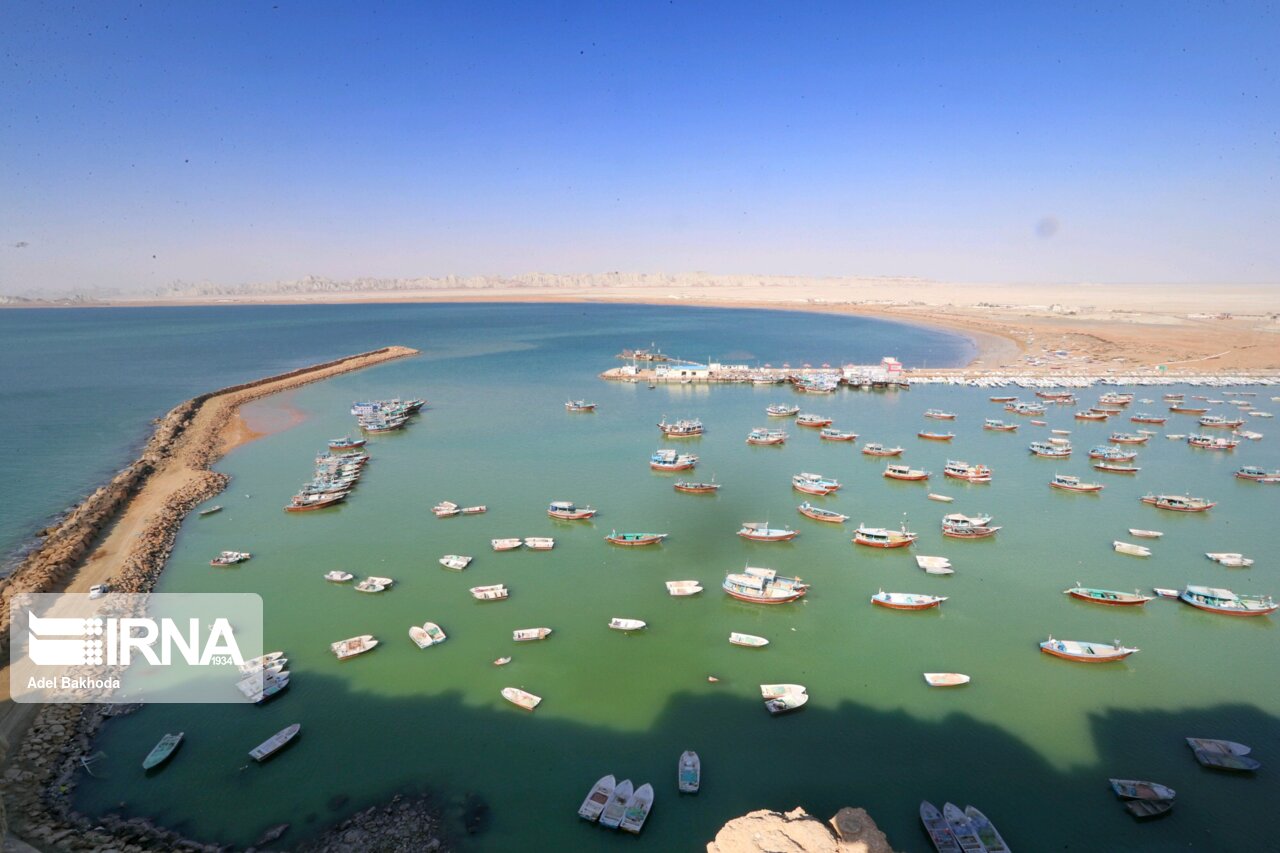
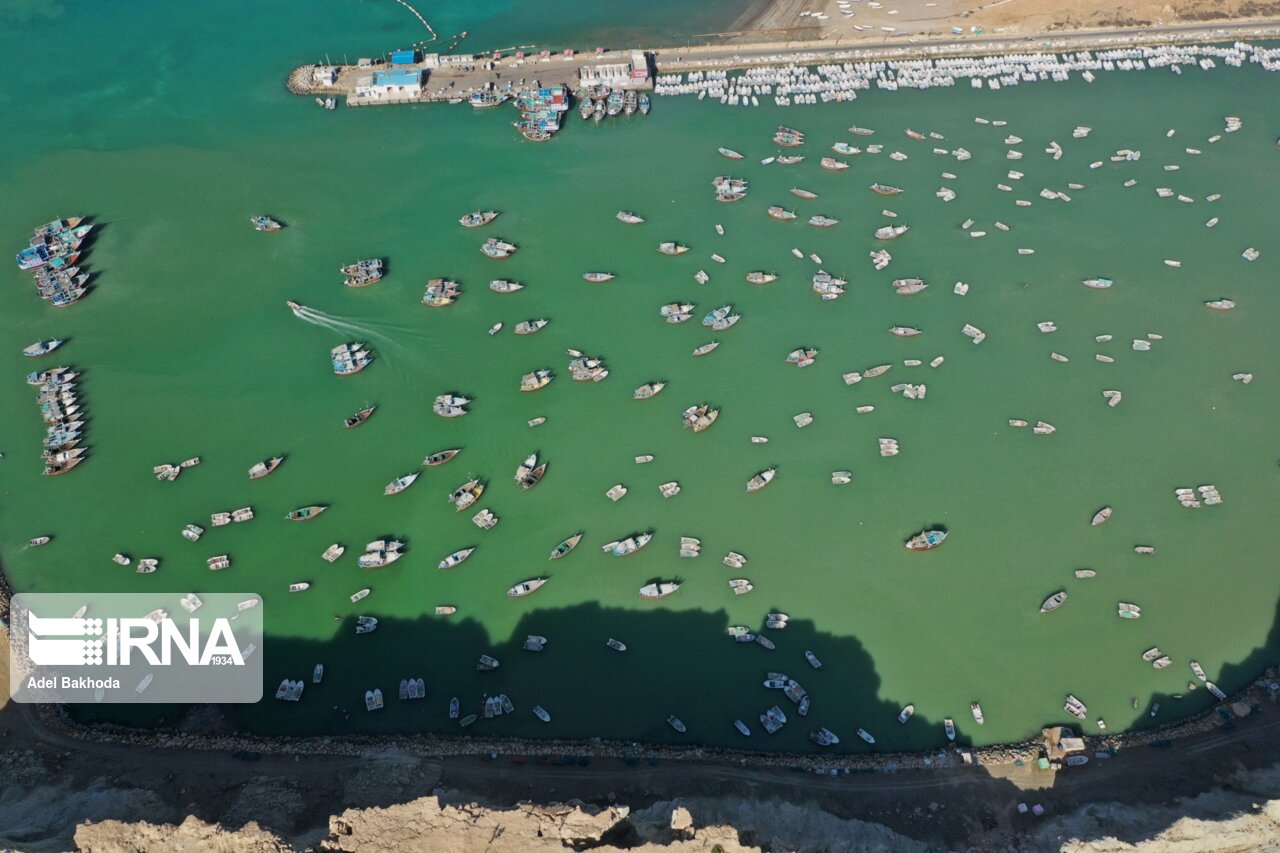
Iran tourism attractions: Beris, a port village in southeast

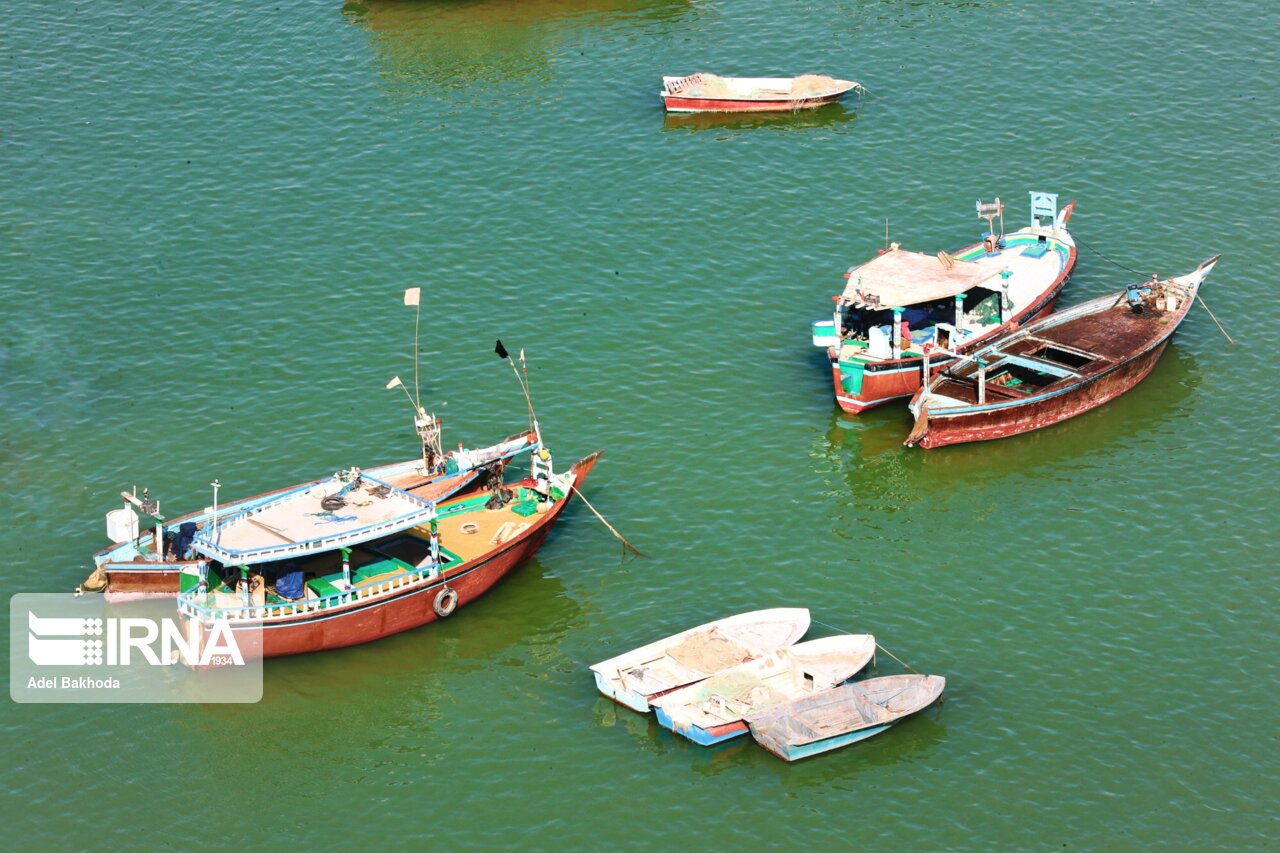
The fishing pier of Beris port, 10 meters above sea level, is a place for catching all kinds of fish and lobsters.

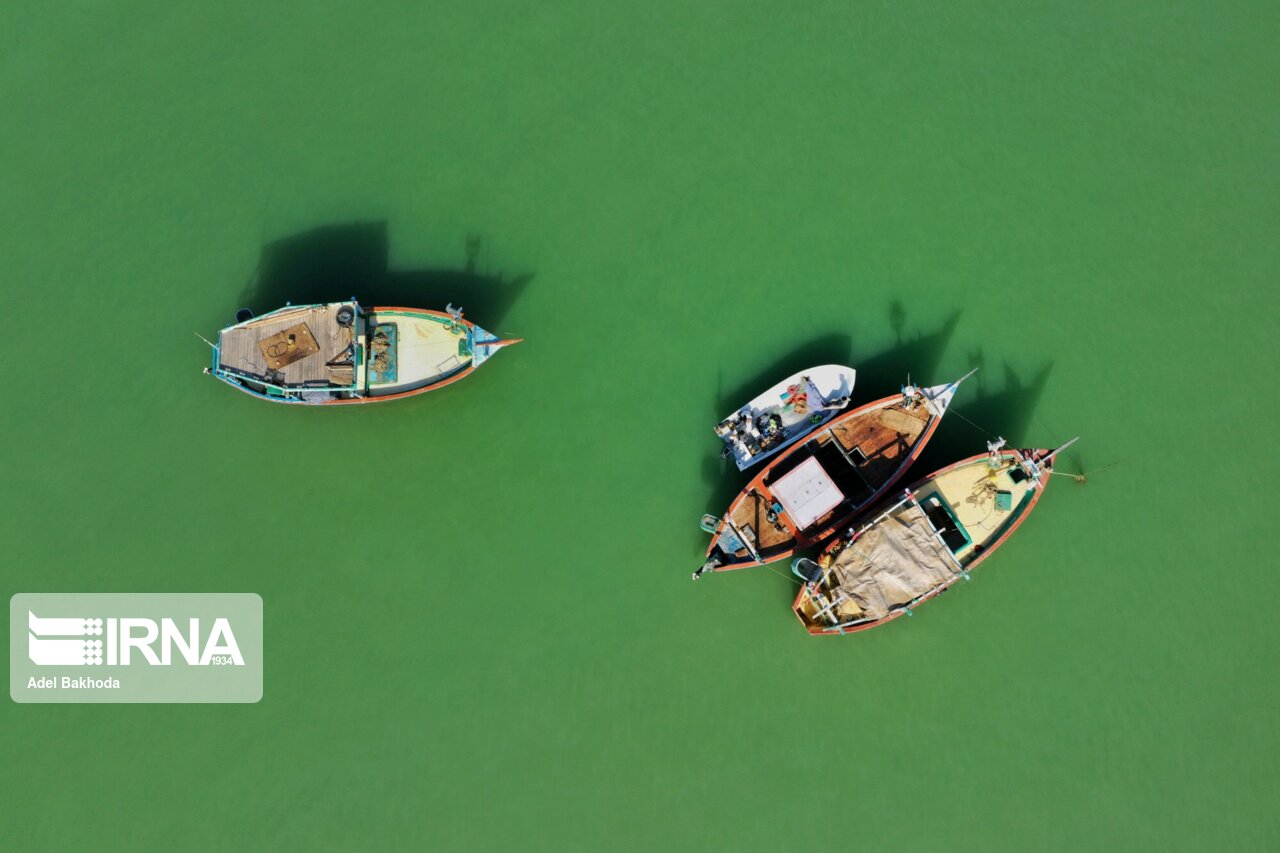
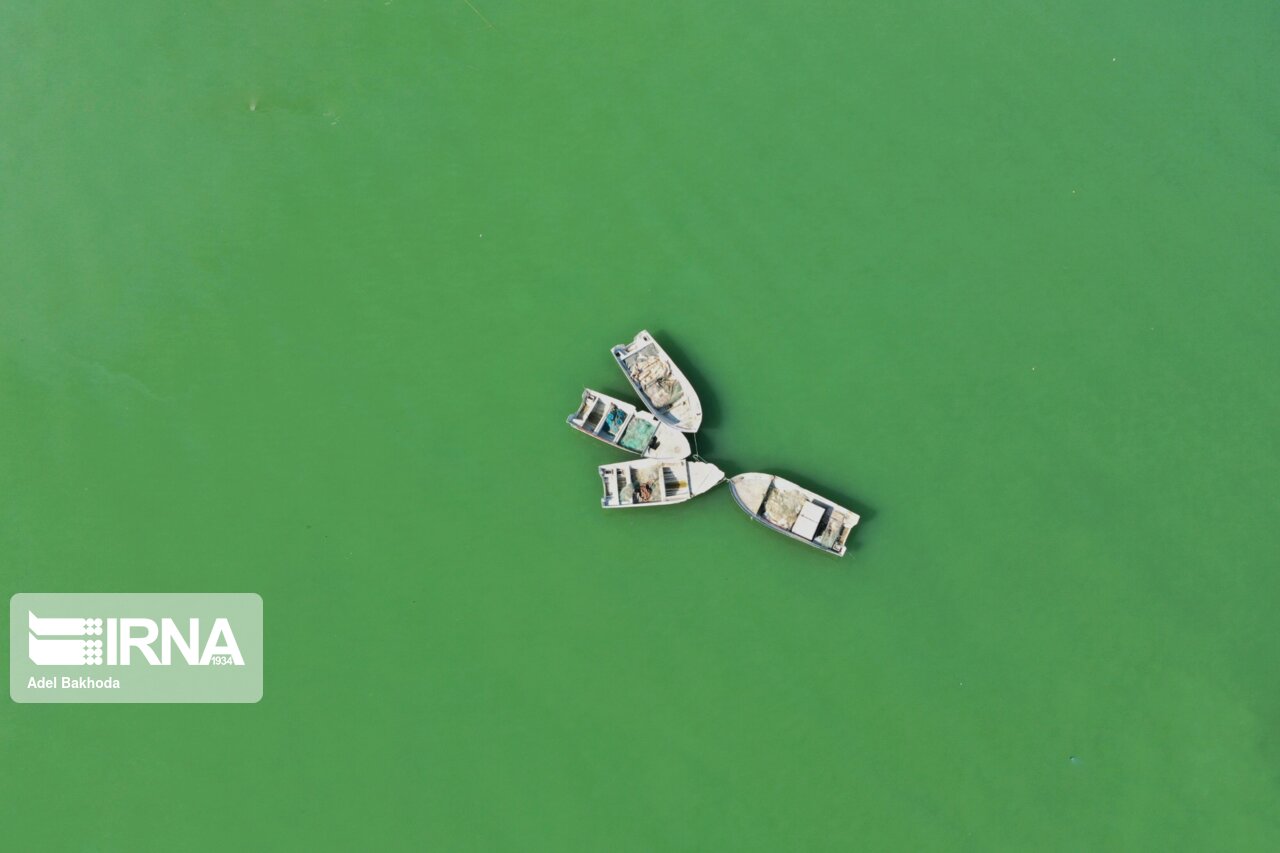
Anchoring boats and ships in Beris is one of the most spectacular attractions in the area.

Covid kills 168 more people in Iran in 24 hours

On Sunday, the death toll was 201. The latest figure pushes the total fatalities from the disease 138,116 since the start of the pandemic in early 2020.

The daily caseload from Sunday to Monday stood at 6,426 including 1,103 hospitalizations.

Many of the new infections are Omicron, the last variant of Covid, which is said to be highly contagious.

Meanwhile, the vaccination campaign against Covid-19 continues in Iran. The number of triple-vaxxed people in the country crossed the 24 million mark.

Over 143 million doses of vaccine have been given to people in the country so far.

Now 148 cities are red, with the highest risk of Covid, with 196 cities categorized as orange, 101 cities as red and 3 cities as blue, which means having the lowest risk.

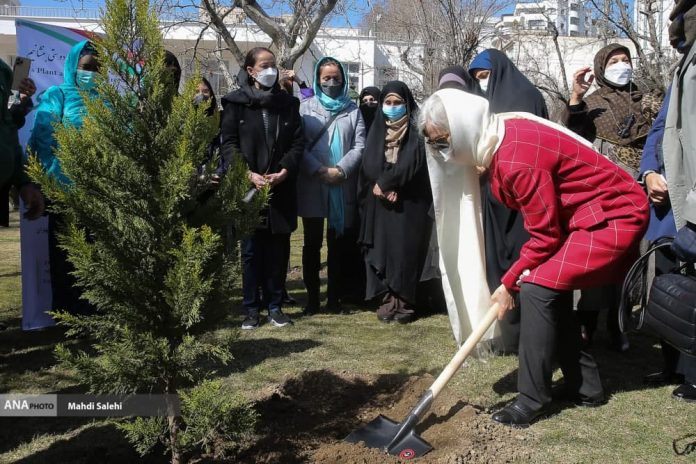
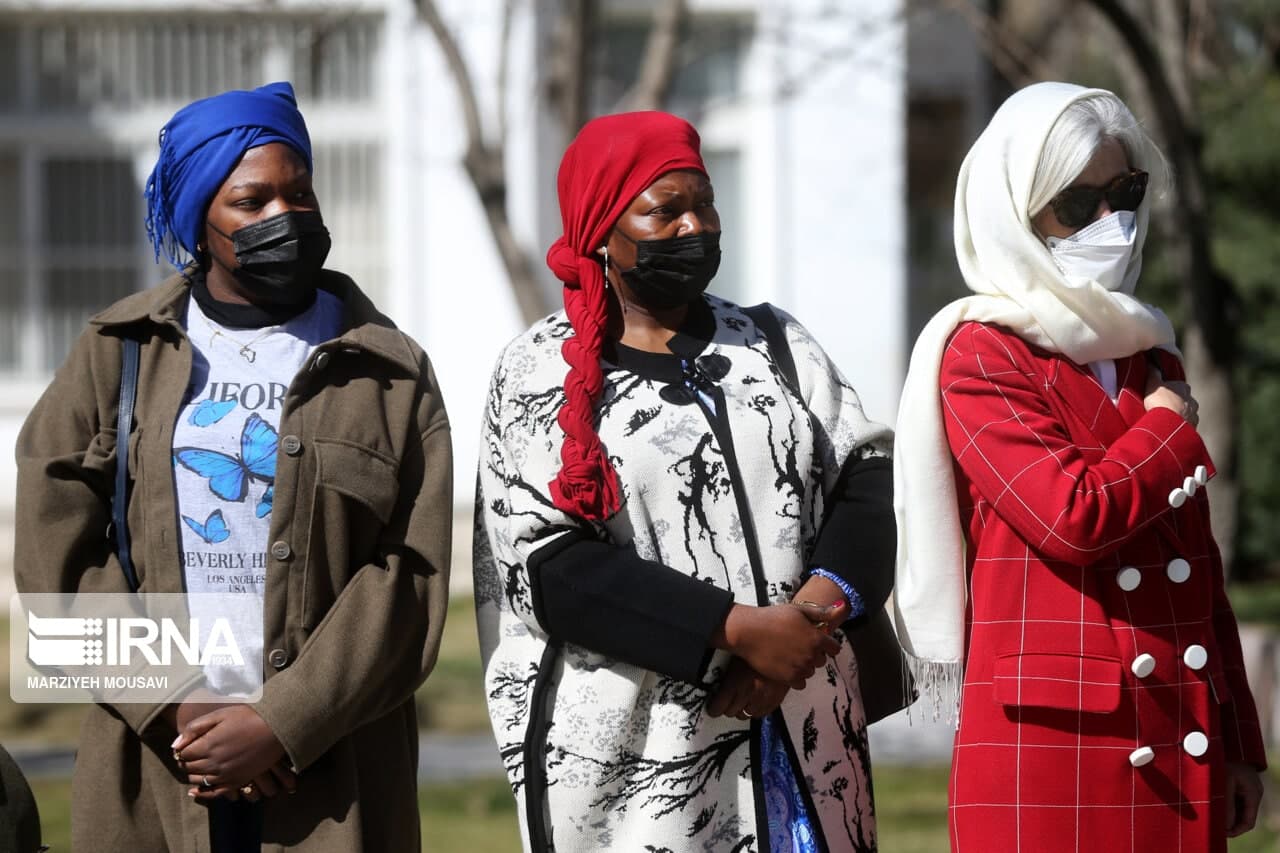
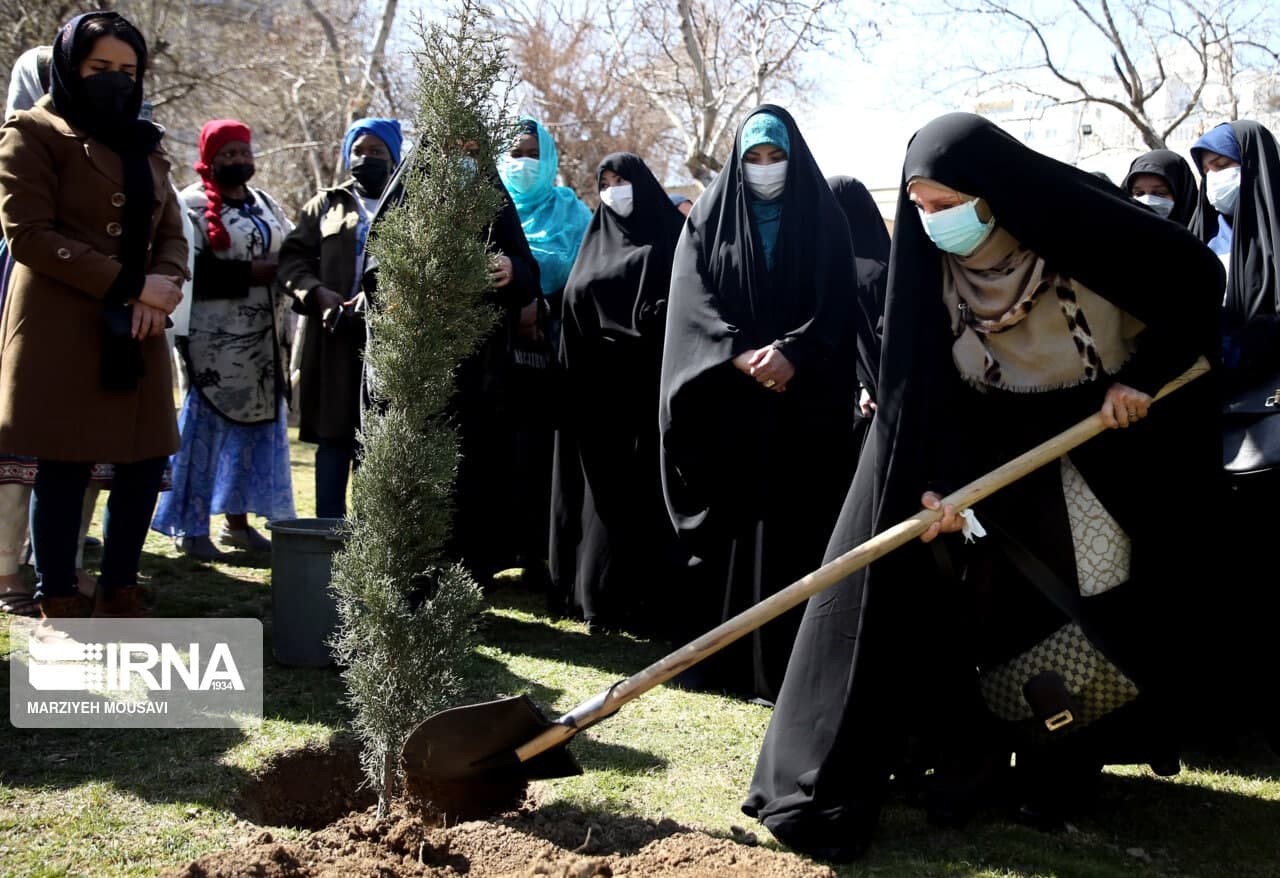
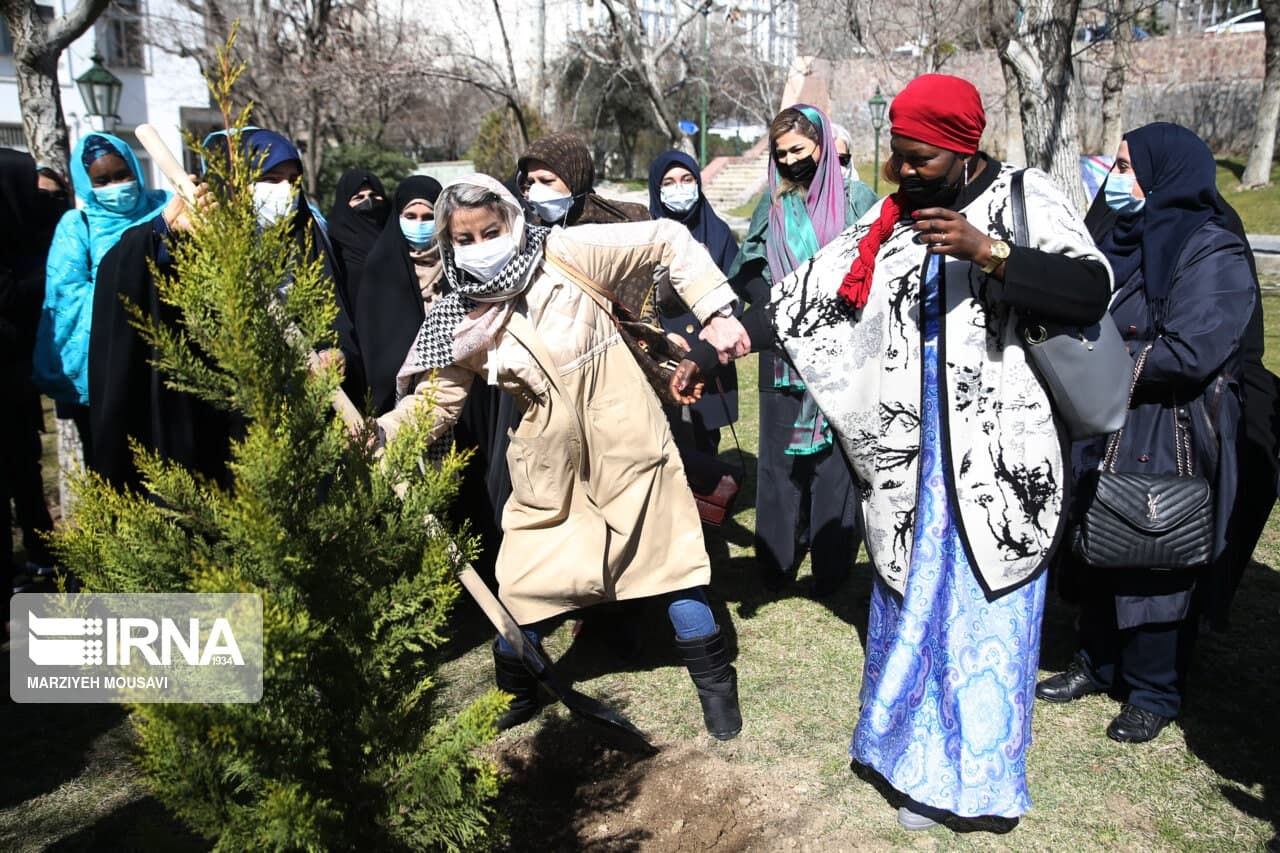
Wives of foreign ambassadors in tree planting day ceremony

Wives of foreign ambassadors in tree planting day ceremony

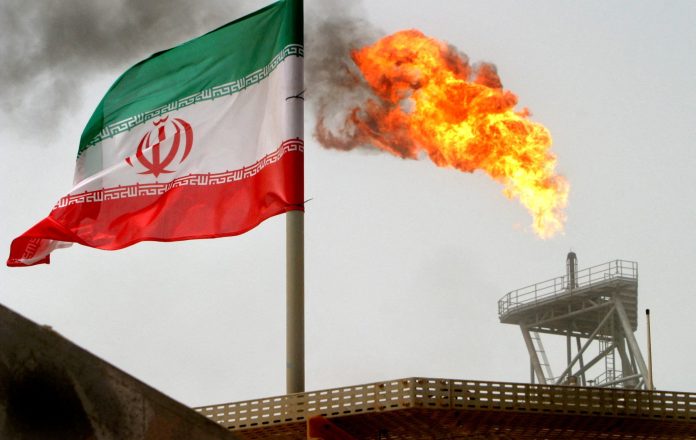
Oil ministry signed investment contracts worth $15.6bn in 6 months

Iran Oil

In a tweet, Owji said these include 45 agreements and memoranda of understanding for investments in the fields of development of oil and natural gas fields, gathering of oil field flares’ gas, construction of transfer pipelines and improvement of refineries, among others.

The minister further stressed that 4.5 billion dollars of the investment will go into development of oil and gas fields by Iranian and foreign companies.

Owji said his ministry is also eyeing an agreement with a consortium of Iranian banks to fund the development project of one of the major oil fields and its downstream industries.

Iran has the largest combined reserves of hydrocarbons in the world with 33 trillion cubic meters of proved extractable natural gas and over 160 billion barrels of proved extractable crude oil.

Two civilians killed in Israel attack near Damascus

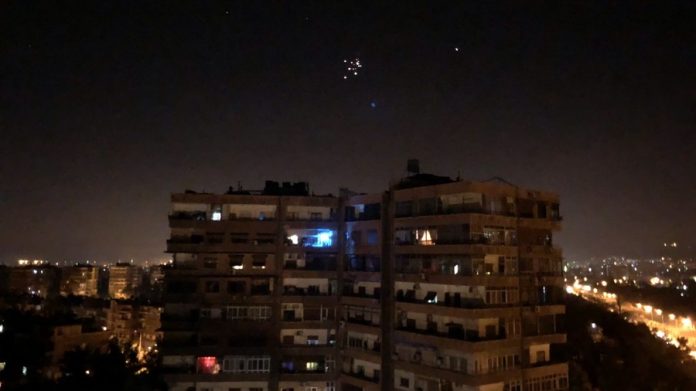
“At 5:00 am local time in the morning, the Israeli enemy carried out an aerial aggression from the direction of south of Beirut, targeting some points in the vicinity of Damascus City,” Syria’s official news agency SANA cited a military source as saying on Monday.

The source noted that the Syrian air defenses confronted the missiles fired by Israel and downed most of them. However, the attack left “two civilians” killed and caused material losses.

A similar Israeli attack in the vicinity of Damascus on February 24 left three soldiers killed.

Syria and the Israeli regime are technically at war due to the latter’s 1967-present occupation of the Arab country’s Golan Heights.

Israel maintains a significant military presence in the territory, which it uses as one of its launchpads for attacks against the Syrian soil.

The attacks started to grow significantly in scale and frequency after 2011, when Syria found itself in the grip of rampant foreign-backed terrorism.

Tel Aviv claims that its attacks target alleged supplies that are headed for the Lebanese resistance movement of Hezbollah, which has played a key role in helping the Syrian army in its fight against the foreign-backed terrorists.

On countless occasions, though, the strikes have targeted reinforcement belonging to Syria’s military and its allies.

The Tel Aviv regime mostly keeps quiet about its attacks on the Syrian territories which many view as a knee-jerk reaction to the Syrian government’s increasing success in confronting terrorism.