Monday, December 29, 2025
Home Blog Page 2077

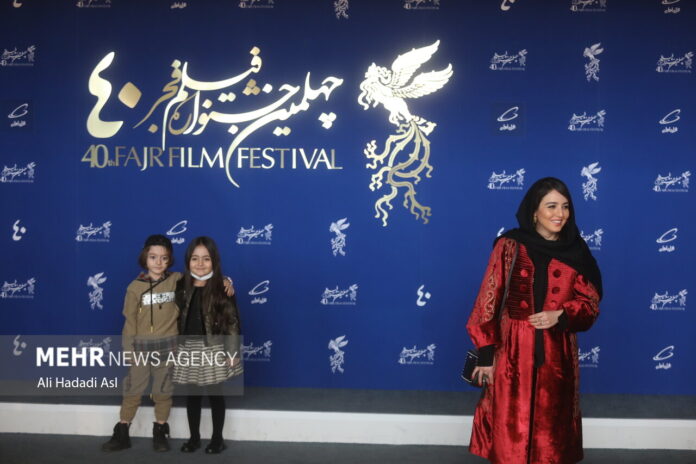
More films screened on 5th day of Iran’s intl. Fajr Festival

On Friday, the event’s fifth day, Iranian films “The Motherless,” directed by Morteza Fatemi, and “Squad of Girls, by Monir Gheidi were screened, but none of them apparently appealed to the critics.

There were also complaints about the “poor quality” of the films selected to compete at the prestigious festival, with critics and cineastes blaming the Jury for what they believe is its failure to pick proper cinematic products.

Meanwhile, the results of the first public poll on the most popular movies competing at the Fajr Festival were released. 

“Private Meeting” directed by Omid Shams topped the list, followed by Hadi Hejazi-Far’s “The Situation of Mehdi,” Kazem Daneshi’s “The Lawn,” Hossein Namazi’s “The Deceased,” and “The Loser Man” by Mohammad Hossein Mahdavian.

Every year, the festival kicks off in early February, as the country begins 10-day Fajr celebrations marking the anniversary of the 1979 Islamic Revolution, which toppled the US-backed Pahlavi regime and replaced it with an Islamic Republic.

Cancer rate on rise among Iranians, scientist warns

Dr. Mehdi Tootoonchi, with Iran’s Royan Institute for Stem Cell Biology and Technology, said the rate of cancer incidence is estimated to be up 1.5 percent.

Citing figures released by the World Health Organization (WHO), Tootoonchi said “cancer is the second cause of death after cardiovascular diseases in the world and the rate of its incidence has constantly been on the rise worldwide.”

Although the rate in Iran has been lower than the global average, it is increasing, with the average annual incidence being 1.5 percent, based the Iranian Health Ministry’s figures.

“It is thus necessary to pay attention to elements of stemming cancer, namely prevention, timely diagnosis, and adoption of targeted methods in the treatment process, to prevent the incidence of various types of cancer and lower the number of fatalities caused by the disease,” he added.

His comments come as world countries are marking the international Cancer Day, an occasion designed to raise awareness of cancer and to encourage its prevention, detection, and treatment.

In turn, the Royan Institute has been holding the third edition of the International Cancer Symposium, of which Tootoonchi is the secretary, with the participation of international scientists, experts and researchers to share views on how to control and cure cancer.

Meet Iranian teen with Down syndrome who’s a swimming champion

He has successfully overcome his condition and set records in endurance swimming at national and world levels.

Born with Down syndrome in the city of Mahabad in Iran’s West Azarbajan Province, Shahoo developed an interest in swimming from early childhood and started to professionally practice in the field at the age of 6, his father, Aziz, told Iran’s Fars News Agency.

“Down syndrome is not a disease but a difference. We should accept that the world is beautiful with the same differences,” his father said.

Currently, Shahoo’s training sessions are being held regularly both in swimming pools and open waters. The genius also loves mountain climbing and rowing.

Besides swimming, the teenager has also received two gold medals at national rowing championships.

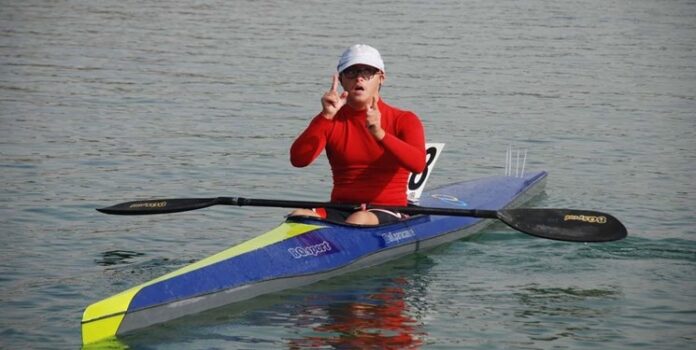
Shahoo is recognized as the first person with Down syndrome in Iran and the world who can sail a professional kayak.

He is currently joining Iran’s national team of para-swimmers to take part in the 2022 Asian Para Games in Hangzhou, China, which will be held in October.

“I am the first swimmer with disability who holds a record in open waters in Iran and the world. I hope I can win medals in international contests and the Olympics and be a source of pride for my country,” Shahoo said. “I thank all those who supported me.”

US restores Iran sanctions waiver

The senior State Department official said Friday the waiver “is not a concession to Iran,” nor is it “a signal that we are about to reach an understanding on a mutual return to full implementation of the” Joint Comprehensive Plan of Action (JCPOA), the formal name of the nuclear deal. 

However, the move comes as officials involved in the ongoing negotiations in Vienna aimed at saving the deal have reached a phase that requires “political decisions” to be made quickly. The latest round of talks has been adjourned since last Friday. 

“We are issuing the waiver now for a simple reason: it will enable some of our international partners to have more detailed technical discussions to enable cooperation that we view as being in our non-proliferation interests,” the official stated. 

The official added that “the technical discussions facilitated by the waiver are necessary in the final weeks of JCPOA talks, and the waiver itself would be essential to ensuring Iran’s swift compliance with its nuclear commitments.” 

“If talks do not result in a return to the nuclear agreement, such technical discussions could still contribute to achieving our non-proliferation goals,” they continued. 

A congressional aide told CNN that Capitol Hill had been notified of the waiver restoration. 

The waivers will allow companies and countries to continue work on civil nuclear projects at Iran’s Bushehr nuclear power station, Arak heavy water plant and the Tehran Research Reactor. 

The Donald Trump administration issued a sanctions waiver for such work under the 2015 deal even after they withdrew from the agreement in 2018, saying it helped to “preserve oversight of Iran’s civil nuclear program” and “reduce proliferation risks.” 

However, in May 2020, then-Secretary of State Mike Pompeo announced the US would end the sanctions waiver. 

The senior State Department official described the restoration of the waiver as a return to the “status quo.” 

A senior administration official noted Iran did not ask for the waiver to be restored and claimed they do not view it as sanctions relief. 

“The only way for Iran to get ‘sanctions relief’ under the waiver is to implement the projects, which would be an unambiguous win for us, since it would be partial re-implementation of the JCPOA,” the administration official added. 

The administration of President Joe Biden has recently announced it sees a path to an agreement in the Vienna talks, but Iran must make “tough political decisions now”. US officials have also warned that there are only weeks left to return to the deal given Iran’s rapid nuclear developments. 

Iran has repeatedly rejected any deadline or precondition over the deal, stressing Washington that unilaterally withdrew from the agreement must first lift its sanctions against Tehran. Iran has also demanded credible guarantees that the United States will not abandon the deal again.

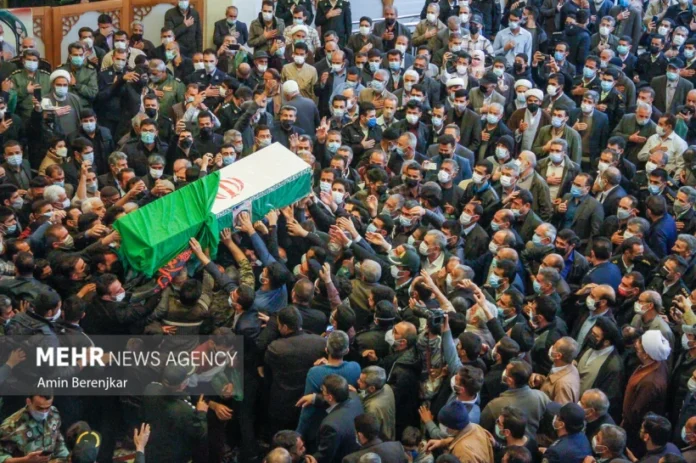
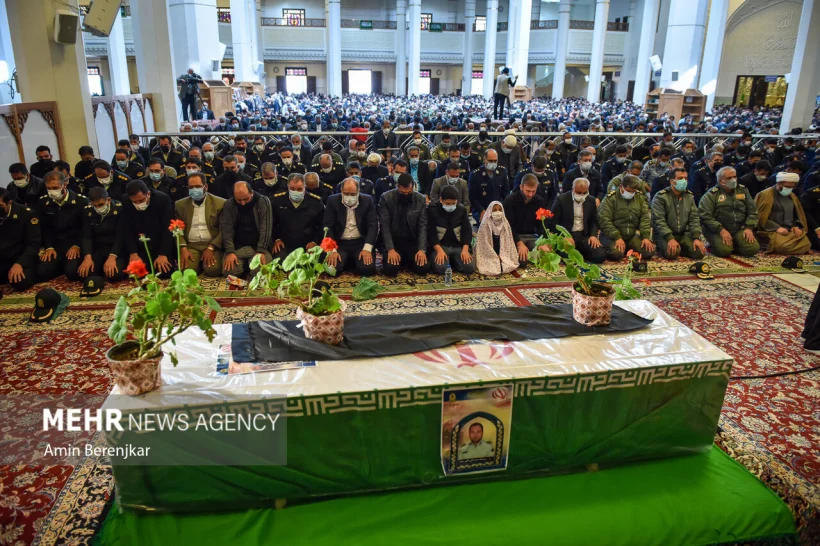
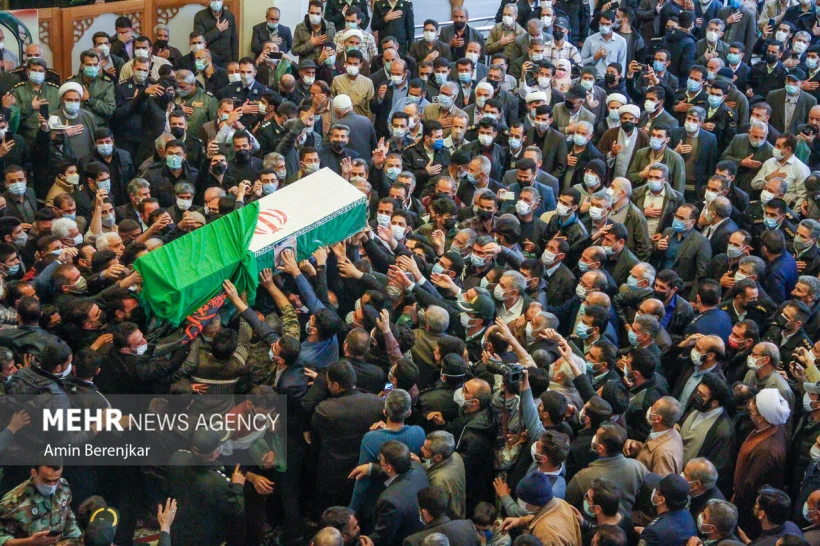
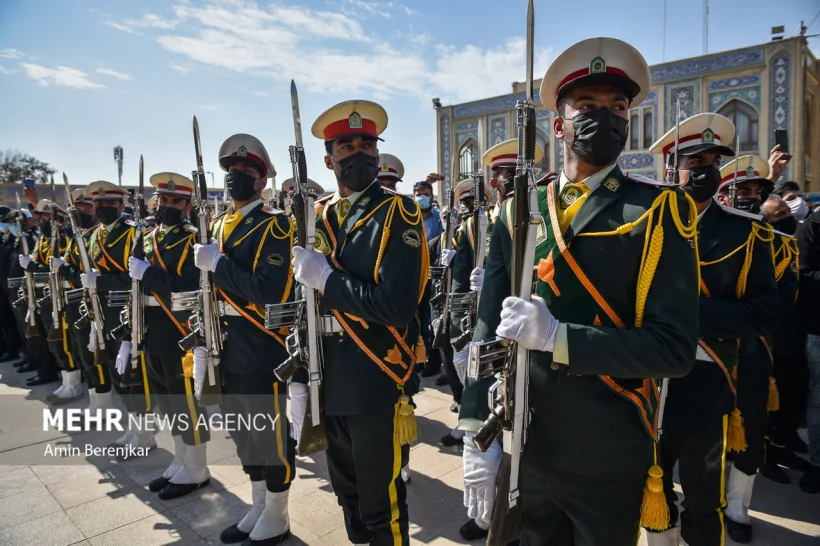
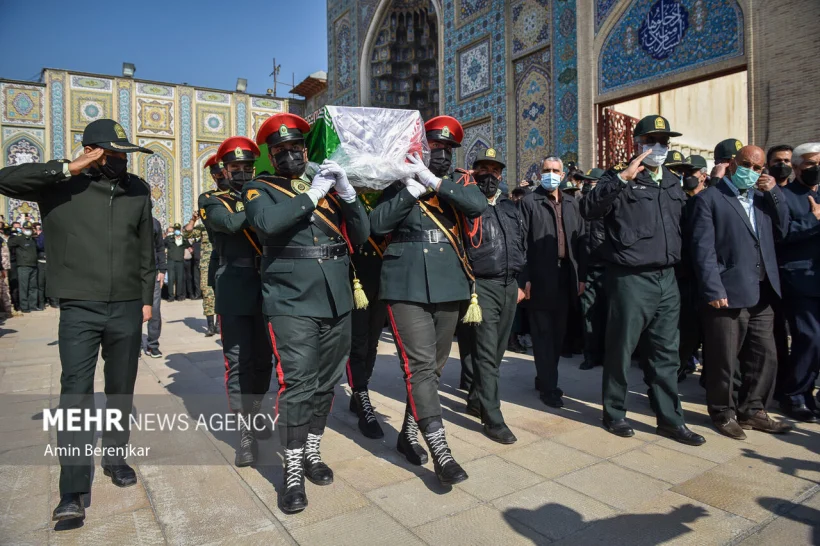
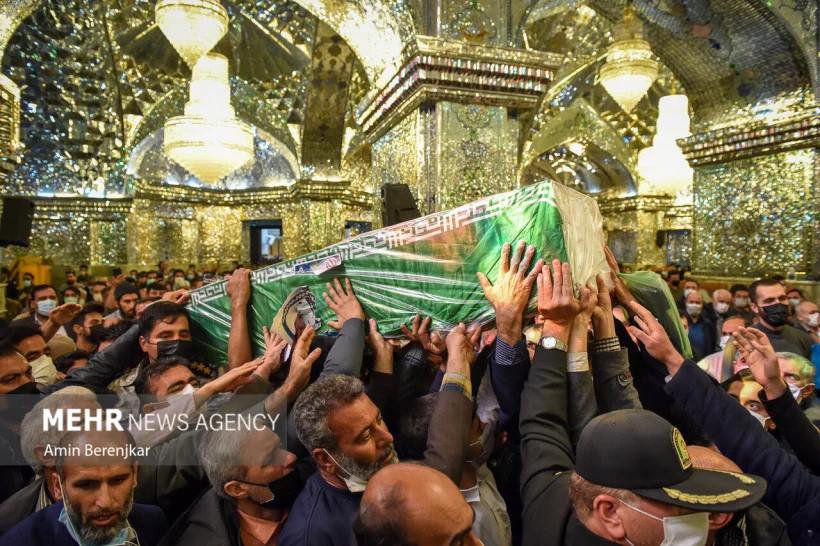
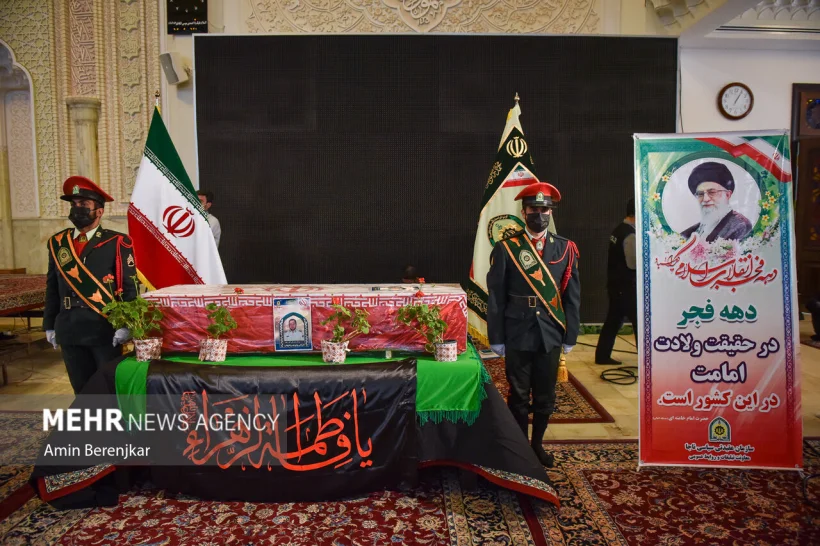
People hold funeral for Iranian policeman murdered in Shiraz

The funeral was held after the Friday prayers.

Colonel Ali Akbar Ranjbar was injured during a confrontation with a group of hooligans in Shiraz.

He later succumbed to his wound inflicted with a sword. A soldier was also injured in the clash.

The soldier’s injury is not life-threatening.

The suspect behind the policeman’s murder has been arrested. Authorities say he will soon be put on trial.

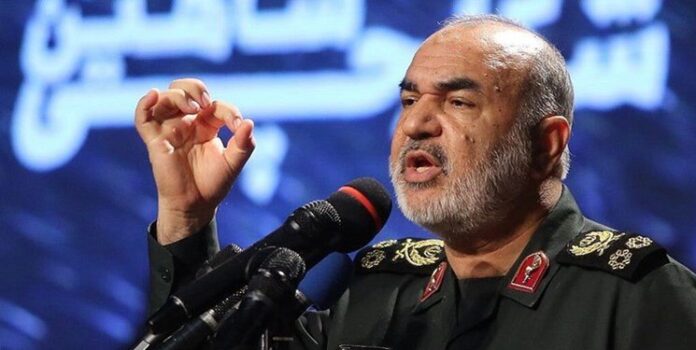
IRGC chief: Iran has withstood worst of sanctions

General Hossein Salami noted that even the US itself would not withstand such a sanctions regime but Iran did thanks to the prudence of the leader of the Islamic Revolution and the patience of the Iranian people.

Salami also said now the worst of the sanctions against Iran is over. He added that the enemies joined hands to defeat the Islamic Revolution.

Salami however underlined that now Iran’s adversaries are in retreat and they have conceded defeat in the fight against the Islamic Republic of Iran.

The general also referred to the Covid pandemic. He said Iran’s foes wanted to see the Islamic Republic buckle in the face of the disease but now the Coronavirus is exacting the highest casualties on the enemies themselves.

According to Salami, Iran is now powerful in the real sense of the word and is the only country in the world that does not let big powers decide its fate. The IRGC chief referred to a US general’s comments about Iran. He quoted him as saying Washington is trying to avoid a military confrontation with the Islamic Republic which is too powerful to defeat. Salam also said the Iranian people will not be demoralized by the psychological warfare of the enemies.

He however urged all Iranians most notably youths to be vigilant. Salami added that the adversaries do not just occupy territory but they seek to win people’s hearts.

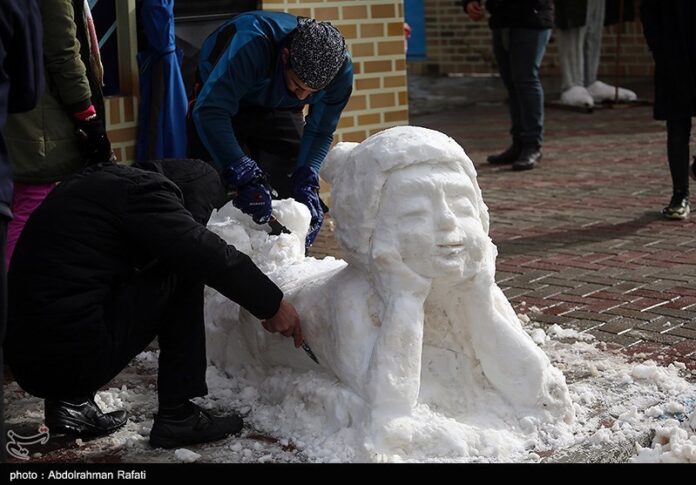
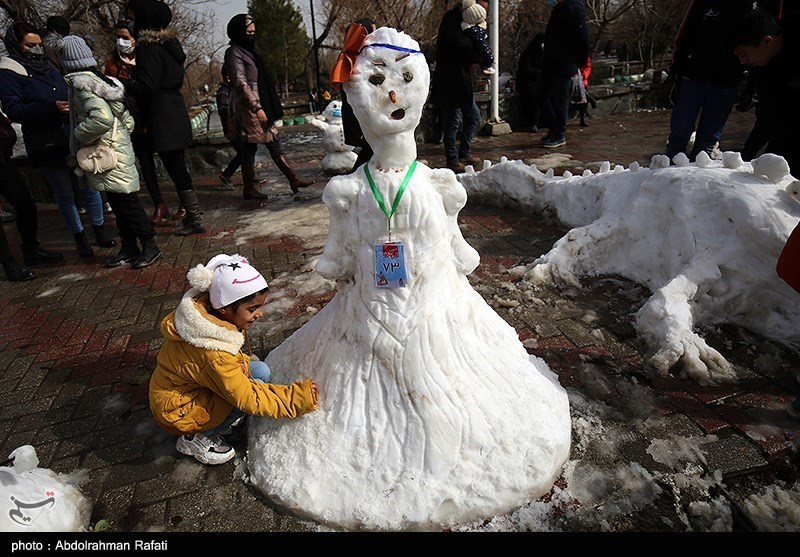
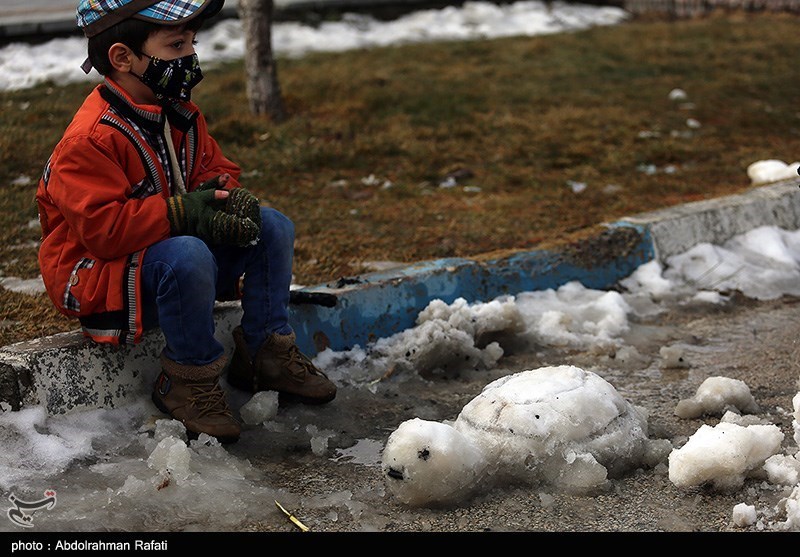
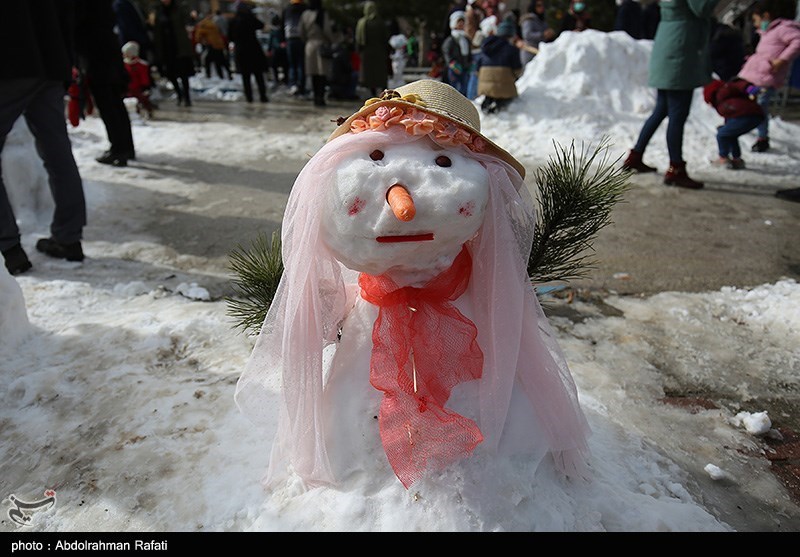
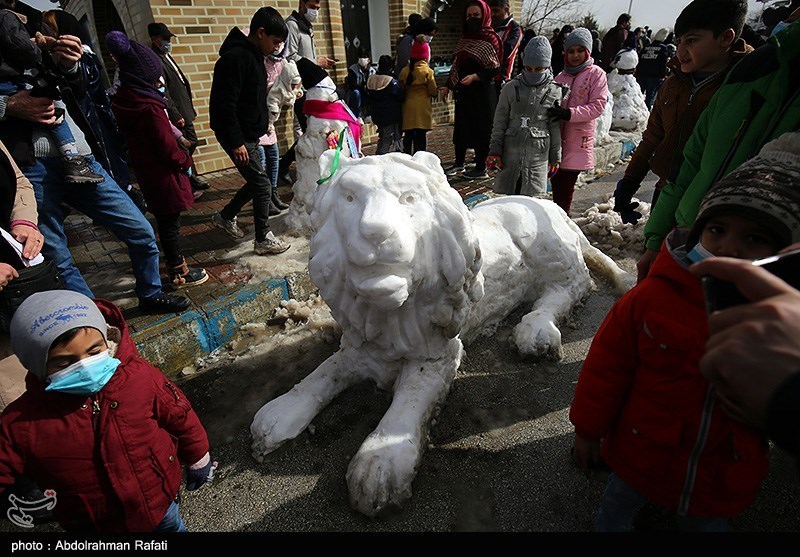
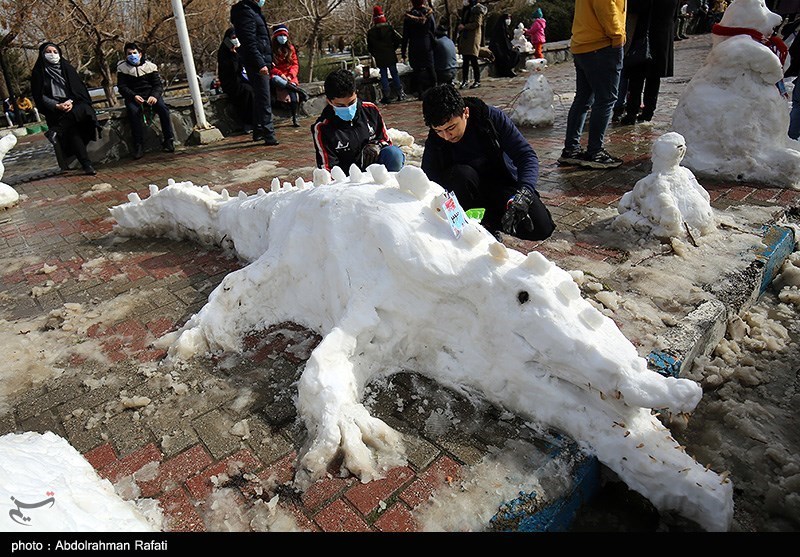
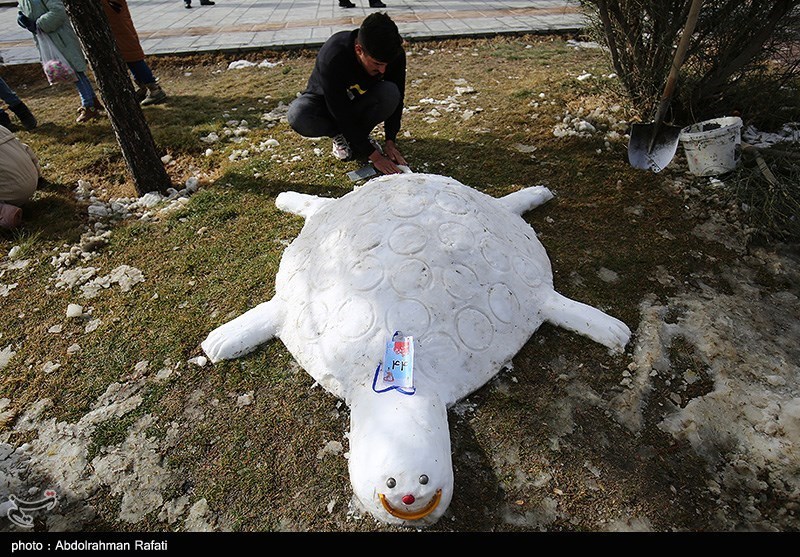
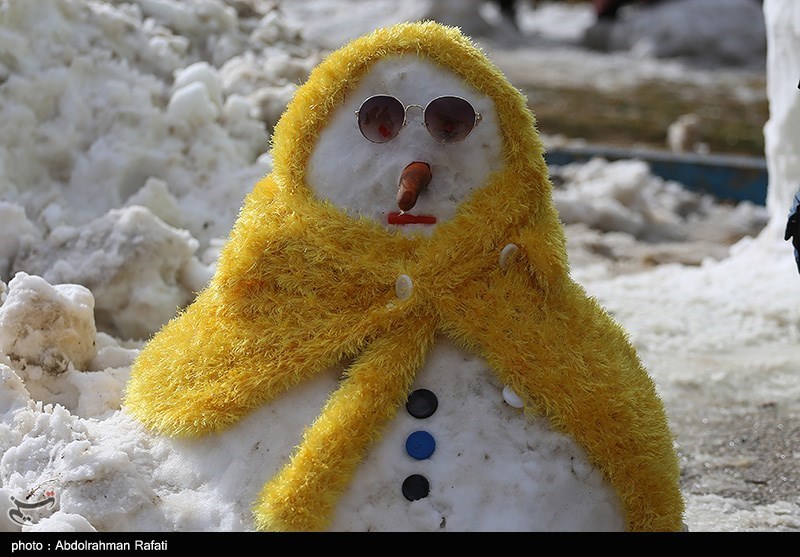
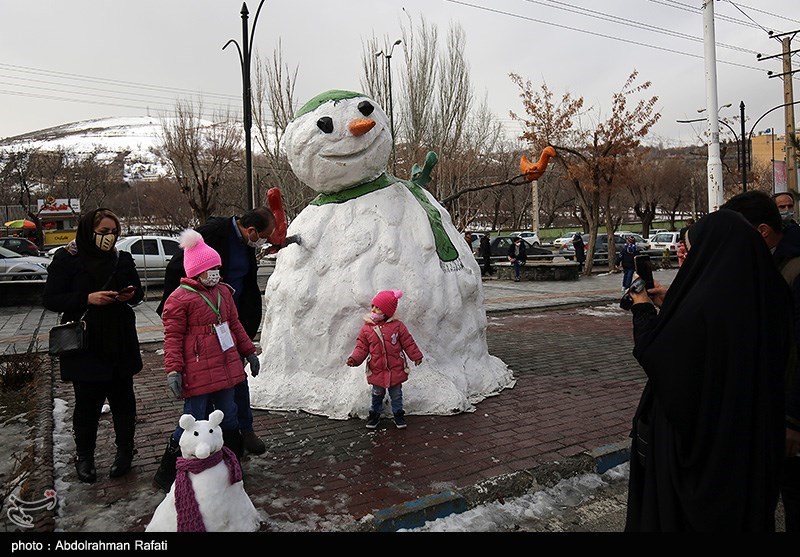
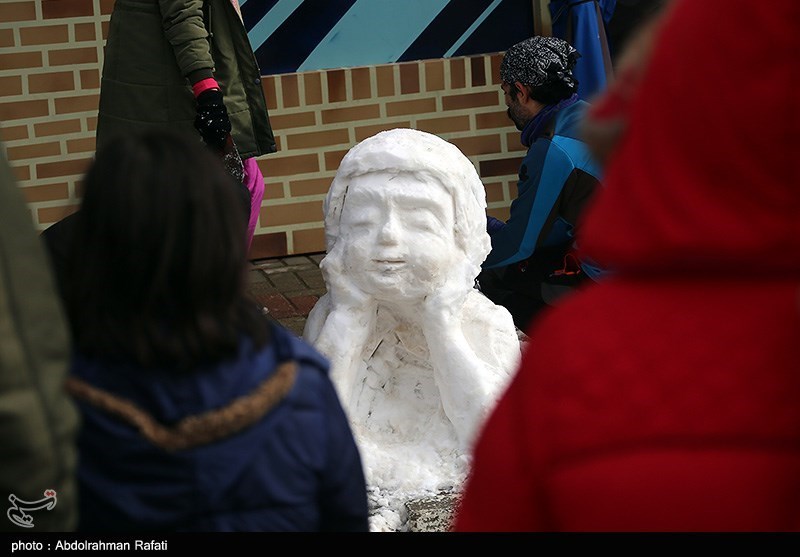
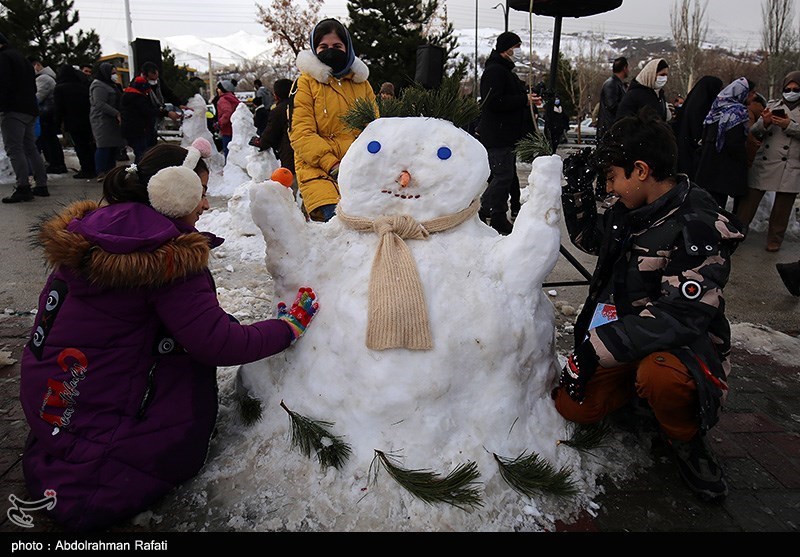
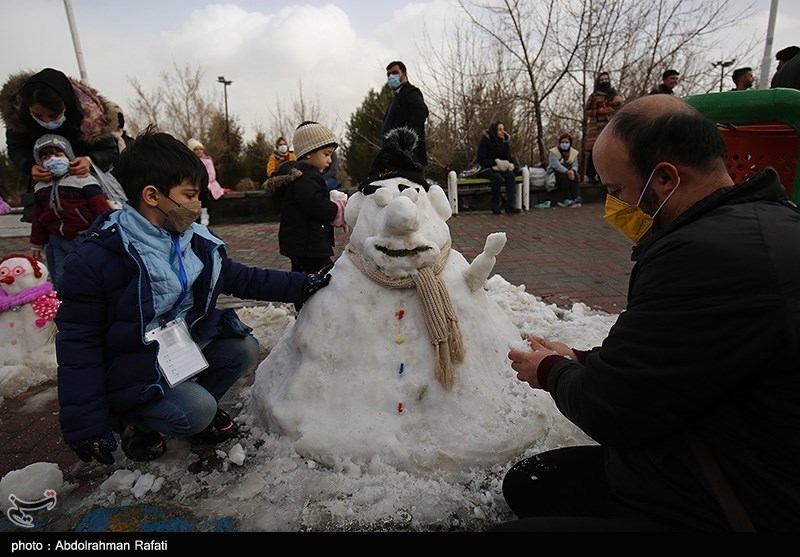
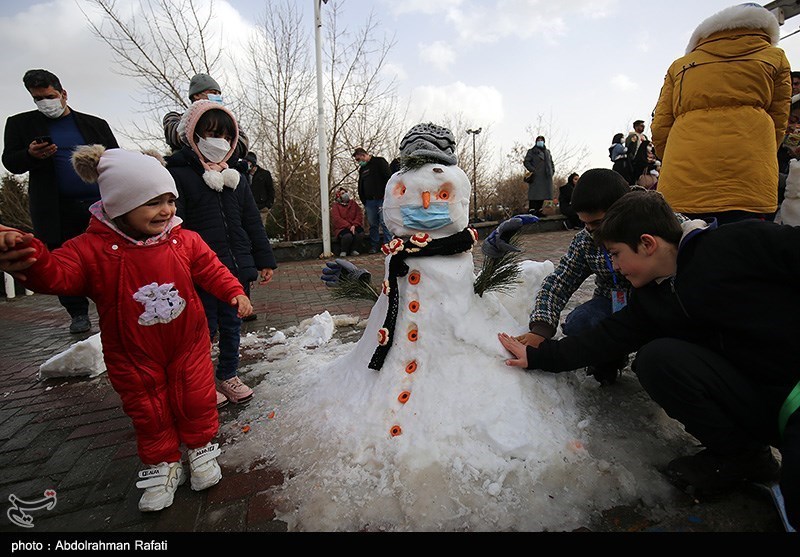
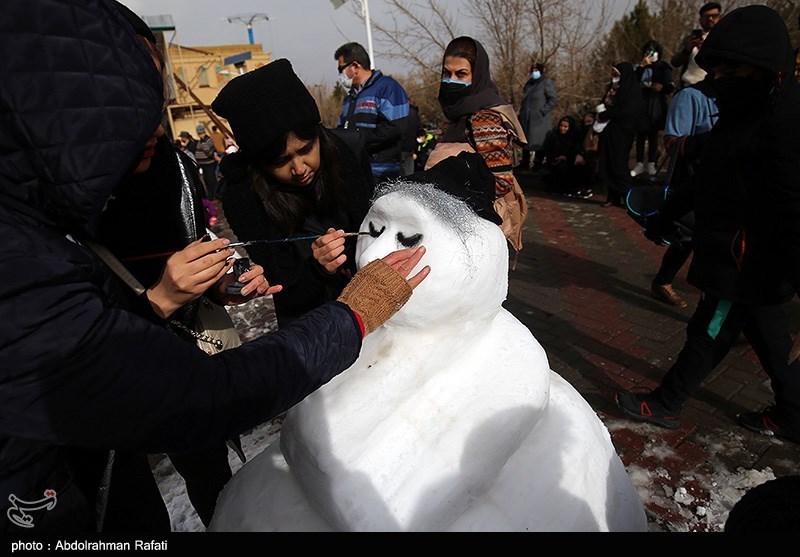
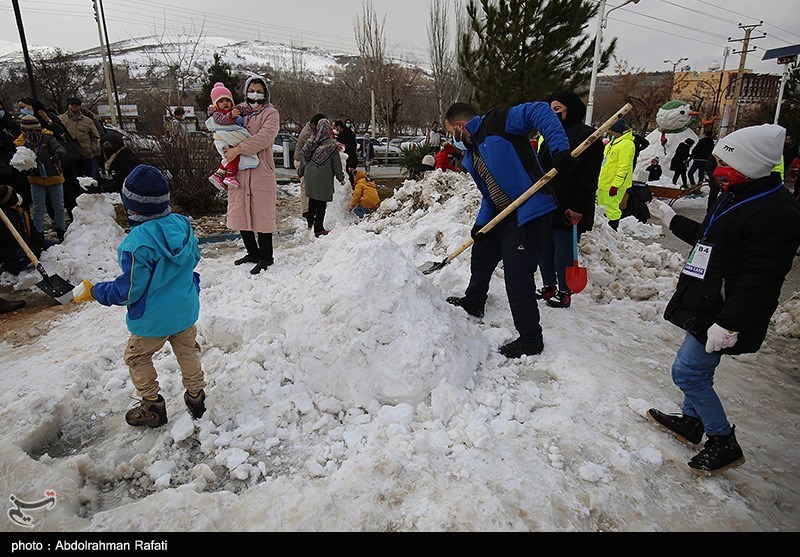
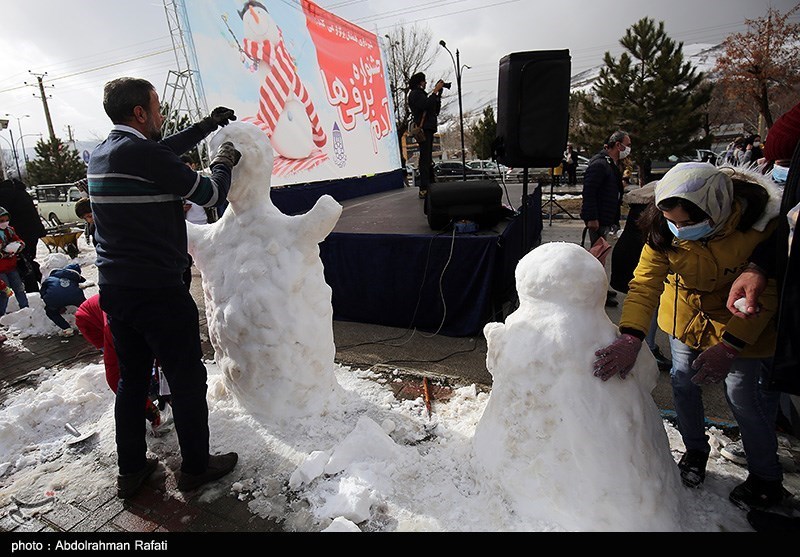
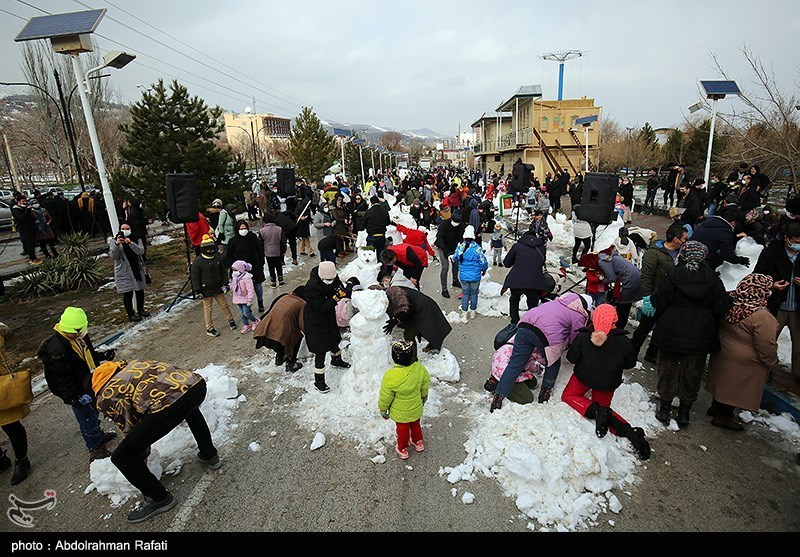
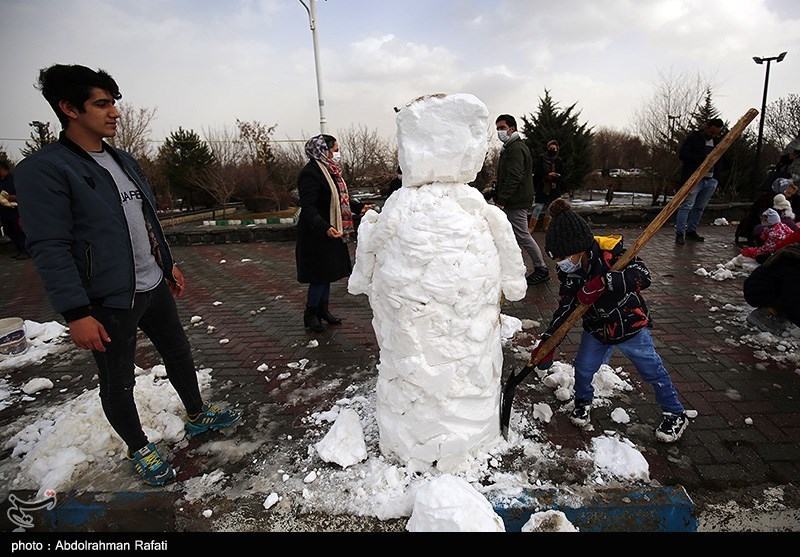
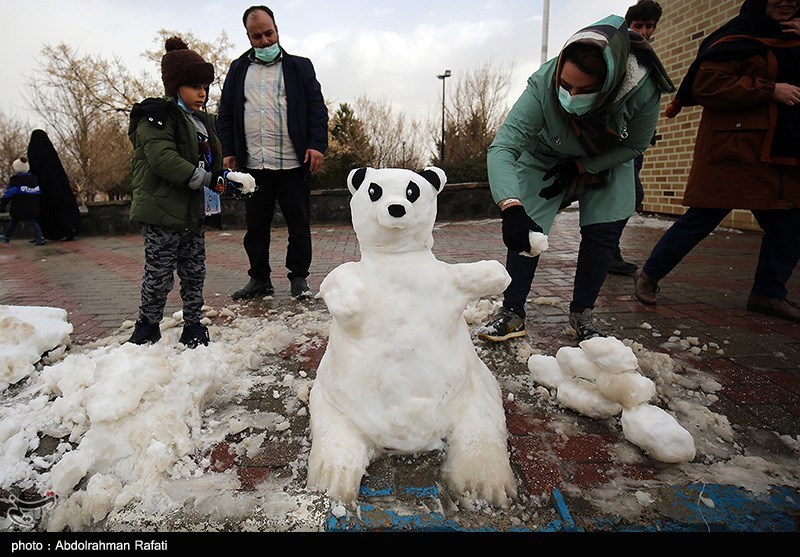
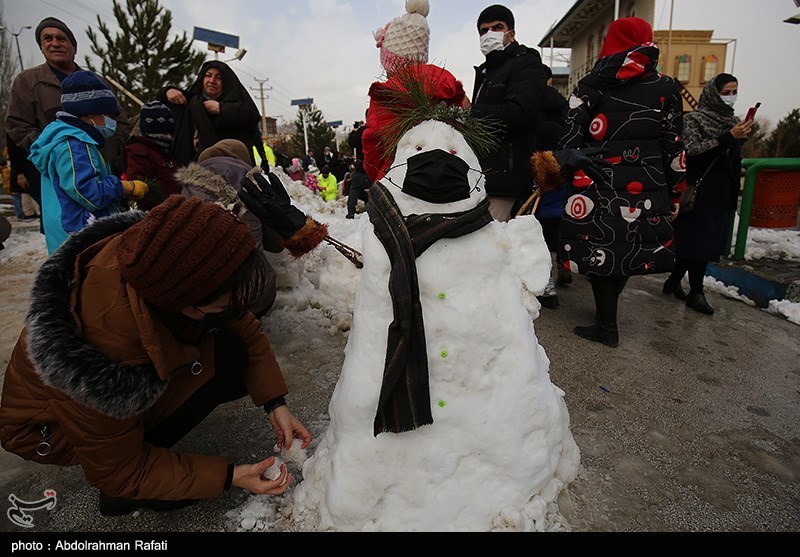
Hamedan hosting snowman making festival

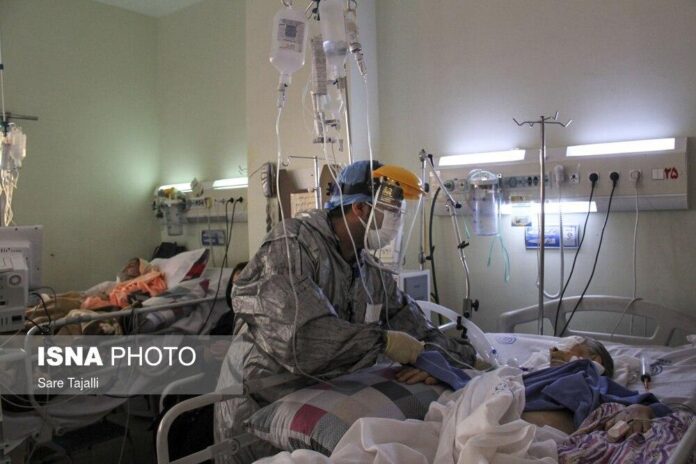
Over 36 thousand new Covid cases logged in Iran

Coronavirus Kills 179 More Iranians

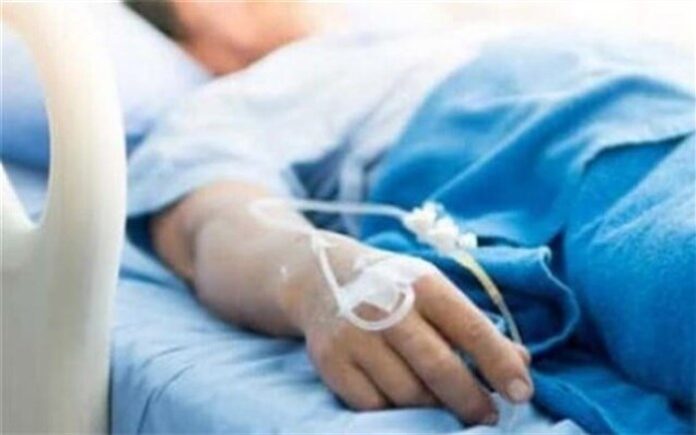
Over 2 thousand hospitalizations were also logged, mostly at ICU wards. The figures also put the number of daily fatalities at 57.

The total death toll from the Coronavirus in Iran since the start of the pandemic stands at 132,681. Most of the infections and deaths are people who contracted the Omicron variant of the virus.

The strain is highly contagious and is spreading fast across Iran.
Iranian health officials are warning citizens to strictly observe health protocols to contain this new wave of Covid.

Omicron has already overwhelmed most of Europe and the entire United States where millions of cases of the variant have been registered.

Meanwhile, the vaccination process is continuing in Iran with the number of boosters administered crossing the 19 million mark. Authorities say if people get their third dose of vaccine, the current wave will subside.

Iran confirms Russia to invest in a southern power plant

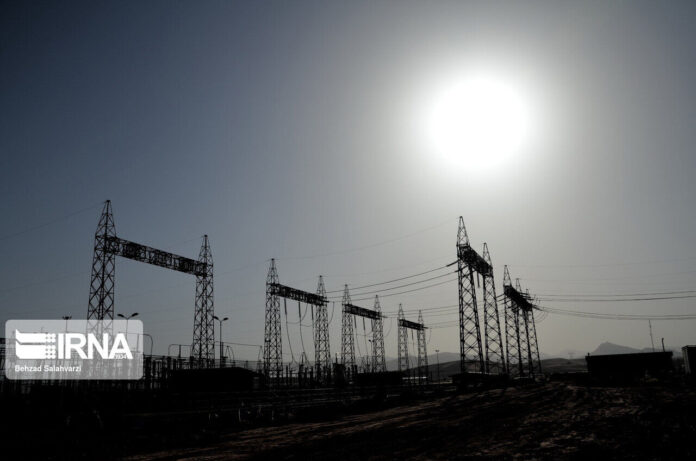
Director of (Thermal Power Plants Holding Company) TPPH Steam Power Plant Projects Behnam Khaefi-Nejad told IRNA on Thursday that the Sirik power plant needs 73 million euros to continue operation in 2022; so, following consultations with Russians, the Ministry of Finance of the Russian Federation has agreed to open letter of credit (LC).

The Sirik power station is a 1,400-megawatt (MW) gas-fired power plant in Sirik county, Hormozgan Province, southern Iran.

Construction of the power plant kicked off from June 2021, he said, noting that the Russian government accepted to invest 6.2 billion euros in the project.

In accordance with pre-planned timeline, the first phase of the project will come into operation in spring 2025, he said.

The Russian Company Technopromexport has signed an agreement to invest up to 1.2 billion euros in the Sirik power plant.

The power plant is scheduled to consist of four units with the capacity of 350 MW in each unit. The total capacity of the Sirik power plant would be 1,400 MW. The first round of negotiations to construct the power plant started in 2017, but the construction operation began concurrent with opening of LC in June 2021.

Some seven Iranian companies are working in the project, employing 250 manpower directly and indirectly.

In recent meeting between Russian and Iranian economic ministers in Moscow, both sides reviewed current condition of joint projects, including Russia’s five billion dollars investment in Iran that is expected to expand bilateral economic exchanges.

Iran’s Minister of Finance and Economic Affairs Ehsan Khandouzi emphasized on the need for speeding up construction of Sirik power plant, Garmsar-Inche Borun railway as well as three projects that were signed by former Iranian economic minister and his Russian counterpart.

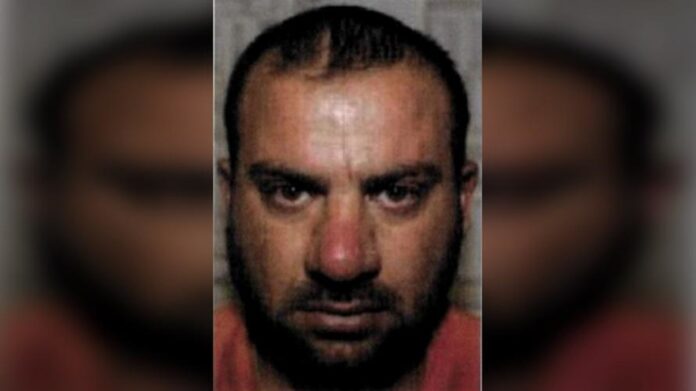
Report: Who is Daesh leader killed in US operation in Syria?

A man of mystery

Al-Qurayshi was appointed leader of IS in 2019, after the terrorist group’s notorious boss, Abu Bakr al-Baghdadi, was killed in a raid by US special forces ordered by then-President Donald Trump. Al-Qurayshi was said to be an Iraqi of Turkmen descent and reportedly served as an officer in Saddam Hussein’s army, joining Al-Qaeda after the US military toppled Saddam’s government in 2003.

After an unknown period of detention by the US in Iraq, al-Qurayshi disappeared into the jihadist underworld. It is assumed that al-Qurayshi pledged allegiance to the future IS leader, al-Baghdadi, after they were both detained by the US forces.

Al-Qurayshi, born Amir Mohammed Abdul Rahman al-Mawli al-Salbi, has a list of around two dozen other names, nicknames, and aliases, according to the Counter Extremism Project. However, little is known about his activities between his release and appointment as IS leader in 2019. Voice of America reported in 2019 that “there are even doubts that the man… exists at all.”

However, it is believed that al-Qurayshi served as al-Baghdadi’s top lieutenant, and that he ordered the group’s fighters to assault and enslave Iraq’s Yazidi minority in 2015.

Daesh in decline

Al-Baghdadi’s death was seen by many as the final nail in IS’ coffin. While the group once controlled enormous swathes of Iraq and Syria, all of its territorial gains made since 2014 had been rolled back by the Syrian military and its Russian and Iranian allies, by US-sponsored opposition forces in Syria, and by a US and coalition air campaign. IS by late 2019 controlled only a few pockets of land in Syria, and was no longer ordering regular terrorist attacks on the streets of Europe.

However, the Pentagon and State Department judged in 2020 that IS under al-Qurayshi was mounting a resurgence following a spike in attacks, and the group’s new leader was labeled a Specially Designated Global Terrorist that March. The State Department had offered a $5 million reward for his capture in mid-2019, and this bounty was bumped up to $10 million in 2020.
Then-Secretary of State Mike Pompeo said that the reward was doubled due to the fact that al-Qurayshi “helped drive and justify the abduction, slaughter, and trafficking of the Yazidi religious minority in northwest Iraq and also led some of the group’s global terrorist operations.”

Death in Idlib

US President Joe Biden announced on February 3 that al-Qurayshi had been killed in a “counterterrorism operation” in Idlib province, northwestern Syria, the night before.

Locals told AP that the operation, which targeted a house, involved multiple helicopters, and that explosions and machine gun fire were heard.

The IS leader killed himself by detonating a suicide vest as the Americans closed in, a US official told AFP and Axios.

“At the beginning of the operation the terrorist target exploded a bomb that killed him and members of his own family, including women and children,” Axios quoted the source as saying.

While no Americans were harmed in the raid, multiple civilian casualties were reported, with Al-Jazeera claiming that seven children and three women were among at least a dozen bodies. UNICEF confirmed that at least six children were killed and another injured, and that “civilian-populated areas were severely damaged.”

Russian Foreign Ministry Spokeswoman Maria Zakharova stated on Thursday thorough investigation should determine the circumstances al-Qurayshi.

“[We are] poised for cooperation with all interested countries in the interests of establishing a joint effective counteraction to this common threat for all. At the same time, in our practical actions, we are guided by the necessity to carefully select targets while planning and implementing targeted military operations in order to exclude the possibility of civilian deaths. We also call on other countries directly involved in counter-terrorism actions to follow suit. If the information about civilian casualties during this US-led action is confirmed, then this should probably be the subject of a thorough investigation,” she concluded.

What’s going on in Idlib?

Al-Qurayshi and al-Baghdadi were both killed by the US in Idlib, a province in northwestern Syria bordering Turkey. The province has been bitterly contested throughout the Syrian war, with Syrian government forces and Turkish-backed opposition fighters vying for control. Idlib is currently controlled by opposition groups, and is one of the few relatively safe havens remaining for IS members like al-Qurayshi.

US coordinated with Russia, Iraq to carry out operation

The United States coordinated with Russia to deconflict airspace during an operation that killed al-Qurayshi, CNN reported on Thursday, citing a US defense official.

“The US told Russia it would be operating in a broad general area of northwest Syria, during a timeframe and told them to stay out of the area,” the media outlet added.

Iraqi military spokesman Yahya Rasool noted on Thursday that Iraqi intelligence provided accurate information that led to the whereabouts of al-Quraishi.

What’s next for IS?

While IS has seen its territory retaken, its members driven underground, and its second leader in less than three years killed by the US, the group is still capable of mounting opportunistic attacks.

Less than two weeks ago the group attacked a prison in Hasaka in northeastern Syria run by the US-backed Syrian Democratic Forces (SDF), a Kurdish militia. The battle for the prison killed hundreds of people, and the facility was only retaken after more than a week with the help of American troops.

“If their attack had succeeded, they would have attacked other neighborhoods in al-Hasaka as well, in conjunction with the attacks on the areas of al-Hol, al-Shadada, and Deir el-Zour, to put their extensive scheme into effect,” the SDF said in a statement after the prison was retaken.

“They wanted to launch a large-scale attack on the area to spread once again their terrorism,” the statement continued, claiming that the prison attack was IS’ first step toward establishing a “Second Islamic State.”

Western officials, however, are doubtful.

“I think that highly unlikely,” a counterterrorism official told Voice of America.

“The local conditions do not currently exist for resurgence,” he added, while a different US official said that despite making “incremental improvements,” IS remains committed to “long-term goals” of consolidating power in Iraq and Syria.

An Iraqi native named al-Isawi will become the new leader of the Islamic State terror group following al-Qurayshi’s death in a US military operation, the Al Arabiya TV channel reported on Thursday.

According to the media outlet, al-Isawi used to be al-Qurayshi’s deputy. No more details about him have been provided so far. A thing to note is that in January 2021, the US-led coalition announced the elimination of Abu Yasir al-Isawi, the head of the Islamic State’s Iraqi branch.