Saturday, April 11, 2026
Home Blog Page 207

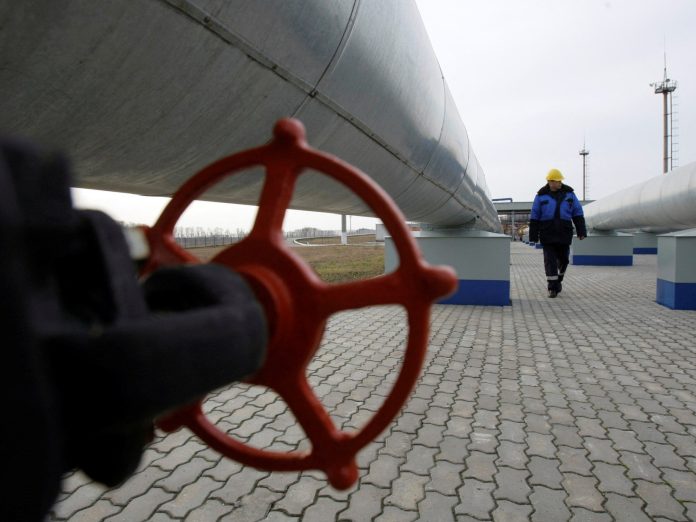
Iran hopes to begin Russian gas imports via Azerbaijan soon, ambassador says

Russia Gas Europe

Kazem Jalali told Russia’s TASS news agency that Tehran is in ongoing talks with Gazprom to finalize all aspects of the project.

“Almost all issues have been resolved, but we need to reach a common language on pricing,” he said. “Once that is agreed, everything will be operational.”

Jalali also criticized Western governments for their “silence and inaction” over Israel’s military aggression in Gaza.

He noted that the conflict is a “proxy war,” with Israel acting “on behalf of the West,” and censured Tel Aviv for committing “crimes against humanity” by targeting civilians.

Jalali also touched on the escalation between Iran and the US-Israeli alliance in June, saying Iran demonstrated its ability to respond decisively to attacks. “Iran is not Gaza,” he stressed. “If attacked, we will react seriously.”

The envoy also noted that by the end of 2025, Iran expects to expand the use of Russia’s Mir payment cards nationwide.

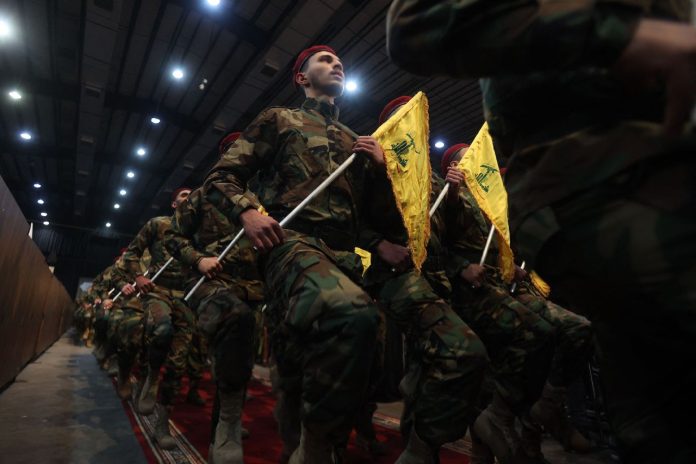
Israel says ‘ready to support’ Lebanon’s endeavours to disarm Hezbollah

Benjamin Netanyahu

Following the war between Israel and Hezbollah last year, the Lebanese army has been deploying in the country’s south and dismantling the group’s infrastructure there.

Lebanon has been grappling with the thorny issue of disarming Hezbollah, with the cabinet this month tasking the army with developing a plan to do so by the end of the year.

Despite the ceasefire that ended the war, Israel has continued to strike Lebanon, saying it will do so until Hezbollah is disarmed.

Israeli forces also continue to occupy five areas of the south that they deem strategic.

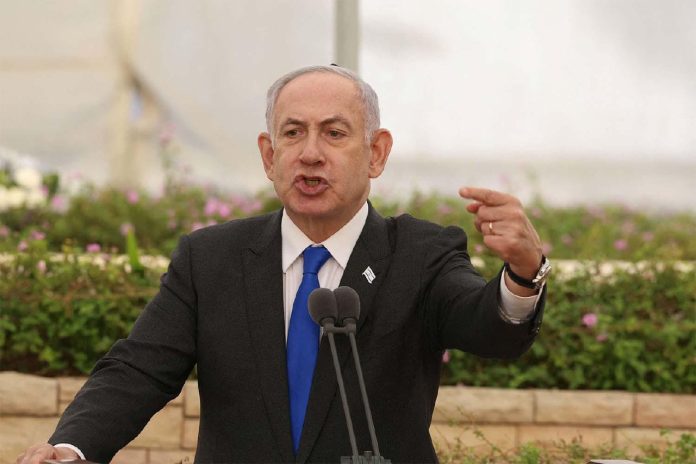
“Israel stands ready to support Lebanon in its efforts to disarm Hezbollah and to work together towards a more secure and stable future for both nations,” stated Netanyahu, according to a statement released by his office.

If the Lebanese government follows through with the plan, Netanyahu added Israel was prepared to “engage in reciprocal measures, including a phased reduction of IDF (military) presence in coordination with the US-led security mechanism”.

Hezbollah, the only faction that kept its weapons after Lebanon’s 1975-1990 civil war, emerged badly weakened from last year’s war with Israel.

Earlier this month, Hezbollah leader Naim Qassem promised to push back against the Lebanese government’s plans to disarm his group.

The Israeli statement came with the United Nations Security Council set to vote later on Monday on the future of the peacekeeping mission in southern Lebanon that has faced US and Israeli opposition.

The Council will vote on a French-drafted compromise that would keep the United Nations Interim Force in Lebanon (UNIFIL), first deployed in 1978 to separate Israel and Lebanon, in place for one more year while it prepares to withdraw.

The resolution would extend the force’s mandate until August 31, 2026.

Israeli attack on Gaza medical complex kills 20, including 5 journalists

The Israeli army shelled the top floor of the emergency building, known as the “Al-Yassin” floor

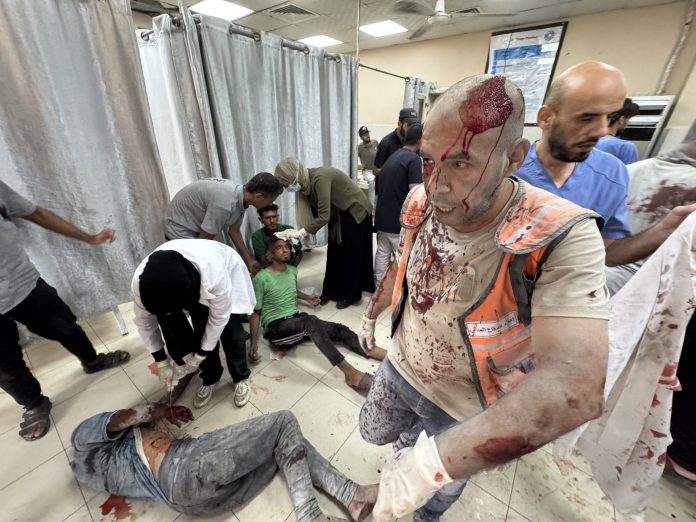
The Gaza Health Ministry announced that the Israeli army hit the fourth floor of one of the complex’s buildings with two airstrikes, noting that the second strike occurred as rescue teams arrived to evacuate the wounded and recover the dead.

Five journalists, including Al Jazeera photographer Mohammad Salama, are among 20 people killed in an Israeli attack on Nasser Medical Complex in southern Gaza.

Those killed also included Hussam al-Masri, who worked as a photojournalist for the Reuters news agency; Mariam Abu Daqqa, who worked as a journalist with several media outlets, including The Independent Arabic and The Associated Press news agency; and journalist Moaz Abu Taha, according to Gaza’s Government Media Office.

A fifth journalist Ahmed Abu Aziz, who worked for the Quds Feed Network and other media outlets, succumbed to his wounds, according to the Media Office statement.

“The journalist colleagues were martyred when the Israeli occupation committed a horrific crime by bombing a group of journalists who were on a press coverage mission at Nasser Hospital in Khan Younis Governorate and many martyrs fell victim to this crime,” the Media Office announced in a statement.

“We hold the Israeli occupation, the American administration, and the countries participating in the genocide crime such as the United Kingdom, Germany, and France fully responsible for committing these heinous brutal crimes.”

The attack raises the death toll of Palestinian journalists killed in Gaza since October 7, 2023 to at least 273, according to an Al Jazeera tally.

Israel has killed nearly 62,700 Palestinians in a brutal assault in Gaza since October 2023. The military campaign has devastated the enclave, which is facing famine.

Last November, the International Criminal Court issued arrest warrants for Israeli Prime Minister Benjamin Netanyahu and his former Defense Minister Yoav Gallant for war crimes and crimes against humanity in Gaza.

Israel also faces a genocide case at the International Court of Justice for its war on the enclave.

Israeli military says razing Gaza City could take over a year

Israel Army

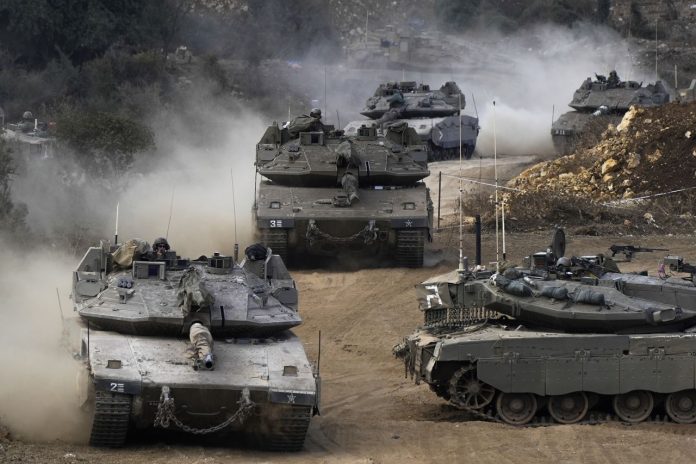
Earlier this month, the Israeli government approved a plan to seize control of Gaza City, and destroy it both above and below ground.

Israeli Defence Minister Israel Katz has warned that Gaza City “will become Rafah and Beit Hanoun if Hamas didn’t surrender, referring to the two cities that have been almost completely wiped out by the Israeli military.

Israel this week called up tens of thousands of reservists as it pressed ahead with its plan to capture Gaza’s biggest urban centre despite international criticism of an operation likely to force the displacement of many more Palestinians.

According to the newspaper, the Israeli military announced that such a large-scale operation would cause a more severe crisis with reserve units amid falling turnout and low morale.

The military has summoned around 60,000 reservists to report on 2 September, the Israeli paper reported. The majority are set to relieve regular forces in the occupied West Bank and the northern border, allowing those troops to join the Gaza City operation.

Army chief Eyal Zamir presented a plan to the government, stating that Israeli forces would not launch a major assault on Gaza City until a “humanitarian zone” is established.

While Prime Minister Benjamin Netanyahu has demanded that the army accelerate its offensive in Gaza City, Zamir stated that the operations would begin after necessary operational and legal preparations are carried out.

Tensions have been running high between the military leadership and the government over the next phase of the war.

In recent weeks, far-right Israeli ministers have increasingly clashed publicly with Zamir over Netanyahu’s plan to occupy Gaza, which the military has warned would overstretch forces and endanger the captives.

National Security Minister Itamar Ben Gvir has urged Netanyahu to dismiss the army chief unless he “immediately announces that he is replacing his far-left political hive” of advisers.

“When you see who the people close to the chief of staff are, it is understandable why he is standing on his hind legs against our plan to occupy Gaza,” Ben Gvir noted.

Ukraine strikes long-range targets with own weapons without coordinating with US: Zelensky

Russia Ukraine War

Zelensky’s statement follows a recent report by the Wall Street Journal saying that the U.S. has quietly implemented a review process giving Defense Secretary Pete Hegseth authority to bar Ukrainian long-range strikes inside Russia with American missiles, effectively blocking strikes for months.

An unnamed official told WSJ that the unannounced high-level Defense Department approval process has prevented the use of Army Tactical Missile Systems (ATACMS) against targets inside Russia since late spring.

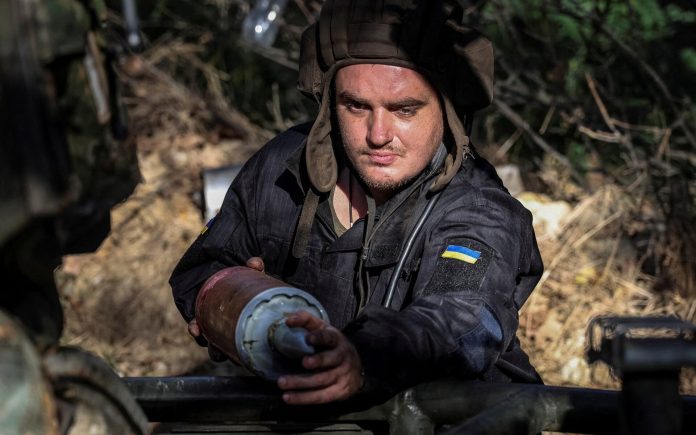
At a press conference with Canadian Prime Minister Mark Carney on Aug. 24, Zelensky said no such restrictions were being discussed, noting that Ukraine strikes targets inside Russia using domestically produced weapons.

“At the moment, we are using our long-range domestically produced weapons, and we haven’t been discussing such matters with the U.S. lately. There was a time when there were different signals regarding our retaliatory strikes after their (Russian) attacks on our energy system,” Zelensky said.

U.S. President Donald Trump on Aug. 21 said that Ukraine had “no chance of winning” if not permitted to attack Russia and criticized former U.S. President Joe Biden for not letting Kyiv “fight back, only defend.”

Despite this, Trump has previously stated he disagreed “very vehemently” with the previous White House administration’s decision to permit Ukrainian long-range strikes against Russia with U.S. weapons.

Zelensky had announced that Ukraine plans to begin mass production of its domestically developed long-range Flamingo cruise missile this winter.

Having its own long-range missile capabilities could be a game-changer for Ukraine in its efforts to undermine Russia’s war machine deep behind enemy lines.

Zelensky said that Flamingo had undergone successful tests, describing it as “the most successful” missile Ukraine currently has. The Flamingo missile is capable of flying up to 3,000 kilometers (1,864 miles), he claimed.

“By December, we’ll have more of them. And by the end of December or in January–February, mass production should begin,” the president added.

Iran’s Quds Force official: Disarming Hezbollah ‘to never happen’

Hezbollah

Brigadier General Iraj Masjedi, the Quds Force’s coordinating deputy, stated that neither the Lebanese people nor Hezbollah would accept such a move, emphasizing that the group’s weapons are seen as essential for defending Lebanon against Israeli aggression.

“The issue of disarming the resistance is not new,” General Masjedi said, “but it will never happen. The resistance’s weapons belong to the people of Lebanon and are for the defense of their land.”

The comments come as Iran’s regional ally Hezbollah has rejected a US-backed disarmament plan, warning of civil war if forced to lay down arms.

The top commander also highlighted the enhanced readiness of Iranian armed forces involving regional resistance groups, following the 12-day conflict with Israel two month ago.

General Masjedi warned that any hostile actions against Iran would be met with “a strong and decisive response.”

“The capabilities of our forces have increased significantly,” he said, adding, “we are fully prepared to respond to any threat.”

Iranian wrestling champion Reza Soukhteh Saraei dies at 76

According to local media, Soukhteh Saraei died Sunday night after a prolonged illness.
Born on January 31, 1950, in Darkalateh, Golestan Province, he rose to prominence as a heavyweight wrestler, representing Iran in numerous international competitions.

During his distinguished career, Soukhteh Saraei earned two silver medals at the World Wrestling Championships, in Mexico City in 1978 and Skopje in 1981.

He also secured three gold medals and one silver at the Asian Games, becoming a consistent podium finisher throughout the 1980s and early 1990s.

A close friend and rival of the late Iranian wrestling legend Alireza Soleimani, Soukhteh Saraei also served as Iran’s flag bearer during three consecutive Asian Games in 1982, 1986, and 1990.

The Iranian Wrestling Federation expressed its condolences, praising Soukhteh Saraei as a “remarkable athlete and role model” who left a lasting impact on the nation’s wrestling community.

Russia has made ‘significant concessions’ amid Trump-led peace negotiations: Vance

Trump and Putin

“I think the Russians have made significant concessions to President Trump for the first time in 3.5 years of this conflict. They’ve actually been willing to be flexible on some of their core demands. They’ve talked about what would be necessary to end the war,” Vance said.

When asked to clarify which “concessions” Russia has made — especially given Moscow’s refusal to accept U.S. President Donald Trump’s ceasefire proposal and a bilateral meeting between President Volodymyr Zelensky and Russian President Vladimir Putin — Vance responded: “I didn’t say they conceded on everything.”

“But what they have conceded is the recognition that Ukraine will have territorial integrity after the war,” he continued.

“They’ve recognized that they’re not going to be able to install a puppet regime in Kyiv — that was, of course, a major demand at the beginning. And importantly they’ve acknowledged that there is going to be some security guarantee to the territorial integrity of Ukraine.”

When asked about a recent Russian strike on an American-owned factory in Ukraine, Vance stated that he “didn’t like it,” but added that “this is a war” — seemingly dismissing ongoing Russian attacks on non-military targets.

He also praised Trump’s diplomatic approach, contrasting it with that of former U.S. President Joe Biden.

“President Trump has done more to apply pressure and to apply economic leverage to the Russians… than Joe Biden,” Vance said, adding, “We have a president who’s engaging in energetic diplomacy to try to stop the killing.”

On the question of future sanctions, Vance said: “sanctions aren’t off the table, but we’re going to make these determinations on a case-by-case basis.”

When asked on how the Trump administration plans to apply pressure on Moscow without imposing new sanctions, Vance did not provide a direct answer, instead pointing to continued diplomacy as the administration’s strategy for ending Russia’s war in Ukraine.

Israeli bombardment kills six, injures dozens in Yemen’s Sanaa

Yemen

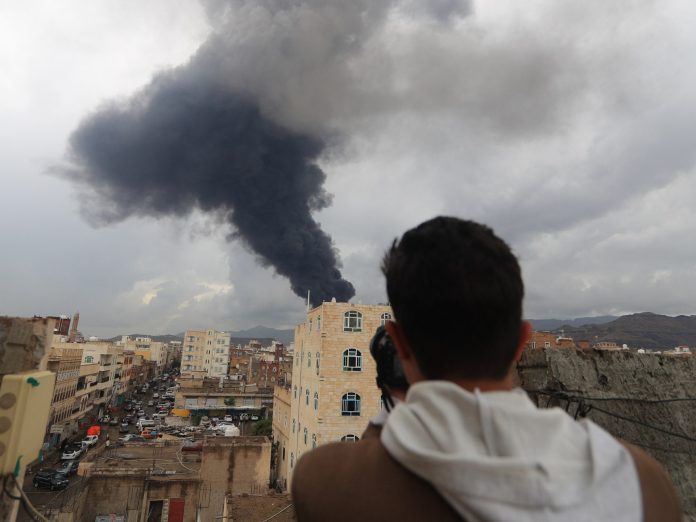
The Houthi-affiliated Al Masirah TV said the attack on Sunday targeted an oil facility and a power plant in Sanaa. Israel said it also targeted a presidential palace in the Yemeni capital, which it claimed is located on a “military complex”.

At least six people were killed and 86 others were injured in the attacks, according to Al Masirah.

The Israeli strikes came two days after the Houthis claimed a missile launch against Israel – part of a campaign that the Yemeni group says aims to pressure Israel to end its atrocities and siege in Gaza.

Al Masirah cited a Houthi military official as saying that the group’s air defences were able to “neutralise most of the Israeli enemy aircraft participating in the aggression and forced them to leave”.

Footage verified by Al Jazeera showed plumes of fire and smoke rising above Sanaa after the Israeli strikes.

The Houthis were quick to reiterate on Sunday that the Israeli attacks will not deter the group’s military operations in support of Palestinians.

“The Israeli aggression against Yemen will not discourage us from continuing our support for Gaza, no matter the sacrifices,” Houthi official Mohammed al-Bukhaiti said in a statement.

“The issue is settled for us: either eternity in heaven or eternity in hell.”

Abed al-Thawr, an official in the Houthi Defence Ministry, said Israel’s claims that it attacked military targets on Sunday are “lies”. He stated Israel bombed civilian infrastructure to make Yemenis suffer.

Al-Thawr told Al Jazeera that the presidential palace hit on Sunday has long been deserted.

“So, what Israel is doing is barbarism,” he added.

Israel has been bombing Yemeni power plants and ports for a month. But Sunday’s attack came shortly after the Israeli navy struck a power station in Sanaa last week.

On Friday, the Houthis said they launched a hypersonic missile and two drones at Israel, vowing to stand with Palestinians “until the aggression against Gaza stops and the siege is lifted”.

NATO says to send Ukraine another $50bn in military aid

NATO

The bloc’s Military Committee Chairman Giuseppe Cavo Dragone stated that NATO has already provided more than $33 billion since January and plans to raise the total to $50 billion by the end of the year.

Asked about the alliance’s stance as Washington and Moscow pursue peace efforts, Dragone said NATO would “continue military assistance and even increase it,” accusing Russia of “stalling” dialogue.

He also expressed hope that Western sanctions, which he described as aimed at “increasing internal tensions” against Russian President Vladimir Putin, would be tightened.

At the same time, Dragone dismissed speculation that NATO could deploy troops to Ukraine, an idea floated by members such as France and the UK.

He stressed that “we have not spoken about this at all in NATO, we have not even mentioned it,” adding that such proposals were “at least premature” and remained “in their infancy.”

His remarks come after a summit between US President Donald Trump and his Russian counterpart Vladimir Putin in Alaska, which was followed within days by talks between Trump and President Volodymyr Zelensky as well as other European leaders at the White House.

Trump hailed the meetings as productive, and the White House announced that there was “light at the end of the tunnel.” Moscow has indicated it is open to negotiations and has welcomed Trump’s efforts to resolve the conflict by addressing its root causes.

Russia has repeatedly condemned NATO arms deliveries, arguing they only prolong the conflict. Officials in Moscow have questioned whether Kiev and its European backers are genuinely committed to peace, pointing out that Zelensky has rejected most of Trump’s proposals and continues to insist on reclaiming Crimea and other former Ukrainian territories.

Moscow has also criticized European NATO members for trying to sideline Russia in the negotiations while focusing instead on security guarantees for Kiev, which Russia has branded an illegitimate and “openly neo-Nazi” regime.