Thursday, December 25, 2025
Home Blog Page 2061

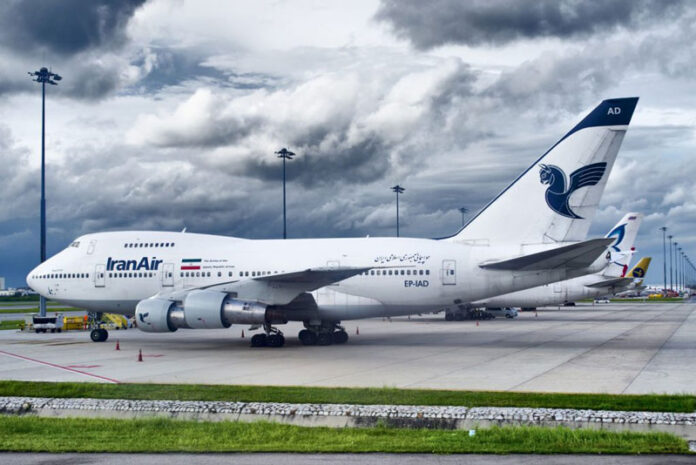
Iran sends 2nd flight to Romania to bring back citizens fleeing Ukraine

The Iran Air (Homa) Airline sent a passenger plane, with a seating capacity of 270 people, to the Romanian capital, Bucharest, where many of the Iranian nationals who resided in Ukraine are waiting to return to the homeland, Hossein Jahani, the spokesman for the airline’s PR department, said Friday.

“The emergency flight was planned following coordination between Iran’s Civil Aviation Organization and that of Ukraine and after receiving the necessary permits,” Jahani said.

“The number of the passengers will depend on the [number of] the Iranians present at the Bucharest airport, but we will do our utmost to bring the compatriots there back home,” he added.

Days earlier, national flag career Iran Air brought back a first group of 100 Iranian students and other nationals who had fled Ukraine to Poland’s capital of Warsaw.

The Iranian Foreign Ministry said almost all Iranian nationals have left the Ukrainian soil since February 24, when Russia began a ‘special military operation’ in its Western neighbor.

According to official figures, some 4,200 Iranians were estimated to have resided in Ukraine prior to the war.
Iranian MP: US, West making mischief, delaying deal in Vienna

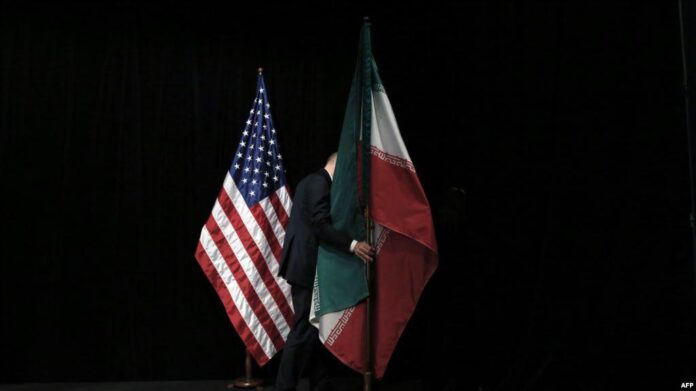
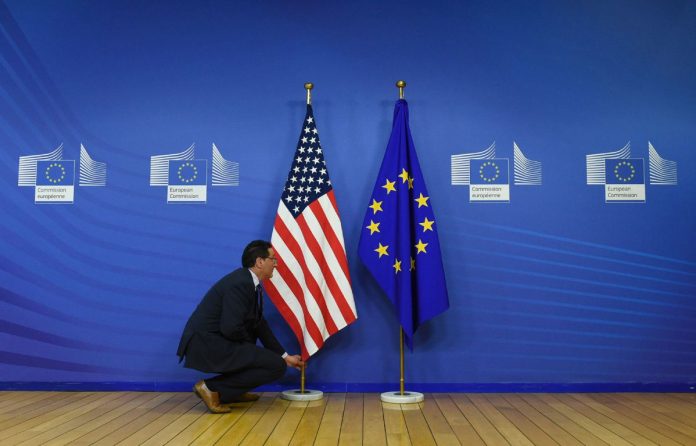
US & EU Flags Iran Nuclear Talks

“Until a few days ago, the negotiations were making good progress and Iran pursued its main demands,” said Mahmoud Abbaszadeh Meshkini, the spokesman for the Iranian Parliament’s National Security and Foreign Policy Committee.

Iran, he said, “had put forward a set of demands in the talks, over which our stance had verbally got close to that of the other side.”

If such a trend continued, the two sides could reach the stage of signing a final agreement on restoring the nuclear deal, which the US abandoned in 2018, the legislator said.

“It has, however, has been a few days that the Westerners, the US in particular, have become uncompromising and started a psychological war, making mischief” in the diplomatic process, he said.

He added that there are still a number of unresolved issues, whose settlement is of high importance to Iran, explaining that the outstanding topics mainly revolve around the US sanctions.

“The ball is in the court of the Westerners. If they pay attention to our demands, a deal will be at hand even tonight,” he said. “If the Western side does not make excessive demands, it is possible to reach an agreement.”

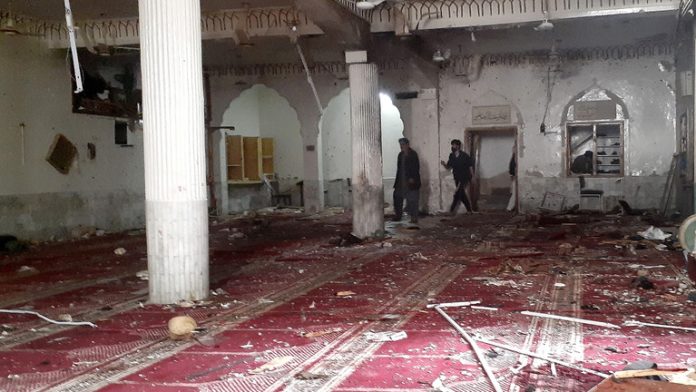
Iran condemns bomb blast in Pakistan Shia mosque

The explosion that ripped through Kucha Risaldar Mosque during Friday prayers, killed at least 45 people wounding dozens more, many of them critically.

Iranian Foreign Ministry Spokesman Saeed Khatizadeh condemned the terrorist operation, which according to him was aimed at sowing discord among Muslims.

He offered condolences to the families of those who lost their lives in the cowardly attack and wished speedy recovery for those wounded.

Khatibzadeh expressed hope that the Pakistani government and security authorities will prevent the terrorists from carrying out criminal acts by adopting the required measures and taking firm actions.

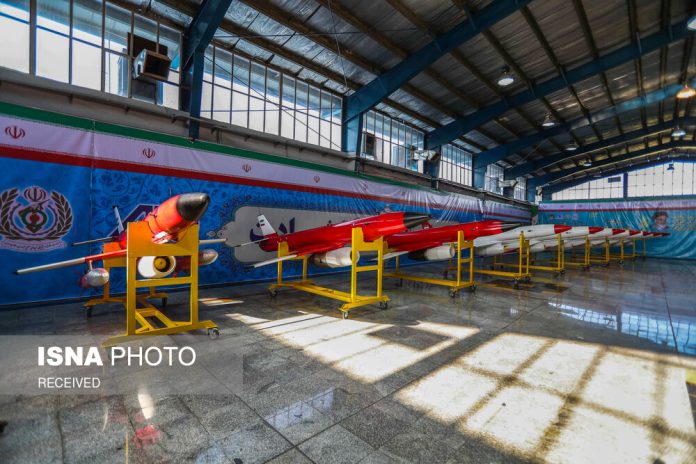
Iran’s active participation in Baghdad exhibition of military industries

The exhibition features military hardware including light, medium and heavy weapons along with drones, radars, helicopters, fighter jets, tanks, armor, air defense systems, personnel carriers, rockets and anti-tank missiles.

In the field of ground combat, Iran has put on display a variety of smart ammunition, UAV bombs, light and heavy weapons, and shoulder-fired missiles.

On Thursday afternoon, Mohammad Sahib al-Daraji, head of the Iraqi War Industries Board, visited the Islamic Republic of Iran’s pavilion and spent about 40 minutes with officials there including Hassan Norouzpour, the Islamic Republic of Iran’s military attaché in Baghdad.

The Iraqi official underlined the need for military cooperation between Tehran and Baghdad.

The Iranian military attaché in Baghdad said the Islamic Republic of Iran is taking part in the Baghdad exhibition with only a small part of its capabilities.

He added that It is important that the Iraqi side has a serious political will to interact with Iran in the field of defense.

Nowruzpour said despite the oppressive sanctions on Iran, the country has been able to achieve this level of knowledge by relying on the capabilities of Iranian scientists.

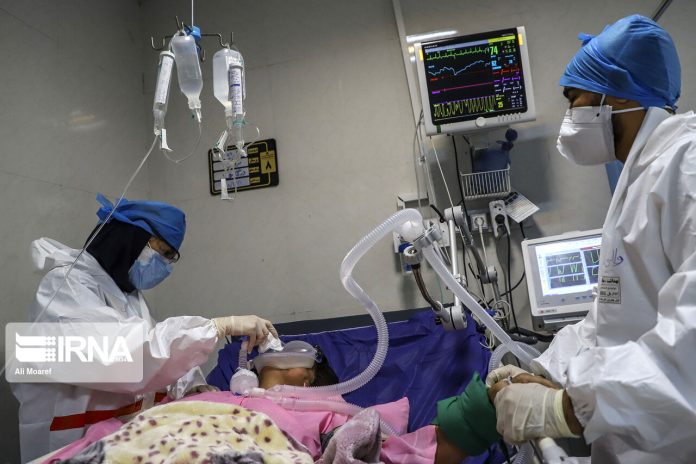
Iran Covid: Daily death toll, new infections on decline

According to the data released by the ministry of Friday, 6,470 new cases of infection with coronavirus have been recorded in the past day, which brings the total caseload to 7,080,217.

The figures showed 1,275 coronavirus-stricken people have been hospitalized over the past day.

The disease has claimed the lives of 137,593 patients in Iran since early 2020.

Iran has been grappling with a sixth wave of infections with coronavirus, triggered by the Omicron variant of the fast-spreading virus.

However, Masoud Mardani, who sits on the Scientific Committee of the National Coronavirus Combat Taskforce, said earlier this week that Omicron appeared to be on the decline in Iran.

The country is at the same time keeping up its vaccination campaign against COVID-19.

According to the new figures, 142,340,426 doses of vaccine — including domestically-developed vaccines and imported ones — have been administered countrywide.

As many as 23,647,756 people have received a third booster shot. Authorities are urging people to get the third shots as soon as possible.


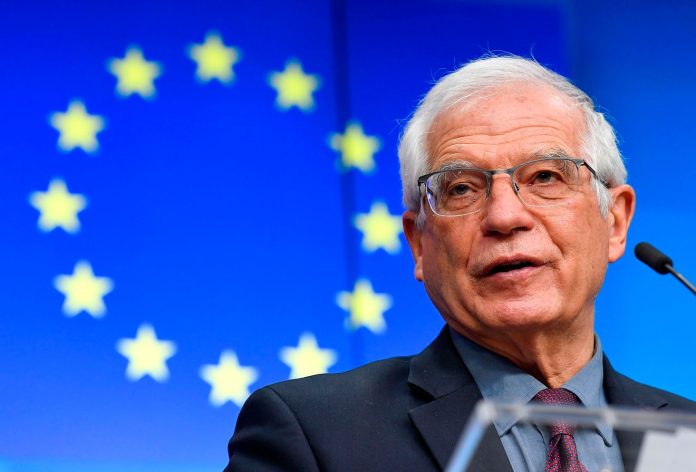
EU’s Borrell: Vienna talks making progress, heading for deal

Josep Borrell

Josep Borrell, in a phone call with Iranian Foreign Minister Hossein Amir Abdollahian, added that he, as the coordinator of the talks between Iran and the P4+1 group would like to declare that the negotiations are making progress.

Borrell added, “We believe that Iran’s demands have been mostly met in the future agreement.”

Amir Abdollahian also thanked the high coordinator of the EU in the Vienna talks. He said Iran is ready for finalizing a good and immediate deal.

Amir Abdollahian however noted that the rush on the part of the Western side will not cause Iran to cross its red lines.

The Iranian foreign minister also welcomed the finalizing of the agreement as soon as possible.

He added that the prerequisite for the presence of foreign ministers in Vienna and the announcement of a final deal is contingent upon respecting the red lines of Iran including effective economic guarantees.

Amir Abdollahian noted that top Iranian negotiator Ali Bagheri and senior experts of the Islamic Republic of Iran will remain in Vienna for continued and active consultations with all delegations and that the Iranian negotiating team will seriously continue efforts to reach a final and good agreement.

The top Iranian diplomat also said he is ready to fly to Vienna once the Western parties accept the remaining red lines declared by the Islamic Republic of Iran.

US says nuclear deal close, some issues still ‘unsolved’

“I’ll just say that there has been significant progress and we are close to a possible deal, but a number of difficult issues still remain unsolved,” Jalina Porter, the US State Department’s principal deputy spokesperson, told reporters on Thursday.

“There’s very little remaining time to reach a deal given the pace of Iran’s nuclear advances, and as we’ve said before –and I’ll underscore here again today – that nothing is agreed until everything is agreed. So we will not have a deal unless we resolved quickly the remaining issues,” she added.

Tehran, Beijing and Moscow have pushed back on the need to establish a fixed deadline for the nuclear negotiations to conclude.

Iranian officials have rejected western diplomats’ remarks about a deadline for reaching an agreement in Vienna talks, and stressed Tehran is only after a good agreement.

“If Iran shows seriousness, we can and should reach an understanding of mutual return to full implementation of the JCPOA within days. Outside of that, anything would put us in the possibility of return to the deal at grave risk,” she continued.

Tehran says it won’t settle for anything less than the removal of all US sanctions in a verifiable manner. It also wants guarantees that Washington would not abandon the agreement again.

Earlier, Iran’s Foreign Ministry Spokesman Saeed Khatibzadeh said talks between Iran and the P4+1 are still ongoing in the Austrian capital Vienna.

Khatibzadeh stated premature good news can never replace a good deal to revive the 2015 nuclear deal.

“No one can say that an agreement has been reached, until all the outstanding important issues are resolved, redoubled efforts are needed. Everyone is now focused on the final key steps,” the spokesman wrote in a twitter post.

The Vienna negotiations began last April between Iran and the five remaining parties to the JCPOA — Britain, France, Germany, Russia and China — on the assumption that the US, under the Joe Biden administration, is willing to repeal the so-called maximum pressure policy pursued by former president, Donald Trump.

‘Iran can secure good share of Russian market’

Seyed Mostafa Mousavi said the current situation in Russia will provide Iran with adequate market capacity.

“With the closure of the European route and Western sanctions against Moscow, the Russian market needs a substitute for imports,” he said.

Mousavi also said China is one of the countries that can replace Europe in this regard, but Iran has more advantages to increase trade with Russia due to its proximity to the country.

He added that the current situation shows that Iran can secure a good share of the Russian market and export many goods to this country, and this potential exists in Iran to develop trade.

He however noted that Iran’s biggest challenge in developing trade with Russia is currency issues and that the restrictions created by the cutting of banking ties and the closure of the SWIFT could cause many problems for this country.

Mousavi said in the long run, Russia’s currency restrictions will cause many problems and banking exchanges should be done traditionally, so proper planning is required to develop trade with this country.

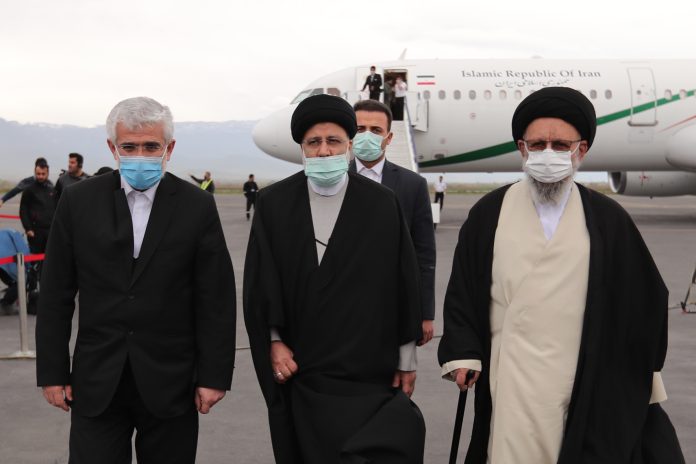
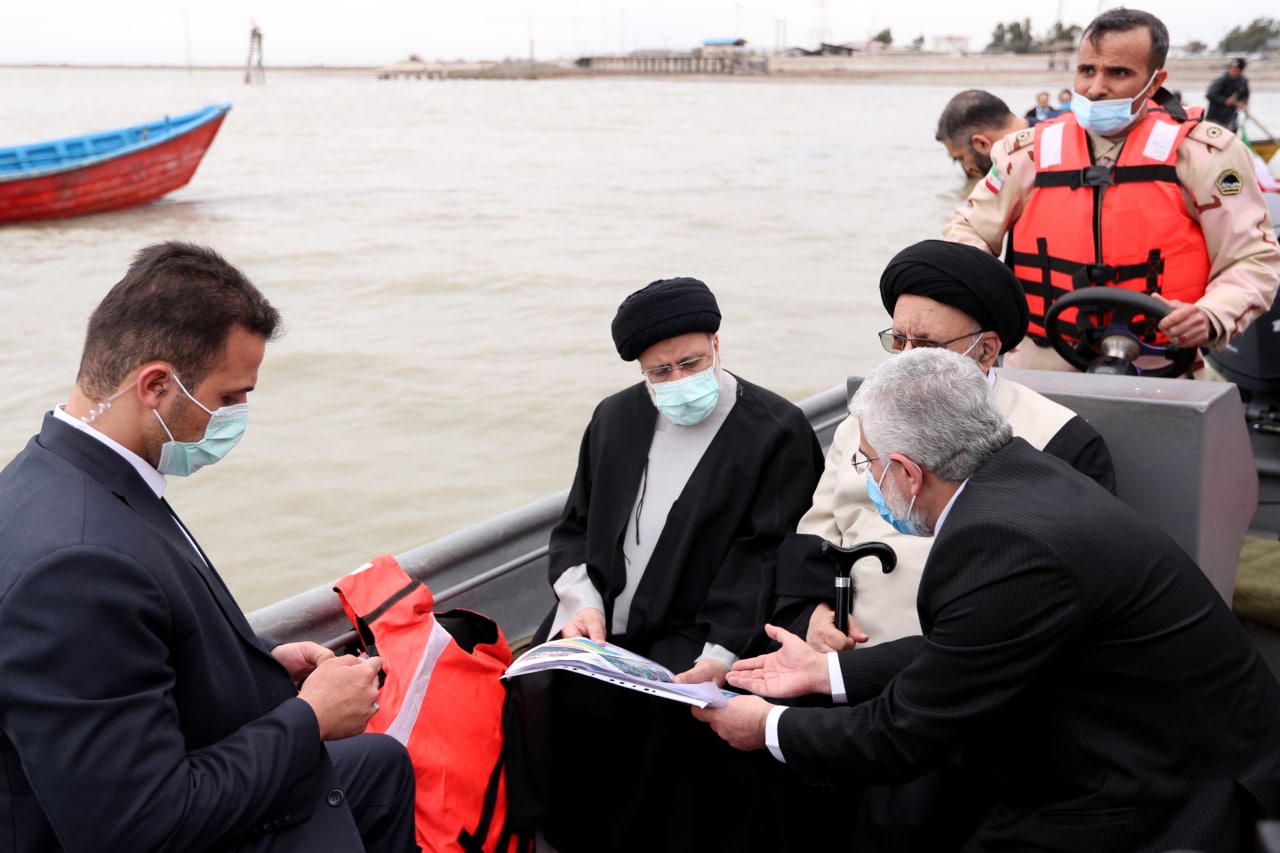
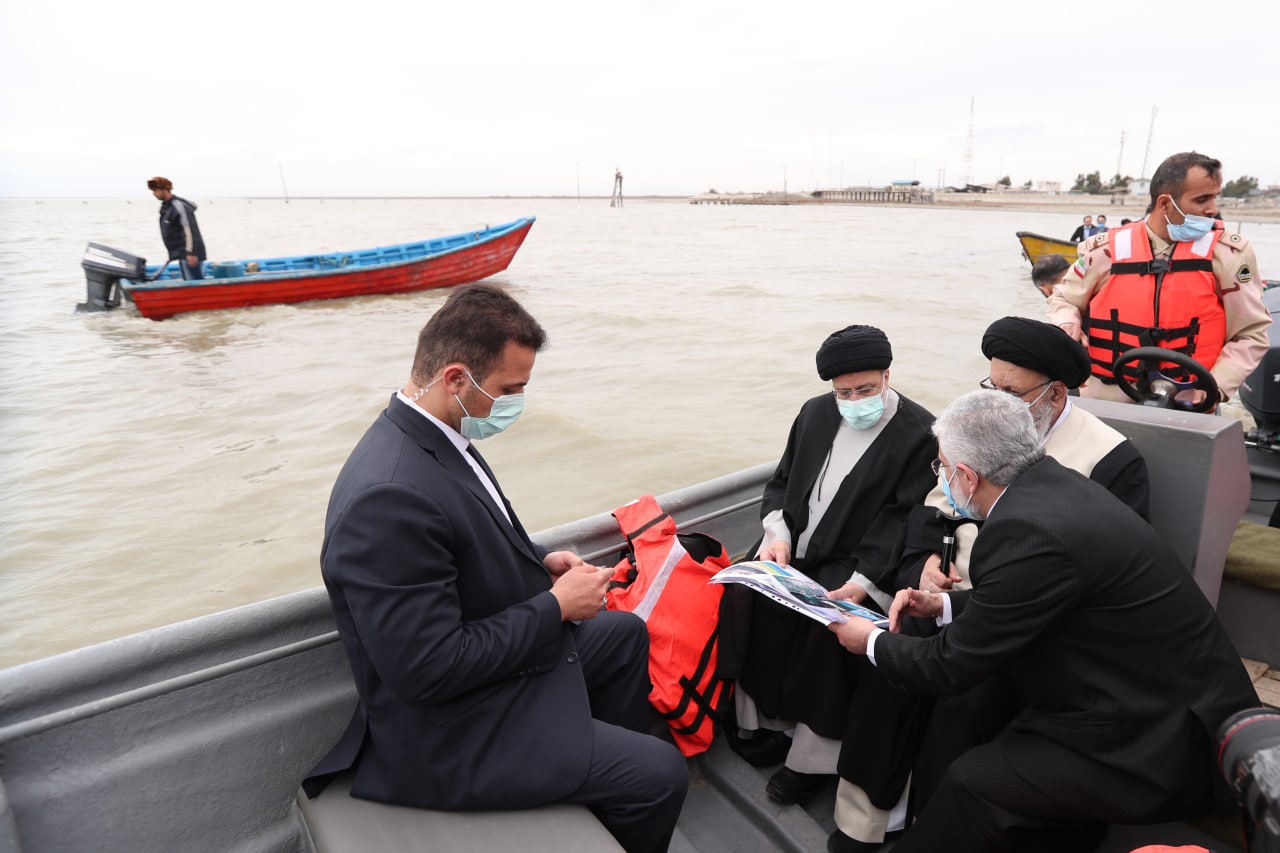
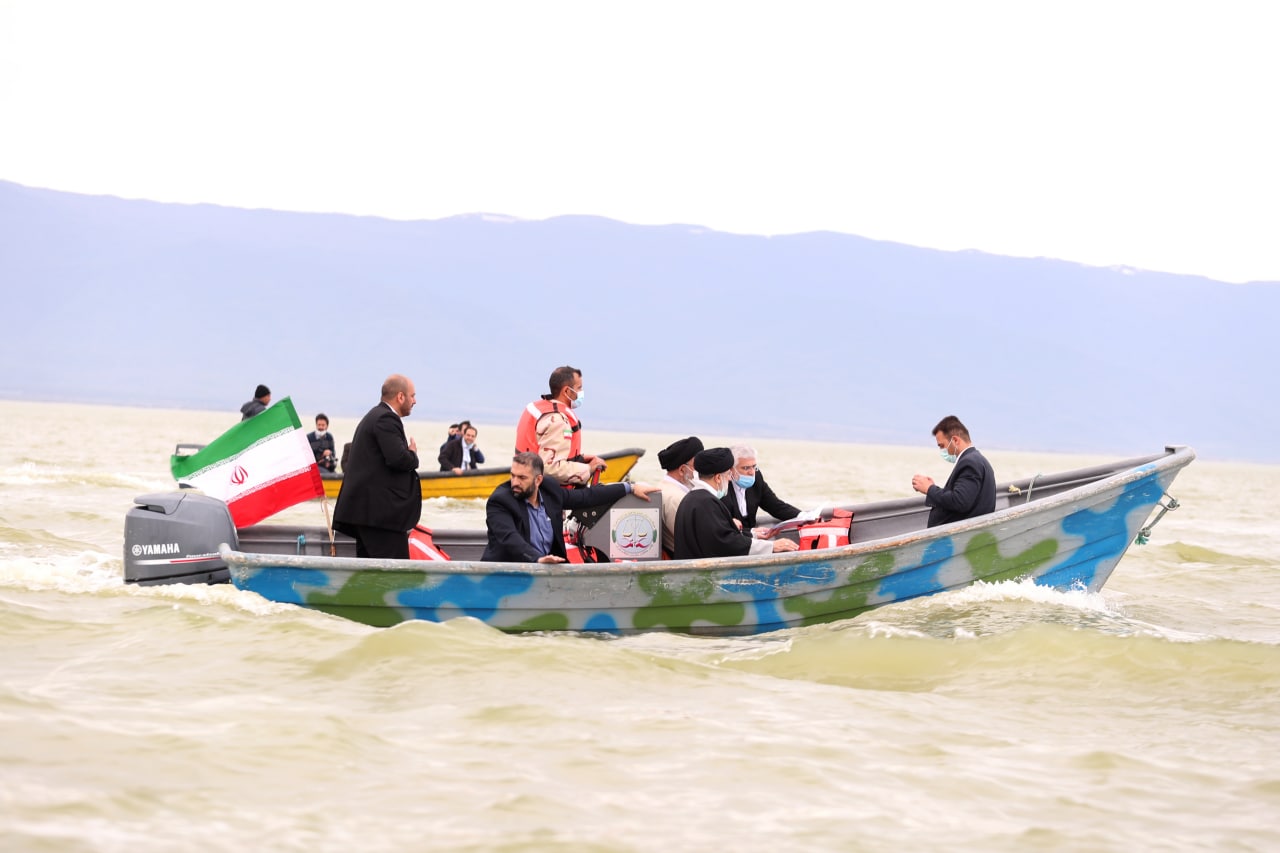
President Raisi visits sole Iranian island of Caspian Sea

Accompanied by a group of officials, Raisi took a boat to Ashuradah Island, which sits at the eastern end of the Miankaleh Peninsula, and visited the site of the ecotourism and ecolodge project on Friday morning.

The nature tourism project, which is being implemented in around 22 hectares of Ashuradeh Island, includes the construction of wharves, roads, gazebos, restaurants and other infrastructure needed to facilitate tourism.

Ashuradeh, situated in Iran’s northern green strip, has damp and moderate climate and is a suitable place for wildlife.

The island, which is part of Bandar Torkaman, is home to different bird species and hosts large groups of migratory birds every year.

The island’s soil is sand-based, making it fertile land for sour pomegranate trees to grow.

Ashuradeh is one of the main areas for fishing sturgeon, the species that provides caviar.

More than 40% of Iran’s caviar is produced near the island. Tourists are often fascinated by the fishing process.

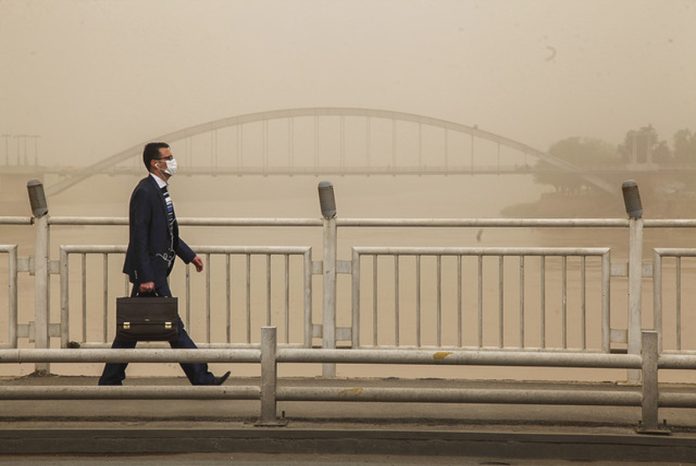
Dust cloud blankets parts of Iran’s southern and western provinces

Iran Dust

Ali Fathizadeh said people in Abadan must avoid leaving the house unnecessarily, especially the elderly, children and ailing people.

He urged Abadanis to wear masks outdoors under these circumstances.

The Khuzestan Meteorological Department issued an orange warning on Thursday regarding the entry of dust into the province from Iraq on Friday. Meanwhile, thick dust has caused problems in parts of the western provinces of Ilam and Kermanshah.

A meteorologist in Ilam says visibility in the cities of Mehran and Dehloran is less than 100 meters but it varies in other cities and towns there.

A medical source warn particulates exacerbate respiratory diseases and asthma in high-risk groups, including the elderly, children and pregnant mothers.

He added that risks differ depending on the substances in the particulates.

The official also said the particulates can contain depleted uranium particles from the Persian Gulf War in the deserts of Iraq, Kuwait and Saudi Arabia under certain conditions.

He said: “These particles are very dangerous and can cause cancer and incurable diseases, urging people to avoid exposure to polluted air as much as possible and to wear standard masks when leaving home.