Tuesday, May 5, 2026
Home Blog Page 2060

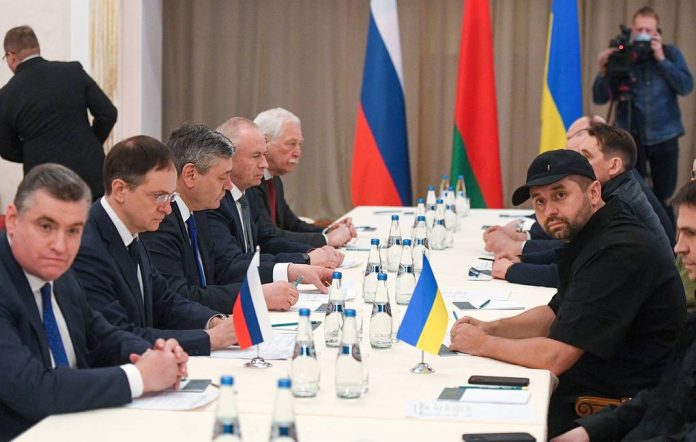
Russia says Moscow, Kiev get closer on Ukraine’s neutral status

Russian-Ukrainian talks in Belarus

“The topic of neutral status and non-accession of Ukraine to NATO is one of the key issues of the negotiations. This is the issue on which the parties have brought their positions as close as possible,” the head of the Russian delegation, Vladimir Medinsky, stated Friday.

“Then details begin relating to what security guarantees Ukraine receives in addition to the already existing in case of its refusal to join the NATO bloc,” he added.

Other questions however, namely Russian demands to “demilitarize” and “denazify” Ukraine, remain the subject of debate. The delegations are only “halfway” into finding common grounds on the former issue, Medinsky revealed, while the situation with the latter remains “rather strange,” with Kiev continuing to deny the very existence of neo-Nazis in the country.

“Ukrainian colleagues believe that there are no Nazi formations in Ukraine,” the official explained.

Russian and Ukrainian delegations have held several rounds of talks since the beginning of hostilities late in February. The negotiations have not yielded any tangible result yet, except for Kiev and Moscow agreeing on organizing humanitarian corridors to evacuate civilians from the combat zones.

Moscow attacked its neighbor last month following a seven-year standoff over Ukraine’s failure to implement the terms of the 2014-15 Minsk agreements, and Russia’s eventual recognition of the Donbass republics in Donetsk and Lugansk. The German- and French-brokered protocols had been designed to regularize the status of those regions within the Ukrainian state.

Russia also outlined the goals to “demilitarize” and to “denazify” the country. Kiev maintains the Russian offensive was completely unprovoked and has denied claims it was planning to retake the two republics by force.

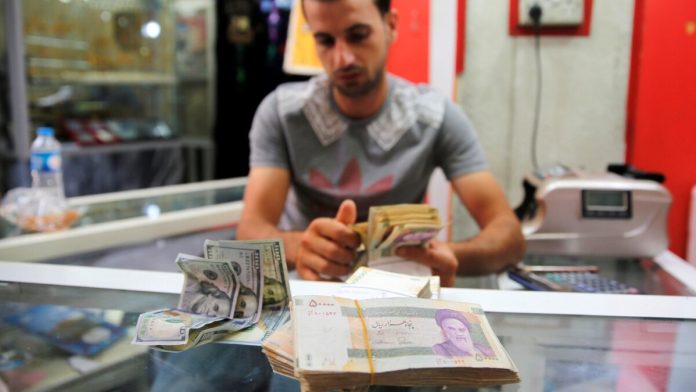
‘Clandestine finance system helped Iran withstand US sanctions crush’

Rial Dollar

The system, which comprises accounts in foreign commercial banks, proxy companies registered outside the country, firms that coordinate the banned trade, and a transaction clearinghouse within Iran, has helped Tehran resist the Joe Biden administration’s pressure to rejoin the 2015 nuclear deal, buying it time to advance its nuclear program even while negotiations were under way.

Officials say they are closing in on a deal.

Years of sanctions have hobbled Iran’s economy and caused its currency, the rial, to collapse. But the ability to boost trade roughly to pre-sanction levels has helped the economy rebound after three years of contraction, alleviating domestic political pressure and bolstering Tehran’s negotiating position, say the officials and some analysts.

Iran’s success at circumventing trade and finance bans, apparent in trade data and confirmed by Western diplomats and intelligence officials, shows the limits of global financial sanctions at a time when the US and European Union have sought to use their economic might to punish Russia for its invasion of Ukraine. The US and EU have barred major Russian banks from trading dollars and euros and frozen the Russian central bank’s assets held overseas. As a result, the ruble has lost 13% of its value against the dollar since the Feb. 24 invasion. At the same time, the Biden administration has sought Russia’s cooperation in rounds of talks in Vienna aimed at reviving the deal.

According to the documents and Western officials, the clandestine banking system works like this: Iranian banks that serve companies barred by US sanctions from exporting or importing engage affiliate firms in Iran to manage sanctioned trade on their behalf. Those firms establish companies outside of Iran’s borders to serve as proxies for the Iranian traders. The proxies trade with foreign purchasers of Iranian oil and other commodities, or sellers of goods for import into Iran, in dollars, euros or other foreign currencies, through accounts set up in foreign banks. Some of the revenue is smuggled into Iran by couriers who carry cash withdrawn from the proxy company accounts abroad, according to some of the officials. But much of it remains in bank accounts abroad, according to the Western officials. The Iranian importers and exporters trade foreign currency among themselves, on ledgers maintained in Iran, according to the Iranian central bank.

Iran is expected to quickly increase efforts to pump more oil in the event a deal is concluded, to bring in much-needed revenue and offset supply constraints caused by the Russia sanctions campaign.

Iran’s clandestine financial “infrastructure is inefficient, costly and susceptible to corruption,” Western and Iranian officials have said. But even if a deal allows Iran to formally reconnect trade and finance ties with the global economy, industry figures say Western banks and businesses are unlikely to re-engage with Iran quickly, wary of running afoul of future sanctions and money-laundering and terrorism-finance laws.

The Western officials say the clandestine system has worked well enough that Iranian authorities aim to make it a permanent part of the economy, not only to shield Iran from future possible sanctions campaigns but also to enable it to conduct trade without scrutiny from abroad.

“This is an unprecedented governmental money-laundering operation,” one of the Western officials said of the clandestine system.

US law prohibits foreign banks from using US dollars for transactions Washington has sanctioned, and similar prohibitions apply to companies that do business in US markets. Additionally, banks are required by local laws comply with international anti-money-laundering standards that prohibit transactions that hide the true beneficiaries.

Beyond those legal prohibitions, foreign banks risk being penalized by the US or cut off from the Western financial system if they violate US sanctions.

Iran’s mission to the United Nations didn’t respond to requests for comment about the finance system.

Iranian officials have publicly described their efforts to thwart the US pressure campaign through the development of a “resistance economy,” but the architecture, scale and details of its sanctions-evading finance system haven’t been previously reported.

The Wall Street Journal reviewed financial transactions for scores of Iranian proxy companies in 61 accounts at 28 foreign banks in China, Hong Kong, Singapore, Turkey and the United Arab Emirates totaling several hundred million dollars.

Western intelligence officials say there is evidence of tens of billions of dollars of similar transactions. And Iran’s government has openly boasted about its ability to finance sanctions-busting trade.

Gholamreza Mesbahi-Moghaddam, a senior Iranian political figure who is close to Supreme Leader Ayatollah Sayyed Ali Khamenei, stated in a live debate on social media in January last year that covert import and export transactions amount to $80 billion a year.

The International Monetary Fund estimates it will grow to $150 billion in 2022, including foreign sales that are banned under the sanctions, more than twice the levels during the brief period when Iran was freed from sanctions.

“The majority of our exports of gasoline, steel, petrochemicals—all are under hidden subsidiary activities,” Mr. Mesbahi-Moghaddam added in the social-media debate.

Iranian bank statements and corporate documents reviewed by the Journal show how Tehran covertly books revenue from exports of petrochemicals, metals, automobile parts and other goods, while financing the importing of the industrial machinery, oil services and electrical components critical to keeping its companies and economy running. The system provides Iran the revenues and imports it needs to keep its economy and country running. It moderates the pressure on the country’s currency by giving the Iranian economy access to the dollars, euros and other reserve currencies in which world trade is denominated, according to the diplomats and officials.

From 2010 to 2015, under the Barack Obama administration’s sanctions campaign, Iran’s annual trade fell by 55% to $79.7 billion, according to IMF data. Motivated in part by the economic pain, Iran’s reform-minded President Hassan Rouhani signed a nuclear deal called the Joint Comprehensive Plan of Action with the US and five other world powers in 2015. The deal lifted longstanding economic sanctions on Iran the following year in exchange for curbs and monitoring of the country’s nuclear program.

Freed from sanctions, oil sales that year doubled to more than 2 million barrels a day and the economy grew 13%, according to Federal Reserve and IMF data. In 2017, trade grew again to $117.5 billion, according to IMF data.

In 2018, then-President Donald Trump withdrew the US from the accord. Opponents of the deal within the administration argued that the pact didn’t adequately constrain Iran’s future ability to enrich uranium for a nuclear weapon.

Tehran denies seeking nuclear weapons, stressing it wants to master nuclear technology for peaceful purposes.

Trump reimposed the sanctions lifted under the 2015 deal, saying a new “maximum pressure” sanctions campaign would squeeze Iran’s economy so hard that Tehran would be forced into a more stringent nuclear deal that also included limiting Iran’s missile-development program and its “regional interventions”.

By 2019, Iranian oil exports had plummeted to a fraction of their peak after the nuclear deal lifted sanctions. IMF data—based on official Iranian data—showed the government was scraping the bottom of the barrel of its foreign-currency reserves to prop up its economy.

Foreign buyers of Iranian crude and exports pay into those accounts and the Iranian companies use the dollars and euros deposited there to pay foreign suppliers for needed imports, according to the Western officials.

 

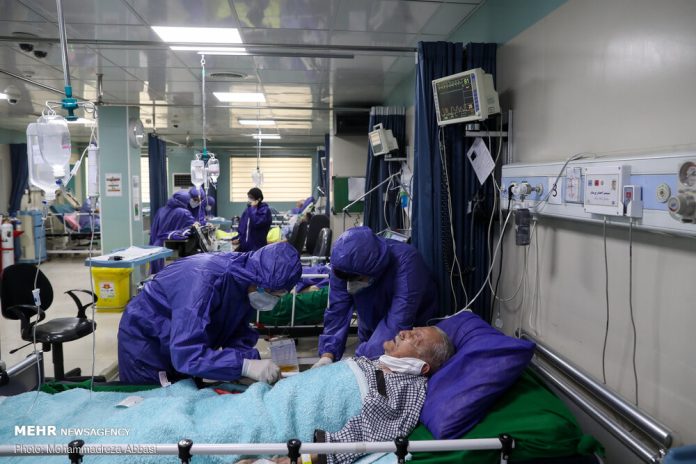
Iran Covid: 91 new deaths; infections declining

COVID in Iran

The Friday caseload was also 2,175 including 419 hospitalizations per the figures released by the Health Ministry. The total number of fatalities since the onset of the Covid pandemic stand at 139,478.

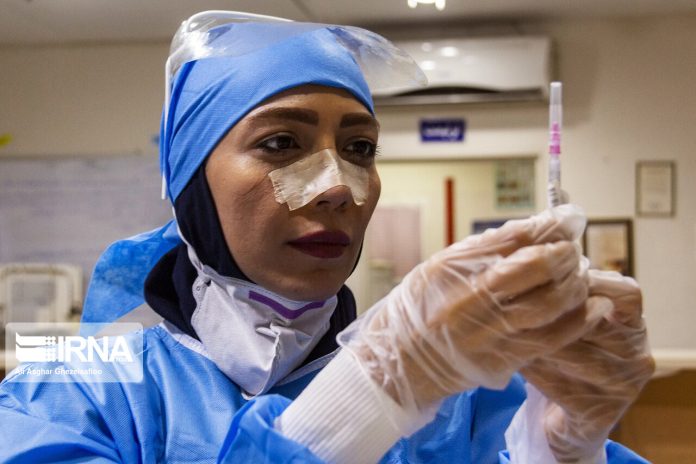
Iran has been able to contain the pandemic thorough rolling out a nationwide vaccination campaign that has seen over 145 million doses of vaccine administered to people so far with upwards of 25 million people triple-vaxxed.

The latest surge in Covid cases has been driven by Omicron, a variant of the deadly virus.

Iranian authorities have confirmed the decline in Covid cases and deaths but are urging Iranians to continue observe health protocols to avert a resurgence of the last wave of the disease.

Iran bracing for higher risk of road accidents in Nowruz as Covid wanes

Transport in Iran Iran's Roads

Officials are predicting that the number of road accidents will witness a hike in the two-week New Year holidays, which will begin on Sunday, compared to the two previous years, during which tight restrictions were in place against the coronavirus outbreak.

In a report, Iran’s Legal Medicine Organization said 1,080 people lost their lives in road accidents during Nowruz in 2021, up by 92.6 percent compared to the similar period a year earlier.

“In the upcoming Nowruz, with the coronavirus-related travel restrictions having been minimized, the growing rate of accidents, fatalities and casualties could only be controlled through observing driving regulations, moving at a safe speed and paying attention to safety guidelines,” it said.

The National Coronavirus Taskforce has announced those who have received at least two doses of vaccine against Covid-19 can freely travel.

Generally, Iran has one of the highest death tolls from road traffic accidents in the world.
According to statistics, the lowest ever number of fatalities in Nowruz-time accidents was recorded in 2020, when coronavirus had just been detected in the country, setting off panic among people, and a ban was in place on inter-city trips.

Iranian VP for women’s affairs: US sanctions disrupt Iran’s medical programs

COVID in Iran

Ensieh Khaz’ali made the comment in a meeting with the UN Economic and Social Council’s President Collen V. Kelapile in New York.

She spoke of the disarray in the Iran nuclear deal as a result of the US withdrawal from the agreement and said Tehran had followed through on his commitments under the nuclear deal and the disarray is blamed on the US and the violation of its commitments.

Mrs. Khaz’ali congratulated Kelapile on his appointment as the president of ECOSOC in the meeting.

She referred to Iran’s role as coordinator for the women’s rehabilitation working group, saying given ECOSOC’s responsibilities in the social and economic realms, there is a good opportunity for cooperation in women’s rehabilitation.

ECOSOC’s president also welcomed Mrs. Khazali’s proposal for cooperation between the two sides regarding women’s rehabilitation, saying all countries can participate in regional commissions on women’s status in the world.

He also said he knew well which side failed to fulfill its obligations under the Iran nuclear deal as well. The 63rd annual UN Commission on the Status of Women, held after a two-year pause due to the Covid pandemic, will run through March 25 at the world body’s headquarters in New York.

High-ranking officials in charge of women’s affairs from world countries are attending the meeting. The commission was formed to improve the situation of women worldwide.

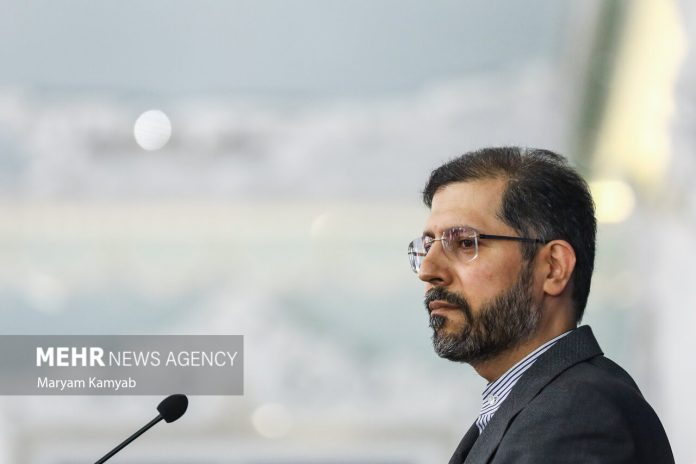
Iran rejects UN rights report as biased

Iran FM Spokesperson Saeed Khatibzadeh

“While rejecting Javaid Rehman’s one-sided, biased report that is filled with partial and incorrect data and conclusions, the Islamic Republic of Iran emphasizes that political and selective approaches will not only fail to contribute to the promotion of human rights but will also undermine and weaken them,” Saeed Khatibzadeh said.

“The Islamic Republic of Iran condemns hostile and one-sided measures and considers the special rapporteur’s failure to deal with the negative consequences of such measures on benefitting from human rights as a sign of his lack of impartiality and the imperfection of the report presented to the 49th session of the Human Rights Council,” he added.

“The Islamic Republic of Iran has presented his views about the report in detail and they have been formally published by the UN Human Rights Council,” he said.

He also rejected the rapporteur’s untrue allegations, which are based on wrong information received from biased sources including Western and terrorist grouplets.

“Despite not recognizing the special rapporteur’s mission and considering the Human Rights Council’s resolution as politically motivated, Iran has always presented its views about his reports, but this sincere approach was unfortunately met with the rapporteur’s indifference, something that confirmed his political and partial approach,” Khatibzadeh stated.

“While rejecting the dual and hypocritical approach being pursued by Western states toward human rights, Iran sees itself committed to supporting and promoting human rights in the world. It will also continue to bolster the human rights situation of its own people with seriousness despite the hostile and unilateral measures imposed by America,” the spokesman said.

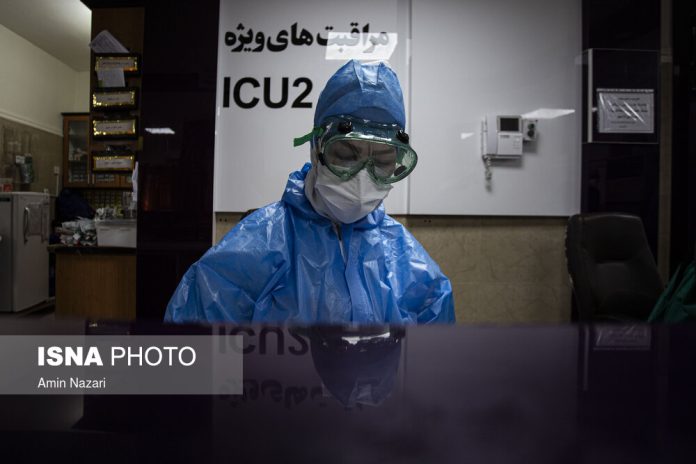
Official: Iran Covid hospitalization cases hit lowest

COVID Iran

Masoud Zali however urged people to observe health protocols during the Nowruz holidays and get fully vaccinated.

Zali said fortunately, most people coming to healthcare centers are non-Covid patients and at the same time, Covid hospitalizations have hit their lowest levels.

Zali added that those hospitalized at ICU wards are people who contracted Omicron previously or did not get vaccinated.

Zali meanwhile said the deaths happen among the patients who had serve Covid and their disease lasted for several weeks.

He said that’s the reason why the number of deaths is still 3–digit.

The member of the National Taskforce for Fighting Covid warned some people have yet to get fully vaccinated and these are the ones who could cause trouble.

Covid has so far killed over 139,000 people in Iran.

A nationwide vaccination campaign is still going on and has seen nearly 150 million doses of vaccine administered to citizens.

Iranian oil minister: 100% of oil revenues returning; exports increased 4-fold

Iran Oil Tanker

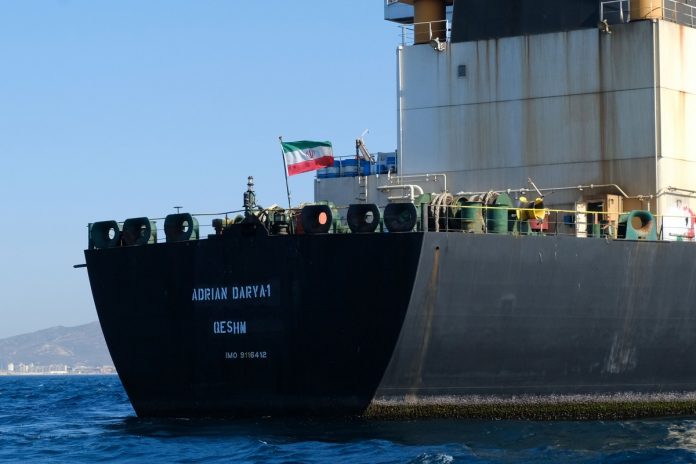
In in exclusive interview with Fras News Agency, Oji however said the enemy is trying to prevent a leap in Iran’s oil exports by seizing the country’s ships.

Oji noted that he told commanders of the Islamic Revolution Guards Corps they were responsible for providing security for the Iranian tankers.

Oji also spoke about other challenges facing Iran as it is making an effort to sell oil including a cyber attack on the fuel system of Iran that happened several months ago.

He said the Iranian oil industry is now at the frontline of the US economic war against Tehran because the enemy knows what role the industry plays in providing energy.

Oji confirmed that some agents of Iran’s foreign adversaries were involved in the cyber attack, adding that was not a one-off incident and Iran came under several attacks.

The Iranian oil minister said the enemy thought the disruption in the fuel supply in Iran will cause discontent among people and they will hold protests like what happened in the autumn of 2019.

The Iranian oil minister in other comments denied a claim that the US sanctions waivers were the reason behind the increase in Iran’s crude exports.

Oji said the enemy has not given any waivers in this regard and it even tightened the noose around Iran by attacking Iranian oil tankers.

He said exports have increased four-fold compared to last year while Iran has received its 2.5 times more revenues.

Heal of Iran intl. human trafficking ring nabbed

Iran Police

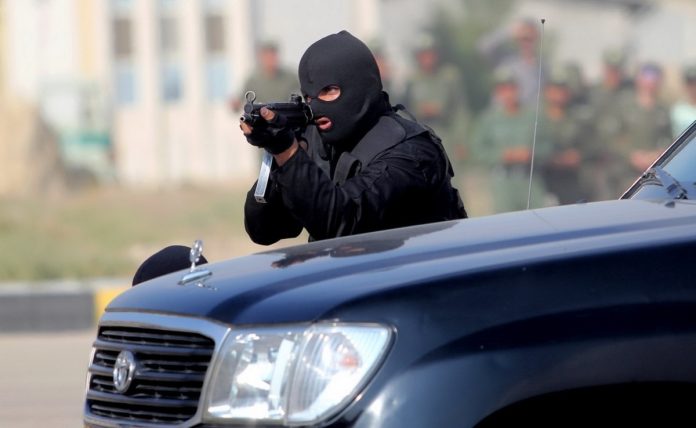
The arrest took place in the city of Marivan.

The city’s police commander said the ringleader of the cell smuggled people from Pakistan, Afghanistan and other neighbors into Iran on a large scale and professionally.

Kambiz Rostam Nia added that he however did this with the help of other members of this human trafficking gang.

Rostam Nia noted that the person also smuggled Iranians who sought to leave the country illegally into other countries by forging documents.

Marivan’s police commander said efforts are underway in cooperation with the Interpol to identify other people who aided and abetted him.

US senators move to bar Biden from lifting Iran Sanctions, citing Russia Ukraine invasion

Iran's Bushehr nuclear plant

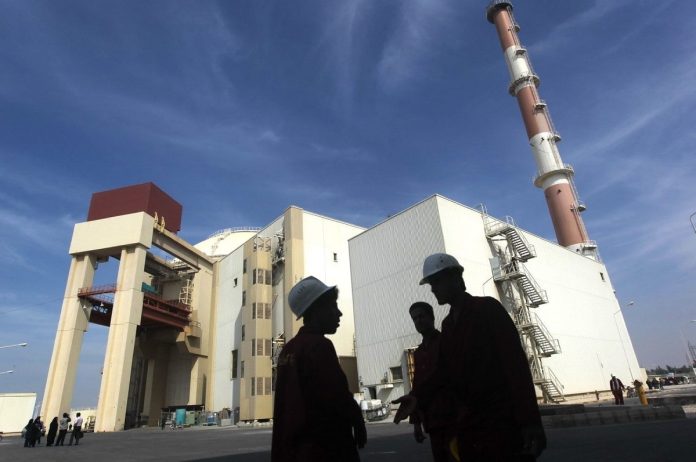
The bill, led by Sen. Ted Cruz (R., Texas) and cosponsored by 12 other Republicans, comes one day after the Free Beacon reported that Russia’s state-controlled energy firm, Rosatom, is poised to cash in on a $10 billion contract to build out Iran’s Bushehr nuclear plant. Moscow will be permitted to make good on the contract after the Biden administration waives sanctions prohibiting this work as part of the soon-to-be-announced nuclear agreement, which was primarily negotiated by Russia and China.

Cruz’s bill would prohibit the Biden administration from waiving congressionally approved sanctions on this nuclear work. It also would reverse a February decision by the Biden administration to preemptively waive sanctions on Iran so that Russia and China can work on civilian nuclear projects inside the country.

Senior congressional sources who spoke to the Free Beacon said that Cruz’s bill has been in the works since these waivers were issued but that it took on added importance Wednesday following the Free Beacon‘s report.

“The Biden administration is dismantling sanctions and is aching to secure a new agreement with the Iranian regime that is even weaker than the original catastrophic [Barack] Obama-Iran nuclear deal,” Cruz told the Free Beacon, adding, “The Biden administration is so committed to their deal that they are willing to make Iran a nuclear client for [Russian President Vladimir] Putin, including work that amounts to a $10 billion subsidy for his war machine.”

Rep. Darrell Issa (R., Calif.) is authoring a companion House version to Cruz’s bill, according to congressional sources briefed on the matter.

Cruz, a member of the Senate Foreign Relations Committee, stated his bill would stop the Biden administration from circumventing Congress to issue sanction waivers that permit “Russia to build up Iran’s nuclear program.”

Iran’s government “exploits these civil nuclear waivers to build up Iran’s nuclear program with the express intention of eventually developing nuclear weapons to inflict destruction on America and our allies,” Cruz continued.

Tehran denies seeking nuclear weapons, stressing it wants to master nuclear technology for peaceful purposes.

The Donald Trump administration nixed these sanction waivers as part of its “maximum pressure” campaign on Tehran that was launched after the 2018 decision to abandon the original nuclear accord. Now, “the Biden administration is resurrecting them. It’s unconscionable, and Congress must put a stop to it,” Cruz noted.

The bill is also supported by Republican senators Tom Cotton (Ark.), Joni Ernst (Iowa), Marco Rubio (Fla.), Bill Haggerty (Tenn.), and Jim Inhofe (Okla.), among others. It is unclear if the bill could garner Democratic support in the split Senate, but some Democrats, including Sen. Bob Menendez (N.J.), have expressed opposition to the concessions being granted to Iran as part of negotiations aimed at resurrecting the 2015 deal.

The legislation would stop the United States from granting further sanctions waivers to allow Iran and its international partners to modernize or redesign its Arak heavy water reactor, which has come under scrutiny for its ability to produce enriched nuclear fuel. It also blocks the transfer of uranium, the key component in an atomic bomb, as well as heavy water materials, inside or outside of Iran.

Russian and Iranian documents translated for the Free Beacon on Tuesday showed that Rosatom, Russia’s leading energy company, has a $10 billion contract with Iran’s state-controlled atomic energy organization to expand Tehran’s Bushehr nuclear plant, which also is targeted by Cruz’s legislation. Russia and the Biden administration confirmed on Tuesday that the new nuclear agreement includes carveouts that will waive sanctions on both countries so that Russia can make good on this contract.

The Biden administration continues “to engage with Russia on a return to full implementation of the JCPOA,” a State Department spokesman told the Free Beacon on Tuesday, referring to the nuclear deal by its official acronym.

The United States will “not sanction Russian participation in nuclear projects that are part of resuming full implementation of the JCPOA,” such as work on Iran’s civilian nuclear program.

“The United States will take actions as necessary to ensure that US sanctions do not apply to the implementation of JCPOA nuclear-related projects and activities by non-US individuals and entities,” the official added.