Saturday, April 25, 2026
Home Blog Page 205

Iranian deputy FM: nuclear consortium idea may be discussed if Iran-U.S. talks advance

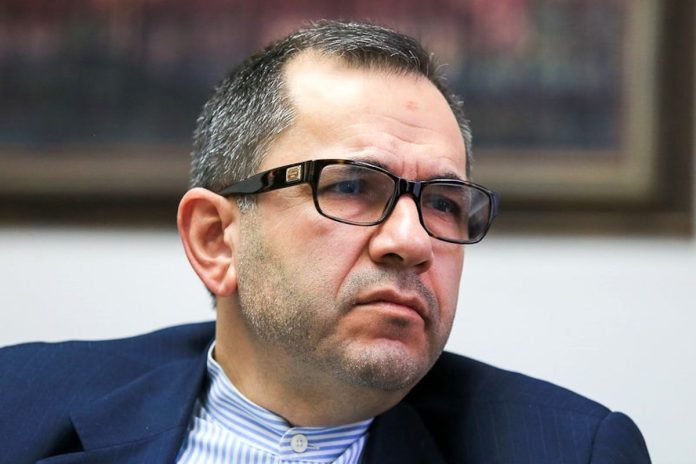
Majid Takht-e Ravanchi

In a brief interview, he noted that countries in the region are keen to see the Iran-U.S. negotiations yield tangible results.

He also addressed the contentious issue of the “snapback” mechanism in negotiations with Europe, saying, “Europeans are well aware of our position on this. If any party seeks to exploit this mechanism, Iran will not remain passive. We will take measures within the framework of the NPT.”

Takht-Ravanchi confirmed that the snapback issue was also raised during the recent meeting in Istanbul between Iran and the European Trio, the UK, Germany and France, but stressed that it was not a new subject.

On the broader diplomatic landscape, he reiterated that regional actors generally support the resolution of tensions between Tehran and Washington and that the nuclear consortium idea—if seriously pursued—might open a new path for regional cooperation on peaceful nuclear technology.

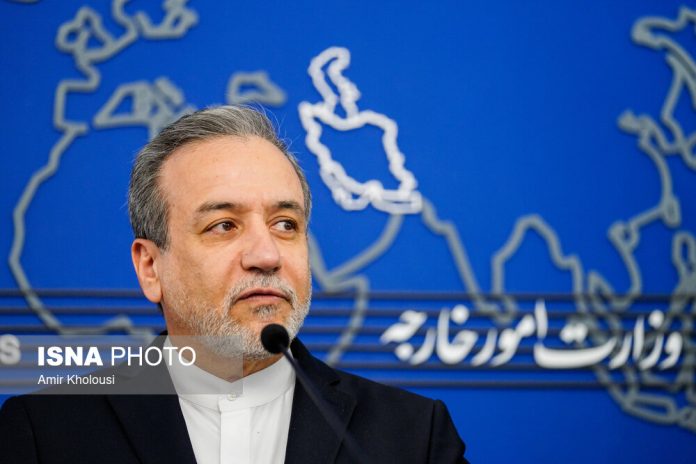
FM Araghchi: Iran has not received any written proposal from U.S.

Abbas Araghchi

When asked whether Iran had received any formal message from Oman on behalf of the United States, Araghchi replied, “We have not received any written message from Oman. However, the next round of negotiations is likely to be held soon, and its time and venue will be officially confirmed in the near future.”

Referring to the recent trilateral meeting with officials from Qatar and Oman, the foreign minister described the discussions as productive.

“We had very good talks regarding regional issues, bilateral relations, and the ongoing negotiations. We reviewed the latest developments in all these areas,” he said.

U.S. President Donald Trump has recently stated that his administration has conveyed a proposal to Iran, adding that Tehran must make a decision on it very soon.

Iran and the U.S. have so far held four rounds of Oman-mediated talks over Iran’s nuclear program.

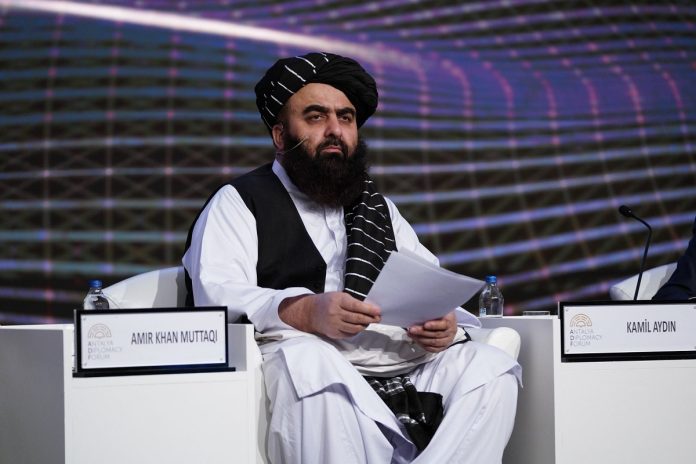
Taliban FM promises cooperation with Iran in Helmand river, water dispute

Afghanistan’s Acting Foreign Minister Amir Khan Muttaqi

“It is our Islamic obligation to help any Muslim suffering from thirst,” he declared during a panel at the Tehran Dialogue Forum on Sunday.

“The Iranian people should rest assured—we have no bad intentions, and we see it as our duty to deliver water to the thirsty.”

Responding to questions on Afghanistan’s adherence to the 1973 Helmand River Treaty, Muttaqi affirmed: “Even if the agreement didn’t exist, we would still act on our duty.”

He said the Taliban had reiterated this position during earlier talks with Iranian envoys, including during Iranian Foreign Minister Abbas Araghchi’s visit to Kabul.

Muttaqi acknowledged the severe drought impacting both sides of the border, noting that similar conditions persist in Afghanistan’s Nimruz and Helmand provinces.

His remarks come amid long-standing Iranian accusations that Kabul has restricted the flow of the Helmand River, in violation of the treaty.

The Helmand dispute has been a recurring source of tension, particularly after Afghanistan completed infrastructure projects that Tehran says limit its water share. While the Taliban has made verbal commitments to honoring the treaty, Iran has repeatedly called for concrete mechanisms such as joint technical inspections.

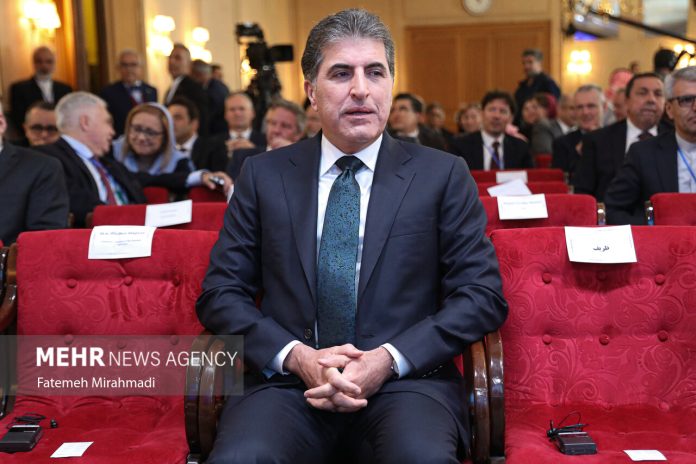
Kurdistan region president: No threat to emerge from our soil against Iran

Nechirvan Barzani

Speaking at the Tehran Dialogue Forum, Barzani stated, “We will not allow any danger to emanate from the Kurdistan Region toward our neighbors, especially Iran. Our territory will not be a source of threat to Iran.”

Highlighting progress in regional security cooperation, Barzani noted that a trilateral mechanism involving Baghdad, Erbil, and Tehran has already been established to ensure coordination and de-escalation in sensitive areas.

Touching on the long-standing issue of the PKK’s presence, Barzani expressed support for the current trajectory of developments surrounding the group. “We welcome the evolving situation regarding the PKK,” he said, adding that the Kurdish issue in Turkey cannot be resolved through violence.

“The Kurdish question cannot be solved with blood. We do not interfere in the internal affairs of Turkey or any other country.”

He also emphasized Erbil’s readiness to assist in efforts to address the PKK conflict through non-military means. “We have made it clear that if any help is required from our side, we are prepared to play our role in resolving the PKK problem peacefully.”

The anti-Turkey Kurdish group PKK, which has been fighting for an autonomous region in Turkey’s southeast for decades, was disbanded recently, a move welcomed by regional countries.

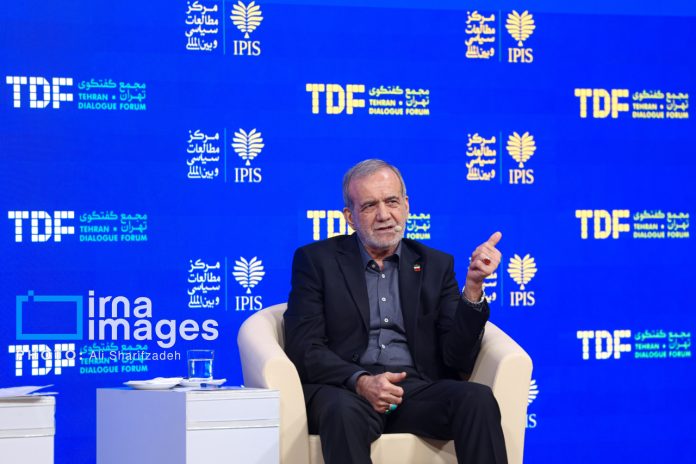
Iranian President warns of enemies’ attempts to sow division among regional countries

Masoud Pezeshkian

Speaking on Sunday at the Tehran Dialogue Forum, President Masoud Pezeshkian emphasized: “Iran has no quarrel with any country, but our enemies seek to sow division in the region.”

He said: “Trump comes to the region and claims Iran is a source of danger. Do we bomb homes? Do we assassinate scientists? Did we assassinate Ismail Haniyeh, the leader of Hamas, during the presidential inauguration in Tehran?”

Rejecting any warmongering, he expressed hope that the Tehran conference would lead to a shared perspective and dialogue among participants.

Pezeshkian stressed: “My message for constructive engagement and expanding relations has not been received by the West. We have no conflict with anyone; we have extended a hand of friendship, brotherhood, and harmony to all.”

Referring to the crimes of the Zionist regime in the region, particularly in Gaza and the West Bank, he added: “Israel disregards human rights, expels people from their homes, carries out daily massacres, and then speaks of humanity.”

He emphasized the role of regional cooperation in establishing security.

Regarding the indirect nuclear negotiations between Iran and the US, Pezeshkian stated:
“In the negotiations, our rights must be recognized. The peaceful use of nuclear energy is our right, and we must utilize it.”

He strongly rejected claims by the US and some of its allies that Iran is seeking to produce an atomic bomb, stressing: We have no intention of building a nuclear bomb; this is the fatwa of the Supreme Leader.

Iran sentences 7 over Shah Cheragh terror attack; 3 face death penalty

Shiraz Shah Cheragh Terror Attack

Seyyed Sadrallah Rajaei-Nasab, head of the Fars Province judiciary, stated on Sunday that the three individuals had played key roles in aiding the attackers, including providing weapons and ammunition. They were convicted of “assisting in corruption on earth” and also sentenced to 25 years in prison for “assisting in armed rebellion.”

Two other defendants, affiliated with the Daesh terror group, were sentenced to 15 and 10 years in prison respectively, based on their level of involvement.

Additionally, two female suspects received five-year prison sentences, which will be served under electronic monitoring with restrictions within a one-kilometer radius of their residence due to special circumstances.

The court proceedings began in March 2024. A separate case related to arms possession is ongoing in the Criminal Court of Fars Province. Some verdicts have been appealed and are under review by the Supreme Court.

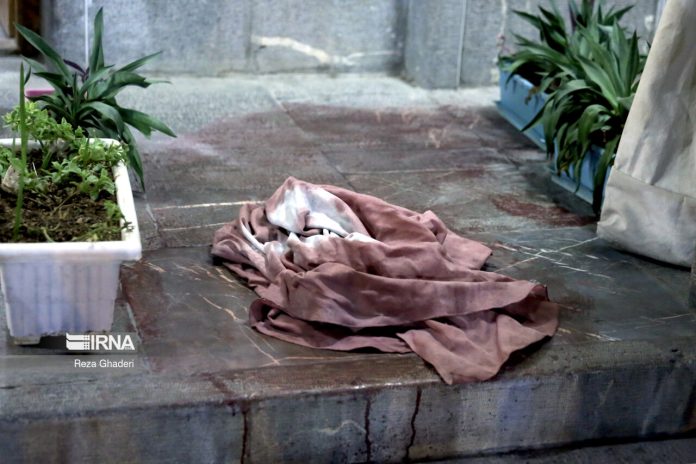
The Shah Cheragh shrine, located in Shiraz, was targeted in two separate attacks in 2022 and 2023. The main perpetrators were previously tried and executed.

In August 2023, a Tajik national carried out a violent attack at the shrine, opening fire and leaving two dead and seven wounded. Authorities swiftly apprehended the assailant and took him into custody.

The year before, another armed extremist stormed the shrine, murdering 15 worshippers, among them women and children, and injuring many others. Security forces engaged the attacker, wounding him before he later succumbed to his injuries in the hospital.

Iran FM: Palestine most urgent issue in region; Israel chronic threat

Abbas Araghchi

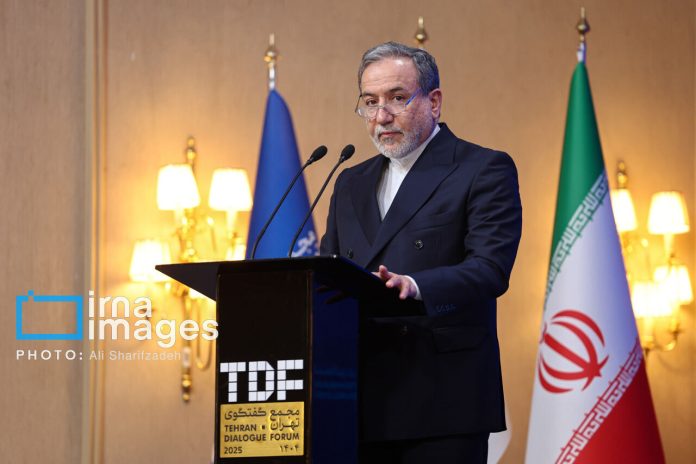
Speaking on Sunday at the Tehran Dialogue Forum, Seyed Abbas Araqchi said that since October 2023, over sixty thousand Palestinians have been killed in the Gaza Strip, many of whom were women and children. Millions have been displaced and are living under siege and in conditions of complete famine. It is regrettable that the world has failed to respond to this crime in a responsible and appropriate manner.

He stated that the Islamic Republic of Iran, in seeking to resolve the Palestinian crisis, calls for a national referendum with the participation of all indigenous inhabitants of Palestine—Muslims, Christians, and Jews—to decide on the future political system of the land.

Also referring to Iran’s nuclear program, Araqchi added that the Islamic Republic of Iran, as a party to the Nuclear Non-Proliferation Treaty (NPT), has never sought and will never seek nuclear weapons, based on its religious and ethical principles, and remains committed to the principle of not producing or using weapons of mass destruction.

He pointed out: “We have always sought to address the international community’s legitimate concerns about our nuclear program through engagement and transparency.”

The Foreign Minister, mentioning the indirect nuclear negotiations between Iran and the US, further stated that the Islamic Republic of Iran seeks a fair and balanced agreement—one that is formed within the framework of the NPT, fully respecting Iran’s nuclear rights, and objectively guarantees the comprehensive lifting of sanctions.

He said if Europe also demonstrates the necessary will to correct its past approach, Iran sees no obstacle to rebuilding mutual trust and expanding relations. Europe can play an effective role in the process of regional development and stability by adopting a responsible and constructive approach.

He emphasized that the Islamic Republic of Iran pursues its foreign policy along three key axes: maximum engagement with neighboring countries, expanding cooperation with emerging actors and Global South nations, and maintaining a balanced relationship with global power poles and blocs in both the East and the West.

Fatal crash at Tehran’s Azadi racetrack sparks outcry over safety standards

On Friday, veteran motorsport photographer Hamidreza Darajati was killed after a race car veered off track and crashed into a guardrail designated as a “safe zone” for media personnel.

The incident occurred during a national event sanctioned by the Iranian Automobile and Motorcycle Federation.

According to federation official Ali Ghafoori-Ashtiani, the collision was “rare and unexpected,” marking the first fatal crash at the start line in 30 years.
He, however, acknowledged the infrastructure was substandard and said better barriers like concrete “New Jersey” blocks could have prevented the tragedy.

Former racing champion Laleh Seddigh, talking to Shargh Daily, criticized the poor track conditions, noting improperly installed crash cushions and inadequate guardrails, which failed to meet international safety norms.

“You can’t blame the driver. The real failure is in planning and infrastructure,” she said.

Investigations revealed the track was originally designed for karting, not high-speed racing. Experts question how such a venue passed safety approval and why no agency is accepting responsibility.

Despite a recent insurance policy covering the venue, critics argue prevention, not compensation, is the priority.

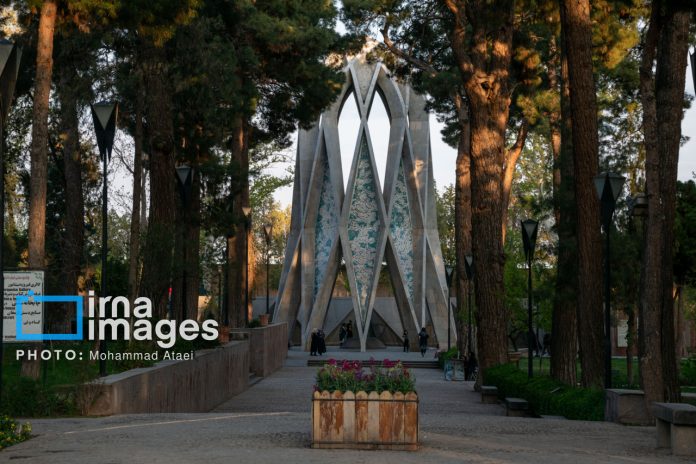
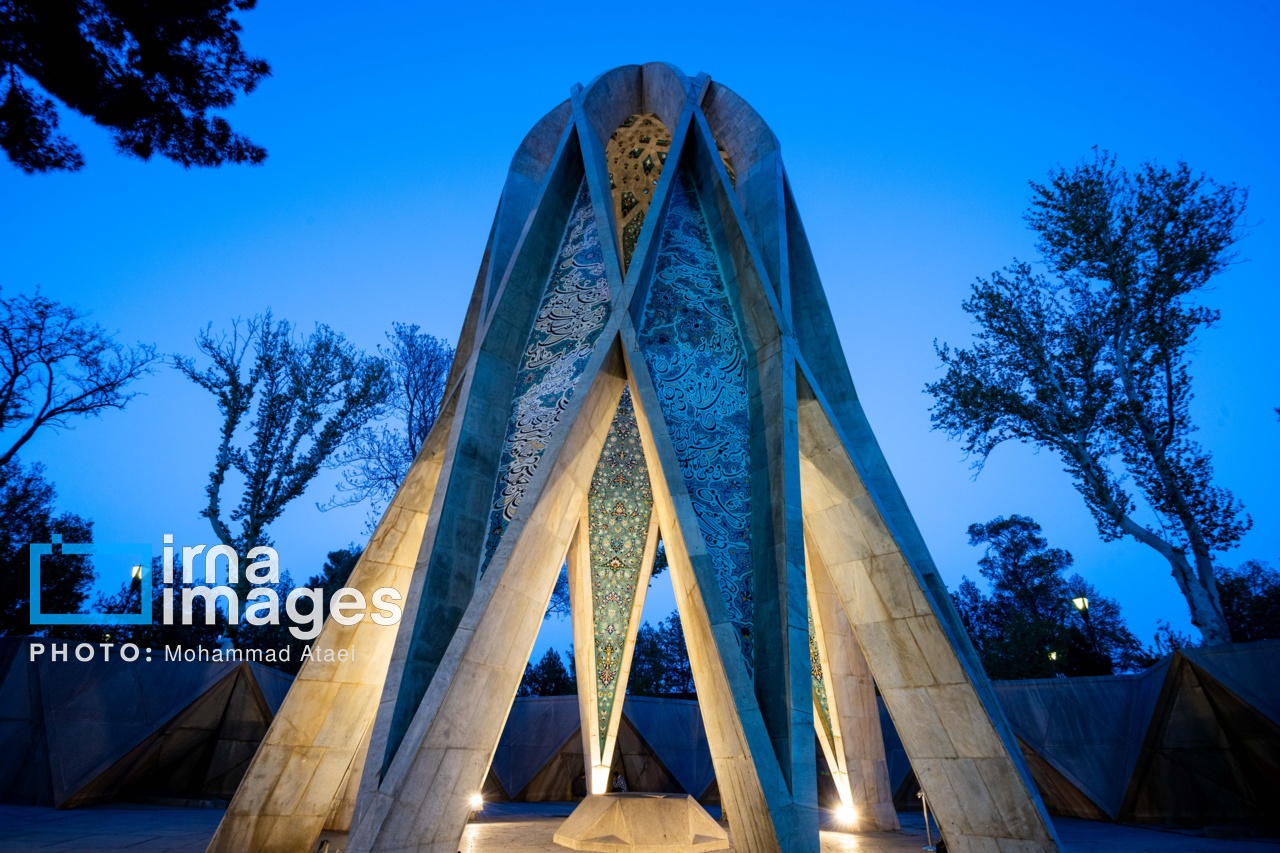
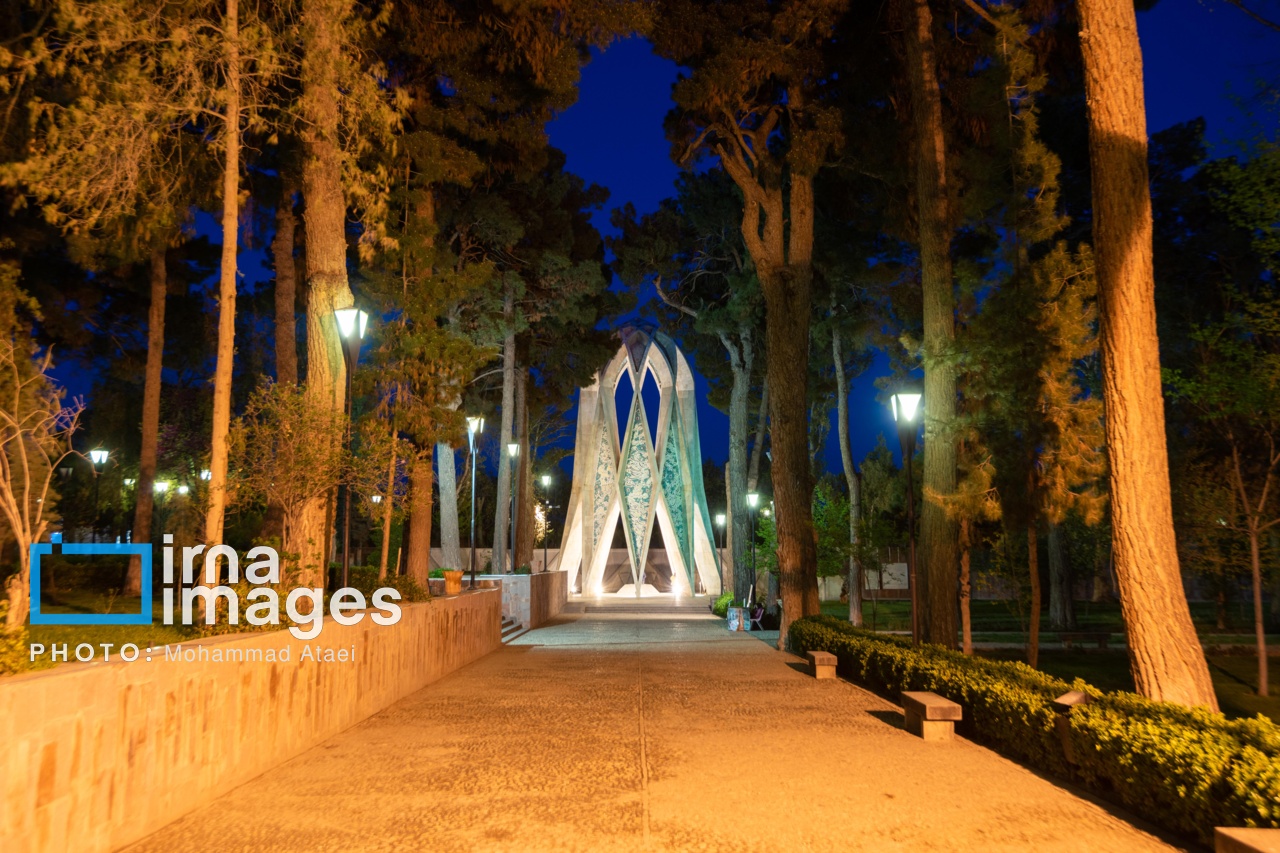
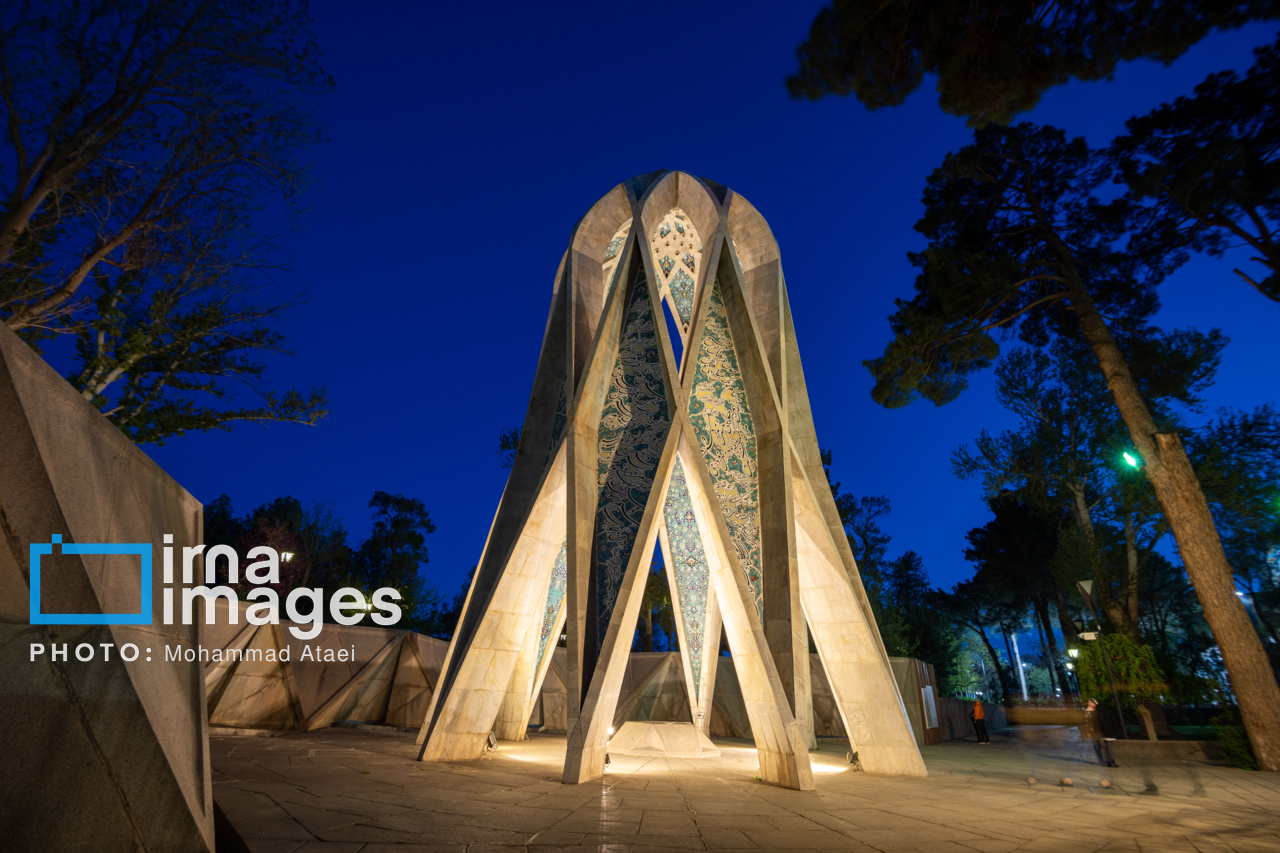
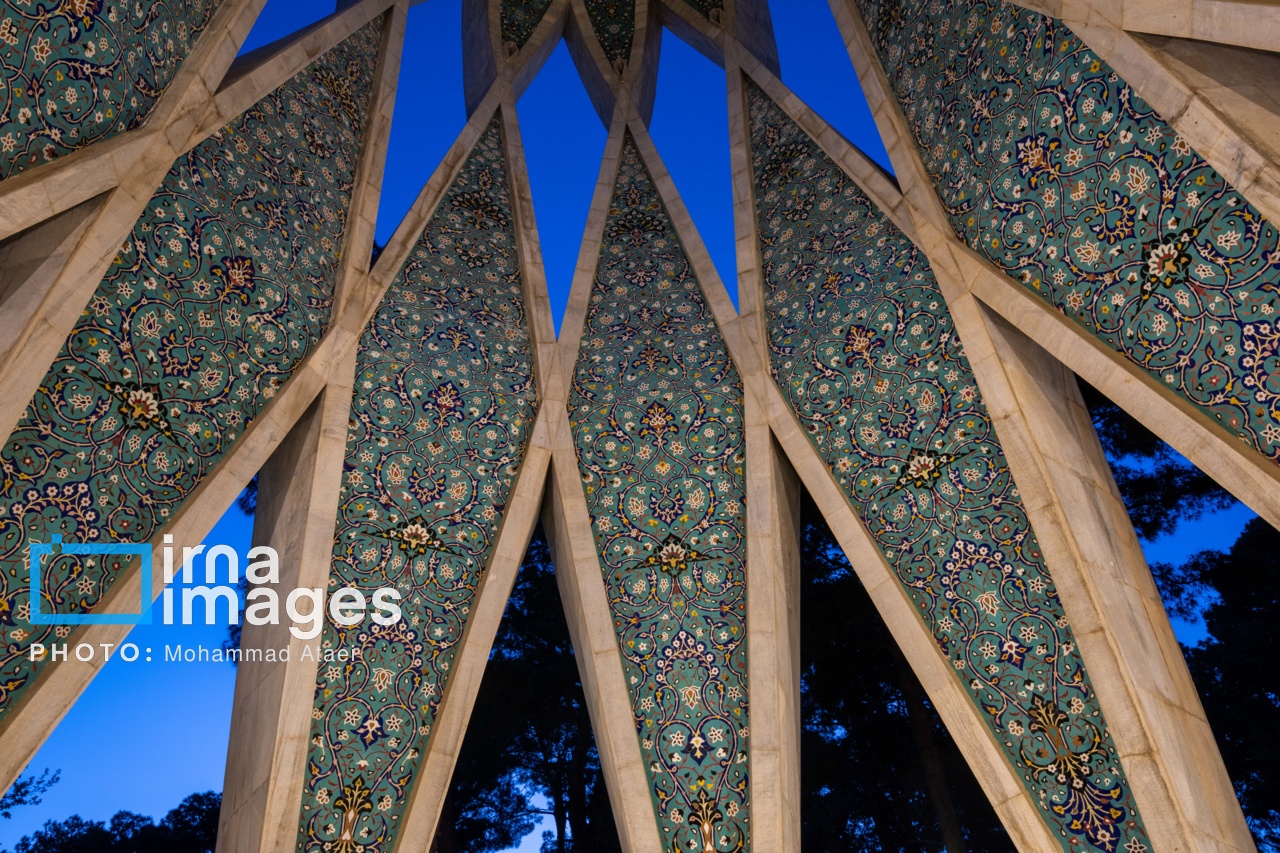
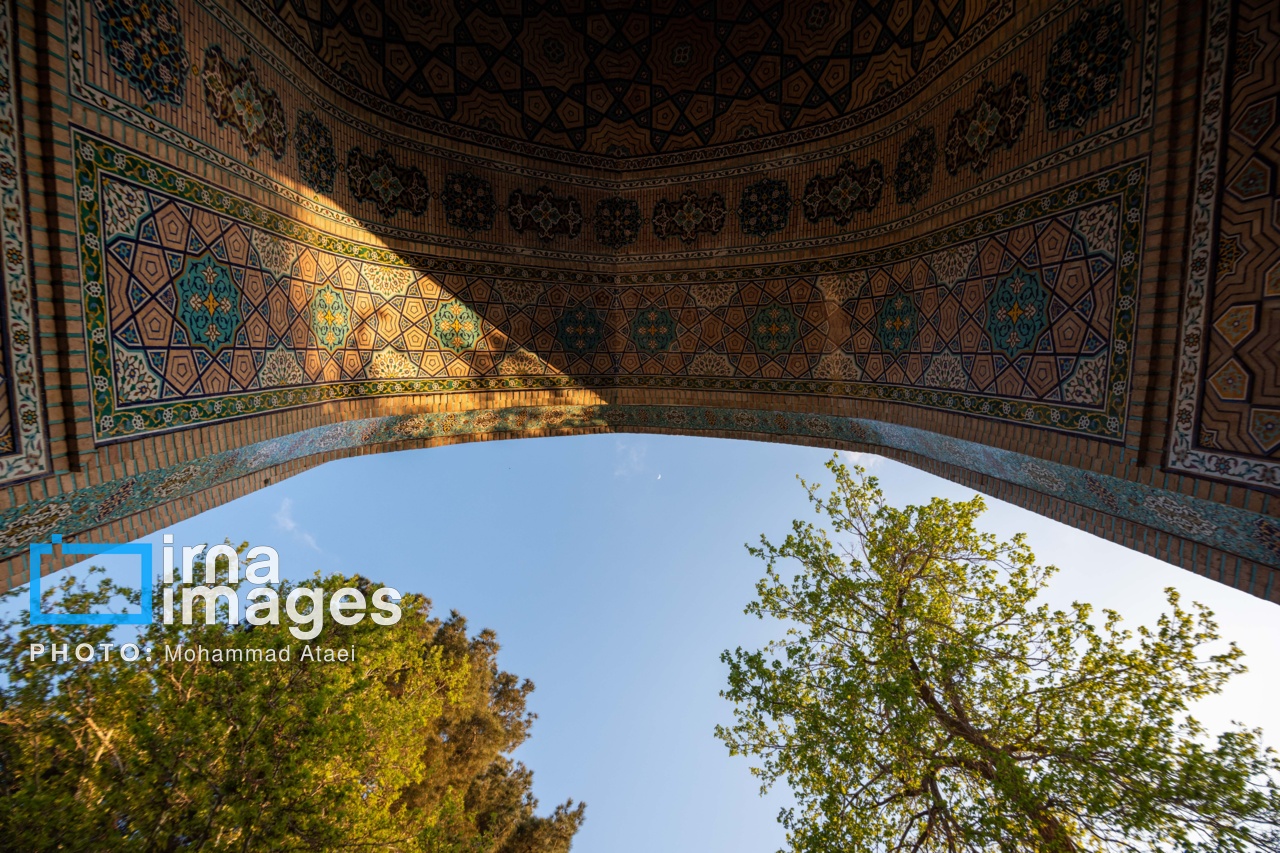
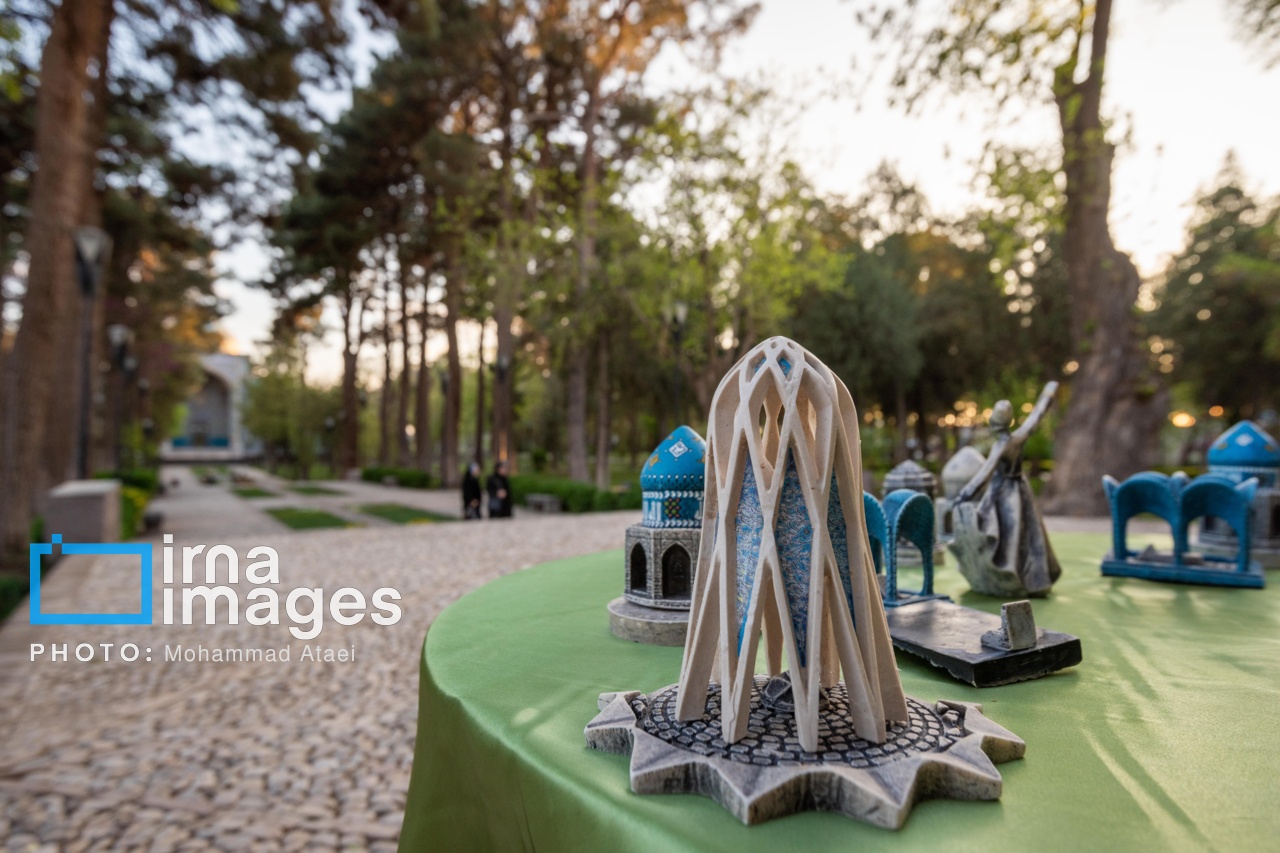
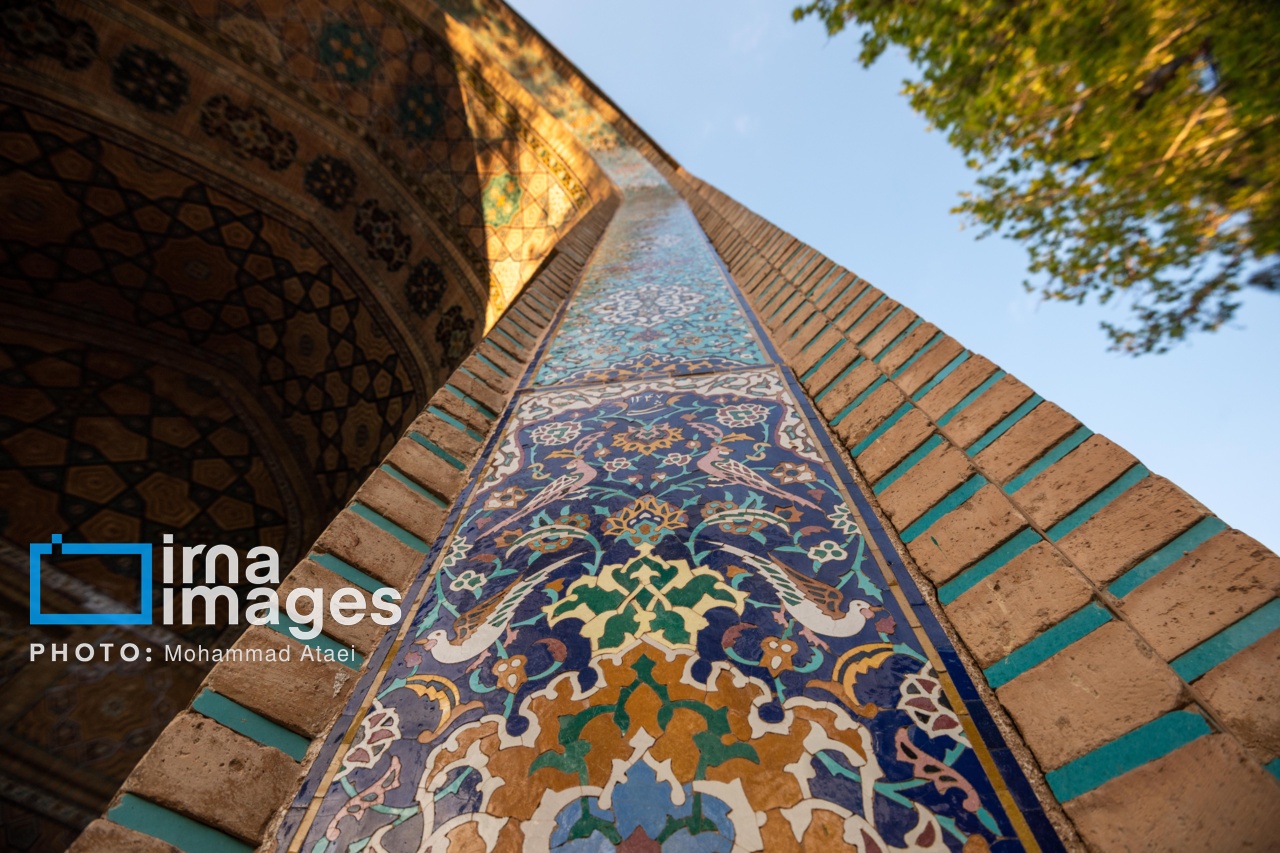
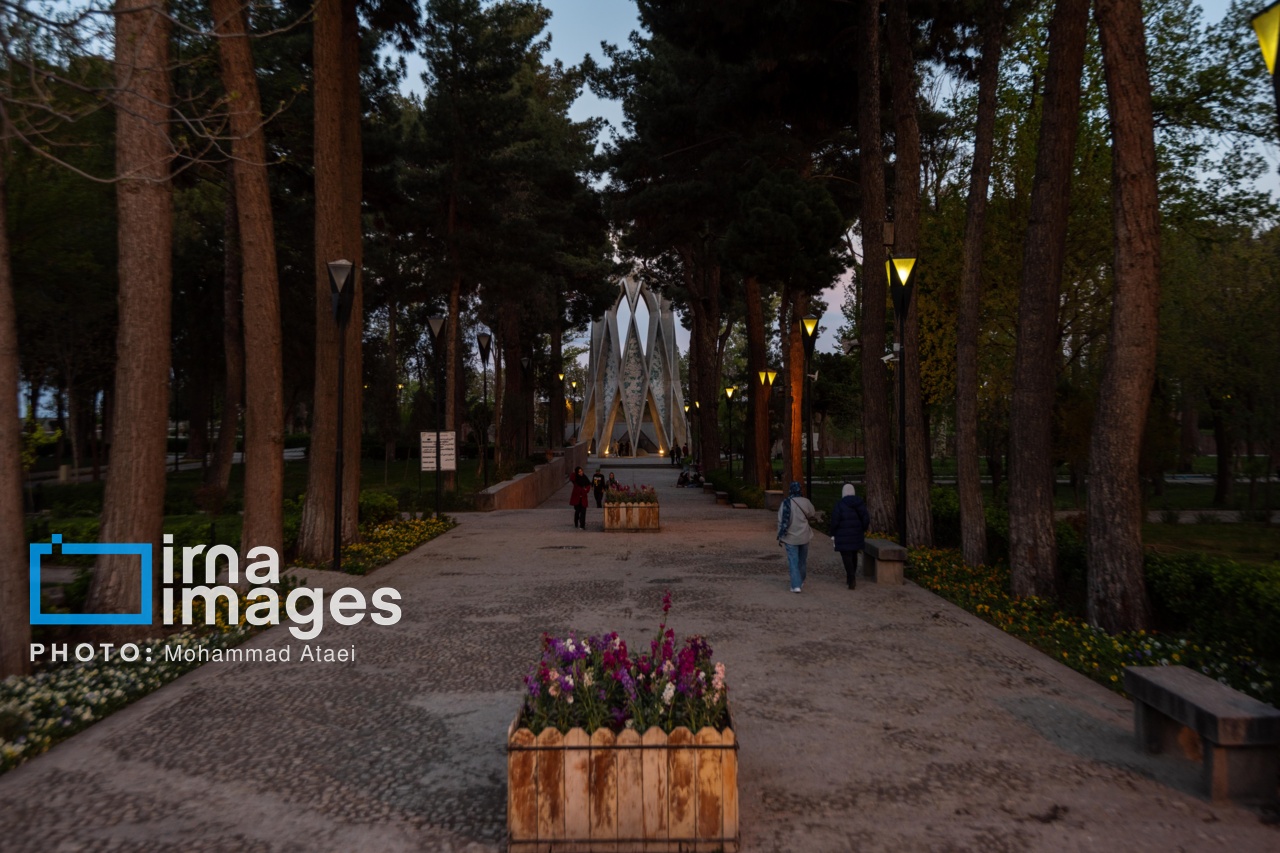
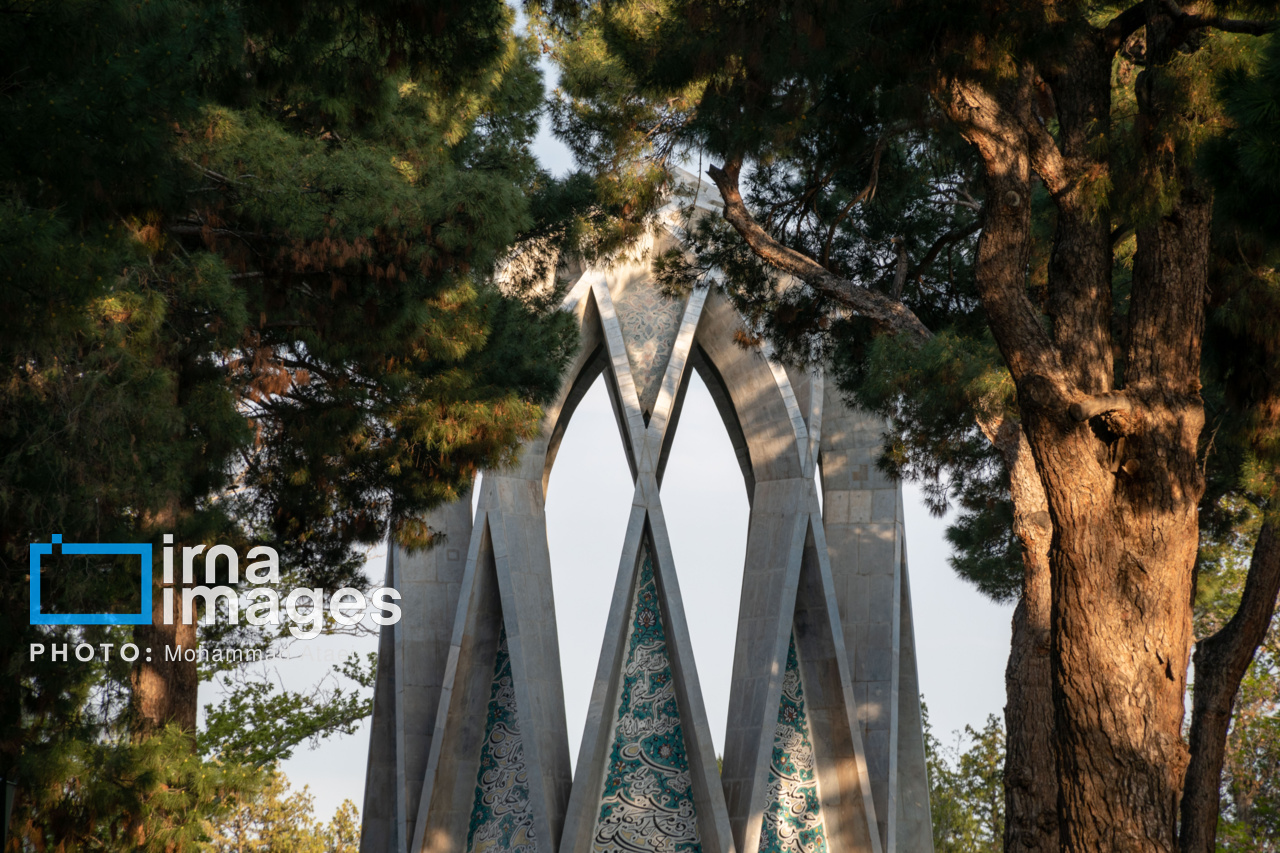
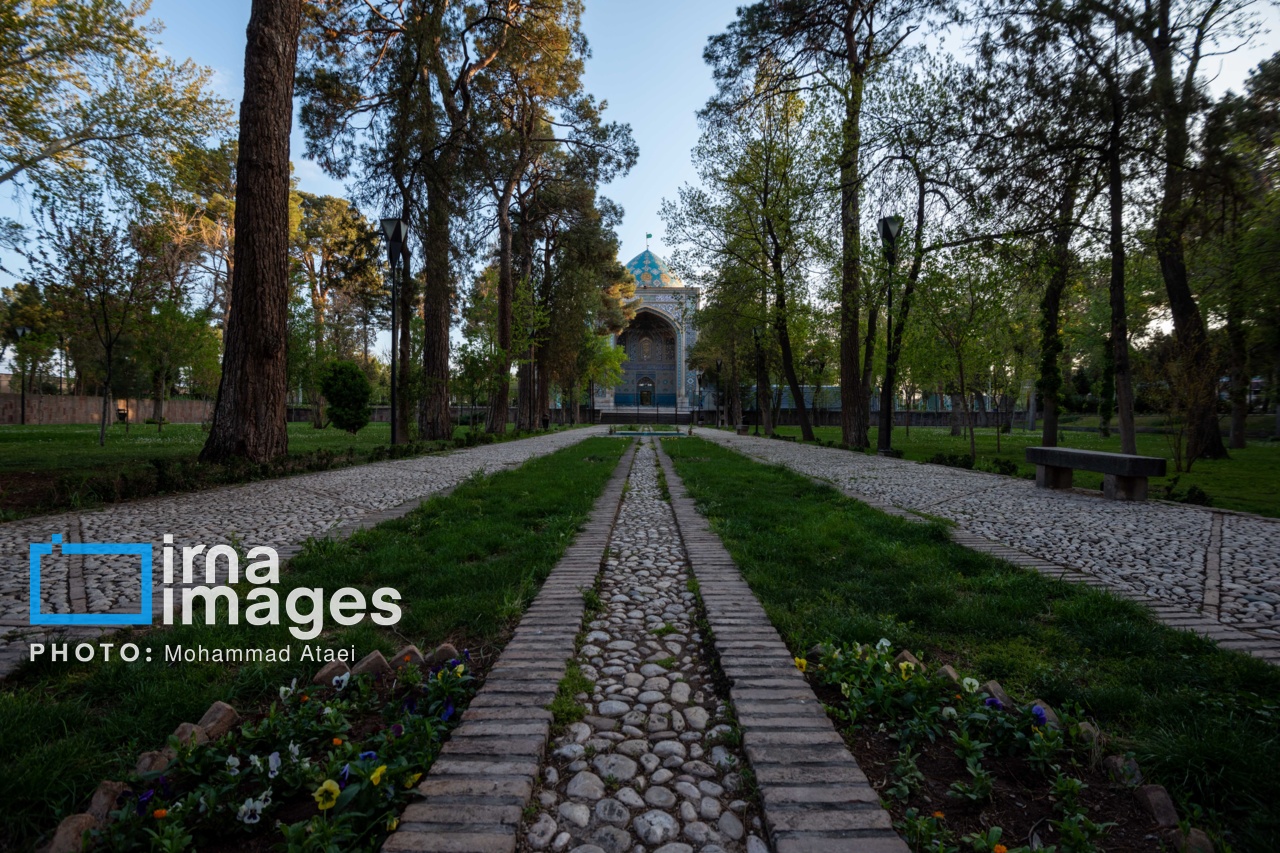
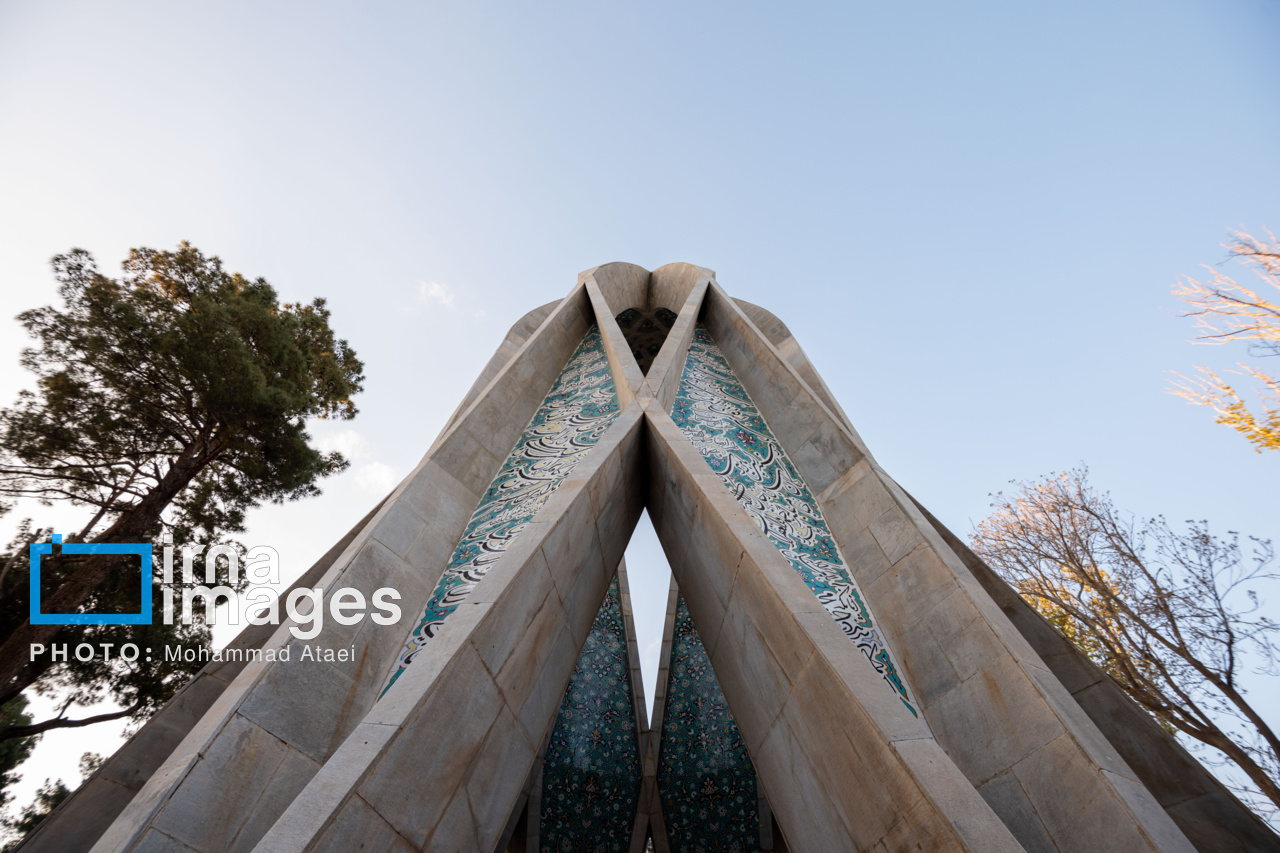
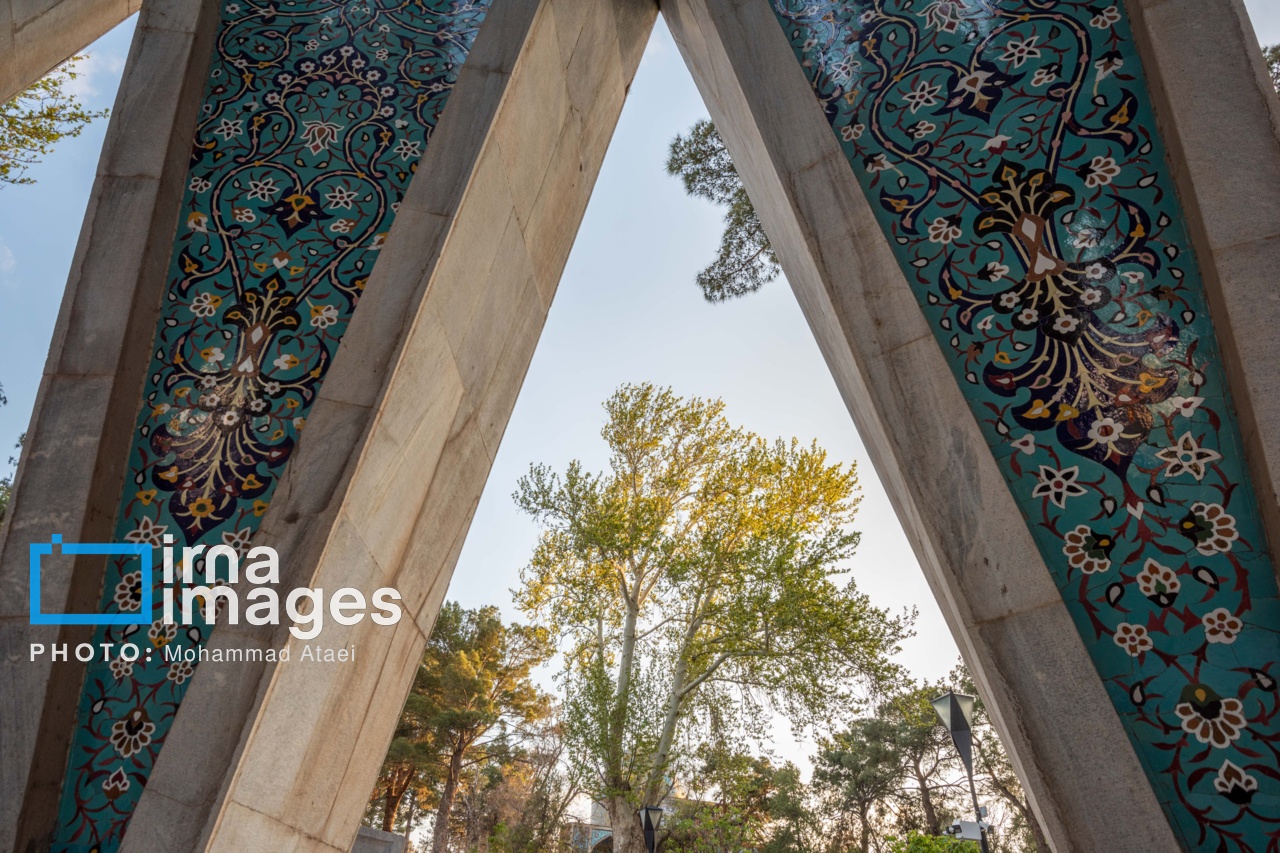
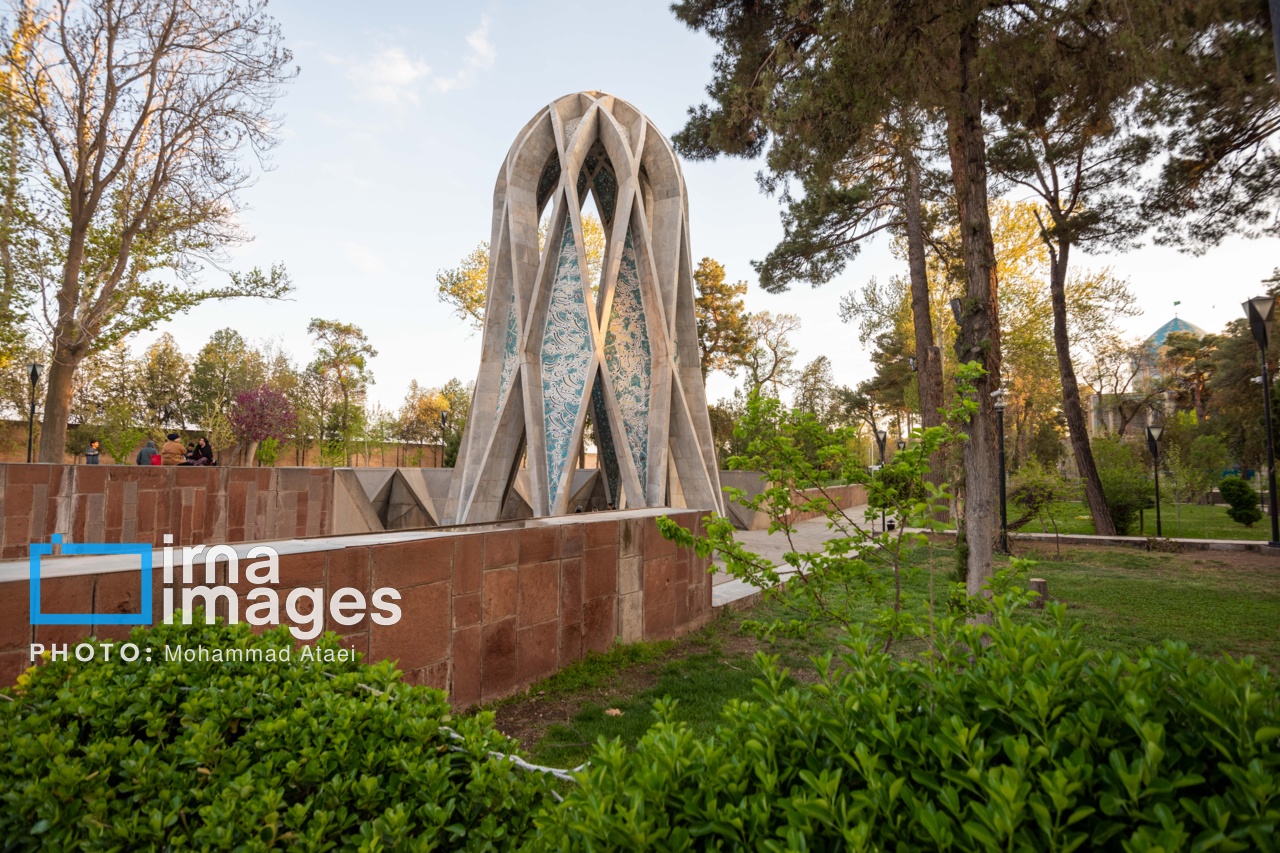
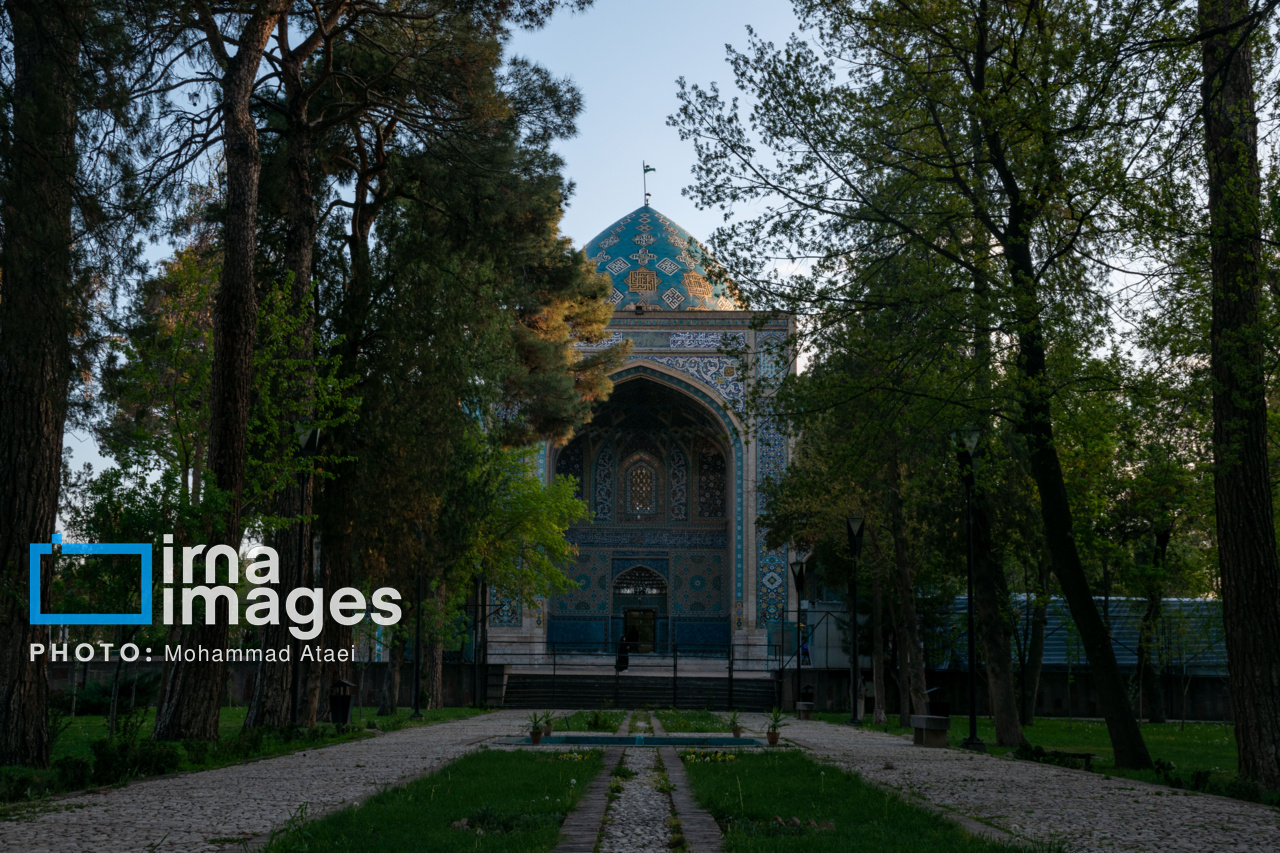
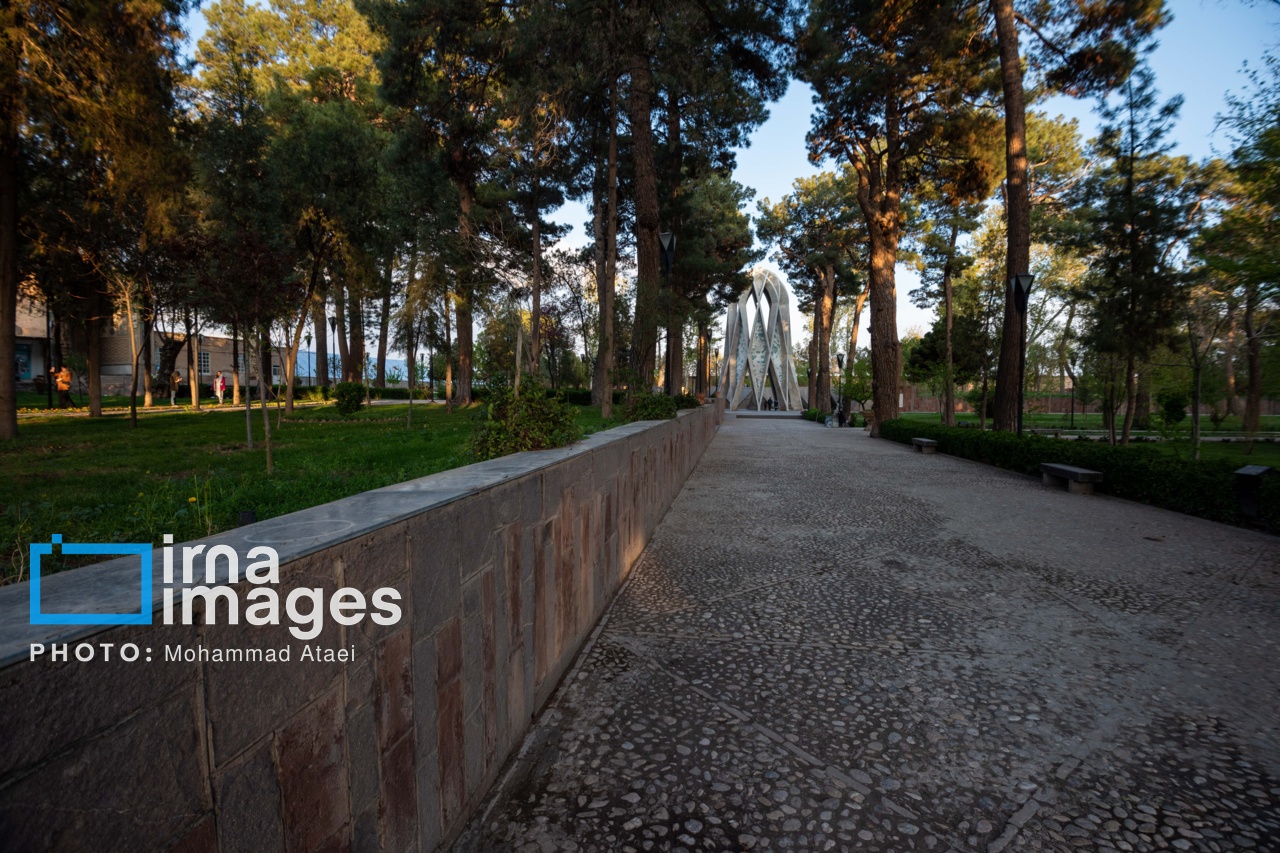
Iranians mark national day honoring towering polymath Omar Khayyam

Born on May 18, 1048 (28 Ordibehesht 427 in the Persian calendar) in the historic city of Nishapur, Khayyam was a philosopher, mathematician, astronomer, and poet of the Seljuk era.

Though his scientific achievements, especially in mathematics and astronomy, are considered superior to his literary contributions and  earned him the title “Hujjat al-Haqq” (The Proof of Truth), Khayyam is best known worldwide for his quatrains (Rubaiyat). His poetry, often meditative and philosophical, has gained enduring fame across cultures.

The global recognition of Khayyam’s poetry owes much to the 19th-century English translation by Edward FitzGerald, which introduced the Rubaiyat to the Western world and significantly boosted Khayyam’s literary reputation outside Iran.

Today, his verses are translated into most major languages and remain celebrated for their reflection on fate, existence, and the human condition.

More in pictures:

Pakistani PM thanks Iran for mediation in India-Pakistan ceasefire

Pezeshkian Sharif

He then praised the recent visit of Iran’s foreign minister to Islamabad, calling Tehran’s proposal for a truce a “constructive” and “effective” step toward de-escalation. The Pakistani prime minister spoke about the recent developments between his country and India. He stressed that while the two countries have fought three wars over past decades, none have resolved the core issues.

Sharif underscored that challenges such as the Kashmir dispute, terrorism, and other longstanding disagreements can only be resolved through dialogue and political solutions.

He further expressed hope to visit Tehran in the near future for direct talks on bilateral and regional matters. Pezeshkian for his part welcomed the Indian-Pakistan ceasefire and reiterated Iran’s consistent stance on such issues.

He said Iran believes that war and violence only deepen suffering and fail to address the root causes of disputes.

The Iranian president reaffirmed Tehran’s readiness to support peaceful dialogue and regional cooperation, underlining the Islamic Republic’s commitment to peace, stability, and constructive diplomacy. Pezeshkian also described terrorism as a major regional threat, calling for greater synergy, coordination, and solidarity among neighboring countries to effectively counter the phenomenon.

He welcomed the Pakistan prime minister’s decision to visit Tehran in the near future and voiced hope that the trip will would further strengthen bilateral ties and expand mutual cooperation.