Tuesday, December 23, 2025
Home Blog Page 2041

Shamkahni: Iran has learned it should not rely on anyone

Iran Missile

Ali Shamkhani made the comment in a tweet on Sunday.

He said the field and the diplomacy are two components of the Islamic Republic of Iran’s power that are put to use proportionally and judiciously for the purpose of defending national interests and security.

Shamkhani sent the tweet in an apparent reference to Iran’s missile attack against the base of the Zionist regime in Iraq’s Kurdistan region and also Tehran’s concurrent push for realizing its rights through talks with the P4+1 group of countries in Vienna.

Russia hindering Vienna talks in cahoots with Israel: Ex-MP

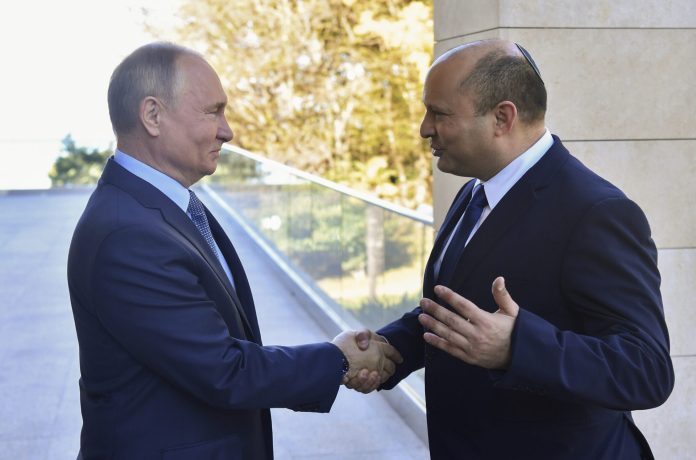
Putin Bennett

In an analysis piece published by Khabar Online Website, Jalal Mirazei drew attention to Israel’s latest activities to derail the Vienna talks, while all the attention has been focused on the destructive roles of Russia and the US since a pause was announced in the diplomatic process on Friday.

He said Russia decided to put forward demands for guarantees from the US during the talks only after Israeli Prime Minister Naftali Bennett visited Moscow.

“The Zionist regime’s goal is to prevent Iran and the Democratic government in the US to seize the chance created by the Ukraine crisis to finalize an agreement, while opponents of the Iran deal remain isolated in America’s political circles,” he said.

“It is in fact the Zionist regime that has been the mastermind and the main external factor sabotaging the negotiations and delaying them from behind the scenes,” Mirzaei said.

He said Russia’s cooperation with Israel against Iran’s national interests was “unforgivable” and could have serious repercussions for the future of Moscow’s ties with Tehran, unless Russian authorities change course and stop using the Vienna talks as a tool in the service of their own agenda

‘All Saudi refineries on list of Yemen’s targets’

Aramco

The sources say the move comes in response to the legitimate demands of the Yemeni people that the Saudi-led air siege of Yemen be broken in order to tackle fuel shortages in the war-torn country.

They also named a number of refineries and installations in Saudi Arabia which will be next targets of missile and drone attacks by the Yemeni forces.

According to the news website, long after veiled threats by Yemen to target oil facilities in Saudi Arabia and the UAE in response to the escalation of their siege of the war-torn country, the Yemeni armed forces, on Saturday attacked the Aramco oil facility in Saudi Arabia.

Al-Akhbar cited officials from the Ansarullah movement as warning the UAE’s oil installations are within the reach of the Yemeni forces as well.

General Yahya Saree, a spokesman for the Yemeni armed forces, said his country’s guided drones Samed 1 and 3 targeted the Aramco facilities in Jizan, Abha and several other key areas.

The Saudi-led coalition launched an onslaught against Yemen in March 2015 to reinstate fugitive former president Abd Rabbuh Mansur Hadi, which is backed by Riyadh and its allies.

The United Nations says more than 377,000 people were killed in Yemen’s war by the end of 2021 as a result of indirect and direct causes. Millions of people have been also internally displaced.

Second hearing held in General Soleimani assassination case

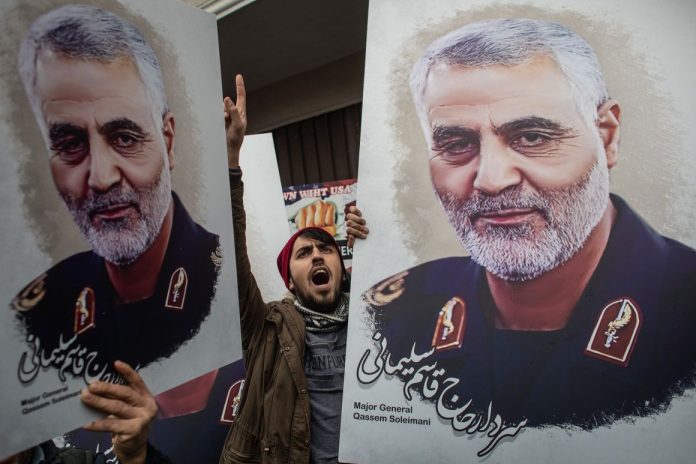
Qassem Soleimani

The hearing was held on Sunday in a case that involves 2,575 plaintiffs from across Iran who are demanding reparation for material and emotional damage as a result of the assassination by the United States of General Soleimani in Baghdad, Iraq, on January 3, 2020.

The defendants in the case are former US President Donald Trump, who ordered the military strike that killed General Soleimani, former US Secretary of State and CIA Director Mike Pompeo, and the US Treasury, among others.

Judge Salman Poormoridi said the court had the jurisdiction to hear the case because it was a legal branch for international cases in Tehran.

A lawyer for the plaintiffs, Aboutaleb Iyaz, called the US assassination of General Soleimani a “violation of international and domestic law” that he said did irreparable damage — material, emotional, and psychological — to the survivors.

General Soleimani was the commander of the Quds Force of the Islamic Revolution Guards Corps (IRGC), who was assassinated along with several others, including Iraqi commander Abu-Mahdi al-Muhandis, in a US drone strike near Baghdad’s airport two years ago.

The US military and government have taken responsibility for the assassination.

Iran has pledged a “harsh revenge” for the assassination of the high-ranking Iranian military commander.

Iranian Foreign Ministry spokesman: Tehran will never accept a new JCPOA

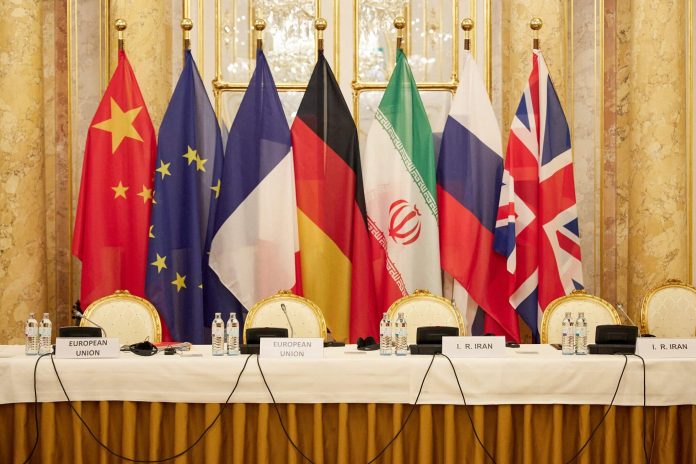
He said the Iranian negotiating team has a clear agenda and that chief negotiator Ali Bagheri is not in Vienna to draft a JCPOA, but to make sure the US will fulfill its obligations before being allowed to return to the 2015 deal.

He said if the Iranian delegation was supposed to cross Iran’s red lines, it would have reached a deal with the P4+1 group of countries months ago.

Khatibzadeh noted that the Foreign Ministry does the negotiations while the agenda of talks is decided by the Supreme National Security Council.

He promised that the interests of all the Iranian people will be protected during the Vienna talks. He also said key issues between Iran and the US are the Islamic Republic’s economic benefits and sanctions removal.

The Foreign Ministry spokesman said the US has put forth three lists. These include a green list whose sanctions are removed, a yellow list, whose sanctions are negotiable, and a red list, whose sanctions won’t be removed as far as Washington is concerned.

Khatibzadeh added that all our negotiations aim to say Iran does not accept a red list.

He did not give further details but noted that all of Iran’s nuclear achievements will be safeguarded.

He said there have been no direct negotiations between Iran and the US as of yet, adding that verification is aimed at making sure sanctions are removed in practice, not just on paper.

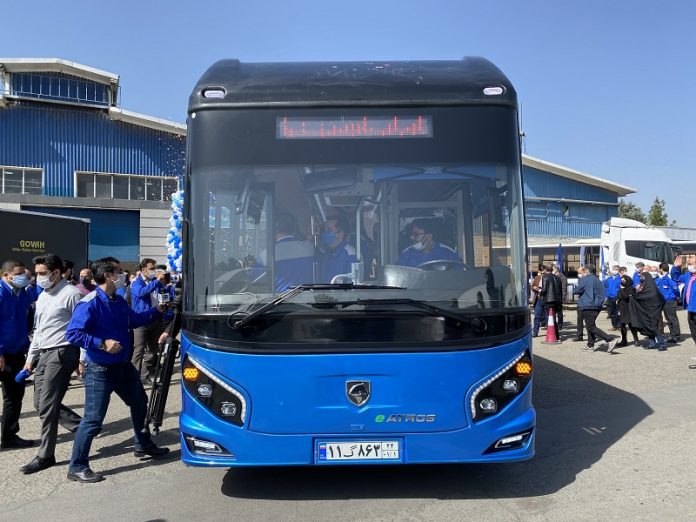
Giant Iranian automaker unveils first electric bus

The eco-friendly vehicle, dubbed e-Atros and developed under a major IKCO business strategy, was unveiled during a ceremony on Sunday.

The bus uses the highest-capacity batteries ever developed inside of Iran — with a power of 350 kilowatt hours. With every battery charging, e-Atros will be able to travel 250 kilometers.

It has an engine power of 475 horsepower and a total torque of 3500 Newton meters.

The vehicle will be introduced to Iran’s civil transportation fleet next year.

If the IKCO’s new electric bus is used to renew Iran’s aging civil transportation fleet, 40,000 liters of fuel will be saved per every single vehicle each year. Also, per each vehicle, 2.3 tons of polluting emissions will be reduced every year.

US says won’t negotiate Ukraine-related sanctions with Russia to salvage JCPOA

Russia Ukraine US

With one of President Joe Biden’s top foreign-policy goals imperiled, the senior US official said Moscow had a week to withdraw its demand for written guarantees exempting Russia from any Ukraine-related sanctions that would constrain Moscow’s future trade with Iran. Such guarantees could undercut the West’s punishing array of sanctions leveled at Russia over the Ukraine invasion.

“I don’t see the scope for going beyond what is within the confines of the JCPOA,” the senior US official stated, referring to the 2015 nuclear deal formally known as the Joint Comprehensive Plan of Action.

”I think it’s pretty safe to say that there is no room for making exemptions beyond those,” the official added.

Former President Donald Trump exited the accord in 2018 and reimposed broad sanctions, claiming the deal failed to stop Iran’s path to a nuclear weapon.

Tehran denies seeking nuclear weapons, stressing it wants to master nuclear technology for peaceful purposes.

The official noted an agreement between Iran and the US was “within reach,” saying only a few issues were holding up a deal when talks in Vienna were broken off Friday because of Russia’s demand. The official called Russia’s demands “the most serious stumbling block and obstacle to reaching a deal.”

European officials say Russia had promised to respond with its precise demands for guarantees in the next few days.

The US official added if Russia presses its guarantee demands or doesn’t reply “in the coming week,” Washington would need to “very quickly consider an alternative path.”

Earlier this month, as Western diplomats were seeking to wrap up the talks, Russia requested guarantees that its work under the JCPOA would be exempted from western sanctions over Ukraine.

The US had given sanctions waivers for the 2015 deal. However after Russian Foreign Minister Sergei Lavrov told reporters Moscow wanted much broader guarantees, its chief negotiator in Vienna, Mikhail Ulyanov, presented a second paper to European negotiators on Tuesday seeking to protect all future trade and investment against Ukraine-related sanctions.

It couldn’t be determined whether Iran would be willing to negotiate an alternative deal without Russia, or whether China—which has grown closer to Russia—would participate. European officials also announced Friday they would be open to exploring an alternative accord with Iran without Russia.

Ulyanov on Friday stated his country’s demands weren’t the only reason an agreement on reviving the nuclear deal hadn’t been reached. Since negotiations hadn’t concluded, it was his country’s right to raise its concerns, he added.

The US is also on the hunt for new oil supplies during the war in Ukraine, as it seeks to contain surging energy prices. Iran could supply up to a million barrels a day of new crude supplies eventually if sanctions are lifted.

One option for the US and its partners would be to create an interim deal that could freeze some of Iran’s activities and wind back aspects of its nuclear program in return for some level of sanctions relief from the Washington. Tehran has always rejected the idea of an interim deal.

Another option would be to create what the senior US official called a “replica of the JCPOA,” without Russia, which would assign Moscow’s tasks in the agreement elsewhere.

“I do think we would be open to various alternatives. We are beginning to think about what those might be,” the official said, adding, “We…at this point wouldn’t rule anything out.”

Further complicating any attempt to re-craft a deal with Iran: Tehran has refused to let its negotiators talk directly to the US until Washington lifts its sanctions.

Regional tensions with Iran are growing again after a missile strike early Sunday which US officials say originated from Iran and landed near an American consulate under construction in northern Iraq.

Iran’s Islamic Revolution Guards Corps has claimed missile strikes on sites in Iraq’s Kurdistan Region saying the attacks hit “Zionists’ strategic centers” for their plots and villainy by powerful precision-strike missiles.

Any new deal would also trigger US legislation giving Congress time for an in-depth review of the accord.

The negotiations in Vienna, which have dragged on for close to a year, aim to agree on the steps the US and Iran would take to return into compliance with the nuclear deal. If Russia’s demands can be resolved, negotiators have stated they could be back in Vienna within a few days to finish the talks.

Iran has avoided calling out Russia and has continued to blame the failure to complete the talks on Washington. However there have been hints of irritation from Iranian officials, who have said they wouldn’t let external factors get in the way of their interests. The senior US official declined to say whether an agreement would have been concluded by now without the Russian intervention.

Among the issues still on the table is whether Iran’s Revolutionary Guards would have their Foreign Terrorist Organizations listing removed and what any conditions might be around that, Western diplomats say.

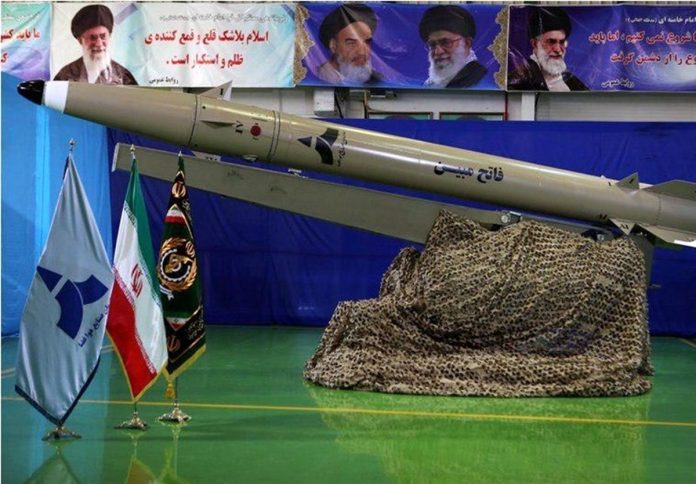
Source: Iran missiles hit gathering of the Zionists in northern Iraq

Iran Missile

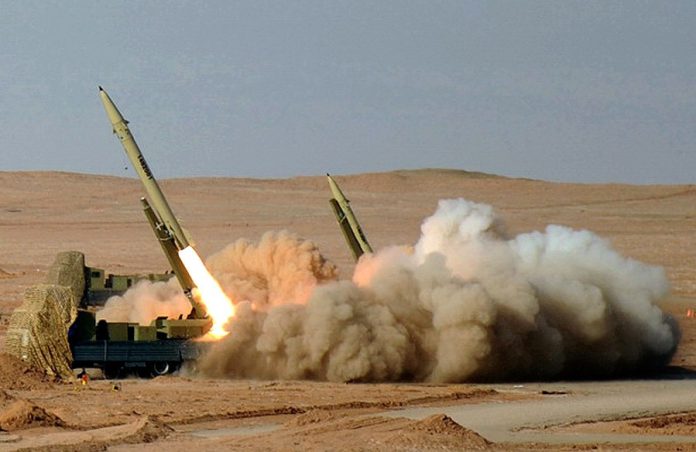
The source told Tasnim News Agency that the IRGC punished the Zionists using 10 homegrown Fateh precision missiles including Fateh-110 ones.

He noted that the missiles hit a gathering of the Zionists and it’s highly likely that they suffered heavy casualties in the attack given the number of individuals that are in the base.

The source also said the missiles were fired from Iran’s northwestern region and all of the projectiles hit their intended targets.

He underlined that the main target of the attack was the headquarters of the Zionists which is away from that of the US.

The source further spoke about why Iran did the attack, saying some heinous crimes by the Zionist regime were organized inside the Iraqi territory and that the IRGC sought to punish the regime right there.

The source also warned of an appropriate response if the Zionists continue their evil activities.

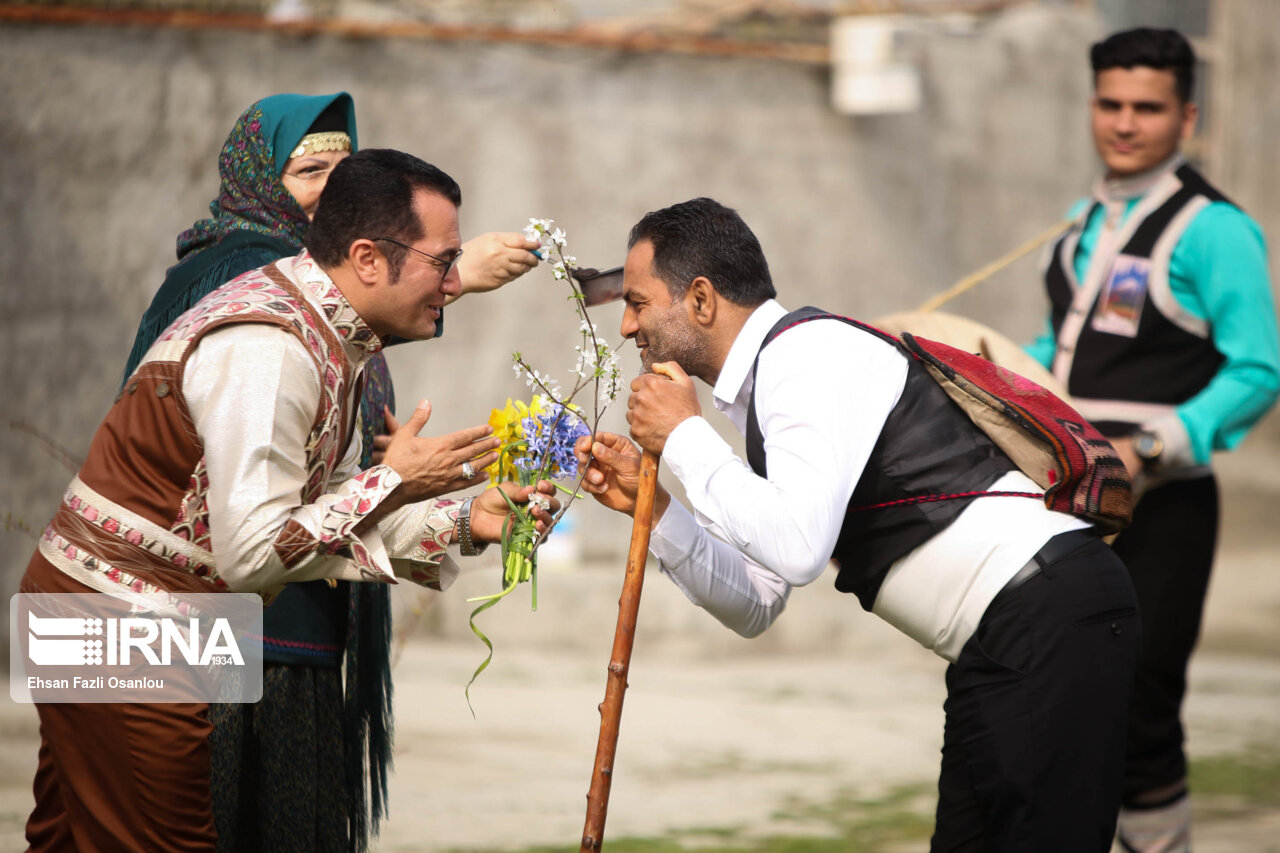
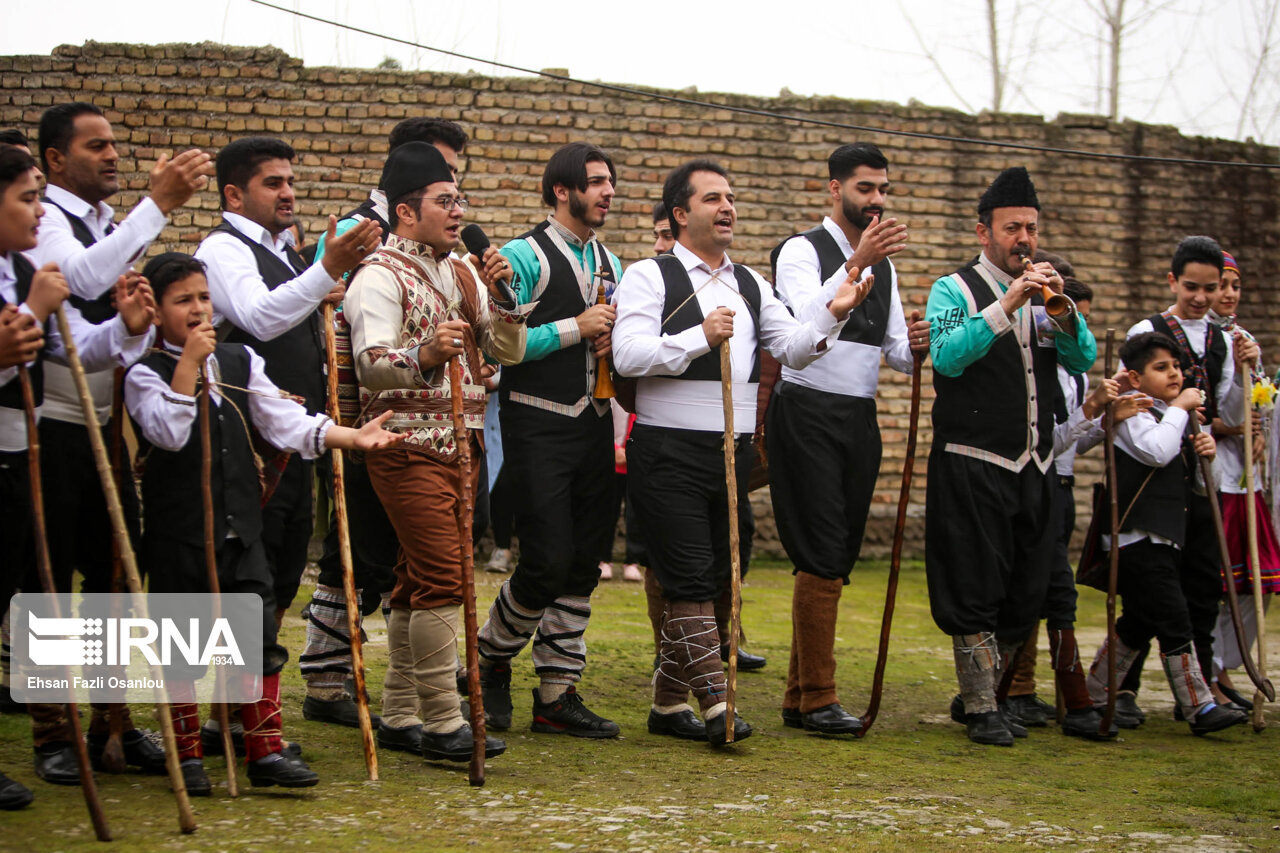
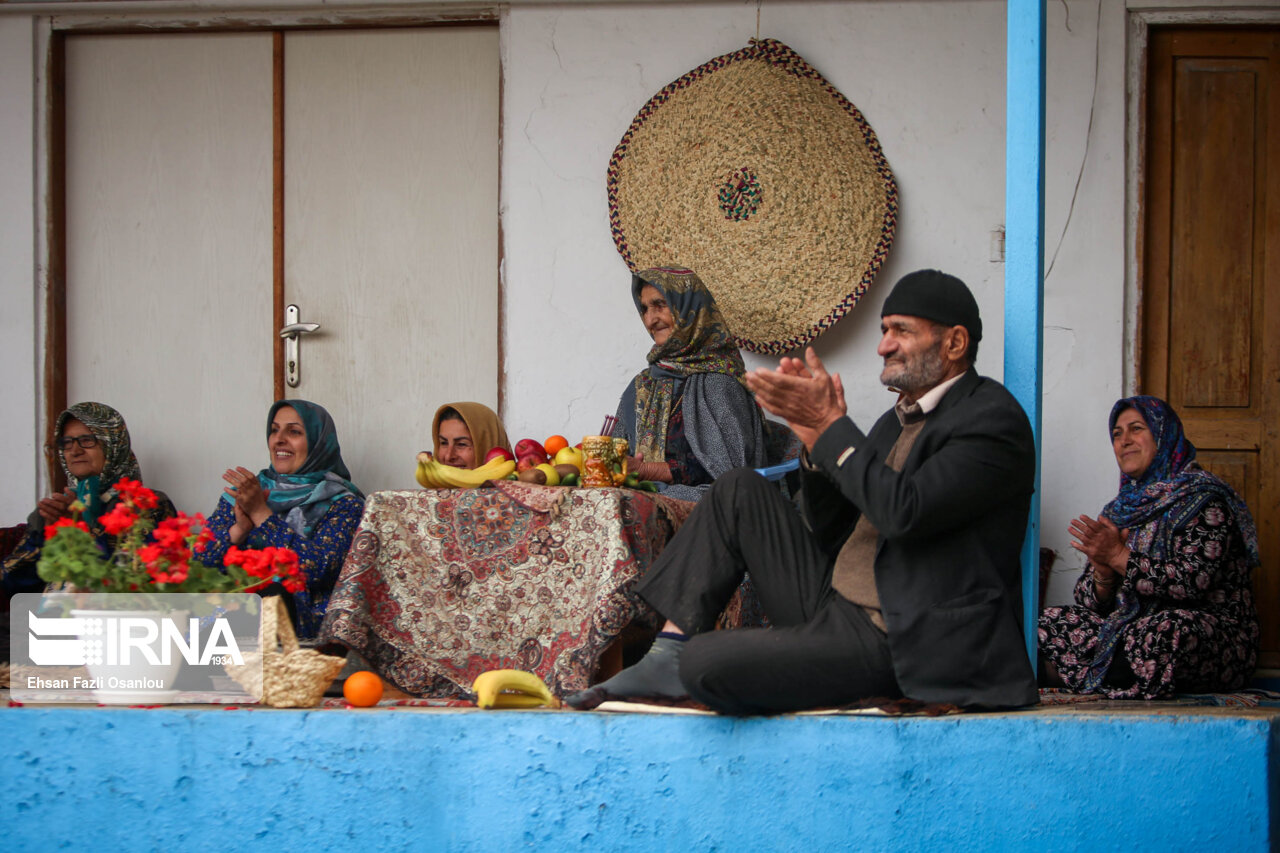
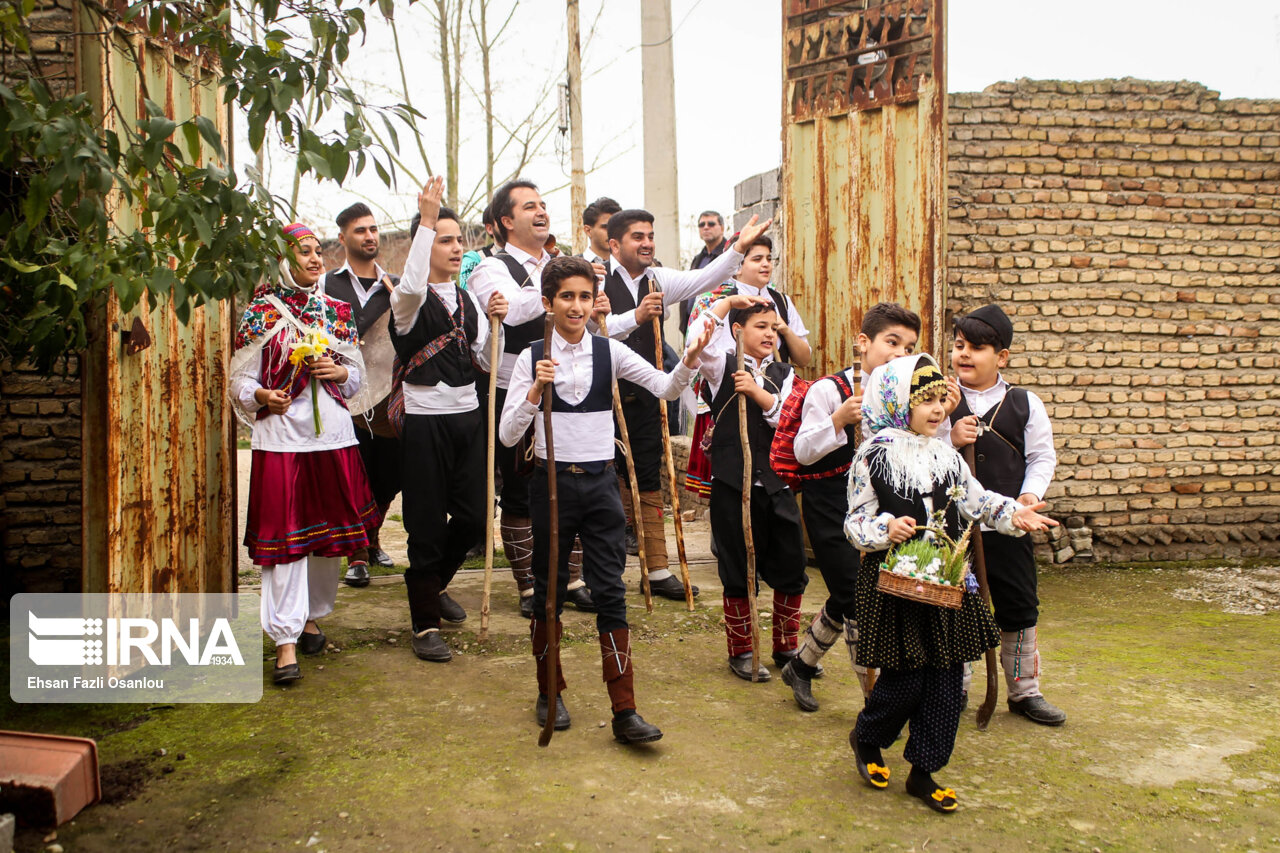
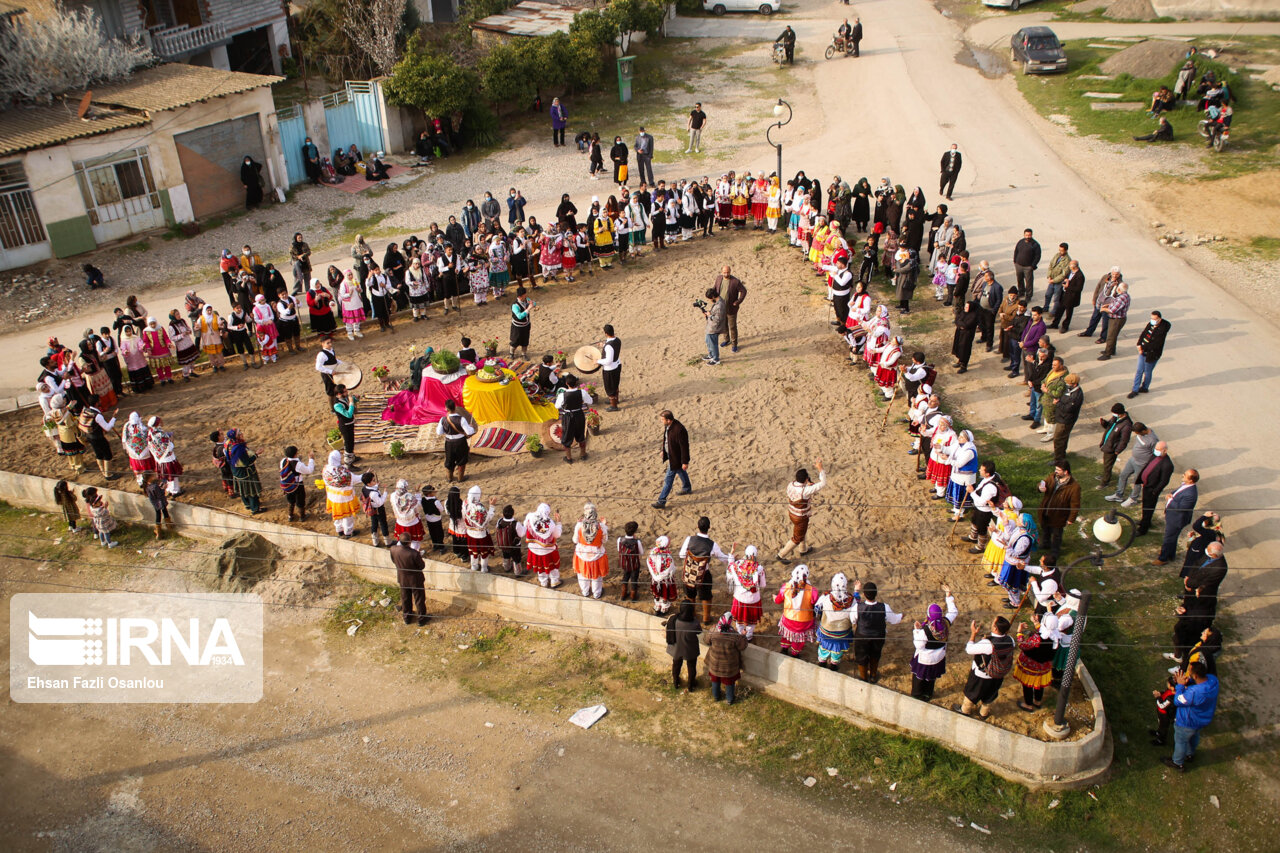
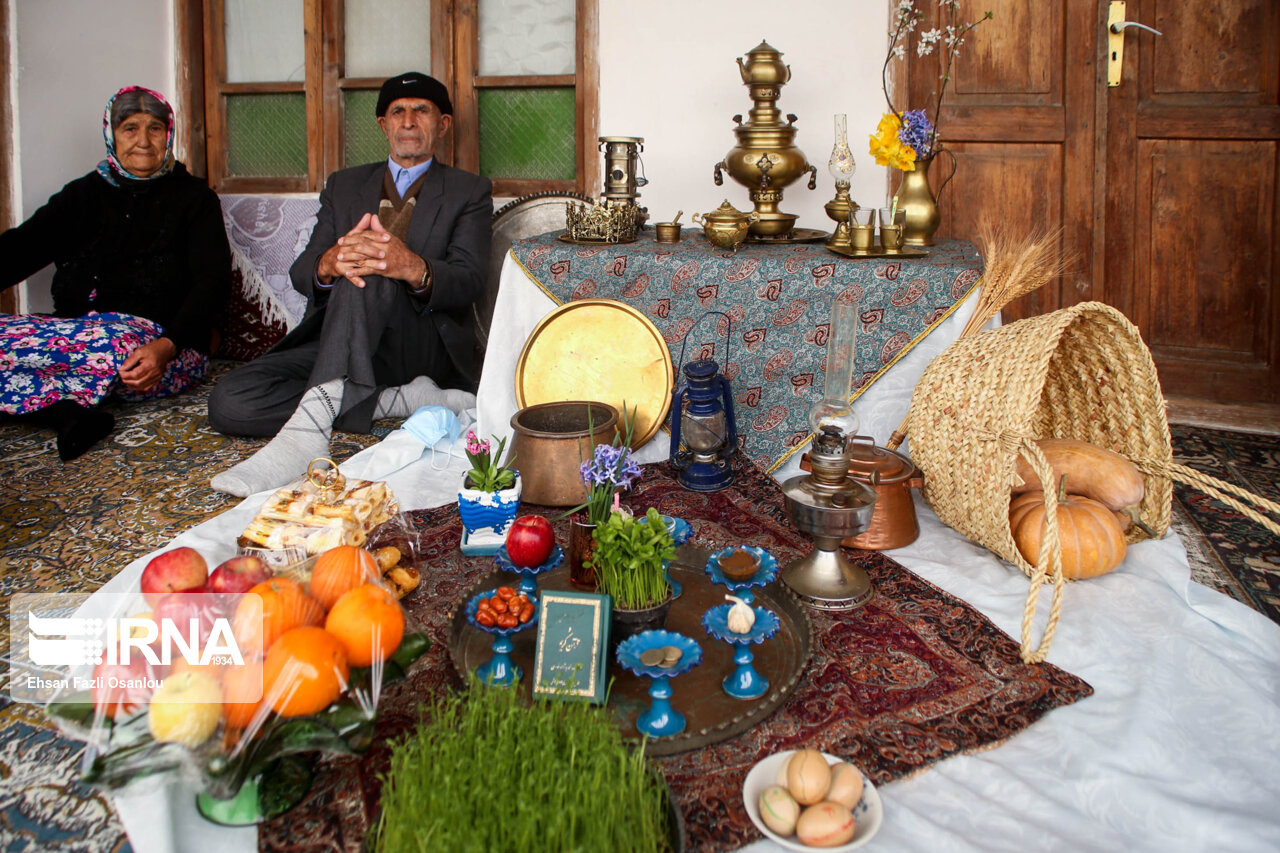
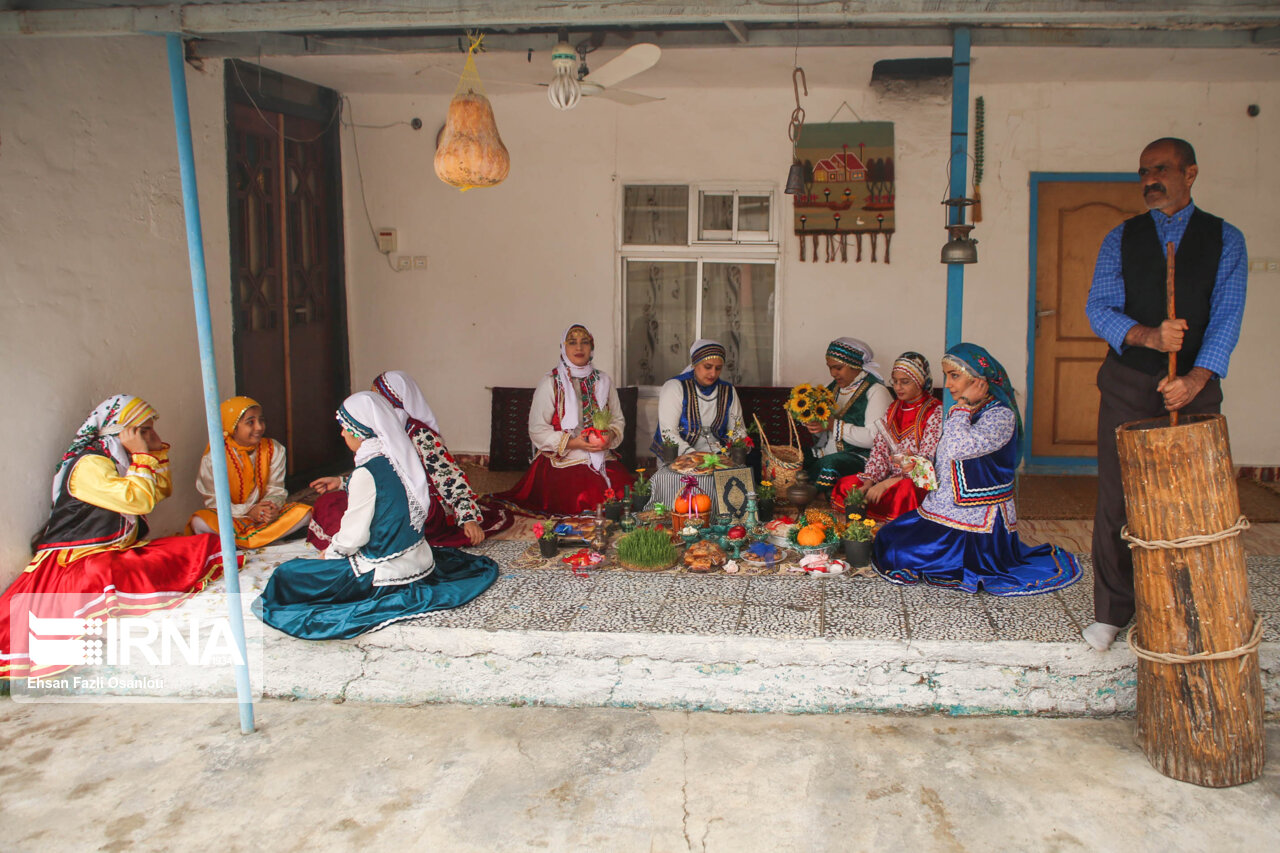
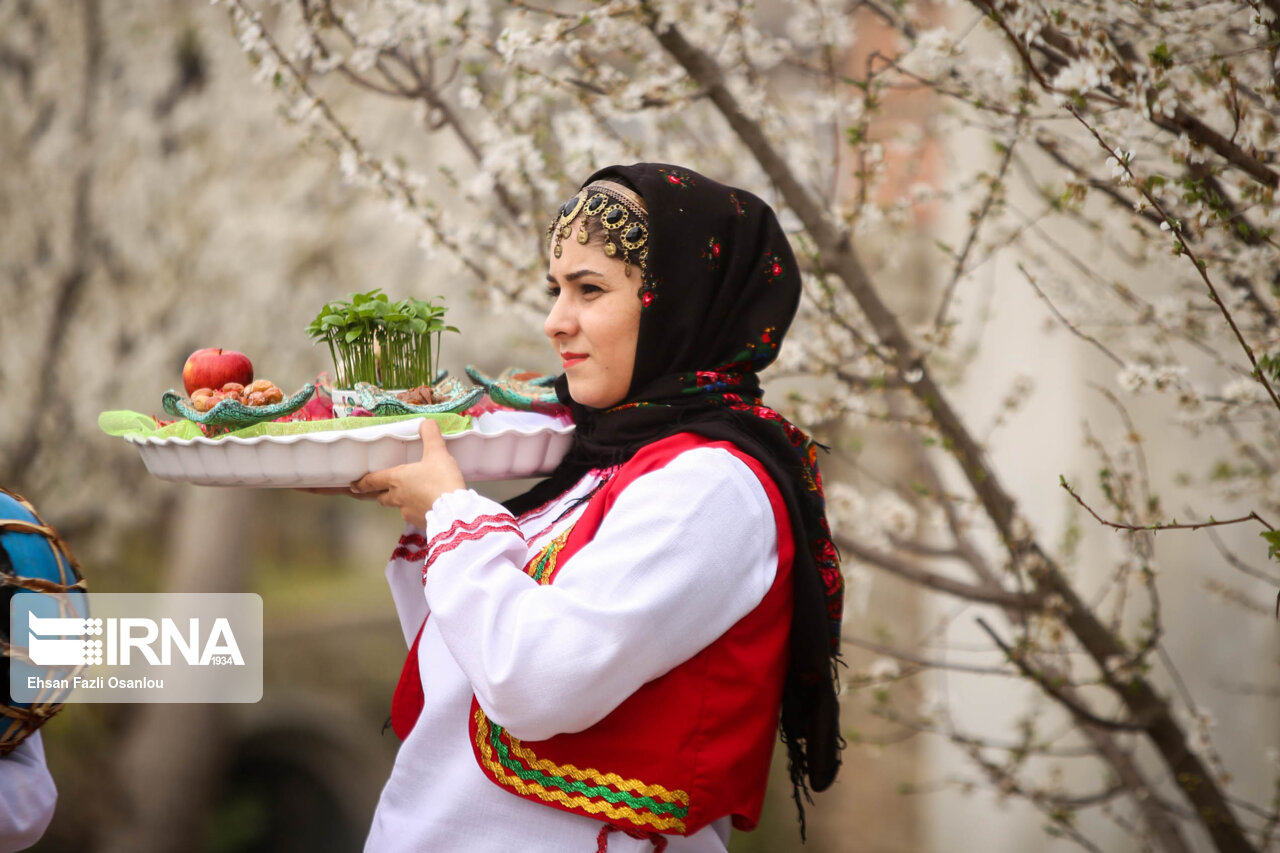
Noruz Khani ancient tradition in Iran’s Mazandaran Province

People in the Iranian province of Mazandaran, known as Nowruz singers, before the arrival of spring, periodically entered cities and villages and improvised poems in praise of spring or explained religious concepts.

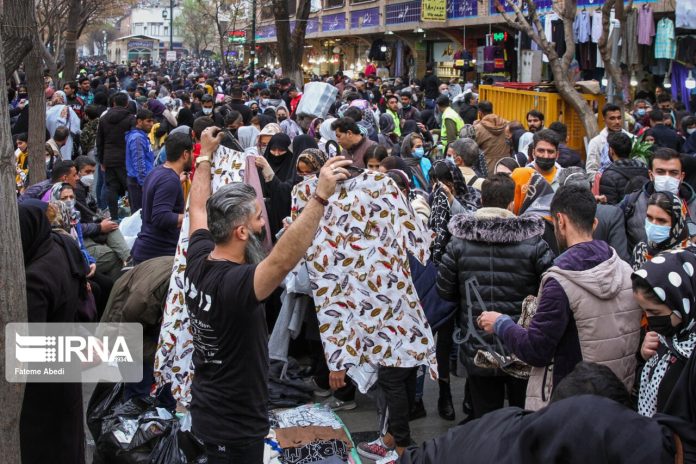
Several days to go before Nowruz, Iranians across the country, in line with ancient traditions, are busy cleaning their houses, shopping for the Nowruz eve, performing ancient traditions and preparing to welcome spring and say goodbye to winter.