Friday, December 26, 2025
Home Blog Page 2029

“Iranian border guards seized huge amount of smuggled goods last year”

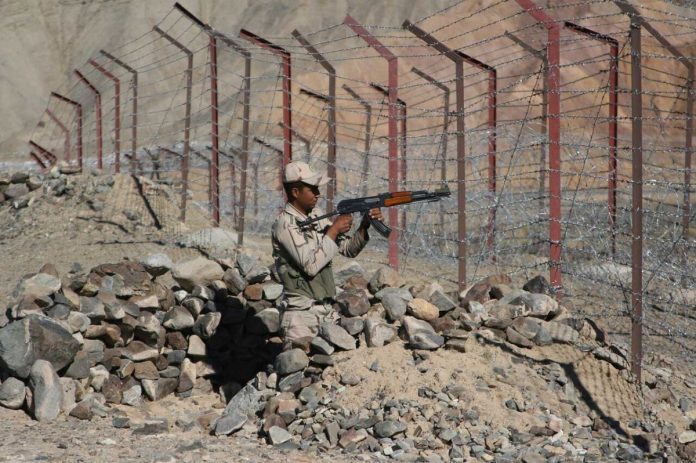
Iranian border guards

Brigadier General Ahmad Ali Goudarzi said more than 60 percent of the smuggled goods confiscated in the Persian year 1400 entered Iran on huge 200-2,000 ton ships.

Goudarzi however noted that on Monday, the border guards seized some 70 kilograms of a drug named glass, which is a huge amount.

He added that in the early days of this year, more than seven tons of various narcotics were seized.

The commander of Iran’s Border Guards also said in the current Iranian year, the force will pursue video surveillance of the borders as a top priority.

Goudarzi noted that for this purpose, the Iranian Border Guards have received electronic and optical hardware as well as drones and helicopters.

He expressed hope that efforts to protect the borders of Iran will improve.

He said Iran has 8,755 kilometers of borders, of which 2,700 kilometers are maritime borders.

Iran tourism: Qeshm Island, a jewel in Persian Gulf

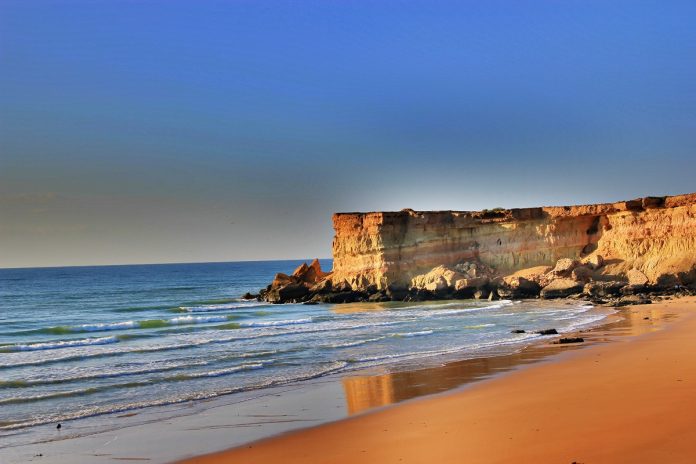
Qeshm Island

Designated as a UNESCO World Heritage Site and Geopark, Qeshm is home to a lot of attractions that impress any tourist, including idyllic beaches, natural sites, wildlife, caves, valleys, and forests encircled by wondrous blue waters.

Besides natural beauties, Qeshm, Iran’s second largest free trade zone, boasts numerous natural, historical, religious and trade attractions. It hosts several villages that are unique in their culture, costumes and nature.

Qeshm has semi-equatorial climate and is hot and humid most of the year.

The island witnesses pleasant downpours, mild winters and springs, and very hot summers.

The main attractions of the island include the Valley of Stars, Hara Mangroves Forest, the Portuguese Castle, the Namakdan salt cave, and Hengam Island.

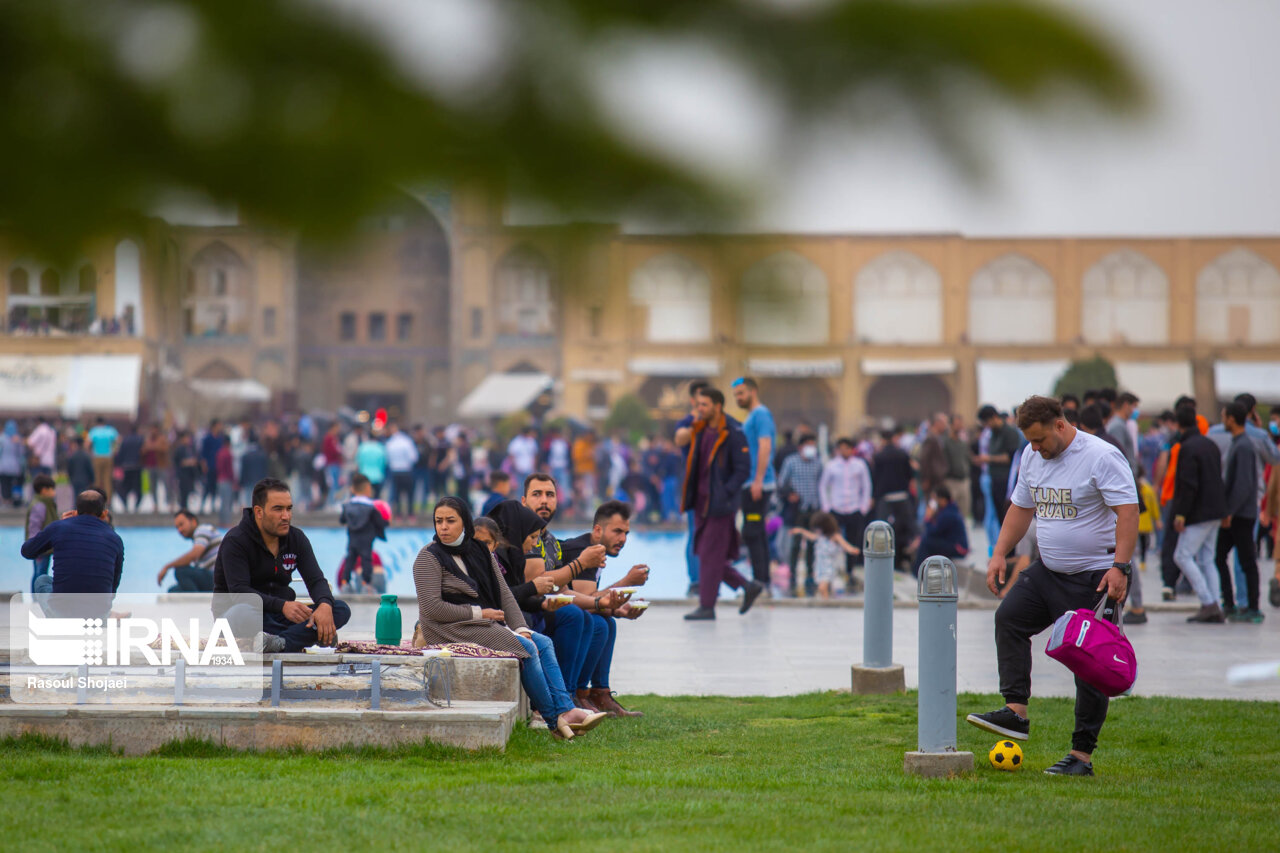
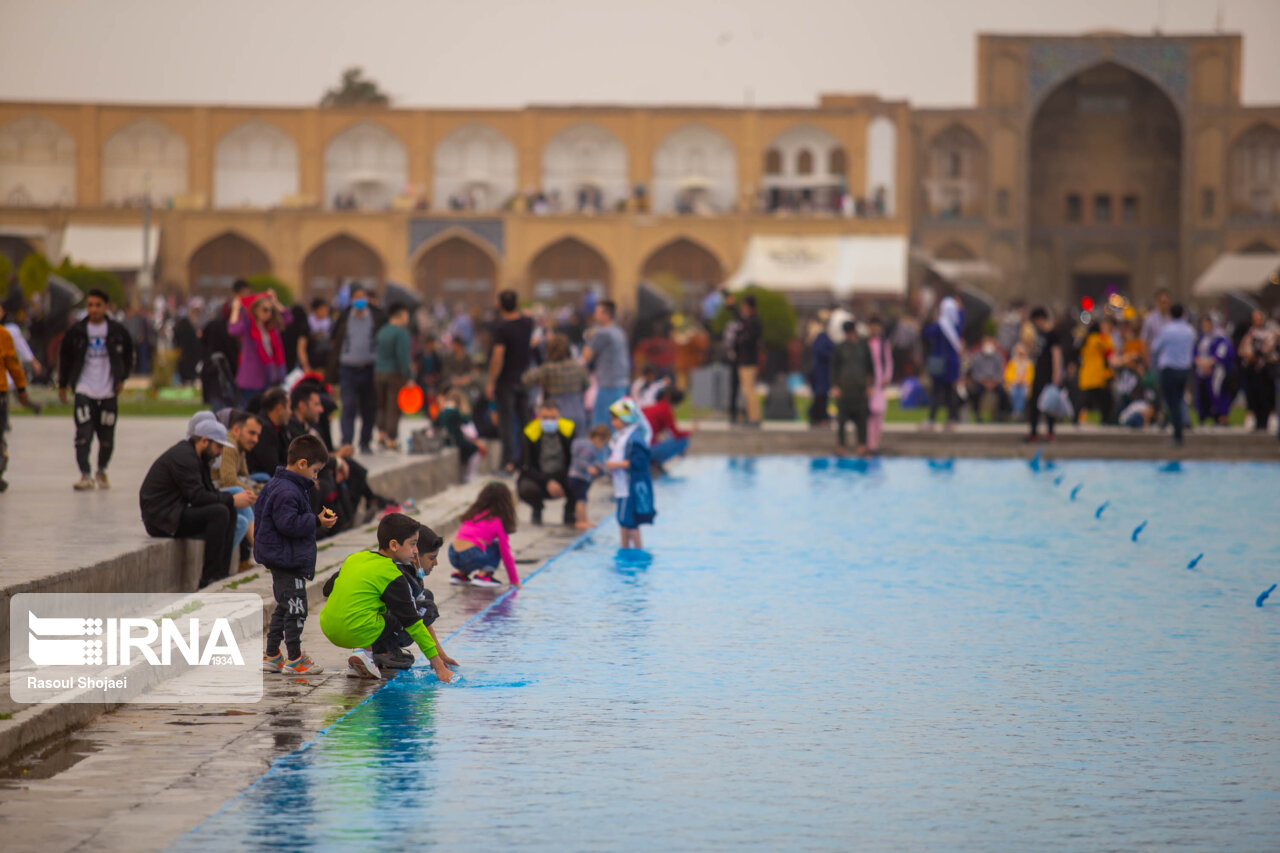
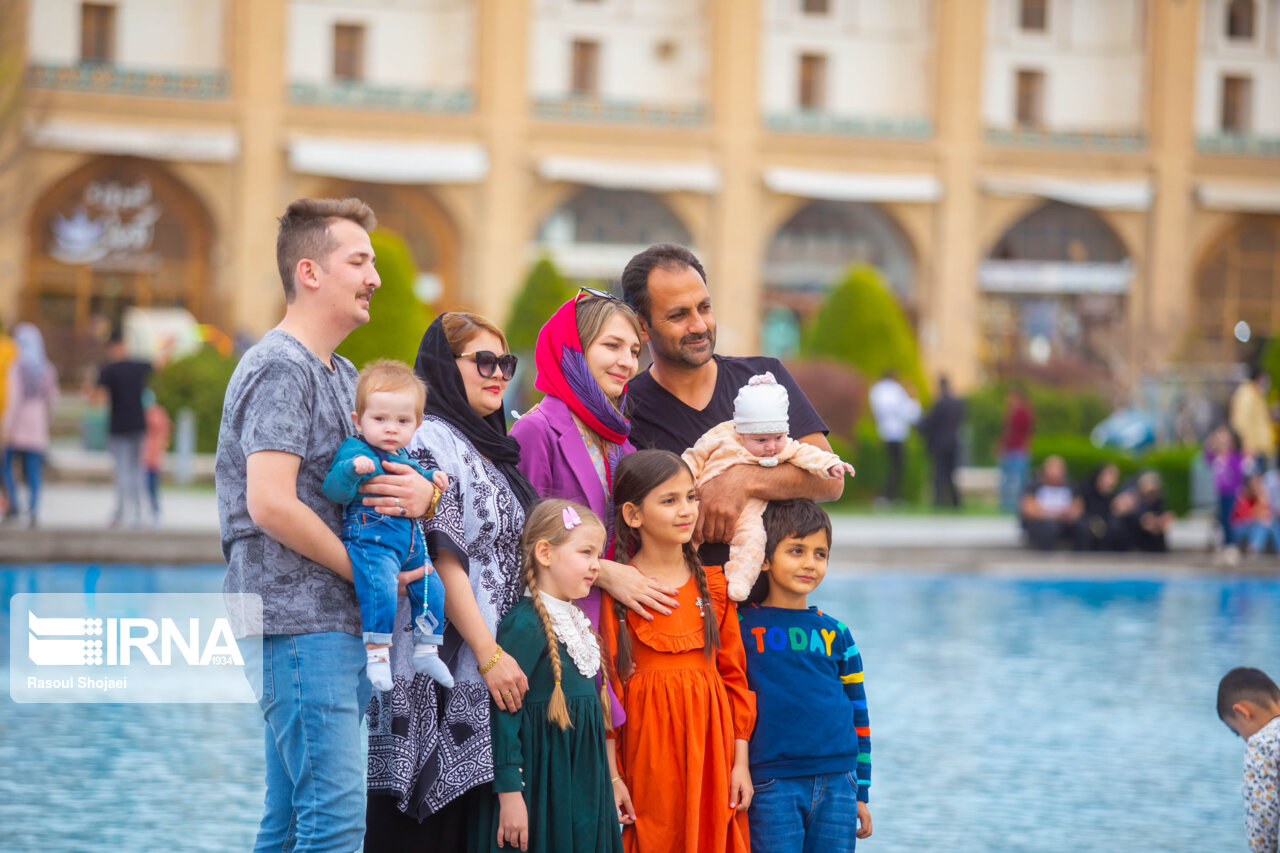
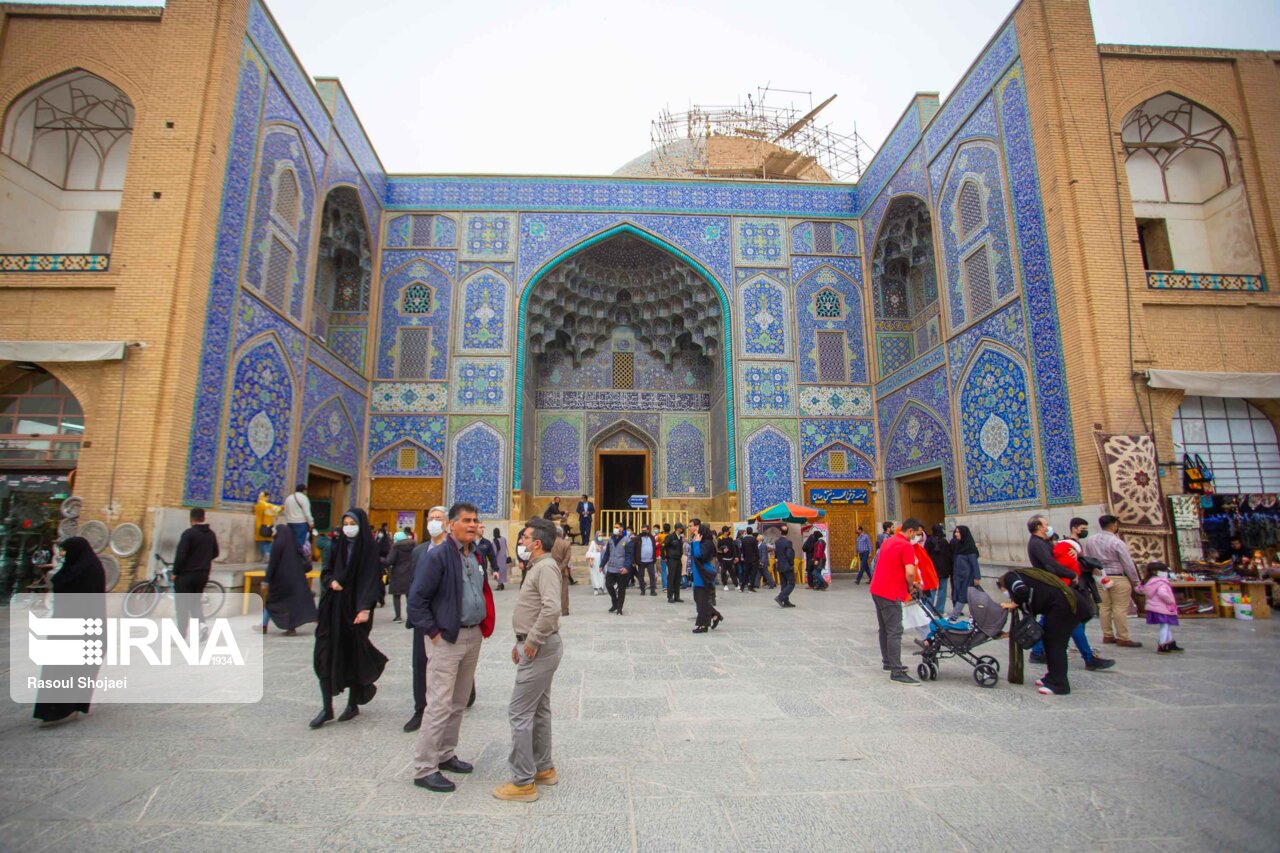
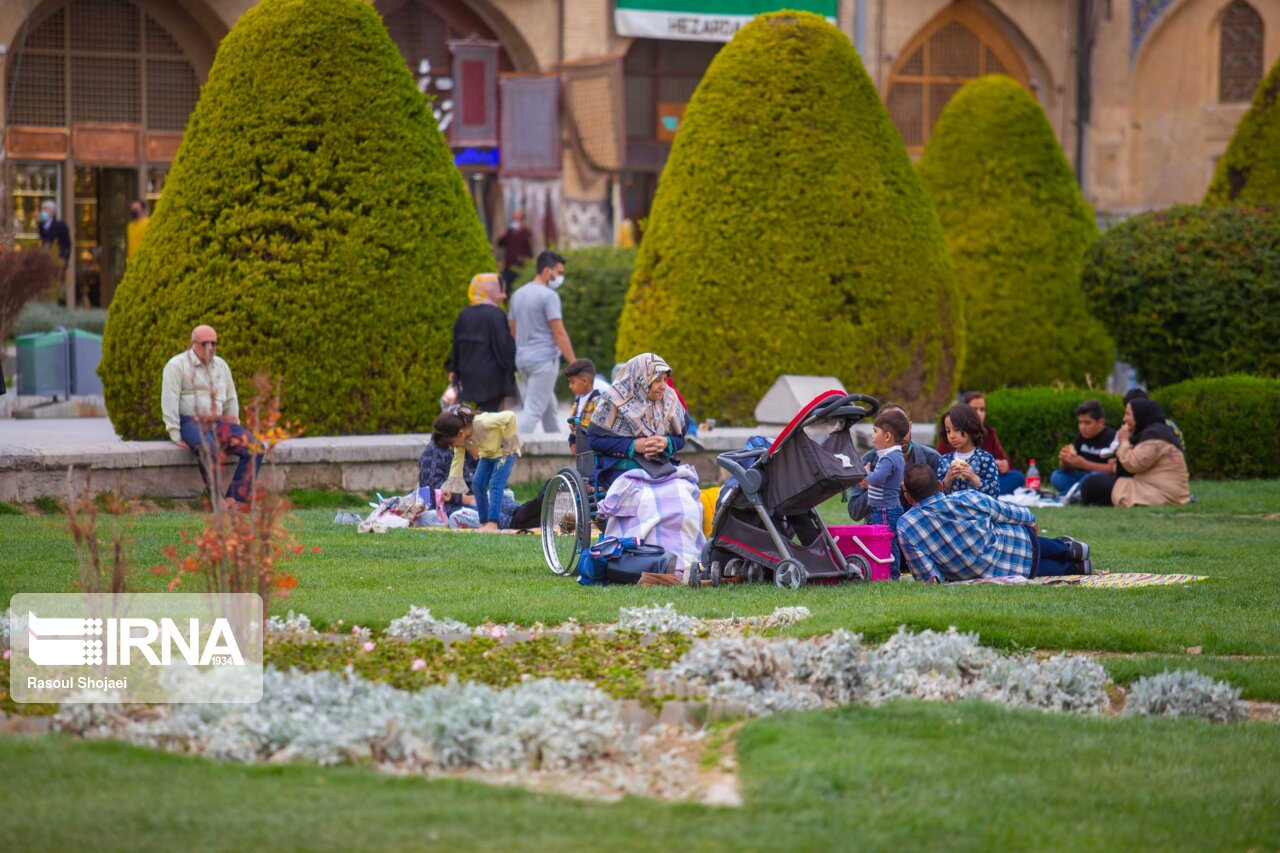
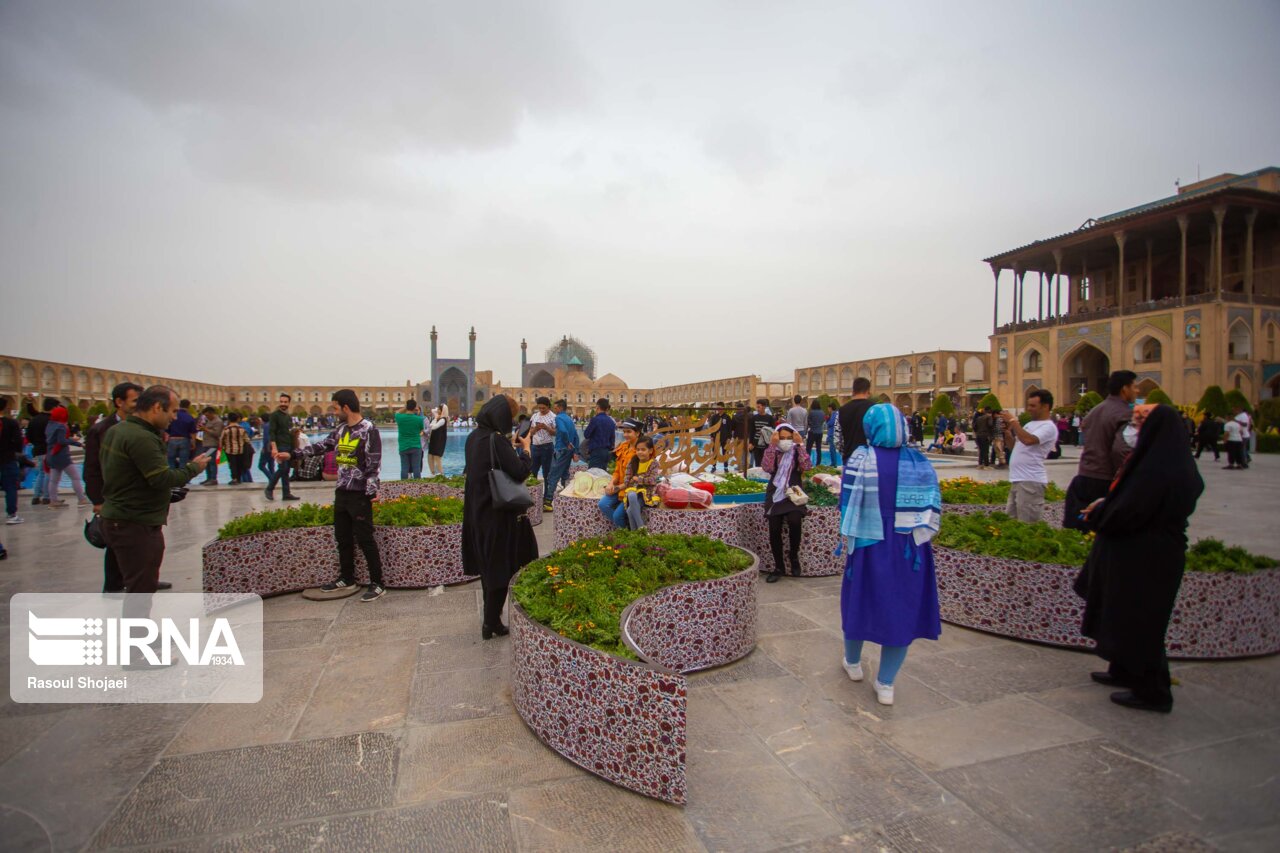
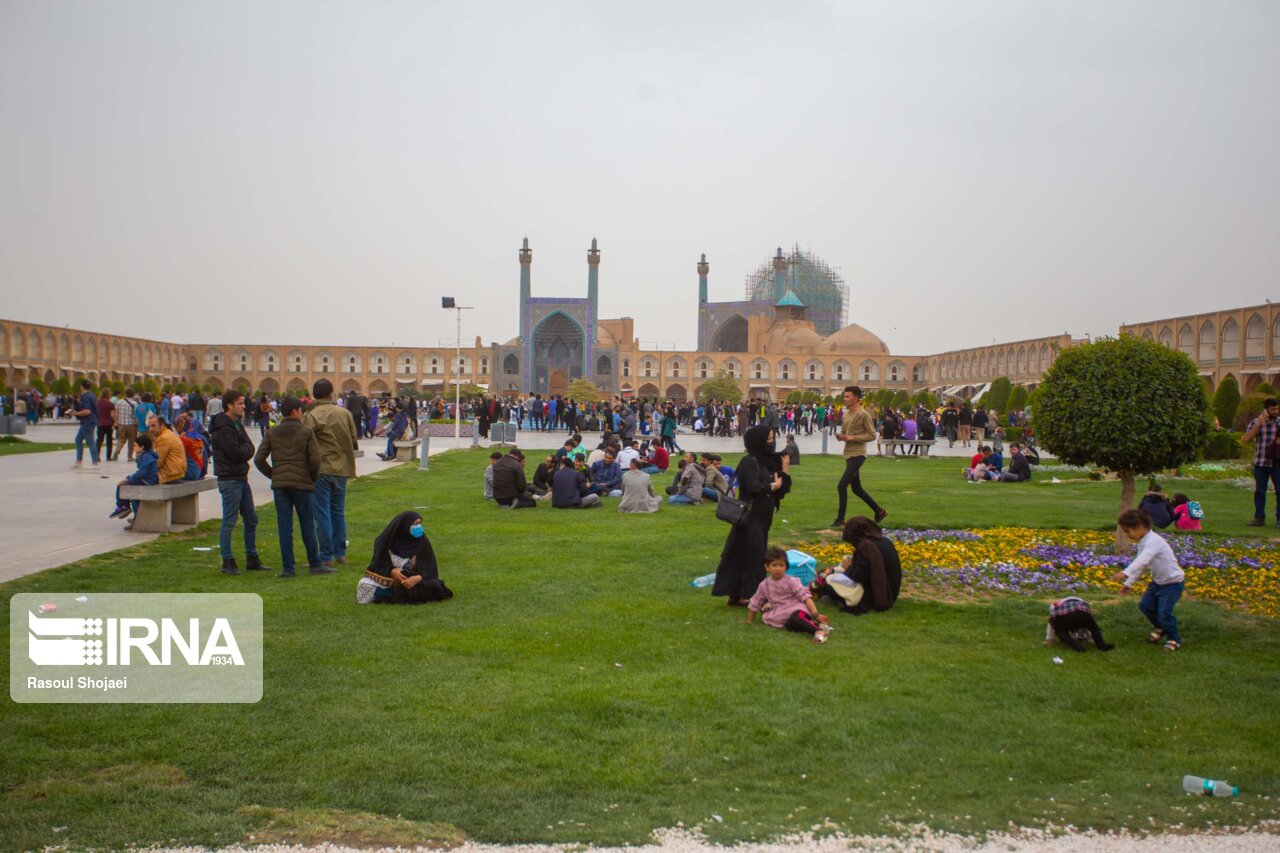
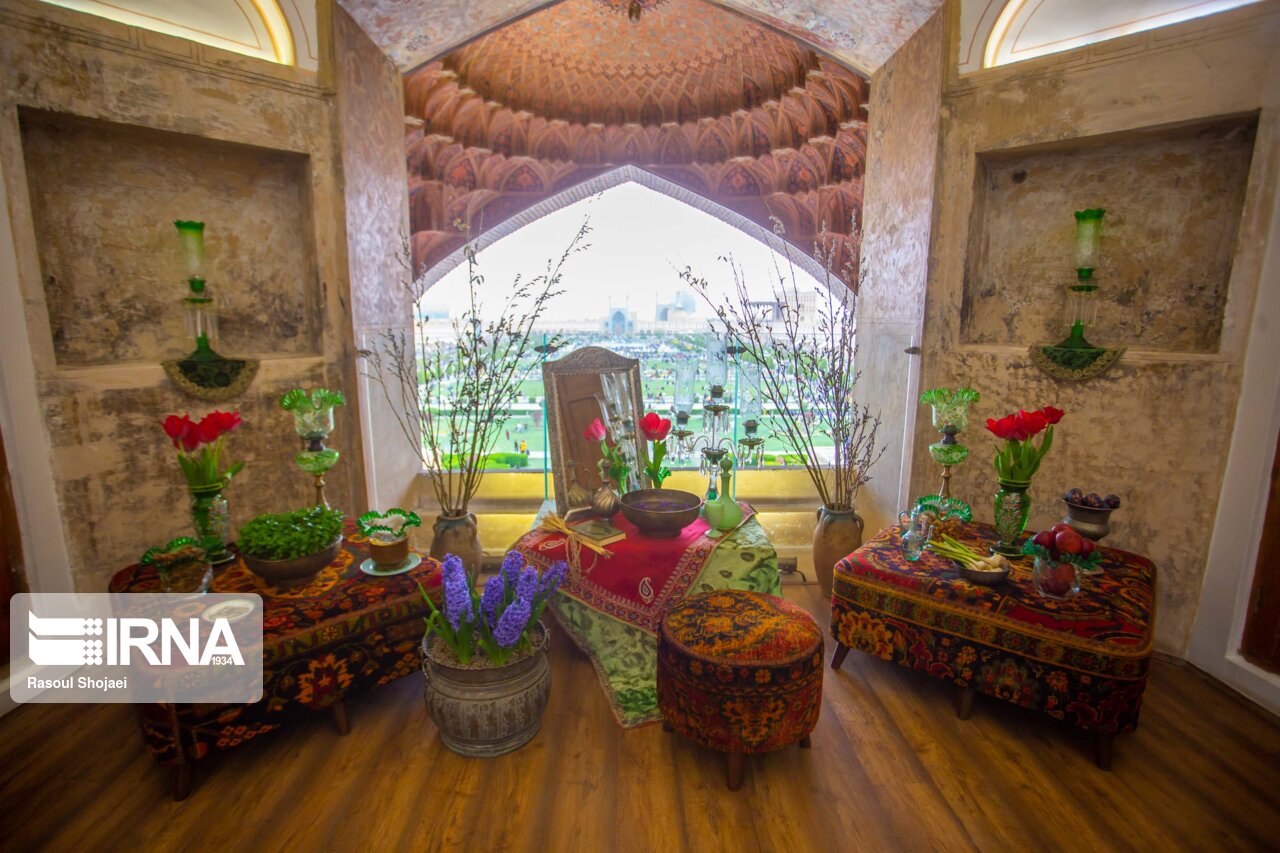
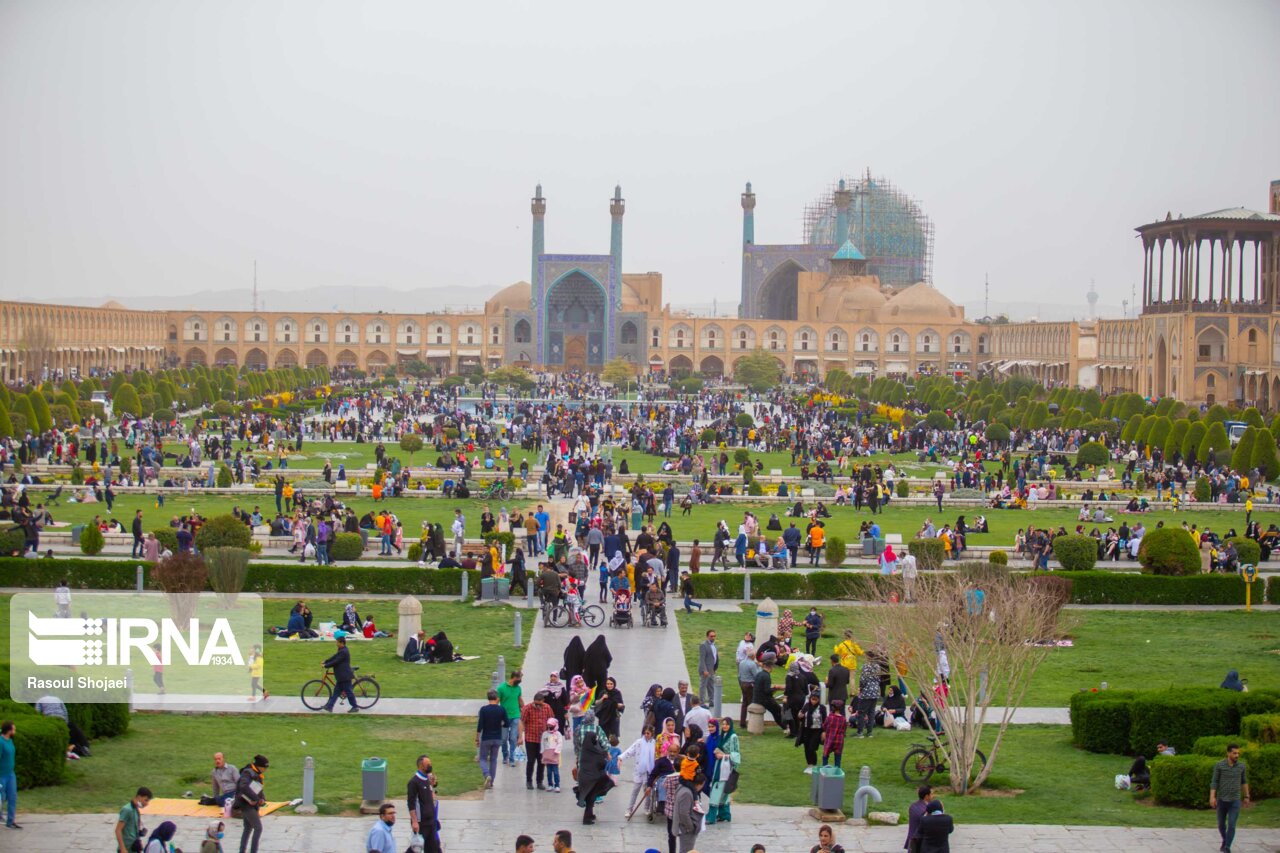
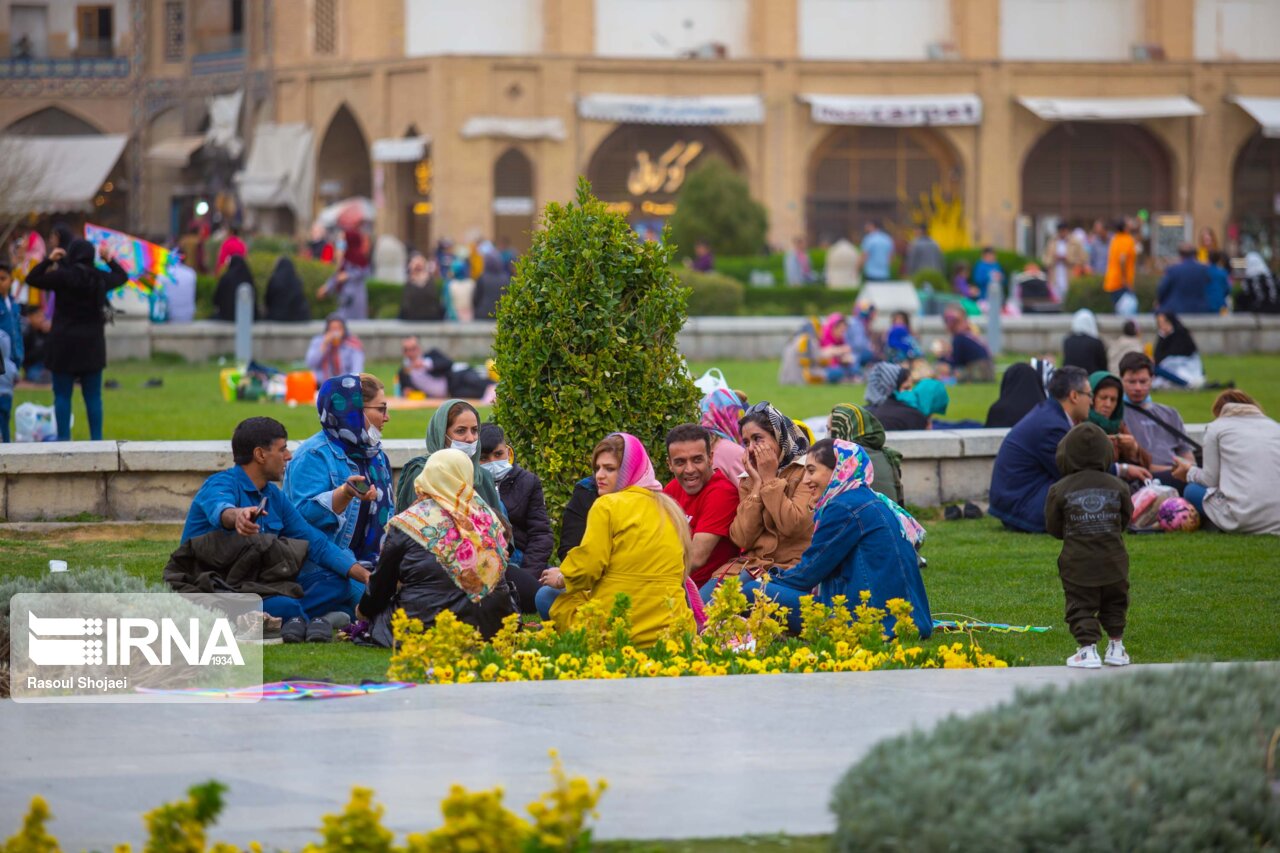
Nowruz mood in Isfahan’s historical Naqsh-e Jahan Square

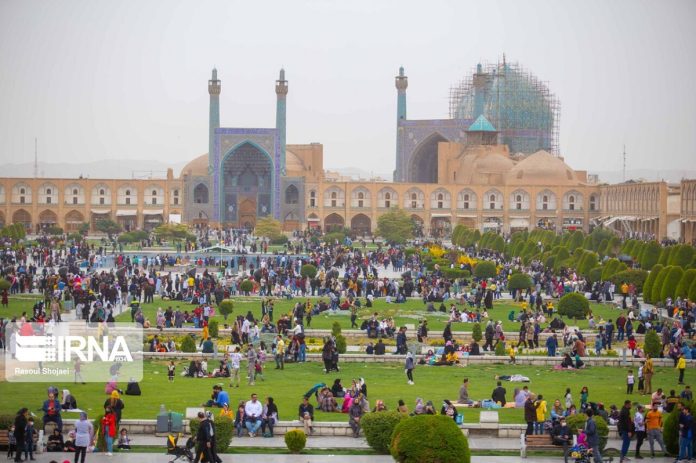
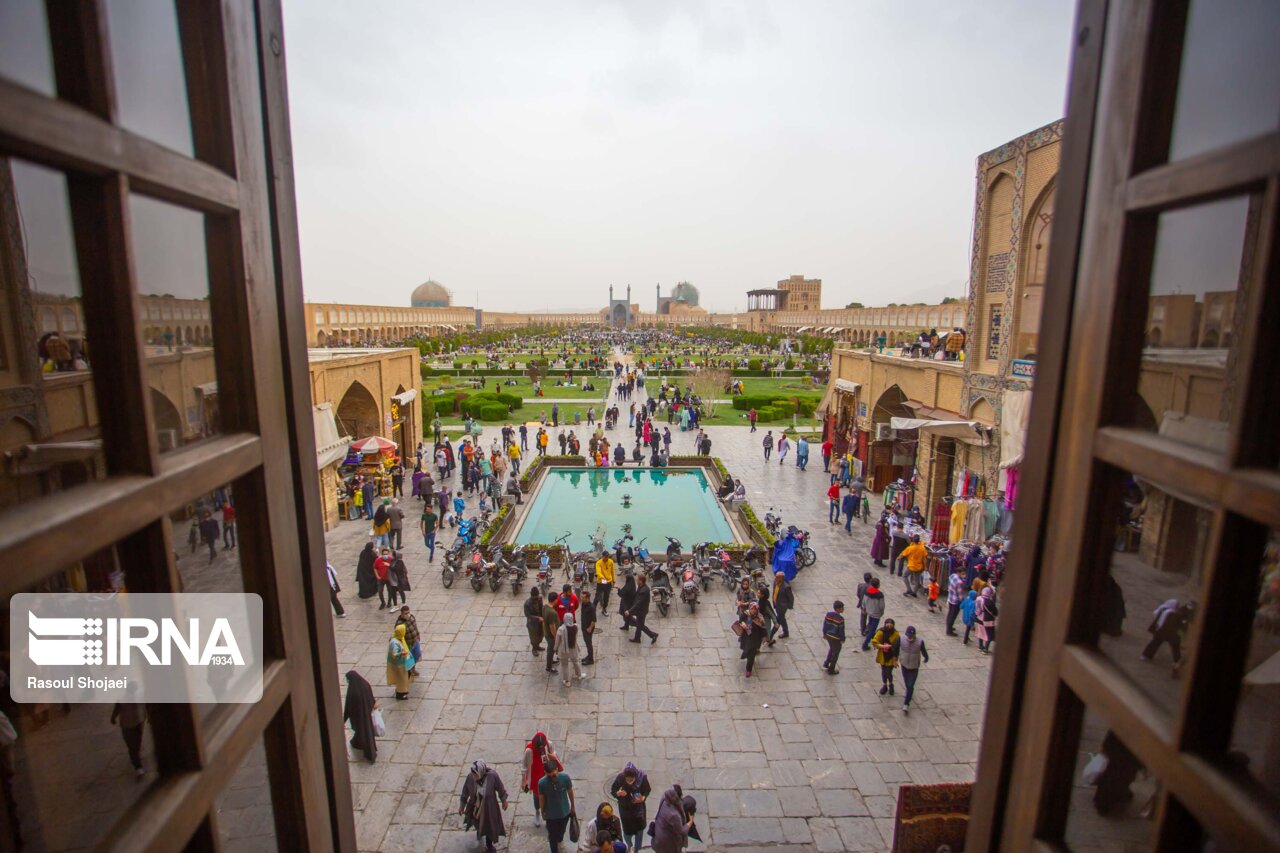
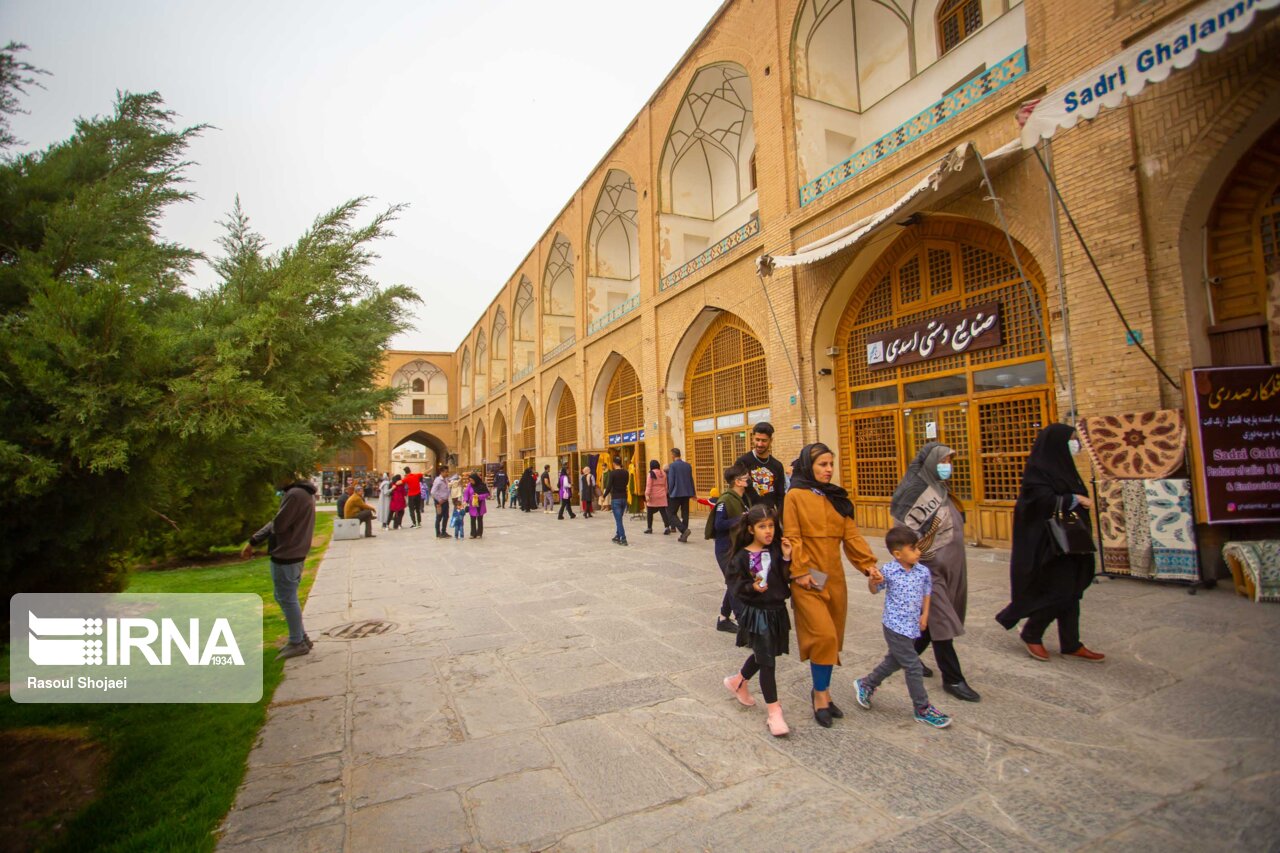
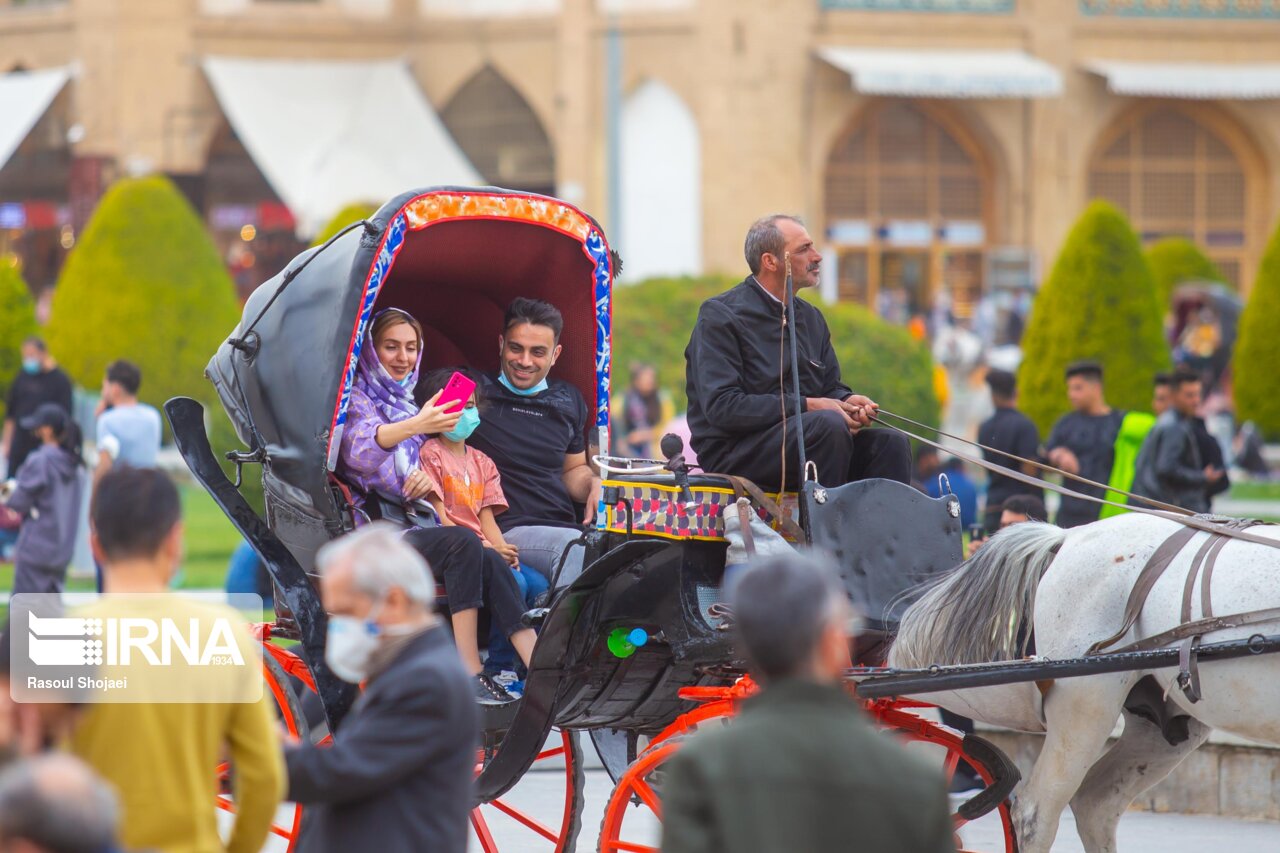
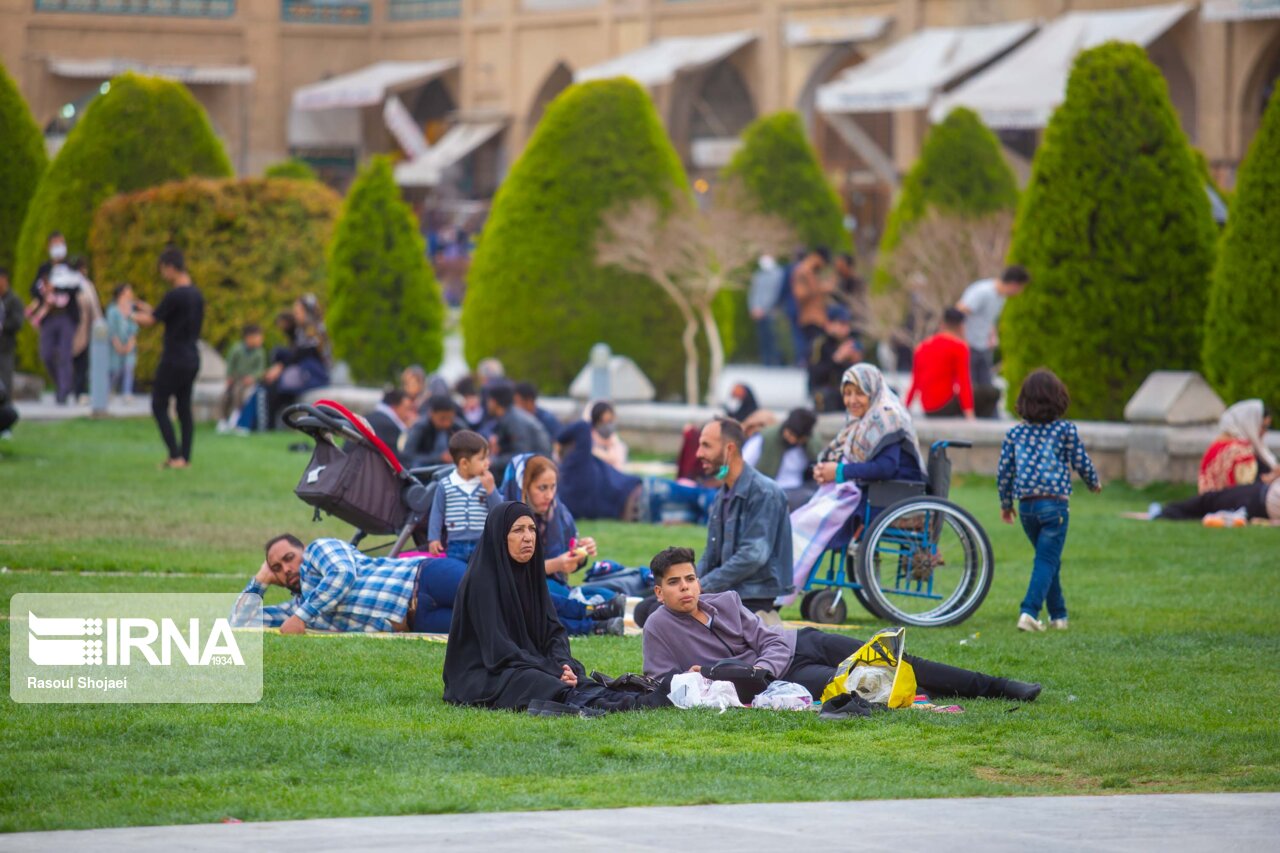
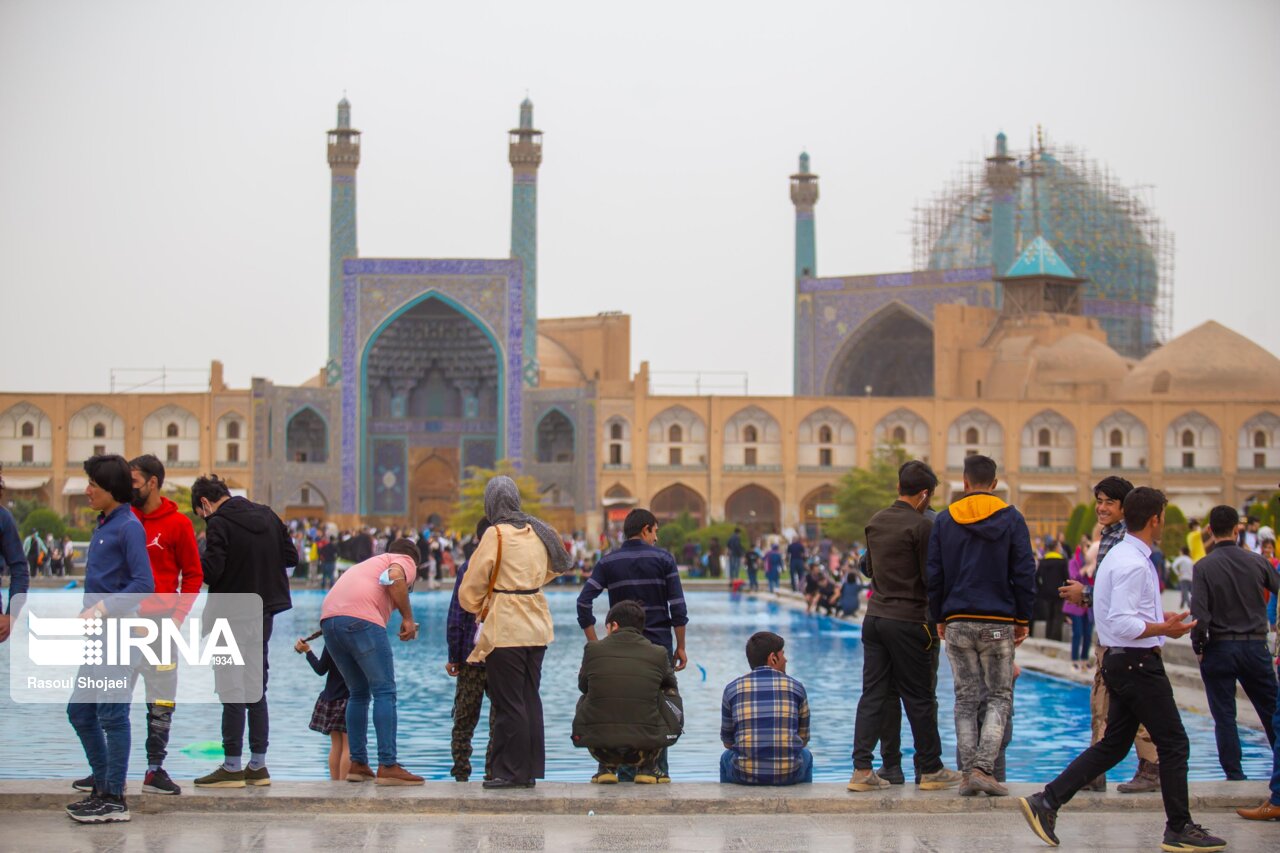
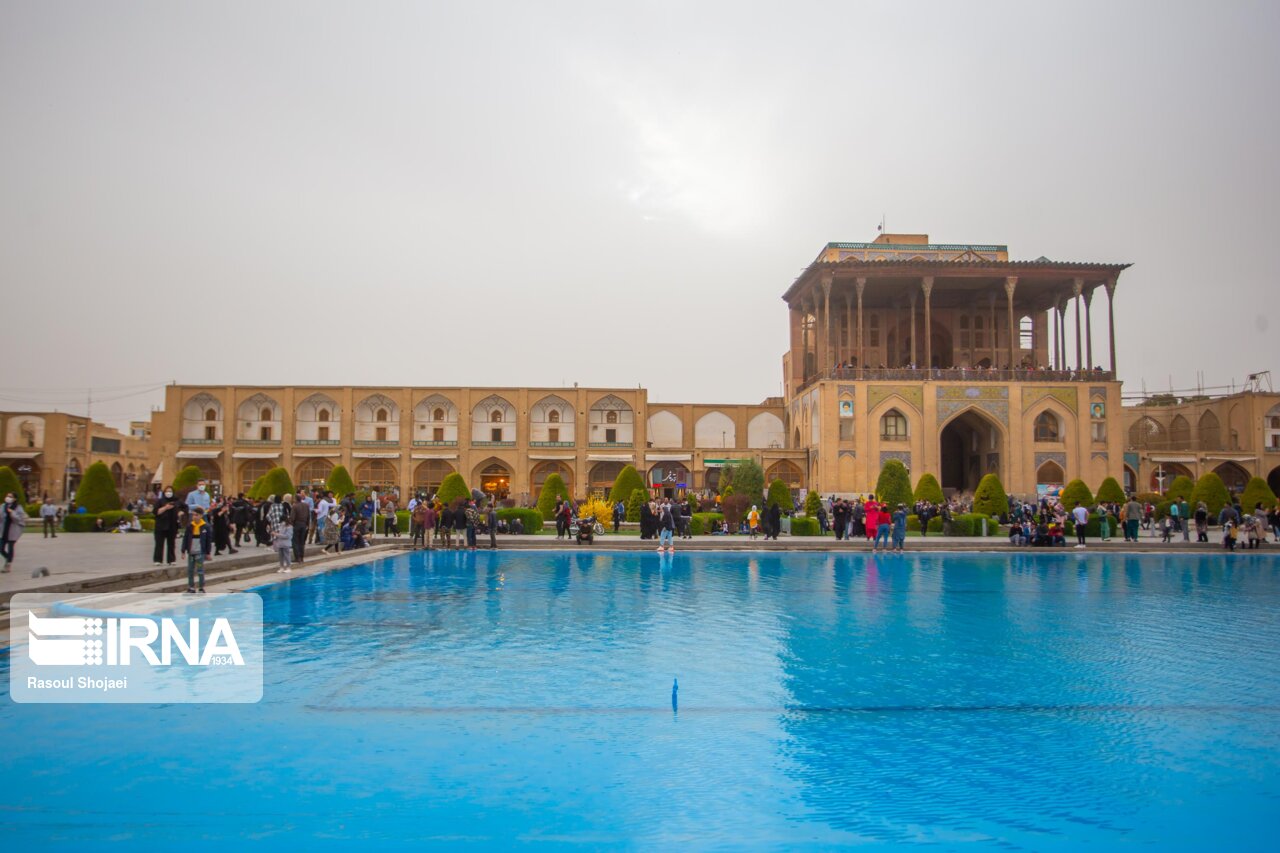
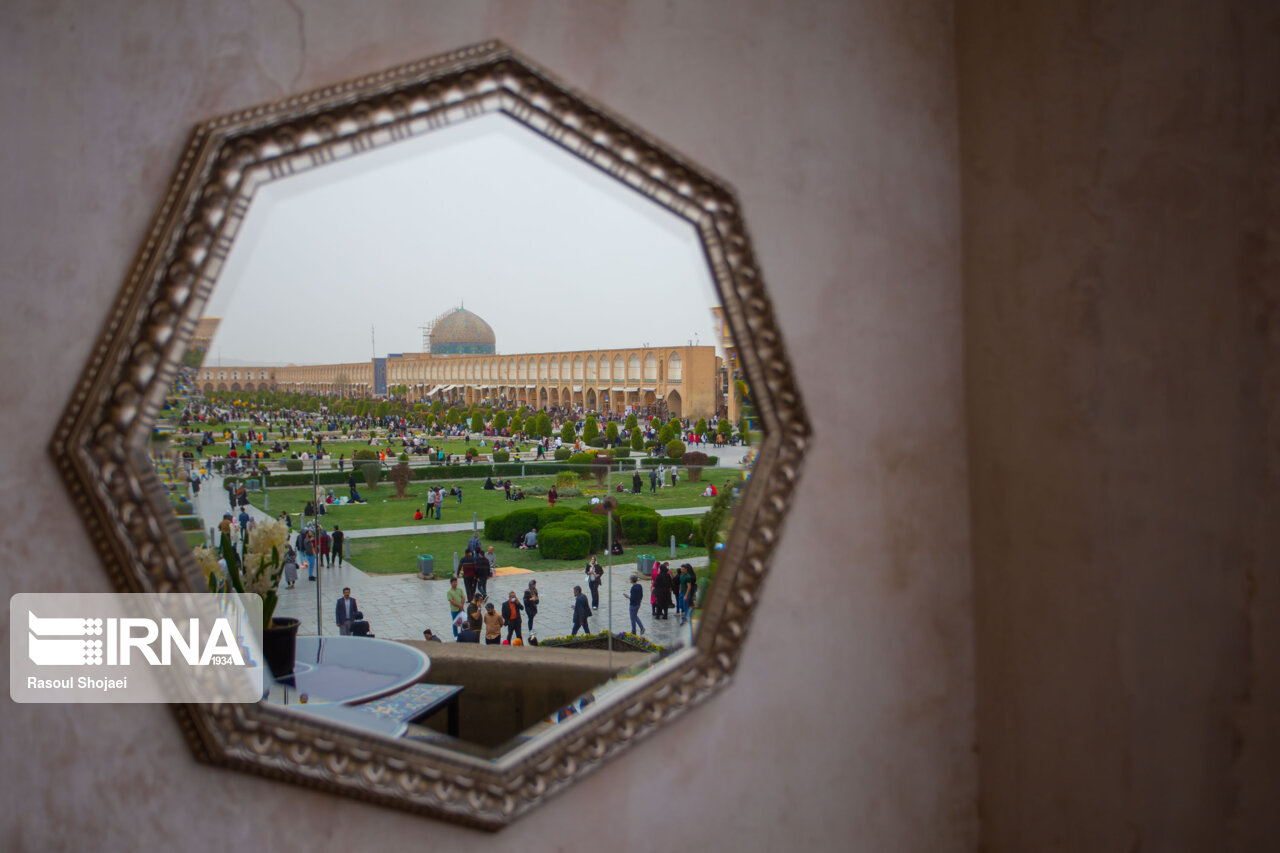
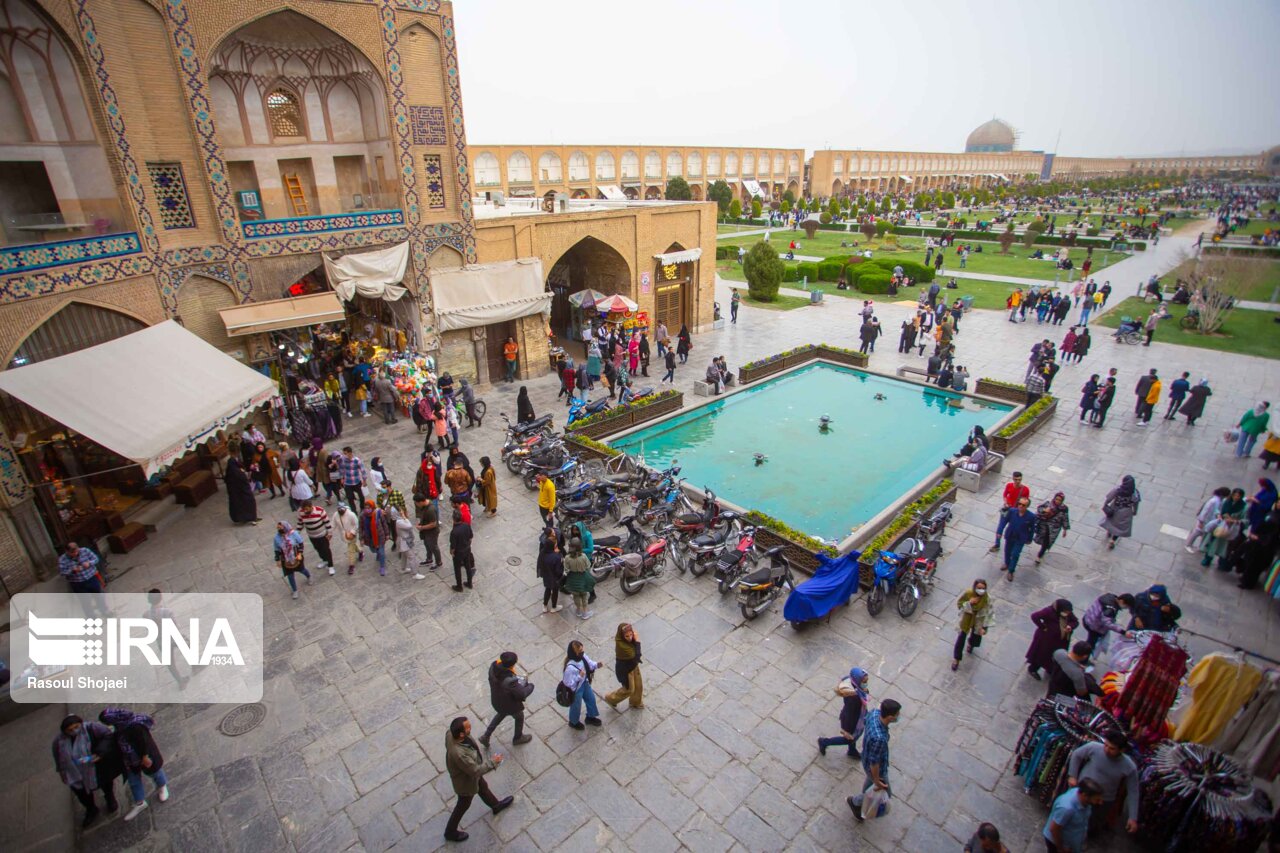
Isfahan’s Naqsh-e Jahan Square

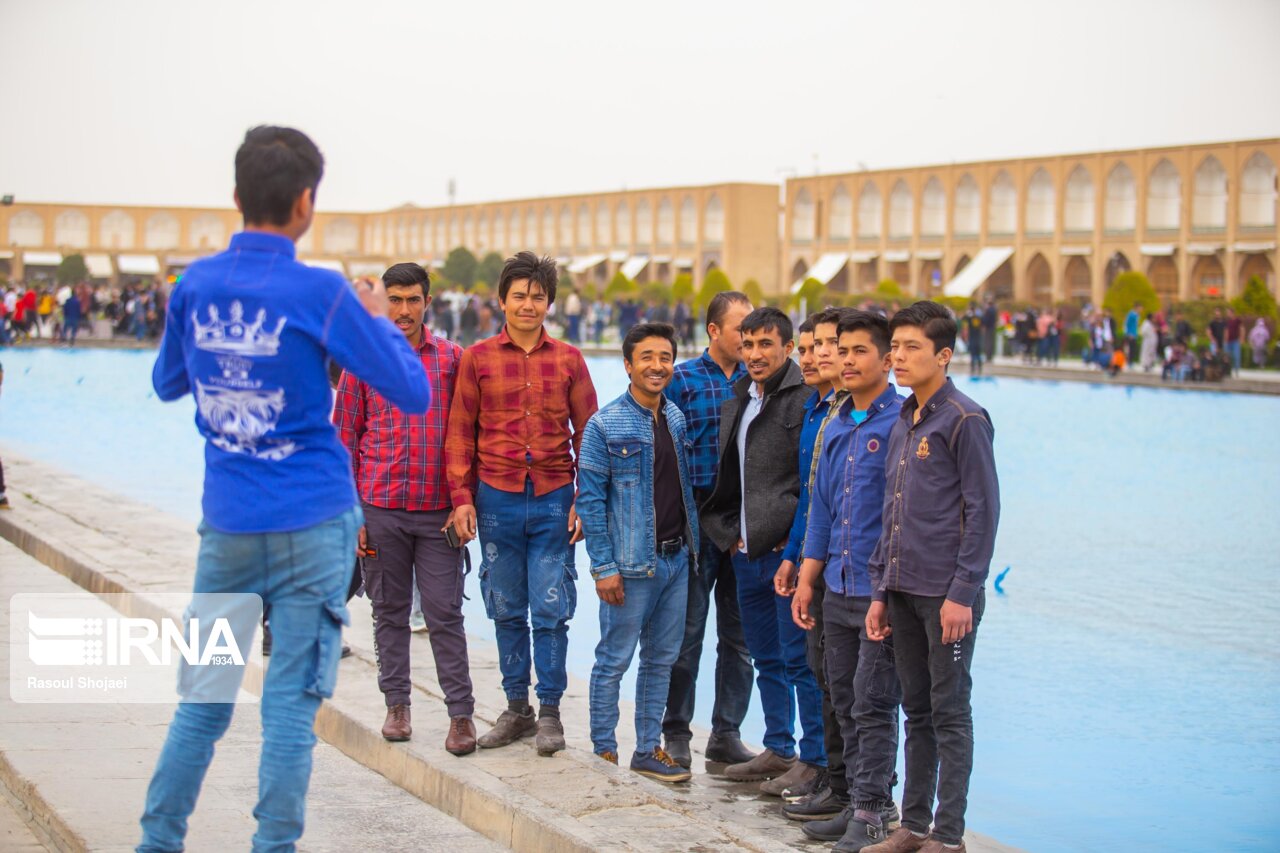
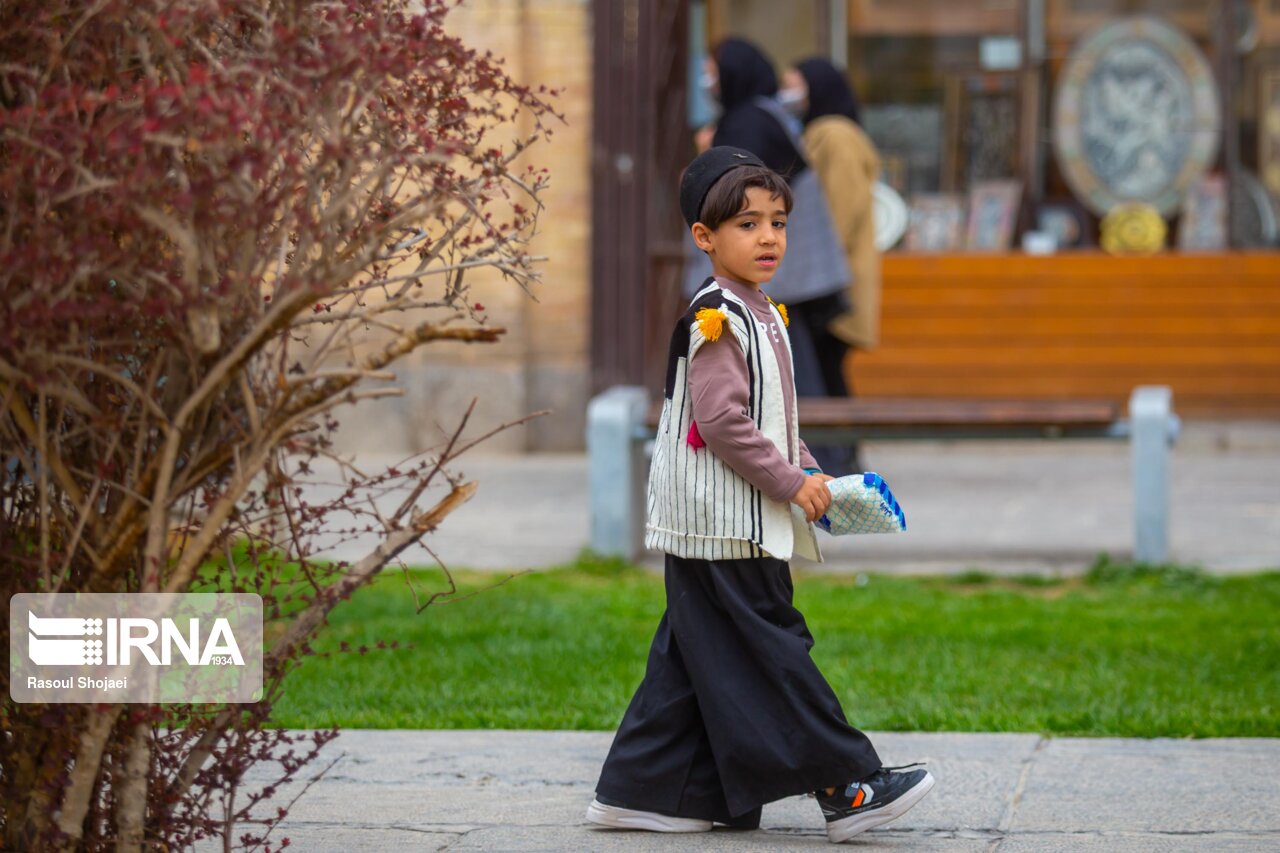
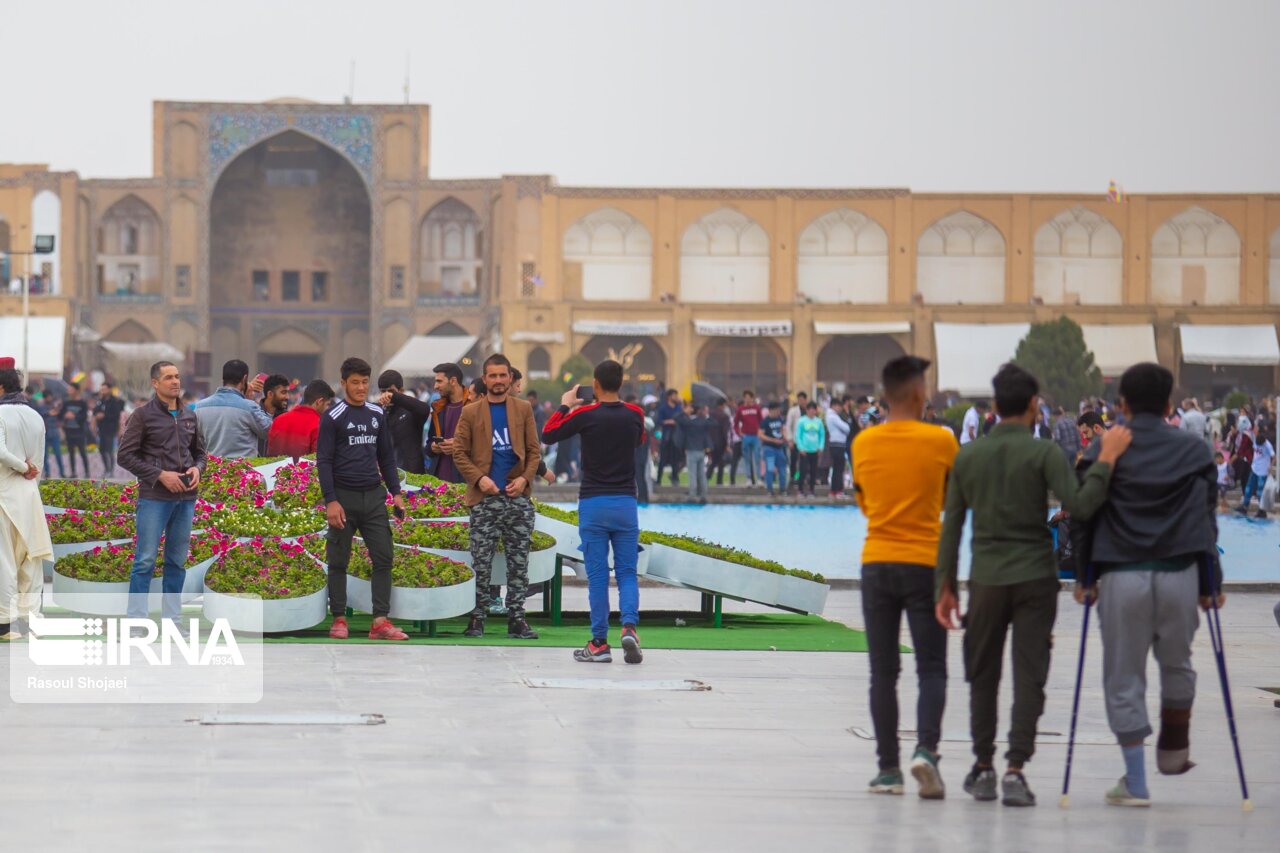
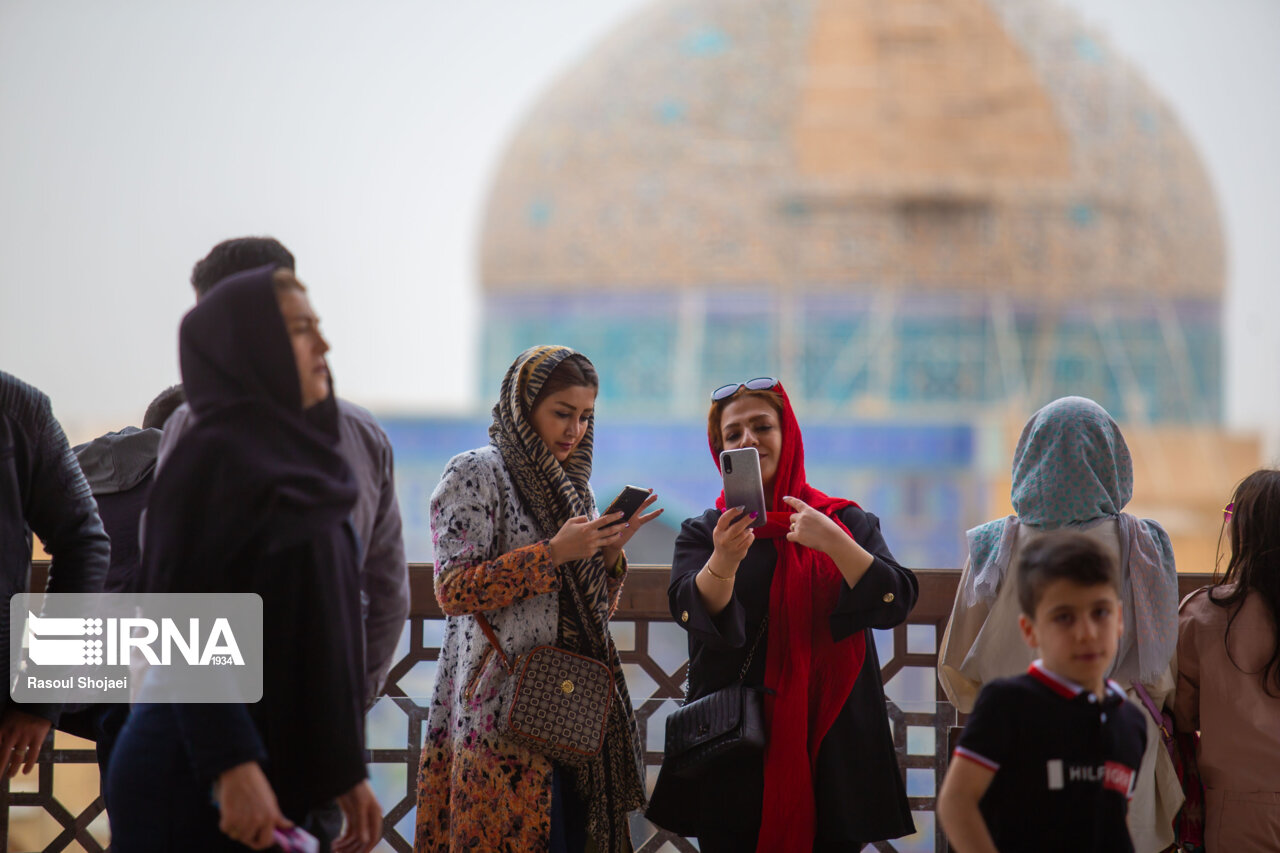
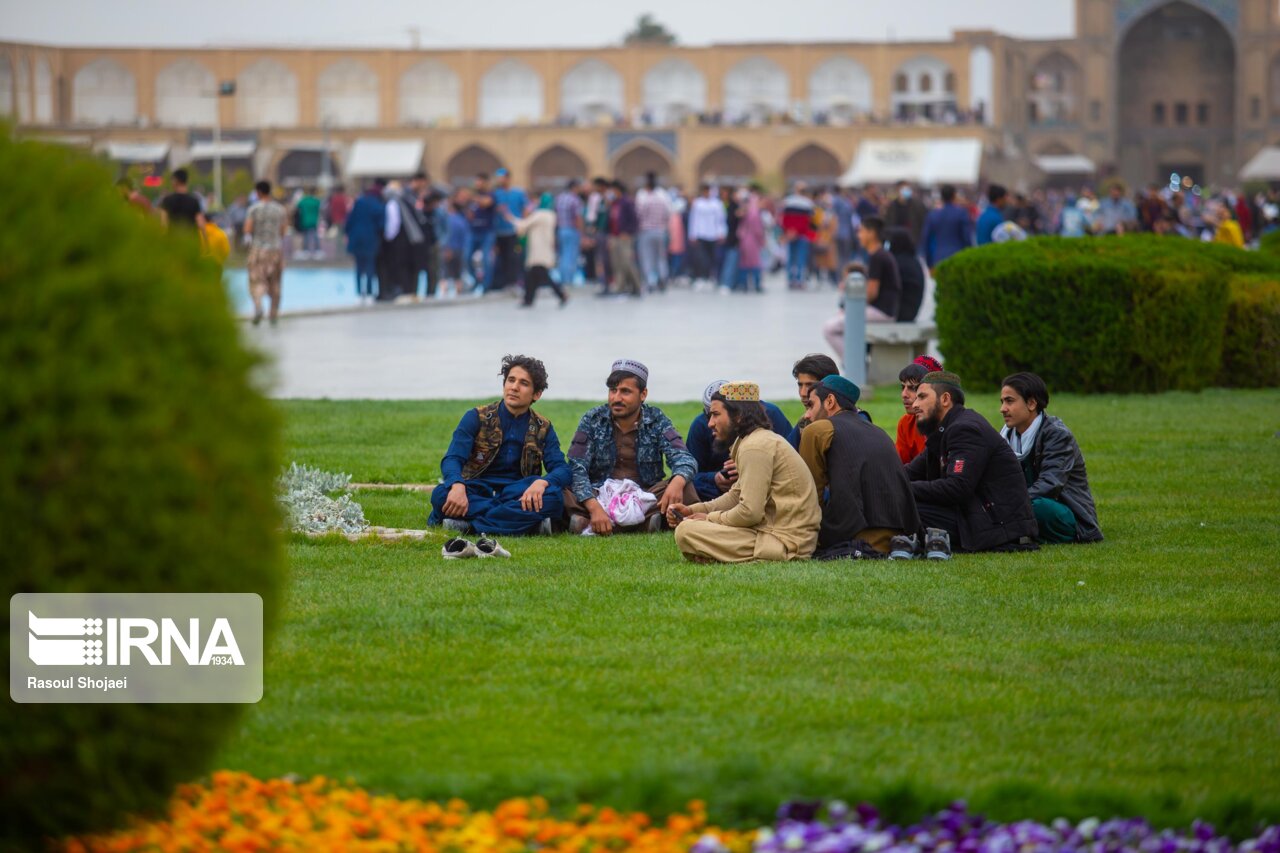
Many tourists are currently visiting the 17th-century site, located in the heart of the city, during the holidays of Nowruz, which marks the start of spring and the Persian New Year.

A UNESCO World Heritage Site, Naqsh-e Jahan, which means ‘the image of the world’ in Persian, is circled by historical structures of different purposes and architecture, and together with the main bazaar of Isfahan, they comprise a huge complex to explore.

Built by the Safavid Shah Abbas I, Naqsh-e Jahan is one of the world’s largest city squares and is seen as an outstanding example of Iranian and Islamic architecture.

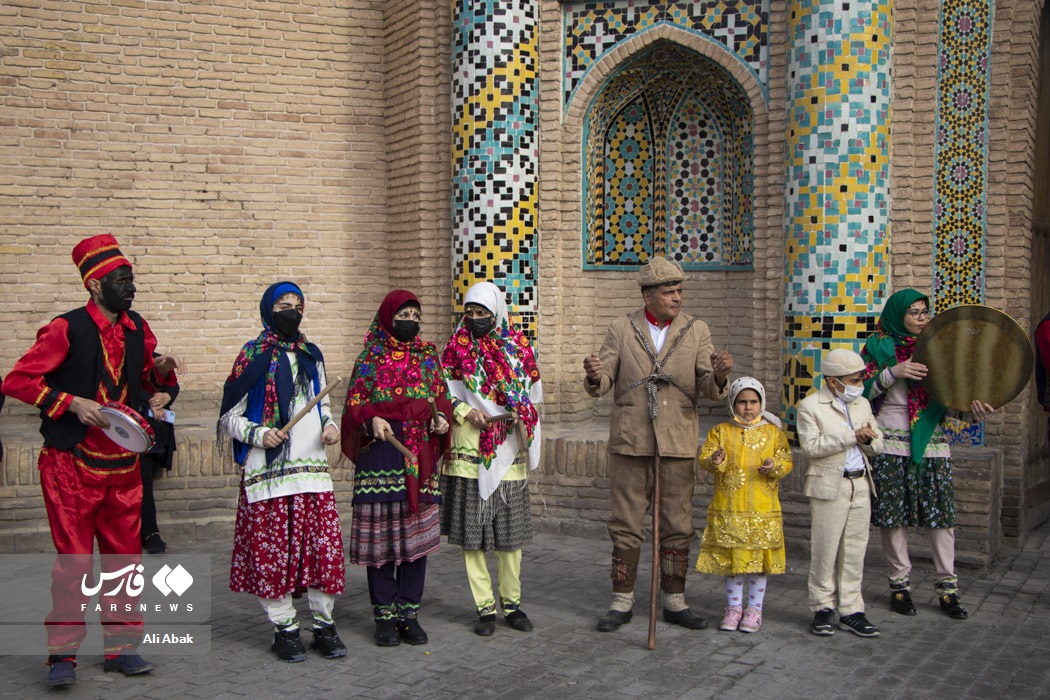
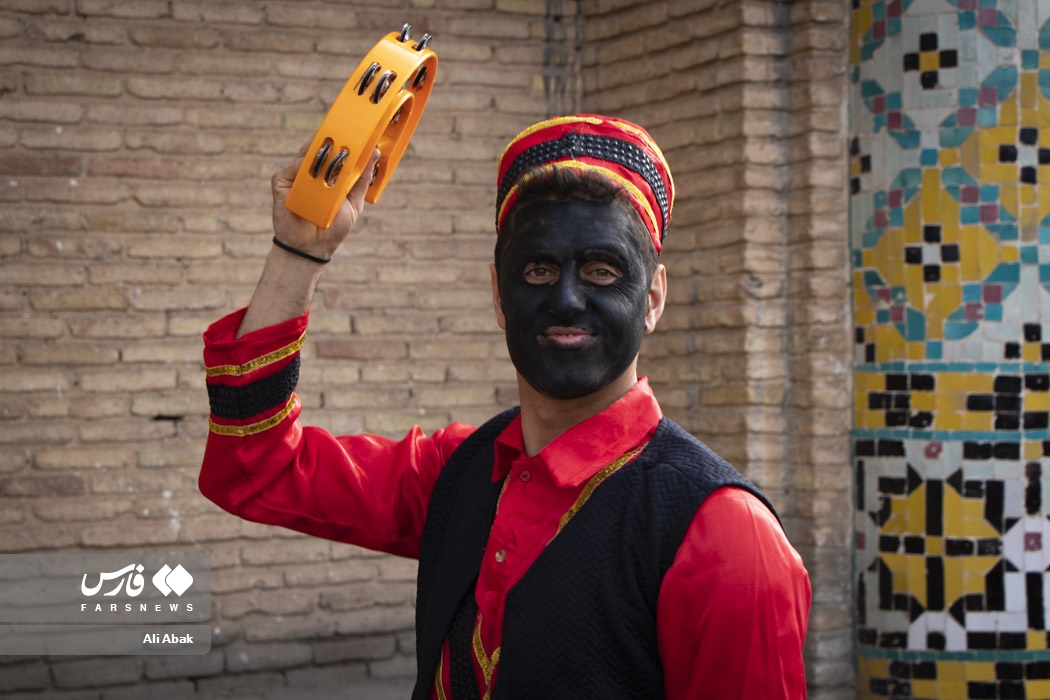
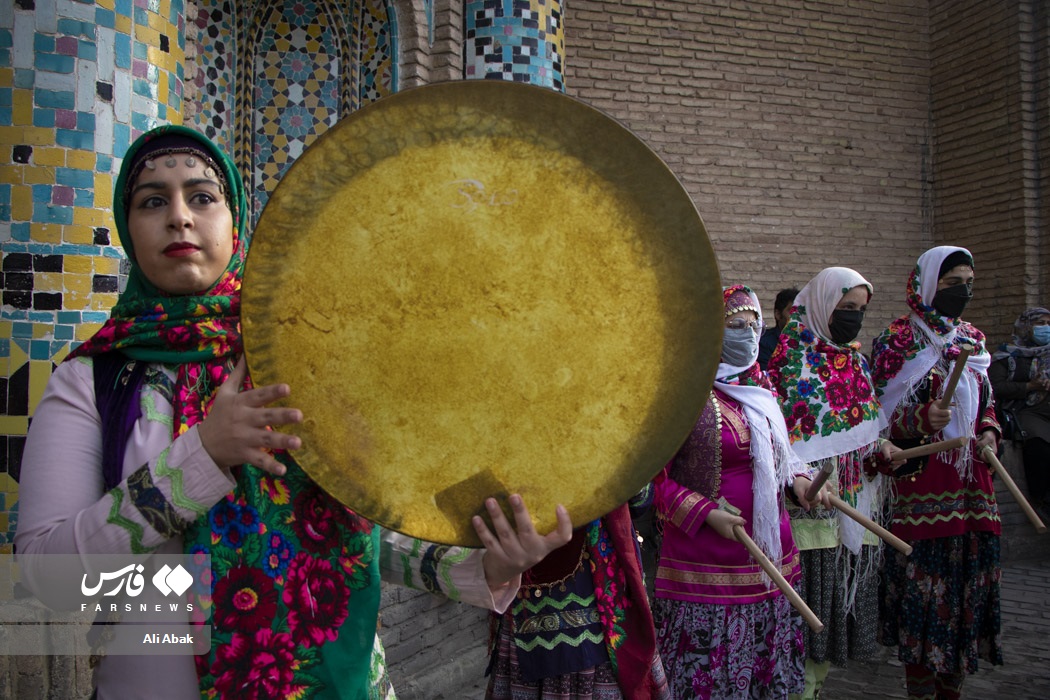
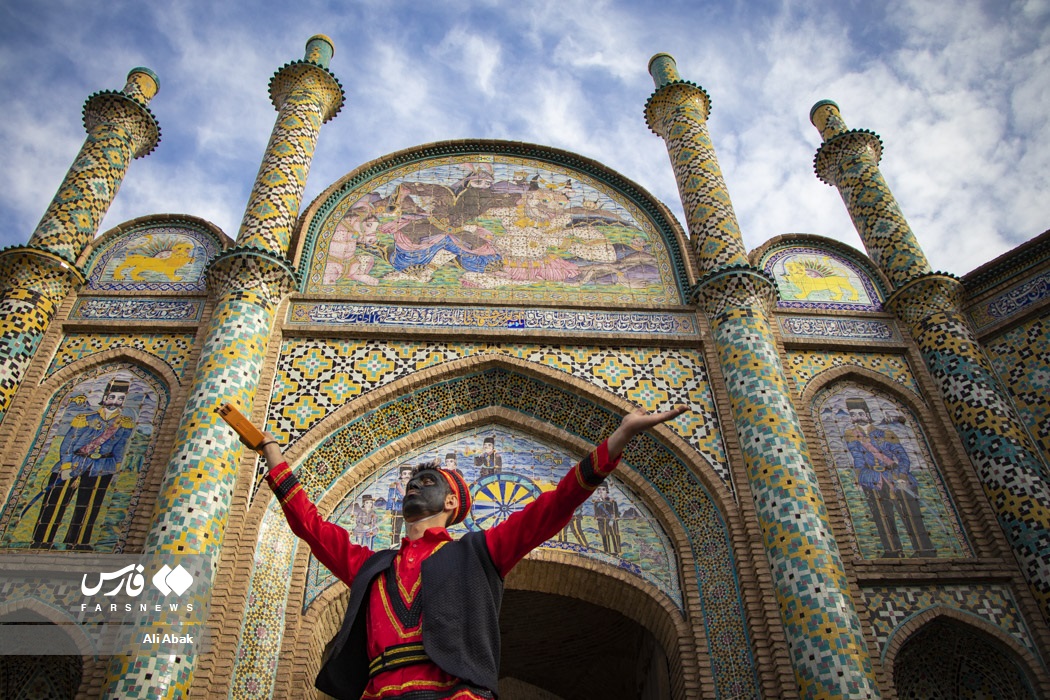
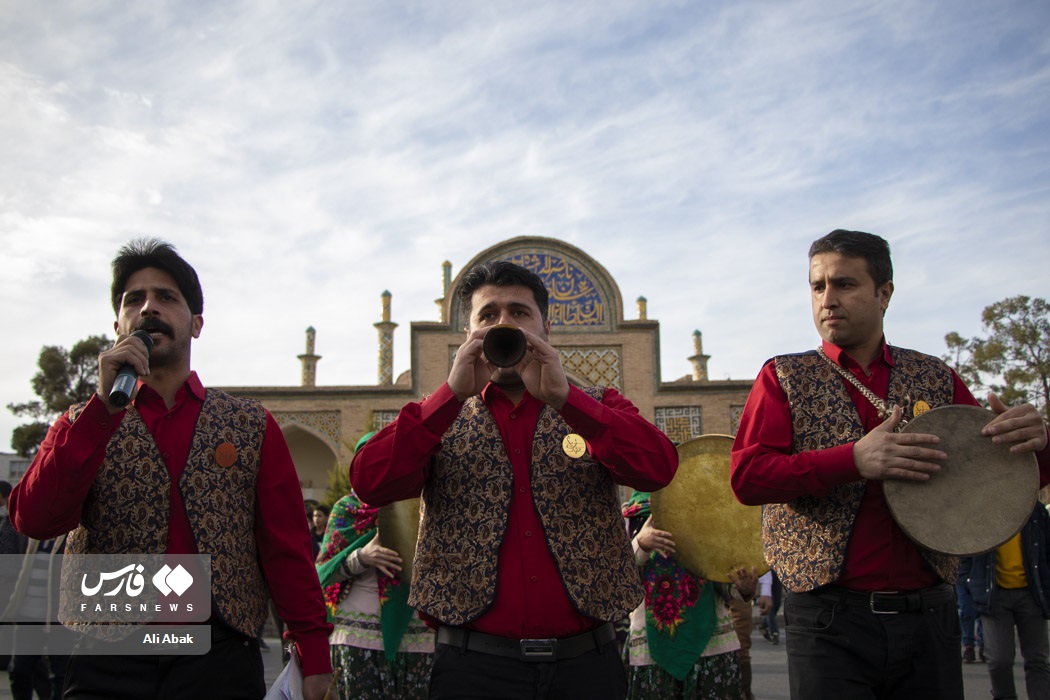
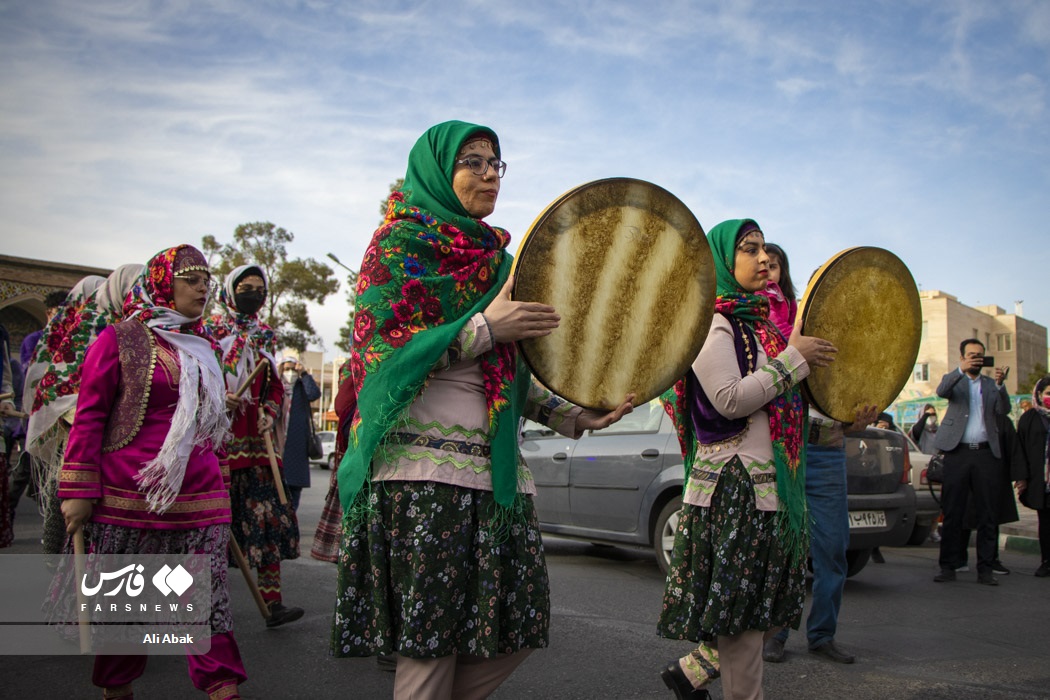
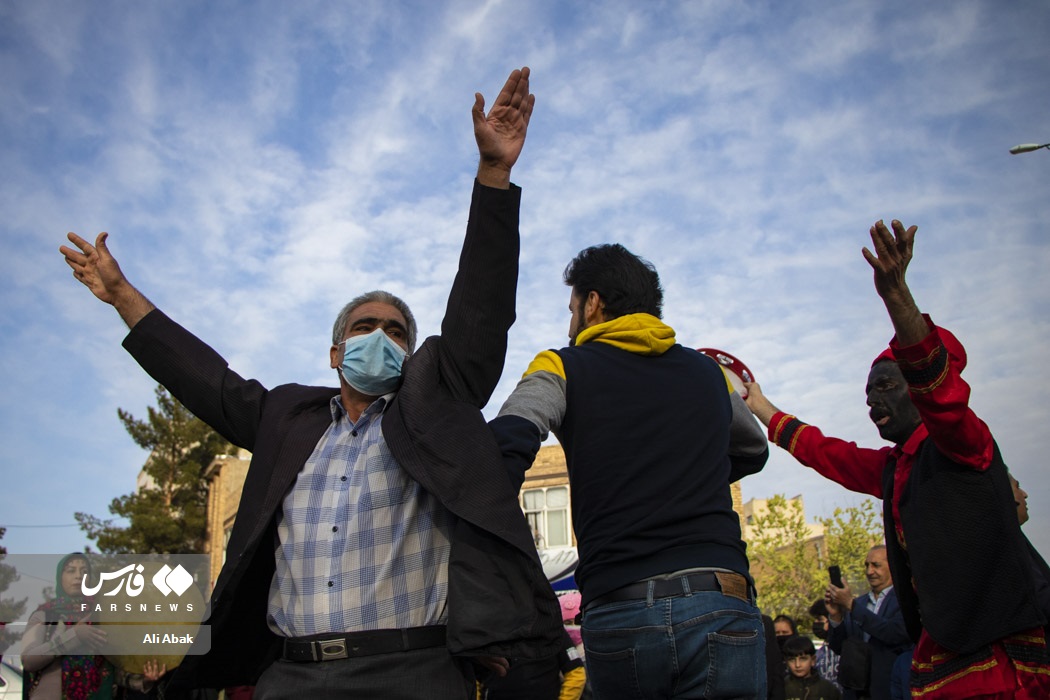
‘Carnival of Joy’ marks Nowruz across Iran’s Semnan Province

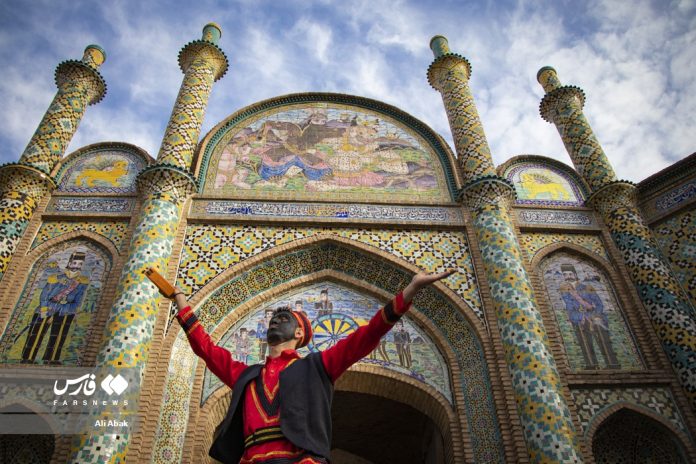
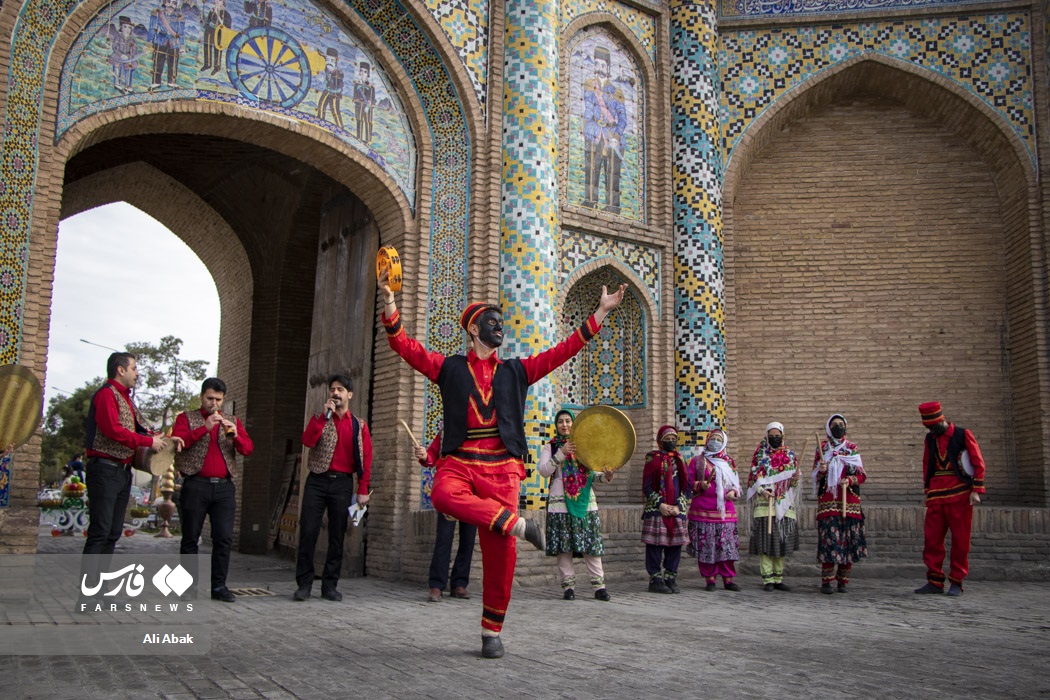
Nowruz in Iran’s Semnan Province

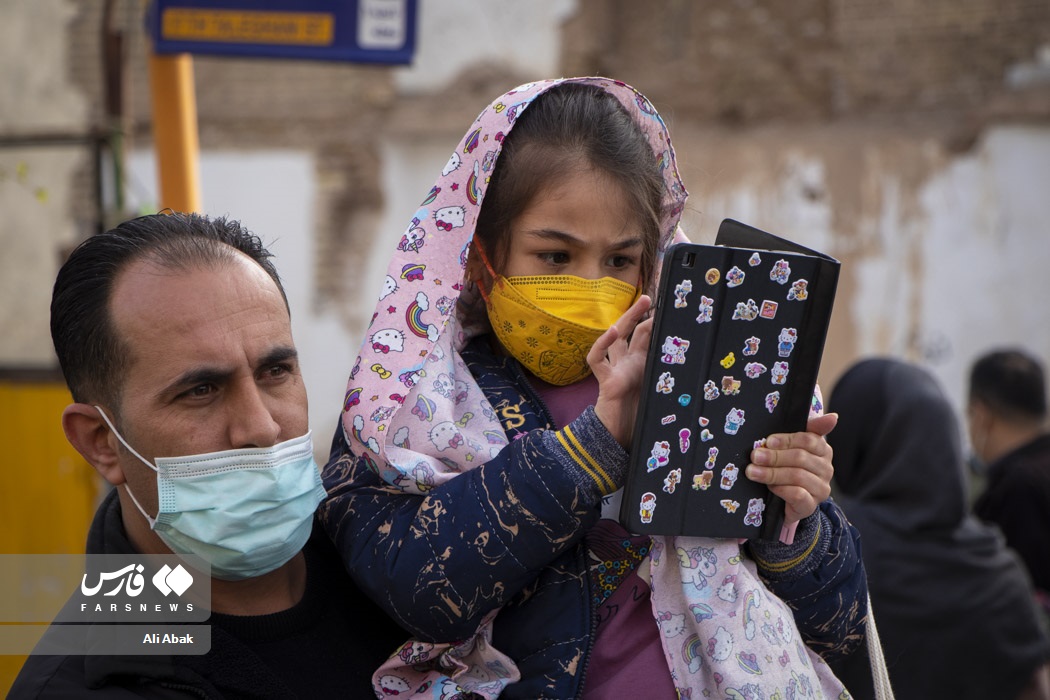
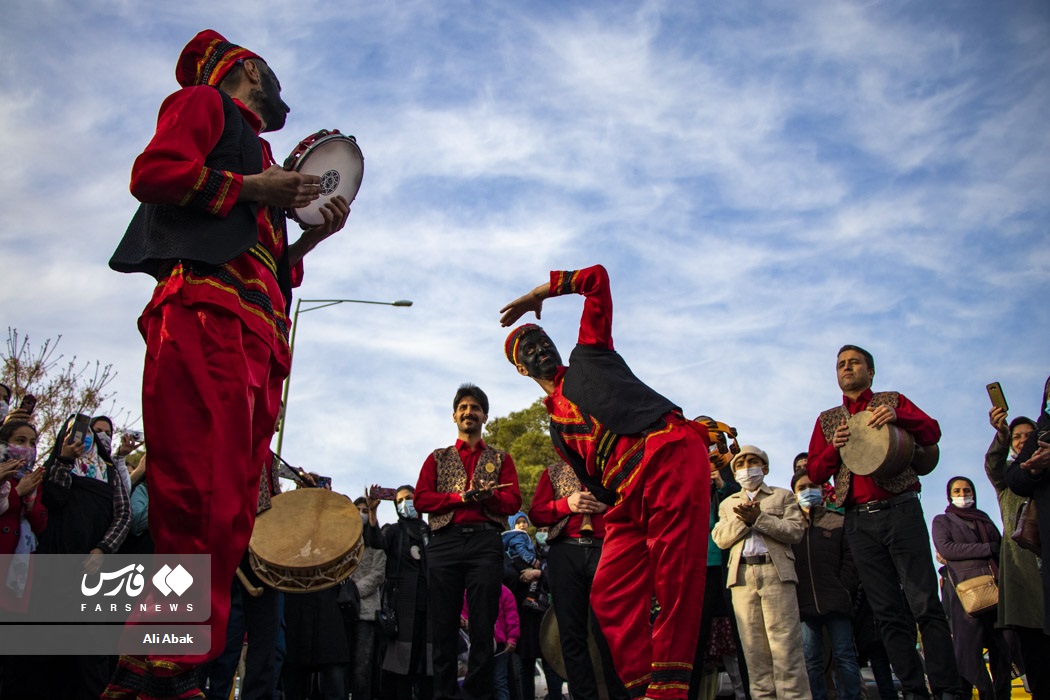
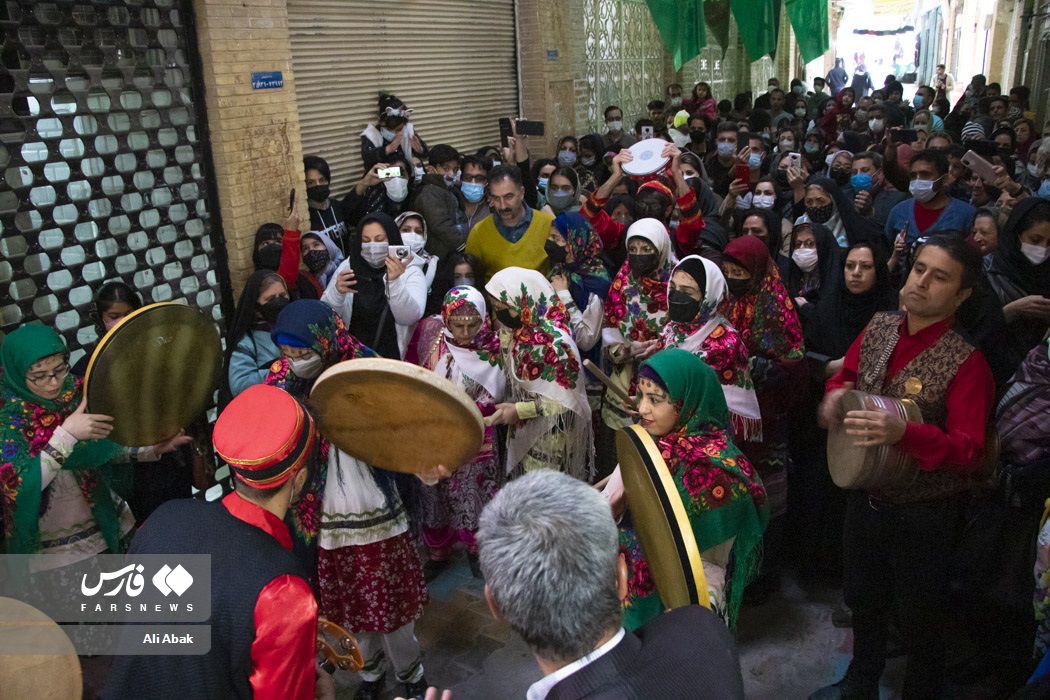
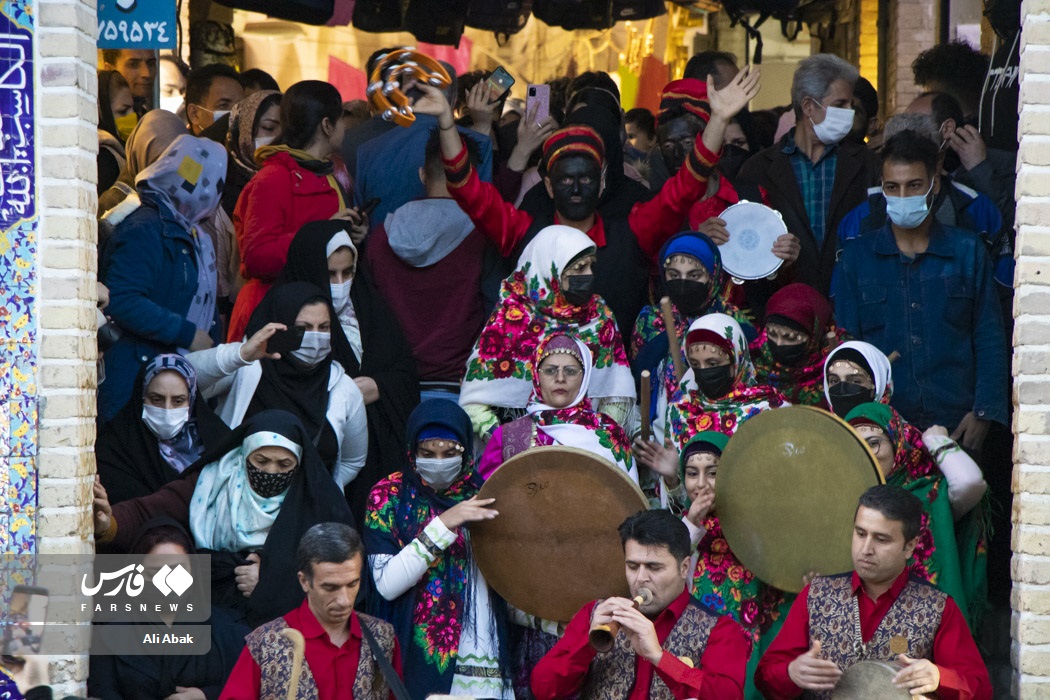
Residents and tourists in Semnan have welcomed the carnival, which features traditional characters and symbols of Nowruz as well as live classical music.

Siahkal in northern Iran: A county where mountains meet plains

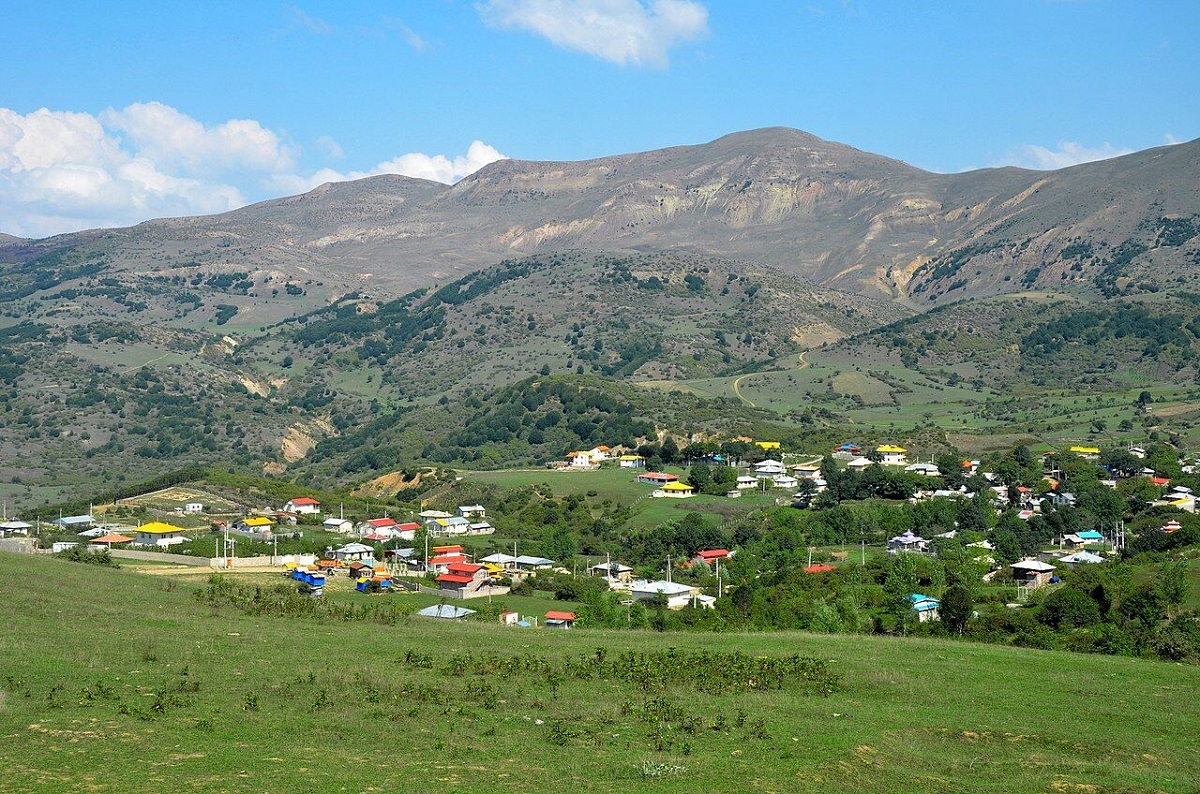
Siahkal in northern Iran

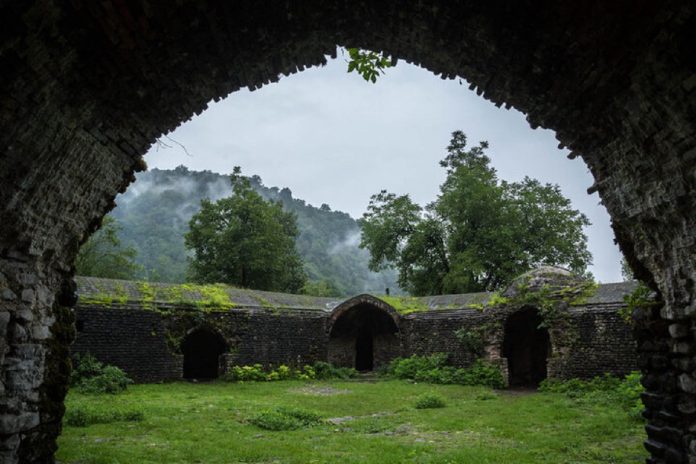
In terms of geography, the county is, for the most part, located in mountains and foothills, but a section of it lies in the country’s northwestern plains, something that gives the region a diverse climate.

Siahkal is home to lakes and dazzling views of farms, rivers, and forest, in addition to historical monuments dating back to ancient times.

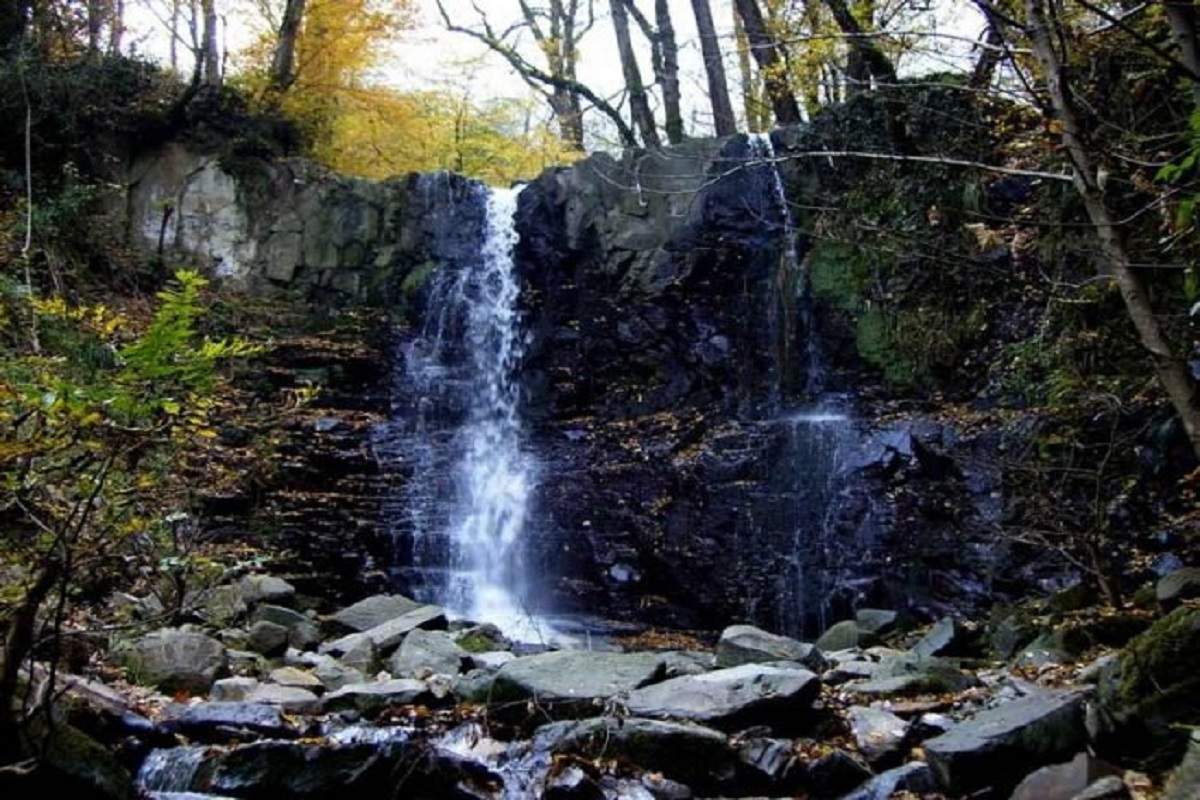
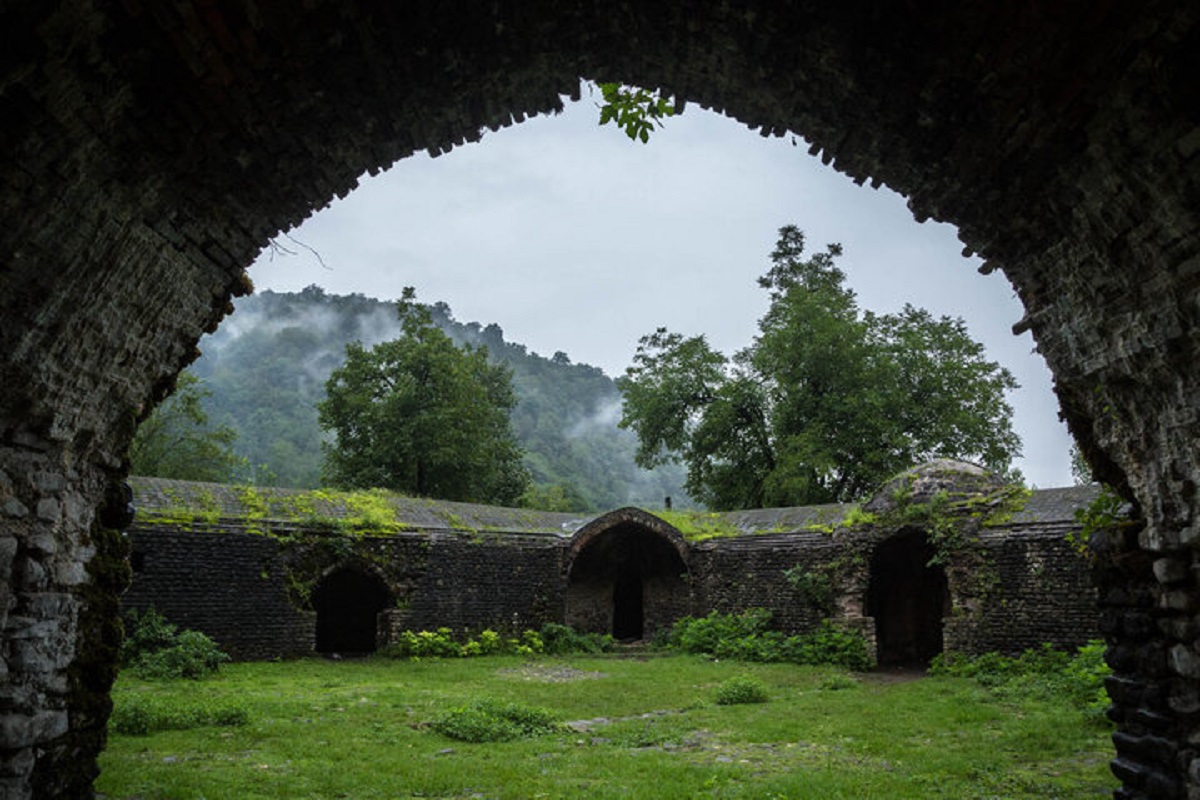
Among the most popular tourist attractions in the area are Deylaman forest and summer residents, Lonk Waterfall, and Titi Stony Caravanserai, besides many other beautiful sites.

Snowfall hits northern Iran during Nowruz holidays

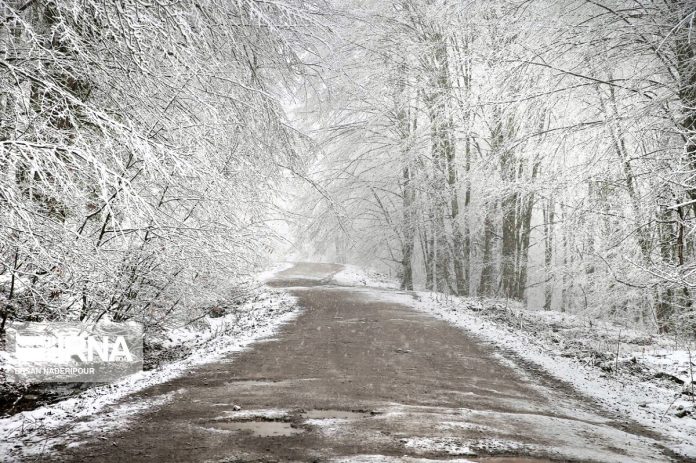
Snowfall Iran

They said the Asalem-Khalkhal, Tehran-Amol and the Chalus roads were hit by snow.
Mazandaran’s Road Police said it’s also raining in some areas and that the roads are slippery.

On Tuesday, authorities said road accidents had killed 247 people countrywide in 6 days since Nowruz trips began and that nearly 200 accidents had happened during the period.
They urged all people to observe driving safety rules.

Weather conditions have been anything but favorable since the start of Nowruz holidays.

On Tuesday, the second day of the new year, a storm hit the Iranian capital Tehran at a speed of 75 kilometers per hour, knocking down trees and power lines.

A number of people got injured. But there were no deaths.

Taliban order girls’ schools shut

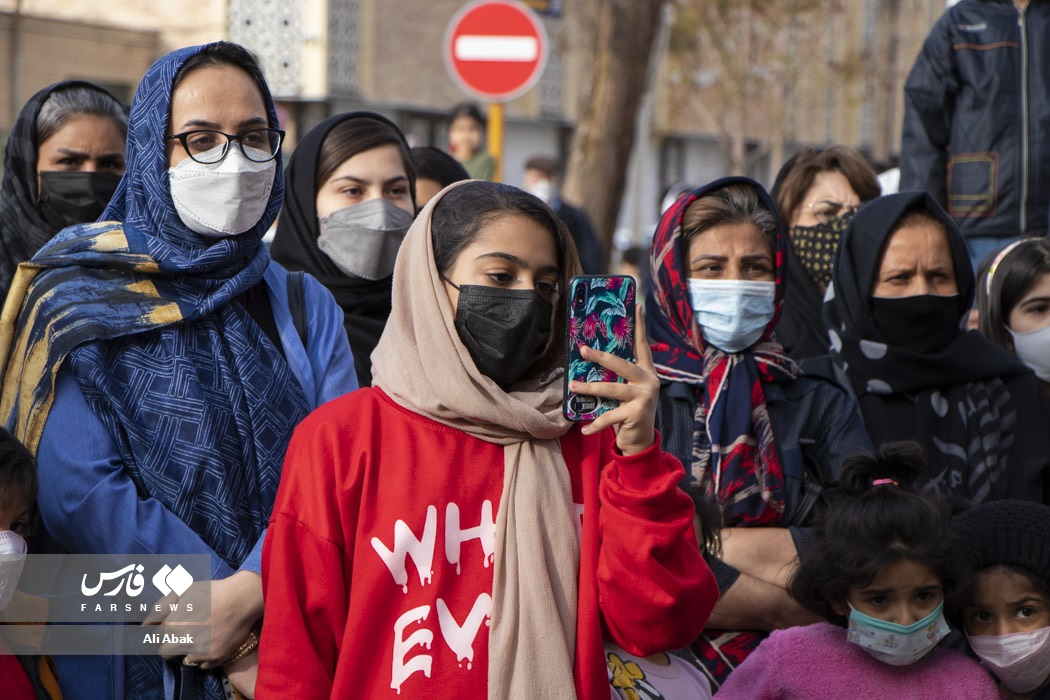
Afghan Women and Girls

The Taliban’s Ministry of Education said the schools are closed until further notice.

It added that once a uniform is made for girls which would conform with the Islamic Shariah and the Afghan culture and traditions, the girls above the sixth grade will be able to return to schools.

The girl schools were supposed to reopen on March 3.

The Taliban’s decision to shut the schools for girls comes as they had promised to not prevent female students from attending the classrooms.

The Taliban seized power last August after taking over most of Afghanistan and forcing former President Ashraf Qani to flee the country.

The Taliban takeover happened rapidly following the US’s messy withdrawal from Afghanistan.

Iran tourism: Barim Bridge, a relic of Iran civilization glory

Barim Bridge

The Barim Bridge, which is located in Basht city, is one of the most important historical tourist destinations of the province specially during Nowruz holidays.

The beautiful monument, which is reflective of the spirit of life and architectural style of Iran’s ancestors, is built in the form of interconnected arches.

In ancient times, the bridge served as a place of passage and a site of cultural exchanges between people in the region.

Sadeq Mandanizadeh, the head of the local tourism department, described the bridge as a manifestation of the Iranian civilization in ancient times.

US says less optimistic over reaching nuclear deal with Iran

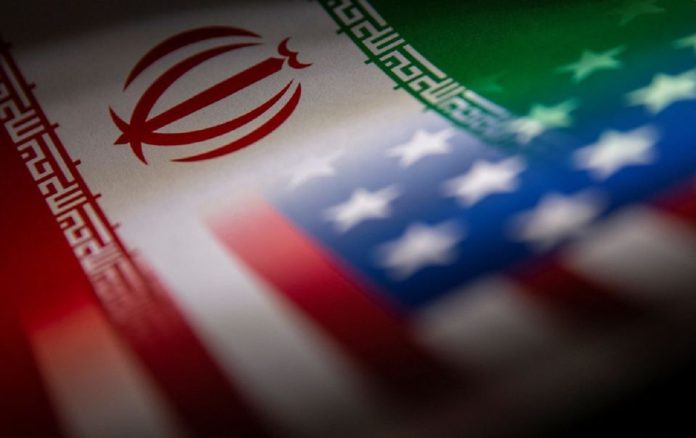
Iran US Flags

Just a week ago Washington officials were hopeful that an agreement that aimed to halt Iran’s march toward nuclear weapons capability, after almost one year of negotiations, was within reach.

Tehran denies seeking nuclear weapons, stressing it wants to master nuclear technology for peaceful purposes.

“We are close to a possible deal, but we’re not there yet,” Price said on March 16, adding, “We do think the remaining issues can be bridged.”

US officials stated they thought Tehran would reach an agreement after Sunday’s celebration of Nowruz, the Persian New Year.

But that tone suddenly changed the following day.

“I want to be clear that an agreement is neither imminent nor is it certain,” Price said Monday.

And on Tuesday, while refusing to say the talks had reached an impasse, Price stated the United States had contingency plans if a deal could not be reached and Iran’s alleged plans to develop nuclear weapons were not halted.

“The onus is on Tehran to make decisions that it might consider difficult,” Price told reporters.

“In fact we are preparing equally for scenarios with and without a mutual return to full implementation of the JCPOA,” he added, referring to the formal name of the 2015 deal, the Joint Comprehensive Plan of Action.

The administration of president Donald Trump unilaterally abrogated the six-party JCPOA in 2018, branding it a weak deal.

Iran remained patient for an entire year, after which it began to take incremental steps away from its nuclear obligations, especially after Europeans failed to salvage the deal under the US pressure.

Last April, three months after he took office, President Joe Biden started new negotations to revive the 2015 agreement, promising an easing of punishing sanctions in exchange for restoring JCPOA controls.

Iran insists that the talks must lead to the removal of all American sanctions that were imposed against Tehran following Washington’s unilateral withdrawal from the landmark agreement in May 2018. Tehran has also demanded credible guarantees that Washington will not abandon the deal again.

Both sides have said in recent weeks that the other has to make tough political choices.

And Tehran is believed to be holding out for two objectives: a guarantee of some protection if the United States again pulls out from the deal, and the removal of Washington’s official “Foreign Terrorist Organization” designation of the powerful Islamic Revolutionary Guard Corps (IRGC).

“We are still working through a number of difficult issues,” Price said, while not confirming what the specific unagreed points were.

“We know that there has to be a great deal of urgency, and we know that now the onus is on Tehran to make decisions,” he added.

Suggesting that Washington has not given up, Price did say Monday that it could make concessions.

“We are prepared to make difficult decisions to return Iran’s nuclear program to its JCPOA limits,” he stated.

But he also warned that Washington is conferring with allies on what to do if no deal is reached, without providing details.

“We are preparing… for a world in which we have a JCPOA and a world in which we don’t. But either way, the president’s commitment to the fact that Iran will never be able to acquire a nuclear weapon, that is ironclad,” he continued.

The Iranian foreign minister has said Tehran has put forth some initiatives to the US through the EU coordinator regarding the highly important remaining issues in the Vienna talks.

Hossein Amirabdollahian stated the parties to the negotiations are close to finalizing a deal.

The Iranian foreign minister added the onus in now on the US side to show its alleged good faith.

United Nations celebrates International Day of Nowruz

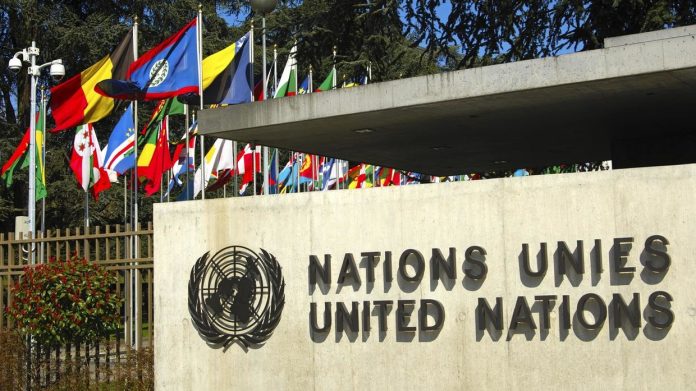
UN

Iran’s Ambassador to the UN Majid Takht-Ravanchi headed a virtual meeting held at the world body’s headquarters in New York to commemorate Nowruz, which marks the start of the Persian New Year and has been celebrated for 3,000 years.
UN Secretary General Antonio Guterres, the president of the General Assembly, and ambassadors of the 11 other countries of the Nowruz civilization zone were in attendance.

Addressing the meeting, Takht-Ravanchi said, “Nowruz transcends all man-made borders and connects the hearts of the people, serving as the common language for a multitude of populations spanning different countries and ethnicities.”

“In a world faced with unprecedented global challenges, such as pandemic, unilateralism, extremism, violence, hostility and conflict, let us all be inspired by Nowruz and its promise of peace, harmony, solidarity and prosperity,” he added.

Ahead of the meeting, Takht-Ravanchi and the representatives of the other Nowruz-celebrating countries gathered at the Nowruz table, known as Haft-Sin in Persian, set at the UN HQ.

Nowruz is registered on UNESCO’s Representative List of the Intangible Cultural Heritage of Humanity by 12 countries including Iran, Afghanistan, Azerbaijan Republic, India, Iraq, Kazakhstan Kyrgyzstan, Pakistan, Tajikistan, Turkey, Turkmenistan and Uzbekistan.

Since 2010, International Nowruz Day was proclaimed by the United Nations General Assembly in a resolution, at the initiative of Iran and several countries that share this holiday.