Saturday, December 27, 2025
Home Blog Page 1966

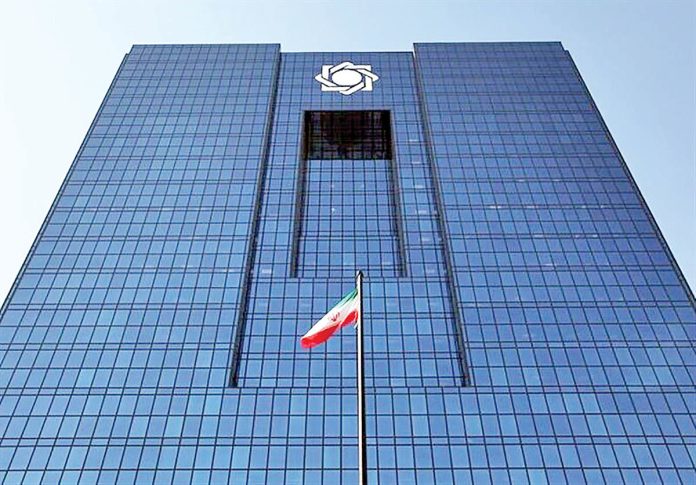
Iran’s economic growth rate was 5.8% last fall: Central Bank

Iran Central Bank

According to the figures, Iran’s non-oil economic growth rate for the quarter was 5.8%, and the country’s GDP was 3.7%.

And the services sector registered a growth of more than 8%.

Iran is under stringent US sanctions, which have targeted its oil sales and non-oil economic development.

Sanctions that had been removed under a 2015 deal between Iran and six other partners were re-introduced and a range of other stringent bans were imposed in the country after former US President Donald Trump unilaterally withdrew from the agreement in 2018.

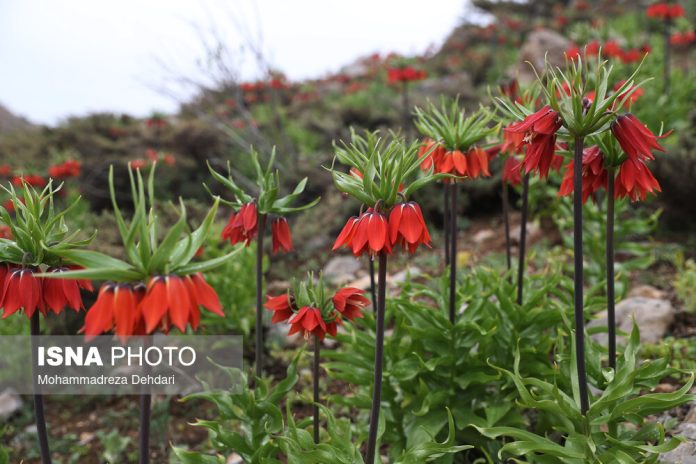
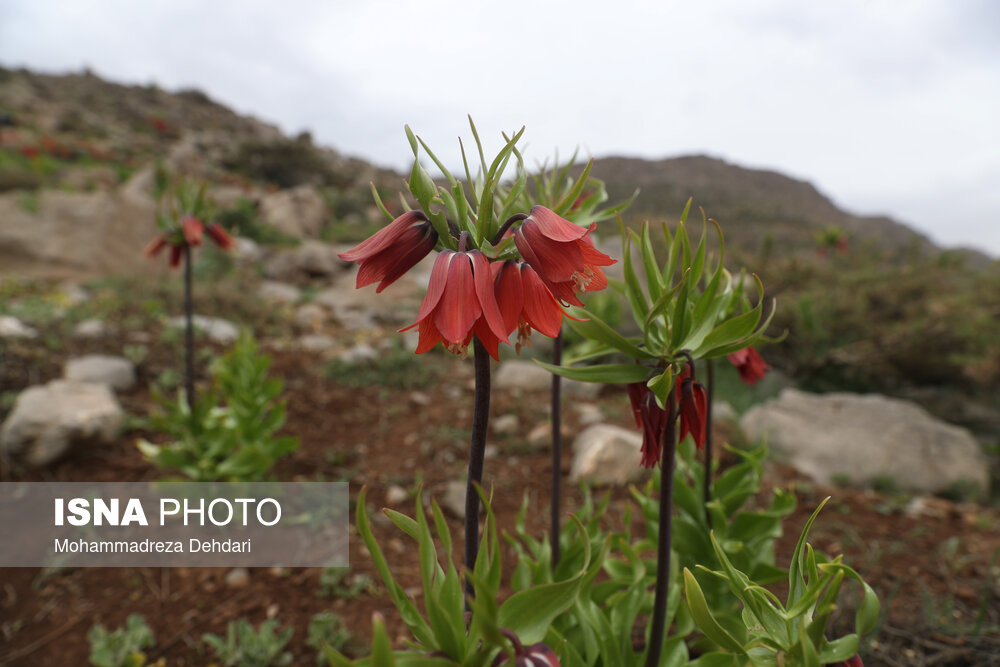
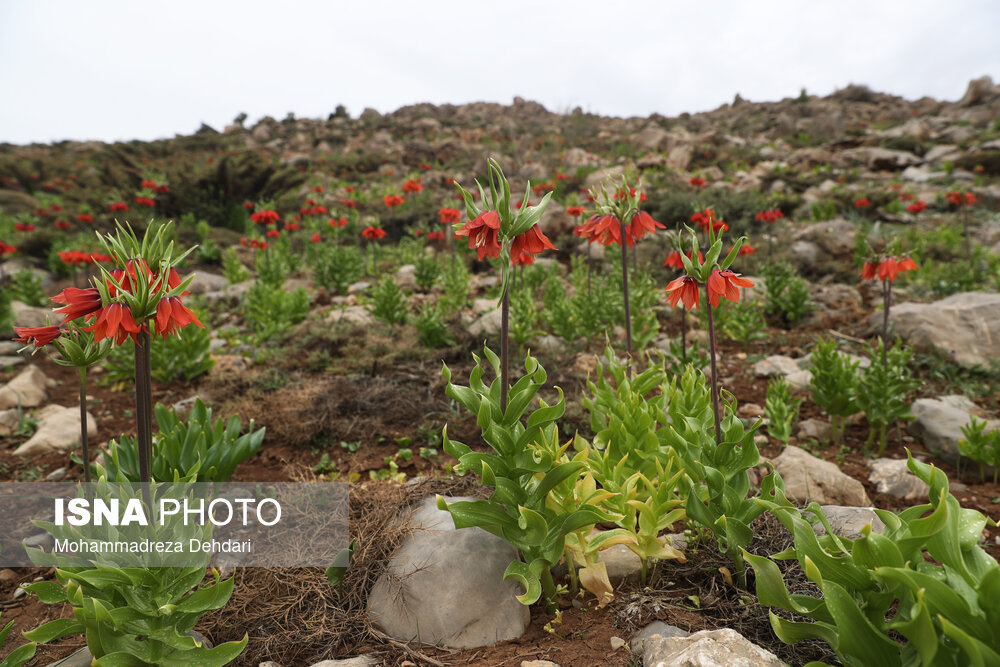
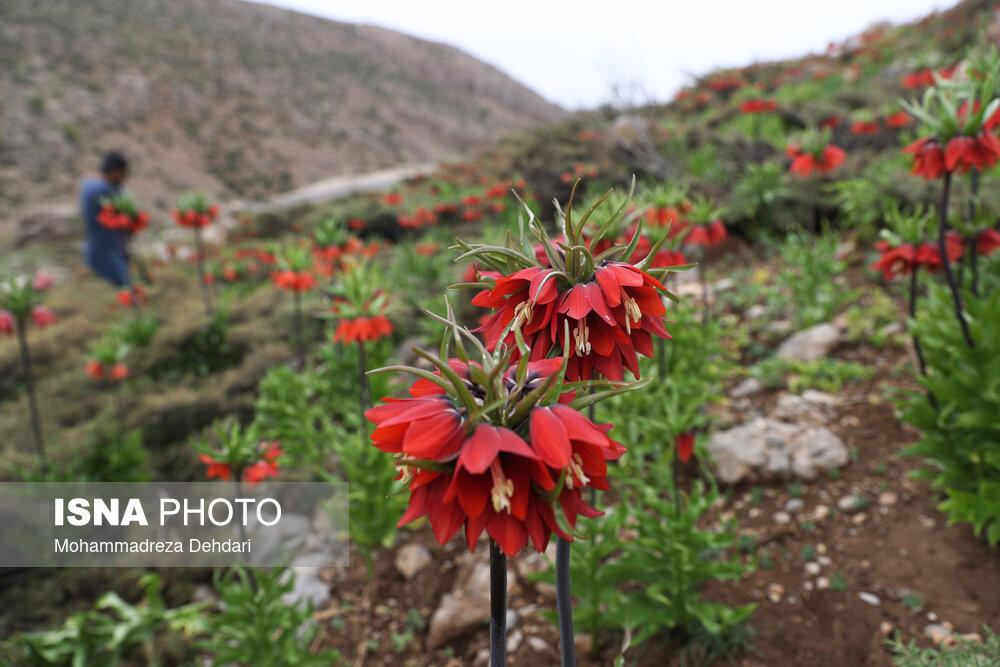
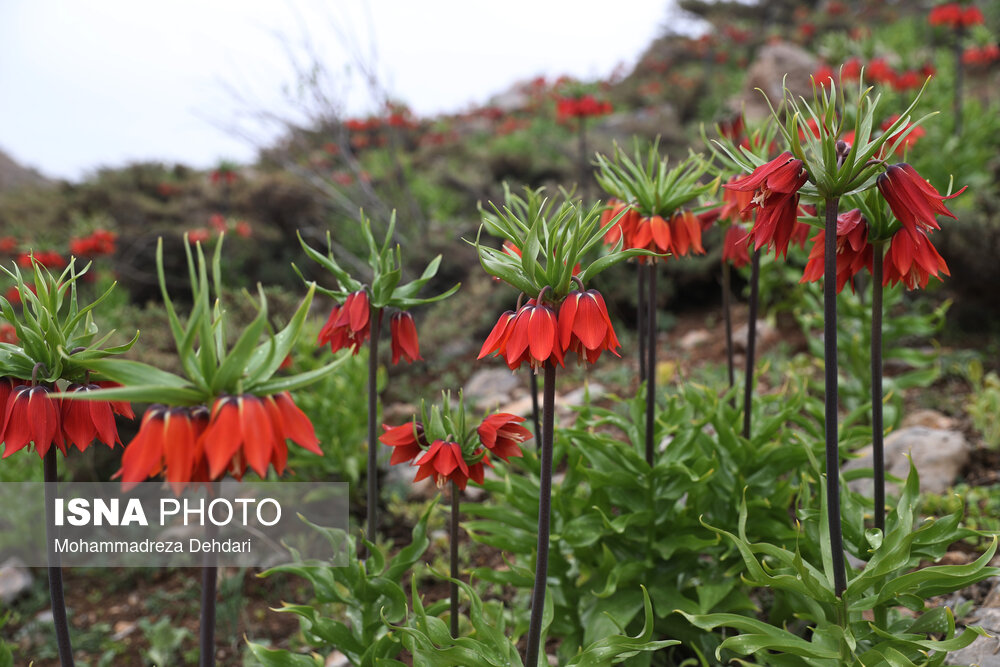
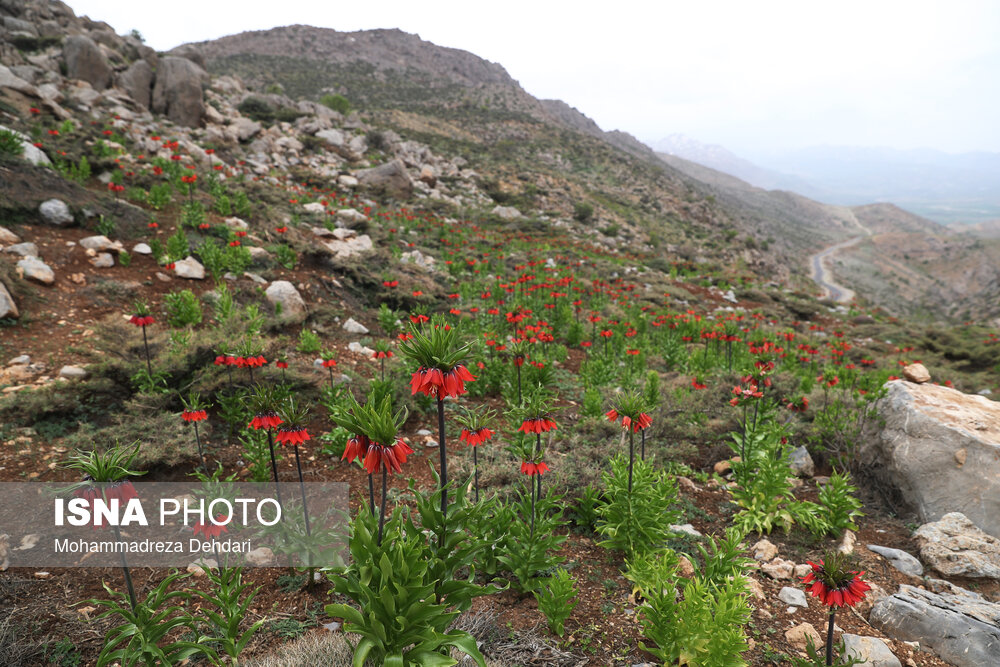
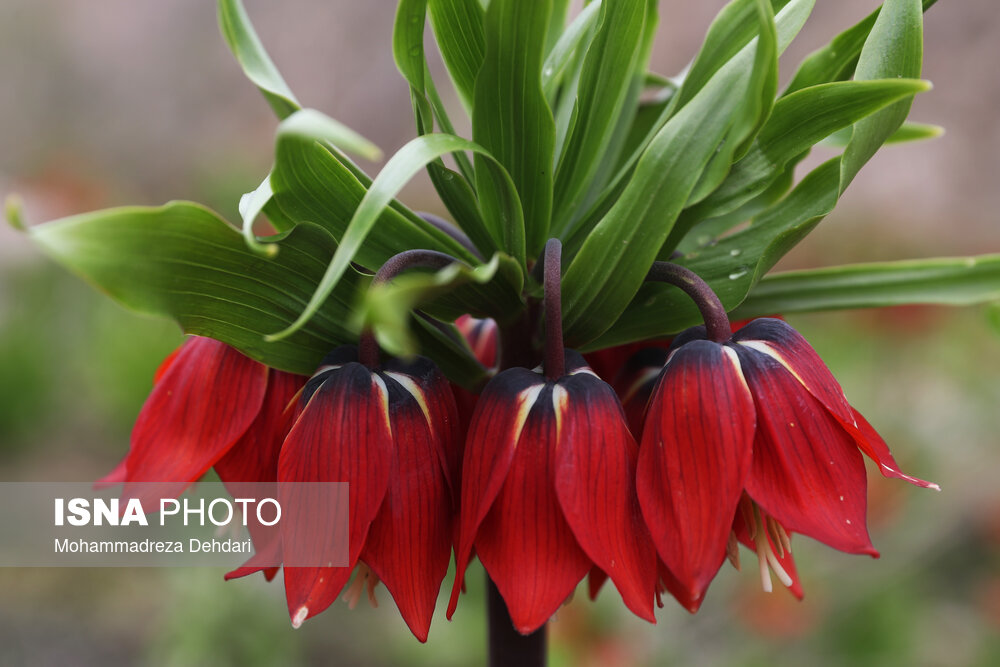
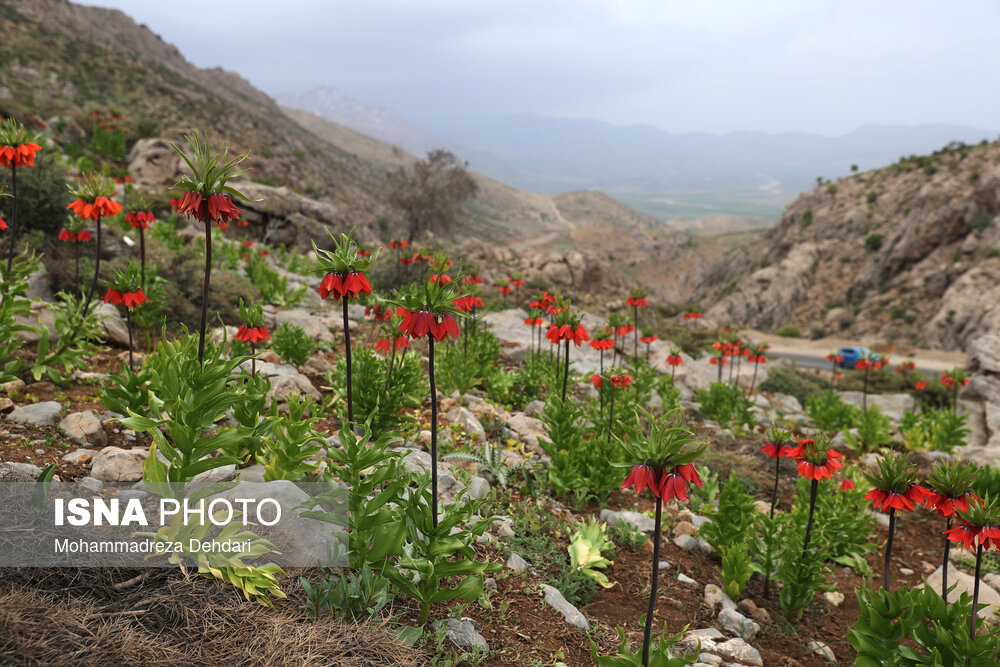
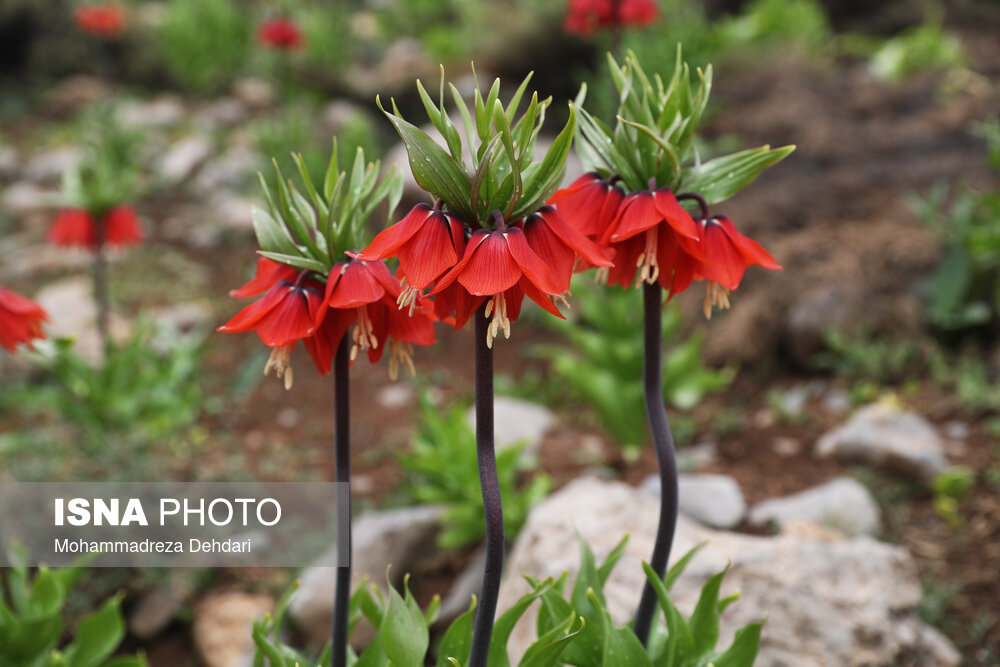
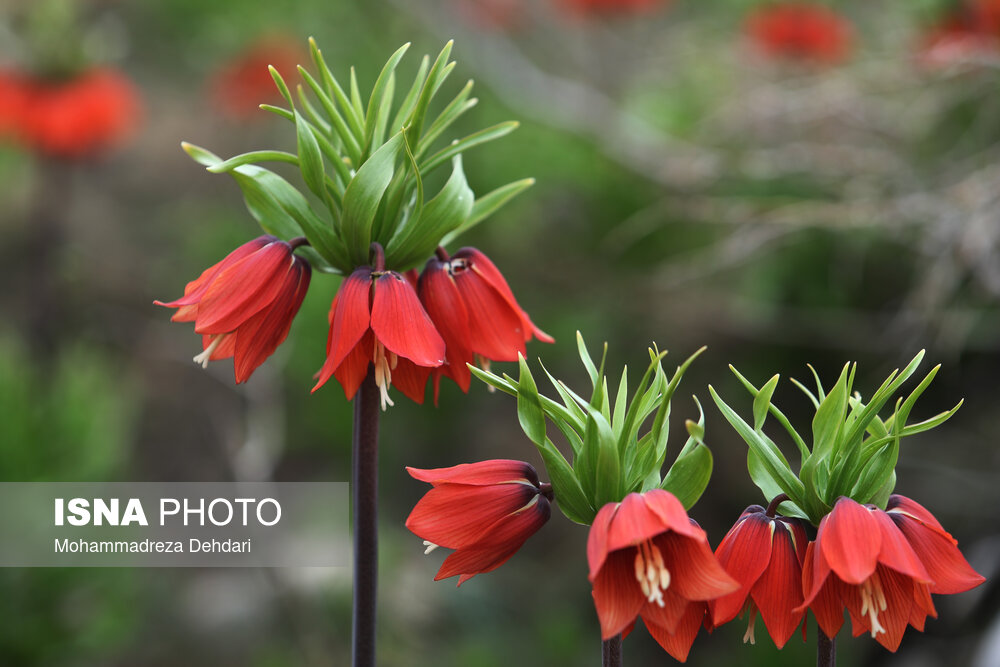
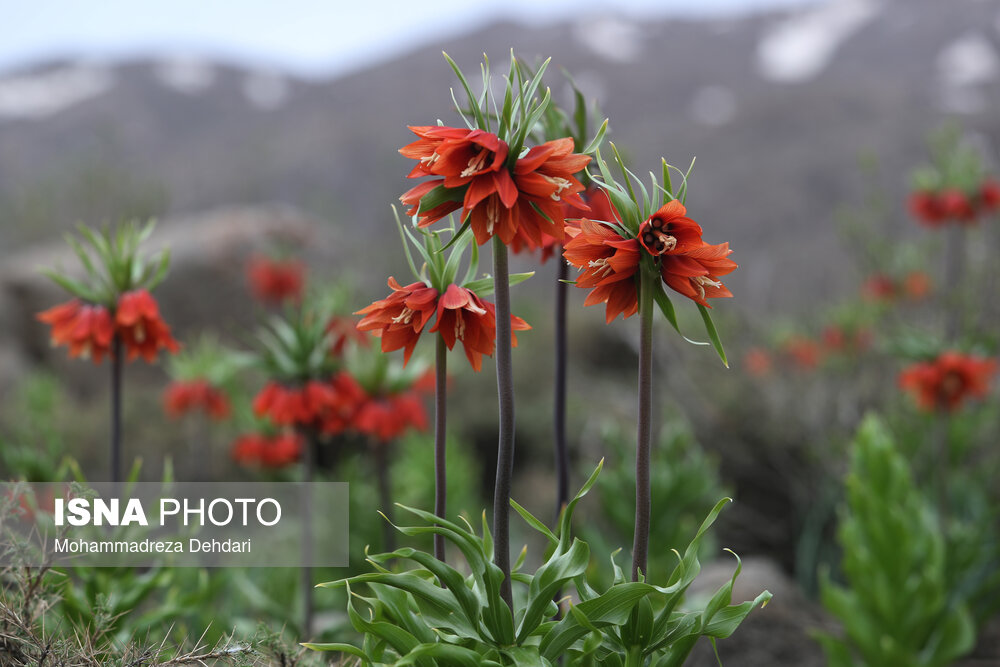
Iranian plain abounds with snake’s head flowers

Snake’s head flowers

It is native to the temperate regions of the Northern Hemisphere, from the Mediterranean and North Africa through Eurasia and Southwest Asia to western North America.

It is an endangered plant, yet, many of its 60 variants can be found in Iran, although their lifespan is naturally short.

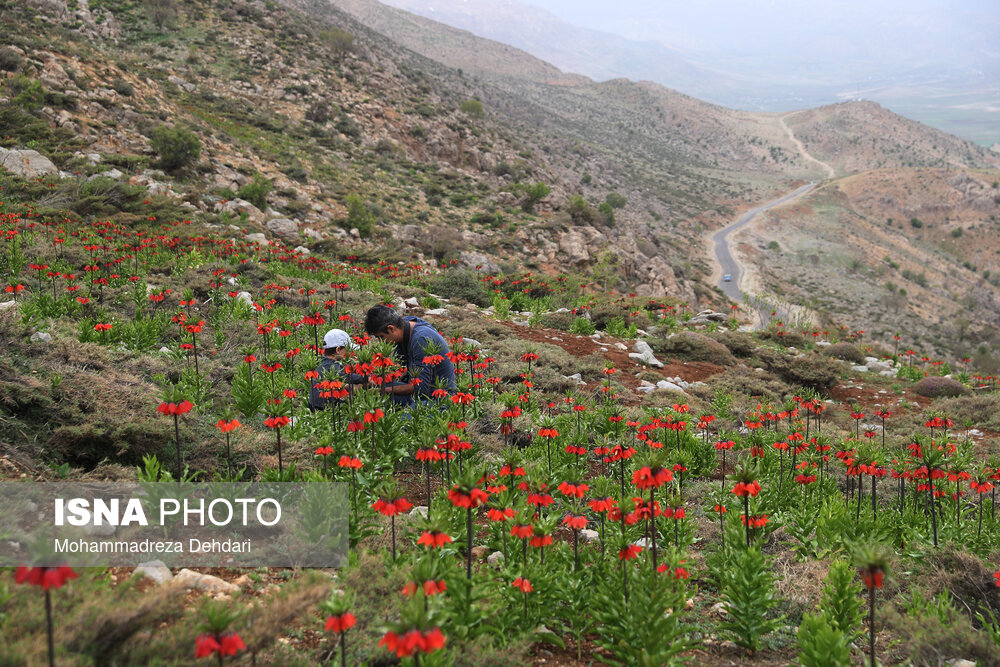
The Barm Firouz snake’s head plain in Sepidan County of Iran’s southern province of Fars abounds with the flower.

Every year in spring, when the flower grows in the plain, tourists frequent the area for its natural beauty.

According to the Iranian epic Shahnameh, a first snake’s head grew where the blood of Iranian hero Siavash dropped, after his throat was slashed by a foreign enemy.

Ferdowsi, the great Iranian epic poet who composed Shahnameh, says the flower could never hold its head high because it had been witness to Siavash’s unjust killing.

Here is a selection of photos from the Barm Firouz snake’s head plain. Enjoy!

COVID-19 figures hit the lowest in Iran in nearly two years

COVID in Iran

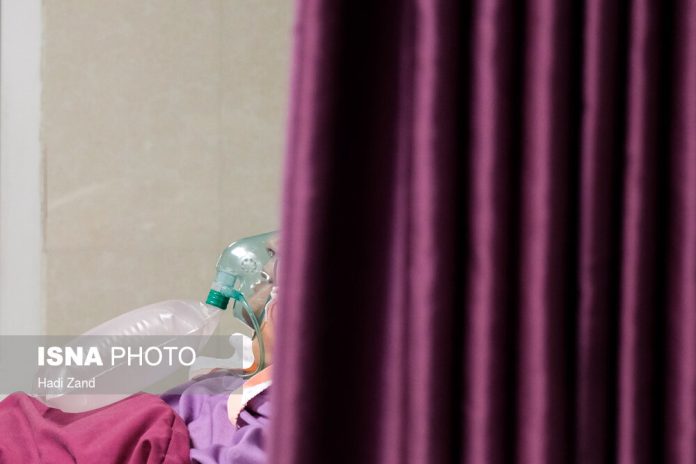
According to the ministry, 532 people were diagnosed with the disease and 11 people lost their lives as a result of it. Out of the new cases, 109 people had to be hospitalized.

Those are the lowest numbers in Iran since almost two years ago, when the coronavirus seemed almost out of control.

The total caseload since the pandemic began in Iran has now reached 7,721,653 people. And a total of 141,083 Iranians have died of the disease.

The low figures come as the United States and Europe are reportedly considering declaring the end of the pandemic.

Mass vaccination and other precautionary measures have helped Iran reduce its caseload and death toll from record highs almost a year ago to the present figures. So far, 27,029,483 people have received a third dose of the COVID-19 vaccine in Iran. Over 30,380 shots were administered in the country over the past 24 hours alone.

Furthermore, no Iranian cities, towns, or counties are in the so-called red status for COVID-19, which signifies the highest level of threat posed by the virus. Ninety four counties are in the blue status, which signifies the lowest level of the health hazard.

Koofteh Berenji Recipe

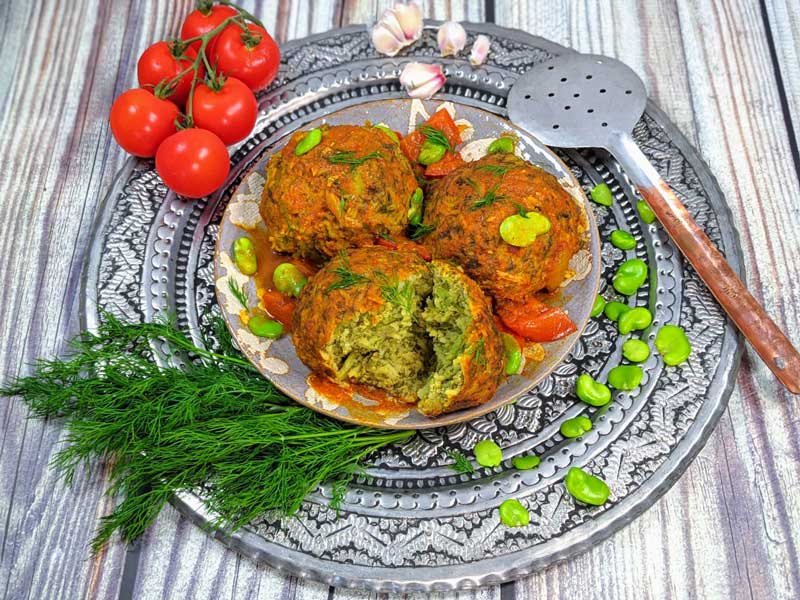
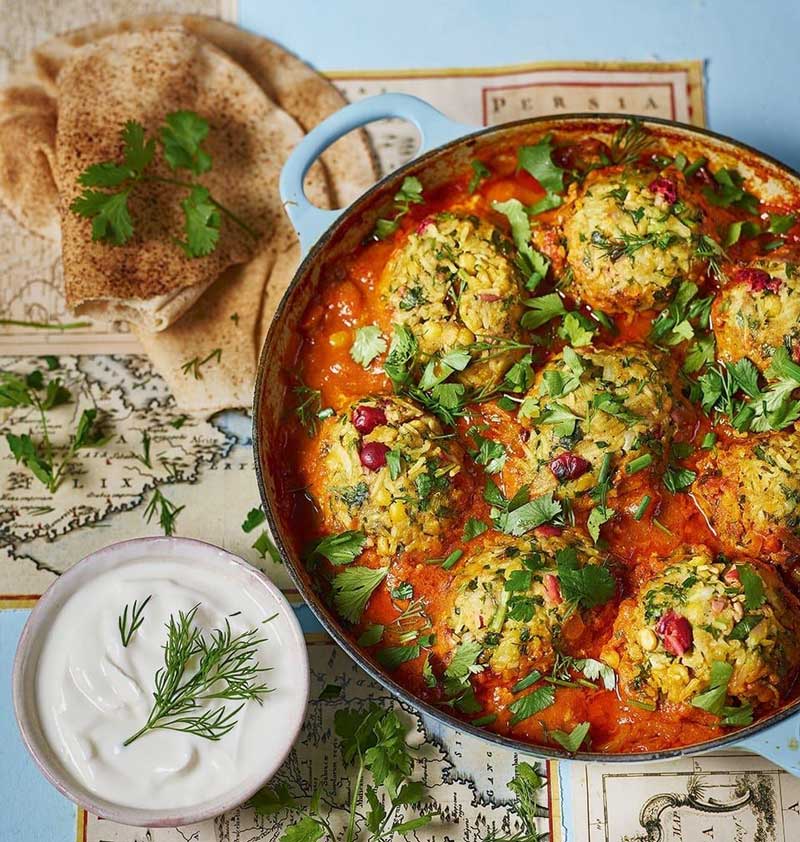
Koofteh Berenji (Persian Meatballs with Rice)
Koofteh Berenji (rice meatball) is one of the classic and very delicious Iranian dishes.

Koofteh Berenji (rice meatball) is one of the classic and very delicious Iranian dishes.

There are different types of Koofteh, but Koofteh Berenji is more common than other types. It can be made in different sizes and shapes.

It is recommended to prepare Koofteh Berenji for lunch because this food is relatively heavy.

Koofteh Berenji Recipe (Persian Meatballs Recipe)
Koofteh Berenji – Persian Meatballs with Rice

Ingredients For Koofteh Berenji

(Serves 4-6)

  1. 500 grams minced veal or beef
  2. One cup rice (100 grams)
  3. 50 grams yellow split peas
  4. Two heaped tablespoons chickpea flour
  5. One egg
  6. Two tablespoons finely chopped savory
  7. One level tablespoon finely chopped mint
  8. One level tablespoon finely chopped tarragon
  9. One tablespoon finely chopped parsley
  10. One level tablespoon finely chopped dill
  11.  One level tablespoon finely chopped wild leek
     Dried herbs can be used instead of fresh ones.
  12. Two large onions
  13. Two tablespoons tomato paste
  14. Dried plums and walnuts for the filling
  15. Salt, ground black pepper and turmeric to taste
  16. Garlic powder to taste
  17. Oil
  18. Water

Cooking Steps For Koofteh Berenji

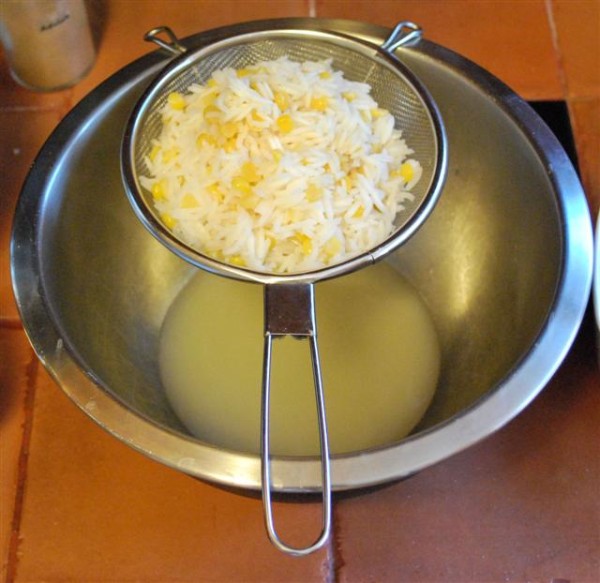
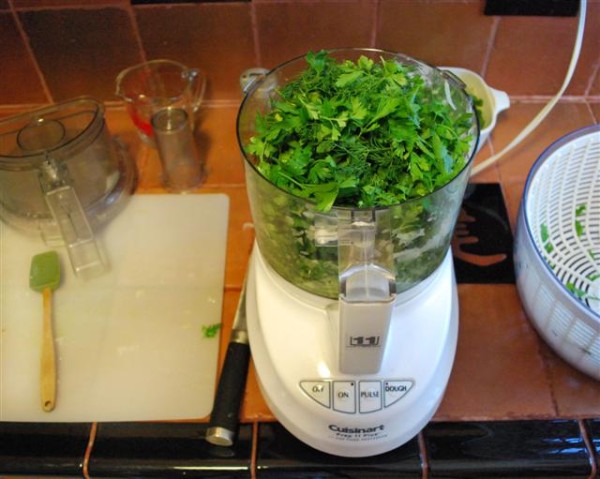
1. Wash the rice a few times and soak it in salt water for a few hours. Pour some water in a pot and bring it to the boil, then add in the rice to the boiling water; leave it there until the rice is partly cooked. Depending on the kind of rice, it might take a few minutes (less than 10). Afterward, drain the rice. If the rice turns out to be fully cooked, there is no room for worry. What matters is that rice should not be raw, because it might later cause your Kooftehs to fall apart or remain uncooked by the time the meal is expected to be ready.

2. Cook the yellow split peas in water with some salt as well until they are well cooked. Drain them too and set them aside. The ingredients should be free of any excess water before they are mixed, otherwise the mix won’t be sticky enough and cracks will appear in Kooftehs.


3. Before you make Kooftehs, you need to get the sauce ready. Peel and slice one large onion and fry the slices over a medium heat until they turn soft and golden brown, add salt, turmeric and pepper to it. Then spoon in the tomato paste and fry it until it starts to change color and becomes deep red; stir it frequently to avoid burning it. Afterward, pour three to four glasses of water into the pot; the water level should be high enough to submerge the Kooftehs when they are placed in the pot. Bring the sauce to the boil, as soon as you place the Kooftehs in the sauce, turn down the heat.

4. Grate the other onion. If the grated onion turns out to be watery, squeeze it to get rid of the excess juice.

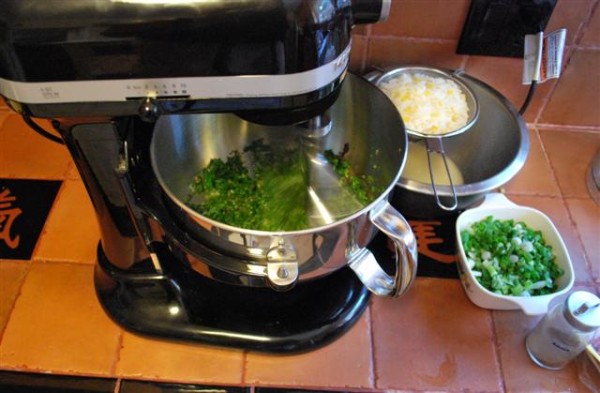
5. In a large bowl, mix the grated onion, minced meat, rice, yellow split peas, herbs, chickpea flour and egg and add turmeric, black pepper, salt and garlic powder to taste. It is important that you press the mixture with your hands until the ingredients form a single smooth, consistent substance.

6. Take a handful of the mix, stuff a dried plum and walnut into it and then shape it into a ball. Add the Koofteh to the sauce. You should not put the lid on the pot. Turn the Kooftehs in the pot to let them cook well in the sauce. If you like, you can add some dried plums to the sauce as well. As for the filling, you can use other stuff like dried onions, barberries and boiled eggs, too.  The Kooftehs will need about an hour to simmer in the sauce before they are ready. The dish is served with flat bread.

Additional tips for making Koofteh Berenji

Calories in rice meatball: There are an average of 180 to 190 calories in per 100 grams of this food

Rice meatballs are one of the popular and traditional dishes of Tabriz and are originally an Azeri recipe.

Preventing Koofteh from falling apart:

To prevent the meatballs from falling apart, you should add one or two tablespoons of gram flour to your ingredients or grind the wheat and pour it into the meatball ingredients so it becomes sticky.

To prevent the meatballs from loosening, grate the onion with a grater that has larger holes, or take the onion juice away.

Tabriz meatballs (Persian: کوفته تبریزی, romanized: Koofteh Tabrizi), also known as Koofteh Berenji, is an Iranian meatball recipe from the city of Tabriz
Persian Koofteh (aka kufteh or kofteh) is mixed with cooked rice, yellow split peas, onions, and a heap of fresh herbs.

Another reason why meatballs fall apart is its meat. The fatter the meatball meat, the more likely are the meatballs to loosen. So if your meat is high fat, add an egg to your Koofteh ingredients. The meat in meatballs should be quite soft and fine; therefore, the meat should be minced 2-3 times.

Once the rice meatballs are ready, refrigerate for an hour before placing them in the sauce.

Iraq PM: Iran, Saudi Arabia to soon reach agreement on fixing ties

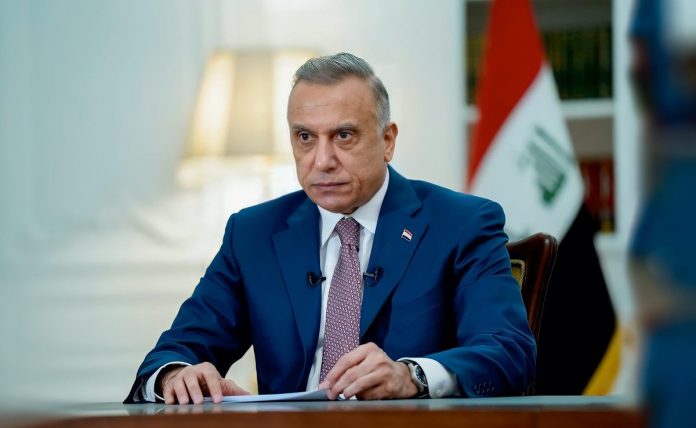
Iraqi Prime Minister Mustafa al-Kadhimi

In an interview with Iraq’s official Al Sabaah newspaper, Mustafa al-Kadhimi said his country “directly benefits” from a consensus among states of the region and stability there.

Since Iraq, he added, has good relations with Iran and Saudi Arabia, besides other opposing regional players, it managed to arrange a “positive climate” for talks between the two Middle East powers on its soil.

“Brothers in Iran and Saudi Arabia have been seriously addressing the dossier of negotiations and the region’s current requirements. We believe an agreement will be achieved soon,” the premier added.

Five rounds of talks have so far been brokered by Baghdad between Tehran and Riyadh. Iraq said recently that it planned to host a sixth such session, without providing a date.

Saudi Arabia severed its ties with Iran following an attack by Iranian protesters against the kingdom’s embassy in Iran in 2016. The protesters were angry at Saudi Arabia over its execution of top Shia cleric Sheikh Nimr Baghir al-Nimr.

The rupture in their ties came amid deep divisions between the two sides over a number of regional crises and issues, including the Syria conflict, the war on Yemen, and Tehran’s nuclear program.

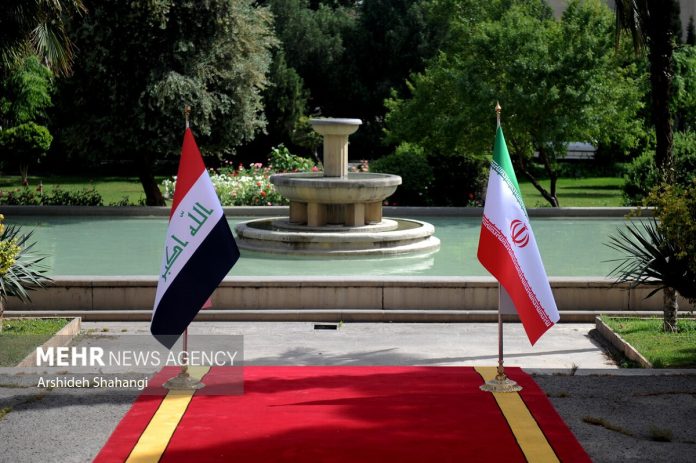
‘Iraq to begin repaying energy debts to Iran in days’

Iran and Iraq Flags

“According to the agreements reached between the two countries, the normal procedure for settling Iran’s debts will begin in the days to come,” Yahya Ale-Es-haq told IRNA on Saturday.

The agreement was reached during a visit to Tehran by an Iraqi delegation, headed by Electricity Minister Adil Karim, on Tuesday.

“Iran and Iraq have continuous transactions with each other,” which are carried out partly by the private sectors and the governments of the two states, Ale-Es-haq said.

Iraq, he added, must pay off $1 billion in debt to the public sector, which has been facilitated by mechanisms designed by the Central Bank of Iran.

Iraq also owes $9 billion to Iran’s private sector, the official said, adding, “There is no problem with the repayment system and [the amount] will be received through different channels,” he added.

On Thursday, the Iraqi electricity minister said Iran had agreed to resume gas supplies to Iraq and help its Western neighbors tackle its power shortages during summer.

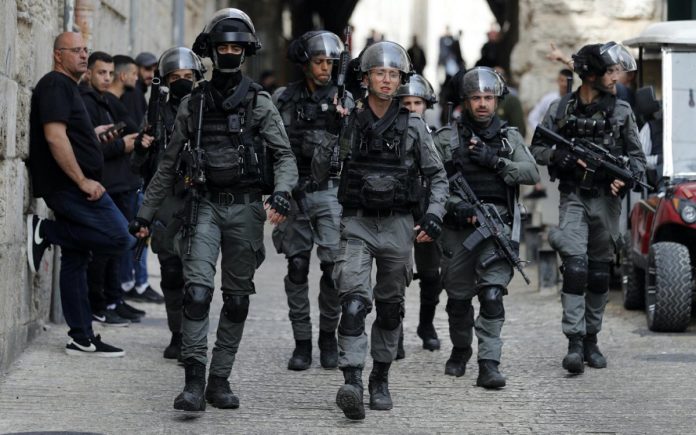
Palestinian, Israeli guard killed in West Bank attacks

Israeli Forces

Israeli forces killed a Palestinian man overnight on Friday in the north of the occupied West Bank, according to the Palestinian health ministry.

Yahya Adwan, 27, was shot in the chest during an Israeli army operation in the town of Azzun, the ministry said in a statement on Saturday.

Meanwhile, a guard was attacked at the entrance of the Ariel settlement, the Israeli army announced, adding that they were pursuing the perpetrators.

Hamas, the Palestinian movement that governs the Gaza Strip, hailed the killing as an “heroic operation”, with spokesman Hazem Qassem declaring it a response to the “attacks on Al-Aqsa,” Islam’s third holiest site, which has been one of the focal points for weeks of violence.

The Palestinian Red Crescent confirmed 42 people had been injured on Friday morning at the compound, Islam’s third holiest site. The Western Wall of the compound is sacred to Jews.

The unrest, which came on the final Friday in the Muslim holy month of Ramadan, left those injured suffering “upper-body injuries”, according to the Red Crescent.

An AFP journalist said Israeli police fired rubber-coated bullets while witnesses said they also used tear gas.

An uneasy calm had been restored at the compound following the unrest that surrounded morning prayers, but tensions remained high.

In the early afternoon, a crowd of Muslim worshippers gathered at Al-Aqsa. Some people waved Palestinian flags and the colours of Hamas, an AFP journalist added.

Over the past two weeks, nearly 300 Palestinians have been hurt in incursions by Israeli police forces at the Al-Aqsa compound. The 35-acre compound is referred to as al-Haram al-Sharif, or the Noble Sanctuary by Muslims and as the Temple Mount by Jews.

The site is in east Jerusalem, which Israel captured in the 1967 Six-Day War and later annexed in a move not recognised by most of the international community.

Israel’s incursions into the compound during Ramadan met widespread condemnation and raised fears of inflaming persistent Israeli-Palestinian tensions across Jerusalem.

But Israel has insisted it has been compelled to act against operatives from Hamas and the Islamic Jihad groups. It claims armed members threaten Muslim worshippers at Al-Aqsa and Jews praying at the Western Wall.

In an apparent attempt to ease tensions, Israel’s foreign minister Yair Lapid has stressed that the government is committed to the status quo at the compound, meaning adherence to a longstanding convention that only Muslims are allowed to pray there.

Muslim leaders have, however, been angered by a recent uptick in visits. Some voiced fears that Israel was seeking to divide the compound and create a space where Jews may worship. Lapid told journalists that no such plan exists.

According to the Jerusalem Islamic Waqf, nearly 3,700 Israeli settlers have entered the Al-Aqsa Mosque compound over the past week to mark the Jewish festival of Passover.

Violence in occupied east Jerusalem has raised fears of another armed conflict similar to the 11-day Israeli assault on Gaza last year, triggered in part by similar unrest at Al-Aqsa. At least 232 Palestinians in Gaza and 12 people in Israel were killed.

Since early last week, there has been isolated rocket fire from Gaza towards Israel and Israeli rockets at the Strip, but no casualties reported on either side.

Hamas and Islamic Jihad leaders held a rally in Gaza late on Thursday, with calls to “defend” Jerusalem, including Al-Aqsa.

In an annual show of pro-Palestinian rallies known as Quds (Jerusalem) Day, thousands of Iranians took to streets across the Islamic republic on Friday. Flag-waving protesters chanted “Death to America” and “Death to Israel”, the state broadcaster IRIB reported.

Leader of the Islamic Revolution Ayatollah Seyyed Ali Khamenei made live televised remarks in support of Palestinians and slammed those in the West backing Ukraine against Russia’s invasion.

“They are making so much noise about the situation in Ukraine … (and) are keeping totally silent about the crimes in Palestine,” he said.

Hamas followed with a statement thanking Iran for “standing with Jerusalem and the blessed Al-Aqsa Mosque, and for supporting our resisting nation by all means”.

The Al-Aqsa tensions have come against a backdrop of violence since March 22 in Israel and the occupied West Bank.

Twelve Israelis, including an Arab-Israeli police officer, and two Ukrainians were killed in four separate attacks inside Israel. Two of the deadly attacks were carried out in the Tel Aviv area by Palestinians.

A total of 27 Palestinians and three Israeli Arabs have been killed during the same period.

Veteran Iranian media figure Talebzadeh passes away at 69

Nader Taleb Zadeh

Talebzadeh died at a hospital in Tehran on Friday evening. He had been hospitalized in November last year for cardiac complications and blood clotting.

Months later, the renowned media figure was once again transferred to the intensive care unit and kept there for weeks.

During his fruitful career, Nader Talebzadeh directed, wrote and produced numerous award-winning documentary films about the atrocities committed against Iranians during the eight-year Iraqi war of the1980s.

Following a decade of research in historical documents based on the Qur’an and the Bible, Talebzadeh in 2007 produced his first feature-length movie titled “The Messiah,” in which he presented an Islamic perspective on Jesus and his teachings.

Talebzadeh also served as the chairman of the International New Horizon Conference, which aims to expose the criminal policies of the US and Israel.

He and the conference were placed under sanctions by the US in 2019.

Many Iranian officials, politicians and cultural figures offered condolences on the passing of Talebzadeh.

Social media pages were also filled with tributes and remembrances.

In a message, Iranian President Ebrahim Raisi condoled with Talebzadeh’s family, his students and the country’s art community.

Raisi paid tribute to the late media activist for his efforts to fight the cultural invasion of Iran and promote the country’s soft war against enemies.

The president of Islamic Republic of Iran Broadcasting (IRIB) Peyman Jebelli also issued a message of condolences and lauded Talibzadeh for playing an effective role in promoting Iran’s cultural battlefield.

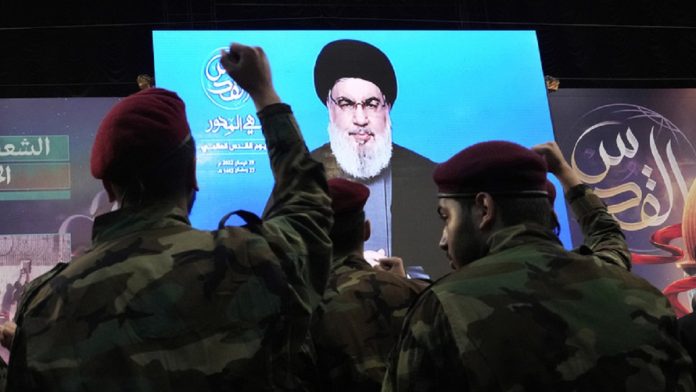
Hezbollah chief: Resistance will ‘directly’ respond to any foolish act by Israel

Hezbollah Leader Sayyed Hassan Nasrallah

Sayyed Hassan Nasrallah, in a speech on Friday marking the International Quds Day, said the mid-May elections in Lebanon would not distract the resistance movement from responding to any Israeli attack.

“If the Zionist enemy makes even the slightest mistake, [this time,] it will not hear us say ‘we will respond at an appropriate time and place,’ but we will respond immediately and directly,” Nasrallah said.

He hailed the latest wave of armed Palestinian operations deep inside the 1948 occupied territories and the West Bank in defense of their homeland and al-Aqsa Mosque, saying such operations, particularly those carried out by individuals, has filled the Israeli regime with fear.

“The recent operations carried out by [Palestinian] individuals exposed the inability of the Zionist regime and its weak security situation and seriously undermined the trust that the Israelis had put in their army and cabinet,” he added.

The Hezbollah leader added that Israel once hoped that the Palestine issue would sink into oblivion with the passage of time, that Palestinians will forget their own land, and that Muslims and Arabs will be done with this holy occupied land, but this never materialized.

“We will never forget Palestine, we won’t lose hope and won’t surrender to pressure,” he said.

Nasrallah called for efforts against the trend of normalization with the Israeli regime, saying the best reaction to the “compromising” Arab summit with Israel in Negev was the operations in Palestine.

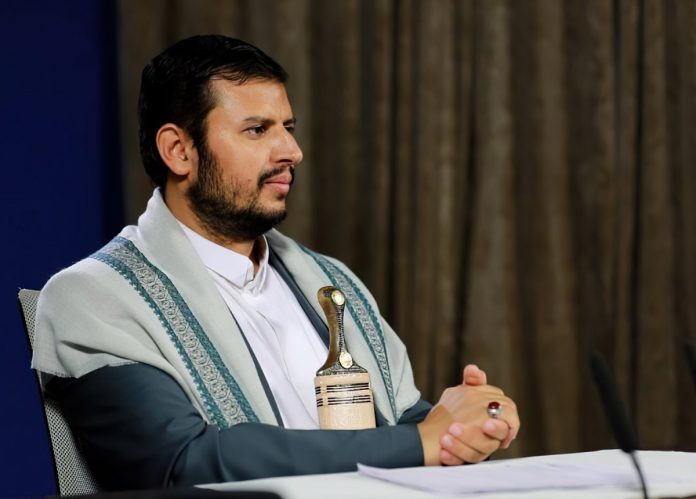
Yemen’s Ansarullah leader warns against normalization with Israel

Abdul Malik al-Houthi

Those who are seeking an alliance with the Israeli enemy are betraying obvious principles, Ansarullah Movement leader stated in a speech marking International Quds Day on Friday.

He demanded that Israel stop acting against al-Quds, warning that if the city faces an existential threat there will be an all-out war in the region, in which the Israeli regime and the states that are compromising with it, will undoubtedly suffer and lose.

“The issue of Quds is the first issue of the Yemeni people, and we here in Sana’a tell the Palestinian people that they have never left you alone, and the issue of the liberation of Palestine is our main issue,” Houthi added.