Thursday, December 25, 2025
Home Blog Page 1950

Iran’s prosecutor general urges ministry to establish Aras River water share

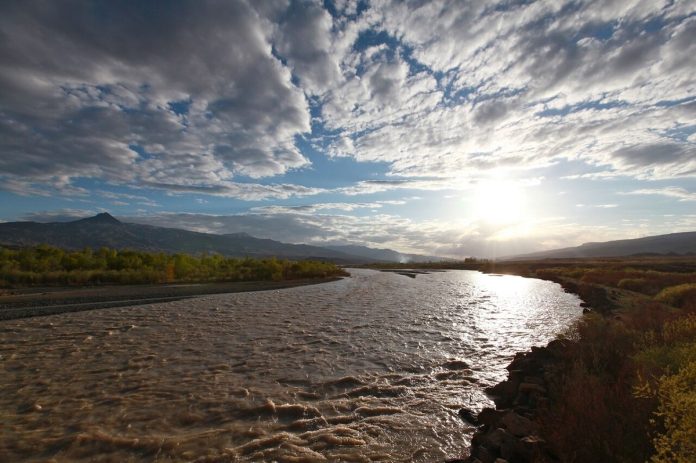
Aras River

In the directive, issued on Sunday, Montazeri said Energy Minister Ali Akbar Mehrabian should work “constantly and determinedly” to establish Iran’s water share from Aras.

He said Turkey’s move to build several dams on the river on its side of the border had diminished the streamflow of the water downstream into Iran and blocked all streams and consequently led to the surge of dust particles in Iran’s west and south.

The Iranian prosecutor general said pertinent authorities, including the Ministries of Energy and Foreign Affairs, had to follow up on the matter to prevent “irreparable damage to the economy, agriculture, marine life, and drinking water supplies” in the downstream littoral areas of Aras River.

Iranian cities have recently been hit by dust storms caused by drought and particles that officials say mainly enter the country from Iraq in the west and Afghanistan in the east.

In the worst-hit provinces in the south and the southwest, schools and government offices have been closed over the past days.

“41k Iranians die of air pollution each year”

Iran air pollution

Anoushiravan Mohseni said air pollution also causes 8 million premature deaths each year worldwide. According to the dean of health Engineering Department of Tehran-based Shahid Beheshti University of Medical Sciences, air pollution is the fourth main cause of premature death in the world.

He added that all countries must move toward reducing fossil fuel consumption and developing clean energy infrastructure in order to provide national and global security.

He said global warming is a major side effect of greenhouse gas emissions, adding that greenhouse gas emissions, especially carbon dioxide, have led to climate change and threatens health in societies.

Mohseni described renewable energy as a suitable alternative to fossil fuels. He said the key feature of clean energies such as solar, wind, biomass and nuclear energies is that they do not cause air pollution.

He added that Iran has 300 sunny days a year and the average annual downpour in the country is 250 ml.

This, he said, is one third of the global average, while Iran’s annual evaporation is 2,100 mm, which is three times the global average.

The expert noted that albeit these figures are worrying, Iran has the required capacity to take advantage of solar and wind energies.

Lawmaker: Iran won’t give any more concessions in Vienna talks

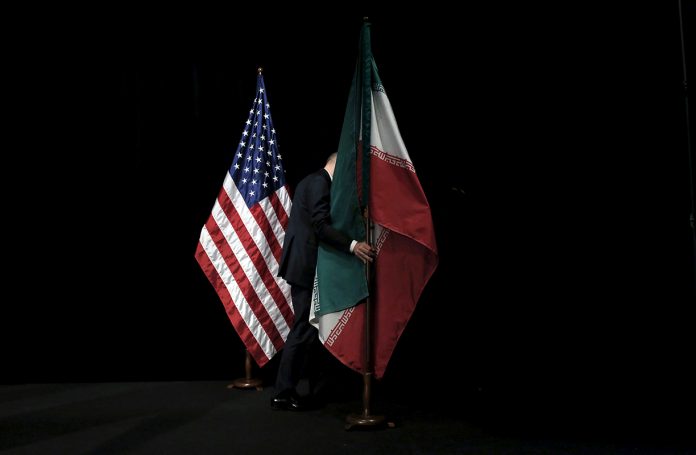
Iran US Flags

According to Mahmoud Abbaszadeh Meshkini, Iran has overcome the sanctions and is in no haste for an agreement.

He says the US should now know it will get no concessions from Iran by delay tactics.
“It is the western side that should make its mind. The Islamic Republic of Iran will sure give no concessions and is seeking an agreement that secures its interests,” the lawmaker told Hamshahri Newspaper.

Abbaszadeh says Tehran wants to avoid a repetition of the problems that arose after the signing of the Joint Comprehensive Plan of Action in 2015.

“The western side is not showing goodwill in this regard. We believe their hesitation is aimed at getting more concessions from us. The ball is now in the US’s court. I think if they are serious in getting an agreement, this would be possible even in a few hours,” he says.

“For us, the main issue is that of guarantees. Seeing that the western sides go back on their commitments and do not fulfill their pledges, we should have the guarantees. Neither the US, nor any other western country should arbitrarily neglect its obligations and dodge them, again.”

“We have paid a heavy price. We have managed our economy without taking the result of the negotiations into consideration… and we are trying to break the links in the chain of sanctions one by one,” he says.

The lawmaker also suggested that a breakthrough in the talks with Saudi Arabia could positively affect the nuclear talks.

“In politics, subjects are more or less interconnected and affect each other. The Islamic Republic of Iran has always welcomed expansion and promotion of ties with key and influential countries in the region, such as Saudi Arabia and Turkey.” he says.

“We had five or six rounds of talks with Saudi Arabia …We hope, with their goodwill and seriousness, we can have normal relations with neighboring countries, especially Saudi Arabia.”

Mahmoud Abbaszadeh Meshkini also talked about the foreign minister’s comments that Iran and the US are exchanging messages through the European coordinator of the Vianna talks.

He said the outcome is not reported to media because Iran is not at the point where there is an agreement, but any breakthrough will be made public as soon as it is achieved.

Saudi king admitted to hospital for ‘examinations’

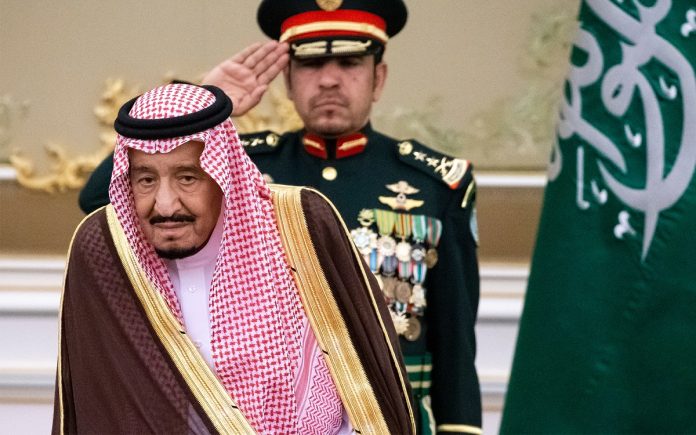
Saudi Arabia’s King Salman bin Abdulaziz

The kingdom has generally sought to quell speculation over the health of the 86-year-old monarch, who has ruled the top oil exporter and the Arab world’s biggest economy since 2015.

He entered King Faisal Specialist Hospital in the coastal city of Jeddah on Saturday “to conduct some medical examinations”, according to an official report, citing a royal court statement.

“May God preserve the Custodian of the Two Holy Mosques and may he enjoy health and wellness,” the statement added.

It is rare for the secretive kingdom to report on the health of the monarch.

In 2017, Saudi Arabia dismissed reports and mounting speculation the king was planning to abdicate in favour of his son Crown Prince Mohammed bin Salman, the country’s de facto ruler.

King Salman underwent surgery to remove his gall bladder in 2020.

He was most recently hospitalised in March, for what state media described as “successful medical tests” and to change the battery of his pacemaker.

Under his rule, Saudi Arabia has launched ambitious economic reforms for a post-oil era and given more rights to women, while adopting a more assertive foreign policy including entering a war in neighbouring Yemen.

President Raisi says his administration ‘doesn’t seek to remove subsidies’ for essential goods

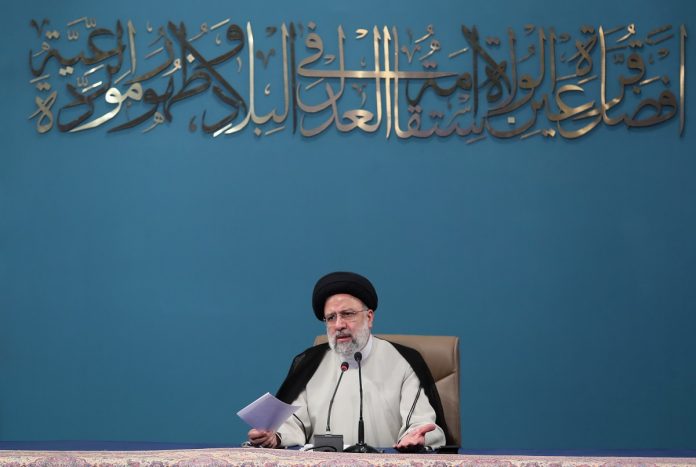
Iranian President Ebrahim Raisi

In a meeting with trade unions on Saturday, Raisi said his administration sought to hand out subsidies to the last link in the chain of food distribution, namely consumers, rather than the first link.

He said the goal was to distribute the subsidies more fairly.

“The administration’s goal is to do something, with help from trade unions, so that people would taste the sweetness of justice in the paying of subsidies,” Raisi said.

“This has to be clearly explained to people. The administration does not make confidential economic decisions. And we believe that if people are briefed about the details of the decisions, they will be on board with the administration, because we seek to meet the people’s interests,” he said.

A recent decision by the Raisi administration to eliminate the subsidy for the industrial use of flour has led to a sharp hike in the prices of a number of wheat-based items, such as sweets, pasta, baguettes, and noodles.

Earlier, Iranian Vice President Mohammad Mokhber said that decision had been made to prevent shortages of essential items and prevent their smuggling to other countries.

He said the shortages of some essential items and their rising prices in Iran were mainly caused by droughts in regions that served as the main suppliers of such items, the war between Russia and Ukraine, two of the major providers of grain to the global market, and hoarding in different parts of the world.

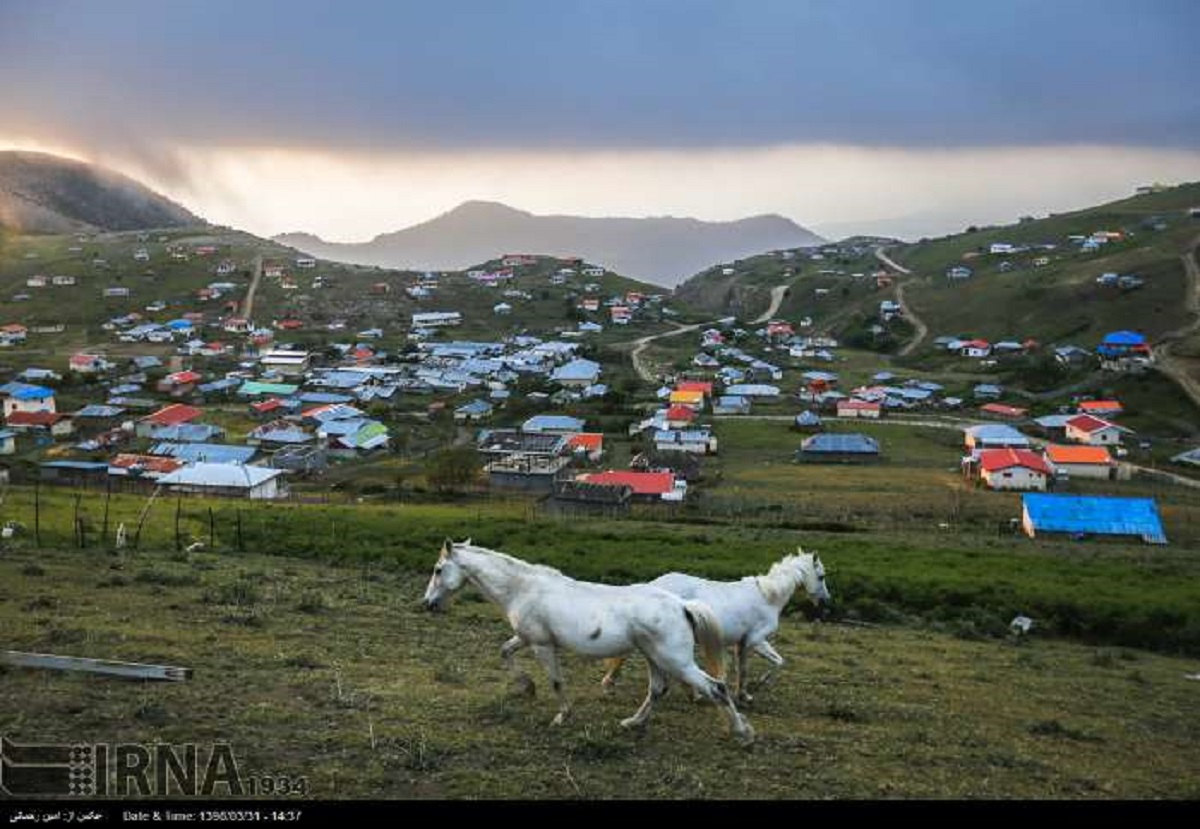
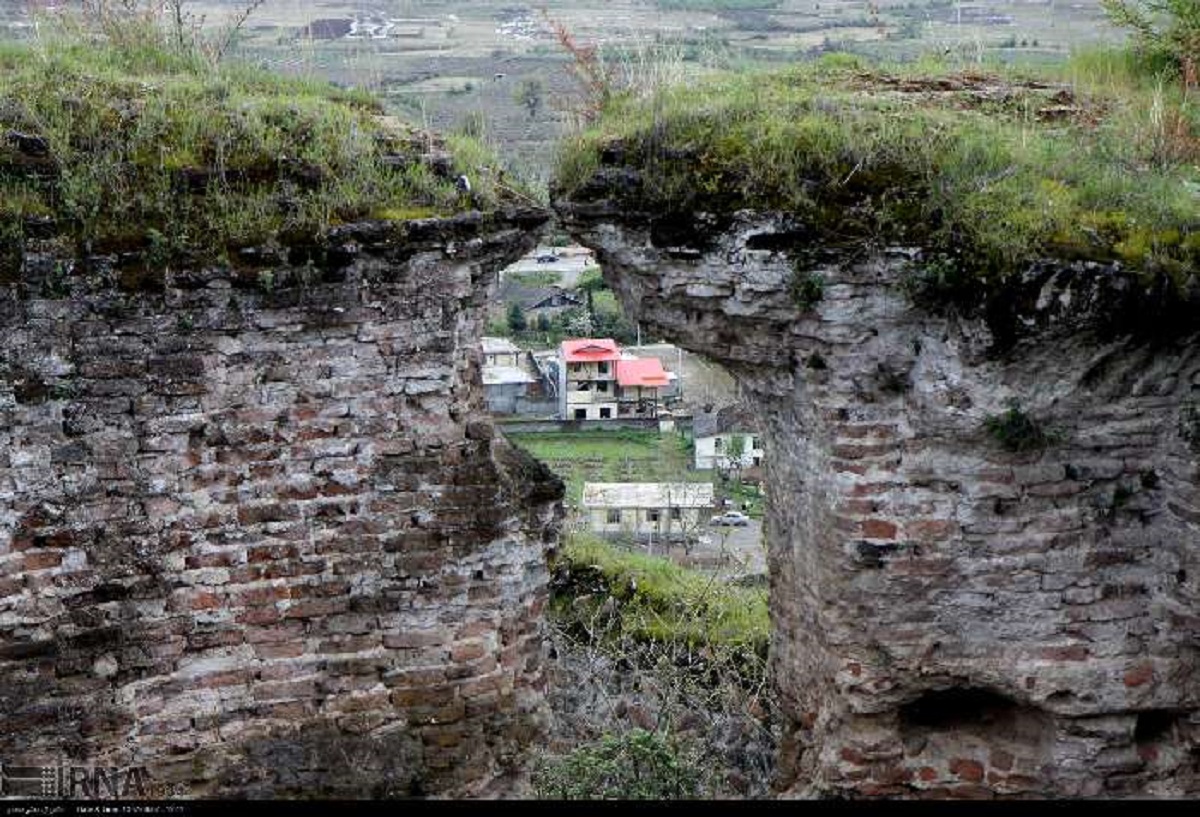
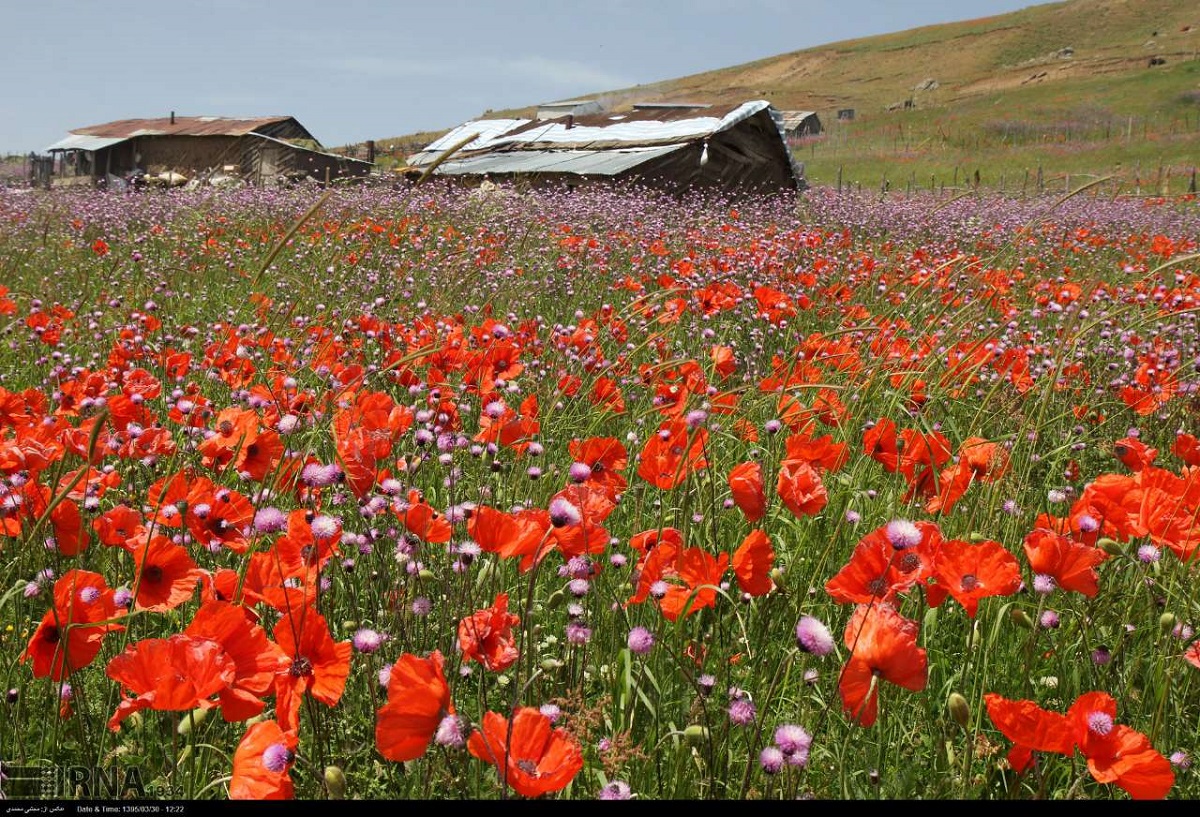
Iran tourism: Talesh, an ancient civilization in the heart of pristine nature

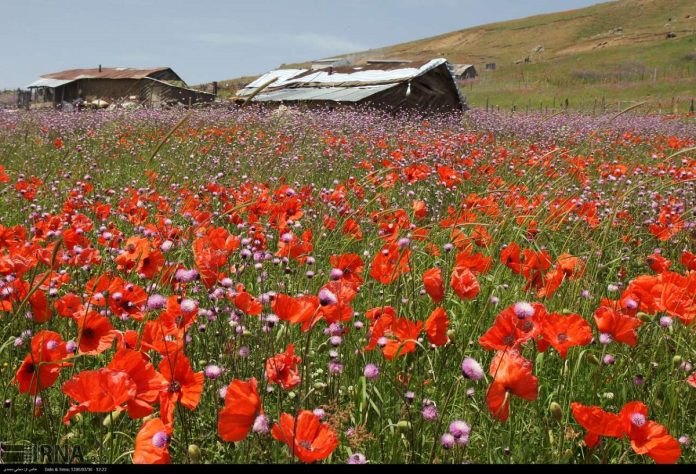
Iran tourism Talesh

Talesh, one of the major tourist destinations in Gilan, has gone through many changes throughout history, but it has perfectly preserved its traditions and nature.

The region stretches north from the Sefid-Rud River, which runs through the Alborz mountain range, to the Aras river in the south of neighboring Azerbaijan Republic.

The region, which sits southwest of the Caspian Sea, witnesses a high level of rainfall and features dozens of narrow valleys, fertile soil, and dense vegetation.

The people there are one of the oldest residents of the western littoral Caspian Sea areas. They are the native inhabitants of what is today Iran and neighboring Azerbaijan Republic and speak the local Taleshi language besides Persian, Azari, Turkish, and Gilaki.

There are many historical monuments and natural sites for tourists to visit in Talesh, such as two natural parks, the Soobatan countryside and cave, the Salsal village, Loomer Waterfall, castles, and the Coasts of Kissom, among other sites.

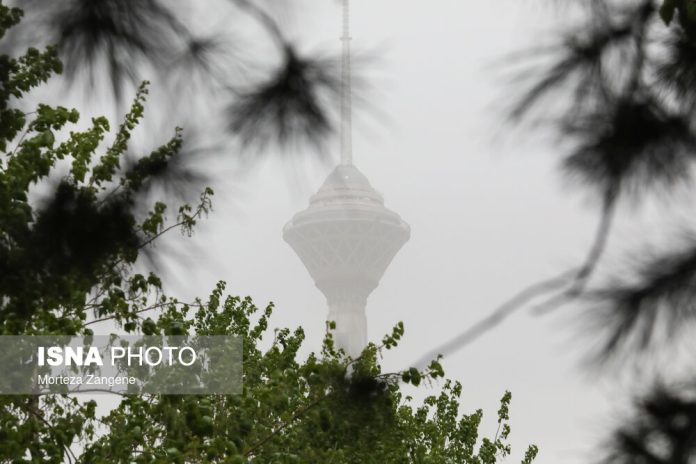
Tehran air quality once more unhealthy

Tehran Iran Air pollution

The reading means all members of the society are exposed to risks from air pollution and sensitive groups such as people with heart and lung diseases as well as children and pregnant women should avoid severe physical activity or any physical activity for a long period of time outside the house.

Air quality assessment shows suspended particles are creating the problem.

Pollution in Iranian cities is also worsened by drought and dust particles that officials say mainly enter the country from Afghanistan in the east and Iraq in the west.

The issue has been at its worst over the past days in the southern and southwestern provinces where schools and government were office were shut down.

Iranian daily attacks decision to allow UN special rapporteur to visit Iran

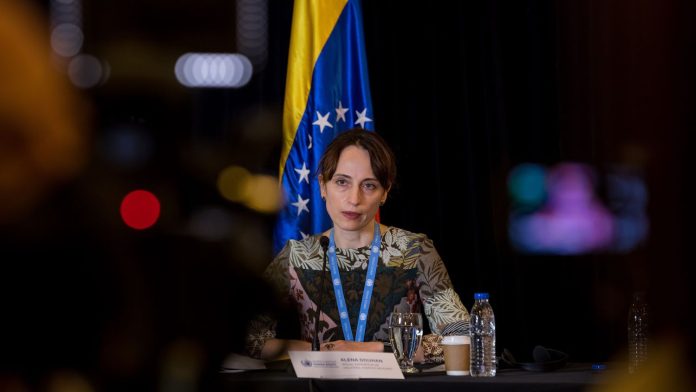
UN Special Rapporteur Alena Douhan

Kayhan wrote in an article on Sunday that it was unclear on what “logical basis” the decision had been made to allow the special rapporteur on the negative impact of the unilateral coercive measures on the enjoyment of human rights into the country.

It said even though Douhan had been praised for her reports on the impact of sanctions on Venezuela and Syria, the UN had ignored those findings.

Iranian Judiciary Deputy Chief Kazem Gharibabadi, who is also the secretary of Iran’s High Council for Human Rights, which will be hosting Douhan during the visit, is familiar with the United States and its allies “ploys” and has numerous times witnessed “their hostile measures [initially] made to look appealing,” it said, indicating that the US and Europe really sought to learn about Iran’s ways of circumventing sanctions with Douhan’s visit.
The article said the special rapporteur’s trip thus had to be canceled.

Earlier, Gharibabadi said Douhan would hold meetings with representatives of state institutions, the private sector, and non-governmental organizations during her visit. She will also pay visits to unspecified institutions.

Iran has been under tough US sanctions, which have hampered, among other things, its banking transactions and, consequently, purchases of medicine, medical equipment, and other humanitarian supplies.

Report: Jalali’s execution verdict now sure to be carried out

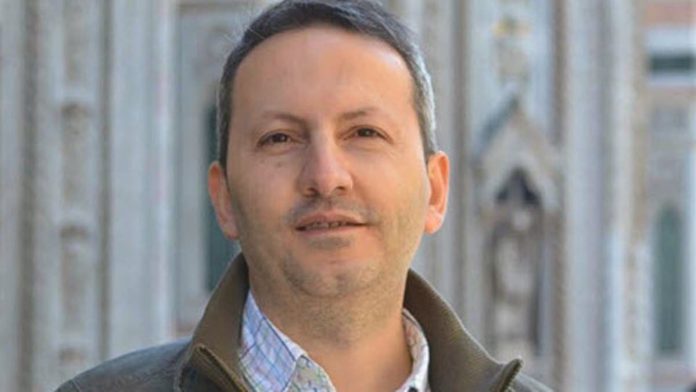
Ahmadreza Jalali

Eslahatpress quoted Helaleh Mousavian as saying that the ruling on his execution has been final for some years and all judicial moves to change the verdict has hit a deadlock.

According to the report, Mousavian says the ruling has been appealed and amnesty has been requested for Jalali, but they have led nowhere.

She also dismissed speculation about the possible exchange of Jalali with former Iranian judiciary official Hamid Nouri, who is facing life imprisonment in Sweden, the website added.

Mousavian says what is clear is that no exchange will be possible before Nouri’s verdict is finalized.

Eslahatpress also quoted Mousavian as saying “only an extra-judicial miracle” by the Swedish government can save Jalali from execution.

Jalali has been convicted of transferring intelligence on Iran’s nuclear program to Israeli spy agency, Mossad.

Jalali was given permanent Swedish residence after he was convicted of espionage for Israel in Iran.

Iran considers this a stunt to pressure the country’s judicial system.

Iranian Students News Agency (ISNA) reported on Wednesday, “It is heard from informed sources that the execution of Ahmadreza Jalali has been put on the agenda and the ruling will be implemented by May 21.”

ISNA added the intelligence Jalali provided to the Israeli regime led to the assassination of two Iranian nuclear scientists.

ccording to ISNA what made the process of Jalali’s conviction longer was that the Swedish government granted a request by Israel to give him permanent Swedish residence.

Iranian daily seems to suggest Russian envoy to Tehran be declared persona non grata

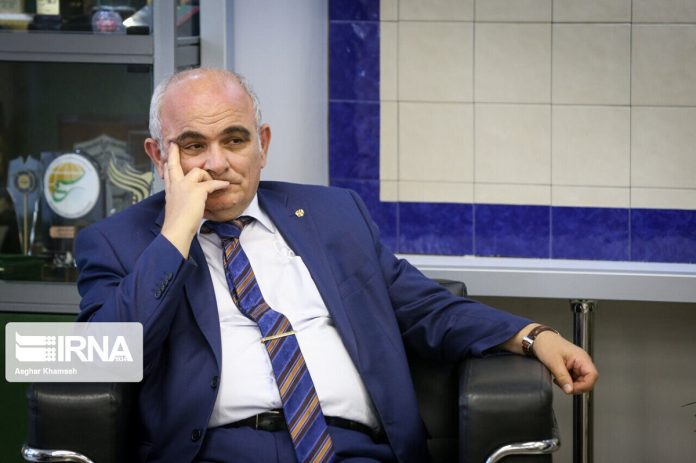
Russian Ambassador to Tehran Levan Dzhagaryan

The Jomhouri-e Eslami daily wrote in an article on Sunday that Dzhagaryan had “in the short span of the past year registered a long list of acts of discourtesy toward the values respected by people and of interference in our country’s internal affairs.”

The daily enumerated a number of such instances of perceived disrespect and interference, pointing to Dzhagaryan’s latest remark that Russian tourists avoid Iran because of its hijab code and the ban on alcoholic drinks.

It said Dzhagaryan had earlier also raised controversy by attempting to dictate to Iranian media covering the Russian war on Ukraine not to use the word “invasion” but the Russia’s preferred phrase of “special military operation.”

Still earlier, the article said, Dzhagaryan visited a monument honoring Russia’s “loathed [former] ambassador” to Tehran Alexander Griboyedov, who was killed by the people of Tehran in 1829 over his “corruption and brazen interference,” during ceremonies to mark the 1979 Islamic Revolution and then posted images and footage of that visit online in an “affront” to Iranians.

The article said that although it was up to the Iranian Foreign Ministry to decide who is persona non grata, “excessive tolerance of the Russian ambassador to Tehran seems to have emboldened him and encouraged him to interfere [in Iran’s affairs] more.”