Friday, April 24, 2026
Home Blog Page 193

Pezeshkian: Iran Committed to Principle of “Development Alongside Oman”

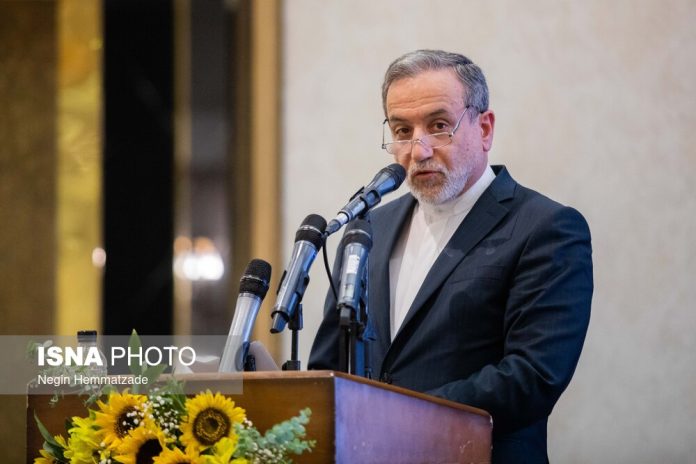
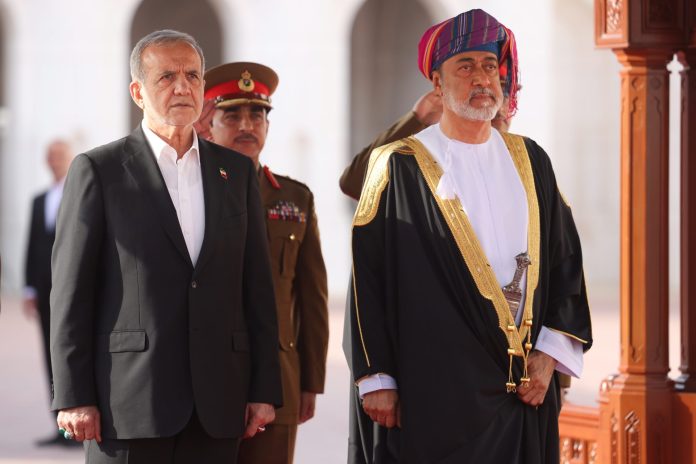
In a post on his social media account on X, written in both Persian and Arabic, President Pezeshkian stated: “During my visit to Oman, I met and held talks with my brother, Sultan Haitham bin Tariq, and 18 memoranda of understanding (MoUs) and cooperation documents were signed between the two countries.”

The President added: “The foundation of both sides is ‘development alongside each other,’ and we are committed to this principle.”

Pezeshkian also expressed gratitude for the hospitality of the Sultan of Oman and the Omani people.

The signed documents between Iran and Oman emphasized expanding relations in legal, economic, political, cultural, educational, health, defense, media, technology, energy, and mining sectors.

President Pezeshkian’s 3-day visit to Oman ended this Wednesday. He was accompanied by a high-ranking delegation.

Shahr-e Babak: A Historic city in Iran rich in culture, natural attractions

Known as the birthplace of the legendary Persian nationalist leader Babak Khorramdin, the city is believed to be named in his honor.

With a semi-arid climate, Shahr-e Babak experiences cold winters and hot summers due to its unique geographical position.

Shahr-e Babak: A Historic city in Iran rich in culture, natural attractions

The city has seen economic and industrial growth, largely driven by the presence of major mineral resources, particularly the Miduk copper mine, one of the largest in the region.

Beyond its industrial significance, Shahr-e Babak is home to a wide range of cultural and natural attractions that draw both domestic and international visitors.

Shahr-e Babak: A Historic city in Iran rich in culture, natural attractions

Notable sites include the ancient Azarshasp Fire Temple, historic fortresses, and traditional houses that reflect the area’s rich heritage.

Shahr-e Babak: A Historic city in Iran rich in culture, natural attractions

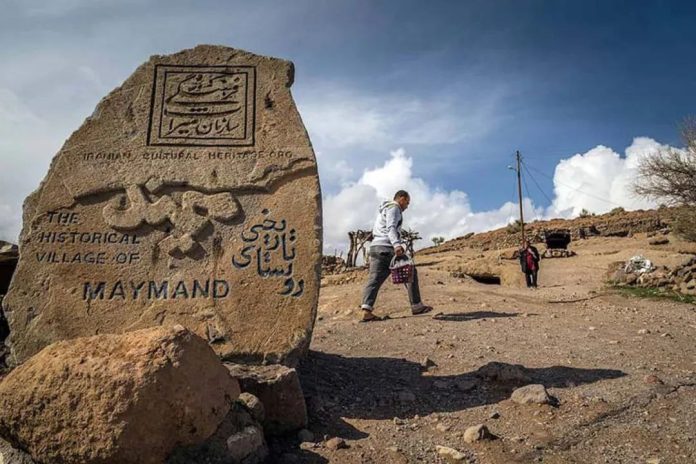
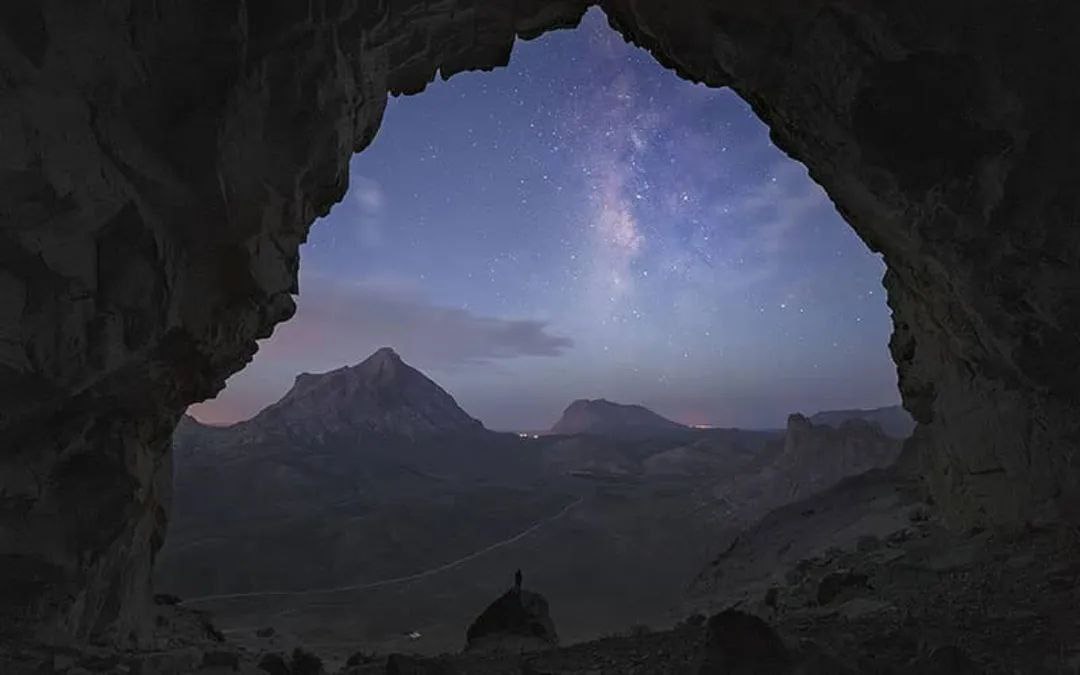
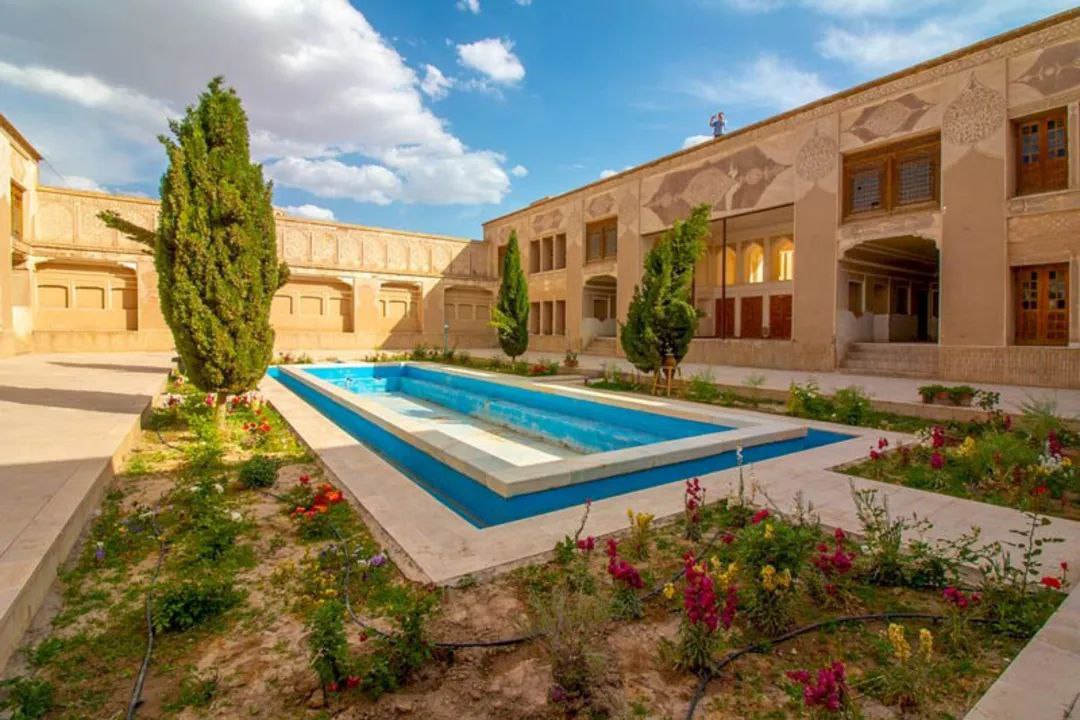
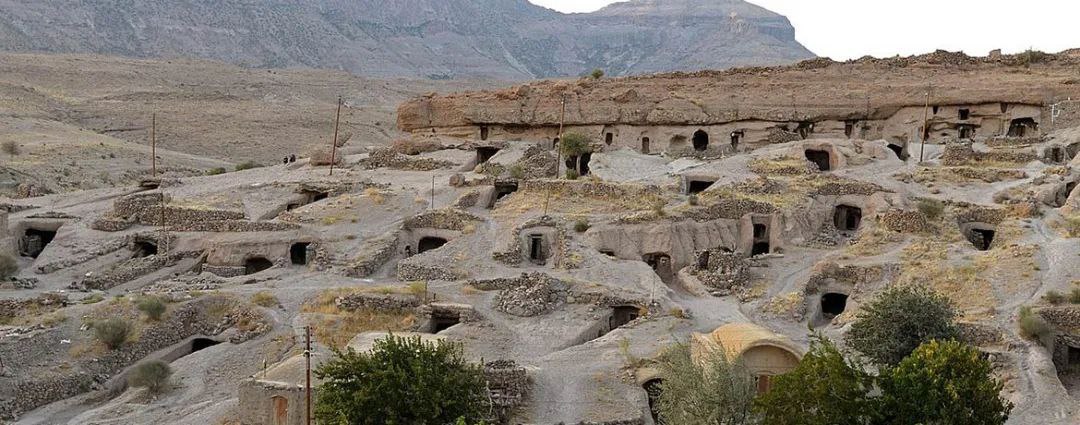
Among its most prominent tourist destinations are the rock village of Meymand, which is a UNESCO World Heritage site, Ayoub Cave, Azarbogh Fire Temple, the Mousa Khani Mansion, and the scenic Makhergeh Lake.

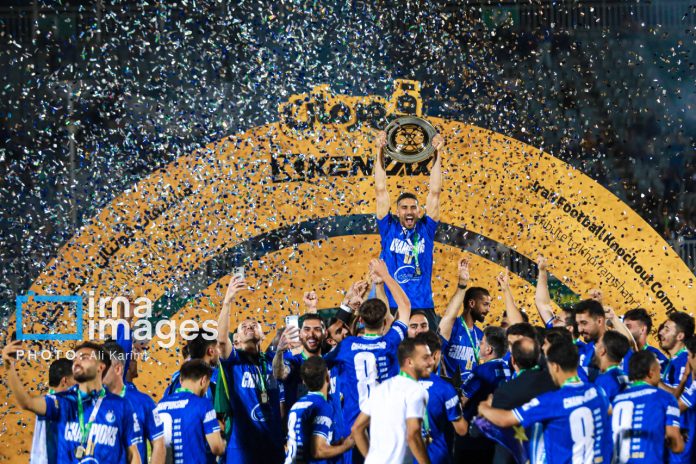
Esteghlal clinches Iran’s Hazfi Cup title after extra-time victory over Malavan

The final ended goalless after 90 minutes of tightly contested football. Despite both teams pushing for a breakthrough in extra time, clear chances remained scarce until the dying moments of the match.

In the 119th minute, Esteghlal’s breakthrough finally arrived.
Cameroonian winger Guy Mbenza (known as Andong) made a decisive run down the right flank and delivered a low cross into the box. The ball fell to Roozbeh Cheshmi, who fired a right-footed shot past the Malavan goalkeeper, sealing Esteghlal’s eighth Hazfi Cup title.

With this win, Esteghlal also secured qualification for next season’s AFC Champions League.

Iran FM says not certain Tehran on brink of deal with U.S

Abbas Araghchi

Writing on X, Araghchi emphasized Iran’s readiness for a diplomatic solution that secures the interests of all parties but reiterated that this is only possible through an agreement that entails full sanctions removal and guarantees Iran’s nuclear rights, including enrichment.

“The path to agreement lies through the negotiating table—not through media headlines,” he wrote.

Addressing disinformation, Araghchi warned against the misuse of Iran’s name in U.S. domestic disputes. “Even for Israel, weaponizing the name of Iran to target domestic opponents in the U.S. is a worthless act,” he said.

His comments came shortly after U.S. President Donald Trump told supporters he had warned Israeli Prime Minister Benjamin Netanyahu against attacking Iran, citing the nearness of a potential deal.

“We’re close to a solution with Iran, and they want it,” Trump said, adding that any action against Iran would be inappropriate at this time—though he did not rule out changes in the future.

Iran and the US have so far held five rounds of nuclear talks mediated by Oman.

Conservative journalist urges Iran deputy speaker to resign over son’s alleged assault on police officer

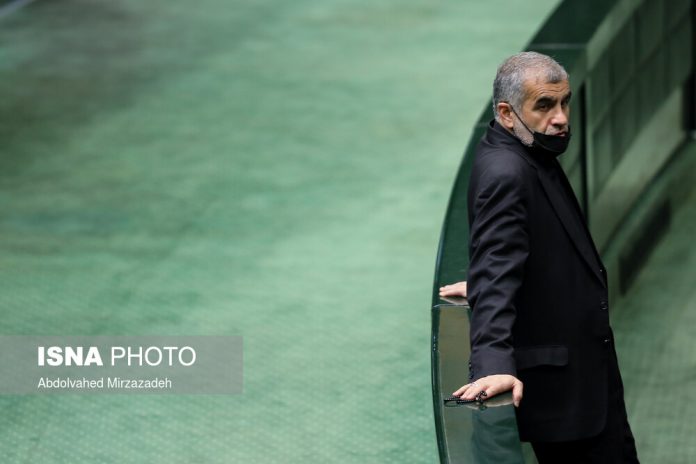
According to unrefuted media reports, the incident occurred several days ago in Tehran’s Vanak Square when Nikzad’s son, after committing a traffic violation, allegedly collided with a traffic officer, causing injury.

Mohajeri criticized the silence of both Nikzad and the police leadership, saying: “It is unacceptable that not even a two-line explanation has been issued.”

He added that Nikzad’s swift re-election as Deputy Speaker, with only 111 votes, just a day after the incident, raised questions about accountability and public trust.

Mohajeri emphasized that while children’s actions should not normally reflect on their parents, public officials must be held to higher standards: “Two children of a former judiciary official committed offenses, and their father resigned. Nikzad should do the same.”

He urged lawmakers who voted for Nikzad to reconsider their support and demanded a public response to preserve the credibility of Iran’s police and the rule of law.

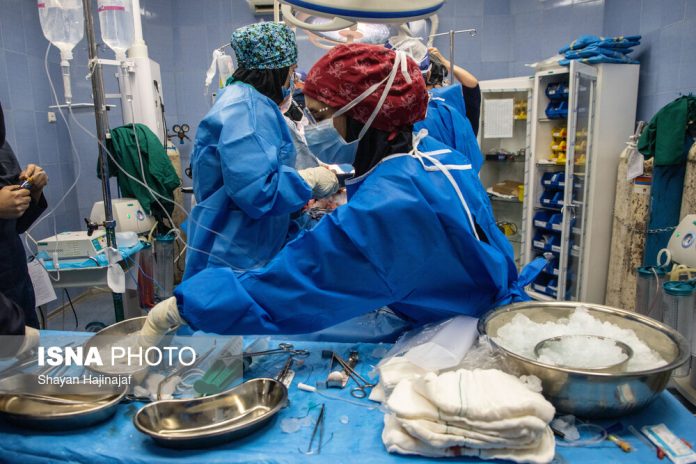
Iranian Official: Nurse migration drops sharply amid renewed hope, govt. support

Iran Surgery Nurse Doctor

According to the Iranian Nursing Organization, the number of nurses seeking migration certificates fell from 2,000 in 2023 to fewer than 1,300 this year, with a sharp drop seen in the second half of 2024.

Dr. Ebadi attributed this trend to renewed optimism and supportive government policies aimed at improving nurses’ livelihoods.
He emphasized that sustaining this momentum requires continued efforts to enhance working conditions and ensure long-term stability in the healthcare workforce.

He also highlighted challenges faced by Iranian nurses abroad. Based on reports from Iran’s Foreign Ministry and the ambassador to Denmark, about 3,000 Iranian nurses have migrated to Denmark in the past five years, yet fewer than a third have obtained licenses to work in their profession.
Many have been forced into lower-skilled jobs due to language barriers and regulatory hurdles.

Dr. Ebadi urged nurses to make informed decisions and not be misled by deceptive migration ads.

He reaffirmed the Health Ministry’s commitment to both informing nurses of the realities abroad and creating conditions that encourage them to stay or return to serve in Iran.

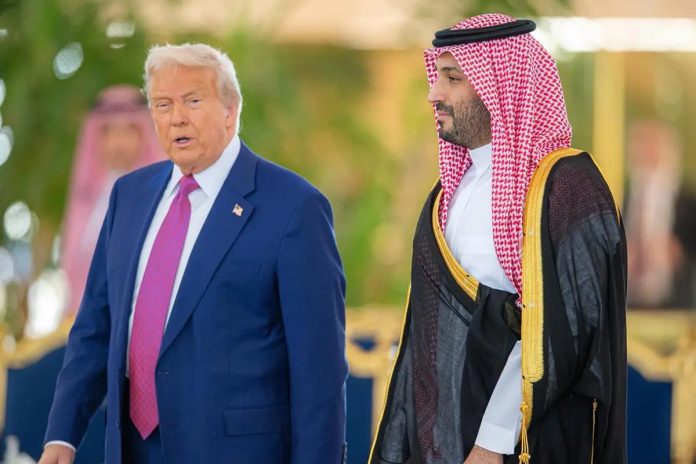
Persian Gulf leaders told Trump they oppose attacks on Iran’s nuclear sites: Axios

Saudi Arabia, the UAE and other Persian Gulf states opposed a nuclear agreement in 2015. Now they’re among the most enthusiastic supporters of diplomacy.

At the time, the Saudis and Emiratis quietly backed Israeli Prime Minister Benjamin Netanyahu’s public fight against then-President Barack Obama on the Iran deal and his threats to attack Iran.

Now, they’re worried Netanyahu will pull the trigger, or that Trump will give up on talks and opt for a military option himself.

Saudi Crown Prince Mohammed bin Salman, UAE President Mohammed bin Zayed and Qatari Emir Tamim al-Thani all told Trump they worry that if Iran’s nuclear sites are attacked, their countries will be targeted for Iranian retaliation. All three host U.S. military bases.

A source with direct knowledge said al-Thani told Trump the Persian Gulf states will be affected more than anybody else in such a scenario.

The Saudis and Qataris expressed concerns specifically about an Israeli military strike on Iran. The UAE also said it would prefer a diplomatic solution.

All three leaders expressed support for Trump’s negotiations, U.S. officials say. Saudi, Qatari and Emirati officials declined to comment.

Trump confirmed Wednesday that he cautioned Netanyahu during a call last Thursday against ordering a strike on Iran’s nuclear facilities.

Trump said he believes the Iranian nuclear crisis can be solved with “a very strong document,” which could be signed within the next two weeks.

Trump considered announcing during his trip that the U.S. would start referring to the Persian Gulf as the Arabian Gulf, but stated before taking off that he didn’t want “to hurt anybody’s feelings.”

Ultimately, Trump took a pass. Two Arab officials say the reason was a lack of consensus among the Persian Gulf countries, with some feeling it would create unnecessary tensions with Iran.

The Saudis and Emiratis are less concerned about Iran’s regional activity than they were during Obama’s 2015 talks, which they opposed in part because they were not consulted in advance. Their priority now is to maintain regional stability and focus on economic growth.

Saudi Arabia has been gradually normalizing relations with Iran over the last two years. The UAE has also been reengaging Iran to reduce tensions.

An unusual visit to Tehran last month by Saudi Defense Minister Khalid bin Salman to Tehran, during which he met Supreme Leader Ayatollah Seyed Ali Khamenei, was meant to signal that the kingdom opposes a military strike against Iran’s nuclear program, a former U.S. official stated.

Iranian diplomat confirms release of cleric detained in Saudi Arabia; domestic calls for prosecution emerge

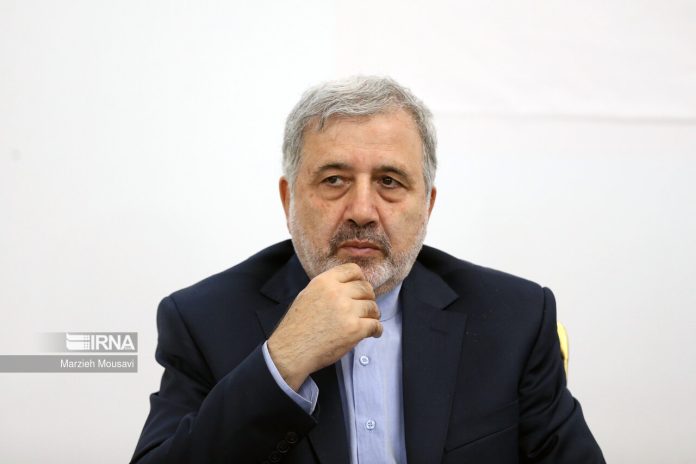
Alireza Enayati

Enayati praised the coordinated efforts of Iranian diplomatic missions in Riyadh, Jeddah, and Medina, as well as the Hajj and Pilgrimage Organization and senior religious authorities.

He noted, however, that “some matters in this marathon cannot be disclosed,” without elaborating.

Ghasemian, reportedly a hardline cleric close to political figure Saeed Jalili, had been arrested during Hajj after making provocative remarks critical of Saudi authorities. His detention stirred public and political debate inside Iran.

Prominent political analyst Abbas Abdi reacted to the incident by urging Iranian authorities to prosecute Ghasemian domestically.

Abdi argued that if similar actions were taken against Iran’s own government, they would lead to immediate legal consequences. He warned against defending such figures unconditionally, stressing that doing so risks national security.

“This is an opportunity for the political system to show it will not sacrifice national interests for extremist agendas,” Abdi wrote, while supporting consular protection without discrimination.

Saudi interior minister hails positive ties with Iran in Hajj talks

Hajj

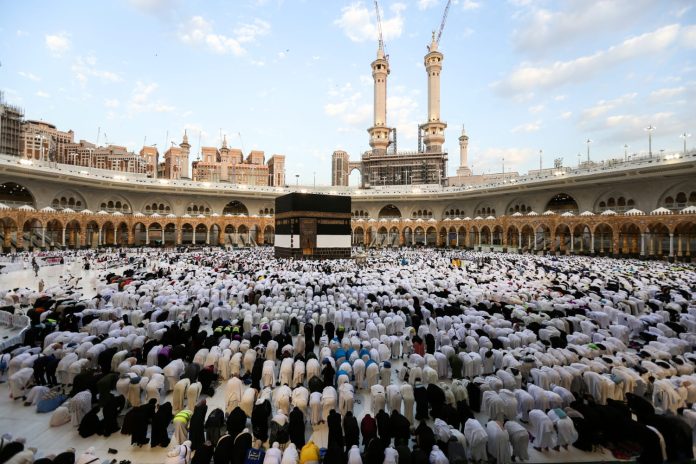
The remarks came during a meeting with Alireza Bayat, head of Iran’s Hajj and Pilgrimage Organization, in Jeddah. The two officials discussed the latest arrangements for Iranian pilgrims and ways to ensure a smooth and secure Hajj experience.

Bayat expressed appreciation for Saudi Arabia’s efforts in providing infrastructure and services for pilgrims, noting Iran’s readiness to enhance bilateral coordination and resolve outstanding logistical issues.

In response, the Saudi minister assured full cooperation regarding Iran’s requests related to Hajj rituals and the sacred sites, emphasizing that the warm ties reflect the will of both nations’ leadership.

He reiterated Saudi Arabia’s commitment to serving all pilgrims, known as “Guests of the Merciful,” with dignity and respect, calling it a source of national pride.

The minister stressed the importance of adhering to Saudi regulations for the safety of all pilgrims and thanked Iranian officials and pilgrims for their continued cooperation.

‘We’ll know in weeks’ if Putin serious about ending Ukraine war: Trump

Russia Ukraine War
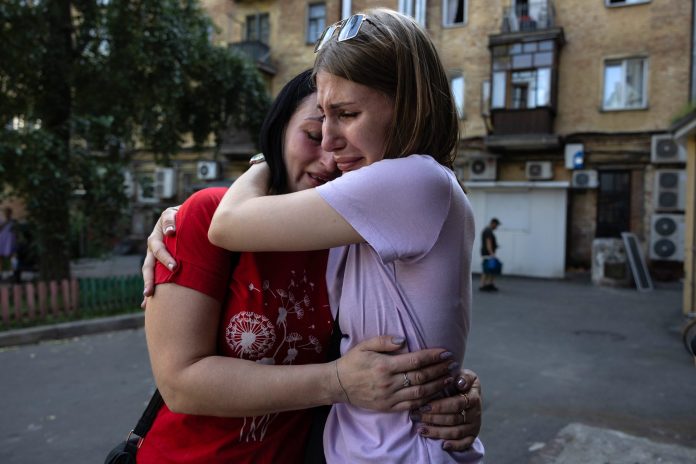
People react to the Russian missile strike in Chernihiv, Ukraine.

Trump said his Special Envoy Steve Witkoff is currently negotiating with Russian side, claiming he “is doing a phenomenal job.”

“We’re going to find out very soon. It’ll take about two weeks, or week and a half,” Trump told reporters during a briefing, responding to a question on whether Putin wants to end the war.

“They seem to want to do something. But until the document is signed, I can’t tell you… I’m very disappointed at what happened. A couple of nights now where people were killed in the middle of what you would call a negotiation.”

Trump did not clarify which document he was referring to.

The president stated he disapproved of Russia’s recent missile attacks on Ukrainian cities during ongoing diplomatic efforts.

“That’s no good. We’re not going to allow it,” he added.

For three consecutive days over May 24-26, Russia launched a series of mass drone and missile attacks at Ukrainian cities.

Trump also suggested he would be open to personally meeting both Ukrainian President Volodymyr Zelensky and Putin “if necessary.”

Earlier on May 28, Russian Foreign Minister Sergey Lavrov announced that Moscow proposed a new round of peace talks with Ukraine take place in Istanbul on June 2.

Lavrov claimed Russia is prepared to present a memorandum detailing what he called “the root causes of the crisis” — widely understood to refer to the Kremlin’s longstanding demands and propaganda used to justify its 2022 invasion.

During the first round of Istanbul talks on May 16, Ukraine offered a 30-day ceasefire, a full prisoner swap, and a summit between the two presidents. Russia rejected the proposal and sent a low-level delegation instead. The only agreement reached was a 1,000-for-1,000 prisoner exchange that was concluded on May 25.