Wednesday, April 22, 2026
Home Blog Page 157

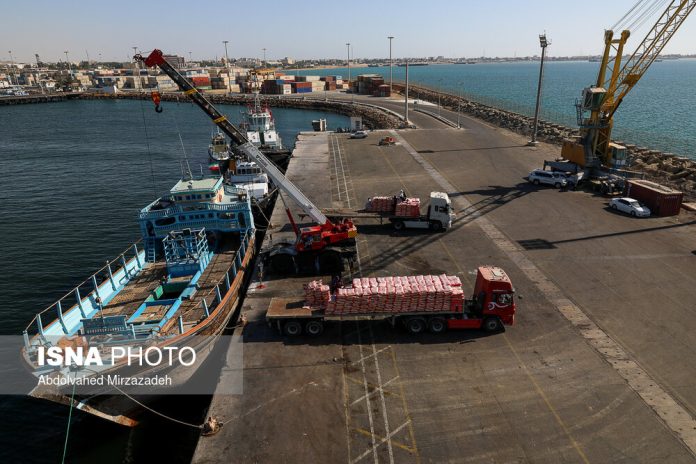
Iranian official: No government-owned essential goods left at ports

Chabahar Port

Rad confirmed to IRNA that both the government and the private sectors have played key roles in maintaining food security, especially amid recent regional tensions. “Thanks to meticulous and early planning, the supply of wheat, flour, and other essential goods was ensured weeks and months in advance”, he noted.

“Even during times of crisis and war, the public never experienced shortages, and the markets remained calm and stable.”

Rad reaffirmed that the supply chain is functioning efficiently and that no shortages of staple goods are expected in the foreseeable future.

FM: Iran to stay in NPT, but reshape cooperation with IAEA

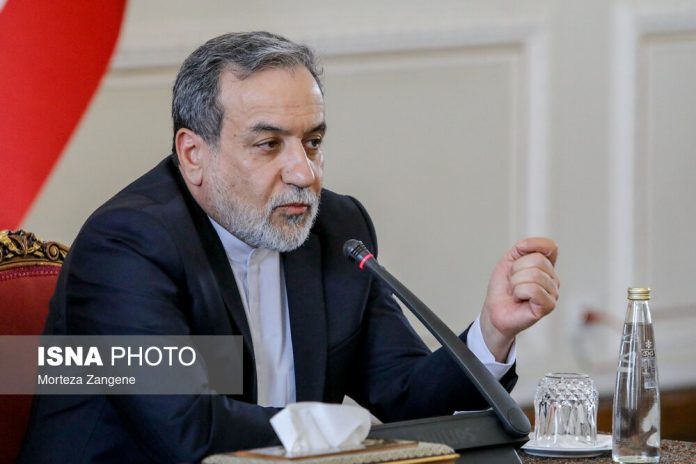
Abbas Araghchi

Araqchi said on Saturday in a meeting with ambassadors, chargés d’affaires, and heads of foreign and international missions based in Tehran that, in accordance with a law passed by Parliament, all of Iran’s cooperation with the IAEA will henceforth be managed through the Supreme National Security Council. Requests from the Agency for continued monitoring in Iran and further cooperation will be reviewed and decided upon by this Council.

Araqchi continued: “We are not satisfied with the performance of the IAEA. The report prepared by the Agency led to the adoption of a completely political resolution by the Board of Governors, and that resolution and the report themselves became pretexts for military attacks on Iran’s nuclear facilities.”

Referring to the Supreme Leader’s fatwa banning the production of nuclear weapons, he said: “If Iran intended to pursue nuclear weapons, it would have done so already. The Islamic Republic adheres to principles rooted in Islamic and humanitarian beliefs.”

He also said: “We have always been ready to engage in dialogue regarding our nuclear program, and we will continue to be in the future. But naturally, there must be assurances that any future negotiations will not once again be turned into war by the US or other countries.”

Araqchi also referred to the threat by the three European countries—Britain, Germany, and France—to reimpose sanctions against Iran through the so-called snapback mechanism, saying: “Snapback would mean the end of Europe’s role in the Iranian nuclear issue.”

He stressed that: “In any negotiation-based solution, the rights of the Iranian people regarding the nuclear issue—particularly the right to enrichment—must be respected. We will not accept any agreement that excludes enrichment.”

Araqchi further emphasized the importance of preserving Iran’s military capabilities, stating: “Our defensive capabilities are for the protection of the Iranian people, and these capabilities will not be the subject of any negotiation.”

First vice president: Negotiations remain Iran’s state’s strategy

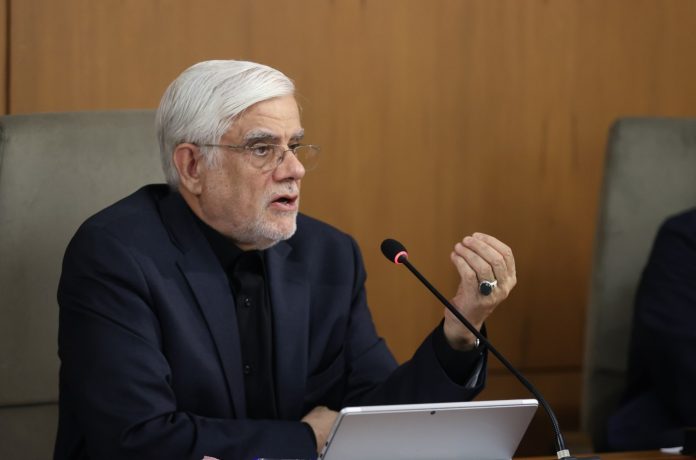
Mohammad Reza Aref

Speaking during a meeting with professors at Sharif University of Technology, Aref stated, “There is no conflict between the field and diplomacy. Differences may arise during decision-making, but once a decision is finalized, all sides align.”

Aref praised the public’s unity during the 12-day war with Israel last month, calling it an “unprecedented show of national cohesion.”

He said this social capital must be preserved, noting that even those who boycotted the last presidential election actively supported the country’s defense.

The first vice president called on universities to offer practical strategies for maintaining social unity, proposing that Sharif University host research-based dialogues to assess strengths and weaknesses of national responses.

Aref also revealed that the government has approved a “wartime economic” plan, anticipating scenarios like reduced oil sales.
He urged greater public engagement to strengthen trust in the state.

On technology, he highlighted Iran’s advances in areas like nanotech and peaceful nuclear energy, and stressed the need for strategic focus on AI and cybersecurity.

Iranian Judiciary: 943 killed, 8 missing in Israel’s 12-day war on Iran

Speaking on Saturday, Jahangir stated that Iran’s Forensic Medicine Organization has issued death certificates for 943 victims so far, adding that eight individuals are still unaccounted for, with no traces yet discovered.

Jahangir said Israel has violated multiple international laws during the conflict. “The Zionist regime blatantly violated key principles of international law, including the UN Charter’s prohibition on the use of force,” he said. He cited violations in international humanitarian law, human rights law, arms control, and even outer space law.

The spokesperson detailed that hundreds of Iranian civilians were killed or wounded, with seven hospitals, four health centers, and six emergency bases damaged.

He also reported two separate attacks on Iranian state broadcasting facilities, which he said breached both humanitarian protections for media workers and freedom of expression.

Jahangir underlined that Israel’s actions constitute war crimes and crimes against humanity under the Rome Statute of the International Criminal Court, and emphasized that human rights must be upheld even during armed conflict.

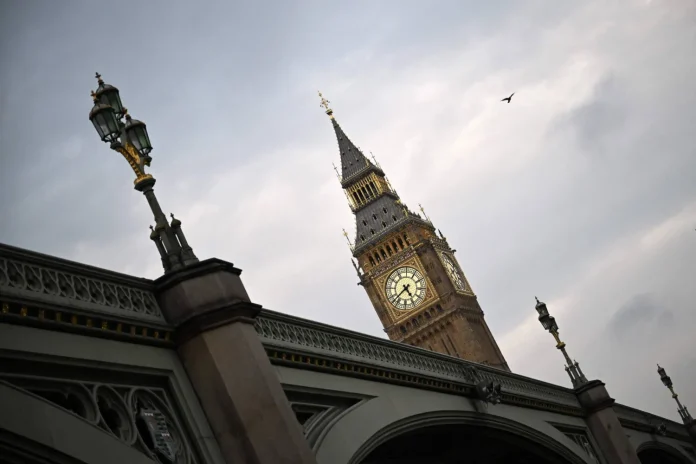
Dozens of Labour MPs call for UK to immediately recognise Palestinian state

The MPs, who include centrist and leftwing backbenchers, sent a letter to David Lammy on Thursday warning they believed Gaza was being ethnically cleansed.

They are urging the foreign secretary to take immediate steps to prevent the Israeli government from carrying out its Rafah plan, and to go further and recognise Palestinian statehood immediately.

The letter was sent just after the French president, Emmanuel Macron, made a similar plea at a joint press conference with Keir Starmer, the UK prime minister.

The MPs wrote: “It is with great urgency and concern that we are writing to you regarding the Israeli defence minister’s announcement on Monday of his plans to forcibly transfer all Palestinian civilians in Gaza to a camp in the ruined city of Rafah without allowing them to leave.”

They added: “The defence minister’s plans have been described by a leading Israeli human rights lawyer, Michael Sfard, as ‘an operational plan for crimes against humanity. It’s about population transfer to the southern tip of Gaza in preparation for deportation outside the strip.’

“Though an accurate description, we believe there is a clearer one. The ethnic cleansing of Gaza.”

The letter calls for ministers to take five different measures. The government is already pursuing some of those, such as providing funding for the UN agency for Palestinian refugees, Unrwa, and working to secure the release of hostages held by Hamas.

Others, however, are likely to prove more controversial, including imposing a trade blockade on Israeli settlements in the West Bank and immediate recognition of Palestinian statehood.

“By not recognising [Palestine] as a state, we undermine our own policy of a two-state solution and set an expectation that the status quo can continue and see the effective erasure and annexation of Palestinian territory,” the MPs warned.

Ministers plan to recognise Palestine as part of a peace process, but only in conjunction with other western countries and “at the point of maximum impact” – without saying what that is.

Several European countries have already granted recognition, while France, which has not yet done so, has recently been putting pressure on Britain and other allies to do so in tandem.

The letter is the second time in recent weeks Labour MPs have written to ministers calling for them to recognise Palestine, but the first time they have been willing to make their names public. A previous letter also included the names of some parliamentary aides and junior ministers.

Judiciary Spokesman: Enemy Spy Network Identified Inside Iran

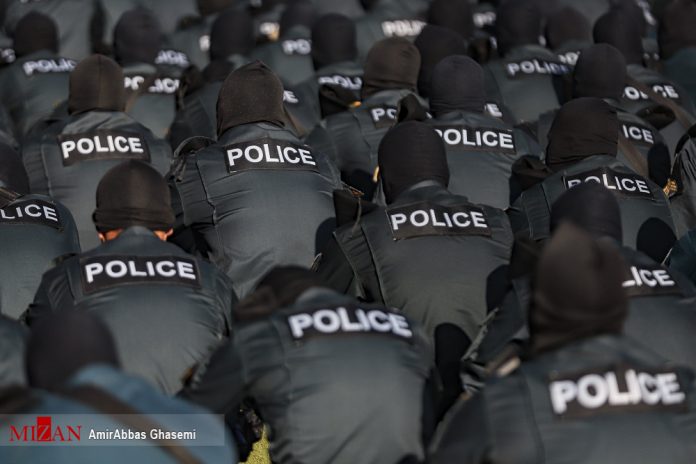
Iran Police

Speaking at a press conference on Saturday, Jahangir referred to the 12-day aggression by the United States and the Zionist regime against Iran and stated that the Judiciary is determined to pursue the cases of the accused and traitors who collaborated with the enemy.

He emphasized that there will be no leniency and that these cases will not be allowed to face delays in the judicial process.

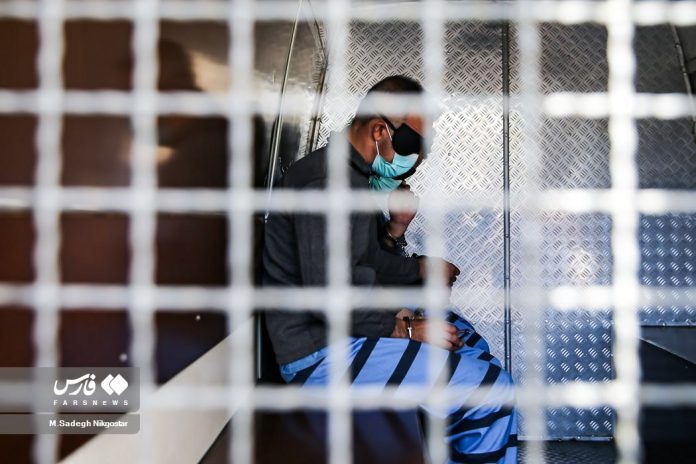
Jahangir added that several individuals have been arrested on charges of espionage, the matter is under investigation, and some of them have been officially charged as spies.

He stressed that the Zionist regime, by killing women and children, attacking residential areas and prisons, and assassinating Iranian military commanders, has violated all human and international principles. As a result, the Judiciary has placed legal action against the Zionist regime on its agenda.

In response to a question about whether the attack on Evin Prison in northern Tehran was an attempt by Israel to eliminate some of its own spies, Jahangir said, “We do not confirm this claim.”

He also rejected certain allegations regarding the disappearance of some prisoners following the Israeli strike on Evin Prison, stating that from the early hours after the attack, all inmates were given access to make phone calls.

Ancient human habitations in Iran added to UNESCO World Heritage List

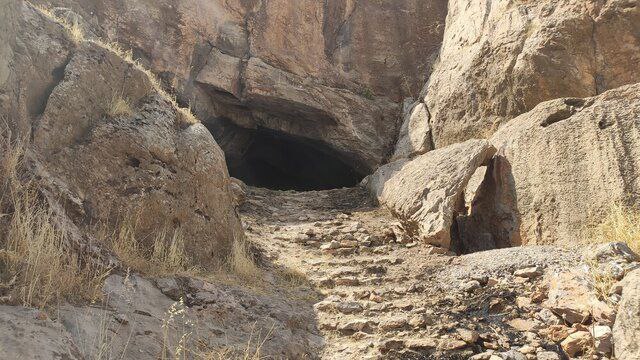
The prehistoric caves near Khorramabad in Lorestan Province, western Iran, date back over 60,000 years and are considered one of the oldest known human habitations.

These sites, including the Yafteh, Kaldar, Qomri, Konji, and Gilvaran caves, are located along a key migratory route of early humans from Africa to Asia and Europe.

According to Iranian officials, the area offers rare and well-documented evidence of human presence from the Paleolithic era through the Iron Age.

Iran’s Minister of Cultural Heritage, Tourism, and Handicrafts, Seyyed Reza Salehi Amiri, described the listing as a cultural response to international misconceptions about Iran.

He noted that carbon-14 dating and advanced archaeological methods have confirmed the exceptional age and significance of the region.

UNESCO experts emphasized the uniqueness of the site, stating that no other location with such ancient, verified human habitation has been recognized globally.

Officials also signaled that efforts are underway to include the nearby Falak-ol-Aflak Fortress in future nominations.

Iran currently ranks among the top ten countries for registered tangible heritage worldwide.

Three Iranian police officers killed following terrorist attack in Chabahar

Shiraz Shah Cheragh Terror Attack

The statement confirmed the deaths of the three officers who were critically injured during a confrontation with members of a terrorist group targeting a police patrol in the southern port city.

The attack occurred when members of an armed militant group engaged police forces in Chabahar, a strategic city along the Makran coast.

According to the report, one of the attackers was killed and another injured during the clash.

Security officials stated that the assailants were pursued by special police units and surrounded shortly after the attack.

Armed militants across the border in Pakistan, mainly affiliated with the Jaish al-Adl group, occasionally stage terrorist attacks in the region, targeting both civilians and military personnel.

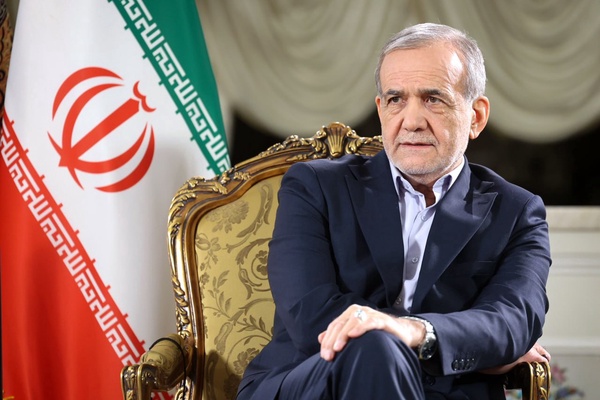
Govt. spox: “Iran’s voice beyond borders;” presidential interview marks shift in public diplomacy

In an opinion piece, Mohajerani emphasized that the interview was not just a routine media appearance but a critical act of public diplomacy aimed at countering the “distorted image” of Iran often presented by hostile media.

“The president, with a calm yet firm tone, reaffirmed the Islamic Republic’s long-standing foreign policy principles, opposition to war, support for national sovereignty, rejection of weapons of mass destruction, and readiness for dialogue based on mutual respect,” she wrote.

While acknowledging internal criticism of the interview, Mohajerani stressed that constructive critique is welcome, but it must be grounded in fairness and national interest.

She warned that dismissing such diplomatic outreach as weakness undermines its potential benefits.

The spokesperson called for unity across political and ideological lines.

“Iran’s image belongs to all Iranians. Engaging with the world directly is a sign of national strength, not surrender,” she stated, urging intellectuals, parties, media, and universities to support a mature media diplomacy strategy.

Man convicted of raping, murdering young girl publicly executed in Iran’s West Azarbaijan

According to the provincial judiciary’s official statement, the execution took place at dawn on Saturday, following the final approval of the sentence by the Supreme Court.

Nasser Atabati, Chief Justice of West Azarbaijan, said the case had been prioritized due to its disturbing nature and the strong public outcry it provoked.

“This deeply tragic incident affected public emotions nationwide,” Atabati stated. “The judiciary handled the case with urgency, full legal transparency, and in accordance with all judicial procedures.”

The main defendant was sentenced to death in public due to the gravity of the crime.

The verdict, initially issued after a thorough trial with the presence of victims’ families, the accused, and legal representatives, was later upheld by the Supreme Court.